
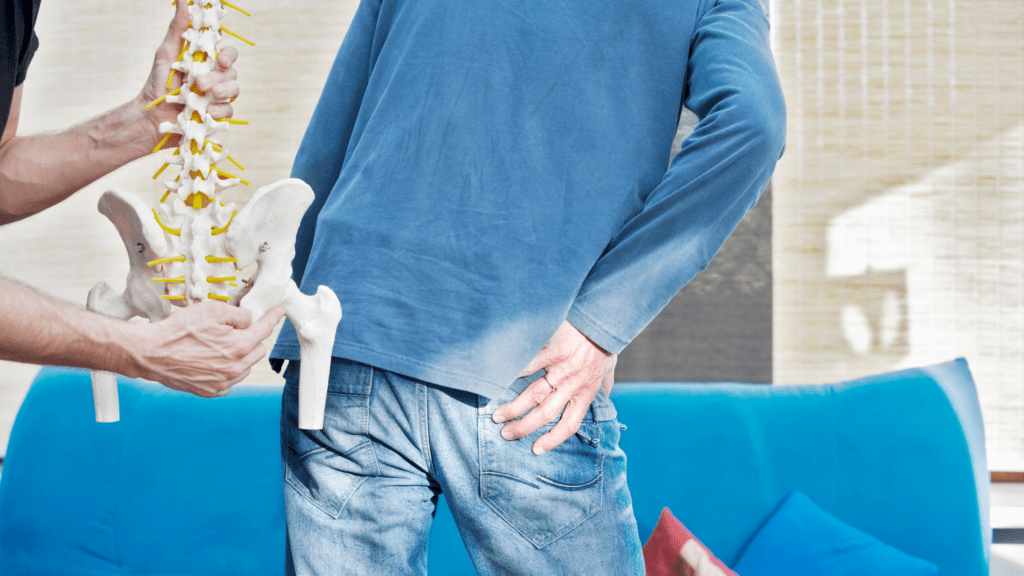
For individuals with back pain, how can health practitioners incorporate non-surgical solutions to reduce spinal pain?
Contents
Introduction
The spine is one of the most important structures in the human body, providing host mobility and stability when vertical pressure is pressing on the spinal structure. The spine is surrounded by various muscles, ligaments, and tissues that help support the upper and lower body portions and extremities. When normal factors like heaving lifting, improper stances, obesity, or pre-existing conditions start to affect the body, it can cause the spinal structure to potentially cause unwanted issues that lead to back, neck, and shoulder pain. When experiencing these three common body pains often correlate with other associated symptoms that can affect the other extremities. When this happens, many individuals begin to miss out on work or daily activities that can cause them to be miserable, and they even try to look for various solutions to reduce the pain they are experiencing. Today’s article looks at one of the common body pains like back pain and how it can cause numerous issues that affect a person’s ability to function, and how non-surgical solutions can not only reduce the pain-like effects but also provide the necessary relief that many people deserve in their health and wellness journey. We speak with certified medical providers who incorporate our patients’ information to provide numerous treatment plans to ease the pain-like symptoms associated with spinal issues causing back pain. We also inform our patients that there are non-surgical options to reduce these pain-like issues and restore spinal mobility to the body. We encourage our patients to ask intricated and educational questions to our associated medical providers about the pain-like symptoms they are experiencing correlating with the lower back. Dr. Alex Jimenez, D.C., utilizes this information as an academic service. Disclaimer.
Back Pain Affecting The Spine
Do you often experience radiating pain in your lower back that causes symptoms of numbness or tingling sensations down to your legs and feet? Do you feel muscle stiffness in the morning while getting up, only to slowly disappear throughout the day? Or do you feel symptoms of muscle aches and pain when carrying a heavy object from one location to another? Many individuals, more often than not, have dealt with back pain associated with various factors. With back pain being in the top three common problems in the workforce, many individuals have dealt with the common problem in multiple ways. From improper heavy lifting to excessive sitting at a desk, back pain can cause musculoskeletal issues that many are trying to find relief. Low back pain can either be acute or chronic, depending on the severity. It can lead to mobility impairment within the thoracic, lumbar, and sacroiliac spinal regions, causing referred pain to the lower extremities. It can lead to a life of impairment without any symptoms or signs of serious medical or psychological conditions associated with environmental factors. (Delitto et al., 2012) Back pain is also associated with spinal conditions like inflammation, asymmetric loading, and muscle strain, which can cause the spinal structures to be compressed, thus causing disc herniations. (Zemková & Zapletalová, 2021)
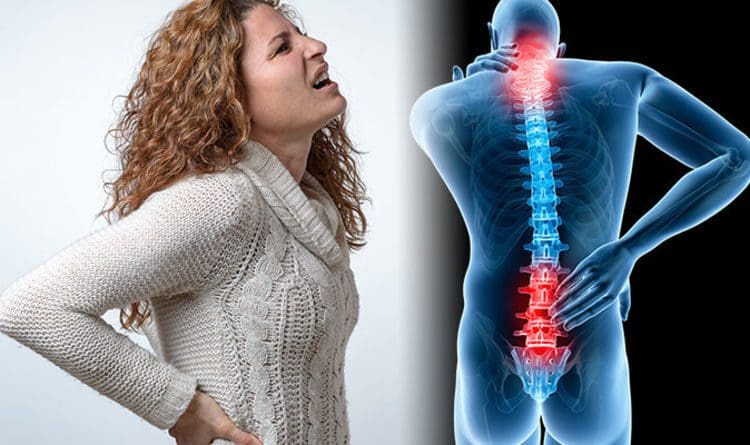
Additionally, back pain is a multifactorial musculoskeletal condition that causes many individuals to be in a socio-economic situation that can decrease their quality of life. Many examples of back pain are correlated with altered motor control within the spinal erector muscles that causes impaired proprioception in the spine. (Fagundes Loss et al., 2020) When this happens to many individuals, they often experience a hindrance of lumbar stability, body balance, posture, and postural control. At the same time, when many working individuals are having severe back pain associated with everyday factors, the amount of pain they are in can change the threshold of the mechanoreceptors that are transmitting the pain signals through the spinal cord. To this point, back pain can affect the neuromuscular response and affect normal musculoskeletal functionality. Fortunately, numerous treatments can help reduce back pain and provide relief to spinal pain that is affecting many individuals.
The Role Of Chiropractic Care- Video
How many times a day do you experience back pain associated with stiffness, general aches, or pains that are affecting your ability to work? Do you notice you hunching more when moving from one location to another? Or do you feel aches and pain in your back after stretching in the morning? Many individuals dealing with these common environmental factors are closely associated with back pain. Back pain is in the top three most common problems many individuals have experienced at some point in their lives. More often than not, many people have dealt with back pain by using home remedies to reduce the pain-like effects. However, research studies reveal that when many individuals start to ignore the pain, it can lead them to a life of disability and cause numerous amounts of distress if not treated right away. (Parker et al., 2015) Hence, non-surgical treatments can not only reduce the pain associated with back pain but also help restore spinal mobility. Non-surgical treatments like chiropractic care incorporate spinal manipulation, which can positively affect the spine. (Koes et al., 1996) What chiropractic care does is that it includes mechanical and manual manipulation techniques to stretch out tight muscles and reduce trigger points from reforming. The video above shows how chiropractic care can positively affect the individual while being part of a health and wellness journey to reducing back pain.
Non-Surgical Spinal Decompression For Back Pain
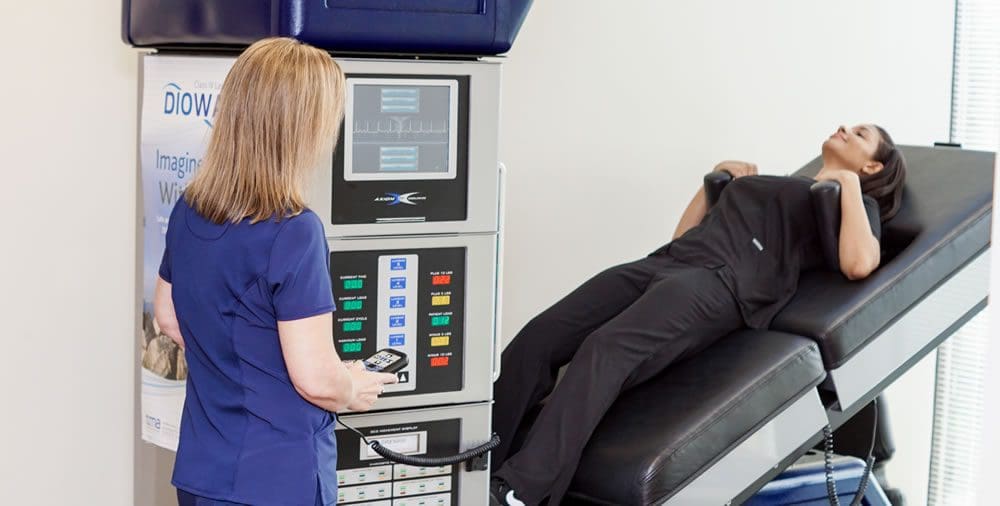
Just like chiropractic care, spinal decompression is another non-surgical treatment that uses traction to gently pull and stretch the spine to alleviate compressed spinal discs associated with back pain and help stretch out tight muscles. When many people start to incorporate spinal decompression as part of their routine, they will notice that spinal decompression can reduce intradiscal pressure within the negative range. (Ramos, 2004) What this does is that when the spinal discs are being pulled by gentle traction, all the fluids and nutrients that were not hydrating the disc flow back and help kickstart the body’s natural healing process. When many people begin to utilize spinal decompression for their back pain, they will notice a huge reduction in their pain after a few consecutive sessions. (Crisp et al., 1955) When many people start to combine other various non-surgical therapies with spinal decompression, they will be able to regain their spinal mobility while being more mindful of what environmental factors are affecting their spine and not repeat the issue to allow back pain to return.
References
Crisp, E. J., Cyriax, J. H., & Christie, B. G. (1955). Discussion on the treatment of backache by traction. Proc R Soc Med, 48(10), 805-814. https://www.ncbi.nlm.nih.gov/pubmed/13266831
https://www.ncbi.nlm.nih.gov/pmc/articles/PMC1919242/pdf/procrsmed00390-0081.pdf
Delitto, A., George, S. Z., Van Dillen, L., Whitman, J. M., Sowa, G., Shekelle, P., Denninger, T. R., & Godges, J. J. (2012). Low Back Pain. Journal of Orthopaedic & Sports Physical Therapy, 42(4), A1-A57. https://doi.org/10.2519/jospt.2012.42.4.a1
Fagundes Loss, J., de Souza da Silva, L., Ferreira Miranda, I., Groisman, S., Santiago Wagner Neto, E., Souza, C., & Tarrago Candotti, C. (2020). Immediate effects of a lumbar spine manipulation on pain sensitivity and postural control in individuals with nonspecific low back pain: a randomized controlled trial. Chiropr Man Therap, 28(1), 25. https://doi.org/10.1186/s12998-020-00316-7
Koes, B. W., Assendelft, W. J., van der Heijden, G. J., & Bouter, L. M. (1996). Spinal manipulation for low back pain. An updated systematic review of randomized clinical trials. Spine (Phila Pa 1976), 21(24), 2860-2871; discussion 2872-2863. https://doi.org/10.1097/00007632-199612150-00013
Parker, S. L., Mendenhall, S. K., Godil, S. S., Sivasubramanian, P., Cahill, K., Ziewacz, J., & McGirt, M. J. (2015). Incidence of Low Back Pain After Lumbar Discectomy for Herniated Disc and Its Effect on Patient-reported Outcomes. Clin Orthop Relat Res, 473(6), 1988-1999. https://doi.org/10.1007/s11999-015-4193-1
Ramos, G. (2004). Efficacy of vertebral axial decompression on chronic low back pain: study of dosage regimen. Neurol Res, 26(3), 320-324. https://doi.org/10.1179/016164104225014030
Zemková, E., & Zapletalová, L. (2021). Back Problems: Pros and Cons of Core Strengthening Exercises as a Part of Athlete Training. International Journal of Environmental Research and Public Health, 18(10), 5400. https://doi.org/10.3390/ijerph18105400
Disclaimer
General Disclaimer, Licenses and Board Certifications *
Professional Scope of Practice *
The information herein on "Non-Surgical Solutions for Back Pain: How to Overcome Pain" is not intended to replace a one-on-one relationship with a qualified health care professional or licensed physician and is not medical advice. We encourage you to make healthcare decisions based on your research and partnership with a qualified healthcare professional.
Blog Information & Scope Discussions
Welcome to El Paso's Premier Wellness and Injury Care Clinic & Wellness Blog, where Dr. Alex Jimenez, DC, FNP-C, a Multi-State board-certified Family Practice Nurse Practitioner (FNP-BC) and Chiropractor (DC), presents insights on how our multidisciplinary team is dedicated to holistic healing and personalized care. Our practice aligns with evidence-based treatment protocols inspired by integrative medicine principles, similar to those on this site and on our family practice-based chiromed.com site, focusing on naturally restoring health for patients of all ages.
Our areas of multidisciplinary practice include Wellness & Nutrition, Chronic Pain, Personal Injury, Auto Accident Care, Work Injuries, Back Injury, Low Back Pain, Neck Pain, Migraine Headaches, Sports Injuries, Severe Sciatica, Scoliosis, Complex Herniated Discs, Fibromyalgia, Complex Injuries, Stress Management, Functional Medicine Treatments, and in-scope care protocols.
Our information scope is multidisciplinary, focusing on musculoskeletal and physical medicine, wellness, contributing etiological viscerosomatic disturbances within clinical presentations, associated somato-visceral reflex clinical dynamics, subluxation complexes, sensitive health issues, and functional medicine articles, topics, and discussions.
We provide and present clinical collaboration with specialists from various disciplines. Each specialist is governed by their professional scope of practice and their jurisdiction of licensure. We use functional health & wellness protocols to treat and support care for musculoskeletal injuries or disorders.
Our videos, posts, topics, and insights address clinical matters and issues that are directly or indirectly related to our clinical scope of practice.
Our office has made a reasonable effort to provide supportive citations and has identified relevant research studies that support our posts. We provide copies of supporting research studies upon request to regulatory boards and the public.
We understand that we cover matters that require an additional explanation of how they may assist in a particular care plan or treatment protocol; therefore, to discuss the subject matter above further, please feel free to ask Dr. Alex Jimenez, DC, APRN, FNP-BC, or contact us at 915-850-0900.
We are here to help you and your family.
Blessings
Dr. Alex Jimenez, DC, MSACP, APRN, FNP-BC*, CCST, IFMCP, CFMP, ATN
email: [email protected]
Multidisciplinary Licensing & Board Certifications:
Licensed as a Doctor of Chiropractic (DC) in Texas & New Mexico*
Texas DC License #: TX5807, Verified: TX5807
New Mexico DC License #: NM-DC2182, Verified: NM-DC2182
Multi-State Advanced Practice Registered Nurse (APRN*) in Texas & Multi-States
Multi-state Compact APRN License by Endorsement (42 States)
Texas APRN License #: 1191402, Verified: 1191402 *
Florida APRN License #: 11043890, Verified: APRN11043890 *
Colorado License #: C-APN.0105610-C-NP, Verified: C-APN.0105610-C-NP
New York License #: N25929, Verified N25929
License Verification Link: Nursys License Verifier
* Prescriptive Authority Authorized
ANCC FNP-BC: Board Certified Nurse Practitioner*
Compact Status: Multi-State License: Authorized to Practice in 40 States*
Graduate with Honors: ICHS: MSN-FNP (Family Nurse Practitioner Program)
Degree Granted. Master's in Family Practice MSN Diploma (Cum Laude)
Dr. Alex Jimenez, DC, APRN, FNP-BC*, CFMP, IFMCP, ATN, CCST
My Digital Business Card
Licenses and Board Certifications:
DC: Doctor of Chiropractic
APRNP: Advanced Practice Registered Nurse
FNP-BC: Family Practice Specialization (Multi-State Board Certified)
RN: Registered Nurse (Multi-State Compact License)
CFMP: Certified Functional Medicine Provider
MSN-FNP: Master of Science in Family Practice Medicine
MSACP: Master of Science in Advanced Clinical Practice
IFMCP: Institute of Functional Medicine
CCST: Certified Chiropractic Spinal Trauma
ATN: Advanced Translational Neutrogenomics
Memberships & Associations:
TCA: Texas Chiropractic Association: Member ID: 104311
AANP: American Association of Nurse Practitioners: Member ID: 2198960
ANA: American Nurse Association: Member ID: 06458222 (District TX01)
TNA: Texas Nurse Association: Member ID: 06458222
NPI: 1205907805
| Primary Taxonomy | Selected Taxonomy | State | License Number |
|---|---|---|---|
| No | 111N00000X - Chiropractor | NM | DC2182 |
| Yes | 111N00000X - Chiropractor | TX | DC5807 |
| Yes | 363LF0000X - Nurse Practitioner - Family | TX | 1191402 |
| Yes | 363LF0000X - Nurse Practitioner - Family | FL | 11043890 |
| Yes | 363LF0000X - Nurse Practitioner - Family | CO | C-APN.0105610-C-NP |
| Yes | 363LF0000X - Nurse Practitioner - Family | NY | N25929 |
Dr. Alex Jimenez, DC, APRN, FNP-BC*, CFMP, IFMCP, ATN, CCST
My Digital Business Card







