
by Dr Alex Jimenez DC, APRN, FNP-BC, CFMP, IFMCP | Chiropractic, Health, Wellness
Meditation and other forms of mental training are becoming more and more popular each year. The rise of the number of practitioners is undeniable proof about the importance of this mental exercise. The term is mostly associated with religious connotations, but the truth is, contrary to popular belief, this practice is very helpful and should be done on a daily basis. You should even start making this a hobby the moment you realize the various benefits it could bring to your health. Here are the six proven mental health benefits of meditation that you need to know:
-
Gives Mental Strength & Emotional Intelligence
Meditating by itself is a very helpful therapy for people whose aim is to better one�s self-judgment. The act of meditating is geared towards a better understanding of the different factors that constitutes to a person�s life and existence. Constantly doing the practice have been proven to improve mental strength as well as emotional intelligence. As a result, a person becomes sharper and wiser regarding decision making.
-
Improves Cognition Power

Another important reason why meditation should be part of your daily routine is its ability to improve cognition power. As we all know, a lot of disorders, or better yet, the highly anticipated ones is not due to aging but is due to the deterioration of the brain�s mental prowess including that of cognition. This fact is fairly evident to monks or hermits, these individuals often meditate a lot which is why they remain sharp despite old age.
-
Regulates Mood & Anxiety Disorders
One of the best things about meditation is the fact that it often leads to mind and self-control. The better judgment gained out of constant meditation often regulates mood and improves various forms of anxiety disorders. The awareness of one�s self and the strengthening of the brain�s cognition power is very helpful in regulating a person�s mood and in turn, will reduce anxiety disorders. If you are a person who�s mood swings are becoming frequent than usual, you better start meditating as early as today.
-
Decreases Stress &�Anxiety

Stress and anxiety are closely related to a person�s ability to regulate his mood as well as factors like anxiety disorders. When one is meditating, he is brought to a different state of mind, a state where he becomes free of any stress, anxiety, and corrosion. Constantly doing it will help the person become more vigilant, will see things differently and will be able to respond to different situations accordingly. This is because, when one engages on meditation, self-knowledge is increased. Hence, a person becomes more capable of defeating or reducing stress as well as anxiety.
In relation, certain drugs have been developed to aid an individual and simulate the same results. Smart drugs as how they are called in the market are supplements that enhance the brain�s power to perform at its peak. Hence, be sure to check out helpful nootropics information when available as these drugs are becoming more effective on today�s generation of users.
-
Improves Mood & Psychological Well-Being
A person�s psychological well-being is pretty much a result of the person�s ability to manage stress and all forms of anxiety on a daily basis. One�s existence is a constant battle to defeat every possible factor that would impede the brain�s state and mental health to be in its best shape. It is, therefore, important to regularly practice meditation as this has been proven to improve a person�s mood and the overall psychological well-being.
-
Reduces Panic Disorder Symptoms

Lastly, meditation is also helpful in reducing the symptoms of panic disorder. Once a person�s self-awareness is heightened, he becomes more and more capable of facing all sorts of challenges in life. In medical terminology, panic disorder is the frequent experience of fear without any tangible reason or cause. A person�s brain is so powerful that it can read between the lines, predict outcomes, as well as calculate solutions. When a person�s mental state is not stable, panic disorder comes in and attacks the vulnerable victim.

Call Today!

About the Author:�Anna Brecken is a writer for�NootropicNation. She has extensive knowledge of Nootropics. She also writes for several other supplement and brain enhancement websites.
Comments
by Dr Alex Jimenez DC, APRN, FNP-BC, CFMP, IFMCP | Anti Aging
Astaxanthin, a red pigment found mostly in marine life, can switch on a variation of the FOXO3 gene, which protects against aging, say scientists from the University of Hawaii.
“All of us have the FOXO3 gene, which protects against aging in humans,” said Bradley Willcox, M.D. “But about one in three persons carry a version of the FOXO3 gene that is associated with longevity.
“By activating the FOXO3 gene common in all humans, we can make it act like the ‘longevity’ version. Through this research, we have shown that astaxanthin ‘activates’ the FOXO3 gene,” said Willcox.
In the study, mice were fed either normal food or food containing a low or high dose of an astaxanthin compound called CDX that was developed by Cardax, a Honolulu-based life sciences company.
The animals that received the higher amount of astaxanthin showed a significant increase in the activation of the FOXO3 gene in their heart tissue.
“We found a nearly 90 percent increase in the activation of the FOXO3 ‘Longevity Gene’ in the mice fed the higher dose of the astaxanthin compound,” said Richard Allsopp, Ph.D.
The researchers hope further research will confirm astaxanthin’s role in helping alleviate the effects of aging in humans.
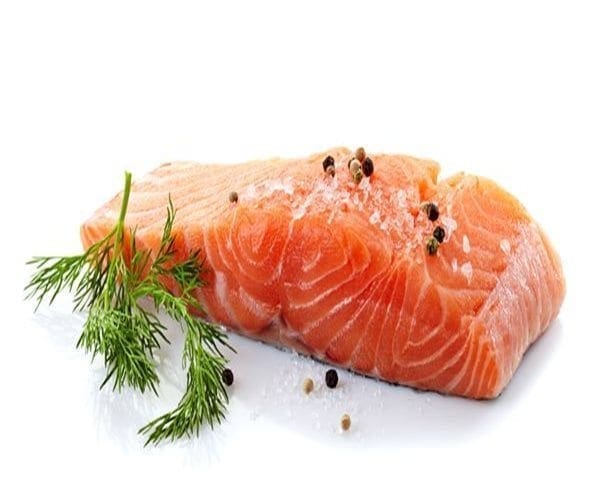
Astaxanthin is a red pigment found mostly in marine life and is responsible for giving salmon, lobster, and other animals their reddish coloring. Studies have found that astaxanthin has a powerful ability to neutralize the free radicals in the body that cause aging by damaging cells. Laboratory studies have found that astaxanthin has 6,000 times the ability of vitamin C and 550 times the power of vitamin E to combat oxidative damage.
Astaxanthin is most abundant in wild Pacific sockeye salmon with 3.2 milligrams in a 3-ounce serving. Farmed rainbow trout comes in second at 2.1 milligrams in a 3-ounce serving. Other natural sources include algae, lobster, crawfish, and krill.

by Dr Alex Jimenez DC, APRN, FNP-BC, CFMP, IFMCP | Diets, Fitness
Any marathoner will tell you that the grueling 26-mile races can do a number on the hips, knees, ankles and feet.
Now, a small study suggests that these tests of endurance are also tough on the kidneys.
“Marathon runners demonstrate transient or reverse short-term kidney injury,” said Dr. Chirag Parikh, professor of medicine at Yale University.
In his study of 22 participants in the 2015 Hartford, Conn. Marathon, Parikh found that 82 percent showed acute kidney injury after the race. In this condition, the kidneys fail to filter waste from the blood.
The good news is that the kidney injury seems to clear up within two days of the race, he said.
“On day 2, they are all fine,” Parikh said.
Runners likely don’t even know they’ve had this transient injury, Parikh said. “For the short term, I don’t think they would notice anything,” he said.
Parikh isn’t certain why the strenuous event is linked with kidney injury. But some potential causes include the sustained rise in core body temperature, dehydration, or the decreased blood flow to the kidneys that occurs during a marathon, he explained.
When the blood is pumped to the skin and muscles while running, he said, the kidneys may not get as much blood as they normally do.
Nor can Parikh say whether the effect might be cumulative, getting worse with more marathons run. It may be that the kidney adapts over time instead, he noted.
To evaluate this type of kidney injury, his team looked at blood and urine samples collected before and after the marathon. These tests included measuring blood creatinine levels and proteins in the urine, along with looking at kidney cells on a microscope. Creatinine is a waste product excreted by the kidneys; measuring it in the blood helps assess kidney health.
In a previous study, published in 2011, Dr. Peter McCullough, vice chief of medicine at Baylor University Medical Center in Dallas, and colleagues evaluated 25 men and women marathoners. They found 40 percent of the runners met the definition of acute kidney injury based on their blood creatinine levels.
In the new study, Parikh’s team also “performed an in depth evaluation of the urine and found evidence of injury,” McCullough said.
“The larger question looming is: do these repeated bouts of injury in endurance athletes lead to chronic kidney disease years later? Can anything be done about the injury at the time including hydration strategy?” McCullough said. More study is crucial, he added.
Parikh said additional research is also needed to assess whether certain people may not recover as quickly. For now, those with a family history of kidney disease should let their physician know they run marathons, he suggested.
Dr. Cathy Fieseler said marathoners who want to reduce their risk of kidney injury should avoid anti-inflammatory drugs before the race. Those drugs include over-the-counter ibuprofen (Advil, Motrin IB) and naproxen (Aleve), Fieseler said. Acetaminophen (Tylenol) is cleared through the liver.
Fieseler is a primary care sports medicine doctor at Christus Trinity Mother Frances Health System in Tyler, Texas. She’s also medical director of the American Running Association.
The study was published March 28 in the American Journal of Kidney Diseases.

by Dr Alex Jimenez DC, APRN, FNP-BC, CFMP, IFMCP | Fitness, Health, Wellness
The woman I want to be looks something like the woman I saw in a recent Athleta catalog. She�s effortlessly jumping across a babbling brook in a verdant forest�while wearing sleek slate-gray workout tights and a quilted jewel-toned hoodie. Or wait: Maybe I�m the lady doing yoga on the beach in a slouchy pale-pink tank top, who I saw pictured in the window at Lululemon. While I definitely admire both of their strong bodies and what looks like adventurous spirits (as well as their choice of vacation spots)�I also really, really want those clothes.
Confession: I�ve never met a pair of leggings I didn�t love. As far as I�m concerned, if I could spend 90 percent of my life in slimming, strategically seamed workout wear that makes me feel ready to leap and bound, I would.
But it comes with a catch. If I want a piece of new gear, I�ve got to earn it. I have to be out there logging miles, slogging through spin class, grimacing through the ridiculously hard thigh portion of barre workouts. I need to be using the stuff so much that occasionally the items actually wear out and have to be replaced! It�s simple: The more consistent I am with my exercise regimen, the more justified I feel bringing home a new goodie.
RELATED: 8 Mesh-Paneled Leggings We’re Obsessed With Right Now
Judging from what I wear the majority of the time�note that I work from home�you�d think I was pretty much always coming from or going to the gym. But that�s the point. The last person I want to be is the lady who looks like she is suited up for the gym but whose main cardio is gabbing at school drop-off. Oh, and my little sweat-for-spandex bargain also works once the gear has come home with me. On a day when I�m short on motivation, a cute new top is often what gets me out the door.
Look, I�m not aiming to be the best in the class, the fastest in the park, or even a seven-days-a-week exerciser. I�m only trying to keep myself on track when it comes to my spending, my sweating, and my style. Some people need a prize at the finish line. Me? I need something dangling at the starting gate�something just within reach and preferably ankle-length.

by Dr Alex Jimenez DC, APRN, FNP-BC, CFMP, IFMCP | Healthcare Providers, Massage, Wellness
Synopsis: Finding the right healthcare provider for you isn�t always easy, especially if they aren�t in the mainstream. This article provides tips and strategies for people looking to find a healthcare provider that will meet their specific needs.
�
The term �alternative healthcare,� sometimes lumped into CAM (Complementary and Alternative Medicine) isn�t always associated with good things in the general populace. The phrase all on its own lends itself to sounding very much second class.
Yet alternative healthcare is anything but; many practitioners are utilizing the latest treatments that�for reasons of funding or sometimes more sinister political agendas �simply don�t have enough studies yet done to fully back the care as �mainstream.�
Finding those expert caregivers isn�t always easy. Doctors aren�t like restaurants; it can be difficult to base your decisions on their online reviews because every patient�s circumstances are unique.
Luckily, there are a few tricks to finding good healthcare.
-
Determine the Type of Care You Need
Before you seek care, you need to figure out what you actually need care for. Different specialties handle treatments that may be specific to your particular needs. For instance, a Chiropractor deals with the musculoskeletal system and the nervous system.
Functional medicine doctors handle many traditional complaints with minimal use of drugs and surgery and are more open to alternative treatments. Chinese medicine has also proven effective for numerous problems, from allergy elimination to pain relief. Physical therapists can help with recovery from injuries.
If you aren�t sure what the best type of doctor is, consider visiting major websites. For instance, the IAOMT.org� website is a good place to visit if you need dental care that goes beyond what your regular dentist may offer. FunctionalMedicine.org�helps you locate a variety of practitioners based on their field of expertise.
Worst case scenario, you may be in for one �wasted� trip to one of these doctors to determine who is best to visit.
-
Be Prepared to Travel

The type of doctor you need to see may not live nearby; some patients travel hundreds of miles to see a specialist that can deal with their condition. My own doctor drives nearly two hours to see a chiropractor that can address his specific condition (there are other chiropractors in the area, but none with the technique he needs).
This is especially true if you live in a more rural area, as some smaller towns may only have a small handful of traditional doctors and few if any alternatives. You can get good results by searching online by using a Virtual Private Network (VPN) to alter your IP address.
You might consider this strategy because local results tend to be more thorough and exact while doing searches about a distant area give broader and less helpful results. A VPN is just an app that lets you connect to remote servers found in other locations; for instance, you could access a server in Los Angeles even if you live in Nevada and get results local to LA.
Obviously, local docs are preferable, but that�s not always good enough.
-
Seek Referrals
Another great way to find doctors that can help is by seeking referrals. This can be done directly through your current doctor or by seeking out patients that have similar problems. Those that experience good results tend to want to spread their success by recommending good doctors.
One place to find concentrated reviews for specific doctors and practices is on Facebook. In many cases, there are support groups that have formed to discuss dealing with varying diagnoses and diseases.
These Facebook groups usually have members that are seeing physicians or have already been to physicians and want to share their knowledge. In some cases, Facebook groups are even run by practitioners that hope to spread awareness of the treatments they have available.
Healthgrades.com�is nice for reviews as well, but you should always be cautious of reviews that you can�t discuss with the reviewer.
-
Check Magazine Directories
Nationwide, you can access health directories to look for doctors available in your area. One of the more well-known sources is a magazine called Natural Awakenings. They publish listings of doctors practicing alternative medicine; you�ll find them available for free at grocery stores and some newsstands.
These types of magazines are also a great place to read about the latest advances in treatment and about different types of care being offered. While the publishing standards aren�t quite as high as a scientific journal such as The Lancet, they serve as a good starting point, particularly for treatments that don�t lend well to randomized controlled studies.
-
Go to Expos
Serving as both an advertising opportunity for businesses and as an educational tool for patients, natural health expos held across the country are a great place to meet with doctors and staff face to face without having to actually pay for an office visit.
These conventions are perfect for viewing a variety of different professions and seeing what each has to offer. You�ll be given dozens of pamphlets; some will offer free samples of products, while others will actually demonstrate what it is they do.
You can use these opportunities to ask specific health questions to �interview� each doctor to see if they�re the right fit for your needs. It�s also a good place to shop around for different prices because many alternative treatments aren�t covered by insurance (or the offices themselves are cash practices and don�t take insurance at all).
6. Taking Control of Your Health

When visits to your doctor let you down or you�re just looking for better alternatives, you�re in for a bit of work. The process for finding a truly appropriate doctor for your condition(s) may be tedious and sometimes even expensive.
Yet the results are certainly worth the time and money. When you�ve put the time in to find that doctor that fits just right, the results will speak for themselves. Having a good healthcare practitioner to serve as a pillar of support in your life can truly turn around an otherwise dark situation.
And for those that already feel healthy, remember that prevention is the best medicine. Seeking a doctor that believes in maintaining maximum healthy function is a great way to avoid chronic diseases later in life.
Will you be at the helm of your health? Tell us what great healthcare means to you and how you intend to get it.
Call Today!
By: Cassie at ehealthinformer.com

About the Author: Cassie is a health enthusiast and technology writer. From her own experiences, she has learned a multitude of ways to efficiently locate doctors to treat conditions in ways that might otherwise be foreign to her primary care doctor.

by Dr Alex Jimenez DC, APRN, FNP-BC, CFMP, IFMCP | Arthritis, Health, Wellness
Rheumatoid arthritis is the most prominent autoimmune arthritis. It is caused by a defective immune system that causes your defense system to target your joint linings. It affects the wrist and small joints of your hands, including the knuckles, other joints in your fingers and can eventually spread to your knees too.
It is considered one of the most disabling forms of arthritis as it affects both sides of the body, making it different from other forms of arthritis. It can also affect skin, eyes, lungs, heart, blood and even your nerves which is why it is one of the most feared forms of arthritis.
Over the years, several ways of treating rheumatoid arthritis have been discovered. Although there is still no cure for the condition, the treatment can significantly heal those that are newly diagnosed and can slow down the process that in the patients that have been suffering from the condition for a while.
When your immune system attacks your own body, certain chemicals lead to pain and inflammation on your joints. Medical experts are still unclear about what is the exact cause of inflammation in joints. Some suggest that is due to genetic make-up of the individual while other blame environmental factors such as cigarette smoke and infections.
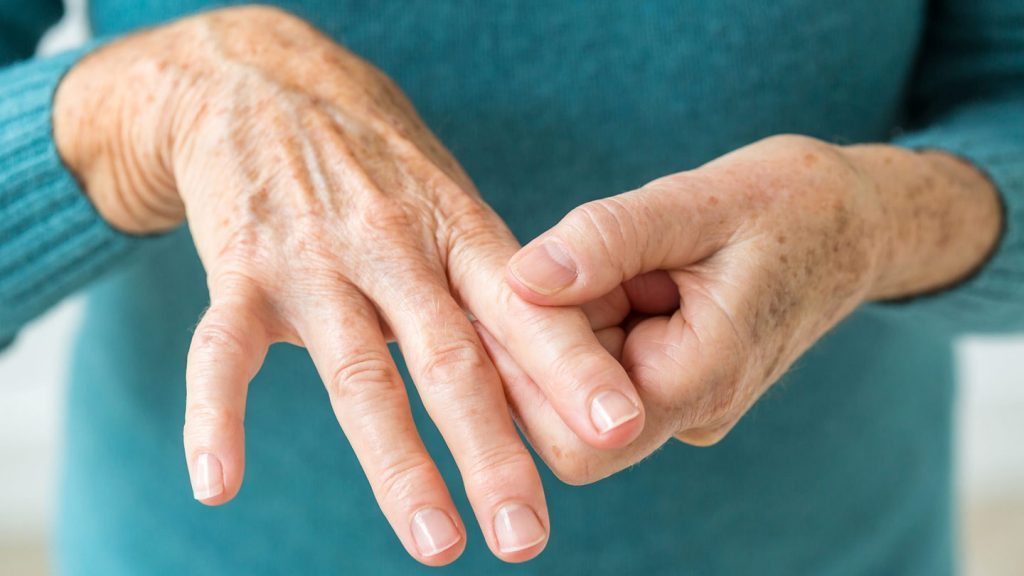
New treatments have been introduced by rheumatologists to suppress the pain and reduce the inflammation caused by this condition. A major reason for why the inflammation needs to be controlled is because of its effect on your heart health. Inflammation can lead to the buildup of plaque in the walls of your arteries. People with this form of arthritis are advised to consult with their doctors regarding the prevention of heart disease.
Other than medication, regular exercise, specific foods and drinks also help you treat rheumatoid arthritis.
A Virginia-based rheumatologist, Mahsa Tehrani has found that certain organic teas help with the reducing of inflammation caused by rheumatoid arthritis.
�Tea has fantastic�anti-inflammatory properties�which can theoretically help with the underlying inflammation,� she claims.
Here�s a list of teas Tehrani recommends:
Ginger Tea
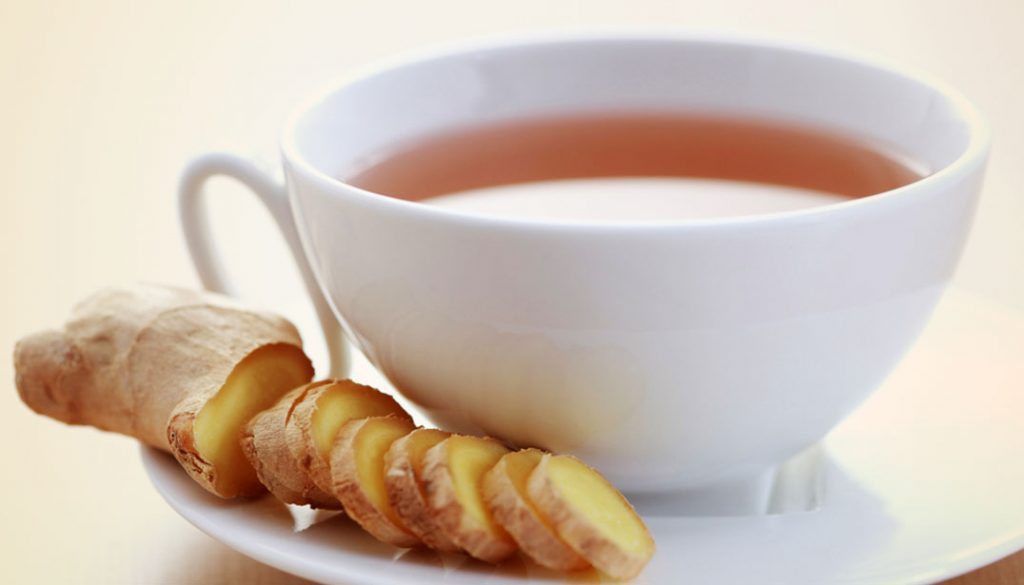
Ginger tea is known for helping with healing the digestive system but an Italian study in 2016 found that patients that were given regular doses of ginger reported a better quality of life and significant improvement in pain. To make the tea, just slice up some ginger root and let it steep in boiling water for 10minutes. Note that ginger can act as a blood thinner, so if you�re already on blood-thinning medication, opt for a different tea.
Green Tea
Amongst the many benefits of green tea, is its ability to block the effects of RA without impacting cellular function. According to medical experts, green tea can be considered an alternative to medicine in the future for those suffering from RA.
Rose Hip Tea

Rose hip tea is not as common as other teas. The rose hip is the fruit of the rose plant that appears when the plant is not flowering. The fruit is a concentrated source of vitamin C and is regularly used in home remedies. A study published in Australian Family Physician in July 2012 found that the composition of nutrients found in the rose-hips have anti-inflammatory properties which benefit those with arthritis.
Black Tea
The box of regular black tea bags is loaded with quercetin, a bioflavonoid which has anti-inflammatory effects. However excessive amounts of black tea can have adverse effects, the high caffeine content can leave you feeling jittery and can reduce the impact of medication.
Willow Bark Tea
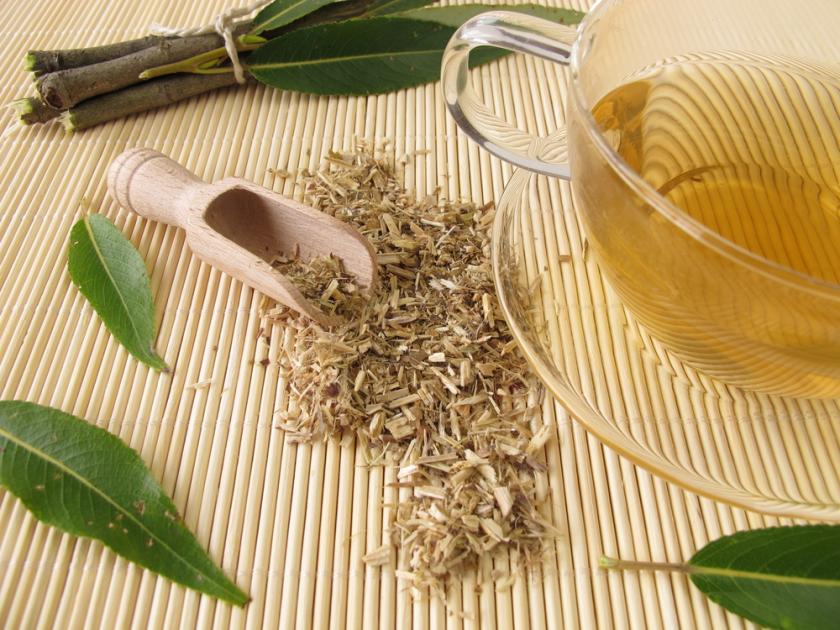
Willow bark tea is an ancient Chinese remedy. Its effects are similar to those of aspirin and several medical studies have found that it helps with joint pain and osteoarthritis. The study revealed that willow bark extracts have anti-inflammatory and pain-killing effects. That being said, willow bark extracts should not be consumed with people on many medications, pregnant women and those younger than 16.
Nettle Leaf Tea
Nettle leaf has been used in Europe to relieve muscle, joint pain, and arthritis for many years. A study published in 2015 found the antioxidant activity in the nettle leaf extracts hinders one of the main enzymes responsible for inflammation. Nettle is easily available in most grocery stores. Pregnant women and those with kidney and bladder issues should are advised not to consume nettle.
Rheumatoid Arthritis may be the most disabling forms of arthritis and it may not be curable, however, early detection and proper treatment can help mitigate its effects. Medication significantly reduces the symptoms of RA but those suffering can look for alternative solutions as well.
About the Author:
Rachael Everly is an undergraduate student who loves to write on the topics related business, finance, health, lifestyle and education. Follow @Rachael Everly for further updates.
Call Today!
by Dr Alex Jimenez DC, APRN, FNP-BC, CFMP, IFMCP | Diets, Nutrition, Wellness
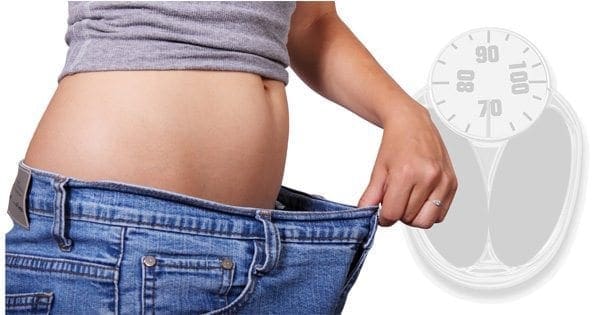
Most of us already know that eating less and moving more are the keys to dropping extra pounds. But if you’re already doing everything right and can’t seem to lose weight or are even gaining it you may have a hidden health condition that’s sabotaging your efforts. And the symptoms may be so subtle that even your doctor can miss them. Here, some possible weight-loss blockers and how to get the help you need.
A Sluggish Thyroid
Your thyroid gland makes hormones that regulate the way your body uses energy. An underactive thyroid (hypothyroidism) disrupts your metabolism, as well as many other aspects of your health. Some estimate that as many as 10 percent of adults have hypothyroidism, which is more common in women and is most often diagnosed in the 40s and 50s.
Could this be you? Besides weight gain or an inability to lose weight, you may notice fatigue, hair loss, dry skin, joint pain and muscle weakness, heavy periods, increased sensitivity to cold, even depression. Many people with low-grade hypothyroidism just feel off, with no obvious signs of being truly sick.
How to get tested: Ask your internist to run a TSH (thyroid-stimulating hormone) screening. In general, the higher your TSH level, the slower your thyroid is. While traditional normal’ values are between .45 and 4.5, if your level is above 2, you might still struggle to lose weight, explains Jamie Kane, MD, medical director of Park Avenue Medical Weight and Wellness in New York City. Your doctor may also want to check your levels of T-3 and T-4, the two main thyroid hormones. But hypothyroidism isn’t always a straight numbers game; more and more doctors are now treating the symptoms, not just the blood-test results. If a patient isn’t feeling well, it’s often because her thyroid isn’t functioning as well as it should for her body, says Erika Schwartz, MD, an internist in New York City.
How it’s treated: Your doc will usually start by prescribing a low-dose T-4 thyroid hormone like Synthroid. If your symptoms don’t improve, discuss upping your dosage or switching to a combination of T-3 and T-4.
Out-Of-Whack Hormones
As many as 1 in 10 women of childbearing age have polycystic ovary syndrome (PCOS), a condition in which a woman’s ovaries produce an excess of male hormones. In addition to causing ovulation problems and infertility, PCOS may go hand-in-hand with insulin resistance, a glitch in the way your body processes blood sugar, which is often associated with excess fat storage, especially around the waist. Left untreated, insulin resistance can lead to type 2 diabetes.
Could this be you? You may have irregular periods, excess facial and body hair, acne, some male pattern balding, and trouble getting pregnant, along with unexplained weight gain (though not everyone with PCOS has weight issues).
How to get tested: Your gynecologist or internist can test your levels of sex hormones for an imbalance of testosterone, progesterone, and estrogen, says David Katz, MD, director of the Yale Prevention Research Center. She may then test your blood sugar and insulin levels or perform an ultrasound to check for cysts on your ovaries.
How it’s treated: Lifestyle changes are usually the first step. If you’re already eating a healthy diet and exercising regularly, you may have to kick it up another notch to see results. If you have insulin resistance, Dr. Katz says, you’ll also want to cut out refined carbs and added sugars. If you’ve made these changes and still don’t notice a difference, your doc may prescribe a drug called metformin, which is used to treat insulin resistance as well as assist with ovulation (if you’re trying to get pregnant).
Trouble-Making Foods
Most people know if they’re allergic to certain foods like nuts or shellfish, but many aren’t aware of food intolerances. While a true food allergy results when your immune system mistakenly identifies a food as harmful and mounts an immediate response, food intolerances can have a variety of causes, including lack of a certain digestive enzyme (as with lactose intolerance) or sensitivity to food additives, and tend to manifest over time, says Elizabeth W. Boham, MD, RD, a family practitioner at The UltraWellness Center in Lenox, Massachusetts. Eating a trouble foodthe most common being dairy, gluten, eggs, soy, corn, and nutscan lead to bloating and water-weight gain, among other symptoms. Experts estimate that food intolerances affect as many as 1 in 10 people.
Could this be you? You may regularly have bloating, gas, diarrhea, and constipationas well as seemingly unrelated symptoms like mild asthma, eczema, headaches, muscle and joint pain, and fatigue.
How to get tested: An internist or gastroenterologist can help you diagnose the problem, but you can begin to figure it out for yourself through an elimination diet. Dr. Boham suggests that you start by removing gluten and dairy (these are the biggest culprits) from your diet for two to three weeks. If you don’t notice a difference, also eliminate eggs, corn, soy, and nuts, and consider nixing additives such as food coloring and preservatives. After a few weeks, slowly reintroduce the possible culprits, one at a time, noting any reactions.
How it’s treated: If the reaction is severe, you’ll need to cut the offending food from your diet. For mild reactions, try a daily probiotic supplement, which restores the good bacteria in your gut necessary for digestion and can help prevent bloating and water weight gain. Dr. Boham recommends one with at least 10 billion live bacteria per pill.
Pills That Pack On Pounds
Weight gain can be an unwelcome side effect of some drugs, including anti-depressants, steroids, and, more rarely, birth-control pills (due to a temporary increase in water retention).
Could this be you? You may notice weight gain within a few weeks of starting a new medication, though it could take several months before you see any effects, Dr. Kane says.
How to get tested: No special test is needed; you know if you’re gaining weight.
How to get tested: No special test is needed; you know if you’re gaining weight.How it’s treated: Talk to your doctor, who may be able to prescribe an alternative. In the case of anti-depressants, bupropion has been shown to cause less weight gain and possibly even lead to weight loss. With birth control pills, switching to a version with a lower dose of hormones might minimize weight gain. But remember, treating the condition you’re taking the drug for is your biggest priority, so you should never go off any meds on your own.
Call Today!









