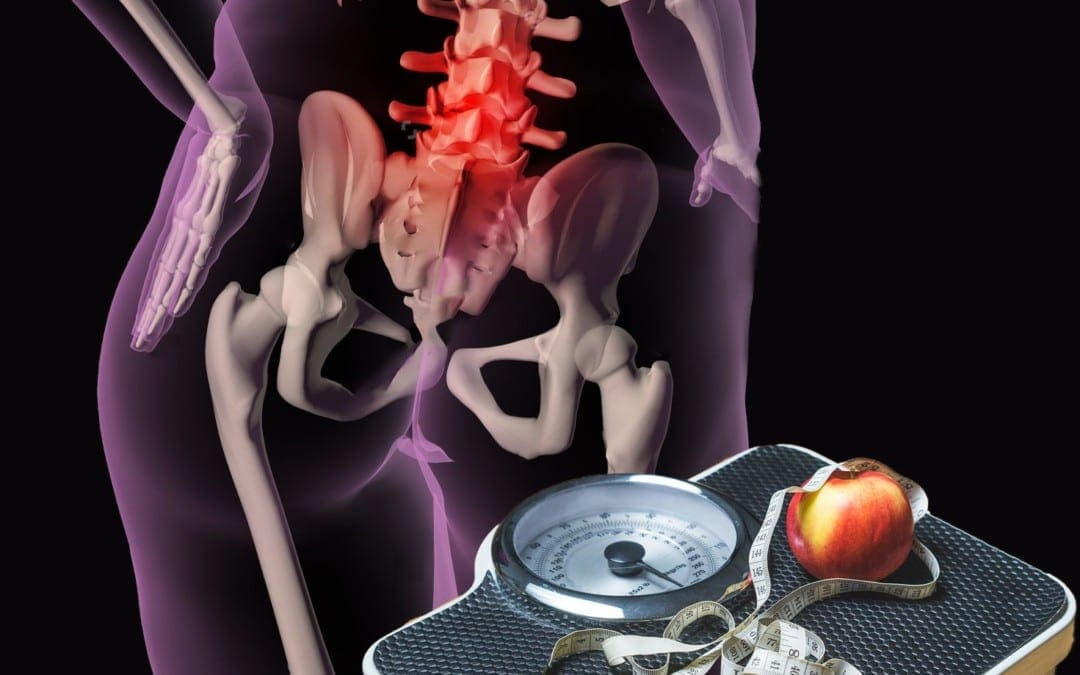
A good attitude about weight loss will go a long way in helping you to achieve success. Whether your weight problem has resulted from eating the wrong foods, lack of routine physical exercise, using food to resist anxiety, age, or genetics �you can help defeat that by setting reasonable goals and expectations that are realistic.
The initial step to take would be to discuss your set for weight loss and general health by means of your physician. Your physician can assist you to make informed choices about treatments that contain weight loss plans and exercise suitable to your needs.
Therapies include dietary, behavioral, drug, and for some patients, surgical alteration of the digestive system to reduce the quantity of food consumed. A safe and realistic weight reduction plan may result in success.
Evaluating your body weight is more involved than stepping on the scale. This info is assessed to find out your risks due to extra weight (eg, high blood pressure).
Nutrition Means To Feed Your Body
In the event you haven’t detected, the ‘D’ word (Diet) hasn’t been used in this post as it relates to weight reduction. Granted, caloric reduction will be required by a weight loss program. Yet, for many overweight or obese folks, a weight loss program means exercising, handling anxiety, and making lifestyle changes, which might comprise relearning how to eat.
It’s vitally crucial that you feed your body the nutrients it needs to be healthy and live. No one food contains all the essential nutrients �it takes combining a wide variety of foods to help meet your body’s needs. If you have been heavy or obese for a long time, your body may really be starving for necessary nutrients!
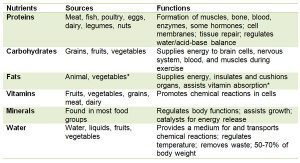
Nutrients Their Food Sources & Activities In The Human Body
*Fats are essential in taking the fat-soluble vitamins A, D, E, and K. There are just three types of fats:
Saturated Fat will raise blood cholesterol levels. These fats are found mostly in meat and diary products.
Polyunsaturated Fat tends to lower blood cholesterol levels. It’s mainly found in plant sources such as safflower, sunflower, soybean, corn, and cottonseed.
Monounsaturated Fat tends to lower the bad cholesterol or LDL (low density cholesterol). Examples include canola oil, olive oil, peanut oil, and avocados.
Although this amount is exceeded by most Americans, dietary ingestion of fat shouldn’t exceed 30% per day.
Remove the skin from poultry, trim visible fat from meat, an easy method to cut back fat consumption is to choose lean cuts of meat, choose water-packed tuna, and pick dairy products made from skim or low-fat milk.
Seizing on the opioid epidemic as a chance to expand their reach, naturopaths and chiropractors�are aggressively lobbying Congress and state governments to elevate the role of�alternative therapies�in treating chronic pain. They�ve scored several victories in recent months, and hope the Trump administration will give them a further boost.
Their Most Powerful Argument: We Don�t Prescribe Addictive Pain Pills
Shunning pharmaceuticals, they treat pain with everything from acupuncture to massage to castor oil ointments. They offer herbal supplements and homeopathic pills.
There�s little rigorous scientific research to back up such treatments. Yet patients often say they feel relief. And providers say their alternative approaches are vitally needed at a time when more than 30,000 people a year die of opioid overdose in the US alone � and half of those deaths involve a prescription painkiller, according to the Centers for Disease Control and Prevention.
�I am surprised that with the crisis where it is today, more people aren�t picking up on alternative treatments,� said John Falardeau, a senior vice president with the American Chiropractic Association.
Chiropractors scored a big victory recently in Oregon, where the state Medicaid program decided to cover spinal adjustment for lower back pain starting in 2016. Vermont, Virginia, and Nevada are considering similar moves.
Another win came earlier this year, when the American College of Physicians recommended non-surgical interventions such as acupuncture, yoga, and chiropractic care as the go-to treatments for lower back pain.
�The American College of Physicians is our new best friend,� said Robert Hayden, a Georgia chiropractor and spokesperson for the�American Chiropractic Association. Hayden said the the industry considers the decision �a direct result of the fact that we are in an opioid crisis in this country.�
Hoping For Help From The Trump Administration
Hoping to make even more inroads, both naturopaths and chiropractors are lobbying Congress to push the Veterans Affairs health system to hire alternative providers. Chiropractors are also pushing for a role in the National Health Service Corps, which puts providers to work in community health centers, often in rural areas.
And this month, naturopaths will descend on Washington, D.C., for a meeting all about chronic pain. �Naturopathic doctors are poised to be the leaders in combating the opioid epidemic,� the promotional materials claim.
The pain workshops will be followed by a three-day conference to set a lobbying agenda and teach naturopaths organizing techniques.
The American Association of Naturopathic Physicians clearly sees an opening to make gains: The arrival of the Trump administration and a new, Republican-controlled Congress �opens up new opportunities for AANP to push for insurance non-discrimination, to have [naturopaths] included in the VA, and to emphasize that naturopathic care is a much-needed alternative to opioids for the treatment of chronic pain,� the AANP website declares.
Chiropractors, too, are hopeful. President Trump has talked about giving more Americans access to flexible spending accounts�for health care. That, they say, will make it easier for�consumers to pay for treatments that insurance doesn�t cover � like chiropractic care.
�I think they see an opening. Whether it actually works or not is secondary. It�s basically an opening for them to try to claim some legitimacy.�
Dr. David Gorksi, surgical oncologist
Some mainstream doctors � who often range from skeptical to fiercely critical of alternative medicine � are wary. They worry that naturopaths or chiropractors might persuade patients with serious diseases to shun conventional medical care. And they point out that some herbal treatments interact badly with chemotherapy or other pharmaceuticals.
Other skeptics dismiss the push to claim a role in treating pain as a public relations ploy.
�I think they see an opening,� said Dr. David Gorski, a surgical oncologist and an editor of the blog Science-Based Medicine. �Whether it actually works or not is secondary. It�s basically an opening for them to try to claim some legitimacy.�
He finds it particularly galling that alternative providers often mix sound advice on diet and exercise, drawn from mainstream medicine, with fringe therapies that have no evidence behind them, like homeopathy pills. �It becomes hard for the average person to figure out what is and it isn�t quackery,� he said.
But other doctors are cautiously embracing the idea of new ways to treat chronic pain. They say if alternative remedies help � even if only through a placebo effect � patients may be able to avoid addictive pills.
Helping Patients Gain Control Over Their Pain
Emily Telfair, a naturopath in Maryland, said she often sees chronic pain patients who feel frustrated that conventional treatments haven�t worked to treat their pain. Or those patients haven�t been able to tolerate the tough side effects of pain medication. They come to her hoping for relief.
�That�s the place where naturopathic medicine shines. It offers another option for folks who haven�t found help,� Telfair said.
Telfair uses massage therapy, including a specific type of treatment known as craniosacral massage. She also sends patients home with castor oil packs and topical creams to apply to their pain points, all of which she said are noninvasive ways �to invite the body to heal and let go of the chronic symptom.�
�It offers another option for folks who haven�t found help.�
Emily Teflair, naturopath
She said her job isn�t always to cure a patient�s pain � it�s to help patients see that their pain won�t always be unrelenting and oppressive, and to help them gain control.
�Knowing their pain can be different from one day to the next, that is a very powerful tool,� she said. �I know I can�t help everybody with chronic pain. But you [can] change the person�s relationship to their pain.�
That�s been the case for 70-year-old James Fite, who has had both hips replaced and now needs a shoulder replaced. He�s hesitant to have the surgery because of his chronic pain.
�It�s always there. Sometimes it�s just blinding, excruciating,� he said. But he�s found relief with an acupuncturist and naturopathic care from Telfair.
He uses roll-on castor oil, sticks to an anti-inflammatory diet, and also receives massage therapy. Other times, he takes opioids. Fite said he has had 15 providers trying to treat aspects of his pain. He feels his acupuncturist and Telfair are the most �tuned in� to his body�s condition.
�None of these things are cure-alls for a chronic condition like mine,� he said. �But I�ve gotten as much help from them as from anybody.�
With various combinations of treatments, Fite said he�s more able to manage his pain than he has been before. He�s found the energy to teach chess after school twice a week at a nearby library and can spend more time playing with his grandkids.
Other naturopaths said they see their goal as finding and addressing the root cause of a patient�s pain. And they argue they have more time than a medical doctor to do that.
�It�s not as simple as a replacement for an opioid. We treat the cause of the pain. We don�t just mask it with a painkiller,� said Michelle Brannick, a naturopathic provider in Illinois who markets her services specifically to pain patients. Brannick relies on homeopathic arnica and herbal supplements, among other treatments.
A Cautious Approach From Physicians
Taxpayers subsidize roughly $120 million a year in federal grants to research alternative medicine through the National Institutes of Health.
Even after all that research, Dr. Josephine Briggs, the director of the NIH�s National Center for Complementary and Integrative Health, said she is aware there isn�t much robust evidence to support many alternative pain therapies.
�We can�t call this a slam dunk. This is not a situation where we�ve got an easy answer for a tough clinical problem,� she said.
But she pointed out that many alternative remedies are fairly low-risk. And some physicians are opening their minds up to the idea � with caveats.
�As a physician, I would never just say, �You have pain, so we�re going to just put you on pain medicine,�� said Dr. Andrew Esch, a clinician and consultant with the Center to Advance Palliative Care in New York.
Doctors stress that pain can vary wildly from one patient to the next, and treatments won�t be the same for every patient, either. �Sometimes that�s physical therapy and Motrin, sometimes it�s acupuncture and antidepressants,� said Esch.
Dr. Charles von Gunten, a palliative care specialist at OhioHealth, agreed alternative therapies like acupuncture and massage can be part of a doctor�s toolkit.
�They�re not either-or types of approaches,� he explained.
�As a physician, I would never just say, �You have pain, so we�re going to just put you on pain medicine.��
Dr. Andrew Esch, palliative care expert
But doctors also are leery of sending cancer patients or others with serious illnesses to a naturopathic provider who might convince them to go off of chemotherapy or forgo conventional medical care.
�That�s certainly a concern,� said Briggs. There�s also concern that homeopathic remedies like St. John�s wort will interfere with a patient�s prescribed medication and make those drugs less effective. Encouraging pain patients to experiment with alternative treatments might open the door to those risks.
But Esch said he doesn�t see those concerns as a reason for doctors to dismiss naturopathic approaches that their chronic pain patients are interested in trying. Most patients he sees are using some sort of alternative treatment � and many will continue to do so whether doctors like it or not, he said.
�If someone is going to take shark cartilage because they think it will make their pain better, my approach is not to immediately say no,� he said.
Instead, he scours the evidence, the side effects, and the potential drug interactions that might put a patient at risk. If it seems safe for a patient to try, he gives them the green light and checks back regularly to see if it�s helping.
�It�s part of the responsibility of physicians to know what people are taking and not dismiss it, because it�s our job to know they�re going to do it safely,� he said.
One State Weighs The Costs Of Treating Pain
Many dietary supplements � which don�t have to go through a regulatory review for safety or efficacy before hitting the market � are relatively cheap: Shoppers can snag 60 homeopathic arnica tablets off a drugstore shelf for less than $10.
But other alternative therapies can be costly: Craniosacral massage and acupuncture, for instance, can each run over $100 for an hourlong session, and patients may need multiple visits each month.
The Oregon Health Plan, which is the state version of Medicaid, weighed those expenses when deciding whether to cover chiropractic adjustment for lower back pain.
The chiropractic care costs more than would for a short course of opioids � a single vertebrae adjustment can cost around $65. But health officials are hopeful that they�ll save money in the long run by reducing the number of people addicted to opioids.
�We�re trying to offer up some of these treatment options from the beginning, with the goal of trying to reduce the transition from acute pain to chronic pain,� said Denise Taray, who coordinates the Oregon Pain Management Commission.
That commission spearheaded the research into what treatments should be covered and ultimately recommended that state Medicaid cover chiropractic care. They�re now looking at alternative medicine treatments for other pain conditions, such as fibromyalgia.
�We�re all focused on the opioid epidemic and managing prescribing,� said Taray. �The part that still seems to be falling through the cracks is the patient perspective and the treatment and the care of pain.�
You know the feeling: Your email inbox is overflowing, your to-do list is miles long, and you haven’t managed to hit to the gym in days. Trust us, we’ve been there. The result? A super stressed-out you.
While stress begins in the mind (“I need to finish this work presentation in the next hour,” or, “I only have one week to plan my best friend’s surprise party!”), it eventually manifests itself in the body. Think: clenched jaws, shoulder knots, and stiff necks. (Ugh.) And since stress takes such a toll on both your mind and body, it’s important to move in ways that intercept your emotional and physical strain.
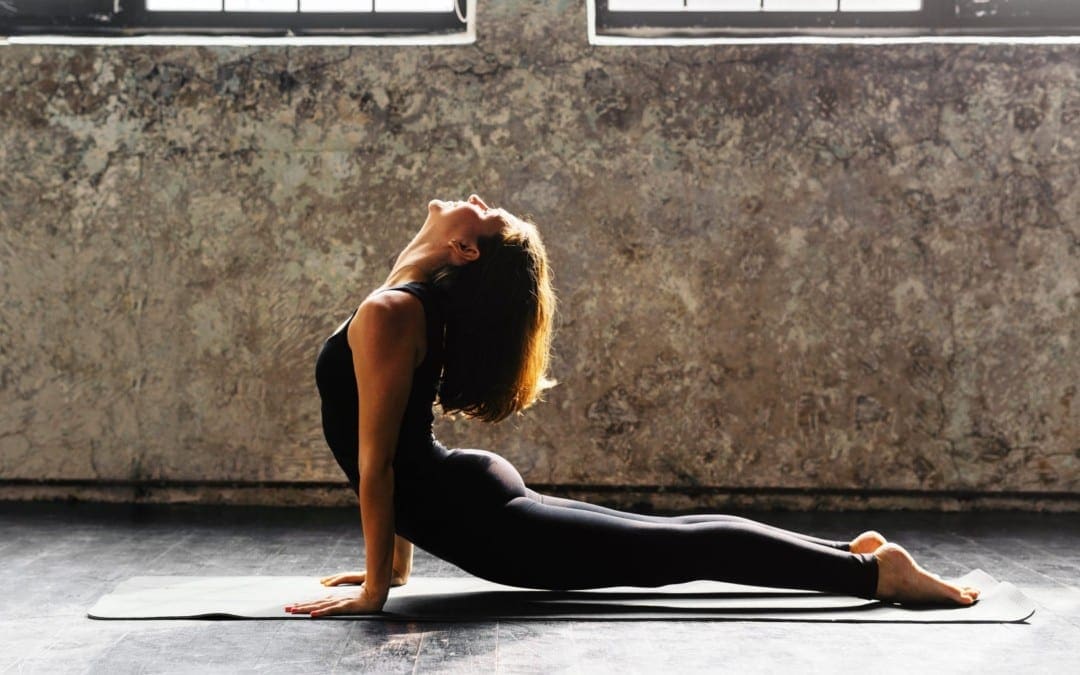
Luckily, you don’t need to set aside hours to find your center. In fact, just 15 minutes of this calming yoga sequence might be enough to help you de-stress. This simple routine can be done anywhere—all you need is some space to put down your mat.
And as an added bonus, you’ll actually be strengthening and lengthening your muscles while doing the flow. This is one reason why yoga is the ideal activity for days when you’re feeling overwhelmed, says clinical therapist and yoga instructor Lauren Taus. The mindful practice gets you moving on the mat and focused on the present, so you pay less attention to what’s still on your to-do list.
In this video, Lauren takes you through a calming yoga flow that will help you find your center and slow down. Because who doesn’t want to feel more relaxed in just 15 minutes?
Middle-aged men jonesing for a boost in vitality are turning to steroids in increasing numbers, say researchers and health professionals. Men in their 40s, 50s — even 60s and 70s — are turning to hormones to fight the effects of aging, including weight gain and decreased libido, according to The Guardian.
Joseph Kean, a visiting research fellow at Liverpool John Moores University, said that usage has doubled in the number of men 50 and over in the past five years. He told The Guardian, “Guys are saying they just want to stand a bit taller and feel they can stand alongside the younger generation who are much more aware of how they look.”
But the vision of a buffer, more energized you comes with caveats — including the potential for worsening sleep apnea, heart disease, blood clots, and prostate complications.
Testosterone levels decline early on, starting at around age 30. This drop can lead to any number of unwanted side effects and problems, according to the National Center for Biotechnology Information at the National Institutes of Health. Low-T as it is often referred to, is responsible for much more than just weight gain and decreased sex drive. It is correlated with insulin resistance, low muscle strength and development — even poor cognitive function. So it’s a given that men would want to head off this decline and preserve their vigor for as long as possible.
“We have come across a lot of older men using [steroids]. It’s almost like hormone replacement therapy [for menopause relief] for females. Steroids can help you lose body fat as well,” Julien Baker, an applied physiology professor at the University of the West of Scotland, told The Guardian. “The evidence isn’t there about what the long-term impact is yet. We are not sure what these drugs are doing to you at that age, but everyone perceives it as safe.”
Magazines geared toward rejuvenation through hormone replacement have sprung up, as have clinics that promote testosterone replacement therapy in the United States and abroad.
The Juice Clinic in Sheffield, England, is one such service for people using steroids and image-enhancing drugs. Sid Wiffen, the clinic’s team leader, told The Guardian he has noted an increase in older men asking for help. “Steroid use for older men is often about the youthful effects, and about body image and energy levels. I hear talk of men feeling more pressure now to look good, so they are more likely to go to the gym and dress well,” he said. “It can be dangerous, and it does worry me. Lots of people we see are keen to make an informed decision about their steroid use, but some get information elsewhere and it’s not always good.”
That elsewhere includes the internet of course, where misinformation on the topic flourishes. The healthier, safer route by far is to seek the advice of a physician and get a prescription.
Steroids, officially known as anabolic-androgenic steroids, were first developed for medical use in wasting conditions. Their possession or sale without a prescription is illegal in the United States, though some people are able to get them online or in gyms. Some countries permit legal possession, including the U.K., though it is illegal to supply them there. Steroids come in pill form, injectables (intramuscular), and topical gels.
Baker said while there could be some benefits for older men, the risks should be well understood. “Introducing something your body stopped producing naturally may lead to repercussions or have health implications,” he said. “There’s not enough research out there to look at that. Someone taking steroids at 50 — it’s not clear what might happen to them in the future.”
Once users discontinue the use of steroids, many report withdrawal symptoms such as low mood and anxiety, something men should keep in mind as well.
People who were active and exercised regularly before their stroke were less likely to face disability after the attack, researchers say.
But the amount of body fat a person had did not seem to be tied to post-stroke disability, the study found. Fitness was key, though.
“Being physically inactive before stroke predicts a higher risk of being dependent both before and after stroke,” said study author Pamela Rist, of Harvard University. Her team’s findings were published online April 5 in the journal Neurology.
The new study involved more than 18,000 people with no history of stroke who were followed for an average of 12 years. During that time, nearly 1,400 of the participants suffered a stroke but survived.
Three years after their stroke, those who had exercised regularly before their stroke were 18 percent more likely to be able to perform basic tasks — such as bathing on their own, the researchers found.
The fitter individuals were also 16 percent more likely to be able to perform more complex tasks, such as managing money on their own, compared to those who did not exercise before their stroke, the findings showed.
“We also found that a person’s body mass index was not a factor in predicting their level of disability after stroke,” Rist said in a journal news release. Body mass index is an estimate of body fat based on weight and height.
Two experts in stroke care who reviewed the findings said the study highlights the importance of exercise.
The research “provides additional evidence that regular exercise has health benefits that last into a person’s future,” regardless of stroke, said Dr. Andrew Rogove. He directs stroke care at Northwell Health’s Southside Hospital in Bay Shore, N.Y.
Dr. Ajay Misra is chair of neurosciences at NYU Winthrop Hospital in Mineola, N.Y. He said the study “provides insight into the fact that doctors should emphasize to their patients not only weight-reduction strategies for stroke and possibly heart attack prevention, but also the importance of leading a very active lifestyle to improve their chances of survival and recovery in case a stroke occurs.”
SOURCES: Andrew Rogove, M.D., medical director, stroke, Northwell Health’s Southside Hospital, Bay Shore, N.Y.; Ajay Misra, M.D., chairman, neurosciences, NYU Winthrop Hospital, Mineola, N.Y.; Neurology, news release, April 5, 2017
The scope of our information is limited to chiropractic and spinal injuries and conditions. To discuss options on the subject matter, please feel free to ask Dr. Jimenez or contact us at 915-850-0900 .
Additional Topics: What is Chiropractic?
Chiropractic care is an well-known, alternative treatment option utilized to prevent, diagnose and treat a variety of injuries and conditions associated with the spine, primarily subluxations or spinal misalignments. Chiropractic focuses on restoring and maintaining the overall health and wellness of the musculoskeletal and nervous systems. Through the use of spinal adjustments and manual manipulations, a chiropractor, or doctor of chiropractic, can carefully re-align the spine, improving a patient�s strength, mobility and flexibility.
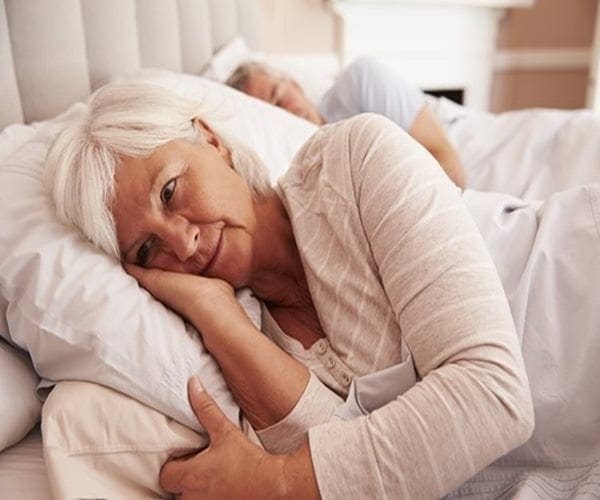
Most people see their sleep habits shift as they age, but a new review suggests that some seniors lose the ability to get deep, restorative rest.
And that can come with health consequences, said review author Bryce Mander, a sleep researcher at the University of California, Berkeley.
Sleep “fragmentation” has been linked to a number of medical conditions, including depression and dementia, Mander said. People with fragmented sleep wake up multiple times during the night, and miss out on the deep stages of sleep.
It is true that medical conditions, or the treatments for them, can cause sleep problems, according to Mander.
But poor sleep can also contribute to disease, he added.
Take dementia, for example. Research suggests there is a “bi-directional” link between sleep disruptions and the dementia process, said Joe Winer, another Berkeley researcher who worked on the review.
That is, dementia often causes sleep problems; poor sleep, in turn, may speed declines in memory and other mental skills. According to Winer, animal research suggests that deep sleep helps “clear” the brain of the amyloid-beta proteins that build up in people with dementia.
So there may be a “vicious cycle,” Winer said, where dementia and poor sleep feed each other.
Similar vicious cycles may be at work with other diseases, too, Mander said. He also stressed, though, that some shifts in sleep habits may be perfectly normal.
Older people are famously prone to being “early to bed, early to rise.” They may also sleep a little less than they used to in their younger days. And that may be fine, the researchers said.
“We don’t want to create a panic that if you’re sleeping a little less than you used to, you’re going to develop dementia,” Mander said.
But, he added, it is important to recognize sleep as one of the lifestyle factors critical to good health — right along with exercise and a healthy diet.
In fact, Mander noted, one reason that regular exercise keeps us healthy is that it can support better-quality sleep.
“Why do some people age more ‘successfully’ than others?” he said. “We think sleep is one of the factors.”
Dr. Sanjeev Kothare, a sleep specialist who was not involved in the study, said poor sleep “clearly” has health consequences.
Sleep apnea is a good example, said Kothare, of the NYU Langone Comprehensive Epilepsy-Sleep Center, in New York City.
Obstructive sleep apnea causes repeated stops and starts in breathing during the night, and it’s linked to major diseases, such as heart disease and diabetes. Research also suggests it can hasten declines in memory and thinking.
Dr. Phyllis Zee is chief of sleep medicine at Northwestern University in Chicago. She said sleep quality is more important than “duration.”
So if older people are sleeping a little less than they used to — or wake up once at night then quickly fall back asleep — that’s probably not a red flag, according to Zee.
But, she said, older adults should talk to their doctor if they routinely sleep less than six hours a night, or lack long “consolidated” blocks of sleep.
In some cases, Zee said, sleep apnea may be to blame.
In other cases, people may need lifestyle adjustments that can improve their sleep. The good news, Zee said, is that “behavioral and environmental changes are powerful.”
Older people can improve their sleep by fitting physical and social activity into their daily routine, Zee said. At night, she suggested they make sure the bedroom temperature is comfortable and limit exposure to artificial light — especially the blue glow of computer and TV screens.
Zee also stressed the importance of getting enough daylight, in the morning and afternoon: That helps keep the body’s circadian rhythms (the sleep-wake cycle) on track.
But people should not wait until old age to care about sleep. According to Mander’s team, people often start losing the capacity for deep sleep in middle age, and that decline continues over the years.
What’s not clear yet, Mander said, is whether good sleep habits earlier in life help protect people from sleep problems in old age.
The review, which analyzed medical literature on the topic of sleep and aging, was published online April 5 in the journal Neuron.
The analysis of 13 clinical trials found that exercise therapy was generally good for stroke patients’ “cognition.”
Cognition refers to vital mental processes such as thinking, learning, understanding and remembering. A stroke, which cuts off blood flow to the brain, can impair those abilities.
The findings bolster what experts have long believed: Exercise can aid stroke recovery in multiple ways.
“This isn’t new,” said Daniel Lackland, a spokesman for the American Stroke Association who was not involved in the research. “We’ve known that exercise is good after a stroke.”
But, he said, the findings offer more clarity on exactly what works. They suggest, for example, that a combination of moderate aerobic exercise and training in strength and balance is most effective for improving stroke patients’ mental acuity.
Lauren Oberlin, a graduate student at the University of Pittsburgh, led the study. She said the findings confirm the value of exercise after a stroke.
A Structured Exercise Program Can Help Stroke Survivors Recover Physically & Mentally
It Can Improve Mobility, Strength, Quality Of Life, & Cognition
Oberlin said. And that mental boon, she noted, may give stroke patients “additional motivation” to start an exercise program.
For the study, Oberlin and her colleagues pooled the results of 13 clinical trials that involved a total of 639 patients recovering from a stroke.
The studies all differed in a number of ways — including the type of exercise they tested, and the duration of the program.
But in general, Oberlin’s team found that patients who exercised showed bigger gains in certain mental abilities — namely, attention and processing speed — versus those who did not exercise.
And it didn’t take a long time, Oberlin said. Even exercise programs lasting four to 12 weeks were effective.
It also appears that exercise helps even when patients begin more than three months after their stroke. In fact, Oberlin said, those patients were, on average, about 2.5 years past their stroke.
The most effective programs offered patients exercises aimed at strength, balance, stretching and aerobic fitness — the kind, Oberlin noted, that “gets your heart rate up and makes you sweat.”
But that doesn’t have to mean an intense workout, Oberlin noted. Walking on a treadmill does the job. And for people with balance problems or other physical limitations, she said, there are options like recumbent stationary bikes and rowing machines.
Does it necessarily take a formal exercise program? Maybe not, Oberlin said. As long as stroke patients have been cleared to exercise on their own, they may be able to do something as simple as take a daily walk.
“But if you have mobility issues, you might need a supervised program,” Oberlin said. “What’s critical is that you talk to your doctor first, to make sure that any activity you want to do is safe.”
Lackland agreed, and also noted that exercise is just one part of stroke recovery. He said patients need to take “comprehensive measures” to improve their health and reduce the likelihood of suffering another stroke.
“That includes good blood pressure control, weight control, not smoking and limiting salt in the diet,” Lackland said.
Why Would Physical Activity Benefit Mental Sharpness After A Stroke?
Other research points to several possible reasons, Oberlin said: Exercise may improve blood flow to the brain, promote the growth of new brain cells and connections among those cells, and reduce inflammation, to name a few.
Oberlin was to present the findings Wednesday at the International Stroke Conference in Houston. Research presented at meetings is considered preliminary until published in a peer-reviewed journal.
Call Today!
SOURCES: Lauren Oberlin, M.S., graduate student, psychology, University of Pittsburgh; Daniel Lackland, Dr.P.H., spokesman, American Stroke Association, and professor, medicine, Medical University of South Carolina, Charleston; Feb. 22, 2017, presentation, International Stroke Conference, Houston
News stories are written and provided by HealthDay and do not reflect federal policy, the views of MedlinePlus, the National Library of Medicine, the National Institutes of Health, or the U.S. Department of Health and Human Services.
IFM's Find A Practitioner tool is the largest referral network in Functional Medicine, created to help patients locate Functional Medicine practitioners anywhere in the world. IFM Certified Practitioners are listed first in the search results, given their extensive education in Functional Medicine