by Dr Alex Jimenez DC, APRN, FNP-BC, CFMP, IFMCP | Diets, Fitness
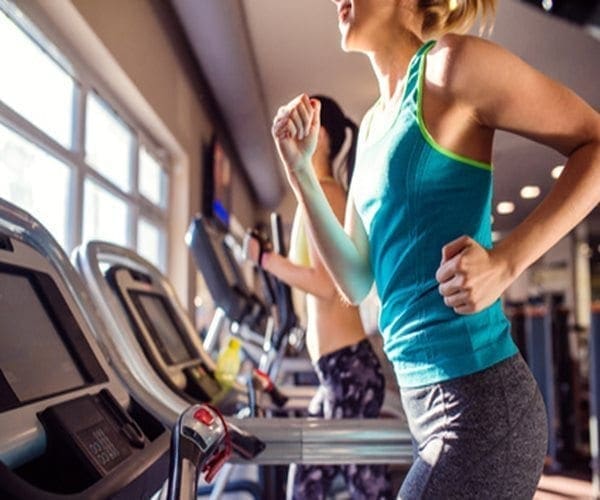
If you’re concerned about your body image, engage in a bout of exercise. Researchers at the University of British Columbia found that just one 30-minute exercise session makes women feel stronger and thinner.
“Women, in general, have a tendency to feel negatively about their bodies,” says study senior author Kathleen Martin Ginis, professor in UBC Okanagan’s School of Health and Exercise Sciences.
“This is a concern because poor body image can have harmful implications for a woman’s psychological and physical health including increased risk for low self-esteem, depression and for eating disorders,” she said. “This study indicates exercise can have an immediate positive effect.”
Researchers compared the body image and physical perceptions of women who completed 30 minutes of moderate aerobic exercise with those who sat and read. Women in the exercise group had significant improvements in their body image compared to those who didn’t exercise.
The positive effect lasted at least 20 minutes post-exercise. In addition, the research team found that the effect was not due to a change in the women’s mood, but was linked to perceiving themselves as stronger and thinner.
“We all have those days when we don’t feel great about our bodies,” says Martin Ginis. “This study and our previous research shows one way to feel better, is to get going and exercise. The effects can be immediate.”
According to the National Institutes of Health, nearly one half of North American women experience some degree of body image dissatisfaction, and the problem has grown over the last three decades.
Many previous studies have found that exercise has a positive effect on other aspects of mental health including lifting depression and easing anxiety. A study published in Psychosomatic Medicine found that exercise was comparable to antidepressants in treating patients with major depressive disorder.
The exercise doesn’t have to be strenuous to be helpful. A recent study from the University of Connecticut shows that if you’re sedentary, just getting up and moving around can reduce depression and make you feel better about yourself.
by Dr Alex Jimenez DC, APRN, FNP-BC, CFMP, IFMCP | Diets, Fitness
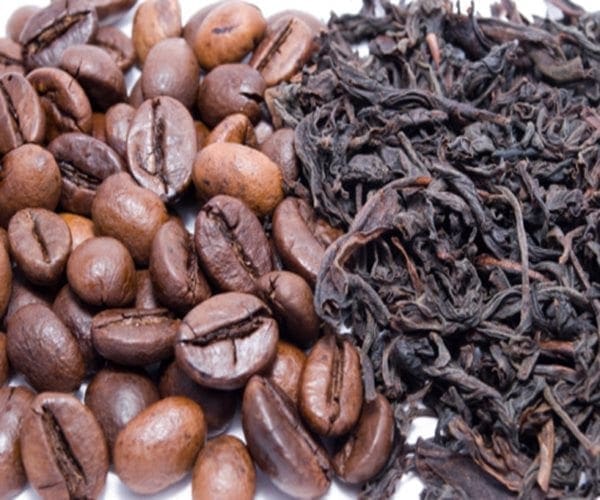
Regularly drinking coffee or herbal tea may help prevent chronic liver disease, new research suggests.
Scientists in the Netherlands found these popular beverages might help thwart liver fibrosis, or stiffness and scarring due to chronic inflammation.
“Over the past decades, we gradually deviated towards more unhealthy habits, including a sedentary lifestyle, decreased physical activity, and consumption of a ‘happy diet,’ ” said study lead author Dr. Louise Alferink.
This “happy diet” — commonly known as the Western diet — is rich in sugary, processed foods that lack nutrients. This unhealthy way of eating has contributed to the obesity epidemic and a surge in nonalcoholic fatty liver disease, which occurs when excessive amounts of fat accumulate in the liver, said Alferink, a researcher at Erasmus MC University Medical Centre in Rotterdam.
To investigate the possible protective effects of coffee and tea, researchers examined data on more than 2,400 Dutch individuals age 45 or older who did not have liver disease. The investigators examined medical records, including results of abdominal and liver scans. They also analyzed responses to food and beverage questionnaires that asked about tea and coffee consumption.
The study participants were divided into three groups based on their coffee and tea consumption. The researchers also noted what type of tea the people drank, including herbal, green or black.
They found that frequent coffee drinkers had significantly lower risk for liver stiffness and less scarring regardless of their lifestyle and environment. Overall, frequent herbal tea and coffee drinking appeared to have a protective effect on the liver and prevent scarring among those who had not yet developed any obvious signs of liver disease, researchers said.
The study results were published June 6 in the Journal of Hepatology.
“Examining accessible and inexpensive lifestyle strategies that have potential health benefits, such as coffee and tea consumption, is a viable approach to finding ways to halt the rapid increase of liver disease in developed countries,” Alferink said in a journal news release.
Already, there is some experimental data suggesting that coffee has health benefits on liver enzyme elevations, viral hepatitis, fatty liver disease, cirrhosis and liver cancer, said the study’s principal investigator, Dr. Sarwa Darwish Murad.
“The exact mechanism is unknown but it is thought that coffee exerts antioxidant effects,” said Murad, a hepatologist at the medical center. “We were curious to find out whether coffee consumption would have a similar effect on liver stiffness measurements in individuals without chronic liver disease.”
However, the study can’t prove that coffee and teas actually improve liver health. And the researchers concluded that more research is needed before making general recommendations.
Also, the study had limitations, according to the authors of a journal editorial. For one, most people in the study were older and white. In addition, the beverage components were too varied to reliably estimate any benefits, they said.

by Dr Alex Jimenez DC, APRN, FNP-BC, CFMP, IFMCP | Gut and Intestinal Health, Integrative Medicine, Wellness
Hippocrates, the father of modern medicine, stated all healing starts in the gut. And researchers carry on to prove him accurate as they unravel how a healthier gut microbiome plays a function in fat decline, disease prevention, and much additional. As we know, diet plays a very important function in keeping a healthier gut setting and dysbiosis, or a gut-flora imbalance, ramps up inflammation, and triggers lots of diseases like inflammatory bowel disease.
As a health practitioner of chiropractic, gut health gives insight into why my clients (in particular overweight or overweight clients) establish osteoarthritis in non-fat-bearing joints like the wrist, by pointing to a difficulty with systemic inflammation. And when my clients have an understanding of how an out-of-whack gut impacts digestion, they do not generally make the link concerning gut health and joint agony or other issues like head aches, mood swings, eczema, fat acquire, or tiredness that frequently accompany agony.
Gut issues can trigger agony.
How does this perform? To start with, consider that truth that your gut maintains a reliable barrier concerning your digestive tract and your inside setting, enabling important vitamins to go by when preserving out anything else. Retaining the integrity of the gut is a a person-cell-thick barrier that varieties a limited junction, which keeps out foreign invaders like bacteria, poisons, and big undigested foods particles. When these limited junctions crack down, that barrier will become infected and porous bacteria, poisons, and undigested foods particles start off slipping by. We connect with these foreign invaders antigens, or foreign substances that trigger an immune response. A double whammy ensues: You are not finding optimal vitamins when foreign invaders barge by, a problem termed intestinal permeability or leaky gut.
This link has anything to do with inflammation.
Your immune program responds with antibodies, which assault and ruin these antigens. When an antibody binds with an antigen, an immune advanced happens. Persistent leaky gut ramps up these immune complexes they flow into all-around your entire body and deposit into several tissues and organs including�you guessed it�skeletal muscle tissues and joints, creating additional inflammation. Leaky gut also contributes to autoimmune conditions, or immune responses towards unique tissues that develop destruction and decline of functionality. When that takes place in your joints, inflammation makes agony, inflammation, and stiffness. When multifactorial, researchers link leaky gut with rheumatoid arthritis as bacterial merchandise slip by your gut lining and deposit in your joints, creating an immune reaction.
You can lessen agony by healing the gut.
When my clients recover their leaky gut, they lastly set out the fireplace that feeds inflammation. That healing calms their immune program, reverses autoimmune conditions like rheumatoid arthritis, and decreases agony. And you can do this in a natural way without the need of medicine or surgical treatment. Further than concentrating on a entire-food items diet that gets rid of foods intolerances, I�ve located these 7 tactics to improve gut health to reverse agony:
1. Stage up your fiber.
Studies display that enough dietary fiber could possibly be your greatest technique to keep a healthier microbiome. Amid its benefits, fiber aids pull poisons from your gut for elimination.
2. Take in additional anti-inflammatory food items.
Omega-three fatty acids have anti-inflammatory qualities and aid alleviate agony. If wild-caught fish isn�t aspect of your diet, just take a large-high quality fish oil nutritional supplement with about three,000 milligrams of EPA and DHA.
three. Repopulate smartly.
Probiotics aid re-set up a balanced gut microbiome. Fermented food items like coconut yogurt, kefir, and sauerkraut are great sources of probiotics, but if you do not on a regular basis consume them, appear for a professional multistrain probiotic nutritional supplement with billions of microorganisms.
4. Get enough vitamin D.
Scientists link vitamin D deficiencies with several issues like inflammation, leaky gut, and autoimmune conditions like rheumatoid arthritis and chronic agony. Request your health practitioner for a twenty five-hydroxy vitamin D take a look at and perform with him or her to attain and keep optimal ranges.
5. Ditch the gluten.
If you have joint agony or other sorts of agony, gluten�s gotta go. Gliadin is the protein located in wheat, rye, and barley lots of men and women are delicate to or that leads to an outright autoimmune reaction. Your immune program sees gluten as the enemy and will unleash weapons to assault it, triggering inflammation in your gut, joints, and other regions of the entire body.
6. Avoid GMOs.
Eradicating genetically modified food items (GMOs) will become very important for healing your leaky gut considering the fact that GMOs destruction your digestive tract and may possibly be a person of the leads to of your leaky gut in the initial place.
7. Nix nightshades.
Colourful bell peppers, tomatoes, potatoes, and eggplants supply vitamins and phytonutrients, but they can be a difficulty for clients with leaky gut, autoimmune disease, or osteoarthritis. Nightshades incorporate glycoalkyloids, which can develop gut issues.
by Dr Alex Jimenez DC, APRN, FNP-BC, CFMP, IFMCP | Anti Aging, Seniors
Older adults who don’t have a history of cardiovascular problems don’t benefit from taking cholesterol-lowering statin drugs, says a new study of seniors with high blood pressure and moderately high cholesterol.
Researchers from New York University School of Medicine studied the data from 2,867 older adults and found that they had the same risk of dying as seniors who didn’t take statins, and also suffered the same amount of heart attacks and strokes. In fact, statins may have caused more harm than good since more deaths occurred in the group taking statins.
“This study doesn’t surprise me at all,” says Dr. David Brownstein, a board-certified physician and editor of the newsletter Dr. David Brownstein’s Natural Way to Health. “In fact, it should be expected.
“When you know the mechanisms of how statins work in the body, how anyone could predict that they will prolong a person’s life is beyond me, particularly in older people,” Brownstein tells Newsmax Health.
“Seniors depend on adequate cholesterol for a host of reactions in the body, including proper brain function and proper hormonal production,” he says.
“Some studies have shown that statins increase the risk of Alzheimer’s and Parkinson’s, even if you take CoQ 10 to help cope with some of statins’ side effects, because statins lower cholesterol.
“The highest concentration of cholesterol in the body is in the brain,” Brownstein says. “The brain actually produces its own cholesterol, and it needs cholesterol to function properly.
“Since statins have been shown to fail in 97 to 99 percent of the people who take them, I can’t imagine — with those odds — why anyone would consider taking this drug when they know the side effects are severe and many.”
Still, statins continue to be prescribed and are one of the most commonly prescribed medicines in the world. “Big pharma has convinced doctors that statins are much more effective than they are by using questionable statistical methods,” Brownstein says. “Unfortunately, most doctors don’t understand how to read statistics and don’t know how to read the studies.
“This isn’t the first study to show that statins harm patients,” Brownstein says and points to a 2015 study, published in Critical Care Medicine, which found that the lower a patient’s cholesterol levels, the higher the risk of dying during the 30-day period following a heart attack.
“The increased risk the researchers found isn’t nominal,” he said. “Patients with low LDL (bad) cholesterol levels coupled with low triglyceride levels had an astounding 990 percent increased risk of dying!”
A 2016 study published in the British Medical Journal found that not only do high cholesterol levels not shorten the lifespan of senior citizens, they may live as long — or longer — than their peers with low levels.
The results, which came after analyzing more than 68,000 patients over the age of 60, questioned conventional medicine’s belief that seniors with high cholesterol, especially high levels of low-density lipoprotein or LDL, are more at risk of dying from heart attack and stroke, and need statin drugs to lower their cholesterol levels.
The study suggested that high cholesterol may, in fact, be protective against diseases which are common in the elderly, including neurological disorders like Parkinson’s and Alzheimer’s.
“If your cholesterol is elevated, the first thing you need to do is to look at your diet,” says Brownstein. “You should follow a healthy diet by eliminating refined foods and eating whole, organic foods. Your cholesterol levels will naturally drop to their optimal levels.
“But to chemically lower them with a drug that fails 97 to 99 percent of the time — I don’t understand it.”
If you’d like a food or supplement to help you lower your cholesterol naturally, consider the following:
Red yeast rice. According to the University of Maryland, red yeast rice has the same chemical composition as the prescription drug lovastatin. A five-year, double-blind study of patients who had suffered a heart attack found that an extract of Chinese red yeast rice, Xuezhikang (XZK), reduced the risk of repeat heart attacks by 45 percent. The extract also decreased heart bypass surgery, cardiovascular mortality, and total mortality by a third.
Bergamot. Several studies have found that bergamot, an extract made from the bergamot fruit and used to give Earl Grey tea its distinctive flavor, lowers cholesterol safely and naturally. Several studies have shown it reduces LDL (low density or “bad”) cholesterol and triglycerides, while raising levels of HDL (good) cholesterol.
Green tea. Green tea lowers bad cholesterol and raises good cholesterol. Several studies have found that green tea blocks the absorption of up to 89 percent of cholesterol from foods. Black tea has also been found to be protective.
Research carried out by the universities of Glasgow and Mauritius found that drinking three cups of tea daily reduced LDL cholesterol by more than 16 percent when compared with a control group who drank the same amount of hot water. Scientists believe the health benefits are due to antioxidants in the tea called polyphenols, which were boosted by 400 percent in the tea-drinking group.
Oatmeal. Numerous studies conducted over the past 50 years have shown that oatmeal reduces bad cholesterol. The Mayo Clinic recommends eating one-and-a-half cups of cooked oatmeal each day. Oatmeal contains soluble fiber, a cholesterol-lowering component of foods which is also found in beans, apples, and many other whole foods. A study published in the American Journal of Clinical Nutrition found that oats lowered cholesterol levels almost as well as prescription cholesterol-lowering drugs.
by Dr Alex Jimenez DC, APRN, FNP-BC, CFMP, IFMCP | Diets, Fitness
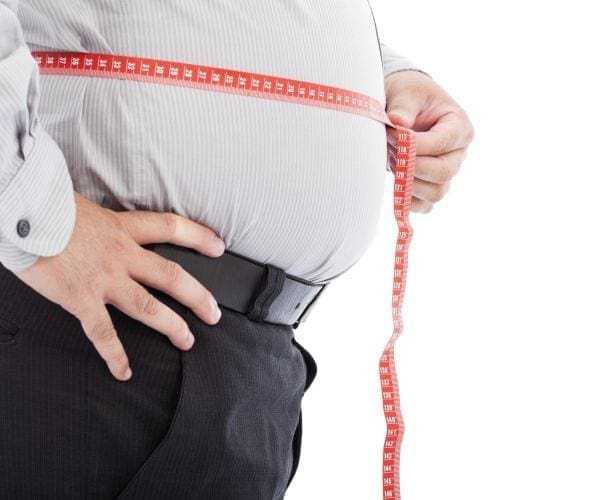
One-third of the world’s population is overweight, with the prevalence of obesity doubling in 70 countries since 1980, and bulging waistlines are driving up health problems such as cardiovascular disease, according to a new study published in the New England Journal of Medicine.
In the United States, 13 percent of children and young adults are obese, the most of any other country, CNN reported.
Worldwide, 2.2 billion people were obese or overweight in 2015.
“People who shrug off weight gain do so at their own risk — risk of cardiovascular disease, diabetes, cancer, and other life-threatening conditions,” said Dr. Christopher Murray, director of the Institute for Health Metrics and Evaluation at the University of Washington, who worked on the study, according to CNN.
“Those half-serious New Year’s resolutions to lose weight should become year-round commitments to lose weight and prevent future weight gain,” he added.
In 2015, about 4 million people died of health problems linked to excess weight, Canadian Broadcasting Corporation reported, noting that death rates related to being overweight rose 28 percent since 1990.
Poor diets and sedentary lifestyles brought on by urbanization and economic development have spread the obesity epidemic worldwide.
“People are consuming more and more processed foods that are high in sugar and fat and exercising less,” said Boitshepo Bibi Giyose, senior nutrition officer at the U.N. Food and Agriculture Organization, according to CBC.
The study was completed by the Institute for Health Metrics and Evaluation at the University of Washington and funded by the Gates Foundation, The New York Times noted.
Nearly 604 million adults and 108 million children worldwide are obese, meaning they have a body mass index of 30 or higher.
“This study shows what we know: No country in the globe has reduced overweight or obesity levels,” said Barry Popkin, a professor of nutrition at the University of North Carolina, according to the Times. “This is astounding given the huge health and economic costs linked with overweight and obesity.”
Adam Drewnowsk, director of the Center for Public Health Nutrition at the University of Washington, said solutions aren’t easy.
“It is all very nice to talk about the need to eat less unhealthy foods and more healthy foods,” he said, according to the Times. But “unhealthy foods cost less; healthier foods often cost more. People eat what they can afford.”

by Dr Alex Jimenez DC, APRN, FNP-BC, CFMP, IFMCP | Natural Health, Wellness
Remember the days when, if you wanted a glass of water, you poured it from the kitchen sink tap? This seems so quaint now, considering the vast number of different types of water available, including alkaline water. But is this specialty water better for your health?
Yes, says Dr. Keith Kantor, a natural health expert an author, who says alkaline water balances the body’s pH level, which can help ward off disease.
The body’s pH level refers to the acidity or alkalinity of blood. The lower the pH, the more acidic the blood. The normal blood pH is tightly regulated between 7.35 and 7.45.
“Our body keeps our pH level at between 7.35 and .45 and it does that very well. Every time our body produces an acid, a sodium bicarbonate molecule is produced to neutralize it,” says Kantor, a natural health expert and author.
“Because the American diet is very acidic, acid can build up in the body, which is why it’s beneficial to drink alkaline water,” says Kantor, the national spokesman for Optimal Harmony Water, which manufactures a type of it.
This buildup of acid can result in acidosis (an excessively acidic condition of body fluids and tissues), and this leads to inflammation, he adds.
“Alkaline water can help with a number of health problems, including acid digestion, heartburn, low energy levels and infections, nausea, and dehydration, but the biggest one is inflammation, which leads to diabetes and obesity,” he says.
But is alkaline water really healthier than tap water?
“The FDA has not studied or reviewed the science relating to alkaline water and cannot speculate or speak to a potential benefit,” says Lyndsay Meyer, spokeswoman for the U.S. Food and Drug Administration.
As a registered dietitian, Vicki Shanta Retelny says her clients often ask her about different types of water.
“I don’t think there’s enough research to say that this type of water is going to be beneficial for fending off disease,” says Retelny, author of “Total Body Diet for Dummies.”’
“If you live in an area where the tap water is hard, it could be helpful, but what most people need to be concerned with is simply whether they are drinking enough water,” she adds. (Hard water is high in dissolved calcium and magnesium.)
“There may be too much iron, sulfur or even arsenic in your tap water,” she notes.
Of course, alkaline water isn’t the only specialty water available these days. Retelny’s clients often ask her about other types of waters as well, including the debate over whether tap or bottled water is best, she says.
According to her, most tap water is generally as good as bottled.
“People spend a lot of money on bottled water but it doesn’t mean that it’s healthier than tap. Usually, it’s not really necessary,” she says.
“Some people like bottled water because they want to bring their water with them on the go, and it’s measured, so they know they are drinking enough. But tap water can be just as beneficial,” she says.
Also, although people like to believe their bottled water comes straight from the spring, it does go through a bottling process, Retelny notes.
In addition, environmentalists are concerned about the buildup of plastic water bottles, she says.
Most Americans get their tap water from a water company, which is required to publicly list its ingredients, so you can call your company to find out, she notes.
But what about specialty, or designer waters, like vitamin water. According to Retelny, they aren’t necessarily healthier either.
“Vitamin water sounds healthy, but along with the vitamins comes flavorings, colors and sugar. You need to be aware of these additions because the calories can add up,” she says.
“Also, it’s difficult to know exactly how much of vitamins are in that water, and sugar-free ones may have artificial sweeteners,” she adds.
“Ordinarily, I don’t recommend vitamin water because I think you should get your vitamins from the foods you eat,” Retelny adds.
This goes for sports drinks as well, she says.
“Drinks with added potassium and sodium are there to benefit people who are sweating because they are participating in sports, she says.
“They can be beneficial for athletes, but most people don’t need them,” Retelny adds.
To add flavor to chilled water, Retelny recommends these additions:
- Lime, basil and crushed berries
- Cucumber, mint and strawberries
- Apple cider vinegar, honey and cinnamon
- Rosemary, mandarin orange
- Lemon, ginger and agave nectar
by Dr Alex Jimenez DC, APRN, FNP-BC, CFMP, IFMCP | Diets, Fitness, Pregnancy
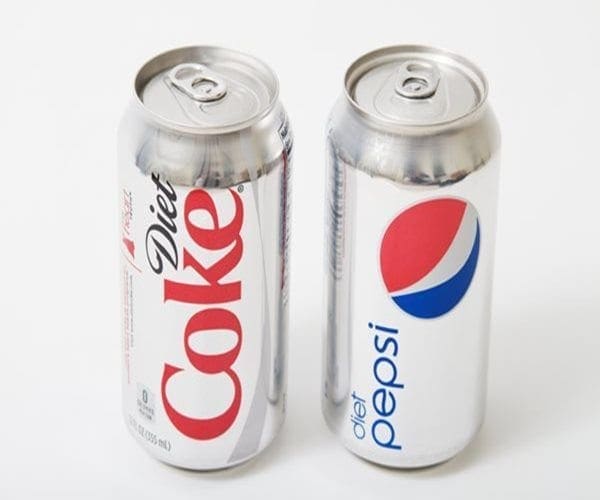
Women who drink diet drinks while pregnant almost double the risk that their child will be overweight or obese at 7 years of age, says a study lead by researchers at the National Institutes of Health. Childhood obesity is known to increase the risk for health problems later in life, such as diabetes, heart disease, stroke, and some cancers.
Researchers found that as the volume of amniotic fluid increases, pregnant women tend to increase their consumption of fluids. To avoid extra calories, many women replace sugar-sweetened soft drinks and juices with beverages containing artificial sweeteners.
Previous studies of adults have found that artificially sweetened beverages encouraged weight gain, and the study authors sought to discover if drinking diet beverages during pregnancy had an effect on the weight of children.
“Our findings suggest that artificially sweetened beverages during pregnancy are not likely to be any better at reducing the risk for later childhood obesity than sugar-sweetened beverages,” said the study’s senior author, Cuilin Zhang, Ph.D.
“Not surprisingly, we also observed that children born to women who drank water instead of sweetened beverages were less likely to be obese by age 7.”
The researchers limited their analysis to data from more than 900 pregnancies that were complicated by gestational diabetes, a type of diabetes that occurs only during pregnancy.
Approximately 9 percent of these women reported consuming at least one artificially sweetened beverage each day. Their children were 60 percent more likely to have a high birth weight, compared to children born to women who never drank sweetened beverages.
At age 7, children born to mothers who drank an artificially sweetened beverage daily were nearly twice as likely to be overweight or obese.
Drinking a daily artificially sweetened beverage appeared to offer no advantages over consuming one sweetened by sugar. At age 7, children born to both groups were equally likely to be overweight or obese.
Women who substituted water for sweetened beverages, however, reduced their children’s obesity risk at age 7 by 17 percent.
Scientists aren’t sure why drinking artificially sweetened beverages compared to drinking water may increase obesity risk. The authors cited an animal study that associated weight gain with changes in the types of bacteria and other microbes in the digestive tract.
Another animal study suggested that artificial sweeteners may increase the ability of the intestines to absorb the blood sugar glucose. Other researchers found evidence in rodents that, by stimulating taste receptors, artificial sweeteners desensitized the animals’ digestive tracts, so that they felt less full after they ate and were more likely to overeat.
According to the Centers for Disease Control and Prevention, the percentage of obese children has more than tripled since the 1970s. Today, 1 in 5 children between the ages of 6 and 19 are obese.
In addition to increased health risks as adults, obese children also have an increased risk of chronic health problems, such as asthma and Type 2 diabetes. They are also more likely to be bullied, and to suffer from depression and lower self-esteem.