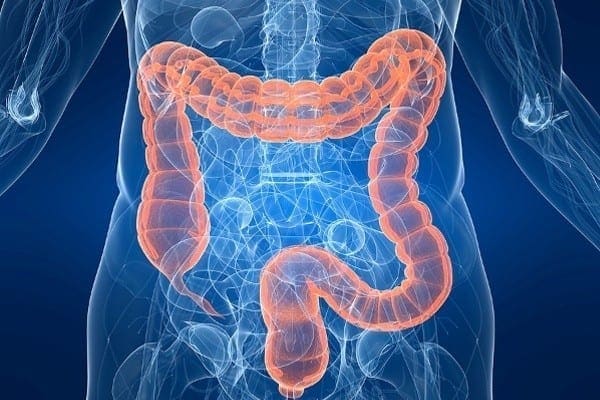
The digestive system is largely in charge of providing the body with the essential nutrients needed for all the other systems of the body to function effectively. But, what happens when your digestive health is less than optimal and your overall wellness is affected? Gastrointestinal diseases can wreak havoc on the structure and function of the digestive system, altering its effectiveness when providing the body with essential nutrients, as well as that of other important processes in the human body.
What are Functional Gastrointestinal Diseases?
Functional gastrointestinal diseases are those in which the gastrointestinal tract, or GI tract, appear normal but may actually not be functioning properly. They are the most common issues which affect the gastrointestinal tract, including the colon and the rectum. Irritable bowel syndrome, or IBS, and constipation are two of the most commonly reported examples of functional GI diseases. Many factors may affect the gastrointestinal tract’s function, primarily when it involves its motility, or the ability to keep “things” moving, such as:
Eating an improper diet that is also low in fiber,
Not participating in enough physical activity or exercise,
Changes in your daily routine due to traveling,
Eating large quantities of dairy products,
Stress,
Resisting the urge to go to the bathroom,
Resisting the urge to go to the bathroom due to pain from hemorrhoids
Overdoing it on the use of laxatives, or stool softeners, which weaken bowel muscles,
Taking antacid medicines, which calcium or aluminum,
Using certain drugs and/or medications, especially antidepressants, iron pills, and strong pain medicines such as narcotics,
And pregnancy.
Irritable Bowel Syndrome, or IBS
Irritable bowel syndrome, also known as spastic colon, irritable colon, or nervous stomach, is a gastrointestinal disease in which the colon muscle contracts more frequently than in people without IBS. Certain foods, drugs and medications, and even emotional stress have been identified to be some of the most prevalent aspects which can trigger irritable bowel syndrome and its symptoms. Symptoms of irritable bowel syndrome, or IBS, include:
Abdominal pain and cramps,
Excessive gas,
Bloating,
Changes in bowel movement habits, such as harder, looser, or more urgent stools than normal,
And alternating constipation and diarrhea.
Treatment methods for irritable bowel syndrome, or IBS include:
Avoiding the consumption of caffeine or caffeinated products,
Adding more fiber intake to your diet,
Monitoring which foods trigger your IBS and taking action to avoid eating these foods,
Decreasing stress levels by learning different ways to cope with the stress,
And occasionally taking drugs and medications as prescribed by a healthcare professional.
Constipation
Constipation is a common gastrointestinal disease, described as the inability or struggle to have a regular bowel movement, or move stools, where they’re infrequent, about less than three times a week, or incomplete. Constipation is usually brought on by insufficient fiber in the diet, or due to a disruption in your normal diet or daily routine. Constipation can cause a person to strain during a bowel movement. It may create small, hard stools and can sometimes lead to anal issues, such as hemorrhoids and fissures. Constipation is seldom a sign of a more serious digestive health issue. People with constipation can treat the problem by:
Increasing fiber intake to your diet,
Engaging in regular physical activity or exercise,
And by going to the bathroom promptly when you feel the urge to go, as resisting the urge is believed to cause constipation.
If these treatment methods are not enough, laxatives can be used but only as a temporary alternative. Be aware that the overuse of laxatives can eventually worsen constipation symptoms. Always follow the advice of your healthcare professional or follow the directions on the laxative medicine, accordingly.
What are Structural Gastrointestinal Diseases?
Structural gastrointestinal diseases are those in which the bowels themselves look abnormal while also not functioning properly. Occasionally, the structural abnormality may need to be surgically removed to relieve the digestive health issue. Commonly reported examples of structural gastrointestinal diseases, include hemorrhoids, diverticular disease, colon polyps, colon cancer, and inflammatory bowel disease.
Anal Disorders
Hemorrhoids
Hemorrhoids can be characterized as the swollen blood vessels that line the anal opening. They are brought on by chronic, excessive pressure from straining during a bowel movement, persistent diarrhea or even pregnancy. There are two types of hemorrhoids: internal and external.
Internal Hemorrhoids
Internal hemorrhoids are blood vessels on the interior of the anal opening. When they fall down into the anus as a result of straining, they can become irritated and start to bleed. Ultimately, internal hemorrhoids can fall down enough to prolapse, or sink and/or stick, out from the anus.
Treatment methods for internal hemorrhoids include:
Improving bowel movement habits, such as avoiding constipation, not straining during bowel movements and going to the bathroom when you have the urge to go,
Having your doctor use elastic bands to remove the blood vessels,
And, having a healthcare professional surgically remove them. Surgical interventions are generally only utilized for patients with painfully large and persistent hemorrhoids.
External Hemorrhoids
External hemorrhoids are veins that lie just underneath the skin on the outside of the anus. Occasionally, after straining, the external hemorrhoidal veins can burst, forming a blood clot under the skin. This very painful condition is medically referred to as a pile.
Treatment methods for external hemorrhoids include removing the clot and vein under local anesthesia and/or removing the hemorrhoid itself.
Anal Fissures
Anal fissures are splits or cracks which occur in the lining of the anal opening. The most common cause of an anal fissure is the passing of very hard or watery stools. The crack in the anal lining exposes the muscles which control the passage of stool through the anus and out of the body. An anal fissure is considered to be one of the most painful gastrointestinal diseases, or disorders, because the vulnerable muscles can become irritated from exposure to feces, or stool, and/or air, and may lead to intense burning pain, bleeding, or spasm after bowel movements.
Initial treatment methods for anal fissures includes pain drugs/medications, the addition of dietary fiber to reduce the incidence of large, bulky stools, and sitz baths, where the individual sits in a few inches of warm water. If these treatments do not relieve the painful symptoms, surgery may be required to repair the sphincter muscle.
Perianal Abscesses
Perianal abscesses can occur when the tiny anal glands that open on the interior of the anus become obstructed, and the bacteria always present in these glands trigger an infection. When pus develops, it can create the perianal abscess.
Treatment involves draining the abscess, usually under local anesthesia by a qualified and experienced healthcare professional.
Anal Fistula
An anal fistula often follows drainage of an abscess and can be an unnatural tube-like passageway in the anal canal to a hole in the skin near the opening of the anus. Body wastes traveling through the anal canal are redirected through this tiny channel and out through the skin, causing itching and irritation. Anal fistulas also bring about drainage, pain, and bleeding. They rarely heal by themselves and usually require surgery to drain the abscess and “close off” the fistula.
Other Perianal Infections
Occasionally, the skin glands near the anus become infected and may need to be drained. Just behind the anus, abscesses can form that contain a little tuft of hair at the back of the pelvis, known as a pilonidal cyst. Sexually transmitted diseases which could affect the anus include anal warts, herpes, AIDS, chlamydia, and gonorrhea.
Diverticular Disease
Diverticulosis is the presence of small outpouchings, known as the diverticula, in the muscular wall of the large intestine which form in weakened areas of the gastrointestinal tract, or GI tract. They usually develop in the sigmoid colon, the high-pressure area of the lower large intestine. Diverticular disease is relatively common and can occur in approximately 10 percent of people over the age of 40 and in 50 percent of people over the age of 60 in Western cultures. It’s frequently caused by too little amounts of fiber in the diet. Diverticulosis rarely causes symptoms.
Complications of diverticular disease happen in about 10 percent of people with outpouchings. They include inflammation or infection (diverticulitis), bleeding, and obstruction. Treatment methods for diverticulitis includes antibiotics, increased fluids, along with a specialized diet. Surgical interventions are needed in about half of the patients who have complications to eliminate the involved segment of colon.
Colon Polyps and Cancer
About 130,000 Americans are diagnosed with colorectal cancer each year, making it the second most common type of cancer in the United States. Fortunately, with medical advances in early detection and treatment method therapies, colorectal cancer is one of the most curable forms of the disease. By utilizing a variety of screening tests, it is possible to prevent, detect, and treat the disease before symptoms begin to appear.
The Value of Screening
Virtually all colorectal cancers begin as polyps, benign, or non-cancerous, growths in the tissues lining the colon and rectum. Cancer develops when these polyps grow and abnormal cells develop and start to invade surrounding tissues. Removal of polyps can prevent the development of colorectal cancer. Almost all precancerous polyps may be removed painlessly using a flexible, lighted tube called a colonoscope. If not caught in the early stages, colorectal cancer can spread throughout your system. More advanced cancer requires more complex surgical procedures. Most early forms of colorectal cancer do not cause symptoms, making screening an essential part of its diagnosis. When symptoms do occur, the cancer might already be very advanced. Symptoms include, blood mixed in with the stool, a change in normal bowel movement habits, narrowing of the stool, abdominal pain, weight loss, or constant tiredness.
Most cases of colorectal cancer are detected in one of four ways:
By screening people at average risk for colorectal cancer beginning at age 50,
By screening people at higher risk for colorectal cancer, for example, those with a family history or a personal history of colon polyps or cancer,
By investigating the bowel in patients with symptoms,
And through a chance finding at a routine, doctor’s check-up.
Early detection is your best opportunity for a cure.
Colitis
There are several types of colitis, gastrointestinal diseases which can cause an inflammation of the gut. The different types of colitis include:
Infectious colitis,
Ulcerative colitis, where the cause is unknown,
Crohn’s disease, where the cause is unknown,
Ischemic colitis, caused when not enough blood is going to the colon,
And radiation colitis, caused after radiotherapy.
Colitis causes diarrhea, rectal bleeding, abdominal cramps, and urgency, or frequent and immediate need to empty the bowels. Treatment methods for colitis depend on the diagnosis, which is made after a colonoscopy and biopsy.
Can Gastrointestinal Diseases be Avoided?
Many gastrointestinal diseases, or GI diseases, can be prevented or their risk can reduced by managing and maintaining a healthy lifestyle, such as a proper nutrition, exercise, and hydration, among other lifestyle modifications, by practicing good bowel movement habits, and submitting to cancer screening. Colonoscopy is recommended for average risk patients at age 50. When you have a family history of colorectal cancer or polyps, colonoscopy may be recommended at a younger age. Normally, colonoscopy is recommended 10 years younger than the affected relative. For instance, if your brother has been diagnosed with colorectal cancer or polyps at age 45, you should begin screening at age 35. In case you have symptoms of colorectal cancer you should speak to your doctor right away. Common symptoms include:
A change in normal bowel movement habits,
Blood on or in the stool which is either bright or dark,
Unusual abdominal or gas pains,
Very narrow stool,
A feeling that the bowel has not emptied completely after passing stool,
Unexplained weight loss,
And fatigue.
The scope of our information is limited to chiropractic and spinal injuries and conditions. To discuss the subject matter, please feel free to ask Dr. Jimenez or contact us at 915-850-0900 .
By Dr. Alex Jimenez
Additional Topics: Wellness
Overall health and wellness are essential towards maintaining the proper mental and physical balance in the body. From eating a balanced nutrition as well as exercising and participating in physical activities, to sleeping a healthy amount of time on a regular basis, following the best health and wellness tips can ultimately help maintain overall well-being. Eating plenty of fruits and vegetables can go a long way towards helping people become healthy.
Several hours after you’ve swallowed that delicious first bite from your breakfast meal, the process of digestion has already started helping you get the most essential nutrients from your food. Your gastrointestinal tract, around 30 feet of prime digestive real estate, has the important function of breaking down food to absorb carbohydrates, proteins and fats, as well as vitamins and minerals, necessary for you to survive. However, your digestive system may not always function seamlessly.
Is digestive health important for overall wellness?
In fact, approximately 60 percent of adults suffer from gastrointestinal diseases and often experience symptoms such as gas, bloating and constipation. While an occasional abdominal discomfort might appear normal to most people, it could signal the beginning of a much bigger digestive health issue and you may find that it can be quite a relief to know that you can take action to feel your best. Listed below are five digestion health tips everyone can put into practice to achieve optimal gut wellness.
Understanding the Gut’s Microbiome
One hundred trillion of your body’s greatest allies, bacteria found throughout various areas of the gastrointestinal tract, make up what’s referred to as the microbiome. Researchers believe that digestive health can provide an insight into the well-being of the entire human body and there’s evidence that both the type and amount of bacteria growing on your gut can affect other functions as well, from your immunity to even your mood. The good kinds of bacteria, commonly known as probiotics, also need to eat in order to survive and help control the growth of harmful bacteria in the gastrointestinal tract. Prebiotics are the essential “food” for probiotics. There’s been many discussions regarding those probiotics found in fermented foods such as yogurt, kefir and kimchi, but it should be understood how vital it is to nourish these probiotics with prebiotics. Some prebiotic foods include raw asparagus, cooked onions, bananas and kiwifruit, among others.
Understanding How to Maximize Digestion
When it comes to achieving optimal digestive health, fiber can promote that sought after, comfortable digestion. The best sources of fiber include plant foods. In addition to enjoying those deliciously, colorful fruits and vegetables, make sure to fill up on whole grain foods to get enough fiber. The 2015-20 Dietary Guidelines recommends making half your plate fruits and vegetables and half of all your grains, whole grains. The United Nations called 2016 the International Year of Pulses, yet another name for beans and lentils, which are also rich in fiber. Some foods have compounds known as proteases which help break down protein, easing digestion when eating a hearty meal with meat. For instance, pineapple has a protease called bromelain, kiwifruit contains actinidin and papaya has papain. Another essential that can help maximize digestion which many people overlook is the simple principle of slowing down when you’re eating to make digestion easier. Taking time to properly chew your food is one of the smartest tricks anyone can do in order to optimize digestion.
Understanding How to Get the Gut Back on Track
Many of you may well know that sensation when your digestion is thrown out of whack and “things” get backed up a little. Although you may not have constipation, one can experience bloating and discomfort. In order to get your gut back on its regular track, you should maximize three things: water, exercise, and fiber. When that alone isn’t enough, many men and women can turn to fiber supplements such as psyllium and other bulking agents. Preliminary evidence from a study in New Zealand demonstrated that eating two green kiwifruit a day eases constipation as effectively as fiber supplements. Kiwifruit is an excellent source of fiber, like many fruits, but research affirms that kiwifruit fibers have a higher capacity of holding water, helping in laxation in the colon. Research studies are now underway in Italy and Japan to add to the understanding of kiwifruit as a natural remedy for relieving constipation. It’s a pretty exciting notion that using whole foods over supplements can be all that’s needed to get your digestive health back on track.
Understanding FODMAPs
Irritable bowel syndrome is a gastrointestinal disease estimated to affect 1 in 10 people. In the last few years, those diagnosed with irritable bowel syndrome, or IBS, have found digestive relief following a low FODMAP eating strategy. Certain carbohydrate foods, many of which can be nourishing fruits, vegetables and beans, are saturated in FODMAPs, which stands for Fermentable Oligosaccharides, Disaccharides, Monosaccharides And Polyols, and may not be absorbed by people with sensitive intestines. Subsequently, these can create gas and other uncomfortable symptoms in the colon when bacteria ferment them, triggering irritable bowel syndrome symptoms. To ease IBS symptoms, the FODMAP foods must be removed from the individual’s diet and then later reintroduced in tolerable amounts. Talk to your gastroenterologist or a registered dietitian specializing in the low FODMAP protocol in case you have IBS and are considering trying this diet to improve your digestive health.
Understanding the Link Between the Brain and the GI Tract
You may also have already heard that stress can ultimately affect your digestive health. When some people feel stressed and anxious, their gastrointestinal tract often goes into hyperdrive. Nevertheless, the link between the brain and the GI tract is more than just that. More than 60 percent of our immune cells call the digestive system home. The gut has its own nervous system as well, frequently referred to as “the second mind,” containing more than a million nerve cells. Additionally, around 95 percent of people with IBS also struggle with depression or other mood disorders.
The concept that the gut microbiome can influence mood has become one of the most interesting areas of research today. Studies have revealed that the gut synthesizes significant levels of serotonin, the neurotransmitter that helps calm and relax the body. Adequate vitamin C is required for the gut to turn tryptophan into serotonin.
Scientists are analyzing how modifications to our eating patterns may contribute to an improved and diverse microbial community. Those studying kiwifruit have supplied evidence that consuming two kiwifruit per day (200 mg per day of vitamin C) was associated with optimal blood levels of vitamin C to benefit immune function and well-being. One study demonstrated a 35 percent decrease in mood disbalances based on self-reported perception of an improved mood once the participants consumed kiwifruit. While many different foods, such as oranges and strawberries, can provide vitamin C, SunGold kiwifruit is a particularly rich source of the nutrient.
Now that you’ve understood how to manage and maintain your digestive health better, you can start to make lifestyle changes that can help you support it. The good news is these changes can be simple, delicious and beneficial to your overall wellness. Whether you begin to eat more slowly, build a balanced plate to get more fiber, be sure to consume probiotics and prebiotics, get sufficient water, exercise, or do a bit of each of the tips mentioned above, you’ll feel the difference with better digestive health. Keep your eyes open for further evidence of what creates a healthy gut microbiome, because we’re just digging into the knowledge base of beneficial bacteria. The scope of our information is limited to chiropractic and spinal injuries and conditions. To discuss the subject matter, please feel free to ask Dr. Jimenez or contact us at 915-850-0900 .
By Dr. Alex Jimenez
Additional Topics: Wellness
Overall health and wellness are essential towards maintaining the proper mental and physical balance in the body. From eating a balanced nutrition as well as exercising and participating in physical activities, to sleeping a healthy amount of time on a regular basis, following the best health and wellness tips can ultimately help maintain overall well-being. Eating plenty of fruits and vegetables can go a long way towards helping people become healthy.
There’s something about gastrointestinal issues that makes them difficult to talk about in polite company, which unfortunately leaves many of us suffering one problem or another in silence. “What’s more, gastrointestinal, or GI, diseases are putting an increasing weight on Americans, causing an unprecedented number of clinical visits and hospitalizations than ever before”, stated Stephen Bickston, an American Gastroenterological Association professor of internal medicine at Virginia Commonwealth University.
What are the most prevalent gastrointestinal diseases?
Nevertheless, treatments for gastrointestinal diseases can be as simple as making informed lifestyle modifications or even taking over-the-counter drugs and medications. Peppermint oil and soluble fiber, for instance, has been used to help people with irritable bowel syndrome, or IBS, where a 2008 British Medical Journal study suggested that both of these natural remedies ought to be first-line treatment therapies for IBS. Here’s a rundown of the latest medical knowledge on five of the most common gastrointen.
Acid Reflux
Symptoms of acid reflux, such as heartburn, are among several of the most common digestive discomforts reported by the general population. In a Swedish study, approximately 6 percent of people reported suffering from acid reflux symptoms daily and 14 percent had them at least weekly. Such frequent symptoms may indicate the presence of gastroesophageal reflux disorder, or GERD. Aside from being painful, GERD, or gastroesophageal reflux disorder can damage the esophagus throughout the years or even lead to esophageal cancer.
“Heartburn typically involves a hot or burning sensation which rises up from the center of the abdomen area and to the chest under the breastbone or sternum”, states Michael Gold, a gastroenterologist at MedStar Washington Hospital Center in Washington, D.C. “It might also be accompanied by a sour taste in the mouth, or hypersalivation, in addition to discovering fluid or food out of your mouth, particularly at night time.” Pregnancy, several drugs and medications, as well as consuming alcohol or certain foods can cause heartburn. Children under the age of 12 and a few adults may have GERD without heartburn, instead experiencing asthma-like symptoms, difficulty swallowing, or a dry cough.
Treatment options for acid reflux include drugs and medications that reduce acid levels, like the proton pump inhibitors Aciphex, Nexium, Prevacid, Prilosec, and Protonix, along with the H2 blockers Axid, Pepcid, Tagamet, and Zantac. But taking these drugs and/or medications is not without risk. In 2008, a study found that a proton pump inhibitor can weaken the heart-protective impact of the blood thinner Plavix in patients taking the two drugs/medications together. In severe cases of gastroesophageal reflux disorder, surgeons can tighten a loose muscle found between the esophagus and the stomach, to inhibit the upwards flow of gastric acid. Laparoscopic surgery, which involves small incisions, has been proven to reduce scarring and shorten recovery time in comparison with open procedures.
Diverticulitis
By one estimate, about 3 in 5 Americans older than 70 years of age have the abnormal lumps called diverticula someplace in the wall of their intestinal tract. However, only 20 percent may experience a complication like diverticulitis, inflammation of a pouch, a tear, or an abscess.
Individuals with Crohn’s disease or ulcerative colitis, the two most prevalent inflammatory bowel diseases, complain of abdominal pain and diarrhea and may sometimes experience anemia, rectal bleeding, weight loss and other symptoms. “No definitive tests and evaluations exist for either disease and patients generally endure two primary misdiagnoses”, says R. Balfour Sartor, chief medical adviser to the Crohn’s & Colitis Foundation of America. “With Crohn’s”, he states, “appendicitis, irritable bowel syndrome, an ulcer, or an infection can be incorrectly diagnosed.”
In case diverticulitis does develop, symptoms are most likely to manifest through abdominal pain and potentially fever, however, antibiotics can treat the problem. In severe instances, a tear can result in an abscess, which might result in nausea, vomiting, fever, and intense abdominal tenderness which demands surgical repair. Some healthcare specialists consider that a diet too low in fiber could trigger the gastrointestinal disease, which develops growingly common with age and is most widespread in western societies.
Inflammatory Bowel Disease
Both disorders may emerge from a wayward immune system that leads the body to attack the gastrointestinal tract, or GI tract. Crohn’s disease involves ulcers that could seep deep into the tissue lining at any given section of the GI tract, leading to infection and thickening of the intestinal wall and blockages which may need surgery. Ulcerative colitis, by comparison, interrupts only the colon and rectum, where it also causes ulcers; colitis is characterized by bleeding and pus.
Treating either disease requires beating back, then constantly holding in check, the inappropriate inflammatory response. Both steps are accomplished by means of a combination of prescription anti-inflammatories, steroids and immunosuppressants. Crohn’s patients might also be given antibiotics or other specialized drugs and medications. The current debate stands as to whether Crohn’s disease sufferers benefit if given highly potent treatment therapies early in the course of the gastrointestinal disease instead of escalating potency with time from milder initial treatments, as is traditionally done, clarified Themos Dassopoulos, manager of inflammatory bowel diseases at Washington University at St. Louis. Surgery “cures” ulcerative disorders by simply taking away the colon but signifies that patients will need to wear a pouch, internally or externally, for waste. “Inflammatory bowel disease, or IBD, patients must take particular caution when using NSAIDs, such as aspirin, since these painkillers may cause additional gut inflammation in 10 to 20 percent of individuals, ” states Dassopoulos.
Constipation
The fact that Americans spend $725 million annually on laxatives indicates that trying to unclog the nation’s plumbing, so to speak, is a national pastime. But overuse of stimulant laxatives, which cause the intestines to contract rhythmically, can make the gut more reliant on these, requiring more of them and finally rendering the aid ineffective. First, a little bit of clarification on the frequency of your flushing: “There is no need to worry about having a daily bowel motion; anywhere between three times a day and three times per week is normal”, says Sandler.
“However, if you are having discomfort and can not make your bowels move, try out an over-the-counter remedy such as milk of magnesia’,’ he states. And should you have attempted laxatives or not, going a week without a bowel movement is a very good reason to see the doctor, ” says Sandler. Constipation, hard stools, and straining could result in hemorrhoids or an anal fissure. Constipation is best avoided through regular exercise and a diet high in fiber from whole grains, fruits, and vegetables. To elderly folks, that are inclined to become constipated more frequently: Be sure you’re hydrating properly and conscious of any drugs and medications which may be causing your bowel movements to be backed up.
Gallstones
Just a quarter of people with gallstones typically require treatment. That’s fortunate, because every year nearly 1 million Americans are diagnosed with these small pebbles, which are largely made of cholesterol and bile salts. Eliminating these typically requires removal of the gallbladder, one of the most frequent surgeries in the United States.
“Gallstones can get blamed for symptoms caused by other, more elusive culprits, such as irritable bowel syndrome”, states Robert Sandler, chief of the division of gastroenterology and hepatology together with the University of North Carolina School of Medicine. An ultrasound evaluation may pick them up while missing the real issue. “If you’re told you’ve got to have gallstones out however they aren’t bothering you, get a second opinion”, he advises. Removal may be mandatory when the stones instigate infection or inflammation of the gallbladder, pancreas, or liver. This can happen if a stone going out of the intestine becomes trapped, blocking the flow of bile, at the ducts between the liver and the small intestine.
The pain of a gallstone lodged at a duct normally comes on quickly at the right upper abdomen, between the shoulder blades, or beneath the right shoulder,� and also means a visit to the ER is necessary, as may fever, vomiting, nausea, or pain lasting more than five hours. Gallbladder removal may be accomplished laparoscopically and more recently has been completed with no external incision by going through your mouth or vagina. Obesity can also be a risk factor for gallstones, and it is theorized that they increase due to a lack of fiber and an excessive amount of fat from the western diet. Losing weight then regaining it also seems to set the stage for the common gastrointestinal disease. In a 2006 study of men, the more frequent the weight cycling and the bigger the amount of pounds fall and are regained, the larger the chances of developing gallstones. Women, in particular those people who are pregnant or using birth control pills, face an increased risk of developing gallstones as well.
We will continue to discuss the common issues affecting the gastrointestinal tract, or GI tract, including the colon as well as rectum and anal problems, in the following series of articles. The 5 common gastrointestinal diseases mentioned above can manifest pain and discomfort as well as a variety of other symptoms if left untreated. Be sure to seek proper medical attention. The scope of our information is limited to chiropractic and spinal injuries and conditions. To discuss the subject matter, please feel free to ask Dr. Jimenez or contact us at 915-850-0900 .
By Dr. Alex Jimenez
Additional Topics: Wellness
Overall health and wellness are essential towards maintaining the proper mental and physical balance in the body. From eating a balanced nutrition as well as exercising and participating in physical activities, to sleeping a healthy amount of time on a regular basis, following the best health and wellness tips can ultimately help maintain overall well-being. Eating plenty of fruits and vegetables can go a long way towards helping people become healthy.
Food is one of the most essential basic needs. It is made up of nutrients, micronutrients, such as vitamins and minerals, and macronutrients, such as carbohydrates, proteins and fats. A balanced diet, consisting of a variety of these nutrients is the foundation of good health. While consuming the necessary daily intake of carbohydrates, high-quality proteins, heart-healthy fats, vitamins, minerals and water is essential towards maintaining the body’s overall well-being and function, staying healthy and productive could not be achieved without one important structure: the digestive system.
What is the digestive system?
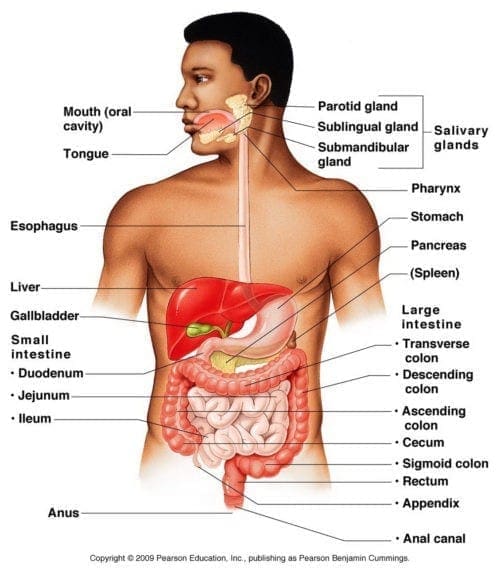
The digestive system is a collective group of organs which function together to convert food into energy and provide basic, fundamental nutrients in order to nourish the entire body. Food is delivered through a long tube inside the body known as the alimentary canal, best referred to as the gastrointestinal tract, or the GI tract. The gastrointestinal tract consists of the oral cavity, or mouth, pharynx, esophagus, stomach, small intestines, and large intestines. Along with the gastrointestinal tract, there are various important accessory organs which additionally help the human body to digest foods, however, these do not have food pass through them. Accessory organs of the digestive system include the teeth, the tongue, salivary glands, liver, gallbladder, and the pancreas.
Digestive System Anatomy
Mouth
Food begins its course through the digestive system at the mouth, also known as the oral cavity. As a matter of fact, digestion is considered to begin here as soon as you take the first bite of a meal. Within the mouth are numerous accessory organs which aid in the digestion of food: the teeth, the tongue, and the salivary glands. Teeth chop food into smaller pieces, to allow for an easier digestion, which are then moistened by saliva to begin the process of breaking the food down, before the tongue and other muscles of the mouth push the food into the pharynx.
Teeth. The teeth are 32 small, hard organs located along the anterior and lateral edges of the mouth. Each tooth is created from a bone-like material called dentin and coated in a layer of enamel, the hardest substance in the human body. Teeth are living organs that also contain blood vessels and nerves under the dentin in a soft region, best referred to as the pulp. The structure of the teeth is made for cutting and grinding food into smaller pieces.
Tongue. The tongue is located on the inferior section of the mouth only posterior and medial to teeth. It’s a small organ composed of several pairs of muscles coated in a thin but strong, bumpy, skin-like layer. The outside of the tongue contains many papillae designed for grasping food as it’s moved by the tongue’s muscles. The taste buds on the surface of the tongue distinguish flavor molecules in food and link to nerves in the tongue to deliver taste information to the brain. The tongue can also help push food toward the posterior area of the mouth for swallowing.
Salivary Glands. Surrounding the mouth are three varieties of salivary glands. The salivary glands are sets of accessory organs that produce a watery secretion known as saliva. Saliva helps to moisten food and starts the digestion of food. The body also uses saliva to continue lubricating food as it moves through the mouth, pharynx, and esophagus.
Pharynx
The pharynx, or throat, is a funnel-shaped tube connected to the back end of their mouth. The pharynx is responsible for the delivery of a mass of chewed food from the mouth to the esophagus. The pharynx also has a significant role in the respiratory system, as air from the nasal cavity passes through the pharynx on its way to the larynx and finally the lungs. Since the pharynx serves two different functions, it includes a flap of tissue called the epiglottis which behaves as a switch to effectively route food into the esophagus and air into the larynx.
Esophagus
The esophagus is a muscular tube which connects the pharynx to the stomach, that is part of the upper gastrointestinal tract, or upper GI tract. By means of a series of contractions, referred to as peristalsis, it transports the eaten masses of chewed food along its span. At the inferior end of the esophagus is a muscular ring known as the lower esophageal sphincter or cardiac sphincter. The role of the sphincter is to shut off the end of the esophagus and keep food from passing backwards into the esophagus, and instead maintain it in the stomach.
Stomach
The stomach is a muscular sac that’s located on the left side of the abdominal cavity, just inferior to the diaphragm. In an average individual, the stomach is about the size of their two fists placed alongside each other. This major organ plays the role of serving as a sort of storage tank for foods so the body has enough time to digest large meals properly. The stomach also contains hydrochloric acid and digestive enzymes which continue the digestion of food that began from the mouth. When it leaves the stomach, food is the consistency of a liquid or paste.
Small Intestine
Made up of three segments, the duodenum, the jejunum and the ileum, the small intestine is a long, thin tube about 1 inch in diameter and approximately 10 feet long which is part of the lower gastrointestinal tract, or lower GI tract. It is located only inferior to the stomach and takes up nearly all the space in the abdominal cavity. The entire small intestine is coiled like a hose and the interior surface is filled with lots of ridges and folds. These folds are utilized to make the most of the digestion of food and absorption of nutrients. The small intestine continues the process of breaking down food with the help of accessory organs. Contractions known as peristalsis are also at work within this organ. By the time food leaves the small intestine, approximately 90 percent of nutrients are extracted from the food which entered it.
Liver and Gallblader
The liver is a roughly triangular accessory organ of the digestive system found to the right of the stomach, just inferior to the diaphragm and superior to the small intestine. The liver weighs about 3 pounds and is the second largest organ in the human body. The liver has many different functions, but its primary purpose is the production of bile and its secretion into the small intestine for digestion. Another of its important functions include the cleansing and purification of the blood flowing from the small intestine, which contains the absorbed nutrients. The gallblader is a small, pear-shaped organ found just posterior to the liver. The gallbladder is used to store and recycle surplus bile from the small intestine, through a channel known as the cystic duct, so that it might be re-utilized for the digestion of subsequent meals.
Pancreas
The pancreas is a large gland situated just inferior and posterior to the stomach. It is approximately 6 inches long and shaped like short, lumpy snake with its “head” attached into the duodenum and its “tail” pointing towards the left wall of the abdominal cavity. The pancreas secretes digestive enzymes into the small intestine to complete the digestion of foods. These enzymes break down carbohydrates, proteins and fats from the food we eat.
Large Intestine
The large intestine, best referred to as the colon, is a long, thick tube about 2.5 inches in diameter and approximately 5 feet long.�It is made up of the cecum, the ascending colon, the transverse colon, the descending colon, and the sigmoid colon, which connects to the rectum. It is located only inferior to the stomach and wraps across the lateral and superior border of the small intestine. The large intestine absorbs water and also contains many symbiotic bacteria which aid in the breaking down of wastes to extract small quantities of nutrients. Stool, or waste left over from the digestive process, is passed through the colon by means of peristalsis, or contractions, first in a liquid state and ultimately in solid form as the water is removed from the stool. Stool, or feces, in the large intestine exits the body through the anal canal, to begin the process of elimination.
In conclusion, the digestive system is ultimately essential to effectively break down the food we consume to provide our body with energy and basic nutrients. Unfortunately, however, as with other systems of the body, gastrointestinal diseases can alter the healthy function of the digestive system. The gastrointestinal tract may appear normal but may not be working properly. Symptoms can vary widely on the individual depending on the problem.� We will discuss the common issues affecting the gastrointestinal tract, or GI tract, including the colon as well as rectum and anal problems, in the following series of articles.�The scope of our information is limited to chiropractic and spinal injuries and conditions. To discuss the subject matter, please feel free to ask Dr. Jimenez or contact us at 915-850-0900 .
By Dr. Alex Jimenez
Additional Topics: Wellness
Overall health and wellness are essential towards maintaining the proper mental and physical balance in the body. From eating a balanced nutrition as well as exercising and participating in physical activities, to sleeping a healthy amount of time on a regular basis, following the best health and wellness tips can ultimately help maintain overall well-being. Eating plenty of fruits and vegetables can go a long way towards helping people become healthy.
Calcium is one of the most omnipresent mineral in the human body. An average-sized adult’s body, for instance, can contain approximately 1000 to 1200 grams of calcium, which is generally, invisibly integrated into bones and teeth by the widely available type of mineral, identified as calcium-hydroxyapatite (Ca10(PO4)6(OH)2) crystals. The rest circulates throughout the blood and soft tissues, as it plays fundamental roles in cell conduction, muscle function, hormone regulation and vitamin K-dependent pathways, as well as for proper cardiac and blood vessel function.
What role does calcium play in heart health?
Several research studies indicate that just about 30 percent of the United States population consumes the Recommended Dietary Allowance of calcium, which calls for approximately 1000 to 1200 milligrams on a regular daily basis. Furthermore, humans can absorb only about 30 percent of calcium from foods, based on the particular source. The body will in turn, demineralize its own skeletal system to maintain the proper serum calcium levels in scenarios where dietary calcium is inadequate and/or absorption is decreased, and/or excretion is increased.
Epidemic of Osteopenia/Osteoporosis
Starting at around the age of 50 years old, postmenopausal women lose about 0.7 to 2 percent of their bone mass each year, while men over age 50 years lose 0.5 to 0.7 % annually. Between ages 45 and 75 years of age, women lose 30 percent bone mass, whereas men lose 15 percent.
According to the US Surgeon General’s Report, one in two Americans over the age of 50 are expected to have an increased risk of developing osteoporosis. Osteoporosis causes 8.9 million fractures annually, with an estimated cumulative cost of incident fractures predicted at US $474 billion over the next 20 years. Among mature women over the age of 45, osteoporosis accounts for more days spent in the hospital than many other conditions and diseaes, such as diabetes, myocardial infarction (MI), chronic obstructive airway disease and even breast cancer. Fragility fractures are the primary cause of hospitalization and/or death for US adults age 65 years and older; and 44 percent of nursing home admissions are caused by fractures.
A Mayo Clinic study noted that compared to 30 years ago, forearm fractures have increased more than 32 percent in men and 56 percent in women. The authors of the research study concluded that dietary changes, such as inadequate calcium and extra phosphate, were considerably associated with increased fractures. Public health approaches are critical to prevent symptomatic bone disease, however, widespread psychiatric prophylaxis is prohibitively costly and carries potentially serious adverse effects.
Cardiovascular Disease and Bone Disease
Strong epidemiological associations exist between decreased bone mineral density (BMD) and increased risk of the cardiovascular disease (CVD) and CVD death. For instance, individuals with osteoporosis have been reported to have a higher risk of developing coronary heart disease (CHD), as well as cardiovascular disease. This issue will be magnified if the remedies for osteoporosis (eg, calcium supplements) separately increase the risk of MI.
Issues with Dairy as Primary Source of Calcium
Dairy foods and drinks account for about 70 percent of dietary calcium intake among Americans. Dozens of epidemiological and randomized controlled trials in adults and children have utilized dairy products as the main source of calcium, and have credited dairy intake with preventive benefits on study end points such as bone mass, fractures and osteoporosis. A current meta-analysis of over 270,000 people revealed a strong trend for dairy intake protecting against hip fracture; the relative risk (RR) of hip fracture each day glass of milk was 0.91, 95 percent CI 0.81 to 1.01.
In most industrialized countries, milk is frequently the most cost-effective strategy for achieving recommended levels of calcium consumption in a population level. However, legitimate concerns exist regarding potential deleterious effects of chronic dairy intake on health. Dairy foods, on a time scale, are relative new-comers to the hominin diet. Domestication of cattle, sheep and goats first happened approximately 11,000 to 10,000 years ago. Furthermore, it seems that an estimated 65 percent of the global population expresses the pheno-type of lactase non-persistence.
Consumption of cow’s milk has been inconsistently associated with cataracts, ovarian and prostate cancers, and Parkinson’s disease, as it’s also been implicated in certain autoimmune diseases, such as type 1 diabetes and multiple sclerosis. Overall, the evidence for dairy-induced human diseases seems to be consistent for prostate cancer and for type 1 diabetes. A recent study of over 106,000 adults followed for 20 years showed that drinking three or more glasses of milk per day was associated with increased risks for bone fracture and higher mortality rates in comparison to ingesting more than 1 glass of milk every day. By comparison, for the women in that study, daily serving of cheese and/or other fermented milk products such as yogurt was associated with a 10 to 15 percent decrease in the rates of mortality and hip fractures (p<0.001). However, this was an observational study with inherent constraints such as residual confounding and reverse causation. In conclusion, solid results cannot be drawn in the data.
The sugar in milk, lactose, is broken down in the gastrointestinal tract into d-galactose and d-glucose. D-Galactose has been proven to increase inflammation and oxidation in adult humans, and in mature animals this sugar triggers accelerated ageing, neurodegeneration, and a shortened life span. Therefore, cow’s milk, even though rich in many nutrients,including sodium, has issues that leave it less than ideal as a dietary staple for most adults. On the contrary, fermented milk foods, such as cheese and yogurt, appear to be safer than milk, perhaps because the mostor all of d-galactose has been metabolized by bacteria, to make these staple food products.
Calcium, as with many other vitamins and minerals, is a fundamental compound needed to support the proper function of the human body, particularly when it comes to cardiovascular disease and heart health. Although these results have been displayed in several research studies, it’s essential to consult a healthcare professional to discuss your nutritional options. The scope of our information is limited to chiropractic and spinal injuries and conditions. To discuss the subject matter, please feel free to ask Dr. Jimenez or contact us at 915-850-0900 .
By Dr. Alex Jimenez
Additional Topics: Wellness
Overall health and wellness are essential towards maintaining the proper mental and physical balance in the body. From eating a balanced nutrition as well as exercising and participating in physical activities, to sleeping a healthy amount of time on a regular basis, following the best health and wellness tips can ultimately help maintain overall well-being. Eating plenty of fruits and vegetables can go a long way towards helping people become healthy.
Coenzyme Q10, or CoQ10, ranks among the best selling nutritional supplements, with global sales forecast to reach $849 million by 2020, according to a recent study. Researchers report that Coenzyme Q10 may have important benefits for those who have cardiovascular disease, or CVD, from reducing the risk of repeated heart attacks and improving outcomes in patients with heart failure, to reducing high blood pressure, or BP, and helping combat side ramifications of cholesterol-lowering statins.
What are the heart health benefits of Coenzyme Q10?
There’s also evidence that CoQ10 might have “important protective heart health effects” that might help prevent CVD, the world’s leading cause of death, reports a recent study published in Cardiovascular Pharmacology: Open Access. As these are fascinating findings, messaging to individuals around CoQ10, especially in the popular media, is frequently confusing, resulting in less than optimum results and inadequate supplement option. Here’s a guide to the most recent discoveries about the heart health benefits of CoQ10 and how to make smart choices in selecting supplements.
What is Coenzyme Q10?
Found in almost every cell of the body, Coenzyme Q10 is a fat-soluble, vitamin-like substance that helps convert food into energy. A potent antioxidant that protects against harm from toxic free radicals, CoQ10 is naturally created by the human body and can also be found in many foods, with high levels found in organ meats, like liver or kidneys; as well as in sardines, mackerel, chicken, cauliflower, broccoli and asparagus.
What are the Different Forms of CoQ10?
There are two kinds of CoQ10: ubiquinone and ubiquinol. Ubiquinol, the active antioxidant form of Coenzyme Q10, is created within the human body from ubiquinone. As we age, the amounts of both kinds drop. As early as age 20, the quantity of ubiquinone our own bodies produce starts to drop. Compounding the issue, the entire body also loses its ability to generate ubiquinol out of ubiquinone. Most dietary supplements comprise ubiquinone and therefore are relatively economical, whilst ubiquinol nutritional supplements, which may be of most benefit as we age, may be harder to find and more expensive.
A simple blood test can be obtained to measure CoQ10 levels. A shortage of this antioxidant may result in oxidative stress, which raises the risk of a variety of disorders, including cardiovascular disease. Recent research links low blood levels of CoQ10 with reduced levels of heart-protective “good” cholesterol which in turn can further increase risk for heart disease. Cholesterol-lowering statins may also reduce blood levels of CoQ10.
What’s the Physiological Role of Coenzyme Q10?
Coenzyme Q10, or CoQ10, best referred to as ubiquinone, can possibly enhance function by means of many different mechanisms. CoQ10 is a highly lipophilic molecule made up of a 1,4-benzoquinone. The Q describes the quinone chemical groups and the 10 describes the amount of isoprenyl chemical subunits in its tail. CoQ10 belongs to a group of chemicals which are characterized by their quinone moieties along with the length and composition of their hydrophobic tails. Even though being a frequent element of most cellular membranes, CoQ10’s most prominent role is to facilitate the production of ATP by participating in redox reactions within the electron transport chain in the mitochondria. Over the electron transfer chain, CoQ10 accepts electrons from complexes I and II and transports them to complex III. Now, it is ready to be decreased by complexes I and II again.
Along with its crucial role as a component of the electron transport chain, CoQ10 can be safely considered to be a potent antioxidant. CoQ10 was shown to inhibit the peroxidation of cell membrane lipids and reduces the oxidation of circulating lipolipids. In vitro analysis demonstrated that supplementation with CoQ10 inhibited low-density lipoprotein oxidation into a significantly greater level compared with other natural antioxidants, such as ?-carotene or ?-tocopherol. In apolipoprotein E–deficient mice fed with a high fat diet, CoQ10 supplementation decreased the concentration of lipid hydroperoxides in atherosclerotic lesions and reduced the size of atherosclerotic lesions in the aorta.
As well as its antioxidant action, Coenzyme Q10 also appears to enhance endothelial function. In vitro investigations in human umbilical vein endothelial cells revealed that Coenzyme Q10 supplementation reduced oxidized low-density lipoprotein–triggered endothelin-1 (a known potent vasoconstrictor) secretion. Furthermore, CoQ10 supplementation enhanced nitric oxide bioavailability and decreased cytochrome c (necessary for activation of proapototic proteins) secretion.
How Does CoQ10 Directly Affect Heart Health?
Recent research indicates that Coenzyme Q10, either alone or blended with other therapies, may be good for the following conditions. However, as with all supplements, patients should consult a healthcare professional prior to taking CoQ10 to assess if it’s suitable for them.
Cardiovascular disease, or CVD. Recent studies indicate that CoQ10 supplements can significantly raise HDL-C and ApoA1 levels, even in individuals taking statins, and may decrease risk for CVD. CoQ10 supplementation reduces levels of inflammatory biomarkers shown to be risk factors for CVD, for example high-sensitivity C-reactive protein. Finally, low CoQ10 levels have been associated with greater tissue damage to the heart during a heart attack and also the brain during stroke.
Statin-related muscle symptoms. Though statin therapy can significantly reduce heart attack and stroke risk, up to 25 percent of individuals quit treatment within six months as a result of unwanted effects, such as muscular aches and weakness. In a 2014 randomized clinical research published in Medical Science Monitor, 75 percent of statin users with muscular symptoms reported reduced pain after taking CoQ10 twice daily for 30 days, compared to zero progress in the placebo group. The researchers reasoned that combining statin treatment with Coenzyme Q10 supplements could cause greater compliance with treatment.
Heart failure, abbreviated as HF. CoQ10 was hailed as “the first new medication to improve heart failure mortality in over a decade” after a multi-center randomized study of 420 patients discovered that taking it reduced deaths in patients with acute HF by half, in comparison to a control group. The researchers tracked the patients for two years. The analysis was presented in the Heart Failure 2013 congress in Lisbon and later published in Journal of the American College of Cardiology Heart Failure.
After a heart attack. In a randomized clinical trial, patients that received CoQ10 soon after a heart attack had a much lower rate of subsequent cardiac events during the next year than a control group (24.6 percent versus 45 percent). About half the patients in both groups were also taking a statin drug, prompting the researchers to report that, “therapy with Coenzyme Q10 in patients with recent heart attacks could be beneficial in patients with higher risk of atherothrombosis, despite optimum lipid lowering treatment.”
High blood pressure. In a study of 12 clinical studies, researchers noted that CoQ10 has the potential to lower systolic blood pressure (the top number in a blood pressure reading) by up to 17 millimeter Hg and diastolic pressure by 10 mm Hg without significant side effects.
Additional Clinical Research
Coenzyme Q10 has persistent and significant antihypertensive consequences in patients with hypertension. The literature is outlined below: (1) Compared to normotensive patients, essential hypertensive patients have a greater incidence (6 fold) of Coenzyme Q10 deficiency recorded by serum levels; (2) Doses of 120 to 225 mg/d of CoQ10, depending upon the delivery procedure or the concomitant ingestion with a greasy meal, are essential to reach a therapeutic level of 3 ug/mL. This dose is generally 3 to 5 mg/kg every day of coenzyme Q10. Oral dosing levels may become lower with nanoparticle and emulsion delivery methods meant to facilitate absorption. Adverse effects have not been characterized in the literature; (3) Patients with the cheapest Coenzyme Q10 serum levels might have the best antihypertensive response to supplementation; (4) The ordinary reduction in BP is roughly 15/10 mmHg and heart rate drops 5 beats/min based on reported studies and meta-analysis; (5) The antihypertensive effect takes time to achieve its peak level at 4 weeks. Then the blood pressure, or BP stays stable during long-term treatment. The antihypertensive effect is gone over two weeks following discontinuation of all CoQ10. The reduction in BP and SVR are connected using the pretreatment and post treatment serum levels of CoQ10. About 50 percent of patients respond to oral CoQ10 supplementation for BP; (6) Approximately 50 percent of patients on antihypertensive drugs may be able to stop between one and three agents. Both entire dose and frequency of administration could be reduced. (7) Doctors administered Coenzyme Q10 with enalapril enhanced the 24 hour ABM better compared to enalapril mono-therapy and also normalized endothelial function; also (8) CoQ10 is a lipid phase antioxidant and free radical scavenger, raises eNOS and NO, reduces inflammation and NF-?B and enhances endothelial func-tion and vascular elasticity.
Other positive effects on cardiovascular risk factors include improvement in the serum lipid profile and carbohydrate metabolism with reduced glucose and enhanced insulin sensitivity, decreased oxidative stress, re-duced heartbeat, enhanced myocardial LV function and oxygen reduction and decreased catecholamine levels.�Although these results have been displayed in several research studies, it’s essential to consult a healthcare professional to discuss your options. The scope of our information is limited to chiropractic and spinal injuries and conditions. To discuss the subject matter, please feel free to ask Dr. Jimenez or contact us at 915-850-0900 .
By Dr. Alex Jimenez
Additional Topics: Wellness
Overall health and wellness are essential towards maintaining the proper mental and physical balance in the body. From eating a balanced nutrition as well as exercising and participating in physical activities, to sleeping a healthy amount of time on a regular basis, following the best health and wellness tips can ultimately help maintain overall well-being. Eating plenty of fruits and vegetables can go a long way towards helping people become healthy.
Sesame seeds are among the most ancient foods in the world. In fact, sesame plants are the earliest known plant species to be produced mostly for their seeds (pods) and oils instead of for their leaves, fruit or vegetables. Highly appreciated in Asian, African and Mediterranean cultures, sesame seeds (Sesamum indicum) have been used for centuries to flavor foods as well as to provide essential fats and improve skin health.
What is the significance of sesame seeds towards health?
Sesame has among the highest oil contents of any seed along with a rich, nutty flavor. These flexible seeds have long been used by different civilizations around the world, but many people are unaware of their healthy qualities. Evidence demonstrates the benefits of these very small seeds in helping manage common health issues, such as cardiovascular disease, which gives us a lot of reasons to incorporate them into our everyday diet.
Sesame Seed Nutrition Facts
Sesame seeds come out of a flowering plant from the genus Sesamum. Sesame seed pods burst open when they reach full maturity. The actual seeds of the sesame plant are utilized to extract the valuable oils. Sesame seeds contain up to 55 percent oil and 20 percent protein, making them a rich supply of both essential fatty acids and certain amino acids. The seeds contain approximately 50 percent to 60 percent of a fatty oil that’s characterized by two positive members of the lignan family: sesamin and sesamolin. Sesame oil also contains two additional phenolic compounds, sesamol and sesaminol, that are formed through the refining procedure. Oil derived from polyunsaturated is high in linoleic and oleic acids, the vast majority of that are gamma-tocopherol, in addition to other isomers of vitamin. Sesame proteins (amino acids) include lysine, tryptophan and methionine.
One tablespoon of sesame seeds contains approximately:
52 calories
4 grams fat
1 gram carbs
2 grams of protein
4 milligrams copper (18 percent DV)
2 milligrams manganese (11 percent DV)
87 milligrams calcium (9 percent DV)
31 milligrams magnesium (8 percent DV)
3 milligrams iron (7 percent DV)
57 milligrams phosphorus (6 percent DV)
7 milligrams zinc (5 percent DV)
1 milligrams thiamine (5 percent DV)
High Supply of Cholesterol-Lowering Phytosterols
Sesame seeds rank highest in cholesterol-lowering phytosterols from almost all seeds, nuts, legumes and grains. Phytosterols are plant sterols structurally similar to cholesterol that act in the intestine to reduce cholesterol absorption. Phytosterols displace cholesterol inside the gastrointestinal tract, reducing the heart of accessible absorbable cholesterol. Some research has revealed that among 27 distinct nuts and seeds tested, sesame seeds have come out on top (along with wheat germ) as having the highest phytosterol content of them all. They feature approximately 400 grams of phytosterols with each 200 g of seeds. The phytosterol they supply is called beta-sitosterol, which can be tied to improved prostate health and arterial function.
Protect Heart Health
Research shows that lignans help improve lipid profiles and may normalize cholesterol and blood pressure levels. Lignans help naturally lower cholesterol in a couple of ways, they can lower both serum liver and blood cholesterol. Researchers occasionally refer to sesame seed phytochemicals as “hypocholesterolemic agents” for this particular reason. Fifty grams of sesame seed powder taken daily for more than five weeks by healthy adults has revealed favorable effects on total cholesterol, LDL cholesterol, LDL-to-HDL cholesterol ratios and antioxidant status.
In an early study, hypercholesterolemic subjects treated with 32 mg/day of sesamin diminished their levels of total cholesterol and low-density lipoprotein (LDL) following eight weeks, compared to control subjects from whom these levels remained unchanged. In another study, 21 subjects with hypercholesterolemia showed reductions in total cholesterol and LDL by 6.4 percent and 9.5 percent respectively, following the consumption of 40 gram of sesame seeds for four weeks. The decrease in cholesterol vanished, however, once the individuals resumed their normal diet for over four weeks. Sesame ingestion also exerts an antioxidant impact by multiplying the lag phase of LDL oxidation (the stage where oxidation proceeds very slowly).
Recent studies have confirmed these findings. Similar persistent reductions in total cholesterol, LDL, triglycerides, as well as the LDL:HDL ratio are detected when sesame extracts were given to people with elevated blood pressure and also to postmenopausal women. What’s more, in the analysis of hypertensive patients, which contrasted the cholesterol-lowering capability of sesame oil with sunflower and groundnut oils, sesame oil revealed superior antioxidant activity and better protection against lipid peroxidation compared to comparators.
Lipid peroxidation is a harmful free radical-generating procedure which frequently precedes the build up of plaque from the arteries (atherosclerosis). Sesame oil has just been shown to directly inhibit atherosclerosis lesion production, while beneficially altering the lipid profile. It’s believed that one potential mechanism whereby sesame lignans exert their beneficial effects may be by working synergistically with vitamin E in the body to improve blood and tissue levels of this biologically significant antioxidant.
Boost Blood Pressure
Sesame oil is thought to be a powerful antihypertensive as it helps stabilize blood pressure levels. One 2006 study published in The Yale Journal of Biological Medicine investigated the effects of hypertensive adults supplementing with sesame oil daily for 45 days and found that sesame could possibly be a great way to reduce blood pressure. After tracking various health markers of 32 hypertensive patients aged 35 to 60 years that was supplied sesame oil (Idhayam gingelly oil) to utilize it as the only edible oil for 45 days, the investigators discovered that sesame oil helped considerably lower high blood pressure, reduce lipid peroxidation and boost antioxidant status in the majority of individuals.
A recent human study to the effects of various edible oils in hypertensive patients being treated with nifedipine, an anti inflammatory therapy, revealed that sesame oil offered better protection, more than blood pressure, lipid profiles, and lipid peroxidation than either sunflower or groundnut oils. Sesame oil also positively improved both enzymatic and non-enzymatic antioxidants as well as all the other oils.
Other research has shown that the sesame lignans also have a beneficial impact on nitric oxide, a potent vasodilator with anti-atherosclerotic and antithrombotic properties. Dilation of blood vessels makes it a lot easier for blood to flow through, thus lowering the pressure inside the vessels. In one study, sesamol increased the release of nitric oxide in umbilical vein endothelial cells, while another study found that sesamin metabolites enhanced vasorelaxation too. The authors concluded that sesamin’s antihypertensive effects were directly associated with this vessel relaxation.
Further Clinical Research
Sesame was shown to reduce blood pressure at several small randomized, placebo controlled human research within 30 to 60 days. Sesame lowers BP independently or together with nifedipine diuretics and beta blockers. In several 13 mild hypertensive subjects, 60 mg of sesamin for 4 weeks lowered SBP 3.5 mmHg (de < 0.044) and DBP 1.9 mmHg (p < 0.045). Black sesame meal at 2.52 g/d more than 4 weeks in 15 subjects decreased SBP from 8.3 mmHg (p < 0.05) but there was a non-significant decrease in DBP of 4.2 mmHg[259]. Sesame oil in 35 g/d significantly lowered central blood pressure within 1 hour and also claimed blood pressure reduction chronically in 30 hypertensive areas, reduced heart rate, reduced arterial stiffness, decreased augmentation index and pulse wave velocity, decreased HSCRP, improved NO, diminished endothelin-Iand improved antioxidant ability.
In addition sesame lowers serum sugar, HgbAIC and LDL-C, raises HDL, reduces oxidative stress markers and in-creases glutathione, SOD, GPx, CAT, vitamins C, E and A. The active ingredients are organic ACEI’s such as sesamin, sesamolin, sesaminol glucosides, furou-furan lignans which also suppressors of NF-?B. Each of these effects lower inflammation and oxidative stress, improve oxidative defense and reduce blood pressure.
Many clinical research and evidence-based findings have demonstrated the benefits of sesame oil for cardiovascular disease, where the consumption of sesame can protect overall heart health as well as lower cholesterol and boost blood pressure levels. Although these results have been displayed in several research studies, it’s essential to consult a healthcare professional to discuss your options. The scope of our information is limited to chiropractic and spinal injuries and conditions. To discuss the subject matter, please feel free to ask Dr. Jimenez or contact us at 915-850-0900 .
By Dr. Alex Jimenez
Additional Topics: Wellness
Overall health and wellness are essential towards maintaining the proper mental and physical balance in the body. From eating a balanced nutrition as well as exercising and participating in physical activities, to sleeping a healthy amount of time on a regular basis, following the best health and wellness tips can ultimately help maintain overall well-being. Eating plenty of fruits and vegetables can go a long way towards helping people become healthy.
IFM's Find A Practitioner tool is the largest referral network in Functional Medicine, created to help patients locate Functional Medicine practitioners anywhere in the world. IFM Certified Practitioners are listed first in the search results, given their extensive education in Functional Medicine