Fitness monitors, or biometric trackers — those wristwatch-looking devices worn by weekend warriors and gym rats — are now making their way into professional sports games. Major League Baseball has approved the first monitoring device for use by players during games, ESPN reports. That means players can now monitor their performance at the most critical times of their careers.
Already the National Football League, the National Basketball League, and others permit the use of performance monitors during practices, but the MLB will be the pioneer for use during games, according to ESPN.
The approved device, manufactured by Boston-based Whoop, tracks vitals such as body temperature, heart rate, and movement monitoring (which measures strain), and does so during rest and sleep cycles as well.
Whoop takes readings hundreds of times each second according the company’s website, and that data can be accessed via Bluetooth on most mobile devices. Apps can be downloaded that offer insights and advice as well. Since the goal of the device is constant monitoring, there’s no need to remove it (which would disrupt that monitoring) to charge it. There’s a slide-on battery pack, which itself is charged by micro USB. The Whoop device costs $1,200 per athlete per year and includes the dashboard to the analytics, according to ESPN. Consumers can get a Whoop 2.0 for about $500.
The device is more geared toward the professional athlete, rather than the average gym-goer, monitoring such categories as peak levels and recovery times during games.
So far the decision to wear the device is left up to individuals: ESPN says teams cannot force players to wear them and players themselves will decide if they want a monitor to collect information day and night about everything from heart rate to amount of sleep.
Whoop founder and CEO Will Ahmed wrote in a blog post that players and teams stand to gain a lot with such monitoring, and his company’s mission is to “unlock human performance. Athletes and competitors alike deserve data to help them better understand their bodies and ultimately perform at a higher level.”
Ahmed said his device will revolutionize sports much like a “Moneyball 2.0” — based on the 2003 book and 2011 film “Moneyball,” about Oakland A’s General Manger Bill Beane’s famous use of data analysis to field a competitive team.
According to Whoop’s website, last year, Whoop and MLB conducted what the company called “the largest performance study ever conducted by a professional sports league” and acquired “massive amounts of quantifiable data” regarding players’ strain, sleep, and recovery. The study also reported on the effects of travel injuries.
As players’ lucrative contracts soar to heights unimaginable even 20 years ago, such information will be critical and highly sought after, which could lead to hacking and behind-the-scenes bartering. Player stats will figure prominently during negotiations over pay and player longevity — already contentious issues for athletes and team coaches and owners. Players have a vested interest in maintaining their health and proving their mettle with hard data — and Whoop device could be the high-tech tool to do just that.
A Wal-Mart Stores Inc. supplier has recalled frozen pizzas available in 11 U.S. states due to concerns about possible listeria contamination, according to the retailer and the U.S. Department of Agriculture.
About 6,700 pizzas sold under Wal-Mart’s Marketside brand were affected by the recall, a representative of the supplier said on Thursday.
RBR Meat Company recalled about 21,220 pounds of Marketside Extra Large Supreme Pizza that were shipped to retail distribution centers in California, Nevada, Utah and Washington, the USDA said on Wednesday. The product carries the code 20547.
Wal-Mart and the USDA said they were unaware of illnesses linked to the pizzas.
The retailer said it started removing the products from its shelves and inventory as soon as it received notice of the recall from Rose & Shore, a food company affiliated with Vernon, California-based RBR.
The pizzas were available in California, Colorado, Nevada, Washington state, Idaho, Montana, Oregon, Utah, Wyoming, Alaska and Hawaii, Wal-Mart said. Sam’s Club was not affected.
People should not eat the pizzas, according to the USDA’s Food Safety and Inspection Service. It said RBR discovered the possible listeria contamination during routine sampling.
Listeriosis is a serious illness caused by eating food contaminated with listeria bacterium, according to the U.S. Centers for Disease Control and Prevention (CDC). The infection is most likely to sicken pregnant women and babies, adults older than 65, and people with weakened immune systems.
An estimated 1,600 people contract listeriosis each year and about 260 die, according to the CDC.
In an unrelated case, the CDC is investigating a multistate outbreak of listeriosis linked to the consumption of soft raw milk cheese made by Vulto Creamery that has led to two deaths.
Ancient grains are getting a lot of attention these days as a healthy alternative to processed wheat products. But they’re not exactly a new health food fad. In fact, such grains – including buckwheat, quinoa, and spelt – have been around for thousands of years.
Unlike the cultivated, refined grains used in most conventional food products today, ancient grains are whole grains or wheats that provide higher nutritional value because they have remained largely unchanged in form for millennia.
Many of these are believed to be more effective than refined grains in helping to prevent heart disease, reduce aging, combat age-related mental decline, and lower diabetes risks.
“The nutritional benefits of whole grains and ancient grains absolutely outweigh refined grain products,” notes Kelly Toups, a nutrition specialist and program director of the Whole Grains Council.
“By removing the healthful bran and germ, refined grains lose about a quarter of their protein, and half to two-thirds or more of a score of nutrients, leaving the grain a mere shadow of its original self. Enrichment adds back fewer than a half-dozen of the many missing nutrients, and does so in proportions different than they originally existed.”
Dr. Mehmet Oz also endorses ancient grains, and has noted they are “packed with heart-friendly polyphenols, anti-inflammatories and nutrients.” Some examples include:
Amaranth.
Buckwheat.
Einkorn.
Kamut.
Millet.
Quinoa.
Spelt.
Black barley.
Red and black rice.
Whole grain oats.
Blue corn.
According to a 2015 review in the American Journal of Clinical Nutrition, which analyzed the results of 24 randomized controlled trials (involving 2,275 participants) researchers found eating whole grains correlates with lower levels of cholesterol (including the “bad” LDL form that raises heart disease risks).
In addition, the analysis showed that consuming whole grain oats led to the greatest reduction in cholesterol, compared to other grains.
Toups notes that such grains are typically found in the bulk bins at supermarkets and some whole food stores. You can add these grains to soup, cereal, oatmeal, yogurt, and cottage cheese.
She also recommends checking food labels to identify products, such as pasta varieties, made with ancient grains. Some pastas and other foods are made with them.
“Ancient grains are fairly affordable compared to other trendy ingredients or health foods, such as Greek yogurt, salmon, and avocados,” she adds.
In addition, she explains that a number of ancient and heirloom varieties of wheat are also good choices — including einkorn, farro, spelt, emmer, and kamut.
Troups explains that it’s easy to include ancient grains in home-cooked meals.
“Try starting your day with artisan, ancient grain toast topped with mashed avocado and chili flakes, or try a warm porridge of millet with apples, cinnamon, and honey,” she suggests.
“For lunch, [try] a freekeh salad with spring greens, chickpeas, tomatoes, radishes, and Greek dressing is a delicious option, while a chicken and vegetable stir fry is great with barley, sorghum, or quinoa as the base.”
Each year, cases of liver disease developing without the instance alcohol abuse are increasing throughout the United States, the U.K, and Australia. Decades ago, fatty liver disease and cirrhosis were diagnosed due to excessive alcohol consumption. Currently, however, more and more adults and even children are diagnosed with non-alcoholic fatty liver disease, or NAFLD.
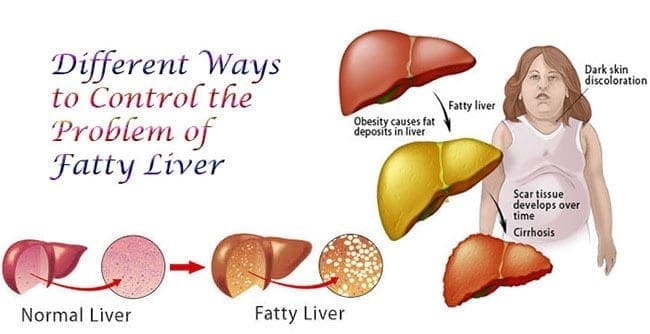
Non-alcoholic fatty liver disease is a medical condition that is characterized by an excessive accumulation of fats within liver cells. More precisely, NAFLD causes normal, healthy liver tissue to become partially replaced with fatty tissue. Although it’s common for the liver to have some fat, an accumulated amount of more than 5 to 10 percent of the individual’s liver weight can create complications. Excess fat can begin to invade the liver, eventually covering healthy regions of the liver and decreasing the amount of healthy liver tissue.
According to statistics, approximately 70 million Americans may have fatty liver disease and not even know it.
The Function of the Liver
The liver is one of the most active and highly functioning organs in the body, working hard and tirelessly to maintain the body’s overall health and wellness. The liver is in charge of regulating chemical levels and toxins in the blood as well as excreting bile. Bile is necessary to break down fats stored in the body. All of the blood which leaves the stomach and intestines must be filtered through the liver. The liver’s primary function is to detoxify the blood. Other essential functions of the liver include:
Detoxifies chemicals and metabolizes (breaks down) drugs.
Manufactures proteins important for the regulation of blood clotting
Breaks down excess hormones circulating in bloodstream
Produces cholesterol (necessary for vitamin D and hormone production and for healthy nerves)
Stores and releases glucose, as needed
Stores iron
Converts harmful ammonia to urea (urea is an end product of protein metabolism that gets excreted in the urine)
Clears the blood of alcohol, medications, drugs and other harmful chemicals
Produces immune factors and removes bacteria from the bloodstream
Clears and removes bilirubin (excessive buildup causes jaundice -yellowing of skin and eyes)
The liver is also responsible of processing and storing important nutrients, such as vitamins, minerals and iron, in order for these to be more effectively absorbed by the body.
Non-alcoholic fatty liver disease, or NAFLD, has become a prevalent condition in the United States and western Europe as weight gain, obesity, insulin resistance, diabetes and metabolic syndrome have dramatically increased over the population. It is now the most common cause of liver disorders in the United States as well as in other western countries, such as Australia and the U.K. Approximately 1 in 5 people, amounting up to 25 percent of the population in these regions have NAFLD.
While some research studies have demonstrated that non-alcoholic fatty liver disease most commonly develops due to excess weight and obesity, metabolic syndrome and diabetes, studies have also shown that the excessive use of prescribed medications and pain killers can lead to fatty liver disease as well.
Symptoms of Non-Alcoholic Fatty Liver Disease
NAFLD is referred to as a silent disease. People with non-alcoholic fatty liver disease may initially experience no symptoms from the disorder, where they will often live with the condition for many years, even decades without a diagnosis. Eventually, however, several signs and symptoms may begin to manifest. These symptoms include:
feeling tired
fatigue
weight loss
loss of appetite
weakness
nausea
confusion
trouble concentrating
pain in the center or right upper part of belly
enlarged liver
bloating and gas
dark urine
bruising easily
sweating, excessively
constipation
dry and dark patches on neck and under arms
If non-alcoholic fatty liver disease is left untreated for an extended period of time, it could eventually lead to the development of cirrhosis. Cirrhosis results when scar tissue develops in the liver, preventing the liver from functioning properly. This scar tissue can then block the normal flow of blood that passes through the liver and can also slow down the processing and absorption of nutrients, hormones, drugs and naturally produced toxins as well as the production of proteins and other substances produced by the liver. The symptoms of cirrhosis are usually severe and they include the buildup of fluid in the body, particularly in the abdominal cavity called ascites, muscle weakness, internal bleeding, yellowing of the skin and eyes, and liver failure.
Non-Alcoholic Fatty Liver Disease Diagnosis
Utilizing an abdominal ultrasound or a biopsy is the best way to diagnose fatty liver disease. Individuals with NAFLD often don’t have elevated levels of liver enzymes, which is why blood tests generally appear normal. Elevated levels of liver enzymes do however indicate that there may be some inflammation in the liver due to non-alcoholic fatty liver disase or another more serious condition known as NASH.
Causes and Risk Factors of Fatty Liver Disease
There are numerous risk factors which may increase your chances of having NAFLD, including:
Obesity
Gastric bypass surgery
High cholesterol
High levels of triglycerides in the blood
Type 2 diabetes
Metabolic syndrome
Medications
Sleep apnea
Polycystic ovary syndrome (PCOS)
Underactive thyroid (hypothyroidism)
Underactive pituitary gland (hypopituitarism)
Hemachromatosis (excess iron accumulation)
A research study published in the Journal of Clinical Gastroenterology in 2006 stated that NAFLD is commonly diagnosed in 84 to 96 percent of patients who are undergoing bariatric surgery. The study also recognized that the disease is most common in men but can increase with menopause in women.
Foods Which Can Lead to Fatty Liver Disease
High-Carbohydrate & Refined Foods
When we consume an excess of refined carbohydrates and other types of foods, insulin levels can spike significantly. Foods such as white bread and other carbs should be reduced or eliminated from your diet, even whole grains should be consumed in moderation as these can convert into sugar. Rice and corn should also be avoided. Insulin sensitivity is a major factor in the development of liver disease.
Sugary Beverages
Sports drinks, such as gatorade or powerade, soda, energy drinks and fruit juices, contain refined sugars and artificial sweeteners. When these substances are consumed in excess, they could eventually lead to fatty liver disease. The average 12-ounce can of soda, for instance, has about 10 teaspoons of sugar. The human body is not designed to be able to break down the elevated amounts of sugar the average American consumes on a daily basis and this can greatly impact the health of the liver. The average person consumes 20 tsp of sugar per day, equaling to about 66 pound of sugar per year.
The American Heart Association, or AHA, recommends that no more than 6 tsp of sugar per day for women and 9 tsp per day for men should be consumed. A child�s sugar intake should not exceed 3 tsp per day.
According to a research study conducted at Emory University School of Medicine in Atlanta, refined sugars, particularly fructose, are suspected to be a common contributor to the development of non-alcoholic fatty liver disease. Fructose has been demonstrated to cause extensive damage to liver cells. There have also been substantial connections between increased fructose consumption and obesity, dyslipidemia and insulin resistance.
Processed Foods
Refined sugars, hydrogenated oils, convenience foods and lunch meats can be toxic to your body in the long run. Nitrates and nitrites, for instance, are commonly found in processed foods and they have been closely associated to the development of serious conditions, including cancer. The high fructose corn syrup found in processed foods is the single biggest cause of fatty liver disease. It’s essential that you eliminate these products from your diet to heal liver disease.
Foods Which Can Improve Fatty Liver Disease
A research study published in the European Journal of Medicinal Chemistry revealed that natural enzymes found in fruits and vegetables as well as in plant extracts and herbs, can be utilized traditionally to treat various liver diseases. It’s essential to add these foods into your everyday diet. Fruits and vegetables can be easily added into your diet through juicing.
When the proper function of the liver is impaired due to non-alcoholic fatty liver disease and/or due to other liver conditions, juicing fruits and vegetables has the additional benefit of making these easier to digest for better absorption. Vegetables ideal for a liver detox include, kale, cabbage, lettuce, cauliflower, broccoli, Brussels sprouts, asparagus, beets and celery.
Beets
Beets can naturally cleanse and purify the blood, boosting the function of the liver and increasing nutrient production in the body. Beets are also rich in antioxidants, folate, iron, fiber and betaine, a natural digestive enzyme. Beets are great additions to juicing recipes and can also be added into smoothies. You can also daily shred some beets and toss them into your salads.
Broccoli
Broccoli and other members of the cruciferous family, such as brussel sprouts, cauliflower, arugula, cabbage, collard greens, kale and bok choy, are rich in fiber and glucosinolates, which help the liver naturally cleanse the body of carcinogens and other toxins.
Sweet Potatoes
Sweet potatoes, carrots, butternut squash and pumpkin are rich in beta-carotene, a natural anti-inflammatory. When an individual has a potassium deficiency, it can disrupt the proper function of the liver. �Sweet potatoes, which are naturally high in potassium, can be tremendously beneficial because they help support healthy liver function. One sweet potato contains nearly 700 milligrams of potassium. Sweet potatoes are also rich in vitamins B6, C, D, magnesium and iron. These are also easy to eat because they�re naturally sweet and their sugars are slowly released into the bloodstream through the liver, preventing blood sugar spikes.
Lemons
Lemons are great for your liver. They provide a variety of antioxidants and can help the liver produce more enzymes to give you more energy and help with digestion. Lemons are also naturally rich in electrolytes. Although lemons are acidic, once they enter the body they become alkaline, which helps neutralize toxins and excrete wastes. Juice 1 fresh lemon, daily and drink it undiluted on an empty stomach every morning to enjoy its wonderful benefits.
Bananas
With about 470 milligrams of potassium, bananas can also be great for cleansing the liver as well as for overcoming low levels of potassium in the body. In addition, bananas can help with digestion, helping to release toxins and heavy metals from the body, decreasing the liver’s work load.
Garlic, Whole Cloves
Garlic is high in allicin and selenium, two fundamental nutrients for the liver. These function by cleansing and nourishing the entire body, especially the blood. Selenium is a naturally detoxifying mineral and allicin helps counter immune system invaders, also assisting to decrease the load on the liver. Garlic also activates enzymes in the liver which aid digestion and flush out toxins. Use whole garlic cloves instead of processed minced garlic or powder.
Ginger Root
Ginger has powerful anti-inflamatory properties and it’s also an excellent antioxidant. For people diagnosed with non-alcoholic fatty liver disease, consuming ginger can be fundamental. Ginger root can also drastically lower blood sugar levels. Insulin resistance and elevated glucose levels are major factors in the development of NAFLD. You can make ginger tea by boiling slices of ginger in green tea or water. You can also add ginger to a stir-fry, salad or smoothie.
Leafy Greens
Consuming leafy greens are a huge part of a balanced nutrition as these can be beneficial for just about any type of health issue. Spinach, kale, chard, romaine, arugula, and collards are all some of the most nutrient dense leafy greens to enjoy. These are rich in chlorophyll, which assists in liver function by purifying the blood, alleviating toxins, decreasing inflammation and promoting the healing of wounds. Chlorophyll is also amazing at neutralizing heavy metals, toxic chemicals, and even pesticides that can burden liver function.
Supplements Which Can Improve Fatty Liver Disease
Dandelion Root
Dandelion root contains vitamins and nutrients which are important to help cleanse the liver in order to allow it to keep functioning properly. Dandelions have also been known to aid the digestive system by maintaining the proper flow of bile. Dandelion root is a natural diuretic and it allows the liver to eliminate toxins effectively. Dandelion stems which can be brewed in a tea are also rich in vitamin C, which can help with mineral absorption, reduces inflammation and prevents the overall development of many diseases.
Milk Thistle
Milk thistle is a powerful detoxifier, aiding and supporting proper liver function. This supplement helps rebuild liver cells and removes toxins from the body which have been processed through the liver. According to a research study published in Digestive Diseases and Sciences, milk thistle has the power to improve mortality rates in patients with liver failure as it is capable of naturally reversing the harmful effects of excessive alcohol consumption and that of pesticides in our food, heavy metals in water supply, pollution in the air we breathe in and even poisons. A 2010 study showed that milk thistle benefits treatments of alcoholic liver disease, acute and�chronic viral hepatitis as well as toxin-induced liver diseases.
Vitamin D
Recent research studies have shown that vitamin D deficiencies can often lead to NAFLD, or non-alcoholic fatty liver disease. Vitamin D deficiency has also been demonstrated to cause severe cases of NAFLD, including serious liver inflammation and liver fibrosis, or hardening of the liver. The research study also revealed that vitamin D deficiencies can lead to insulin resistance and metabolic syndrome. All of these factors can additionally play a considerable role in the development of peripheral neuropathy. Optimal vitamin D levels should be between 70-100 ng/ml for overall health and wellness.
Curcumin
Curcumin is the active component of turmeric and it’s considered to be the most powerful herb on the planet, effectively helping to treat and reverse disease naturally. Currently, there are over 6,000 published articles emphasizing on the amazing health benefits of curcumin. Other research studies have also demonstrated that curcumin could prevent the progression of liver disease, helping to reduce the inflammation of the liver and the body alike.
Black Seed Oil
Black seed oil can help speed up the healing process of people with fatty liver disease. A research study published in the European Review for Medical and Pharmaceutical Sciences measured black seed oil�s ability to restrict liver oxidative stress markers. The results of the research study indicated that black seed oil can benefit liver disease patients because it�s capable of decreasing issues associated with the gradual progression of liver disease.
Maintaining a healthy and balanced nutrition is the best course of action to treat fatty liver disease. Many people with liver disease are overweight and malnourished. A healthy diet can provide the body with essential vitamins and nutrients needed for the body to function. Weight loss along with a balanced diet can be an effective treatment for fatty liver disease as well. Exercising regularly for a minimum of 30 minutes a day and eating a healthy plant-based diet can ultimately help your overall well-being.
Can Fatty Liver Disease Cause Peripheral Neuropathy?
Nonalcoholic fatty liver disease, or NAFLD, is considered to be the most common liver disorder in the western region . It�s recognized as one of the most common forms of chronic liver disease across the world.
A research study published in the Journal of Gastroenterology and Hepatology in 2003 reported a connection between non-alcoholic fatty liver disease and peripheral neuropathy. The research revealed that 73 percent of people with NAFLD could develop peripheral nerve damage leading to the symptoms of peripheral neuropathy.
As if the development of peripheral neuropathy wasn’t bad enough, scientific evidence demonstrated that the longer you have NAFLD, the more likely it is to progress into liver fibrosis, or the accumulation of abnormal fibrous tissue, cirrhosis, or the accumulation of scar tissue in the liver, and NASH, or severe liver inflammation and cell damage.
Although, non-alcoholic fatty liver disease is most likely to occur in people who are overweight with metabolic syndrome or type 2 diabetes, recently there are more and more cases of children with NAFLD. This is a direct result of the standard American diet. Pediatric NAFLD has been reported in children as young as 3 years old.
If you have been diagnosed with NAFLD or are overweight, suffer from metabolic syndrome, insulin resistance or diabetes, it�s important to take action. The good news is, the liver is the only organ capable of fully regenerating itself. As long as at least 15 percent of your liver is working and functioning properly, your body can repair and regenerate your liver.
Liver disease is commonly diagnosed in people due to excessive alcohol consumption. While this instance can cause an accumulation of fats within liver tissue, each year, more adults even children are diagnosed with a specific type of condition, referred to as non-alcoholic fatty liver disease. NAFLD can occur for a variety of reasons.
For more information, please feel free to ask Dr. Jimenez or contact us at 915-850-0900 .
Neck pain is characterized as the most prevalent symptom after being involved in an automobile accident. During an auto collision, the body is exposed to a sheer amount of force due to the high speed impact, causing the head and neck to jolt abruptly back-and-forth as the rest of the body remains in place. This often results in the damage or injury of the cervical spine and its surrounding tissues, leading to neck pain and other common symptoms associated with whiplash-related disorders.
For the more than 68 percent of Americans who own smart phones, it’s difficult to imagine doing without them, especially when it comes to your health. Millions use them to keep track of the number of steps they take, the calories they consume, and even the medications or supplements taken each day.
To aid in this process, more than 165,000 healthcare applications have been developed for iPhones and androids — focusing on diet and fitness, as well as the management of heart disease, diabetes, cancer, and mental health.
“The technology in healthcare apps has exploded,” IT expert Sanket Shah tells Newsmax Health.
But with so many health apps on the market it can be challenging to chose the right app, says Shah, who specializes in helping people the right technology for healthcare services.
“There are thousands of apps out there and some of it can be overwhelming. Just like trying new hobby or picking out a new pair of pants, you need to see what works for you and what makes you the most comfortable,” says Shah, an instructor in the University of Illinois at Chicago Department of Biomedical and Health Sciences.
Shah recommends deciding beforehand what you plan to do with an app and chose only one (or more) that will be the most useful. Don’t just download apps that will sit on your phone without ever being accessed. Her recommendations:
Avoid the apps that bombard you with ads.
Consider how user-friendly the app is.
Read the reviews. Some of the best information can be found in them.
Realize that nothing is really free. In exchange for that so-called “free” app, you are usually asked to grant permission for your age, email, zip code, and other personal information to used internally, shared, or sold.
Be careful about add-ons. Many apps charge for additional content or enhanced experiences that require extra purchases and costs. Most apps require a credit card, which means yours is probably on file, so be careful not inadvertently purchase these features.
These are Shah’s top five health apps:
HealthTap (Health Tap)
Launched in 2010, this online service provides real-time answers to health questions from more than 107,000 doctors. In an era where Internet services provide thousands of vague results, HealthTap was designed to give patients direct access to health professionals, saving you time and money. You can also pay for a virtual consult to video or text chat with a primary care doctor 24/7 or a doctor of your choice during their “virtual office hours.”
Drink Water Reminder (Leap Fitness Group)
Dehydration can lead to serious health problems. This app lets you calculate your needs based on your gender, weight, and the climate where you live. Taking its lead from apps that remind you to take 10,000 steps a day, this app provides customized tracking and reminders to ensure that you are drinking enough water throughout the day.
Fooducate (Fooducate LTD)
Do you really know what’s in the food you eat? Nutritional labels may be misleading, so Fooducate takes all of the guesswork out by providing a grade instantly on the items you buy. Simply scan the UPC code from your mobile camera (over 250,000 items) and the app will grade the product and most importantly, explain why it is healthy or unhealthy, as well as provide alternative choices. A diet and weight loss goal tracker is also included.
Breath2Relax (National Center for Telehealth & Technology)
Oftentimes we focus on the physical aspects of health but our mental health is equally important. Focusing on the mind and taking some time to relax can provide tremendous benefits in your daily life This app provides a guide to simple breathing exercises to help relieve stress and relax.
Down Dog (Yoga Buddhi Co.)
Yoga is gaining in popularity, and there is a reason why this ancient practice has been around for centuries. Improving your mental state and also strengthening your core muscles is the goal of this app, designed for all levels. It provides easy-to-follow tutorials and all you really need to get started is a basic yoga mat.
An Australian study involving more than 60,000 volunteers aged 45 years and older found that eating fruits and vegetables lowered anxiety and depression.
The study, which was published in the British Medical Journal Open, measured psychological distress at two time points, 2006-08 and 2010 using the Kessler Psychological Distress Scale. It also assessed their intake of fruits and vegetables.
Eating a diet high in both fruits and vegetables was the most effective at keeping the blues at bay, especially in women. Women who ate five to seven servings of fruits and vegetables daily lowered their risk of stress by 23 percent.
Fruit gave the biggest bang for the least amount consumed — at least when vegetables were also included in the diet. Women who ate two servings of fruit daily lowered their risk by 16 percent when compared to women who ate no fruit or a single serving.
Men and women who ate three to four servings of vegetables a day lowered their risk of stress by 12 percent when compared to those who ate no vegetables or only one serving a day. Women who ate three to four servings of vegetables daily lowered their risk by 18 percent.
“This study shows that moderate daily fruit and vegetable consumption is associated with lower rates of psychological stress,” said Dr. Melody Ding of the University of Sydney’s School of Public Health.
“It also reveals that moderate daily vegetable intake alone is linked to a lower incidence of psychological stress,” Ding said.
“We found that fruit and vegetables were more protective for women than men, suggesting that women may benefit more from fruit and vegetables,” said first author and University of Sydney Ph.D. student, Binh Nguyen.
Fruits and vegetables are packed with stress-fighting antioxidants, including vitamin C. One German study found that berries were especially effective in fighting stress.
Over recent years, the detox has become a form of diet in its own right for losing weight with low-calorie regimens. As springtime arrives and some may have weight-loss programs in mind, here’s a look at five common myths about detox diets and whether they’re true or false.
Detoxing is a natural process
TRUE. In reality, detoxing is a natural process of purification that’s constantly underway in the body. When everything is functioning properly, the infamous toxins are destroyed and excreted by different organs in the body, known as emunctories: the skin, the lungs, the kidneys, the intestines and the liver. Toxins that accumulate in the body (food, air, tobacco, cosmetics, drugs, heavy metals, stress) are eliminated at varying speeds depending on your metabolism. You can help your body detoxify all year long, notably with foods rich in antioxidants like fresh fruit and vegetables that are organic and don’t contain pesticides.
A detox is a diet
FALSE. A drastic diet or a fast isn’t the same things as detoxing. The word diet has been wrongly associated with the concept of the detox, since the two approaches don’t have the same goal. In fact, the aim of a detox isn’t necessarily to lose weight. However, you should take care to avoid sugar, junk food and barbecued food which hinder the work of the emunctories.
Plant-based supplements can be helpful
TRUE. A course of certain plant-based dietary supplements or herbal teas can be used to support and optimize detox performances in periods of burn-out, stress or fatigue, for example. Artichoke, milk thistle, rosemary, turmeric, fennel, birch, dandelion, black radish, queen-of-the-meadow and fumaria are the most effective. Some plants, like chlorella, spirulina and laminaria japonica help combat heavy metals (mercury, aluminum, lead).
Juices and broths are a good way to detox
FALSE. Although they contain fruit and vegetables, juices, soups and broths have two drawbacks. First, they contain high quantities of sugar and salt, and have less fiber than eating the equivalent fresh fruit or vegetables whole. Second, a liquid-only diet isn’t advisable, as you could end up starving yourself, since the body needs a minimum amount of protein to function. Small quantities of white meat or pulses are recommended to boost the detox process. And don’t rely on a soup + herbal tea + yogurt combination for your evening meal, as this can favor water retention. However, drinking lots of water (1.5l per day) is recommended.
Massage can help flush out toxins
TRUE. Massages in the abdominal region — home to three groups of emunctory organs: the liver, the kidneys and the intestines — can help flush out toxins. But lymphatic drainage is even more effective, promoting blood circulation and helping the lymphatic system to drain out waste substances which aren’t filtered out by blood.
IFM's Find A Practitioner tool is the largest referral network in Functional Medicine, created to help patients locate Functional Medicine practitioners anywhere in the world. IFM Certified Practitioners are listed first in the search results, given their extensive education in Functional Medicine