by Dr Alex Jimenez DC, APRN, FNP-BC, CFMP, IFMCP | Nutrition, Vitamins, Wellness
- The heat in the drinks can dramatically reduce the effects of tablets
- It can even kill the �friendly� bacteria in probiotic foods such as yoghurts
- Around 46 per cent of British adults take daily vitamin supplements
�
In these health-conscious times, millions of us wash down a vitamin pill as part of our breakfast routine.
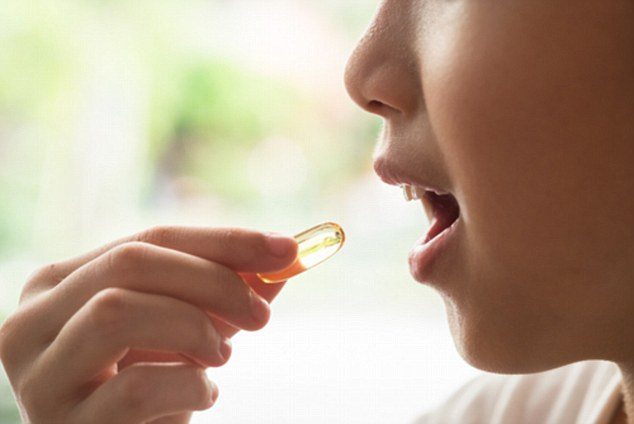
But it seems we may be wasting our time. Researchers claim swallowing vitamin supplements with tea or coffee can wipe out all the good they do.
The heat in the drinks can dramatically reduce the effects of tablets, and even kill the �friendly� bacteria in probiotic foods such as yoghurts, experts said.

Researchers Claim Swallowing Vitamin Supplements With Tea Or Coffee Can Wipe Out All The Good They Do
A University of East Anglia study found that hot drinks and food such as porridge inhibit the absorption of iron by up to 73 per cent. Around 46 per cent of British adults take daily vitamin supplements, and 70 per cent of those who do take them with breakfast.
Now experts suggest waiting at least an hour before consuming hot food or drink after taking tablets.
Dr Sarah Brewer, a GP and medical nutritionist, said: �I don�t advise taking probiotics, vitamin or mineral supplements with tea or coffee.
These drinks contain compounds which, although beneficial at other times, also bind iron and other minerals to reduce their absorption.
�In fact, coffee can reduce iron absorption by up to 80 per cent if drunk within an hour of a meal. Very hot drinks can also inactivate some vitamins, and kill live probiotic bacteria.�
Dr Sarah Brewer, a GP and medical nutritionist, said: �I don�t advise taking probiotics, vitamin or mineral supplements with tea or coffee’
To ensure beneficial bacteria survive, Glenn Gibson, professor of food microbiology at the University of Reading, advises washing down supplements with water or milk. Breakfast is still the best time to take pills, as the gut has rested overnight and is therefore more receptive, he added.
Research by supplement company Healthspan also found that, among potential buyers of probiotics, few were aware of the alleged benefits of taking them during and after a course of antibiotics. While antibiotics kill the bacteria that cause infections, they can also destroy good bacteria in our bodies.
Arthur Ouwehand, professor in applied microbiology at the University of Turku, Finland, claimed: �It�s important to begin taking probiotics from the moment you start antibiotics and continue for a few weeks after finishing the course.�

Call Today!
By
Daily Mail

by Dr Alex Jimenez DC, APRN, FNP-BC, CFMP, IFMCP | Diets, Fitness
Any marathoner will tell you that the grueling 26-mile races can do a number on the hips, knees, ankles and feet.
Now, a small study suggests that these tests of endurance are also tough on the kidneys.
“Marathon runners demonstrate transient or reverse short-term kidney injury,” said Dr. Chirag Parikh, professor of medicine at Yale University.
In his study of 22 participants in the 2015 Hartford, Conn. Marathon, Parikh found that 82 percent showed acute kidney injury after the race. In this condition, the kidneys fail to filter waste from the blood.
The good news is that the kidney injury seems to clear up within two days of the race, he said.
“On day 2, they are all fine,” Parikh said.
Runners likely don’t even know they’ve had this transient injury, Parikh said. “For the short term, I don’t think they would notice anything,” he said.
Parikh isn’t certain why the strenuous event is linked with kidney injury. But some potential causes include the sustained rise in core body temperature, dehydration, or the decreased blood flow to the kidneys that occurs during a marathon, he explained.
When the blood is pumped to the skin and muscles while running, he said, the kidneys may not get as much blood as they normally do.
Nor can Parikh say whether the effect might be cumulative, getting worse with more marathons run. It may be that the kidney adapts over time instead, he noted.
To evaluate this type of kidney injury, his team looked at blood and urine samples collected before and after the marathon. These tests included measuring blood creatinine levels and proteins in the urine, along with looking at kidney cells on a microscope. Creatinine is a waste product excreted by the kidneys; measuring it in the blood helps assess kidney health.
In a previous study, published in 2011, Dr. Peter McCullough, vice chief of medicine at Baylor University Medical Center in Dallas, and colleagues evaluated 25 men and women marathoners. They found 40 percent of the runners met the definition of acute kidney injury based on their blood creatinine levels.
In the new study, Parikh’s team also “performed an in depth evaluation of the urine and found evidence of injury,” McCullough said.
“The larger question looming is: do these repeated bouts of injury in endurance athletes lead to chronic kidney disease years later? Can anything be done about the injury at the time including hydration strategy?” McCullough said. More study is crucial, he added.
Parikh said additional research is also needed to assess whether certain people may not recover as quickly. For now, those with a family history of kidney disease should let their physician know they run marathons, he suggested.
Dr. Cathy Fieseler said marathoners who want to reduce their risk of kidney injury should avoid anti-inflammatory drugs before the race. Those drugs include over-the-counter ibuprofen (Advil, Motrin IB) and naproxen (Aleve), Fieseler said. Acetaminophen (Tylenol) is cleared through the liver.
Fieseler is a primary care sports medicine doctor at Christus Trinity Mother Frances Health System in Tyler, Texas. She’s also medical director of the American Running Association.
The study was published March 28 in the American Journal of Kidney Diseases.
by Dr Alex Jimenez DC, APRN, FNP-BC, CFMP, IFMCP | Diets, Nutrition, Wellness
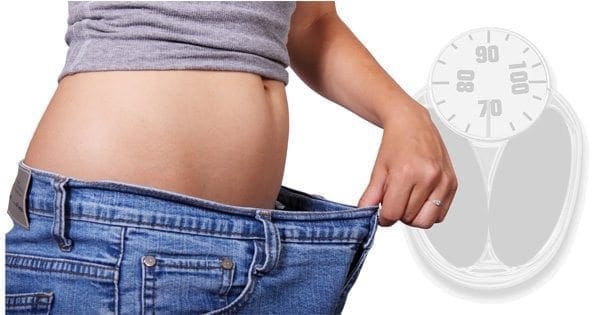
Most of us already know that eating less and moving more are the keys to dropping extra pounds. But if you’re already doing everything right and can’t seem to lose weight or are even gaining it you may have a hidden health condition that’s sabotaging your efforts. And the symptoms may be so subtle that even your doctor can miss them. Here, some possible weight-loss blockers and how to get the help you need.
A Sluggish Thyroid
Your thyroid gland makes hormones that regulate the way your body uses energy. An underactive thyroid (hypothyroidism) disrupts your metabolism, as well as many other aspects of your health. Some estimate that as many as 10 percent of adults have hypothyroidism, which is more common in women and is most often diagnosed in the 40s and 50s.
Could this be you? Besides weight gain or an inability to lose weight, you may notice fatigue, hair loss, dry skin, joint pain and muscle weakness, heavy periods, increased sensitivity to cold, even depression. Many people with low-grade hypothyroidism just feel off, with no obvious signs of being truly sick.
How to get tested: Ask your internist to run a TSH (thyroid-stimulating hormone) screening. In general, the higher your TSH level, the slower your thyroid is. While traditional normal’ values are between .45 and 4.5, if your level is above 2, you might still struggle to lose weight, explains Jamie Kane, MD, medical director of Park Avenue Medical Weight and Wellness in New York City. Your doctor may also want to check your levels of T-3 and T-4, the two main thyroid hormones. But hypothyroidism isn’t always a straight numbers game; more and more doctors are now treating the symptoms, not just the blood-test results. If a patient isn’t feeling well, it’s often because her thyroid isn’t functioning as well as it should for her body, says Erika Schwartz, MD, an internist in New York City.
How it’s treated: Your doc will usually start by prescribing a low-dose T-4 thyroid hormone like Synthroid. If your symptoms don’t improve, discuss upping your dosage or switching to a combination of T-3 and T-4.
Out-Of-Whack Hormones
As many as 1 in 10 women of childbearing age have polycystic ovary syndrome (PCOS), a condition in which a woman’s ovaries produce an excess of male hormones. In addition to causing ovulation problems and infertility, PCOS may go hand-in-hand with insulin resistance, a glitch in the way your body processes blood sugar, which is often associated with excess fat storage, especially around the waist. Left untreated, insulin resistance can lead to type 2 diabetes.
Could this be you? You may have irregular periods, excess facial and body hair, acne, some male pattern balding, and trouble getting pregnant, along with unexplained weight gain (though not everyone with PCOS has weight issues).
How to get tested: Your gynecologist or internist can test your levels of sex hormones for an imbalance of testosterone, progesterone, and estrogen, says David Katz, MD, director of the Yale Prevention Research Center. She may then test your blood sugar and insulin levels or perform an ultrasound to check for cysts on your ovaries.
How it’s treated: Lifestyle changes are usually the first step. If you’re already eating a healthy diet and exercising regularly, you may have to kick it up another notch to see results. If you have insulin resistance, Dr. Katz says, you’ll also want to cut out refined carbs and added sugars. If you’ve made these changes and still don’t notice a difference, your doc may prescribe a drug called metformin, which is used to treat insulin resistance as well as assist with ovulation (if you’re trying to get pregnant).
Trouble-Making Foods
Most people know if they’re allergic to certain foods like nuts or shellfish, but many aren’t aware of food intolerances. While a true food allergy results when your immune system mistakenly identifies a food as harmful and mounts an immediate response, food intolerances can have a variety of causes, including lack of a certain digestive enzyme (as with lactose intolerance) or sensitivity to food additives, and tend to manifest over time, says Elizabeth W. Boham, MD, RD, a family practitioner at The UltraWellness Center in Lenox, Massachusetts. Eating a trouble foodthe most common being dairy, gluten, eggs, soy, corn, and nutscan lead to bloating and water-weight gain, among other symptoms. Experts estimate that food intolerances affect as many as 1 in 10 people.
Could this be you? You may regularly have bloating, gas, diarrhea, and constipationas well as seemingly unrelated symptoms like mild asthma, eczema, headaches, muscle and joint pain, and fatigue.
How to get tested: An internist or gastroenterologist can help you diagnose the problem, but you can begin to figure it out for yourself through an elimination diet. Dr. Boham suggests that you start by removing gluten and dairy (these are the biggest culprits) from your diet for two to three weeks. If you don’t notice a difference, also eliminate eggs, corn, soy, and nuts, and consider nixing additives such as food coloring and preservatives. After a few weeks, slowly reintroduce the possible culprits, one at a time, noting any reactions.
How it’s treated: If the reaction is severe, you’ll need to cut the offending food from your diet. For mild reactions, try a daily probiotic supplement, which restores the good bacteria in your gut necessary for digestion and can help prevent bloating and water weight gain. Dr. Boham recommends one with at least 10 billion live bacteria per pill.
Pills That Pack On Pounds
Weight gain can be an unwelcome side effect of some drugs, including anti-depressants, steroids, and, more rarely, birth-control pills (due to a temporary increase in water retention).
Could this be you? You may notice weight gain within a few weeks of starting a new medication, though it could take several months before you see any effects, Dr. Kane says.
How to get tested: No special test is needed; you know if you’re gaining weight.
How to get tested: No special test is needed; you know if you’re gaining weight.How it’s treated: Talk to your doctor, who may be able to prescribe an alternative. In the case of anti-depressants, bupropion has been shown to cause less weight gain and possibly even lead to weight loss. With birth control pills, switching to a version with a lower dose of hormones might minimize weight gain. But remember, treating the condition you’re taking the drug for is your biggest priority, so you should never go off any meds on your own.
Call Today!

by Dr Alex Jimenez DC, APRN, FNP-BC, CFMP, IFMCP | Diets, Integrative Medicine, Ketogenic Diet Explained, Nutrition, Weight Loss, Wellness
Sweet foods were a rare delicacy for our ancient ancestors.� Today, we have an unlimited supply of sugary foods and beverages at our disposal.� Natural sweeteners can be used effectively in moderation to provide the sweetness that most people crave.� Here are the best natural sweeteners ranked in order based on low glycemic index and additional health benefits.
Every living creature is designed to run off of a simple sugar called glucose.� It is the primary unit in the study of metabolism.� However, there are certainly dangers involved with consuming too much glucose. Those dangers mostly involve elevated blood sugar and insulin which trigger fat accumulation, cellular inflammation and insulin resistance.
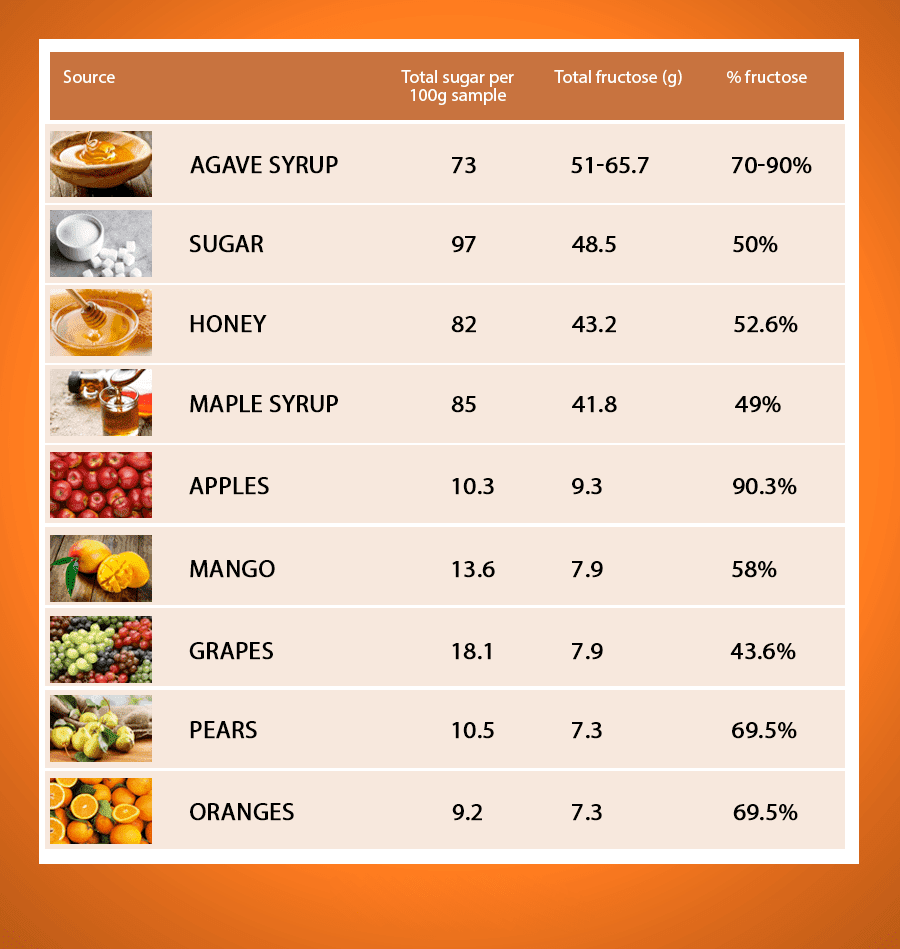
Fructose is another simple sugar that is found in nature within fruits, honey and plant/tree nectar.� This is metabolized differently than glucose and can cause even more hazardous effects when consumed in excess.� Most plant based sweeteners such as agave nectar are extremely high in fructose.� Agave was thought to be a good sweetener until health researchers found out the dangers of it�s nearly 80% fructose content.
1. Stevia:
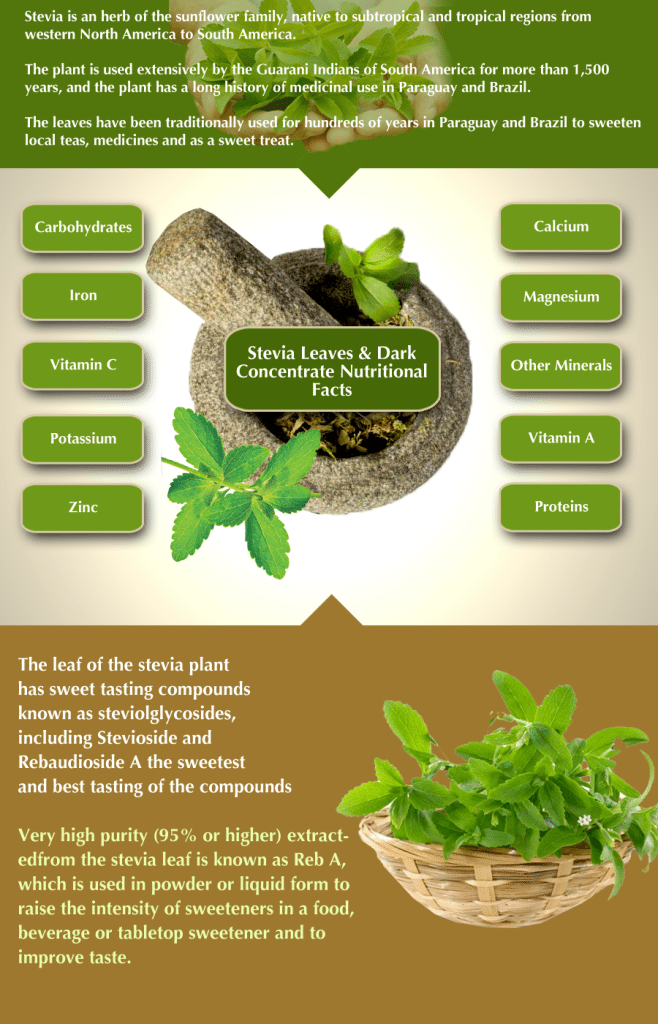
Processed from the leaf of the stevia plant which is native to South America.� This herb derivative has no effect on blood sugar, insulin signaling and triglyceride formation.�� It develops most of its sweetness from glycosides called stevioside and rebaudioside.� �These compounds are 250-300 times sweeter than sucrose and they have the ability to withstand heat and have a long shelf life (1, 2).
Studies have even shown the stevia leaf to have beneficial effects at improving cellular insulin sensitivity and reduce the risk of type II diabetes and high blood pressure (3, 4). �My favorite stevia to use personally is Sweet Leaf stevia in the liquid dropper here� I like this brand because it is pure stevia, without any sugar alcohols or other sweeteners added. � Most people also like the flavor better as it has less of an aftertaste.
You can find it in a variety of flavors including vanilla, chocolate, hazelnut, cinnamon, English toffee, grape�and lemon. �If you are noticing an unpleasant aftertaste with the Sweet Leaf brand, than try adding a little bit of sea salt or pink salt (to taste � not too salty) to your recipe using the stevia and this can help remove the after taste. �I have seen a lot of people who once �hated� stevia, completely change their opinion after adding the salt.
2. �Monk Fruit or Lo Han Extract:
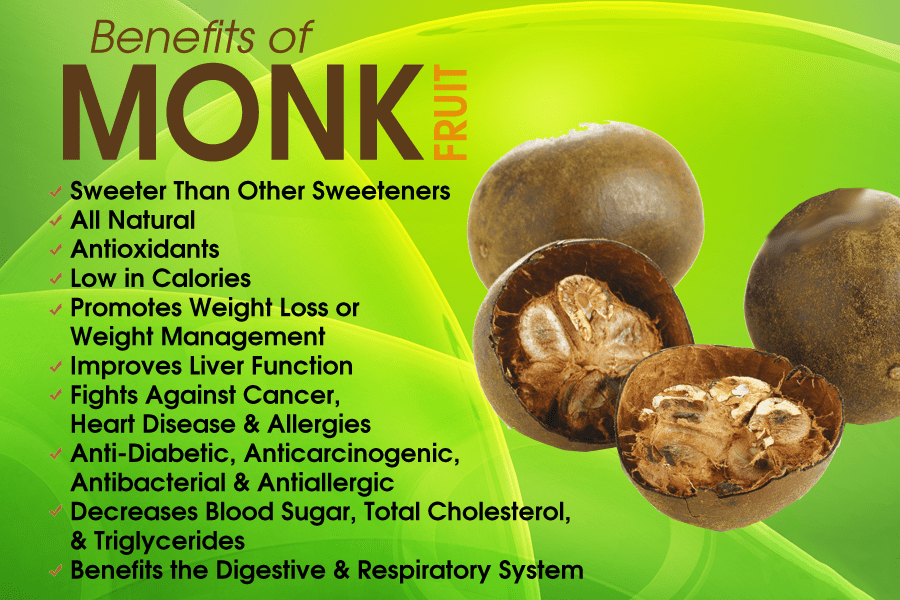
Lo Han Extract is also called monk fruit. �The monk fruit plant grows native in Southern China/Northern Thailand.� Lo Han has a very low glycemic index and low sugar content.� It gets the majority of its sweetness from a glycoside nutrient called mogrosides.
These mogrosides are 300 times sweeter than sugar and act as anti-oxidants that have shown abilities to inhibit cancer cell formation (5, 6).� This is a wonderful sweetener but it can be hard to find and expensive. �I like Pure Monk Fruit from Julian Bakery because it is the only one I found without other sweeteners such as erythritol.
3. �Yacon Syrup:
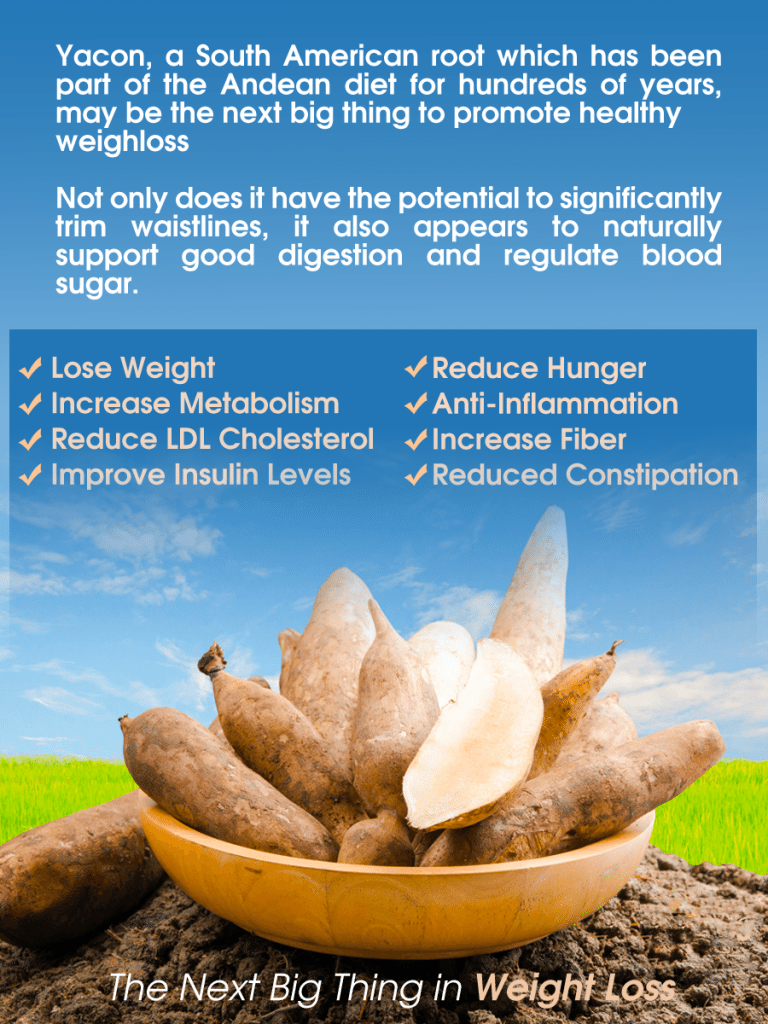
Yacon syrup is extracted from the roots of the Yacon plant which�grows throughout the Andes mountains in South America. �This plant has a long history as a powerful food that has been eaten and used for medicinal purposes in South America.
Yacon syrup is rich in prebiotic fibers (roughly 40-50%) called inulin and fructooligosacchardes (FOS) which are undigestable by the body but feed healthy gut bacteria (7). � Yacon does contain a small amount of sugar through fructose, glucose and sucrose but the rich fiber within it makes it a very low-glycemic sweetener. � The use of Yacon syrup has been shown to reduce obesity and insulin resistance (8).
I like Blue�Lily�s organic Yacon syrup�which is lower glycemic than maple syrup and a great pre-biotic for the gut.

Call Today!
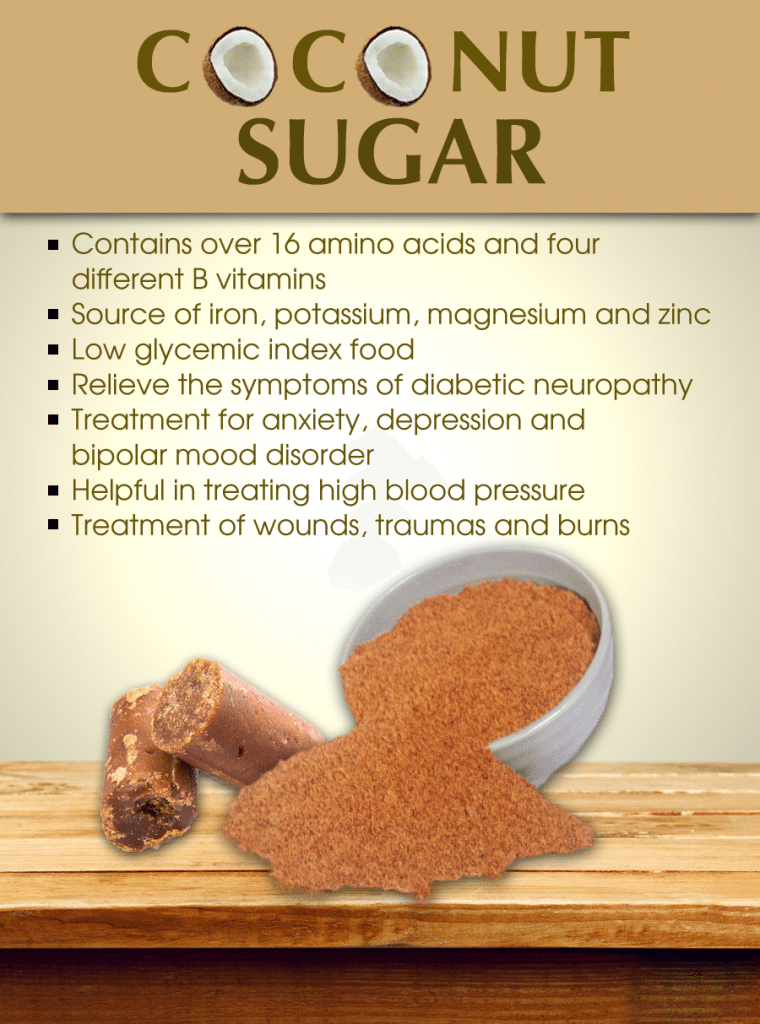
4. �Coconut Nectar:
This is a very low glycemic liquid sweetener derived from the liquid sap of the coconut blossoms. �It is also called coconut sugar. �The glycemic index is 35 making it one of the lowest of natural sweeteners.
Also, the fructose levels are very low at 10% and it contains a wide variety of anti-oxidants, minerals and other nutrients that enhance blood sugar stability.� It can be found in health food stores but is somewhat pricey. �Although I really don�t use coconut nectar or coconut sugar, one of the better brands is Coconut Secret here
5. �Organic, Raw Honey:
This superfood does have an effect on blood sugar and contains approximately 53% fructose so one should only consume this in moderation.� Honey contains a wide array of trace minerals such as calcium, iron, zinc, potassium, phosphorous, magnesium, copper, chromium, manganese and selenium.� These nutrients are critical for healthy cellular insulin sensitivity and blood sugar balance.
Raw honey is also extremely rich in anti-oxidants and natural enzymes.�� Honey contains flavonoid anti-oxidants such as pinocembrin and pinostrobin that help reduce oxidative stress in the body and promote better enzyme activity (9). �Finding local raw honey is the best as it contains small amounts of local flower pollen which enhances our bodies ability to adapt to this potential allergen.
It is best to find a local producer so you can get the best locally developed raw honey. �If you cannot find a honey producer in your area, than I would use HoneyTrees here

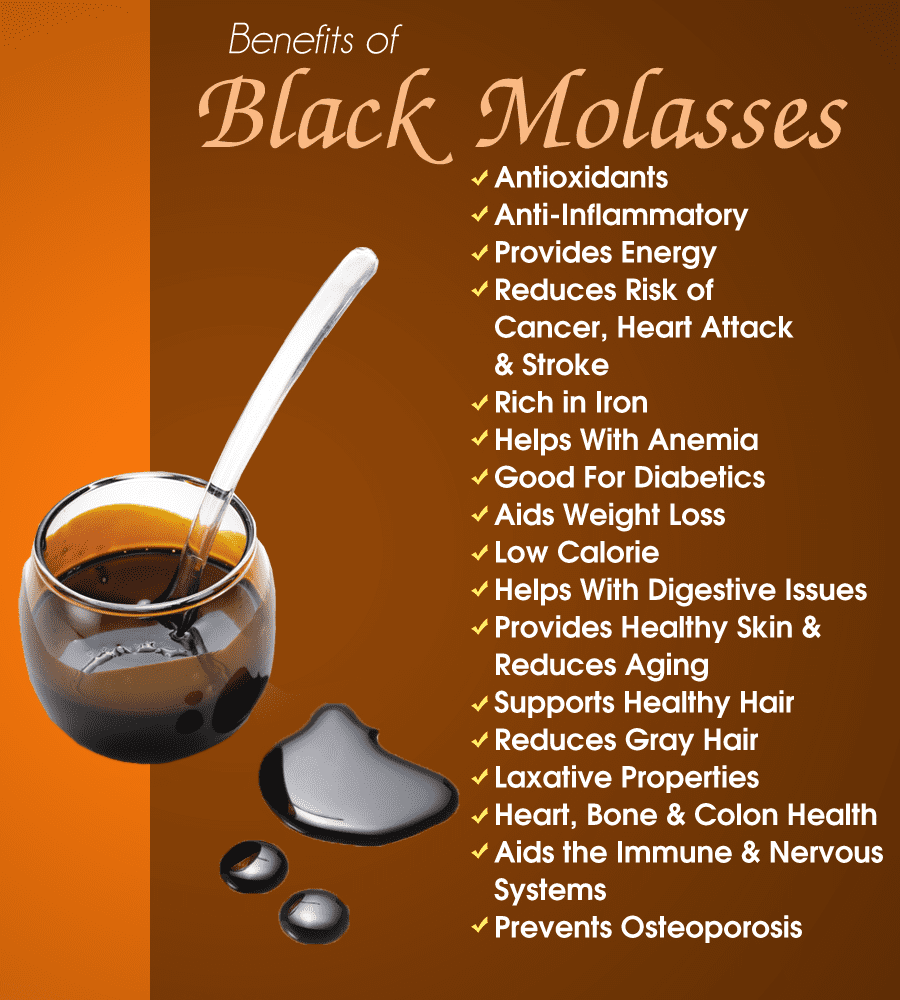
6. �Organic Blackstrap Molasses:
Molasses is a byproduct of the processing of sugar.� It does have an effect on glycemic index and must only be consumed in moderation.� Blackstrap molasses is a very rich source of iron, copper, manganese, potassium, magnesium and selenium.
One of the better brands on the market is Plantation Organic blackstrap molasses
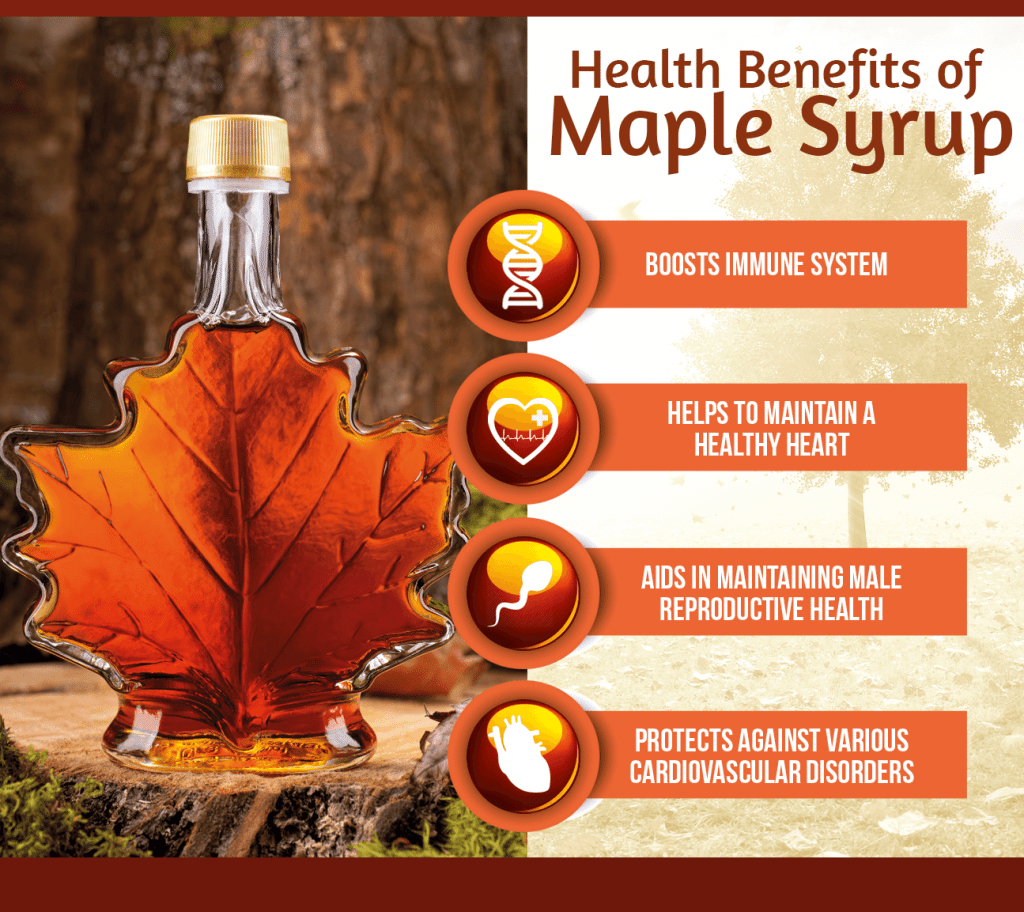
7. Organic Maple Syrup:
This syrup is a dark sap from the xylem of maple trees.� It does contain sucrose, glucose & fructose and therefore has an effect on blood sugar and insulin levels.� Please use in moderation.� Maple syrup contains significant amounts of zinc, calcium, manganese and anti-oxidant phenol vanillin.
One of the better brands on the market is Crown Maple organic maple syrup here
8. Sugar Alcohols:
These include xylitol, glycerol, sorbitol, maltitol, mannitol, and erythritol.� Sugar alcohol is supposed to just pass through the body unrecognized and metabolized. �This causes no blood sugar imbalances and is considered a safe sweetener.� However, many individuals have reported significant gastrointestinal distress that includes cramping, bloating, gas & diarrhea (10).
There are many blends of stevia-erythritol and monk fruit with erythritol. �If you are noticing unpleasant digestive symptoms with these�it is more than likely the sugar alcohols that are causing it. �So be on the lookout.
If you are purchasing erythritol, look for one labeled non-GMO, since this is a corn derived product. �If you have a corn sensitivity, be sure to avoid it. �A good brand is NOW Foods erythritol here�and Xylitol

Sugar Detox Free PDF
What Does Dr Jockers Do:
I personally use stevia as my main sweetener. �I prefer the SweetLeaf brand�here�or the Pure Monk fruit.� I am not against using these other sweeteners as we have many of them in our recipes on DrJockers.com, but I would caution to use them in moderation.
We all love a sweet taste but overconsuming them can lead to increased sugar cravings and blood sugar dysregulation. �Be sure to follow the strategies I discuss in this article�on buffering blood sugar naturally. �I also have a complete program designed to help you overcome sugar cravings, lose weight and improve your energy and mental clarity. �It is called the Sugar Detox Program and you can check it out here

Call Today!
Sources for this Article Include:
- W�lwer-Rieck U. The leaves of Stevia rebaudiana (Bertoni), their constituents and the analyses thereof: a review. J Agric Food Chem. 2012 Feb 1;60(4):886-95. PMID: 22250765
- Brahmachari G, Mandal LC, Roy R, Mondal S, Brahmachari AK. Stevioside and related compounds � molecules of pharmaceutical promise: a critical overview. Arch Pharm (Weinheim). 2011 Jan;344(1):5-19. PMID: 21213347
- Shivanna N, Naika M, Khanum F, Kaul VK. Antioxidant, anti-diabetic and renal protective properties of Stevia rebaudiana. J Diabetes Complications. 2013 Mar-Apr;27(2):103-13. PMID: 23140911
- Ferri LA, Alves-Do-Prado W, Yamada SS, Gazola S, Batista MR, Bazotte RB. Investigation of the antihypertensive effect of oral crude stevioside in patients with mild essential hypertension. Phytother Res. 2006 Sep;20(9):732-6. PMID: 16775813
- Xu Q, Chen SY, Deng LD, Feng LP, Huang LZ, Yu RR.Antioxidant effect of mogrosides against oxidative stress induced by palmitic acid in mouse insulinoma NIT-1 cells. Braz J Med Biol Res. 2013 Nov 18;46(11):949-955. PMID: 24270904
- Takasaki M, Konoshima T, Murata Y, Sugiura M, Nishino H, Tokuda H, Matsumoto K, Kasai R, Yamasaki K. Anticarcinogenic activity of natural sweeteners, cucurbitane glycosides, from Momordica grosvenori. Cancer Lett. 2003 Jul 30;198(1):37-42. PMID: 12893428

Comments

by Dr Alex Jimenez DC, APRN, FNP-BC, CFMP, IFMCP | Diets, Nutrition, Wellness
Restaurants are the number-one place to sabotage your diet, according to new research that will surprise no one who�s ever tried to lose weight while eating out.
The year-long study, which was presented at a recent meeting of the American Heart Association, offers insight into tempting foods and the behaviors they trigger. By using a smartphone app, researchers followed 150 overweight people who were trying to stick to a weight-loss plan throughout their daily lives. The people in the study, most of whom were women, checked in up to five times a day and reported where they were, who they were with and whether they had strayed from their eating plan (or were tempted to do so.)
The dieters were also asked to log in anytime they ate (or considered eating) foods or portion sizes they knew were inconsistent with their plan.
Some clear patterns emerged from this deluge of data. People reported the most temptations when they were in a restaurant or bar, or when they were in the presence of other people eating. They noted fewer desires to overeat at home or work, and even fewer when they were in their car or in other people�s homes.
People had about a 60% chance of succumbing to those temptations at restaurants and when they were around others who were eating. Their odds of lapsing at work or in the car were lower, about 40% and 30%, respectively.
�You might think that everybody knows they�re at higher risk when they go into a restaurant, but people go out into these toxic environments and they forget,� says lead author Lora Burke, professor of nursing at the University of Pittsburgh.
People may also see eating out as an excuse to take a break from their diet, she adds. �We remind people that it�s not a diet they can go on and off; it�s a lifestyle,� she says. �It�s okay if they want to go out Friday night and eat wings, but then they need to cut back on Thursday and Saturday.�
Eating at home was a safer bet, though not a foolproof one. People reported fewer food temptations in their homes and those of their friends than they did in restaurants. But when those temptations appeared, people gave in nearly 65% of the time. Even when they were completely alone, people were still likely to lapse about half the time.
Burke says there aren�t yet any commercially available smartphone apps that collect and analyze this type of data for the general public. But such a tool could be valuable for helping people learn and adapt to their diet-related weaknesses, she adds.
�We can go to an individual and say, �These are the high-risk situations you�re vulnerable to, so you need to keep your guard up and practice strategies for sticking with your plan,�� she says. �We could even intervene by sending a message right back to them when they need it, reminding them of why they may need to work really hard.�
Measuring diet in the moment may also provide researchers with data that�s more detailed and accurate. �When we ask people to recall what they ate and how they felt, there are a lot of biases and problems remembering,� says Burke. �This way, we can be there as people are going through weight-loss challenges and find out exactly what they�re feeling, and when.�
Call Today!
by Dr Alex Jimenez DC, APRN, FNP-BC, CFMP, IFMCP | Diets, Fitness
Wearable fitness monitors (think Fitbit) provide a “motivation alert” as you approach the magic number of 10,000 steps per day, with a “celebration” of lights on their displays when that goal is reached. But a new study shows that objective may not be anything to celebrate — and focuses on a new threshold for maximum health benefits.
The study, published in the March International Journal of Obesity, and reported in The New York Times, is based on mail carriers in Scotland, and researchers at the University of Warwick in England found that the 10,000-step regimen is too conservative. For optimum heart-health benefits, it’s best to go the extra mile — to 15,000 steps.
Mail carriers in Glasgow mostly cover their routes on foot, so researchers knew they would perfect test subjects for the study. They also knew office workers there were seated for most of the day, providing contrast participants. For their study, they followed 111 postal workers of both categories (56 mail carriers, and 55 office workers) and included both sexes between the ages of 40 and 60. Researchers compiled data on blood sugar levels, body-mass index (BMI — a measure of body fat based on height-to-weight ratio), waist sizes, and cholesterol levels. Participants each wore a fitness monitor throughout the day for a week, including time at work, at home and on the weekends.
Researchers compiled data based on activity during waking hours. This included time spent seated and on foot. What they found was enlightening. Between work and home, some of the office workers sat for more than 15 hours in total each day. The office workers who sat for most of the day tended to have larger waistlines, higher BMI numbers, and unfavorable cholesterol profiles. The researchers also figured in late-night shift work (which has been proven affect heart health), family history, and age.
The study also showed that for every hour spent sitting beyond five hours, office workers added about two-tenths of a percent to the likelihood of developing heart disease.
In contrast, any amount of walking or standing reduced the chances of having a large waistline and other risk factors associated with a healthy heart.
But the benefits of the postal carriers who walked the equivalent of at least three hours per day (the magic 15,000) were a step up: They had normal BMIs and waistlines and metabolic profiles — in other words, lessened risk of heart disease.
The study seems to confirm that the 10,000-step goal has not kept pace with modern waistlines and eating habits. Quite a few sources, including RunnersWorld.com, say the 10,000 steps-per-day goal gets its origins from Japan in the 1960s. Dr. Yoshiro Yatano, then a professor at Kyushu University of Health and Welfare, pegged the goal at 10,000 after concern over growing obesity rates. That’s roughly the amount of steps that would burn about 20 percent of a person’s daily calories at the time. He coupled his concerns with a pedometer that was developed in 1965 and the campaign took off.
But it’s a moving target in terms of optimum health benefits. Diets change. Even before the Glascow study, not all health experts agreed to the amount of steps necessary, and some argue the type of exercise makes a difference as well. In fact, the Centers for Disease Control and Prevention offers no step guides at all, preferring instead to focus on 150 minutes of moderate activity per week (which, in steps-per-day language, translates to about 8,000).
Of course, any amount of exercise is better than none at all, and it’s important to remember not to be discouraged if you can’t reach 15,000 steps per day or even 10,000 steps per day. But if you’re among those who set out to get the most heart-health protection possible, and you’ve relied on that magic 10,000, you might want to consider the results of the Glasgow postal workers. Better get moving.

by Dr Alex Jimenez DC, APRN, FNP-BC, CFMP, IFMCP | Diets, Fitness
Food labels that say ‘low salt’ or ‘no fat’ may be misleading, suggests a new study.
These ‘low-content’ claims are based on comparisons with other foods and are not standard definitions. Making such a claim doesn’t necessarily mean the food is more nutritious than other brands, the authors say.
Consumers should “turn the package around and look at the entire nutritional profile as well as the ingredients list in order to get a better sense of whether the product overall is healthier or less healthy,” Lindsey Smith Taillie of the University of North Carolina at Chapel Hill told Reuters Health in a phone call.
Smith Taillie and colleagues analyzed data on more than 80 million food and beverage purchases made in the United States by 40,000 families from 2008 to 2012.
“We found that higher-income households tended to be more likely to buy products with these types of claims, which is consistent with previous research that suggests that claims tend to be more utilized by people with higher levels of education,” Smith Taillie said.
As reported in the Journal of the Academy of Nutrition and Dietetics, 13 percent of food and 35 percent of beverage purchases included products with some type of low-content claim. Low-fat purchases were the most common, followed by low-calorie, low-sugar, and low-sodium claims.
On average, packaged foods with low-nutrient claims had 32 percent fewer calories, 11 percent less sugar, and about half the fat and sodium compared to foods that didn’t carry any claims on the packaging.
However, some products with low-nutrient claims actually had more of that substance than foods without those claims.
Also, Smith Taillie said, when a product has a low-sugar claim, for example, it might have less sugar than a reference product or a similar product, “but it doesn’t mean that it has an overall better nutritional quality.”
Or, “it could be a high-sugar food but be low in fat, so it’s going to say low fat on the label. That doesn’t mean that it’s healthy,” she said.
“Essentially, it can be kind of misleading to make a decision about a product based on a front-of-package claim,” she added.
The U.S. Food and Drug Administration regulates what products can claim, Smith Taillie said.
“It’s not that the products are technically wrong in making a low-content claim, it’s just that the rules that allow them to make this kind of claim vary by the claim and by food category,” she said.
Food labels can be confusing, agreed Melissa Rifkin, a dietitian with Montefiore Medical Center in New York City who was not involved in the study.
Understanding what a nutrition fact label means is more important than focusing on marketing claims,” Rifkin told Reuters Health by email.
Key items to focus on are serving size, quantity per container, calories, fat, sodium and sugar, she said.
A new and revamped nutrition fact label is under development, Rifkin said.
“Slowly we will begin to see all labeling take on the new information,” she said.