While most of us know that good nutrition is vital in assisting us reach our optimum health and feel our best; finding time to eat a balanced diet on a daily basis seems a formidable job in this fast paced, affluent society. Though your life may be frantic, there are still many good tasting, healthful alternatives which can assist you to lose weight and enhance your health. This information is designed to be a practical guide in finding those alternatives whether you are at a friend’s home, on the job, on the road, or at home. The good news is that by taking charge of your diet plan, you can improve your well-being while reducing your own risk of “lifestyle” diseases including heart disease or cancer.
A nice spot to start is defining what constitutes a “healthy” diet. The “Four Food Group” Plan of yesteryear meant that foods in the Meat, Dairy Product, Breads and Vegetable Fruit group were identical in their contribution to a healthy diet. Today, researchers show that diets rich in complex carbohydrates and low in saturated fats may reduce our risk of chronic disease. Health professionals designed the “Food Pyramid” guide to translate these recommendations into a food strategy for daily living.
Complex Carbohydrates
Complex carbohydrates are present in cereals, whole grain breads, starches and fruits and vegetables. These foods are not just rich in B vitamins and trace minerals, but they also contribute dietary fiber that has been shown to reduce risk for helping in weight control, lowering cholesterol levels and developing specific cancers.
Six to twelve servings of cereals, breads and starches may seem like a lot of food, but if you consider one cup of rice is three servings of cereal, you can see that fulfilling these guidelines isn’t that difficult.
Fruits & Vegetables
Similarly for vegetables and fruits. The majority of people gag in the thought of eating four to seven servings daily until they find one medium piece of fruit is two servings.
Proteins
Proteins are observed in the meat and dairy group.
Foods in the dairy group not only provide protein, nevertheless they also bring other essential nutrients needed for synthesizing teeth and healthy bones, Vitamin D and calcium. They could be a significant source of saturated fat, so picked two to three helpings of the low-fat (1% fat or less) milks, yogurts and cheeses.
The meat group includes nuts, fish, chicken and beans or legumes. A three ounce serving is around approximated by a deck of cards and also you need at least two portions a day. These foods provide magnesium, zinc and iron which, along with protein, are used by the body in creating hemoglobin and slender body tissue. These foods may also contribute to a raised intake of saturated fat, so picked lean cuts of meat like round or flank steak, pork tenderloin, ham and leg of lamb. Jump the skin on chicken or turkey and you’ll miss much of the fat and cholesterol.
Fats & Sugar
Sugars, fats and alcohol have the least amount of surface area on the pyramid for a reason. They bring more than calories to the dietary plan and they will be squeezed by your body into a fat cell. Yet, your body will really create another fat cell until they may be burned off, to harbor them,
Many health organizations, like the American Heart Association and also the American Cancer Society, agree that limiting your fat intake to less than 30% of calories goes a ways to protect you from life threatening ailments. That isn’t much fat, as a gram of fat has nine calories. You are better off to avoid adding fat to your food as there’s some fat in dairy products and meat, chicken and fish. Fortunately, there are numerous good tasting low-fat or nonfat salad and sandwich spreads which make the task of averting added fat a lot easier.
Yes, certain fats are essential to good nutrition (like linoleic acid), but these are seen in ample numbers in whole grain breads, cereals and vegetables. Corn, for instance, is where mother nature initially set corn oil. Why don’t you bypass the margarine and merely eat corn?
Overview
In a nutshell, good nutrition means eating a wide selection of foods from each of the five food groups. The Food Pyramid reveals us that by eating more complex carbohydrates and not as total fat and saturated fat, we can become empowered by the good life and not fall victim to it.
Just a bit of vigorous exercise each day could help some children and teens reduce their risk of developing heart problems and diabetes, researchers say.
The new study looked at nearly 11,600 kids, aged 4 to 18, in the United States, Brazil and Europe.
The investigators found that replacing light exercise with as little as 10 minutes a day of intense activity may provide significant cardiometabolic benefits for young people who have relatively large waists and elevated levels of insulin in their blood. These are factors that put them at risk for developing heart problems and metabolic diseases, such as type 2 diabetes.
“The results suggest that substituting modest amounts of vigorous physical activity for longer-duration light exercise may have cardiometabolic benefits above and beyond those conveyed by moderate activity and the avoidance of sedentary behavior,” lead author Justin Moore said.
Moore is an associate professor of family and community medicine at Wake Forest Baptist Medical Center in Winston-Salem, N.C. He noted that more research is needed because additional factors that contribute to disease risk — such as diet and genetics — need to be taken into account.
“If such studies provide robust results, a relatively brief but intense dose of physical activity — perhaps as little as 10 minutes day, which is certainly feasible for most youth — could turn out to be part of a ‘prescription’ for children to achieve or maintain cardiac and metabolic health,” Moore said in a medical center news release.
The study was published recently in the journal Medicine & Science in Sports & Exercise.
Many people in the United States will experience back pain at some point in their lifetime, whether it’s a temporary or chronic issue. However, a great percentage of individuals with this debilitating complication are overweight or obese.
Fortunately, research has demonstrated that weight loss can have a considerable effect towards relieving symptoms of back pain. Weight loss programs can be very helpful for patients with weight problems and back pain. While there are a variety of programs available, not every program is the same and it may be difficult to find the best one for each individual. Some are commercialized and others are managed by a physician. Some weight loss programs recommend the use of supplements while others prescribe medications. Others may or may not be covered by insurance companies.
What to Look for in a Weight Loss Program
Considering all the differences in weight loss programs, it’s ultimately essential for Americans to first do some research in order to find the most appropriate program for them before signing up and spending any amount of money. Several weight loss programs may even provide practices that your healthcare professional may have advised you to avoid participating in if they would have been consulted first.
A recent study evaluated 191 different weight loss programs in the Maryland, Washington, DC and Virginia region of the country. From the wide array of programs, their websites provided little to no relevant information regarding they type of weight loss program. Important details, such as the type of diet, the amount of exercise and physical activity, types of behavioral therapies, and the use of medications, were all missing online, factors which were heavily considered for the study. Most websites had not been designed to offer details of each program, but rather offer contact information for clients.
Several of the weight loss programs also incorporated weight loss supplements and medications, an important piece of information which they also failed to mention on their websites. Individuals must be cautious of taking products which have not been approved by the FDA. There are U.S. Food and Drug Administration approved medications and supplements available to help treat excess weight and obesity, however, these must be prescribed by a licensed and qualified healthcare professional.
Three essential factors to an effective weight loss program, as recommended by the American Heart Association, American College of Cardiology and the Obesity Society, which should be featured include:
a moderately reduced caloric meal plan;
a regimen for increased physical activity;
and a behavioral therapy strategy.
Seeking Professional Advice
Because many weight loss programs are commercialized products or services, these can most commonly offer practices which may not meet professional standards. According to Dr. J Michael Gonzalez Campoy, MD, PhD, FACE, a specialist in obesity medicine, people seeking a weight loss program to participate in should primarily seek advice and guidance from a healthcare professional who specialized in treating weight issues and obesity.
�With the epidemic of overweight and obesity in this country, two-thirds of Americans will seek help managing their weight. The point is well taken that there is too much commercialism, or selling products with a promise of unrealistic achievements. It is best for each patient to address weight management with their personal healthcare professional first,” stated Dr. Gonzalez Campoy.
When it comes to finding the best weight loss program for your own needs, speaking to a licensed and qualified expert can be the most suitable alternative, as this option can often be safer and more effective than other weight loss programs. Patients can find obesity medicine doctors through the website of The American Board of Obesity Medicine, abbreviated as ABOM.
When Back Pain is an Issue for Weight Loss
Although many people with excess weight and obesity seek weight loss program alternatives to lose weight, it can often be difficult for them to engage in the practices due to back pain. Studies have shown that back pain is most prevalent on individuals with weight issues and that can play a huge role on their inability to engage in a proper weight loss program. However, inactivity can also ultimately lead to muscle weakness and stiffness, particularly affecting core strength, which is necessary for supporting the spine and its surrounding structures.
Aquatic therapy, or physical activity in a pool, is a low-impact form of exercise that can be a good choice for people with back pain, helping them reduce weight and strengthen the muscles. Additionally, people with obesity and excess are more likely to experience muscle weakness and stiffness along their lower back, making it difficult for them to walk on a treatmill or step mill. Although overweight or obesity complications can contribute to back pain, consulting a healthcare professional is a good approach to learning the best possible way for them to stay active and avoid further injury.
If symptoms of back pain worsen and/or they are accompanied by tingling sensations, numbness and/or weakness, it may be advised to obtain a proper diagnosis to determine the source of the symptoms and adjust or stop physical activity and exercise immediately. Furthermore, regular physical activity and exercise can help prevent aggravating back pain during intense or prolonged workouts. Over time, regular exercise and physical activity will help increase the individual’s strength, flexibility and endurance, improving their overall health and wellness.
For more information, please feel free to ask Dr. Jimenez or contact us at 915-850-0900 .�
By Dr. Alex Jimenez
Additional Topics: Weight Loss Eases Back Pain
Back pain and symptoms of sciatica can affect a majority of the population throughout their lifetime. Research studies have demonstrated that people who are overweight or obese experience more back complications than people with a healthy weight. A proper nutrition along with regular physical fitness can help with weight loss as well as help maintain a healthy weight to eliminate symptoms of back pain and sciatica. Chiropractic care is also another natural form of treatment which treats back pain and sciatica utilizing manual spinal adjustments and manipulations.
Governments could boost the consumption of healthy food by making it cheaper, as well as requiring that unhealthier food be more expensive, a new review suggests.
The findings are based on an analysis of 30 studies. Eleven studies looked at what happened when unhealthier foods were taxed. Nineteen studies explored what people choose to eat when subsidies lowered the price of healthier food. The collection of studies found that food prices really do matter.
“Our results show how 10 percent to 50 percent changes in price of foods and beverages at checkout could influence consumers’ purchasing behaviors over a relatively short period of time,” said study co-first author Ashkan Afshin, a former postdoctoral fellow at Tufts University in Boston. He is now at the University of Washington.
Researchers found that consumption of produce jumped by 14 percent for each 10 percent drop in price. A similar increase in consumption occurred when other healthier foods became cheaper. People also became slightly thinner when produce prices went down, the review reported. On the flip side, a 10 percent price increase in sugar-sweetened beverages and unhealthier fast food translated to decreases in consumption by 7 percent and 3 percent, respectively.
“The global food system is causing a staggering toll on human health. And this is very costly, both in terms of real health care expenses and lost productivity,” said study senior author Dr. Dariush Mozaffarian, dean of the Friedman School of Nutrition Science & Policy at Tufts.
“Our findings suggest that subsidies and taxes are a highly effective tool for normalizing the price of foods toward their true societal costs. This will not only prevent disease but also reduce spiraling healthcare costs, which are causing tremendous strain on both private businesses and government budgets,” Mozaffarian said said in a Tufts news release.
The study was published March 1 in the journal PLOS One.
News stories are written and provided by HealthDay and do not reflect federal policy, the views of MedlinePlus, the National Library of Medicine, the National Institutes of Health, or the U.S. Department of Health and Human Services.
The scope of our information is limited to chiropractic and spinal injuries and conditions. To discuss options on the subject matter, please feel free to ask Dr. Jimenez or contact us at 915-850-0900 .
Additional Topics: Weight Loss Eases Back Pain
Back pain and symptoms of sciatica can affect a majority of the population throughout their lifetime. Research studies have demonstrated that people who are overweight or obese experience more back complications than people with a healthy weight. A proper nutrition along with regular physical fitness can help with weight loss as well as help maintain a healthy weight to eliminate symptoms of back pain and sciatica. Chiropractic care is also another natural form of treatment which treats back pain and sciatica utilizing manual spinal adjustments and manipulations.
With your Easter feast or Passover repast just around the corner, we’ve asked top nutritionists and dietitians for suggestions on how to make these holiday meals healthier.
“Passover and Easter mark the start of the spring season,” Leah Kaufman, a New York City-based nutritionist tells Newsmax Health. “They traditionally symbolize ‘Rebirth’ and ‘Rejuvenation.’ What better time to think about your diet and health goals than right now, at the beginning of a new season?”
Kaufman notes that both Passover and Easter bring families and friends together for holiday meals that often feature traditional foods that may not be healthy choices.
“Creating healthy meals and snacks even when serving traditional foods can be a creative challenge,” she notes. “Many times these foods may not align with your nutritional goals, but by making simple adjustments, you can continue to eat your favorite holiday foods and not compromise your health.”
For example, Easter is one of the biggest times of the year for ham, market statistics show. But, buyer beware: Many store-bought hams are chock full of sodium and other unhealthy ingredients.
In fact, a single four-ounce portion of the most popular brands contains a whopping 1,700 grams of sodium. That’s 85 percent of the recommended daily intake.
Prepared hams also contain sodium nitrite, a potential carcinogen — as well as sodium phosphate to keep the meat moist, corn syrup, and dextrose, a simple sugar used as a sweetener.
“The takeaway message is that if you don’t want a lot of sodium and preservative as well as extra sugar in your ham, you may want to make your own from scratch or try a healthier main dish such as salmon,” Tara Gidus, an Orlando-based dietician tells Newsmax Health. “That way you’ll be reaping the nutritional benefits of high quality, complete protein with omega-3 fatty acids and important essential vitamins.”
Kaufman suggests another popular Easter favorite may be a better choice: Roast a leg of lamb.
“You’ll still get a lean protein, but without the extra salt and preservatives,” she suggests.
Amy Shapiro, founder of Real Nutrition NYC, tells Newsmax Health that the same caveat applies to a Passover favorite meat: Brisket.
“Lean meats like ham and brisket are great sources of iron, protein and your B vitamins, but be cautious on how they are prepared,” she says. “Brisket can tend to be cooked in heavy sauces which may contain a large amount of salt and sugar.”
On the other hand, eggs are a traditional part of both Passover and Easter — and are a nutritional powerhouse, notes Shapiro.
“Everyone loves a good Easter egg hunt,” she says. “And eggs are great from a nutritional standpoint because they provide a low fat source of protein and contain many vitamins in their whites. For Passover, have an egg to start during the Seder and it will help satisfy your hunger so that you won’t over indulge in heavier fare later in the meal.”
Easter eggs made with dark chocolate provide a sweet treat after the meal that also provides heart-healthy antioxidants.
Matzo bread is a Passover staple for the eight days Jews need to eat “Kosher Passover” food. Although it appears to be a simple cracker, matzo actually contains as many calories and carbs as a normal piece of bread, says Shapiro.
“Try to find a whole wheat brand to increase the nutritional value,” she suggests.
Potatoes are also an important part of traditional Easter meals, says Gidus.
“No Easter brunch is complete without a nice side dish of breakfast potatoes or a hash brown casserole,” she notes. “Potatoes are naturally fat free and surprisingly low in calories if you don’t smother them with high fat sauces.
“White potatoes have more potassium than a banana and contain vitamin C and fiber. Russet potatoes are high on the antioxidant vegetable list and have resistant starch, giving you lasting energy.”
Haroset is a delicious sweet side dish in the Passover meal, typically made with raisins, honey, apples, nuts, cinnamon, and wine.
“This is a great way to eat something sweet without going for candy, cake and ice cream,” notes Shapiro. “But it can have a lot of sugar, so don’t go overboard!”
Gidus recommends adding lots of roasted vegetable side dishes to offer low-calorie options to holiday meals. Asparagus and carrots are excellent, colorful choices.
“Asparagus is an excellent spring vegetable to use in salads or as a side dish,” she says. “Carrots can be also used to make a wonderful carrot cake or carrot muffins to serve as a healthy dessert. You’ll get the benefits of beta carotene, fiber, potassium and iron.”
Kaufman offers this final piece of advice:
“Overall, the holidays are a time to spend with family and friends. Focus on the company you are with rather than the next meal you’ll eat. By engaging in conversation, you’ll decrease the likelihood of over eating.”
Proponents of specific food class-centric diets such as paleo, vegan, gluten-free, ketogenic, or the Mediterranean diet often but not always tend to prescribe their plans for everyone. Not so fast, says a group from the University of California, Berkeley. Biologists at UC Berkeley and other institutions around the world have published research that shows genetic differences from natural selection based on dietary changes in Europe, Ars Technica reports.
According to the research, for example, if you live in Europe, and particularly in southern Europe, your body is optimized to digest and process plant-based diets. Natives of Greenland, specifically the Inuit, are better at processing meat fat.
The researchers compared genomes from hundreds of contemporary humans and 101 genome sequences from Bronze Age humans who lived in Europe 5,000 years ago. They found DNA changed significantly in the last 5,000 years.
The science behind the studies is based on examining two genes that regulate how fatty acids in foods are converted into the �long-chain� form used by humans for tissue health, including the brain and muscles. Plants such as wheat and vegetables�provide �short-chain� fatty acids and must be converted to the long-form type in order for the human body to use them.
In its genome studies, the researchers found that southern European genomes mutated to produce more long-chain fatty acids from the shorter variation. This change, they argue, is due to evolutionary �pressure��from a diet that changed to accommodate more plant-based foods.�The Inuit genome, however, had no such influence, which means Inuit genes�aren�t equipped to convert as great a quantity of long-chain fatty acids because they don�t as much need it.
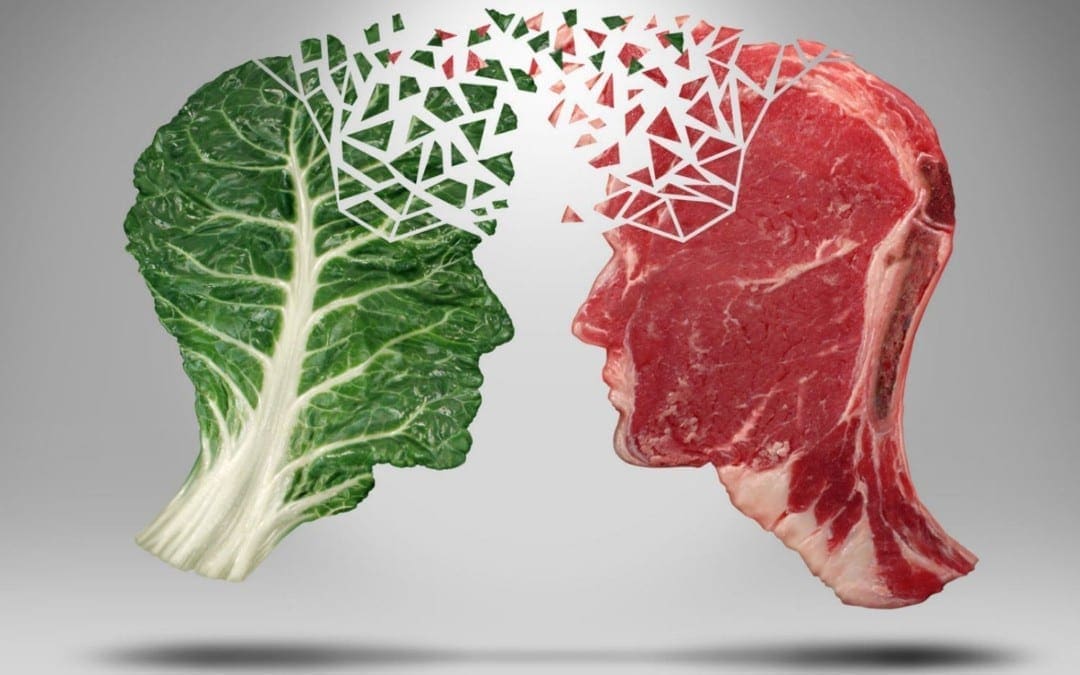
The general take on this research: There is no one best diet or nutritional bias for all people. If your ancestors are all from the 10 countries that make up northern Europe, for example, the study indicates you could be more likely better equipped to thrive on a diet having a higher proportion of meat. People of southern European ancestry, however, might do better with diets that lean toward plant-based foods.
We can deny it until the mad cows come home, but we start deteriorating even before middle age. It�s not going to get better and we�re not going to start remembering where our keys are. The good news is that a healthy diet, akin to the famous Mediterranean one, can significantly protect our memory performance, say Canadian scientists who helpfully published a Brain Health Food Guide to help adults over 50 preserve their thinking and memory skills.
While about it: Dietary patterns similar to the Brain Health Food Guide are associated with a 36 percent decrease in the risk of developing Alzheimer�s disease, the scientists add.
No, there is no such thing as a superfood for superlative memory. The brain diet is less about specifics and more about generally eating healthy, focusing on classes of foods, explains the team from Baycrest�s Rotman Research Institute.
Legumes are key. Green beans don�t count in that category, though they do count as a vegetable, so they�re good. Cruciferous vegetables like broccoli and Brussels sprouts are good too.
And: Eat fish, beans, beans, beans and nuts several times a week, and choose healthy fats from olive oil, nuts and fish. Did we say beans? Add the legumes to everything but your vanilla shake.
Eat lots of berries, and yes, strawberries do count in that context, Dr. Carol Greenwood�reassures Haaretz. That is fortunate because Israel doesn�t really have many other berry types. (Mulberries are endemic but never did catch on here culinarily.)
While the recommendations were penned for Canadians, they apply to everybody, Greenwood also reassures.
�Our work was, in part, to address the �holy grail� that the Mediterranean diet has in Canada � it is absolutely a healthy diet, but does not necessarily meet the cultural needs of all individuals,� she wrote in an email interview.��Rather, we position the Mediterranean diet as one example of a brain healthy diet, but argue that there are fundamental principles which can be adopted across all cultures and ethnic groups.�
She also wanted to debunk the reams of misinformation out there about �brain food,��says Greenwood, co-author of the Brain Health Food Guide. �In Canada, there are lots of claims around supplements and individual foods, where there really is no data to support the claims.�
Go Gentle Into That Good Ice Cream
It�s hard to pinpoint �brain foods.� By the same token, removing a single component from the diet � such as sugar or wheat � isn�t going to solve the problem of a deteriorating memory, Greenwood believes. �The answer will never be as easy as pointing to an individual food which is either harmful or helpful � it is the global qualities of the diet which are important.�This cannot be packaged into an individual pill/supplement or individual food.�
That said, she elaborates, there is a general consensus that diets and lifestyles that lead to the development of insulin resistance and other chronic disorders, such as hypertension, will contribute to poor cognitive retention and increased dementia risk.
What causes insulin resistance? Foods in that category include highly processed offerings, especially foods with lots of refined sugars. Steak and other red meat are in this category too, she says.
�I think the important message is that we need to limit our intakes of these foods and not promote abstinence � making something a �forbidden fruit� only makes people crave it more and we don�t have the evidence to argue that small quantities are harmful,� Greenwood says. �You can still enjoy a small scoop of ice cream on special occasions as long as you don�t make it a daily item or eat the entire container at once.�
Do Or Dash
The Baycrest recommendations draw primarily on two randomized control trials, a Spanish one using a diet intervention based on the Mediterranean diet, and a U.S. trial using a diet intervention based on the �DASH� diet, which is a long-term approach to healthy eating designed to help prevent or treat high blood pressure.
The team set out to see where these two dietary approaches overlapped (for instance, legumes) and diverged (the Mediterranean diet places much more emphasis on fish), to form the basis of the dietary intervention.
Fats were a puzzler. �There is no consensus across the epidemiological studies as to the negative contribution of a high-fat diet per se, rather the consensus is across fat quality � hence these recommendations focus more on fat quality rather than quantity,� Greenwood explains.�And finally, data across a number of different international epidemiological studies was also used to inform the recommendation, Greenwood told Haaretz.
Apropos fats, fatty fish are generally considered to be best for the brain diet because of the high content of omega fats. �In Canada, the intake of fish is so low, that getting individuals to consume any type of fish is better than consuming no fish at all.�This may not be the case in Israel,� Greenwood says, and she�s right � Israelis eat a lot of fish.� �For instance, in the Spanish study, it was difficult to show benefits of meeting our recommendation for fish intake simply because most individuals were already naturally consuming relatively high levels of fish in their diet before entering the study.� And so it is in Israel too.
IFM's Find A Practitioner tool is the largest referral network in Functional Medicine, created to help patients locate Functional Medicine practitioners anywhere in the world. IFM Certified Practitioners are listed first in the search results, given their extensive education in Functional Medicine