You may think you eat food to fuel your body but that’s not all it does. Emerging research shows that what you eat actually influences the composition of your microbiome, which can help you feel healthier and lose weight.
“We have entered the gut-health era of diet and nutrition and it will be here for a long time indeed. The science is simply too persuasive to suggest otherwise,” top expert Jeannette Hyde says.
Microbiome is the term used for the bacteria, particularly those living in the intestines.
Hyde, a London-based certified nutritional therapist, is the author of “The Gut Makeover: 4 Weeks to Nourish Your Gut, Revolutionize Your Health and Lose Weight,” a popular book in the U.K., which was published here on May 2.
Here are excerpts from her recent interview with Newsmax Health.
Q:Why is our microbiome important?
A: Our microbiome communicates with our hormones to keep them balanced, it influences how aggressively we extract calories from food eaten, and it also communicates with our immune system and signals to our brain.
Q: What is a healthy microbiome like?
A: A healthy microbiome is dominated by beneficial bacteria and contains lots of different varieties of bacteria. An unhealthy microbiome is dominated by nasty types of bacteria, with the good ones left in the minority, and also has little variety of bacteria.
Q: What health problems does an unhealthy microbiome cause?
A: When the microbiome is out of balance, or deranged, we may experience digestive issues such as chronic bloating, wind, loose stools, constipation, or alternating between the two.
Q:How does a healthy microbiome help you?
A: A healthy microbiome is important to have a healthy microbiome keeping your weight, mood, and immune system in check. Early studies are also showing that eating foods to enhance the microbiome can lead to improvements in memory and mood, and autoimmune disorders to name a few
Q: How does the typical American (Western) unbalance the microbiome?
A: In the Western diet we often have a lot of grains (usually dominated by wheat) so there is very little variety of color, and the color beige dominates. It’s also often high in sugar, artificial sweeteners, and unhealthy trans fats. Artificial sweeteners can disrupt your microbiome too.
Q: Why is eating for your microbiome better than counting calories for weight loss?
A: The microbiome has been shown to influence on our hunger hormones, so a deranged microbiome could knock your hunger hormones out of balance, giving you cravings all the time.
Q: What is your diet for a healthy microbiome?
A: My diet features a low-grain Mediterranean diet in which you bombard your gut with diversity of plants, satiating proteins, and good oils such as extra virgin olive oil. After 2 weeks, you can add in foods that have healthy bacteria, like fermented milk kefir and smelly unpasteurized cheese Roquefort full of bacteria to plant in your gut, or sauerkraut or miso if you can’t tolerate dairy.
Here are Jeannette Hyde’s 6 tips for a healthy microbiome:
Bombard your body with diversity. It really can make food enjoyable having lots of different ones to look forward to. Get into the habit of trying to get as many different types of vegetables into each meal – chop lots of different fresh herbs on top, throw over a handful of pomegranate seeds, grate some carrot.
Drink fermented milk kefirevery day like medicine. It’s a convenient and delicious way to get tens of billions of beneficial bacteria into your gut in one sitting. You can blend it in a blender with fruit and nuts or mix it with extra virgin olive oil, lemon juice and a bit of garlic for a delicious salad dressing.
Make cold potatoes your friend – potatoes have been demonized for too long! They can be very good for your microbiome and consequently your weight. When potatoes cool down they form resistant starch, a type of fiber which cannot be digested in the top half of the digestive tract, making you feel full, and survive all the way to your colon where you gut microbes dine out on them.
Enjoy flax seeds. Often fairly inexpensive, flax seeds, known also as linseeds, are super foods for your gut bacteria and produce a fuel to keep your gut lining in good repair. You can use them in a shake each morning. It’s simple good housekeeping for the microbiome.
Eat Slowly. Eating slowly is so important to good digestive health. If we wolf down our food, undigested food can reach the colon and lead to a deranged microbiome, bloating, hunger and more. It’s such a simple action, and costs no money, and can deliver big results.
Try a 12-hour overnight fast. This is an easy way to give your microbiome a good long stretch to regenerate, and can help rebalance your hunger hormones so you feel less hungry generally.
Whether we�re starting our day with a strong cup of coffee or indulging in a mid-afternoon pick-me-up (preferably of the dark chocolate variety), caffeine is a drug that many of us don�t want to quit. And thankfully, we don�t have to: A new scientific review offers reassurance that, in moderate amounts, caffeine is perfectly healthy.
Specifically, the paper confirms the results of the last big review done on caffeine safety, way back in 2003: that intake levels of up to 400 mg a day, or about four 8-ounce cups of coffee, are not associated with health risks for adults. (Yay!) The results, published in Food and Chemical Toxicology, were presented over the weekend at the Experimental Biology conference in Chicago.
�After decades of research and thousands of papers, we know a lot about caffeine,� says lead author Daniele Wikoff, PhD, health sciences practice leader at ToxStrategies, a private scientific consulting firm. �And what our findings truly confirm is that having caffeine as part of your daily diet is still acceptable and without adverse effects.�
Pregnant Women and Caffeine
The new review also found that existing upper limits for pregnant women (300 mg a day) and children (about 1.1 mg per pound) continue to be supported by scientific data, as well. �This should give pregnant women some comfort that they do not need to eliminate caffeine from their diet,� says Wikoff.
Although there�s no change to the current recommendations, an update was long overdue, says Wikoff. Since the widely-cited 2003 review on caffeine was conducted by Health Canada, more than 10,000 papers have been published on the drug�s effects on various aspects of health.
That’s why the North American branch of International Life Sciences Institute (ILSI), a nonprofit foundation dedicated to advancing the understanding of nutrition and food safety, decided to commission an analysis on more recent literature. To start, the Institute recruited ToxStrategies to comb through more than 700 studies conducted on humans and published between 2001 and 2015.
The researchers narrowed those studies down to 426 for inclusion in the review, all of which focused on how caffeine related to five specific topics: toxicity, bone health and calcium intake, cardiovascular effects (including blood pressure and heart rate), behavioral health (including headaches, mood, and sleep), and reproduction and development (including fertility, miscarriage, and birth defects).
The Effects of Caffeine on Americans
Despite all the new research, the paper�s conclusions remain generally the same as the previous review�s. More than 90% of Americans currently consume less than 400 mg a day of caffeine, the authors wrote, and the findings of the new review “support the safety of standard consumption practices in the United States.�
The authors did note that studies on caffeine in children were limited. While they found no need to recommend a change in current recommendations, they do say that more research on this age group would be valuable. (The American Academy of Pediatrics maintains a long-held position that caffeinated beverages, especially energy drinks, should be avoided in children.)
And because research on the general safety of caffeine is so plentiful, they also recommend that future studies shift their focus to unhealthy populations, sensitive groups, and ways that people may be affected differently on an individual level.
ILSI North America receives funding from the American Beverage Association and the National Coffee Association. Both organizations �received periodic progress reports but did not participate in any aspect of the systematic review,� the authors note in the paper. In addition to scientists from ToxStrategies, the research team consisted of seven scientific advisory board members from academic institutions across the U.S. and Canada, with expertise in the paper�s different areas of focus.
The studies included in the review looked at a variety of caffeine sources, including coffee, tea, chocolate, other beverages, and supplements, but the review did not evaluate the health effects associated with these different sources separately. When considering your caffeine intake, says Health�s medical editor Roshini Raj, MD, it’s important to keep in mind the entire food or drink.
Plain coffee, for example, is rich in antioxidants and may reduce the risk of heart disease, stroke, and diabetes. Soda and fancy coffee concoctions, on the other hand, can be high in calories or contain artificial sweeteners, while energy drinks can contain sugar and other stimulants that have been associated with health risks.
Dr. Raj also says that just because 400 mg a day of caffeine is safe, that doesn�t mean it�s right for everyone. �We don�t all metabolize caffeine the same way: Some people find that even a little cup of coffee or tea can make them restless,� she wrote in a recent column for Health. �Listen to your body, and if you tend to get jittery, try spacing out your caffeinated beverages,� she added.
If you find that you�re becoming dependent on caffeine, make sure you�re getting enough sleep�or talk to your doctor about why else you might be so tired, Dr. Raj adds. You can always try an all-natural energy enhancer, too: A recent study found that 10 minutes of stair-walking provided a better boost than a 50-mg caffeine pill.
The scope of our information is limited to chiropractic and spinal injuries and conditions. To discuss options on the subject matter, please feel free to ask Dr. Jimenez or contact us at 915-850-0900 .
Additional Topics: Weight Loss Eases Back Pain
Back pain and symptoms of sciatica can affect a majority of the population throughout their lifetime. Research studies have demonstrated that people who are overweight or obese experience more back complications than people with a healthy weight. A proper nutrition along with regular physical fitness can help with weight loss as well as help maintain a healthy weight to eliminate symptoms of back pain and sciatica. Chiropractic care is also another natural form of treatment which treats back pain and sciatica utilizing manual spinal adjustments and manipulations.
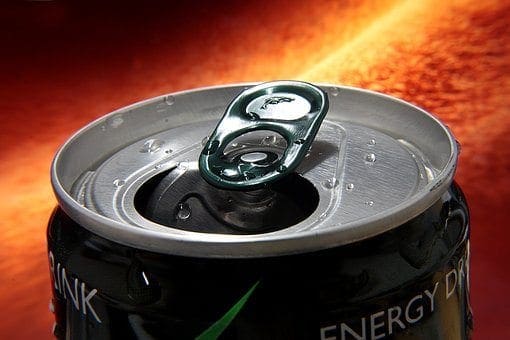
Energy drinks are known for their high caffeine content, which often tops that of soda and even coffee. But they seem to affect people�s hearts and blood pressure differently than other caffeinated beverages, suggests a small new study published in the Journal of the American HeartAssociation.
In the study, researchers divided 18 men and women into two groups. Half were given a 32-ounce commercially available energy drink with 320 mg of caffeine, as well as other ingredients like taurine and ginseng (both dietary supplements). People in the other group were given a soda-like control drink of the same size that contained the same amount of caffeine with a bit of lime juice, cherry syrup and carbonated water. After six days, the groups switched and drank the other beverage.
Results of Consuming Energy Drinks
The researchers measured everyone�s blood pressure at the start of the study and one, two, four, six and 24 hours after drinking the beverage. They also measured everyone�s heart activity using an electrocardiogram.
People who drank the energy drinks had a QT interval�meaning the time it takes the heart�s ventricles to prepare to beat again�10-milliseconds higher than those who drank the caffeinated control beverages. Irregularity in the QT interval can sometimes lead to abnormal heart beats. Fletcher says that the disparity may be important, since some medications that affect the QT interval by 6 milliseconds carry warning labels.
Both groups had higher blood pressure after their drinks, though never out of normal range. The blood pressure of people who had the control drink returned to baseline levels after six hours. But when people drank the energy beverage, their blood pressure remained elevated for more than six hours. The researchers believe that could mean that the other ingredients in energy drinks may alter blood pressure beyond the effects of caffeine alone.
�What the growing body of evidence is pointing to is that there are effects on the heart that are different than caffeine alone,� says study author Emily Fletcher, a deputy pharmacy flight commander from David Grant U.S.A.F. Medical Center at Travis Air Force Base in California. �Consumers should be aware that drinking an energy drink is not the same as drinking coffee or soda.�
More research is needed. The study was small, and researchers only looked at the effects of the beverages on people who were healthy�and not at the differences over the long term. The American Beverage Association, which represents the non-alcoholic beverage industry, said in a statement that �energy drinks have been extensively studied and confirmed safe for consumption by government safety authorities worldwide including a recent review by the European Food Safety Authority.�
Fletcher says that the findings suggest people should approach energy drinks with some caution, especially those who have risk factors for heart issues. �I would recommend only moderate consumption of energy drinks and particular avoidance in people with underlying cardiac disease or hypertension,� says Fletcher, �or during activities that would also increase your blood pressure and heart rate, such as exercise or sports.�
The scope of our information is limited to chiropractic and spinal injuries and conditions. To discuss options on the subject matter, please feel free to ask Dr. Jimenez or contact us at 915-850-0900 .
Additional Topics: Weight Loss Eases Back Pain
Back pain and symptoms of sciatica can affect a majority of the population throughout their lifetime. Research studies have demonstrated that people who are overweight or obese experience more back complications than people with a healthy weight. A proper nutrition along with regular physical fitness can help with weight loss as well as help maintain a healthy weight to eliminate symptoms of back pain and sciatica. Chiropractic care is also another natural form of treatment which treats back pain and sciatica utilizing manual spinal adjustments and manipulations.
Mothers who eat a diet high in fructose-containing sugars while pregnant or breastfeeding are more likely to have a child with fatty liver disease, increasing their chances of developing obesity or type 2 diabetes according to new Australian research.
Carried out by the University of South Australia, the animal study looked at female rats given water supplemented with fructose-containing sugars including sucrose or high fructose corn syrup (HFCS) before, during and after pregnancy.
The amount of sugar was equivalent to levels found in standard soft drinks.
After they were born, the offspring were either weaned by a mother who had access to the fructose-containing beverage, or by a mother who had access to water only.
The team then analyzed the offspring’s body weight, fat mass and glucose control and analyzed their tissues to find out the amount and type of fat in their livers.
They found that the offspring from mothers who had consumed the drink high in fructose were more likely to have a fatty liver, and that this was especially true for offspring who were weaned by mothers who drank the fructose-containing beverage.
Fatty liver can also have a negative effect on metabolic health, potentially leading to obesity or type 2 diabetes in the future.
The results also suggest that the timing of exposure to fructose sugars is important, and highlights the importance of diet for breastfeeding mothers.
Dr Sheridan Gentili, lead investigator of the study cautioned that, “As there are differences in physiology between humans and rodents, we need to be careful when translating this research directly to humans.”
However, she also added that, “This study highlights the importance of maternal nutrition during the lactation period. Guidelines for consuming added sugars or sugar-sweetened beverages during pregnancy should consider this.”
As well as soft drinks, many cereals and other processed foods also contain fructose-containing sugars.
The study can be found online published in The Journal of Physiology.
Schools won’t have to cut more salt from meals just yet and some will be able to serve kids fewer whole grains, under changes to federal nutrition standards announced Monday.
The move by President Donald Trump’s Agriculture Department partially rolls back rules championed by former first lady Michelle Obama as part of her healthy eating initiative. Separately, the Food and Drug Administration said on Monday it would delay � for one year � Obama administration rules that will require calorie labels on menus and prepared food displays. The rule was scheduled to go into effect later this week.
As his first major action in office, Agriculture Secretary Sonny Perdue said the Agriculture Department will delay an upcoming requirement to lower the amount of sodium in meals while continuing to allow waivers for regulations that all grains on the lunch line must be 50 percent whole grain.
Schools could also serve 1 percent flavored milk instead of the nonfat now required.
“If kids aren’t eating the food, and it’s ending up in the trash, they aren’t getting any nutrition � thus undermining the intent of the program,” said Perdue, who traveled to a school in Leesburg, Virginia, to make the announcement.
Health advocates who worked closely with the Obama administration on nutrition issues criticized the two moves, saying that the Trump administration is messing with rules that are popular with the public.
The menu labeling law would have required chain restaurants and other establishments that sell prepared foods to post the calorie content of food. The FDA said the delay “allows for further consideration” of ways to reduce costs or make the rules more flexible as supermarkets and pizza delivery companies have lobbied against it.
“The Trump administration is showing in two important ways that it puts business interests before its populist rhetoric on the campaign trail and what mainstream Americans want,” said Margo Wootan, a lobbyist for the Center for Science in the Public Interest.
The school meal changes reflect suggestions from the School Nutrition Association, which represents school nutrition directors and companies that sell food to schools. The group often battled with the Obama administration, which phased in the healthier school meal rules starting in 2012.
The Obama administration rules set fat, sugar and sodium limits on foods in the lunch line and beyond. Schools have long been required to follow government nutrition rules if they accept federal reimbursements for free and reduced-price meals for low-income students, but these standards were stricter. Obama pushed the changes as part of her “Let’s Move” campaign to combat childhood obesity.
The Trump administration changes leave most of the Obama administration’s school meal rules in place, including requirements that students must take fruits and vegetables on the lunch line. Some schools have asked for changes to that policy, saying students often throw them away.
But the health advocates who have championed the rules are concerned about the freeze in sodium levels, in particular. School lunches for elementary school students are now required to have less than 1,230 mg of sodium, a change put in place in 2014. The changes would keep the meals at that level, delaying until at least 2020 a requirement to lower sodium to 935 mg. That requirement was scheduled to begin in the 2017-2018 school year.
“By forgoing the next phase of sodium reduction, the Trump administration will be locking in dangerously high sodium levels in school lunch,” Wootan said.
Before he signed the proclamation, Perdue and Senate Agriculture Chairman Pat Roberts, R-Kan., ate chicken nuggets, fruit and salad with children at Catoctin Elementary. Perdue said he doesn’t see the changes as a rollback, but “we’re just slowing down the process.” He praised Obama’s nutrition efforts as first lady but said he wants the healthier meals to be more palatable.
He said the department will work on long-term solutions to further tweak the rules.
Becky Domokos-Bays, the nutrition director for Loudon County, Virginia, including Catoctin Elementary, said she has been experimenting with the lower sodium levels and she’s had a hard time adjusting some of the more popular foods she serves. Kids like her chicken noodle soup, she says, but rejected it when she lowered the sodium content because it was thinner and had less taste.
Perdue, a former governor of Georgia, said some schools in the South have had problems with grits, because “the whole grain variety has little black flakes in it” and kids won’t eat it.
“The school is compliant with the whole-grain requirements, but no one is eating the grits,” Perdue said. “That doesn’t make any sense.”
Others don’t want to see any changes to the healthier meals. Outside the school, Leesburg Mayor Kelly Burk and about 20 others protested ahead of the announcement. One sign read: “Sonny � Our children do not want big business soda, chips and fries!”
“Some people don’t like regulations, but these are important regulations that impact kids,” Burk said.
Doctor of Chiropractic, Dr. Alexander Jimenez takes a look at the latest diet drink with fiber.
COCA-COLA
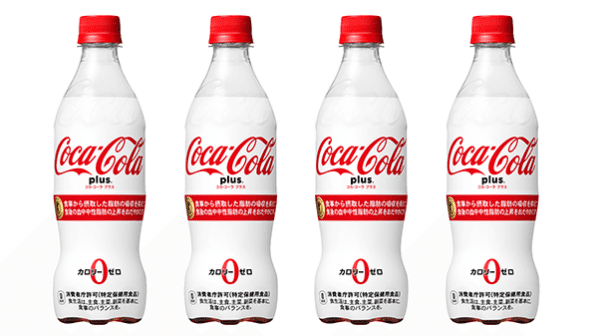
Coca-Cola recently unveiled a new pop with the ingredient that�s sure to drop easily with its customers: dietary fiber.
The beverage firm introduced the product, which will be called Coca-Cola Plus. The soda is exclusively sold in Japan and features five grams of indigestible dextrin (which is a form of dietary fiber).
According to an announcement from Coke in February, the product is an integral part of Coca-Cola Japan�s Food of Specified Health Use (FOSHU) beverages. FOSHU beverages are intended to appeal to Japan�s health conscious consumers who are 40 and older. Coke, which has had a popular FOSHU tea beverage in the marketplace since 2014, said it took over a decade to research and develop Coke Plus, which was recently accepted by the Japanese government. If its � � claims that are healthy will actually do that much to help consumers, yet, individuals aren�t too certain.
�Drinking one Coca-Cola Plus per day with food may help suppress fat absorption after eating,� the firm asserted in a press release, and help moderate the levels of triglycerides in the blood.
Companies adding dietary fiber to its drinks is nothing new. Pepsi added beverages in its Japanese market a few years ago and dietary fiber and made similar claims about fat absorption and triglycerides that Coke did in the statement above.
�Unless Pepsi can provide data from controlled studies in humans to the contrary, their claim should be thought of as bogus and deceptive,� Walter Willett, Fredrick John Stare Professor of Epidemiology and Nutrition and chair of the Department of Nutrition at Harvard School of Public Health, told Time in 2012.
HuffPost reached out to Miriam E. Nelson, Ph.D, one of the state�s leading nutritionists and director of the Sustainability Institute at the University of New Hampshire, to talk about the inclusion of dietary fiber to pop.
�There isn’t any evidence that supplying fiber, scattering it in here or there, that that fiber has an entire health benefit, so that�s an important difference,� Nelson told HuffPost. �The evidence for dietary fiber having a health-promoting impact is with eating a routine of foods (such as fruits and vegetables and whole grains) that supply that fiber.�
Nelson said that adding the fiber won�t do anything harmful to the customer, but just adding the fiber by itself won�t have the well-being aspects a fiber-rich diet would offer. But she did find one part �disturbing� about the fiber claims.
“The companies are trying to add a positive halo or health attribute within a product which doesn�t have some health benefits,� Nelson said. If it�s a sugar-sweetened beverage afterward it truly has a lot of health benefits that are negative, so it�s trying to counterbalance that. That�s the disturbing part, since I believe they�re trying to link with the consumer and develop a health aspect where there isn�t one.�
If You Need To Incorporate More Fiber Into Your Daily Diet, Do It With Whole Grains, Fruits & Veggies
In the study, researchers divided 18 men and women into two groups. Half were given a 32-ounce commercially available energy drink with 320 mg of caffeine, as well as other ingredients like taurine and ginseng (both dietary supplements). People in the other group were given a soda-like control drink of the same size that contained the same amount of caffeine with a bit of lime juice, cherry syrup and carbonated water. After six days, the groups switched and drank the other beverage.
The researchers measured everyone�s blood pressure at the start of the study and one, two, four, six and 24 hours after drinking the beverage. They also measured everyone�s heart activity using an electrocardiogram.
People who drank the energy drinks had a QT interval�meaning the time it takes the heart�s ventricles to prepare to beat again�10-milliseconds higher than those who drank the caffeinated control beverages. Irregularity in the QT interval can sometimes lead to abnormal heart beats. Fletcher says that the disparity may be important, since some medications that affect the QT interval by 6 milliseconds carry warning labels.
Both groups had higher blood pressure after their drinks, though never out of normal range. The blood pressure of people who had the control drink returned to baseline levels after six hours. But when people drank the energy beverage, their blood pressure remained elevated for more than six hours. The researchers believe that could mean that the other ingredients in energy drinks may alter blood pressure beyond the effects of caffeine alone.
�What the growing body of evidence is pointing to is that there are effects on the heart that are different than caffeine alone,� says study author Emily Fletcher, a deputy pharmacy flight commander from David Grant U.S.A.F. Medical Center at Travis Air Force Base in California. �Consumers should be aware that drinking an energy drink is not the same as drinking coffee or soda.�
More research is needed. The study was small, and researchers only looked at the effects of the beverages on people who were healthy�and not at the differences over the long term. The American Beverage Association, which represents the non-alcoholic beverage industry, said in a statement that �energy drinks have been extensively studied and confirmed safe for consumption by government safety authorities worldwide including a recent review by the European Food Safety Authority.�
Fletcher says that the findings suggest people should approach energy drinks with some caution, especially those who have risk factors for heart issues. �I would recommend only moderate consumption of energy drinks and particular avoidance in people with underlying cardiac disease or hypertension,� says Fletcher, �or during activities that would also increase your blood pressure and heart rate, such as exercise or sports.�
IFM's Find A Practitioner tool is the largest referral network in Functional Medicine, created to help patients locate Functional Medicine practitioners anywhere in the world. IFM Certified Practitioners are listed first in the search results, given their extensive education in Functional Medicine