Genetic: Integrative and functional medicine came to the forefront for many medical practitioners and patients alike when they
became dissatisfied with traditional medicine�s sole focus on what was considered �science-based� treatment approaches. Traditional medicine�s viewpoint of dealing with symptoms in isolation from the rest of a patient�s body, mind, and spirit can be too confining when it comes to certain conditions.
This evolution to a more function-centered approach as opposed to a disease-centered way of seeing the whole person has led to improved healthcare. It also looks at prevention, not simply illness and at living in a healthy state, not simply disease-free.
What Is Integrative & Functional Medicine?
Practitioners of integrative and functional medicine take into consideration genetic, environmental, and lifestyle issues when listening to their patients describe the symptoms plaguing them. Their inclusion of these issues makes the process more of a natural medicine approach.
With the dramatic increase in chronic illness conditions and the lack of training traditional physicians have in dealing with these conditions, the move into integrative and functional medicine is needed.
Many of these chronic illness conditions have a genetic component that, along with environmental and lifestyle factors, lead to serious limitations on people�s lives. This shows the importance of the individual biochemical and genetic aspects of each person on his or her health.
This other approach in medicine realizes the necessity of considering nutrition, exercise, diet, and genetics in evaluating and remediating chronic illness conditions. The use of genetic testing in integrative and functional medicine is one way to take all of these factors into account.
SNPs & Integrative & Functional Medicine
Upon completion of the mapping of the human genome, we know there are 20-25,000 genes in each genome. With this knowledge came the information that there are over 80 million variants in the human genome.
These variants are comprised in part of single nucleotide polymorphisms (SNPs) and deletions or insertions in the genome. It is these SNPs that provide significant health information to providers of integrative and functional medicine to prevent or alleviate chronic illness conditions.
Knowing the presence of and placement of SNPs through genetic point mutation testing allows evaluation of the susceptibility to develop many of the chronic illness conditions that affect people today. In addition, this kind of testing helps pinpoint relevant SNPs and their corresponding metabolic markers in individuals.
Testing of this kind provides targeted interventions through the use of traditional medicine approaches as well as supplementation through integrative and functional medicine approaches. Monitoring of individuals� progress is also made easier with genetic testing by measuring metabolic markers found in the original tests over a period of time.
Individual monitoring of this type is necessary when this kind of personalized intervention and supplementation is used. If there is an overload of either medications or supplementations, there can be an impact on the performance of metabolic processes that can lead to side effects. These side effects can influence functions and responses, such as the immune response.
Individual SNPs will determine how well medications and supplements are working.
Genetic Testing In Relation To Diet & Weight Loss
Integrative and functional medicine practitioners not only deal with illness, they also provide health and wellness evaluations. Current research has shown how important a role genetics plays in the prevention of many chronic health conditions.
Genetic testing can show vulnerabilities to conditions and suggest options for individuals. This kind of testing can also provide valuable information concerning how individuals can respond to different attempts to live more healthy lives.
Genetic testing has been shown to be effective in several areas: diet, eating behavior traits, nutritional needs, exercise, body and weight, and metabolic health. For each of these areas, there are certain genetic markers that can provide information regarding how genetics will affect each of these areas.
Diet
People are seemingly obsessed with weight. How to lose it and keep it off, how to re-distribute it to look more attractive. Professionals in integrative and functional medicine are approached regularly for help in this area.
Everyone knows it�s hard for some people to lose weight on any kind of diet, while others can lose weight any time they want. It�s not just due to lack of willpower that people don�t lose the weight they want. It may also be due to genetics.
Research has shown about 88 percent of people have bodies that resist burning fat through low-intensity exercise. Most people will gain weight if they eat almost any carbs (about 45 percent of people) or almost any fat (about 39 percent of people).
The reason for this is a diet and type of exercise matched to specific genotype lead to weight loss. These diets and exercise types are not the same for everyone.
For example, let�s look at adrenoceptor Beta 3 (ADRB3) with an SNP on rs4994. There are different variations of this gene. If you are either an AA or TT genotype, you have what is called a genetic privilege and just about any kind of exercise will work for you. On the other hand, if you don�t have either of these AA or TT genotypes, this is a genetic disprivilege and only a high-intensity type exercise will help you lose weight.
Further analysis of other genes and SNPs can tell you the type of diet, either low carb or low fat, that will work best for you. In fact, using a diet matched to your genetics can result in a loss of two and half times as much weight as a diet not matched to genetics.
In addition to choosing the right diet to lose weight, choosing the right diet may also help you avoid developing a chronic health condition. Research has shown diet to be implicated in many chronic illness conditions, so genetic testing to determine your specific vulnerability to illnesses and your response to particular foods may help prevent them.
Knowing your predisposition to illnesses can lead to targeted dietary and lifestyle changes that may modify any existing conditions and help prevent future developments. Future research may bring more information regarding bioavailable components in foods that can aid in alleviating health issues.
COMT & CYP19 Genes
Research has identified certain genes that work together and appear to show that some people retain fat regardless of, or in spite of, exercise.
In one study, researchers found two genes, COMT and CYP19 that appeared to be involved in patterns of fat loss and exercise. Having one CYP19 gene and variants of that gene did not affect fat, intra-abdominal fat, or total fat. However, having two of these genes seemed to be related to slightly more decrease in body mass index and significantly more decrease in total fat and percentage of body fat.
The researchers also found that having one genotype of the COMT gene and one copy of the CYP19 gene seemed related to significant loss of BMI, total fat, and percentage of body fat.
Why and how these genes and combinations work isn�t known yet. More research is needed to determine this. Other research suggests women with a specific CYP19 variant may also have increased levels of estradiol and estrone which may make it harder for them to lose fat through exercise.
Environmental Factors
Weight loss or gain is not solely at the mercy of your genetics however. A combination of genetics and environment is likely behind your success or failure regarding your weight loss attempts.
The thinking of professionals is divided on the subject of genetics versus environment/lifestyle choices. One set of these professionals regards environment to be the telling component. They point to the teaching over the years that food is a reward for good performance at anything. This, combined with constant reminders about food that are around us all the time, makes it hard for some people to lose weight and/or keep it off.
Others believe losing weight and keeping it off are more related to biological functions. They have found people to be metabolically different after losing up to ten percent of their body weight. Their brains also seem to respond to food differently. The emotional response to food is greater, but the brain regions that deal with food restraint are less active. This sets up the person to regain the weight lost.
Further research into why people lose weight and maintain that loss will be needed. Some of that research has to be on the genetic basis of weight loss.
Eating Behavior
Integrative and functional medicine practitioners view eating behavior as important for overall health.�These behaviors include snacking behavior, feelings of satiety, craving for sweets, desire for food or certain foods, and the disinhibition of eating.
Nutrigenetics and nutrigenomics are two new fields of study related to how genes affect our diet and how our diet affects genes, respectively. Obesity, cancer, and heart disease are three of the health conditions most investigated in these two new fields.
One study involving these new fields showed the bitter taste gene receptor hTAS2R38 to be involved in tasting glucosinolates, found in some fruits and vegetables. Three genotypes in this gene receptor have been identified: PAV/PAV, PAV/AVI, and AVI/AVI.
Those individuals with PAV/PAV are said to be supertasters. They are very sensitive to bitter tastes in some foods and in some man-made compounds used in research. People with PAV/AVI are considered medium tasters. They can taste bitter in the research compounds, but not as much as the supertasters. Individuals with AVI/AVI are labeled non-tasters. They don�t taste bitter in the research compounds.
While it�s difficult to completely understand why these differences occur, it does appear they can make a difference in people�s diets. It could be that people who taste bitter greatly or somewhat will avoid certain vegetables that contain this bitter taste. Vegetables like kale and broccoli have this taste.
In this way, genetics have a significant influence on eating behavior.
Research indicates taste is only one of the ways genetics affects eating behavior. Caloric intake, meal size, and frequency of eating also appear to be affected. People�s desire for fats, carbohydrates, or proteins also may be influenced by genetics.
Research has found apolipoprotein A-II (APOA2) to be implicated in this kind of desire. Three variants in this gene, TT, TC, and CC, have been isolated as factors affecting the choice of fats, carbs, and proteins. One study showed both men and women who had the recessive CC chose more fat and protein and fewer carbs than either of the T alleles. The CC group ate about 200 more calories than the other group and tended to develop obesity more frequently.
It appears that APOA2 may affect not only food choices but also feelings of satiety.
Nontasters seem to prefer and seek out fats and flavors, so dieting may be more difficult for them to stick with and lose weight. Supertasters, on the other hand, enjoy a variety of foods, especially those that are spicy and robust. This may help them with diets.
Understanding the factors that appear to influence eating behaviors has gained importance with the tremendous increase in obesity in the U.S. and around the world, along with diabetes and cardiovascular disease. Eating behavior must be seen as a complex inter-relationship among psychological, cultural, physical, and genetic factors that influence the choice of foods, the amount of food intake, caloric intake, and timing of meals.
Regulating Eating Behavior
Clearly, taste affects food choices as seen in the discussion above. Another of the bitter receptors, TAS2R5, may also assist in regulating eating behavior. Alcohol dependence has been associated with an SNP in this receptor, along with another receptor, TAS2R16. These research findings seem to indicate variants in the TAS2R gene to be associated with ingestive behavior.
Genetic influence over meal amounts, how often people eat, and the timing of meals is a new area of study and may involve digestive neuroendocrine hormones such as CCK, leptin, and ghrelin. Studies are underway investigating the effects of these hormones on pathways that influence eating behavior.
A gene with a strong association with the risk of obesity, FTO, appears to contribute to obesity by downregulating leptin production in adipocytes. Adiposity and satiety appear to be associated with a fairly common variant, rs9939609. One study showed the A allele of rs9939609 to influence post-meal feelings of satiety and possibly to influence the excess caloric intake seen in men and women with high BMIs.
A gene involved in the detoxification of nutrients during digestion, AKR1B10, also appears to play a role in influencing human eating behavior.
Nutritional Needs & Genetic Testing
Another area in which integrative and functional medicine practitioners use genetic testing is in�determining nutritional needs of their patients. As we have seen previously, genetic variants have an effect on taste and thus on nutrition. When people choose foods that �fit� their tastes but are short on nutrients, their health suffers. People also appear to have genetic responses to some supplements, such as some of the B vitamins and vitamin C.
The impact of nutrition is a lifetime factor, and practitioners of integrative and functional medicine evaluate nutritional needs closely. Any genetic variant that leads to abnormal nutritional requirements would likely be incompatible with survival. For example, miscarriage is more likely in a woman whose fetus has two alleles that negatively affect the use of any given nutrient than a woman whose fetus just has the common functional variants.
Several studies have isolated genes and alleles that affect nutrients and their utilization. For example, an SNP (Ala222Val) in the methylenetetrahydrofolate reductase (MTHFR) gene leads to a significant alteration in folate metabolism, increasing the risk of neural tube defects (NTDs) and cardiovascular disease, but lowering the risk of colon cancer. Increasing folate intake lowers the risks of developing serious health conditions.
Research has found other SNPs that alter homocysteine metabolism and folate uptake and transport. SNPs in enzymes that affect utilization and metabolism of vitamin B12 seem to be associated with NTDs and the possible development of Down syndrome and colon cancer.
SNPs in the vitamin D receptor may be associated with asthma in both children and adults. Lipid pathways, alcohol metabolism, and lactose metabolism appear to be affected by SNPs in other genes, also. A beneficial effect of these SNPs in the ancestors of certain ethnic groups or ancestral subpopulations may have been present, even though they tend to carry the risk of an adverse outcome today.
Environmental changes have been shown to bring a previously silent allele into a role as a disease allele. The aldolase B enzyme metabolizes fructose and was silent even with a high number of polymorphisms. In recent times, when fructose was added to foods as a sweetener, the polymorphisms began presenting as disease alleles.
Integrative and functional medicine professionals can use this information to guide their patients into more healthy lives.
Genetic Testing & Exercise
Integrative and functional medicine also uses genetic testing to determine the best types of exercise for different people and to explore the likelihood of injuries of several kinds in athletes. This latter area of research and clinical practice can help reduce the number and severity of athletic injuries for adult and child athletes.
While there have been some gene variants associated with athletic ability, none have been shown to be predictive to any degree. Research in this area is promising for decreasing serious injury in young athletes. But to date, little scientific information regarding a genetic variation in young athletes is available.
Genetic testing as a way of choosing which athlete to select for a particular sport is increasing. However, little evidence has been found to show it is more accurate than traditional ways of selecting candidates. The ethics of this kind of testing for young athletes has been brought into question.
ACE Genes
Two genes and the SNPs associated with them have been examined in several population samples and thus have robust findings. The ACE I/D polymorphism was first found to be associated with human performance several years ago. This gene is part of the renin-angiotensin system that controls blood pressure through its effect on the regulation of body fluid levels.
The ACE I allele lowers ACE activity in serum and tissue. The D allele increases ACE activity in serum and tissue. The ACE I/I genotype has been shown over and over again to indicate performance endurance and greater efficiency in exercise. The ACE DD genotype has been shown to indicate strength and power performance levels.
This ACE I/D genotype does not appear to have predictive ability in Kenyan athletes, suggesting the confounding influence of ethnicity or geography.
ACTN3 Gene
The ACTN3 is strongly associated with the protein alpha-actinin-3. This protein is involved exclusively in fast type II muscle fibers that are used in explosive activities. SNP R577X indicates a stop codon at position 577 rather than an arginine (R). An R allele puts athletes at an advantage in power sports. A study of the ACTN3 R577X variant in elite European athletes showed those in power event to be 50 percent less likely to have the XX variant and those involved in endurance events to be 1.88 times more likely to have the XX variant. For world-class endurance athletes, the odds of having the XX variant were 3.7 times larger when compared with lower-level athletes. It appears the ACTN3 gene is more important at the upper levels of sports.
While research shows the effects of the ACTN3 gene on athletic performance, especially in higher class athletes, the effects in the general population were negligible. It is unclear just what the association of this gene in the general population and choice of athletic activities in this population might be.
Resistance to injury and the ability to recover from injuries are also very important factors not only in professional sports but also for the general population. The emphasis on physical activity currently seen in the culture increases the risk of injury and the need for information regarding recovery.
Concussions and tendinopathies have been studied fairly extensively. Information on these two growing areas of injury among young athletes has been valuable for integrative and functional medicine specialists.
These two areas are important due to the long-lasting effects of both on young athletes. Research and clinical practice have shown the effects of concussion to linger into old age where they can increase the cognitive decline normally seen at that time of life.
APOE4 Gene
A better understanding of the genetic aspects of injury and recovery can help practitioners of integrative and functional medicine to both protect those young athletes at risk for injury and to better treat those who suffer injuries.
Regarding concussion, the gene most studied is APOE and its three alleles. The APOE e4 allele has been implicated in the development of Alzheimer�s Disease. This allele has been studied recently to determine its association, if any, with concussion risk and outcomes of traumatic brain injury. To date, the results are not clear.
Some findings have shown people with the e4 allele to have less favorable outcomes from traumatic brain injuries and boxers with this allele had higher chronic brain injury scores. These findings are consistent with e4 being a risk allele. However, one study of college athletes with the e4 allele did not find them to be more likely to suffer a concussion. Another study showed the e4 allele was not associated with poorer head trauma outcomes in children.
Another APOE variant, G-219T, has been linked with increased risk of concussion in athletes. Those athletes with the TT genotype compared to those with the GG genotype had a risk of concussion three times larger. A weak association was found in that same study between the tSer53Pro polymorphism in MAPT, the tau-protein encoding gene, and risk of concussion.
Collagen Genes, Integrative &Functional Medicine
Collagen is the primary component of tendons and ligaments, thus it is connected very closely with research into tendinopathies. It is no surprise that two variants in genes coding for collagen (COL1A1 and COL5A1) have been shown to suggest increased risk of injury to tendons. MMP3, a gene associated with connective tissue wound repair and the gene encoding TNC, an extracellular matrix protein, have also been implicated in increased risk of tendinopathies.
These are preliminary studies that need replication and further study to validate the findings.
Genetic Testing & Metabolic Health
Metabolic syndrome and metabolic health have been studied extensively due to metabolic syndrome being a major risk factor for the development of diabetes mellitus 1 and cardiovascular disease. Genetic and environmental factors interrelate in a complex fashion to bring about this condition. A cluster of metabolic abnormalities, including hypertension, dyslipidemia, abdominal obesity, insulin resistance, and impaired glucose tolerance make up metabolic syndrome.
All of the components of metabolic syndrome are highly heritable. Studies have shown links between metabolic syndrome and genes such as PPARg, adiponectin, CD36, and beta receptors.
There has been a considerable investigation into the heritability of metabolic syndrome. One study involved over 2,200 individuals in over 500 family groups. It was the first to identify major genes influencing metabolic syndrome.
Chromosome 3q27 was significantly linked to six factors involved in metabolic syndrome: weight, leptin, insulin, waist circumference, hip circumference, and insulin/glucose ratio. Chromosome 17p12 was strongly linked to plasma leptin levels.
Another study evaluated over 200 SNPs in 110 genes for their effects on coronary artery disease, highly implicated in metabolic syndrome. SNPs in eight of these genes showed association with metabolic syndrome: LDLR, GBE1, IL1R1, TGFB1, IL6, COL5A2, SELE and LIPC.
These genes are described below:
LDLR: Low Density Lipoprotein Receptor gene. It is strongly involved in the homeostasis of cholesterol. Hypercholesterolemia in families has been linked to mutations of this gene.
GBE1: Glycogen Branching Enzyme gene. It is involved in coding the glycogen branching enzyme which aids in glycogen synthesis. Branching of these chains allows a great number of glycosyl units to be stored in a molecule of glycogen.
IL1R1: Interleukin 1 Receptor, Type 1. Interleukin 1 is made up of two proteins, IL1-alpha and IL1-beta, and is a mediator of inflammation.
TGFB1: Transforming Growth Factor, Beta 1. This gene encodes the peptide involved in many functions in cells. Apoptosis may result due to dysregulation of the activation of this gene.
IL6: Interleukin 6 gene. It is a cytokine that regulates the immune response by activating a cell surface signaling assembly. Its production by neoplastic cells has been implicated in the growth of a number of cancers.
COL5A2: Collagen, Type V, Alpha 2. Mutations in the gene may bring on weakened connective tissue throughout the body.
SELE: Selectin E gene. May be involved in the pathogenesis of atherosclerosis.
Some of the more common inherited metabolic conditions include:
Lysosomal storage disorders. These can result in the buildup of toxic substances inside lysosomes in the cells.
Glycogen storage conditions. Sugar storage problems can lead to weakness, low blood sugar, and muscle pain.
Mitochondrial disorders: Can lead to muscle damage.
Peroxisomal disorders: Can lead to a buildup of toxic products of metabolism.
Metal metabolism disorders: Special proteins control levels of trace metals in the blood. A malfunction in these proteins caused by genetic metabolism disorders can lead to toxic levels of metals in the body.
Symptoms of genetic metabolism disorders include:
Low energy levels
Decreased appetite
Abdominal pain
Weight loss
Jaundice
Seizures
From this list of symptoms, it�s easy to see the relationship�of metabolic syndrome and adrenal fatigue. Practitioners of integrative and functional medicine will be faced with patients who present with adrenal fatigue and these similar symptoms. This makes it important for them to understand at least the basics behind Adrenal Fatigue Syndrome (AFS).
Adrenal Fatigue Syndrome
Feelings of fatigue and lethargy are presented more and more frequently in health care professionals� offices. Combined with concentration difficulties, sleep problems, inability to lose weight, feeling your brain is in a fog, fatigue, and lethargy may point to AFS as the basic issue.
AFS is a constellation of many nonspecific symptoms that can become debilitating. The onset of the symptoms is slow and can be missed by traditionally trained professionals.
The symptoms of AFS result from�the body�s normal response to stress�from any source. The hypothalamic-pituitary-adrenal (HPA) axis is set into motion, releasing hormones and other chemicals that are designed to deal with stress. At the end of the axis are the adrenal glands that secrete cortisol, the stress fighting hormone. The purpose of this hormone is to limit the effects of stress on the body.
In normal circumstances, once the stress ceases, the cortisol levels decline and the adrenals get a chance to recover. However, in our stress-filled culture, the stresses continue. This puts the demand on the adrenals at an extreme level. At some point, the adrenals are no longer able to secrete cortisol, which results in damage to the body from the effects of stress.
Levels of inflammation and an increased immune response results. Inflammation has been implicated in many chronic illness conditions. It is at this point that the body begins breaking down from the accumulation of symptoms such as fatigue, brain fog, insulin resistance, and increasing inflammation.
NeuroEndoMetabolic (NEM) Response
The traditional medical viewpoint of addressing individual symptoms and/or organs when working to alleviate illness conditions is simply too mechanistic. A more comprehensive viewpoint is needed in order to effectively deal with symptoms of AFS. The NEM model is such a viewpoint.
The model says it is important to consider organ systems operating in an interrelationship in which whatever affects one organ system affects others as well. In this regard, it is in line with�the integrative and functional medicine viewpoint.
The NEM model is a functional approach that looks at interactions between the individual�s environment and the gastrointestinal, endocrine, and metabolic organ systems, among others. This allows a healthcare practitioner to find the root causes, triggers, immediate causes, and genetic factors involved in a person�s illness condition.
This is a much more comprehensive approach to alleviating people�s symptoms and illness conditions.
Increasing and unrelenting stress is a part of our culture that is detrimental to the health of every individual. The metabolic component of the NEM model added to the neuroendocrine aspect helps professionals to see how localized organ-specific responses and systemic responses are necessary for successfully dealing with stress.
The metabolic component of our stress response is very subtle in the early stages. But the derangements of our metabolism worsen as time goes on and stress doesn�t stop. By the time the stress response reaches stage 3 or 4, these derangements can become debilitating. At the severe stage, they can lead to hypersensitivity to supplements and to paradoxical reactions.
Very significant and debilitating symptoms begin arising. Often, these lead the person to be bed-ridden due to their severity.
AFS & Genetics
A question integrative and functional medicine experts and those who suffer from AFS all want to know is: Can you inherit AFS?
Before answering that question, you need to understand even if you have a gene or several genes that are involved in a health condition like AFS, it doesn�t mean you will automatically get that condition. Before genes can do anything, either positive or negative, to your health, they have to get the signal to �switch on.�
One good thing about that signal is you have quite a bit of control over it. Scientists and researchers have discovered environment, choices you can make, exert significant control over whether genes are turned on or off. This is called gene expression.
Can you choose to switch specific genes on or off? That�s beyond us at this point. What you can do is make good lifestyle choices, good exercise choices, good diet choices and either activate or de-activate genes in this way. Genetic testing as seen in integrative and functional medicine practices is a way to determine your choices in many areas. Which diet works best for you and what exercises will best benefit you can be answered through this kind of testing.
Answering the specific question posed above, �Can you inherit AFS?�, is a complicated process.
Two genes with significant involvement in this answer are MTHFR and COMT. Both are involved with methylfolate. People with mutations in MTHFR don�t have enough methylfolate leading to less adrenaline because of interference in the methylation process. Methylation aids in the production of adrenaline and other hormones.
The other gene, COMT, is involved in the production of hormones and chemicals in the body. Low levels of methylfolate with this gene leads to lower levels of epinephrine and higher levels of norepinephrine.
The lack of methylfolate with both of these genes, especially MTHFR, leads to feelings of fatigue.
When your body is stricken by stress, both your adrenals and MTHFR are affected. This leads to the fatigue felt by those of you who suffer from AFS. The enzyme that produces dopamine and serotonin is also dependent on methylation to work right. Low levels of methylfolate can lead to low levels of both of these neurochemicals which can then lead to low energy and fatigue.
What Can You Do To Improve Energy Levels?
There are some things you can do to aid in increasing energy and improving the work of the two genes mentioned, MTHFR and COMT.
Balance your blood sugar levels by eating three or four small meals per day. These meals should include good grains like quinoa or rice, good carbs, and vegetables. You can add protein from fish or free-range chicken.
Supplements can help support your adrenal glands and the methylation process also. Vitamin B1, B2, and B6 will help. There are usually no side effects from vitamin B1, but if you should begin feeling any itching, notice any rashes, or have trouble breathing, contact your healthcare professional immediately.
Side effects from B2 are also rare. Very yellow urine will be seen, but this is not serious. If you do have any rashes, breathing trouble, or itching, contact your physician at once.
Taken in large doses for a long time, B6 can cause side effects. Headache, nausea, and drowsiness are enough to contact your healthcare professional at once.
Some people try taking methylfolate (5-MTHF), but this is a labor-intensive effort and could bring on some serious side effects if your body is not ready for it. If your body gets overwhelmed by the 5-MTHF, you can feel headaches, irritability, anxiety, and heart palpitations. Get medical help right away for these side effects.
Despite advance testing, it is important to remember that tests are simply data points of alert. A clinical decision should be made after a detailed consideration of the history and state of the body. A shotgun approach to treating abnormal laboratory values is a common clinical mistake and can lead to negative clinical outcomes.
Conclusion
The mapping of the human genome has provided an opportunity for researchers and clinicians alike to consider the roles genes play in health and wellness. Discovering the presence and effects of single nucleotide polymorphisms (SNPs) has increased not only our knowledge of how genes affect health, but also has given us tools to use in preventing and remediating many chronic illness conditions.
Integrative and functional medicine practitioners have been among the professionals to use this information in a practical sense. Whether AFS can be inherited is yet to be seen. Clinically, we do see a strong correlation from one generation to the next.
Genetic testing to examine the working of MTHFR and COMT may be of some help. Diet and supplements can also increase your chances of these two genes working correctly and alleviating some of the symptoms of AFS.
Because genetic testing is still in the very early phase of development, it is important to take all data points with the right perspective and refrain from treating abnormal laboratory numbers while the root cause of the problem can be masked.
� Copyright 2017 Michael Lam, M.D. All Rights Reserved.
Ketosis is a metabolic state where the liver takes proteins and fat and produces molecules to use for energy. Ketosis allows a starving person to survive for days (or even months). Some athletes see improvements while others feel miserable whenever they are in a condition that is ketogenic. Is a ketogenic diet right for you?
Ketogenic Diet and the Brain
Your brain is about 2 percent of your body mass, even though it requires approximately 20 percent of your basal metabolic rate, more if you are a thinker. Various parts of your brain use different amounts of glucose, and almost twice as much in the morning. You will need to fuel your mind more if you are using your mind working hard through the day and solving problems. If you’re working more on engine control, (state a skill involving precision or equilibrium), then you will use less glucose. Many people can attest to how much energy is used by the brain when challenged.
Although sugar is run off by our brains rather than fat, they are also able to run off of ketones as an alternate fuel source. People who market diets tend to be aware the simple fact that an increase in ketones improves repair and the healing of neurons and increases the neurotransmitter GABA. (GABA makes it possible to sleep. It’s also the main neurotransmitter that sleep drugs and antipsychotic drugs influence.) Due to the impact of ketones on the brain, a ketogenic diet can really help those with seizures. Of course, ketosis means you’re burning far more fat, (in the form of ketones), for energy compared to glucose, and also, for the most part, that’s usually great thing.
You won’t venture to some harmful diabetic ketosis amount as long as you are generating even only a tiny amount of insulin. So as long as you are not Type 2 or a Type 1, there is nothing to immediately worry about. However, to stay in a state of ketosis, you typically need to eat less than 50g of carbs per day if not less than that. In this state, the body’s functions are based on fat rather than glycogen, and the brain is based on ketones instead of glucose.
People wishing to achieve ketosis can not consume an excessive amount of protein. This means no more than 150g per day. Protein could be converted into glycogen and as it may have been mentioned before by professionals, this protein can also be used to make glucose and you would throw the body out of ketosis.
Ketones vs Glucose
So, should you attempt to achieve this ketogenic state? For many people, they need to do it at least to change their body from insulin resistance. Again, like most things, it is very individualized. If you’re severely resistant this might be your way out of it and about the road to health again.
Overall, most people could do much better, (significance become more fit and more healthy), eating less carbs. But when they don’t need to, some people have a tendency to go to the stress and extreme carbs. Many people also fear insulin because everything we read about obesity, cancer, and pretty much any disorder talks about insulin and inflammation. But remember it is all about making just the right amount. Insulin is not a bad guy, just too much of it is. If you don’t make insulin when you ought to be you’re really in a more dire situation than becoming insulin resistant.
It typically takes two to three weeks to really shift your body over to fat from using glucose as a main fuel source, which is with an extremely low carb, high fat diet plan. Merely tweaking your diet a little bit won’t do the job. You have to go to the more extreme for a few weeks, and after that you can add in some carbohydrates and determine how you react to them, mentally and physically. The nice thing about changing your body from sugar burning is that you also won’t convert back to being a sugar-burner if you consume too many carbs for a brief period of time.
Whether your want to be in ketosis or not is your choice, but you should be able to go days with no carbs (other than veggies) in your diet plan. Carbohydrates should generally only be consumed when you only want to eat them, like pizza, or anything you are into, or once you are training hard or extended.
Remember, even if you’re only eating about 2,000 calories per day then 100g of carbohydrates is only 20 percent of your diet plan. You’re getting the identical amount of protein and the fat is left by that around 60 percent, which is grams of fat. (Fat is 9 calories per gram; protein and carbohydrates are every 4 cals.) You are going to want some more carbs, if you are training hard. You’ll need some carbohydrates. If you’re trying to select a diet , training difficult or in any medium to high intensity for a period. Therefore, if you are going to try a diet do it in the off season when you are building a strong base or when you’re in a recovery interval in racing or training hard.
On a clinical note, many individuals perform well staying in ketosis for more than a month or two months, max. Health disorders and pain have been a result of being in a ketogenic condition for such a long time. The diet helps people progress mentally and physically, but it can turn on them, without proper understanding. Therefore, if you’re going to go keto, have a rest every few months or so, and see how you operate and feel in and out of ketosis.
The scope of our information is limited to chiropractic and spinal injuries and conditions. To discuss options on the subject matter, please feel free to ask Dr. Jimenez or contact us at 915-850-0900 .�
By Dr. Alex Jimenez
Additional Topics: Wellness
Overall health and wellness are essential towards maintaining the proper mental and physical balance in the body. From eating a balanced nutrition as well as exercising and participating in physical activities, to sleeping a healthy amount of time on a regular basis, following the best health and wellness tips can ultimately help maintain overall well-being. Eating plenty of fruits and vegetables can go a long way towards helping people become healthy.
Since ketones are a preferred fuel for the heart and the diaphragm, and because a state of ketosis may provide extreme focus and cognitive performance during difficult mental activities, a ketogenic diet can be extremely useful for endurance athletes such as triathletes, distance swimmers, cyclists, marathoners, ultra-runners, etc..
Problem is, there are not a ton of tools out there about how highly active people can really get into a state of ketosis.
In this guide, author, triathlete, and ketogenic expert extraordinaire Patricia Daly explains how to do things the ideal way. Patricia just finished writing an amazing publication called “Practical Keto Meal Plans For Endurance Athletes: Tips, Tricks And How To’s For Optimizing Performance Using A High Fat, Low Carb Meal Plan”, and she has a wealth of information on this topic.�So in this article, you’re going to get the top 10 mistakes low-carb athletes make.
Mistake #1: Being Scared of Fat
The ketogenic diet is quite different from other typical diets. The objective of your lifestyle is to teach the body to utilize ketone bodies rather than glucose as the primary source of energy. That is why the quantity is about 75 to 85+ percent of daily caloric consumption.
Quite simply, if you operate out quite a bit you probably eat about 2,900 calories a day, of which about 2,300 will come from fat should you follow a ketogenic diet. Fat contains 9 calories per gram, and you will eat 256g of fat daily, based on how much you train of course. To simplify this further: all your intake will be approximately 18 tablespoons, one tablespoon of olive oil, for example, weighs approximately 14g.
Mistake #2: Eating Too Much Protein
Another mistake novices make is to substitute most of the carbs they used to consume with protein instead of fat. This happen all of the time. The problem is that excess protein intake can result in gluconeogenesis, which is the conversion of amino acids to glucose. This is not what we need on a ketogenic diet, to the contrary, promote the creation of ketone bodies from fatty acids to keep glucose levels low.
A lot of men and women are amazed when they start weighing their food according to the proper meal plans and realize how small protein they actually must consume on a ketogenic dietplan. But fat is protein sparing, meaning that a high fat consumption is decreased with by your need for protein.
Mistake #3: Carbs Creeping In
Carbohydrates can quickly add up if you’re eager to get your veggies, herbs and spices in. They can in fact be found in products that you’d never think contained carbs.
Good examples are any processed foods, shop bought salad dressings, milk replacements (many almond and coconut milks have added sugar), tomato sauce, a few meats, such as duck confit, starchy vegetables and even herbal tea, to name only a few. Eating out can be challenging because most restaurants prefer to use dressings, sauces and dips that have added alternative or honey sources of sugar. It tastes nice but is not keto-friendly. Having strong, reliable information is key to carb restriction, especially in the first stages when metabolic alterations occur.
Mistake #4: Giving Up Too Early
The faster you enter nutritional ketosis, the more side effects you could suffer from initially. The metabolic changes may be striking because every single cell in the body wants to do the change from glucose. Insulin is influenced: Amounts return because of reduced consumption. Insulin allows the kidneys to hold on to sodium. If insulin is at a lower level, the body starts getting rid of excess sodium and also water.
This is why it’s so important to guarantee you add sufficient sodium to your diet and keep well hydrated, especially in the first few days of beginning to reduce carbohydrates. This will make certain that you don’t suffer from some of the symptoms of the dreaded “keto flu”: shivers, foggy mind, headaches or nausea are some of the possible symptoms. It is probably more appropriate to call them “carbohydrate withdrawal symptoms” because of the effects on hormonal and electrolyte balance.
Things that help to get over these initial obstacles are strong bone broth with good quality salt, a great deal of rest, no extreme exercise and plenty of mineral-rich water, e.g. San Pellegrino. However, the best advice I could give is to take things slowly and not to give up when you are feeling a bit off in the initial phases, provided you’ve done all of the suggested blood tests to exclude any underlying health issues before starting a ketogenic diet.
Mistake #5: Scared of the New; Eating the Same
Many people feel overwhelmed from the first phases of executing a low carb and ketogenic diet. And because they have very little experience with certain new foods, they still keep eating the same “safe” low-carb stuff. For instance bacon and eggs for breakfast and nuts for snacks.
Of course this means that you’re eating low carbohydrate but its often a first priority to always improve their wellness. And this is only possible using a healthy diet. Eating the same things over and over again is dull, it may set you up for having deficiencies and growing food intolerances. This happens quite frequently especially if you’re somewhat worried, your gut function is not optimal or if you’re using medications.
Food intolerances may have an effect not only on your stomach health by causing nausea, bloating, diarrhea, constipation or other symptoms, but also in your immune system. The best advice is to continue experimenting with new foods, even if they seem completely strange to you, such as (for example) chicken liver, that is way easier to find and prepare than you’d think. There is a wonderful recipe for each and every food.
Mistake #6: Eating Processed Foods
This is particularly common for people who have read about the Atkins diet and noticed the products that are sold online and in stores. Yes, they keep you inside the limits that you select and may make life easier but they are also full of artificial flavors, polydextrose, odor, sucralose and other artificial sweeteners that can mess with your psychological and physical health.
A rule of thumb: if you wouldn’t have the ability to bake or cook a meal depending on the components list (because you don’t recognize half of them or wouldn’t know where to buy them), then you should stay away from it. Hopefully, with a growing amount of research to verify the advantages of low carb and ketogenic diets there will be plenty of incentives for companies to create snacks based on real foods.
Mistake #7: Deficiency Of Planning (And Obsessing)
Both absence of preparation and obsessing too much could be stumbling stone. If you don’t plan you’re much more likely to “fail” and give up in your lifestyle modifications. You see, the challenge is that if you realize you haven’t got all you might not find them.
Some of the goods that are staples on a low carb or ketogenic diet like olive oil, olives, fatty fish or ghee can only be bought in health stores or on the internet. More and more supermarkets start to inventory them but this depends where you live. Planning makes it more easy to cook in bulk and save cash and time.
Evidently, it’s a different story for somebody who follows a ketogenic diet for medical reasons, for instance in the case of epilepsy, no mistakes could be made without a consequence and where the diet has to be nicely calculated. But occasionally people become stressed out about dietary modifications that they wake in the middle of the night and can not go back to sleep. They fear what their next meal could look like ketones could be further increased by them or what to eat on a vacation In cases like this, it’s time to choose a (big) step back, relax, try some recipes without weighing and counting and possibly give it another go after a couple of weeks with a great deal of preparation and support. Stressing about meals can cancel the positive effects of good nutrition out.
Mistake #8: Ignoring the Body’s Warning Signs
Trainers who obsess over dietary modifications can get caught up in measuring blood sugar and ketones, weighing their meals all the time, producing exact meal programs and they are able to get really scared of eating out where items are out of their hands. In experience, they are also likely candidates to ignore the warning signs of their body.
Please remember that you just know your body best and that no meal or instruction program can conquer your innate wisdom and intuition. Take warning signs since you have it in your head to adhere to a specific regime, and do not override them. Low carb and ketogenic diets are not for everybody and if you are feeling worse than before, even after getting over the first symptoms talked about before, then it is probably time to stop and reconsider.
Mistake #9: Social Pressure
Even years into following a ketogenic diet, many people get opinions from close friends and family regarding this specific nutritional plan and it can sometimes be difficult for individuals to follow their keto diet close when social pressure pushes them to eat a variety of foods outside of their meal plan.
Ketogenic diets are still very poorly known even by the medical profession. People don’t understand where a few treats are allowed in moderate quantities, that you can not follow the famous 80/20 rule. You are either in ketosis or you’re not.
Mistake #10: Bad Timing
And lastly, lets discuss when to start lowering your carbs or attempting to go into ketosis. Please don’t do it a week before your competition of the season or during a period when you’re super busy at the office.
The best period of the year to make key adjustments to lifestyle and diet is when you are “off season”. Another fantastic time is before a few preparatory competitions to build towards the most important race. That’s when you see how your body responds to intensity and if the diet doesn’t suit you, you have loads of time to make changes.
The scope of our information is limited to chiropractic and spinal injuries and conditions. To discuss options on the subject matter, please feel free to ask Dr. Jimenez or contact us at 915-850-0900 .�
By Dr. Alex Jimenez
Additional Topics: Wellness
Overall health and wellness are essential towards maintaining the proper mental and physical balance in the body. From eating a balanced nutrition as well as exercising and participating in physical activities, to sleeping a healthy amount of time on a regular basis, following the best health and wellness tips can ultimately help maintain overall well-being. Eating plenty of fruits and vegetables can go a long way towards helping people become healthy.
Only about 5 to 10 percent of cancer is hereditary, although most cancer scientists have thought that cancer was a disease, states Dr D’Agostino.
A metabolic disorder is one that interrupts normal metabolism, the process of converting food to energy on a cellular level. The mitochondria create the energy that our cells will need to perform their job, and these are usually known as the powerhouses of the cells.
When carbohydrates (composed of glucose) are consumed, they cause the blood glucose levels to rise. The hormone insulin, responsible for regulating energy use, is secreted by the pancreas because it damages the structure of all proteins, as a high blood sugar concentration is toxic for human tissues.
Based on Dr Fettke, we could simply metabolise about one teaspoon (4 grams) of glucose at once and the remainder is stored in the liver and muscles as glycogen, or if this cannot happen, it’s stored as fat.
The longer carbs are ingested, the more glucose is produced, the more our body becomes resistant.
Insulin resistance occurs when the body does not respond to insulin properly. This results in increased blood glucose levels, which can not be saved in muscles or the liver must store it as fat, as discussed by Prof Noakes.
Relation of Insulin and Health
Insulin is consequently the fat storing hormone, which leads to an expanding waist. In case a high carb diet is followed, and if unchecked, it can cause obesity, metabolic syndrome (a combination of hypertension, obesity and hypertension) and to type 2 Diabetes.
The long-term impairment which occurs in Diabetes is because of the effect of always high blood glucose levels on a lot of different organs. If blood glucose levels are high, so too will insulin amounts be, and will consequently add to the damage.
“The more I read the more I’m convinced of the connection between diet and cancer. A lot hinges on stimulating factors involved in metabolism and cellular division, says Dr Gary Fettkesaid
In his study, Dr Elio Riboli notes the higher risk of late onset breast cancer, colon, rectum, endometrial, oesophageal and kidney disorders together with obesity. He explains the link between endometrial cancer and obesity: “Essentially, endometrial cancer is quite closely connected with oestrogen levels. So the tissue there is, the more oestrogens. So there are two outcomes. One is that in the obese, oestrogens are produced by the tissue, converts androgens to oestrogens. The second one is that down-regulating sex hormone binding globulin, insulin, makes oestrogen more bioavailable.
According to Dr Gary Fettke, in his lecture at the LCHF Convention before this season, cancer could be tied up with sugar metabolism. Cancer cells cannot use any additional fuel for growth, except for sugar. Without sugar they starve to death. This theory is based upon the Warburg effect, by Dr Otto Warburg, who won the 1931 Nobel Prize for discovering aerobic glycolysis – a flaw in subcutaneous sugar metabolism which diverts glucose away from energy production to cell development and causes fermentation of sugar. In other words, he discovered that cancer cells thrive on glucose and have mitochondria. Dr Gary Fettke also thinks that the problem with modern cancer treatment is that it ignores the glucose metabolism.
“We also haven’t fully recognised the institution of diet in the causation of cancer. The problem is sugar, especially fructose, refined fats and polyunsaturated seed oils. The modern diet is inflammatory and it generates masses of oxygen free radicals.”
Ketogenic Diet Health Benefits
A low carb, high fat Ketogenic diet (that is in nature the Banting diet, but with carb consumption below 25g per day) has successfully treated many different ailments like obesity, epilepsy, Diabetes, Alzheimer’s and cardiovascular disease. Dr Seyfried requires it a single metabolic procedure for a profusion of ailments that are distinct.
By maintaining carbs below 25g a day, your system moves from a carb burning state to a fat burning state. Ketones are formed when the liver for energy breaks down fatty acids. Ketosis is reached when ketones are formed through withdrawal of carbs within the body. These compounds are generated throughout metabolism — and are a sign that your body is presently using fat for energy. This process forces the body. Prof Noakes explains this in more detail in the Beginner Banting Online Program, in which you may find the tools to stick to a way of life.
“Virtually all the wholesome cells in our body have the metabolic versatility to utilize glucose, fat and ketones to survive, but cancer cells lack this metabolic versatility and require large quantities of sugar and can’t survive on ketones. Therefore by limiting carbohydrates, we could reduce insulin and glucose, and thus limit the key fuel for cancer cell growth.” Says Dr Seyfried. Dr Gary Fettke has a vested interest in this study as he had brain cancer 15 decades ago. He switched to a diet plan and shattered the cancer.
Prof Noakes says, “When fighting cancer, just the finest will do. Grass-fed beef, pasture-reared chickens, organic vegetables, etc.. Since hormones and tainted foods have been fed to animals, pesticides sprayed on veg and genetically modified soya and corn is routinely fed to cows and livestock, one must be dedicated to quality in order to avoid the dangers of the substances, highly carcinogenic independently.”
What to eat and drink on a Ketogenic diet
Animal protein
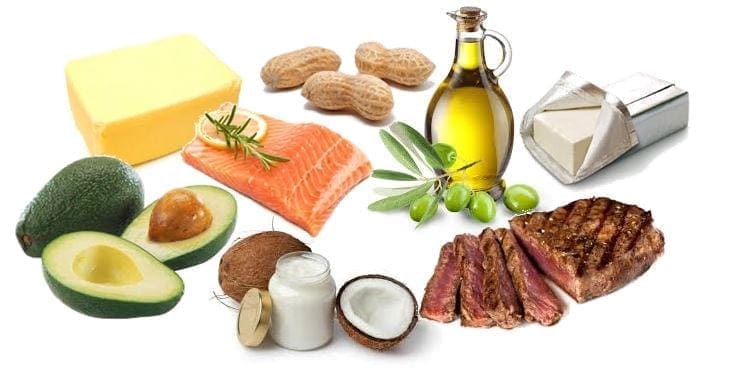
Saturated fat
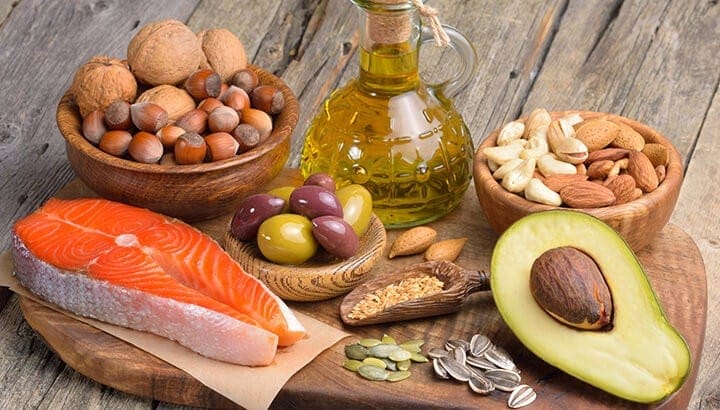
Olive oil
Avocado
Above the ground vegetables
Water
What to avoid on a Ketogenic diet
Processed food
Fizzy drinks
Toxic oils
Processed meat
Fast food
Cancer Fighting Foods
Tomatoes: cooking enhances cancer-fighting and anti inflammatory properties. Lycopene was found to prevent cancer cell growth in a study in Cancer and Nutrition.
Chilli: capsaicin that gives chillies their powerful, spicy personality is anti-bacterial, anti-carcinogenic and anti-diabetic.
Cruciferous vegetables: such as cabbage, cauliflower, broccoli, spinach, Brussels sprouts and kale have powerful anti-carcinogens. Cabbage in particular contain anti-oxidants known to help protect against prostate, colon and breast cancers. Broccoli is the only one having a sizable quantity of sulforaphane, an especially potent chemical that boosts the body enzymes and flushes compounds out .
Mushrooms: include the amino acid ergothioneine, which is an anti-oxidant and an anti-inflammatory, it protects against free radicals and boosts the immune system.
Aubergine: that the epidermis is rich in anti-oxidants known as anthocyanins, which are believed to fight cancer, inflammation, aging and neurological diseases.
Turmeric: includes curcumin that’s a powerful anti-oxidant and anti inflammatory. According to Cancer Research UK, it seems to have the ability to kill cancer cells and stop more from growing. It’s the very best consequences on breast cancer, bowel cancer, stomach cancer and skin cancer cells.
Berries: the idea of berries as anticarcinogens began in the late 1980s, when it was discovered that berries, and specifically black peppers, comprised ellagic acid, which is believed to inhibited the genesis of tumours.
Garlic: belongs to the Allium class of bulb-shaped plants, which also includes onions, chives, leeks, and scallions. It’s an strong and excellent neutraliser of free radicals. It contains good levels of selenium and, in several studies, selenium has been shown to decrease cancers. Phytochemicals in garlic have been found to stop the formation of nitrosamines, carcinogens formed in the stomach.
In summary, from the evidence that we have collected from all of the various sources, it’s obvious to see that the link between diet and health is a serious one and that what we consume really has an impact in the long term. Dr D’Agostino goes as far as to state, “let food be thy medicine.”
The scope of our information is limited to chiropractic and spinal injuries and conditions. To discuss options on the subject matter, please feel free to ask Dr. Jimenez or contact us at 915-850-0900 .�
By Dr. Alex Jimenez
Additional Topics: Wellness
Overall health and wellness are essential towards maintaining the proper mental and physical balance in the body. From eating a balanced nutrition as well as exercising and participating in physical activities, to sleeping a healthy amount of time on a regular basis, following the best health and wellness tips can ultimately help maintain overall well-being. Eating plenty of fruits and vegetables can go a long way towards helping people become healthy.
The benefits that come from a ketogenic diet are much like those of any strict low-carb diet. The effect may be greater since protein is significantly more restricted. This raises ketones more, and reduces insulin (the fat-storing hormone).
Weight Loss
Turning your body to some fat-burning machine has clear benefits for weight loss. Fat burning is significantly increased while insulin, the hormone that focuses on fat-storing, drops considerably. This produces the perfect circumstances.
About 20 scientific research of the maximum category (RCTs) reveal that, compared to other diets, low-fat and ketogenic diets result in more effective weight reduction.
Reverse Type 2 Diabetes
A ketogenic diet is excellent for reversing type 2 diabetes, because it lowers blood-sugar levels as well as also helping to reverse the negative effect of elevated insulin levels from this condition.
Improved Mental Focus
Ketosis ends in a steady stream of gas (ketones) to the brain. And on a ketogenic diet you stay away from swings in blood glucose. This contributes to the experience of concentration and attention.
A lot of people use keto diets specifically for improved mental performance. Interestingly, there is a frequent misperception that eating a great deal of carbs6 is necessary for proper brain functioning. When ketones aren’t available but this is only true.
Following a couple of times (up to a week) of keto adaptation, through that people can experience some difficulty concentrating, have headaches and be easily irritated, both the human body and mind can run smoothly on ketones.
Inside this state, lots of men and women experience more energy and enhanced mental focus.
Increased physical endurance
Ketogenic diets may vastly increase your physical endurance, by giving you constant access to all of the energy of your own fat stores.
The body’s source of stored carbohydrates (glycogen) only lasts for a few hours of intense exercise, or less. But your fat stores hold sufficient energy to easily last for weeks or perhaps months.
When you’re accommodated to burning primarily carbs — like most individuals are now — that your fat stores aren’t readily accessible, and they can not fuel your brain. This results in needing to fill up by eating before, during and after exercise sessions that are longer. Or even simply to fuel your everyday activities and prevent “hanger” (hungry and irritable). On a ketogenic diet this dilemma is solved. As the body and brain can be fueled 24/7 from the stores that are powerful, you can keep going.
Whether you are competing in a bodily endurance event, or just trying to remain focused on reaching some other target, your body gets the fuel it needs to keep you going and going.
Two Problems
So how is it possible that the majority of people feel that carbohydrates are essential to do exercise? There are just two reasons. Not, and to unlock the power of ketogenic diets for bodily endurance rather suffer reduced performance, you’ll need:
Enough fluid and salt
Fourteen days of adaptation into burning fat — it does not happen immediately
Metabolic Syndrome
There are many studies demonstrating that low-carb diets improve markers of metabolic syndrome, such as blood lipids, insulin levels, HDL-cholesterol, LDL particle size and fasting blood sugar levels. Improvements have been demonstrated to be greater when carbs and protein are limited to some the point of becoming.
Epilepsy
The ketogenic diet is a proven medical therapy for epilepsy that’s been utilized since the 1920s. Traditionally it has been used in children with uncontrolled epilepsy despite drugs.
More recently it has also been tested successfully by adults with epilepsy, with similar good results. There are randomized controlled trials that demonstrate the potency of the ketogenic diet in seizures in patients with epilepsy.
Employing a ketogenic diet in epilepsy is that usually enables people to take less anti-epileptic drugs, while staying seizure-free. It is not uncommon to even be in a position to completely stop taking these drugs.
As a number of medications have side effects, such as nausea, reduced concentration, personality changes or even reduced IQ — being able to shoot less or no medications can be enormously beneficial.
More Prevalent Advantages
The advantages will be the most frequent ones. However there are many others that are potentially even more unexpected and, at least for some people, lifechanging.
The scope of our information is limited to chiropractic and spinal injuries and conditions. To discuss options on the subject matter, please feel free to ask Dr. Jimenez or contact us at 915-850-0900 .�
By Dr. Alex Jimenez
Additional Topics: Wellness
Overall health and wellness are essential towards maintaining the proper mental and physical balance in the body. From eating a balanced nutrition as well as exercising and participating in physical activities, to sleeping a healthy amount of time on a regular basis, following the best health and wellness tips can ultimately help maintain overall well-being. Eating plenty of fruits and vegetables can go a long way towards helping people become healthy.
A ketogenic diet, or keto diet, is a diet, which turns your system into a fat-burning machine. It has some initial side effects towards health and functionality, as well as many advantages for weight loss.
A ketogenic diet is comparable to other rigorous low-carb diets, like the Atkins diet plan or LCHF (low carb, higher fat). These diets wind up being ketogenic more or less by accident. The main difference between LCHF and keto is that protein is restricted in the latter.
A keto diet plan is made specifically to lead to ketosis. It’s possible to measure and adapt to achieve optimal ketone amounts for wellness or for bodily and psychological performance. Below, you can learn how to use keto to achieve your personal goals.
What is Ketosis?
The keto in a ketogenic diet stems in the fact that it leaves the body to create small fuel molecules known as ketones. This is an alternate fuel for your body, used when blood sugar (glucose) is in short supply.
Ketones are produced if you eat hardly any carbs (that are quickly broken down into blood sugar) and only moderate levels of protein (excess protein can also be converted to blood sugar). Ketones are produced in the liver, from fat. They are then used throughout the entire body as fuel. The brain is an organ which requires a lot of energy to function and fat can’t be used for energy by it. The brain can only run on glucose or ketones.
On a ketogenic diet your entire body switches its fuel source to operate almost entirely on fat. Insulin levels become very low and fat burning increases dramatically. It becomes easy to get into your fat stores to burn them off. If you are trying to drop weight, this is obviously excellent, but in addition, there are other benefits, such as less appetite and a continuous supply of energy.
Once the body produces ketones, it’s supposedly in ketosis. The quickest way to get there is by fasting, not eating anything, but obviously, it is not feasible to fast. A ketogenic diet, on the other hand, can be eaten forever and also results in ketosis. Without even having to fast, it has many of the benefits of fasting. including weight loss.
What to Eat on a Ketogenic Diet
Here are typical foods to enjoy on a ketogenic diet. The amounts are net carbs per 100 g. To remain in ketosis, lower is generally better:
The most essential thing to achieve ketosis is to stay away from eating most carbohydrates. You will need to keep intake ideally under 20 grams but under 50 grams per day of carbs is accepted. The fewer carbs the more successful.
Try to avoid
Here is what you shouldn’t eat on a keto diet, meals full of sugar and starch, including starchy foods such as bread, rice, pasta and potatoes. These foods are much higher in carbohydrates, as you can see.
The amounts are g of digestible carbs per 100 g (3.5 oz), unless otherwise noticed.
This usually means you will want to completely prevent sweet sugary foods, also starchy foods such as bread, pasta, rice and potatoes. Basically follow the guidelines to get a diet that is low-carb that is rigorous, and remember it is assumed to be full of fat, not high in protein.
A rough guideline is under 10 percent energy from carbs (the fewer carbs, the more successful), 15 to 25 percent protein (the lower end is more successful), and 70 percent or more from fat.
What to Drink on a Ketogenic Diet
So what do you drink on a keto diet? Water is ideal, and so is tea or coffee. Use no additives. A small amount of milk or cream is OK (but beware of caffe latte!) . The glass of wine is fine.
How Low is Keto?
The fewer carbohydrates you consume, the larger the effects on fat and blood sugar will be. A keto diet is a strict low-carb diet, and consequently highly effective.
We recommend following the dietary advice as strictly as you can. When you are contented with your weight and health, you might carefully try eating more liberally (if you would like to).
The scope of our information is limited to chiropractic and spinal injuries and conditions. To discuss options on the subject matter, please feel free to ask Dr. Jimenez or contact us at 915-850-0900 .�
By Dr. Alex Jimenez
Additional Topics: Wellness
Overall health and wellness are essential towards maintaining the proper mental and physical balance in the body. From eating a balanced nutrition as well as exercising and participating in physical activities, to sleeping a healthy amount of time on a regular basis, following the best health and wellness tips can ultimately help maintain overall well-being. Eating plenty of fruits and vegetables can go a long way towards helping people become healthy.
Is coconut oil a metabolism-boosting superfood or an artery-clogging threat to heart health?
That question has fueled a raging debate for many years, and it was reignited in mid-June when the American Heart Association (AHA) issued an advisory reiterating its longstanding recommendation to avoid saturated fats. Attention quickly focused on coconut oil, which has become trendy in natural health circles despite its high saturated fat content.
Proponents of coconut oil say its medium-chain triglycerides are quickly burned for energy, increasing metabolism. Coconut oil fats are also said to be good for the brain, which is made mostly of fat, and help regulate blood sugar and, ironically, cholesterol levels.
But the AHA advisory contends that all saturated fats raise risk of cardiovascular disease.
“Taking into consideration the totality of the scientific evidence…we conclude strongly that lowering intake of saturated fat and replacing it with unsaturated fats, especially polyunsaturated fats, will lower the incidence of cardiovascular disease,” states the advisory.
The AHA researchers specifically advise against using coconut oil, which they note is 82 percent saturated fat and raises “bad” LDL cholesterol levels, “a cause of atherosclerosis.”
But many other scientific reviews in recent years — including one meta-analysis encompassing nearly 350,000 people followed for as long as 23 years — found no link between saturated fat and heart disease.
“Those reviews were much more limited because they didn’t take into consideration what the substitution [for saturated fats in the diet] was,” explains Dr. Alice Lichtenstein, co-author of the AHA advisory. “The better reviews that looked at replacing saturated fat with either carbohydrates or mono- or polyunsaturated fats, show clear differences.”
Many natural health practitioners take exception to the AHA conclusions, including integrative cardiologist Dr. Jack Wolfson. He contends that AHA researchers cherry-picked data from decades-old studies, and that branding all LDL as harmful is outdated science.
“Total LDL numbers are a very poor prognosticator of heart disease,” says Wolfson, a doctor of osteopathy and board-certified cardiologist based in Phoenix, Ariz. “What’s more relevant is LDL particle size and numbers. Small, dense particles are bad for the heart, but studies show that large fluffy particles, like those promoted by coconut oil, cause no harm.”
But Lichtenstein, director of the Cardiovascular Nutrition Laboratory at Tuft University’s Human Nutrition Center on Aging, dismisses the LDL particle size factor, saying, “There’s much more written on the Internet about that than data to support it.”
Wolfson further questions AHA recommendations to use “highly processed” vegetable oils, saying their omega-6 fatty acids can contribute to systematic inflammation. In an AHA newsletter, the advisory’s lead author, Dr. Frank Sacks, suggests that people forsake butter and coconut oil for cooking and use canola, corn, soybean, and extra virgin olive oil instead.
“There’s nothing wrong with deep frying as long as you deep fry in a nice unsaturated vegetable oil,” Sacks adds.
That suggestion may send shudders through natural health practitioners, who widely contend that vegetable oils break down into harmful compounds under high heat.
“Coconut oil has a high smoke point, which makes it more stable for cooking,” explains Wolfson. “Unsaturated vegetable oils oxidize through the cooking process and cause oxidative stress and inflammation in the body.”
Lichtenstein once again cites a lack of data on the adverse effect of cooking with vegetable oils, telling Newsmax Health, “It’s not a concern.”
Wolfson also points out that the evolving science of heart disease seems to be shifting away from cholesterol and more toward inflammation as the primary cause.
“The risk of a cardiovascular event – heart attack, stroke and dying — is much higher when you have inflammation,” says Wolfson, author of “The Paleo Cardiologist: The Natural Way to Heart Health” and advocate of eating diets similar to our caveman ancestors.
“Coconut oil doesn’t cause inflammation. Sugar, artificial ingredients, pesticide residue in food…these are the types of things that cause inflammation.”
He emphasizes that it’s important to eat healthy saturated fats that are organic and, if animal-based, come from grass-fed pasture-grazers. Wolfson adds that he has history on his side in the debate over whether they are healthy or harmful.
“Our ancestors ate saturated fats for millions of years,” he tells Newsmax Health. “Why would evolution make it plug up our pipes and kill us? People in the South Pacific have diets that are more than 50 percent coconut-based, and they have virtually no heart disease. If we were all on a deserted island eating coconuts, fish and vegetables, and getting plenty of sunshine and sleep, heart disease would be a non-issue.”
IFM's Find A Practitioner tool is the largest referral network in Functional Medicine, created to help patients locate Functional Medicine practitioners anywhere in the world. IFM Certified Practitioners are listed first in the search results, given their extensive education in Functional Medicine


 People are seemingly obsessed with weight. How to lose it and keep it off, how to re-distribute it to look more attractive. Professionals in integrative and functional medicine are approached regularly for help in this area.
 Research has identified certain genes that work together and appear to show that some people retain fat regardless of, or in spite of, exercise.
 Integrative and functional medicine practitioners view eating behavior as important for overall health.�These behaviors include snacking behavior, feelings of satiety, craving for sweets, desire for food or certain foods, and the disinhibition of eating.
 Research indicates taste is only one of the ways genetics affects eating behavior. Caloric intake, meal size, and frequency of eating also appear to be affected. People�s desire for fats, carbohydrates, or proteins also may be influenced by genetics.
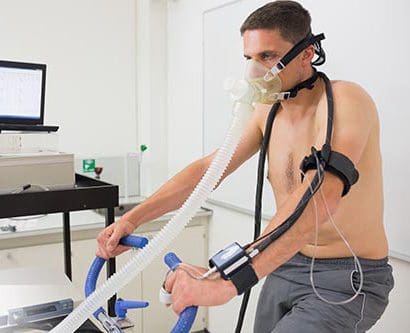 Integrative and functional medicine also uses genetic testing to determine the best types of exercise for different people and to explore the likelihood of injuries of several kinds in athletes. This latter area of research and clinical practice can help reduce the number and severity of athletic injuries for adult and child athletes.
 The ACTN3 is strongly associated with the protein alpha-actinin-3. This protein is involved exclusively in fast type II muscle fibers that are used in explosive activities. SNP R577X indicates a stop codon at position 577 rather than an arginine (R). An R allele puts athletes at an advantage in power sports. A study of the ACTN3 R577X variant in elite European athletes showed those in power event to be 50 percent less likely to have the XX variant and those involved in endurance events to be 1.88 times more likely to have the XX variant. For world-class endurance athletes, the odds of having the XX variant were 3.7 times larger when compared with lower-level athletes. It appears the ACTN3 gene is more important at the upper levels of sports.
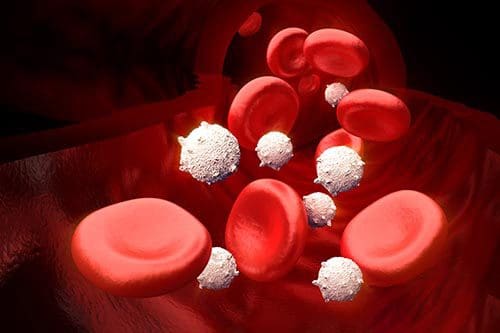 Metabolic syndrome and metabolic health have been studied extensively due to metabolic syndrome being a major risk factor for the development of diabetes mellitus 1 and cardiovascular disease. Genetic and environmental factors interrelate in a complex fashion to bring about this condition. A cluster of metabolic abnormalities, including hypertension, dyslipidemia, abdominal obesity, insulin resistance, and impaired glucose tolerance make up metabolic syndrome.
 Feelings of fatigue and lethargy are presented more and more frequently in health care professionals� offices. Combined with concentration difficulties, sleep problems, inability to lose weight, feeling your brain is in a fog, fatigue, and lethargy may point to AFS as the basic issue.
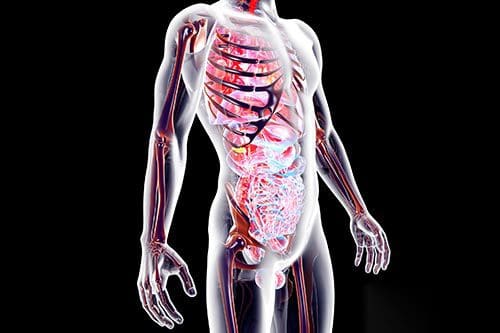 Increasing and unrelenting stress is a part of our culture that is detrimental to the health of every individual. The metabolic component of the NEM model added to the neuroendocrine aspect helps professionals to see how localized organ-specific responses and systemic responses are necessary for successfully dealing with stress.
 The mapping of the human genome has provided an opportunity for researchers and clinicians alike to consider the roles genes play in health and wellness. Discovering the presence and effects of single nucleotide polymorphisms (SNPs) has increased not only our knowledge of how genes affect health, but also has given us tools to use in preventing and remediating many chronic illness conditions.