Back Clinic Health Team. The level of functional and metabolic efficiency of a living organism. In humans, it is the ability of individuals or communities to adapt and self-manage when facing physical, mental, psychological, and social changes in an environment. Dr.Alex Jimenez D.C., C.C.S.T, a clinical pain doctor who uses cutting-edge therapies and rehabilitation procedures focused on total health, strength training, and complete conditioning. We take a global functional fitness treatment approach to regain complete functional health.
Dr. Jimenez presents articles both from his own experience and from a variety of sources that pertain to a healthy lifestyle or general health issues. I have spent over 30+ years researching and testing methods with thousands of patients and understand what truly works. We strive to create fitness and better the body through researched methods and total health programs.
These programs and methods are natural and use the body’s own ability to achieve improvement goals, rather than introducing harmful chemicals, controversial hormone replacement, surgery, or addictive drugs. As a result, individuals live a fulfilled life with more energy, a positive attitude, better sleep, less pain, proper body weight, and education on maintaining this way of life.
Best Magnesium Supplements for Pain Relief: Types, Benefits, and Chiropractic Insights
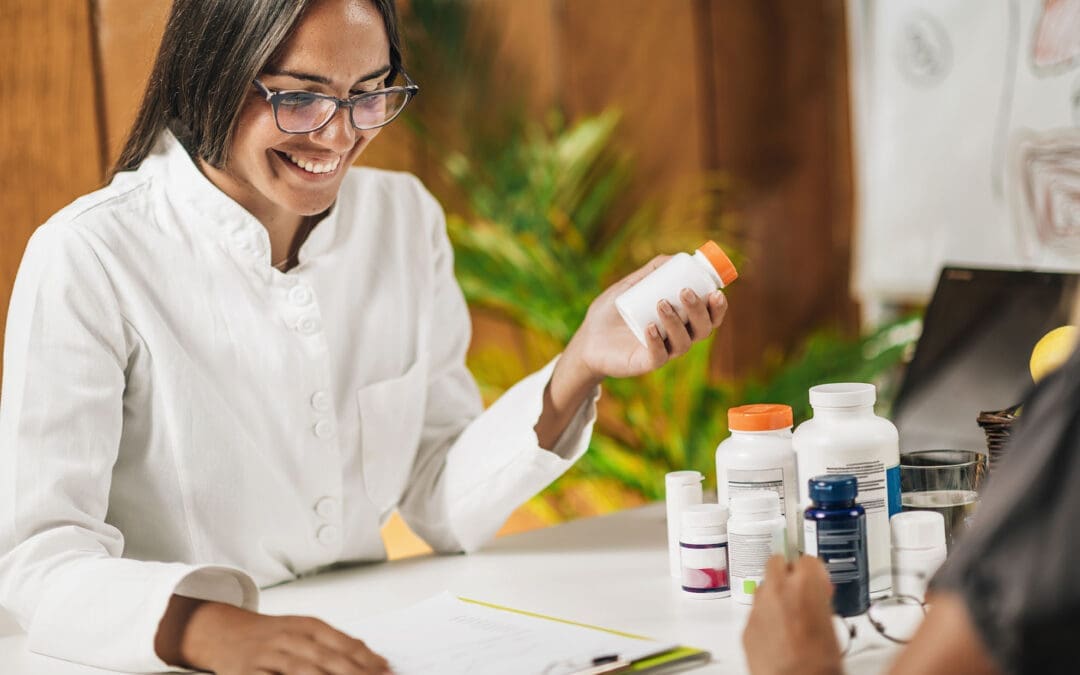
A chiropractor and nurse practitioner discuss magnesium supplements for pain relief.
Magnesium is a mineral that your body needs for many tasks. It helps muscles work, nerves send signals, and bones stay strong. Many people do not get enough magnesium from food like nuts, seeds, and greens. This can lead to problems such as muscle pain, fatigue, and stress. Supplements can help fill the gap. In this article, we look at how magnesium eases pain. We focus on forms such as malate, glycinate, and topical. These can help with muscle soreness, nerve pain, and more. Chiropractors often suggest them to boost treatments. We base this on health sites and expert views. Read on to learn which type might work for you.
Pain comes in many forms. It can be sore muscles after a workout or chronic issues like fibromyalgia. Magnesium helps relax muscles and calm nerves. It also cuts down on swelling. Studies show it can lower pain without strong drugs. For example, it supports energy production, helping counter fatigue associated with pain. Different forms absorb in unique ways. Oral pills go through the gut. Topical ones soak into the skin. This matters for how fast they help. Always talk to a doctor before starting supplements. They can check if it’s safe for you.
Understanding Magnesium’s Role in Pain Management
Magnesium plays a big part in how your body handles pain. It blocks pain signals in nerves and helps muscles relax. Low levels can make pain worse. About half of adults in the U.S. lack enough magnesium (Team Red White & Blue, n.d.). This leads to cramps, spasms, and soreness. Supplements fix this by boosting levels.
Here are key ways magnesium helps with pain:
Muscle Relaxation: It controls contractions to stop cramps and tension.
Nerve Calming: It balances signals to reduce nerve pain.
Less Swelling: It fights inflammation that causes discomfort.
Better Recovery: It supports energy for healing after injury.
Chiropractors use magnesium with adjustments. It improves treatment outcomes by loosening tight spots. For acute pain, like after surgery, it cuts down on opioid needs (MedCentral, n.d.). For long-term pain, it eases symptoms in conditions such as migraines and back pain.
Magnesium Malate: Effective for Muscle Soreness and Fatigue in Fibromyalgia
Magnesium malate mixes magnesium with malic acid. This form absorbs well in the gut. It boosts energy by helping make ATP, the body’s fuel (Miye Care, n.d.). That’s why it’s beneficial for fatigue and soreness. People with fibromyalgia often feel worn out and achy. This type can help manage those symptoms.
Benefits include:
Eases Muscle Soreness: Reduces pain after exercise or daily strain.
Fights Fatigue: Supports energy to lessen tiredness in chronic conditions.
Helps with Fibromyalgia: Limited studies show it may lower pain severity (Healthline, n.d.).
Good Absorption: Less likely to cause stomach upset than other forms.
Chiropractors like malate for chronic pain. It supports metabolism and reduces fatigue (Sonoma Sports Chiro, n.d.). Take 200-400 mg a day. Start low to see how your body reacts. It’s often available in pill or powder form.
Magnesium Glycinate: Suitable for Nerve Pain and Relaxation
Magnesium glycinate binds to glycine, an amino acid that calms the brain. This form is easily absorbed and gentle on the stomach (Trace Minerals, n.d.). It’s great for nerve pain and stress. It helps regulate signals to stop overexcitement that causes pain.
Key advantages:
Calms Nerves: Lowers anxiety and eases nerve-related pain.
Relaxes Muscles: Reduces tension and spasms.
Aids Sleep: Promotes rest, which helps pain recovery (NMB Chiro, n.d.).
Fewer Side Effects: No laxative issues like some types.
For chiropractic patients, it cuts inflammation and boosts adjustments (SanTe Chiropractic, n.d.). It’s ideal for back or joint pain. Dose is 300-400 mg daily, often at night.
Topical Magnesium Chloride or Sulfate: Direct Muscle Relief Through Baths or Oils
Topical magnesium goes on the skin. Chloride absorbs well and targets sore spots (Health.com, n.d.). Sulfate, or Epsom salts, is for baths. It soothes muscles without gut processing.
Why choose topical:
Localized Relief: Applies right to the painful areas.
Quick Action: Bypasses digestion for faster help.
No Stomach Issues: Avoids diarrhea from oral forms.
Good for Baths: Epsom salts relax the whole body (Team Red White & Blue, n.d.).
Absorption varies by skin type. Studies are mixed, but many feel relief from soreness (Pierce Chiropractic, n.d.). Use oils or soaks 2-3 times a week.
Selecting the Right Form: Malate for Energy, Glycinate for Nerves, Topical for Localized Pain
Choose based on your pain type. Absorption differs: Oral forms, such as malate and glycinate, are absorbed through the gut; topical forms are absorbed through the skin (Drugs.com, n.d.).
Selection tips:
For Energy and Chronic Pain: Pick malate.
For Nerve Calm: Go with glycinate.
For Spot Relief: Use topical chloride or sulfate.
Consider Absorption: Glycinate is best overall (MN Spine and Sport, n.d.).
Chiropractors’ Preferences: Glycinate and Malate for Pain Management
Chiropractors favor glycinate and malate. Glycinate calms muscles and nerves, aiding adjustments (Everybodys Chiropractic, n.d.). Malate boosts energy for recovery.
How they work together:
Relax Muscles: Lessens tension for better alignment.
Cut Inflammation: Reduces joint swelling.
Boost Nerve Function: Improves signals for less pain.
Support Healing: Speeds recovery after treatments (ChiroCredit, n.d.).
Even phosphate forms help energy and relaxation in care (Edinburgh Chiropractic, n.d.).
Clinical Observations from Dr. Alexander Jimenez
Dr. Alexander Jimenez, DC, APRN, FNP-BC, focuses on integrative pain care. His work stresses non-drug methods for back pain and neuropathy (Jimenez, n.d.). He sees magnesium fitting into plans that mix chiropractic with nutrition. It helps reduce reliance on opioids and boosts recovery. In his clinic, such approaches ease chronic pain by improving mobility and reducing inflammation.
Conclusion
Magnesium offers natural pain relief. Malate helps fight fatigue in fibromyalgia, glycinate calms nerves, and topical forms provide spot relief. Chiropractors use them to enhance care. Pick the right type for your needs. Always check with a health pro. This can lead to less pain and a better life.
Discover the importance of a clinical approach to opioid use disorder in developing effective intervention strategies.
Overcoming Barriers in Managing Opioid Use Disorder: Strategies for Effective Care
Many people today have a serious health problem called opioid use disorder (OUD). It is part of a bigger group of problems called substance use disorders (SUD). Treating OUD can be hard because everyone has different problems, such as other health issues or pain. Plans should be made for each patient by doctors and other health care workers. They also have to keep up with the latest laws, ethics, and ways to keep patient information safe. The Health Insurance Portability and Accountability Act (HIPAA) of 1996 is an example of a general rule that applies to all patients. However, there are extra rules for people who are getting help with drug or alcohol problems.
This guide talks about how to deal with problems that come up when managing OUD. We talk about patient-centered care, how to talk to patients, stigma, team-based approaches, and the law. Health care providers can help patients get better faster by using these methods. Keywords like “managing opioid use disorder,” “overcoming stigma in OUD,” and “patient-centered care for SUD” bring out important points that make it easier to find and understand.
Learning Objectives
Explain treatment planning methods that use patient-focused choices and proven ways to talk.
Name the three kinds of stigma and how they affect people with mental health issues, SUD, and especially OUD.
Talk about legal, ethical, and privacy concerns in caring for people with OUD.
Effective Treatment Planning with Patient-Centered Decisions
People with complex issues, like mental health problems, SUD, and pain, need special care. Each person shows up differently, so health systems are now focusing on care that puts the patient first.
Patient-centered care means building teams with doctors, patients, and families. They work together to plan, give, and check health care. This way ensures the patient’s needs are met, and their wishes, likes, and family situations are respected. It focuses on shared choices about treatments while seeing the patient as a whole person in their daily life (Dwamena et al., 2012; Bokhour et al., 2018).
Studies show key steps for a good patient-centered plan:
Take a full patient history and a check-up, reviewing old and new treatments.
Find all available drug and non-drug options.
Check the patient’s current health, recent changes, and patterns.
Look at risks for misusing or abusing opioids.
If starting opioids or if the patient is already on them, think about opioid stewardship. This means checking harms, benefits, risks, side effects, pain control, daily function, drug tests, stop plans, and ways to spot OUD. These programs, sometimes called analgesia stewardship, help manage opioids safely (Harle et al., 2019; Coffin et al., 2022). Guides exist to set them up (American Hospital Association, n.d.; Shrestha et al., 2023).
Integrative chiropractic care can play a big role here. It uses spinal adjustments and targeted exercises to get proper spinal alignment. This helps reduce pain without relying only on drugs, making it a good fit for OUD patients with pain. For example, adjustments fix spine issues that cause pain, and exercises strengthen muscles to keep alignment right.
A Nurse Practitioner (NP) adds full management and ergonomic advice. They look at work setups to prevent pain, such as how to sit or lift. NPs coordinate care by reviewing options such as therapy, meds, and lifestyle changes, ensuring everything works together.
Dr. Alexander Jimenez, DC, APRN, FNP-BC, with over 30 years in chiropractic and as a family nurse practitioner, observes that blending these methods cuts opioid use. At his El Paso clinic, he uses functional medicine to address root causes through nutrition and non-invasive treatments. He notes that poor posture from modern life worsens pain, leading to OUD risks. His teams help patients with self-massage and VR for recovery, reducing drug needs (Jimenez, n.d.a; Jimenez, n.d.b).
Evidence-Based Ways to Communicate
Good talking skills are key to building a patient-centered plan (Schaefer & Block, 2009). There are proven methods for starting conversations and getting patients involved.
One method is BATHE:
Background: Ask, “How have things been since your last visit?”
Affect: Ask, “How does this make you feel?”
Trouble: Ask, “What bothers you most?”
Handling: Ask, “How are you coping?”
Empathy: Say, “That sounds hard.”
This uses open questions to let patients lead and feel supported (Stuart & Lieberman, 2018; Thomas et al., 2019).
Another is GREAT:
Greetings/Goals: Start with hello and set aims.
Rapport: Build trust.
Evaluation/Expectation/Examination/Explanation: Check and explain.
Ask/Answer/Acknowledge: Listen and respond.
Tacit agreement/Thanks: Agree and thank.
This guide talks well (Brindley et al., 2014).
Motivational interviewing is also useful. It’s a team-style talk to boost a patient’s desire to change. Build a bond, focus on the issue, spark a desire for change, and plan steps (Frost et al., 2018).
These methods emphasize listening, clear communication, and a structured approach to planning. For OUD patients with pain or mental issues, mix techniques for the best results.
Dr. Jimenez shares that in his practice, these talks help patients see non-drug options, such as chiropractic adjustments. He finds that empathy reduces stigma and fear, encouraging openness about OUD (Jimenez, n.d.a).
Understanding Stigma in Mental Health and Substance Use Disorders
Stigma blocks good talk for many with mental health or SUD. It’s attitudes, beliefs, actions, and systems that lead to unfair views and bad treatment (Cheetham et al., 2022).
Studies show stigmas like linking mental illness to violence (Perry, 2011). Media on shootings with mentally ill people strengthens this (McGinty et al., 2014; McGinty et al., 2016; Schomerus et al., 2022). For SUD, people think they’re more dangerous than those with schizophrenia or depression (Schomerus et al., 2011). Society blames people with SUDs more and avoids them (McGinty et al., 2015; Corrigan et al., 2012).
Views come from knowledge, contact with affected people, and the media. Public ideas are tied to norms on causes, blame, and danger. Race, ethnicity, and culture shape attitudes too (Giacco et al., 2014).
Health workers have biases. A survey of VA mental health providers showed awareness of race issues but avoidance of talks, using codes like “urban,” and thinking training stops racism (McMaster et al., 2021).
There are three stigma types:
Structural Stigma: The ways Society and institutions keep prejudice. In health, it’s worse care, less access to behavioral health. Less funding for mental vs. physical issues (National Academies of Sciences, Engineering, and Medicine, 2016).
Public Stigma: General or group attitudes, like police or church norms. Laws reinforce it, like broad mental illness rules implying all are unfit (Corrigan & Shapiro, 2010).
Self-Stigma: When people internalize stigmas, it leads to low self-worth and shame. “Why try” affects independent living (Corrigan et al., 2009; Clement et al., 2015).
Dr. Jimenez observes that stigma makes OUD patients hide symptoms, delaying care. In his integrative work, he addresses this through education on holistic options, showing that recovery is possible without judgment (Jimenez, n.d.b).
Overcoming Stigma and Addressing Social Factors
To fight stigma, use education, behavior changes, and better care. Laws like the ADA and MHPAEA help ensure equal coverage and prevent discrimination (U.S. Congress, 2009; U.S. Congress, 2008; U.S. Department of Health and Human Services, n.d.; Busch & Barry, 2008; Haffajee et al., 2019).
These address social determinants of health (SDOH), such as coverage, access, quality, education, and stability (Centers for Disease Control and Prevention, n.d.).
Community programs help too:
West Virginia’s Jobs and Hope: Training, jobs, education, transport, skills, record clearing for SUD people (Jobs and Hope, n.d.).
Belden’s Pathway: Rehab for failed drug tests, leading to jobs (Belden, n.d.).
Education boosts provider confidence in OUD meds, reducing barriers (Adzrago et al., 2022; Hooker et al., 2023; Campbell et al., 2021).
Overcoming stigma is key to success in mental health and SUD.
Interprofessional Team Work
Teams improve outcomes for patients with chronic pain and mental health or SUD (Joypaul et al., 2019; Gauthier et al., 2019).
Teams include doctors, nurses, NPs, pharmacists, PAs, social workers, PTs, therapists, SUD experts, and case managers.
Each helps uniquely:
Pharmacists watch meds, spot interactions.
Case managers link specialists, find resources, and support families (Sortedahl et al., 2018).
Teams set goals, max non-opioid treatments (Liossi et al., 2019).
Integrative chiropractic care includes adjustments and exercises for alignment, easing pain naturally.
NPs give full care, ergonomic tips to avoid pain triggers, and coordinate options.
Dr. Jimenez’s clinic shows this. As a DC and FNP-BC, he leads teams with therapists, nutritionists, and coaches. He observes interprofessional work cuts opioid use by addressing the roots with functional medicine, VR, and nutrition. For OUD, he blends chiropractic care for pain, NP coordination for plans, and stigma-fighting through team support (Jimenez, n.d.a; Jimenez, n.d.b).
The Power of Chiropractic Care in Injury Rehabilitation-Video
Legal and Ethical Issues in SUD Care
Providers must know laws and ethics for mental/SUD patients, like discrimination, aid, and privacy (Center for Substance Abuse Treatment, 2000).
Key Federal laws:
Americans with Disabilities Act (ADA) of 1990.
Rehabilitation Act of 1973.
Workforce Investment Act of 1998.
Drug-Free Workplace Act of 1988.
ADA and Rehabilitation ban discrimination in government and in business services like hotels, shops, and hospitals. Protect those with impairments limiting life activities (U.S. Department of Health and Human Services, n.d.).
Provisions:
Protect “qualified” people who meet the requirements.
Reasonable accommodations for jobs.
No hire/retain if there is a direct threat.
No denial of benefits, access, or jobs in funded places.
For SUD: Alcohol users are protected if qualified, no threat. Ex-drug users in rehab are the same. Current illegal drug users are protected for health/rehab, not others. Programs can deny if used during.
Workforce Act centralizes job programs; no refusal to SUD people (U.S. Congress, 1998).
Drug-Free Act requires drug-free policies for federal funds/contracts: statements, awareness, actions on violations (U.S. Code, n.d.).
States have their own laws; check the local laws.
Public Aid laws:
Contract with America Act (1996): No SSI/DI if SUD key factor (U.S. Congress, 1996).
Personal Responsibility Act (1996): Work after 2 years of aid, drug screens (U.S. Department of Health and Human Services, 1996).
These push work, sobriety.
Dr. Jimenez notes that legal awareness helps his practice by ensuring holistic plans comply and by reducing OUD risks through a non-drug focus (Jimenez, n.d.a).
Keeping Patient Info Private
Privacy is vital. Laws include:
HIPAA (1996): Protects PHI, sets use/disclosure rules (U.S. Department of Health and Human Services, n.d.).
42 CFR Part 2: Extra for SUD records. No disclosure of name or status without consent. Fines for breaks. Applies to federal-aided programs (Substance Abuse and Mental Health Services Administration, n.d.).
Consent needs: program name, receiver, patient name, purpose, info type, revoke note, expire date, signature, and date.
This fights discrimination fears, encouraging treatment (Center for Substance Abuse Treatment, 2000).
Wrapping Up
As we navigate the ongoing challenges of opioid use disorder (OUD), it’s clear that effective management requires a multifaceted approach that prioritizes patient well-being over quick fixes. From embracing patient-
It is clear that treating opioid use disorder (OUD) well requires a multi-faceted approach that puts the patient’s health and safety above quick fixes. Healthcare professionals play a pivotal role in transforming lives by implementing patient-centered decision-making and evidence-based communication, and by eradicating the three types of stigma—structural, public, and self—that hinder recovery. Interprofessional teams help people get the full treatment they need, and privacy laws like HIPAA and 42 CFR Part 2 make sure that people with disabilities can get help without being discriminated against.
Chiropractic therapy focuses on spinal adjustments and specific exercises to support proper alignment. It is a non-invasive way to ease pain and reduce dependence on opioids. Nurse Practitioners (NPs) make this better by providing comprehensive care, offering ergonomic advice to prevent injuries, and coordinating multiple treatment options, such as lifestyle changes and therapy. Dr. Alexander Jimenez, DC, APRN, FNP-BC, emphasizes in his clinical practice that these integrative approaches not only address physical symptoms but also empower patients through education and tailored strategies, leading to enduring recovery and diminished opioid consumption (Jimenez, n.d.a; Jimenez, n.d.b).
As we look ahead, new advancements in OUD therapy by 2025 show a trend toward making it easier to get and more tailored to each person. For instance:
Drugs like methadone, buprenorphine, and naltrexone that the FDA has approved are still the best way to treat OUD. They help with cravings and withdrawal symptoms and help people stay stable over time.
Precision medicine goes beyond one-size-fits-all methods by tailoring treatments to each person’s social, psychological, and genetic factors. This should lead to better results.
The World Health Organization’s 2025 updates put more emphasis on psychosocial support, with a focus on preventing overdoses in the community and making it easier for people to get care.
Declining Trends: The first yearly drop in opioid-related deaths since 2018 happened in 2023. This is a good sign because it shows that ongoing work in treatment, education, and lawmaking is having an effect.
We might be able to make OUD a treatable illness instead of a life sentence by combining these new ideas with collaborative care and reducing stigma. Policymakers, communities, and healthcare professionals must continue to advocate for equitable access to ensure that all individuals receive the evidence-based treatment they need. Overcoming problems in OUD management is about more than just getting better; it’s also about getting your dignity, hope, and a good quality of life back.
References
Adzrago, D., Paola, A. D., Zhu, J., et al. (2022). Association between prescribers’ perceptions of the utilization of medication for opioid use disorder and opioid dependence treatability. Healthcare, 10(9), 1733. https://doi.org/10.3390/healthcare10091733
Bokhour, B. G., Fix, G. M., et al. (2018). How can healthcare organizations implement patient-centered care? Examining a large-scale cultural transformation. BMC Health Services Research, 18(1), 168. https://doi.org/10.1186/s12913-018-2993-5
Brindley, P. G., Smith, K. E., Cardinal, P., & LeBlanc, F. (2014). Improving medical communication with patients and families: Skills for a complex (and multilingual) clinical world. Canadian Respiratory Journal, 21(2), 89-91. https://doi.org/10.1155/2014/789456
Campbell, C. I., Saxon, A. J., Boudreau, D. M., et al. (2021). Primary Care Opioid Use Disorders treatment (PROUD) trial protocol: A pragmatic, cluster-randomized implementation trial in primary care for opioid use disorder treatment. Addiction Science & Clinical Practice, 16(1), 9. https://doi.org/10.1186/s13722-021-00221-1
Center for Substance Abuse Treatment. (2000). Integrating Substance Abuse Treatment and Vocational Services. (Treatment Improvement Protocol (TIP) Series, No. 38.) Chapter 7—Legal Issues. https://www.ncbi.nlm.nih.gov/books/NBK64294/
Center for Substance Abuse Treatment. (2000). Substance Abuse Treatment for Persons with Child Abuse and Neglect Issues. (Treatment Improvement Protocol (TIP) Series, No. 36.) Appendix B –Protecting Clients’ Privacy. https://www.ncbi.nlm.nih.gov/books/NBK64900/
Cheetham, A., Picco, L., Barnett, A., et al. (2022). The impact of stigma on people with opioid use disorder, opioid treatment, and policy. Substance Abuse and Rehabilitation, 13, 1-12. https://doi.org/10.2147/SAR.S304256
Clement, S., Schauman, O., Graham, T., et al. (2015). What is the impact of mental health-related stigma on help-seeking? A systematic review of quantitative and qualitative studies. Psychological Medicine, 45(1), 11-27. https://doi.org/10.1017/S0033291714000129
Coffin, P. O., Martinez, R. S., Wylie, B., et al. (2022). Primary care management of long-term opioid therapy. Annals of Medicine, 54(1), 2451-2469. https://doi.org/10.1080/07853890.2022.2118597
Corrigan, P. W., Larson, J. E., & Rüsch, N. (2009). Self-stigma and the “why try” effect: Impact on life goals and evidence-based practices. World Psychiatry, 8(2), 75-81. https://doi.org/10.1002/j.2051-5545.2009.tb00218.x
Corrigan, P. W., Morris, S. B., Michaels, P. J., Rafacz, J. D., & Rüsch, N. (2012). Challenging the public stigma of mental illness: A meta-analysis of outcome studies. Psychiatric Services, 63(10), 963-973. https://doi.org/10.1176/appi.ps.201100529
Corrigan, P. W., & Shapiro, J. R. (2010). Measuring the impact of programs that challenge the public stigma of mental illness. Clinical Psychology Review, 30(8), 907-922. https://doi.org/10.1016/j.cpr.2010.06.004
Dwamena, F., Holmes-Rovner, M., Gaulden, C., et al. (2012). Interventions for providers to promote a patient-centred approach in clinical consultations. Cochrane Database of Systematic Reviews, 2012(12), CD003267. https://doi.org/10.1002/14651858.CD003267.pub2
Frost, H., Campbell, P., Maxwell, M., et al. (2018). Effectiveness of Motivational Interviewing on adult behavior change in health and social care settings: A systematic review of reviews. PLoS One, 13(10), e0204890. https://doi.org/10.1371/journal.pone.0204890
Gauthier, K., Dulong, C., & Argáez, C. (2019). Multidisciplinary treatment programs for patients with chronic non-malignant pain: A review of clinical effectiveness, cost-effectiveness, and guidelines – an update. Canadian Agency for Drugs and Technologies in Health. https://www.ncbi.nlm.nih.gov/books/NBK545496/
Giacco, D., Matanov, A., & Priebe, S. (2014). Providing mental healthcare to immigrants: Current challenges and new strategies. Current Opinion in Psychiatry, 27(4), 282-288. https://doi.org/10.1097/YCO.0000000000000070
Haffajee, R. L., Mello, M. M., Zhang, F., et al. (2019). Association of federal mental health parity legislation with health care use and spending among high utilizers of services. Medical Care, 57(4), 245-255. https://doi.org/10.1097/MLR.0000000000001076
Harle, C. A., DiIulio, J., Downs, S. M., et al. (2019). Decision-Centered design of patient information visualizations to support chronic pain care. Applied Clinical Informatics, 10(4), 719-728. https://doi.org/10.1055/s-0039-1696668
Hooker, S. A., Crain, A. L., LaFrance, A. B., et al. (2023). A randomized controlled trial of an intervention to reduce stigma toward people with opioid use disorder among primary care clinicians. Addiction Science & Clinical Practice, 18(1), 10. https://doi.org/10.1186/s13722-023-00366-1
Joypaul, S., Kelly, F., McMillan, S. S., et al. (2019). Multi-disciplinary interventions for chronic pain involving education: A systematic review. PLoS One, 14(10), e0223306. https://doi.org/10.1371/journal.pone.0223306
Liossi, C., Johnstone, L., Lilley, S., et al. (2019). Effectiveness of interdisciplinary interventions in paediatric chronic pain management: A systematic review and subset meta-analysis. British Journal of Anaesthesia, 123(2), e359-e371. https://doi.org/10.1016/j.bja.2019.01.024
McGinty, E. E., Goldman, H. H., Pescosolido, B., et al. (2015). Portraying mental illness and drug addiction as treatable health conditions: Effects of a randomized experiment on stigma and discrimination. Social Science & Medicine, 126, 73-85. https://doi.org/10.1016/j.socscimed.2014.12.010
McGinty, E. E., Kennedy-Hendricks, A., Choksy, S., et al. (2016). Trends in news media coverage of mental illness in the United States: 1995-2014. Health Affairs, 35(6), 1121-1129. https://doi.org/10.1377/hlthaff.2016.0011
McGinty, E. E., Webster, D. W., Jarlenski, M., et al. (2014). News media framing of serious mental illness and gun violence in the United States, 1997-2012. American Journal of Public Health, 104(3), 406-413. https://doi.org/10.2105/AJPH.2013.301557
McMaster, K. J., Peeples, A. D., Schaffner, R. M., et al. (2021). Mental healthcare provider perceptions of race and racial disparity in the care of Black and White clients. Journal of Behavioral Health Services & Research, 48(4), 501-516. https://doi.org/10.1007/s11414-021-00753-3
National Academies of Sciences, Engineering, and Medicine. (2016). Ending discrimination against people with mental and substance use disorders: The evidence for stigma change. National Academies Press. https://www.ncbi.nlm.nih.gov/books/NBK384923/
Perry, B. L. (2011). The labeling paradox: Stigma, the sick role, and social networks in mental illness. Journal of Health and Social Behavior, 52(4), 460-477. https://doi.org/10.1177/0022146511408913
Schaefer, K. G., & Block, S. D. (2009). Physician communication with families in the ICU: Evidence-based strategies for improvement. Current Opinion in Critical Care, 15(6), 569-577. https://doi.org/10.1097/ACQ.0b013e328332af31
Schomerus, G., Lucht, M., Holzinger, A., et al. (2011). The stigma of alcohol dependence compared with other mental disorders: A review of population studies. Alcohol and Alcoholism, 46(2), 105-112. https://doi.org/10.1093/alcalc/agq089
Schomerus, G., Schindler, S., Sander, C., et al. (2022). Changes in mental illness stigma over 30 years – Improvement, persistence, or deterioration? European Psychiatry, 65(1), e78. https://doi.org/10.1192/j.eurpsy.2022.2334
Shrestha, S., Khatiwada, A. P., Sapkota, B., et al. (2023). What is “Opioid Stewardship”? An overview of current definitions and a proposal for a universally acceptable definition. Journal of Pain Research, 16, 383-394. https://doi.org/10.2147/JPR.S389785
Sortedahl, C., Krsnak, J., Crook, M. M., et al. (2018). Case managers on the front lines of opioid epidemic response: Advocacy, education, and empowerment for users of medical and nonmedical opioids. Professional Case Management, 23(5), 256-263. https://doi.org/10.1097/NCM.0000000000000294
Thomas, C., Cramer, H., Jackson, S., et al. (2019). Acceptability of the BATHE technique amongst GPs and frequently attending patients in primary care: A nested qualitative study. BMC Family Practice, 20(1), 121. https://doi.org/10.1186/s12875-019-1011-1
Fitness vs. Wellness: How Exercise and Chiropractic Care Can Boost Your Overall Health
Strong woman lifts a barbell during a CrossFit workout
Many people talk about being fit or feeling well, but what do these terms really mean? Fitness is about your body’s ability to do physical tasks. It includes things like strength, endurance, and how well you can move. For example, if you can run a mile without getting too tired or lift heavy boxes, that’s fitness in action. Wellness, on the other hand, is bigger. It covers your whole health, including your body, mind, emotions, and even how you get along with others. It’s about feeling good in all parts of life, not just the physical side. Exercise is the key link between the two. When you move your body regularly, it builds strength for fitness and also helps your mind stay calm and your emotions balanced for wellness.
Think of fitness as the engine that powers your daily activities. Without it, simple things like walking up stairs or playing a game could feel difficult. Wellness is like a full car – it needs a good engine, fuel, maintenance, and a smooth ride to get you where you want to go. Exercise keeps everything running well. In this article, we’ll explore these ideas, examine how chiropractic care fits in, and see why combining them all leads to better health.
What Is Fitness?
Fitness focuses on the physical side of health. It’s your body’s capacity to handle activities without getting worn out or hurt. This includes strength, which helps you lift and carry things, and endurance, which lets you keep going for longer periods. Fitness also covers flexibility, balance, and how your heart and lungs work during movement.
Here are some key parts of fitness:
Cardio endurance: This is how well your heart and lungs supply oxygen during activities like running or biking. It helps you last longer without feeling out of breath.
Muscular strength: Built through things like weightlifting, it makes muscles stronger for tasks like pushing or pulling.
Flexibility: Stretching exercises improve the range of motion in your joints, reducing the risk of pulls or strains.
Body composition: The mix of fat and muscle in your body, which exercise can help balance for better health.
People often measure fitness by how they perform in sports or daily chores. For instance, if you can do push-ups or walk briskly for 30 minutes, you’re building fitness. Regular activities like swimming or yoga can improve these areas and lower the risk of conditions like heart disease or diabetes. But fitness alone isn’t enough for total health – that’s where wellness comes in.
What Is Wellness?
Wellness is a wider idea than fitness. It’s about achieving optimal health across all areas of life. While fitness is mostly physical, wellness includes mental, emotional, social, and even spiritual parts. It’s like a wheel with many spokes – if one is weak, the whole thing wobbles.
Key areas of wellness include:
Physical wellness: This overlaps with fitness and involves eating well, sleeping enough, and staying active to keep your body strong.
Mental wellness: Keeping your mind sharp through learning, stress management, and positive thinking.
Emotional wellness: Handling feelings like anger or sadness in healthy ways, often through speaking with friends or journaling.
Social wellness: Building positive relationships and feeling connected to others.
Other areas: like financial stability or environmental awareness, affect how you feel overall.
Wellness is a daily practice, not a one-time goal. It means making choices that help you thrive, not just survive. For example, someone might be fit from gym workouts but lack wellness if they’re stressed or lonely. True wellness balances everything for a happier life.
How Exercise Connects Fitness and Wellness
Exercise is the bridge between fitness and wellness. It’s any movement that gets your body working, like walking, dancing, or lifting weights. For fitness, exercise builds muscle, boosts heart health, and improves endurance. But it also touches wellness by reducing stress, lifting mood, and helping you sleep better.
Benefits of exercise for fitness:
Burns calories to control weight.
Strengthens bones and muscles to prevent injuries.
Improves heart function to lower disease risks.
Benefits for wellness:
Releases feel-good chemicals in the brain to fight depression and anxiety.
Boosts energy for daily tasks and social activities.
Enhances sleep, which supports mental clarity and emotional balance.
Types of exercise include aerobic (like running for heart health), strength training (like weights for muscle), and flexibility work (like yoga for movement). Aim for at least 150 minutes of moderate activity a week, plus strength work twice a week. Even small steps, like a daily walk, can make a big difference. Exercise doesn’t just make you stronger; it helps you feel more balanced overall.
The Role of Chiropractic Care in Fitness and Wellness
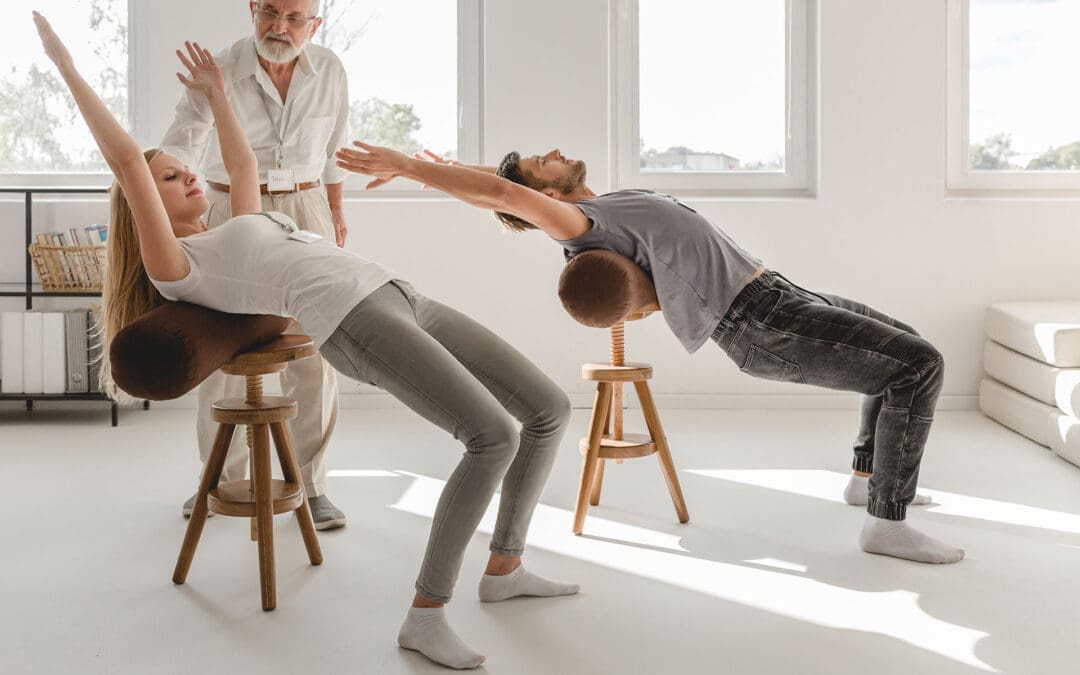
Chiropractic care is a natural way to support both fitness and wellness. It focuses on aligning your spine and improving the function of your nerves. This can ease pain, boost movement, and help your body heal itself. Chiropractors use adjustments – gentle pushes on the spine – to fix misalignments that cause issues like back pain or headaches.
How chiropractic helps fitness:
Improves joint mobility for better exercise performance.
Reduces injury risk by maintaining balance.
Speeds up recovery after workouts or strains.
For wellness, it goes deeper:
Lowers stress by relaxing tight muscles.
Boosts immune function through better nerve flow.
Supports overall health by addressing root causes rather than just symptoms.
Dr. Alexander Jimenez, a chiropractor and nurse practitioner, has observed in his practice that combining chiropractic with lifestyle changes leads to better outcomes. He notes that patients with chronic pain often improve faster when adjustments are paired with exercise and nutrition. His work shows how this approach prevents problems and promotes long-term wellness.
Integrating Chiropractic Care with Exercise for Better Results
When you mix chiropractic care with exercise, the results are even stronger. Chiropractic provides a solid base by aligning your body, while exercise builds on that with strength and heart health. This team-up reduces injury chances, improves how you move, and supports lasting wellness.
Steps to integrate them:
Start with a chiropractic check-up to fix any alignments.
Get personalized exercise tips, like stretches for flexibility or core work for stability.
Combine with other habits, such as healthy nutrition and stress relief.
Examples of exercises chiropractors recommend:
Core strengthening, like planks, supports the spine.
Stretches for the hips and back to ease tension.
Low-impact activities like swimming for overall fitness without strain.
Dr. Jimenez’s clinical work supports this. He uses integrative methods, like spinal decompression and tailored workouts, to help patients recover from injuries and stay active. His observations show that this holistic path leads to less pain, more energy, and a better quality of life.
In sports or daily life, this combo helps you perform better and feel great. For instance, athletes use chiropractic to stay aligned during training, while everyday people use it to handle desk jobs without back issues. It’s about prevention – catching problems early so you can keep moving.
Why This Matters for Long-Term Health
Focusing on fitness and wellness through exercise and chiropractic isn’t just for now; it’s for the future. Regular movement and care can prevent chronic issues like arthritis or heart problems. It also makes life more enjoyable, with more energy for hobbies and time with loved ones.
Challenges might include starting slow if you’re new, but small changes add up. Consult pros like chiropractors for safe plans. Remember, wellness is a journey – keep balancing all parts for the best results.
In summary, fitness builds your physical power, wellness covers your whole self, and exercise ties them together. Adding chiropractic care creates a strong foundation for health. As Dr. Jimenez’s practice shows, this integrated way leads to real improvements in how people feel and function.
Discover how a clinical approach to opioid therapy can transform pain management strategies for patients in a healthcare setting.
Key Points on Safe Pain Management with Opioids
Pain Affects Many People: Research suggests that about 100 million adults in the U.S. deal with pain, and this number might grow due to aging, more health issues like diabetes, and better survival from injuries. It’s important to address pain early to prevent it from becoming long-term (Institute of Medicine, 2011).
Non-Opioid Options First: Evidence leans toward starting with treatments like exercise, therapy, or over-the-counter meds before opioids, as they can be just as effective for common pains like backaches or headaches, with fewer risks (National Academies of Sciences, Engineering, and Medicine, 2019).
Team-Based Care Works Best: Studies show teams of doctors, nurses, and therapists can improve pain relief and daily life, though results vary. This approach seems likely to help more than solo care, especially for ongoing pain (Gauthier et al., 2019).
Opioids When Needed, But Carefully: Guidelines recommend low doses, short times, and regular check-ins to balance relief with risks like addiction. It’s complex, so talk openly with your doctor (Centers for Disease Control and Prevention, 2022).
Alternatives Like Chiropractic and NP Support: Integrative methods, such as chiropractic adjustments for spine alignment and ergonomic tips from nurse practitioners, can reduce reliance on meds. Clinical observations from experts like Dr. Alexander Jimenez highlight non-invasive approaches to managing pain effectively.
Understanding Pain Types
Pain can be short-term (acute), medium-term (subacute), or long-lasting (chronic). Acute pain often lasts less than three months and comes from injuries. If not treated well, it might turn chronic, affecting daily activities. Always respect someone’s pain experience—it’s personal and influenced by life factors (Raja et al., 2020).
Assessing Pain Simply
Doctors use tools like questions about when pain started, what makes it worse, and how it feels. Scales help rate it, from numbers (0-10) to faces showing discomfort. For kids or elders, special tools watch for signs like faster heartbeats (Wong-Baker FACES Foundation, 2022).
Treatment Basics
Start with non-drug options like rest, ice, or physical therapy. For chronic pain, meds like acetaminophen or therapies like yoga help. Opioids are for severe cases but come with risks—use them wisely (Agency for Healthcare Research and Quality, n.d.).
Role of Experts
According to clinical observations by Dr. Alexander Jimenez, DC, APRN, FNP-BC, who runs a multidisciplinary practice in El Paso, Texas (https://dralexjimenez.com/), combining chiropractic care with exercises targets root causes, such as misaligned spines, reducing opioid needs. As a nurse practitioner, he coordinates care and offers ergonomic advice to prevent pain from daily habits (LinkedIn Profile).
Comprehensive Guide to Safe and Effective Pain Management Using Opioid Therapy
Millions of people struggle with pain, which affects everything from hobbies to employment. Finding safe strategies to deal with pain is crucial, whether it’s a recent injury or persistent discomfort. This comprehensive handbook examines how to measure pain, available treatments, and responsible opioid use recommendations. We’ll discuss team-based treatment, non-opioid alternatives, and perspectives from professionals like Dr. Alexander Jimenez, who prioritizes holistic approaches. To help you locate trustworthy information online, keywords like “pain management strategies,” “opioid therapy guidelines,” and “non-opioid pain relief” are interwoven.
Introduction to Pain in America
The Institute of Medicine estimates that around 100 million American adults face acute or chronic pain daily. This number is expected to climb due to an aging population, rising rates of conditions like diabetes, heart disease, arthritis, and cancer, plus better survival from serious injuries and more surgeries that can lead to post-op pain (Institute of Medicine, 2011).
As people learn more about pain relief options and gain better access through laws like the Affordable Care Act (ACA), more folks—especially older ones—seek help. Passed in 2010, the ACA requires insurers to cover essential pain management benefits, including prescription drugs, chronic disease care, mental health support, and emergency services (111th Congress, 2009-2010). To use these effectively, healthcare providers need a solid grasp of pain assessment, classification, and treatment.
What Is Pain?
The International Association for the Study of Pain defines it as an unpleasant feeling associated with real or potential tissue damage. It’s subjective, shaped by biology, emotions, and social life. People learn about pain through experiences—some seek help right away, others try home remedies first. Respect their stories (Raja et al., 2020).
Pain falls into three main types, though definitions overlap:
Acute Pain: Lasts less than 3 months, or 1 day to 12 weeks; often limits daily activities for a month or less.
Subacute Pain: Sometimes seen as part of acute, or separate; lasts 1-3 months, or 6-12 weeks.
Chronic Pain: Persists over 3 months, or limits activities for more than 12 weeks (Banerjee & Argáez, 2019).
Poorly managed short-term pain can become chronic, so early action is important (Marin et al., 2017).
Assessing Pain Thoroughly
Pain is complex, influenced by body, mind, and environment. A full check includes history, physical exam, pain details, other health issues, and mental states like anxiety.
Basic pain evaluation covers:
When it started (date/time).
What caused it (injury?).
How does it feel (sharp, dull?)?
How bad it is.
Where is it?
How long does it last?
What worsens it (moving?).
What helps it?
Related signs (swelling?).
Impact on daily life.
Mnemonics help remember these. Here’s a table comparing common ones:
Pain scales provide information but aren’t diagnoses because they’re subjective. Single-dimensional ones focus on intensity:
Verbal: Mild, moderate, severe.
Numeric: 0 (none) to 10 (worst).
Visual: Like Wong-Baker FACES®, using faces for kids, adults, or those with barriers (Wong-Baker FACES Foundation, 2022). An emoji version works for surgery patients (Li et al., 2023).
Multi-dimensional scales check intensity plus life impact. The McGill Pain Questionnaire uses words like “dull” to rate sensory, emotional, and overall effects; shorter versions exist (Melzack, 1975; Main, 2016). For nerve pain, PainDETECT helps (König et al., 2021). Brief Pain Inventory scores severity and interference with mood/life (Poquet & Lin, 2016).
For babies, watch heart rate, oxygen, and breathing. Tools like CRIES rate crying, oxygen need, vitals, expression, sleep (Castagno et al., 2022). FLACC for ages 2 months-7 years checks face, legs, activity, cry, consolability (Crellin et al., 2015). Older kids use Varni-Thompson or draw pain maps (Sawyer et al., 2004; Jacob et al., 2014).
Elders face barriers like hearing loss or dementia. PAINAD assesses breathing, sounds, face, body, and consolability on a 0-10 scale (Malara et al., 2016).
The Joint Commission sets standards across various settings, which affect tool choice (The Joint Commission, n.d.).
Building Treatment Plans
Plans depend on pain type, cause, severity, and patient traits. For acute: meds, distraction, psych therapies, rest, heat/ice, massage, activity, meditation, stimulation, blocks, injections (National Academies of Sciences, Engineering, and Medicine, 2019).
Re-check ongoing acute pain to avoid chronic shift. Goals: control pain, prevent long-term opioids. Barriers: access to docs/pharmacies, costs, follow-ups.
For chronic: meds, anesthesia, surgery, psych, rehab, CAM. Non-opioids include:
Oral Meds:
Acetaminophen.
NSAIDs (celecoxib, etc.).
Antidepressants (SNRIs like duloxetine; TCAs like amitriptyline).
Anticonvulsants (gabapentin, etc.).
Muscle relaxers (cyclobenzaprine).
Memantine.
Topical: Diclofenac, capsaicin, lidocaine.
Cannabis: Medical (inhaled/oral/topical); phytocannabinoids (THC/CBD); synthetics (dronabinol) (Agency for Healthcare Research and Quality, n.d.).
Opioid use has risen, raising concerns (National Academies of Sciences, Engineering, and Medicine, 2019).
Key plan elements:
Quick recognition/treatment.
Address barriers.
Involve patients/families.
Reassess/adjust.
Coordinate transitions.
Monitor processes/outcomes.
Assess outpatient failure risk.
Check opioid misuse (Wells et al., 2008; Society of Hospital Medicine, n.d.).
Team Approach to Pain
Studies support the use of interprofessional teams for better results (Gauthier et al., 2019). Teams include docs, nurses, NPs, pharmacists, PAs, social workers, PTs, behavioral therapists, and abuse experts.
A 2017 report showed that teams improved pain/function from baseline, though not always compared with controls (Banerjee & Argáez, 2017). A meta-analysis found that teams were better at reducing pain after 1 month and sustained benefits at 12 months (Liossi et al., 2019).
Integrative chiropractic care fits here. It involves spinal adjustments—gentle manipulations to correct misalignments—and targeted exercises, such as core strengthening, to maintain alignment and reduce pressure on nerves/muscles. Dr. Alexander Jimenez observes that this helps sciatica/back pain without opioids, using tools like decompression (dralexjimenez.com).
Nurse Practitioners (NPs) provide comprehensive management, including ergonomic advice (e.g., better sitting postures) to prevent strain. They coordinate by reviewing options, referring to specialists, and overseeing plans, as seen in Dr. Jimenez’s practice, where his FNP-BC role includes telemedicine for holistic care (LinkedIn, n.d.).
Beyond Adjustments: Chiropractic and Integrative Healthcare- Video
Managing Opioids Safely
CDC’s 2022 guidelines cover starting opioids, dosing, duration, and risks (Centers for Disease Control and Prevention, 2022).
1. Starting Opioids:
Maximize non-opioids first—they match opioids for many acute pains (back, neck, etc.). Discuss benefits/risks (Recommendation 1, Category B, Type 3).
Review labels, use the lowest dose/shortest time. Set goals, exit strategy. For ongoing, optimize non-opioids (Recommendation 2, A, 2).
2. Choosing/Dosing Opioids:
Immediate-release (hydromorphone, etc.) over ER/LA (methadone, etc.). Studies show no edge for ER/LA; avoid for acute/intermittent (Recommendation 3, A, 4).
No rigid thresholds—guideposts. Risks rise with dose; avoid high if benefits dim (Recommendation 4, A, 3).
Taper slowly to avoid withdrawal (anxiety, etc.). Collaborate on plans; use Teams. If there is disagreement, empathize and avoid abandonment (Recommendation 5, B, 4).
3. Duration/Follow-Up:
For acute, prescribe just enough—often 3 days or less. Evaluate every 2 weeks. Taper if used for days. Avoid unintended long-term (Recommendation 6, A, 4).
Follow-up 1-4 weeks after start/escalation; closer for high-risk (Recommendation 7, A, 4).
4. Risks/Harms:
Screen for SUD/OUD. Offer naloxone for overdose risk (Recommendation 8, A, 4).
Check PDMPs for scripts/combos (Recommendation 9, B, 4).
Toxicology tests are performed annually to assess interactions (Recommendation 10, B, 4).
Caution with benzodiazepines (Recommendation 11, B, 3).
For OUD, use DSM-5 (2+ criteria/year); offer meds like buprenorphine (Recommendation 12, A, 1) (Hasin et al., 2013; American Psychiatric Association, 2013).
OUD signs: Larger amounts, failed cuts, time spent, cravings, role failures, social issues, activity loss, hazardous use, continued despite problems, tolerance, withdrawal.
Treatment: Meds, counseling, groups. Coordinate with specialists.
Conclusion
Finally, relying only on opioids is not necessary for efficient pain management. We can improve the lives of millions of people by giving priority to non-opioid alternatives like acetaminophen, physical therapy, or mindfulness and by taking opioids only when necessary under strict supervision. Teams of professionals, such as physicians, nurses, pharmacists, and specialists like chiropractors, collaborate to develop individualized strategies that lower dangers like addiction. By emphasizing spinal adjustments and targeted exercises, integrative chiropractic therapy may help restore normal alignment and reduce pain naturally, often eliminating the need for medication. Complete management, ergonomic guidance to prevent problems, and treatment coordination for optimal outcomes are all ways nurse practitioners provide value.
According to experts like Dr. Alexander Jimenez, these approaches target underlying issues using non-invasive treatments and functional medicine, promoting long-term well-being. Future developments in pain management seem promising, including FDA-approved non-opioid medications and distraction technologies such as virtual reality. In the end, everyone is empowered to address pain head-on, enhancing everyday activities and general health, when patients are included in decision-making and kept informed. Early evaluation and balanced treatment are crucial; discuss your options with your healthcare professional to determine what is best for you.
Banerjee, S., & Argáez, C. (2017). Multidisciplinary treatment programs for patients with chronic non-malignant pain: A review of clinical effectiveness, cost-effectiveness, and guidelines. Canadian Agency for Drugs and Technologies in Health. https://www.ncbi.nlm.nih.gov/books/NBK545496/
Banerjee, S., & Argáez, C. (2019). Multidisciplinary treatment programs for patients with acute or subacute pain: A review of clinical effectiveness, cost-effectiveness, and guidelines. Canadian Agency for Drugs and Technologies in Health. https://www.ncbi.nlm.nih.gov/books/NBK546002/
Castagno, E., Fabiano, G., Carmellino, V., et al. (2022). Neonatal pain assessment scales: Review of the literature. Prof Inferm, 75(1), 17-28. https://pubmed.ncbi.nlm.nih.gov/35837859/
Centers for Disease Control and Prevention. (2022). CDC clinical practice guideline for prescribing opioids for pain — United States, 2022. MMWR Recommendations and Reports, 71(3), 1-95. https://www.cdc.gov/mmwr/volumes/71/rr/rr7103a1.htm
Crellin, D. J., Harrison, D., Santamaria, N., et al. (2015). Systematic review of the Face, Legs, Activity, Cry, and Consolability scale for assessing pain in infants and children: Is it reliable, valid, and feasible for use? Pain, 156(11), 2132-2151. https://pubmed.ncbi.nlm.nih.gov/26218755/
Gauthier, K., Dulong, C., & Argáez, C. (2019). Multidisciplinary treatment programs for patients with chronic non-malignant pain: A review of clinical effectiveness, cost-effectiveness, and guidelines – an update. Canadian Agency for Drugs and Technologies in Health. https://www.ncbi.nlm.nih.gov/books/NBK545496/
Hasin, D. S., O’Brien, C. P., Auriacombe, M., et al. (2013). DSM-5 criteria for substance use disorders: Recommendations and rationale. American Journal of Psychiatry, 170(8), 834-851. https://pubmed.ncbi.nlm.nih.gov/23903334/
Jacob, E., Luck, A. K., Savedra, M., et al. (2014). Adolescent pediatric pain tool for multidimensional pain measurement in children and adolescents. Pain Management Nursing, 15(3), 694-706. https://pubmed.ncbi.nlm.nih.gov/24360399/
König, S. L., Prusak, M., Pramhas, S., et al. (2021). Correlation between the neuropathic PainDETECT screening questionnaire and pain intensity in chronic pain patients. Medicina (Kaunas), 57(4), 353. https://pubmed.ncbi.nlm.nih.gov/33918596/
Li, L., Wu, S., Wang, J., et al. (2023). Development of the Emoji Faces Pain Scale and its validation on mobile devices in adult surgical patients: a longitudinal observational study. Journal of Medical Internet Research, 25, e41189. https://pubmed.ncbi.nlm.nih.gov/37052994/
Liossi, C., Johnstone, L., Lilley, S., et al. (2019). Effectiveness of interdisciplinary interventions in paediatric chronic pain management: A systematic review and subset meta-analysis. British Journal of Anaesthesia, 123(2), e359-e371. https://pubmed.ncbi.nlm.nih.gov/30954242/
Main, C. J. (2016). Pain assessment in context: A state of the science review of the McGill pain questionnaire 40 years on. Pain, 157(7), 1387-1399. https://pubmed.ncbi.nlm.nih.gov/26901072/
Malara, A., De Biase, G. A., Bettarini, F., et al. (2016). Pain assessment in the elderly with behavioral and psychological symptoms of dementia. Journal of Alzheimer’s Disease, 50(4), 1217-225. https://pubmed.ncbi.nlm.nih.gov/26836181/
Marin, T. J., Van Eerd, D., Irvin, E., et al. (2017). Multidisciplinary biopsychosocial rehabilitation for subacute low back pain. Cochrane Database of Systematic Reviews, 6(6), CD002193. https://pubmed.ncbi.nlm.nih.gov/28664541/
National Academies of Sciences, Engineering, and Medicine. (2019). Framing opioid prescribing guidelines for acute pain: Developing the evidence. National Academies Press. https://www.ncbi.nlm.nih.gov/books/NBK554977/
Raja, S. N., Carr, D. B., Cohen, M., et al. (2020). The revised International Association for the Study of Pain definition of pain: Concepts, challenges, and compromises. Pain, 161(9), 1976-1982. https://pubmed.ncbi.nlm.nih.gov/32694387/
Sawyer, M. G., Whitham, J. F., Roberton, D. M., et al. (2004). The relationship between health-related quality of life, pain, and coping strategies in juvenile idiopathic arthritis. Rheumatology (Oxford), 43(3), 325-330. https://pubmed.ncbi.nlm.nih.gov/14623990/
Wells, N., Pasero, C., & McCaffery, M. (2008). Improving the quality of care through pain assessment and management. In R. G. Hughes (Ed.), Patient safety and quality: An evidence-based handbook for nurses. Agency for Healthcare Research and Quality. https://www.ncbi.nlm.nih.gov/books/NBK2658/
Maintaining Gut Health During the Holidays: Causes, Symptoms, and Integrative Solutions
A woman grates cheese for a holiday meal.
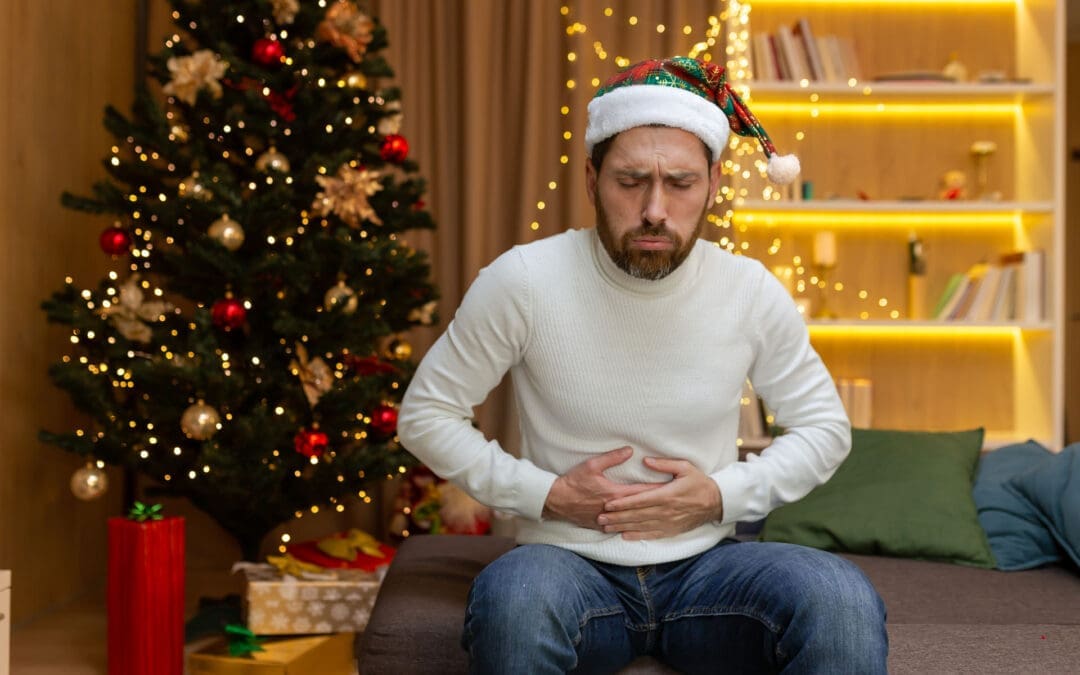
The holiday season brings joy, family time, and lots of food. But it can also lead to stomach problems. Many people face issues like bloating, gas, indigestion, heartburn, diarrhea, and constipation. These happen because of rich foods, extra drinks, stress, and changes in daily habits. All this can upset your digestive system and the good bacteria in your gut. This can cause reflux, cramps, or even make conditions like IBS worse.
During holidays, people often eat more fatty, sugary, and heavy meals. They might drink more alcohol, too. Stress from planning and less sleep add to the mix. Diets may have less fiber from fruits and veggies. These factors strain the gut and change its bacterial balance. This leads to swelling in the stomach. Integrative health experts, like chiropractors and nurse practitioners, can help. They examine the main causes and offer ways to address them. This includes managing stress with mindfulness and exercise, giving diet tips for more fiber and water, and using supplements like probiotics and Vitamin D. They might also use hands-on therapy to calm the nervous system. This helps control symptoms and boosts long-term gut health.
Common Causes of Holiday Gut Issues
Holidays change how we eat and live. Large, rich meals with lots of fat and spice can trigger acid reflux. This causes stomach acid to flow back into the esophagus, causing heartburn. Overeating and indulgent foods add to discomfort. Foods high in fat, sugar, and alcohol can cause gas and bloating.
Stress plays a big role, too. High stress can slow or speed up digestion. It releases hormones, such as cortisol, that slow blood flow to the gut and cause swelling. Holiday stress affects the gut-brain link, making issues like IBS or GERD worse.
Alcohol and fizzy drinks are common triggers. They can lead to bloating and cramps. In winter, cold weather slows digestion and reduces blood flow to the gut. Less thirst means people drink less water, causing dehydration and constipation.
Diets shift to more sugary and processed foods. This harms the gut microbiome, the beneficial bacteria that help digest food. Low fiber from missing fruits and veggies adds to constipation.
Overindulgence in food and drink: 61% of people link issues to this.
Eating different foods: 59% say this worsens symptoms.
Stress and low moods: 50% eat more due to winter blues.
Specific items like Brussels sprouts, cream, or fizzy drinks.
These causes combine to make gut problems common. About 67% of adults face issues like reflux or indigestion during the holidays. A third say symptoms get worse at Christmas.
Symptoms to Watch For
Gut troubles show up in many ways. Bloating feels like fullness or pressure from overeating or fatty meals. Gas comes from swallowed air, carbonated drinks, or certain foods. Indigestion and heartburn happen when acid backs up.
Constipation is common due to low fiber intake and reduced activity. Diarrhea might be caused by food poisoning or by rich foods. Cramps and pain can signal IBS flare-ups.
Other signs include:
Abdominal pain or excessive gas.
Loss of appetite or overeating.
Reflux or GERD symptoms, such as chest burning.
Changes in bowel habits lasting more than a few days.
If symptoms last for more than 2 weeks or include blood, weight loss, or severe pain, see a doctor.
How Holidays Affect the Gut Microbiome
The gut microbiome is trillions of bacteria that help digest food and keep you healthy. Holidays can disrupt this balance. Sugary and fatty foods alter the types of bacteria, leading to inflammation.
Stress reduces the number of good bacteria and allows bad bacteria to grow. Alcohol harms the gut lining and bacteria. Low fiber starves beneficial bacteria.
This imbalance causes:
Slower digestion and bloating.
Weakened immune system.
More inflammation that lasts into the new year.
Winter adds to this with fewer diverse foods and more indoor time.
The Role of Integrative Practitioners
Integrative experts focus on whole-body health. They identify root causes such as stress or diet. Chiropractors and nurse practitioners use natural ways to help.
The brain-gut connection explains why. Stress affects the gut, and gut issues affect mood. Treatments calm the stress response and reduce swelling.
Dr. Alexander Jimenez, a chiropractor and nurse practitioner, observes that gut health links to inflammation and chronic issues. He uses functional medicine to assess diet, lifestyle, and genes. In his practice, he combines adjustments with nutrition to restore balance. He notes that holiday eating causes dysbiosis, leading to fatigue and pain. His approach includes supplements and lifestyle changes for long-term health.
Stress Management Techniques
Stress worsens gut issues, so managing it helps. Try mindfulness practices, such as deep breathing or meditation. Yoga calms the nervous system.
Take walks after meals to aid digestion.
Plan ahead to avoid rushing.
Get 7–9 hours of sleep a night.
Use apps for breathing exercises.
These boost the “rest and digest” response.
Dietary Advice for Better Gut Health
Eat more fiber to keep things moving. Choose fruits, veggies, and whole grains. Stay hydrated with at least 8 cups of water daily.
Tips include:
Use smaller plates for portion control.
Eat slowly and chew well.
Add fermented foods like yogurt or kimchi for probiotics.
Limit sugar, fat, and alcohol.
Follow the 80/20 rule: be healthy 80% of the time and indulge 20%.
Supplements like probiotics help restore gut bacteria. Vitamin D supports immune and gut health, especially in winter.
Manual therapy, such as chiropractic adjustments, helps balance the nervous system. This reduces inflammation and aids digestion. Dr. Jimenez uses this in his integrative practice for post-holiday recovery.
Probiotics from food or pills.
Digestive enzymes for heavy meals.
Fiber supplements, if needed.
Preventing Issues and Long-Term Health
Prevent problems by planning meals and staying active. Avoid trigger foods like dairy or gluten if sensitive.
For the long term, keep healthy habits year-round. This reduces inflammation and boosts energy. Integrative care helps maintain balance.
Dr. Jimenez sees that addressing gut health prevents chronic diseases. His observations show nutrition and adjustments improve outcomes.
Holidays don’t have to hurt your gut. With smart choices and expert help, you can enjoy the season and feel satisfied.
Discover the clinical approach for substance use disorder, a vital method in addressing challenges related to addiction treatment.
Integrative Management of Substance Use Disorder (SUD) and Musculoskeletal Health: A Collaborative Model for Chiropractors and Nurse Practitioners
Substance use disorder (SUD) is a chronic, treatable medical condition that affects the brain, behavior, and the entire body, including the musculoskeletal system. For many patients, SUD overlaps with chronic pain, injury, emotional distress, and functional limitations. An integrative care model that combines evidence‑based SUD screening and treatment with chiropractic care and nurse practitioner (NP)–led primary care can reduce risk, improve function, and support long‑term recovery (American Medical Association [AMA], n.d.; National Institute on Drug Abuse [NIDA], n.d.; National Institute of Mental Health [NIMH], 2025).
This article explains what SUD is, how it is identified and categorized, how clinicians can manage it using practical workflows, and how integrative chiropractic and NP care can address overlapping risk profiles and musculoskeletal consequences.
What Is Substance Use Disorder (SUD)?
SUD is a medical condition in which the use of alcohol, medications, or other substances leads to significant impairment or distress in daily life. It is not a moral failing or a lack of willpower; it is a chronic, brain‑ and body‑based disease that is treatable (NIDA, n.d.; NIMH, 2025).
SUD exists on a spectrum from mild to severe. People with SUD may:
Use more of the substance than they planned
Try and fail to cut down or stop
Spend a lot of time obtaining, using, or recovering from the substance
Continue to use even though it harms health, work, relationships, or safety (American Psychiatric Association, 2022; NIMH, 2025)
Person‑first, non‑stigmatizing language
Stigma can keep people from seeking care. Using respectful, person‑first language reduces shame and supports engagement. NIDA and the AMA recommend (NIDA, n.d.; AMA, n.d.):
Say “person with a substance use disorder,” not “addict” or “drug abuser.”
Say “substance use” or “misuse,” not “abuse.”
Focus on SUD as a chronic, treatable condition.
Categories and Diagnostic Features of SUD
DSM‑5‑TR framework: Mild, moderate, severe
Diagnostic criteria for SUD come from the Diagnostic and Statistical Manual of Mental Disorders, Fifth Edition, Text Revision (DSM‑5‑TR) (American Psychiatric Association, 2022; NIAAA, 2025). A diagnosis is based on the number of symptoms present over 12 months.
Typical criteria include (paraphrased):
Using more or for longer than intended
Unsuccessful efforts to cut down
Spending a lot of time obtaining, using, or recovering
Cravings or strong urges
Role failures at work, school, or home
Social or interpersonal problems caused or worsened by use
Giving up important activities
Using in physically hazardous situations
Continued use despite physical or psychological problems
Tolerance
Withdrawal
Severity is determined by symptom count (American Psychiatric Association, 2022; NIAAA, 2025):
Mild: 2–3 symptoms
Moderate: 4–5 symptoms
Severe: 6 or more symptoms
Substance‑specific categories
Clinically, SUD is further categorized by substance type (NIDA, n.d.; NIMH, 2025):
Alcohol use disorder (AUD)
Opioid use disorder (e.g., heroin, oxycodone, hydrocodone)
Stimulant use disorder (e.g., cocaine, methamphetamine)
Sedative, hypnotic, or anxiolytic use disorder (e.g., benzodiazepines)
Cannabis, tobacco, hallucinogen, or inhalant use disorders
Each category has similar behavioral criteria but unique medical risks, withdrawal profiles, and treatment options (NIDA, n.d.; NIAAA, 2025).
Risk and severity categories for clinical workflows
For practical care, validated screening tools classify risk that guide next steps (AMA, n.d.; NIDA, n.d.; NIAAA, 2025):
Low/no risk: Negative screen or very low scores
Moderate risk: At‑risk use with potential consequences (e.g., falls, crashes, future disease)
Substantial/severe risk: High scores suggest likely SUD and active harm
For example, adult risk zones using tools like AUDIT and DAST (AMA, n.d.):
Low risk/abstain: AUDIT 0–7; DAST 0–2
Moderate risk: AUDIT 8–15; DAST 3–5
Substantial/severe risk: AUDIT ≥16; DAST ≥6
These categories help teams decide when to give brief interventions, when to intensify care, and when to refer to specialty treatment.
Epidemiology and Public Health Impact
National surveys show that millions of people in the United States live with SUD, yet only a fraction receive treatment (Substance Abuse and Mental Health Services Administration [SAMHSA], 2023). The 2022 National Survey on Drug Use and Health reported high rates of both substance use and serious mental illness, often co‑occurring (SAMHSA, 2023).
Key points from recent federal data (SAMHSA, 2023; NIMH, 2025):
SUD commonly co‑occurs with depression, anxiety, and other mental disorders.
Co‑occurring conditions worsen medical outcomes and increase healthcare use.
Early identification and integrated treatment can improve function, reduce complications, and lower long‑term costs.
Identifying Patients With SUD: Screening and Assessment
Early, routine identification is critical. Primary care teams, NPs, and chiropractic clinics that integrate behavioral health can all play a role (AMA, n.d.; NIDA, n.d.; NIAAA, 2025).
Building a safe, trauma‑informed environment
Before asking about substance use, the team should (AMA, n.d.; NIDA, n.d.):
Explain that “we screen everyone” as part of whole‑person care.
Emphasize confidentiality within legal limits.
Use a calm, nonjudgmental tone and body language.
Offer patients the option not to answer any question.
Acknowledge that stress, trauma, pain, and life pressures often contribute to substance use.
This aligns with trauma‑informed care principles promoted by SAMHSA and helps patients feel safe enough to share (AMA, n.d.).
Validated screening tools
Evidence‑based tools are preferred over informal questioning. Common options include (AMA, n.d.; NIDA, n.d.; NIAAA, 2025):
For adults:
AUDIT or AUDIT‑C (Alcohol Use Disorders Identification Test) – screens for unhealthy alcohol use and risk of AUD.
DAST‑10 (Drug Abuse Screening Test) – screens for non‑alcohol drug use problems.
TAPS Tool (Tobacco, Alcohol, Prescription medication, and other Substances) – combined screen and brief assessment.
For adolescents:
CRAFFT 2.1+N – widely used for youth; captures risk behaviors and problems.
S2BI (Screening to Brief Intervention) and BSTAD – brief tools validated for ages 12–17 (NIDA, n.d.; AMA, n.d.).
For alcohol‑specific quick screens:
AUDIT‑C (3 questions) or full AUDIT
NIAAA Single Alcohol Screening Question (SASQ):
“How many times in the past year have you had 4 (for women) or 5 (for men) or more drinks in a day?” (NIAAA, 2025)
Results guide risk categorization and next steps.
Role of the care team
In integrated practices, roles can be divided (AMA, n.d.):
Medical assistants or nurses
Administer pre‑screens and full questionnaires.
Flag positive or concerning responses.
Nurse practitioners / primary care clinicians
Review screening results.
Deliver brief interventions using motivational interviewing.
Conduct or oversee further assessment.
Prescribe and manage pharmacotherapy for SUD when indicated.
Coordinate referrals and follow‑up.
Behavioral health clinicians (on‑site or virtual)
Perform biopsychosocial in-depth evaluations.
Provide psychotherapy and relapse‑prevention skills.
Support motivational enhancement and family engagement.
Chiropractors and physical‑medicine providers
Screen for substance misuse related to pain, function, and injury patterns.
Observe red flags (frequent lost prescriptions, inconsistent pain reports, sedation, falls).
Communicate concerns to the NP or primary medical provider.
Dr. Alexander Jimenez, DC, APRN, FNP‑BC, exemplifies this dual role. As both a chiropractor and a family practice NP, he combines neuromusculoskeletal assessment with medical screening and functional medicine evaluation to identify root causes of chronic pain and unhealthy substance use patterns (Jimenez, n.d.).
Clinical clues that may suggest SUD
Beyond formal tools, clinicians should stay alert for patterns such as (AMA, n.d.; NIMH, 2025):
Frequent injuries, falls, or motor vehicle accidents
Repeated missed appointments or poor adherence to treatment
Drowsiness, agitation, slurred speech, or odor of alcohol
Unexplained weight loss, infections, or liver abnormalities
Social and financial instability, job loss, or legal problems
In chiropractic and musculoskeletal settings, repeated injuries, delayed healing, inconsistent exam findings, or “pain behaviors” that do not match imaging or biomechanics may prompt gentle, supportive screening and medical referral.
Understanding Long Lasting Injuries- Video
Comprehensive Assessment and Risk Stratification
Once a screen is positive, the next level is a more detailed assessment. This should examine substance type, frequency, amount, impact, withdrawal, mental health, physical comorbidities, and function (AMA, n.d.; NIMH, 2025).
Structured assessment tools
Clinicians may use (AMA, n.d.; NIDA, n.d.; NIAAA, 2025):
Full AUDIT for alcohol
DAST‑10 for general drugs
CRAFFT or GAIN for adolescents
Checklists based directly on DSM‑5‑TR criteria to rate symptom count and severity (NIAAA, 2025).
These tools allow classification into mild, moderate, or severe SUD and support shared decision‑making regarding level of care.
Co‑occurring mental health conditions
SUD frequently co‑occurs with (NIMH, 2025):
Major depressive disorder
Anxiety disorders
Posttraumatic stress disorder (PTSD)
Bipolar disorder
Attention‑deficit/hyperactivity disorder
Co‑occurring disorders can:
Increased risk for self‑medication with substances
Worsen treatment outcomes if not recognized
Require integrated treatment plans (NIMH, 2025)
NPs, behavioral health clinicians, and chiropractors with integrative training should maintain a low threshold for mental health screening and referral.
Managing Patients With SUD: A Practical Clinical Process
Effective SUD care is chronic‑disease care: ongoing, team‑based, and tailored to readiness to change (AMA, n.d.; SAMHSA, 2023).
Core elements of management
Key components include (AMA, n.d.; NIDA, n.d.; NIMH, 2025):
Routine screening and re‑screening
Brief interventions and motivational interviewing
Harm‑reduction strategies
Medications for certain SUDs (when appropriate)
Evidence‑based behavioral therapies
Peer and family support
Long‑term follow‑up and relapse‑prevention planning
Brief intervention and motivational interviewing
For patients with low to moderate risk, brief intervention can be delivered in 5–15 minutes and often by NPs or primary care clinicians (AMA, n.d.; NIAAA, 2025). Using motivational interviewing, clinicians:
Ask open‑ended questions (“What do you enjoy about drinking? What concerns you about it?”)
Reflect and summarize the patient’s own statements
Ask permission before giving advice
Help patients set realistic, patient‑chosen goals (cutting down, abstaining, or seeking treatment)
This approach respects autonomy and builds internal motivation for change.
Determining level of care
The American Society of Addiction Medicine (ASAM) describes a continuum of care (AMA, n.d.; SAMHSA, 2023):
Prevention/early intervention
Brief interventions in primary care
Self‑management support and education
Outpatient services
Office‑based counseling and medications for AUD or opioid use disorder (OUD)
Integrated behavioral health visits
Intensive outpatient / partial hospitalization
Several therapy sessions per week, day or evening programs
Residential/inpatient services
24‑hour structured care for severe or complex cases
Medically managed intensive inpatient services
Medically supervised detoxification and stabilization
NPs and primary care teams decide the appropriate level based on risk severity, co‑occurring medical and psychiatric conditions, social supports, and patient preference (AMA, n.d.; NIMH, 2025).
Medications for SUD
For some patients, medications support recovery by reducing cravings, blocking rewarding effects, or stabilizing brain function (SAMHSA, 2020; AMA, n.d.; NIAAA, 2025). Examples include:
Alcohol use disorder
Acamprosate – supports abstinence after detox
Disulfiram – creates an unpleasant reaction to alcohol, discouraging use
Naltrexone blocks the rewarding effects of alcohol
Opioid use disorder
Buprenorphine – a partial opioid agonist that reduces cravings and overdose risk; often prescribed in primary care with appropriate DEA registration
Methadone – full agonist, dispensed in specialized opioid treatment programs
Naltrexone (extended‑release) – opioid antagonist that prevents relapse after detox
Overdose prevention
Naloxone – rapid opioid‑overdose reversal, recommended for anyone at risk (AMA, n.d.).
NPs managing patients with SUD work within state scope‑of‑practice rules and in collaboration with addiction specialists where needed.
Behavioral therapies and peer support
Evidence‑based therapies include (AMA, n.d.; NIDA, n.d.):
Cognitive behavioral therapy (CBT)
Dialectical behavior therapy (DBT)
Motivational enhancement therapy
The Matrix Model (especially for stimulants)
Family‑based therapy for adolescents
Peer support groups (Alcoholics Anonymous, Narcotics Anonymous, SMART Recovery) can reinforce coping skills, hope, and accountability.
Long‑term follow‑up
SUD is chronic; relapse risk can persist for years. Best practice includes (AMA, n.d.; NIMH, 2025):
Follow‑up within 2 weeks after treatment initiation
Monthly to quarterly visits as patients stabilize
Peer support and care management between visits
Rapid re‑engagement after any relapse or lapse
NASW, NIDA, and NIMH stress that relapse should be treated as a signal to adjust care—not as failure (NIDA, n.d.; NIMH, 2025).
How SUD Affects the Body and the Musculoskeletal System
SUD impacts nearly every organ system. Many effects directly or indirectly worsen neuromusculoskeletal health and pain.
General systemic effects
Common systemic consequences include (NIDA, n.d.; NIMH, 2025; SAMHSA, 2023):
Cardiovascular disease and hypertension
Liver disease and pancreatitis (especially with alcohol)
Respiratory disease (especially with tobacco and some drugs)
Endocrine and hormonal disruption
Immune dysfunction and higher infection risk
Sleep disturbances and fatigue
Worsening of mood, anxiety, and cognitive function
These changes affect healing capacity, resilience, and the way patients perceive pain.
Musculoskeletal and pain‑related effects
Substance use and SUD can influence the musculoskeletal system through several pathways:
Increased injury risk
Impaired judgment, coordination, and reaction time increase the risk of falls, motor vehicle accidents, and sports injuries.
Heavy alcohol use is associated with fractures, soft tissue injuries, and delayed healing (AMA, n.d.; SAMHSA, 2023).
Bone, joint, and muscle changes
Alcohol and some drugs can impair bone density and quality, increasing osteoporosis and fracture risk.
Nutritional deficiencies associated with SUDs weaken connective tissue and muscle function.
Sedentary behavior and deconditioning are common in people with long‑standing SUD.
Chronic pain and central sensitization
Chronic alcohol or opioid use can alter pain pathways in the central nervous system, raising pain sensitivity.
Opioid‑induced hyperalgesia can make pain seem worse even at stable or increasing doses.
Functional and ergonomic stress
Disrupted sleep, poor posture, and prolonged sitting or immobility (for example, in recovery environments or during unemployment) can lead to spinal stress, neck and low back pain, and muscle imbalance.
Clinically, Dr. Jimenez and similar integrative providers often see patients with combined profiles: chronic low back or neck pain, sedentary work, ergonomic strain, poor sleep, high stress, and escalating reliance on medications, including opioids or sedatives. Addressing both the mechanical and behavioral contributors can change the trajectory of pain and SUD risk (Jimenez, n.d.).
Integrative Chiropractic Care in the Context of SUD
Philosophy of integrative chiropractic care
Integrative chiropractic care focuses on restoring alignment, mobility, and neuromuscular control while considering lifestyle, nutrition, sleep, and emotional stress. In the model used by Dr. Jimenez, chiropractic adjustments are combined with functional medicine strategies, targeted exercise, and collaborative medical care (Jimenez, n.d.).
For patients with or at risk of SUD, this approach offers:
Non‑pharmacologic pain management
Improved movement, posture, and ergonomics
Education that empowers patients to self‑manage pain
Reduced reliance on habit‑forming medications
Spinal adjustments and targeted exercises
Spinal and extremity adjustments aim to:
Restore joint mobility
Reduce mechanical irritation of nerves and soft tissues
Improve segmental alignment and overall posture
Targeted exercises are prescribed to:
Strengthen deep stabilizing muscles (core, gluteal, cervical stabilizers)
Correct muscle imbalances and faulty patterns
Increase flexibility and joint range of motion
Enhance proprioception, balance, and movement control
Examples of targeted exercise strategies often used in integrative chiropractic and rehab clinics include (Jimenez, n.d.):
Lumbar stabilization and core‑strengthening sequences
Hip mobility and glute activation drills for low back and sciatica‑like pain
Cervical and scapular stabilization for neck and shoulder pain
Postural retraining, including ergonomic break routines for prolonged sitting
By reducing biomechanical stress and enhancing functional capacity, these interventions may decrease pain intensity, frequency, and flare‑ups, which in turn can lower the drive to self‑medicate with substances.
Reducing overlapping risk profiles
Many risk factors for SUD and for chronic musculoskeletal pain overlap, including (NIMH, 2025; NIDA, n.d.; Jimenez, n.d.):
Chronic stress and trauma
Poor sleep and circadian disruption
Sedentary lifestyle and obesity
Repetitive strain and poor ergonomics
Social isolation and low self‑efficacy
Integrative chiropractic care can help shift these shared risk profiles by:
Encouraging regular physical activity and graded movement
Coaching ergonomic and postural strategies at work and home
Teaching breathing, stretching, and relaxation routines that reduce muscle tension and sympathetic overdrive
Collaborating with NPs and behavioral health clinicians to align interventions with mental health and SUD treatment plans
In Dr. Jimenez’s practice, this often includes structured flexibility, mobility, and agility programs that are adapted to age and functional status, with close monitoring to avoid over‑reliance on medications, including opioids and sedatives (Jimenez, n.d.).
The Nurse Practitioner’s Role in Comprehensive SUD and Musculoskeletal Care
NPs are well-positioned to coordinate SUD care and integrate it with musculoskeletal and chiropractic treatment.
Comprehensive medical management
NP responsibilities typically include (AMA, n.d.; NIMH, 2025; NIAAA, 2025):
Conducting and interpreting SUD screening and risk stratification
Performing physical exams and ordering labs or imaging
Diagnosing SUD and co‑occurring conditions
Prescribing non‑addictive pain strategies and medications where indicated
Managing or co‑managing medications for AUD or OUD (per training and regulations)
Monitoring for drug–drug and drug–disease interactions
Coordinating with behavioral health and community resources
In integrative settings like Dr. Jimenez’s clinic, the NP role is blended with functional medicine principles, looking at nutrition, metabolic health, hormonal balance, and inflammation that influence both pain and SUD risk (Jimenez, n.d.).
Activity pacing and graded return to work or sport
Sleep hygiene and circadian rhythm support
Nutrition strategies that support musculoskeletal healing and brain health
These interventions lower the mechanical load on the spine and joints, reduce fatigue, and increase a patient’s sense of control—all of which help reduce triggers for substance use and relapse.
Care coordination and team communication
NPs often serve as the central coordinator who (AMA, n.d.; NIMH, 2025):
Ensures all team members (chiropractor, physical therapist, behavioral health, addiction medicine, primary care, or specialty providers) share a coherent plan
Tracks progress on pain, function, substance use, mood, and quality of life
Adjusts the plan as conditions change
Supports families and caregivers in understanding both SUD and musculoskeletal needs
In a model like Dr. Jimenez’s, this may involve regular case conferences, shared EHR notes, and integrated treatment plans that align spinal rehabilitation with SUD recovery goals (Jimenez, n.d.).
Practical Clinical Pathway: From First Contact to Long‑Term Recovery
For clinics that combine chiropractic and NP services, a practical, stepwise pathway for patients with possible SUD and musculoskeletal complaints can look like this (AMA, n.d.; NIDA, n.d.; NIAAA, 2025; NIMH, 2025; Jimenez, n.d.):
Step 1: Initial visit and global screening
Intake includes questions on pain, function, injuries, sleep, mood, and substance use.
Staff administer brief tools (for example, AUDIT‑C and DAST‑10 for adults, CRAFFT for adolescents).
The chiropractor documents neuromusculoskeletal findings; the NP reviews medical and behavioral health risks.
Step 2: Identification of SUD risk
Negative or low‑risk screens → brief positive health message and reinforcement of low‑risk behavior.
Moderate risk → NP provides brief intervention, motivational interviewing, and a follow‑up plan.
Substantial or severe risk → NP initiates comprehensive assessment, safety planning, and possible referral to specialized services.
Step 3: Integrated treatment planning
The team crafts a unified plan that may include:
Spinal adjustments and targeted exercises to correct alignment and biomechanics
Gradual increase in physical activity with pain‑sensitive pacing
Behavioral health referral for CBT, trauma‑informed treatment, or other modalities
Consideration of medications for AUD or OUD, if indicated
Harm‑reduction measures (for example, naloxone prescription for those at overdose risk)
Step 4: Ergonomics and lifestyle
NP and chiropractor jointly review workplace and home ergonomics, posture, and activity patterns.
Patients learn micro‑break routines, stretching, and strengthening sequences for high‑risk tasks (for example, lifting or prolonged sitting).
Nutrition, stress‑management, and sleep interventions are introduced or refined.
Step 5: Monitoring and long‑term follow‑up
Regular follow‑up visits evaluate:
Pain levels and functional capacity
Substance use patterns and cravings
Mood, sleep, and quality of life
Adherence to exercise and ergonomic plans
The team updates the treatment plan to respond to progress, setbacks, or new diagnoses.
Patients are coached to view flare-ups or lapses as opportunities to learn and adjust, not as failures.
This kind of coordinated, integrative approach can reduce repeated injuries, unnecessary imaging or surgeries, and long‑term dependence on medications, including opioids.
Clinical Insights from an Integrative Practice Model
Although each practice is unique, Dr. Alexander Jimenez’s clinic illustrates several principles that can guide others (Jimenez, n.d.):
Whole‑person assessment: History taking includes injuries, lifestyle, trauma, nutrition, environment, and psychosocial stressors.
Functional movement focus: Care plans emphasize flexibility, mobility, agility, and strength to restore capacity rather than just relieve symptoms.
Non‑invasive first: Chiropractic adjustments, functional exercise, and lifestyle interventions are prioritized before invasive procedures or long‑term controlled substances.
Integrated roles: As both DC and FNP‑BC, Dr. Jimenez unifies neuromusculoskeletal, primary care, and functional medicine perspectives in a single, coordinated plan.
Patient empowerment: Education, coaching, and accessible care options help patients take a proactive role in maintaining spinal health and reducing SUD risk.
This model aligns with national guidance on behavioral health integration and SUD management in medical settings while adding the musculoskeletal and ergonomic expertise of chiropractic care (AMA, n.d.; NIDA, n.d.; NIMH, 2025).
Key Takeaways
SUD is a chronic, treatable medical condition that often co‑occurs with mental disorders and chronic pain.
Validated screening tools and non‑stigmatizing, trauma‑informed communication are core to early identification.
Risk and severity categories (mild, moderate, severe) guide brief intervention, level of care, and referral decisions.
SUD significantly affects the body, including bone health, soft tissue integrity, injury risk, and chronic pain pathways.
Integrative chiropractic care—with spinal adjustments, targeted exercises, and ergonomic guidance—can reduce pain, improve function, and lower overlapping risk factors for SUD.
Nurse practitioners provide comprehensive SUD management, coordinate care, and deliver ergonomic and lifestyle counseling that complements chiropractic treatment.
A collaborative, long‑term, patient‑centered model—such as the one exemplified by Dr. Alexander Jimenez—offers a promising pathway to healthier spines, healthier brains, and healthier lives.
Conclusion
Substance use disorder is a complex medical condition that requires compassion, evidence‑based screening, and coordinated care across multiple disciplines. For healthcare professionals—whether chiropractors, nurse practitioners, primary care physicians, or behavioral health specialists—the opportunity to identify and support patients with SUD begins with understanding what it is, how to recognize it, and how to respond with respect and proven interventions.
The integration of chiropractic care and nurse practitioner-led primary care offers a distinctive advantage for patients struggling with both chronic pain and substance use. When a patient presents with a work injury, auto accident, or years of poor ergonomics, they may not volunteer that they are also wrestling with alcohol dependence, prescription opioid misuse, or stimulant use. Yet these challenges often coexist. The musculoskeletal system bears the weight of increased fracture risk, muscle wasting, poor healing, and heightened pain sensitivity. The mind and nervous system are equally affected, with sleep disruption, mood changes, and reduced resilience to stress all fueling the cycle of pain and substance use.
Clinics and practices that integrate screening, brief intervention, and coordinated treatment have a powerful tool to interrupt this cycle. Spinal adjustments restore mechanical function. Targeted exercises rebuild strength and proprioception. Ergonomic guidance prevents re‑injury. Nurse practitioners coordinate medications, monitor for drug interactions, and counsel on lifestyle factors that support both spine health and recovery from SUD. Behavioral health clinicians provide therapy, peer support, and relapse prevention. Together, this team addresses root causes, not just symptoms.
The clinical model exemplified by providers like Dr. Alexander Jimenez demonstrates that a single clinician with dual expertise—chiropractic and family practice nurse practitioner credentials—can seamlessly weave these threads into a coherent, patient‑centered plan. Patients benefit from continuity, alignment of goals, and a provider who understands both the biomechanics of a herniated disc and the neurobiology of addiction. Larger practices can achieve similar results through deliberate team communication, shared decision‑making, and a commitment to non‑stigmatizing, trauma‑informed care.
The evidence is clear: early identification saves lives and improves outcomes. Validated screening tools are quick and accurate. Motivational interviewing and brief interventions work. Medications for alcohol and opioid use disorders are safe and effective when used thoughtfully. Non‑pharmacologic approaches—exercise, manual therapy, stress management, social support—are powerful and underutilized. And when musculoskeletal and behavioral health care are woven together, patients heal faster, return to function sooner, and are far less likely to relapse into substance misuse.
For healthcare teams willing to expand their lens beyond isolated complaints—beyond “just” back pain or “just” anxiety—the reward is profound: patients who reclaim their health, their relationships, and their sense of purpose. This is the promise of integrative, collaborative, evidence‑based care for substance use disorder and musculoskeletal health.
References
American Medical Association. (n.d.). Substance use disorder treatment: How‑to guide for primary care integration [PDF]. American Medical Association.
American Psychiatric Association. (2022). Diagnostic and statistical manual of mental disorders (5th ed., text rev.). American Psychiatric Publishing.
Jimenez, A. D. (n.d.). Injury specialists: El Paso family practice nurse practitioner and chiropractor. Dr. Alex Jimenez. https://dralexjimenez.com/
Substance Abuse and Mental Health Services Administration. (2023). 2022 national survey on drug use and health: Annual national report (HHS Publication No. PEP23‑07‑01‑006). U.S. Department of Health and Human Services. https://www.samhsa.gov/data/report/2022-nsduh-annual-national-report
Real-Life Posture Rehab: How El Paso Back Clinic Helps You Move Better Every Day
Move around and change posture positions throughout the day.
Improving posture is one of the fastest ways to feel stronger, breathe easier, and protect your spine—especially if you live with long commutes, heavy work, or hours at a desk, like many people in El Paso. At El Paso Back Clinic, Dr. Alexander Jimenez, DC, APRN, FNP-BC, and his team see every day how targeted physical activity, along with integrative chiropractic and nurse practitioner (NP) care, can turn slouching and stiffness into confident, upright movement. El Paso, TX Doctor Of Chiropractic+1
This article explains, in simple language:
What good posture really is
Recommended physical activities and exercises to enhance posture
How yoga, Pilates, and mind-body practices improve alignment
Easy desk and “tech neck” fixes
How integrative chiropractic care supports posture
How nurse practitioners help with medical, ergonomic, and lifestyle support
How the El Paso Back Clinic combines all of this in real-world care
What “Good Posture” Means (and Why It Matters in Daily Life)
Good posture means your body is stacked in a natural, balanced way:
Ears over shoulders
Shoulders over hips
Hips over knees and ankles
Spine holding its natural curves (neck, mid-back, low back)
When posture is poor—like slouching over a phone or leaning forward at a desk—stress builds up in your neck, shoulders, and back. Over time, this can lead to:
Chronic neck and back pain
Tension headaches
Fatigue and shallow breathing
Tight hip flexors and weak glutes
Early joint wear and tear
Research and clinical guides show that specific exercises and posture-friendly habits can reduce pain and improve alignment by strengthening postural muscles and keeping you moving throughout the day. Healthline+2Harvard Health+2
At El Paso Back Clinic, Dr. Jimenez often reminds patients that posture is not about “standing stiff.” It is about a strong, relaxed, and mobile spine that can handle work, sports, and life in the desert heat. El Paso, TX Doctor Of Chiropractic+1
Core Principles of Posture-Focused Exercise
Most effective posture plans share the same core goals:
Strengthen the core and back—so your spine has solid support
Activate glutes and shoulders—to counter slumping and hip stress
Improve flexibility—especially in chest, hip flexors, and hamstrings
Train body awareness—so you notice and correct slouching
Add low-impact cardio—to boost circulation and recovery
Think of Your Program in Simple Pieces
Try to include each week:
2–3 days of core and back strengthening
2–3 days of mobility and stretching
2–4 days of low-impact cardio like walking or swimming
Daily micro-breaks from sitting or driving
That may sound like a lot, but many of these can be done in 10–20 minute blocks and woven into your normal day.
Foundational Strength Exercises for Better Posture
Many posture programs start with bodyweight moves you can do at home—no machines, no fancy equipment. Sources on physical therapy and spine health support these exercises. Healthline+2Primal Physical Therapy+2
Planks (Front and Side Planks)
Why they help: Planks strengthen your deep core, shoulders, and glutes. A strong core keeps your spine from sagging or arching too much.
Basic front plank:
Start on your forearms and toes
Keep your body in a straight line from head to heels
Gently pull your belly toward your spine
Hold 20–30 seconds, rest, repeat 2–3 times
Side planks add extra stability for your sides and hips, which support upright posture. Woodlands Sports Medicine
Bird-Dog
Why it helps: Bird-dog builds core and back strength while training balance and control.
How to do it:
Start on hands and knees
Extend your right arm forward and left leg back
Keep your hips level; don’t twist
Hold 3–5 seconds, then switch sides
Do 8–10 reps per side
Physical therapists often use this exercise to improve posture and relieve back pain. Primal Physical Therapy+1
Glute Bridges
Why they help: Bridges work the glutes and hamstrings and relieve stress on the lower back.
Lie on your back, knees bent, feet flat
Press through your heels and lift your hips
Squeeze your glutes at the top
Hold 3–5 seconds, then lower
Repeat 10–15 times
Strong glutes help balance tight hip flexors from long periods of sitting, which is very common among drivers and office workers in El Paso. Primal Physical Therapy+1
Superman Exercise
Why it helps: The Superman move targets the “posterior chain,” the muscles along the back of your body that help prevent slouching. Woman & Home
Lie face down
Lift your chest, arms, and legs slightly off the floor
Hold briefly and lower with control
Start with 5–8 reps
This move is especially useful if you sit a lot or look down at screens, as it helps your back muscles stay active.
Rowing Movements (Bands or Dumbbells)
Why they help: Rowing exercises strengthen the upper back and shoulder stabilizers that pull your shoulders back.
Use a resistance band or light dumbbells
Pull your elbows back and squeeze your shoulder blades together
Mobility and Stretching: Releasing the “Posture Brakes”
If strength is the “engine,” tight muscles are the “brakes.” You need both to work well. Stretching and mobility exercises help open areas that tend to tighten up, such as the chest, neck, hips, and upper back. Illinois Back Institute+1
Key Posture Stretches
Chest Opens / Doorway Stretch
Stand in a doorway with your forearms on the frame
Gently lean forward until you feel a stretch across your chest
Gently slide your chin straight back (like a mini “double chin”)
Hold 3–5 seconds
Repeat 10 times
Cat-Cow
On hands and knees
Slowly round your back toward the ceiling, then gently arch it
Move with your breath for 8–10 cycles
Hip Flexor Stretch
In a half-kneeling position, gently shift your hips forward
Keep your torso upright; avoid over-arching your back
Hold 20–30 seconds on each side
These stretches are simple but powerful when done daily—especially if you spend long hours driving I-10 or sitting at a workstation in El Paso. Illinois Back Institute+1
Mind-Body Practices: Yoga, Pilates, and Tai Chi
Mind-body exercises are excellent for posture because they combine strength, flexibility, and body awareness.
Yoga for Alignment and Awareness
Yoga routines often include:
Mountain Pose (Tadasana)—teaches what upright alignment feels like
Child’s Pose and Cat-Cow – gently move and decompress the spine
Bridge Pose – strengthens glutes and back
Chest opener poses—counter phone and computer hunching
Research-based guides show yoga can improve postural muscle endurance and help people become more aware of how they carry themselves. Healthline+1
Pilates for Core Control
Pilates focuses on:
Deep core strength
Controlled breathing
Smooth, precise movements
Many physical therapy and rehab programs use Pilates-style exercises to support spinal alignment and postural stability. Primal Physical Therapy+1
Tai Chi for Balance and Relaxed Upright Posture
Tai chi uses slow, flowing movements with calm breathing. It helps:
Improve balance and coordination
Encourage relaxed, upright posture
Reduce stress and muscle guarding
Chiropractic resources often recommend swimming, walking, yoga, and tai chi as ideal companions to chiropractic care. Muscle and Joint Chiropractic+1
Everyday Physical Activities That Support Posture
You don’t have to become a gym athlete to help your posture. Many everyday activities, done with good form, support a healthier spine.
Helpful posture-friendly options include:
Walking:
Encourages natural spinal motion
Easy to fit into breaks or evenings
Swimming:
Full-body, low-impact workout
Strengthens back and shoulder muscles with less joint stress
Dancing:
Builds coordination and body awareness
Helps you practice an upright chest and an active core
Cycling (with proper bike fit):
Strengthens hips and legs
Supports overall fitness and endurance
Clinics that treat back pain often highlight walking and swimming as key activities for long-term spinal health. Illinois Pain & Spine Institute+1
Desk, Phone, and “Tech Neck”: Quick Fixes You Can Actually Use
Long hours on a computer or phone are a major reason posture has become such a problem. Harvard Health and orthopedic clinics stress the importance of frequent movement breaks and simple desk exercises. Harvard Health+2barringtonortho.com+2
Desk-Friendly Posture Break Routine
Try this mini-routine a few times each day:
Chin tucks – 10 reps
Shoulder blade squeezes – hold 5 seconds × 10 reps
Seated Cat-Cow – 5–10 slow breaths
Forward fold stretch next to your desk—hold 20–30 seconds
Simple Ergonomic Tips
Keep feet flat on the floor
Hips and knees are near 90 degrees
Screen at or just below eye level
Use a small lumbar support or rolled towel behind your low back
Stand and walk at least every 30–60 minutes
Recent expert tips also support using standing desks, wireless headphones for “walking meetings,” and light resistance bands at your station to keep postural muscles awake. Harvard Health+1
How Integrative Chiropractic Care at El Paso Back Clinic Supports Posture
Chiropractic care focuses on the spine, joints, and nervous system. Integrative chiropractic care goes further, combining adjustments with corrective exercises, lifestyle coaching, and medical input from NPs. Advanced Spine & Posture+1
What a Posture-Focused Chiropractic Visit Often Includes
The Nurse Practitioner’s Role in Supporting Posture
At El Paso Back Clinic, Dr. Jimenez works not only as a chiropractor but also as a board-certified family nurse practitioner, which provides a broader, medically informed perspective on posture-related problems. El Paso, TX Doctor Of Chiropractic+1
A nurse practitioner can:
Review your full medical history
Identify arthritis, osteoporosis, nerve issues, or autoimmune conditions that affect posture.
Order and interpret imaging and labs
X-rays, MRIs, and blood work when appropriate
Prescribe or adjust medications
Short-term pain or muscle-relaxant use when necessary
Coordinate referrals
Physical therapy, pain management, and surgical consults if needed
Give lifestyle and ergonomic counseling
Weight management, sleep, stress, and work setup
Use telemedicine for follow-up
To keep you on track with your exercise and pain management plan
This integrative model makes it easier to catch red flags early, adjust plans safely, and provide each patient with a personalized path rather than a one-size-fits-all list of exercises.
How Dr. Alexander Jimenez Combines Physical Activity, Chiropractic Care, and NP Expertise
With decades of experience in personal injury, sports, and functional medicine, Dr. Jimenez has seen the same pattern again and again: posture improves the most when hands-on care, smart exercise, and patient education are combined. El Paso, TX Doctor Of Chiropractic+2El Paso, TX Doctor Of Chiropractic+2
In his clinical observations at El Paso Back Clinic:
Agility and functional training (such as controlled squats, lunges, and balance drills) help patients return to sports, warehouse work, or family life with greater resilience.
Posture work is often integrated with nutrition, sleep, and stress management, because tired, inflamed bodies struggle to maintain good alignment. El Paso, TX Doctor Of Chiropractic+1
This dual license (DC + APRN, FNP-BC) allows Dr. Jimenez to move comfortably between spine mechanics and whole-person health, which is ideal for complex posture and pain cases.
Sample Weekly Posture-Boosting Plan (General Example)
This is a general example for educational purposes, not a personal prescription. Always consult your provider—especially if you have pain, injuries, or medical conditions.
Posture check around your home and car: adjust chairs, pillows, and monitor height
Patients at El Paso Back Clinic often have a plan customized to their injury type (auto accident, work injury, or sports strain) and their job or sport. El Paso Back Clinic® • 915-850-0900+1
Safety Tips: When to Get Help
Stop and get professional care if posture exercises cause:
Sharp or stabbing pain
Numbness or tingling in arms or legs
New weakness or loss of coordination
Trouble walking or standing
Loss of bladder or bowel control (emergency—seek urgent care)
A chiropractor can evaluate your spine and joints; a nurse practitioner can check for underlying medical causes. At El Paso Back Clinic, the team works together to decide whether you need imaging, medication, rehab, or a referral to another specialist. El Paso, TX Doctor Of Chiropractic+1
Bringing It All Together
To enhance posture and protect your spine:
Strengthen your core, back, and glutes with planks, bridges, bird-dogs, rows, and Supermans
Stretch your chest, neck, and hips to release tight, “slouching” muscles
Use mind-body practices like yoga, Pilates, and tai chi to build body awareness
Add low-impact activities like walking and swimming to support overall spine health
Fix your desk and phone habits with regular movement breaks and better ergonomics
At El Paso Back Clinic, integrative chiropractic care and nurse practitioner support bring all of these pieces together. With Dr. Alexander Jimenez’s dual training, patients receive:
Spinal and joint adjustments
Corrective exercise and posture coaching
Medical evaluation, imaging, and medication management when needed
Telemedicine and follow-up plans that fit real life in El Paso
The goal is simple: help you stand taller, move with less pain, and feel stronger in everything you do—from lifting kids or boxes at work to walking the trails of the Franklin Mountains.
IFM's Find A Practitioner tool is the largest referral network in Functional Medicine, created to help patients locate Functional Medicine practitioners anywhere in the world. IFM Certified Practitioners are listed first in the search results, given their extensive education in Functional Medicine