For individuals with chronic pain conditions, what are the risks of developing peptic ulcers?
NSAIDs and Peptic Ulcers
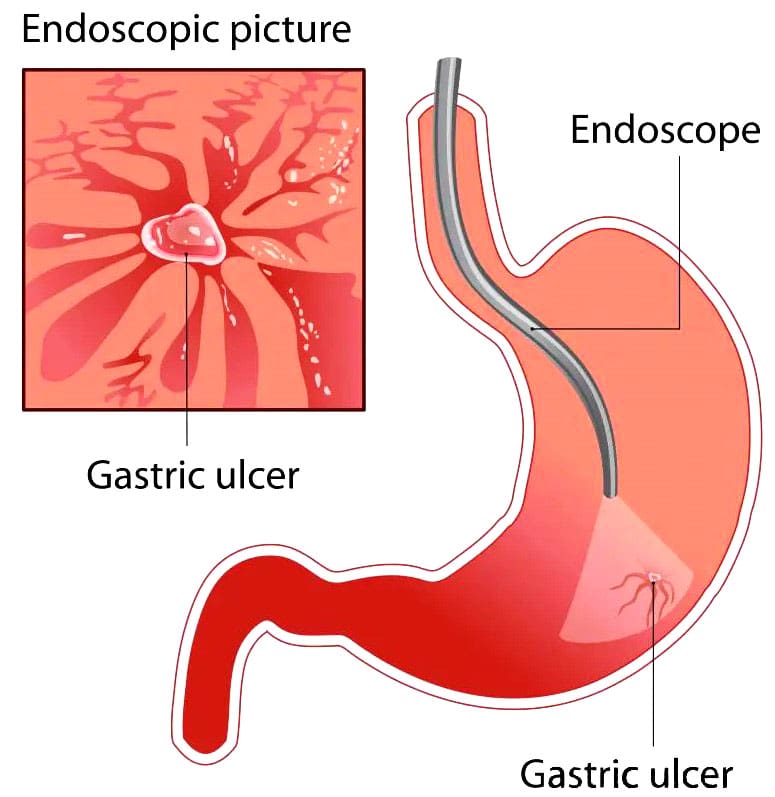
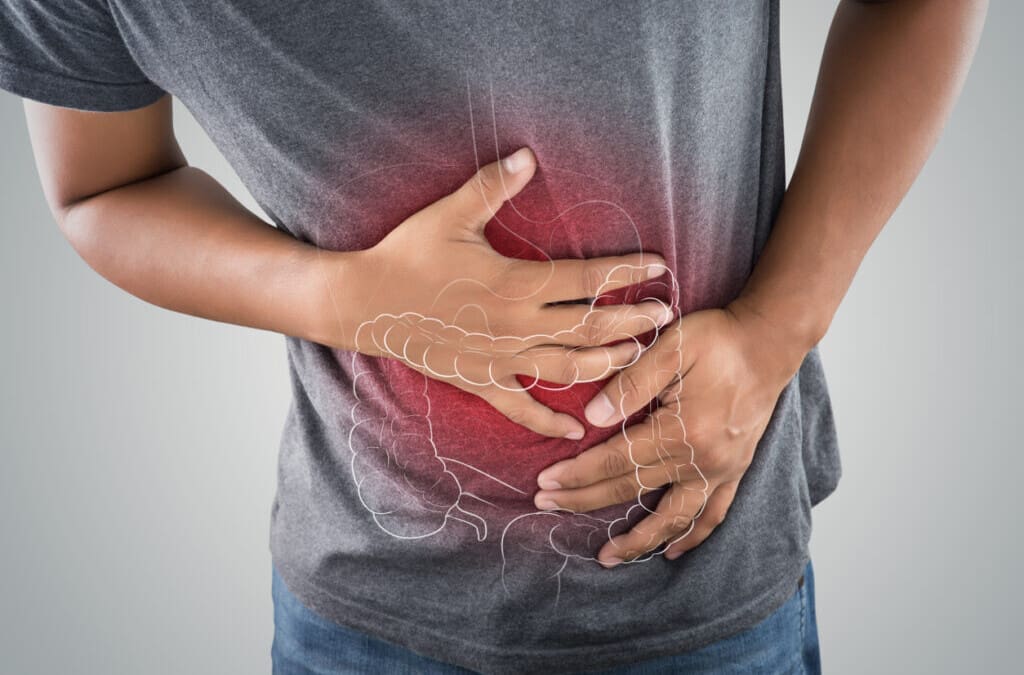
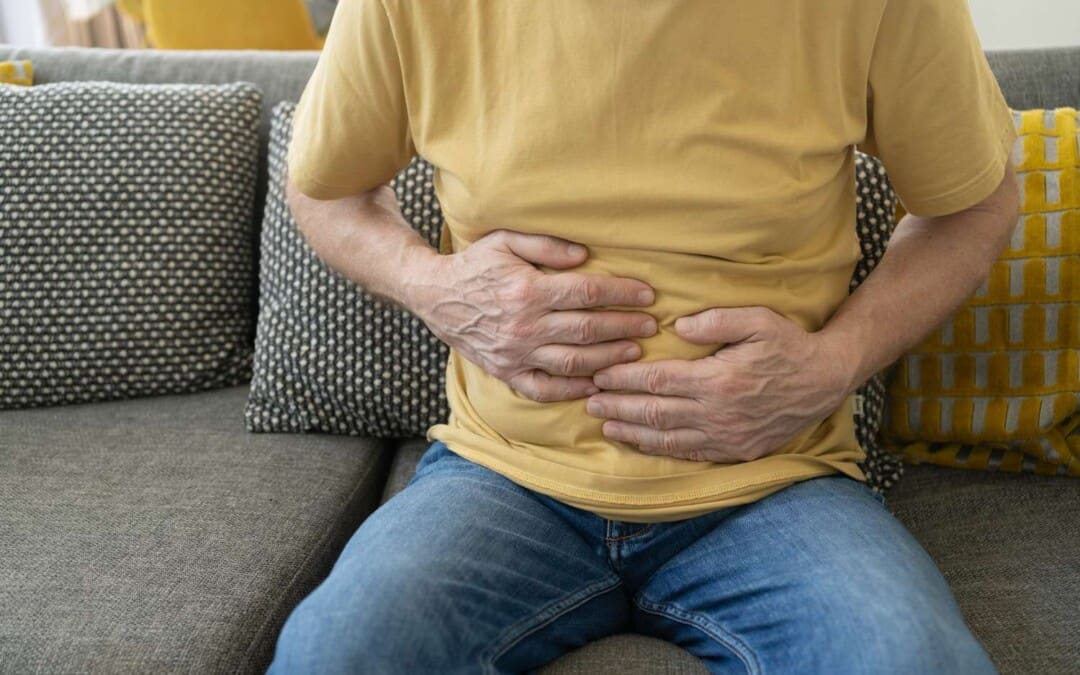
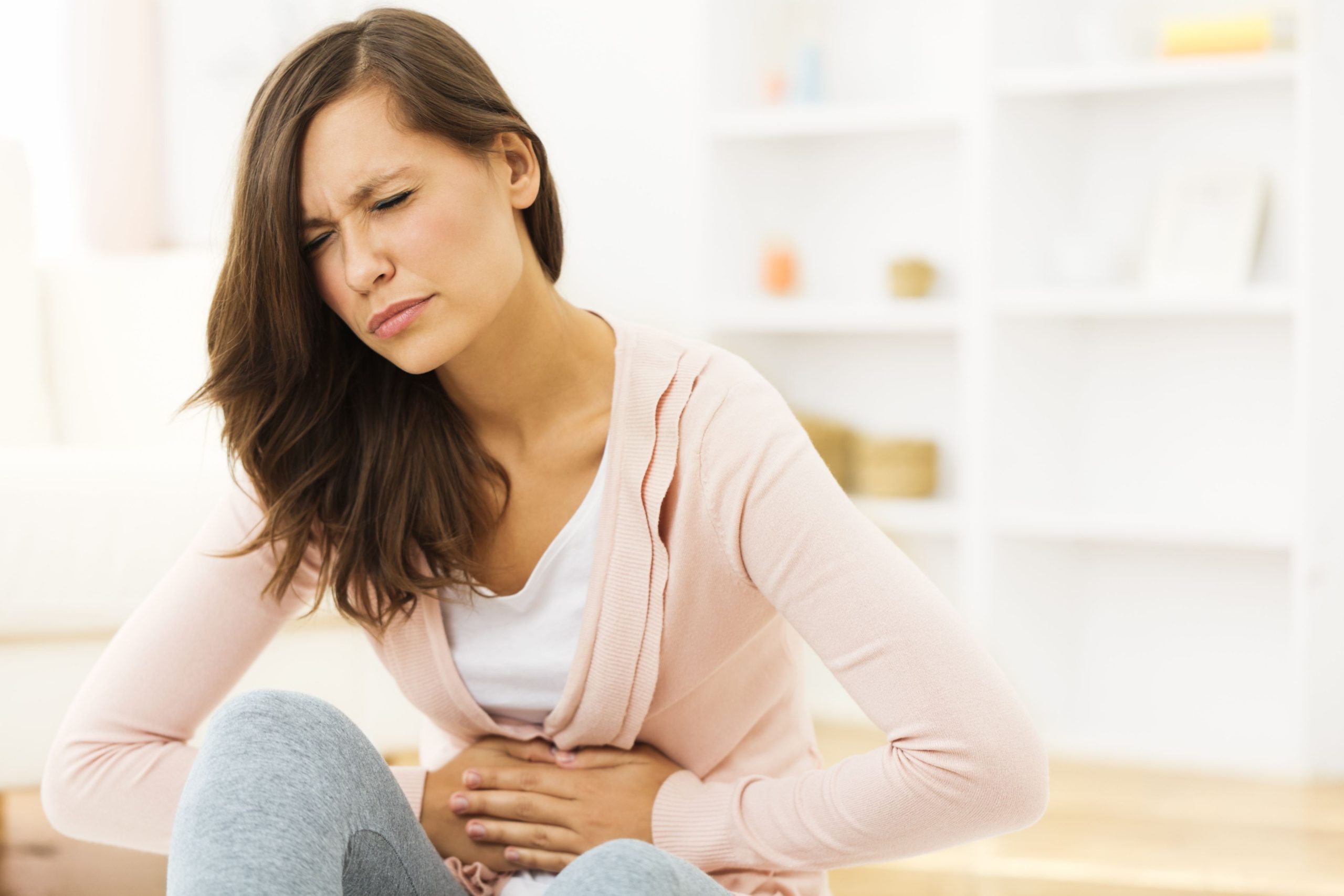
A peptic ulcer is a sore in the lining of the stomach or duodenum, the first area of the small intestine. The most common symptom is a burning stomach pain that may come and go for several days or weeks. Other symptoms include:
Feeling full
Feeling bloated
Belching
Heartburn
Nausea
Stress and spicy foods can worsen ulcers but do not cause them.
A peptic ulcer is a sore that occurs in the mucosal lining of the stomach, small intestine, or esophagus. It is caused by stomach acids or other digestive juices damaging the stomach or duodenum lining. When the ulcer is in the stomach, it might also be called a gastric ulcer. The acid can create a painful open sore that may bleed. The most common cause of a peptic ulcer is a type of bacteria called Helicobacter pylori (H. pylori). A second, less common cause of peptic ulcers is the use of non-steroidal anti-inflammatory medications or NSAIDs like aspirin, ibuprofen, and naproxen. (Fashner J. & Gitu A. C. 2015) Using over-the-counter NSAIDs for the occasional headache or achy back won’t cause a peptic ulcer. Rather, peptic ulcer disease is something that can occur with longer-term use, especially at high doses, such as for chronic pain associated with arthritis or other inflammatory conditions. (National Institute of Diabetes and Digestive and Kidney Diseases, 2022)
NSAIDs and Ulcer Development
NSAIDs can cause ulcers because they can interfere with the stomach’s ability to protect itself from gastric acids as they slow the production of protective mucus in the stomach and change its structure. (National Institute of Diabetes and Digestive and Kidney Diseases, 2022) While these acids are vital to the digestive process, they can compromise the stomach’s protective barriers. The stomach has three protections against gastric acid:
Foveolar cells that line the stomach produce a protective mucus.
Bicarbonate is produced by the foveolar cells, which help neutralize stomach acid.
Blood circulation aids in repairing and renewing cells in the stomach’s mucosal layer.
Specific lipids called prostaglandins, which the body makes, affect pain receptors. NSAIDs work to reduce pain by blocking enzymes involved in the production of certain prostaglandins. Prostaglandins also protect the stomach’s mucosal layer, which can be broken when depleted. Suppressing the body’s natural defenses against gastric acids can lead to inflammation in the stomach lining. Over time, this can cause a capillary blood vessel to rupture, causing bleeding and the development of an open, ulcerative sore. (Bjarnason I. et al., 2018)
Symptoms
A peptic ulcer may cause symptoms in the digestive tract, but some individuals may have no symptoms. The most common symptom is upper abdominal pain, which can feel dull or burning. The pain can range in severity, with some experiencing mild discomfort and others having severe pain. Most of the time, the pain will occur after a meal, but it might also happen at night for some. It could go on from a few minutes to a few hours. (National Institute of Diabetes and Digestive and Kidney Diseases, 2022) Other symptoms are less common but can include:
Bloating
Burping
Gas
Nausea
Vomiting
Loss of appetite
Weight loss
Feeling sick in the stomach.
Feeling full after even a small meal.
In rare cases, individuals with peptic ulcers may see blood in their stool or have black stools because blood is present. Blood coming from one or more peptic ulcers could also be visible in vomit. Call a healthcare provider right away if there is blood in stool or vomit, as this can be a sign of excessive bleeding or other serious problems. (National Institute of Diabetes and Digestive and Kidney Diseases, 2022)
Diagnosis
When peptic ulcer symptoms occur, a healthcare provider may order several tests to determine the cause. For individuals who are receiving NSAIDs for chronic pain, a healthcare provider may already have a high suspicion that the medication is the cause or is contributing to peptic ulcer disease. Because infection with H. pylori is the most common cause, it is normally ruled out through a breath, blood, or stool test. (National Institute of Diabetes and Digestive and Kidney Diseases, 2022) Tests to look for ulcers inside the upper digestive tract can include:
Upper GI Series
Patients drink a barium substance to help the internal organs appear on imaging.
A series of X-rays are taken.
Upper Endoscopy
A flexible tube with a camera is used to look inside the esophagus, the stomach, and the duodenum.
All NSAIDs have the potential to cause indigestion, gastric bleeding, and ulcers. However, some individuals are more susceptible to developing peptic ulcer disease than others. Peptic ulcers caused by NSAIDs are more likely to occur in individuals who: (National Institute of Diabetes and Digestive and Kidney Diseases, 2022)
Are 70 or older
Have a history of ulcers
Take corticosteroids
Take high-dose NSAIDs
Take NSAIDs regularly for a long time
Take more than two types of NSAIDs
Use aspirin daily, including low-dose aspirin, for cardioprotective purposes.
Take blood thinners
Drink alcohol regularly
Smoke
Studies suggest that 25% of those who use NSAIDs long-term will develop an ulcer, but only a small percentage will go on to develop serious complications. (Lanza F. L. et al., 2009)
Treatment
NSAID-induced ulcers usually heal once the NSAID is stopped. Certain treatments may be recommended to expedite the healing process depending on the severity of the peptic ulcer. In severe cases, surgery may be recommended to repair the damage.
Medications
A healthcare provider may recommend taking one or more medications. Over-the-counter options may include:
Antacids help neutralize stomach acid.
A proton pump inhibitor or PPI, such as omeprazole, lowers acid levels in the stomach. (Begg M. et al., 2023)
The bigger problem for individuals is how to manage pain when the medications are discontinued. For individuals with chronic pain, this may require the help of a physical therapy team, including a pain management healthcare provider. Certain medications called COX inhibitors could be used to control pain for some. COX inhibitors have been shown to work for pain relief and are associated with fewer digestive side effects than other types of NSAIDs. These meds have also been shown to have cardiovascular side effects, however, so it’s usually recommended they be used at the lowest dosage. (Scarpignato C. et al., 2015)
Lifestyle Adjustments
Lifestyle adjustments may be recommended to heal peptic ulcers, including:
Avoiding foods that worsen symptoms.
Avoiding caffeine
Avoiding alcohol
Quitting smoking
Surgery
In some cases, surgery may be recommended, but this is more often the case when there are complications as a result of the ulcer, such as:
Avoiding long-term and high-dose use of NSAIDs or not using these medications can help protect and prevent peptic ulcers. For individuals who have to take an NSAID due to a condition they are trying to manage, a healthcare provider may prescribe one of the meds used to treat peptic ulcers to prevent them from occurring. Some believe that spicy food and stress cause ulcers, but that has been discredited. (Cleveland Clinic, 2022) Most individuals who take NSAIDs will not experience peptic ulcer disease. (Drini M. 2017) However, those who have chronic pain and who are receiving high doses should be aware of the potential.
Injury Medical Chiropractic and Functional Medicine Clinic
Individuals who have any concerns about the use of NSAIDs and how the digestive system will be affected should ask a healthcare provider if there are ways to prevent ulcers and if those measures should be implemented while receiving high doses of NSAIDs. Left untreated, ulcers can lead to complications, which is why it is important to get a diagnosis and receive treatment. Injury Medical Chiropractic and Functional Medicine Clinic works with primary healthcare providers and specialists to develop an optimal health and wellness solution. We focus on what works for you to relieve pain, restore function, and prevent injury. Regarding musculoskeletal pain, specialists like chiropractors, acupuncturists, and massage therapists can help mitigate the pain through spinal adjustments that help the body realign naturally.
Root Causes of Gut Dysfunction
References
Fashner, J., & Gitu, A. C. (2015). Diagnosis and Treatment of Peptic Ulcer Disease and H. pylori Infection. American family physician, 91(4), 236–242.
National Institute of Diabetes and Digestive and Kidney Diseases. (2022). Peptic ulcers (stomach ulcers). Retrieved from https://www.niddk.nih.gov/health-information/digestive-diseases/peptic-ulcers-stomach-ulcers
Bjarnason, I., Scarpignato, C., Holmgren, E., Olszewski, M., Rainsford, K. D., & Lanas, A. (2018). Mechanisms of Damage to the Gastrointestinal Tract From Nonsteroidal Anti-Inflammatory Drugs. Gastroenterology, 154(3), 500–514. https://doi.org/10.1053/j.gastro.2017.10.049
Lanza, F. L., Chan, F. K., Quigley, E. M., & Practice Parameters Committee of the American College of Gastroenterology (2009). Guidelines for prevention of NSAID-related ulcer complications. The American journal of gastroenterology, 104(3), 728–738. https://doi.org/10.1038/ajg.2009.115
Begg, M., Tarhuni, M., N Fotso, M., Gonzalez, N. A., Sanivarapu, R. R., Osman, U., Latha Kumar, A., Sadagopan, A., Mahmoud, A., & Khan, S. (2023). Comparing the Safety and Efficacy of Proton Pump Inhibitors and Histamine-2 Receptor Antagonists in the Management of Patients With Peptic Ulcer Disease: A Systematic Review. Cureus, 15(8), e44341. https://doi.org/10.7759/cureus.44341
Scarpignato, C., Lanas, A., Blandizzi, C., Lems, W. F., Hermann, M., Hunt, R. H., & International NSAID Consensus Group (2015). Safe prescribing of non-steroidal anti-inflammatory drugs in patients with osteoarthritis–an expert consensus addressing benefits as well as gastrointestinal and cardiovascular risks. BMC medicine, 13, 55. https://doi.org/10.1186/s12916-015-0285-8
Lee, C. W., & Sarosi, G. A., Jr (2011). Emergency ulcer surgery. The Surgical clinics of North America, 91(5), 1001–1013. https://doi.org/10.1016/j.suc.2011.06.008
Cleveland Clinic. (2022). Can stress give you an ulcer? https://health.clevelandclinic.org/can-stress-give-you-an-ulcer
Drini M. (2017). Peptic ulcer disease and non-steroidal anti-inflammatory drugs. Australian prescriber, 40(3), 91–93. https://doi.org/10.18773/austprescr.2017.037
For individuals that are trying to change up their daily routine, can incorporating the beneficial properties of a HIIT workout reduce pain?
Introduction
When it comes to a person’s health and wellness, they need to exercise for at least 30 minutes. However, many individuals have hectic lifestyles, which correlates to a lack of time to work out, leading to various health conditions that can develop over time and lead to pain and discomfort. Around the world, many adults should get 150 to 300 minutes of exercise to reduce pain in their body system. This can include doing chores, exercising at home, or going to the gym. But people who want to get in a quick workout within their busy schedules can opt for a HIIT workout or high-intensity interval training. In today’s article, we will look at what HIIT is, its beneficial effects on the body, and how important it is to incorporate a HIIT workout as part of a daily routine. We talk with certified associated medical providers who inform our patients to include a HIIT workout in their daily routine. While asking their associated medical provider intricate questions, we advise patients to formulate a customized treatment plan to help with chronic pain affecting their bodies through various exercise routines. Dr. Alex Jimenez, D.C., includes this information as an academic service. Disclaimer.
What is HIIT?
Do you experience any weight changes that cause difficulty maintaining your ideal weight? How often do you feel stressed and tired after a hectic day that you don’t have time for yourself? Or do you feel unusual aches and pains in your body that make you feel fatigued throughout the day? When it comes to individuals making small changes in their health and well-being, try to work out with the minimum time they have but also achieve the benefits of a full workout, can try HIIT. HIIT, or high-intensity interval training, is defined by exercise activities that target 80% of the individual’s max heart rate with alternative explosive bursts of full-throttle efforts with rest periods. (Coates et al., 2023)
Additionally, a HIIT workout usually involves cardio and resistance training as part of its sub-categories. This is generally incorporated into gyms and fitness centers and still requires both a warm-up, recovery intervals, and cool-down to ensure that the body is getting the full beneficial properties and effects from a HIIT workout. This is because a HIIT workout involves an active, high-intensity training session that is less than 15 minutes long and helps improve cardiometabolic health and cardiovascular endurance. (Atakan et al., 2021)
Optimize Your Wellness- Video
The Beneficial Properties of HIIT
Since HIIT has beneficial properties, many individuals experiencing low back pain from stress, excessive sitting or standing, or lifting heavy objects can utilize HIIT workouts as part of their exercise routine. HIIT workouts for lower back pain can help through general resistance and core strength training, which helps improve muscle strength and decrease the pain and deconditioning of the trunk muscles. (Verbrugghe et al., 2020) The other beneficial properties of HIIT are that it can help improve a person’s cardiorespiratory system or stamina. This helps maintain healthy endurance levels and causes them to increase the length or intensity of a HIIT workout while enjoying the health benefits it can provide. (Martin-Smith et al., 2020)
Since HIIT has beneficial properties, many individuals experiencing low back pain from stress, excessive sitting or standing, or lifting heavy objects can utilize HIIT workouts as part of their exercise routine. HIIT workouts for lower back pain can help through general resistance and core strength training, which helps improve muscle strength and decrease the pain and deconditioning of the trunk muscles. (Verbrugghe et al., 2020) The other beneficial properties of HIIT are that it can help improve a person’s cardiorespiratory system or stamina. This helps maintain healthy endurance levels and causes them to increase the length or intensity of a HIIT workout while enjoying the health benefits it can provide. (Martin-Smith et al., 2020)
Incorporating HIIT As Part of A Routine
Additionally, anyone who wants to do a HIIT workout routine can do it since it is perfect for a quick workout in a short amount of time. Individuals with busy schedules can complete a workout with alternating bursts of exercises and rest periods that can build up a person’s endurance. With a HIIT workout, many individuals will begin to notice that they have more energy throughout the day and start making changes to improve their lives.
References
Atakan, M. M., Li, Y., Kosar, S. N., Turnagol, H. H., & Yan, X. (2021). Evidence-Based Effects of High-Intensity Interval Training on Exercise Capacity and Health: A Review with Historical Perspective. Int J Environ Res Public Health, 18(13). https://doi.org/10.3390/ijerph18137201
Coates, A. M., Joyner, M. J., Little, J. P., Jones, A. M., & Gibala, M. J. (2023). A Perspective on High-Intensity Interval Training for Performance and Health. Sports Med, 53(Suppl 1), 85-96. https://doi.org/10.1007/s40279-023-01938-6
Gjellesvik, T. I., Becker, F., Tjonna, A. E., Indredavik, B., Lundgaard, E., Solbakken, H., Brurok, B., Torhaug, T., Lydersen, S., & Askim, T. (2021). Effects of High-Intensity Interval Training After Stroke (The HIIT Stroke Study) on Physical and Cognitive Function: A Multicenter Randomized Controlled Trial. Archives of Physical Medicine and Rehabilitation, 102(9), 1683-1691. https://doi.org/10.1016/j.apmr.2021.05.008
Guimaraes, G. V., Ciolac, E. G., Carvalho, V. O., D’Avila, V. M., Bortolotto, L. A., & Bocchi, E. A. (2010). Effects of continuous vs. interval exercise training on blood pressure and arterial stiffness in treated hypertension. Hypertens Res, 33(6), 627-632. https://doi.org/10.1038/hr.2010.42
Martin-Smith, R., Cox, A., Buchan, D. S., Baker, J. S., Grace, F., & Sculthorpe, N. (2020). High Intensity Interval Training (HIIT) Improves Cardiorespiratory Fitness (CRF) in Healthy, Overweight and Obese Adolescents: A Systematic Review and Meta-Analysis of Controlled Studies. Int J Environ Res Public Health, 17(8). https://doi.org/10.3390/ijerph17082955
Verbrugghe, J., Agten, A., Stevens, S., Hansen, D., Demoulin, C., Eijnde, B. O., Vandenabeele, F., & Timmermans, A. (2020). High Intensity Training to Treat Chronic Nonspecific Low Back Pain: Effectiveness of Various Exercise Modes. J Clin Med, 9(8). https://doi.org/10.3390/jcm9082401
Can incorporating selenium-rich foods into one’s diet improve overall health?
Selenium
Selenium is a chemical element and a micronutrient with antioxidant properties that protect cells from damage and increase immune function (University of Florida Health, 2023). It has also been linked to heart health and longevity. Most individuals in the U.S. can acquire a healthy amount of selenium through a balanced diet. Research has shown that selenium supports healthy aging and reduces the risk of heart disease. (Alehagen U. et al., 2021) (Zhang Y. et al., 2024) A recent study found a region in China where residents have sustained longevity with soil that is rich with selenium. (Li B. et al., 2024) The body does not produce the chemical, so it must be obtained through food or supplements. (National Institutes of Health Office of Dietary Supplements, 2024) However, excessive amounts can build up in the body and be toxic, causing gastrointestinal problems, hair loss, kidney failure, neurological issues, and death. (National Institutes of Health Office of Dietary Supplements, 2024)
Only A Small Amount Is Needed
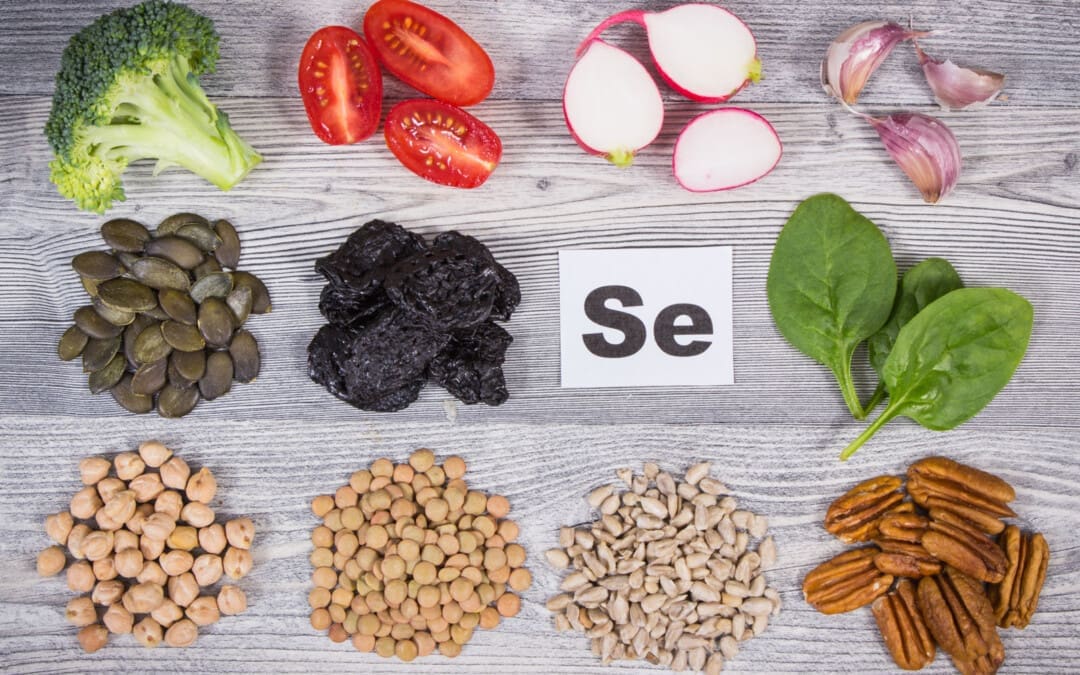
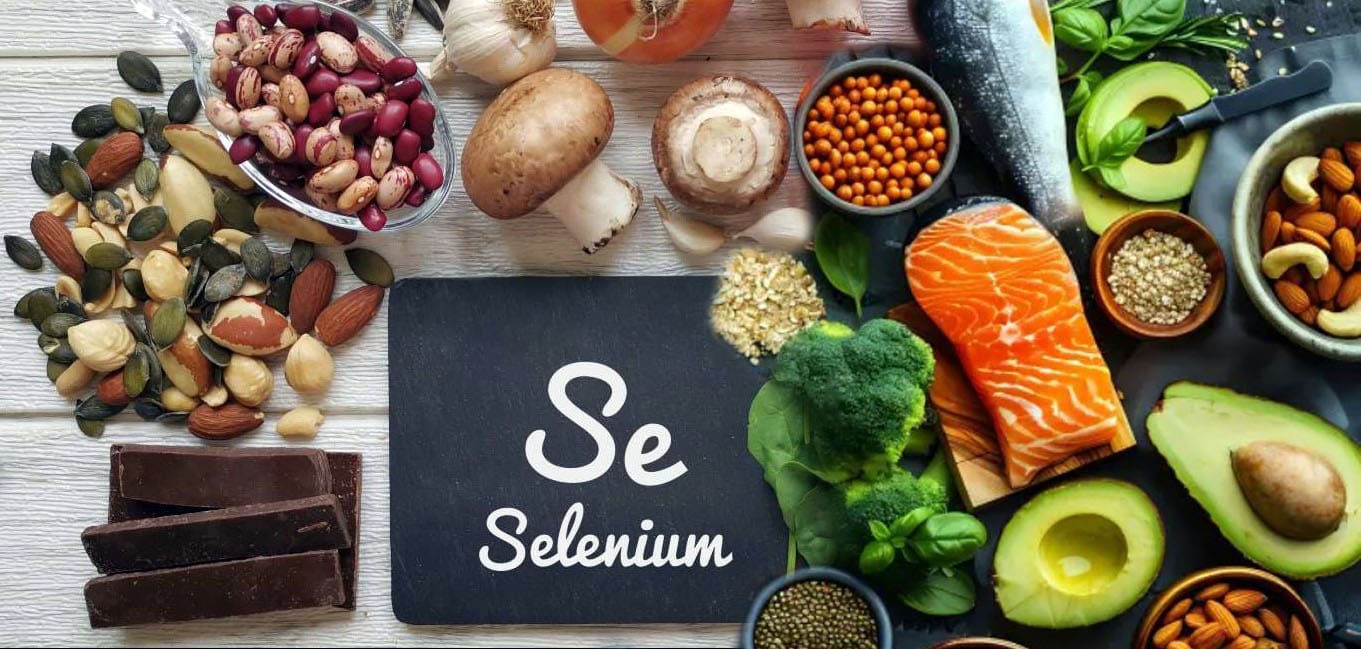
The body only needs small amounts of selenium to support bodily functions, including thyroid hormone metabolism and antioxidant defense. Most adults need 55 micrograms daily, and pregnant and lactating adults require an additional 5–15 micrograms daily (National Institutes of Health Office of Dietary Supplements, 2024). Individuals can get selenium from many food sources, including Brazilian nuts, meat, seafood, vegetables, and grains. A large hard-boiled egg comprises 15 micrograms, a cup of cooked spaghetti provides 33 micrograms, and 3 ounces of cooked shrimp offer 42 micrograms of selenium. (National Institutes of Health Office of Dietary Supplements, 2024)
Individuals who eat healthy and eat various foods will meet their selenium needs. However, in some parts of the world, poor selenium soil may not provide enough of this mineral for individuals through their diet. (National Institutes of Health Office of Dietary Supplements, 2024) Low selenium intake is linked to a heart condition called Keshan disease, which may weaken the heart’s ability to pump blood. (National Library of Medicine, 2023) However, individuals are recommended not to take more than 400 micrograms daily.
Longevity
Various researchers are trying to understand the link between selenium and aging. A study associated dietary intake with increased telomere length (protein structures at the ends of chromosomes that protect DNA and help control cell division), a biological marker that may indicate aging and other health conditions. (Liang C. et al., 2024) Shorter telomeres generally indicate aging and disease progression. Another study suggests moderate amounts of dietary selenium may protect against cardiovascular disease and death. However, the observational study included data from over 25,000 adults but did not prove a cause-and-effect relationship between selenium and improved longevity. (Zhang Y. et al., 2024) Further research is needed before experts recommend selenium as an anti-aging dietary component.
Injury Medical Chiropractic and Functional Medicine Clinic
Selenium helps with cell growth and thyroid function and is known to increase immune system function. However, avoiding excessive intake is important, as high levels can be harmful. Injury Medical Chiropractic and Functional Medicine Clinic providers use an integrated approach to create customized care plans for each patient and restore health and function to the body through nutrition and wellness, chiropractic adjustments, functional medicine, acupuncture, Electroacupuncture, and various medicine protocols. If the individual needs other treatment, they will be referred to a clinic or physician, as Dr. Jimenez has teamed with top surgeons, clinical specialists, medical researchers, nutritionists, and health coaches to provide the most effective clinical treatments.
Smart Choices Better Health
References
University of Florida Health. (2023). Selenium in diet. https://ufhealth.org/conditions-and-treatments/selenium-in-diet
Alehagen, U., Opstad, T. B., Alexander, J., Larsson, A., & Aaseth, J. (2021). Impact of Selenium on Biomarkers and Clinical Aspects Related to Ageing. A Review. Biomolecules, 11(10), 1478. https://doi.org/10.3390/biom11101478
Zhang, Y., Meng, S., Yu, Y., Bi, L., Tian, J., & Zhang, L. (2024). Associations of dietary selenium intake with the risk of chronic diseases and mortality in US adults. Frontiers in nutrition, 11, 1363299. https://doi.org/10.3389/fnut.2024.1363299
Li, B., Liu, X., Yu, T., Lin, K., Ma, X., Li, C., Yang, Z., Tang, Q., Zheng, G., Qin, J., & Wang, Y. (2024). Environmental selenium and human longevity: An ecogeochemical perspective. Chemosphere, 347, 140691. https://doi.org/10.1016/j.chemosphere.2023.140691
National Institutes of Health Office of Dietary Supplements. (2024). Selenium: fact sheet for health professionals. Retrieved from https://ods.od.nih.gov/factsheets/Selenium-HealthProfessional/
National Library of Medicine: MedlinePlus. (2023). Selenium in diet. Retrieved from https://medlineplus.gov/ency/article/002414.htm
Liang, C., Zhao, R., Du, J., Zhao, G., & Zhang, Y. (2024). The association between dietary selenium intake and telomere length in hypertension. Journal of clinical hypertension (Greenwich, Conn.), 26(8), 990–996. https://doi.org/10.1111/jch.14861
Can individuals reduce stress affecting their daily routine through treatments to restore their gut health?
Introduction
Everybody in the entire world has dealt with stress at some point in their lives and has experienced general aches and pains in their bodies. This is due to the hormone cortisol, which helps regulate the entire body’s response. Stress has two forms, acute and chronic, and depending on the scenario a person is under, itcorrelates with stress and can even impact the major body systems. When dealing with acute stress, the muscles start to tense up at the stressor and go into a fight-or-flight mode until the stressor is gone and the individual can begin to relax. However, if the individual is dealing with chronic stress, it can cause numerous overlapping issues that can lead to digestive issues affecting the gut system. When the gut system is acting up from the cortisol hormone in its chronic form, many people will begin to notice small changes that are affecting their health and well-being. Today’s article examines why gut issues induce stress, how individuals can reduce stress naturally, and how people can restore their gut health. We talk with certified associated medical providers who provide our patients’ information to assess gut issues associated with stress that is affecting their health and wellness. We also inform patients while asking their associated medical provider intricate questions to formulate customized treatment plans to reduce the effects of stress correlating to gut health. Dr. Alex Jimenez, D.C., includes this information as an academic service. Disclaimer.
Why Gut Issues Induced Oxidative Stress?
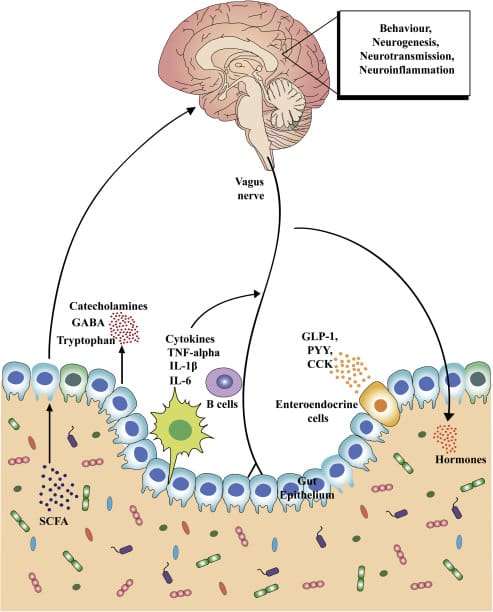
How often does your body tense up and slowly relax after a stressful situation? Do you experience general aches or pains in your muscles and joints? Or do you feel tenderness and discomfort in your gut? When people are experiencing chronic oxidative stress in their bodies, they sometimes don’t realize that their gut also plays a part. This is because the gut is known as “the second brain” and helps regulate the immune response while protecting the body from unwanted pathogens. However, dealing with a large amount of stress from environmental factors can cause alterations in the immune system’s response and disrupt the delicate balance between the individual and the gut microbiota. (Sharifa et al., 2023) Since gut issues can vary from person to person, it is important to note that when environmental factors cause overlapping risk profiles, it can modify or change the gut microbiota composition of the host.
The gut system, which harbors a large number of beneficial microbial cells, plays a crucial role in the human body. These cells help stimulate the immune system’s maturity and play a role in cognitive performance and stress tolerance. (Marttinen et al., 2020) However, when a person has a poor diet, not physically active, or leads a stressful lifestyle due to their jobs, these environmental factors can cause the development of gut issues over time and contribute to the increase of oxidative stress in the body. (Vasquez et al., 2019) Additionally, many people dealing with chronic stress will often notice their skin feeling a bit warmer, they feel bloated, they will often experience fatigue throughout the day, and experience weight changes. So when the gut system is experiencing high levels of stress from environmental factors, the intestinal epithelial permeability will begin to activate the T-cells that will destroy the immunosuppressive cytokines which leads to systemic inflammation to the body. (Ni et al., 2022) However, there are numerous ways to reduce stress and to help restore gut health naturally.
Fighting Inflammation Naturally- Video
How To Reduce Stress Naturally
When it comes to reducing stress naturally, the first step is to recognize the stressors. Many individuals can start off small by making small changes to their health and wellness. Incorporating meditation, journalling, chiropractic care, acupuncture, massage therapy, and exercise can help relax the mind, reduce stress from the body, and alleviate musculoskeletal issues that are correlated with the gut and stress. These treatments can help reduce the tension from the muscles being affected by stress, while stretching and relaxing them. Additionally, these therapies are non-surgical, customized to the patient, and help realign the spine to promote healing. By recognizing the stressor, many individuals can make the small changes they need to reduce their stress and prevent them from returning.
How To Restore Gut Health
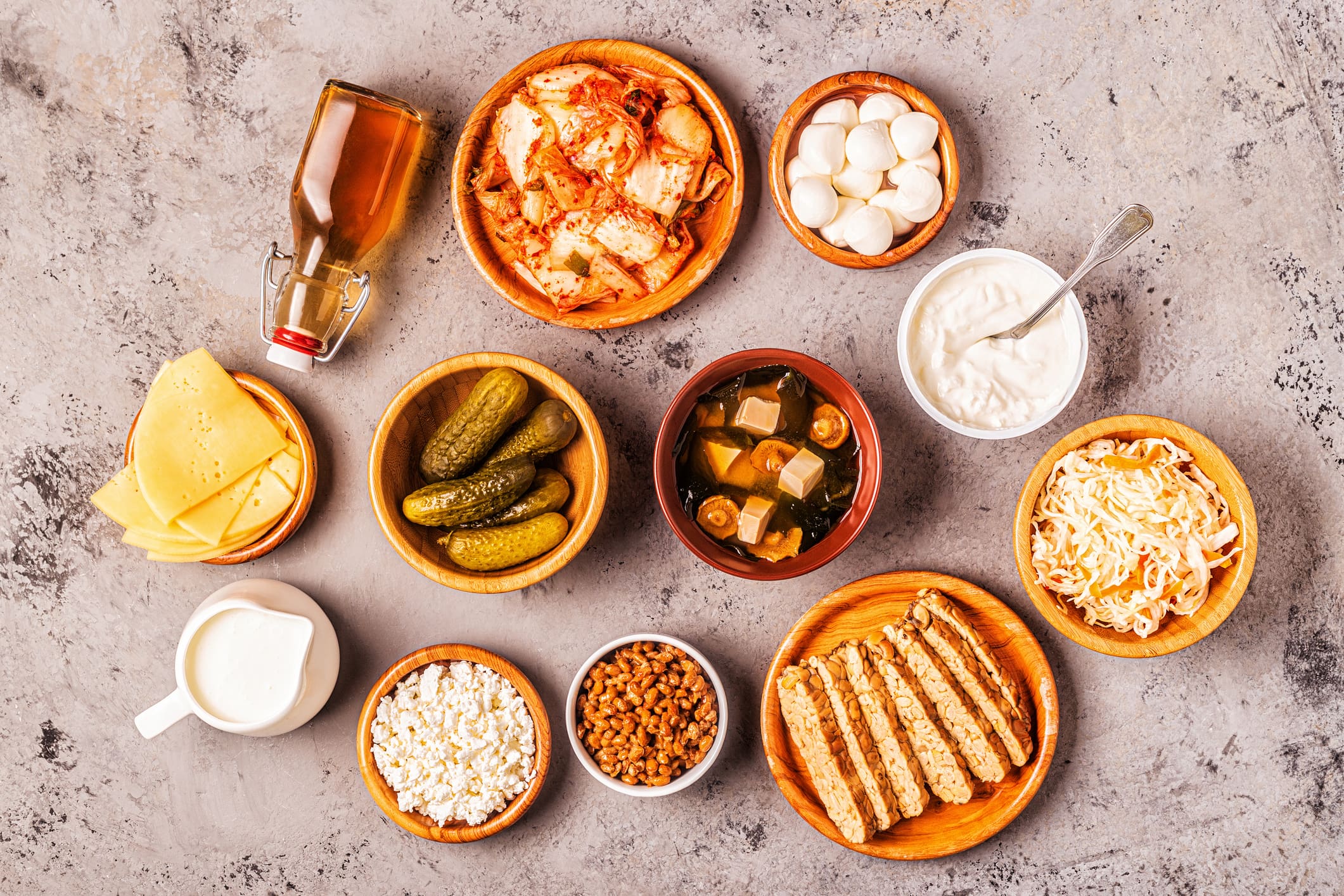
Restoring gut health is crucial to prevent inflammatory issues from reoccurring in the body. The gut microbiota, which contains trillions of bacteria aiding in digestion and nutrient transport, needs to be replenished with good bacteria and reduced bad bacteria to dampen the inflammatory effects caused by stress. One effective way to restore gut health in the body is by incorporating probiotic-rich foods into your diet. These include yogurt, kefir, sauerkraut, and kimchi. These dietary modifications can influence the gut bacteria and restore the gut structure. (Madison & Kiecolt-Glaser, 2019)
At the same time, probiotics can help stabilize stress cortisol levels and boost the good bacterial microbiota to improve body function by lowering the inflammatory cytokines. (Madabushi et al., 2023) This, in turn, helps restore the gut flora to the gut system. At the same time, when individuals incorporating a healthy diet filled with anti-inflammatory foods and pro/prebiotics can help not only reduce oxidative stress correlated with gut issues but also implement management techniques for stress and exercises that can help improve a person’s quality of life, reduce inflammation from the gut and body, and help enhance the immune response. (Jawhara, 2024) When individuals start to think about their health and well-being, making small changes can lead to positive results and help make sure that no gut issues associated with stress can reoccur. Figuring out what stressors are impacting the gut and making these changes can help prevent them from returning in the future and help that individual live a healthier lifestyle.
Madabushi, J. S., Khurana, P., Gupta, N., & Gupta, M. (2023). Gut Biome and Mental Health: Do Probiotics Work? Cureus, 15(6), e40293. https://doi.org/10.7759/cureus.40293
Madison, A., & Kiecolt-Glaser, J. K. (2019). Stress, depression, diet, and the gut microbiota: human-bacteria interactions at the core of psychoneuroimmunology and nutrition. Curr Opin Behav Sci, 28, 105-110. https://doi.org/10.1016/j.cobeha.2019.01.011
Marttinen, M., Ala-Jaakkola, R., Laitila, A., & Lehtinen, M. J. (2020). Gut Microbiota, Probiotics and Physical Performance in Athletes and Physically Active Individuals. Nutrients, 12(10). https://doi.org/10.3390/nu12102936
Ni, Q., Zhang, P., Li, Q., & Han, Z. (2022). Oxidative Stress and Gut Microbiome in Inflammatory Skin Diseases. Front Cell Dev Biol, 10, 849985. https://doi.org/10.3389/fcell.2022.849985
Sharifa, M., Ghosh, T., Daher, O. A., Bhusal, P., Alaameri, Y. A., Naz, J., Ekhator, C., Bellegarde, S. B., Bisharat, P., Vaghani, V., & Hussain, A. (2023). Unraveling the Gut-Brain Axis in Multiple Sclerosis: Exploring Dysbiosis, Oxidative Stress, and Therapeutic Insights. Cureus, 15(10), e47058. https://doi.org/10.7759/cureus.47058
Vasquez, E. C., Pereira, T. M. C., Campos-Toimil, M., Baldo, M. P., & Peotta, V. A. (2019). Gut Microbiota, Diet, and Chronic Diseases: The Role Played by Oxidative Stress. Oxid Med Cell Longev, 2019, 7092032. https://doi.org/10.1155/2019/7092032
Fans of almonds may have noticed that they can go stale and taste awful. Can knowing how to store almonds help extend their shelf life?
Almonds
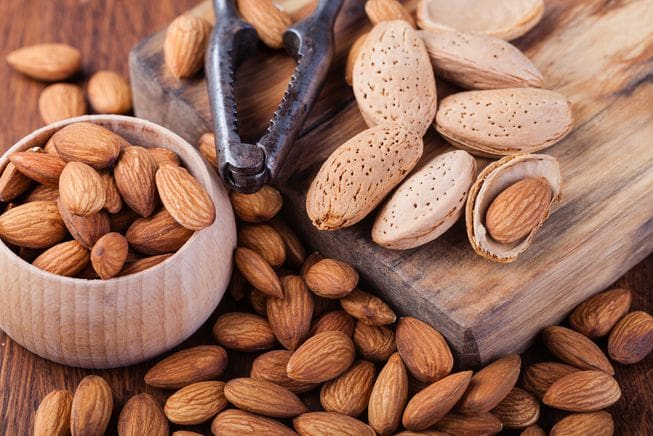
Almonds are a healthy, satisfying snack rich in nutrients, including fiber and protein. However, they can go stale and should not be eaten. Whole almonds stay fresh the longest because chopped, roasted, or ground almonds release their oils, which are exposed to more oxygen and go rancid more quickly.
Storage
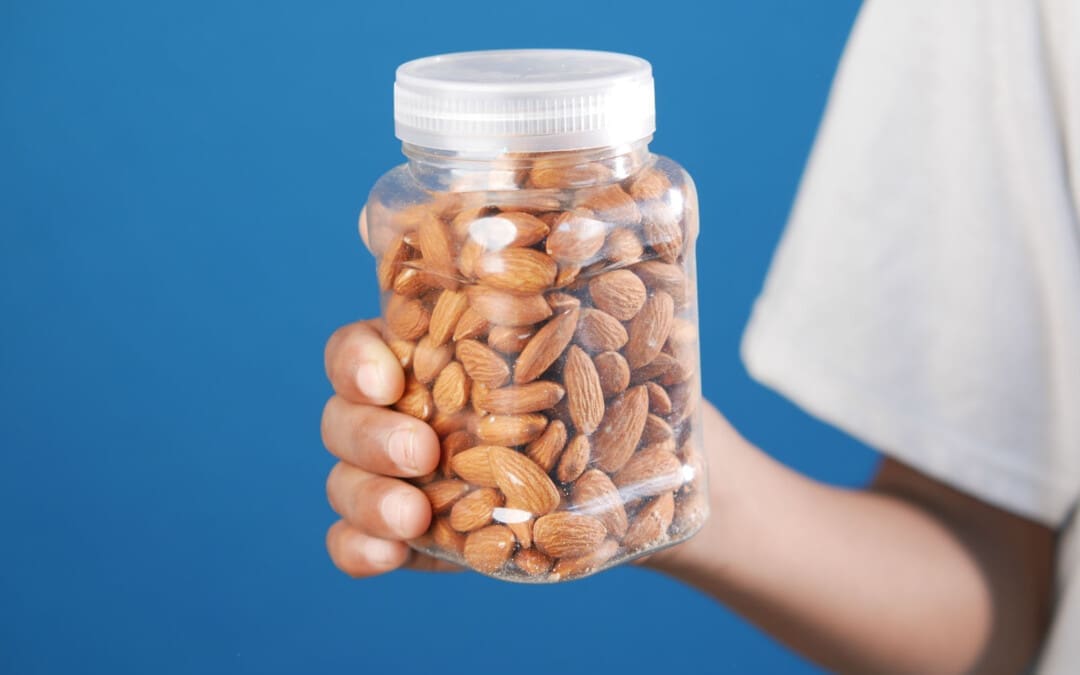
They should be stored in an airtight container in the refrigerator or freezer for extended life. They are not recommended to be stored at room temperature for long periods, so storing them in the pantry is not recommended. However, enough for a snack can be taken from storage for a day or two while keeping the rest safe and fresh.
Natural almonds can be stored in the refrigerator or freezer for two years or more.
Roasted almonds can stay fresh for up to a year in an airtight container in the refrigerator or freezer.
Almond paste is recommended to be refrigerated and can stay fresh for 2 to 2 1/2 years.
Rancidity
Almonds are rich in omega-3 and monounsaturated fats, so they are recommended for heart health. (Cleveland Clinic, 2023) However, the fats become rancid if the almonds are exposed to oxygen, especially at room temperature. Rancid oil gives the stale almonds a bad taste. Spoiled almonds are not poisonous, but the fats no longer benefit health. It is possible that rancid fat could contribute to chronic health problems if consumed regularly. (Estévez M. et al., 2017) Almonds last longer than other nuts because they contain some phytochemical antioxidants that protect the nuts. So, if they taste bad, it’s time to throw them out. (University of California Agriculture and Natural Resources, 2010)
Salmonella
Salmonella is a bacteria that causes symptoms of food-borne illness, including upset stomach, vomiting, diarrhea, and fever. Almonds are generally safe from salmonella. However, raw almonds were responsible for two salmonella outbreaks in the United States and Canada. Salmonella outbreaks have also been reported in Australia. In response to those cases, the nuts now must be roasted, blanched, processed, steamed, or treated with a gas called propylene oxide. And none of these treatments remove the nutritional benefits.
Injury Medical Chiropractic and Functional Medicine Clinic
Injury Medical Chiropractic and Functional Medicine Clinic providers use an integrated approach to create customized care plans for each patient and restore health and function to the body through nutrition and wellness, chiropractic adjustments, functional medicine, acupuncture, Electroacupuncture, and sports medicine protocols. If the individual needs other treatment, they will be referred to a clinic or physician best suited for them. Dr. Jimenez has teamed up with top surgeons, clinical specialists, medical researchers, nutritionists, and health coaches to provide the most effective clinical treatments.
Functional Nutrition
References
Almond Board of California. (2024). Shelf Stability and Shelf Life. https://www.almonds.com/tools-and-resources/food-safety-and-quality/shelf-stability-and-shelf-life
Estévez, M., Li, Z., Soladoye, O. P., & Van-Hecke, T. (2017). Health Risks of Food Oxidation. Advances in food and nutrition research, 82, 45–81. https://doi.org/10.1016/bs.afnr.2016.12.005
University of California Agriculture and Natural Resources. (2010). Nuts: Safe Methods for Consumers to Handle, Store, and Enjoy. https://ucfoodsafety.ucdavis.edu/sites/g/files/dgvnsk7366/files/inline-files/44384_0.pdf
Can individuals dealing with back pain find treatment to reduce gut pain associated with SIBO to improve body health?
Introduction
Many individuals have noticed that when it comes to improving their health and well-being, many will incorporate small changes into their daily routines. From exercising for at least 30 minutes to incorporating healthy nutritional foods into their diet, many people don’t realize that the best way to have a healthy style starts with the gut. The gut system helps the body digest food and nutrients to be transported to the body, helps regulate growth and metabolism, and provides immune support to all the organ systems. However, when harmful pathogens and environmental factors start to impact the gut, it can cause the development of harmful pathogens inside the gut system and, over time, cause overlapping risk profiles in the body. This leads to gut dysfunction and musculoskeletal issues in the individual and can cause pain and discomfort if not treated right away. Luckily, numerous ways exist to improve gut health and reduce musculoskeletal issues. Today’s article focuses on a gut issue known as SIBO, how SIBO is correlated with back pain, and what treatments can help reduce SIBO. We talk with certified associated medical providers who provide our patients’ information to assess and identify how SIBO is correlated with back pain. We also inform patients while asking their associated medical provider intricate questions to formulate customized treatment plans to reduce the effects of SIBO and help restore gut health. Dr. Alex Jimenez, D.C., includes this information as an academic service. Disclaimer.
What is SIBO?
How often do you feel general aches or pain in your gut or around your lower back? Do you constantly feel tired throughout the day, even after a full night’s rest? Or have you been constantly feeling constipated or bloated after eating a meal? Many of these scenarios are associated with a gut issue known as SIBO or small intestinal bacterial overgrowth. Before diving into what SIBO is, it is important to see the gut’s main function to the body. Known as the second brain of the body, the gut system is home to trillions of good bacteria that help with food digestion and protect the body from bad bacteria. When environmental factors like poor dieting, physical inactivity, or inflammatory effects affect the body, the gut’s delicate ecosystem is also affected. This can cause gut dysfunction to the body and, over time, when it is not being treated, lead to SIBO.
SIBO is the presence of excess bad bacteria in the small intestines, which causes protective barriers that help the small intestines weaken. (Sorathia et al., 2024) Additionally, SIBO can correlate with conditions as it can accompany other gut issues by stimulating the immune system. (Banaszak et al., 2023) When the immune system becomes hyperactively stimulated by SIBO, it can cause the inflammatory cytokines to mass produce and cause a ripple effect on the entire body. Since inflammation is the body’s natural response to remove harmful pathogens that cause issues, mass production of inflammatory cytokines in the gut can cause toxins and bad bacteria to enter the bloodstream and travel to different body areas to cause pain. At the same time, SIBO can disrupt the gut-brain axis, which leads to intestinal motility changes and secretion, thus causing overlapping risk profiles like back pain to affect the body. (Carter et al., 2023)
Eating Right to Feel Better- Video
How Does Back Pain Correlate With SIBO?
Now, many people are wondering how back pain is correlated with SIBO. Since SIBO causes the immune system to be hyperactive and mass-produce inflammatory cytokines to reduce the integrity and function of the gastrointestinal barrier, it can cause chronic inflammation and induce pain, which includes musculoskeletal conditions like back pain. (Hui et al., 2023) Additionally, the gut-brain axis being over-runed by SIBO and chronic inflammation being an overlapping risk factor can cause negative influences on the gut microbiome composition, and how the individual reacts to the changes can lead to abnormal bone growth and reabsorption due to the excess bacteria. (Geng et al., 2023) The excess bacteria produced by SIBO can affect intervertebral disc homeostasis and, when combined with environmental factors, can further enhance the inflammatory damage to the back muscles. (Yao et al., 2023) However, there are ways to not only reduce the back pain but also treat SIBO from causing more issues in the gut.
Treatments To Reduce SIBO
When it comes to treating SIBO, it depends on what treatment a person will be combined. The main goals for creating a treatment plan for SIBO are:
Reducing the bad bacteria
Bio-transform the gut
Preventing a relapse
Additionally, many individuals can make small changes in their routine by making dietary changes that can modify the intestinal microbiota. (Souza et al., 2022) This, in turn, helps promote gut health and replenish the nutrients while restoring the good bacteria to the gut. Regarding back pain associated with SIBO, chiropractic care can help individuals decrease or alleviate musculoskeletal symptoms by realigning the spine while massaging the muscles. This can help increase circulation while soothing the inflammatory effects caused by SIBO. Chiropractic care can be implemented as part of a person’s customizable treatment plan through a whole body approach by incorporating lifestyle changes and restoring gut health. By making these small changes with the right treatments to manage the overlapping symptoms caused by SIBO, many individuals can make these small changes to their routine to prevent SIBO from reappearing and causing issues in the body.
References
Banaszak, M., Gorna, I., Wozniak, D., Przyslawski, J., & Drzymala-Czyz, S. (2023). Association between Gut Dysbiosis and the Occurrence of SIBO, LIBO, SIFO and IMO. Microorganisms, 11(3). https://doi.org/10.3390/microorganisms11030573
Carter, J., Bettag, J., Morfin, S., Manithody, C., Nagarapu, A., Jain, A., Nazzal, H., Prem, S., Unes, M., McHale, M., Lin, C. J., Hutchinson, C., Trello, G., Jain, A., Portz, E., Verma, A., Swiderska-Syn, M., Goldenberg, D., & Kurashima, K. (2023). Gut Microbiota Modulation of Short Bowel Syndrome and the Gut-Brain Axis. Nutrients, 15(11). https://doi.org/10.3390/nu15112581
Geng, Z., Wang, J., Chen, G., Liu, J., Lan, J., Zhang, Z., & Miao, J. (2023). Gut microbiota and intervertebral disc degeneration: a bidirectional two-sample Mendelian randomization study. J Orthop Surg Res, 18(1), 601. https://doi.org/10.1186/s13018-023-04081-0
Hui, J., Chen, Y., Li, C., Gou, Y., Liu, Y., Zhou, R., Kang, M., Liu, C., Wang, B., Shi, P., Cheng, S., Yang, X., Pan, C., Jia, Y., Cheng, B., Liu, H., Wen, Y., & Zhang, F. (2023). Insight into the Causal Relationship between Gut Microbiota and Back Pain: A Two Sample Bidirectional Mendelian Randomization Study. Adv Genet (Hoboken), 4(4), 2300192. https://doi.org/10.1002/ggn2.202300192
Souza, C., Rocha, R., & Cotrim, H. P. (2022). Diet and intestinal bacterial overgrowth: Is there evidence? World J Clin Cases, 10(15), 4713-4716. https://doi.org/10.12998/wjcc.v10.i15.4713
Yao, B., Cai, Y., Wang, W., Deng, J., Zhao, L., Han, Z., & Wan, L. (2023). The Effect of Gut Microbiota on the Progression of Intervertebral Disc Degeneration. Orthopaedic Surgery, 15(3), 858-867. https://doi.org/10.1111/os.13626
Can Tabata training help burn more calories during and after workouts for individuals who do interval training?
Tabata Training
Also known as the Tabata Protocol, Tabata training can bring variety to workouts, burn more calories, and get more out of exercise time. This workout is a form of high-intensity interval training, or HIIT, designed to increase heart rate in the hard anaerobic zone for short periods. The intervals are short, the workouts are fast, and the body benefits. The recommendation is to add Tabata training once a week to see how the body responds.
Protocol Format
This HIIT workout is so effective because of the work-to-rest ratio. Individuals only get 10 seconds of rest between each 20-second session of exercise. That short interval is insufficient to recover fully, but it is great for building endurance and getting in shape. The format consists of:
Twenty seconds of a very high-intensity exercise – sprints, burpees, squat jumps, etc.
Tabata training can improve two of the body’s main energy systems. It targets the anaerobic energy system responsible for short, high-intensity exercises like sprints and the aerobic energy system for endurance exercises like long, slow running. In traditional interval training, moderate intensity and steady-state cardio target the aerobic system. Still, unless the individuals work way out of their comfort zone, they don’t necessarily improve the anaerobic system. (Astorino, T. A. et al., 2012) However, high-intensity interval training with a rest period shorter than the work period can target both systems, providing benefits for athletes and fitness enthusiasts. (Tabata, I. et al., 1996)
Safety Precautions
However, these workouts are not for everyone. Tabata training is advanced and best suited to athletes and experienced fitness enthusiasts. Beginners should start with lighter interval training and gradually work their way up to this level of intensity. Try 20 seconds on/10 seconds off with easier exercises like walking or low-impact moves like marching in place, step touches, or knee lifts.
Workout Tips
Individuals can do Tabata training with almost any activity or cardiovascular machine. This Tabata cardio workout includes a variety of bodyweight exercises that, if done at full intensity, will increase heart rate.
Warm-Up
Before trying this type of workout, ensure the body is thoroughly warmed up for at least 10 minutes.
Start Slow
Individuals new to this type of training start with 5 to 6 cycles of each exercise and increase rest to 20 or 30 seconds.
As the body gets used to the workout and builds stamina, gradually shorten the rest periods and increase the number of cycles.
Rest Between Sets
Individuals who do more than one Tabata set as many workouts call for rest for at least 60 seconds between sets.
Monitor Intensity Frequently
Intensity accumulates through each cycle, peaking at the end of the workout when muscles are tired, and form becomes sloppy, increasing the risk of injury.
Take Rest Days
The recommendation is that the workout be done no more than 1 to 2 times a week, with rest in between, to avoid overtraining and injury.
Listen to your body when doing any high-intensity exercise. High-intensity interval training is very taxing on the body, so it’s easy to overdo it if you’re not careful. If you feel too breathless, extend recovery times or take extra breaks. If you are in pain or discomfort, take a break, try different exercises, or stop for the day.
Injury Medical Chiropractic and Functional Medicine Clinic
Injury Medical Chiropractic and Functional Medicine Clinic treats patients’ injuries and chronic pain syndromes. We focus on improving ability through flexibility, mobility, and agility programs tailored to the individual. We use in-person and virtual health coaching and comprehensive care plans to ensure every patient’s personalized care and wellness outcomes. Our providers use an integrated approach to create customized care plans that include Functional Medicine, Acupuncture, Electro-Acupuncture, and Sports Medicine principles. Our goal is to relieve pain naturally by restoring health and function to the body. If he feels the individual needs other treatment, they will be referred to a clinic or physician best suited for them as Dr. Jimenez has teamed up with the top surgeons, clinical specialists, medical researchers, and premier rehabilitation providers to provide our community with the best clinical treatments.
Improving Athletic Performance Through Chiropractic
References
Emberts, T., Porcari, J., Dobers-Tein, S., Steffen, J., & Foster, C. (2013). Exercise intensity and energy expenditure of a tabata workout. Journal of sports science & medicine, 12(3), 612–613.
Tabata, I., Nishimura, K., Kouzaki, M., Hirai, Y., Ogita, F., Miyachi, M., & Yamamoto, K. (1996). Effects of moderate-intensity endurance and high-intensity intermittent training on anaerobic capacity and VO2max. Medicine and science in sports and exercise, 28(10), 1327–1330. https://doi.org/10.1097/00005768-199610000-00018
Astorino, T. A., Allen, R. P., Roberson, D. W., & Jurancich, M. (2012). Effect of high-intensity interval training on cardiovascular function, VO2max, and muscular force. Journal of strength and conditioning research, 26(1), 138–145. https://doi.org/10.1519/JSC.0b013e318218dd77
IFM's Find A Practitioner tool is the largest referral network in Functional Medicine, created to help patients locate Functional Medicine practitioners anywhere in the world. IFM Certified Practitioners are listed first in the search results, given their extensive education in Functional Medicine