Dr. Jimenez, D.C., presents how dyslipidemia can increase the chances of various issues associated with multiple risk factors that can cause muscle and joint pain. By understanding where these issues affect the body, many specialists associated with dyslipidemia can come up with a solution to reduce dyslipidemia symptoms and other pre-existing symptoms that correlate with high cholesterol. We acknowledge patients to certified providers that provide treatment options for dyslipidemia that can restore body functionality and improve a person’s health. We assess each individual and their symptoms by entrusting them to our associated medical providers based on their diagnosis results for a better understanding. We recognize that education is a tremendous way to ask our providers questions that apply to the patient’s knowledge and symptoms. Dr. Jimenez, D.C., implements this information as an educational service. Disclaimer
The Risk Factors Of Dyslipidemia
Dr. Alex Jimenez, D.C., presents: Today we will look at the guidelines and the risk factors of dyslipidemia. When specialists utilize these guidelines that involve lipid production in the patient’s body, they use these guidelines to emphasize lifestyle therapies that can encourage more patient involvement and decision-making regarding their health. When an issue involves an increase or decrease in lipid production in the body, it can be due to lifestyle choices that can affect anyone and correlate to metabolic syndrome. In functional medicine, it is important to look, follow, and know these guidelines to understand better what is going on with the patients and come up with a treatment plan that can help reduce the risk factors of dyslipidemia and treat the symptoms associated with these risk factors.
Regarding these guidelines, doctors work with associated medical specialists that look into lipid production and develop a personalized list for the patients that shows the risk-enhancing factors causing dyslipidemia associated with cardiovascular diseases causing metabolic syndrome. Dyslipidemia is when an imbalance of lipid production in the body causes an increase in high cholesterol due to various factors that can lead to cardiovascular diseases. To that point, when a patient is dealing with high cholesterol due to a sedentary lifestyle or being constantly stressed, it can lead to an imbalance of lipid production and cause doctors to not just look at the standard lipid panels but also figure out how to come up with a treatment plan for their patients to regulate their lipid production.
How To Look For The Risk Factors Of Dyslipidemia?
Dr. Alex Jimenez, D.C., presents: So when it comes to looking at the risk factors that are developing dyslipidemia, functional medicine allows doctors to look at advanced lipid tests and evaluate the risk factors causing dyslipidemia. The evaluations of these tests find various risk factors that conventional medicine would not see, and it shows patients the importance of these results and gets their attention. To that point, many risk factors can enhance the progress of dyslipidemia. Risk factors include:
Having a family history of premature atherosclerotic cardiovascular diseases (ASCVD).
High levels of lipoprotein and triglycerides.
Excessive sedentary lifestyle.
Lack of physical activity.
Having pre-existing chronic inflammatory disorders that can cause hypersensitivity to the body.
All these risk factors can cause dyslipidemia to develop and can even overlap risk factors related to metabolic syndrome that can cause muscle and joint pain. Now how is metabolic syndrome associated with dyslipidemia?
Metabolic Syndrome & Dyslipidemia
Dr. Alex Jimenez, D.C., presents: Metabolic syndrome is a cluster of disorders that could be associated with dyslipidemia, as it can cause a person to feel miserable and affect their quality of life. When individuals have high cholesterol due to physical inactivity, not consuming lots of healthy fruits, vegetables, protein, and whole grains, smoking, or being in constant stress, it can affect the body both inside and out as it can cause a person to have imbalances of lipid and hormone function. When these imbalances affect the body, they can affect the individual’s mentality, bring down their energy to feel sluggish, and cause inflammatory issues in their joints and muscles that can lead to various injuries and diseases.
An example would be an individual who comes in dealing with back pain associated with obesity and has been dealing with high blood pressure and high cholesterol. When that person is being examined by their doctor, their results show an imbalance of how much their body produces lipids. To that point, many individuals are unaware that they have dyslipidemia unless they have a routine blood test and if it has gone severe. Other symptoms that dyslipidemia can cause in the body include:
Leg pain
Chest pain and tightness
Pain in the neck, jaw, shoulders, and back
Heart palpitations
Sleep problems
Leg swelling
If it is not treated right away, it can lead to more issues that can cause pain to the body and leave them feeling hopeless. When these unwanted symptoms and pathogens start to affect the body, it can cause the vital organs that monitor lipid production to be dysfunctional and cause chronic symptoms to rise over time.
Treatments & Guidelines For Dyslipidemia
Dr. Alex Jimenez, D.C., presents: By looking at the guidelines, we can assess the situation that the patient is dealing with, come up with an evaluation of how to reduce these risk factors that are causing dysfunction in the patient’s body, and come up with a personalized treatment plan that encourages the patient to participate in and work with other associated medical providers to ensure health and wellness to the person. All is not lost, as there are ways to reduce dyslipidemia associated with metabolic syndrome.
Treatments like chiropractic care can help restore the body’s systems through spinal manipulation in the cervical, thoracic, and lumbar regions to reduce stiffness and restore mobility to the person. An anti-inflammatory diet and exercise can help lower inflammatory effects and lower the high cholesterol the person is dealing with. And finally, exercise can help reduce stress and improve the range of motion of the body’s joints and muscles. All these treatments work together regarding a person’s health and wellness, as the body is a complex machine. The combination of functional medicine and chiropractic care can allow individuals to start making small changes in their lives to restore their health and become pain-free from metabolic syndrome associated with dyslipidemia. Remembering that it takes time for these treatments to show results of feeling good can make the journey to a healthier version of yourself worth it.
Dr. Alex Jimenez, D.C., presents the effects of metabolic syndrome that can disrupt the body’s functionality. Metabolic syndrome is a common disorder that can range from insulin resistance to inflammation and muscle pain. Considering how every person is different, we look at how metabolic syndrome is associated with insulin dysfunction and correlated with inflammation. We direct patients to certified providers that provide functional medicine treatments related to metabolic syndrome to restore body functionality. We acknowledge each patient and their symptoms by referring them to our associated medical providers based on their diagnosis for a better understanding of what they are dealing with. We understand that education is a tremendous way to ask our providers various questions that apply to the patient’s knowledge. Dr. Jimenez, D.C., applies this information as an educational service. Disclaimer
The Effects Of Metabolic Syndrome
Dr. Alex Jimenez, D.C., presents: Metabolic syndrome is a cluster of disorders that can affect the body and cause other issues to vital organs and muscle and joint functionality. Metabolic syndrome can also correlate with other conditions like diabetes and insulin resistance, which can cause referred pain in different body locations. For example, back pain associated with metabolic syndrome could overlap with obesity. So in the last article, we looked at how to recognize the causes of metabolic syndrome. In trying to understand how many people are prone to develop metabolic syndrome, we need to look at what they are eating, what kind of lifestyle they have, and if they have any pre-existing conditions. All these matters when they undergo an examination with their primary doctor.
Another thing to look into when diagnosing patients for metabolic syndrome is by looking at their genes. Whether it is a person’s lifestyle or environment, looking at a person’s genes, you will get a certain phenotype in the DNA sequence. To that point, if someone has an inflammatory lifestyle combined with a unique genetic code, functional medicine doctors can identify a bunch of comorbidities affecting the individual. With this information, doctors can inform their patients that if they don’t make small lifestyle changes, they could be at risk of developing overlapping conditions that can affect their bodies and invoke pain in the muscles, organs, and joints.
Functional Medicine & Metabolic Syndrome
Dr. Alex Jimenez, D.C., presents: That’s what the functional medicine conversation is about because we are trying to catch the issue before microvascular and macrovascular complications even set in the body. Since metabolic syndrome is a cluster of disorders, can it potentially correlate with other problems like insulin dysfunction?
Well, it can. When the body doesn’t produce enough insulin to provide energy to the body, it can lead to chronic inflammation. So whether it’s a poor lifestyle, microbiome dysfunction, visceral adiposity, or constant stress, inflammation associated with insulin dysfunction can drive the HPA axis into overdrive. Sometimes it could be not inflammation based. It could be related to mitochondrial dysfunction. So by looking at the analysis of the person dealing with metabolic syndrome, you look at their timeline, lifestyle, and the clinical imbalances driving the inflammatory markers to affect the body. The data can also look for signs of mitochondrial insults and comorbidities that could create insulin dysfunction that can lead to the development of the metabolic syndrome. This information will give functional medicine doctors a sense of what they are genetically predisposed to in their bodies.
Everyone is different, and catering to unique treatment plans for them can provide lasting results in the future. So when it comes to the functional and conventional approaches to metabolic syndrome associated with other various disorders, it is important to compare and contrast both methods to determine what the patient should consider doing to regain their health and wellness. This could be from the treatments that can work for the individual, what kind of foods can reduce the inflammatory markers and regulate hormone production, or their physical activity level. To that point, we will treat the cause through various techniques beyond pharmaceuticals and surgery as much as possible and, simultaneously, meet the patients where they are because sometimes people do well with lifestyle intervention. In contrast, others with more risks need more screening time and diagnostic tests.
Insulin Dysfunction Associated With Inflammation
Dr. Alex Jimenez, D.C., presents: Our main goal is to detect insulin dysfunction associated with inflammation that correlates with early metabolic syndrome. The lab results from our associated medical providers can tell us a story of what the patient is going through and determine whether we need to either put in nutrients that the body needs to correct or take out toxins, let’s say, that are interfering with the ability of the body to self-correct insulin dysfunction. Because preventing these comorbidities associated with metabolic syndrome can help many individuals regain their health and wellness.
Since we all have different microbiomes, the beautiful thing about functional medicine is that it brings awareness that needs to be addressed when our bodies are dealing with inflammation and insulin dysfunction that causes us to respond and use that response as an understanding of our microbiome. It allows us to reduce the effects of many issues and symptoms associated with metabolic syndrome that we may not even know about if we left it untreated. By being aware of what is causing problems in our bodies, we can make small changes in our daily life to better ourselves and our health.
Conclusion
Dr. Alex Jimenez, D.C., presents: With that being said, as stated earlier, metabolic syndrome can be a cluster of conditions that includes inflammation, insulin resistance, obesity, and hormonal dysfunction that can develop into somato-visceral or visceral-somatic issues that affect the organs and muscle groups. When all these issues begin to affect the body, they can lead to pre-existing conditions that can lead to joint and muscle pain. Regarding health and wellness, treating the effects of metabolic syndrome can do wonders for the body, mind, and soul. Making small changes to a lifestyle can provide numerous positive results and can restore functionality to the body.
Dr. Alex Jimenez, D.C., presents how many people can recognize the cause of metabolic syndrome. Metabolic syndrome is a cluster of conditions ranging from insulin resistance to muscle and joint pain. Considering how every person is different, we look at how metabolic syndrome is associated with cardiovascular disorders. We refer patients to certified providers that provide cardiovascular treatments associated with metabolic syndrome to relieve issues affecting the body while ensuring optimal wellness for the patient through various treatments. We acknowledge each patient by referring them to our associated medical providers based on their diagnosis to understand better what they are dealing with appropriately. We understand that education is an excellent way to ask our providers various intricated questions to the patient’s knowledge. Dr. Jimenez, D.C., utilizes this information as an educational service. Disclaimer
What Is Metabolic Syndrome?
Dr. Alex Jimenez, D.C., presents: Today, we are going to start widening the lens on metabolic syndrome. From a functional medicine perspective, many didn’t always call it metabolic syndrome. Other terms used to describe the diagnosis were:
Dysmetabolic syndrome
Hypertriglyceridemic waist
Insulin resistance syndrome
Obesity syndrome
Syndrome X
Metabolic syndrome is a cluster of disorders that can affect an individual’s daily life and cause various issues that can cause the body to be dysfunctional. So in 2005, the ATP three guidelines told us that patients must meet three out of five criteria to get the diagnosis of metabolic syndrome. So these are around waist circumference, which is about visceral adiposity, blood pressure, blood glucose, triglycerides, and HDL. And then you see the cutoffs there. So in the International Diabetes Federation diagnosis criteria, notice that it’s required to have central obesity, but per ethnicity-specific cutoffs for waist circumference. So instead of three out of five, you have to have one, and then the other two out of four must be met. So you see the other ones the same as before, but they’re just compartmentalized differently in this diagnosis scheme. Now let’s talk about these ethnicity-specific cutoffs.
So if you are a standard corn-fed American, your waist circumference cutoff is 40 inches as a male and 35 inches as a female. Now, if you were from different parts of the world, the numbers for waist circumference are different whether the ethnicity is Asian, Hispanic, African, European, or Middle Eastern. By looking at the diagnosis of metabolic syndrome by looking more into the ethnicity-specific cutoffs, you can see that more people would start to meet the criteria for metabolic syndrome if doctors use the stringent ethnicity-specific standards to diagnose their patients for metabolic syndrome. Other diagnoses would also notice where the visceral adiposity is at during the cutoff and see additional hints of insulin resistance. Other factors besides insulin resistance can cause the body’s systems to be dysfunctional, which will drive the common risk factors to cause the pain associated with metabolic syndrome to affect the muscles and muscle groups. When the body becomes dysfunctional due to metabolic syndrome, it can also affect vital organ systems like the cardiovascular system. Now how does metabolic syndrome correlate with the cardiovascular system?
How Does Metabolic Syndrome Associated With Cardiovascular System?
Dr. Alex Jimenez, D.C., presents: If you look at how a person’s lifestyle habits affect their body, you can see that the data shows how metabolic factors contribute to total cardiometabolic risk. This information lets the doctors and patients know about their LDL cholesterol, BMIs, family history, and blood pressure. Suppose a person has pre-existing cardiovascular issues associated with metabolic syndrome. In that case, it is important to know if their glucose levels have elevated or dropped and to see how to control those risk factors associated with cardiometabolic syndrome. These are important risk factors that have to be brought up in a metabolic dysfunction conversation to have a better understanding.
Now there are ways to reduce the effects of metabolic syndrome associated with cardiovascular diseases. By expanding the data from the patient’s test results, we can look beyond the cardiometabolic risk; we can determine the causes that are the progression of these issues affecting the body. This can be numerous issues like how much exercise the person is doing, how they deal with stress and inflammation, and what foods they eat.
By recognizing these results, we can identify things beyond metabolic syndrome and figure out what other disorders are contributing to metabolic syndrome. Many doctors will inform their patients about how their insulin levels can become elevated, which can cause them to develop insulin resistance and lose their beta cells. When insulin resistance corresponds with metabolic syndrome, many people need to realize that their genes can also play into effect. Some people have genes that drive them with the same kind of lifestyle dysfunction, inflammation, dysfunction, and insulin resistance. Their genes will also equal blood pressure issues or crazy lipid disturbances. When cardiometabolic risk factors are contributing to underlying problems affecting the body, it is really important to have functional medicine be the main focus to figure out where the issues are causing dysfunction in the body.
Insulin Resistance & Metabolic Syndrome
Dr. Alex Jimenez, D.C., presents: So when it comes to insulin resistance, it is important to take note of the abnormal beta cell function in the body if the pancreas can’t produce enough insulin to be turned into glucose. When this happens, people will begin to have elevated glucose levels, and if it continues to rise at a certain point, they will already be prone to having type 2 diabetes. To that point, the body will have this relative insulin deficiency, causing the body’s receptors not to be as sticky and functional.
When enough insulin is circulating the body and doing its job, the blood glucose levels don’t hit the threshold to become diabetes. Now, suppose the body maintains normal beta cell function. In that case, however, the insulin receptors are not working, which allows the pancreas to start pumping out insulin to be able to keep up with this resistance, causing the individual to be at a compensatory high insulin state. By stabilizing insulin levels, many individuals can control how much glucose is in their bodies. However, suppose a person is prone to becoming diabetic. In that case, all that insulin is being pumped out is a massive system biology dysfunction signaling many other nondiabetic downstream diseases.
Conclusion
So insulin dysfunction can be associated with cardiovascular disease due to poor lifestyle choices, dietary habits, and physical activity. When dealing with metabolic syndrome associated with these risk factors, it can cause the body to be dysfunctional and cause pain in the organs, muscles, and joints. This can lead to obesity and diabetes if it is not handled properly. Getting a routine started can help lower insulin resistance by eating properly, getting adequate sleep, practicing mindfulness, and exercising can help improve the body and mind.
Dr. Alex Jimenez, D.C., presents how the cause and effects of cardiometabolic risk can affect a person’s health and wellness. Cardiometabolic syndrome can affect any person through lifestyle factors and cause pain-like symptoms that can affect their well-being. We refer patients to certified providers that provide cardiovascular treatments associated with metabolic syndrome to relieve issues affecting the body while ensuring optimal wellness for the patient through various treatments. We acknowledge each patient by referring them to our associated medical providers based on their diagnosis to understand better what they are dealing with appropriately. We understand that education is an excellent way to ask our providers various intricated questions to the patient’s knowledge. Dr. Jimenez, D.C., utilizes this information as an educational service. Disclaimer
The Cause & Effects Of Cardiometabolic Risk
Dr. Alex Jimenez, D.C., presents: Now, as we enter this new era, many individuals are trying to find ways of managing cardiometabolic risk. So in this presentation, we will look at the number one killer in many modern countries; cardiovascular disease is defined as a cluster of conditions that affect the heart. Many factors are associated with cardiovascular disease that overlaps with metabolic syndrome. The word cardiometabolic hints that we will discuss something broader than cardiovascular risk.
The goal is to gain perspective on the old conversation about the cardiovascular risk associated with the circulatory system. We all know that the body’s circulatory, respiratory, and skeletal systems have different compartments that have different jobs to make the body functional. The problem is that the body operates in various systems independent of each other. They come together and interconnect like a web.
The Circulatory System
Dr. Alex Jimenez, D.C., presents: So the circulatory system helps transport blood vessels and allows the lymphatic vessels to carry cells and other items like hormones from one place to another. An example would be your insulin receptors moving information throughout your body and your glucose receptors being utilized for energy. And obviously, all other types of communicators govern how transportation happens in the body. Now the body is not a closed fixed circuit connected through the outside. Many factors can influence the body inside and outside that can affect the arterial wall and cause overlapping issues affecting the cardiovascular system. Now, what is happening to the arterial wall causing overlapping matters in the body?
When factors start to affect the arterial wall inside, it can cause plaque to form in the arterial walls and even affect the integrity of the outer walls of the arteries. When this happens, LDL or low-density lipoprotein could grow in size and cause a spike in cholesterol levels. To that point, when the body is dealing with poor lifestyle habits, it can influence the body to be at high cardiovascular risk. When the body is dealing will cardiovascular diseases at high risk, it can cause correlate to high blood pressure, diabetes, or metabolic syndrome. This causes the body to have muscular and joint pain in the back, neck, hips, and chest, to name a few, and can cause the individual to deal with inflammation in the gut, joints, and muscles.
Factors Associated With Cardiometabolic Risk Factors
Dr. Alex Jimenez, D.C., presents: But, interestingly, it’s not until recently that institutions that govern our standard of care are taking this seriously, saying it needs to be a part of the guidelines because the data is so evident that how a person’s lifestyle matters when it comes to their health. The data can range from the correlation of how certain diets, like the Mediterranean diet, can change a person’s nutritional habits. To how stress is associated with cardiometabolic disorders. Or how much exercise or sleep you are getting. These environmental factors correlate to how cardiometabolic risk factors affect the body. By informing patients what is going on with their bodies, they can finally make small changes to their lifestyle habits. Now let’s look at how nutrition can impact a person with cardiometabolic risk profiles.
By having a conversation about nutrition, many people can see the impact of the standard American diet and how it can lead to a caloric increase in central adiposity. When conversing about nutrition, it is best to note what the person is eating, causing cardiometabolic risk issues in their bodies. Doctors work with nutritionists to devise a solution to implement the right amount of protein the individual needs, how much vegetables and fruits they can consume, and what food allergies or sensitivities to avoid. To that point, informing patients about eating healthy, organic, and nutritional food will allow them to understand what they put in their bodies and how to reverse the effects. Now each person is different as certain diets are for some people while others don’t, and it is also important that by advising patients about what they are taking in and consuming but also about timing. Some people do fasting to cleanse their bodies of toxins and allow the body’s cells to find different ways to consume energy.
How Nutrition Plays A Role In Cardiometabolic Syndrome
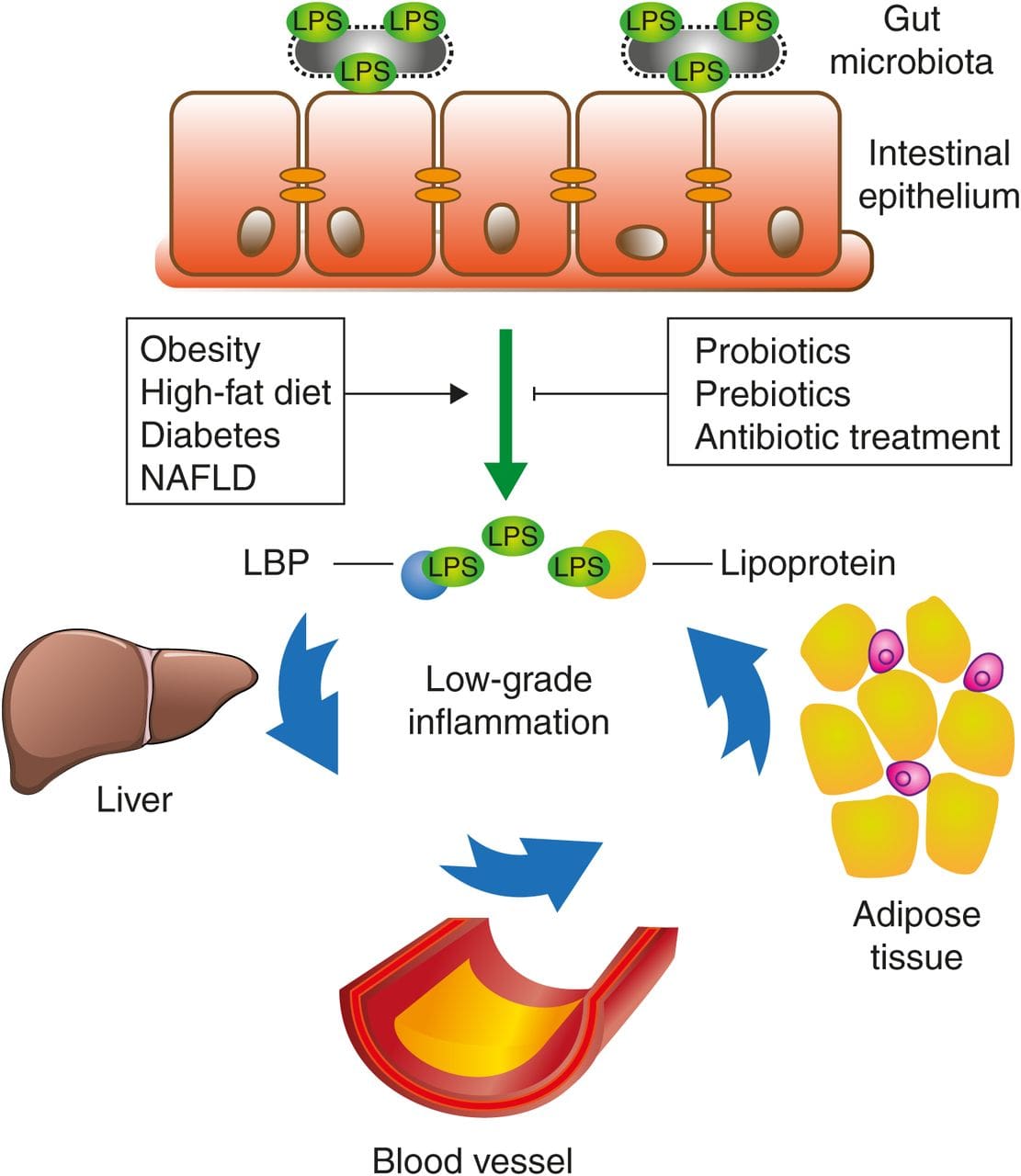
Dr. Alex Jimenez, D.C., presents: But did you know the quality of calories in the standard American diet can damage our intestinal lining, making it vulnerable to permeability, creating this very common scenario called metabolic endotoxemia that triggers inflammation? The quality and quantity of foods can disrupt our microbiome, leading to dysbiosis as a different mechanism of inflammation. And so you get this immune activation and dysregulation that makes a constant bath in which your genes are bathing. Inflammation can be good or bad depending on the severity of what is happening in the body. If the body suffers from an injury or deals with minor issues, inflammation can help heal. Or if the inflammation is severe, it can cause the intestinal wall lining to become inflamed and leak out toxins and other microbes into the rest of the body. This is known as a leaky gut, potentially leading to muscle and joint pain associated with obesity. So we want to broaden that conversation around nutrition because obesity impacts poor nutrition. It’s commonly said that we are overfed and undernourished as a human population. So we want to be able to mitigate the trends of obesity responsibly. And we want to bring in this larger conversation about social determinants of health. As the years go by, many people are more aware of how their environment and lifestyle play a role in developing cardiovascular or cardiometabolic conditions.
We must recognize that the human body lives in this social ecosystem that determines the health potential. We want to engage the patient to bring awareness to the most potent anti-inflammatory signal into their lives and their lifestyle choice. And we are not discussing fads like putting on spandex and going to the gym once a month; we’re talking about daily movement and how to reduce sedentary behavior associated with the cardiometabolic syndrome. We discussed how even the impact of stress could promote atherosclerosis, arrhythmias, and metabolic dysfunction in the body and cause various issues that can affect a person’s well-being.
Stress & Inflammation’s Role In The Body
Dr. Alex Jimenez, D.C., presents: Stress, like inflammation, can be good or bad, depending on the scenario. So stress can impact a person’s ability to function in the world as we dive into the systems biology dysfunctions that occur from acute and chronic stress and how we can help our patients. We must understand that we should put ourselves in our patient’s shoes by figuring out how to lower chronic stress to reduce cardiometabolic risk factors and improve quality of life.
So by not being so fixated on trying everything at once to reduce cardiometabolic risk factors, taking everything that we learn and incorporating it slowly into our daily lives can make a huge impact on how we look, feel, and what we eat can improve our well-being. Dr. David Jones stated, “If all we do is talk about this and all we do is know this stuff, it doesn’t do the full service we have as an intention for our patients.”
We must get ourselves from the knowing stage into the doing stage because that’s when results will occur. So by looking at the bigger picture, we can take back our health from cardiometabolic syndrome by focusing on where the problem is happening in our bodies and going to various specialists that can develop a treatment plan to lower the stress and inflammation in our bodies that can reduce the effects of cardiometabolic syndrome.
Conclusion
Dr. Alex Jimenez, D.C., presents: So if many people are dealing with cardiometabolic risks, they have these very common systems, biology dysfunctions, whether it’s related to inflammation, oxidative stress, or insulin dysfunction, are all happening under the surface. . In functional medicine, we want to go upstream in this new era of cardiometabolic health. We want to leverage the environment and lifestyle to manipulate the system’s biology so it can be in a favorable setting to allow the epigenetic potential of the patient to be at its highest expression of health.
By providing the right tools for the patients, many functional medicine doctors can educate their patients on how to take back their health a little bit each time. For example, a person is dealing with chronic stress, causing stiffness in their necks and backs, making them unable to move around. Their doctors can devise a plan to incorporate meditation or take a yoga class to ease the stress out of their bodies and become mindful. So by gathering important clinical information about how a person is suffering from cardiometabolic, many doctors can work with their associated medical providers to devise a treatment plan to cater to each suffering from symptoms associated with cardiometabolic.
Dr. Alex Jimenez, D.C., presents how various treatments can help with adrenal insufficiency and can help regulate hormone levels in the body in this 2-part series. Since hormones play a vital role in the body by controlling how the body functions, it is important to know what the trigger is that is causing overlapping issues in the body. In Part 1, we looked at how adrenal insufficiencies affect different hormones and their symptoms. We refer patients to certified providers that include hormone treatments that relieve adrenal insufficiencies affecting the body while ensuring optimal health and wellness for the patient through various therapies. We appreciate each patient by referring them to associated medical providers based on their diagnosis when it’s appropriate to understand better what they are feeling. We understand that education is an excellent and inquisitive way to ask our providers various intricated questions at the patient’s request and knowledge. Dr. Jimenez, D.C., utilizes this information as an educational service. Disclaimer
Treatments For Adrenal Insufficiencies
Dr. Alex Jimenez, D.C., presents: When it comes to adrenal insufficiencies, the body has various symptoms that can cause the person to feel low on energy and pain in different areas. Since hormones are produced in the adrenal glands, they help maintain how vital organs and muscles work to keep the body functional. When various factors affect the body, disrupting the adrenal glands, it can cause hormone production to over or underproduce. To that point, it can correlate to numerous symptoms that cause the body to be dysfunctional. Fortunately, there are various treatments that many people can incorporate into their daily lives to promote hormone regulation.
Now everyone has different ways to lower their stress, which is fine as there are various treatments that a person may like to try, and if they are in a treatment plan that their doctor developed for them, they can find ways to get their health and wellness back. Many individuals sometimes participate in meditation and yoga to practice mindfulness. Now meditation and yoga have amazing benefits in lowering oxidative stress and cortisol levels associated with chronic stress. By looking at how adrenal insufficiencies can cause an increase in insulin, cortisol, and DHEA dysfunction in the HPA axis, many doctors would devise a treatment plan for their patients that can help lower the oxidative stress markers and regulate hormonal production. So if one of the treatments is meditation or yoga, many individuals who practice yoga and meditation will begin to notice how they are feeling after taking a few deep breaths and begin to feel mindful of their surroundings. This causes many people to improve their quality of life associated with decreased cortisol levels.
How Mindfulness Can Lower Stress
Dr. Alex Jimenez, D.C., presents: Another available treatment that can help with adrenal insufficiencies is an 8-week mindfulness treatment that can help lower cortisol levels from escalating in the body to cause more issues than a person is dealing with. Depending on what stage the HPA axis dysfunction is affecting the body, taking the time for yourself can benefit you in the long run. An example would be taking a hike on a nature walk path. The change in the environment can help a person relax and be at ease. This allows the body to let go of unnecessary pent-up stress affecting a person’s mood, functionality, and mental health when a change of scenery can help them relax and recharge. To that point, it allows the HPA axis to relax as well.
Another example of how mindfulness can help treat adrenal insufficiencies associated with hormonal dysfunction is by providing neurofeedback to those with chronic PTSD. Individuals with traumatic experiences have PTSD, which can hinder their ability to function in the world. When they go through a PTSD episode, their bodies will begin to lock up and tense, causing their cortisol levels to rise. To that point, this causes an overlap of symptoms associated with muscle and joint pain. Now how does mindfulness plays its part when it comes to treatment? Well, many doctors specializing in treating PTSD will do an EMDR test. EMDR stands for eye, movement, desensitization, and reprogramming. This allows PTSD patients to have their HPA axis rewired and reduce the neuron signals in their brains and help lower any cortisol levels causing adrenal insufficiencies in their bodies. Incorporating EMDR testing into PTSD patients allows them to find the issue causing the trauma through brain spotting, where the brain replays the traumatic memories and helps rewire the brain to release the trauma out of the body and start the healing process.
Vitamins & Supplements
Dr. Alex Jimenez, D.C., presents: Another technique many individuals can begin if they want to regulate their hormones is by taking supplements and neutraceuticals to help replenish hormonal function and the body. Choosing the right vitamins and supplements is not difficult if you don’t want to consume them in pill form. Many vitamins and supplements can be found in nutritious whole foods with specific nutrients that can improve hormone production and make a person feel full. Some of the vitamins and supplements that can help with hormone balance include:
Magnesium
B vitamins
Probiotics
Vitamin C
Alpha-lipoic acid
Omega-3 Fatty Acid
Vitamin D
These vitamins and supplements can help communicate with the other hormones the body produces and help balance hormonal production. Now, these treatments can help many people with hormonal imbalances in their bodies, and there are times when the process can be tough. Just remember that making these small changes can have a huge effect in the long run regarding your health and wellness. By sticking with the treatment plan that your doctor has come up with you, you will feel better over time and take back your health as well.
Dr. Alex Jimenez, D.C., presents how adrenal insufficiencies can affect the hormone levels in the body. Hormones play a vital part in regulating body temperature and help function the vital organs and muscles. This 2-part series will examine how adrenal insufficiencies affect the body and its symptoms. In part 2, we will look at the treatment for adrenal insufficiencies and how many people can incorporate these treatments into their health and wellness. We refer patients to certified providers that include hormone treatments that relieve various issues affecting the body while ensuring optimal health and wellness for the patient. We appreciate each patient by referring them to associated medical providers based on their diagnosis when it’s appropriate to understand better what they are feeling. We understand that education is an excellent and inquisitive way to ask our providers various intricated questions at the patient’s request and knowledge. Dr. Alex Jimenez, D.C., utilizes this information as an educational service. Disclaimer
What Are Adrenal Insufficiencies?
Dr. Alex Jimenez, D.C., presents: Many factors can affect the body, whether eating habits, mental health, or lifestyle habits all play a role in maintaining hormone function in the body. Today, we will apply these common dysfunctional cortisol patterns that patients present when they go in for a daily examination. Most patients often come in and explain to their doctors that they are suffering from adrenal dysfunction because different symptoms are associated with various stages of adrenal dysfunction or HPA dysfunction. Now adrenal dysfunction or hypothalamic pituitary adrenal (HPA) dysfunction is when the adrenal glands are not producing enough hormone to regulate the body. This causes the body to go through different stages of adrenal dysfunction if it is not treated right this way, causing the body to deal with muscle and joint pain that a person hasn’t dealt with throughout their life.
Many doctors and healthcare providers use a systematic approach that can help many people address whether or not they have adrenal dysfunction in their bodies. Today, we will discuss the relationship between female hormones and mood disorders associated with adrenal dysfunction. When it comes to adrenal dysfunction associated with hormones, many people will often get medicated for mental illnesses like bipolar disease or depression when their hormones are imbalanced. When hormonal imbalances begin to affect women in their early fifties due to premenopause, the mental disorder would often worsens and cause many other overlapping issues that can affect their hormones and their bodies.
Adrenal Dysfunction Affect The Body
Dr. Alex Jimenez, D.C., presents: Many women would have healthy diets, take yoga, be involved in spiritual practices, and hang out with their friends; however, when their hormone levels are imbalanced, they are dealing with other issues associated with HPA imbalances or adrenal dysfunction. By looking at the 24-hour corticotropic activity and determining how the circadian rhythm controls it, many doctors can look at the data presented to the patient. The way the data is being presented to the patient on how their hormone levels fluctuate in the body in the morning and how they rise or decrease throughout the entire day until they go to sleep.
With this information, many doctors can diagnose why this individual is having trouble going to sleep, constantly waking up early in the night, or not getting enough rest, making them exhausted throughout the day. So how is adrenal dysfunction associated with 24-hour corticotropic activity? Many factors can cause adrenal dysfunction in the body and affect hormone levels. When the body begins to over or underproduces hormones from the adrenal glands or the thyroids, it can cause cortisol and insulin levels to lose control in the body and cause various issues that result in muscle and joint pain. Sometimes hormonal dysfunction can cause somato-visceral or visceral-somatic pain by affecting the vital organs like the gut and the brain and start to cause issues to the surrounding muscles and joints. When the surrounding muscles and joints are causing pain in the body, they could be causing overlapping issues that can affect a person’s mobility and make them miserable.
How To Diagnose Adrenal Insufficiencies?
Dr. Alex Jimenez, D.C., presents: When doctors diagnose a patient suffering from adrenal dysfunction will begin to look at the patient’s medical history. Many patients will start filling out a long, extensive questionnaire, and doctors will begin to look at the anthropometrics, biomarkers, and clinical indicators found in physical exams. Doctors must obtain the patient’s history to look for the signs and symptoms of HPA dysfunction and adrenal dysfunction to determine the issue affecting the individual. After the examination, doctors would use functional medicine to look at where the dysfunction lies in the body and how the symptoms are connected. The numerous factors causing adrenal dysfunction in the body could be how a person’s eating habits are causing these issues, how much exercise they are incorporating in their daily lives, or how stress impacts them.
Functional medicine provides a holistic approach that considers lifestyle components causing issues in the person’s body. By connecting the dots on what the patient is saying and how these factors are causing adrenal insufficiencies, it is important to get the whole story from the patient to devise a treatment plan catered to the individual. They would appreciate that someone finally understands what they are going through and will begin to restore their health and wellness. By looking for the root causes, triggers, and mediators causing adrenal dysfunction, we can look at the expanded history that the patient is telling us, whether it be their family history, their hobbies, or what they like to do for fun. All these things are important to consider to try and connect the dots of the underlying cause of adrenal insufficiencies in the body affecting a person’s hormone levels.
Adrenal Insufficiencies Affect Cortisol
Dr. Alex Jimenez, D.C., presents: Now, do adrenal insufficiencies correlate with increased DHEA and cortisol hormone levels? Well, DHEA is a hormone that is produced by the adrenal glands naturally. DHEA’s main function is to make other hormones like estrogen and testosterone to regulate the male and female body. Cortisol is a stress hormone that increases the glucose levels in the bloodstream. Cortisol’s main function is to allow the brain to use glucose in the body while repairing the affected muscle tissues. When the body begins to over or underproduces hormones from the adrenal glands, it can raise the cortisol levels to cause resilience to the body, and the HPA axis begins to decrease. When this happens, the body starts to feel sluggish, which can cause you to feel exhausted throughout the entire day, even though you may have gotten a good night’s sleep.
Adrenal Insufficiency Symptoms
Dr. Alex Jimenez, D.C., presents: This is known as adrenal fatigue and can be associated with various symptoms that affect the hormone balance in the body. This can include non-specific symptoms like sleep disturbances, digestive issues, fatigue, and body aches can affect the hormone levels inside the body. This causes many individuals to feel miserable due to feeling low energy. Adrenal fatigue can also be associated with the different stages of HPA axis dysfunction. These can include:
Trauma
Food allergies and sensitivities
Dysbiosis
Changes in the gut microbiota
Toxins
Stress
Insulin resistance
Metabolic syndrome
All these issues can affect a person’s hormone levels and cause elevated cortisol to overlap many factors that cause somato-visceral problems. An example would be someone having gut issues associated with chronic stress who can start to feel pain in their joints from the knees, back, and hips which cause their hormone levels can fluctuate.
Dr. Alex Jimenez, D.C., presents an insightful overview of how hormonal dysfunction can affect the body, increase cortisol levels, and be associated with PTSD in this 3-part series. This presentation provides important information to many individuals dealing with hormonal dysfunction associated with PTSD. The presentation also offers different treatment options to reduce the effects of hormonal dysfunction and PTSD through functional medicine. Part 1 looks at the overview of hormonal dysfunction. Part 2 will look at how various hormones in the body contribute to body functionality and how overproduction or underproduction can cause drastic effects on a person’s health. We refer patients to certified providers that incorporate various hormone treatments to ensure optimal health and wellness for the patient. We appreciate each patient by referring them to associated medical providers based on their diagnosis when it is appropriate to have a better understanding. We understand that education is an excellent and inquisitive way to ask our providers various intricated questions at the patient’s request and knowledge. Dr. Alex Jimenez, D.C., utilizes this information as an educational service. Disclaimer
A Look Into Hormonal Dysfunction
Dr. Alex Jimenez, D.C., presents: Now, looking into the exciting didactic here, we will discuss something rare but important to understand when looking at these steroid pathways. And this is something called congenital adrenal hyperplasia. Now, congenital adrenal hyperplasia can occur in the body through an inherited enzyme defect or 21 hydroxylases that can cause a severe decrease in the adrenal production of glucocorticoids. When the body is suffering from congenital adrenal hyperplasia, it can cause an increase in ACTH to make more cortisol.
So when the ACTH increases to make more cortisol in the body, it could lead to muscle and joint pain if it is not treated immediately. We also often think cortisol is bad, but you must have some congenital adrenal hyperplasia when you have the 21 hydroxide deficiency. To that point, your body is not making enough glucocorticoids, causing you to have a high level of ACTH. When there is hormone dysfunction from various environmental triggers, it can cause the hormones in the body to overproduce unnecessary hormones. For example, if you have too much progesterone, it can’t go down to the pathway to make cortisol due to those missing enzymes. It can be converted into androstenedione, causing people to become virilized.
What Happens When The Body Doesn’t Create Enough Hormones?
Dr. Alex Jimenez, D.C., presents: So when patients become virilized, they’re not making any cortisol; it is important to do hormonal therapy to decrease the ACTH stimulation to get the hormone levels back to normal When this happens, it diminishes the stress inside the body system to make more androgens. In the female body, however, progesterone has no peripheral conversion of steroids to be produced except during pregnancy. Progesterone comes from the ovaries and doesn’t get to be produced in the adrenal glands. Progesterone is excreted mostly in urine as many different breakdown products tend to be higher than normal due to that 21 hydroxide deficiency.
So now, let’s talk about androgens in premenopausal women. So the major androgens come from the ovary, the DHEA, androstenedione, and testosterone. At the same time, the adrenal cortex produces glucocorticoids, mineralocorticoids, and sex steroids to make some testosterone and about half of the DHEA hormone. The body also has peripheral conversion responsible for DHEA and testosterone production to normalizing hormone levels. This is due to all the different tissues that have these enzymes to make these various hormones in different concentrations. Premenopausal women are most likely to lose more estrogen after removing their ovaries. This causes them to lose DHEA, androstenedione, and testosterone production in their bodies.
PTSD & Hormonal Dysfunction
Dr. Alex Jimenez, D.C., presents: Now testosterone is carried by SHBG just like estrogen, and many factors that change SHBG are important to testosterone and estrogen. Interestingly, testosterone can decrease SHBG in small amounts to allow the body to have free testosterone, which causes a physiological effect. When it comes to testing for testosterone levels, many people don’t release that when their testosterone levels are elevated, it could be due to low SHBG. By measuring total testosterone in the body, many doctors can determine if their patients are producing too much androgen, which is causing excessive hair growth in their bodies, or they may have low SHBG levels due to hypothyroidism associated with obesity or elevated insulin.
Now when it comes to PTSD, how does it correlate to hormonal dysfunction and affect the body? PTSD is a common disorder many individuals suffer from when they have been through a traumatic experience. When traumatic forces begin to affect the individual, it can cause the cortisol levels to rise and cause the body to be in a state of tension. PTSD symptoms can vary for many individuals; thankfully, various therapies can help lower the symptoms while bringing the hormone levels back to normal. Many healthcare professionals will develop a treatment plan that can help reduce the symptoms of PTSD and help hormone levels function in the body properly.
Treatments To Regulate Hormone
Dr. Alex Jimenez, D.C., presents: Stress in the body can affect the musculoskeletal system by causing the muscle to lock up, leading to issues in the hips, legs, shoulders, neck, and back. Various treatments like meditation and yoga can help lower the cortisol levels from fluctuating higher, causing the body to deal with muscle tension that could overlap with joint pain. Another way to reduce stress in the body is by working out with an exercise regime. Exercising or participating in an exercise class can help loosen up the stiff muscles in the body, and keeping a workout routine can exert any pent-up energy to relieve stress. However, treatments to balance out hormones associated with PTSD can only go so far for many individuals. Eating nutritional, whole foods with vitamins and minerals can help regulate hormone production and provide energy to the body. Dark leafy greens, fruits, whole grains, and proteins can not only help with regulating hormone production. Eating these nutritional foods can also lower inflammatory cytokines that are causing more harm to vital organs like the gut.
Conclusion
Incorporating a healthy diet, an exercise routine, and getting treatment can help many individuals dealing with hormonal dysfunction associated with PTSD. Each person is different, and the symptoms overlap with hormonal dysfunction associated with PTSD and vary from person to person. When doctors work with associated medical providers, it allows them to develop a treatment plan catered to the individual and enables them to regulate their hormone production. Once the hormone production in their bodies is regulated, the symptoms causing the person pain will get better slowly but surely. This will allow the individual to continue on their wellness journey.
IFM's Find A Practitioner tool is the largest referral network in Functional Medicine, created to help patients locate Functional Medicine practitioners anywhere in the world. IFM Certified Practitioners are listed first in the search results, given their extensive education in Functional Medicine