That eating sweets does not relieve cravings for sugar?
That you must have sweets after meals?
Hormone imbalances?
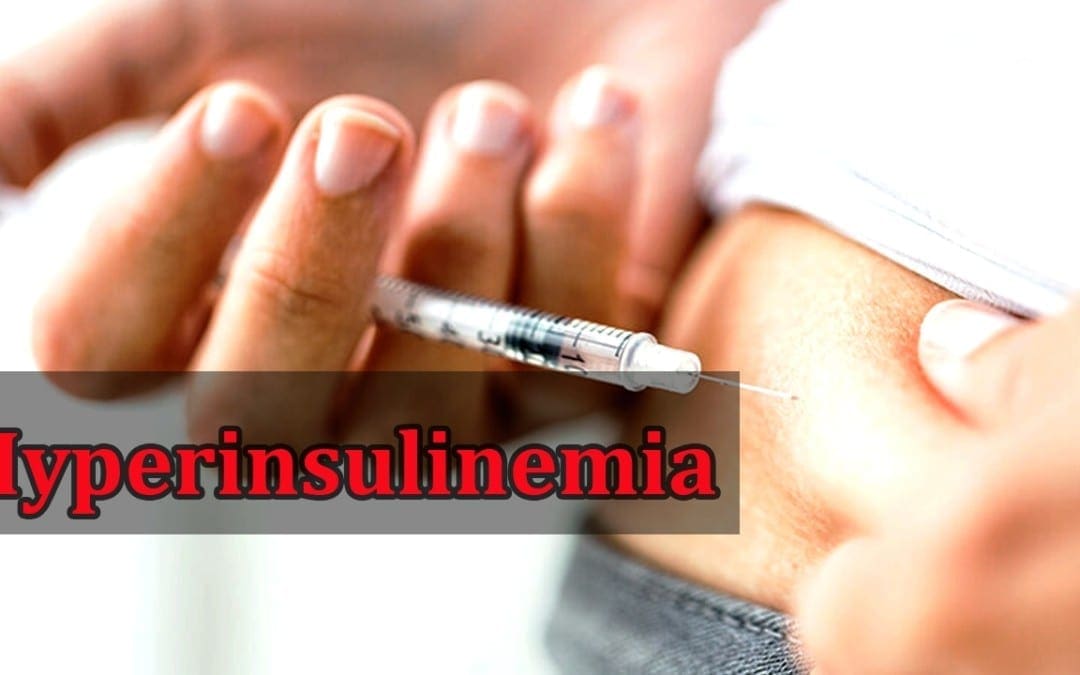
If you are experiencing any of these situations, then your blood glucose levels are dramatically fluctuating up and down. It might be an early indication of hyperinsulinemia in your body.
When it comes to the body, many people often try to make sure that their body is healthy and strong by eating the right food, exercising regularly, and even getting a routine check-up from their primary healthcare providers. Even though people can achieve this, sometimes harmful pathogens like autoimmune diseases, metabolic syndrome, and chronic illnesses can affect the body. When harmful pathogens attack the body from the inside, it can cause the body to dysfunction, especially the body’s system. Many people have found ways to dampen the effects that harmful pathogens have caused in their bodies. However, there are some people who are autoimmune compromises or even have diabetes have taken the necessary precautions to make sure that they are in control of their bodies.
It is surprising that when people are controlling their insulin levels, they are accustomed to think that insulin is a blood sugar-regulating hormone. Research shows that when the blood glucose rises in the body, insulin is being secreted in the body to help bring the blood glucose down a bit. This is a partial stimulation known as insulin-sensitive glucose transporters, and this is one of the many roles that insulin provides that are unrelated to the body’s blood glucose. When the blood glucose levels are rising and falling dramatically in the body, it can cause anyone who has diabetes to go into DKA or diabetic ketoacidosis.
Chronic Hyperinsulinemia
Studies have found that when diabetic individuals are keeping an eye on their blood glucose levels, they go on a ketogenic diet to keep their ketones under control. It is a surprise to many people that insulin is not required for cellular glucose uptake. The research study mentioned that when individuals are in a deficient carbohydrate diet, their bodies can regulate and control the production of the ketone bodies, causing a harmless physiological state known as dietary ketosis. The study even mentioned that when ketone bodies are flowing from the liver to the brain, it can be used as fuel. When this happens, spare glucose metabolism is very similar to the mechanism of spare glucose that is oxidizing fatty acids as an alternative fuel.
There is another study that shows that the use of exogenous insulin in individuals who have type 1 diabetes may need to suppress the free glucagon secretion that facilitates glucose transport into their cells. The hormone glucagon has a stimulatory effect on fuel production from the liver and can even modulate the hepatic glucose uptake and the hepatic glycogen synthesis in the body. The study even shows that the hormone glucagon has been longed dismissed as a minor contributor to metabolic diseases in the body. Not only that, but glucagon can even increase hepatic glucose from the liver to the brain and ketone production in the body.
Research on Hyperinsulinemia
What is interesting is that when insulin�s myopic focus is related to blood glucose. Research shows that many people have missed a host of health problems that can occur in the presence of average glucose in the body, but it is known as chronically elevated insulin. The research study showed that when there is a lack of insulin in the liver, it causes glycogenolysis and gluconeogenesis are being activated. When this happens, it can further enhance an overproduction of hormones like glucagon and cortisol, which can stimulate the process of insulin deficiency. A study has found that when a person has chronically elevated insulin or hyperinsulinemia, it can develop cardiometabolic diseases even if elevated glucose is absent. This is due to fasting glucose being part of a routine check-up and chronically elevated glucose.
Studies have shown that chronic hyperinsulinemia is the main factor in POS (polycystic ovarian syndrome) and that there is a high prevalence of undiagnosed insulin resistance with patients who have Parkinson’s disease. Chronic hyperinsulinemia can contribute to insulin resistance, as studies show that this factor can alter lipid metabolism in the body. The research study even shows that insulin sensitivity can be determined by hyper-insulinemic and can lead to weight gain, raised plasma triglycerides, and free fatty acids in the body.
Chronic hyperinsulinemia can be present long before there is a rise in blood glucose. Research shows that there are at least five stages in the progression of diabetes, and it can indicate any metabolic dysfunction that is happening in the body. In one study, it showed that there is an association between hyperinsulinemia in the fasting state and the development of diabetes. The study mentioned that basal hyperinsulinemia in adults who are normoglycemic could constitute an independent risk factor for metabolic deterioration to dysglycemia and can even help identify healthy subjects that may have an increased risk for diabetes.
Conclusion
All in all, if someone wants to make sure that their insulin levels are functioning correctly, they will have to be in a very low-carbohydrate ketogenic diet and keep an eye on their blood glucose levels. Individuals that are living with a condition due to chronic hyperinsulinemia, there are effective ways to manage this condition and even preventing it. Many people should start eating healthy, nutritional food, exercise regularly, and start developing healthy habits in order to achieve an overall sense of health and wellness. Some products are beneficial to regulate blood glucose by providing support to sugar metabolism with hypoallergenic nutrients, enzymatic cofactors, metabolic precursors, and phytonutrients.
The scope of our information is limited to chiropractic, musculoskeletal, and nervous health issues or functional medicine articles, topics, and discussions. We use functional health protocols to treat injuries or disorders of the musculoskeletal system. Our office has made a reasonable attempt to provide supportive citations and has identified the relevant research study or studies supporting our posts. We also make copies of supporting research studies available to the board and or the public upon request. To further discuss the subject matter above, please feel free to ask Dr. Alex Jimenez or contact us at 915-850-0900.
References:
Dankner, R, et al. �Basal State Hyperinsulinemia in Healthy Normoglycemic Adults Heralds Dysglycemia After More Than Two Decades of Follow Up.� Diabetes/Metabolism Research and Reviews, U.S. National Library of Medicine, July 2012, pubmed.ncbi.nlm.nih.gov/22865584/.
Hogg, Elliot, et al. �High Prevalence of Undiagnosed Insulin Resistance in Non-Diabetic Subjects With Parkinson’s Disease.� Journal of Parkinson’s Disease, U.S. National Library of Medicine, Feb. 2018, pubmed.ncbi.nlm.nih.gov/29614702/.
Manninen, Anssi H. �Metabolic Effects of the Very-Low-Carbohydrate Diets: Misunderstood �Villains� of Human Metabolism.� Journal of the International Society of Sports Nutrition, BioMed Central, 31 Dec. 2004, www.ncbi.nlm.nih.gov/pmc/articles/PMC2129159/.
Morita, Ippei, et al. �Chronic Hyperinsulinemia Contributes to Insulin Resistance under Dietary Restriction in Association with Altered Lipid Metabolism in Zucker Diabetic Fatty Rats.� American Journal of Physiology. Endocrinology and Metabolism, U.S. National Library of Medicine, 1 Apr. 2017, www.ncbi.nlm.nih.gov/pubmed/28143857.
Sonksen, P., and J. Sonksen. �Insulin: Understanding Its Action in Health and Disease.� British Journal of Anaesthesia, 1 July 2000, bjanaesthesia.org/article/S0007-0912(17)37337-3/fulltext.
Team, DFH. �Hyperinsulinemia: An Early Indicator of Metabolic Dysfunction.� Designs for Health, 12 Mar. 2020, blog.designsforhealth.com/node/1212.
Unger, Roger H, and Alan D Cherrington. �Glucagonocentric Restructuring of Diabetes: a Pathophysiologic and Therapeutic Makeover.� The Journal of Clinical Investigation, American Society for Clinical Investigation, Jan. 2012, www.ncbi.nlm.nih.gov/pmc/articles/PMC3248306/.
Weir, Gordon C, and Susan Bonner-Weir. �Five Stages of Evolving Beta-Cell Dysfunction During Progression to Diabetes.� Diabetes, U.S. National Library of Medicine, Mar. 2004, pubmed.ncbi.nlm.nih.gov/15561905/.
The University offers a wide variety of medical professions for functional and integrative medicine. Their goal is to inform individuals who want to make a difference in the functional medical fields with knowledgeable information that they can provide.
Keeping hormones in balance can be a tough challenge. There are many individuals with hormonal imbalances and they don’t even know it. Despite�tests for abnormal thyroid function, they don’t always acknowledge a thyroid that isn�t functioning properly. The same can be said for the adrenals. When they are overtaxed, the imbalance that follows can be quite challenging. There are top-quality natural remedies for hormonal imbalance.
How to tell
Under-producing glands will have some symptoms that are different from glands that are over-producing. But there are some symptoms that are shared across the board.
If you notice that you experience several of these symptoms, it could point to a hormonal imbalance:
Weight loss or gain without doing anything new/different
A chiropractor, naturopath, or specialist can help you determine if you have a hormonal imbalance. Medical doctors often prescribe medications, but in most cases, the imbalance can be corrected with a natural treatment. These treatments are highly beneficial in treating hormonal imbalances. They can be done separately or combined.
Herbs & Oils
There are several herbs and essential oils that work wonders when it comes to balancing hormones. Ashwagandha is at the top of the list for treating overactive or sluggish thyroid as well as overtaxed adrenals. It’s available as a tablet, capsule, in powder form, or as a liquid. Mixing � to � teaspoons of powder into some milk with honey and drinking it just before bed can help sleep, calm stress and balance the hormones. Various oils like clary sage, lavender, and sandalwood help reduce stress and promote wellbeing. Hormonal balance comes as a natural result. Put 3 to 5 drops in a diffuser and breathe in.
Nutritional Balance
Hormonal imbalance can often be the result of stress, whether emotional stress from everyday life or physical stress from poor habits like not getting the proper amount of sleep and not maintaining a proper diet. Omega 3 and 6 fatty acids are vital for heart health, vibrant skin and hormonal balance.
Other nutrients include vitamin D, B complex, and magnesium. If not getting enough in the foods you eat, then consider supplements. Give the body a great boost by taking probiotics and reaping the healing properties of bone broth. Bone broth is available in powder or liquid or you can make your own. There is intense nutrition in broth so incorporating it into your diet is a very wise decision.
Natural Balance
Chiropractic is a powerful treatment for hormonal imbalance. It focuses on the heart of factors that cause the body to go out of balance and treats the problem at the root. It can relieve stress in the body and reduce and eliminate pain, which can contribute to hormonal imbalances. It is considered one of the best natural treatments for hormonal imbalance because it brings the body back into balance.
The whole-body approach that chiropractic offers means that you get recommendations on:
Healthy diet
Exercise
Lifestyle changes
All of these work together to balance your body and balance hormones for a healthier, happier you.
Metabolic Syndrome affects many people. In fact, more than a quarter of the United States has it! Metabolic Syndrome is not a disease, but instead a cluster of disorders. These disorders on their own are not necessarily alarming but when you have more than one, the body starts to feel the repercussions.
Symptoms
Those with metabolic syndrome often suffer from frequent headaches, inflammation, nausea, fatigue, joint pain, and many more. On top of these symptoms, metabolic syndrome can put individuals at a higher risk for Type 2 Diabetes, Heart Disease, Stroke, Obesity, Sleep Apnea, and Kidney Disease.
Risk Factors
Individuals who have an “apple or pear” body shape, are at an increased risk for developing metabolic syndrome. There are no “obvious” signs of metabolic syndrome, but rather one with metabolic syndrome has 3/5 of these risk factors.
A fasting blood glucose level of 100 mg/DL
High Blood Pressure, measuring 130/85
High Triglycerides
Low HDL (Good Cholesterol)� measuring <40mg/DL Men & <50mg/DL Women
Excess Waist Fat (>40in Men & >35in Women)
What Can You Do About It?
Of course, no one wants to be left feeling sick and stranded. There are ways to help prevent metabolic syndrome at home. Below there are five tips for each risk factor and how to prevent/reduce your symptoms.
A Fasting Blood Glucose Level Of 100 mg/DL
Ketogenic Diet
Increase Fiber
Control Portions
Set “Carb Goals”
Choose complex carbs over simple carbs
High Blood Pressure, measuring 130/85
Reduce Sodium
Lower caffeine
DASH diet (Dietary Approaches to Stop Hypertension)
Boost Potassium
Read Food labels
High Triglycerides
Limit sugar intake
Increase fiber
Establish a regular eating pattern
Eat more “tree nuts” ( almonds, cashews, pecans)
Switch to unsaturated fats
Low HDL ( Good Cholesterol) measuring <40mg/DL Men & <50mg/DL Women
Reduce Alcohol
Do not smoke
Choose better fats
Purple Produce (antioxidants to help inflammation)
Increase fish consumption
Excess Waist Fat >40 in Men & >35 in Women
Ketogenic Diet
Exercise Daily
Walk after dinner
Grocery Shop without Aisles
Increase in Water Consumption
Solutions
Aside from doing these tricks and tips at home, a doctor or health coach will be able to further assist one in healing. The main goal is to take these symptoms and disorders and correct them before they become a full-blown diagnosis.
Rather than just running a basic blood panel, they now have tests that allow us to see multiple different levels and numbers. these elaborate blood tests provide great insight to allow us to see the full picture. By completing these labs, it allows the doctor to evaluate the patients better and provide a more specific treatment plan.
In addition to detailed lab work, there are all-natural supplements that have been shown to help improve these symptoms along with proper diet and exercise. Some of these supplements include Vitamin D, Berberine, and Ashwagandha.
On top of these things, there is also an app that is available to download. This app is called, “Dr. J Today”. This app connects you directly to our clinic and allows us to monitor your diet, supplements, activity, BMI, water weight, muscle mass, and more! This app also gives you a direct portal to message Dr.Jimenez or myself.
As stated before, our main goal is to help you decrease your symptoms before they turn into a full-blown diagnosis. One thing we want to surround our patients with is knowledge and a team atmosphere. With the right team, anything is possible and better health is more attainable than you think!
Having Type 1 Diabetes, I have experienced metabolic syndrome before. It is one of my least favorite feelings that exist. I want our patients to know that they do not have to feel that way and there are treatment plans that can help! I will help to create a personalized plan that is tailed to you, so success is the only option. – Kenna Vaughn, Senior Health Coach�
The scope of our information is limited to chiropractic, musculoskeletal, and nervous health issues or functional medicine articles, topics, and discussions. We use functional health protocols to treat injuries or disorders of the musculoskeletal system. Our office has made a reasonable attempt to provide supportive citations and has identified the relevant research study or studies supporting our posts. We also make copies of supporting research studies available to the board and or the public upon request. To further discuss the subject matter above, please feel free to ask Dr. Alex Jimenez or contact us at 915-850-0900.
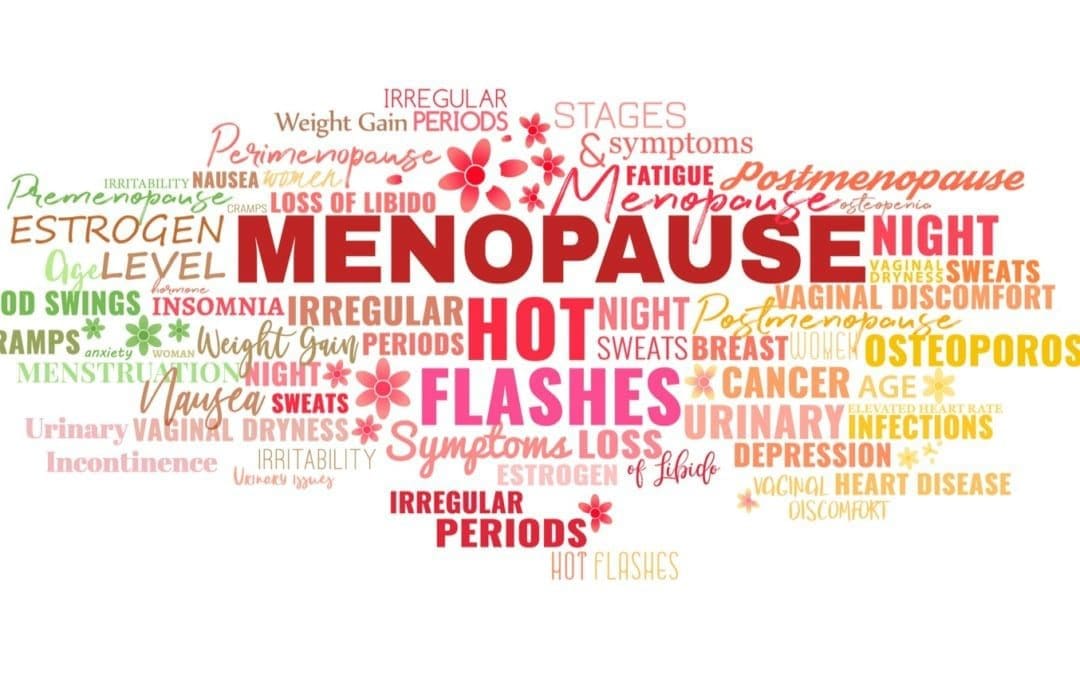
If you are experiencing any of these situations, then you might be experiencing menopause and its symptoms.
When a woman hits their late forties and entering their early fifties, they go through the natural aging process known as menopause. Menopause is when a woman has not menstruated in about twelve consecutive months as well as can no longer become pregnant. With menopause comes uncomfortable symptoms like hot flashes, vaginal dryness, and hormones imbalance. For women, hormone imbalances can range from having too much or too little hormones in the body’s bloodstream. When menopause occurs, the loss of the ovarian function in a female’s body can have an impact on their skeletal health, causing osteoporosis in the joints.
Osteoporosis and Menopause
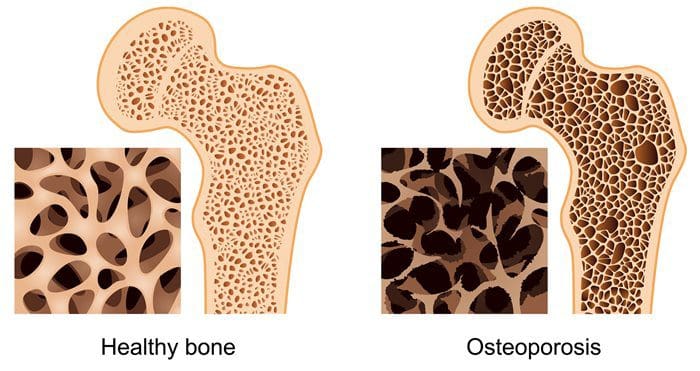
Surprisingly though, the hormone estrogen can play a role in the development of osteoarthritis and when a woman is under the menopausal phase. They can experience a decline in their estrogen levels, and osteoporosis will begin to wreak the bones and joints, causing chronic inflammation. Studies have found out that when estrogen hormones begin to change during healthy menopausal changes, they will begin to fluctuate then suddenly drop. They stated that estrogen helps prevent bones from getting weaker through the natural breakdown. Any fractures from accidents can cause pain, decreased mobility, and normal function of the female body due to osteoporosis.
There is even more evidence that the fluctuation of estradiol that may even be more pronounced in the perimenopause and might not be able to correlate well with bone density and loss for the body. So, during the menopausal stage, the bone density will deteriorate when females have osteoporosis. There have been rumors that osteoporosis is something that a person should not have to worry because it only happens if there is a family history of osteoporosis. Sadly though, osteoporosis is a common bone disease, and having a family history of the disease can increase the chances. However, there are also other risk factors that can cause osteoporosis like:
Excessive alcohol
Amenorrhea
Smoking
Low body weight
Research shows that osteoporosis does start when a woman is at the start of the menopausal stage and has stopped ovulating, her monthly menstrual cycle stops. Her estrogen levels will dramatically stop, as well. It stated that women could have a total bone loss within the first ten years that follow menopause. When there is a lack of estrogen in the body due to menopause, bone density loss is much more significant and can cause fractures in the body. Studies have found out that local health care professionals will ask women about the amount of bone density that has been lost during their menopausal transition and when they begin. They even found out that the follicle-stimulating hormone in women has changed as well during their menopausal transition.
Bone Remodeling
Furthermore, studies found that over 20 American individuals are affected by osteoporosis, and this can lead to about 1.5 million bone fractures each year, thus making osteoporosis to be one of the leading public health problems. More studies even found that women would lose at least fifty percent of their trabecular bone, and about thirty percent of their cortical bone in their body will eventually be lost during the first ten years during their postmenopausal stage. Women must at least take vitamin D supplements to make sure that their bones are healthy and are not prone to bone loss or fractures.
There is information about why bone loss seems to accelerate after a woman�s menstrual cycle has ended and why bone remodeling can help replace the old bones that have been lost due to osteoporosis or due to fracture. Surprisingly though, bone remodeling is a process to replace old bones with new bones for the body, and it is consists of five phases. They are:
Activation: During this phase of bone remodeling, osteoclasts are being recruited to the surface of the bone.
Resorption: In this phase, the osteoclast is being generated into an acidic microenvironment on the surface of the bone, thus dissolving and resorbing the bone�s mineral content.
Reversal: In this phase, the osteoclast then undergoes apoptosis and then is being recruited onto the bone�s surface.
Formation: This is the last phase of bone remodeling as the osteoclast deposits collagen and then being mineralized to form a new bone in the body.
Conclusion
Menopause is a natural part of hormone levels to drop, and women cannot get pregnant any more. One of the most common signs that menopausal women encountered is osteoporosis. Osteoporosis is when bones become brittle and can break from falls or injury. Women need to take supplements for bone health so that way the bones and the body is functioning correctly. Some products are designed to help support the estrogen metabolism in both the female and male bodies as well as products to help support the hormonal balance and the normal menstruation for females in the reproductive age.
The scope of our information is limited to chiropractic, musculoskeletal, and nervous health issues or functional medicine articles, topics, and discussions. We use functional health protocols to treat injuries or disorders of the musculoskeletal system. Our office has made a reasonable attempt to provide supportive citations and has identified the relevant research study or studies supporting our posts. We also make copies of supporting research studies available to the board and or the public upon request. To further discuss the subject matter above, please feel free to ask Dr. Alex Jimenez or contact us at 915-850-0900.
References:
Duggal, Neel. �What�s the Connection Between Menopause and Arthritis?� Healthline, 11 May, 2017, www.healthline.com/health/menopause/menopausal-arthritis.
Finkelstein, Joel S, et al. �Bone Mineral Density Changes during the Menopause Transition in a Multiethnic Cohort of Women.� The Journal of Clinical Endocrinology and Metabolism, The Endocrine Society, Mar. 2008, www.ncbi.nlm.nih.gov/pmc/articles/PMC2266953/.
Rosen, Clifford, and Ramon Martinez. �Post Menopause and Osteoporosis.� Hormone Health Network, Mar. 2019, www.hormone.org/diseases-and-conditions/menopause/post-menopause-and-osteoporosis.
Sowers, MaryFran R, et al. �Amount of Bone Loss in Relation to Time around the Final Menstrual Period and Follicle-Stimulating Hormone Staging of the Transmenopause.� The Journal of Clinical Endocrinology and Metabolism, The Endocrine Society, May 2010, www.ncbi.nlm.nih.gov/pmc/articles/PMC2869543/.
Team, Penn Medicine. �Menopause And Osteoporosis: What’s The Connection? � Penn Medicine.� � Penn Medicine, 18 Mar. 2016, www.pennmedicine.org/updates/blogs/womens-health/2016/march/menopause-and-osteoporosis.
Tella, Sri Harsha, and J Christopher Gallagher. �Prevention and Treatment of Postmenopausal Osteoporosis.� The Journal of Steroid Biochemistry and Molecular Biology, U.S. National Library of Medicine, July 2014, www.ncbi.nlm.nih.gov/pmc/articles/PMC4187361/.
The University offers a wide variety of medical professions for functional and integrative medicine. Their goal is to inform individuals who want to make a difference in the functional medical fields with knowledgeable information that they can provide.
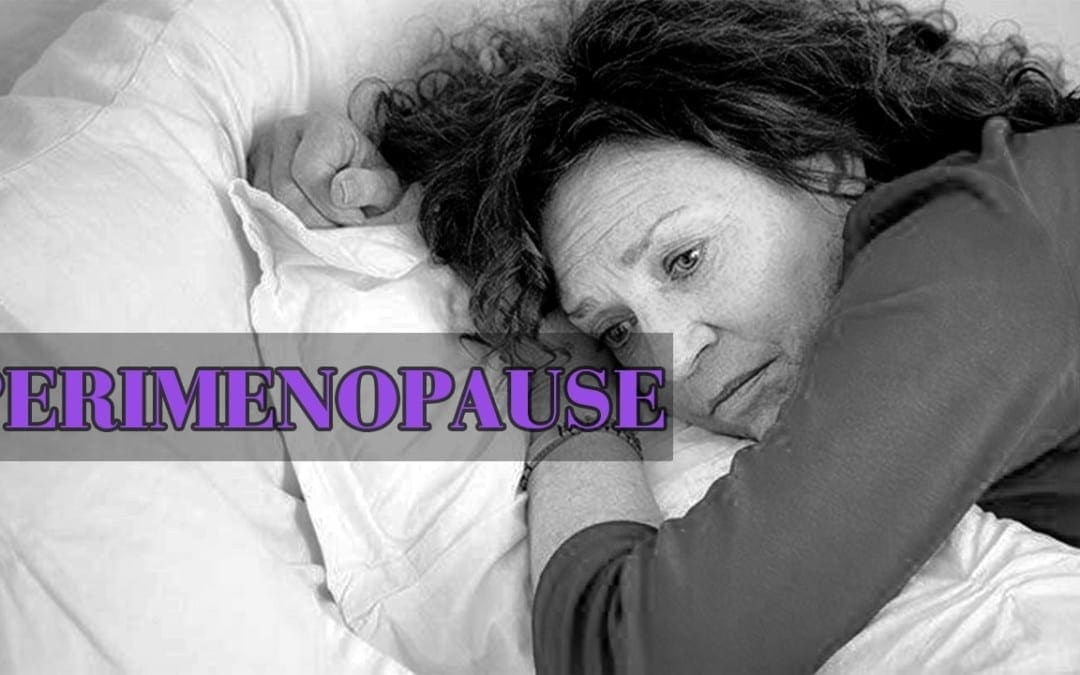
If you are experiencing any of these situations, then you might be going through perimenopause.
When the body hits a certain age, the hormone levels will naturally increase then decrease, causing the person to experience symptoms that they never have. For women, they go through an aging progression known as menopause, which is a normal part of aging, and when the female stops producing eggs. Menopause occurs when a female is in her late forties to her early fifties, depending on which country they are from. Before a woman goes through the menopausal process, perimenopausal begins before the actual menopausal progression occurs. Not only that but when a woman goes through perimenopause, their endocrine system is being affected with hormonal changes as the hormones begin to fluctuate during the menopausal shift.
Perimenopausal
Perimenopausal can be defined in various ways; however, researchers can agree that perimenopausal begins when a woman starts to have irregular menstrual cycles. This is due to a natural decline in their ovarian function, and it will be their last menstrual period. Research shows that perimenopausal leads up to menopause and follows after post-menopause. Surprisingly though, during perimenopausal years, the hormone levels will begin to fluctuate, and the estrogen levels begin to become a bit higher than average. Afterward, though once menopause goes through the postmenopausal stage, the hormone levels will begin to decrease gradually naturally.
Perimenopausal Symptoms
When it comes to the endocrine system, it plays a role when a female is going through perimenopause. Since the endocrine system produces hormones and is responsible for reproduction hormones, it makes sure that the female body has the two hormones estrogen and progesterone. When there is a lack of hormones in the female body, it is due to the effects of hot flashes that are caused by perimenopause. Now research shows that most women do not expect that to have hot flashes until they have menopause. It is one of the symptoms that all females get. Other symptoms can cause women to have them when they are going through. They are:
Hot flashes and night sweats: There is about an estimated 35%-50% of women who have perimenopausal, will suffer a sudden wave of body heat that is consist of sweating ant flushing that can last about five to ten minutes. Surprisingly it can happen at night as well when the body starts to sweat.
Vaginal dryness: When estrogen levels began to decline during late perimenopause naturally, it can cause the vaginal tissue to become a bit thinner and drier. When this happens, it can cause irritation, itching, and can be a source of pain during intercourse.
Uterine bleeding: When the progesterone levels start to decline, it can cause the growth of the endometrium, which is the uterine lining to become a bit thinker than usual before it sheds, thus resulting in a very heavy period. Not only that, but if a female has fibroids or endometriosis, then those two conditions may become a bit more troublesome.
Sleep problems: Studies found out that about forty percent of perimenopausal women have trouble sleeping. Between the night sweats and the disrupted sleep patterns, the problem can be a little complex to be blamed on the hormone oscillation, and the sleep cycles change as a person ages. Plus, insomnia is a common complaint for both sexes.
Mood swings: There is about ten to twenty percent of women who have experienced mood swings during perimenopause that has been linked to low estrogen levels. When women have experienced mood swings, it usually happens around midlife, like stress, poor overall health, and a history of depression.
Short term memory: Surprisingly, many women have complained about having short term memory problems as well as having a difficult time concentrating during the menopausal transition. Even though estrogen and progesterone help maintain brain function, there is too little information to separate the effects of aging and the psychosocial factors that can be related to hormone changes.
Studies have even found out that during the menopausal transition, the regular patterns of a female’s menstrual cycle will become disrupted, and the normal ovulatory cycle will decline naturally. At the same time, the gonadotropin levels will start to rise as well as the follicle-stimulating hormones will increase on a woman’s feature.
Conclusion
Menopause is a natural stage in a woman’s life. The hormone levels will begin to fluctuate, and it all starts when a woman’s menstrual cycle begins to stop. With perimenopause, it is the beginning of the menopausal transition as the female body starts to change. From hot flashes to irregular sleep patterns, perimenopause is a natural way to let the body know that change is coming. Some products are designed to help support the estrogen metabolism in both the female and male bodies as well as products to help support the hormonal balance and the normal menstruation for females in the reproductive age.
The scope of our information is limited to chiropractic, musculoskeletal, and nervous health issues or functional medicine articles, topics, and discussions. We use functional health protocols to treat injuries or disorders of the musculoskeletal system. Our office has made a reasonable attempt to provide supportive citations and has identified the relevant research study or studies supporting our posts. We also make copies of supporting research studies available to the board and or the public upon request. To further discuss the subject matter above, please feel free to ask Dr. Alex Jimenez or contact us at 915-850-0900.
References:
Publishing, Harvard Health. �Perimenopause: Rocky Road to Menopause.� Harvard Health, June 2009, www.health.harvard.edu/womens-health/perimenopause-rocky-road-to-menopause.
Buckler, Helen. �The Menopause Transition: Endocrine Changes and Clinical Symptoms.� The Journal of the British Menopause Society, U.S. National Library of Medicine, June 2005, www.ncbi.nlm.nih.gov/pubmed/15970017.
Cherney, Kristeen. � Effects of Menopause on the Body.� Healthline, 5 Feb. 2019, www.healthline.com/health/menopause/hrt-effects-on-body.
Edwards, Beatrice J, and Jin Li. �Endocrinology of Menopause.� Periodontology 2000, U.S. National Library of Medicine, Feb. 2013, www.ncbi.nlm.nih.gov/pubmed/23240949.
Wexler, Tamara L. �Perimenopause and Menopause Overview.� EndocrineWeb, 25 Mar. 2016, www.endocrineweb.com/conditions/menopause/perimenopause-menopause-overview.
The University offers a wide variety of medical professions for functional and integrative medicine. Their goal is to inform individuals who want to make a difference in the functional medical fields with knowledgeable information that they can provide.
Shaky, jittery, or have tremors throughout your body?
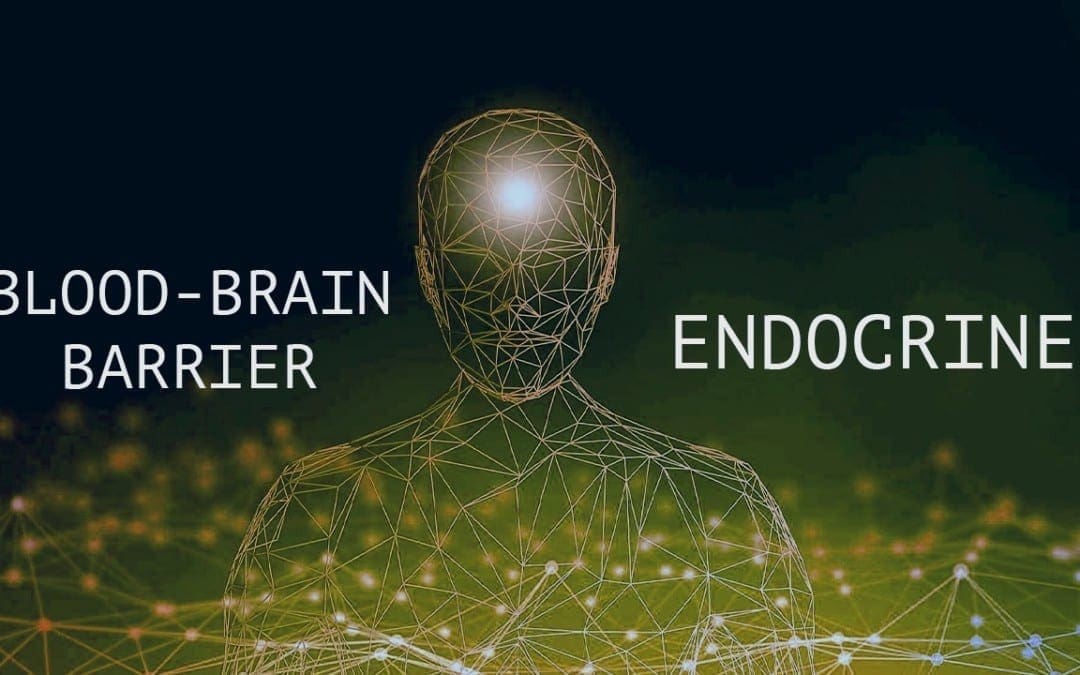
If you are experiencing any of these situations, then it might be your blood-brain barrier and your endocrine system that may be imbalanced.
The brain in the human body is the primary control system that makes sure that each of the body’s system is working correctly. This includes the gastrointestinal system, the hepatic system, the neurological system, and, most importantly, the endocrine system. In the brain, however, there is a tissue known as the blood-brain barrier, it is connected to the endocrine system. It is essential to make sure that the blood-brain barrier and the endocrine system are healthy in the human body.
The Blood-Brain Barrier
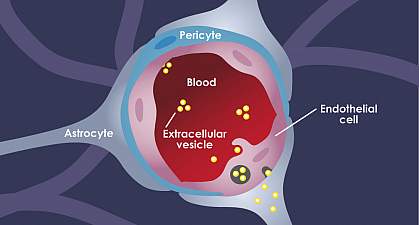
The blood-brain barrier in the body separates the central nervous system from peripheral tissue. Even though the blood-brain barrier separates the nervous system, it does not prevent hormones from entering the brain. Research shows that the brain can bind and secretes any circulating substances and can be qualified as an endocrine organ. When this happens, it can be one of the largest and most metabolically active of the endocrine organs by acting as both the target and secretor of hormones.
With the blood-brain barrier, it conveys the blood vessels by transporting the blood from the heart to every tissue and organs throughout the body. It then delivers oxygen and the nutrients to all the tissues and removing the carbon dioxide and metabolic waste from the tissues. The blood vessels also convey hormonal signals to the tissues and is a mediator for interacting with the peripheral immune system with each tissue. Research shows that since the blood-brain barrier is an endocrine tissue, the substances that are being carried in the blood can emerge in a hormone-like fashion. The research stated that the blood-brain barrier could exhibit the endocrine system properties as well as being a target for hormones that can affect many of the blood-brain functions in the body.
The Endocrine System
The endocrine system is a collection of glands that secretes out and produces hormones that can regulate not only the body but makes sure that it regulates the body’s metabolism and many other functions that the body needs to function correctly. When the body’s hormone levels fluctuate, it can be very good or horrible, depending on the situation. If the body produces an abundance of hormones, it can cause a person to have hyperthyroidism, and when the body produces a low abundance of hormones, the body can have complications and cause the body to develop chronic illnesses. Stress, infections, and diabetes can influence the body’s hormone levels by making hormones either too much or too little. By making sure that the body’s hormones are at a balanced level is essential because eating right and doing daily exercises can make the body function properly and feel good as well.
Since the body can produce hormones naturally, the job of the primary hormone is to make sure that it is traveling in the bloodstream and making it to the various organs and tissues that need the hormone levels. The hormone levels can tell every organ and tissues what to do and how to function. When the hormone levels get crazy by being produced too much or too little, it causes those organs and tissues to malfunction.
For the blood-brain barrier, since it is an endocrine tissue, it can divide the hormone receptors. The research found out that the blood-brain barrier can respond to circulate the hormone substances and secrete those hormone substances into the blood circulation and the central nervous system. It can also make sure that when the hormone receptors are being divided that it goes to the central nervous tissues and the peripheral tissues. The research also found out that insulin levels can also affect the brain’s endothelial cell function through several parameters and modulating amino acids, leptin, and p-glycoprotein transporters in the body.
Surprisingly there is a unique feature that the blood-brain barrier possesses. The blood-brain relies on its cell membrane surfaces facing into the bloodstream and the interstitial fluid of the central nervous system so that way it can receive signals for the body. The research found out that the blood-brain barrier’s properties are primarily manifested within the brain’s endothelial cells. They can be induced and maintained through critical interactions with the cells that are interacting in the neurovascular unit in the brain. With these endocrine-like mechanisms that the blood-brain barrier has, it can help dampen the effects of endocrine diseases like neurodegenerative conditions and Alzheimer’s disease.
Conclusion
The blood-brain barrier is an essential tissue in the brain as it functions as an endocrine tissue and does play a role by interacting with the hormone levels that the endocrine system secreted out to the body. When the hormone levels start to malfunction by either producing an abundance or too little amount of hormones, it can cause the body to have chronic illnesses and the blood-brain barrier to dysfunction in the brain, causing degenerative neurological disorders in the brain as well. Some products can help the endocrine system by making sure the hormone levels are balanced as well as products for a healthy brain function for a healthy body.
The scope of our information is limited to chiropractic, musculoskeletal, and nervous health issues or functional medicine articles, topics, and discussions. We use functional health protocols to treat injuries or disorders of the musculoskeletal system. Our office has made a reasonable attempt to provide supportive citations and has identified the relevant research study or studies supporting our posts. We also make copies of supporting research studies available to the board and or the public upon request. To further discuss the subject matter above, please feel free to ask Dr. Alex Jimenez or contact us at 915-850-0900.
References:
Banks, William A. �Brain Meets Body: the Blood-Brain Barrier as an Endocrine Interface.� Endocrinology, Endocrine Society, Sept. 2012, www.ncbi.nlm.nih.gov/pmc/articles/PMC3423627/.
Banks, William A. �The Blood-Brain Barrier as an Endocrine Tissue.� Nature Reviews. Endocrinology, U.S. National Library of Medicine, Aug. 2019, www.ncbi.nlm.nih.gov/pubmed/31127254.
Daneman, Richard, and Alexandre Prat. �The Blood-Brain Barrier.� Cold Spring Harbor Perspectives in Biology, Cold Spring Harbor Laboratory Press, 5 Jan. 2015, www.ncbi.nlm.nih.gov/pmc/articles/PMC4292164/.
Zimmermann, Kim Ann. �Endocrine System: Facts, Functions and Diseases.� LiveScience, Purch, 18 Feb. 2018, www.livescience.com/26496-endocrine-system.html.
The University offers a wide variety of medical professions for functional and integrative medicine. Their goal is to inform individuals who want to make a difference in the functional medical fields with knowledgeable information that they can provide.
If you are feeling or experiencing any of these situations, then you might be experiencing male menopause or andropause.
When men and women are heading to their 50s, their bodies start to change. For women, they start to develop hot flashes, and their hormones start to change as well. Since it is normal for hormones to change naturally when a person is aging, it affects women more than men. Studies have shown that sex hormones in males occur gradually as they age. There is a term called “male menopause,” and it is defined when males have a decreased level of testosterone that is related to aging. Many healthcare professionals have another name for “male menopause,” and that is andropause.
Andropause
Andropause and menopause are entirely different since menopause causes a woman’s ovulation and hormones to plummet for a short period. With andropause, it causes a male’s testosterone production and their other hormones to decline for many years. Since testosterone levels in males are vastly different, older men tend to have lower levels than younger men, and testosterone levels can gradually decline throughout adult life.
Studies found that when a person ages, their aging process can affect the body�s systems, including the endocrine system. When a person is aging, their adrenal glands will go through morphological changes, and those changes can alter their cortex endocrine functions. Another study showed that since andropause is age-related, there is a partial insufficiency in the adrenal cortex in the endocrine system, and there are low levels of DHEA (dehydroepiandrosterone) and DHEA sulfate that can affect the cortisol levels.
DHEA and DHEA Sulfate
With DHEA and DHEA sulfate, research has found that these two are steroids that are produced abundantly by the adrenal glands in the endocrine system.� With these two components, they provide beneficial properties and effects that have anti-aging properties to stimulate the immune system and the endocrine system. When males are going through the changes as they get older, their hormones will naturally decrease in their bodies.
Since andropause is age-related and has partial insufficiency on the adrenal cortex and it is characterized by low blood levels of DHEA and DHEA sulfate when it is under the presence of cortisol levels in the body. With andropause and its characteristics, it shows how males have low DHEA levels, and it can cause them to have a higher risk of erectile dysfunction in their bodies. It is essential to know that the endocrine system initiates the aging process.
Andropause Factors
Some studies show how there are changes in the endocrine pathways and are being accompanied by healthy aging. The changes can be from growth hormones to sex hormones in the male�s bodies. The results show a clinical significance of these changes and have the results morphologically and functionally. Surprisingly there have been many age-associated diseases like epithelial skin cancer and neurodegenerative diseases that can attack the body due to the lack of hormones that are being produced. Hence hormone replacement therapies are conducted for older individuals.
When it comes to andropause and low testosterone in males, there are recognizable signs and symptoms that healthcare professionals and male individuals should look for. They can be:
Sexual function: Low testosterone level can reduce sexual desire, causes erectile dysfunction and infertility, to name a few. Even male’s testes might be smaller as well.
Sleep patterns: Sleep disturbances like insomnia or feeling more tired is due to low testosterone in the body.
Physical changes: For males who have low testosterone, various physical changes can happen to their bodies. They can either have increased body fat, reduced muscle bulk, and decrease bone density. Sometimes the male body can develop gynecomastia (swollen breast) and body hair loss.
Emotional changes: With low testosterone levels, they can make males have a decrease in motivation or self-confidence.
It is essential to know that when males have low testosterone, they can go for testosterone therapy to help dampen the signs and symptoms that they might experience.
Conclusion
Andropause is when males have low testosterone levels in their bodies. Naturally, hormone levels can decrease when males get older, and it is essential to know that there is testosterone therapy for males who have low levels of this hormone. It is ok to be on a healthy lifestyle and eating natural foods that can help boost up hormone levels in the body to make sure that it is functioning correctly. Some products are here to help the endocrine system and support the metabolic system as well. They even help the adrenal glands and support the gastrointestinal system to make sure the body is functioning correctly for a healthy new year.
The scope of our information is limited to chiropractic, musculoskeletal, and nervous health issues or functional medicine articles, topics, and discussions. We use functional health protocols to treat injuries or disorders of the musculoskeletal system. Our office has made a reasonable attempt to provide supportive citations and has identified the relevant research study or studies supporting our posts. We also make copies of supporting research studies available to the board and or the public upon request. To further discuss the subject matter above, please feel free to ask Dr. Alex Jimenez or contact us at 915-850-0900.
References:
Makrantonaki, Evgenia, et al. �Skin and Brain Age Together: The Role of Hormones in the Ageing Process.� Experimental Gerontology, U.S. National Library of Medicine, Oct. 2010, www.ncbi.nlm.nih.gov/pubmed/20719245.
Nawata, Hajime, et al. �Adrenopause.� Hormone Research, U.S. National Library of Medicine, 2004, www.ncbi.nlm.nih.gov/pubmed/15539809.
Papierska, Lucyna. �Adrenopause – Does It Really Exist?� Przeglad Menopauzalny = Menopause Review, Termedia Publishing House, June 2017, www.ncbi.nlm.nih.gov/pmc/articles/PMC5509973/.
R�mmler, Alexander. �Adrenopause and Dehydroepiandrosterone: Pharmacological Therapy versus Replacement Therapy.� Gynakologisch-Geburtshilfliche Rundschau, U.S. National Library of Medicine, Apr. 2003, www.ncbi.nlm.nih.gov/pubmed/12649580.
Staff, Mayo Clinic. �Understanding Aging and Testosterone.� Mayo Clinic, Mayo Foundation for Medical Education and Research, 18 May 2017, www.mayoclinic.org/healthy-lifestyle/mens-health/in-depth/male-menopause/art-20048056.
By informing individuals about how the National University of Health Sciences provides knowledge for future generations who want to make a difference in the world. The University offers a wide variety of medical professions for functional and integrative medicine.
IFM's Find A Practitioner tool is the largest referral network in Functional Medicine, created to help patients locate Functional Medicine practitioners anywhere in the world. IFM Certified Practitioners are listed first in the search results, given their extensive education in Functional Medicine