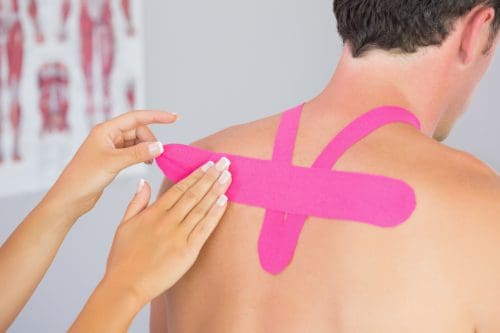
You may have seen professional athletes, dancers, gymnasts, and others who engage in extremely physical activities using a type of tape on various points of their bodies. It is sometimes colored and does not seem to inhibit range of motion. While it looks like tape or maybe a very fancy bandage, it is a highly technical, specialized tape that is used to treat patients of all ages and activity levels. It is called Kinesio tape, and it is often used by chiropractors to help address specific injuries.
What is Kinesio Tape?
Also called Kinesio Tex Tape, Kinesio Tape is a special adhesive tape that has elastic properties. It was developed by Dr. Kenzo Kase, a chiropractor, and acupuncturist, in 1979. It is safe for all ages including pediatric and geriatric patients. The tape is comprised of a 100% cotton fiber strip with medical grade acrylic adhesive. It is soft and gentle, but it works.
The tape is hypoallergenic and latex free, so it is appropriate for a vast audience. It is also water resistant, making it wearable for many activities. When worn, the tape does not limit or inhibit range of motion, and the same tape can be worn for several days without losing its effectiveness.
How does Kinesio Tape Work?
The tape can stimulate or relax muscles, depending on the tension that it puts on the body when applied. When worn, it lifts the skin by microscopic increments which aids in lymphatic drainage.
It also helps to decrease inflammation and swelling which reduces pressure in the area. This allows the blood and lymphatic fluid to flow freer and more effectively in and out of the affected area.
When used correctly, Kinesio Tape can reduce inflammation, promote better circulation, prevent injury, facilitate healing, the re-educate the neuromuscular system. This helps the body return to homeostasis. It can be applied in many different configurations, but often the applications are a single �I,� �Y,� or �X.�
The Kinesio Taping Method
The Kinesio taping method is a systematic, therapeutic technique that offers a two-prong approach of supporting the patient and rehabilitating the condition or affected area. It can alleviate pain reduce swelling, providing relief to the patient. There are specific taping shapes that are specialized to address certain areas of the body as well as certain conditions. While it provides stability and support to the body�s joints and muscles, it does not restrict the range of motion. The technique is designed to address soft tissue injury by manipulating that area and facilitating healing.
What Conditions is Kinesio Taping used to Treat?
Many conditions throughout the body can benefit from Kinesio Taping. Chiropractors use it for:
Lower back strain
Plantar fasciitis
Back strain
Carpal tunnel syndrome
Rotator cuff injury
Ankle Sprains
Whiplash
Herniated disc
Post-surgery edema
Tennis elbow
Pre-surgery edema
Patella tracking
Athletes may also use it for additional support or to prevent injury. Because it relies on the body�s natural healing process, many people find it to be preferred treatment for many painful conditions. When combined with chiropractic care, Kinesio Tape is very effective.
When treating a condition with Kinesio Tape, the chiropractor may use a variety of techniques, depending on the illness or injury. They may use spinal manipulation, massage, and other treatments, combining them with recommendations for lifestyle changes and diet modifications.
The draw for this treatment is that it encourages the body to heal itself, eliminating the need for drugs with their undesired and unpleasant side effects, or more invasive procedures like surgery. Kinesio Taping is safe, natural, and a perfect complement to chiropractic care.
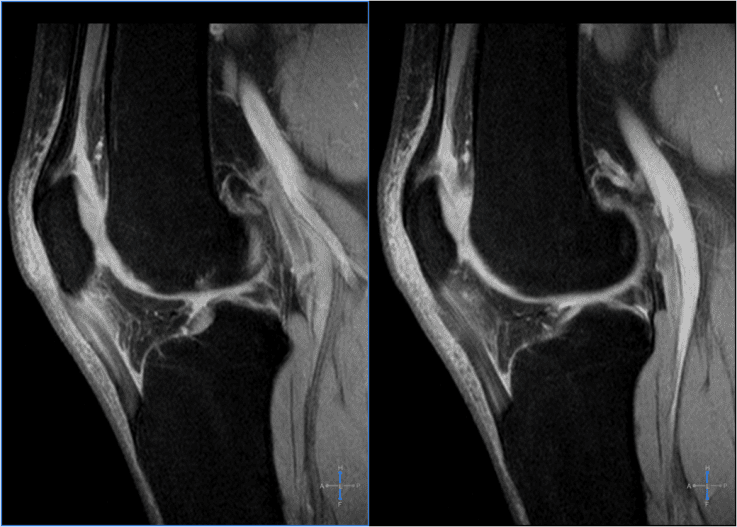
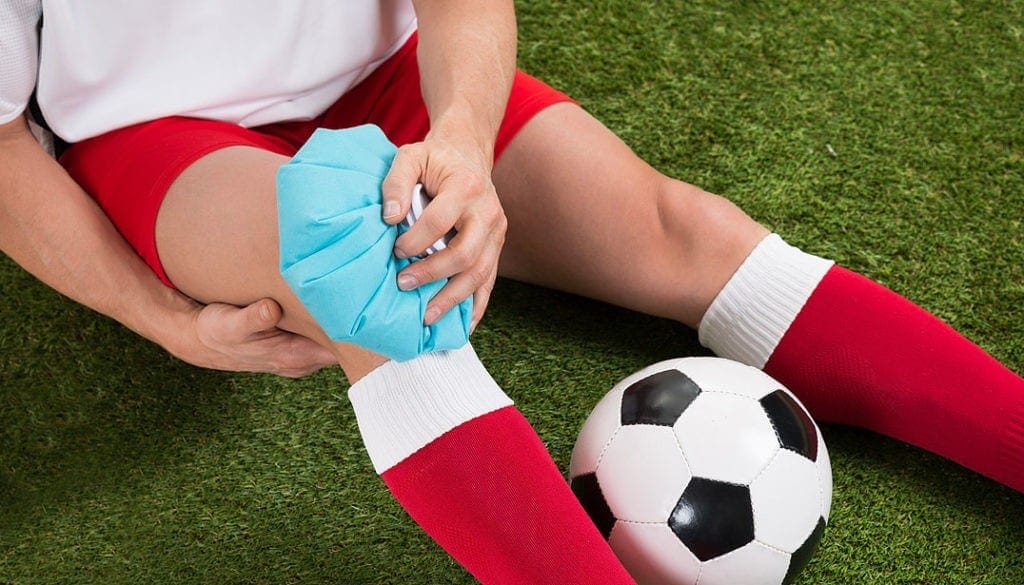
Patellar tendinitis is a common health issue characterized by the inflammation of the tendon which joins the kneecap, or patella, to the shinbone, or tibia. The knee pain associated with this problem may range from mild to severe depending on the circumstances of the knee injury.
Patellar tendinitis, or jumper’s knee, is a well-known sports injury among athletes who play in basketball and volleyball. Among recreational volleyball players, an estimated 14.4 percent of them have jumper’s knee, where the incidence is even higher for professional athletes. An estimated 40 to 50 percent of elite volleyball players have patellar tendinitis.
Causes of Patellar Tendinitis
Patellar tendinitis is caused by repetitive strain on the knee, most often from overuse in physical activities. Stress can create tears along the tendons which can cause inflammation in the complex structures of the knee.
Other contributing factors of patellar tendinitis include:
Tight or stiff leg muscles
Uneven leg muscle strength
Misaligned toes, ankles, and legs
Obesity
Sneakers without enough padding
Tough playing surfaces
Chronic health issues that weaken the tendon
Athletes have a higher chance of developing patellar tendinitis because running, jumping, and squatting put more force over the tendon. Running can place a force of as many as five times the body weight on the knees.
Intense physical activity for an extended amount of time has been previously associated with jumper’s knee. A 2014 research study noted that jump frequency was also a significant risk factor for amateur players.
Symptoms of Patellar Tendinitis
The initial symptoms of patellar tendinitis include pain,�discomfort, and tenderness at the base of the kneecap or patella. Other symptoms of patellar tendinitis may include a burning sensation. For many patients, getting up from a squat or kneeling down can also be particularly debilitating.
The pain associated with patellar tendinitis may be irregular at first, manifesting immediately after participating in physical activities. Damage or injury to the tendon can also make the pain worse. Jumper’s knee can affect regular daily activities, such as climbing stairs or sitting in a vehicle.
�
Patellar tendinitis, also known as “jumper’s knee”, is a particularly common cause of pain and discomfort in the patellar region of many athletes. While it frequently occurs as a result of repetitive or continuous jumping, research studies have demonstrated that patellar tendinitis may be associated with stiff ankle movements and ankle sprains, among other sports injuries.
Dr. Alex Jimenez D.C., C.C.S.T. Insight
Patellar Tendinitis Diagnosis
At the start of a�consultation, the healthcare professional will first ask the patient about their specific health issue. The doctor will then physically evaluate the patient’s knee, probe for where they are feeling pain, and test the assortment of knee motion by bending and extending the patient’s leg.
Furthermore, the healthcare professional may additionally order imaging diagnostics to find out if there’s any damage or injury to the tendon or even the bone. These tests can help rule out a broken bone, or fracture. The doctor may use an X-ray to look for a displaced or fractured kneecap, and an MRI or an ultrasound to reveal any harm to the soft tissue.
Patellar Tendinitis Treatment
Treatment for patellar tendinitis depends on the damage or injury to the knee. Conservative steps to reduce pain, such as rest or exercises are generally the first line of treatment. The healthcare professional will usually recommend a span of controlled rest, where they will prevent the patient from engaging in physical activities that put�pressure on the knee.
Drugs and/or Medications
The healthcare professional may prescribe over-the-counter drugs and/or medications for short-term pain relief and inflammation reduction.
These can consist of:
Ibuprofen (Advil)
Naproxen sodium (Aleve)
cetaminophen (Tylenol)
If the patient’s symptoms are severe, the healthcare professional may recommend the use of corticosteroid injection in the area around the patellar tendon. This treatment is effective in reducing acute pain.
Another method of utilizing corticosteroid for patellar tendinitis is by spreading the medication over the affected knee and use a low electrical charge to push it through the skin, in a process known as iontophoresis.
Chiropractic Care and Physical Therapy
The goal of chiropractic care and physical therapy for patellar tendinitis is to reduce pain and inflammation, among other symptoms, as well as to strengthen the leg and thigh muscles with stretches and exercises.
If the patient’s symptoms are severe, even while resting, the doctor may recommend that you wear a brace and then use crutches to avoid additional damage or injury to the tendon. If the patient has no painful symptoms, then they can start participating in a physical therapy activities.
A rehabilitation program generally consists of:
A warm-up interval
Massage, heat or ice to the�knee
Stretching exercises
Strengthening exercises
A doctor of chiropractic, or chiropractor, may use ultrasound and electrical stimulation to relieve the patient’s knee pain. A�knee brace or taping of the knee might also help reduce pain by supporting the kneecap when engaging in physical activities. The healthcare professional may develop a workout program that may include a series of stretches and exercises.
Surgery
When other treatments are not effective in relieving painful symptoms associated with patellar tendinitis, the doctor may advise surgery to repair the patellar tendon. Traditional surgery involves opening the knee to scrape on the kneecap and tendon. More recently,�arthroscopic surgery is used for this particular process. This surgical intervention involves making four small incisions in the knee and it has a shorter recovery time.
The recovery period for surgery varies per procedure. Some surgical intervention advise for immobilization with a cast. Others suggest�an immediate rehabilitation program. Regardless of the level of damage and/or injury, it’s essential for patients to seek medical attention for their patellar tendinitis. The scope of our information is limited to chiropractic as well as to spinal injuries and conditions. To discuss the subject matter, please feel free to ask Dr. Jimenez or contact us at�915-850-0900�.
Curated by Dr. Alex Jimenez
Additional Topic Discussion: Relieving Knee Pain without Surgery
Knee pain is a well-known symptom which can occur due to a variety of knee injuries and/or conditions, including sports injuries. The knee is one of the most complex joints in the human body as it is made-up of the intersection of four bones, four ligaments, various tendons, two menisci, and cartilage. According to the American Academy of Family Physicians, the most common causes of knee pain include patellar subluxation, patellar tendinitis or jumper’s knee, and Osgood-Schlatter disease. Although knee pain is most likely to occur in people over 60 years old, knee pain can also occur in children and adolescents. Knee pain can be treated at home following the RICE methods, however, severe knee injuries may require immediate medical attention, including chiropractic care.
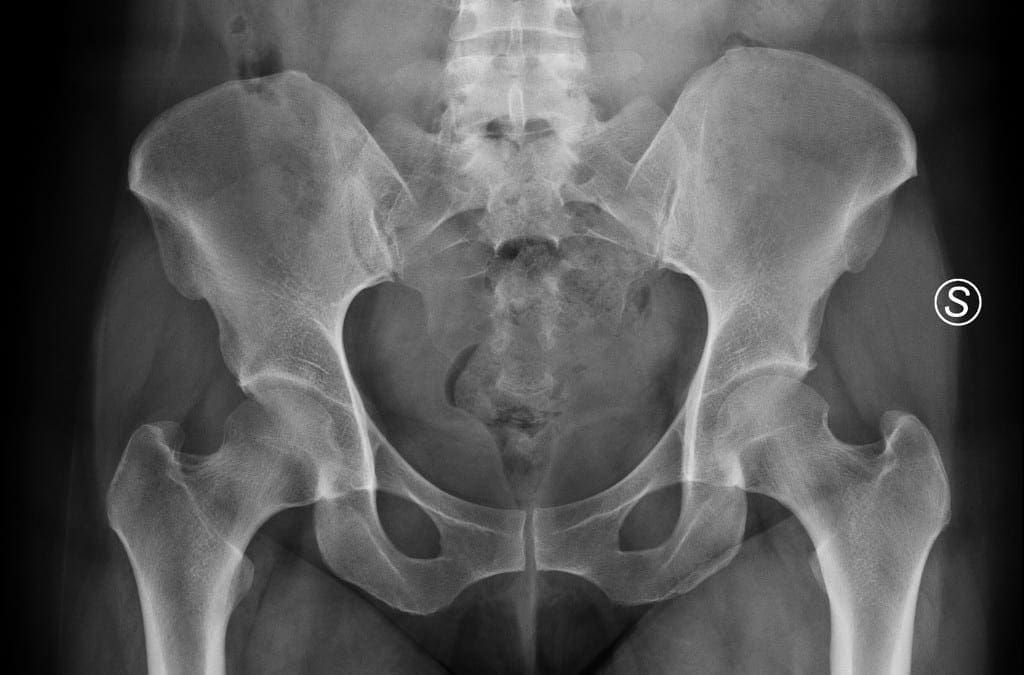
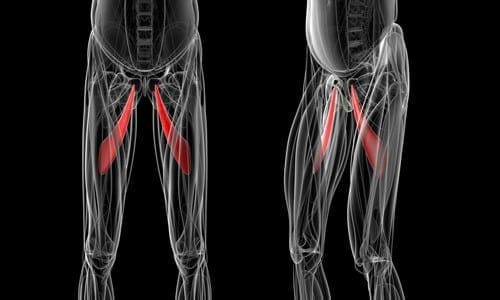
Pain along the pelvis and groin region is known as osteitis pubis. Osteitis pubis develops through the inflammation of the pubic symphysis, or the joints of the major pelvic bones found at the front of the pelvis.
The pubic symphysis is a thin joint which generally provides very minimal motion. The joint retains the two sides of the pelvis together in the front, where they connect�at the sacrum in the rear side of the pelvis.
Osteitis Pubis Symptoms
Osteitis pubis is commonly characterized by pain in the front of the pelvis. Other causes of pelvic pain, such as a strain or a sprain, are frequently confused and diagnosed as osteitis pubis. While many patients report painful symptoms on one side, the�pain�typically occurs in the middle of the pelvis. Other symptoms of osteitis pubis include limping and weakness.
Osteitis Pubis Causes
For some patients, the pubic symphysis itself can become irritated and inflamed, causing the well-known symptoms of osteitis pubis. Other common causes of osteitis pubis comprise of: sports injuries, particularly from football, hockey, and soccer; pregnancy; gynecologic or abdominal surgical interventions; and trauma or injury from accidents.
�
Osteitis pubis is known as the inflammation of the pubis symphysis which causes various degrees of lower abdominal, pelvic, and groin pain. Symptoms of osteitis pubis include pain and discomfort in the region of the pelvis when engaging in physical activities, and loss of flexibility. A variety of causes, including sports injuries, can cause osteitis pubis. Fortunately, rest alone can help treat this painful health issue.
Dr. Alex Jimenez D.C., C.C.S.T.
Osteitis Pubis Diagnosis
Diagnosis of osteitis pubis generally involves x-rays which demonstrate an irregular pubic symphysis with sclerotic, or thick, bone borders as a result of chronic inflammation. An MRI test is generally not required, however, it will help demonstrate the inflammation of the bone and the joint.
Additional tests may be performed to ensure there’s no infection in the bone which could also be causing symptoms similar to osteitis pubis. This complication is more of a concern for those patients who have had recent surgery or for those who are more prone to suffer from infections.
Osteitis Pubis Management
The most recommended treatment for osteitis pubis is rest. Since inflammation is the problem, the human body often only requires the joint to rest in order to heal correctly. Other treatment, however, consists of:
Rest
An essential treatment for osteitis pubis is rest as this will permit the intense inflammation in the pelvis and groin to subside. For many patients, rest alone is the only treatment necessary for their�osteitis pubis. If the pain is severe, crutches or a cane may provide additional assistance.
Ice and Heat
Ice packs and heating pads are among the most commonly used remedies for inflammation. Make sure to follow the instructions of your healthcare professional before utilizing ice and heat for your osteitis pubis symptoms.
Chiropractic Care
Chiropractic care is a well-known, alternative treatment option for osteitis pubis. A doctor of chiropractic, or chiropractor, will utilize a variety of treatment methods and techniques, to help restore strength, mobility, and flexibility while rest is needed to subside the painful symptoms. Chiropractic care can also help correct any spinal misalignments which may be causing additional pain and discomfort for the patient.
Drugs and/or Medications
Nonsteroidal anti-inflammatory drugs and/or medications, commonly referred to as NSAIDs, are frequent prescriptions provided for patients with hip pain brought on by problems like arthritis, bursitis, and tendonitis.
Treatment of osteitis pubis may take some time to completely relieve the painful symptoms. The use of drugs and/or medications is demonstrated to be better than the other treatment options listed above, although attempts to heal osteitis pubis with cortisone injections have been tested.
Surgical interventions are generally not necessary for patients with osteitis pubis.�The scope of our information is limited to chiropractic as well as to spinal injuries and conditions. To discuss the subject matter, please feel free to ask Dr. Jimenez or contact us at�915-850-0900�.
Curated by Dr. Alex Jimenez
Additional Topics: Acute Back Pain
Back pain�is the most prevalent cause of disability worldwide and the second most common reason for doctor office visits, outnumbered only by upper-respiratory infections. Approximately 80 percent of the population will experience back pain at least once throughout their life. The spine is a complex structure made up of bones, joints, ligaments, and muscles, among other soft tissues. Because of this, injuries and/or aggravated conditions, such as�herniated discs, can eventually lead to symptoms of back pain. Sports injuries or automobile accident injuries are often the most frequent cause of back pain, however, sometimes the simplest of movements can have painful results. Fortunately, alternative treatment options, such as chiropractic care, can help ease back pain through the use of spinal adjustments and manual manipulations, ultimately improving pain relief.
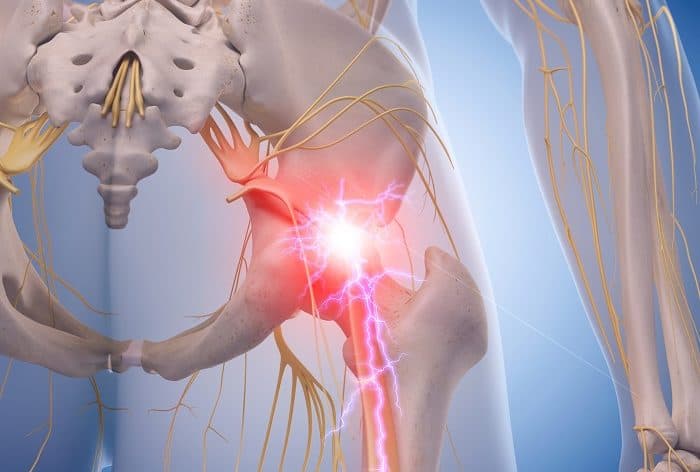
Sciatica is a collection of symptoms in the low back, which radiate down one or both legs. Sciatica is generally caused by the compression or irritation of the sciatic nerve, the largest nerve in the human body. One of the most common health issues that cause sciatic nerve pain is called piriformis syndrome. The piriformis muscle stretches from the front of the sacrum, the triangle-shaped bone between the hipbones on the pelvis.
The piriformis muscle extends to the top of the femur around the sciatic nerve. The femur, as previously mentioned, is the large bone in the upper leg. The piriformis muscle functions by helping the thigh move from side to side. A piriformis muscle spasm, or any other type of injury and/or condition along the piriformis muscle, can place pressure on the sciatic nerve and cause pain and discomfort. The result is piriformis�syndrome.
Piriformis Syndrome Causes and Symptoms
Sciatic nerve pain,�or sciatica, is one of the most prevalent�symptoms of piriformis syndrome. The pain and discomfort, however, may be felt in another part of the body. This is known as referred pain. Other common symptoms of piriformis syndrome include tingling sensations and numbness; tenderness;�difficulty sitting along with�pain while sitting and pain in the buttocks and thighs with physical activities.
The piriformis muscle can easily become damaged or injured from periods of inactivity or an excessive amount of exercise. Some common causes of piriformis syndrome include overuse; repetitive movements involving the legs; sitting for lengthy periods of time; lifting heavy objects; and extensive stair climbing. Sports injuries or automobile accident injuries can also harm the piriformis muscle and cause it to compress the sciatic nerve.�
�
Piriformis Syndrome Diagnosis
A doctor appointment for diagnosis of piriformis syndrome may include a review of the patient’s health history, their symptoms, and other probable causes of their pain and discomfort. If you recall straining a muscle during physical activity, be sure to share that information with your doctor. The�doctor may also perform a physical exam. The patient will participate in a series of range of movements to determine the cause of symptoms.
Some imaging tests may also be essential to help rule out other causes of piriformis syndrome. A CT scan or an MRI scan may help the healthcare professional determine whether even a herniated disc or arthritis is causing the patient’s pain and discomfort. An ultrasound of the piriformis muscle may also be helpful in diagnosing the problem if it seems that piriformis syndrome is causing the patient’s overall symptoms.
�
Piriformis syndrome is a health issue associated with the compression or impingement of the sciatic nerve around the piriformis muscle. Symptoms may include pain and discomfort, tingling sensations and numbness along the low back, or sciatica. Chiropractic care is a well-known alternative treatment option which can help reduce the compression of the sciatic nerve and improve piriformis syndrome.
Dr. Alex Jimenez D.C., C.C.S.T.
Piriformis Syndrome Treatment
Piriformis syndrome may often not need any treatment to�relieve its symptoms. Just avoiding the physical activities which caused the pain and discomfort to manifest and rest can help improve the health issue. If symptoms do persist, however, alternating between ice and heat can help decrease pain. Apply ice for 15 to 20 minutes then use a heating pad on the affected area. Try that every couple of hours to help relieve symptoms.
Over-the-counter painkillers�may also help decrease pain and discomfort. The symptoms associated with piriformis syndrome can go away with no additional treatment, however, if it doesn’t, the patient might benefit from alternative treatment options, such as chiropractic care or physical therapy. Chiropractic care is a treatment approach which utilizes spinal adjustments and manual manipulations to treat a variety of injuries and/or conditions.
A chiropractor,�or doctor of chiropractic, may also provide piriformis syndrome relief through the use of transcutaneous electrical nerve stimulator, or TENS, treatment. A TENS device is a handheld unit which sends electrical charges directly to the affected region of the piriformis muscle. The nerves are then stimulated by the electric energy, which interferes with pain signals being transmitted to the brain.
The chiropractor or physical therapist may also recommend a series of lifestyle modifications, including physical activity guidance and nutritional advice. Various stretches and exercises can help improve the strength, flexibility, and mobility of the�piriformis muscle. In severe cases of piriformis syndrome, corticosteroid injections or even surgical interventions may be required to help alleviate the symptoms.�The scope of our information is limited to chiropractic as well as to spinal injuries and conditions. To discuss the subject matter, please feel free to ask Dr. Jimenez or contact us at�915-850-0900�.
Curated by Dr. Alex Jimenez
Additional Topics: Chiropractic for Athletes with Back Pain
Back pain�is one of the most prevalent causes of disability and missed days at work worldwide. Back pain is the second most common reason for doctor office visits, outnumbered only by upper-respiratory infections. Approximately 80 percent of the population will experience back pain at least once throughout their life. The spine is a complex structure made up of bones, joints, ligaments, and muscles, among other soft tissues. Because of this, injuries and/or aggravated conditions, such as�herniated discs, can eventually lead to symptoms of back pain. Sports injuries or automobile accident injuries are often the most frequent cause of back pain, however, sometimes the simplest of movements can have painful results. Fortunately, alternative treatment options, such as chiropractic care, can help ease back pain through the use of spinal adjustments and manual manipulations, ultimately improving pain relief.
Athletic pubalgia is a debilitating health issue which affects the groin. The injury commonly happens through sports that use sudden changes of direction or intense twisting motions. Also referred to as a sports hernia, athletic pubalgia is characterized as a tear or strain in any soft tissue (muscle, tendon, ligament) of the abdominal or lower abdomen region.
Physiology of Athletic Pubalgia
The soft tissues most often affected by athletic pubalgia are the oblique muscles found in the lower abdomen, especially in the tendons that attach the oblique muscles to the pubic bone. In many instances, the joints that connect the thigh muscles to the pubic bone,�known as the adductor muscles, are also stretched or torn as a result of athletic pubalgia.
Physical activities which involve planting the feet and twisting with maximum exertion can cause athletic pubalgia. A sports hernia is most prevalent in vigorous sports, such as hockey, soccer, wrestling, and football. Athletic pubalgia�causes pain and discomfort in the groin region which typically gets better with rest but comes back with physical activity.
A sports�hernia does not result in a visible bulge in the groin, such as the well-known inguinal hernia does. As time passes, athletic pubalgia can lead to an inguinal hernia, and abdominal organs can push against the diminished cells to form a visible bulge. Without treatment, this sports injury could lead to chronic, disabling pain and other symptoms.
Healthcare Professional Diagnosis
During the first consultation, a doctor will discuss the individual’s symptoms and how the injury happened. To�diagnose athletic pubalgia, the healthcare professional will look for tenderness in the groin or above the pubis. Although a sports hernia may be related to an inguinal hernia, the doctor may not find any hernias during a physical examination.
Furthermore, to help determine the presence of athletic pubalgia, the healthcare professional will probably ask the patient to perform a sit-up or to�bend the trunk against resistance. If you have a sports hernia, these tests will be painful. The doctor may also require�x-rays or magnetic resonance imaging (MRI) to help determine whether you have athletic pubalgia.�The scope of our information is limited to chiropractic as well as to spinal injuries and conditions. To discuss the subject matter, please feel free to ask Dr. Jimenez or contact us at�915-850-0900�.
Curated by Dr. Alex Jimenez
Additional Topics: Acute Back Pain
Back pain�is one of the most prevalent causes of disability and missed days at work worldwide. Back pain attributes to the second most common reason for doctor office visits, outnumbered only by upper-respiratory infections. Approximately 80 percent of the population will experience back pain at least once throughout their life. The spine is a complex structure made up of bones, joints, ligaments, and muscles, among other soft tissues. Because of this, injuries and/or aggravated conditions, such as�herniated discs, can eventually lead to symptoms of back pain. Sports injuries or automobile accident injuries are often the most frequent cause of back pain, however, sometimes the simplest of movements can have painful results. Fortunately, alternative treatment options, such as chiropractic care, can help ease back pain through the use of spinal adjustments and manual manipulations, ultimately improving pain relief.
Of course, I’m prone to injuries and Dr. Alex Jimenez has been helping me. I’ve known him for about six years and every time something comes up, either it’s a small injury or a major one, he’s always been there and he’s always helped me get back to my feet to start playing sports again really fast.
Madison Hill
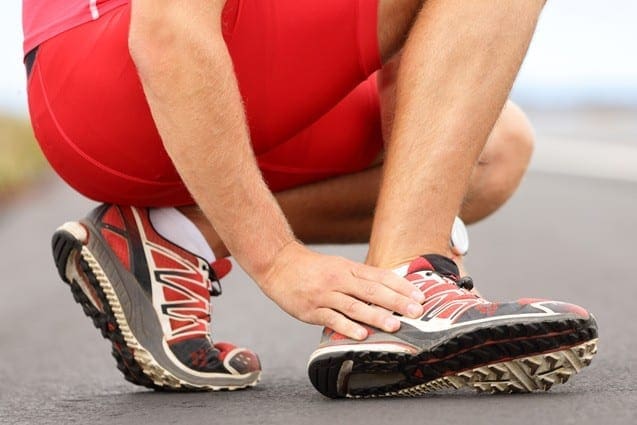
Ankle pain refers to any type of pain or discomfort in the ankle. This pain could generally be due to an injury, such as a sprain, or due to another health issue. As stated by the National University of Health Sciences, or NUHS, an ankle sprain is one of the most frequent causes of foot pain, making up 85 percent of all ankle injuries. A sprain occurs when the ligaments tear or are overstretched.
Most ankle sprains are lateral sprains, which occur when the foot rolls, causing the ankle to twist toward the ground. This action rips or stretches the ligaments, which connect two bones or cartilages and holds a joint together. A sprained ankle often swells and lumps for a temporary amount of time. However, it might take a couple of weeks to get a severe injury like this to�heal completely.
Once healed, the sprained ankle is occasionally permanently weaker and less stable compared to the other ankle. According to a paper released by the American Academy of Family Physicians, or AAFP, the highest risk for ankle sprains includes a previous ankle sprain. Although, ankle sprains are not the only cause of foot pain. Below, we will discuss several common causes of foot and ankle pain as well as their treatment.
Causes of Ankle and Foot Pain
The ankle is a hinge joint formed by the assembly of three bones: the tibia, the fibula, and the talus. The bony knobs on both sides are called the malleoli. Overall, the ankle is an intricate structure. These constructions provide support for walking and standing. Also, stability is provided by the ligaments on the surface of the ankle. Additionally, some tendons also attach to the muscles of the ankle.
Ankle pain may be brought on by various ailments, such as sprain, strain, arthritis, gout, and tendinitis, among others. These kinds of injuries can occur on both sides of the joint. There can be pain and discomfort as well as swelling. A sprain is considered to be the most frequent cause of foot pain. As�mentioned above, a sprain is generally caused when the ankle rolls or twists so the ankle moves toward the ground, tearing or overstretching the ligaments of the ankle that hold the bones together.
An x-ray is typically done to rule out a fracture. The remedy for an ankle strain or sprain generally includes restricting the total amount of weight-bearing on the ankle, getting rest and applying ice. Drugs and/or medications can reduce symptoms. Chiropractic care can also help diagnose and treat ankle sprains and strains. Ankle and foot pain may also be due to:
Arthritis, specifically osteoarthritis,
Gout
Tendinitis
Nerve injury or disease, such as sciatica
Blocked blood vessels
Infection from the joint
While ankle strains and sprains are the most common form of foot pain, arthritis can also frequently lead to ankle pain. Arthritis is the inflammation of the joints, although multiple kinds of arthritis may lead to pain in the joints. Foot pain can be caused by three common forms of arthritis: osteoarthritis, rheumatoid arthritis, and post-traumatic arthritis.
Osteoarthritis is a degenerative condition where the cartilage slowly begins to wear away. Osteoarthritis�causes the natural wear and tear of the joints associated with age. Older adults are more inclined to develop osteoarthritis. In most cases, an individual’s pain and discomfort, including swelling and�stiffness, among other symptoms may worsen over time.
Rheumatoid arthritis is a chronic autoimmune disease. This health issue may severely impact the foot and ankle joints. With rheumatoid arthritis, the human body’s immune cells attack the synovium covering the foot joints. Joint deformity is common with rheumatoid arthritis. A fungal or bacterial infection causes septic arthritis. If the septic arthritis is among the ankle regions, this may result in foot pain.
Following an injury, post-traumatic arthritis can develop from trauma or damage to the ankle or foot. Previous fractures and dislocations are the most common ailments that may lead to post-traumatic arthritis. Like gout, which we will discuss further below, the joints begin to wear away, although it may take several years for this to happen after the injury.
Gout occurs when uric acid accumulates in the human body. This higher than average concentration of uric acid, which is generally a by-product of the human body’s normal breakdown of older cells, can deposit crystals in the joints, causing sharp pain. Pseudogout is a similar illness where calcium deposits build up in the joints. Indicators of gout and pseudogout include soreness, swelling, and redness.
Tendinitis is a swelling of the tendon. In the ankle, it may frequently involve the anterior tibial tendon or the Achilles tendon. Tendinitis can result from an overuse injury or disorders like rheumatoid arthritis and ankylosing spondylitis. All types of tendinitis trigger pain, inflammation, and tenderness. Drugs and/or medications, applying ice and immobilizing the region are often the first line of treatment for tendinitis. Chiropractic care can also be helpful in the treatment of tendinitis. Casting may be required if the patient’s tendinitis is severe or advanced.
�
Foot pain can commonly occur due to ankle injuries. In the United States alone, approximately 2 million acute ankle sprains occur every year, one of the most prevalent causes of ankle pain. Chiropractic care is a popular alternative treatment option which can help treat a variety of health issues, including foot and ankle pain.
Dr. Alex Jimenez D.C., C.C.S.T.
Chiropractic Care for Foot and Ankle Pain
Chiropractors utilize a mixture of treatment techniques and methods to ease ankle and foot pain. Chiropractic care is a safe and effective, alternative treatment option which focuses on the diagnosis, treatment, and prevention of a variety of injuries and conditions associated with the musculoskeletal and nervous system, including foot and ankle pain.
Soft tissue and joint mobilizations are done to restore proper mechanics and muscle activation. Manual therapy may be used to improve the mobility of the ankle and foot along with reducing pain. Furthermore, a chiropractor may recommend a series of lifestyle modifications to help promote a faster recovery process. Exercises are targeted to the areas that were affected. Balance training might also be implemented.
Some treatment modalities that chiropractors utilize to treat injuries to the foot and ankle include ultrasound, electrical stimulation, heat and ice treatment, and massage. These treatment methods increase circulation to enhance recovery, decrease inflammation, reduce pain and improve mobility. When you visit a healthcare professional, a full evaluation is done, goals are discussed along with an individualized treatment program which is intended to target your specific treatment requirements.
Home Treatment for Ankle and Foot Pain
For immediate at-home treatment of foot and ankle pain, the RICE system is generally recommended. The RICE treatment includes:
Rest: Avoid putting weight on the ankle. Try to move as little as possible for the first couple of days. If you have to walk or run, consider using a cane or crutches.
Ice: Begin by putting a bag of ice in your ankle for a minimum of 20 minutes at a time. Repeat this three to five times every day for three days. This�treatment helps decrease pain. Give yourself about 90 minutes between sessions.
Compression: Wrap your injured foot with an elastic bandage, such as an ACE bandage. Don’t wrap it too tightly to where your feet turn blue or your ankle becomes numb.
Elevation: Whenever possible, keep your ankle raised over heart level on a pile of pillows or another type of support arrangement to promote healing.
It’s possible to take over-the-counter drugs and/or medications, such as acetaminophen or ibuprofen, to relieve swelling and pain, however, these are often only offer temporary relief from the symptoms. Make sure to talk to a certified and qualified healthcare professional regarding any home treatment options to prevent further injury and symptoms.
If�you are suffering from foot pain or ankle pain, do not delay anymore. Chiropractors can help patients who suffer from foot, and ankle pain and they can help you, too. The scope of our information is limited to chiropractic as well as to spinal injuries and conditions. To discuss the subject matter, please feel free to ask Dr. Jimenez or contact us at�915-850-0900�.
Curated by Dr. Alex Jimenez
Additional Topics: Acute Back Pain
Back pain�is one of the most prevalent causes of disability and missed days at work worldwide. Back pain is attributed�to the second most common reason for doctor office visits, outnumbered only by upper-respiratory infections. Approximately 80 percent of the population will experience back pain at least once throughout their life. The spine is a complex structure made up of bones, joints, ligaments, and muscles, among other soft tissues. Because of this, injuries and/or aggravated conditions, such as�herniated discs, can eventually lead to symptoms of back pain. Sports injuries or automobile accident injuries are often the most frequent cause of back pain, however, sometimes the simplest of movements can have painful results. Fortunately, alternative treatment options, such as chiropractic care, can help ease back pain through the use of spinal adjustments and manual manipulations, ultimately improving pain relief.
It’s been great, my turf toe has been getting a lot better. Actually, I didn’t see a doctor for about 4 months and it just kept getting worse. But when I started seeing Dr. Jimenez, it just, little by little it’s been starting to get better. It feels a lot better when I practice and stuff like that. So, it’s getting better. – Vincent Garcia
There’s always a particular risk for athletes when it comes to sports-related injuries, or sports injuries, particularly when participating in physical activities. Moreover, contact sports, such as soccer, baseball, football and basketball, tend to have higher injury rates than any other sport.
Twice as many men suffer sports-related injuries in contrast with females as a consequence of the types of sports that they most commonly engage in. Whether you’re a seasoned and experienced athlete or you simply play as a weekend warrior, there’s always a chance of experiencing a sports injury. Below, we will discuss several of the most common types of sports injuries, or sports-related injuries.
Common Sports Injuries
Sprains and strains are the most common sports injuries. Sprains are medically defined as injuries to the ligaments, or the strong bands which connect bones to the joints. Overly stretching these ligaments beyond their natural range can ultimately damage or even tear them.
Strains are medically referred to as injuries to the muscle fibers or tendons, which connect muscles to bones. Strains are known as “pulled muscles” for a reason, overly stretching or overuse of a muscle can cause tears in the muscle fibers or tendons.
�Think of ligaments and muscle-tendon units like springs,� explained Dr. William Roberts, MD, sports medicine physician at the University of Minnesota and spokesman for the American College of Sports Medicine. �The tissue lengthens with stress and returns to its normal length, unless it is pulled too far out of its normal range.� Additionally, sports injuries can result in a variety of other health issues.
Patellofemoral Syndrome
Accidents in sports which can harm an athlete generally are inclined to be knee injuries. Patellofemoral syndrome could be caused by a slide or fall onto the knees. This type of sports injury involves swelling, inflammation and an imbalance of the knee at its groove. Strengthening exercises and stretching can help provide flexibility and mobility to the muscles. Apart from strengthening exercises and stretches, a doctor of chiropractic, or chiropractor, may utilize therapeutic techniques for this specific injury.
Concussion
A blow to the head could lead to a concussion. Concussions are a serious type of sports injury and these should never be disregarded. Symptoms indicating a possible head injury may include nausea, vomiting, confusion, headache, and slurred speech. Any athlete who incurs a concussion must seek immediate medical attention. Chiropractic care can help with several of the symptoms, such as headaches, related to a concussion.
ACL Tear
The anterior cruciate ligament, or the ACL, is a fundamental ligament found in the knee. An ACL tear can be caused due to a sudden change in directions or coming to a sudden stop when playing sports or during exercise and physical activities. There’s typically swelling, inflammation and uncertainty in movement working with an ACL tear. Chiropractic care can assist with the recovery process of an ACL tear, particularly through physical therapeutics and rehabilitation programs.
Hip Flexor Strain
The hip flexor muscles are all located in the upper front area of the thigh. Sprinting, running slopes and sudden movements could lead to a hip flexor strain. There can be pain and discomfort together with swelling and inflammation in the region surrounding the thigh. Stretching and range of motion exercises employing a doctor of chiropractic, or chiropractor, can help aid with recovery. A chiropractor will work closely with a patient to determine the best treatment approach for their sports injuries.
Shin Splints
With shin splints, there’s usually pain and other painful symptoms in the lower leg, particularly along the tibia. Shin splints are the most common type of sports injuries among runners or running athletes. Ice and cold therapy can help reduce swelling and inflammation on the site. Moreover, runners or running athletes can prevent suffering shin splints by purchasing a good pair of shoes with proper arch support. The right equipment can always promote a safe participation in sports and physical activities.
Sciatica
Sciatica is back pain which radiates down the back of the leg and into the foot. This collection of symptoms is often seen in cyclists and athletes who perform a lot of backwards turning and swinging sports like tennis and golf. Sciatica, or sciatic nerve pain, may be caused by a pinched or compressed nerve, frequently due to a bulging or herniated disc. Chiropractic care is a well-known, alternative treatment option which can help alleviate sciatica, or sciatic nerve pain, symptoms.
Shoulder Injury
Shoulder injuries in sports commonly range from dislocations and misalignments to strains and sprains of the shoulder tendons and ligaments. Because the shoulder is frequently referred to as a weak joint, it is often vulnerable to suffering harm from sports injuries during exercise and physical activities, aside from the athlete’s specific sport. Ice and cold therapy as well as chiropractic care and rehabilitation can help ease the symptoms associated with shoulder injuries.
Tennis or Golf Elbow
This issue is known as an overuse sports injury. Repetitive actions inflame the forearm and wrist. Ice and cold therapy as well as rest normally helps with the symptoms, but stretching and strengthening exercises recommended by a chiropractor can also help.
Groin Pull
Additionally known as a groin strain, the groin muscles can get strained with quick side-to-side movements when engaging in exercises and physical activities. Stretching and strengthening exercises can help with the recovery process in this case as well.
Hamstring Strain
The hamstring muscles can be found in the back of the thigh. When athletes fail to stretch or exercise accordingly before engaging in their specific sports, it can cause this muscle to be pulled. If the symptoms of this condition continue over a couple of weeks, a chiropractor, or doctor of chiropractic, can help provide the necessary treatment through the use of other treatment approaches, such as ultrasound, among others, to help encourage the natural healing of the muscle and improve symptoms.
Dr. Alex Jimenez’s Insight
Although many common sports injuries are often beyond our control, athletes can engage in stretches and exercises before participating in their specific physical activities to help prevent a sports injury. Every workout should start with a gentle warm-up to prevent most of these sports injuries. It’s important for athletes to be mindful of the amount of pressure they exert on their bodies in order for them to avoid suffering sports injuries.
If you’ve suffered a sports injury, make sure to seek immediate medical attention from a qualified and experienced healthcare professional. Many skilled sports medicine doctors are dedicated to sports medicine and also focus on providing rehabilitation determined by the performance requirements of athletes. Healthcare professionals will design a treatment plan targeted to your sports injuries.
Get back in the game with the guidance of qualified and experienced healthcare professionals in sports injuries. Contact us and make sure to schedule a consultation.�The scope of our information is limited to chiropractic as well as to spinal injuries and conditions. To discuss the subject matter, please feel free to ask Dr. Jimenez or contact us at�915-850-0900�.
Curated by Dr. Alex Jimenez
Additional Topics: Acute Back Pain
Back pain is one of the most prevalent causes for disability and missed days at work worldwide. As a matter of fact, back pain has been attributed as the second most common reason for doctor office visits, outnumbered only by upper-respiratory infections. Approximately 80 percent of the population will experience some type of back pain at least once throughout their life. The spine is a complex structure made up of bones, joints, ligaments and muscles, among other soft tissues. Because of this, injuries and/or aggravated conditions, such as herniated discs, can eventually lead to symptoms of back pain. Sports injuries or automobile accident injuries are often the most frequent cause of back pain, however, sometimes the simplest of movements can have painful results. Fortunately, alternative treatment options, such as chiropractic care, can help ease back pain through the use of spinal adjustments and manual manipulations, ultimately improving pain relief.
IFM's Find A Practitioner tool is the largest referral network in Functional Medicine, created to help patients locate Functional Medicine practitioners anywhere in the world. IFM Certified Practitioners are listed first in the search results, given their extensive education in Functional Medicine