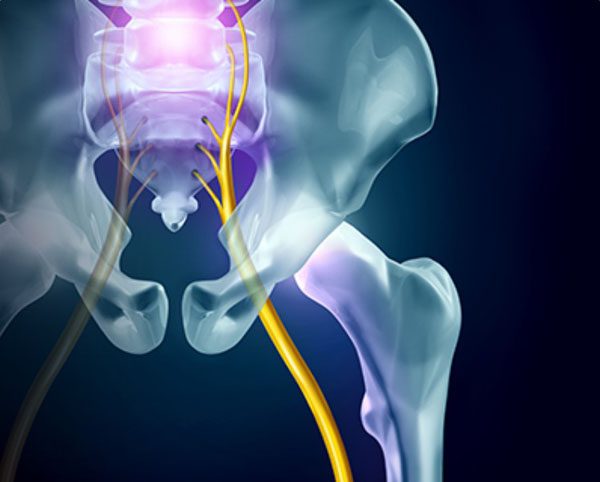
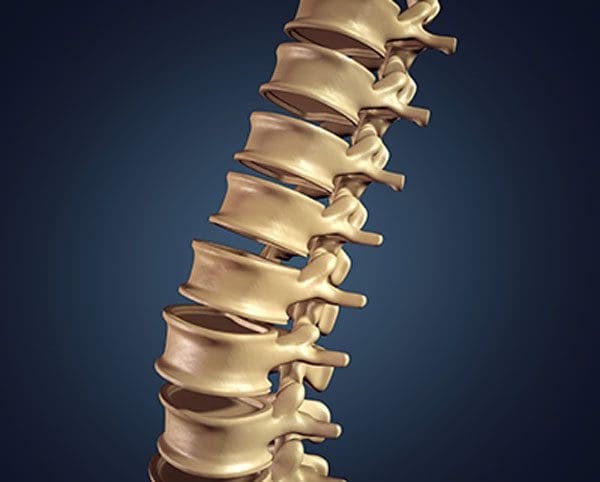
Because sciatica is an inflammatory condition, with the sciatic nerve specifically being the target, sciatica fitness and exercise is one of the first recommendations from chiropractors. Sciatica is a series of symptoms from a variety of underlying medical causes and condition/s. This could be:
Too much sitting, which most of us are doing these days
Work injuries
Automobile accident injuries
Sports injuries
Awkward movements/motions that pulled the sciatic nerve in the wrong direction
A correct diagnosis of the cause is essential to help the chiropractor formulate a customized optimal treatment plan. Individuals can experience the same symptoms across the board, however, despite the similarities, sciatica requires a careful, customized precision approach to treatment. An ideal treatment plan often requires a very specific exercise regimen and chiropractic adjustment schedule. Therefore, there is no one-size-fits-all solution.
Sciatica can be treated effectively with the right chiropractic approach with a high success rate for alleviated symptoms. Effectively treating sciatica requires direct treatment to the specific cause, rather than using techniques that only mask the pain. Example: If a herniated disc is the root cause, sciatica can be relieved by reducing the bulge of the disc, thus bringing down the irritation/inflammation and compression of the sciatic nerve.
�
Sciatica treatment/s depends on the cause
A stretching regimen for sciatica caused by a low back herniated disc will be different than stretches for treating low back spinal stenosis. Understanding how sciatica is the key to unlocking a treatment plan that will work to minimize pain and inflammation.
Exercise Can Help
Exercising and sciatica fitness will help relieve sciatic pain in various ways. These include:
Improves the range of motion, which reduces stress on the spine
Higher activity levels generate adrenaline and endorphins, to help combat the pain
Specific exercises/stretches need to be done that target the sciatic nerve and the root cause. Working with a chiropractor will bring an understanding of specifically how the body should be worked out, the intensity of the workout, and where on the body the focus should be.
For example, if the nerve is irritated from a pelvic tilt and low back compression, a chiropractor could recommend a minimal cardio workout with combined strength exercises for the hamstrings, glutes, and lower body. A strength and conditioning regimen will increase stability in the lower body, prevent pelvic tilt, and reinforce the chiropractic adjustments/alignment.
Chiropractic Benefits
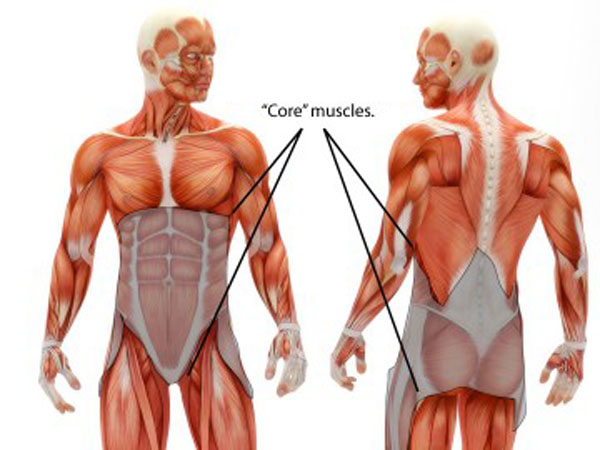
However, sciatica fitness and exercise on its own is not the complete solution for dealing with chronic sciatic pain. Chiropractic adjustments along with chiropractic prevention are necessary to restore the stability and integrity of the spine. When used in combination with exercise, the re-alignment and corrections can take effect sooner and maintain optimal spinal health. When individuals condition and strengthen their body, The musculature that supports the spine gets massive reinforcement. This minimizes the chances of a reoccurring pelvic tilt from weakened core muscles. The long-term effects of sciatica fitness/exercise and chiropractic spinal/hip manipulation work together to form a perfect combination.
�
Sciatica Fitness
For truly long-term effects of pain relief and a better quality of life, a chiropractic treatment plan is highly recommended. Specific targeted adjustments and re-alignment with a sciatica fitness program will promote optimal health and wellness.
�
Whole Body Wellness Foot Orthotics
Dr. Alex Jimenez�s Blog Post Disclaimer
The scope of our information is limited to chiropractic, musculoskeletal, physical medicines, wellness, and sensitive health issues and/or functional medicine articles, topics, and discussions. We use functional health & wellness protocols to treat and support care for injuries or disorders of the musculoskeletal system. Our posts, topics, subjects, and insights cover clinical matters, issues, and topics that relate and support directly or indirectly our clinical scope of practice.*
Our office has made a reasonable attempt to provide supportive citations and has identified the relevant research study or studies supporting our posts. We also make copies of supporting research studies available to the board and or the public upon request. We understand that we cover matters that require an additional explanation as to how it may assist in a particular care plan or treatment protocol; therefore, to further discuss the subject matter above, please feel free to ask Dr. Alex Jimenez or contact us at 915-850-0900. The provider(s) Licensed in Texas& New Mexico*
References
Beavers, Kristen M et al. �Effect of exercise training on chronic inflammation.��Clinica chimica acta; international journal of clinical chemistry�vol. 411,11-12 (2010): 785-93. doi:10.1016/j.cca.2010.02.069
Coulombe, Brian J et al. �Core Stability Exercise Versus General Exercise for Chronic Low Back Pain.��Journal of athletic training�vol. 52,1 (2017): 71-72. doi:10.4085/1062-6050-51.11.16
Back or disc pain is becoming increasingly common for individuals of all ages. The spinal discs are prone to injury because of the extreme amount of pressure/stress placed on the lower back and neck. Fortunately, most cases of back pain heal on their own, while others can cause long-term chronic pain that can be difficult to manage, without proper treatment.
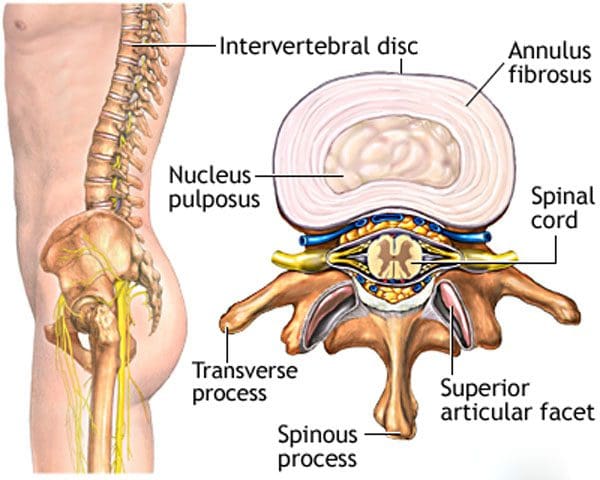
Different types of pain can be caused by problems with the spinal discs. The spinal discs are elastic sections of the spine that sit between the vertebrae. They are made up of materials called annulus fibrosus on the outside and a gel-like material called nucleus pulposus on the inside.
These discs are flexible, which allows for a range of motion to the spine and body shock absorption to increase comfort when in motion. When an individual visits a chiropractor, the practitioner will not know the exact cause of the pain, but only that it hurts around a certain area. Our spinal experts will help individuals understand the different types of ailments or conditions that could be affecting the spine. Then a customized treatment plan can be developed.
Disc problems
Spinal disc pain has two major sources of pain related to spinal discs: They are disc degeneration and nerve root pain. They are most common in the neck and the lower back. Individuals need to be informed of the difference to understand what is happening with the spine and potential treatment options to alleviate the pain and heal the problem.
Degenerative disc disease
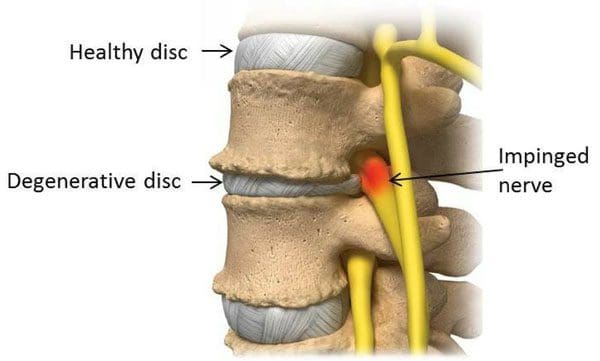
Degenerative disc disease is when the spinal discs begin to dry out and deteriorate. The discs start to shrink and can tear, which leaves that segment with little or no cushioning. This can cause pain, as well as inflammation of the surrounding muscles and joints. Disc degeneration usually presents with low levels of consistent pain and occasional severe flare-ups.
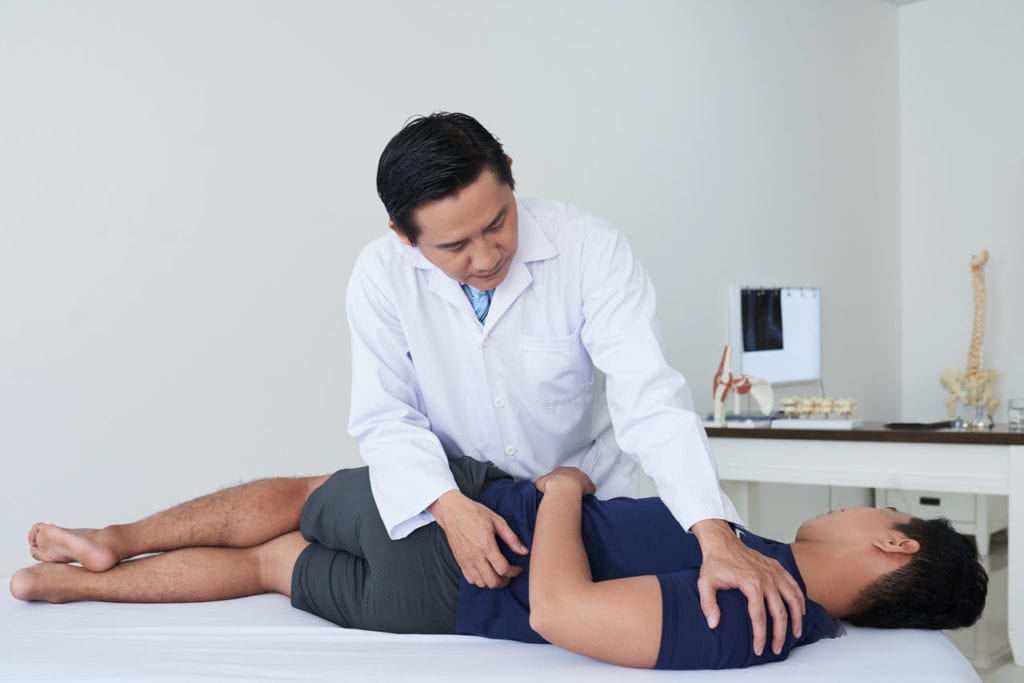
A chiropractor can utilize spinal manipulation to restore alignment, function, and mobility of the affected joint. Massages stretches and exercises will help alleviate the tension in the surrounding muscles along with strengthening them for better support.
Nerve root pain
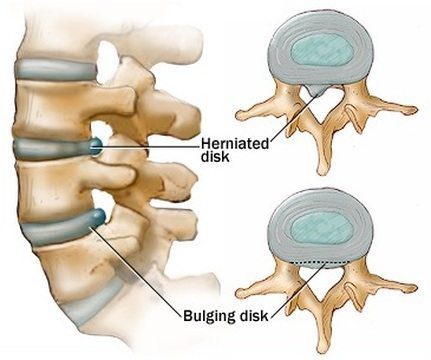
Nerve root pain does not take place within the disc but is usually caused by a bulging or herniated disc. This condition can be called a slipped disc or pinched nerve, affect the nerves that are in close proximity to the neck and lower vertebrae.
The pain can lead to numbness, tingling, and weakness along the path of the nerve, and radiate out to the arms and legs. A bulging disc is when the spinal disc progressively protrudes through a narrow opening.
This can irritate any nearby nerve roots causing inflammation and pain. If the disc herniates or breaks through then the outer protective material tears, letting the cushion/gel leak out and come in contact with the nerve root/s, which could also cause pinching and inflammation. Treatment for a bulging or herniated disc includes:
Spinal manipulation
Corrective exercises
Physical therapy
Massage
Diet adjustments
These treatments can help realign the disc/s, moving them away from any nerves, and minimizing inflammation.
Proper Identification and Diagnosis
Spinal disc problems can be similar in their pain and symptoms. For example, degenerative disc disease can weaken the spinal discs to such a degree that nerve root pain follows creating a dual combination of pain. The conditions require various approaches and treatment methods often done in combination. However, they require a proper diagnosis to create a proper and custom treatment program for every individual. This will ensure the root cause of the disc pain is properly identified and handled. Call us to learn more.
Skateboarding Injury Treatment
Dr. Alex Jimenez�s Blog Post Disclaimer
The scope of our information is limited to chiropractic, musculoskeletal, physical medicines, wellness, and sensitive health issues and/or functional medicine articles, topics, and discussions. We use functional health & wellness protocols to treat and support care for injuries or disorders of the musculoskeletal system. Our posts, topics, subjects, and insights cover clinical matters, issues, and topics that relate and support directly or indirectly our clinical scope of practice.*
Our office has made a reasonable attempt to provide supportive citations and has identified the relevant research study or studies supporting our posts. We also make copies of supporting research studies available to the board and or the public upon request. We understand that we cover matters that require an additional explanation as to how it may assist in a particular care plan or treatment protocol; therefore, to further discuss the subject matter above, please feel free to ask Dr. Alex Jimenez or contact us at 915-850-0900. The provider(s) Licensed in Texas& New Mexico*
References
Browning, J E. �Chiropractic distractive decompression in the treatment of pelvic pain and organic dysfunction in patients with evidence of lower sacral nerve root compression.��Journal of manipulative and physiological therapeutics�vol. 11,5 (1988): 426-32.
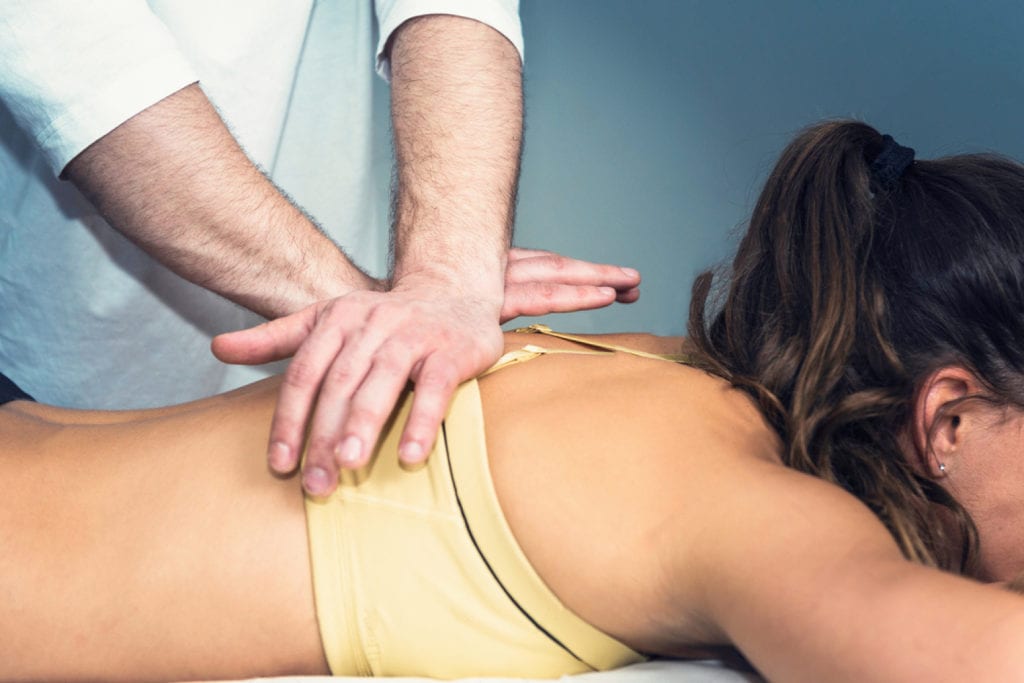
Chiropractic spinal mobilization techniques involve the slow and steady movements of the spine’s joints reestablishing their range of motion. Because it is a slower treatment style the techniques are done with the hands. However, a chiropractor can use various instruments/tools as well.
Spinal mobilization treatment has the same focus as spinal manipulation. To get the body back to optimal health and allow the body to heal itself naturally. However, there can be a variety of reasons for utilizing spinal stabilization, with treatment depending on the patient’s needs, if there are underlying conditions, or previous injury/s, and individual preference.
Some prefer mobilization because it is gentler and does not generate the pops or cracking sounds. And the chiropractor’s style/specialization comes into play. Some work in the firm manipulation high-velocity style, while others utilize the softer mobilization style and others work in combination.
This adjustment re-alignment utilizes the necessary force to release the joint out of its restricted motion to improve mobility and reduce pain. There are various types of high-velocity low-amplitude manipulation approaches. These are the more common manipulation techniques:
Diversified Technique
This high-velocity low-amplitude technique is the one that is commonly associated with chiropractic manual adjustments. The chiropractor applies a short – low-amplitude, quick high-velocity thrust of the restricted joints. This is done one at a time with the objective to restore the normal range of motion. The patient is positioned in various positions to optimize the adjustment/alignment.
Gonstead Adjustment
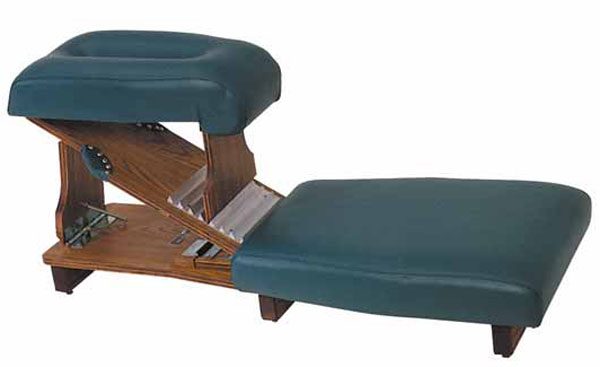
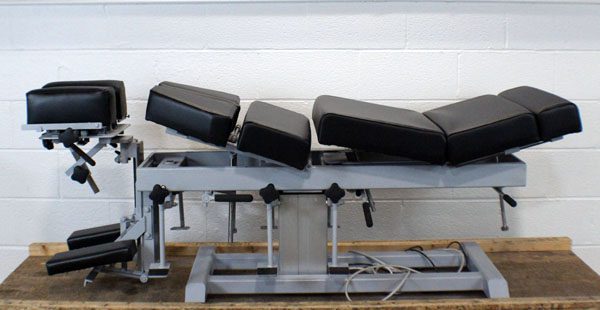
The Gonstead technique is another high-velocity low amplitude adjustment. It is similar to the diversified technique. The difference is the evaluation performed to specifically locate the painful joint and positioning of the body as the treatment is performed. Chiropractic or physical therapy chairs and tables can be used to position the patient for optimal treatment, like a cervical chair or a chest-knee table.
Thompson Terminal Point Drop Technique
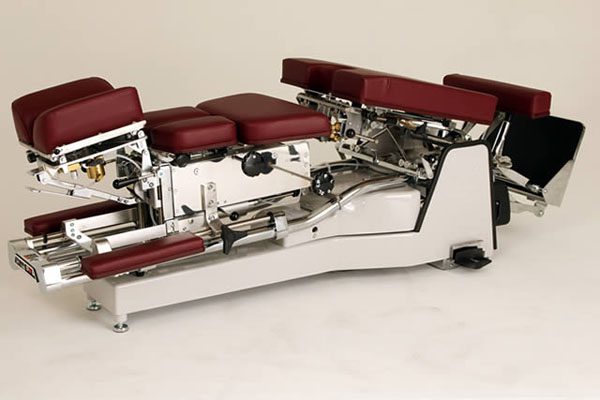
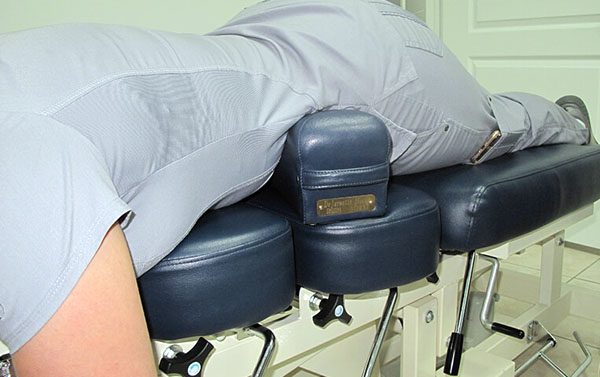
Here specialized treatment tables with sections that drop down during a high-velocity low-amplitude thrust. The idea is that as the table drops the piece dropped allows for easier movement of the joint. A cracking sound can sometimes be heard. It depends on the patient and their condition. This type of manipulation can also be done in a gentle fashion making it a form of spinal mobilization.
Spinal mobilization
Slow steady motion/movements are performed to mobilize the joint. Spinal mobilization can be recommended for certain individuals for different reasons like:
Individual preference for spinal mobilization over spinal manipulation
Individuals with a sensitive nervous system can benefit from the gentle technique. This can keep the body from experiencing a negative reaction that can cause muscle spasms or other issues.
Individuals with certain conditions could be given a recommendation for spinal mobilization. This could be:
Individuals in the acute stage of their condition and experiencing severe pain
Obesity can be a factor as the positioning and the manipulation procedures can be a challenge for the provider and the patient requiring a low force approach.
Mobilization Approaches
The more common spinal mobilization approaches include:
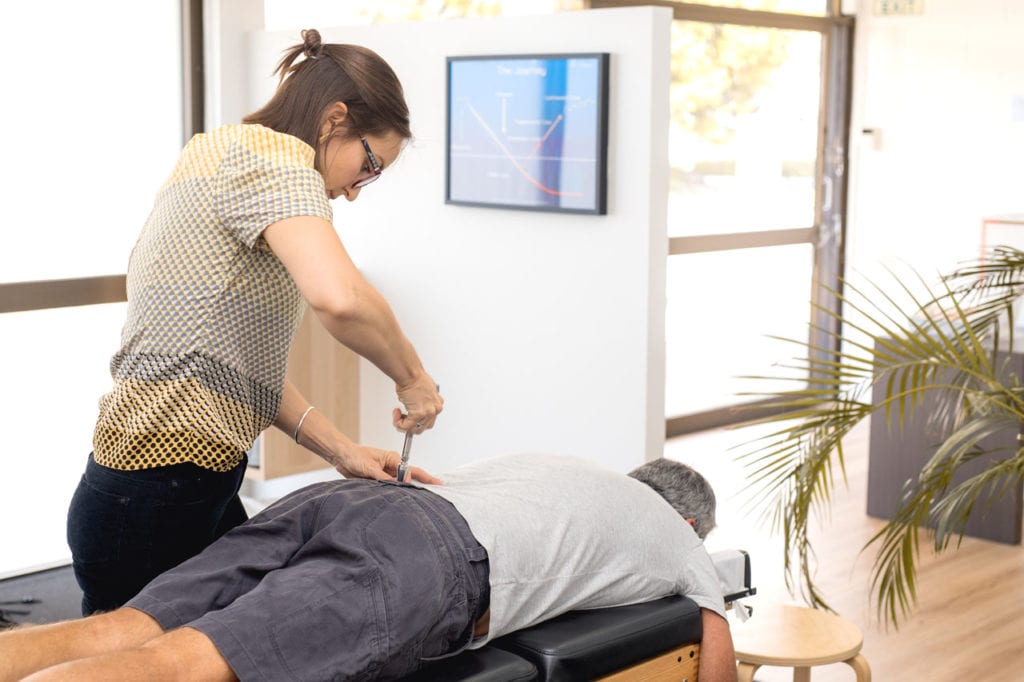
Activator Technique
The Activator is a hand-held, spring-loaded tool that generates a low-force impulse. A patient lies face down on the adjustment table, while the chiropractor:
Examines leg length
Performs muscle testing
Adjusts the spine and/or extremity joints
Cox Flexion-Distraction Technique
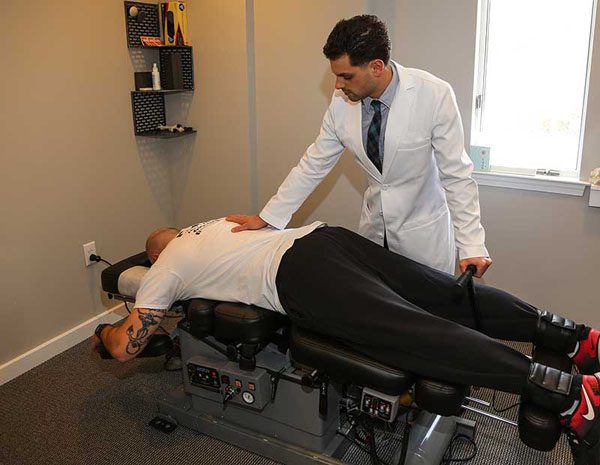
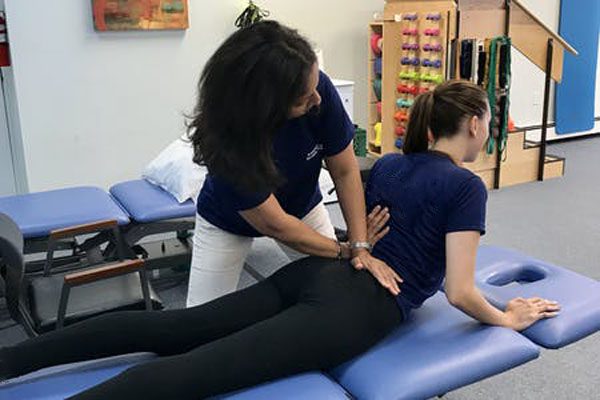
Here a gentle adjustment is designed to adjust the vertebrae by gently stretching the lower spine. This is usually performed in a series of repetitive slow movements like a steady rocking motion.
Toggle Drop
Here gravity is utilized to apply the adjustment. The chiropractors’ hands are crossed and on top of each other. Then the chiropractor presses down quickly and firmly on the area of the spine while a section of the table drops. The table sections can be raised and dropped according to the localization of the spinal adjustment.
McKenzie Technique
This technique incorporates active patient involvement, empowerment, and self-care as part of the treatment.
Spinal Release
The chiropractor separates the misaligned vertebrae by applying gentle pressure using the fingertips, with the objective to restore the spine back to a natural position.
Sacro-Occipital Technique – SOT
This technique utilizes wedges/blocks under the pelvis. This allows gravity with added low-force to assist the chiropractor to realign the pelvis.
Sciatica Alleviation
All of these techniques can be utilized by a chiropractor for sciatic nerve pain alleviation or can discover other conditions that could be mimicking sciatica.
Nerve mobilization techniques have been recently used as a method to adjust radiating pain related to disc disease, and in particular, mobilization techniques for the sciatic nerves improve mobility of the sciatic nerves, decrease mechanosensitivity of the nervous system, and heighten compliance of nerve tissues, relieving low back pain. Jeong, Ui-Cheol et al. �The effects of self-mobilization techniques for the sciatic nerves on physical functions and health of low back pain patients with lower limb radiating pain.��Journal of physical therapy science�vol. 28,1 (2016): 46-50. doi:10.1589/jpts.28.46
Sciatica Rehabilitation Causes and Symptoms
Dr. Alex Jimenez�s Blog Post Disclaimer
The scope of our information is limited to chiropractic, musculoskeletal, physical medicines, wellness, and sensitive health issues and/or functional medicine articles, topics, and discussions. We use functional health & wellness protocols to treat and support care for injuries or disorders of the musculoskeletal system. Our posts, topics, subjects, and insights cover clinical matters, issues, and topics that relate and support directly or indirectly our clinical scope of practice.*
Our office has made a reasonable attempt to provide supportive citations and has identified the relevant research study or studies supporting our posts. We also make copies of supporting research studies available to the board and or the public upon request. We understand that we cover matters that require an additional explanation as to how it may assist in a particular care plan or treatment protocol; therefore, to further discuss the subject matter above, please feel free to ask Dr. Alex Jimenez or contact us at 915-850-0900. The provider(s) Licensed in Texas& New Mexico*
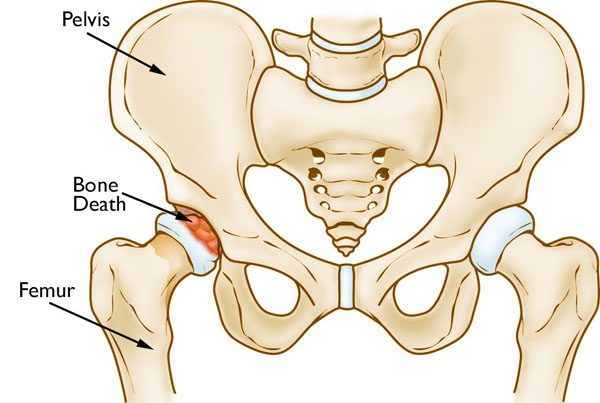
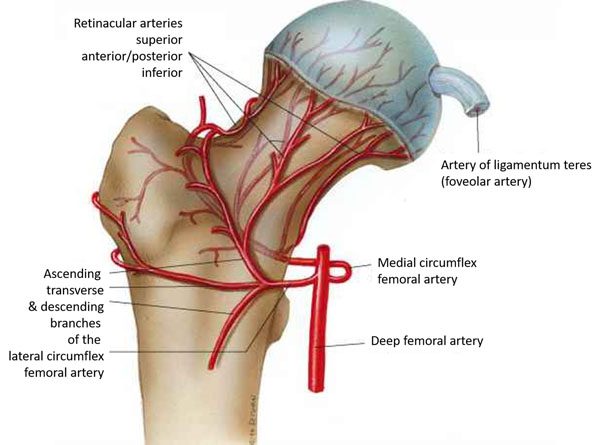
Osteonecrosis is a condition that causes the death of bone tissue from temporary or permanent loss of blood supply to the affected area. It is commonly known asAvascular necrosis and can lead to miniature/tiny breaks in the bone and the bone/s eventually collapsing. Specifically, it affects the upper part of the femur or femoral head and surrounding joints.
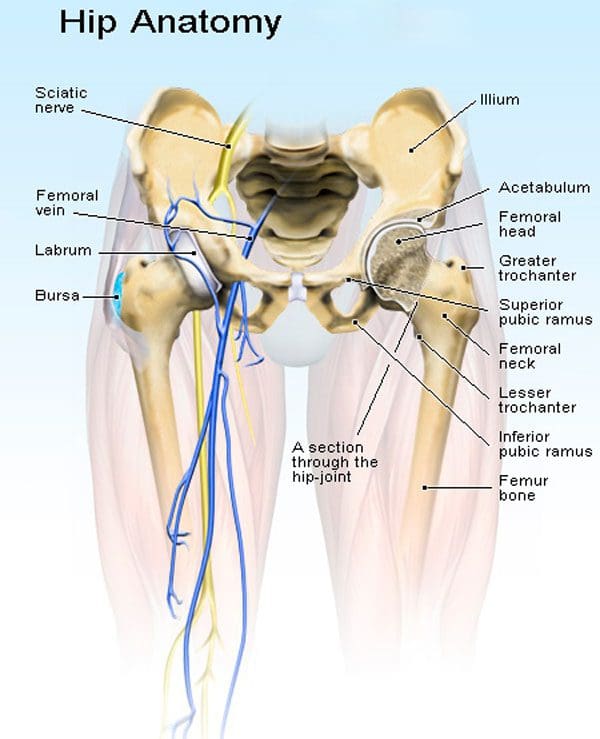
It can occur in any bone however, osteonecrosis typically affects the hip/s. Pain associated with osteonecrosis of the hip can be localized to the center of the groin, thigh, or buttock. Because of the hip joint’s close proximity to the sciatic nerve, misdiagnosis for sciatica is common.
Mimicking Sciatica Symptoms
Unfortunately, many health care providers can misdiagnose osteonecrosis hip pain as sciatica. Whatever the cause of the hip injury, most individuals with hip pathology report pain in the groin, upper thigh, and buttocks.
That is why a trained medical professional that knows the differences in the symptoms of each condition can make all the difference in making a proper diagnosis. And a proper diagnosis leads to proper and complete treatment of whichever condition it may be. With osteonecrosis, misdiagnosis often delays the proper treatment and continues to progress. Common symptoms of sciatica:
Leg pain is the primary symptom can be mild to severe
Low back pain is secondary can be mild to severe
Nerve-related symptoms
Numbness
Tingling
Shooting pain
Pins-and-needles sensation
Muscle weakness
Hip pain especially flexion and internal rotation of the hip.
Leg or foot weakness
Osteonecrosis Symptoms and Similarities
For many, there are no symptoms in the early stages of osteonecrosis. As the condition worsens, the affected joint could present pain symptoms only when weight is placed on it. Eventually, individuals begin to feel the pain even when lying down. Pain can be mild to severe with a gradual development. Other symptoms that mimick sciatica:
Walking Inability
Walking gait is complicated with both conditions which is a major cause behind the misdiagnosis.
Limping
Individuals often limp with osteonecrosis of the hip and spinal disc problems. This is another reason that the condition is misdiagnosed as a spinal disc problem or nerve root compression of the sciatic nerve.
Hip Pain
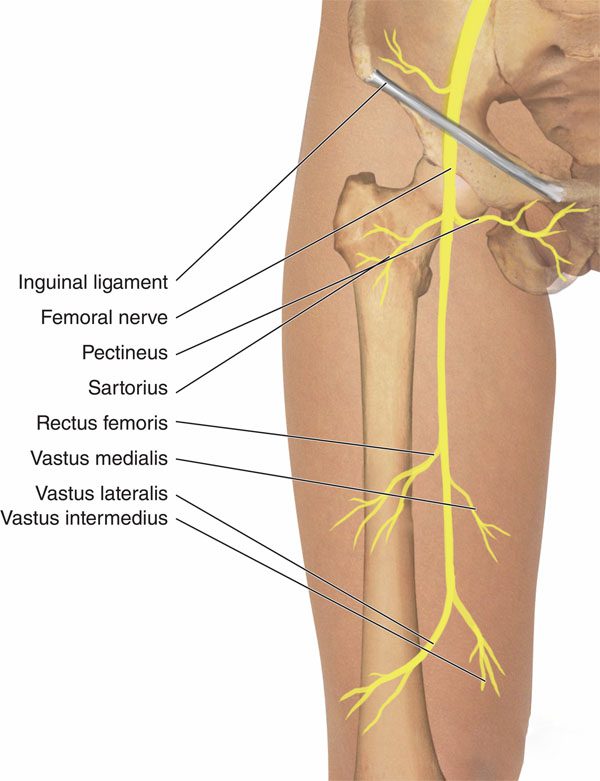
The tributaries/veins of the sciatic nerve also supply the hip area and often cause confusion between the two conditions.
Differences
Despite all of the similarities. There are differences in both conditions.
Nature of The Pain
With sciatica, the pain is related to the nervous system. Movement can complicate the pain. While rest helps to reduce the pain.
With Osteonecrosis the pain is geared toward the muscular. Rest does not help reduce the pain. In fact, the pain increases at night.
Location
Sciatica pain can radiate through the whole leg from the low back to the toe.
Osteonecrosis pain is confined to the hip joint, groin, and radiates to the knee joint only. Osteonecrosis pain does not radiate below the knee joint.
Restricted Movement
Osteonecrosis of the hip joint, means the movements involving the hip joint are restricted. Individuals cannot rotate the leg to the right and left. Individuals cannot bend or fold from the hip.
With sciatica, the rotation of the leg is not affected. Movements involving stretching the sciatic nerve can cause relief or pain.
Walking Gait Differences
Gait is the way an individual stands and walks.
Osteonecrosis of the hip joint causes individuals to not be able to open the hip joint properly or to step properly.
With sciatica, an individual tends to lean on their side to relax the compression on the nerve.
Risk Factors
More than 20,000 people enter hospitals for the treatment of osteonecrosis of the hip yearly. Other than the hip, areas of the body likely to be affected are the shoulder, knee, hand, and foot. The condition can occur for a variety of reasons. A few of these include:
Fracture – a broken bone can interrupt the blood flow to other sections of the bone.
Dislocation of bone or joint/s
Alcoholism
Trauma
Radiation damage
Steroid use
Some individuals can have more than one condition or injury that contributes to hip flexor pain. An example is that it is possible to have both hip osteoarthritis and hip impingement. Without proper treatment, the condition can worsen, causing joint or hip pain from the degradation of the bone.
Anyone can be affected, but osteonecrosis is most common in individuals aged 30 to 50. Treatment options include a total replacement of the hip known as arthroplasty. And if it is sciatica then chiropractic treatment is a first-line treatment protocol. However, a chiropractor can make the distinction between the two and treat sciatica or refer the patient to the proper specialist.
Lower Back Pain Relief
Dr. Alex Jimenez�s Blog Post Disclaimer
The scope of our information is limited to chiropractic, musculoskeletal, physical medicines, wellness, and sensitive health issues and/or functional medicine articles, topics, and discussions. We use functional health & wellness protocols to treat and support care for injuries or disorders of the musculoskeletal system. Our posts, topics, subjects, and insights cover clinical matters, issues, and topics that relate and support directly or indirectly our clinical scope of practice.*
Our office has made a reasonable attempt to provide supportive citations and has identified the relevant research study or studies supporting our posts. We also make copies of supporting research studies available to the board and or the public upon request. We understand that we cover matters that require an additional explanation as to how it may assist in a particular care plan or treatment protocol; therefore, to further discuss the subject matter above, please feel free to ask Dr. Alex Jimenez or contact us at 915-850-0900. The provider(s) Licensed in Texas& New Mexico*
References
Li, Wen-Long et al. �Exploring the Risk Factors for the Misdiagnosis of Osteonecrosis of Femoral Head: A Case-Control Study.��Orthopaedic surgery, 10.1111/os.12821. 16 Oct. 2020, doi:10.1111/os.12821
Belly dancing has been found to be an effective way to help individuals managing low back pain. It could be utilized as a part of a chiropractic treatment plan. The dancing is beneficial for improving posture and allows an individual to improve their fitness with a light form of aerobic exercise.
Regular physical activity/exercise and a healthy lifestyle go hand in hand. For individuals with spinal issues, the right stretches and exercises can make a difference in their quality of life. It increases:
Strength
Flexibility
Helps with pain management
Improves posture
Maintains spinal alignment
Belly dancing can help with injury recovery, as well as overall health. For most the trouble with exercising regularly is that it becomes routine and boring. Individuals want to live healthily, but it can be a challenge to maintain interest and motivation. An alternative form of physical activity that qualifies as exercise could be the answer.
Dancing has grown in popularity because of its fitness, flexibility, and spinal benefits. This form of belly dancing exercise does not require any special outfit or plenty of space. This utilizes the movements as a form of stretching and keeping the body moving in an aerobic fashion. They can be done at home with video instruction or an online class. Although the majority are women, men can and do belly dance.
Belly Dance
Information on the history of belly dancing. The dance has gone through various transformations since its inception. It was once considered burlesque entertainment, is now recognized as an important cultural expression, and today has been found to be a respected form of dance exercise.
Isometric exercises are contract specific muscles or groups of muscles. These types of exercise help with strength and stability enhancement. Both are vital for individuals recovering from back injuries or back pain management.
Posture
Dance posture is different than normal standing or sitting posture. Dance posture refers to the way an individual prepares/maintains their body to perform specific movements so that the motions are fluid, graceful, and with no presentation of pain. Belly dance posture maintains proper spinal alignment, which encourages reduced stress/pressure on the joints. This is beneficial for individuals managing back problems. The keys to spinal success are:
The knees should be slightly bent and not stiff so as not to pull/strain the lower back muscles
When the abdominal and back muscles maintain/support a straight spine, this alleviates stress on the low back. Lower back issues have shown a positive response to a belly dance exercise therapy program. A study looked at the effects of belly dancing on pain and function in women with chronic lower back pain. The study found that belly dancing made movements of the trunk and pelvis that are known to influence low back pain much easier.
A belly dance program in conjunction with a chiropractic or physical therapy treatment plan can help alleviate pain and improve function. A 45-minute belly dance routine/session promotes aerobic benefits, improves flexibility and core strength.
Core Strength
These are movements that train the muscles in the:
Pelvis
Abdomen
Hips
Low back
They help build strength, generate stability, protect against back pain, poor posture, and muscle injuries. Having core strength is crucial for individuals with back issues, as it increases the stabilization of the spine. Core strengthening is highly recommended and often prescribed for individuals recovering from lumbar issues.
Depression/Anxiety Improvement
Individuals with back pain also tend to experience psychological issues like depression and anxiety. Back pain can affect:
Mood
Tiredness
Sleep problems
Self-esteem problems
Belly dancing as part of a treatment/therapy program can help an individual experience benefits that improve mental health and well-being. These include:
Regaining mobility
Having a positive body image
Social interaction is enhanced
For All Ages
Belly dancing is a fantastic creative outlet and a great way to exercise. Anyone that is able can participate. Children, seniors, and everyone in between can get into belly dancing. It enhances health and strengthens the body and mind. When the body is in the proper position/posture there are no joint issues or pain. In-person classes, at home with online instruction, DVDs, or video meeting apps can benefit the body and especially the spine.
Life-Changing Orthotics
Dr. Alex Jimenez�s Blog Post Disclaimer
The scope of our information is limited to chiropractic, musculoskeletal, physical medicines, wellness, and sensitive health issues and/or functional medicine articles, topics, and discussions. We use functional health & wellness protocols to treat and support care for injuries or disorders of the musculoskeletal system. Our posts, topics, subjects, and insights cover clinical matters, issues, and topics that relate and support directly or indirectly our clinical scope of practice.*
Our office has made a reasonable attempt to provide supportive citations and has identified the relevant research study or studies supporting our posts. We also make copies of supporting research studies available to the board and or the public upon request. We understand that we cover matters that require an additional explanation as to how it may assist in a particular care plan or treatment protocol; therefore, to further discuss the subject matter above, please feel free to ask Dr. Alex Jimenez or contact us at 915-850-0900. The provider(s) Licensed in Texas& New Mexico*
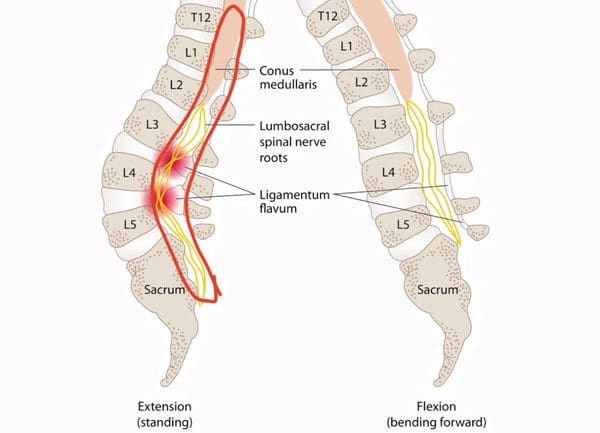
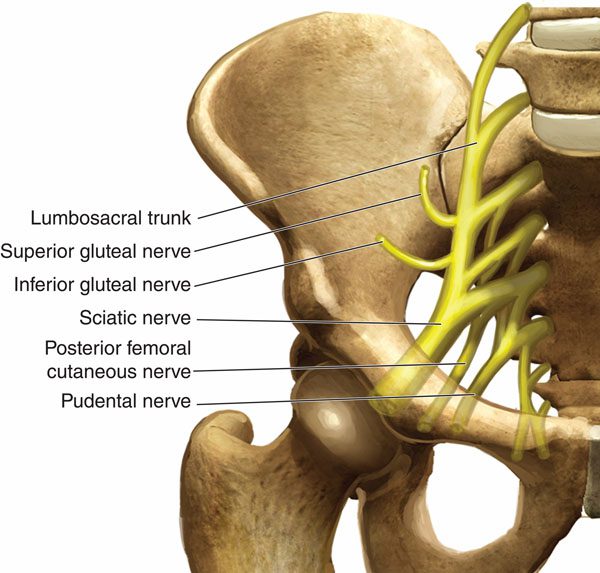
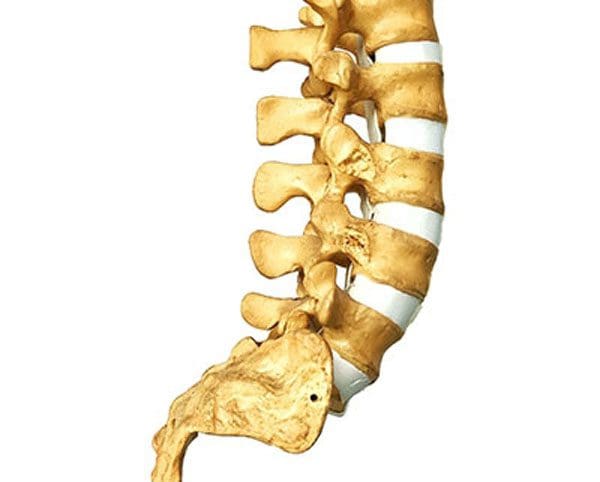
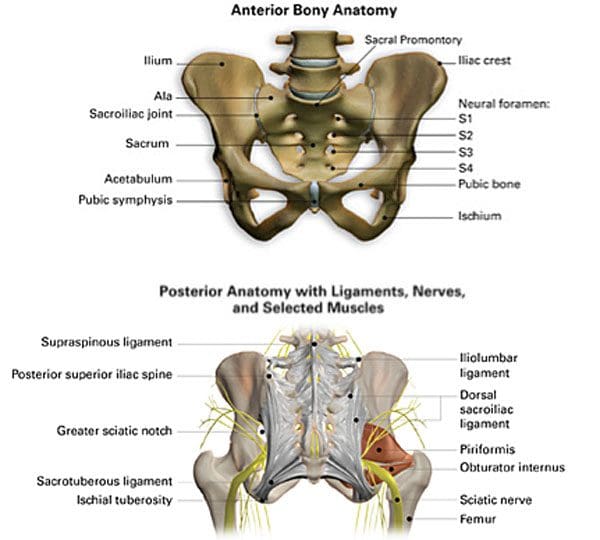
Thelumbosacral joint is the first place chiropractors start their investigation with individuals presenting with low back pain and possible sciatica. Because of the importance of the sciatic nerve, almost any lumbar condition has the potential to disturb the nerve that can lead to chronic nerve pain. For many low back conditions, the best way to start is from the bottom and work up.
Starting at the lumbosacral joint L5-S1, the chiropractor will palpate and massage the area. This is because the lumbosacral joint is a central nerve center with all kinds of possible sciatic nerve interference because of the proximity to the various nerve bundles and vertebral discs.
When sciatic nerve issues begin to develop, often the problem will be in this region of the spine. Beginning at the lumbosacral joint can generate vast insight into the root cause of radiating pain in the lower back and legs.
The Lumbosacral Joint
This pain typically presents when the nerve is inflamed, compressed, or irritated. Numbness or chronic weakness can also happen in the lower extremities and can cause unbearable discomfort. Some of the reasons that make the joint a prime suspect for sciatic pain include:
The L5 vertebrae are vulnerable to slipping forward over the connecting S1 vertebrae. The sciatic nerve goes through this area, leaving it open to compression.
A disc herniation and/or inflammation can also stress the sciatic nerves.
Deterioration of the lumbosacral facet joints is common with older individuals. This can lead to nerve compression and sciatic nerve irritation.
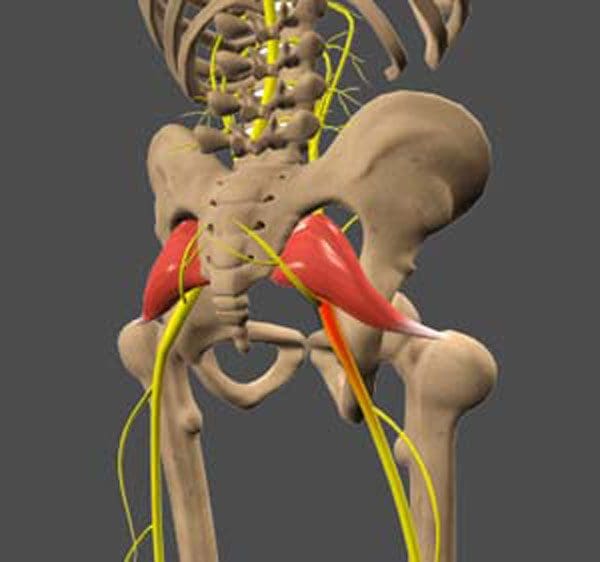
Piriformis syndrome can affect the area around the lumbosacral joint, causing nerve compression and inflammation.
The lumbosacral joint is frequently used making it a consistently stressed joint. Overuse, poor posture, and improper body mechanics affect this region of the lumbar spine. And, because of the closeness to the sciatic nerve, it is commonly affected.
Other Spinal Conditions
The lumbosacral joint also experiences problems that stem from chronic conditions, which can involve some form of sciatic pain as a symptom. They include:
Degenerative disc disease
Lumbar stenosis
Sacroiliac joint dysfunction
Spondylolisthesis
Sciatica is a condition that represents a series of symptoms. But it is often a symptom of other condition/s that affect the sciatic nerve. If spinal conditions progress, it can bring undue stress and strain to the lumbosacral joint and the sciatic nerve.
Knowing Where To Begin
The key to a proper and successful treatment plan is an accurate diagnosis. Knowing and understanding the symptoms, spinal conditions, and having an idea of the origin of these types of pain promotes a rapid diagnosis. Our chiropractic and physical therapy team thoroughly investigate the pain source using imaging, palpation, observation, and other diagnostic tools to help get individuals back on track and healthy.
Facet Syndrome Chiropractic Treatment
Dr. Alex Jimenez�s Blog Post Disclaimer
The scope of our information is limited to chiropractic, musculoskeletal, physical medicines, wellness, and sensitive health issues and/or functional medicine articles, topics, and discussions. We use functional health & wellness protocols to treat and support care for injuries or disorders of the musculoskeletal system. Our posts, topics, subjects, and insights cover clinical matters, issues, and topics that relate and support directly or indirectly our clinical scope of practice.*
Our office has made a reasonable attempt to provide supportive citations and has identified the relevant research study or studies supporting our posts. We also make copies of supporting research studies available to the board and or the public upon request. We understand that we cover matters that require an additional explanation as to how it may assist in a particular care plan or treatment protocol; therefore, to further discuss the subject matter above, please feel free to ask Dr. Alex Jimenez or contact us at 915-850-0900. The provider(s) Licensed in Texas& New Mexico*
References
Grgi?, Vjekoslav. �Lumbosakralni fasetni sindrom: funkcijski i organski poreme?aji lumbosakralnih fasetnih zglobova� [Lumbosacral facet syndrome: functional and organic disorders of lumbosacral facet joints].�Lijecnicki vjesnik�vol. 133,9-10 (2011): 330-6.
Sciatica or Aneurysm? Knowing how a missed diagnosis could be potentially fatal if not diagnosed accurately could be a deadly mistake! Doctors must not fall for a sciatica diagnosis when a possibly fatal iliac artery aneurysm lies looming and progressing.
Sciatica or Aneurysm
An example is a patient who visited an emergency clinic after a few weeks for a non-painful pulsing mass on the buttock. There was no:
Trauma
Injury
Back pain
Leg pain
Prior presentations of pain or sciatica issues
A physical examination found a small pulsing mass on the right buttock. Palpation around the site found no issues with the sensory and motor nerves.
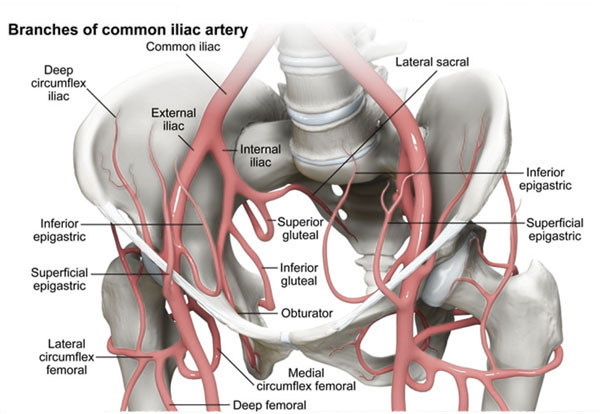
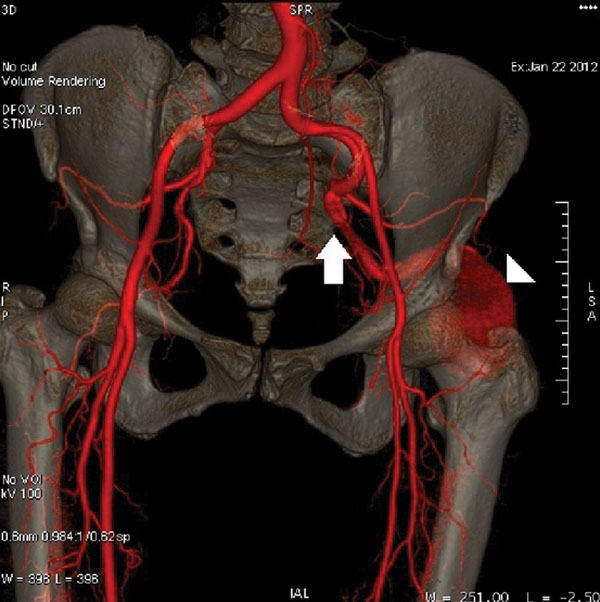
An ultrasound scan of the affected area revealed a developing aneurysm. This was followed by a CT scan of the abdomen along with the pelvis using a contrast dye found the aneurysm developing from the left internal iliac artery. If the mass was not present a doctor could easily diagnose sciatica or persistent sciatic artery. If the iliac artery presents with pulsating lesions is a tip-off that a vascular issue could be impinging on the sciatic nerve. Vascular surgery was discussed with the patient. Surgery was necessary, and the patient underwent sciatic aneurysm repair. The patient was discharged without any complications.
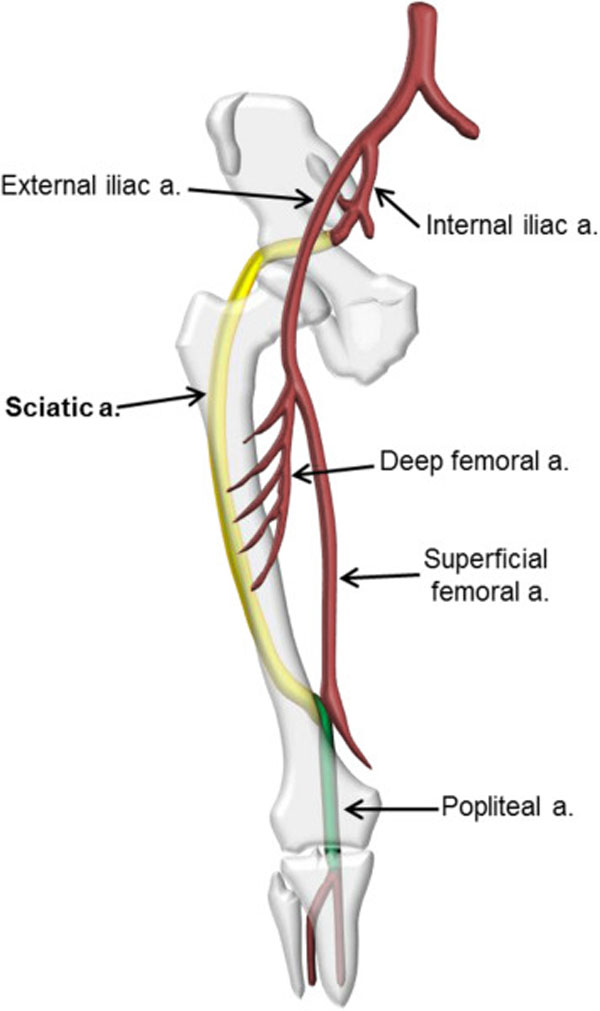
Persistent Sciatic Artery
This is a very rare congenital vascular condition. The sciatic artery runs along the sciatic nerve and functions as the major blood supply to the lower extremities. During human embryo development, the femoral artery begins to form while the sciatic arteries start to return to a less developed state. The process continues until the femoral artery takes over as the major blood supply, with only bits of the sciatic artery left.
Persistent sciatic artery can happen either from the sciatic artery not returning to its original size or during normal development the femoral artery developing properly. Most cases of persistent sciatic artery go unknown and are usually detected from another examination for another ailment. Aneurysms often develop based on the arteries/vessel’s tendency for minor trauma/injury when sitting or some form of pressure is applied on the site. Complications include:
Vascular Conditions In The Leg/s That Can Present As Sciatica
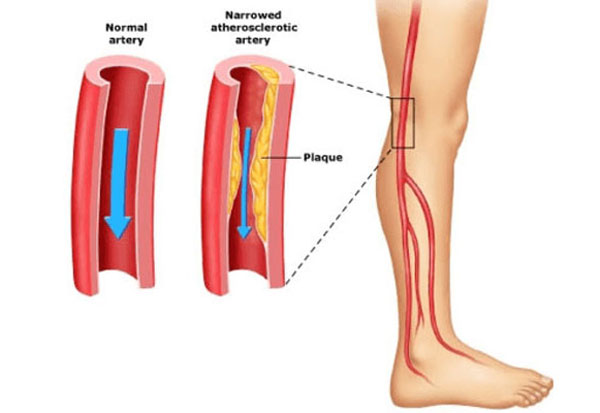
The legs’ blood vessels can get infected, bulged, ruptured, or blocked. This can cause sciatica symptoms, like leg pain, weakness, tingling, and numbness. Severe cases could require medical emergency surgery to save the affected limb.
Acute Limb Ischemia
This condition occurs from a decrease or loss of blood supply to the legs. If there is leg pain, it could feel similar to sciatica pain. However, symptoms can progress rapidly and become severe. That’s when it is not sciatica. Acute limb ischemia present one or more of the following symptoms:
Pain and/or numbness in the leg while walking and when resting
Severe pain at night
Sleep problems
Pain relief when sitting on a chair with the feet hanging down
Feet and ankles become swollen
A pale color and lowered skin temperature over the toes and feet when compared to the legs
Acute limb ischemia can develop from an aneurysm, blood clot, or from the thickening of the vessel walls. Treatment should be prompt in order to preserve leg function. Differentiation diagnosis between vascular and other causes like spinal problems that can cause leg pain. A doctor may perform an Ankle/Brachial Index which is a comparison of blood flow in the arms versus the legs. This can be critical in determining if there is vascular insufficiency.
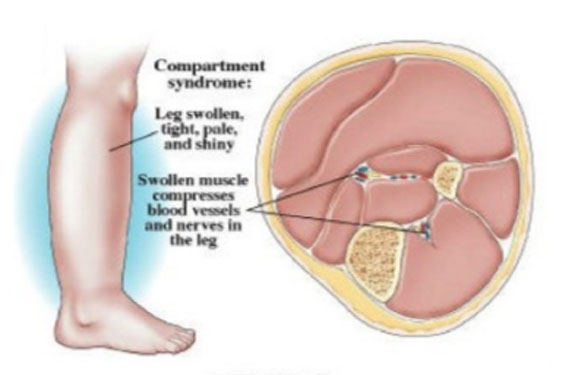
Acute Compartment Syndrome
This places increased pressure in the muscle tissues of the leg. It can lead to loss of blood supply in and around the affected area. The sciatic nerve can also get compressed from the increased pressure in the buttock, thigh, or leg. The condition can cause pain, numbness, and weakness in the buttock, thigh, and leg. Individuals have also reported an unusual/altered sensation in the web of the great toe. This is similar to sciatica, as well as one or both legs can be affected. Differentiating symptoms include:
Leg becomes swollen
Pain and tenderness present when touching the leg
A pale color and lowered skin temperature over the leg
Acute compartment syndrome is a serious condition that is considered a medical emergency. It is possible for the condition to cause complete dysfunction of the limb if not addressed in time. There are risk factors that increase the chances of developing limb ischemia or compartment syndrome. These are:
Diabetes
Heart conditions
High cholesterol
Smoking
History of having the condition can also cause a recurrence. This can be from an injury or poor health.
Kidney stones, renal failure, or cysts in the kidney can also cause back and leg pain. Other symptoms can include blood in the urine or difficulty urinating. Any sign of distressing symptoms that present with sciatica can indicate the need for medical attention. This is to check for the possibility of a serious underlying condition or medical emergency. Medical emergencies that are treated in time can help preserve the tissue/s, restore function, and save an individual�s life.
It is essential for a chiropractor or physical therapist to be familiar with diagnosing in a way that will help identify sciatica or aneurysm in individuals presenting with musculoskeletal issues/problems. Knowledge of these risk factors, understanding how to screen for non-musculoskeletal symptoms, basic competence in palpation, and how to interpret findings will help discover sciatica or aneurysm if it is there and begin timely treatment. And if it is not there then a sciatica treatment plan can be developed before it worsens.
Sciatic Nerve Pain
Dr. Alex Jimenez�s Blog Post Disclaimer
The scope of our information is limited to chiropractic, musculoskeletal, physical medicines, wellness, and sensitive health issues and/or functional medicine articles, topics, and discussions. We use functional health & wellness protocols to treat and support care for injuries or disorders of the musculoskeletal system. Our posts, topics, subjects, and insights cover clinical matters, issues, and topics that relate and support directly or indirectly our clinical scope of practice.*
Our office has made a reasonable attempt to provide supportive citations and has identified the relevant research study or studies supporting our posts. We also make copies of supporting research studies available to the board and or the public upon request. We understand that we cover matters that require an additional explanation as to how it may assist in a particular care plan or treatment protocol; therefore, to further discuss the subject matter above, please feel free to ask Dr. Alex Jimenez or contact us at 915-850-0900. The provider(s) Licensed in Texas& New Mexico*
References
Javdanfar A, Celentano C. Sciatic artery aneurysm. West J Emerg Med. 2010;11(5):516-517.
IFM's Find A Practitioner tool is the largest referral network in Functional Medicine, created to help patients locate Functional Medicine practitioners anywhere in the world. IFM Certified Practitioners are listed first in the search results, given their extensive education in Functional Medicine