How Traumatic Brain Injuries Affect Posture: From Balance Issues to Abnormal Stiffening and How Chiropractic Care Can Help
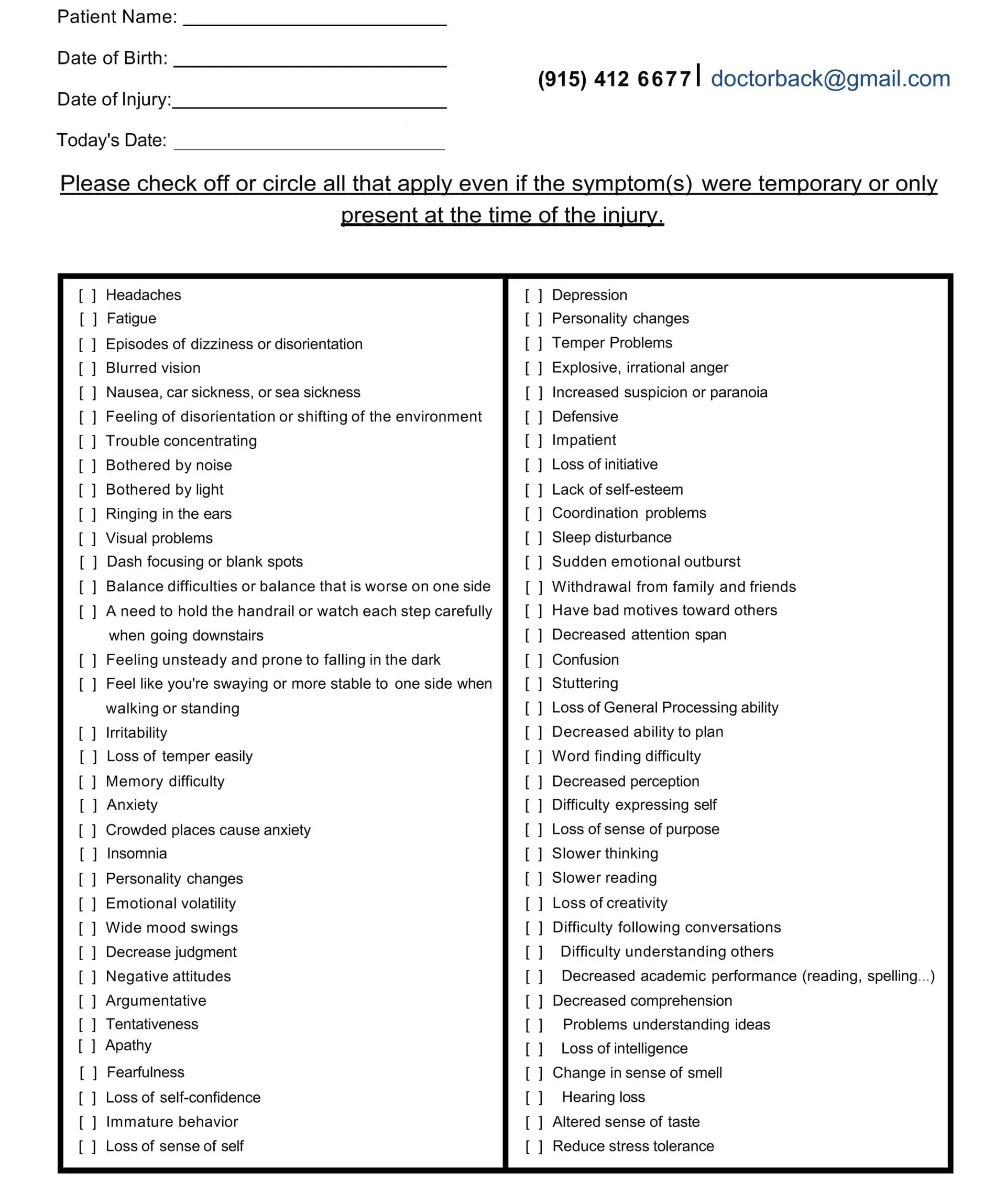
The doctor consults with the patient using the medical traumatic brain injury symptom questionnaire.
Traumatic brain injuries, or TBIs, happen when a sudden bump or blow to the head damages the brain. These injuries can range from mild, like a concussion, to severe, where the brain suffers major harm. One key way TBIs impact the body is through changes in posture—the way we hold and balance ourselves. In mild cases, individuals may experience persistent balance issues that make standing or walking difficult. In severe cases, the body can lock into stiff, unnatural positions known as abnormal posturing. TBIs can also cause the spine to shift out of place, especially in the neck and upper back areas, leading to more issues like headaches and dizziness.
This article explores these effects in detail. It examines how damage to specific brain areas, such as those involved in sensory processing, vision, or inner ear balance, can disrupt postural control. We will also discuss how chiropractic care, which focuses on fixing spine alignments, can help by improving nerve signals, blood flow, and body coordination. Drawing from medical sources and experts, such as Dr. Alexander Jimenez, a chiropractor with over 30 years of experience, we see how integrated treatments support recovery without the need for drugs or surgery.
Understanding Traumatic Brain Injuries and Their Range
TBIs affect millions each year, from sports accidents to falls or car crashes. Mild TBIs, often called concussions, might seem minor at first but can have a lasting effect on how the body maintains balance. Severe TBIs, on the other hand, can cause immediate and life-threatening changes, including rigid body positions that signal deep brain damage. Balance relies on the brain working with muscles, eyes, and the inner ear systems to keep us steady. When a TBI affects these areas, posture suffers, making everyday tasks more challenging.
Research shows that even after mild TBIs heal, people can have subtle shifts in how they control their posture. For example, studies using special tests found that those with past concussions show different patterns in body sway compared to healthy people. These changes may not be apparent in basic balance checks but become visible in more detailed analyses. This means that the brain’s ability to adapt and remain stable can weaken over time, increasing the risk of falls.
In severe TBIs, the damage often hits deeper brain parts, leading to reflexive stiffening. This is the body’s way of reacting without conscious control, and it requires prompt medical attention to prevent worse outcomes.
Symptom Questionnaire:
Subtle and Long-Lasting Balance Problems from Mild TBIs
Mild TBIs don’t always cause obvious symptoms right away, but they can quietly change postural control for months or years. Postural control refers to the brain’s ability to maintain the body’s upright and balanced position during movement or rest. It involves integrating signals from the eyes (visual system), inner ear (vestibular system), and body sensors (sensory system). A TBI can disrupt any of these, leading to dizziness, unsteadiness, or trouble walking straight.
For instance, about 30% to 65% of people with brain injuries report balance issues. These problems stem from weakened muscle strength, poor coordination, or faulty signals from the central nervous system. In one study of over 900 adults with TBIs, only 16% had normal standing balance soon after injury, showing how common these issues are. Factors like age play a role—younger people under 50 tend to recover balance more quickly—but severe injuries or complications, such as infections, can worsen the condition.
These balance changes can be subtle. People might lean to one side without noticing or feel dizzy in crowded places. Over time, this affects daily life, from climbing stairs to playing sports. The brain’s vestibular system, which regulates head position and motion, is often the most severely affected, leading to ongoing instability. Visual problems, such as blurry vision, add to the mix, making it harder for the brain to process where the body is in space.
Dr. Alexander Jimenez, a chiropractor and family nurse practitioner in El Paso, Texas, notes in his clinical work that hidden TBI symptoms, such as these balance shifts, are often overlooked. He emphasizes the importance of early checks and integrative care to identify and address issues before they worsen. His approach combines chiropractic adjustments with nutrition to support long-term healing.
Severe TBIs and Abnormal Posturing: Decorticate and Decerebrate Types
In severe TBIs, the body can exhibit abnormal posturing—stiff, reflexive poses that indicate serious brain damage. These aren’t voluntary; they’re automatic responses from damaged areas of the brain. Two main types are decorticate and decerebrate posturing, both of which require urgent care.
Decorticate posturing happens when damage affects the brain’s outer layers or midbrain pathways. The arms bend inward toward the chest, with clenched fists and curled wrists. Legs stay straight and extended, toes pointing down. The flexed upper body and rigid lower body give the person a stiff and unbalanced appearance. It’s often a sign of a head injury and can happen on one or both sides. The survival rate is about 37%, which is better than the other type, but it still means coma or deep unconsciousness.
Decerebrate posturing is more severe and often associated with deeper brain damage, such as in the brainstem. Here, arms and legs extend straight out, toes point down, and the head arches back with the neck stiff. Muscles tighten rigidly, sometimes with severe spasms called opisthotonos. This extended pose signals life-threatening issues and has only a 10% survival rate. Both types respond to pain or stimuli in unconscious people and require immediate help, like breathing support or ICU care.
These postures render balance impossible, as the body becomes rigid and inflexible. They result from disrupted nerve paths that control movement. Quick treatment focuses on stabilizing the brain to stop more damage.
Spinal Misalignments from TBIs: Adding to Posture Problems
TBIs not only damage the brain, but they can also cause spinal misalignment, particularly in the cervical and thoracic regions of the neck. This occurs due to the force of the injury, such as in whiplash resulting from a car accident. Misalignments, or subluxations, mess up posture by causing uneven weight distribution and muscle strain.
Poor spinal alignment worsens TBI symptoms. Headaches intensify from pinched nerves, and dizziness increases because blood and fluid flow to the brain gets blocked. Studies show TBIs often lead to ongoing musculoskeletal pain, like in the back or shoulders, from these shifts. In one hospital study, 85% of brain injury patients had pain, often from spine issues.
Dr. Jimenez notes a connection between TBIs and spinal issues such as disc herniations, which lead to inflammation and pain. He uses chiropractic to realign the spine and reduce these effects, promoting better posture and less dizziness.
Chiropractic Integrated Care: A Path to Recovery
Chiropractic care provides a natural approach to addressing TBI-related posture issues. It begins with spinal adjustments—gentle movements to correct misalignments. This optimizes the nervous system, as the spine protects the nerves that link the brain to the body. Better alignment means clearer signals, helping with balance and coordination.
For TBIs, chiropractic care can enhance blood and cerebrospinal fluid flow to the brain, facilitating healing and reducing inflammation. This reduces headaches, dizziness, and fatigue. Integrated care incorporates sensory and motor therapies, such as balance exercises or eye movement drills, to retrain the brain. These help rebuild postural control by strengthening muscles and improving proprioception—the sense of body position.
One approach includes soft tissue massage to ease tension and rehab exercises for strength. Lifestyle tips, such as eating anti-inflammatory foods and managing stress, support overall recovery.
Dr. Jimenez’s work highlights this integration. At his clinic, he combines chiropractic with functional medicine for TBIs, focusing on root causes like spinal shifts. His insights demonstrate how adjustments can restore mobility and reduce pain, often in conjunction with a balanced diet to combat inflammation. Patients experience improved posture and reduced symptoms through personalized plans.
Chiropractic care isn’t a cure-all, but it works well in conjunction with medical care. For mild TBIs, it alleviates ongoing balance issues; for severe cases, it supports recovery after acute treatment. The costs of TBIs run high—over $13 billion annually—so non-invasive options like this can be beneficial.
Wrapping Up: Hope Through Awareness and Care
TBIs change posture in ways big and small, from wobbly balance in mild cases to rigid posturing in severe ones. Spinal misalignments add layers of trouble, worsening headaches and instability. But chiropractic integrated care provides tools to fight back—adjustments for alignment, therapies for coordination, and holistic steps for healing.
Experts like Dr. Jimenez remind us that early action and combined treatments make a difference. If you or someone you know has a TBI, talk to a doctor about these options. With the right support, achieving better posture and an improved quality of life is possible.
Post-Accident Headaches in El Paso: An Integrative Chiropractic Plan at El Paso Back Clinic
Persistent headaches after a car crash are common—and treatable. This patient-first guide explains why headaches linger and how an integrated chiropractic approach at El Paso Back Clinic can address soft-tissue injuries, spinal misalignments, and nerve irritation, helping you return to normal life.
Why do headaches linger after a car accident?
A collision can strain the neck’s soft tissues (muscles, fascia, and ligaments), disturb cervical alignment, and irritate nearby nerves. These changes limit normal joint motion, increase guarding, and sensitize pain pathways—fueling tension-type, cervicogenic, post-traumatic migraine, or post-concussive headache patterns that may show up days or weeks after the crash (Cascade Spine & Injury Center, 2023; Wellness Chiropractic Care, n.d.). Cascade Spine and Injury Center+1
At El Paso Back Clinic, we see four mechanics behind lingering pain:
Soft-tissue microtrauma & guarding. Strained muscles develop trigger points (e.g., suboccipitals, SCM, scalenes, upper trapezius) that refer pain to the head and behind the eyes. Guarding compresses joints and keeps the cycle going (Brookdale Health, n.d.). brookdalehealth.com
Spinal misalignments & facet joint irritation. Dysfunction in the upper cervical spine can refer pain into the skull and worsen with neck movement or poor posture (North Port Chiropractic, 2025; Dr. Toth Chiropractic, n.d.). northport-chiropractor.com+1
Nerve irritation & autonomic upset. Inflamed tissues and joint fixations can irritate nerve roots and sympathetic fibers, amplifying pain sensitivity (Premier Care Chiropractic, 2024). premiercarechiro.com
Delayed onset & chronicity risk. Symptoms often surface days to weeks later as inflammation evolves and compensations set in—one reason early evaluation is so important (Premier Care Chiropractic, 2024). premiercarechiro.com
Emergency red flags: severe or worsening headache, repeated vomiting, confusion, weakness/numbness, vision/speech changes, or loss of consciousness require urgent medical care; chiropractic care complements—not replaces—emergency evaluation (Cascade Spine & Injury Center, 2023). Cascade Spine and Injury Center
Headache patterns we commonly treat
Tension-type headaches. Dull, band-like pressure that starts at the neck/base of skull; flares with stress or screen time. Gentle cervical/upper-thoracic adjustments and soft-tissue release reduce muscle guarding and frequency (Brookdale Health, n.d.; Wellness Chiropractic Care, n.d.). brookdalehealth.com+1
Cervicogenic headaches. Pain begins in the neck (often upper cervical joints) and is “felt” in the head; it worsens with neck motion or sustained posture. Segment-specific mobilization/adjustment plus deep-neck-flexor reconditioning are key (North Port Chiropractic, 2025). northport-chiropractor.com
Post-traumatic migraines. Impact can dysregulate trigeminovascular/autonomic systems; attacks may include throbbing pain, nausea, and light/sound sensitivity. Improving cervical mechanics, reducing muscle tension, pacing activity, and normalizing sleep/hydration help (Premier Care Chiropractic, 2024). premiercarechiro.com
Post-concussive headaches. Rapid acceleration/deceleration can injure the brain and cervical tissues even without a direct head strike. Medical clearance comes first; then, graded cervical care addresses neck drivers once safe (Cascade Spine & Injury Center, 2023). Cascade Spine and Injury Center
How El Paso Back Clinic treats the root causes
Our integrated plan pairs chiropractic adjustments with soft-tissue care, targeted rehab, and sensible self-care. When indicated, we coordinate neuromusculoskeletal imaging and provide documentation support.
1) Cervical/Thoracic Adjustments (manual or instrument-assisted)
Specific adjustments restore segmental motion, reduce facet irritation, and refine alignment—especially at the upper cervical spine—helping reduce headache frequency and intensity (Dr. Toth Chiropractic, n.d.; North Port Chiropractic, 2025). drtoth.com+1
2) Soft-Tissue Therapy
Myofascial release and trigger-point techniques deactivate common referral sources (suboccipitals, SCM, scalenes, upper traps), reduce guarding, and help adjustments “hold” (Brookdale Health, n.d.). brookdalehealth.com
3) Cervical Traction/Decompression (as indicated)
For patients with nerve irritation or axial loading, gentle traction can create more space, reduce pressure, and improve local circulation—often easing cervicogenic and tension-type triggers (Premier Care Chiropractic, 2024). premiercarechiro.com
4) Corrective Exercise & Postural Retraining
We rebuild deep neck-flexor endurance, scapular stability, and thoracic mobility to support healthy mechanics during driving and desk work. This approach lowers relapse risk and extends results (Premier Care Chiropractic, 2024; Lutz Chiropractic, 2025). premiercarechiro.com+1
5) Education & Self-Care
Micro-breaks, workstation tweaks, sleep and hydration routines, and gradual activity protect progress and reduce flare-ups (Cascade Spine & Injury Center, 2023). Cascade Spine and Injury Center
Our integrated process (what to expect)
1) History & red-flag screen. We document the crash mechanics (rear-end, side-impact, headrest position), immediate/delayed symptoms, prior headache history, medications, sleep, and work demands. Red flags trigger urgent medical referral (Cascade Spine & Injury Center, 2023). Cascade Spine and Injury Center
2) Neuromusculoskeletal exam.
Cervical/thoracic range of motion and segmental joint testing
Soft-tissue palpation for tender bands and trigger points
Headache triggers (posture, screen/drive time, sleep)
3) Imaging when indicated. If neurological findings, trauma severity, or stalled progress suggest deeper structural issues, we coordinate X-ray/MRI/CT as appropriate (El Paso Back Clinic & Dr. Alex Jimenez resources on headaches/whiplash) (El Paso Back Clinic, n.d.; Jimenez, n.d.). El Paso Back Clinic® • 915-850-0900+1
4) Diagnosis & plan. We identify dominant drivers—such as joint dysfunction, muscle guarding, nerve irritation, migraine physiology, or mixed—and match them with precise interventions (Dr. Toth Chiropractic, n.d.; Brookdale Health, n.d.). drtoth.com+1
5) Documentation & care coordination. For personal-injury cases, we prepare clear chart notes, imaging findings, and progress metrics and coordinate with primary care, specialists, and (if needed) legal teams (El Paso Chiropractic, 2025). Synergy Chiropractic
A local advantage: Dual-scope leadership and community-specific care
El Paso Back Clinic is part of the care ecosystem led by Dr. Alexander Jimenez, DC, APRN, FNP-BC, whose dual training in chiropractic and nurse-practitioner care informs our evaluation, imaging decisions, and case management. This dual-scope perspective supports accurate diagnosis, timely referrals when required, and practical documentation for auto-injury cases (El Paso Back Clinic; Dr. Alex Jimenez sites). El Paso Back Clinic® • 915-850-0900+2El Paso, TX Doctor Of Chiropractic+2
Suggested timeline (example—your plan will be individualized)
Reassess ROM, headache frequency/intensity, and disability scores (Premier Care Chiropractic, 2024; Lutz Chiropractic, 2025). premiercarechiro.com+1
Weeks 6–12: Stabilize & prevent
Maintain adjustment frequency as needed
Progress strength/endurance; add job- or sport-specific tasks
Build a prevention kit: mobility sequence, ergonomic playbook, flare-control plan (Premier Care Chiropractic, 2024). premiercarechiro.com
When to start: Many patients benefit from evaluation within the first 1–2 weeks after a crash; don’t wait for headaches to “just go away.” Early care reduces the risk of chronic pain (Premier Care Chiropractic, 2024). premiercarechiro.com
Practical home strategies you can start today
Screens at eye level. Keep ears over shoulders; set a 20–30-minute break timer (Cascade Spine & Injury Center, 2023). Cascade Spine and Injury Center
Warm before, cool after. Brief heat before mobility to relax tissue; short ice intervals after workload spikes (Brookdale Health, n.d.). brookdalehealth.com
Hydration and sleep. Even mild dehydration and poor sleep raise headache intensity; aim for consistent routines (Premier Care Chiropractic, 2024). premiercarechiro.com
Ease into cardio. Short, easy walks improve circulation without provoking flares (Premier Care Chiropractic, 2024). premiercarechiro.com
Know your triggers. Track links between posture, stress spikes, and headache intensity; adjust positions and add micro-breaks (Cascade Spine & Injury Center, 2023). Cascade Spine and Injury Center
Local pages you may find helpful
Headaches | El Paso Back Clinic — overview of head pain and whiplash links, plus when to seek medical evaluation. (El Paso Back Clinic, n.d.). El Paso Back Clinic® • 915-850-0900
Chiropractic Improves Driving Posture & Health — how neck alignment supports safer, more comfortable driving. (El Paso Back Clinic, 2025). El Paso Back Clinic® • 915-850-0900
Chiropractic + Nurse Practitioner Care After Accidents — how our team coordinates dual-scope care. (El Paso Back Clinic, 2025). El Paso Back Clinic® • 915-850-0900
Bottom line
Headaches linger after car accidents because a sudden impact can injure soft tissues, disrupt cervical alignment, and irritate nerves. At El Paso Back Clinic, we target those root causes with precise adjustments, soft-tissue care, traction when appropriate, and stepwise rehabilitation—backed by clear documentation and coordinated referrals when necessary. Most importantly, your plan is built around your exam findings, goals, and life in El Paso (El Paso Chiropractic, 2025; El Paso Back Clinic, 2025). Synergy Chiropractic+1
Emotional Driving & How El Paso Back Clinic Heals the Mind–Body Divide
Introduction
Driving is more than a mechanical task. When strong emotions—anger, grief, stress, excitement—take over, driving becomes risky. Emotional driving occurs when your attention is diverted from the road toward internal feelings. This impairs focus, slows reaction time, and can lead to serious crashes (Lawyer Don, n.d.; Car Accident Help, n.d.).
At El Paso Back Clinic, under the care of Dr. Alexander Jimenez, DC, APRN, FNP-BC, we see many patients who, after an auto accident or work injury, also report being emotionally shaken before or during the event. The clinic’s integrative model doesn’t just treat symptoms—it aims to heal both the physical damage and the emotional stress behind it. By doing so, El Paso Back Clinic helps people drive (and live) more safely and fully.
What Exactly Is Emotional Driving?
Emotional driving refers to operating a vehicle while strong emotions distract from safe driving. These emotions may be:
Anger or road rage
Sadness or grief
Stress or anxiety
Over-excitement
Even positive feelings, if overwhelming, can reduce awareness of surroundings. The brain only has so much capacity for processing, so when so much is going on emotionally, it can’t give full attention to driving (Pintas & Mullins, n.d.; Car Accident Help, n.d.).
Why It’s Dangerous
Here’s how emotional driving leads to danger:
Delayed reactions: A driver under stress or emotional overload may take longer to brake or swerve.
Impaired judgment: Anger or anxiety can lead to risky choices, such as speeding, tailgating, and ignoring traffic signals.
Tunneled attention: Emotions narrow attention, making it easier to miss hazards (Lawyer Don, n.d.).
Physical symptoms: Stress causes muscular tension (especially in neck/shoulders), elevated heart rate, and poor posture—all of which reduce control and focus while driving (Genesis Medical, n.d.; Spine Clinic Salem, n.d.).
How Emotional States Also Affect Injuries
When injuries happen (auto accidents, sports injuries, work accidents), emotional states often worsen the physical situation:
Tense muscles around injured areas slow healing.
Anxiety or stress can cause inflammation to persist.
Poor sleep and unresolved emotional stress weaken immune response and recovery (Denver Chiropractic, n.d.; HelloNote, n.d.).
In El Paso Back Clinic, many patients with motor vehicle injuries arrive not only with physical symptoms like whiplash or back pain but also emotional distress—panic, fear, or anger. These get documented, addressed, and integrated into treatment.
El Paso Back Clinic’s Dual-Scope & Integrative Approach
Dr. Jimenez has a special position: he’s both a Doctor of Chiropractic and a Board-Certified Nurse Practitioner (FNP-BC). This allows him to diagnose using medical tools and treat with chiropractic, integrative medicine, and other modalities. (a4m.com)
Key Components of Care at El Paso Back Clinic
Advanced imaging & diagnostics: X-rays, MRI, ultrasound, where needed, to see not just the injury but also how the nervous and musculoskeletal systems are impacted. (El Paso, TX Doctor Of Chiropractic)
Chiropractic adjustments: To restore spinal alignment, relieve nerve compression, and reduce tension.
Integrative medicine: Nutrition, functional medicine assessments, and lifestyle changes to address systemic stress. (El Paso, TX Doctor Of Chiropractic)
Acupuncture, massage, and soft tissue work: These help relax the body, reduce inflammation, and promote emotional calm.
Rehabilitation and exercise therapy: Customized programs to restore strength, flexibility, and better body awareness.
Legal & Injury Case Documentation
For patients injured in auto accidents or work incidents, the clinic provides:
Coordination of care with legal and insurance entities
Follow-up care plans that cover both physical injury and emotional well-being
How This Care Helps With Emotional Driving
When someone uses El Paso Back Clinic’s services, here’s how it helps reduce the risk of emotional driving:
Reduced pain and tension → Less physical distraction or discomfort when driving.
Improved emotional regulation (through integrative methods) → Less reactive driving, more stable mood.
Better sleep and recovery → More alertness, sharper reflexes.
Holistic awareness of how stressors (work, injury, emotional trauma) are influencing both mind and body.
Patient Scenario (Hypothetical but Based on Clinic Observations)
Maria, a patient in El Paso, is in a car accident. She has neck pain (whiplash) and lower back strain. She also reports feeling extremely anxious when thinking of driving again. At El Paso Back Clinic:
She receives imaging confirming soft tissue damage and alignment shifts.
Chiropractic adjustments relieve spinal tension and reduce nerve irritation.
Dr. Jimenez assesses her nutrition and stress levels and recommends changes to reduce inflammation.
Massage and acupuncture help her relax and sleep better.
She is coached in breathing, mindfulness, and coping techniques, so when she must get back in the car, she’s calmer and more aware.
Over weeks, Maria notices less pain, less anxiety when driving, better posture, and fewer physical flares when emotional stress arises.
Practical Tips to Use Before Driving
Even outside of clinic visits, patients are encouraged to:
Take a few minutes of deep breathing before starting the car
Stretch neck, shoulders, and back to release tension
Recognize emotional state: avoid driving when feeling overwhelmed, if possible
Use mindfulness or brief meditation when stressed
Make sure you rest well: fatigue makes emotional driving worse
Conclusion
Emotional driving is a hidden risk on El Paso roads and everywhere. Strong emotions steal attention, slow responses, and make driving dangerous. But at El Paso Back Clinic, the combined chiropractic, medical, integrative, and rehabilitative care led by Dr. Alex Jimenez offers a powerful solution. By addressing both body and mind, reducing pain and stress, improving sleep, and providing tools for emotional self-regulation, patients gain safety, health, and resilience.
For folks in El Paso, committing to this kind of holistic treatment isn’t just about recovery—it’s about preventing future accidents and driving with confidence, clarity, and control.
Understanding Nerve Conditions of the Spine: Causes, Symptoms, and Treatments
The spine is a critical part of the body, serving as a highway for nerves that transmit signals between the brain and the rest of the body. When something goes wrong with these nerves—whether they’re compressed, irritated, or damaged—it can lead to a range of uncomfortable symptoms like pain, numbness, tingling, or weakness. These issues, known as nerve-related spine conditions, can affect the back, arms, or legs and stem from various causes, including injuries, degenerative conditions, or infections. In this article, we’ll explore these conditions, their symptoms, causes, and how they’re diagnosed and treated, with a special focus on integrative approaches like those used by Dr. Alexander Jimenez, a chiropractor and nurse practitioner in El Paso, Texas. We’ll also look at how chiropractic care, targeted exercises, massage therapy, acupuncture, and integrative medicine can promote healing and prevent long-term problems.
What Are Nerve-Related Spine Conditions?
Nerve-related spine conditions happen when the spinal nerves or spinal cord are compressed, irritated, or damaged. The spine is made up of bones called vertebrae, which protect the spinal cord—a bundle of nerves that carries messages to and from the brain. Between the vertebrae are intervertebral discs, which act as cushions, and small openings called foramina, where nerve roots exit the spinal cord to connect to other parts of the body. When these nerves or the spinal cord itself are affected, it can disrupt the signals, leading to symptoms like pain, numbness, tingling, or weakness (Mayo Clinic Health System, n.d.).
Some of the most common nerve-related spine conditions include:
Radiculopathy: Often referred to as a “pinched nerve,” this condition occurs when a nerve root is compressed or irritated as it exits the spine. It can cause pain, numbness, or weakness that radiates along the nerve’s path. For example, lumbar radiculopathy can lead to sciatica, a condition characterized by pain that shoots from the lower back down the leg (Cleveland Clinic, n.d.).
Spinal stenosis refers to the narrowing of the spinal canal, which puts pressure on the spinal cord or nerve roots. It’s often caused by aging or degenerative changes and can lead to symptoms like back pain, numbness, or difficulty walking (HSS Education, n.d.).
Herniated or Bulging Discs: Discs can bulge or herniate (when the inner gel-like material pushes out), pressing on nearby nerves. This can cause pain, tingling, or weakness in the arms or legs, depending on where the disc is located (Penn Medicine, n.d.).
Degenerative Conditions: Conditions like arthritis or bone spurs can narrow the spaces where nerves travel, causing compression and symptoms like pain or stiffness (Health Central, n.d.).
Trauma or Injury: Accidents, such as car crashes or falls, can damage the spine and compress nerves, leading to immediate or delayed symptoms (Verywell Health, n.d.).
Infections or Structural Abnormalities: Infections, tumors, or abnormal spine alignment (like scoliosis) can also press on nerves, causing similar symptoms (MSD Manuals, n.d.).
These conditions can range from mild annoyances to serious issues requiring immediate medical attention, especially if they cause severe symptoms like loss of bladder or bowel control, which may indicate cauda equina syndrome, a medical emergency (Verywell Health, n.d.).
Symptoms of Nerve-Related Spine Conditions
The symptoms of nerve-related spine conditions depend on where the nerve compression or damage occurs and the severity of the condition. Common symptoms include:
Pain: This can be sharp, burning, or aching and may stay in one spot (like the neck or lower back) or radiate to other areas, such as the arms, buttocks, or legs. For example, sciatica often causes burning pain that travels from the lower back to the legs (Penn Medicine, n.d.).
Numbness or Tingling: These sensations, often described as “pins and needles,” can occur in the hands, arms, feet, or legs, depending on the affected nerve (Cleveland Clinic, n.d.).
Weakness: Muscle weakness in the arms, hands, or legs can make it hard to lift objects, walk, or maintain balance. In severe cases, it can cause issues like foot drop, where a person struggles to lift their foot while walking (Johns Hopkins Medicine, n.d.).
Loss of Coordination: Compression of the spinal cord (myelopathy) can affect fine motor skills, making tasks like buttoning a shirt or writing difficult (Verywell Health, n.d.).
Balance Issues: Spinal stenosis or myelopathy can cause trouble walking or maintaining balance, sometimes described as feeling like “walking through mud” (Spine-health, n.d.).
Loss of Bladder or Bowel Control: This is a rare but serious symptom that requires immediate medical attention, as it may signal cauda equina syndrome (HSS Education, n.d.).
Symptoms can develop suddenly, like after an injury, or gradually, as with degenerative conditions like arthritis. If you experience severe or worsening symptoms, especially loss of bladder or bowel control, seek medical care right away.
Causes of Nerve-Related Spine Conditions
Nerve-related spine conditions can have many causes, ranging from natural aging to sudden injuries. Here are some of the main culprits:
Degenerative Changes: As people age, the spine can undergo wear and tear. Osteoarthritis can cause bone spurs, and degenerative disc disease can lead to bulging or herniated discs, both of which can press on nerves (Mayo Clinic Health System, n.d.).
Herniated or Bulging Discs: When a disc’s inner material bulges or herniates, it can push against nearby nerves, causing pain or numbness. This is a common cause of radiculopathy, including sciatica (Penn Medicine, n.d.).
Spinal Stenosis: The spinal canal can narrow due to thickened ligaments, bone spurs, or other changes, putting pressure on the spinal cord or nerve roots (Cleveland Clinic, n.d.).
Trauma: Car accidents, sports injuries, or falls can fracture vertebrae, dislocate joints, or cause swelling that compresses nerves, leading to severe consequences. For example, a car crash can lead to whiplash, which may cause nerve damage in the neck (Solomon Law, n.d.).
Infections: Spinal infections, like abscesses, can press on the spinal cord or nerves, causing pain and neurological symptoms (MSD Manuals, n.d.).
Structural Abnormalities: Conditions like scoliosis (abnormal spine curvature) or tumors can compress nerves, leading to symptoms like pain or weakness (Johns Hopkins Medicine, n.d.).
Inflammatory or Autoimmune Conditions: Diseases like rheumatoid arthritis can cause inflammation that compresses nerves, contributing to symptoms (OrthoTOC, n.d.).
Each cause can lead to different symptoms and requires specific diagnostic and treatment approaches to address the root issue.
Diagnosing Nerve-Related Spine Conditions
Diagnosing nerve-related spine conditions starts with a doctor asking about your symptoms and medical history, followed by a physical exam to check for numbness, weakness, reflexes, and posture. Depending on the findings, additional tests may be needed to pinpoint the cause (Penn Medicine, n.d.). Common diagnostic tools include:
Imaging tests, such as X-rays, CT scans, or MRIs, can reveal the spine’s structure, including bones, discs, and nerves, to identify compression or damage (Spine Info, n.d.).
Nerve Conduction Studies (NCS) and Electromyography (EMG): These tests assess the function of nerves and muscles, and can help confirm nerve damage (Spine Info, n.d.).
Myelogram: A special X-ray or CT scan with contrast dye can highlight pressure on the spinal cord or nerves (Spine Info, n.d.).
Dr. Alexander Jimenez, a chiropractor and nurse practitioner in El Paso, Texas, uses a dual-scope approach to diagnosis, combining his expertise in chiropractic care and advanced nursing. His clinic utilizes advanced neuromusculoskeletal imaging techniques, such as MRIs and CT scans, to obtain a clear picture of the spine’s condition. Dr. Jimenez correlates patient injuries—whether from work, sports, car accidents, or personal incidents—with clinical findings to create a precise diagnosis. This approach ensures that the treatment plan targets the specific cause of the nerve issue, whether it’s a herniated disc, spinal stenosis, or trauma-related damage (Jimenez, n.d.).
Treatment Options for Nerve-Related Spine Conditions
Treatment for nerve-related spine conditions depends on the cause, severity, and symptoms. Most doctors start with conservative (non-surgical) treatments, moving to surgery only if needed. Here’s an overview of common treatments:
Non-Surgical Treatments
Medications: Over-the-counter pain relievers, such as ibuprofen, or prescription medications, like gabapentin, can help manage pain and inflammation (Spine Info, n.d.).
Physical Therapy: Targeted exercises can strengthen muscles, improve posture, and reduce pressure on nerves. Physical therapy is often effective for radiculopathy and spinal stenosis (Cleveland Clinic, n.d.).
Epidural Steroid Injections: These deliver anti-inflammatory medication directly to the affected nerve root, reducing pain and swelling (Penn Medicine, n.d.).
Chiropractic Care: Adjustments and manipulations can realign the spine, relieving pressure on nerves. Dr. Jimenez’s clinic utilizes chiropractic techniques to treat conditions such as sciatica and herniated discs, with a focus on restoring spinal alignment (Jimenez, n.d.).
Massage Therapy: This can relax tight muscles, improve blood flow, and reduce nerve irritation, especially for conditions caused by muscle tension or spasms (Inova, n.d.).
Acupuncture: By stimulating specific points, acupuncture can reduce pain and promote natural healing, often used alongside other treatments (Total Spine Ortho, n.d.).
Activity Modification: Avoiding activities that worsen symptoms, like heavy lifting, can help the spine heal (Penn Medicine, n.d.).
Surgical Treatments
If conservative treatments are not effective, surgery may be necessary. Common procedures include:
Laminectomy: Removes part of a vertebra to create more space for nerves, often used for spinal stenosis (Spine Info, n.d.).
Microdiscectomy: Removes part of a herniated disc that’s pressing on a nerve, commonly used for radiculopathy (Spine Info, n.d.).
Spinal Fusion: Fuses vertebrae together to stabilize the spine, used for severe degenerative conditions or trauma (Inova, n.d.).
Dr. Jimenez’s clinic takes an integrative approach, combining chiropractic care with targeted exercises, massage therapy, and acupuncture to treat nerve-related spine conditions. For example, a patient with sciatica resulting from a herniated disc may receive spinal adjustments to realign the spine, exercises to strengthen core muscles, and acupuncture to alleviate pain. This holistic approach addresses the root cause while promoting long-term healing and preventing future problems (Jimenez, n.d.).
Dr. Alexander Jimenez’s Integrative Approach in El Paso
Dr. Alexander Jimenez, a chiropractor and nurse practitioner in El Paso, Texas, has extensive experience treating nerve-related spine conditions caused by work, sports, personal, or motor vehicle accident injuries. His clinic uses a dual-scope approach, blending chiropractic expertise with advanced medical knowledge to provide comprehensive care. Here’s how his clinic handles these cases:
Treating Different Types of Injuries
Work Injuries: Repetitive motions or heavy lifting at work can lead to conditions like herniated discs or radiculopathy. Dr. Jimenez uses spinal adjustments, targeted exercises, and ergonomic advice to relieve nerve compression and prevent recurrence (Jimenez, n.d.).
Sports Injuries: Athletes may suffer nerve compression from trauma or overuse. The clinic employs chiropractic care, physical therapy, and massage to restore function and reduce pain, helping athletes return to their activities (Jimenez, n.d.).
Personal Injuries: Falls or other accidents can cause nerve damage. Dr. Jimenez’s team uses advanced imaging to assess the injury and creates personalized treatment plans, often including acupuncture and exercise (Jimenez, n.d.).
Motor Vehicle Accident (MVA) Injuries: Car crashes can cause whiplash or other trauma that compresses nerves. The clinic provides detailed diagnostic assessments, including MRIs, to identify nerve damage and offers treatments like spinal adjustments and massage to promote healing (Solomon Law, n.d.; Jimenez, n.d.).
Medical Care and Legal Documentation
Dr. Jimenez’s clinic is skilled in handling the medical and legal aspects of injury cases, especially for MVAs. They provide thorough documentation of injuries, diagnoses, and treatments, which is critical for insurance claims or legal cases. For example, if a patient has radiculopathy from a car accident, the clinic documents the injury’s impact on their daily life, the diagnostic findings (like MRI results), and the treatment plan. This detailed paperwork supports patients in legal proceedings while ensuring they receive proper medical care (Jimenez, n.d.).
Integrative Medicine for Healing and Prevention
Dr. Jimenez’s approach emphasizes integrative medicine, combining chiropractic care with other therapies to address the cause of nerve issues and enhance overall health. For instance:
Chiropractic Adjustments: Realign the spine to relieve nerve pressure, effective for conditions like sciatica or herniated discs.
Targeted Exercises: Strengthen muscles around the spine to improve stability and prevent future injuries.
Massage Therapy: Reduces muscle tension and improves circulation, aiding in nerve healing.
Acupuncture: Stimulates natural pain relief and promotes recovery, especially for chronic pain.
Lifestyle Changes: Advice on posture, ergonomics, and nutrition helps prevent long-term problems (Jimenez, n.d.).
This integrative approach not only treats the immediate symptoms but also focuses on long-term health, reducing the risk of chronic pain or recurring issues.
How Integrative Medicine Promotes Healing
Integrative medicine, as practiced by Dr. Jimenez, combines conventional medical treatments with complementary therapies to address the whole person, not just the symptoms. For nerve-related spine conditions, this approach offers several benefits:
Natural Healing: Chiropractic care and acupuncture stimulate the body’s natural healing processes, reducing reliance on medications (Total Spine Ortho, n.d.).
Pain Reduction: Therapies such as massage and acupuncture can help reduce pain levels, thereby improving quality of life (Inova, n.d.).
Improved Function: Exercises and adjustments restore mobility and strength, helping patients return to normal activities (Cleveland Clinic, n.d.).
Prevention: By addressing underlying causes, like poor posture or weak muscles, integrative medicine reduces the risk of future nerve problems (Jimenez, n.d.).
For example, a patient with spinal stenosis might receive adjustments to improve spinal alignment, exercises to strengthen their core, and massage to relax tight muscles. Over time, these treatments can reduce nerve compression, improve mobility, and prevent the condition from worsening.
Preventing Long-Term Problems
Preventing long-term nerve-related spine issues involves addressing the root causes and maintaining spinal health. Here are some strategies:
Maintain Good Posture: Proper posture reduces strain on the spine and nerves (Mayo Clinic Health System, n.d.).
Stay Active: Regular exercise, especially core-strengthening workouts, supports the spine and prevents injuries (Cleveland Clinic, n.d.).
Utilize ergonomics: Adjust workstations or lifting techniques to prevent repetitive strain (Jimenez, n.d.).
Manage Weight: Excess weight can put pressure on the spine, worsening nerve conditions (Health Central, n.d.).
Seek Early Treatment: Addressing symptoms early with chiropractic care or physical therapy can prevent conditions like radiculopathy from becoming chronic (Spine Info, n.d.).
Dr. Jimenez’s clinic emphasizes these preventive measures, educating patients on lifestyle changes to keep their spines healthy and reduce the risk of future nerve issues.
Conclusion
Nerve-related spine conditions, like radiculopathy, spinal stenosis, and herniated discs, can cause significant discomfort and disrupt daily life. These conditions stem from various causes, including degenerative changes, trauma, infections, or structural issues, and lead to symptoms like pain, numbness, tingling, and weakness. Through proper diagnosis using imaging and clinical assessments, doctors can pinpoint the cause and recommend treatments, ranging from medications and physical therapy to surgery in severe cases. Integrative approaches, like those used by Dr. Alexander Jimenez in El Paso, combine chiropractic care, targeted exercises, massage therapy, and acupuncture to treat injuries from work, sports, or accidents while promoting natural healing. By addressing the root cause and focusing on prevention, these methods can help patients recover and avoid long-term problems. If you’re experiencing symptoms of a nerve-related spine condition, consult a healthcare provider to explore your treatment options and start your journey to recovery.
Comprehensive Recovery After Car Accidents: El Paso Back Clinic’s Expertise
Healing Hidden Injuries Holistically
Motor vehicle accidents (MVAs) can leave individuals with hidden injuries that may not surface immediately due to adrenaline and stress. Over three million people in the U.S. sustain injuries from car accidents annually, many of which go undetected initially, leading to chronic pain or mobility issues if untreated (Addison Sports Clinic, 2023). At El Paso Back Clinic, led by Dr. Alexander Jimenez, DC, APRN, FNP-BC, we specialize in identifying and treating these injuries using chiropractic care, functional medicine, and integrative therapies. Our holistic approach, inspired by protocols at dralexjimenez.com, focuses on natural healing, reducing inflammation, and restoring mobility to help patients regain their quality of life. Contact us at 915-850-0900 to start your recovery journey.
Early Detection of Hidden Injuries
Hidden injuries like whiplash, soft tissue damage, or spinal misalignments often go unnoticed after an MVA due to the body’s stress response masking pain. Dr. Jimenez emphasizes evaluation within 72 hours to catch these issues early (Core Wellness Centre, 2023). Using advanced diagnostics, including physical exams and imaging like X-rays or MRIs, our clinic identifies subtle problems that standard tests might miss. Early chiropractic adjustments reduce nerve pressure and inflammation, preventing minor injuries from becoming chronic (Function First Indy, 2023).
Restoring Mobility and Function
Car accidents can cause stiffness in muscles and joints, limiting daily activities. Our clinic uses spinal adjustments to correct misalignments and targeted exercises to improve strength and flexibility. For instance, patients with whiplash benefit from gentle stretches to restore neck mobility (Blue Diamond Clinic, 2023). Integrative therapies like massage and acupuncture enhance recovery by improving circulation and reducing tension, allowing patients to regain movement without surgery or medications.
Supporting Emotional Well-Being
The emotional toll of an MVA can amplify physical pain, creating a cycle of stress and discomfort. Chiropractic adjustments improve nerve function, calming the nervous system, while therapies like acupuncture and mindfulness techniques promote relaxation (Dr. Hudak, 2023). At El Paso Back Clinic, we address both physical and emotional health, helping patients feel balanced and confident during recovery.
Dr. Alex Jimenez, a chiropractor and board-certified Family Practice Nurse Practitioner, brings over 25 years of experience to treat injuries from MVAs, workplace incidents, sports, and personal accidents. At El Paso Back Clinic, we address conditions like sciatica, low back pain, and herniated discs, combining chiropractic techniques with medical insights to create personalized care plans (Jimenez, 2023a). This dual expertise ensures comprehensive treatment for both musculoskeletal and systemic issues.
Precision Diagnosis and Treatment
Dr. Jimenez’s unique training allows a dual-scope approach, using physical assessments like motion palpation and advanced imaging to diagnose issues such as nerve compression or disc injuries (Jimenez, 2023b). This precision enables targeted treatment plans, such as spinal adjustments paired with nutritional counseling, to address root causes and promote long-term healing (Jimenez, 2023c). Patients receive care that goes beyond symptom relief, focusing on overall wellness.
Medical and Legal Support
Personal injury cases often involve complex insurance or legal processes. Dr. Jimenez’s nurse practitioner background enables him to provide detailed medical documentation, tracking pain levels and treatment outcomes for claims (Jimenez, 2023d). This seamless integration of care and legal support reduces stress, allowing patients to focus on recovery while we handle the paperwork.
Inflammation from MVA injuries can cause pain and swelling. Chiropractic adjustments relieve pressure on inflamed tissues, while integrative therapies like acupuncture and nutritional guidance reduce inflammation further. Dr. Jimenez recommends anti-inflammatory foods, such as berries or omega-3-rich fish, to support tissue repair (Avon Chiropractic PA, 2023). This natural approach accelerates healing without the risks of long-term medication use.
Preventing Chronic Pain
Untreated hidden injuries can lead to chronic pain or mobility issues. Our clinic prevents this with early chiropractic interventions and exercises to strengthen supporting muscles. Massage therapy and acupuncture reduce scar tissue buildup, maintaining flexibility (Marshall Chiropractic, 2023). Dr. Jimenez’s protocols ensure patients avoid persistent pain and achieve lasting function.
Holistic Wellness Focus
El Paso Back Clinic combines chiropractic care with functional medicine, incorporating nutrition, stress management, and therapies like electro-acupuncture. This comprehensive approach addresses the whole person, promoting vitality and preventing future health issues. Patients benefit from personalized plans that enhance overall well-being (OC Well Studio, 2023).
Dr. Jimenez is a trusted name in El Paso, voted top chiropractor for his holistic, patient-focused approach. His certifications, including IFMCP, enable comprehensive evaluations of physical, nutritional, and emotional health (Jimenez, 2023e). Each patient receives a tailored care plan designed to maximize recovery and long-term wellness.
Non-Invasive Healing
Our clinic prioritizes natural recovery, using chiropractic adjustments, functional medicine, and therapies like acupuncture to avoid surgery or addictive drugs. When needed, Dr. Jimenez collaborates with top specialists to ensure the best care (Jimenez, 2023f). This approach empowers patients to heal naturally and thrive.
Accessible Care for All
We offer flexible, affordable care plans and work with most insurance carriers, making wellness accessible. Comprehensive exams educate patients on maintaining a healthy spine and body, addressing underlying causes of pain (Pura Vida MN, 2023). At El Paso Back Clinic, we make staying healthy easy, affordable, and convenient.
El Paso Back Clinic, led by Dr. Alex Jimenez, offers a comprehensive solution for hidden injuries from car accidents. Through chiropractic care, functional medicine, and integrative therapies like acupuncture and massage, we address root causes, restore mobility, and prevent chronic pain. Our dual expertise in chiropractic and medical care ensures precise diagnostics and seamless legal support for personal injury cases. Visit elpasobackclinic.com or call 915-850-0900 to begin your path to a pain-free, vibrant life in El Paso’s vibrant community.
The Gut Microbiome’s Impact on Musculoskeletal Health and Recovery at El Paso Back Clinic
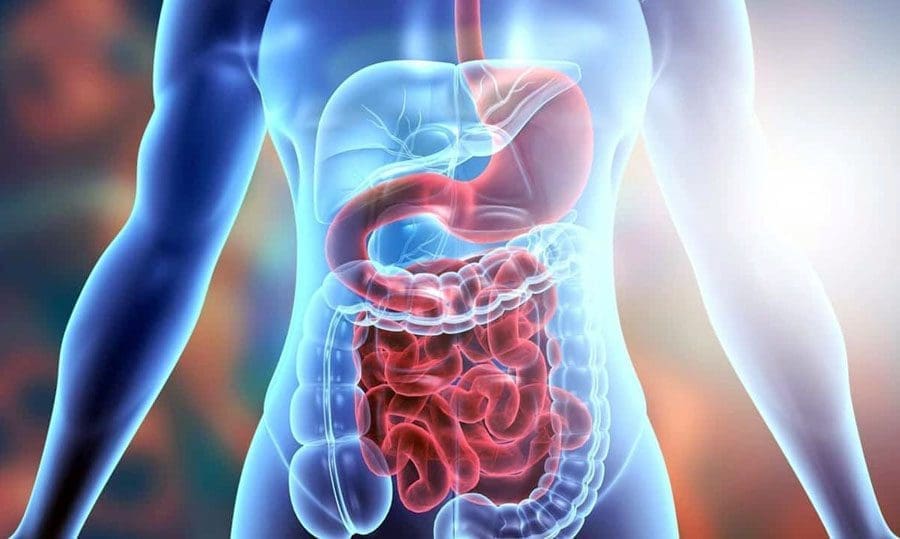
At El Paso Back Clinic, led by Dr. Jimenez, DC, APRN, FNP-BC, we focus on holistic, patient-centered care to address the root causes of health issues. A vital yet often overlooked factor in musculoskeletal health and injury recovery is the gut microbiome, the trillions of microorganisms in your digestive tract. These microbes support muscle growth, bone strength, and healing from injuries by regulating nutrient absorption, modulating inflammation, and influencing hormone production. An imbalance, or dysbiosis, can hinder recovery and contribute to musculoskeletal problems. At El Paso Back Clinic, we integrate this science into our chiropractic and functional medicine protocols to help you achieve optimal health.
Nutrient Absorption for Musculoskeletal Strength
The gut microbiome plays a key role in absorbing nutrients essential for muscles and bones. A balanced gut microbiome enhances the absorption of calcium and vitamin D, which are crucial for bone health (Hsu et al., 2024). Gut bacteria break down food, ensuring your body receives the nutrients needed for skeletal strength and muscle repair. Short-chain fatty acids (SCFAs) produced by these microbes also enhance bone density, supporting long-term skeletal health (Li et al., 2021).
For muscles, a healthy gut improves the uptake of proteins and amino acids, fueling growth and recovery after injury or exercise (Harvard Medical School, 2023). At El Paso Back Clinic, our nutrition and wellness programs, guided by Dr. Jimenez, optimize gut health to maximize nutrient absorption, helping you build stronger muscles and bones naturally.
Inflammation is a natural part of healing, but excessive inflammation can slow recovery and increase pain. A healthy gut microbiome produces SCFAs and other metabolites that reduce inflammation, creating an optimal environment for muscle and bone repair (West Limerick Physiotherapy, 2023). This supports faster recovery for our patients, whether they’re dealing with sports injuries, auto accident trauma, or chronic pain.
Dysbiosis can lead to chronic inflammation, delaying healing and worsening musculoskeletal conditions (AstonRX, 2023). At El Paso Back Clinic, our integrative treatments, including acupuncture and trigger point therapy, work alongside nutrition plans to support gut health, reduce inflammation, and promote quicker recovery.
The gut microbiome influences hormone production, which is essential for muscle and bone health. Gut bacteria regulate insulin-like growth factor 1 (IGF-1), a hormone that supports muscle growth and repair (Grosicki et al., 2021). A balanced gut also enhances hormonal pathways for calcium metabolism, strengthening bones over time (Yan et al., 2023).
An imbalanced gut can disrupt these hormones, leading to weaker muscles and bones and slower recovery (IAOM-US, 2023). Dr. Jimenez’s functional medicine approach, including the Living Matrix assessment, evaluates gut health and hormonal balance to create personalized care plans that optimize musculoskeletal function.
A healthy gut microbiome supports muscle growth by improving nutrient absorption and reducing inflammation, providing the energy and materials needed for repair (MyProtein, 2023). For bones, gut bacteria enhance calcium and vitamin D uptake, while probiotics can reduce bone loss, particularly in conditions like osteoporosis (Taylor & Francis, 2024). At El Paso Back Clinic, our chiropractic care, combined with functional nutrition and rehabilitation programs, strengthens muscles and bones, helping you stay active and resilient.
The gut microbiome aids injury recovery by reducing inflammation and supplying nutrients for tissue repair (Harvard Medical School, 2023). Gut microbes produce compounds that accelerate muscle regeneration, helping you recover faster from sprains, strains, or fractures (Digbi Health, 2023). At El Paso Back Clinic, Dr. Jimenez uses advanced diagnostics like X-rays and MRIs to assess injuries and designs recovery plans that incorporate gut health strategies to enhance healing.
Chronic inflammation from dysbiosis can slow recovery and increase pain (Healio, 2023). Our holistic approach, including chiropractic adjustments, massage therapy, and nutrition counseling, addresses these issues to promote natural healing and prevent long-term complications.
Dysbiosis disrupts nutrient absorption, increases inflammation, and imbalances hormones, all of which harm musculoskeletal health (PMC, 2024). This can lead to slower recovery, weaker bones, and a higher risk of injuries like fractures (ScienceDirect, 2023). At El Paso Back Clinic, our functional medicine and nutrition programs restore gut balance to prevent these issues and support long-term wellness.
Dr. Alex Jimenez’s Expertise at El Paso Back Clinic
Dr. Alex Jimenez, DC, APRN, FNP-BC, IFMCP, brings a unique blend of chiropractic and nurse practitioner expertise to treat work, sports, personal, and auto accidents. Using advanced imaging and a special assessment tool, he gives accurate diagnoses and customized treatment plans (Menez, 2023a). Dr. Jimenez’s ability to manage medical care and legal paperwork for personal injury cases ensures comprehensive support, from treatment to insurance claims (Jimenez, 2023b).
Our clinic integrates chiropractic care, acupuncture, massage therapy, functional medicine, and nutrition counseling to address a wide range of injuries. Chiropractic adjustments restore spinal and joint alignment, reducing pain and improving mobility. Acupuncture and massage therapy promote natural healing, while our nutrition programs focus on gut health to reduce inflammation and enhance recovery (Jimenez, 2023c). This comprehensive approach prevents long-term complications and helps patients return to optimal health.
The gut microbiome is a powerful ally in musculoskeletal health and injury recovery, influencing nutrient absorption, inflammation, and hormone production. At El Paso Back Clinic, Dr. Alex Jimenez and our team leverage this science to create personalized, holistic care plans that help you heal faster and stay stronger. Our integrative approach, combining chiropractic care, functional medicine, and gut-focused nutrition, addresses the root causes of injuries to promote long-term wellness. Contact us at 915-850-0900 or visit elpasobackclinic.com to transform your health in El Paso’s vibrant community.
Chiropractic & Integrative Care for Muscle Recovery at El Paso Back Clinic
Introduction
Motor vehicle accidents (MVAs) often cause more than just soreness—they disrupt muscle coordination, spinal alignment, and nerve signaling, which can lead to long-term dysfunction. At El Paso Back Clinic, Dr. Alex Jimenez, DC, APRN, FNP-BC, delivers a holistic recovery model grounded in his dual licensure. His clinic combines chiropractic care, functional medicine, advanced rehabilitation, and nutrition to restore muscle function and overall health.
Understanding Post-Accident Muscle Injuries
MVAs can result in muscle strains, spasms, scar tissue, and compensation patterns—where the body overuses alternate muscle groups due to injury. These issues often persist without proper intervention. Dr. Jimenez integrates evidence-based diagnostics with chiropractic adjustments and active therapies to retrain muscles correctly and address underlying biomechanical imbalances (elpasobackclinic.com, sciatica.clinic).
A Dual-Licensed, Integrated Approach
Dr. Jimenez’s combined expertise in chiropractic and medicine allows him to offer:
Thorough musculoskeletal and nervous system evaluations
Advanced diagnostic imaging and lab assessments
Individualized treatment plans that merge alignment correction, functional rehabilitation, and lifestyle optimization
This sets El Paso Back Clinic apart in providing comprehensive and personalized care (El Paso, TX Health Coach Clinic).
Treating Complex Back & Auto-Related Injuries
Specializing in injuries such as herniated discs, sciatica, whiplash, and scoliosis, the clinic employs modalities like:
Spinal decompression and adjustments
Electro-acupuncture and functional rehabilitation
Customized bracing, corrective exercises, and sports medicine techniques
Multimodal treatments combining manual therapy, nutrition, and lifestyle changes
Patient education to prevent recurrence and promote sustained wellness (elpasobackclinic.com).
Functional Medicine plays a key role by addressing systemic contributors like inflammation, hormonal imbalance, and environmental factors—using tools such as Decompression Therapy, dietary counseling, and mind-body strategies (El Paso, TX Health Coach Clinic).
Fast-Track Rehabilitation for Severe Trauma
Auto accidents, sports injuries, and workplace trauma demand a multi-disciplinary response. Dr. Jimenez’s rehabilitation process couples:
Chiropractic adjustments to restore alignment
Functional medicine assessments using tools like the Living Matrix
Sports rehabilitation techniques: strength training, flexibility, and proprioception
Acupuncture to reduce pain, improve circulation, and support soft tissue healing (elpasobackclinic.com).
Integrative Nutritional Support after Accidents
Lingering inflammation from auto injuries can impede muscle recovery. Dr. Jimenez incorporates anti‑inflammatory diets rich in omega‑3s, antioxidants, and whole foods to accelerate healing and reduce pain (elpasobackclinic.com).
With methods like spinal adjustments, soft tissue therapy, and corrective movement, the clinic tackles hidden injuries holistically. This non-invasive approach avoids surgical risks and helps patients regain mobility and muscle function naturally (sciatica.clinic).
Legal & Medical Integration for Personal Injury Care
In auto accident cases, proper documentation is essential. Dr. Jimenez provides comprehensive treatment records and diagnostic reporting that supports medical recovery and legal claims—making El Paso Back Clinic a go-to resource for injury-related litigation (elpasobackclinic.com).
Conclusion
At El Paso Back Clinic, muscle retraining post-accident is built on a foundation of integrated chiropractic care, functional medicine, advanced diagnostics, and patient-centered rehabilitation. Through Dr. Jimenez’s expertise, patients receive tailored, evidence-based care that restores muscle health, improves mobility, and safeguards long-term function—all within a single, expertly coordinated practice.
IFM's Find A Practitioner tool is the largest referral network in Functional Medicine, created to help patients locate Functional Medicine practitioners anywhere in the world. IFM Certified Practitioners are listed first in the search results, given their extensive education in Functional Medicine