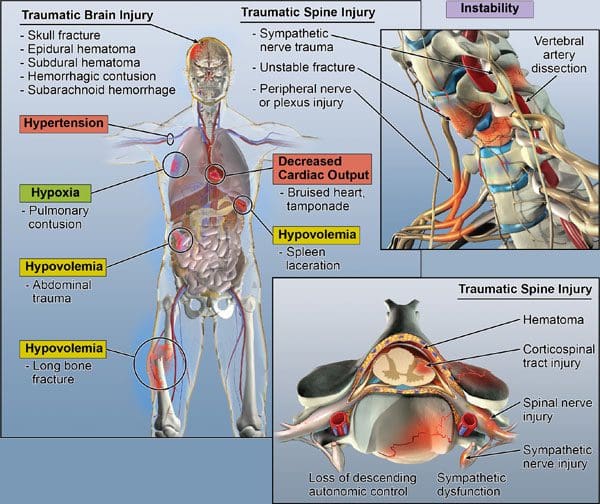
With an intense automobile, work, sporting/fitness accidents, and natural disasters, individuals can experience multiple traumas, also known as polytrauma. Recovery and rehabilitation can be challenging journeys. Multiple traumas are serious medical emergencies only given to individuals going through difficult situations. Polytrauma references multiple severe traumas that occurred at the same time. An individual can experience a:
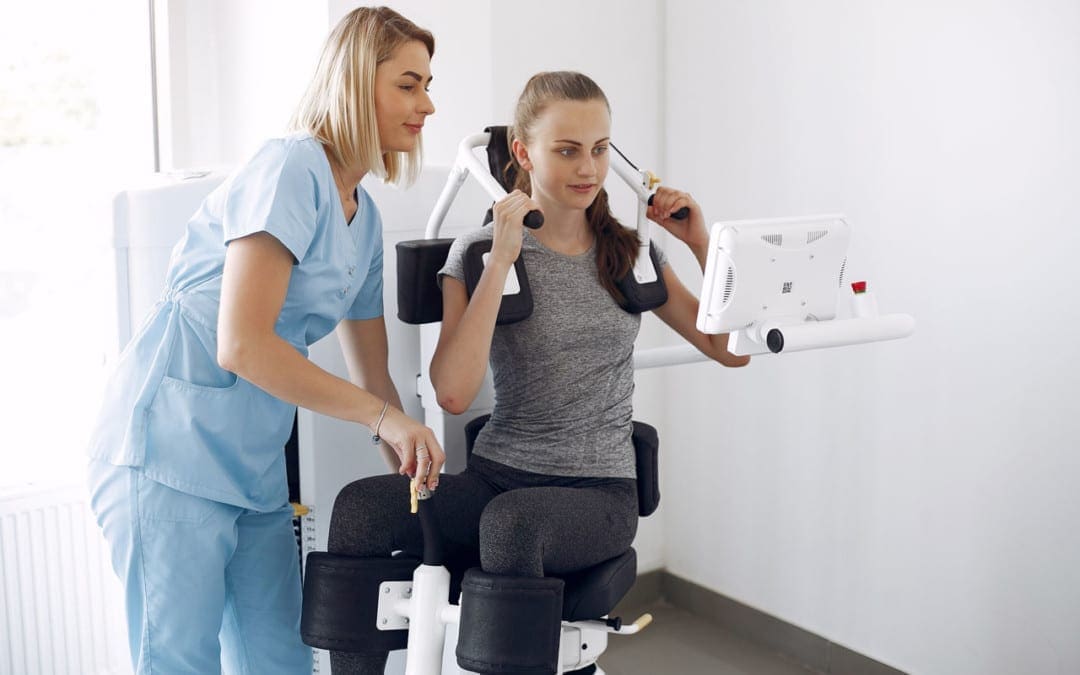
Physical therapy and chiropractic rehabilitation could be part of a treatment program. This is to restore the body’s mobility, function and promote the body’s natural healing abilities. The importance of creating the proper rehabilitation program can make all the difference, and restoring the integrity of the spine is critical.
Spinal Stabilization
Any trauma, despite its severity, can have the potential to interfere/disrupt spinal functions.
Suffering a concussive hit to the head could cause damage to the cervical spine.
Falling off a ladder could shift the vertebral discs.
Hitting the knee on an object can cause a spinal misalignment from shifting the weight to the other leg for a day or two.
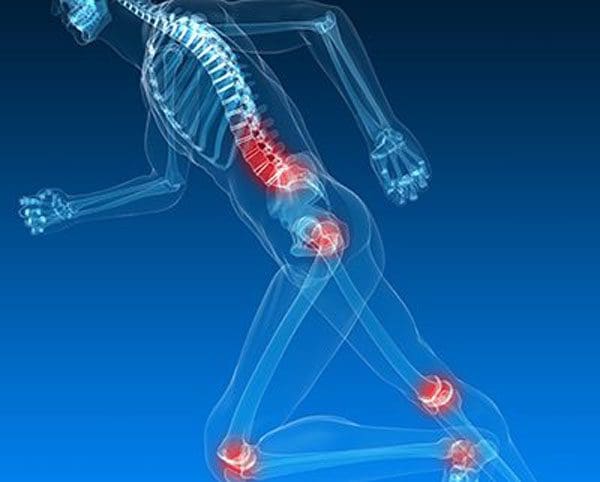
Spinal misalignments and/or dysfunction are common in multiple trauma cases. Dealing with broken bones and substantial wounds often means the spine could need to be realigned even if there are no localized injuries to the back or neck. Spinal misalignment, translation/rotation, herniated discs, or other conditions can hinder the overall recovery process and present new health issues.
Nerve Damage
Often, a lasting issue from multiple traumas is nerve damage. The severity can destroy nerve endings, making it impossible to regain feeling or movement in certain areas of the body. The nerve damage can be regenerated if the impediment is rooted in the spine and is addressed in time.
Correcting spinal discs that have shifted along with subluxations that can compress the nerves and interfere with signal communication can help restore the areas directly affected. Example: Broken arms or legs can lose sensations that can be regained by spinal realignment. Some arteries follow the spinal pathway. Proper circulation/blood flow is achieved when the spinal integrity is restored, which is essential in natural recovery.
Trauma Beyond the Injury
Developing the correct rehabilitation treatment plan could mean the difference in a speedy and healthy recovery. Chiropractic can be an integral part of the recovery process, especially for a body that has sustained severe musculoskeletal injuries. The spine is an extension of the central nervous system. This means that bringing relief to the spine can affect positive healing in the injured areas. The critical role of the spine in an individual’s rehabilitation and whole well-being is why no matter the extent of the trauma, we deliver relief.
Auto Accident Injury Treatment
References
Kroupa, J. K definici polytraumatu a polytraumatismu [Definition of “polytrauma” and “polytraumatism”].Acta chirurgiae orthopaedicae et traumatologiae Cechoslovaca vol. 57,4 (1990): 347-60.
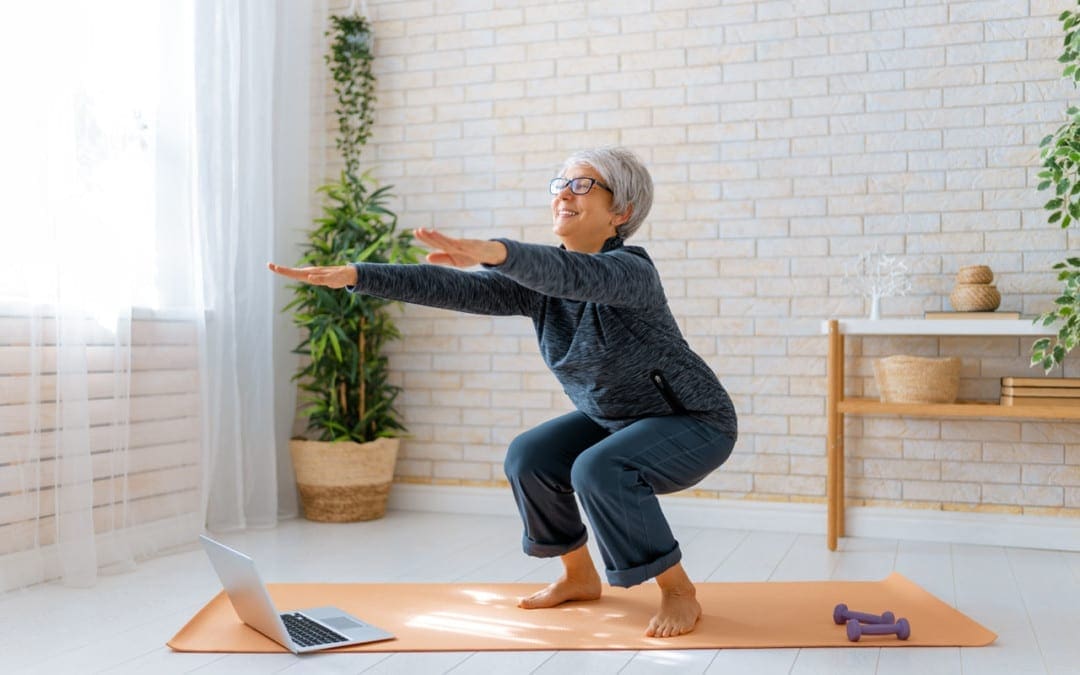
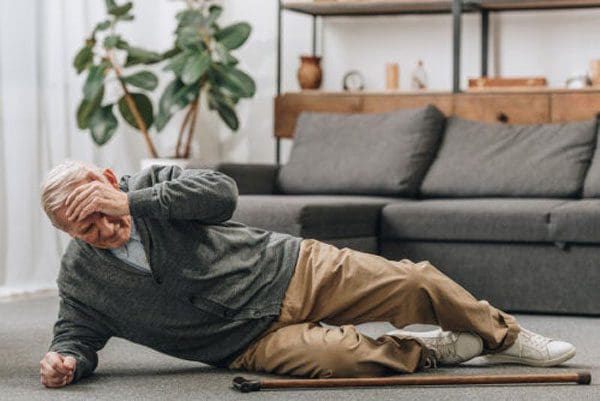
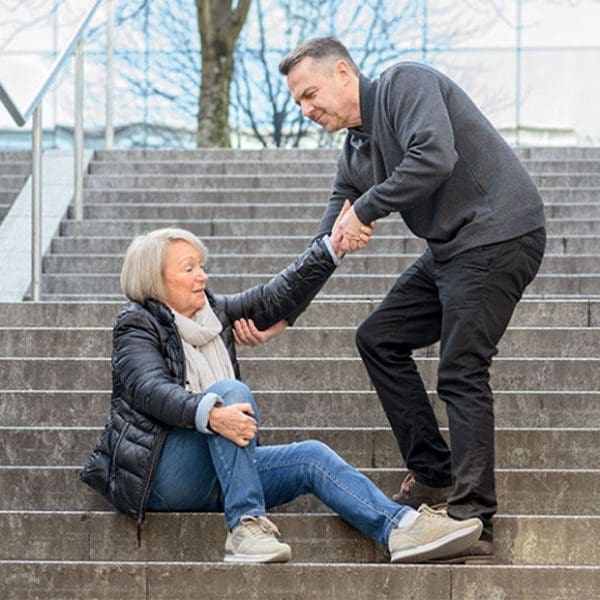
As individuals advance in age, the risk of falling starts to become a regular concern. An average of one in four adults over 65 suffers from a fall every year. Around twenty percent of falling accidents result in serious injury. However, experiencing one fall increases the risk of future falls significantly. The most common injuries sustained include:
Hip fracture
Head injury
These injuries usually necessitate hospitalization. Therefore minimizing the risks is important for increasing/enhancing an individual’s quality of life and help minimize the financial burdens that can come with these types of accidents.
Risk Factors for Falling
Various factors can determine an increased risk of falling. If there are two or more at the same time, the risk goes up significantly. These factors include:
A physical therapist or chiropractor can assess the home for safety and possible tripping hazards
Regular vision check-ups at least every two years
Spinal Health
Restoring balance to the body will make the biggest difference in increasing overall health. However, pain, stiffness, and poor health can make getting started a difficult challenge. With the right chiropractic and physical therapy team, getting started does not have to be as challenging, with the transition being made as easily and as smooth as possible.
An essential building block for overall optimal health begins with spinal alignment. When the spine is misaligned it can lead to poor nerve circulation/energy. This slows down and interferes with the body’s functions. This is often manifested with poor balance, weakness, and pain. Chiropractic spinal alignment addresses whole-body health. A chiropractic practitioner is specialized in non-invasively and systematically restoring not only the alignment of the spine but the entire body.
Chiropractic Health
Find a chiropractor and talk to them about any health concerns, including falls. A customized chiropractic adjustment treatment plan will be developed along with a fitness and stretching regimen, and dietary adjustments will significantly optimize health and help prevent falls.
Sports Injuries Chiropractic Treatment
Dr. Alex Jimenez�s Blog Post Disclaimer
The scope of our information is limited to chiropractic, musculoskeletal, physical medicines, wellness, and sensitive health issues and/or functional medicine articles, topics, and discussions. We use functional health & wellness protocols to treat and support care for injuries or disorders of the musculoskeletal system. Our posts, topics, subjects, and insights cover clinical matters, issues, and topics that relate and support directly or indirectly our clinical scope of practice.*
Our office has made a reasonable attempt to provide supportive citations and has identified the relevant research study or studies supporting our posts. We also make copies of supporting research studies available to the board and or the public upon request. We understand that we cover matters that require an additional explanation as to how it may assist in a particular care plan or treatment protocol; therefore, to further discuss the subject matter above, please feel free to ask Dr. Alex Jimenez or contact us at 915-850-0900. The provider(s) Licensed in Texas& New Mexico*
References
Hawk, Cheryl et al. �Pilot study of the effect of a limited and extended course of chiropractic care on balance, chronic pain, and dizziness in older adults.��Journal of manipulative and physiological therapeutics�vol. 32,6 (2009): 438-47. doi:10.1016/j.jmpt.2009.06.008
Driving with back pain can make trips a nightmare. Here are some driving tips to save your back when on the move. There is nothing like the freedom of hitting the open road. Family, friends, or solo, the destination along with new sights breezing by, refreshes the mind. With the COVID pandemic, many have turned to trucks, cars, SUVs, and RVs for a comfortable, safe mode of transportation.
Back pain from driving can become a serious issue. Studies have shown how low back pain, and spending a significant amount of time driving are interconnected. And other studies have also shown living a sedentary lifestyle like sitting for a long time will lead to some form of back pain that can become exacerbated by elongated driving. Road trips and regular commuting can both impact an individual’s spine. It depends on the length of time drivers are behind the wheel as well as any present spinal conditions.
Long commutes and road trips can take a toll on the body that can continue to increase in its severity. Individuals live most of their lives in a flexed/flexing posture. Meaning that there is the ability to shift positions and move around. This could be like Sleeping curled up, then on the back, sitting at a desk/workstation, then standing, stretching out, twisting, and bending.
Driving creates a whole different type of spinal stress because of the physical mechanics involved. Automobiles generate different types of forces on the back. Factors such as accelerating, decelerating, swaying side to side, and vibrations all can contribute to back pain. To elaborate the feet and legs control the vehicle, and so are not able to help stabilize the spine, and vibration from uneven/loose gravel roads can cause issues with the spinal discs.
Discomfort and pain can occur for the driver and passenger/s. Individuals with diagnosed back condition/s can experience a worsening of symptoms and an increase in pain. This could be a postural imbalance, sciatica, or arthritis. Here are some driving tips to show how to prevent back pain before, during, and after the trip.
Before Driving
Prevention is the best way to decrease back pain when driving. The following precautions are recommended:
Think about getting helpful sitting aids/lumbar support cushions, like memory foam and air-filled seat cushions.
If specifically dealing with tailbone pain, a support with a tailbone cutout is recommended.
Optimize the seat by placing the back a little beyond fully upright. From 100 to 105-110 degrees, so the individual maintains proper posture. Inclining more can lead to a forward-head posture that can cause neck pain.
The seat should be close enough to the steering wheel to provide a relaxed upper body posture. However, make sure that the legs are not too close to the steering wheel and there is room to maneuver. The seat should be level around 5 degrees upward to provide support to the legs.
If unable to provide lumbar support rolling up a towel/thick sweater etc can be placed in the small of the back providing a quick fix.
The Drive
Eyes on the road and hands at 10 and 2 but don�t take the focus off the spine.
If driving for more than 20 minutes, it is recommended to make adjustments/changes in the seated position. Just a slight tweak can reduce the driving forces on the spine.
Driving for longer than an hour then short breaks are necessary. Pit stops are spine savers. Just like work breaks that involve standing, walking around, and stretching out, bending forward and leaning backward will keep the spine flexible, uncompressed with optimal blood flow.
Heated seats can help soothetight back muscles. It acts as a heating pad.
Remove items from pockets, especially wallets or similar objects in the back pocket. This can lead to an asymmetrical position that leads to shifting weight/stress loads to one side creating an added strain on the spine and awkward postures.
Stopping
After driving for an extended period, resting is vital to spine health. Utilize time out of the vehicle to continue prevention.
Sitting right after driving is not recommended.
Right after driving the body needs to move after being in the static driving/passenger position for some time.
Standing, walking, and doing some gentle stretches are recommended. Back extensions and side bending are examples.
Core exercises can help and should also be incorporated into a regular physical exercise regimen.
However, exercises after long or strenuous drives when the body is fatigued are not recommended, as intense exercise can lead to injury or worsening of back pain.
Pain Continues After
If there was a small/low amount of pain or if it was a pain-free experience then perhaps the driving tips helped. If the pain continues and there was no help with these driving tips, it might be time to see a doctor or chiropractor. Minor aches and pains can be expected, but if there is pain lasting longer than a few days or limits function, then seeking out medical advice is recommended.
Car Accident Chiropractic Treatment
Dr. Alex Jimenez�s Blog Post Disclaimer
The scope of our information is limited to chiropractic, musculoskeletal, physical medicines, wellness, and sensitive health issues and/or functional medicine articles, topics, and discussions. We use functional health & wellness protocols to treat and support care for injuries or disorders of the musculoskeletal system. Our posts, topics, subjects, and insights cover clinical matters, issues, and topics that relate and support directly or indirectly our clinical scope of practice.*
Our office has made a reasonable attempt to provide supportive citations and has identified the relevant research study or studies supporting our posts. We also make copies of supporting research studies available to the board and or the public upon request. We understand that we cover matters that require an additional explanation as to how it may assist in a particular care plan or treatment protocol; therefore, to further discuss the subject matter above, please feel free to ask Dr. Alex Jimenez or contact us at 915-850-0900. The provider(s) Licensed in Texas& New Mexico*
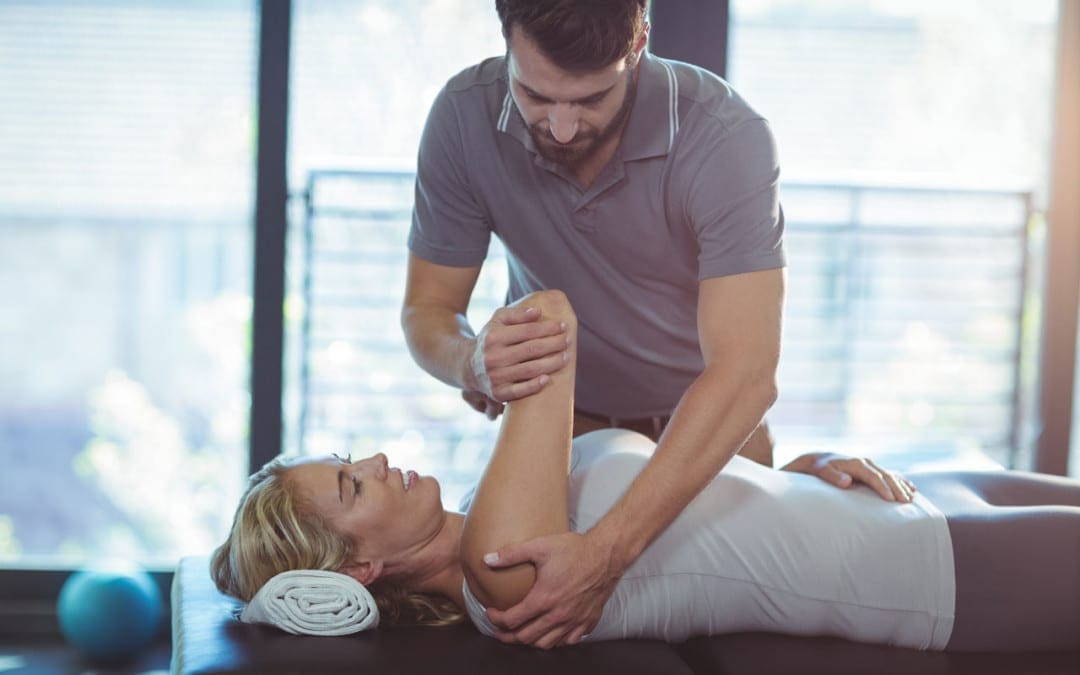
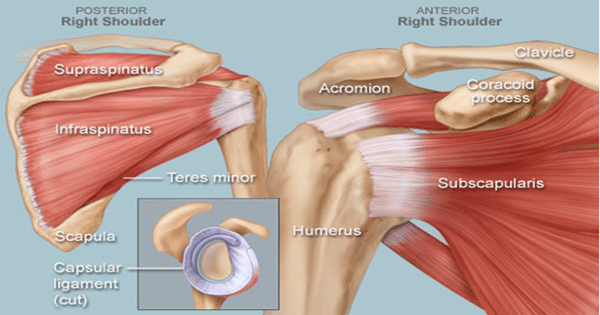
The shoulder/s are the joints where the upper-arm bones known as the humerus, the shoulder blades or scapula, and the collarbone/clavicle come together. The upper-arm bone fits into the scapula socket and is held in place by muscles and tendons. This is the rotator cuff. It covers and protects the upper-arm and allows for raising and movement of the arm. Pain in the shoulder can have a variety of causes.
Injuries can occur in a slip and fall or automobile accident. A task like painting the house could cause a repetitive/overuse injury. The�soft tissues in the shoulder, muscles, tendons, and ligaments�can get injured from excessive strain, falls, and improper motion. Shoulder pain can come from certain conditions like arthritis. And it can present from problems or issues in other parts of the body. This is known as referred pain.
The shoulder takes on more than we realize. It is made up of an intricate network of ligaments and muscles, with the rotator cuff taking most of the load when moving. It is the most flexible joint in the human body, and one of the most unstable. It is�unstable because of its unique construction. Other joints like the ankle or elbow are limited in their range of motion. Shoulder injuries�are common, as the shoulder sustains more injuries than almost any other part of the body.
Injury Symptoms
Here are some questions to help figure out if there is a shoulder injury:
Does the arm move normally?
Is there extreme stiffness?
Is there pain and what type – throbbing, stinging, shooting
Does it feel like it could pop out of the socket?
Is it strong enough for normal activities?
Certain shoulder injuries can be treated at home for a few days with rest and ice. The shoulder can be bandaged with Kinesio tape to hold it in place if necessary. But serious injuries require professional medical help. Symptoms/signs that a medical professional is needed:
The shoulder joint looks deformed
The shoulder cannot be used at all
The pain is extreme and intense
The shoulder is swelling rapidly
The arm and/or hand is weak and/or numb
Common injuries
Dislocation
When the shoulder gets pulled back hard or rotated too far, the top of the arm can get popped out of the socket. This can cause pain, weakness, swelling, numbness, and bruising.
Separation
This is an injury affecting the joint where the collarbone and shoulder blade come together. It is the acromioclavicular or AC joint. An accident, fall, or traumatic impact can tear the ligaments holding it together. If the collarbone gets shifted out of place, a bump on top of the shoulder will appear.
Fracture
After a fall or a hard hit, the bones can break or become cracked. The most common breaks are to the collarbone and the arm bone that is the closest to the shoulder. Pain presents along with bruising can occur. If the collarbone is broken, the shoulder may sag and there will be no ability to lift the arm.
Cartilage tear
The cartilage or rubbery padding that runs around the rim of the shoulder joint can suffer injury and/or get torn. Repetitive motions and overuse can lead to a tear. It can also be injured in a fall, or anytime it absorbs the brunt of the force. Pain can be felt when reaching over the head, or the shoulder feels/seems to be weak. Sensations like catching, locking, or grinding may also be felt.
Rotator cuff tear
The rotator cuff belongs to a group of muscles and tendons that hold the arm in place and allow for lifting the arm up and overhead. It can suffer damage through overuse or in an accident. The rotator cuff begins to show wear and tear with age. It can hurt at night and when trying to lift objects. Individuals have also reported a crackling sound when moving.
Frozen shoulder
This is a condition that limits how much the joint moves. Bands of tissue or adhesions build up in the joint and keep the shoulder from moving freely. This is where the freeze happens. It comes from the pain, causing the individual to not use it, this allows the adhesions to build.
Impingement
This is when the tendons of the rotator cuff become pinched within the bones of the shoulder. It can cause swelling and pain. It is often set off when lifting the arms over the head repetitively.
Bursitis
This is when the fluid-filled sacs or bursa that cushion the joints get swollen and irritated. Usually, the onset occurs from repetitive motions. However, it can also be caused by a fall or other injury. The pain occurs most when moving the shoulder.
Other causes
Osteoarthritis
Also known as degenerative joint disease. It is the most common form of arthritis. It can affect any joint, including the shoulders. The cartilage between the bones breaks down and allowing them to rub against each other causing pain and stiffness.
Rheumatoid arthritis
This is a disease that causes the immune system to attack the protective lining in the joints. It causes pain and stiffness in the shoulders.
Referred pain
There could be nothing wrong, yet pain or discomfort presents. This could be a sign of a condition involving the lungs, gallbladder, liver, nerves, etc.
Heart attack
Shoulder pain could be brought on from the tightness in the chest and trouble breathing. Get emergency medical help immediately.
Tendinitis
The tendons that make up the rotator cuff become inflamed. It can happen progressively over time or quickly from an accident, fall, or a direct hit to the shoulder.
Bone spurs
These are small, smooth pieces of bone that begin to rub up against the rotator cuff keeping the shoulder from proper movement. They can lead to tendonitis or a tear.
Diagnosis
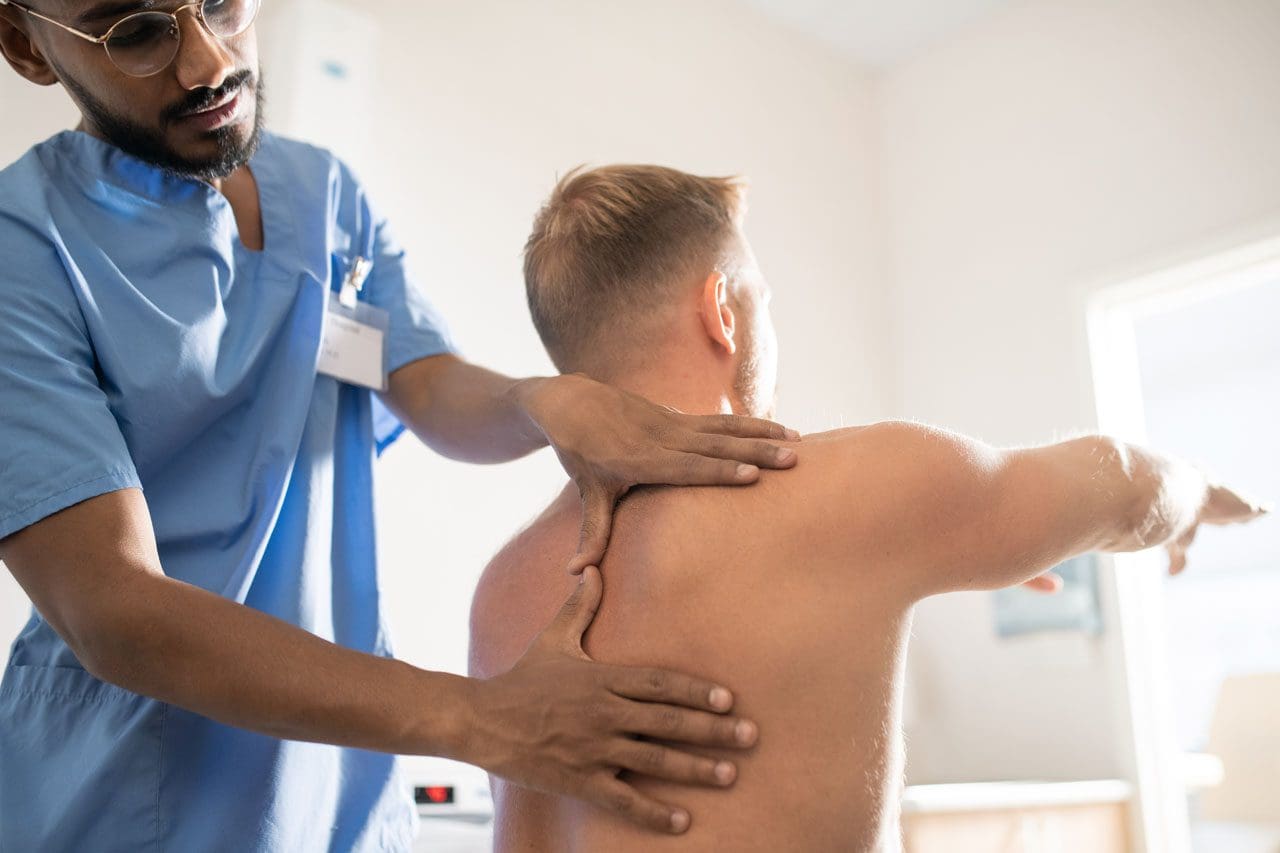
A doctor or chiropractor will begin with a physical exam to check for structural problems to rule out anything involving the spine or neck. Next, is the range of motion exam to see how strong and flexible the shoulder is. This involves moving the arms in different ways, like:
Above the head
Across the body
Behind
Rotate 90 or 180 degrees
The doctor could recommend imaging tests to get a closer look:
X-rays
These can help find bone spurs, arthritis, and other bone-related causes of shoulder pain. The doctor could recommend an arthrogram. This involves using a dye to enhance the details allowing them to render more clearly.
MRI scan
Radio waves and a powerful magnet generate detailed images of the shoulder.
CT scan
This is a series of X-rays taken from various angles. When placed together, they allow for optimal views to be seen.
EMG
This measures electrical activity in the muscles to see if there are any problems with the nerves.
Arthroscopy
A surgical procedure that utilizes a tiny fiber-optic camera, allowing the doctor to see high-definition images. With certain cases, the doctor could be able to treat the problem during the procedure.
Treatment
Dislocations, separations, and fractures require medical attention. Getting the shoulder back to the right position followed by a sling to hold it in place while healing and in recovery. For less serious issues, the doctor could recommend rest, heat/ice, and medicine like ibuprofen or aspirin to help with the pain and swelling.
Chiropractic treatment for shoulder injury/s and pain. A Chiropractor can:
Relieve pain
Improve range of motion
Increase flexibility
Restore function to the joint
If the shoulder does not show improvement after the first steps, the doctor could recommend injecting an anti-inflammatory medication straight into the joint for the swelling and pain relief. There are times when cartilage tears, rotator cuff tears, and a frozen shoulder does not improve with rest, physical therapy, or medication. As a last resort, the doctor could recommend surgery. Any problem with the shoulder means that the treatment plan will probably include stretches and exercises to help strengthen the joint and improve the range of motion.
Prevention
Consider how often the shoulders are used at work and play. Then find ways to protect it:
If working at a desk, make sure the chair has proper back support and promotes proper posture.
Take several short breaks to move around at least once an hour.
If work requires heavy lifting, proper technique is essential.
First face the object being lifted
Keep the back straight
Bend the knees using the legs for power
When reaching for a heavy object overhead, use a step-ladder to get a better position.
Ask the doctor or chiropractor about a strength and conditioning regimen for the muscles around the shoulders, to keep them strong and flexible.
Chiropractic Treatment Shoulder Pain
Dr. Alex Jimenez�s Blog Post Disclaimer
The scope of our information is limited to chiropractic, musculoskeletal, physical medicines, wellness, and sensitive health issues and/or functional medicine articles, topics, and discussions. We use functional health & wellness protocols to treat and support care for injuries or disorders of the musculoskeletal system. Our posts, topics, subjects, and insights cover clinical matters, issues, and topics that relate and support directly or indirectly our clinical scope of practice.*
Our office has made a reasonable attempt to provide supportive citations and has identified the relevant research study or studies supporting our posts. We also make copies of supporting research studies available to the board and or the public upon request. We understand that we cover matters that require an additional explanation as to how it may assist in a particular care plan or treatment protocol; therefore, to further discuss the subject matter above, please feel free to ask Dr. Alex Jimenez or contact us at 915-850-0900. The provider(s) Licensed in Texas& New Mexico*
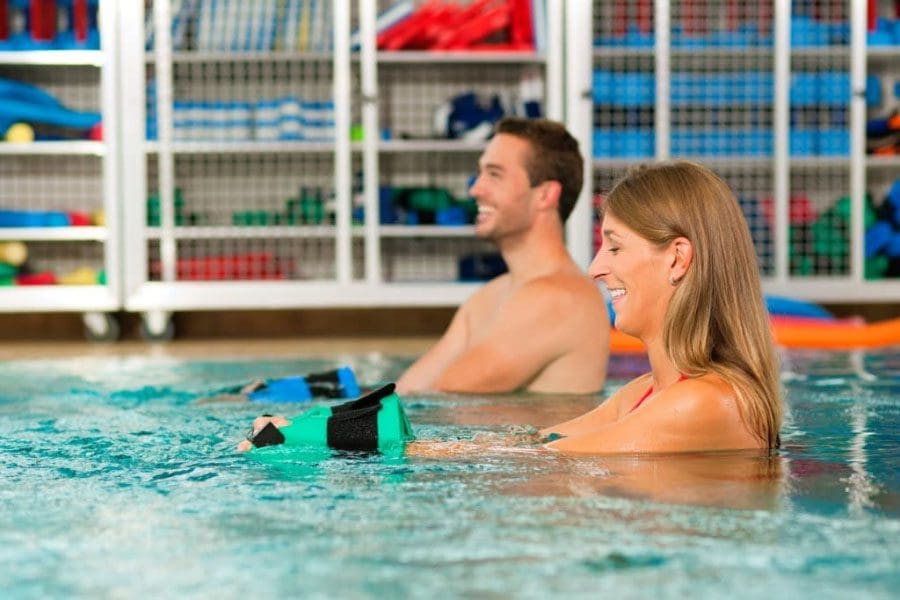
Studies reveal that swimming and aquatic exercises can help in relieving back pain. Done properly it is a highly recognized form of cardio exercise as well as injury recovery and rehabilitation, especially when dealing with back pain. Other types of cardiovascular exercise/s are great and are recommended for individuals with back pain that is already being managed. This could be light walking and mild aerobics.
However, those in severe pain and more than likely not in the best shape, cardio can be hard on the body. Swimming is great for all body types, those with weight issues that contribute to their back pain, those that have trouble moving, the young, elderly plus it burns calories, builds muscle, and is very refreshing.
Swimming has been utilized as a non-impact form of exercise and is recommended for individuals in injury recovery, surgery, and for those where performing high-impact exercise/s like running would be painful and dangerous. The buoyancy or upthrust of the water counters gravity decreasing the compression on the spine. Aqua or hydrotherapy allows cardio activity without increasing or worsening pain, which is very therapeutic. Regular cardiovascular exercises/activities are beneficial for pain reduction. Figuring out and determining the right exercise/stroke for the patient’s specific ailment and length of time those exercises should be done without causing fatigue or increased pain is the objective.
Strengthening the paraspinal muscles is essential to help with spinal support and reducing back pain. Utilizing the up-thrust of the water, enables patients to exercise these muscle groups more efficiently and effectively.
Preparation
Wherever the swimming therapy will take place, it is vital that the individual feels comfortable at the location, in the water, knows how to swim as this puts an individual at ease, not worrying about their surroundings and able to focus completely on their therapy/rehab.
If an individual is not a confident swimmer, the therapy can be done in shallow water or a rehabilitation pool and if cleared with a doctor taking swimming lessons with back pain in mind could be part of a therapy program. Once confident in the water warm-up in the shallow end or do some walking/cycling before actual swimming.
Therapeutic Strokes
Strokes for the therapeutic workout will be determined by the doctor, specialist, chiropractor, therapist, etc. These strokes are recommended to protect the spine while keeping pain at bay. Although individual cases are completely unique, and a doctor/therapist could recommend other strokes, the safest strokes found for back pain are the freestyle and the backstroke.
Strokes like the butterfly or breaststroke cause a natural extension/arch in the low back, which can be quite painful. So a patient does not have to lift their heads, which could cause them to arch their backs as well, could benefit using a center snorkel.
Regimen Frequency, Length
Like all forms of exercise, especially when dealing with back pain moderation is the way to go avoiding repetitive/overuse injuries. Soreness after the workout that goes away within a few hours is normal. But if the soreness lasts to the next day, this could the body warning the patient they are doing too much. For swimming, therapists usually recommend three days a week 20 to 30-minute workout. With activity response being used as a guide to progress or decrease the intensity or volume of the exercise. A gradual increase in activity until the patient reaches a workout regimen that fits:
Age
Condition level
Physical ability
Considerations
When swimming or performing any exercise/s the benefits are completely dependent on the individual and back condition. It is difficult to determine how well therapeutic swimming will work, as every individual and the condition/s they are dealing with are different. Individuals with arthritis or spinal stenosis have been shown to do well using hydrotherapy because of decreased spinal compression. Each patient might have to make certain adjustments based on their condition and the doctor’s, chiropractor, specialist’s treatment plan.
For example, someone with cervical spine arthritis or stenosis could have a difficult time lifting their head to breathe. In this case, they could be instructed to swim using only the backstroke or using a customized stroke so they don’t have to lift the head. Every patient needs to try and see what works for their specific condition. What works for one patient, may not work for another. Find out if swimming could be a treatment option for your back condition. With this in mind, finding a form of aqua/swimming exercise that suits you can be achieved.
Lower Back Pain Skating Boarding Injury Treatment
Dr. Alex Jimenez�s Blog Post Disclaimer
The scope of our information is limited to chiropractic, musculoskeletal, physical medicines, wellness, and sensitive health issues and/or functional medicine articles, topics, and discussions. We use functional health & wellness protocols to treat and support care for injuries or disorders of the musculoskeletal system. Our posts, topics, subjects, and insights cover clinical matters, issues, and topics that relate and support directly or indirectly our clinical scope of practice.*
Our office has made a reasonable attempt to provide supportive citations and has identified the relevant research study or studies supporting our posts. We also make copies of supporting research studies available to the board and or the public upon request. We understand that we cover matters that require an additional explanation as to how it may assist in a particular care plan or treatment protocol; therefore, to further discuss the subject matter above, please feel free to ask Dr. Alex Jimenez or contact us at 915-850-0900. The provider(s) Licensed in Texas& New Mexico*
Minimally invasive surgical procedures can be used to treat spinal compression fractures. These procedures are utilized to reduce severe pain, stabilize the fracture itself, and restore lost height or shape of the broken vertebral body. These procedures are known as:
Balloon kyphoplasty
Vertebroplasty
Vertebral body augmentation
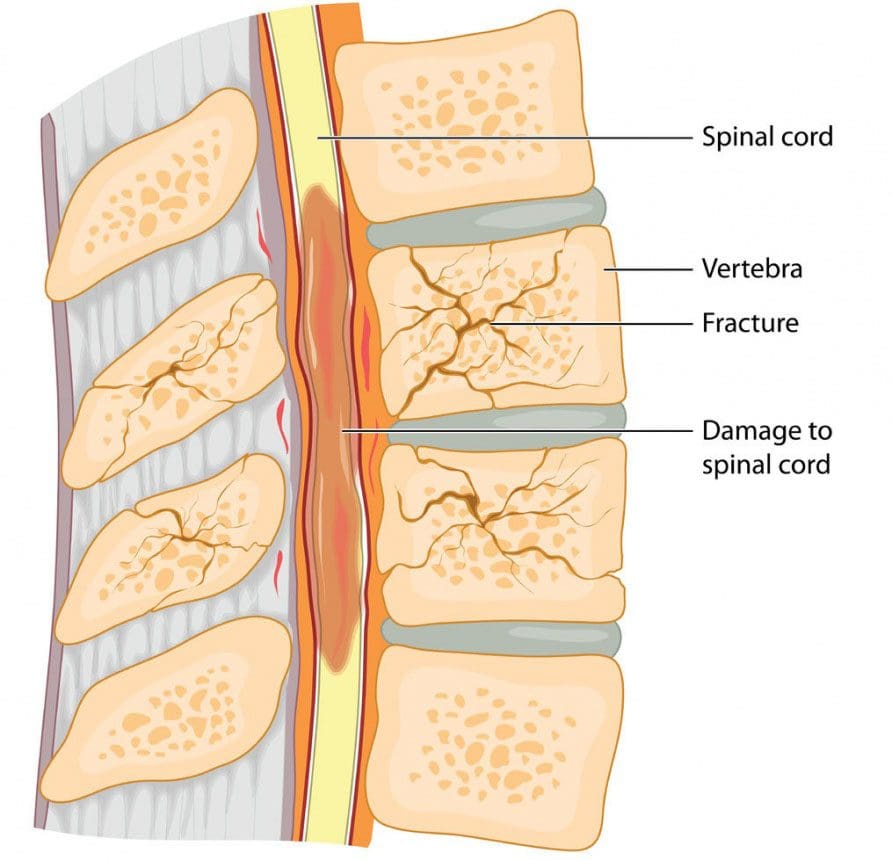
A vertebral compression fracture is a type of spinal fracture that can be caused by osteoporosis. This is a metabolic disease that weakens bone density and increases the risk of fracture/s in the spine, wrist, and hip. Osteopenia and osteoporosis affect millions, according to the National Osteoporosis Foundation. If left untreated, it can progress without an individual knowing and painlessly until the bone/s fracture. A vertebral compression fracture is more frequent than hip fractures and can lead to extended disability.
Vertebroplasty
Vertebroplasty is a minimally invasive treatment done through the skin for painful vertebral compression fractures. It also helps with strengthening the surrounding vertebral bodies also at risk of fracturing. Orthopedic bone cement is injected into the fractured vertebral body.
How is it performed?
Under general anesthesia, a specialized needle for bone is slowly inserted through the soft tissues of the back towards the vertebral compression fracture. The surgeon sees the position of the needle at all times through a real-time x-ray. Once reached a small amount of orthopedic bone cement, called polymethylmethacrylate, is injected into the vertebral body. Polymethylmethacrylate is a medical-grade bone cement that’ss been used for years for various orthopedic procedures.
The cement can sometimes be combined with an antibiotic to reduce the risk of infection along with a powder that has barium or tantalum. This allows it to be seen on the x-ray. The cement is a thick paste that hardens quickly. The fractured body is injected on the right and left sides, the midline of the back. After a few hours, the patient is up and moving. Most go home on the same day.
Balloon kyphoplasty
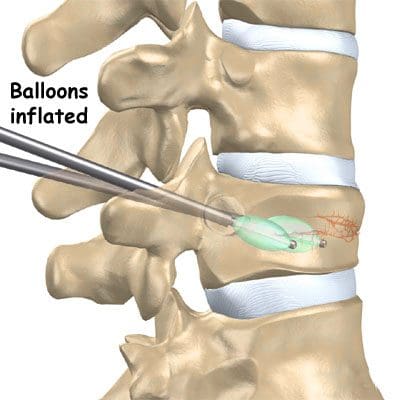
Balloon Kyphoplasty is another newer minimally invasive surgery for vertebral compression fractures that can be associated with osteoporosis. Kyphoplasty utilizes a balloon that expands the compressed bone to help restore lost vertebral height while creating a space where bone cement is injected. Kyphoplasty stabilizes fractures, restores lost vertebral height, and reduces deformities.
How it is performed?
Balloon kyphoplasty is performed under local or general anesthesia. Using real-time x-ray two small incisions are made, and a probe is inserted into the vertebral body space. The bone is drilled and balloon/s, called a bone tamp is a pump that is inserted on each side.
These balloons are inflated with contrast medium so the surgeon can see on the real-time x-ray until each balloon expands to the correct height, and then are taken out. The balloon is used to create a space for the bone cement and helps expand the compressed vertebral body bone. The cement binds and stabilizes the fracture. The cement provides:
Strength
Stability
Hardens rapidly
Restores height
Relieves pain
Vertebral augmentation implant
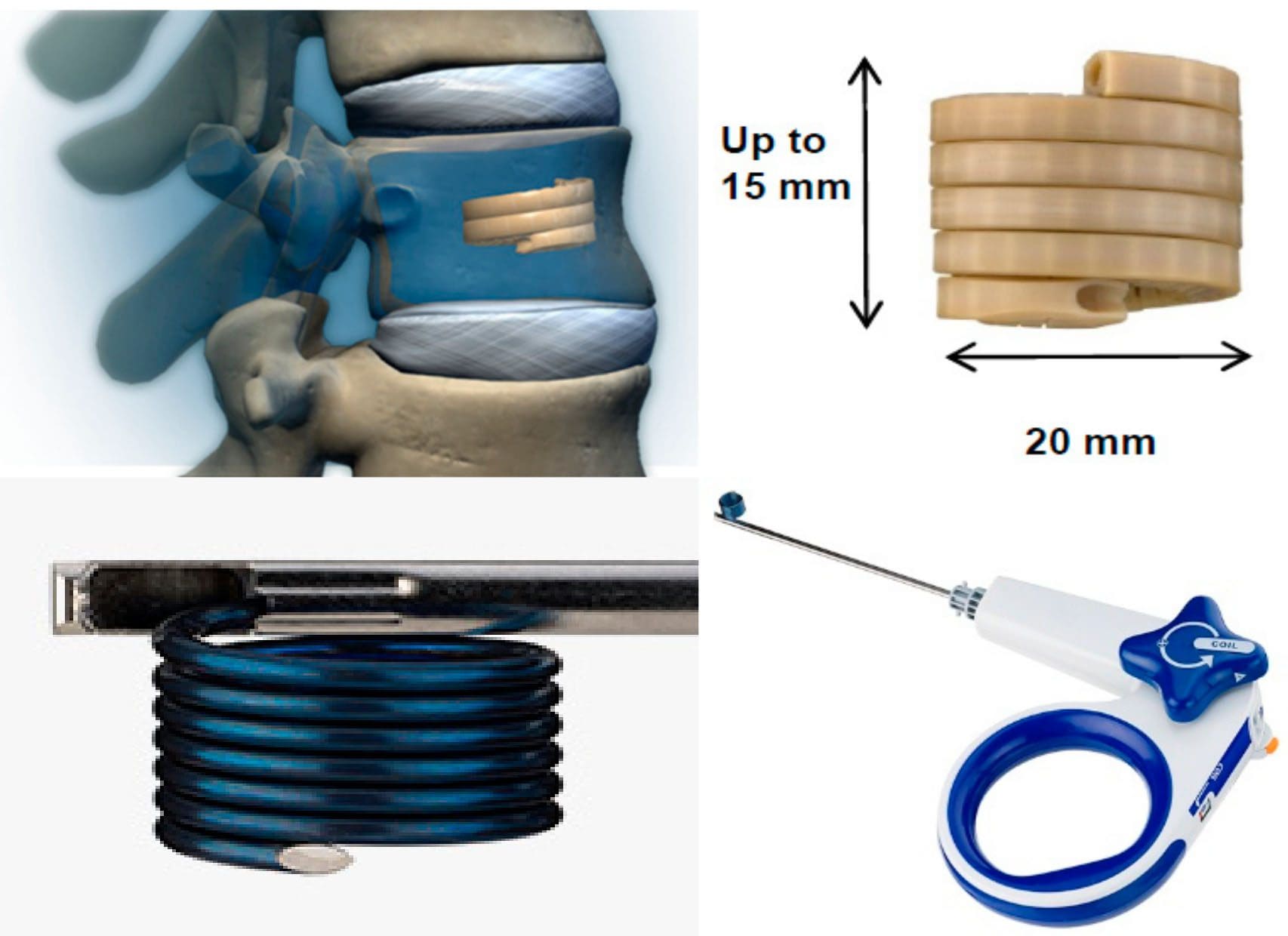
A vertebral augmentation implant is different from vertebroplasty and kyphoplasty. This minimally invasive procedure for middle and lower back spinal compression fractures utilizes a flexible loop spring style spinal implant. It is performed under local or general anesthesia. A real-time x-ray is used to visualize the spinal anatomy and guide the placement of the device. The implant is delivered through a small incision. Once the implant is in place, the bone cement is injected, and the implant is removed.
Potential benefits include:
Reduction of new fractures above or below the existing fracture
Improves the spine’s angle
Reduced spinal deformity
Reduces bone cement leakage
Reduces the amount of bone cement
Benefits of all
Vertebral compression fractures and the limited abilities of traditional surgical options led to the refinement of these surgical systems. Each procedure provides options, as to how the treatment helpsrelieve pain, reduce and stabilize fractures, reduce spinal deformity, and stop the progressive worsening of untreated osteoporosis.
Added benefits:
Surgical time is minimal
Local or general anesthesia is all that is needed
Hospital stay is a day or only a few hours
Patients can quickly return to normal activities
No bracing required
A spine surgeon will explain the purpose and aims of the recommended procedure, including the benefits and risks to help make an informed decision.
Foot Levelers Orthotics Reduce Low Back Pain
Dr. Alex Jimenez�s Blog Post Disclaimer
The scope of our information is limited to chiropractic, musculoskeletal, physical medicines, wellness, and sensitive health issues and/or functional medicine articles, topics, and discussions. We use functional health & wellness protocols to treat and support care for injuries or disorders of the musculoskeletal system. Our posts, topics, subjects, and insights cover clinical matters, issues, and topics that relate and support directly or indirectly our clinical scope of practice.*
Our office has made a reasonable attempt to provide supportive citations and has identified the relevant research study or studies supporting our posts. We also make copies of supporting research studies available to the board and or the public upon request. We understand that we cover matters that require an additional explanation as to how it may assist in a particular care plan or treatment protocol; therefore, to further discuss the subject matter above, please feel free to ask Dr. Alex Jimenez or contact us at 915-850-0900. The provider(s) Licensed in Texas& New Mexico*
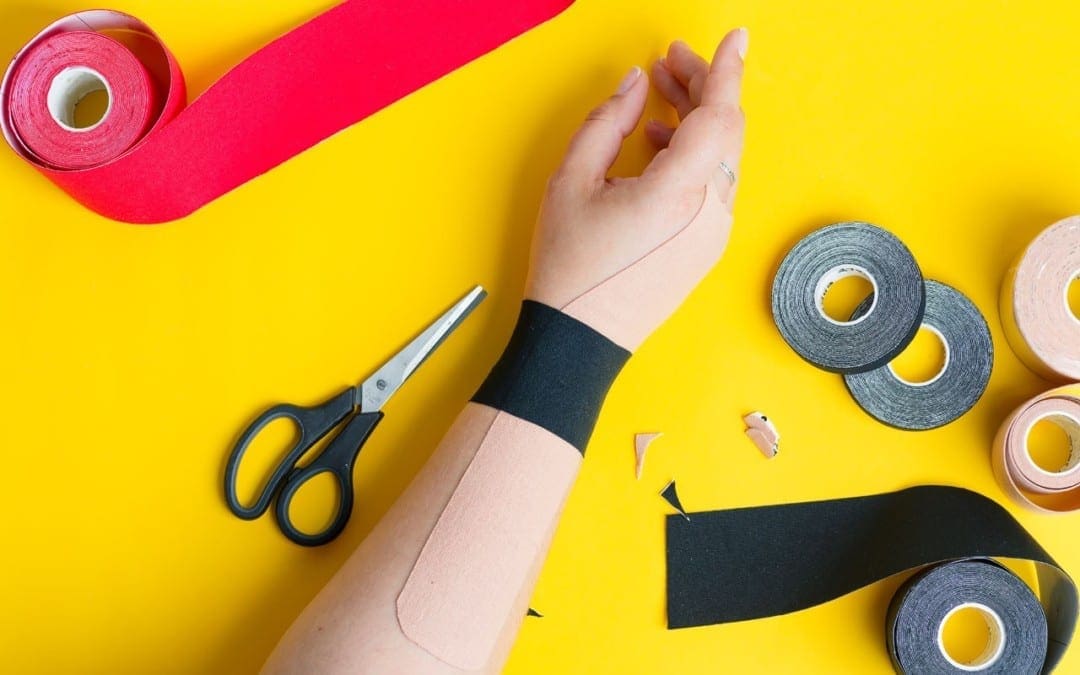
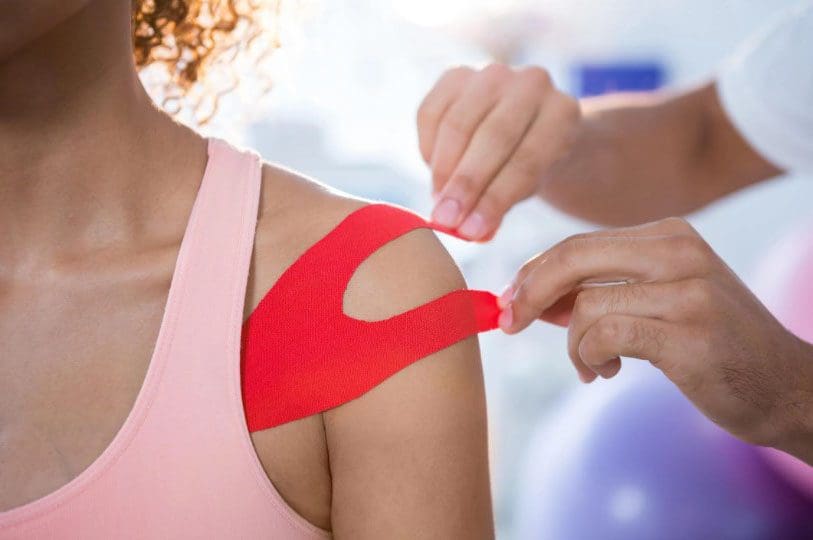
Kinesio taping is common for injuries, but can also be effective for non-sports related injuries/ailments. Kinesio taping is a rehabilitative therapeutic taping method that facilitates the body�s ability to heal naturally. The tape provides support, and stability for muscles, and joints without restricting motion. Plus there is added soft tissue support prolonging the tape’s effectiveness. The technique can have added benefits when combined with chiropractic. This technique is the norm among athletes nowadays but can benefit everybody. As a chiropractic physician, I use the technique for:
Sports injuries
Sprains
Strains
Injury Prevention
Pregnancy
The taping involves applying the tape over and around muscles stimulating them to send neuromuscular signals that optimize performance and helps injuries heal naturally. This is a versatile treatment that can benefit everyone.
Pain Relief
We all get strained, overused muscles that can cause tension and soreness. Millions suffer from neck, upper, mid, and low back pain from poor posture or sitting all day. It reduces pain by relieving the pressure on the strained or injured area. According to a study, stroke patients with shoulder pain experienced relief and reduction in shoulder pain after three weeks of Kinesio Taping intervention. Another study published in the Journal of Back and Musculoskeletal Rehabilitation had similar results for reduced pain in patients with tennis elbow. Kinesio tape therapy can improve pain symptoms while continuing to heal the specific muscle/s.
Reduce Inflammation
It also reduces pressure on the lymphatic system, which removes fluid from the tissues. Reduced pressure allows the body to drain fluids like lactic acid that can build up in an injured area. This benefit goes beyond just healing injuries. It helps reduce inflammation and swelling after surgery and with inflammatory conditions like lymphedema. Kinesio could be beneficial for individuals with chronic inflammatory conditions.
Overused Muscle Recovery
Taping improves blood flow, the delivery of oxygen, and nutrients to the affected area, which helps overused muscles heal quickly. This added benefit is one of the reasons taping is now used in everyday practice to treat:
Taping helps improve overall function. This is a key factor for optimal healing. A study found elderly patients with degenerative knee arthritis tried the therapy and experienced reduced pain, stiffness, improved knee joint function, and increased overall motion. For improved function Kinesio is commonly used on the:
Ankles
Back
Feet
Knees
Shoulders
Overall Benefits
One of the most important benefits, it comes without side effects from prescription meds.
It provides support without restricting the muscle�s range of motion
Individuals can continue to be active and not worry about overstretching the injured muscle/s, as the tape will let them know.
The tape can be worn 24-hours a day for several days per application.
This Kinesio taping technique is currently used by thousands of:
Physical therapists
Occupational therapists
Chiropractors
Medical doctors
Certified athletic trainers
Massage therapists
Correct Bad Posture with Functional Foot Orthotics
Dr. Alex Jimenez�s Blog Post Disclaimer
The scope of our information is limited to chiropractic, musculoskeletal, physical medicines, wellness, and sensitive health issues and/or functional medicine articles, topics, and discussions. We use functional health & wellness protocols to treat and support care for injuries or disorders of the musculoskeletal system. Our posts, topics, subjects, and insights cover clinical matters, issues, and topics that relate and support directly or indirectly our clinical scope of practice.*
Our office has made a reasonable attempt to provide supportive citations and has identified the relevant research study or studies supporting our posts. We also make copies of supporting research studies available to the board and or the public upon request. We understand that we cover matters that require an additional explanation as to how it may assist in a particular care plan or treatment protocol; therefore, to further discuss the subject matter above, please feel free to ask Dr. Alex Jimenez or contact us at 915-850-0900. The provider(s) Licensed in Texas& New Mexico*
IFM's Find A Practitioner tool is the largest referral network in Functional Medicine, created to help patients locate Functional Medicine practitioners anywhere in the world. IFM Certified Practitioners are listed first in the search results, given their extensive education in Functional Medicine