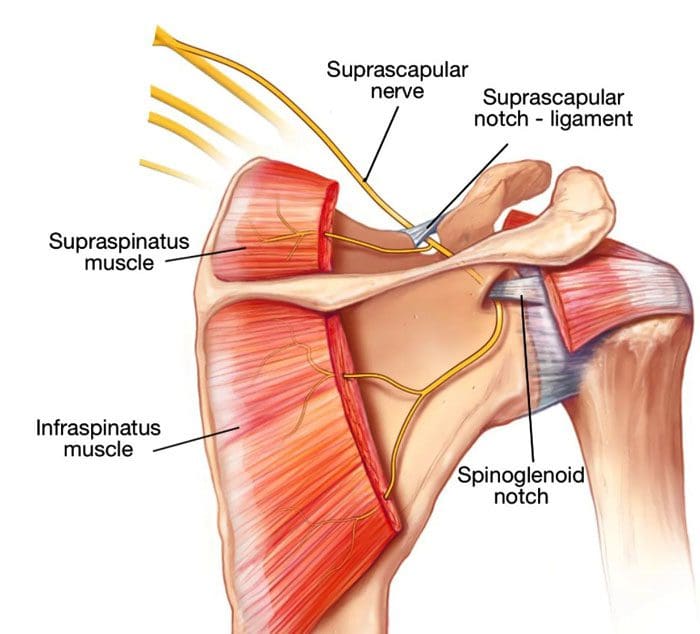
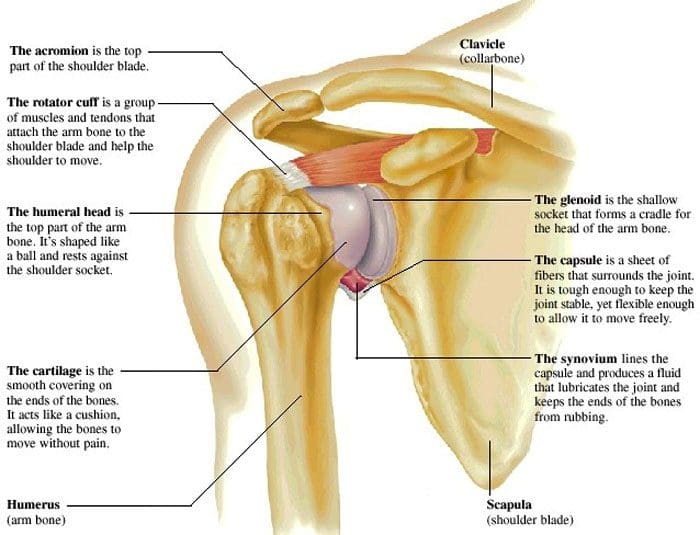
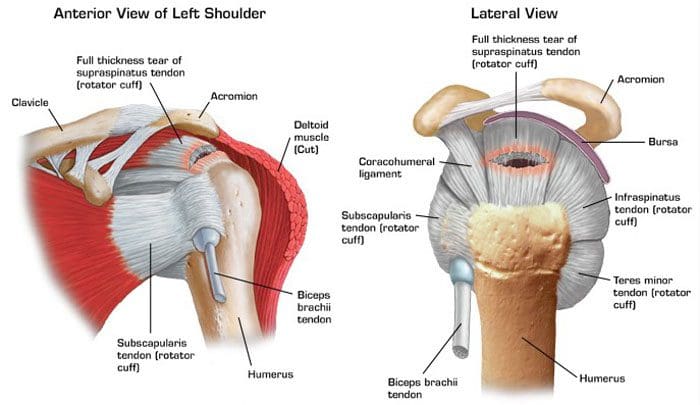
The shoulder is a ball-and-socket joint. The shoulder has several muscles that help it move and allow a wide range of motion. A strain or pulled shoulder muscle can affect the slightest movements, making simple activities difficult and painful. Pulling a muscle in the shoulder can be caused by an injury, overuse, and general wear and tear. Minor shoulder injuries usually heal on their own with rest and self-care. Severe shoulder muscle injuries should be addressed by a medical professional.
Pulled Shoulder Muscle Causes
Pulling a muscle in the shoulder can happen quickly. This could be from falling on the shoulder, an auto accident, or a work accident. It can develop after weeks, months, and years of repetitive motion and overuse. It is common among individuals that play certain sports or jobs that require repetitive activities with the shoulders. They can also happen with no apparent cause. Treatment and recovery depend on the type and severity of the injury.
How to Tell If It’s a Pulled Muscle
It can be hard to tell the cause unless the individual has experienced the specific type of pain before. Otherwise, it is recommended to consult a medical professional like a physical therapist or chiropractor. This is because shoulder pain can be caused by inflammation of the tendons and joints and/or the joint itself.
Pulled Muscle Shoulder Symptoms
A pulled muscle is characterized by:
Tenderness
Dull, sore, or aching pain.
Sometimes it can cause shooting pain between the shoulder blades in the front or back.
Pain when the shoulder is at rest.
Pain when the specific muscle is used.
Swelling of the area.
Shoulder instability.
The shoulder feels fragile.
Movement causes pain.
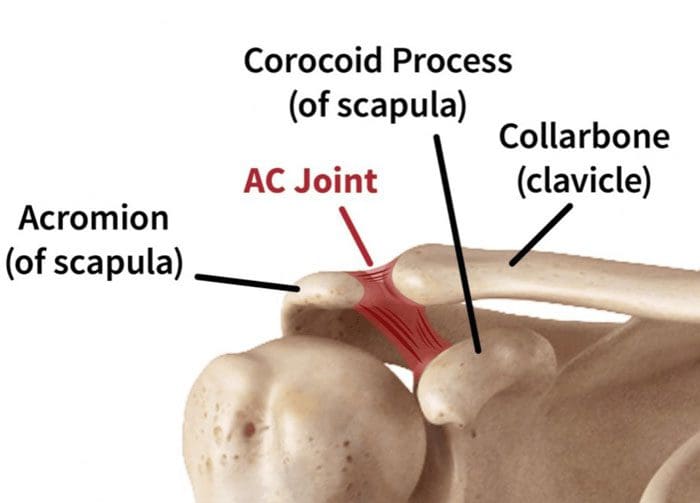
A bump may develop at the top of the shoulder near the end of the collarbone.
Inability to use the muscle at all.
If the pain is persistent, it could signify that there is something other than a pulled muscle like a pinched nerve or a joint issue.
Treatment and Recovery Options
Treatment and recovery vary and depend on the severity of the pull and the individual’s overall health. Many find that their pain is reduced with self-care in 2 or 3 weeks. Chiropractic treatment for a pulled shoulder muscle can provide relief within 1 or 2 weeks.
Self Care
Depending on the severity of the pull and how much pain is being experienced, individuals could be recommended to take an NSAID like Ibuprofen to reduce pain and swelling. Self-care can include:
Ice To Reduce Swelling
Applying ice or a cold pack to the area can help reduce swelling.
Place a cloth or towel between the skin and the cold pack.
Apply it for 20 minutes an hour.
The swelling should reduce in a day or two.
Rest
It is recommended to rest the shoulder for no more than 2 or 3 days.
This begins the healing process and prevents worsening the injury.
Wrap or Sling
During rest days, it can be hard to keep the shoulder from moving.
To avoid this, use a shoulder wrap or a sling to support the arm.
However, they should not be used for more than 2 or 3 days.
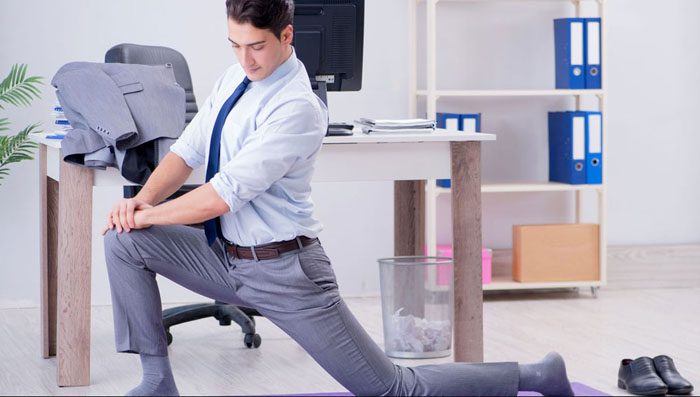
Gentle Stretching
It is essential to get the muscle working again after 2 or 3 days of rest.
Stretches will help the muscle group heal and gain strength.
Not stretching the muscle could prolong recovery and worsen the injury, and possibly cause new injuries.
Stretches For a Pulled Shoulder
Stretching a pulled shoulder muscle after a few days of rest is recommended because not working out the injured muscle can cause more problems. Not using the muscle can cause it to atrophy, which will take longer to heal, and the surrounding muscles become weak.
Pendulum Stretch
Slightly bent support the body by placing the unaffected arm on a table or chair.
Let the injured arm hang straight down.
Swing the arm in small circles clockwise as far as the pain or discomfort allows.
Perform for 1 minute.
Go counterclockwise for one minute.
Repeat 4 to 8 times throughout the day.
Chiropractic
If self-care is not providing sufficient relief, then chiropractic treatment is recommended. A doctor of chiropractic can advise on the best treatment options and get to the root of the issue. Chiropractors have a treatment arsenal of modalities and approaches to help treat pulled muscles. These include:
A somatotype is the overall shape and composition of the human body. Body types based on physique have three generalized divisions:
Endomorph
Mesomorph
Ectomorph
However, it is rare for someone to fall entirely into one somatotype. Individuals can have a combination of qualities from two somatotypes, like an ectomorph-endomorph hybrid or an endomorph-ectomorph, for example.
Ectomorphs
Naturally lean with long limbs, ectomorphs typically possess a slender look no matter what type of diet.
A lot of endurance runners and swimmers are ectomorphs.
Ectomorphs may have a decent amount of muscle but may appear to have less muscle development because of their long limb length.
Body fat also seems to get hidden by the long, slender figure, which means they can get away with a few extra pounds of fat.
However, if ectomorphs do not watch their health, they can become skinny fat.
Mesomorphs
Mesomorphs have a natural athletic look.
They can achieve a muscular physique without really trying.
The physiology tends to include:
Narrow hips
Wide back
A large frame contributes to a muscular appearance.
Many professional fighters, football, and basketball players are mesomorphs.
Endomorphs
Endomorphs have a larger structure with wide hips and shoulders.
Shorter arms and legs.
This type of body shape is excellent for activities that require a lot of strength.
Rugby players, strength athletes, and powerlifters are endomorphs.
This body type is considered to be a contributing performance factor in Ironman athletes.
References
Blache, Y et al. “Superficial shoulder muscle co-activations during lifting tasks: Influence of lifting height, weight, and phase.” Journal of electromyography and kinesiology: official journal of the International Society of Electrophysiological Kinesiology vol. 25,2 (2015): 355-62. doi:10.1016/j.jelekin.2014.11.004
Brantingham, James W et al. “Manipulative therapy for shoulder pain and disorders: expansion of a systematic review.” Journal of manipulative and physiological therapeutics vol. 34,5 (2011): 314-46. doi:10.1016/j.jmpt.2011.04.002
Kandel, Michel et al. “Somatotype, training and performance in Ironman athletes.” European journal of sports science vol. 14,4 (2014): 301-8. doi:10.1080/17461391.2013.813971
McFarland, Daniel C et al. “Spatial dependency of shoulder muscle demand during dynamic unimanual and bimanual pushing and pulling.” Applied ergonomics vol. 73 (2018): 199-205. doi:10.1016/j.apergo.2018.07.011
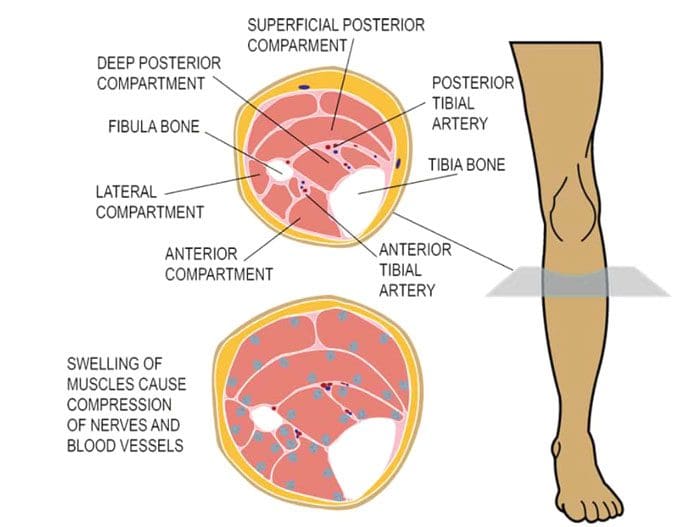
Compartment syndrome is a condition that causes pressure within a group of muscles to build up to dangerous levels. This pressure build-up begins to decrease blood flow, not allowing proper circulation, nutrients, and oxygen from getting to the nerves and muscle cells. The syndrome can be acute or chronic, and surgery can be required. Acute compartment syndrome is considered a medical emergency, usually caused by a severe injury and requires immediate treatment; otherwise, it can lead to permanent muscle damage. Chronic compartment syndrome or exertional compartment syndrome is usually not a medical emergency and is often caused by physical exertion.
The fascia does not stretch or expand because its job is to keep the tissues in place. If compartmental pressure builds up, swelling and bleeding may occur. When the tissues don’t have enough blood to provide the proper amount of oxygen and nutrients, the tissues begin to die, leading to permanent damage. Because the fascia does not stretch if there is swelling or bleeding within a compartment, this increases pressure on the:
Capillaries
Nerves
Muscles in that compartment.
Blood circulation does not reach the compartment to supply oxygen and nutrients.
Nerve and muscle cells get damaged.
Compartment syndrome most often takes place in the lower leg’s anterior/front calf compartment.
However, it can also develop in other areas like the:
Legs
Arms
Hands
Feet
Buttocks
Acute
The typical symptom is pain, specifically when the muscle in the compartment is stretched.
The pain is more intense than the injury itself.
Flexing, contracting, or stretching the muscles increases the pain.
Tingling or burning sensations may present.
Muscle tightness or fullness sensation like bloating.
Numbness or paralysis are late symptoms that usually indicate severe to permanent tissue injury.
The acute syndrome develops after a severe injury, like an automobile accident or from a broken bone. Injuries and conditions that can cause acute compartment syndrome include:
Fractures
Muscle contusion/bruise that goes beyond just a bump. Two examples include a motorcycle falling on the rider’s leg or a football player getting hit in the leg intensely.
Constricting bandages – Casts and bandages that are too tight can cause the blockage of blood. If symptoms develop, remove or loosen any constricting bandages. If it is from a cast, contact the doctor immediately.
Anabolic steroids – Taking steroids is a possible factor in compartment syndrome.
Blood circulation restoration after a blockage.
When sleeping, a blood vessel can get blocked. Lying for a long time in a position that causes a limb to go to sleep, then shifting, moving, or getting up can contribute to the condition. This type of development can happen in individuals with neurological damage or who do not realize what is occurring. This can happen after intense intoxication with alcohol and/or drugs.
Surgical repair of a damaged blood vessel that was blocked can result in compartment swelling.
Permanent disability and tissue death can result unless the pressure is relieved.
Chronic Physical Exertion
The pain and swelling from the chronic condition are caused by vigorous physical activity/exercise. It most often occurs in the leg. Individuals that participate in activities with repetitive motions have an increased risk. Physical activities/sports include:
Running
Biking
Swimming
This is usually not dangerous and is often relieved by discontinuing the specific exercise/s or physical activity for a while. Symptoms include:
Pain during exercise.
Cramping during exercise.
Numbness
Moving the foot is difficult.
Muscle bulge can be seen.
Chiropractic Treatment
Leg pain should not be ignored for long as the problems could escalate into severe/dangerous territory. Chiropractic treatment is highly effective in the detection and treatment of leg pain. Chiropractors are experts in the neuromusculoskeletal system. Their expertise in promoting physical function applies to the whole body’s systems, including the:
Muscles
Bones
Ligaments
Nerves
Tendons
They are trained to diagnose and treat developing and chronic musculoskeletal problems and know when to seek specialized medical care when necessary.
Body Composition
Can’t Individuals Just Exercise More and Eat Whatever They Want?
No individuals cannot just exercise/move more and eat whatever they want if they are serious about losing excess weight. A healthy diet and exercise are essential parts of the formula for effective weight loss. One study shows that being aware of diet in quality and quantity overtakes just exercising when achieving and maintaining healthy body composition changes as a vital part of maintaining a healthy lifestyle. Evaluating the effects of diet, exercise, or a combination of both revealed that long-term success was most significant in the mix of diet and exercise. Individuals can exercise vigorously, but losing weight can be very difficult if they have unhealthy eating habits or cannot stick to a healthy diet. The individual can develop other health problems from an unhealthy diet.
References
Braver, Richard T. “Chronic Exertional Compartment Syndrome.” Clinics in podiatric medicine and surgery vol. 33,2 (2016): 219-33. doi:10.1016/j.cpm.2015.12.002
Joubert, Sonia V, and Manuel A Duarte. “Chronic Exertional Compartment Syndrome in a Healthy Young Man.” Journal of chiropractic medicine vol. 15,2 (2016): 139-44. doi:10.1016/j.jcm.2016.04.007
Schmidt, Andrew H. “Acute compartment syndrome.” Injury vol. 48 Suppl 1 (2017): S22-S25. doi:10.1016/j.injury.2017.04.024
Vajapey, Sravya, and Timothy L Miller. “Evaluation, diagnosis, and treatment of chronic exertional compartment syndrome: a review of current literature.” The Physician and sportsmedicine vol. 45,4 (2017): 391-398. doi:10.1080/00913847.2017.1384289
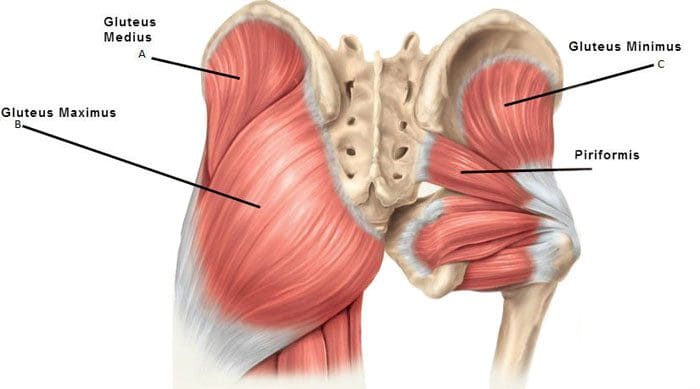
The Gluteus Maximus Muscle is the largest and the outermost of the gluteal muscles. It stretches from the sacrum and coccyx, parts of the spinal column, down to the femur. The other gluteal muscles include the gluteus minimus and medius. They each have a role in the normal function of the hips and legs. They are prone to tightness resulting in soreness, aches, and pain around the hips and in and around the buttocks.
The Gluteal/Rear End Muscles
There are three rear-end muscles:
The Gluteus Maximus extends the hip and rotates the thigh outwards, straightens the legs when moving, and provides strength.
Gluteus Minimus
Gluteus Medius
The minimus and medius are underneath the Maximus and stabilize the hip when:
Walking
Jumping
Other physical activities
There is another group of diagonal muscles under the gluteus minimus that attaches to the femur. The uppermost is the piriformis that is attached to the sacrum. The sciatic nerve and major arteries run below it.
Tightness and Irritation
The primary function of the muscles is to open the hips and push the legs out. Sitting for long periods shortens the gluteal muscles causing them to become tight, limiting normal hip function. The gluteal muscles are susceptible to tightness brought on from overuse and lack of development/strength. This can develop into tender/tight muscle bands that interfere with the normal function of the muscles. To get an example of what is happening imagine flexing and contracting one of the bicep muscles 6-10 hours a day. It would be extremely sore, tight, and tender.
Sports and Physically Active
Athletes and individuals that are physically active can also have tight gluteal muscles. This can cause post-game/exercise muscle soreness. Intense activities force the gluteal muscles to work overtime to support the back and knees. Sports that require a lot of leg muscle activation include:
Running
Soccer
Football
Crossfit
Dancing
Weight training
Awkward Walking Gait
Individuals that move with an unusual gait are vulnerable to straining the muscles. What happens is the muscles become stiff from the awkward positions/postures. This places additional strain on the back and hip muscles and worsens their overall posture. The hip muscles are also attached to the pelvis, and when the muscles begin to tighten they can pull on the gluteal muscles. Irritation of the sacroiliac joint can also place pressure on the piriformis, causing spasms that affect the gluteal muscles. Piriformis muscle spasms can also place pressure on the sciatic nerve, causing sciatica.
Diagnosis and Treatment
An examination will be necessary to diagnose whether the soreness or pain is due to muscle inflammation or other cause. Sciatica symptoms and problems at the hip level that involves the gluteus minimus and medius can be felt in the leg. The examination includes seeing and feeling muscle reactions, responses, contractions through a series of motion exercises and movements that involve different muscles. Common treatment includes:
Range of motion exercises
Strengthening exercises like bridging and resistance bands
Deep tissue massages
Heat and cold packs
Physical therapy
Electric muscle stimulation
Tightness in the glutes can be managed with chiropractic treatment. This includes:
Soft tissue work
Spinal joint manipulation
Lifestyle adjustments
Stretching
Diet
Health coaching
Simple exercises can help engage and strengthen the muscles. These include:
Individuals that sit for long periods of time, don’t get enough physical activity, and have an unhealthy diet can experience insulin resistance. This happens when insulin is not able to transport excess blood sugar out of the blood and into the muscles. A study found that women who sat for eight hours a day had an increased chance of developing diabetes. Diabetics can be inclined to have more fat within the body, specifically visceral fat. This further encourages insulin resistance. Diabetics also experience rapid loss of muscle mass as they age, intensifying symptoms and further affecting body composition.
References
Cochrane, Darryl J et al. “Does short-term gluteal activation enhance muscle performance?.” Research in sports medicine (Print) vol. 25,2 (2017): 156-165. doi:10.1080/15438627.2017.1282358
Coratella, Giuseppe et al. “The Activation of Gluteal, Thigh, and Lower Back Muscles in Different Squat Variations Performed by Competitive Bodybuilders: Implications for Resistance Training.” International journal of environmental research and public health vol. 18,2 772. 18 Jan. 2021, doi:10.3390/ijerph18020772
Distefano, Lindsay J et al. “Gluteal muscle activation during common therapeutic exercises.” The Journal of orthopedic and sports physical therapy vol. 39,7 (2009): 532-40. doi:10.2519/jospt.2009.2796
Kalyani, Rita Rastogi et al. “Age-related and disease-related muscle loss: the effect of diabetes, obesity, and other diseases.” The lancet. Diabetes & endocrinology vol. 2,10 (2014): 819-29. doi:10.1016/S2213-8587(14)70034-8
Selkowitz, David M et al. “Which exercises target the gluteal muscles while minimizing activation of the tensor fascia lata? Electromyographic assessment using fine-wire electrodes.” The Journal of orthopedic and sports physical therapy vol. 43,2 (2013): 54-64. doi:10.2519/jospt.2013.4116
Vitamin B12 and Shoulder Injuries. Most shoulder injuries involve the muscles, ligaments, and tendons. Individuals that perform repetitive arm motions/movements, constantly lift objects as part of their job, and athletes that use their arms repetitively have an increase in developing/experiencing shoulder injuries and problems. Shoulder injuries are commonly caused by physical activities that involve:
Excessive motions
Repetitive motions
Overhead motions
Sports like swimming, tennis, pitching, and weightlifting involve these repetitive arm/shoulder motions that contribute to shoulder injuries.
Injuries can also be brought on from everyday activities like washing/painting walls, hanging curtains/plants, and gardening.
Shoulder Injury Symptoms
If there is discomfort and/or pain in and around the shoulder here are a few ways to analyze the situation.
Does the shoulder feel like it could pop out or slide out of its socket?
Is there a lack of strength in the shoulder for normal daily activities?
If yes was an answer to any of these questions, individuals should consult an orthopedic surgeon and/or chiropractor for assistance in determining the problem and its severity.
Injury Categories
Individuals often underestimate the extent of an injury and usually just push/play through the discomfort and pain. This is how powerful the brain is as it ignores steady pain, weakness, or limitation of joint motion. Shoulder injuries and problems are grouped in the following categories.
Instability
This is when a shoulder joint moves/shifts or is forced out of its normal position. This is called instability and can result in dislocation of the joints in the shoulder. Individuals will experience pain when raising their arms. It can feel as if the shoulder is slipping out.
Impingement
Impingement is caused by excessive rubbing/friction of the muscles against the top part of the shoulder blade, known as the acromion. Impingement can happen during physical activities that require excessive overhead arm motion. Medical examination and care are recommended for inflammation, as it could eventually lead to a more serious injury.
Injuries
Bursitis
The bursa is the fluid-filled sacs that cushions the joints. These can become swollen and irritated from repetitive motions, falls, or other injuries. Individuals will notice the pain most when moving/rotating the shoulder.
Cartilage tear
The cartilage – the rubbery padding that goes around the rim of the shoulder joint can get damaged from repetitive motions, overextending, falls, or from intense force to the shoulder. With this type of injury individuals feel pain when reaching overhead, weakness, and/or catching, locking, and grinding feelings.
Rotator cuff tear
The rotator cuff consists of a group of muscles and tendons that hold the arm in place and allow for lifting the arm up and overhead. It can get damaged through overuse, falls, and regular wear and tear with age. Pain often presents at night, when lifting objects, and there could be a cracking sound when trying to move or rotate.
Frozen shoulder
This condition limits the joint’s movement. What happens is abnormal bands of tissue called adhesions build up in the joint and restrict movement. The shoulder can freeze up from not using it. This could be because pain or surgery causes an individual to use it less. This is when adhesions begin to build up.
Separation
This injury affects the joint where the collarbone and shoulder blade join. It is known as the acromioclavicular or AC joint. A fall or hard impact can tear the ligaments that hold it together. If the collarbone gets pushed out of place a bump forms/develops on top of the shoulder.
Fracture
A bone can break or crack from a vehicle accident, fall, or takes a hard hit. The most common fractures are to the clavicle – collarbone and the humerus – arm bone closest to the shoulder. This type of injury causes a great deal of pain and bruising. If the collarbone is broken, the shoulder can sag with the inability to lift the arm.
Vitamin B12
Rotator cuff injuries involve dysfunctional and/or damaged connective tissue. This could be from impaired collagen synthesisVitamin B12 helps combat inflammation and plays a significant role in collagen formation. Low vitamin B12 status can be directly linked to pro-inflammatory cytokines. This means that a lack of vitamin B12 increases inflammation.
Researchers followed a group of individuals to determine if their individual vitamin B12 levels correlated with an increased risk of a rotator cuff tear. To begin the study, levels of vitamin B12 were measured along with other nutrients that included:
Vitamin D
Zinc
Calcium
Magnesium
Folate
Homocysteine and blood sugar biomarkers, which are both associated with B12 metabolism were also measured. Homocysteine is a metabolite that builds up in the blood when specific nutrients, like B12, folate, or B6 become deficient. Elevated levels of homocysteine can be harmful and cause damage to blood vessels and brain tissue when not detoxified properly. In the study, the homocysteine levels did not differ between the groups, but vitamin B12 levels were significantly different.
The patients that were included were a healthy group that did not have any rotator cuff injury during the study.
The second group all experienced a rotator cuff tear that required surgery during the study.
With the various nutrients measured, only vitamin B12 and vitamin D showed differences. With the B12 and D being lower in the group that had the shoulder injury.
Specifically, the B12 levels in the healthy group were 627 pg/mL compared to 528 pg/mL in the injured group. This was a 16% decrease.
These subclinical deficiencies are usually missed with traditional serum testing which is why functional nutritional testing is clinically recommended.
Body Compositional Testing
Disclaimer
The information herein is not intended to replace a one-on-one relationship with a qualified health care professional, licensed physician, and is not medical advice. We encourage you to make your own health care decisions based on your research and partnership with a qualified health care professional. Our information scope is limited to chiropractic, musculoskeletal, physical medicines, wellness, sensitive health issues, functional medicine articles, topics, and discussions. We provide and present clinical collaboration with specialists from a wide array of disciplines. Each specialist is governed by their professional scope of practice and their jurisdiction of licensure. We use functional health & wellness protocols to treat and support care for the musculoskeletal system’s injuries or disorders. Our videos, posts, topics, subjects, and insights cover clinical matters, issues, and topics that relate to and support, directly or indirectly, our clinical scope of practice.* Our office has made a reasonable attempt to provide supportive citations and has identified the relevant research study or studies supporting our posts. We provide copies of supporting research studies available to regulatory boards and the public upon request. We understand that we cover matters that require an additional explanation of how it may assist in a particular care plan or treatment protocol; therefore, to further discuss the subject matter above, please feel free to ask Dr. Alex Jimenez or contact us at 915-850-0900.
Dr. Alex Jimenez DC, MSACP, CCST, IFMCP*, CIFM*, CTG*
email: [email protected]
phone: 915-850-0900
Licensed in Texas & New Mexico
References
American Society for Surgery of the Hand: Shoulder Pain.
American Academy of Family Physicians: Shoulder Pain.
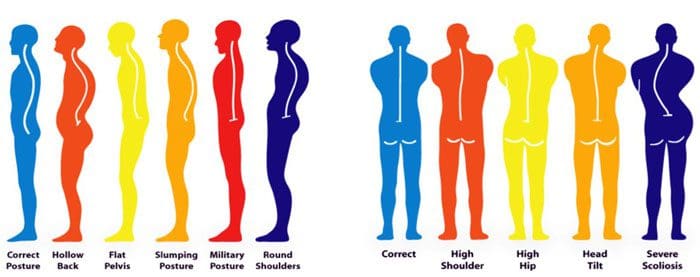
Improper posture affects the whole body and can lead to various pain issues throughout the body. Correcting posture is recommended before trying to correct it when pain begins to present. If pain is presenting, chiropractic treatment will bring relief, stabilize the spine, realign/balance the body, and educate the individual on maintaining proper posture through stretches, exercises, physical therapy, and lifestyle adjustments.
Improper posture symptoms
Neck Pain
Discomfort, stiffness, tightness, and pain are common when sitting at a workstation. This comes from a forward head/head jutting position. The head pushes forward and is not aligned with the shoulders. This means that the neck takes on a compromised position. The head forward position places significant strain on the neck muscles. Because of this neck discomfort and pain often occur later in the afternoon and evening. If not sure whether head jutting is taking place, try placing the chin to the chest. If not able or if there is discomfort/pain in the upper back, there is some forward head jutting.
Shoulder Discomfort and Pain
When we sit for extended periods, the body relaxes muscles that would normally be used if standing. One set of muscles is in the upper back. This causes slouching with a rounded upper back/shoulders. The more time the body stays in any one position, the more it begins to conform to the unhealthy position. This also causes pain in the upper, front part of the shoulders. The pain is noticeable when trying to bring the arm/s overhead or when trying to perform exercises like pushups or pullups.
Regular Headaches
Regular headaches are another symptom of improper posture. Forward head posture is usually a contributor combined with the long hours sitting or standing. However, headaches can be caused by a variety of causes that include:
Stress
Tension
Dehydration
Low Back, Tailbone Discomfort, and Pain
Lower back pain is a very common symptom of improper posture. For individuals under 40, pain and discomfort present because of improper posture while sitting or standing and a lack of stretching and exercise. Sitting for a long time causes the muscles that bring the thighs towards the chest, known as the hip flexors to be consistently flexed, with no relief. This causes the hip flexors to shorten and tighten. This pulls the pelvis out towards the front of the body, creating an exaggerated spinal curve.
Buttocks or Stomach Pushes Outward
Take a look at the body’s profile, does the butt and/or stomach stick out? If so this could be hyperlordosis also known as Donald duck posture. This can come from wearing high heels too much, the body having to carry extra weight in the stomach area, and sometimes this comes from pregnancy. Sometimes, this happens when individuals stand with their knees locked. This causes the rear end and/or belly to push out.
Correcting Improper Posture
The main problem with correcting posture is the ability to maintain proper posture. Many individuals go back to the unhealthy positioning without recognizing that they are doing it. There are devices to help correct poor posture habits. This could be a brace or harness that detects when the body is slouching and vibrates to let the individual return to a proper position.
Chiropractic Care and Physical Therapy
The most effective and thorough way to correct years of improper posture is to see a professional chiropractor. A complete diagnosis, inspection, and analysis of an individual’s posture when sitting, standing, walking, and running will be done. They will educate the individual on correct posture, how to achieve and maintain it. If pain is presenting, the chiropractor will take steps to correct any subluxations, misalignments, and develop a personalized treatment plan, to heal the body first. Treatment modalities can include:
Chiropractic adjustments
Physical therapy
Massage
Heat therapy
Infrared
Ultrasound
TENS device
Health coaching
Nutritional advice
Once the body has healed and is moving freely, the doctor will recommend exercises and stretching programs to do at home. This will improve and help maintain proper posture. An experienced musculoskeletal professional will keep the body balanced and prevent further injuries.
Body Composition
Hydrating the body with water or a sports drink
Many individuals prefer drinking sports drinks during and after physical activities, sports, and exercise. Many are opposed to water because of the lack of taste, while sports drinks have taste and added electrolytes. But many sports drinks have added ingredients and sugars. This makes them not the best choice for individuals trying to lose calories. Take a look at some of the additional ingredients:
Electrolytes
Minerals, like potassium, sodium, and magnesium, have an electric charge that helps maintain the body’s ionic balance. The body loses electrolytes when sweating. A sports drink can help replace the lost electrolytes.
Carbohydrates
Most of the carbohydrates come from sugars. Carbohydrates are one of the body’s energy sources and sports drinks are designed to refuel the body after hard physical activity.
Amino acids
These are protein building blocks. Drinking a sports drink after an intense workout can help the body recover quicker. Therefore, some of the additional ingredients in sports drinks offer hydration extras that water on its own cannot. However, water should always be the first drink of choice. But there are certain times when a sports drink is what the body needs.
When participating in high-intensity physical activities, workouts, sports that last longer than 45 minutes to an hour. Here a sports drinks can help replenish the body’s electrolytes better than water.
Individuals that sweat high levels of sodium (look for sweat stains/rings on skin or clothing) can benefit from re-hydrating with a sports drink.
Endurance athletes, triathletes, marathon runners, long-distance athletes, etc can also benefit from a sports drink, from the increased fluid loss.
In these activities, athletes should make sure the sports drink they are consuming contains carbohydrates and electrolytes.
Disclaimer
The information herein is not intended to replace a one-on-one relationship with a qualified health care professional, licensed physician, and is not medical advice. We encourage you to make your own health care decisions based on your research and partnership with a qualified health care professional. Our information scope is limited to chiropractic, musculoskeletal, physical medicines, wellness, sensitive health issues, functional medicine articles, topics, and discussions. We provide and present clinical collaboration with specialists from a wide array of disciplines. Each specialist is governed by their professional scope of practice and their jurisdiction of licensure. We use functional health & wellness protocols to treat and support care for the musculoskeletal system’s injuries or disorders. Our videos, posts, topics, subjects, and insights cover clinical matters, issues, and topics that relate to and support, directly or indirectly, our clinical scope of practice.* Our office has made a reasonable attempt to provide supportive citations and has identified the relevant research study or studies supporting our posts. We provide copies of supporting research studies available to regulatory boards and the public upon request. We understand that we cover matters that require an additional explanation of how it may assist in a particular care plan or treatment protocol; therefore, to further discuss the subject matter above, please feel free to ask Dr. Alex Jimenez or contact us at 915-850-0900.
Dr. Alex Jimenez DC, MSACP, CCST, IFMCP*, CIFM*, CTG*
email: [email protected]
phone: 915-850-0900
Licensed in Texas & New Mexico
References
Hao, Ning et al. “Enhancing creativity: Proper body posture meets proper emotion.” Acta Psychologica vol. 173 (2017): 32-40. doi:10.1016/j.actpsy.2016.12.005
Jaromi, Melinda et al. “Treatment and ergonomics training of work-related lower back pain and body posture problems for nurses.” Journal of clinical nursing vol. 21,11-12 (2012): 1776-84. doi:10.1111/j.1365-2702.2012.04089.x
O’Connor B. Sitting Disease: The New Health Epidemic. The Chopra Center Web site. http://www.chopra.com/articles/sitting-disease-the-new-health-epidemic. Accessed January 7, 2017.
Jaw pain can make chewing, yawning, and talking a painful experience. This is a syndrome known as Temporomandibular Joint syndrome or disorder or TMJ and TMD. What happens is the temporomandibular joint that connects the jaw to the skull becomes inflamed. It is part of the musculoskeletal system, which means that chiropractors can treat the syndrome with various chiropractic techniques that include soft tissue work and temporomandibular joint adjustments. Chiropractic can bring lasting relief from Temporomandibular Joint Syndrome/Disorder.
How to Tell if TMJ Is Present
Jaw pain is the most common symptom but there are other factors that can cause pain. To help determine if it is TMJ, here is a list of additional symptoms:
Difficulty or pain moving the mouth such as when chewing
Popping sensation sound when opening/closing the jaw
Cracking sensation sound when opening or closing the jaw
If it is TMJ should an individual see a dentist or a chiropractor? This depends on the situation and individual.
If TMJ is caused by teeth grinding while sleeping, or there is pain/problems with the teeth then seeing a dentist is recommended.
If TMJ pain is accompanied by joint or muscle pain, or there is neck and/or back pain, then chiropractic is recommended.
Certain cases could require dental treatment and a chiropractor for the joint issues.
Chiropractic TMJ Treatment
Jaw Adjustment
One way chiropractic treats TMJ is through jaw adjustment/s. This varies from patient to patient. An example assessment and adjustment for TMJ.
The chiropractor will utilize the most beneficial technique/s for each individual.
The chiropractor will have the individual open and close their jaw while feeling each side.
They will determine which side opens first and widest, and which opens last and not as wide.
Then they will perform a jaw adjustment through gentle pressure applied to both sides of the jaw.
Soft Tissue Treatment
A contributor to jaw pain can be attributed to the muscles that are used to open and close. In this case, the chiropractor will perform soft tissue manipulation to loosen them up. This releases the jaw so it evens out. This also helps with headaches associated with TMJ. The focus is on three muscles:
Masseter
Pterygoid
Temporalis
A chiropractor will mobilize these muscles applying pressure repeatedly as the individual opens and closes their mouth.
Jaw Exercise Therapy
The chiropractor will recommend exercises to help quicken the healing process and strengthen the muscles. These are simple exercises that can be done at home or work to help relieve any discomfort or pain and for prevention.
Mouth Opening
Place one thumb under the chin
Open the mouth and gently push against it with the thumb
Hold for 5 to 8 seconds then close mouth
Repeat a few times every day
Mouth Closing
Open the mouth holding the chin with the index finger and thumb from both hands
Close jaw with gentle resistance with the fingers
Hold for 5 to 8 seconds
Repeat a few times every day
A chiropractor may collaborate with a dentist to provide the best treatment plan.
Body Composition
Body Dehydration
Dehydration happens when the body loses more water than it can replace. This can come from frequent:
Diarrhea episodes
Vomiting episodes
Too much alcohol the night before
Excessive sweating
Excessive urination
When dehydration sets in a wide range of symptoms can present. Early signs/symptoms include:
Dizziness
Headaches
Dry mouth
Cool skin
If dehydration is not addressed in the early stages, it can lead to not having the urge/need to urinate. There is potential for long-term health issues like high blood pressure. High blood pressure is common for individuals that are chronically dehydrated. When the body’s cells lack water, the brain sends a signal to secrete vasopressin, which is a chemical that constricts the blood vessels. This causes blood pressure to rise. This could eventually lead to heart failure. If the blood vessels continue to progressively narrow, oxygen, and blood circulation to the brain decreases. This results in migraine headaches and decreased ability to concentrate.
Disclaimer
The information herein is not intended to replace a one-on-one relationship with a qualified health care professional, licensed physician, and is not medical advice. We encourage you to make your own health care decisions based on your research and partnership with a qualified health care professional. Our information scope is limited to chiropractic, musculoskeletal, physical medicines, wellness, sensitive health issues, functional medicine articles, topics, and discussions. We provide and present clinical collaboration with specialists from a wide array of disciplines. Each specialist is governed by their professional scope of practice and their jurisdiction of licensure. We use functional health & wellness protocols to treat and support care for the musculoskeletal system’s injuries or disorders. Our videos, posts, topics, subjects, and insights cover clinical matters, issues, and topics that relate to and support, directly or indirectly, our clinical scope of practice.* Our office has made a reasonable attempt to provide supportive citations and has identified the relevant research study or studies supporting our posts. We provide copies of supporting research studies available to regulatory boards and the public upon request. We understand that we cover matters that require an additional explanation of how it may assist in a particular care plan or treatment protocol; therefore, to further discuss the subject matter above, please feel free to ask Dr. Alex Jimenez or contact us at 915-850-0900.
Dr. Alex Jimenez DC, MSACP, CCST, IFMCP, CIFM, CTG*
email: [email protected]
phone: 915-850-0900
Licensed in Texas & New Mexico
References
Ibi, Miho. “Inflammation and Temporomandibular Joint Derangement.” Biological & pharmaceutical bulletin vol. 42,4 (2019): 538-542. doi:10.1248/bpb.b18-00442
Blum, Charles L. “Chiropractic and dentistry in the 21st Century.” Cranio: the journal of craniomandibular practice vol. 22,1 (2004): 1-3. doi:10.1179/crn.2004.001
Brantingham, James W et al. “Manipulative and multimodal therapy for upper extremity and temporomandibular disorders: a systematic review.” Journal of manipulative and physiological therapeutics vol. 36,3 (2013): 143-201. doi:10.1016/j.jmpt.2013.04.001
https://www.nidcr.nih.gov/health-info/tmj
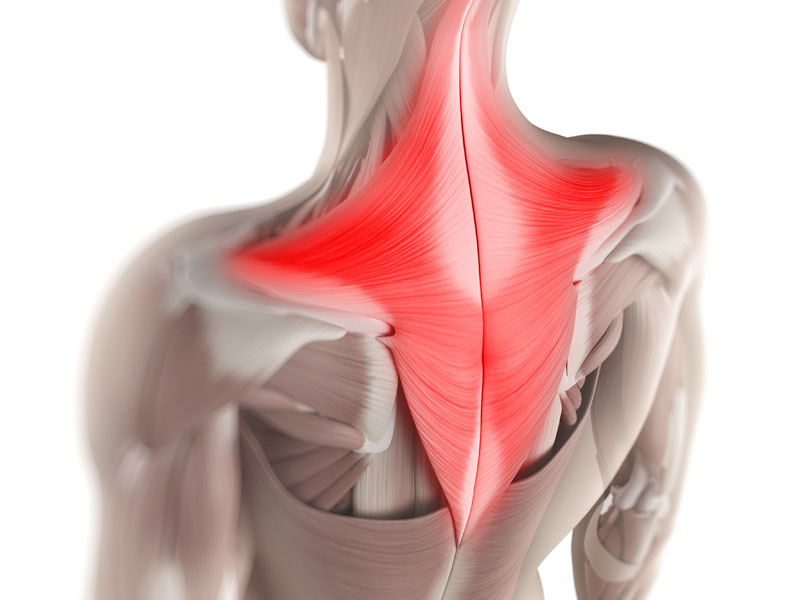
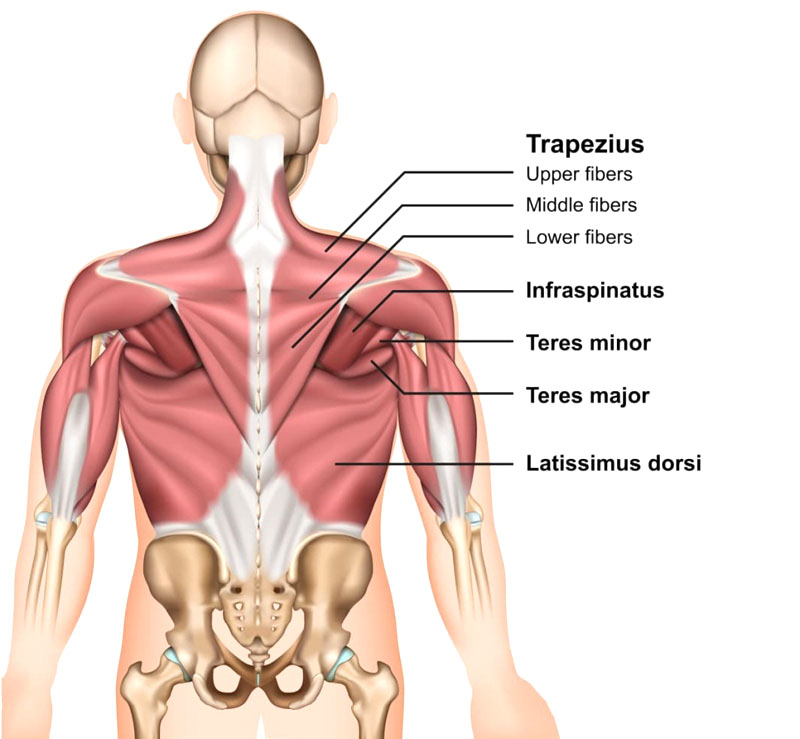
The body’s muscles function to produce force and motion. The trapezius muscle is one of the largest, which makes it highly susceptible to injury/s and spasms. A trapezius muscle spasm is when the muscle starts to contract. This muscle group is based around the neck and shoulders and is used to move the scapula shoulder bone.
Causes of Trapezius Muscle Spasms
A few causes for this muscle to become inflamed/irritated include:
Poor posture
Injury
Stress
Tension
Improper lifting
Symptoms
The effects feel similar to a pulled shoulder muscle. Common symptoms include:
Upper body stiffness
Shoulder pain
Neck pain
Arm numbness/tingling
Lack of shoulder flexibility
Spasm and Pinched Nerve Difference
A muscle spasm and pinched nerve might seem or feel similar, but they are different. A muscle spasm makes the area tight and can cause muscle twitching. They vary in intensity with some spasms being mild and others excruciating. In some cases, a spasm can cause a nerve to get pinched if the knot contorts tightly around a nerve and if it is big enough. Conversely, a pinched nerve can also cause twitching, but it typically results in severe pain. Pinched nerves can also cause tingling sensations and numbness depending on the severity it could cause muscle spasms.
Treating The Spasms
There are a few ways to treat this naturally.
Heat and Ice Therapy
One way to calm a muscle spasm is using heat and ice. The heat will increase nerve and blood circulation keeping the muscles flexible, and the warmth will soothe the injury. This helps prevent the muscles from spazzing and generating pain. Ice therapy also increases blood circulation but the focus is on reducing inflammation. The nerves become slightly frozen which stops the tingling, significantly reducing the pain.
If pain presents around the trapezius, immediately put an ice pack on.It should be applied every few hours in 15-minute sessions. Once the pain subsides, heat therapy can be applied. A heating pad placed around the area, a warm/hot bath, or standing in the shower if possible with a massage setting letting the warm/hot water hit the muscle. But it must be consistent, doing it for about 20-minute sessions three times a day.
Stretches and Exercises
Stretches and exercises can help keep the muscle flexible and prevent any tightening.
Upper Trapezius Stretch
This stretch will move the upper trapezius area, promoting flexibility and preventing the muscle from becoming stiff.
Sit in a chair with proper posture
Holding onto the chair with the left hand, wrap the right arm over the top of the head so that the hand touches the left ear.
Gently pull the head toward the right and hold.
Slowly move the head back and repeat with the other hand.
Shoulder Shrugs
Moving the shoulders up and down throughout the day stretches the trapezius.
It releases tension and strengthens the muscle to protect it.
This exercise should be done every few hours for about a minute or two.
Also occasionally rolling the shoulders will help stretch the smaller components of the trapezius.
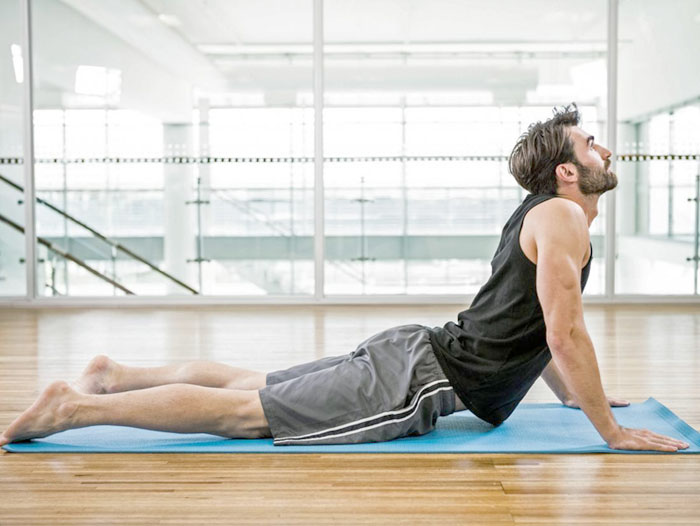
Cobra Pose
This yoga pose is for relieving tension.
It can be very helpful for those suffering from severe spasms or from a pinched nerve.
The first thing is to lie face-down on the floor.
Keeping the feet straight behind, use the hands to gently push the upper body up so that the spine slightly curves.
Make sure that the hands are situated in front of the body and firm on the ground.
Hold for a few seconds and then release.
Repeat the process three more times.
Therapeutic Massage
The soothing motions from a massage will calm irritated areas and encourage them to heal quicker.
At first, because of the tenderness around the area, a massage could present with pain.
The massage therapist needs to press on the area to increase blood circulation so that toxins get flushed out.
While it might hurt the individual soon notices that the swelling and pain are reducing.
Chiropractors specialize in the musculoskeletal system and understand how the muscles, bones, and joints all work together. For muscle spasms, they investigate the problem and look at other areas of the body that could be contributing to or worsening the condition. For some, muscle spasms could be brought on by a misplaced joint pressing on the area. A chiropractor will palpate the areas to ensure this is not the case. And if there is a problem, they will perform a joint manipulation. This realigns the joint back in place and reduces muscle spasm symptoms. Over time the muscles become healthier because chiropractic releases toxins and improves the range of motion.
Body Composition
Anti-Inflammatory Diet
Often, muscle spasms are the result of inflammation. When a muscle swells, it can place pressure on surrounding nerves. The more intense the inflammation the more pressure/stress on the nerves. This can make moving and functioning very difficult because of the pain. To naturally reduce inflammation consider an anti-inflammatory diet. This type of diet is filled with antioxidants, vitamins, and minerals that will work to reduce swelling. Although it might not completely repair the muscle injury, it can reduce symptoms and stop oxidative stress. Foods to eat more of are:
Cherries
Tomatoes
Almonds
Blueberries
Oranges
Salmon
Kale
Turmeric
Dr. Alex Jimenez�s Blog Post Disclaimer
The scope of our information is limited to chiropractic, musculoskeletal, physical medicines, wellness, and sensitive health issues and/or functional medicine articles, topics, and discussions. We use functional health & wellness protocols to treat and support care for injuries or disorders of the musculoskeletal system. Our posts, topics, subjects, and insights cover clinical matters, issues, and topics that relate and support directly or indirectly our clinical scope of practice.*
Our office has made a reasonable attempt to provide supportive citations and has identified the relevant research study or studies supporting our posts. We also make copies of supporting research studies available to the board and or the public upon request. We understand that we cover matters that require an additional explanation as to how it may assist in a particular care plan or treatment protocol; therefore, to further discuss the subject matter above, please feel free to ask Dr. Alex Jimenez or contact us at 915-850-0900. The provider(s) Licensed in Texas& New Mexico*
References
Finley JE. Physical Medicine and Rehabilitation for Myofascial Pain.�Medscape. https://emedicine.medscape.com/article/313007-overview#showall. Updated May 21, 2017. Accessed July 16, 2018.
Rodante JA, Al Hassan QA, Almeer ZS. Myofascial Pain Syndrome: Uncovering the Root Causes.�Practical Pain Manag. https://www.practicalpainmanagement.com/pain/myofascial/myofascial-pain-syndrome-uncovering-root-causes. 2012;6. Last updated on October 5, 2012. Accessed July 16, 2018.
http://citeseerx.ist.psu.edu/viewdoc/download?doi=10.1.1.656.582&rep=rep1&type=pdf
IFM's Find A Practitioner tool is the largest referral network in Functional Medicine, created to help patients locate Functional Medicine practitioners anywhere in the world. IFM Certified Practitioners are listed first in the search results, given their extensive education in Functional Medicine