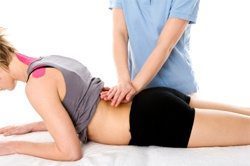
Back Clinic Chiropractic. This is a form of alternative treatment that focuses on the diagnosis and treatment of various musculoskeletal injuries and conditions, especially those associated with the spine. Dr. Alex Jimenez discusses how spinal adjustments and manual manipulations regularly can greatly help both improve and eliminate many symptoms that could be causing discomfort to the individual. Chiropractors believe among the main reasons for pain and disease are the vertebrae’s misalignment in the spinal column (this is known as a chiropractic subluxation).
Through the usage of manual detection (or palpation), carefully applied pressure, massage, and manual manipulation of the vertebrae and joints (called adjustments), chiropractors can alleviate pressure and irritation on the nerves, restore joint mobility, and help return the body’s homeostasis. From subluxations, or spinal misalignments, to sciatica, a set of symptoms along the sciatic nerve caused by nerve impingement, chiropractic care can gradually restore the individual’s natural state of being. Dr. Jimenez compiles a group of concepts on chiropractic to best educate individuals on the variety of injuries and conditions affecting the human body.
Ear problems can be excruciatingly painful, especially in children. With 10 million new cases every year, ear infections (otitis media) are the most common illness affecting babies and young children and the number one reason for visits to the pediatrician�accounting for more than 35 percent of all pediatric visits.
Almost half of all children will have at least one middle ear infection before they�re a year old, and two-thirds of them will have had at least one such infection by age 3. The symptoms can include ear pain, fever, and irritability. Otitis media can be either bacterial or viral in origin, and frequently results from another illness such as a cold. For many children, it can become a chronic problem, requiring treatment year after year, and putting the child at risk of permanent hearing damage and associated speech and developmental problems.
Standard treatment for most cases of otitis media is with antibiotics, which can be effective if the culprit is bacterial (antibiotics, of course, do nothing to fight off viruses). But, according to many research studies, antibiotics are often not much more effective than the body�s own immune system. And repeated doses of antibiotics can lead to drug-resistant bacteria that scoff at the drugs, while leaving the child screaming in pain.
Frequent ear infections are also the second most common reason for surgery in children under 2 (with circumcision being the first). In severe cases�for example, when fluids from an ear infection haven�t cleared from the ear after several months, and hearing is affected�specialists sometimes prescribe myringotomy and tympanostomy, more commonly known as �ear tubes.� During the surgical procedure, a small opening is made in the eardrum to place a tube inside. The tube relieves pressure in the ear and prevents repeated fluid buildup with the continuous venting of fresh air. In most cases, the membrane pushes the tube out after a couple of months and the hole in the eardrum closes. Although the treatment is effective, it has to be repeated in some 20 to 30 percent of cases. And this kind of surgery requires general anesthesia, never a minor thing in a small child. If the infection persists even after tube placement and removal, children sometimes undergo adenoidectomy (surgical removal of the adenoids)�an option that is effective mostly through the first year after surgery.
Before yet another round of �maybe-they�ll-work-and-maybe-they-won�t� antibiotics or the drastic step of surgery, more parents are considering chiropractic to help children with chronic ear infections. Dr. Joan Fallon, a chiropractor who practices in Yonkers, New York, has published research showing that, after receiving a series of chiropractic adjustments, nearly 80 percent of the children treated were free of ear infections for at least the six-month period following their initial visits (a period that also included maintenance treatments every four to six weeks).
�Chiropractic mobilizes drainage of the ear in children, and if they can continue to drain without a buildup of fluid and subsequent infection, they build up their own antibodies and recover more quickly,� explains Dr. Fallon. She�d like to see her pilot study used as a basis for larger-scale trials of chiropractic as a therapeutic modality for otitis media.
Dr. Fallon uses primarily upper-cervical manipulation on children with otitis media, focusing particularly on the occiput, or back of the skull, and atlas, or the first vertebra in the neck. �Adjusting the occiput, in particular, will get the middle ear to drain. Depending on how chronic it�s been and on where they are in their cycle of antibiotics, children generally need to get through one bout of fluid and fight it off themselves.� That means, for the average child, between six and eight treatments. If a child�s case is acute, Dr. Fallon will check the ear every day, using a tympanogram to measure the ear and track the movement of the eardrum to make sure that it�s draining. �I�ll do adjustments every day or every other day for a couple of days if they�re acute, and then decrease frequency over time.�
Dr. Fallon, whose research garnered her the acclaim of childrearing magazines like�Parenting�and�Baby Talk, often sees great success when she treats a child for otitis media. �Once they fight it themselves, my kids tend to do very well and stay away from ear infections completely. Unless there are environmental factors like smoking in the house, an abnormally shaped Eustachian tube, or something like that, they do very well,� she says.
�I have two large pediatric groups that refer to me on a regular basis. In the winter, when otitis is most prevalent, I see five or six new children each week from each group,� says Dr. Fallon. �It�s safe and effective and something that parents should try, certainly before inserting tubes in their children�s ears.�
Chiropractic Care Can Help�
Come on in and talk to us about your child�s ear infections. Doctors of chiropractic are licensed and trained to diagnose and treat patients of all ages and will use a gentler type of treatment for children.�However, Texas chiropractors can answer any questions a patient�may have and refer them to a specialist, they must remain within the scope of their field which is the�Muscular�and the�Musculoskeletal system.
Hundreds of thousands of veterans of the Persian Gulf War returned home with puzzling health issues that doctors couldn’t explain. Now, 25 years later, Gulf War Illness (GWI) continues to affect 25-32 percent of the 700,000 U.S. veterans who served in the 1990-1991 war.
The condition is characterized by symptoms such as chronic headache, cognitive difficulties, debilitating fatigue, widespread pain, respiratory problems, sleep problems, gastrointestinal problems, and other unexplained medical abnormalities.
Twenty years of scientific research has traced these symptoms to Gulf War chemical exposures and the drugs taken during deployment that were meant to prevent or counteract these exposures. However, the vast majority of these studies have focused on neurological effects, but none have fully explained the body’s pathways GWI uses to affect the brain.
Now, a study from the University of South Carolina has found a gastrointestinal link that could not only help explain the health issues facing veterans, but may also point to new treatment options.
Researchers found that the chemicals, etc. that veterans were exposed to altered the microbiome � the bacteria that inhabit the gut. The affected microbiota then produce endotoxins, which pass through a thinned lining of the gut (called a leaky gut) and into the blood where they circulate throughout the body.
These compounds trigger an inflammatory response that, in turn, initiates several neurological abnormalities commonly observed in GWI.
“Humans and animals have specific types of bacteria that help aid various physiological processes, including digestion, absorption, immunity and gut integrity, and when external factors change the bacterial composition in our digestive systems, we have problems,” says researcher Saurabh Chatterjee. “Obesity, metabolic syndrome, inflammatory bowel syndrome, and liver disease have already been linked with changes in bacterial composition of the gut.”
The study showed that not only did exposures to the suspected causes of� GWI lead to inflammation in the intestines, they also lead to inflammation in the brain.
“Usually, the gut is very selective about letting only certain elements from what we eat and drink into our blood � thanks to good bacteria,” Chatterjee explained. “But when the composition changes due to an increase in certain bad bacteria, this causes disruption to the mucosal lining of the intestinal walls � leading more intestinal contents to leak into the blood.”
Once in the blood, the toxins travel throughout the body and affect different organs, including the brain. Once in the brain, the toxins cause the inflammation and neurological symptoms that previous studies have extensively linked to GWI.
“We know that many diseases like obesity, liver disease, and inflammatory bowel syndrome can be cured or at least decreased by consuming good bacteria, like probiotics,” Chatterjee said. “Now that this connection has been established, it opens the door to new studies where GWI patients take probiotics for a longer period of time and, hopefully, see improvement in symptoms connected with metabolic syndrome, gastrointestinal disturbances, and maybe even neuroinflammation.”
Recent studies have indicated that gut bacteria have an impact on a wide range of health issues. UCLA researchers found that mice fed beneficial bacteria produced microbes known to prevent cancer. Researchers suggested ingesting probiotics like yogurt or probiotic supplements could help prevent cancer from developing.
Surgery is a common approach to treat carpal tunnel syndrome. But, physical therapy may work just as well, a new study indicates.
Researchers found that physical therapy — particularly so-called manual therapy — improved hand and wrist function and reduced pain as effectively as a standard operation for the condition.
Moreover, after one month, physical therapy patients reported better results than those who underwent surgery.
“We believe that physical therapy should be the first therapeutic option for almost all patients with this condition,” said lead study author Cesar Fernandez de las Penas.
“If conservative treatment fails, then surgery would be the next option,” said de las Penas, a professor of physical therapy at King Juan Carlos University in Alcorcon, Spain.
Also, one extra benefit of therapy over surgery may be cost savings, he noted.
Carpal tunnel syndrome occurs when the median nerve, which runs from the forearm into the palm of the hand, becomes squeezed at the wrist. It often arises from repetitive motions required for work, such as computer use or assembly line work.
Symptoms usually start gradually, with patients noticing numbness and weakness in the hand and wrist.
Surgery for the condition generally involves cutting a ligament around the wrist to reduce pressure on the median nerve, according to the U.S. National Institutes of Health.
For this study, de las Penas and his colleagues followed 100 women from Madrid who had carpal tunnel syndrome. Half were treated with physical therapy and half underwent surgery.
For three weeks, the therapy patients received weekly half-hour manual therapy sessions — meaning therapists only used their hands. The therapists focused on the neck and the median nerve. They also applied manual physical therapy to the shoulder, elbow, forearm, wrist and fingers. On their own, patients performed neck-stretching exercises at home.
After one month, the therapy group reported greater daily function and greater “pinch strength” between the thumb and forefinger compared to the surgery patients. After three, six and 12 months, however, improvements were similar in both groups. All participants experienced similar reductions in pain.
Study co-author Joshua Cleland is a professor with the physical therapy program at Franklin Pierce University in Rindge, N.H. “Manual physical therapy may be just as beneficial in improving function and symptom severity as surgery despite the severity of their condition,” he said, noting that 38 percent of those in the therapy group had “severe” carpal tunnel syndrome.
“These manual physical therapy techniques are commonly used here in the United States as well and should become a standard of practice for physical therapists working with patients who have carpal tunnel syndrome,” Cleland said.
Dr. Daniel Polatsch is co-director of the New York Hand and Wrist Center at Lenox Hill Hospital in New York City. He treats several hundred cases of carpal tunnel syndrome each year, of which 15 to 20 percent require surgery.
Treatment should be decided on a case-by-case basis, Polatsch said. Mild cases may be treated with conservative approaches that can include splinting, injections, therapy and activity modification, he added.
“Surgery is necessary when there is muscle weakness or atrophy from the nerve being compressed at the wrist,” he said.
Polatsch added that this type of surgery is generally safe and effective.
Still, operations can have complications, said Cleland. He cited a previous research finding that “approximately 25 percent of individuals undergoing surgery for carpal tunnel syndrome experience treatment failure with half of those requiring an additional surgical procedure.”
According to the researchers, almost half of all work-related injuries are linked to carpal tunnel syndrome. And, more than one-third who undergo surgery for the condition are not back at work eight weeks later.
Because this was a small study focusing only on women, the study authors said that future studies need to examine men.
The study results were published in the March issue of the Journal of Orthopedic & Sports Physical Therapy.
Massage is a popular therapy used to relieve fluid retention, spasms, inflammation, muscle tension, pains and stiffness. Other benefits include improved circulation (blood and lymph), general flexibility, range of movement, and increased tissue elasticity (eg, scar tissue).
Another kind of massage contains full-body massage, which often leaves the patient feeling relaxed and free of anxiety.
How Can Massage Function to Relax Muscles?
As the therapist uses their hands or specialized tools to rhythmically knead, wipe, and stroke (effluerage) muscles, circulation is stimulated. Blood flow is essential to helping muscles eliminate waste products, such as lactic acid, that may accumulate in muscles from spasms and delivers oxygen and nutrients.
Following trauma, muscles may act as mini-splints like a cast on a broken arm to safeguard and limit motion. An average example is somebody who uses a computer for a prolonged time period without taking a break to stretch the neck. The result: a stiff, aching neck and occasionally pain. Taking regular breaks to rub (mini-massage) and stretch the neck will boost circulation to the muscles.
What’s Swedish Massage?
This really is one of the most famous types of massage in America. Often, a lotion or oil is used to lessen skin friction. The therapist combines light stroking in one way with deep pressure in another to loosen muscles. The treatment expedites blood flow to flush uric acid, lactic acid, and other waste products from the muscles. Ligaments and tendons are stretched, increasing their suppleness. Nerves are excited and relaxed, and anxiety is relieved. The general goal is to loosen muscles.
What Is Deep Tissue Massage?
Long-term muscle tension is targeted by this technique. The therapist’s strokes are slower, using more direct pressure and friction. Determined by the texture of the deeper layers of tissue and muscle felt, the therapist occasionally adjusts intensity, strokes, and their hand positions to work the tissues to release tension.
What Is Myofascial Release?
Myofascial release, or soft tissue mobilization, is a therapy used to release tension in the fascia. Fascia are sheets of fibrous tissue that encase and support muscles. Following injury, the fascia and muscles may shorten limiting the flow of blood. The techniques used in myofascial release loosen muscle tension and break up fascial adhesions.
What’s Trigger Point and Myotherapy?
The treatment goals include alleviating muscle spasms, enhancing circulation, and releasing trigger points.
The therapist extends the muscle using a technique called Stretch and Spray as trigger points are released. This technique incorporates a superficial cooling agent such as Fluori-Methane, a local anesthetic that depresses nerve reaction. The anesthetic is sprayed over muscles as they may be softly stretched, soothing tight muscles.
Are There Other Kinds of Massage?
There are many kinds of massage; only a few are mentioned here. Shiatsu is an old oriental treatment predicated on acupressure, as is Jin Shin Jyutsu. Reiki is a Japanese type of massage that attempts to correct the entire body’s energy.�Rolfing can be uncomfortable; the goal is to adjust the muscle fascia to its fullest extension.
A Word of Caution
Speak to your doctor, before getting a massage for back pain or neck pain. She or he may have the ability to refer you to a licensed or certified massage therapist.
Ergonomics is a scientific discipline that’s been in existence for many years. Keeping their work environments safe and efficient and traditionally concerned with factory workers, ergonomic professionals have expanded their work to include all types of workers from laborers to seniors to office workers & students.
In addition, it looks for means to adjust our environment to lower the risks of illness and harm, enhance productivity, and improve the caliber of our work life.
The Goals of Ergonomics
The profession of ergonomics has two main concentrations (which frequently overlap):
1. Industrial ergonomics – occasionally called work-related biomechanics – is concerned with the physical aspects of work including force, position, and repetitive movements.
2. Human factors ergonomics looks as the psychological features of work like mental anxiety and decision-making.
The aims of ergonomics contain the following:
Reduce work-related injury and illness
Help include workers’ compensation costs for companies
Enhance the standard of work
Reduce absenteeism
Help companies comply with government regulations regarding work surroundings
Ergonomics professionals include:
Engineers
Security professionals
Industrial hygienists
Physical therapists
Occupational therapists
Nurse practitioners
Chiropractors
Occupational doctors
How Ergonomics Enhances Work & Safety
The association between work injury and illness is old. It is even believed that Ancient Man concerned himself with developing the right tools that allowed for the efficiency and least amount�of distress.
Now, we continue to look for ways to boost the relationship between our “tools” and�our jobs. One means to do that is to look at the risk factors in the workplace. These are able to be divided into 3 areas: physical characteristics, environmental features, and workplace hazards.
1. Physical Characteristics Of Work:
Bearing
Drive
Repetition
Duration
Recovery time
Velocity/acceleration
Heavy exertion that is dynamic
2. Segmental Vibration Environmental Characteristics Of Work:
Sciatica is medically defined as a series of symptoms, particularly pain, which often extend along the sciatic nerve. The symptoms generally begin in the lower back, radiating down the buttocks and legs, through the back of the thighs and into the calf and foot.
The characteristic symptom of pain associated with sciatica can manifest abruptly or may develop gradually over time. Individuals diagnosed with sciatica describe the pain as a sharp, shooting or electric shock-like in nature. Movement of the lower extremities can aggravate the pain and it may be evenly distributed along the leg, although there can be specific spots where the pain may be more intense. Other symptoms reported by sciatica sufferers include tingling sensations and numbness in the distribution of the sciatic nerve.
Sciatica is commonly caused after an injury or condition results in the irritation and inflammation of the structures surrounding the lumbar region of the spine, which may in turn lead to the compression or impingement of the sciatic nerve and/or the surrounding nerve roots. The added pressure can be due to a variety of common injuries and conditions, including: ruptured intervertebral discs, spinal stenosis or the narrowing of the spinal canal.
Anatomy of the Sciatic Nerve
The sciatic nerve is the longest and widest nerve in the body, measuring approximately three-quarters of an inch in diameter. It originates in the sacral plexus; a network of nerves found in the lower back, along the lumbosacral region of the spine. The lumbosacral spine refers to the area where the lumbar spine and the sacrum come together. The sciatic nerve and it’s nerve root branches’ primary function is to allow movement and provide feeling in the thigh, knee, calf, ankle, foot and toes.
The sciatic nerve itself can be found running through the low back or the lumbar region of the spine. The nerve roots in this area are found along the L4 and L5 vertebrae. The sciatic nerve also travels through the pelvic region or sacrum.
In most individuals, the sciatic nerve runs under the piriformis muscle, the important muscle which is in charge of moving the thighs from side to side. The sciatic nerve then descends from the piriformis muscle, through the buttocks and the back of the thighs. By the area behind the knee, the sciatic nerve branches out into smaller nerve roots which continue traveling down and into the feet.
The sciatic nerve is part of the body’s nervous system, a complex network of nerves responsible for transmitting signals of sensation along with sensations of pain to other areas of the body. With sciatica, an injury or condition, such as a herniated disc, which causes irritation and inflammation along the tissues and other structures surrounding the sciatic nerve, can compress and apply unnecessary pressure to the nerve roots, radiating pain down the legs.
The sciatic nerve exits the sacrum in the pelvic area through a nerve passageway known as the sciatic foramen. At the upper part of the sciatic nerve, two branches form: the articular branches; and the muscular branches. The articular branch goes to the hip joint while the muscular branch serves the leg flexor muscles to enable movement. Other complex nerve structures are also involved: the peroneal nerves; and the tibial nerves. The peroneal nerves originate from the nerve roots along the L4 and L5 vertebrae of the spine and in the S1 and S2 vertebrae of the sacrum. After the peroneal nerves exit the pelvis, they travel down the front and side of the leg into the outer side of the knee and foot. The tibial nerves originate from the nerve roots at the L4 and L5 as well as the S1 through S3 vertebrae of the spine. The tibial nerves travel in front of the knee and down into the foot. When the sciatic nerve becomes compressed or impinged, it can cause painful symptoms along these pathways, characteristic of sciatica.
Should Sciatica be Treated with Surgery?
Most patients diagnosed with symptoms of sciatica can experience relief from non-surgical treatments, such as chiropractic care, and surgical interventions are generally not required to treat it. However, when the compression or impingement of the sciatic nerve manifests more serious symptoms, it may be necessary to receive further advice from a healthcare professional on the best form of treatment you should follow.
Severe symptoms such as: bowel or bladder dysfunction; advanced stages of spinal stenosis; neurological dysfunction including severe leg weakness; and intense symptoms where non-surgical treatments are no long effective; could indicate the need for surgery to treat sciatica.
The two common spinal surgeries for sciatica are:
Discectomy and microdiscectomy. With both of these procedures, the surgeon removes all or part of a herniated disc which may have been applying pressure against the sciatic nerve, causing your symptoms. The difference between the procedures is that a microdiscectomy is a minimally invasive surgery. The surgeon uses microscopic magnification to work through a very small incision using very small instruments. Because the surgery is minimally invasive, many patients recover quicker from this type of surgical procedure.
Laminectomy or laminotomy: These procedures both involve a part of the spine called the lamina, or the bony plate which functions to protect the spinal canal and spinal cord. A laminectomy involves the removal of the entire lamina; a laminotomy involves the removal of only a part of the lamina. These procedures can create more space for the nerves, reducing the risk of the nerves being compressed or impinged.
Over-the-counter medication, such as non-steroidal anti-inflammatory drugs or NSAIDs, can help reduce the irritation and inflammation of the body which may relieve the symptoms of pain. These however are only considered temporary treatments and the source of the individual’s sciatica should be addressed to promote overall health and wellness. Be sure to consult your healthcare provider on the best treatment option for your sciatica.
For more information, please feel free to ask Dr. Jimenez or contact us at 915-850-0900 .
By Dr. Alex Jimenez
Additional Topics: What is Chiropractic?
Chiropractic care is an well-known, alternative treatment option utilized to prevent, diagnose and treat a variety of injuries and conditions associated with the spine, primarily subluxations or spinal misalignments. Chiropractic focuses on restoring and maintaining the overall health and wellness of the musculoskeletal and nervous systems. Through the use of spinal adjustments and manual manipulations, a chiropractor, or doctor of chiropractic, can carefully re-align the spine, improving a patient�s strength, mobility and flexibility.
A good attitude about weight loss will go a long way in helping you to achieve success. Whether your weight problem has resulted from eating the wrong foods, lack of routine physical exercise, using food to resist anxiety, age, or genetics �you can help defeat that by setting reasonable goals and expectations that are realistic.
The initial step to take would be to discuss your set for weight loss and general health by means of your physician. Your physician can assist you to make informed choices about treatments that contain weight loss plans and exercise suitable to your needs.
Therapies include dietary, behavioral, drug, and for some patients, surgical alteration of the digestive system to reduce the quantity of food consumed. A safe and realistic weight reduction plan may result in success.
Evaluating your body weight is more involved than stepping on the scale. This info is assessed to find out your risks due to extra weight (eg, high blood pressure).
Nutrition Means To Feed Your Body
In the event you haven’t detected, the ‘D’ word (Diet) hasn’t been used in this post as it relates to weight reduction. Granted, caloric reduction will be required by a weight loss program. Yet, for many overweight or obese folks, a weight loss program means exercising, handling anxiety, and making lifestyle changes, which might comprise relearning how to eat.
It’s vitally crucial that you feed your body the nutrients it needs to be healthy and live. No one food contains all the essential nutrients �it takes combining a wide variety of foods to help meet your body’s needs. If you have been heavy or obese for a long time, your body may really be starving for necessary nutrients!
Nutrients Their Food Sources & Activities In The Human Body
*Fats are essential in taking the fat-soluble vitamins A, D, E, and K. There are just three types of fats:
Saturated Fat will raise blood cholesterol levels. These fats are found mostly in meat and diary products.
Polyunsaturated Fat tends to lower blood cholesterol levels. It’s mainly found in plant sources such as safflower, sunflower, soybean, corn, and cottonseed.
Monounsaturated Fat tends to lower the bad cholesterol or LDL (low density cholesterol). Examples include canola oil, olive oil, peanut oil, and avocados.
Although this amount is exceeded by most Americans, dietary ingestion of fat shouldn’t exceed 30% per day.
Remove the skin from poultry, trim visible fat from meat, an easy method to cut back fat consumption is to choose lean cuts of meat, choose water-packed tuna, and pick dairy products made from skim or low-fat milk.
IFM's Find A Practitioner tool is the largest referral network in Functional Medicine, created to help patients locate Functional Medicine practitioners anywhere in the world. IFM Certified Practitioners are listed first in the search results, given their extensive education in Functional Medicine