All nuts are about equal in terms of calories per ounce, and in moderation, are all healthy additions to any diet. “Their mix of omega-3 fatty acids, protein, and fiber will help you feel full and suppress your appetite,” says Judy Caplan, RD, a spokesperson for the Academy of Nutrition and Dietetics.
The lowest-calorie nuts at 160 per ounce are almonds (23 nuts; 6 grams protein, 14 grams fat); cashews (16 to 18 nuts; 5 grams protein, 13 grams fat); and pistachios (49 nuts; 6 grams protein, 13 grams fat). Avoid nuts packaged or roasted in oil; instead, eat them raw or dry roasted, says Caplan. (Roasted nuts may have been heated in hydrogenated or omega-6 unhealthy fats, she adds, or to high temperatures that can destroy their nutrients.)
When you want to shed serious weight, walking might not even come to mind. But it should.
“Fast-paced walking, when combined with healthy eating, is hugely effective for weight loss,” says Art Weltman, PhD, director of exercise physiology at the University of Virginia. And those simple steps can have a big impact on your overall health, cutting your risk of everything from heart disease to depression. If your daily strolls haven’t made you skinny so far, your speed may be the problem. Many of us stride more like a window-shopper than a power walker. The goal�thankfully�isn’t crazy race-walker style; you just need to move at a challenging pace.
In studies, Weltman has found that women who do three short (about 30-minute) high-intensity walks plus two moderately paced recovery walks a week lose up to six times more abdominal fat than participants who simply stroll five days a week. (This despite the fact that both groups burn the exact same number of calories.)
The power walkers also drop about four times as much total body fat. “There is a strong relationship between intensity of exercise and fat-burning hormones,” says Weltman. “So if you’re exercising at a pace considered to be hard, you’re likely to release more of these hormones.” The best part: When women walk, deep abdominal fat is the first to go. That’s a scientific fact we can get excited about.
Another happy truth: Although you’re moving at a fast clip, power walking is still easier on the joints than running. “During walking one of your feet is always in contact with the ground,” says Weltman, “but during running there’s a float stage where your whole body is lifted in the air. Then you come back down and subject your body to the impact.”
That’s why walking is a smart long-term fitness plan. To get you off on the right foot, here’s a complete primer, from how to tweak your speed for maximum burn to what gear you need (hint: almost none). Follow the workouts and wisdom�along with healthy eating�and not only can you lose those extra 10 pounds in three weeks, but you will have a no-fuss plan that you can do anywhere, anytime.
Dial In Your Speed
To make sure your pace is on point, use these guidelines from exercise physiologist Tom Holland, author of Beat the Gym. For maximum fat burn, aim for 30 minutes at power-walk intensity three days a week (see the walking plan on the next page). That time can be completed all at once, or you can break it up into spurts with recovery strides (stroll or brisk walk) in between.
Stroll. Think window-shopping pace, or an intensity of 4 on a scale of 10. It burns about 238 calories an hour.
Brisk walk. This means an effort of 5 or 6 on a scale of 10. It burns up to 340 calories an hour (at a 3.5 to 4 mph pace). While you can gossip about Mad Men, you need to catch your breath every few sentences.
Power walk. You’re torching off approximately 564 calories an hour (at a 4 to 5 mph pace). Moving at this clip, using your arms to help propel you forward and taking longer strides, your effort should be a 7 or 8 on a scale of 10. Talking is possible only in spurts of three or four words, but…you’d…rather…focus…on…breathing.
The Amped-Up Plan
This program from Holland mixes a regular walking workout with interval routines to help you reach your power-walking quota of 30 minutes, three times a week. Aim to walk on three nonconsecutive days and either rest or cross-train on the other ones. If you cross-train (think power yoga or swimming), you’ll help your body recover; and with our diet, you’ll progress more quickly to dropping up to 10 pounds in three weeks.
Tempo day
Burns about 220 calories:
Warm-up: Stroll for 5 minutes.
Workout: Maintain a power-walk intensity for 30 minutes.
Cooldown: Stroll for 3 to 5 minutes.
Long-Interval Day
Burns about 355 calories:
Warm-up: Stroll for 5 minutes.
Interval Workout: Maintain a hard power-walk intensity (8 on a scale of 10) for 5 minutes. Recover at a brisk pace for 1 minute. Repeat for a total of 6 intervals.
Cooldown: Stroll for 3 to 5 minutes.
Short-Interval Day
Burns about 405 calories:
Warm-up: Stroll for 5 minutes.
Interval Workout: Maintain a hard power-walk intensity (8 on a scale of 10) for 2 minutes. Recover at a brisk pace for 1 minute. Repeat for a total of 15 intervals.
Cooldown: Stroll for 3 to 5 minutes.
Walk This Way
When it comes to walking, your body and brain know what to do. Makes sense�you’ve been doing it since you took those first wobbly baby steps. But with these three form fixes, you’ll maximize your burn, big time.
Chin up. Your gaze shouldn’t be aimed at your feet, no matter how snazzy your sneakers are. Instead, focus on a point about 10 feet ahead of you. This will keep your stride longer and your neck comfortably in line with your spine.
Activate your abs. When you brace your core�pulling your belly button toward your spine�you automatically trigger good posture.
Squeeze your glutes. Your backside literally propels you through your walk. To get the most oomph�so you can go longer and faster�keep your glutes tight. Bad visual, good strategy: Imagine squeezing a winning lottery ticket between your cheeks.
4 Ways To Burn More Fat
So you’re the impatient type? Use these tricks to up the challenge and calorie burn.
Add hills. When you hit the hills on a treadmill or in your neighborhood, you increase your calorie burn by nearly 20 percent�and that’s just on a 1 to 5 percent incline.
Go off-road. Head out for a light but brisk hike and you’ll torch about 430 calories in just an hour. Credit the uneven terrain�which forces you to work harder. Sub this in for one of your weekly power walks.
Swing your arms. With elbows bent at 90 degrees and hands in loose fists, move your arms in an arc, keeping elbows tight to your body. This helps drive you forward, says Weltman, builds upper-body strength and can increase your burn by up to 10 percent.
Make longer strides. Instead of taking more steps, “work on increasing your stride length,” Weltman says. “You’ll cover more ground,” and that means more fat fried.
Itching To Run?
Let’s face it: Some of us would rather just run. But if you go from zero to Usain Bolt on your first outing, you might end up sidelined. Use this guide from Holland to transition from walking to running safely.
For the running newbie: Do this modified version of the Short-Interval Day (see “The Amped-Up Plan,” left) three times a week: Run for one minute (work up to two minutes over the course of a couple of weeks), walk for one minute and repeat for a total of 15 intervals. Do this for a few weeks, then transition to the Long-Interval Day, running for five minutes and walking for one, repeating for a total of six intervals. The goal is to eventually tackle Tempo Day�running for 30 minutes nonstop.
For the on-and-off runner: Assuming you have some running experience under your belt, you can dive right into the Long-Interval Day plan, subbing in running for the power walks. The intervals should be challenging, and the Tempo Day run should be done at a hard but comfortable pace.
For the gym-goer: You can also use this plan to cross-train, doing the exact same routines while on the elliptical machine, rowing machine or stationary bike.
The talk in soccer circles this week is the imminent return to action of Theo Walcott, the Arsenal and England star who damaged his knee back at the start of 2014. After 286 days of rehab, Walcott made a return to Arsenal’s Under 21 team last week. This has left journalists salivating at finding out when he will be returning to the main team.
For a young professional sports person, nine months is a long time out of the game. For Walcott, missing out on this Summer’s soccer World Cup in Brazil was perhaps more than just rubbing salt into the wound.
In issue 139 of Sports Injury Bulletin, I present a case study of a similar problem in a rugby player of identical age. This big lump of a kid ruptured his lateral meniscus in the knee — a bit different to Walcott’s ACL injury. However, this player also missed a big chunk of the season (17 weeks) and I had to live with his personal frustrations, and the yo-yo of daily emotions.
The piece shows the knee anatomy, details the types, clinical features and management of meniscus tears, and the required post-surgical rehabilitation.
On a recent Rehab Trainer course, one of the participants asked me what she should do about the small lateral meniscal tear in her knee. This is a bit like answering “how long is a piece of string?”, as it depends on so many things.
But to wrap it up in a nutshell, the surgeon will use a set of criteria to determine if a meniscal tear needs repairing, removing, or to be left well alone.
Criteria for Surgery
1. Age
The younger the patient, the more comfortable surgeons are about operating. Often the small degeneration tears in older patients are just a precursor to a knee that is about to become arthritic. With older patients, many surgeons will try for rehab first.
2. Function
This depends on what the knee has to do. If the patient does nothing but collect stamps all day and the knee does not bother them, then clearly the surgeon will want to leave it alone. But if the patient is an athlete with a repetitive catching and locking knee due to a meniscal tear, they will be more comfortable about operating.
3. Type of tear
Issue 139 of Sports Injury Bulletin details the types of tears we see in meniscus. In short, tears such as bucket handle tears do not do well without surgery, while small longitudinal tears can do well without surgery.
4. Location of tear
The outer portion of the meniscus has a nice, rich blood supply (hence, called the “red-red zone”). These areas can do well if left alone. Inner third zone tears (the “white zone”) with no blood supply don’t heal, so they need repairing or removing.
So, if the patient is lucky and fits the criteria for conservative management, or let’s say they simply don’t want surgery, then what options do we have to prevent the injury from getting worse?
Suggestions to Avoid Further Meniscus Injuries
Avoid positions that catch the meniscus. For example, full squatting may catch the posterior horn of the meniscus and flare it up, so the patient has to learn to avoid these positions if possible.
Keep the quadriceps working. If the quads remain strong and active then the shearing effect of the tibia moving across the femur is reduced. This will limit the stress to the meniscus.
Watch for swelling. Regular assessments for a knee effusion (called a “fluctuation test”) may need to be done a few times a week to make sure the knee stays dry. The knee’s biggest enemy is an effusion as it shuts off the quads straight away.
Intervene if the knee has an effusion. Donut felt compression, regular icing, NSAIDS if indicated, needle aspiration if indicated. Avoiding an effusion at all costs is pretty important for any knee injury.
For more information, please feel free to ask Dr. Jimenez or contact us at 915-850-0900 .
Preventing Sports Injuries
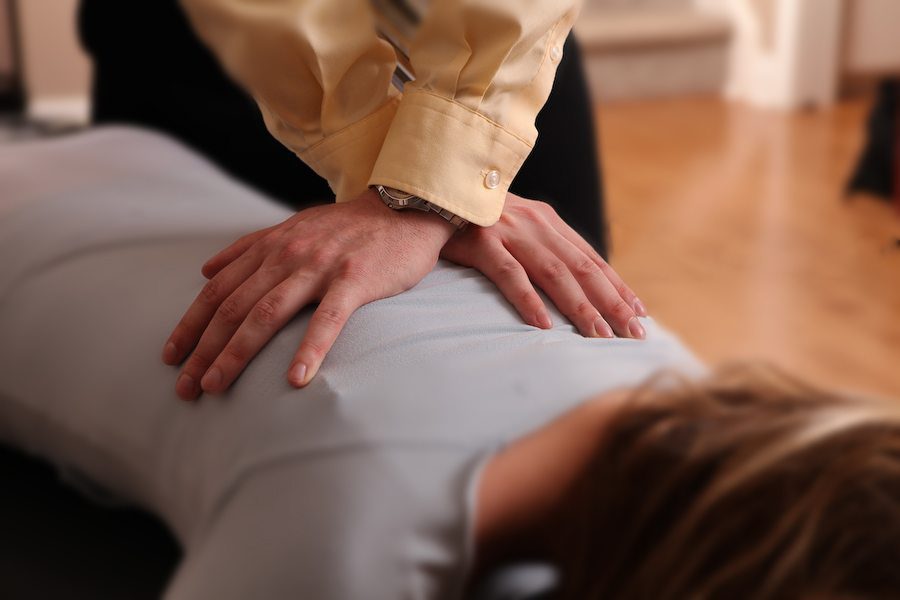
Many athletes largely depend on chiropractic care to enhance their physical performance. New research studies have determined that aside from maintaining overall health and wellness, chiropractic can also help prevent sports injuries. Chiropractic is an alternative treatment option utilized by athletes to improve their strength, mobility and flexibility. Spinal adjustments and manual manipulations performed by a chiropractor can also help correct spinal issues, speeding up an athlete’s recovery process to help them return-to-play as soon as possible.
Perhaps you bent the wrong way while lifting something heavy. Or you�re dealing with a degenerative condition like arthritis. Whatever the cause, once you have low back pain, it can be hard to shake. About one in four Americans say they�ve had a recent bout of low back pain. And almost everyone can expect to experience back pain at some point in their lives.
Sometimes, it�s clearly serious: You were injured, or you feel numbness, weakness, or tingling in the legs. Call the doctor, of course. But for routine and mild low back pain, here are a few simple tips to try at home.
Chill It
Ice is best in the first 24 to 48 hours after an injury because it reduces inflammation, says E. Anne Reicherter, PhD, PT, DPT, associate professor of Physical Therapy at the University of Maryland School of Medicine. �Even though the warmth feels good because it helps cover up the pain and it does help relax the muscles, the heat actually inflames the inflammatory processes,� she says. After 48 hours, you can switch to heat if you prefer. Whether you use heat or ice � take it off after about 20 minutes to give your skin a rest. If pain persists, talk with a doctor.
Keep Moving
�Our spines are like the rest of our body � they�re meant to move,� says Reicherter. Keep doing your daily activities. Make the beds, go to work, walk the dog. Once you�re feeling better, regular aerobic exercises like swimming, bicycling, and walking can keep you � and your back � more mobile. Just don�t overdo it. There�s no need to run a marathon when your back is sore.
Stay Strong
Once your low back pain has receded, you can help avert future episodes of back pain by working the muscles that support your lower back, including the back extensor muscles. �They help you maintain the proper posture and alignment of your spine,� Reicherter says. Having strong hip, pelvic, and abdominal muscles also gives you more back support. Avoid abdominal crunches, because they can actually put more strain on your back.
Stretch
Don�t sit slumped in your desk chair all day. Get up every 20 minutes or so and stretch the other way. �Because most of us spend a lot of time bending forward in our jobs, it�s important to stand up and stretch backward throughout the day,� Reicherter says. Don�t forget to also stretch your legs. Some people find relief from their back pain by doing a regular stretching routine, like yoga.
Think Ergonomically
Design your workspace so you don�t have to hunch forward to see your computer monitor or reach way out for your mouse. Use a desk chair that supports your lower back and allows you to keep your feet planted firmly on the floor.
Watch Your Posture
Slumping makes it harder for your back to support your weight. Be especially careful of your posture when lifting heavy objects. Never bend over from the waist. Instead, bend and straighten from the knees.
Wear Low Heels
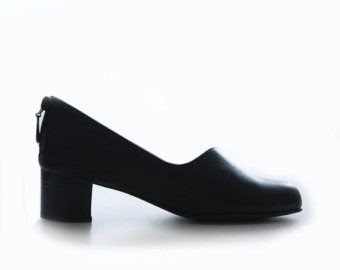
Exchange your four-inch pumps for flats or low heels (less than 1 inch). High heels may create a more unstable posture, and increase pressure on your lower spine.
These could be signs that you have a nerve problem or another underlying medical condition that needs to be treated.
Call Today!
Are Functional Orthotics Part of Your Wellness Protocol?
Most Chiropractors advertise pain relief without drugs and care for injuries. Recently, some doctors and practices have begun labeling and promoting themselves as Wellness Centers. A wellness practice is focused on both maintaining a pre-existing level of musculoskeletal balance and postural health and preventing conditions that might alter this state of health. The challenge is, how can healthy patients be protected from problems that might arise in the future? The answer is simple: custom-made orthotics. Custom orthotics may be traditionally seen as a preventative measure, but so are most treatments of old. They are the perfect, foundational support your patients will never want to go without.
Wellness is a great concept�one of those �win-win� situations for doctor and patient. Orthotics are the perfect way to implement this concept and help establish a �preventative� approach, in addition to the traditional reactive ones, if need be. Let�s take at a look at the foundation of the body, and see just how useful they can be.
Look To The Feet
The feet are the foundation of the body. By age 40, nearly everyone has a foot condition of�some sort, many of which eventually contributing to health concerns farther up the Kinetic Chain (Figure 1). Therefore, it�s in the best interest of healthy patients to be offered a wellness program which stresses preventative care for normal, healthy feet, in order to prevent foot problems from occurring later in life.
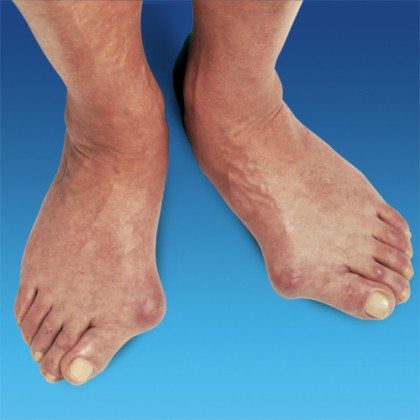
�Pictured above, patient with severe bunions, or Hallux Valgus.
Figure 1. While 99% of all feet are normal at birth, 8% develop troubles by the first year of age, 41% at age 5, and 80% by age 20 (Fig. 1).�By age 40, nearly everyone has a foot condition of some sort.
How Can Orthotics Help?
Patients who participate in Chiropractic wellness programs can benefit from custom-made orthotics nearly as much as patients who seek Chiropractic care for musculoskeletal injuries and conditions. Foot Levelers� custom orthotics have been shown to effectively support the pedal foundation for both categories of patients, and can prevent problems well into the future with static and dynamic support.
Static support.Static support. A 1999 study using radiographic measurements found that custom-made, flexible orthotics can significantly improve the alignment of the arches when standing.2 In the wellness-practice concept of orthotic use, custom-made, flexible orthotics can be used to maintain a properly functioning arch alignment.
Dynamic support. During gait, the foot undergoes substantial changes and must permit a smooth transfer of the body�s center of mass over the leg in order to conserve energy and keep the work expenditure to a minimum.3 This requires a flexible, yet supportive orthotic that accommodates varying weights and forces and allows proper movement and function of the foot, while supporting all three arches�in order to prevent eventual arch collapse.
Postural benefits. Since the entire body structure is balanced on one foot at a time when walking and running, improving foot alignment can help maintain knee, hip, pelvic and even spinal postural alignment,4 and prevent joint degeneration (of the hip, knee, or spinal joints). A pelvic or spinal tilt or recurrent subluxations will often respond rapidly to orthotic support of the arches in the feet.
Orthotics For Everyone
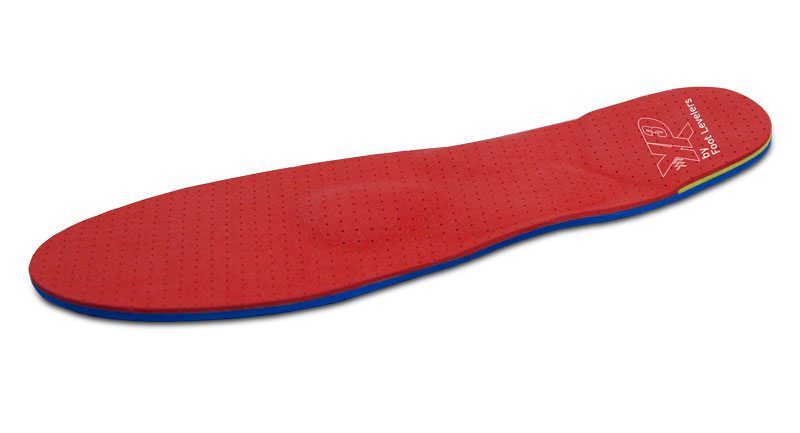
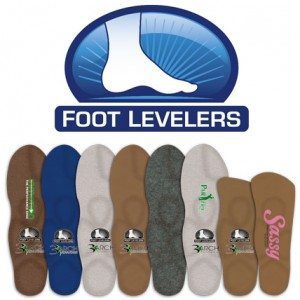
Custom-made, flexible orthotics have long been recognized as a valid adjunct to Chiropractic care for many musculoskeletal conditions. In the wellness model of Chiropractic care, Foot Levelers� custom-made, flexible orthotics (Fig. 2) can be utilized as a preventative modality for the preservation of optimal arch support and the postponement or prevention of joint imbalances in later years. Therefore, orthotics are appropriate for virtually all Chiropractic patients.
If you want to reduce the number of opioid prescriptions and pills being used, and potentially misused, you need alternative pain management. And chiropractors say that�s what they�ve been providing for decades.
�It gives people options, and that�s probably the most important thing right now is to give people options for treatment,� Dr. Mark Stagnone, president of the New Hampshire Chiropractic Association said.
At its annual meeting, the association is pointing to a trio of recent studies showing that chiropractic care cuts down on the use of opiate pain medicines.
In one of the studies, a former Dartmouth doctor analyzed 33,000 cases of lower back pain in a New Hampshire database.
�His preliminary research is indicating that there�s about a 56-57 percent reduction in opioid use when chiropractic care has been utilized in a patients treatment,� Stagnone said.
James Vara, the governor�s adviser on addiction and behavorial health, said the state needs more alternative pain management.
�It becomes a question of what insurance covers it and how long they cover it for, and that�s certainly something I�ve looked at and will continue to,� said Vara.
The Current Insurance Model Puts Patients On A Path To Prescription Drugs
�The problem that it produces is that the average individual who�s trying to treat a condition is faced with paying a high co-pay to visit a chiropractor or paying a considerably lower one to see a primary care physician,� Stagnone said.
Changing that dynamic will require legislation that has failed in the past. But chiropractors said in this ongoing addiction crisis, it�s time for adjustment.
Chiropractic care is covered under the New Hampshire Health Protection program, or expanded Medicaid. And if the program lapses, so does that coverage.
Call Today!
Painkillers Sometimes Increase Chronic Pain
We’re facing an opioid addiction crisis in America. Opioid (narcotic) pain medications killed an estimated 14,000 people in the U.S. in 2014 through overdose. A further 14,000 people overdosed on heroin, another opioid that many people turn to when they can’t access prescription painkillers.
This epidemic is why physicians and pharmacists are increasingly raising the bar on who can receive opioid medications, how much, and for how long. It’s not just the addiction risk that calls for caution when using opioids to treat chronic pain though�long-term use of opioids can actually make pain worse.
Becoming addicted to pain medication is a disease. This is because these painkillers (oxycodone, hydrocodone, methadone, fentanyl) cause a change in your brain chemistry that is not under your control.
Most people who take opioids for more than 2 to 4 weeks will develop a tolerance to the medication. Tolerance means your body may need an increased dosage to feel the same effect. Opioid tolerance can cause withdrawal symptoms when the medication is stopped. This is a natural process, and it is not to be confused with addiction.
In his recent blog on the subject, Dr. Ullrich explains: “Pain medication addiction is a more complicated process. It involves manipulative behavior to obtain narcotic medications and a refusal to discontinue a medication even though it is no longer being used for a medical purpose. Some, including those at significant risk of overdosing, will go to multiple doctors to get medications.”
For those who are addicted to opioid medications, a detoxification program is often needed. Painkiller addiction is a chemical, physical disease, one that requires expert medical treatment in a safe, humane environment.
Most people know that painkillers can be addictive, but they don’t know that taking opioids over a long period of time may in fact increase a patient’s sensitivity to pain (hyperalgesia). This happens because long-term use of opiate painkillers causes a decrease in your ability to tolerate pain and an increase in sensitivity to pain. In fact, people taking opioids long term may keep having pain, or may see their pain increase, long after the original cause of pain has healed.
Stopping opioid use can solve this problem�but it may not seem as if the pain is gone at first, because the discomfort of withdrawal can mimic the original pain. Dependency is not easy to deal with, but it shouldn’t be an excuse to stay on the opioid medication and raise the risk for addiction. This is why physicians are encouraged to only prescribe opioids for short durations and be cautious when using them to treat chronic pain.
Since long-term use of opioid painkillers is a risky option for controlling chronic pain, patients are often advised to focus on other safe, proven methods for managing chronic pain, such as:
Exercise to maintain motion and release endorphins
Cognitive therapy to develop coping techniques
Relaxation and meditation techniques to distract the brain from pain
Six Things Every Chiropractor Should Know About Opioids
Men health concept. Portrait of 50s mature Asian man reading the label on bottle medicine, sitting on sofa at home.
An increase in addictions and deaths due to opioids has raised significant concern and media attention. We offer this brief overview on this important public health problem for the practicing chiropractor.
1. What Are Opioids?
Opioid medications are prescribed to reduce pain; however, they are addictive and can be dangerous. Although some suggest there is �no safe dose� for opioids, these drugs may be helpful for people with severe pain, such as those experiencing pain from cancer. However, over the past several decades, more patients have been prescribed opioids for musculoskeletal pain, such as back or neck pain, instead of being provided with nondrug therapies.
As with any drug, opioids have side effects and may �adversely affect respiratory, gastrointestinal, musculoskeletal, cardiovascular, immune, endocrine, and central nervous systems.�1 �As the dose increases, the risks for overdose and health concerns also increase, including �fractures, addiction, intestinal blockages, and sedation.�1 If too high a dose is consumed or if opioids are taken with certain other drugs or alcohol, death may result.
2. Why Is Opioid Use / Overuse Problematic?
Since 1999, prescription opioid sales have increased fourfold, along with a surge in the use of opioids as a first line for pain management, rather than only for severe cancer-related pain. This trend has led to burgeoning opioid prescribing in the U.S.:2
? One in five people with non-cancer pain have been prescribed opioids.
? More than 165,000 prescription opioid-related deaths occurred between 1999 and 2014.
? An estimated 2 million people were addicted to opioids as of 2014.
3. Who Is Addressing This Health Crisis?
Currently, many professions are seeking ways to address this national epidemic. The medical profession has launched various initiatives to help medical doctors (MDs) reduce prescriptions. These include an initiative to remove pain as the 5th�vital sign, and promoting guidelines for when to prescribe and how to better manage patients in pain without the use of opioids.
The Centers for Disease Control and Prevention (CDC) has�released guidelines�to curb opioid prescriptions, with the following categories of recommendations to those who prescribe opioids: 1) determine when to initiate or continue opioids for chronic pain; 2) opioid selection, dosage, duration, follow-up, discontinuation, and assessing risk; and 3) addressing harms of opioid use.
In addition to these efforts, even more focus is needed to assist people who seek help for pain and to provide them with nonpharmacological alternatives.
4. What Can Doctors of Chiropractic Do?
Chiropractic care can be part of the solution. DCs can work with other health care providers and support policy to offer alternatives to opioids for addressing patients in pain, especially chronic non-cancer pain.
Although there are no large trials comparing outcomes of chiropractic care to opioids, we do know opioid use is associated with worse functioning in back pain patients at six-month follow-up3 �and greater disability;4 �and that injured workers whose first health care visit is to a DC have better outcomes.5 �We also know that the per-capita supply of DCs and higher use of manipulative therapy is associated with lower rates of opioid prescriptions among Medicare recipients.6
All this suggests chiropractic care may help reduce the use of and need for opioid prescriptions for back pain sufferers; and may play an important role in reducing the opioid epidemic by helping to prevent patients from ever getting an opioid prescription in the first place.
Important resources DCs should be aware of include:
? Chiropractic: A Safer Strategy Than Opioids:�www.f4cp. com/f4cp_opioid_white_paper.pdf
? Centers for Disease Control and Prevention (CDC): Opioid Overdose:�www.cdc.gov/drugoverdose/ Six Things Every Chiropractor Should Know About Opioids By Claire Johnson, DC, MSEd, PhD, Bart N. Green, DC, MSEd, PhD and Michael Haneline, DC, MPH Reprinted with permission from Dynamic Chiropractic, Sept. 1, 2016, Vol. 34, Issue 15 (www.dynamicchiropractic.com/digital/index.php?i=1220&r=t#19)
5. What Can We Do If a Patient Is Already Taking Opioids?
Most chiropractors take a history and ask patients what medications they are taking. The first step is to recognize that the following are opioid-class drugs: hydrocodone (Vicodin), ultram (Tramadol), oxycodone (OxyContin, Percocet), morphine (Kadian, Avinza) and codeine.7
Once we know a patient is taking opioids, we must first seek to understand the situation before we provide education.
Questions we can ask include:
? For what condition is the patient taking the medication?
? How long has the patient been taking opioids and at what daily dose?
? Who is the provider watching over their prescription? Is more than one provider prescribing opioids?
? When was the last time the patient saw the prescribing physician and when is the next appointment?
? Does the patient have any safety issues? For example, does the patient operate machinery? Is the patient experiencing side effects such as �sedation, dizziness, nausea, vomiting, constipation, physical dependence, tolerance, or respiratory depression�?8
? What is the patient�s level of function? Are there any psychological flags or addictive behaviors?
? Is the patient taking any other substances or drugs that may have deadly interactions, such as alcohol, benzodiazepines and/or other opioids?
As chiropractors, we can discuss treatment goals, such as reasonable functional activity; and pain goals with and without medication. We also can discuss potential adverse events, including the risks for side effects, addiction and death.
We can inform patients of other dangers they may not be aware of, such as the deadly combination of opioids when combined with other drugs that depress CNS activity (e.g., alcohol or drugs for anxiety such as benzodiazepines). We can encourage patients to contact the prescribing provider to discuss reducing and stopping opioid use, and to ask for safer alternatives for pain control, such as chiropractic care, physical therapy, acupuncture and mind-body methods. If a patient is already addicted, we can encourage the patient to seek a specialist provider and addiction care program. (Note that some patients may need to remain on opioids, such as for cancer pain or end-of-life care.)
Most importantly, we can work with the patient and their prescribing provider to offer them nonpharmacological care to help reduce their pain and help them reach their functional goals.
6. How Can We Collaborate More on Solutions?
As DCs, we can work more closely with local MDs and discuss better ways to collaborate concerning patients with pain. Remember that MDs are not the enemy, but are an essential component of the solution to this epidemic. Most MDs are also extremely concerned about the opioid epidemic, and are looking for efficient and cost-effective ways of helping their patients. We should remain professional when speaking about MDs with our patients, as our patients likely have good relations with them.
We can be part of the safety net to help reduce the number of people who become addicted or die from overdose. As we work with other health care professionals and our patients, we can remind them that the first recommendation per the CDC�s�Guideline for Prescribing Opioids for Chronic Pain�is �Nonpharmacologic therapy and nonopioid pharmacologic therapy are preferred for chronic pain.�9 �Thus, through collaboration, the chiropractic profession can be a part of the solution.
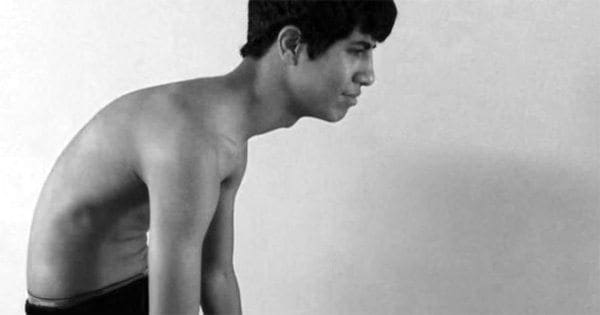
After pulling out a tree root Muntathar experienced excruciating pain which forced him into a extreme hunched position. If he tried to stand up he would get terrible pain and numbness all down his leg. Despite being to emergency 9 times, he had found no help in the medical world. So as a last resort he decided to travel from America to Australia to see Dr. Ian. Watch as after 2 weeks of specific Gonstead Chiropractic care, Mun stands straight and tall once more and gets his life back. We hope you enjoy this very special case.
The video�(see at bottom of post) was posted on Reddit by user Duggerdean with the comment: �I used to be a skeptic about chiropractic care until I started watching this channel. His latest video is so amazing.�
The video they refer to is that of Dr Ian Watch, who practices at Gonstead Chiropractic in Victoria, Australia � and his teenage patient�Muntathar Altaii from the US.
Despite going to A&E nine times, he says no one was able to help him.
Day 1
Dr Ian X-rays Mun�s back and sees one of the joints isn�t functioning properly. The measurements are also quite a long way out which suggests the sacrum (the large triangular bone at the base of the spine) has rotated.
Mun Also Has No Feeling In His Right Leg
Dr Ian makes what he calls �a very small correction� at the first appointment. After just 10 minutes, he�s already got a small amount of feeling back in his leg.
Mun then confesses he hopes to be better by his graduation � on June 17. No pressure.
Day 2
Mun Reports He�s Slept Well For The First Time In Three Months
Dr Ian identifies a huge amount of upper cervical nerve pressure in his neck. His head sits higher on one side than the other. So, Dr Ian makes another �adjustment�.
Day 4
Mun has a lot more movement. He can move his leg easily, whereas before he would have to pick it up even to walk.
Day 7
After further manipulation of Mun�s spine (with assistance to keep it stable), Mun tells Dr Ian how desperate he�d become after his injury. �At first I didn�t want to even live anymore,� he says, �because I couldn�t walk anywhere.�
Day 10
‘Now he just walks like he�s been playing too much X-Box� jokes Dr Ian.
For The First Time, Mun�s Taller Than The Doctor
Transformation In Just 10 Days Is Pretty Incredible
Call Today!
Photo Mun Sent Back To His Family That Night
Before & After
Mun�s High School Graduation Picture � He Got His Wish Last Week
Mun, Second From Left, With His Dad
Now Mun Wants To Be A Chiropractor When He�s Older, Of Course!
Throughout the United States, U.K., and Australia, more and more cases of liver disease are arising in the absence of alcohol abuse. Decades ago, we only saw conditions like Fatty Liver Disease and cirrhosis occur as a direct result of excessive alcohol indulgence, however, this trend has changed in the current day. Today, more and more adults and children are being diagnosed with NON-ALCOHOLIC FATTY LIVER DISEASE (NAFLD).
NAFLD is a medical condition that is characterized by an excessive accumulation of fats, within liver cells. This means normal, healthy liver tissue becomes partly replaced with fatty tissue. The fat starts to invade the liver, gradually infiltrating the healthy liver areas, decreasing the amount of healthy active liver tissue.
While it�s normal for your liver to contain some fat, accumulations of more than 5 percent to 10 percent of your liver�s weight are problematic.
70 million Americans have fatty liver disease and don�t even know it.
Anatomy & Function of the Liver
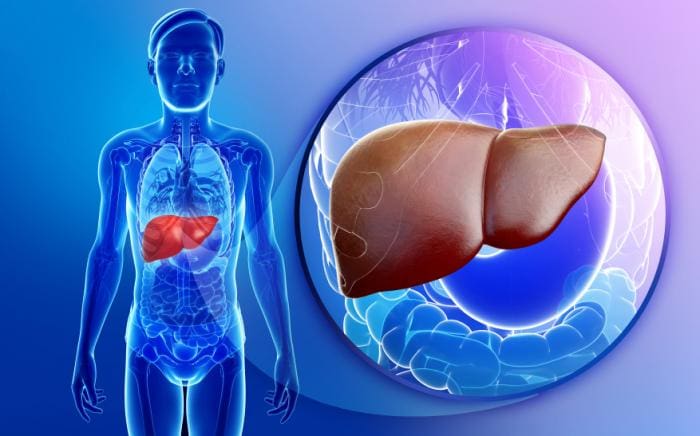
The liver is one of the hardest-working organs in the body, working tirelessly day in and day out. So here�s what your liver does, in a nutshell. Your liver regulates most chemical levels in the blood and excretes bile. Bile is necessary to break down fats. All of the blood leaving the stomach and intestines must pass through the liver for filtering. It�s the liver�s responsibility to detoxify this blood. Here are several other important functions of the liver:
Detoxifies chemicals and metabolizes (breaks down) drugs.
Manufactures proteins important for the regulation of blood clotting
Breaks down excess hormones circulating in bloodstream
Produces cholesterol (necessary for vitamin D and hormone production and for healthy nerves)
Stores and releases glucose, as needed
Stores iron
Converts harmful ammonia to urea (urea is an end product of protein metabolism that gets excreted in the urine)
Clears the blood of alcohol, medications, drugs and other harmful chemicals
Produces immune factors and removes bacteria from the bloodstream
Clears and removes bilirubin (excessive buildup causes jaundice -yellowing of skin and eyes)
It�s the liver�s responsibility to process (store) nutrients, such as vitamins, minerals and iron, so they�re more efficiently absorbed.
Nonalcoholic fatty liver (NAFLD) has become increasingly common in the United States and Western Europe as weight gain, obesity, insulin resistance, diabetes and metabolic syndrome have risen in epidemic proportions. It is now the most common cause of liver disorders in the United States and other Western industrialized countries, such as Australia and the United Kingdom. It�s estimated that 1 in 5 people (25%) throughout these regions have NAFLD.
Although research has shown that NAFLD is most commonly caused by excess weight & obesity, metabolic syndrome and diabetes, studies have also revealed that the excessive use of prescribed medications and pain killers (or the toxicity of these) can lead to fatty liver disease, as well.
Symptoms of Liver Disease
A non-alcoholic fatty liver is often referred to as a �Silent Disease�. Initially there may be no symptoms, meaning, you can live with the condition for many years, even decades, and not realize it. Over time, however, some signs may begin to surface. These symptoms include:
feeling tired
fatigue
weight loss
loss of appetite
weakness
nausea
confusion
trouble concentrating
pain in the center or right upper part of belly
enlarged liver
bloating and gas
dark urine
bruising easily
sweating, excessively
constipation
dry and dark patches on neck and under arms
Over time, fatty liver disease can lead to cirrhosis of the liver. This occurs when scar tissue develops in the liver, preventing the liver from functioning properly. The scar tissue blocks the flow of blood through the liver and slows the processing of nutrients, hormones, drugs and naturally produced toxins, as well as the production of proteins and other substances made by the liver. Symptoms of cirrhosis are severe and include the buildup of fluid in the body (especially the abdominal cavity called ascites), muscle weakness, internal bleeding, yellowing of the skin and eyes, and liver failure.
Fatty Liver Diagnosis
The best way to diagnose a fatty liver is with an abdominal ultrasound or a biopsy, although an ultrasound is far less invasive. Often, people with NAFLD will not have elevated liver enzymes, so the blood tests may look normal. Elevated liver enzymes however, do indicate that you have inflammation of the liver which may be do to NAFLD or a more serious condition called NASH.
Root Causes & Risk Factors of Liver Disease
There are a number of risk factors that increase your chances of having NAFLD:
Obesity
Gastric bypass surgery
High cholesterol
High levels of triglycerides in the blood
Type 2 diabetes
Metabolic syndrome
Medications
Sleep apnea
Polycystic ovary syndrome (PCOS)
Underactive thyroid (hypothyroidism)
Underactive pituitary gland (hypopituitarism)
Hemachromatosis (excess iron accumulation)
A 2006 review published in the Journal of Clinical Gastroenterology states that NAFLD is a common finding among patients undergoing bariatric surgery, with an occurrence ranging between 84 percent to 96 percent. The review also noted that the disease seems to be most common among men, and it increases with menopause in women.
Foods That Can Lead to Fatty Liver Disease
High-Carbohydrate & Refined Foods
Foods such as bread, rice, and corn should be avoided. All white bread and carbs should be eliminated or significantly, reduced from your diet, and even whole grains should be consumed in moderation (because grains convert to sugar). All refined When we consume too many refined carbohydrates, insulin levels spike, and insulin sensitivity is a major factor in the cause of liver disease.
Sugary Drinks
Sports drinks (Gatorade/powerade), soda, energy drinks and fruit juices are full of sugar and artificial sweeteners. This sugar that enters your body causes fatty liver disease. The average 12-ounce can of soda, for example, has 10 teaspoons of sugar! Your body isn�t able to break down the amount of sugar that most Americans consume every day, and it�s impacting the liver, big time.
The American Heart Association (AHA) recommends no more than 6 tsp (25g) of sugar per day for women and 9 tsp (38g) per day for men. A child�s sugar intake should not exceed 3 tsp per day.
The average person consumes 20 tsp or more of sugar per day � equating to 66 pounds and more of sugar per year.
According to a study conducted at Emory University School of Medicine in Atlanta, sugars, particularly fructose, are suspected to contribute to the development of NAFLD and its progression. Fructose has been shown in research to do extensive damage to liver cells. There have also been substantial links between increased fructose consumption and obesity, dyslipidemia and insulin resistance.
Processed Foods
Hydrogenated oils, refined sugar, convenience foods and lunch meats are notoriously toxic to your system. Nitrates and nitrites, for example, are commonly found in processed foods and lunch meat, and they have been linked to serious conditions, including cancer. The high fructose corn syrup found in our processed foods is the single biggest cause of fatty liver; you must stay away from these products in order to heal liver disease.
Foods That Improve Fatty Liver Disease
A review published in the European Journal of Medicinal Chemistry states that natural enzymes found in vegetables, as well as fruits, plant extracts and herbs, have been traditionally used for treating liver diseases. It�s incredibly important to add vegetables to your everyday diet.
An easy way to do this is by juicing vegetables for near-perfect health. With impaired liver function, juicing vegetables has the added benefit of making the vegetables easier to digest and more readily available for absorption. Vegetables ideal for a liver detox include kale, cabbage, lettuce, cauliflower, broccoli, Brussels sprouts, asparagus, beets and celery.
Beets
Beets naturally cleanse and purify the blood, which boosts liver function and nutrient production in your body. Beets are also high in antioxidants, folate, iron, fiber and betaine (a natural digestive enzyme). Beets go great in juicing recipes and thrown into smoothies (a little goes a long way). Shred some beets and throw on your salads, daily.
Broccoli
Broccoli and other members of the cruciferous family (brussel sprouts, cauliflower, arugula, cabbage, collard greens, kale, bok choy) are high in fiber and glucosinolates, which help the liver naturally cleanse the body of carcinogens and other toxins.
Ginger Root
Ginger has powerful antioxidant and anti-inflammatory properties, especially necessary with a dysfunctional liver due to NAFLD. Ginger has also been found to drastically lower blood sugar levels. Elevated glucose and insulin resistance are 2 key factors in the development of a fatty liver. Make ginger tea by boiling ginger slices in green tea or water. You can also add ginger to a stir-fry, salad or smoothie.
Sweet Potatoes
Sweet potatoes, along with carrots, butternut squash and pumpkin) are rich in beta-carotene, a natural anti-inflammatory. A deficiency of potassium can disrupt liver function. Sweet potatoes, naturally high in potassium, are beneficial because they help support liver function. One sweet potato contains nearly 700 milligrams of potassium! It�s also rich with vitamins B6, C, D, magnesium and iron. Sweet potatoes are easy to eat because they�re naturally sweet, and the sugars are slowly released into the bloodstream through the liver, so it won�t cause a spike in blood sugar.
Lemons
Lemons are great for your liver. They provide a wealth of antioxidants and help your liver produce more enzymes giving you more energy and help with digestion.. Lemons are also naturally high in electrolytes. Although lemons are acidic, once they enter the body they become alkalinizing, which helps neutralize toxins, excrete wastes. Juice 1 fresh lemon, daily and drink-undiluted on an empty stomach every morning.
Bananas
Containing 470 milligrams of potassium, banana nutrition is also great for cleansing the liver and overcominglow potassium levels; plus, bananas assist in digestion and help release toxins and heavy metals from the body. A great way to decrease the liver�s burden.
Garlic, Whole Cloves
Garlic is rich in allicin and selenium, two powerhouse nutrients for your liver. They act in cleansing and in nourishing the entire body, especially the blood. Selenium is a naturally detoxifying mineral and allicin helps ward off immune system invaders, which helps lighten the load on your liver. Garlic also activates enzymes in the liver which help with overall digestion and flushing out toxins. Use whole garlic cloves as the best option, instead of processed minced garlic or powder.
Leafy Greens
The nutritional all-star ingredients for just about every health issue are leafy greens. Spinach, kale, chard, romaine, arugula, and collards are all some of the most nutrient dense leafy greens to enjoy. They�re packed with chlorophyll, which assists in liver function by purifying the blood, alleviating toxins, decreasing inflammation and promotes wound healing. Chlorophyll is also amazing at neutralizing heavy metals, toxic chemicals, and even pesticides that burden the liver.
Supplements That Improve Fatty Liver Disease
Dandelion Root
The vitamins and nutrients present in dandelions help cleanse our livers and keep them working properly. Dandelions also aid our digestive system by maintaining the proper flow of bile. They�re natural diuretics and allow the liver to eliminate toxins quickly. Dandelion tea or stems are also high in vitamin C, which helps with mineral absorption, reduces inflammation and prevents the development of disease.
Milk Thistle
As a liver support and aid, milk thistle is a powerful detoxifier. It helps rebuild liver cells while removing toxins from the body that are processed through the liver. According to a study published in Digestive Diseases and Sciences, milk thistle has the power to improve mortality in patients with liver failure; it�s able to naturally reverse the harmful effects of alcohol consumption, pesticides in our food supply, heavy metals in our water supply, pollution in the air that we breathe in and even poisons. According to a 2010 study, milk thistle benefitshelp treat alcoholic liver disease, acute and chronic viral hepatitis, and toxin-induced liver diseases.
Vitamin D
Recent studies have indicated that deficiencies in vitamin D can result in Non-alcoholic fatty liver disease (NAFLD). Vitamin D deficiency was shown to cause severe degrees of NAFLD along with liver inflammation and liver fibrosis (hardening). This research also revealed that vitamin D deficiencies also resulted in insulin resistance and metabolic syndrome. All of these factors play a significant role in the development of peripheral neuropathy (nerve damage). Optimum vitamin D levels should be between 70-100 ng/ml.
Curcumin
Curcumin, the active component of turmeric is arguably the most powerful herb on the planet at fighting and potentially reversing disease. Currently there have been over 6,000 peer-reviewed published articles proving the health benefits. Studies have also shown that curcumin may prevent the progression of fatty liver disease and reduces inflammation of the liver and body.
Black Seed Oil
This amazing oil can greatly speed the healing process for people with fatty liver disease. A study published in the European Review for Medical and Pharmaceutical Sciencesmeasured black seed oil�s ability to inhibit liver oxidative stress markers. The results of the study indicated that black seed oil benefitsliver disease patients because it�s able to reduce the complications and progression of fatty liver disease.
The best thing you can do to treat fatty liver disease is maintain a healthy diet. Many people with fatty liver disease are overweight and malnourished. A healthy diet that provides the vitamins and nutrients that your body needs to function is very important.
The number one treatment of fatty liver disease is weight loss and a healthy diet. It�s essential that you eat a well-balanced diet that is predominately plant-based; plus, you should exercise regularly � shoot for doing physical activity for at least 30 minutes a day, even if it�s taking a walk.
Sources:
Bedogni G, Miglioli L, Masutti F, Tiribelli C, Marchesini G, Bellentani S. Prevalence of and risk factors for nonalcoholic fatty liver disease: the Dionysos nutrition and liver study. Hepatology. 2005;42:44�52. [PubMed]
Adams LA, Lymp JF, Sauver J, St, et al. The natural history of nonalcoholic fatty liver disease: a population-based cohort study. Gastroenterology. 2005;129:113�121. [PubMed]
Peripheral Neuropathy and Fatty Liver Disease
Nonalcoholic fatty liver disease (NAFLD) is considered the most common liver disorder in the Western world. It�s recognized as one of the most common forms of chronic liver disease across the globe.
A study published in the Journal of Gastroenterology and Hepatology (2003) reported a link between non-alcoholic fatty liver disease (NAFLD) and peripheral neuropathy. The research revealed that 73% of people with NAFLD would develop peripheral nerve damage leading to the symptoms of peripheral neuropathy.
As if the development of peripheral neuropathy isn�t bad enough, science shows that the longer you have NAFLD, the more likely it is to progress into liver fibrosis (accumulation of abnormal fibrous tissue), cirrhosis (accumulation of scar tissue in the liver) and NASH (severe liver inflammation and cell damage).
Although, NAFLD is most likely to happen in people who are overweight with metabolic syndrome or type 2 diabetes, recently there are more and more cases of children with NAFLD. This is a direct result of the standard American diet. Pediatric NAFLD have been reported in children as young as 3 years old.
If you have been diagnosed with NAFLD or are overweight, suffer from metabolic syndrome, insulin resistance or diabetes, it�s important to take action. The good news is � The liver is the only organ capable of fully regenerating itself. As long as you have at least 15% of your liver that is working and functional, your body can repair and regenerate your liver.
For more information, please feel free to ask Dr. Jimenez or contact us at 915-850-0900 .
Whole Body Wellness
Following a balanced nutrition, participating in regular physical activity and getting plenty of rest are fundamental factors for maintaining whole body wellness. While all of these can make you look and feel healthy, its also essential to address the health of your spine in order to maintain the proper function of all the body�s structures. Chiropractic care is a well-known alternative treatment option utilized by many individual�s to restore the health of the spine as well as maintain it. Chiropractic can also help prevent complications related to spinal injuries and conditions.
IFM's Find A Practitioner tool is the largest referral network in Functional Medicine, created to help patients locate Functional Medicine practitioners anywhere in the world. IFM Certified Practitioners are listed first in the search results, given their extensive education in Functional Medicine

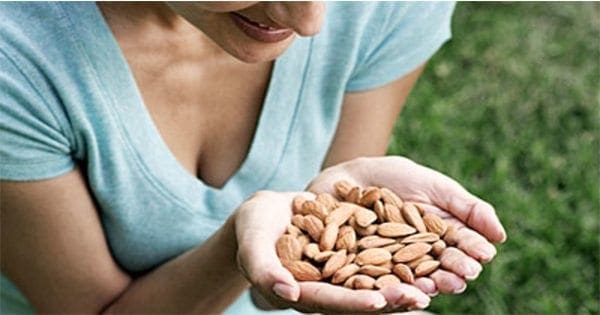











 Static support.Static support. A 1999 study using radiographic measurements found that custom-made, flexible orthotics can significantly improve the alignment of the arches when standing.2 In the wellness-practice concept of orthotic use, custom-made, flexible orthotics can be used to maintain a properly functioning arch alignment.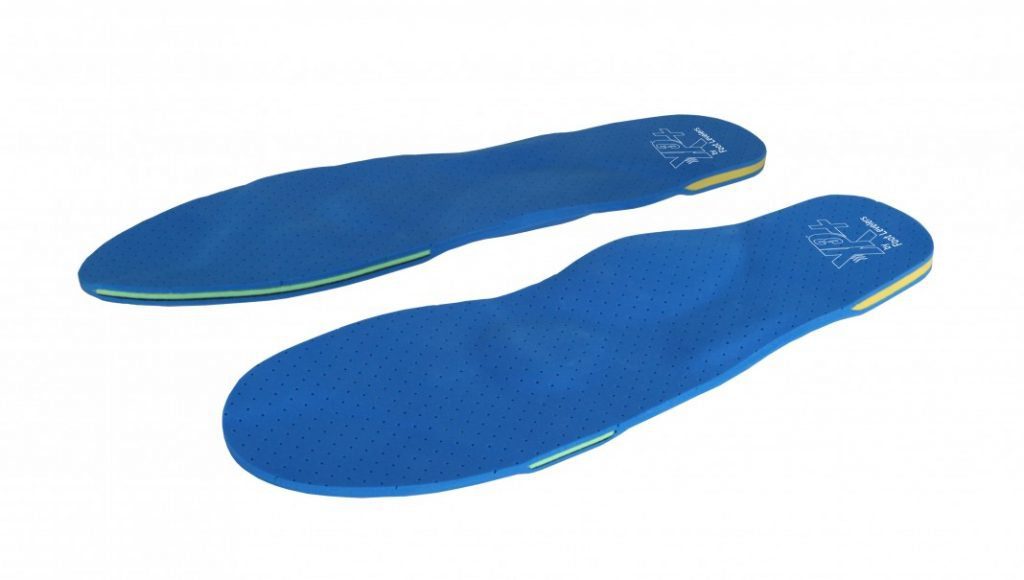

 Shoes for Kids