You could explore alternative treatments to treat your pain and other symptoms from degenerative disc disorder. As the name implies, they’re choices to medication, physical therapy, or operation�the typical “Western” approach to medicine.
You may consider going to your complementary and alternative medicine (CAM) practitioner; CAM is a group of practices and therapies which aren’t considered part of traditional medicine. It offers acupuncture, homeopathy, and massage. Many patients reported these treatments have helped.
Degenerative Disc Disease Alternative Treatment Overview
For degenerative disc disorder, you might want to try:
Acupuncture: Acupuncture uses quite fine needles�and no drug�to treat your pain. Professionals consider that you have an energy force called your Chi (additionally, it may be spelled Qi, but both forms are pronounced “chee”). You can grow physical sickness, for example back pain, when this force is blocked. Thus should free the Chi channels, which professionals call your meridians of your body up. Acupuncture works to restore a healthy, dynamic flow of Chi.
Acupuncture needles are almost as thin as strands of hair. Based in your symptoms and diagnosis that is precise, a professional will insert the needles; you’ll most likely have multiple needles fit during one session. Points that are exact will be targeted by the professional in the meridians of your body’s, and the needles will soon be made in for 20 to 40 minutes. It’s been suggested that acupuncture needles cause your own body to discharge specific neurochemicals, such as endorphins or serotonin, plus they help in the therapeutic process.
Herbal Remedies: Do your research, before attempting any herbal remedies and speak to your doctor. There could possibly be side effects that you simply are oblivious of� an herbal treatment could hinder a prescribed medicine you are taking, as an example. Some herbal remedies you might want to consider for degenerative disc disease are:
Devil’s Claw: Devil’s claw comes from southern Africa, where it has been put to use for countless decades to take care of arthritis fever, and gastrointestinal difficulties. It works as an anti inflammatory. Now, it’s used for conditions that cause pain and inflammation, like degenerative disk disease. It can be taken by you in a capsule.
SAMe (S-adenosylmethionine): It’s been suggested that SAMe is useful for the age-related “wear and tear” spinal conditions, including osteoarthritis and degenerative disc disease. As a bonus, there have been several studies that demonstrate it’s also great for treating depression. (Individuals afflicted by chronic pain can become depressed because of the means by which the pain changes their lives. Their continual condition can likewise change their body’s nervous system chemistry, resulting in a chemical imbalance and maybe melancholy.)
White Willow Bark: The white willow led in Europe to the development of aspirin. If you don’t need to choose the artificial variant (aspirin can irritate the gut), use white willow bark. It’s for conditions that cause pain or inflammation, like degenerative disc disorder. In addition, it provides relief for acute back pain.
Prolotherapy: This treatment has been tried by some patients and found that it works to reduce their pain from degenerative disc disease. Proponents of prolotherapy clarify that one of the issues associated with DDD is weak ligaments and tendons. Powerful, supporting ligaments and tendons are essential in your back simply because they help keep stability. Your ligaments and tendons need to work extra difficult to support your back, following your discs start to degenerate, basically weakening your backbone. Over time, though, they can degenerate, also; they can wear out or even tear. This leaves your intervertebral discs without the support they require.
Prolotherapy tries to stimulate development of new ligament and tendon tissues. Using an injection of a “proliferant” (a term utilized by prolotherapists�itis a mild irritant solution), prolotherapy is designed to kick-start the entire body’s healing process. The proliferant causes inflammation, which tells the entire body to begin healing itself by generating new tissue.
A prolotherapy injection goes right to the difficulty ligaments and tendons, and it takes several rounds of shots (and time) to have the effects. Speak to your physician in the event you think prolotherapy may be a choice for you personally.
The scope of our information is limited to chiropractic and spinal injuries and conditions. To discuss options on the subject matter, please feel free to ask Dr. Jimenez or contact us at 915-850-0900 .
By Dr. Alex Jimenez
Additional Topics: What is Chiropractic?
Chiropractic care is a safe and effective, alternative treatment option utilized to diagnose, treat and prevent a variety of injuries and conditions associated with the musculoskeletal and nervous system. A chiropractor, or doctor of chiropractic, commonly uses spinal adjustments or manual manipulations to help correct the spine and it’s surrounding structures, improving and maintaining the patient’s strength, mobility and flexibility.
As one of the most common reasons for doctors visits, frequency of back pain is sky rocketing. Both active and inactive people will experience back pain at some point within the year and it�s estimated that 5/10 Canadians suffer back pain within a six month period.
I originally wrote this post for The Mommy Confessionals, if you haven�t been over there check it out!
This post contains affiliate links. For more information click here.
As moms, it�s not uncommon for us to grumble about our backs. We pick up, lift, twist and bend all day every day. And aside, from serious medical conditions (slipped and herniated discs, osteoarthritis etc) most back pain is caused by two things:
Poor Posture and Improper Movement Mechanics
Cause #1: Poor Posture
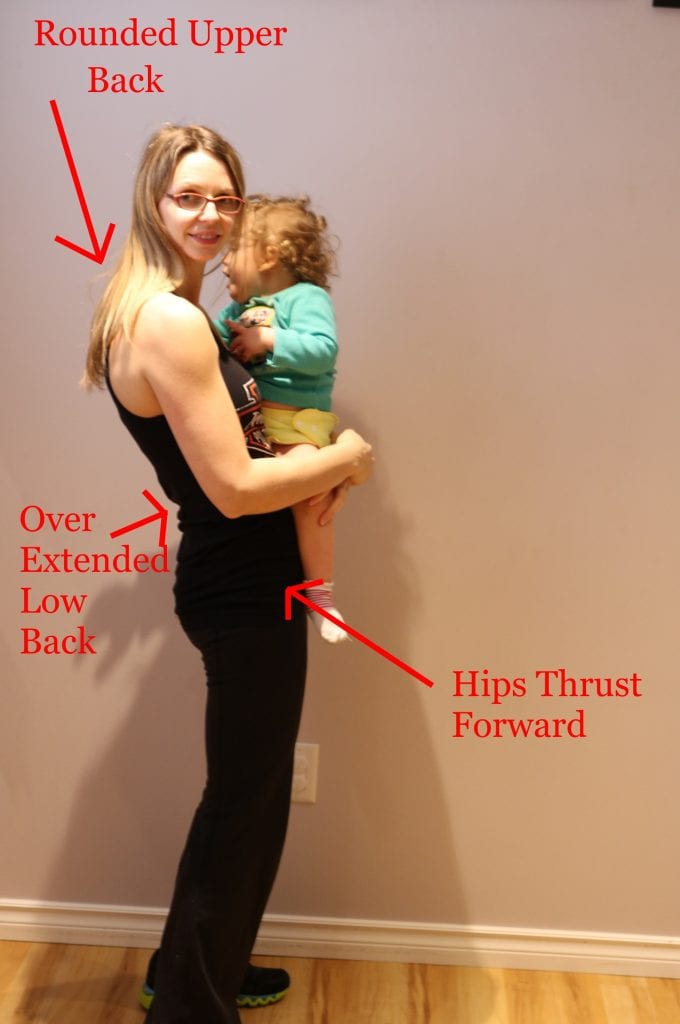
This is one of the most overlooked causes of chronic back pain especially in moms and pregnant ladies (I�ve actually touched on this posture here). Beginning during pregnancy, our center of gravity shifts to accommodate a growing baby. This shift makes our posture (which was probably not great to begin with) even worse. It causes our shoulders to round and low back to sway.
Outside of pregnancy, even those of us who are active lead fairly sedentary lifestyles and daily tasks like involving sitting (to eat, to drive, to relax) affects the way our muscles function. Throughout our day we lean forward frequently which causes our chest muscles to become chronically tight and out upper backs unable to do their job. Our posterior chain becomes under developed and all of it adds up and leads to back pain.
Cause #2: Poor Mechanics
As I mentioned, as moms we lift, twist, bend and pick up all day long. Unfortunately, all of those movements require a sound technique and a strong musculature. Picking up kids, moving furniture and playing can easily leave you with some low back tenderness when you fail to use proper movement patters and the necessary muscles (I�ve written before about why we need to learn to pick things up properly!)
If you�re feeling a bit overwhelmed- it�s okay! With the exception of medical conditions, back pain is pretty preventable if you put in the time and effort.
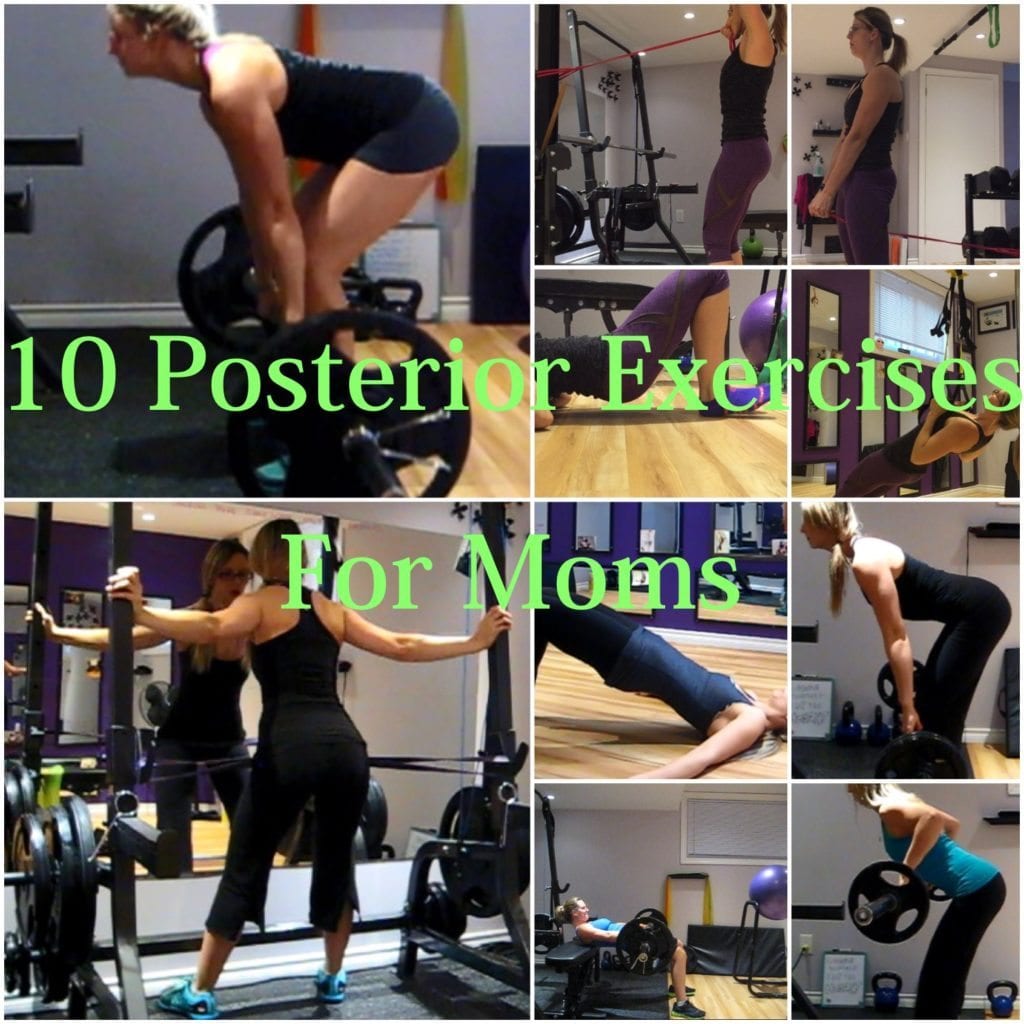
In fact, the number one thing you can do to prevent your back hurting is strengthen your posterior chain (back of the body).
Creating a strong back of body allows your muscles to pull your body back into alignment and spread some of the force more evenly.
Learning to pick things up properly (using a hip hinge or squat) is crucial to preventing any injury to your low back. Meaning, strengthening the muscles of the back of the body is crucial. My two favorite things to focus on when preventing back pain are: contracting the glutes and learning to hip hinge
The Glutes
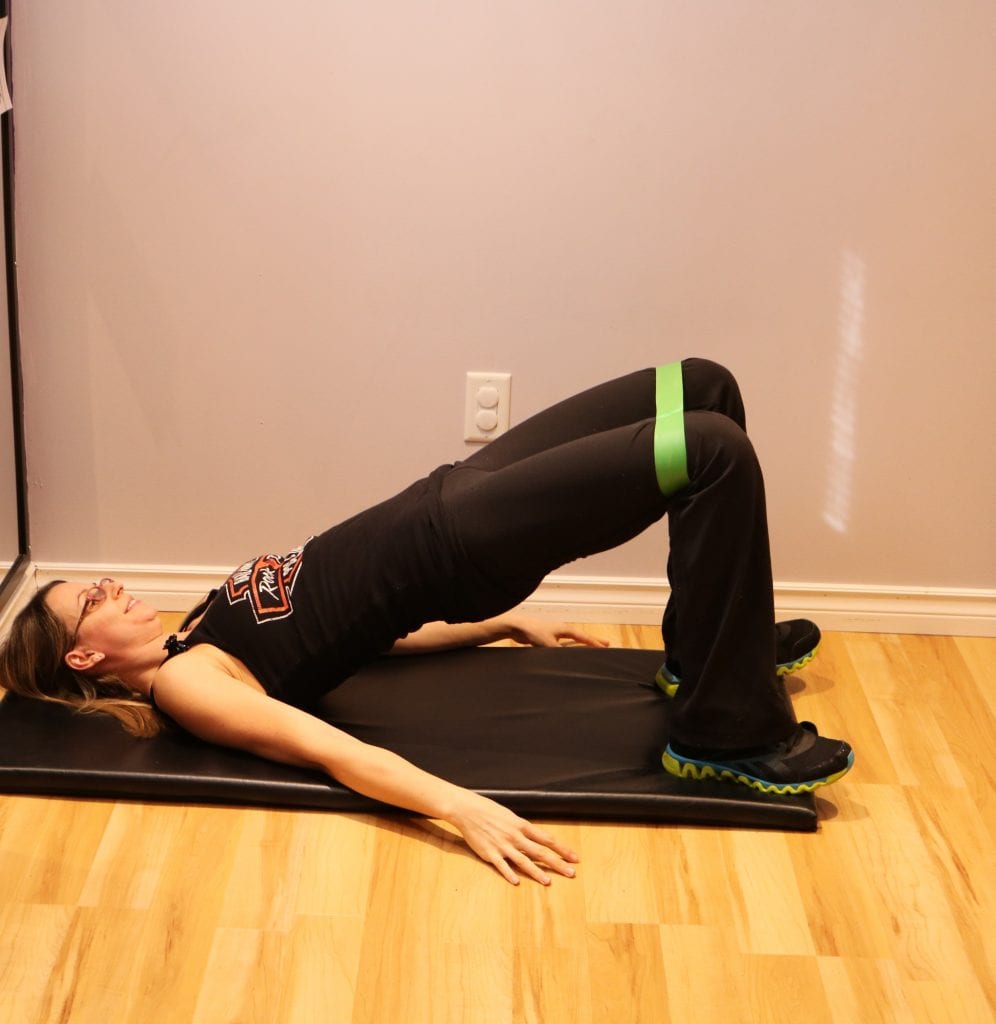
Learning how to make your glutes strong and contract them has a host of benefits but one of the biggest is their help in posture. Glutes are part of the posterior chain but also the pelvic floor. They help keep your pelvis in proper alignment, keep you upright and move correctly (and yes they can look pretty!). Glutes are beyond important and one of my all time favorite body parts to train.
Check out six of my favorite glute exercises here.
Hip Hinging
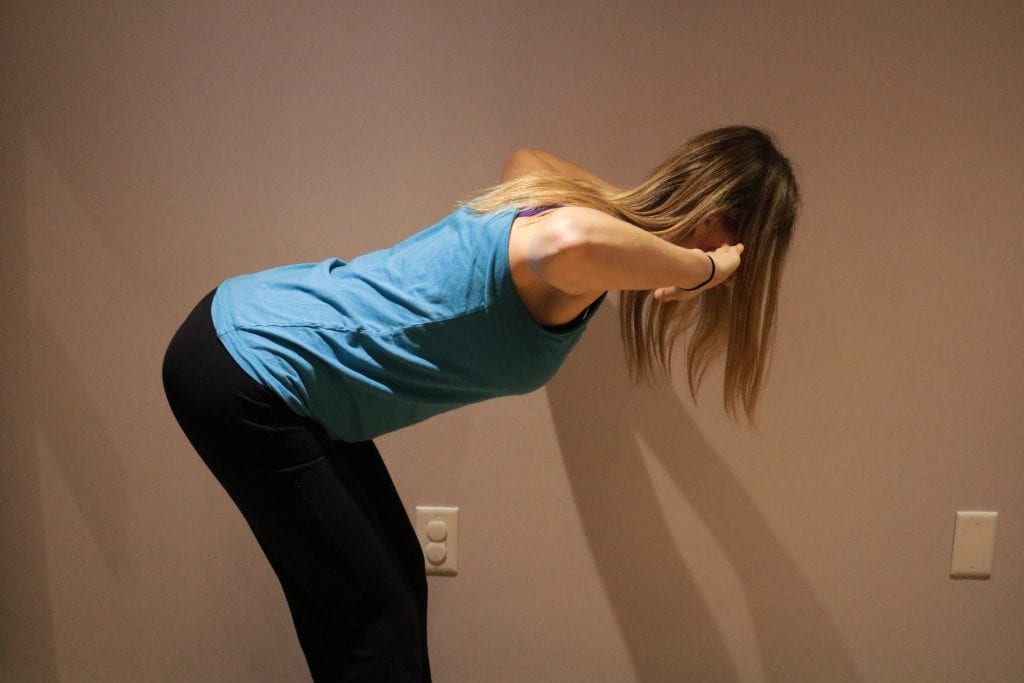
Learning to hip hinge is crucial as a mom and as a person. It�s a basic movement that we seemed to have forgotten and evolved out of.
When you hinge from the hips you strengthen the back of the body and shift the weight back there also. Allowing your muscles to lift the object instead of the ligaments in your low back helps prevent lifting injuries.
I�ll be chatting about my favorite drills to teach and train the hip hinge in a couple weeks so peek back- but in the meantime check out the video below!
As moms, we�re moving all day long. But rarely are we moving correctly. Instead of using our muscles and proper mechanics we rely on our joints, tendons and ligaments. This is a recipe for disaster and, as you know all too well, back pain. Instead work on building strength, improving posture and becoming proficient in basic movements and your back pain will be far less.
I�m Shelby � strength coach, nutrition coach, chronic foodie & mama bear. I�ve been a coach for the better part of the past decade and I truly love helping people.
Through fitness, food, mommyhood or making natural changes in your home, I�ve done it all � and I want to help you too!
There are more benefits to gardening than blossoming flowers and fresh produce. It’s also an opportunity to stay active while enjoying the outdoors.
With thousands of people getting treated in emergency rooms for gardening-related injuries, the American Academy of Orthopaedic Surgeons (AAOS) wants to ensure that outdoor gardeners are practicing safety first.
Research from the National Electronic Injury Surveillance System (NEISS) shows the following results for individuals treated in hospital emergency rooms in 2015:
Approximately 64,595 were treated for injuries related to hand garden tools
More than 92,000 for lawn and gardening equipment
More than 20,000 for trimmers and small power garden tools
Although equipment contributes to a significant number of injuries, they aren’t the sole cause of gardening injuries. Poor posture and body positions while gardening can lead to muscle and tendon injuries.
Expert Advice to Avoid Injury
“While gardening helps to relieve mental stress, many people underestimate the physical stress your body can endure during this activity,” said orthopaedic spine surgeon Raj Rao, MD. The constant bending, reaching and squatting involved could result in injuries to the lower back and knees, therefore it’s important to be mindful of your body’s position while gardening to avoid aches and strains.”
The AAOS recommends the following gardening safety tips, and urges gardeners to share them with family and friends.
Loosen your joints and muscles before gardening with simple stretches.
Take breaks. Do not stay in one position for too long. Switch positions often to avoid overworking one part of the body.
To avoid injuring your back when lifting heavy objects, position yourself close to the object you want to lift. Separate your feet shoulder-width apart to give yourself a solid base of support. Then bend at the knees, tighten your stomach muscles and lift with your leg muscles as you stand up. If an object is too heavy or is an awkward shape, do not try to lift it by yourself. Get help.
Protect your back and knees from strain by sitting on a garden stool when possible to help relieve pressure on your spine and knees.
Consider having a vertical garden, wall planters or hanging plant baskets to avoid the repetitive back bending and kneeling positions that’s involved in traditional gardening.
Stay hydrated with fluids, especially if you’re working up a sweat.
Children should not be allowed to play in or near where sharp tools, chemicals or gardening equipment are being used or stored.
Remove stones, toys and other objects from the yard before you start gardening.
Wear protective gloves, sturdy shoes and long pants when working in the garden to protect against insect bites and injuries from stepping on sharp objects, or cuts from handling sharp tools.
Familiarize yourself with the plants that are in your garden. If you identify poisonous plants or trees, ensure you keep young children away and educate them about the potential risks. If you cannot identify a plant or tree, take a sample to your local garden center for identification.
Keep gardening equipment in good working order. For example, when using a hedge trimmer for the first time in a season, have it serviced to ensure that it is working correctly.
The scope of our information is limited to chiropractic and spinal injuries and conditions. To discuss options on the subject matter, please feel free to ask Dr. Jimenez or contact us at 915-850-0900 .
Additional Topics: Preventing Spinal Degeneration
As we age, it’s natural for the spine, as well as the other complex structures of the spine, to begin degenerating. Without the proper care, however, the overall health and wellness of the spine can develop complications, such as degenerative disc disease, among others, which could potentially lead to back pain and other painful symptoms. Chiropractic care is a common alternative treatment option utilized to maintain and improve spine health.
If getting through life without stress is a goal, it�s possible that expectations have been set a little too high.
While it�s an excellent idea to limit stress as much as possible, it�s next to impossible to eliminate it completely. But is stress really that harmful? Or is it more like poor posture or back pain � an inevitable part of life that is uncomfortable but relatively harmless in most cases?
Actually, these three common ailments can bring about a bit of pain and ill health to life. And it�s also possible that they feed off of each other. If you live in an environment, where stress, bad posture, and back pain are rampant, take a look at how they are connected and what you can do to feel some relief.
Improper Posture Complications
First, it�s important to understand where bad posture originates. Most people have great posture as kids, but it suffers greatly with age. This could be from poor habits, such as excessive TV time or inactivity, or it could be from long commutes and hours spent in desk chairs. Once poor posture is a habit, it pulls on the shoulders, rounds the upper back, and can cause restrictions in the vertebrae of the spine. All of these contribute to pain and discomfort that are hard to correct without assistance.
Posture and Stress
Stress may come about from various places in life including work, family situations, and finances. Once the body is stressed, it tenses. The tighter and more inflexible the body becomes, the more difficult it is to regain a relaxed, proper posture. When combined with a posture that is already suffering, the symptoms that come with either, such as body pain, headaches, and insomnia, can intensify.
The Connection Between Back Pain, Stress and Posture
Tension in the vertebrae, tense joints and muscles, and inflexibility in the body are linked to back pain, naturally. Both poor posture as well as stress can enhance back pain and make it feel stronger and occur more frequently. And without help in the causes of the pain, the three work in a frustrating cycle. Poor posture and stress lead to back pain, and then back pain forces poor posture and more stress.
Solving the Issues
One of the best things to do to alleviate stress and back pain, as well as regain good posture, is to change lifestyle habits. Exercise, strength training, and support devices all work wonders. Another great option is to get regular chiropractic care. Since residents of Houston are unlikely to escape work or long commutes anytime soon, it can feel as though back pain is here to stay, but it doesn�t have to be. Chiropractors can use spinal manipulation to release the tension in the spine and enhance overall health. Need a great place to go? Try The Joint Chiropractic. With walk-in visits and affordable pricing, getting care is easier than ever. There really can be an end to the cycle mentioned above, and it may begin with a quick trip to The Joint today.
The scope of our information is limited to chiropractic and spinal injuries and conditions. To discuss options on the subject matter, please feel free to ask Dr. Jimenez or contact us at 915-850-0900 .
Additional Topics: Preventing Spinal Degeneration
As we age, it’s natural for the spine, as well as the other complex structures of the spine, to begin degenerating. Without the proper care, however, the overall health and wellness of the spine can develop complications, such as degenerative disc disease, among others, which could potentially lead to back pain and other painful symptoms. Chiropractic care is a common alternative treatment option utilized to maintain and improve spine health.
Your physician may suggest taking drugs to help deal with the pain from degenerative disk disease, or DDD. The severity of your symptoms ascertains what drugs you might need, plus, it makes a difference if your pain is acute or long-term.
Severe pain is, in addition, called a flare up; a sudden onset of pain.
Chronic pain is long-term, and you’re prone to possess long-term pain than intense pain as degenerative disc disease advances.
As with any drugs or medicines, you should not take anything without first consulting with your healthcare professional to see if it’s the best option for you. Most likely, you will proceed through a progression of drugs, first attempting over the counter medicines. Stronger drugs may be prescribed by a healthcare specialist if those don’t work. You may need spinal injections that send a stronger medicine, if those don’t help.
Over-the-Counter Medications for Degenerative Disc Disease
Acetaminophen: Tylenol is an example of acetaminophen, a sort of drug that’s turned out to be an excellent pain reliever. Your physician may call this an analgesic, but most people refer as a painkiller to acetaminophen medications. It doesn’t help reduce inflammation, though. By essentially blocking the perception of pain of your brain, acetaminophen works, plus it may help pain flare-ups that may come with DDD.
Over the counter non-steroidal anti-inflammatory drugs (NSAIDs): These will reduce swelling (or inflammation) while relieving your pain; that’s how NSAIDs differ from acetaminophen. If an over the counter NSAID is a choice for you, you’ve lots to select from. You can use ibuprofen (eg, Advil), aspirin, or aproxen (eg, Aleve).
By taking an NSAID, you are really building up an anti-inflammatory effect in the body, therefore it’s required to take it for awhile. If you take them just when you’ve pain that is certainly, NSAIDs won’t be as powerful. Because they build up in your own body and work to limit inflammation, NSAIDs are better for chronic pain sufferers.
Prescription Drugs for Degenerative Disc Disease
Anti-depressants: Antidepressants may be effective drugs for treating pain since they block pain messages on their strategy to mental performance as astonishing as it might seem. They could also help increase your body’s production of endorphins, an all-natural painkiller. Finally, antidepressants can also assist you to sleep better, which can be a major headache for people in persistent pain.
Muscle relaxants: If you have chronic back pain caused by muscle spasms, a muscle relaxant, which should help prevent the spasms may be needed by you. Muscle relaxants could also help you sleep.
Agents that are neuropathic: If you have nerve pain, your physician may prescribe a drug that especially targets the nerves. Neurontin (gabapentin) is a good example.
Opioids (narcotics): In only under careful supervision, and the most extraordinary cases, your doctor may prescribe an opioid. Vicodin is an example of a narcotic.
Prescription NSAIDs: NSAIDs that are more powerful can be taken by you than the over-the-counter variety, if your doctor believes this is best for your pain.
Medication/Drug Precautions
As with all medicines, your doctor’s guidance must be followed by you exactly. Never blend over the counter and prescribed drugs without first consulting with your physician. Also, as your physician determines things to prescribe, if you are using any herbal nutritional supplements make sure to tell him or her, as well as every other prescription medications you’re taking.
Spinal Injections for Degenerative Disc Disease
Epidural steroid injection: That is only one of the very common shots. In lots of people, an epidural steroid injection is successful to reduce low back pain caused by a herniated disc; among the affiliated conditions with DDD. An epidural steroid injection (ESI) targets the epidural space, which will be the space enclosing the membrane that covers the back and nerve roots.An epidural steroid injection sends steroids�very powerful anti-inflammatories�right to the nerve root(s) that is inflamed. This is really a pain management treatment, therefore it’s best to have an injection-trained pain management specialist perform the injection under fluoroscopy (real time xray). You could need two or three injections; generally, you need to not have that because of the possible side effects of the steroids.
Facet joint injection: Also referred to as a facet block, facet joint injections are useful if one (or maybe more) of your facet joints are causing pain. A steroid drugs (powerful anti inflammatory) is injected into the joint’s protective capsule. Reduce joint pain and the medication works to ease inflammation.
The scope of our information is limited to chiropractic and spinal injuries and conditions. To discuss options on the subject matter, please feel free to ask Dr. Jimenez or contact us at 915-850-0900 .�
By Dr. Alex Jimenez
Additional Topics: Whole Body Wellness
Maintaining overall health and wellness through a balanced nutrition, regular physical activity and proper sleep is essential for your whole body�s well-being. While these are some of the most important contributing factors for staying healthy, seeking care and preventing injuries or the development of conditions through natural alternatives can also guarantee overall health and wellness. Chiropractic care is a safe and effective treatment option utilized by many individuals to ensure whole body wellness.
Upper back pain is a common spinal disorder, which causes pain and discomfort. Joint dysfunction and muscle irritation can be the common cause of this problem. Sometimes injuries can cause upper back pain.
A fracture of vertebrae, poor posture, and pressure on spinal nerves can be the causes of upper back pain. Many people suffer from the back ache especially upper back pain or thoracic spine. It can be chronic and very uncomfortable as it is associated with multiple ligaments, tendons and nerves in upper back.
When any of these associated ligaments or tendons becomes inflamed or irritated, it may result upper back pain. This can disrupts the life of many people but relief can be found through exercise and natural remedies. Some common symptoms of upper back pain include anxiety, depression, fatigue, headache, morning stiffness, neck pain, shoulder pain, redness, warmth or swelling of the back, stress, insomnia and much more. There are many ways to relieve upper back pain and promote spinal health:
Steps to Relieve Back Pain & Other Symptoms
Take rest: You should take a break if your back hurt a lot. You can return to your activities after taking break for few minutes. You should also avoid the things like carrying heavy weight and many more that make your pain worse.
Use ice pack or a heating pad: Heat can be helpful in reducing muscle stiffness and back ache. Ice is also equally effective in reducing swelling and pain. You can switch back or forth between cold or heat unit you find what makes you feel better.
Exercise: There are so many exercises that help strengthen your muscles in stomach, shoulder and back. These muscles mainly help support your spine and improve your spinal health. Strong muscles of back help reduce pain, improve body posture, keep your body in balance and decrease chances of injuries.
Practice good posture: Sometimes stress on your back muscles may be the main cause of upper back ache and poor posture may be the reason of stress on back.
Eat nutritious food: Healthy eating habits, plenty of calcium and vitamin D in your diet may help prevent backache. Calcium is an essential nutrient that strengthens your bones and muscles.
Stay hydrated: Staying hydrated is very significant in maintaining elasticity of soft tissues and fluidity in joints.
Take Orthoxil Plus capsules and oil: Orthoxil Plus capsule is highly beneficial and effective remedy for upper back pain. It possesses herbal and natural ingredients which helps repair damages. These pills work effectively promote healthy spine. The pure and natural ingredients check osteoporosis, progression of arthritis, and disc degeneration and many more issues. These capsules improve overall health and reverse ill effects of bone disorders, nutritional deficiencies, medical conditions that deplete muscles, ligaments, discs and bones. You can also use Orthoxil Plus oil to massage the affected area. You can take few drops of this oil to massage the painful area. It helps get rid of pain and improve your spinal health.
The scope of our information is limited to chiropractic and spinal injuries and conditions. To discuss options on the subject matter, please feel free to ask Dr. Jimenez or contact us at 915-850-0900 .
Additional Topics: Preventing Spinal Degeneration
As we age, it’s natural for the spine, as well as the other complex structures of the spine, to begin degenerating. Without the proper care, however, the overall health and wellness of the spine can develop complications, such as degenerative disc disease, among others, which could potentially lead to back pain and other painful symptoms. Chiropractic care is a common alternative treatment option utilized to maintain and improve spine health.
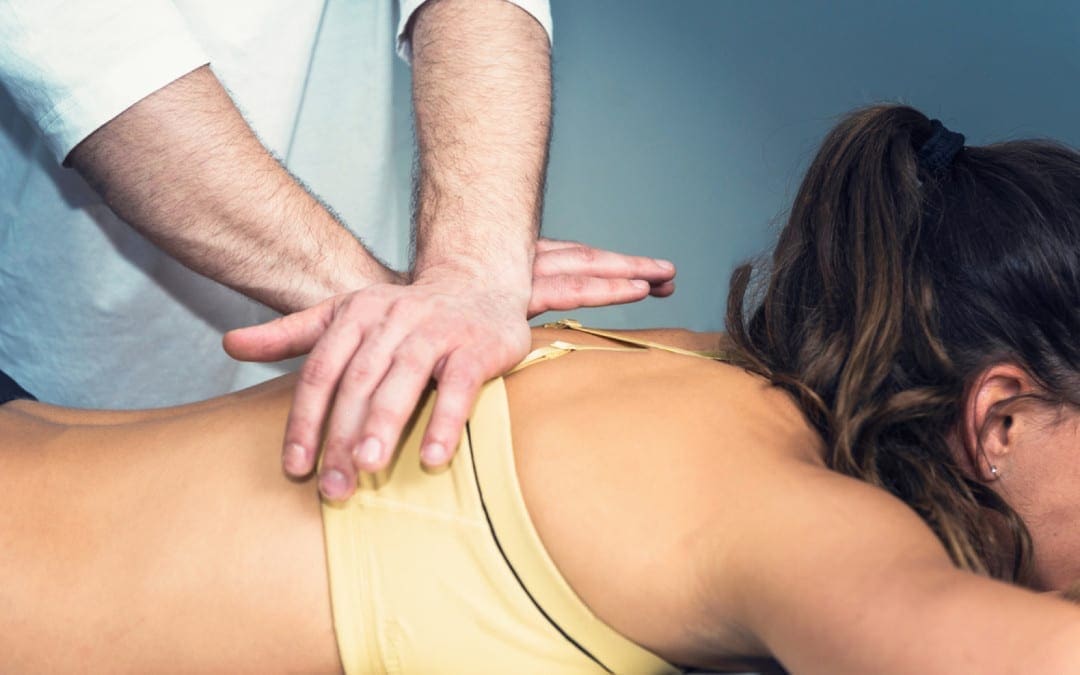
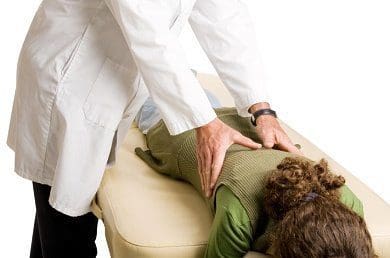
Doctor of Chiropractic, Dr. Alexander Jimenez reveals what the popping sound is during a spinal adjustment.
Chiropractic Care &�Back Pain
Has this happened to you? You are at the chiropractor getting treatment for your own back pain, and during a spinal adjustment, a sizable popping sound is heard by you. It seems somewhat alarming, does not it? Rest assured, though: That pop within a chiropractic spinal adjustment is totally ordinary.
During a back adjustment, your back experiences rapid, mild stretching of the spinal joint, which means you may hear a snapping or popping sound. This really is brought on by little pockets of air or bubbles, which are in the fluid that surrounds your joints. When joint tissues are extended throughout a chiropractic adjustment, the pockets of atmosphere “pop,” which creates that cracking sound you hear.
Following this treatment, you could feel in your back for more movement. But, the muscles may still be raw and tight.
Your chiropractor might also incorporate other chiropractic care treatments like muscle therapy. You must notice more back pain relief with each session.
Your chiropractor could also advocate preventive care, including specific exercises, and he/she might give you ergonomic tips on the best way to accurately bend and lift, in addition to how to take good care of your back while at your desk (if you work in a office). Doing specific exercises and maintaining good posture might help keep movement that is healthy in your back.
Is Chiropractic Care Right For You?
It is crucial that you consider that chiropractic care is not a cure all for all conditions that are back. Some backbone conditions that cause back pain may require a combination of treatments, or other treatments, for example surgery and drugs.
But in the event you have a condition that causes pain back and you need to test a non-operative treatment, chiropractic care can be an excellent treatment choice for you personally. But remember, you need to not be alarmed by a popping noise during a spinal adjustment�it’s ordinary in chiropractic care.
IFM's Find A Practitioner tool is the largest referral network in Functional Medicine, created to help patients locate Functional Medicine practitioners anywhere in the world. IFM Certified Practitioners are listed first in the search results, given their extensive education in Functional Medicine