El Paso TX. Chiropractor Dr. Alex Jimenez takes a look at medication for joint pain and how they can make the pain worse.
Non-steroidal anti-inflammatory drugs (NSAIDs) are as common as candy, a staple of every home medicine cabinet and tossed casually in desk drawers, purses, and briefcases. Many people take these drugs, which include ibuprofen (sold as Motrin and Advil), naproxen (Aleve), and aspirin, at the first sign of a�headache or muscle cramps � and they are a daily ritual for many people living with arthritis.
But few people realize that NSAIDs carry a black-box warning, the strictest warning issued by the Food and Drug Administration. �Most people think that the government or FDA would not allow something dangerous on the market, especially since most of them are over-the-counter and [used] without a prescription,� says integrative medicine expert Sunil Pai, MD, author of An Inflammation Nation. �A black-box warning is the FDA�s attempt to let you know that you can end up in a casket if you are unlucky enough to suffer one of a medication�s serious reactions.�
Not only have NSAIDs been linked to a slew of serious side effects, including ulcers, hearing loss, allergic reactions and miscarriages, but they can actually worsen some of the conditions, such as arthritis, they are supposed to help.
�The scientific literature makes it abundantly clear that NSAIDs�have a significant negative effect on cartilage,� which accelerates the deterioration of arthritic joints, says Pai. �NSAIDs have no beneficial effect on [cartilage] and speed up the very disease for which they are most used and prescribed.�
Even worse, NSAIDs do not address the underlying conditions that cause pain and inflammation, such as a leaky gut, and can even exacerbate them. Stress, infections, alcohol, and a poor diet can all irritate the gut lining and lead to a leaky gut, but so can NSAIDs.
�If you use a full therapeutic dose of NSAIDs for two weeks, there is a 75 percent chance you will develop a leaky gut that doesn�t go away when you stop taking the drug, Leo Galland, MD, tellsExperience Life magazine.
6 Simple Dietary Interventions To Fight &�Heal A Leaky Gut
So, how can people with acute or chronic inflammatory conditions fight pain naturally? Some simple dietary interventions go a long way towards fighting inflammation and healing a leaky gut.
1. Try an Elimination Diet
Removing common foods that can irritate the gut, including gluten, sugar, dairy, processed foods and soy, can jumpstart the healing process. Sugar (and refined grains, which turn to sugar in the body), for example, is one of the single biggest drivers of inflammation and its downstream consequences.
When sugar cravings strike, try roasting root vegetables or sweet potatoes. Roasting concentrates the natural sweetness of the plant, but the fiber slows down sugar absorption in the bloodstream.
2. Eat Whole Foods
Michael Pollen�s recommendation � �Eat food. Not too much. Mostly plants.� � Is great advice when it comes to naturally fighting inflammation. Eating a Standard American Diet (SAD) � high in processed foods, unhealthy fats, and sugars � is like pouring kerosene on inflammation�s fire. Eating whole foods, rich in phytonutrients, helps put out that fire.
One fun way to eat more plants? Strive to �eat the rainbow,� or get at least one whole food from all the different colors of the rainbow each day:
Animal protein doesn�t need to be avoided if it�s grass-fed and pastured. Instead, try to reverse the ratio on your dinner plate: Make meat the side dish and vegetables the main course.
3. Supplement with Glutamine
Glutamine helps heal your gut by fueling the cells in your gut lining. You could think of it as a leaky gut superhero. �Glutamine heals the intestinal lining more than any other nutrient,� Liz Lipski, Ph.D., CCN, author of Digestive Wellness, tells Experience Life.
4. Get Your Omega-3s
Omega-3 fatty acids are natural inflammation fighters. Good whole food sources of omega-3s include wild-caught fish, grass-fed meat, pastured eggs, algae, and seeds such as hemp, chia, and flax. A high-quality omega-3 supplement is also worth considering. Even on a largely whole-foods-based, it can be hard to get the recommended daily amount of omega-3s.
5. Drink Bone Broth
Bone broth is one of the best natural sources of collagen, a protein found in abundance in our ligaments, tendons, bones, and skin. The collagen in broth is easily absorbed by our tissues and can not only help promote healthier connective tissue and ease joint pain, but it can also help heal a leaky gut. The best bone broth is homemade�but increasingly high-quality bone broth is available for purchase at cooperatives and health food stores.
6. Consider Botanical First Aid
Many plants are powerful inflammation fighters. Turmeric may be the best known and most studied.�Recent research suggests that the active ingredient in turmeric (called curcumin) has anti-inflammatory, antioxidant, antiviral, antibacterial, antifungal, and anticancer activities on par with commonly prescribed arthritis drugs like Enbrel and Humira.
A lot of other plants and plant compounds show similar activity in the body, including ginger, bromelain (an enzyme found in pineapple), capsaicin (the active ingredient in hot peppers), and ginger. Consult your healthcare practitioner before taking botanical supplements.
Once you’ve developed symptoms of back pain, you may need to visit a physical therapist. A physical therapist will then work together with the patient to help restore their original mobility and help heal their body as a whole. Moreover, the therapist can also recommend a series of methods and techniques to help the individual minimize their pain and symptoms in the future.
Physical therapy includes both passive and active treatment options. Passive treatments are helpful for helping people relax while also helping the body heal. These are referred to as passive treatments because the patient does not need to actively participate in them to experience the benefits. Most physical therapy treatment plans may begin with passive treatment while the body begins to heal, however, the goal is to ultimately get the patient to participate in active treatments. Therapeutic exercises can help strengthen the body in order to help prevent future episodes of back pain.
Passive Treatments
A physical therapist may offer the following passive treatments including:
Deep Tissue Massage: This treatment method targets chronic muscle tension and/or spasms that build up as a result of daily life stress. Muscle tension or spasms can also be caused due to strains or sprains from sports injuries or trauma from an accident. A physical therapist can apply direct pressure and friction to the affected region in order to release the tension in the soft tissues, such as ligaments, tendons and muscles.
Hot and Cold Therapies: A physical therapist can alternate between using hot and cold treatment methods for a variety of symptoms. Through the use of heat therapy, for instance, the therapist can achieve an increased blood flow, bringing more oxygen and nutrients to the affected regions of the body. Good blood circulation is essential to remove waste products which may have manifested due to muscle spasms in addition to helping the patient heal. Through the use of cold therapy, for example, also referred to as cryotherapy, blood flow is decreased or slowed down to help reduce pain and inflammation from muscle spasms. Applying a cold pack to the affected region or an ice massage are common ways of applying cold therapy. Another option to cryotherapy is a spray called fluoromethane, which functions by cooling the tissues. After the application of ice to the affected area of the body, a physical therapist may help stretch the affected muscles to improve healing.
Transcutaneous nerve stimulation or TENS: A TENS machine helps stimulate the muscles through the use of electrical currents which help reduce muscle spasms by boosting the body’s production of endorphins, or the body’s natural pain killers. The TENS equipment a physical therapist utilizes can be considerably large, but smaller TENS units are available for use at home. Utilizing transcutaneous nerve stimulation can be beneficial.
Ultrasound: This form of treatment helps reduce muscle spasms, cramping, swelling, stiffness and pain by also increasing blood circulation. This is achieved by sending sound waves deep into the muscles and other tissues of the body, creating mild heat which functions to enhance blood flow.
Active Treatments
Active physical therapy treatments a therapist can perform includes guiding the patient through a series of stretches and exercises which can help improve the body’s overall strength, mobility, flexibility and stability. Each person’s physical therapy program should be specialized according to their specific needs and their type of injury or condition. Taking into consideration the individual’s specific quality of life, health and well-being, particularly for someone who has back pain symptoms, the physical therapist should develop a physical activity program which will best benefit the patient.
If needed, you may additionally need to learn how to correct your posture and incorporate ergonomic principles into your daily activities. This is all part of the “self-care” or “self-treatment” aspect of physical therapy: through physical therapy, you learn good habits and principles that enable you to take better care of your body. Your physical therapist may also suggest a personalized exercise program for you. This can help reduce the likelihood of your back pain recurring and can also improve your overall health and wellness.
The scope of our information is limited to chiropractic and spinal injuries and conditions. To discuss options on the subject matter, please feel free to ask Dr. Jimenez or contact us at 915-850-0900 .
By Dr. Alex Jimenez
Additional Topics: What is Chiropractic?
Chiropractic care is an well-known, alternative treatment option utilized to prevent, diagnose and treat a variety of injuries and conditions associated with the spine, primarily subluxations or spinal misalignments. Chiropractic focuses on restoring and maintaining the overall health and wellness of the musculoskeletal and nervous systems. Through the use of spinal adjustments and manual manipulations, a chiropractor, or doctor of chiropractic, can carefully re-align the spine, improving a patient�s strength, mobility and flexibility.
El Paso TX. Chiropractor, Dr. Alex Jimenez discusses ways�to assist you to get the care you’ll need at your next appointment. Dr. Michael J. Cooney, D.C�I�ve been treating patients with severe and chronic pain from around the corner in Rutherford, New Jersey to as far away as Australia and South Africa.
From our patient�s first reference to the past treatment office visit, the success of any pain treatment we prescribe is contingent upon us (the health care provider) correctly treating the root cause of your pain.
As the patient, just describing your intense pain or neuropathic pain is a high stakes� conversation that is �. I am able to read your medical history, attributing lab results and physician reports, however this really is secondary to understanding each patient�s pain mechanics. It is absolutely vital this is communicated to your pain management provider as correctly as possible.
For those fighting �invisible pain” such as fibromyalgia, CRPS (complex areas pain syndrome), RSD (reflex sympathetic dystrophy), diabetic neuropathy or long-term pain after cancer treatment, correctly communicating the place, frequency and depth of the discomfort can be especially demanding and emotionally taxing.
You might wish to bring this short article for your next doctor visit and go over each of the key pain description points I�ve outlined below.
I really hope your doctor will ask you these questions, but if not, you are able to behave as your own pain promoter and offer this information.
�Tell Me About Your Pain�
Based upon your medical records, we already know the reason behind your pain (injury or ailment). In order to restart your highest quality of life possible, our goal would be to remove or minimize this symptom.
Pain symptoms are private, subjective –and unique. (What Joe describes as �unbearable pain� could be considered �fairly disagreeable pain� to Mike). Through the years, I developed my own �pain diagnostic� conversation with patients to assist my team and I understand what, where, when and just how much pain patients are feeling.
I�ve outlined key points below:
Time Matters
This is key to a proper analysis. Don�t presume we know you�ve combated with this pain to get a month a year or a decade.
1.I�ve had this pain for _________________.
2.How frequently and how long does it last?
3.What ignites (flare) or lessens your pain and for how long?
Location, Location, Location
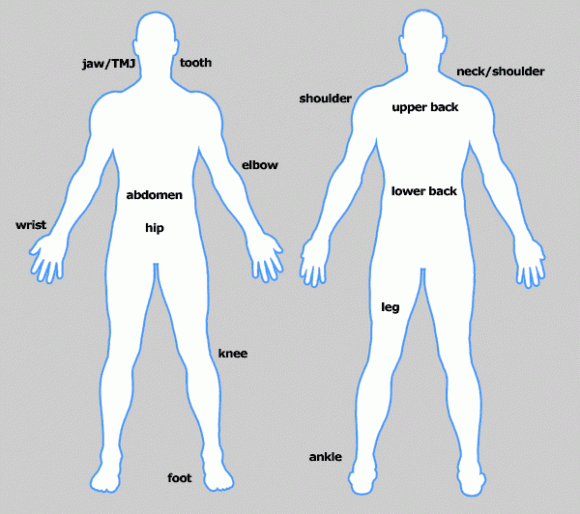
Graphic of a human body with a rear & front view (see above)
Doctors may instruct you to indicate the area/s where your pain is concentrated. They may also request that you notice a difference between pain which is on pain and the surface that’s below the surface.
The front and back of the unisex individual figure are the most identifiable, although this tool comes from the McGill Pain Questionnaire including other measurements.
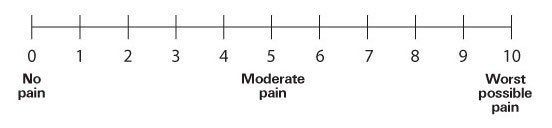
Most referring physicians, regardless of their medical specialty, utilize 1 to 10 point pain scale that is simple, so�I keep everyone on the same page.
This tool comes from the McGill Pain Questionnaire including other measurements, but the front and back of the unisex person body are the most identifiable.
How Bad Is Your Pain – Measurement Tool
Simply said, take into consideration where your pain level falls the majority of the time�unless you experience extreme pain changes.
No Pain
0 � Painfree
Manageable Pain
1 � Pain is quite mild, barely noticeable. You don’t think about it.
2 � Small pain. Annoying and may have occasional twinges that are stronger.
3 � Pain distracting and is noticeable, you may get used to it and adapt.
Moderate�Pain�Disrupts Regular Day-To-Day Living Tasks
4 � Moderate pain. If you should be deeply in an action, it may be blown off to get a time frame, but is diverting.
5 � Moderately strong pain. It can’t be dismissed for more than a few minutes, but you still can manage to work or participate in some social activities.
6 � Rather strong pain that interferes with normal daily activities. Difficulty focusing.
Severe�Pain�Disabling; Debilitating, Reduces Daily Quality Of Life, Cannot Live Independently
7� Severe pain that dominates your senses and significantly restricts your capability to perform ordinary daily tasks or maintain social relationships. Interferes with sleep.
8� Intense pain. Physical action is seriously limited. Conversing requires great exertion.
9. Not able to converse. Weeping outside or moaning uncontrollably.
10� Unspeakable pain. Perhaps and bedridden delirious. Mobility may be undermined.
�My Pain Feels Like��
Most of the time, patients experience one or two consistent pain �feelings� but some can experience a variety of sensations.
The most common pain kinds are:
Sharp stabbing pain
Extreme heat or burning sensation
Extreme cold
Throbbing, inflamed tissue
Susceptibility to contact / touching
Itching
Numbness, tingling, pins & needles
Create A Pain Journal
I motivate patients or their family members to document a weeklong pain cycle till they meet with chiropractic, their pain management or alternative medicine team.
Additionally, jot down any treatments or activities�that lessen or increase your discomfort.
As an example, maybe you have discovered that hot showers or cold weather allows you to feel worse, but exercise or Epsom salt baths makes the pain more manageable.
If you come prepared with all this information, your time with all the physician can be spent focusing on next steps and also a treatment plan, rather than a lengthy Q & A review of the information supplied here.
More importantly, addressing these issues beforehand will ensure your physician receives up-to-date, higher quality information.
Consequently, your case could be assessed more quickly and a pain management plan can be placed into action to begin removing or reducing your suffering as rapidly and efficiently as possible.
Neel Anand, MD demystifies common myths about back pain. Dr. Anand is the Director of Orthopedic Spine Surgery at the Cedars-Sinai Institute for Spinal Disorders in Los Angeles.
Your mother wasn�t entirely incorrect; hunching your back can definitely be bad for your spine. Nevertheless, the reverse is true also. Sitting up straight for too long without a rest may also add stress to the structures of the spine. Be sure to stand up, stretch, and take a quick walk several times a day to help you from developing complications which can lead to injury.
Conversely, a mattress that is too soft could lack the support necessary to allow appropriate movements. Studies reveal that the medium-firm mattress offers an ideal level of support to help prevent additional injury.
Exercise Behind Back Pain
A survey by the North American Spine Society revealed this as the number one misconception. Of course, in the event that you aren�t energetic all week and you participate in a strenuous activity soon after, you could readily experience injury. It’s possible for you to help prevent back pain by preparing your body for especially more intense work outs and the shock of everyday motions before engaging in physical activity with stretches and warm-up exercises to greatly help wake up muscle tissue. (Take a cue from professional sportsmen who factor stretching and warm ups within their daily routine.) By strengthening your core and torso, you strengthen your back. That means exercises focused on strengthening back muscles and your stomach together with cardio to improve your total fitness.
Other Causes for Back Pain
Getting older doesn�t mean life needs to be debilitating. While there are aches and pains which occur naturally with age, remaining physically fit through exercise helps keep our bodies strong, flexible and limber, making them extremely beneficial to your overall health and wellness. There are so many exercise options to try including Tai Chi, Pilates, yoga and other treatment options that range from acupuncture to complex treatment alternatives, surgical and nonsurgical, to physical therapy. The bottom line is, back pain is not something you should have to live with.
Back pain sufferers often claim that an improper twist caused their injury. However, that occasion was probably the end result of a great many other variables. Overdoing a workout, while lifting heavy things, using poor techniques, bad posture and particularly weight gain can all place strain on the spine and lead to seemingly �out of nowhere � spasms. Occasionally the issue is more serious, as with joint and disc disorders and injuries.
There are few things as relaxing as sinking into a warm tub, but after injuring your back, doing so could really make your situation worse by increasing inflammation. Healthcare specialists recommend applying ice to the affected region for 20 minutes at a time for the initial two or three days in order to be able to decrease pain and inflammation. Individuals who suffer with chronic back pain and who do not experience inflammation can find relief with a warm bathtub. Play it safe and check with your healthcare professional for the best treatment option.
Most people will experience some form of back pain in their life, but the majority will find relief through simple lifestyle changes such as exercise, over-the-counter anti-inflammatory medicines, physical therapy, or even simply by waiting it out. In fact, spine surgery is only recommended to a small percentage of patients after all other methods of treatment have proven futile. These patients frequently suffer from joint issues that cause persistent pain or degenerative back issues. Whether you comprehend the source of your back pain or not, a fear of movement shouldn’t ever prevent you from living.
The scope of our information is limited to chiropractic and spinal injuries and conditions. To discuss options on the subject matter, please feel free to ask Dr. Jimenez or contact us at 915-850-0900 .
By Dr. Alex Jimenez
Additional Topics: Weight Loss Eases Back Pain
Back pain and symptoms of sciatica can affect a majority of the population throughout their lifetime. Research studies have demonstrated that people who are overweight or obese experience more back complications than people with a healthy weight. A proper nutrition along with regular physical fitness can help with weight loss as well as help maintain a healthy weight to eliminate symptoms of back pain and sciatica. Chiropractic care is also another natural form of treatment which treats back pain and sciatica utilizing manual spinal adjustments and manipulations.
Chronic low back pain can be a challenge to treat, but new research suggests that massage therapy may provide some relief.
“Current medical guidelines actually recommend massage therapy prior to the use of opioid medications for lower back pain,” explained William Elder, the study’s principle investigator.
“Yet even with those guidelines, physicians and nurse practitioners are not recommending massage therapy,” said Elder. He’s with the University of Kentucky’s departments of family and community medicine and clinical services.
Low back pain is a common problem, and for most people, it’s short-lived. But for about 15 percent of people with low back pain, the problem becomes chronic and lasts more than three months, the study authors said.
There aren’t a lot of effective treatment options for chronic back pain, and physicians often prescribe opioid painkillers such as OxyContin or Percocet to ease the pain. But those drugs come with a risk of addiction.
Other possible treatments include exercise, steroid injections, behavior changes, chiropractic, acupuncture and surgery, according to the U.S. National Institute of Arthritis and Musculoskeletal and Skin Diseases.
The new study sought to simulate real-world back pain and treatment. Researchers asked physicians to recommend massage for people with chronic back pain.
Just over 100 study volunteers were then paired with an approved, experienced massage therapist in their area who assessed the problem and created a treatment plan. The study participants received 10 treatments, which they set up directly with their therapist.
More than half of the participants had less pain after 12 weeks and many continued to report reduced pain after three months.
The research also showed that massage therapy worked better with patients aged 50 years and older, although younger people benefited, too.
“These results are exciting because it shows that most doctors can refer their patients for massage as a treatment. It’s applicable to the real world,” said Elder.
“Some medical providers have taken interest in massage, but most don’t know which type would be helpful. We learned that just referring the patient to a massage therapist and letting them work to select the therapy is effective,” he added.
Dr. Anders Cohen, the neurosurgery division chief at The Brooklyn Hospital Center in New York City, recommends massage therapy to his patients as part of what he calls a comprehensive treatment plan.
“Massage is great way to break up adhesions and is great for soft tissue,” Cohen said. “If the back pain is a soft tissue issue, such as muscles and ligaments, it works great. Plus, there is the bonus of therapeutic touch.”
Patients in the study received the massage therapy free of charge. But, cost could also explain why some physicians recommend opioids instead. Cohen noted that massage prices vary, and may not be covered under some insurance plans.
Study co-author Niki Munk is a licensed massage therapist who’s with the Indiana University School of Health and Rehabilitation Sciences. She said the researchers saw that massage needs to occur regularly when someone begins treatment to reduce the pain.
Munk added that more research is needed on the ideal pain maintenance schedule. But the study authors think that once a level of comfort has been achieved, people can continue to manage their back pain through regular massage therapy on a schedule that fits their needs, such as once a month or every other month.
Munk also noted that selecting the right therapist is important.
“Look for a masseuse that you can establish a therapeutic relationship with over time,” she recommended.
“Chronic low back pain is a complex issue that can’t be cured from just a one-hour massage. Find a therapeutic massage clinic and ask questions about the therapist, such as their initial training and continuing education. Also, make sure that the therapist sets up a treatment plan that will work for you,” Munk said.
The study was published online recently in the journal Pain Medicine.
Many are confused about the benefits and value of chiropractic treatment. According to Dr. Billy DeMoss, a chiropractor with a practice in Newport Beach, who believes chiropractic is vastly underutilized.
He�s also the founder Cal Jam, one of the largest chiropractic teaching events in the world. I will have the privilege of speaking there later this year. Many will only consider chiropractic when they have back or neck pain, but its scope actually goes far beyond that.
�I try to get people to understand that your nervous system and your brain control every function of your body,� he says.
�When we have a condition in chiropractic we call subluxation, which is misalignment or dysfunction in the spine as far as mobility is concerned, it can cause nerve interference, which will interfere with the expression of intelligence that flows over the spinal cord and nerves.
It can contribute not only causing pain that most people perceive as a chiropractic problem but also can cause organs not to function 100 percent.�
Chiropractic as Preventive Medicine
Research by Dr. Dean Harrison and others suggests chiropractic treatments can help prevent progressive spinal degeneration, i.e. osteoarthritis or disc disease. Just like regular dental care will prolong the useful life of your teeth, getting regular chiropractic treatments can do the same for your spine.
Your spinal column, the vertebrae, and the discs, also protect your most delicate and important system � your nervous system � and impingements can contribute to a number of health problems and ailments.
According to DeMoss, anything you do to protect and nurture our spine will promote �greater expression of nerve intelligence� and �a higher vibrancy in health.�
�Healthcare is really about doing everything you can to get the body back in alignment, not only chemically but also spiritually and mentally.
Where I think chiropractic shines is that we address the cause of the problem. Somebody might have high blood pressure. Their high blood pressure is not due to the fact that they [lack] high blood pressure medication.
Your child might have asthma, but it�s not because he�s got a shortage of albuterol; an ear infection is not a shortage of amoxicillin. Those things have their place in a crisis situation. But [chiropractors] don�t look at the symptoms; we look at what caused the symptoms.
Many times if there�s nerve interference lowering the expression and function of organs, it can contribute to the body not functioning at 100 percent, which leaves it more susceptible to, as we in chiropractic say, �Dis-Ease� and then the body becomes sick or symptomatic.
What we like to do is look at the individual holistically and see what�s going on with their nervous system. �
A Brief History of Chiropractic
Osteopathic medicine was founded by Andrew Taylor Still about 140 years ago. As many of you know I�m a doctor of osteopathy (DO). DOs, like chiropractors, receive extensive additional training in spinal adjustments.
However, in my experience, only a small percentage of DOs are really skilled in this area as they have chosen a more conventional allopathic model, which includes more of an emphasis on drugs and surgery rather than diet and lifestyle changes.
Daniel David �D.D.� Palmer is considered the father of chiropractic. He opened the first chiropractic school in 1897. In 1910, the Flexner Report, which was funded by the Carnegie and the Rockefeller Foundations, set a new tone for medicine and led to the systematic undermining of natural medicine.
In the �60s, there was a persistent tendency to suppress physicians from referring patients to chiropractors � so much so that Dr. Chester Wilk ended up filing an antitrust suit against the American Medical Association (AMA) in 1976.
The lawsuit dragged on for more than a decade, but Wilk was ultimately successful. In 1987, the court ruled that the AMA had engaged in an unlawful conspiracy in restraint of trade to contain and eliminate the chiropractic profession.
How Children Can Benefit From Chiropractic
A large portion of DeMoss� patients are children. They don�t come in for pain issues, but rather your typical childhood problems such as earaches, allergies, and asthma, for example.
�Children are healing machines. As long as you get things properly lined up, their metabolism and capacity to heal is in there,� he says. �Sometimes you need to do more than cleaning up the diet and adjusting it.
Sometimes they need to be detoxified, whether it was from some type of possible toxic vaccine or from eating toxic foods. You�ve got glyphosate from GMOs �. preservatives � food colorings and additives � bromines.
You�ve got all these different things that can contribute to lowering the vibration of that patient�s healing potential, i.e. children �
It�s sad because I�ll see kids that come to me and it�s the same story over and over. It�s like, �He�s on his 12th round of antibiotics,� and I�m thinking to myself, �Why would you continue to do something if it didn�t work the first, second, third, or even fourth time? Why do you keep doing it?�
I�ve never taken an antibiotic. I�m fortunate. I wouldn�t take it unless I was on my death bed. The microbiome has become a hot topic lately. I�ve always known about that � When you just indiscriminately use an antibiotic � you�re destroying part of your � immune function.
The more antibiotics these kids take, the weaker their immune systems and the worse the symptoms get. That�s what I do as a chiropractor. I�m really good about adjusting. But I�m really an articulate teacher. I make it so that people can understand it.�
Not All Chiropractors Have the Same Philosophy
According to DeMoss, �chiropractic is like brushing your teeth;� it�s something you need to do on a regular basis to maintain the life of your spine, because regular activities, such as chronic sitting, can contribute to its functioning less than optimally. Granted, some chiropractors focus primarily on pain and injuries, and do not have the full skill set required to address issues like allergies or disease. So it�s important to make sure the chiropractor you choose has the appropriate vitalistic philosophy.
Most of DeMoss� patients come to him via word of mouth, and this is perhaps one of the best ways to find a good wellness chiropractor. You may also want to find out if he or she is trained in any other treatment modalities, such as muscle testing, applied kinesiology, or neuroemotional technique (NET). There are literally dozens of different techniques that can have a profound impact on addressing the bioenergetic component of disease, not just the structural.
Ask your friends for a recommendation. A friend who knows both you and the chiropractor may be able to judge whether your health philosophies and personalities are compatible.
Meet the doctor. Many chiropractors will agree to a no-cost consultation to determine whether you are a good match. To make this visit as productive as possible, here are a few things to consider:
1.Does the practice focus on vertebral subluxation and wellness? Physical, biochemical, and psychological stress may result in spinal subluxations that disrupt nerve function and compromise your health. If you�re looking for a wellness chiropractor, it�s essential that this be the focus.
Some chiropractors confine their practice to the mechanical treatment of back and neck pain, and this is something you need to be aware of beforehand.
2.Does the doctor �walk the talk�? If he or she is overweight, looks unhealthy, or does not live a healthy lifestyle, this speaks volumes regarding their commitment to wellness.
3.Do the two of you �click�? Do you like each other? Do you communicate well? Avoid a doctor who seems rushed, talks down to you, or seems disinterested in listening to your concerns.
4.Does the doctor use objective assessments of nerve function? Since your care is not based just on addressing pain, your chiropractor should be using some form of objective assessment of your nerve function, as spinal subluxations can sometimes be asymptomatic.
Non-invasive instruments that measure the electrical activity in your muscles, and/or a thermal scanner that evaluates the function of your autonomic nervous system can be used, for example.
5.What treatment techniques are used? Chiropractic techniques include low-force adjustments by hand, and more forceful adjustments using instruments. Ask which technique would be used on you, and if you have a preference, make sure the doctor is willing to use it.
As mentioned earlier, many chiropractors are also trained in other complementary techniques, so ask what else your doctor may have in his or her tool bag.
Chiropractic Is Good for More Than Just Pain
According to DeMoss, if you�re not healthy, chiropractic can often address the epigenetic and bioenergetic underpinnings. Naturally, diet and lifestyle play major roles, and DeMoss addresses all of those areas with his patients as well. To give you an example of what he�s talking about, a patient DeMoss has treated for 20 years told him about his daughter-in-law�s infertility problem.
She�d been trying to get pregnant for two and a half years, and they�d spent about $75,000 on infertility treatments, without any success.
�I said, �Gary, why didn�t you refer them here?� It doesn�t make sense to put the bun in the oven if the oven is not working. He didn�t think there was any correlation between her back and her capacity to become pregnant. I said, �I�m so confident, you don�t have to pay me until she becomes pregnant.� So he sent her in.
She was in her 10th week of care here when she became pregnant. He came in the other day and said, �OK. I owe you now.� He wrote me a nice check.
I want people to understand that when something�s not working in your body, there are things that we can do to make it work, other than drugs and surgery. It�s so sad that people have this limited belief set on what chiropractic is about. It�s more than just you coming in and seeing us as a Band-Aid to get rid of your pain.
In reality, I want people to come and utilize chiropractic to maximize their expression of life and maximize not only the quality but the quantity of the life that God have intended for them.�
Many people are exposed to dangerously loud sounds at work and at play, and most of them don’t wear ear plugs or take other steps to prevent hearing loss, a recent U.S. study suggests.
Almost 49 million adults work in very noisy conditions, and more than one-third of them never use hearing protection, the study found. Among leisure pursuits, firearms pose a particular risk and just 59 percent of the 35 million U.S. gun users represented in the study wear hearing protection all the time.
“The problem here is both the number of people using firearms and the potential noise-inducing hearing loss from the repeated gunfire,” said senior study author Dr. Neil Bhattacharyya of Harvard Medical School and Brigham and Women’s Hospital in Boston.
“A rifle has an extremely loud single burst of sound and if you are firing hundreds of rounds, that can be very damaging, particularly without hearing protection,” Bhattacharyya said by email.
To assess how often U.S. adults are exposed to loud noise and how regularly they take steps to protect against hearing loss, researchers examined 2014 survey data representing 240 million people.
Overall, 22 percent were exposed to “very loud” sounds at work requiring them to shout to be heard at arm’s length. The exposures were for at least four hours a day, several days a week.
Roughly one in five people were exposed to loud sounds outside of work, and 62 percent of them didn’t use hearing protection, researchers report in The Laryngoscope.
With firearms, researchers found that one in five people who shot more than 10,000 rounds of ammunition in the past year never used hearing protection. Most of the firearm-related noise exposure came during recreational shooting.
Lawn mowers were the most common source of non-occupational noise exposure.
Almost two-thirds of people around loud noises during recreational activities never used any hearing protection.
One limitation of the study is that it only included one year of survey data, the authors note. It also didn’t have medical records to document specific hearing or health problems associated with noise.
“Untreated hearing loss is associated with increased stress, depression and social withdrawal, and may exacerbate problems for those with cognitive changes such as dementia,” said Dr. Jennifer Derebery of the House Ear Clinic and Institute and the University of California Los Angeles David Geffen School of Medicine.
If people aren’t sure whether the noise around them is loud enough to damage their ears, they can get a sound meter app for their phone and use ear plugs or other protection whenever the app shows the sound is too loud, Derebery, who wasn’t involved in the study, said by email.
And there are good options for people to wear when they still need to hear the sounds around them, a concern for many hunters and concert goers.
“There are outstanding electronic ear muff and ear plug options that solve many of the complaints that recreational shooters and hunters have related to conventional hearing protection,” said Colleen Le Prell, an audiology researcher at the University of Texas at Dallas who wasn’t involved in the study.
“They allow quiet sounds, such as speech and sounds the hunter might be making as they walk, to be not only delivered but amplified, which can be very useful with someone who already has some hearing loss,” Le Prell said by email. “Hearing loss can be prevented, with the consistent and correct use of hearing protection devices.”
IFM's Find A Practitioner tool is the largest referral network in Functional Medicine, created to help patients locate Functional Medicine practitioners anywhere in the world. IFM Certified Practitioners are listed first in the search results, given their extensive education in Functional Medicine