El Paso, TX. Chiropractor Dr. Alex Jimenez examines if sciatica can radiate to the arms.
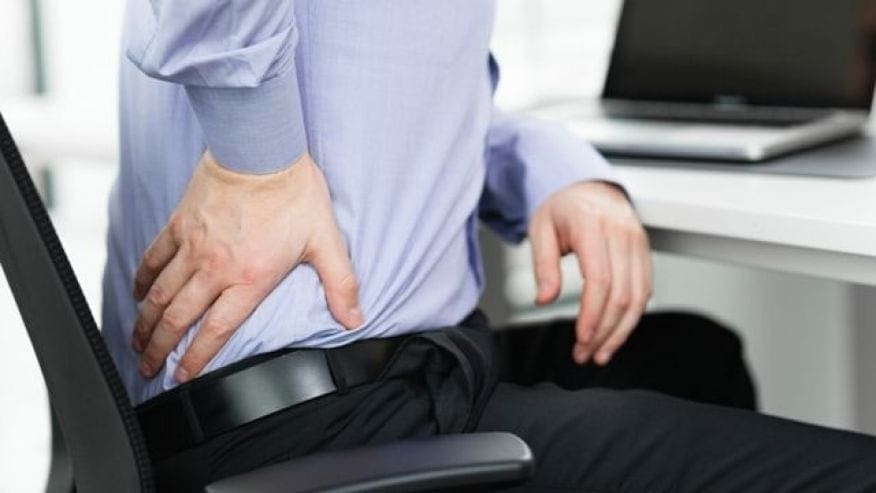
Muscular pain that comes on suddenly in your lower back is indicative of a muscle spasm. Your muscles will feel as though they have locked up, and the pain can be unbearable.
Sciatica
Several lumbar spine (lower back) disorders can cause sciatica � Sometimes doctors call sciatica a radiculopathy. Radiculopathy is a medical term used to describe pain, numbness, tingling, and weakness in the arms or legs caused �
No the sciatic nerve only affects the legs. No the sciatic nerve only affects the legs. Yes it can � a number of years ago i was in a car accident that left me with sever whiplash. as the years went on and i grew older the nerves between c6 �
Sciatica is defined as a severe pain in a leg along the course of the sciatic nerve. The pain is felt in the back of the leg running from the buttock down �
Another important stretch that I usually prescribe is a lumbar extension stretch. This one is especially important if the cause of your sciatic nerve pain is due to a �
Recovery time after back surgery for a herniated disc can take several weeks to months as the muscles and ligaments in the back heal. Most people who undergo such a surgery will find relief from their previous � There is also a danger of damaging the nerves of the back and spine.
Relief, Washington
Many people suffer from sciatica, a painful lower back condition caused by a pinched nerve. Sciatica can cause severe mobility problems and debilitating pain. In serious cases, the condition can lead to progressive lower extremity �
You can�t help but notice the biting, shooting pain that comes with sciatica. This condition affects the sciatic nerve that runs across the buttock and down the �
It is a widely accepted theory that a pinched nerve cause chest pain. These pinched nerves occur when exceeding amounts of pressure applied to surrounding bones �
El Paso, TX. Chiropractor Dr. Alex Jimenez examines scoliosis.
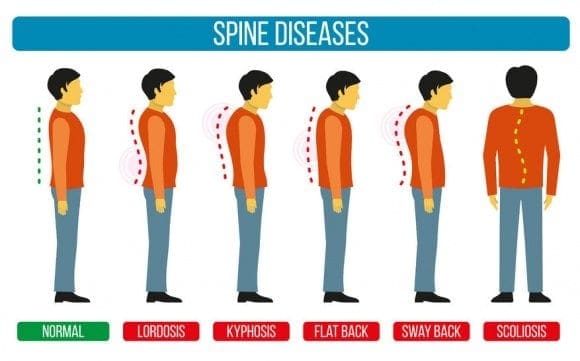
We all have curves in our backs, but scoliosis causes the spine to curve in the wrong direction. It causes sideways curves, and those are not the same as the normal curves of the spine. In case you looked at your spine from your side, you had see it curves out at your neck (cervical spine), in at your mid-back (thoracic spine), and out again at your low back (lumbar spine). Your back is likely to curve that way.
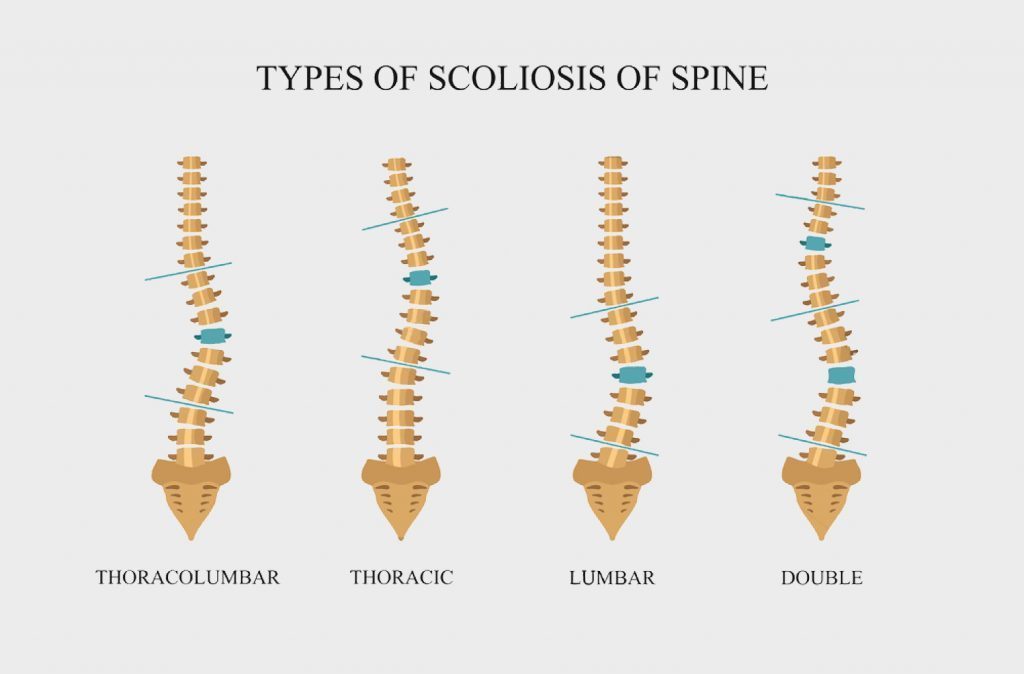
However, if your spine was looked at by you from behind, you shouldn’t see any curves. When there are sideways curves in the back from the back view, that is scoliosis. The curves can seem like an “S” or a “C.”
Spine Anatomy: Quick�Lesson
You first need to know what a healthy back looks like, to comprehend scoliosis. You will find four areas in your back:
Cervical Spine:
That is your neck, which begins at the base of your skull. It features seven little spinal bones (called vertebrae), which doctors label C1 to C7 (the “C” means cervical). The numbers one to seven signify the level of the vertebrae. C1 is closest for your skull, while C7 is closest to your torso.
Thoracic Spine:
Your mid-back has 12 vertebrae which are labeled T1 to T12 (the “T” means thoracic). Vertebrae in your thoracic spine connect to your own ribs, making this a part of your back comparatively stiff and stable. Your thoracic spine doesn’t move as the other areas of your back.
Lumbar Spine:
In your low back, you’ve got five vertebrae that are tagged L1 to L5 (the “L” means lumbar). These vertebrae are your strongest and biggest vertebrae, responsible for carrying lots of the weight of your body’s. The lumbar vertebrae are also your last “authentic” vertebrae; down from this region, your vertebrae are fused. The truth is, L5 may be fused with part of your sacrum.
Sacrum & Coccyx:
The sacrum has five vertebrae that usually fuse by adulthood to form one bone. The coccyx�commonly known as your tail bone�has four (but occasionally five) fused vertebrae.
Normal Spinal Curves: Lordosis & Kyphosis
When viewed in the side, you can observe the spine has both outward and inward curves. These curves help your back are also very important to flexibility and hold your weight.
There are just two types of normal curves in your back, and they’re called lordosis and kyphosis. Kyphosis means the spine curves inward, and lordosis means the spine curves out.
There are two spinal curves that are lordotic and two kyphotic in an ordinary back. Your cervical and lumbar spinal columns each possess a lordotic curve. Sacrum and your thoracic back have kyphotic curves.
While lordosis and kyphosis refer to a healthy curvature in your back, in addition they describe abnormal spinal curves which might be different than scoliosis. Lordosis that is strange is an extreme inward spinal curve. Kyphosis that is strange is a state that results in a hunchback or slouching posture, and you also will read about it in our Kyphosis Center.
Types Of�Scoliosis
Scoliosis is ordinarily associated with kids, but adults can have it, also. This generally occurs the disorder progresses aggressively or when scoliosis is not discovered during childhood. Most cases of scoliosis�more than 80%, in fact�are idiopathic, meaning they don�t possess a cause that is known.
Listed here are the various kinds of scoliosis:
Infantile idiopathic scoliosis is diagnosed in kids ages 0 to 3.
Congenital scoliosis happens when the spine doesn’t grow properly in the womb.
Neuromuscular scoliosis is caused by brain, spinal cord, and muscular system disorders..
Syndromic scoliosis grows as part of an illness or an underlying syndrome.
Juvenile idiopathic scoliosis is diagnosed in kids ages 4 to 10.
Adolescent idiopathic scoliosis is diagnosed in young people ages 11 to 18.
Adult degenerative or idiopathic scoliosis is diagnosed in individuals older than 18.
Along with the types noted above, your back specialist may refer to your scoliosis early-onset scoliosis�a term for scoliosis detected before 10 years of age. Syndromic scoliosis, congenital scoliosis, neuromuscular scoliosis, infantile idiopathic scoliosis, and juvenile idiopathic scoliosis may all be considered early-onset scoliosis.
Treating Scoliosis
Scoliosis brings up images of braces and perhaps memories of being examined for it by the school nurse. Bracing is one of the most common treatment choices for scoliosis as the curve may be fixed by it without back surgery.
Sometimes, though, the curve is too extreme and bracing does not help enough. Because scenario, you could have scoliosis surgery to correct the curve. You can find out more on the topic of surgical treatment for scoliosis in scoliosis surgery for scoliosis and adults operation for kids.
For kids, particularly, it can be frightening to learn they have scoliosis. Having that label makes them different at a time in their own lives when they do not need to be different. They may not enjoy the concept of wearing a brace, either. But scoliosis is nothing to be scared or ashamed of. With the correct treatment, scoliosis doesn’t have to define your life.
A European Medicines Agency panel said on Friday it recommended granting marketing approval to Sanofi and Regeneron’s experimental drug to treat rheumatoid arthritis.
The Committee for Medicinal Products for Human Use gave a positive opinion on the drug, Kevzara, citing its ability to reduce the signs and symptoms of rheumatoid arthritis.
Sarilumab, the active substance of Kevzara, a treatment for adult patients with moderate to severe rheumatoid arthritis, works by blocking a protein called IL-6, which is associated with inflammation.
The panel’s opinion will now be reviewed by the EMA.
In October, U.S. regulators declined to approve sarilumab because of manufacturing deficiencies at a Sanofi plant in France.
Regeneron said in February that it was planning to resubmit a marketing application to the U.S. Food and Drug Administration for sarilumab.
The drug has already been approved by Canadian health regulators to treat rheumatoid arthritis.
More than 23 million people worldwide suffer from rheumatoid arthritis. Current treatments include the widely used methotrexate as well as non-steroidal anti-inflammatory drugs.
Other IL-6 inhibitors for rheumatoid arthritis include Roche Holding AG’s approved Actemra and Johnson & Johnson’s experimental sirukumab.
Last Friday, the FDA declined to approve a new rheumatoid arthritis drug, Olumiant, made by Eli Lilly and Co and partner Incyte Corp.
Call your spine specialist in case you feel you may have developed sciatica. (Should you not already have a healthcare professional who specializes on spine health, you can ask a primary healthcare provider for recommendations).
You may have sciatica in the event that you’re experiencing symptoms,such as shooting pain down one or the two of your legs, or in case you have been experiencing weakness or tingling in your legs.
Through your medical visit, your physician or back specialist will ask you questions and perform some basic exams to try and identify the reason for your sciatica and create a treatment strategy for you�a method to control your pain as well as other symptoms also to help you recover. There are several spinal ailments which may lead to sciatic pain. Your treatment plan will be depending on the cause of your pain, so it’s vital that you get a precise diagnosis.
What to Expect During Sciatica Evaluations
First, your back specialist will ask about your present symptoms and remedies you’ve got already attempted. He or she will even ask some typical questions, like:
When did the sciatic nerve pain start?
Where would you sense pain? Is it all the way down your leg? Is it in both? Does it halt at your knee?
On a scale from 1 to 10, with 10 being the worst pain imaginable, rate your pain.
Are you really experiencing tingling or weakness in your legs and/or feet?
What actions did you recently do?
Does walking downhill or uphill increase pain?
What have you ever done with this sciatic nerve pain? Maybe you have attempted exercises or special drugs?
Does anything reduce the pain or allow it to be worse?
Neurological and physical examinations will be also performed by your healthcare professional.
In the physical examination, your doctor will find your position, range of motion, and physical state, noticing any movement that causes you pain. Your physician feel for muscle spasm, note alignment and its curvature, and will feel your back.
During the neurological examination, your back specialist will test your reflexes, muscle strength, and other nerve changes.
You will need to have some imaging tests, to diagnose the cause of your sciatica. You could have an x ray or a computed tomography (CT or CAT) scan. When it’s possible you might have a herniated disc or spinal stenosis that is causing your sciatica, your physician may order a magnetic resonance imaging (MRI) evaluation.
Together, all these various assessments and evaluations will give your doctor a more complete picture of your sciatic nerve pain. Using this information, he or she will most likely be able to make a diagnosis of the underlying cause of your sciatica.
The scope of our information is limited to chiropractic and spinal injuries and conditions. To discuss options on the subject matter, please feel free to ask Dr. Jimenez or contact us at 915-850-0900 .
By Dr. Alex Jimenez
Additional Topics: Whole Body Wellness
Following a balanced nutrition as well as engaging in regular physical activity and sleeping properly are all proper lifestyle habits which can help increase and maintain overall health and wellness. Many common complications associated with improper lifestyle habits, such as obesity, diabetes, heart disease and cancer, however, the risk of developing these can be prevented with a few lifestyle changes. In addition, visiting a chiropractor and receiving chiropractic care can help maintain and improve the overall health of the spine as well as its surrounding structures.
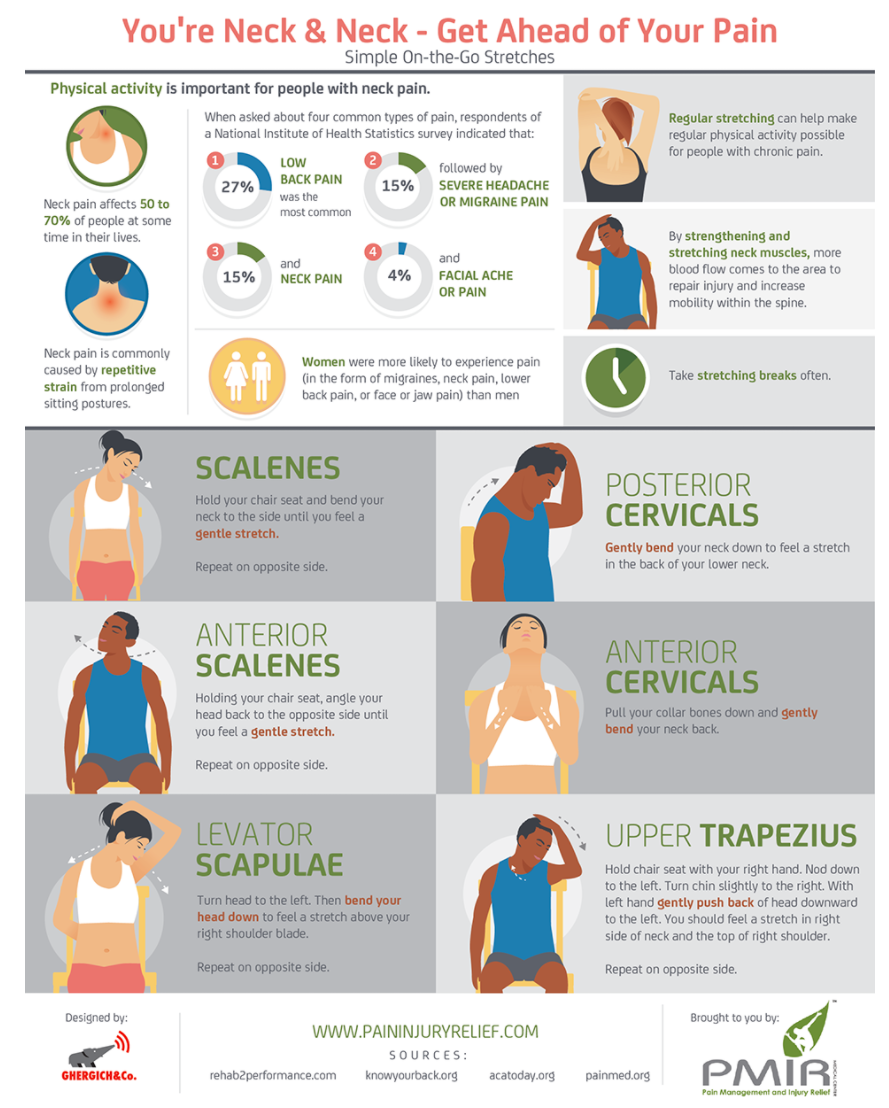
El Paso, TX. Chiropractor Dr. Alex Jimenez looks at stretches for neck pain.
Your neck is one of the hardest working parts of your body.�It is serves us well as a source of strength and balance. When it�s out of whack, your neck can be a source of unending distress. �Let�s face it�today�s use of technology has our necks being put to use in ways it was never intended. �Did you know that looking down at your phone can sometimes exert as much pressure as the equivalent of a 40lb weight?
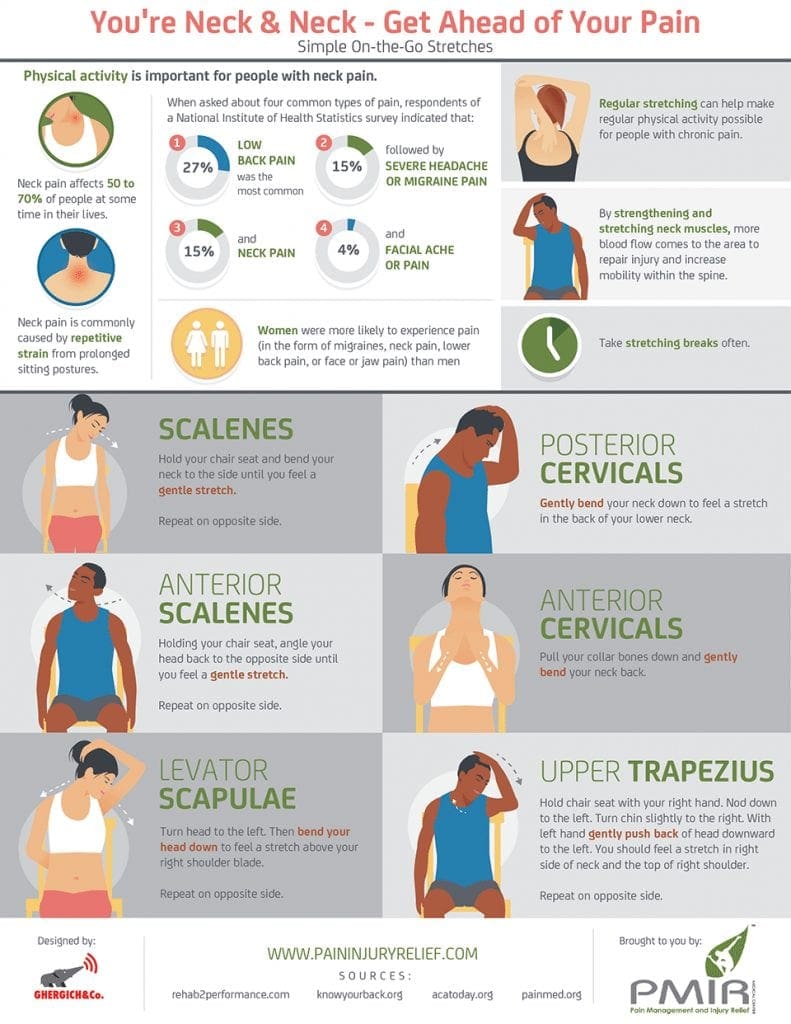
Unfortunately for the vast majority of people, neck pain will affect them at some point in their lives. Women are more prone to neck pain but men definitely have their fair share as well.
One Of The Reasons Our Necks Pay A Price… We Sit A Lot
Whether it is at home in front of the TV or electronics or at work in front of the computer, our necks get a work out! Distresses on the neck are felt in many ways, including but not limited to: low back pain, severe headache, migraines, or even facial aching and tenderness.
What are some of the gentle ways you can give your neck a break? Good question, we are glad you asked! Thankfully, stretching our neck muscles regularly is easy to do and it can help relieve and prevent neck pain.
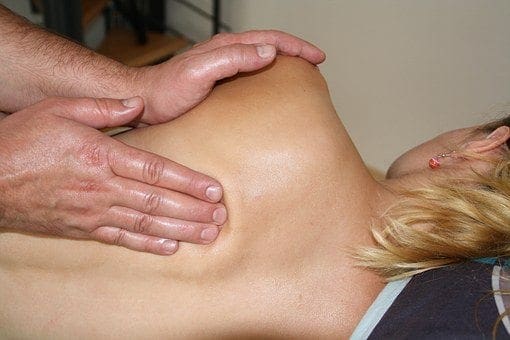
Chronic low back pain can be a challenge to treat, but new research suggests that massage therapy may provide some relief.
“Current medical guidelines actually recommend massage therapy prior to the use of opioid medications for lower back pain,” explained William Elder, the study’s principle investigator.
“Yet even with those guidelines, physicians and nurse practitioners are not recommending massage therapy,” said Elder. He’s with the University of Kentucky’s departments of family and community medicine and clinical services.
Low back pain is a common problem, and for most people, it’s short-lived. But for about 15 percent of people with low back pain, the problem becomes chronic and lasts more than three months, the study authors said.
There aren’t a lot of effective treatment options for chronic back pain, and physicians often prescribe opioid painkillers such as OxyContin or Percocet to ease the pain. But those drugs come with a risk of addiction.
Other possible treatments include exercise, steroid injections, behavior changes, chiropractic, acupuncture and surgery, according to the U.S. National Institute of Arthritis and Musculoskeletal and Skin Diseases.
The new study sought to simulate real-world back pain and treatment. Researchers asked physicians to recommend massage for people with chronic back pain.
Just over 100 study volunteers were then paired with an approved, experienced massage therapist in their area who assessed the problem and created a treatment plan. The study participants received 10 treatments, which they set up directly with their therapist.
More than half of the participants had less pain after 12 weeks and many continued to report reduced pain after three months.
The research also showed that massage therapy worked better with patients aged 50 years and older, although younger people benefited, too.
“These results are exciting because it shows that most doctors can refer their patients for massage as a treatment. It’s applicable to the real world,” said Elder.
“Some medical providers have taken interest in massage, but most don’t know which type would be helpful. We learned that just referring the patient to a massage therapist and letting them work to select the therapy is effective,” he added.
Dr. Anders Cohen, the neurosurgery division chief at The Brooklyn Hospital Center in New York City, recommends massage therapy to his patients as part of what he calls a comprehensive treatment plan.
“Massage is great way to break up adhesions and is great for soft tissue,” Cohen said. “If the back pain is a soft tissue issue, such as muscles and ligaments, it works great. Plus, there is the bonus of therapeutic touch.”
Patients in the study received the massage therapy free of charge. But, cost could also explain why some physicians recommend opioids instead. Cohen noted that massage prices vary, and may not be covered under some insurance plans.
Study co-author Niki Munk is a licensed massage therapist who’s with the Indiana University School of Health and Rehabilitation Sciences. She said the researchers saw that massage needs to occur regularly when someone begins treatment to reduce the pain.
Munk added that more research is needed on the ideal pain maintenance schedule. But the study authors think that once a level of comfort has been achieved, people can continue to manage their back pain through regular massage therapy on a schedule that fits their needs, such as once a month or every other month.
Munk also noted that selecting the right therapist is important.
“Look for a masseuse that you can establish a therapeutic relationship with over time,” she recommended.
“Chronic low back pain is a complex issue that can’t be cured from just a one-hour massage. Find a therapeutic massage clinic and ask questions about the therapist, such as their initial training and continuing education. Also, make sure that the therapist sets up a treatment plan that will work for you,” Munk said.
The study was published online recently in the journal Pain Medicine.
El Paso, TX. Chiropractor Dr. Alex Jimenez examines good health and wellness.
Most individuals will experience neck or back pain at some time in their own own lives. Neck pain and back are among the leading causes of disability worldwide, along with the number of cases is increasing. Some factors behind this are increased usage of cellular devices bad position, and unhealthy lifestyle choices.
Though it’s not necessarily possible to stop neck and back pain, you will find steps individuals can take to help decrease the chance it is going to occur.
Why good posture?
One of the most important approaches to ensure your spine stays healthy would be to keep good posture. A healthy back has three natural curves� an external curve at the upper back an inward curve at the neck, and an inward curve at the low back. Proper bearing helps maintain these curves that are natural and puts minimal pressure in your joints. Defective bearing does the opposite. It may stress or pull muscles, causing pain and musculoskeletal imbalances in the back, neck, and extremities. Some typical postural blunders rounding your shoulders are positioning your face too much forward, and slouching so you lose the normal curve in the lower back.
Cellular Devices &�Neck Pain
The increasing use of cellular devices can bring about inferior spine health, influencing our posture and body mechanics in ways that are unhealthy. Kenneth K. Hansraj, MD, the Chief of Spine Surgery at New York Spine Surgery and Rehabilitation Medicine, created a computer model of the cervical spine that demonstrated how use of mobile devices directly contributes to neck pull. In an article published in Surgical Technology International, Dr. Hansraj, MD, revealed that neck pull increases as the forward angle of the head increases, as it does when you look down at your cell phone or tablet. As you lean your head, you round another aspect of poor position, your shoulders. All this surplus strain creates additional wear and tear on the structures of the neck, upper spine and back, and can result in spinal degeneration that could need surgery.
Body Mechanics &�Prevention Tips
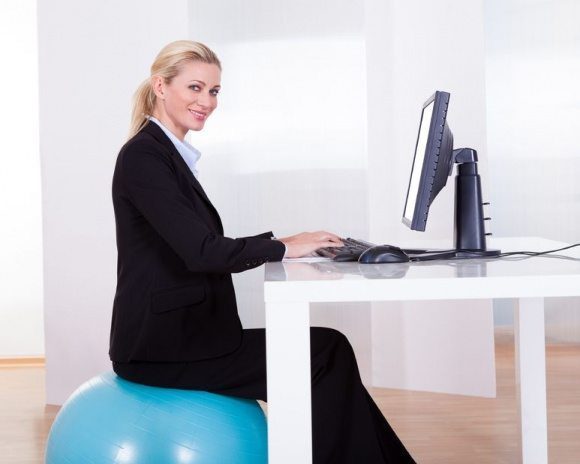
Good posture and placement is particularly important when you’re bending over, squatting, and when you are lifting things. When lifting boxes or alternative things you should avoid twisting your body. But it also is crucial to keep good posture while standing and sitting. It really is a lot more crucial that you develop a good ergonomic working arrangement to safeguard your spine with people spending increasing quantities of time at work,. Over time, poor sitting posture and workplace ergonomics can damage spinal structures and contribute to persistent or persistent back and neck pain.
Sleep Time
One other place people spend a sizable percentage of the time is in bed. That makes it vital to truly have a mattress that enables you to have a supporting and restful slumber. The identical natural spinal alignment you have is maintained by a mattress that is good when standing and will help prevent back pain.
Eat Well &�Exercise Frequently
The diet and exercise choices you make might assist you to protect your back. Exercise can help prevent back pain and neck pain by strengthening the muscles supporting your vertebrae. Strength training, flexibility training, and aerobic exercise are part of a healthy exercise routine, and every type of exercise contributes to spinal health. Great nutrition also is crucial to helping us reach our optimum well-being and feel our best. A nutritious diet along with exercise also assist you to keep a healthier weight, that is just another approach to simply help make sure your back is not overstrained.
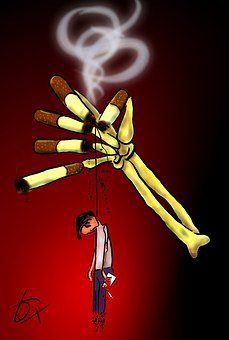
Smoking, Your Brain, Chronic Back Pain & Bone Health
Another lifestyle alternative that’s damaging to spine health is cigarette smoking. Researchers from Northwestern University conducted a study demonstrating that smokers are three times more likely than nonsmokers to develop chronic back pain. �Smoking affects the brain,� according to scientist Bogdan Petre, who headed the study, which was published on the internet in the journal Human Brain Mapping. �We found that it appears to make people less resilient to an episode of pain and changes the way the brain responds to back pain.�
Smoking also reduces bone density, which increases the risk for osteoporosis along with other degenerative spine conditions, and it can reduce the success of spinal fusion. People who are facing fusion or any back surgery should make every endeavor to avoid smoking. The associated dangers will reduce and raise the probability of an effective spinal fusion surgery.
IFM's Find A Practitioner tool is the largest referral network in Functional Medicine, created to help patients locate Functional Medicine practitioners anywhere in the world. IFM Certified Practitioners are listed first in the search results, given their extensive education in Functional Medicine