by Dr Alex Jimenez DC, APRN, FNP-BC, CFMP, IFMCP | Chiropractic
You probably know turmeric as the bright, pungent spice that features in many Indian curry dishes. But according to food writer Tori Avey, in an article for PBS Food, turmeric has been used as medicine for the past 4,500 years. Avey explains in the Indian Ayurvedic (�science of life�) tradition, turmeric is revered for its anti-inflammatory properties, as well as its ability to treat congestion, wounds, bruises and other skin conditions, including smallpox and shingles.
Though turmeric is delicious in eggs, rice, soups and smoothies, as recommended by The Kitchn, it can also be mixed with other household ingredients to make topical treatments and ointments to heal everything from acne to cancer.
1. Heal cuts and wounds. The active ingredient in turmeric is curcumin, a powerful anti-inflammatory, anti-bacterial and anti-viral agent. Therefore, according to Turmeric for Health, the spice prevents bacterial infection in open wounds, relieves inflammation and pain, and helps form new skin cells to close wounds. To use turmeric to heal wounds and cuts, simply apply turmeric powder directly to the wound. For additional benefits, you can mix turmeric with linseed oil or ginger paste in order to reduce pain.
2. Facial cleanser and acne treatment. Make an organic facial cleanser using 1/4 teaspoon turmeric powder, 1/4 teaspoon neem oil (made from a tropical tree native to India and the Indian subcontinent) or substitute the neem oil for organic, free-range milk, and 1- 3 drops of lavender oil or coconut oil. According to Healthy Holistic Living, this face mask is especially good for preventing acne breakouts because both the turmeric and neem oil or milk have anti-fungal properties. Livestrong recommends letting the paste dry on your face for 30 minutes to help heal acne scars.
3. Reduce inflammation. An article on WebMd explains the active ingredient in turmeric, curcumin, is known to decrease inflammation and swelling. Because of this special property, it has been used to treat inflammatory diseases ranging from Rheumatoid arthritis to Crohn�s disease and from eye inflammation to gingivitis. Livestrong recommends drinking homemade turmeric tea in order to reduce inflammation. To make the tea, boil 4 cups of water with one teaspoon of ground turmeric. Let the tea simmer for 10 minutes and then strain it into a cup. You can add ginger for an extra kick against inflammation.
4. Fight against cancer. According to Cancer Research UK, the curcumin in turmeric has anti-cancer properties. Studies have shown its effectiveness at killing cancer cells and preventing more from growing, especially in breast, bowel, stomach and skin cancer. NutritionFacts.org explains how applying a topical ointment made from turmeric can treat cancers of the skin, mouth and vulva. To make your own turmeric ointment, simply mix store-bought turmeric powder with vaseline and rub it on your cancer three times daily. Patients who suffered from ulcerated cancers that smelled and itched were highly surprised to find the turmeric ointment not only reduced smell and itch, but it also healed lesions.
5. Ease the pain of Psoriasis. Psoriasis is an autoimmune disease characterized by patches of red, itchy and scaly skin. It can be painful and irritating and the fact that there are no known cures can cause patients much stress and anxiety. There is hope, however. A study published in the Journal of Cosmetics, Dermatological Sciences, and Applications, found that after 16 weeks of applying a gel made from curcumin, while avoiding allergens and dairy products, as well as continuing the use of topical steroids and antibiotics, almost three-quarters of patients were completely cleared of symptoms. To use turmeric topically, Healthline recommends making a thick paste by simmering one part turmeric and two parts water in a saucepan.
6. Treat Eczema. Jen, of the blog Eczema Holistic Healing, posted a series of personal photographs to show the positively amazing effects of a turmeric face mask on eczema around the mouth. Jen�s simple home remedy was made using a dash of turmeric and a spoonful of organic virgin coconut oil. She mixed the two ingredients and used it on her dry and scaly skin. After just one day, she saw a visible difference and after four days, was completely relieved of flaking, cracking, irritated skin.
7. Boost oral health and hygiene. You might be surprised to hear that a bright yellow spice used for centuries to dye textiles is good for oral health. But in fact, a study published in the Journal for Contemporary Dental Practice found that turmeric is equally effective as a mouthwash as typical store-bought products in preventing plaque and gingivitis. Further, the anti-cancer properties of turmeric make it effective for combatting cancer growth, according to a study published in the International Journal of Oncology. To make your own turmeric mouthwash, simply stir turmeric powder into warm water, according to The Alternative Daily. You can also dissolve 10 mg of turmeric extract in 100 ml of water and add peppermint oil for flavoring. Turmeric for Health suggests making a toothpaste using 1 teaspoon of turmeric, 1/2 teaspoon of salt and 1/2 teaspoon of mustard oil.
8. Decrease signs of aging. Multicultural Beauty Expert Gerrie Summers claims turmeric is an excellent skin polisher. Her homemade recipe should become a regular part of your beauty routine to combat signs of aging. To make Summers� skin polisher, mix 1 tablespoon of gram or chickpea flour with 1/4 teaspoon of turmeric and 2 teaspoons of milk. The flour will prevent the turmeric from staining the skin, while also helping to shed dead skin. Milk is used to firm the skin and to slow the formation of wrinkles. Rub the mixture onto your skin and let it dry for 10 minutes. Gently wipe the mask off with your fingertips and then rinse your face with lukewarm water. You can also use a combination of turmeric, gram flour, jojoba oil, lemon juice and milk in order to make a skin brightener that hides age spots and reduce wrinkles.
We hope you find these turmeric home remedies helpful in treating ailments from common cuts and pesky acne, to chronic conditions and harmful cancers. Tell us how turmeric has helped you and SHARE this article on social media!
by Dr Alex Jimenez DC, APRN, FNP-BC, CFMP, IFMCP | Chiropractic
Sleeping is vital for every human being, and every person sleeps around 7-9 hours every night, or, on average, 25 years in his lifetime.
Yet, what is also crucial is to always sleep in a proper position in order to enjoy the benefits of sleep.
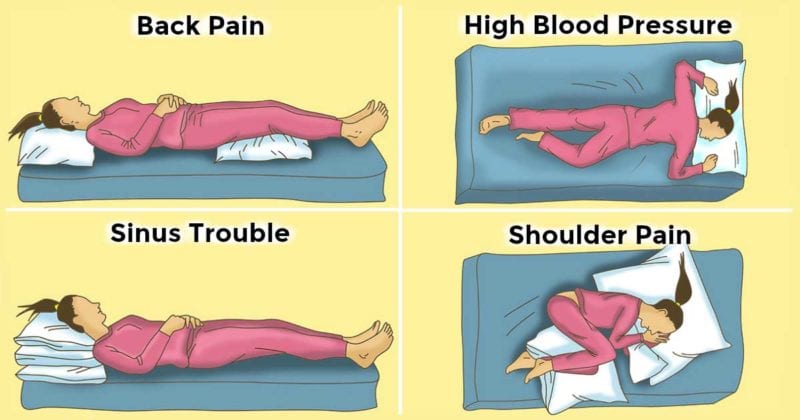
Sleeping positions have an impact on numerous aspects of health, like blood pressure, sinus infections, and various other health conditions. Therefore, it is important to learn how to rest in the right sleeping position, and not just to focus on the hours spent sleeping.
The following 9 sleeping positions can help you soothe some health issues, like:
- Heartburn
Heartburn can be extremely unpleasant, but WebMD claims that if you sleep on the left side, you can successfully soothe it.
- Neck Pain
PainPhysicians claims that you should sleep with a small rolled-up towel under the neck. You can also place the towel under a pillowcase to be more secure.
- Back Pain
If you suffer from back pain, you should lay on your back with a pillow under knees and a rolled-up towel under the curve of the back.
- Shoulder Pain
Women’s Health Magazine says that in the case of shoulder pain, it is best to sleep on the side which is not painful, with the legs bent a bit, or you can grasp one pillow to your chest, and another one between your knees.
- Headaches
If you often suffer from headaches, you should place pillows all around the head in order to prevent turning during the night.
- Digestion issues
To help digestion, you should sleep on the left side, since the stomach is positioned on the left side in the body, and gravity will boost the digestive process.
- Sinus Issues
Your sleeping position greatly affects sinus infections, so you should sleep with an elevated head to prevent the mucus from pooling in the sinuses.
- PMS Pain
Women’s Health Magazine reports that in order to soothe the PMS symptoms and prevent arching of the spine, you should sleep with a pillow under the knees.
- High Blood Pressure
According to the report done by the Ehime University School of Medicine and published by the WebMD, blood pressure is also affected by sleeping positions. Hence, to lower it, you should sleep with the face down.
These sleeping positions can significantly improve your health and help you solve your health issues.
Sources and References:
www.organicandhealthy.org ; www.healthyfoodhouse.com

by Dr Alex Jimenez DC, APRN, FNP-BC, CFMP, IFMCP | Chiropractic
The Miners are westbound for the second time during the outdoor season as they head to Berkley, Calif. for the Brutus Hamilton Challenge. This will be the final competition the Miners will see before the Conference USA Outdoor Championships hosted by UTEP (May11-14).
The historic two-day meet starts Friday 9:00 a.m. PT with the men’s hammer throw. Sophomore Karol Koncos will be one of the top competitors in the field. Koncos threw for 63.43m (208-1) last week at the UTEP Invitational. His mark is the third-best his season in C-USA.
Senior Fayon Gonzales and junior Lucia Mokrasova will compete in the women’s javelin set for 5:30 p.m.Gonzales (39.37m) ranks ninth in the league, while Mokrasova holds the number eight spot (39.94m).
The running events will see Daniel Cheruiyot in the 3,000m steeplechase starting at 3:30 p.m. Cheruiyot clocked the fourth-fastest time in conference running a season-best 9:03.31. Antony Kosgei and Evans Kiprono will run at 4:10 p.m. in the 5,000m. Kosgei (14:16.60) ranks fifth in the league.
Gladys Jerotich and Winny Koech will tussle in the women’s 5,000m starting at 3:45 p.m. Koech (16:22.26) ranks first in C-USA.
Saturday’s events will start with the women’s long jump at 10:00 a.m. Tobi Amusan will make her first jump of the outdoor season. Senior Samantha Hall will compete in both the shot put (10:45 a.m.) and discus throw (12:30 p.m.). Hall ranks 12th in the NCAA West Region (54.62m) in the discus throw.
Runners to look out for on the track will be UTEP’s freshman duo Emmanuel Korir and Michael Saruni in the men’s 800m starting at 3:10 p.m. The Kenyan natives have both started their collegiate careers off with a bang.
Korir won the 800m indoor national title and ranks second in the west region. The Kenyan has clocked a blistering 44.67 in the 400m ranking second in the West Region.
Saruni ranks first in the West Region in the 800m after stopping the clock at 1:45.82 winning gold at the Texas Relays. The mid-distance runner ranks ninth in the 400m clocking 45.69 in the 400m in the West Region.
Brandon Moss will compete in the men’s long jump at 11:45 a.m., where he ranks ninth in the league after jumping out to 7.20m (23-7.5) in his first outdoor competition at last week’s UTEP Invitational.
Ada Benjamin will race at 2:05 p.m. in the 400m. Benjamin ranks first in conference with a time of 53.16. Florence Uwakwe will take the track at 2:25 p.m. in the 100m. Uwakwe will race her first short sprint of the outdoor season.
Lilian Koech and Truphena Sum will run in the 800m set for a 3:00 p.m. Koech ranks third in the league with a personal-best 2:05.86.
For live updates and breaking news follow @UTEPTrack on Twitter and uteptrack on Instagram.
by Dr Alex Jimenez DC, APRN, FNP-BC, CFMP, IFMCP | Pregnancy, Sleep Hygiene
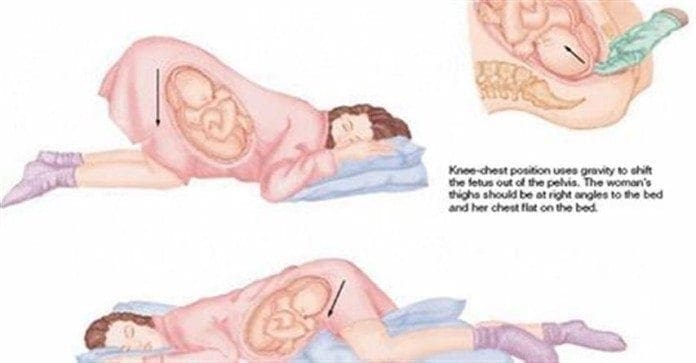
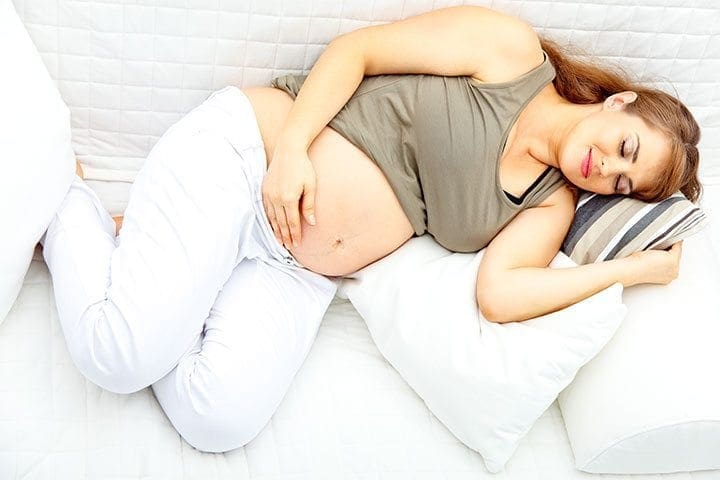
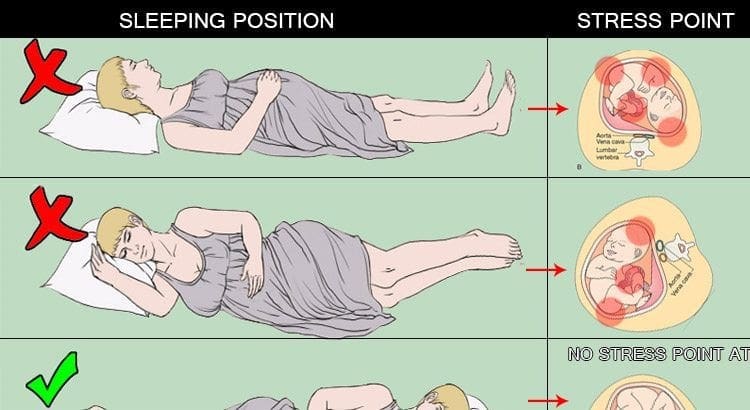
Sleeping Position: During pregnancy, you may find yourself tossing and turning, as best as you can, trying to�get comfortable before falling asleep. Unfortunately, regular�sleeping positions may no longer work during pregnancy.
There�are a number of reasons for this new discomfort, but there�are some sleeping positions that may help you get that much needed rest. When pregnant the body goes through a variety of changes. These changes tend to disrupt the peaceful sleep.
Here are a few suggestions that may not sound or look very comfortable, especially if you have a favorite sleeping position. This is often on your back or stomach. But you may find that they work. Keep in mind that you may do not have to stay in one position all night, rotating positions is completely acceptable and even encouraged.
What’s The Very Best Resting Place During Maternity Makeup Mania
Just How To Improve Rest Within The Second-Trimester Of Pregnancy
Greatest Placement In Sleeping During Pregnancy Data

Just How To Improve Rest Within The Second-Trimester Of Pregnancy

Rest Positions During Pregnancy
Greatest Sleeping Position During Pregnancy
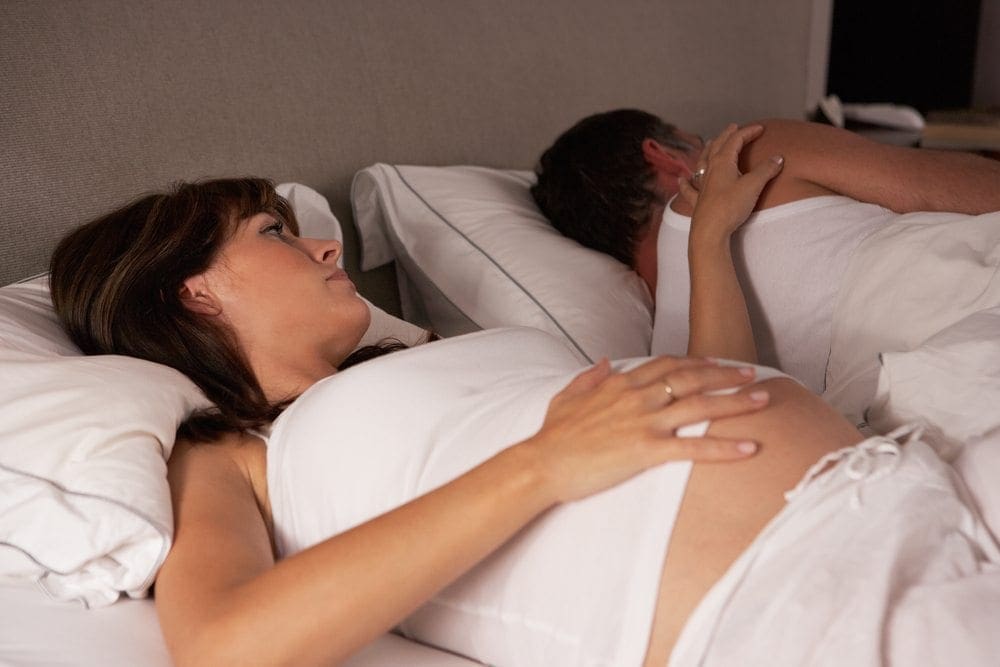
Understand The Right Sleeping Place During Pregnancy
Greatest Sleeping Positions During Maternity Reverie

Sleeping Positions During Pregnancy Movies

Greatest Sleeping Jobs While Pregnant Fresh Health Consultant
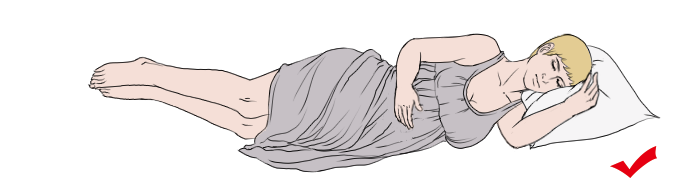
Sleeping Positions During Maternity Superbaby

Which Sleeping Place Is The Greatest During Maternity
7 Essential Sleeping Guidelines During Third-Trimester

Sleeping Positions During Maternity Superbaby
Rest Learn To Keep Cozy Through Your Maternity

Rest Learn To Keep Cozy Through Your Maternity
7 Essential Sleeping Guidelines During Third-Trimester
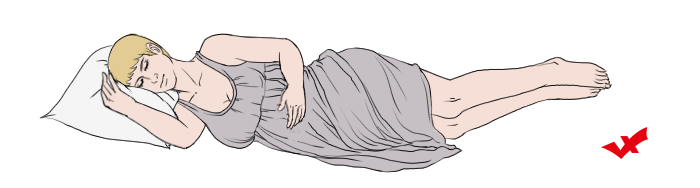
Sleeping On Back Although Pregnant Could It Be Harmful

Greater Sleeping Positions During Pregnancy Workout
Rest Positions During Pregnancy

by Dr Alex Jimenez DC, APRN, FNP-BC, CFMP, IFMCP | Chiropractic, Lower Back Pain, Wellness
El Paso, TX. Chiropractor Dr. Alex Jimenez adds to the discussion of chiropractic treatment vs. pain medication and medical care.
Which Is More Effective For Low Back Pain? Meds Or Chiropractic?
That is the�question in our research theme of the week.
A Practice-Based Study of Patients with Acute and Chronic Low Back Pain Attending Primary Care and Chiropractic Physicians: Two-Week to 48-Month Follow Up
This study based used a practice-based, observational model to look at the effectiveness of intervention in a selected group of patients with both acute and chronic lower back pain (LBP). It compared the efficacy of chiropractic intervention with standard medical care in both kinds of Low Back Pain.
2780 patients were enrolled in the research over a 2-year period (1994 to 1996) from the practices of 60 DCs (1855 patients) and 111 MDs (925 patients) in 51 chiropractic and 14 general practice clinics. Patient data was obtained via a survey distributed in person at the first visit, and the patients were followed up over a period of 4 years with 7 mailed surveys at regular time intervals. Mailings were sent at 2 weeks, 1 month, 3 months, 6 months, and 1 year following the original visit. In phase 2, patients were followed up at 36 24, and 48 months.
Patients were eligible if LBP was their primary grievance, and was of mechanical source; they were excluded if exploitation was contraindicated, or the back pain was of nonmechanical origin (such as from organic referred pain). Acute patients were those whose back pain was of less than 7 weeks duration; long-term back pain patients were those whose back pain was longer or of 7 weeks duration.
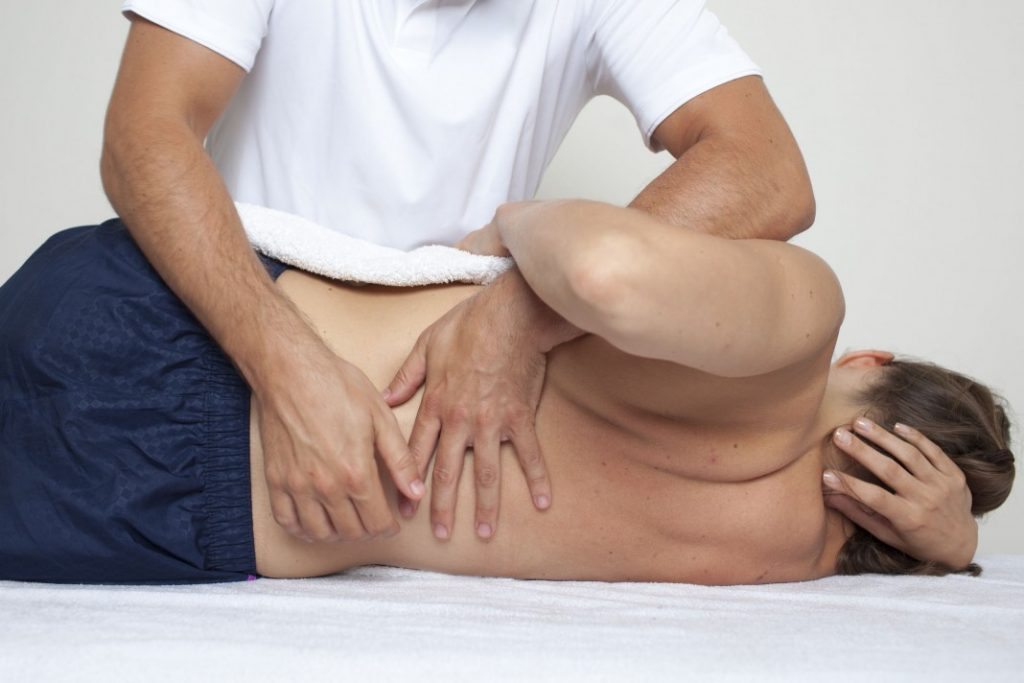
The physicians in the research produced an assortment of treatment procedures. Chiropractic care included physical therapy, spinal manipulation, an exercise strategy, and self-care education. Medical doctors gave care that included an exercise plan prescription drugs, and self-care advice; nearly 25% of these patients were referred for physical therapy.
The primary outcomes measured were present pain severity, and functional impairment, which were quantified by questionnaires sent to the patients in the above stated times.
The medical patients showed more severe baseline pain and disability when entering treatment, greater prevalence of pain and poorer general health status, than in patients. These differences were more conspicuous in the chronic patients than in the acute patients.
An edge was seen for DC attention in comparison with MD attention for the first 12 months in pain relief. This difference was small but was greater for those with chronic LBP during the first year of treatment.
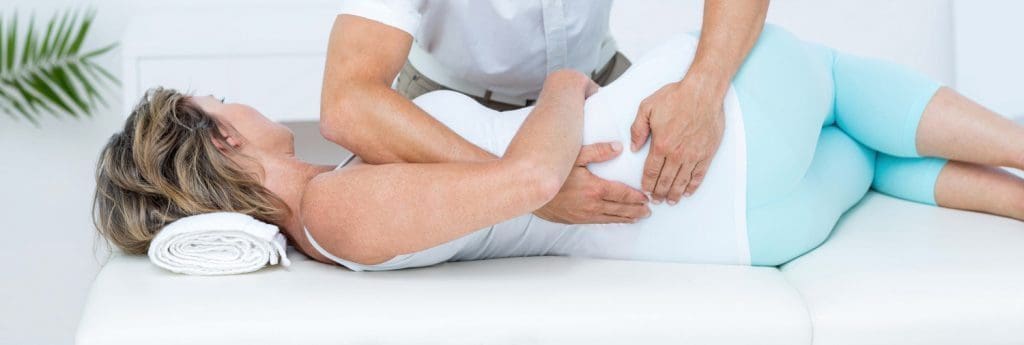
There was an advantage with all the usage of chiropractic care in long-term patients with pain radiating below the knee, and some small advantages were also seen in the acute patient group. Differences were also seen through the first 3 months of care with no leg pain in chronic patients. There were the 2 kinds of medical care for pain radiating over the knee as well as no differences in the 2 groups.
All patient groups found clinically important improvement in pain and disability over the span of treatment. Advancement that was greater was seen by acute patients, with many obtaining near complete relief of their symptoms. Most realized symptom relief by 3 months, followed by a plateau through 12 months. It was followed by critical, clinical aggravation of pain at 12 to 24 months, with another plateau until 4 years. Little upsurge in impairment was seen between 12 and 48 months.
Of note, at 3 years into the research, 45% to 75% of patients noted at least 30 days of pain throughout the prior year, even in those who had gained significant pain and disability relief through early intervention. Daily pain was noted by 19% to 27% of chronic LBP patients throughout the preceding year.
- Early intervention reduces chronic pain. People who received early intervention for acute lower back pain after the original injury, reported fewer days of back pain than those who waited more for intervention. Since outcomes were better than in those who delayed treatment this would support providing early intervention for patients with acute back pain.
- Chiropractic is valuable for certain types of pain. Chiropractic care�was shown to be�more effective�than standard medical care in certain situations: with pain radiating below the knee in patients with persistent lower back pain, as well as for treating LBP during the first 12 months. Nearly all the relief was sustained throughout the initial year, and was obtained during the first 3 months of treatment.
This study reports pain and disability results up to 4 years for chiropractic and medical patients with low back pain (LBP) and evaluates the impact of physician kind and pain length on clinical outcomes.
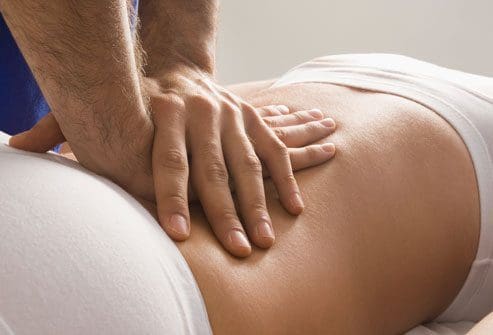
Conclusion
Study findings were consistent with systematic reviews of the efficacy of spinal manipulation (the Chiropractic adjustment) for pain and disability in severe and chronic LBP. Interdisciplinary referral and patient selection needs to be prime concerns by policymakers, physicians, and third-party payers in identifying health services.

Call Today!

by Dr Alex Jimenez DC, APRN, FNP-BC, CFMP, IFMCP | Chiropractic, Headaches & Treatments, Lower Back Pain
Chiropractic is a treatment method that has moved from more of an alternative treatment to widespread mainstream acceptance over the past few decades. There will always be pockets of naysayers that question its validity, but the millions of satisfied patients around the world speak volumes about the effectiveness of chiropractic treatment on the human body. There are literally dozens of health issues that benefit from chiropractic adjustments, but here are 3 common conditions that El Paso chiropractors help:
1) Headaches

We all get headaches from time to time. Some are mild, some are more severe, but all of them have the potential to disrupt your day. Whether it is a tension headache caused by hours of sitting at a desk or a migraine brought on by a specific health condition, when the pain starts it is difficult to focus on anything else.
El Paso chiropractors help relieve headache pain on a regular basis. A lot of the time the pain you feel in your head is actually being caused by misalignment of the vertebrae in your spine. After a gentle adjustment and proper maintenance, many patients report no more pain and no more need for pain medication.
2) Shoulder Pain

Shoulder pain is a problem that far too many people deal with.� Pain in the shoulder can be referred pain from the spinal misalignments, or it can be caused by a misalignment in the shoulder.
No matter what specific type of shoulder pain you have, El Paso chiropractors help relieve both the pain and any range of motion issues that are present. Our team will help to access your condition and give you the best advice we can on what you can do to remedy the situation.
3) Lower Back Pain

If headaches and shoulder pain are among the most common conditions for the general public then lower back pain is probably at the head of the pack. One of the most common reasons for lumbar pain is from misaligned spinal segments.
Chiropractors can help the pain and reduced mobility associated with lumbar strains and sprains and help patients get back to their normal routines. Even if you�ve had lower back pain for years and have been told there is nothing that will help, it�s always worth the time explore your possibilities.
Please don’t hesitate to call our team with any questions you might have.� Today is a great day to get started on a new path to health.

Call Today!

by Dr Alex Jimenez DC, APRN, FNP-BC, CFMP, IFMCP | Chiropractic, Chronic Back Pain, Sleep Hygiene
El Paso, TX. Chiropractor Dr. Alex Jimenez looks at sleep posture for back pain.
Whether you got back, neck, or pregnancy pain, your slumber posture makes a big difference in the way you feel each morning.
Great posture is a key to a healthier spine, but posture isn�t just about sitting or standing straight. Your sleep bearing has a significant effect on neck and your back. While some postures allow you to feel refreshed morning, come, others can leave you stiff, sore, and in pain.
Believe neutral, as it pertains to locating the very best sleep pose to your back and neck. Postures that put your spine in a neutral, or direct, alignment place the smallest amount of pressure on your own back and neck. Learn which postures set your back in a neutral state and those who must be prevented below.
The Very Best Sleep Posture For The Back: On Your Own Back
Sleeping in your back is for putting your spine in a neutral alignment, the very best, but only 8% of people sleep in this pose.
A few strategically placed pillows can boost the advantages of back sleep. A little pillow underneath your head and neck (but not your shoulders) will help to keep your back straight. Including a pillow under your knees will provide comfort and much more support, as it encourages your back to preserve its natural curve.
It’s a few drawbacks, though back sleeping is the best on your spine:
- It�s not best for individuals with sleep apnea. Back sleeping may create the tongue to obstruct the breathing tube, so those with sleep apnea must not sleep on their backs. Instead, they ought to sleep on their side with legs right.
- It�s not best for snorers. Back sleeping can worsen snoring. People who snore should sleep on their side with legs right.
- It’s not best for women that are pregnant. Pregnant women who sleep on their backs danger growing a multitude of health issues, from back pain to low blood pressure. Plus, the on-the-back position decreases blood flow to the baby and also the heart. The very best sleep position during pregnancy is sleeping on the side with legs bent.
�
The Next Best Choice: On Your Side With Legs�Straight
For those that snore or have sleep apnea�or in the event you just discover sleeping on your back uncomfortable�side sleeping with your torso and legs is a fantastic choice. That is the perfect sleeping pose for people and snorers with sleep apnea because it keeps your airways open. Adding a tiny pillow between your legs will also help in keeping your back neutral.
In Third: On Your Side With Legs Bent Upwards
Sleeping on your side together with your legs bent upwards�also generally known as the fetal position�is the most typical sleep pose (41% of adults sleep this manner). This posture keeps your neck and upper back, though it�s a popular alternative. The fetal position also promotes an uneven distribution of weight, which can cause tender joints and back pain. You can help reduce your odds of waking up by pulling your knees and maintaining your turning angle up as high as they can go.
While this is the third-best slumber pose for most, sleeping on your side with bent legs is the best sleeping position for women that are pregnant. It supplies the most comfort and safety for a growing abdomen, and sleeping on the left side adds the additional benefits of boosting blood and nutrients to the baby. For additional support, pregnant women may put in a pillow between their bent legs and knees.
The One Sleep Position Everyone Should�Avoid
No matter the sort of pain you might have, whether it�s neck, low back, joint, or related to pregnancy, sleeping on your stomach just isn’t recommended. This posture places the most pressure on joints and your back�s muscles as it flattens the natural curve of your back. Sleeping on your stomach also compels you to turn your neck, which may cause neck and upper back pain.
Getting the sleep you need is much more important while stomach sleeping is better prevented. You are able to calm some pressure off your back by placing a pillow under your pelvis and lower abdomen, and another pillow under your head if stomach sleeping is the sole way you can snooze soundly. In the event the pillow under your head causes pain, remove.
Still Feeling Sleepy?
You struggling to get a great night�s rest, although when you yourself have sleep bearing that is healthful, factors outside your sleep position may be the offender. As an example, environmental disruptions (for example bright lights in your bedroom) or dietary customs (like eating a substantial meal before bed) could be interfering together with your slumber. Learn about some common sleep burglars and how you can combat them in Sensible Sleep Advice to get a Wholesome Spine.
Call Today!









