NORTHBROOK, Ill. ��Allstate Insurance Company and the American Football Coaches Association (AFCA) announced�on Monday�that UTEP quarterback Ryan Metz one of 146 nominees for the 2017 Allstate AFCA Good Work Team, a prestigious off-the-field honor in college football.
�Allstate is immensely honored to partner with the AFCA for the 10th�year to help pay tribute to these players and their off-the-field �good works� that often go unnoticed and unrewarded,� said Thomas Clarkson, president of the west territory for Allstate Insurance Company and a member of the 2017 Allstate AFCA Good Works Team�voting panel. �The individuals nominated to the 2017 Good Works Team�are making a positive impact and uniting communities across the country through service, showing what�s possible when you put all hands in and give back.�
The El Paso native is known for his on-field achievements and has also made an impact off the field. The junior completed 25 hours of community service hours last season, while the signal caller is known for volunteering his time to children in the community. Metz volunteered over 15 hours at children�s camps, where he assisted with football drills and activities for the future gridiron greats.
Metz was also a member of Project MOVE, where he played with children in the community in various activities like kickball, football and soccer. Metz is active in assisting with the football team�s weekly dinner with the Child Crisis Center. Metz, along with his teammates, spend time with the children in the Crisis Center, playing, working on homework and eating dinner together.
The student-athletes nominated for this esteemed award embody the true spirit of teamwork and selflessness, donating their limited free time to helping and serving others. From founding a non-profit that helps orphans secure jobs in the workforce to raising funds and awareness for childhood cancer research, the 2017 Allstate AFCA Good Works Team��nominees may wear different jerseys on the field, but they all exemplify a superior commitment to giving back off of it.
Comprised of 11 players from the NCAA Football Bowl Subdivision and 11 players from the NCAA Football Championship Subdivision, Divisions II, III and the NAIA, the final roster of 22 award recipients will be unveiled in September. From the nominees submitted by sports information directors across the nation on behalf of their schools, a special voting panel consisting of former Allstate AFCA Good Works Team�members and prominent college football media members will select the 2017 Good Works Team.
Two-time national champion, Heisman Trophy winner and 2009 Allstate AFCA Good Works Team�member Tim Tebow will headline the Allstate AFCA Good Works Team�voting panel.
Once the final team members are announced in September, college football fans are encouraged to visit the Allstate AFCA Good Works Team�website on ESPN.com, featuring profiles and images of the players, for the opportunity to vote for the 2017 Allstate AFCA Good Works Team�Captain. Throughout the season, fans can also follow along and join in on the conversation by searching and using #GoodWorksTeam on their social media channels.
In order to meet the criteria, set forth by Allstate and the AFCA, each player must be actively involved with a charitable organization or service group while maintaining a strong academic standing.
Metz has also excelled in the classroom, as he�s a three-time Conference USA Commissioner�s Honor Roll recipient with a 3.34 GPA in Mathematics. Metz completed 64.7 percent of his passes, ranked third in C-USA in 2016, while it�s the program�s second-best single-season performance. His 14 passing scores were the most for a UTEP quarterback since 2010.
Recently, Metz was one of 45 national collegiate quarterbacks, and the first UTEP quarterback, to be invited to the 2017 Manning Passing Academy supervised by the Manning Family (Archie, Cooper, Peyton and Eli). The camp was a four-day event that started on June 22 at Nicholls State University in which over 125 prep, college and professional coaches, counselors and staff members were involved.
Fractures of the process of the lower spine or upper thoracic spine are often referred to as clay-shoveler’s fractures.
Initially reported in 1940, these fractures were described among employees in Australia who dug drains in clay soil and also threw the clay overhead with shovels. The mud wouldn’t discharge from the spade, causing excess power to be transmitted into the supraspinous ligaments and leading to an avulsion fracture of one or more spinous processes.
The following frequently describes the mechanism of injury for clay shoveler’s fractures. The contraction of the paraspinal and trapezius muscles on the ligaments along with the attachment to the spinous processes make this a common injury during athletics with a flexed position of the shoulders and neck. The consequent fracture or apophyseal avulsion is painful and frequently requires a visit to the doctor, together with plain films, computed tomography (CT) scans, or magnetic resonance imaging (MRI) confirming the identification.
Often a period of rest will allow a return to activity, although treatment of these fractures hasn’t been clarified. We present a collection of adolescent athletes who underwent surgical interventions to treat the fracture of the spinous process, after rest and physical therapy with persistent symptoms.
Surgical Intervention Study
Dr. Hedequist operated on 3 patients using a spinous process nonunion within the study time period. The patients’ average age was 14 years; the location of the spinous process fracture was the T1 vertebra in all patients. Two patients sustained the injury while playing hockey and one while wrestling. The average duration of symptoms before surgery was 10 months; all patients had seen physicians without a diagnosis before test in institution. All patients had a trial of physical therapy and all had been unable to return after trauma to pain.
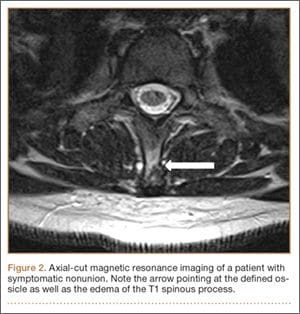
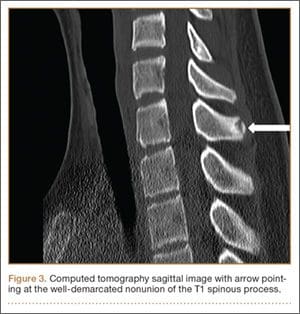
Examination of patients showed pain directly over the fracture site and accentuated by forward flexion of the neck and neck. Evaluation of harm plain films revealed a fracture fragment in two patients (Figure 1). All 3 patients underwent CT and MRI scans confirming the identification. MRI confirmed areas of increased signal at the tip of the T1 spinous process, with inflammation in the supraspinous ligament directly at that area (Figure 2). The CT scans confirmed the presence of a bony fragment correlating with the suggestion of the T1 spinous process (Figure 3).
Figure 1
Figure 2
Figure 3
Surgery was performed under general endotracheal anesthesia using a midline incision over the affected region down to the spinous procedure. The supraspinous ligament was opened showing an identified and ununited ossicle, which has been removed without taking down the ligament. All 3 nonunions have been noted to be atrophic with no evidence of surrounding inflammatory tissue or bursa. The residual end of the spinous process was smoothed down with a rongeur. Standard closure was performed. There were no surgical complications.
All patients had complete relief of pain at followup; 1 individual returned to full sports activity at 6 months and the other 2 returned to full sports activity at 3 months. There was no loss of peripheral movement or trapezial strength at follow-up. All patients expressed satisfaction together with the decision.
Discussion
Clinical practice suggests that most patients with spinous process fractures will become pain-free; however, that is not universal. This series demonstrates that a tiny subset of patients with this trauma will continue to have significant symptoms despite a period of rest. In those patients who want a yield to sports, we recommend consideration of surgical excision after confirmation of nonunion with studies. The inherent risks of surgical treatment are minimal with this procedure, and the advantages include return for athletes, with the physical and psychosocial benefits to pain-free sports activity.
The scope of our information is limited to chiropractic and spinal injuries and conditions. To discuss options on the subject matter, please feel free to ask Dr. Jimenez or contact us at 915-850-0900 .�
By Dr. Alex Jimenez
Additional Topics: Automobile Accident Injuries
Whiplash, among other automobile accident injuries, are frequently reported by victims of an auto collision, regardless of the severity and grade of the accident. The sheer force of an impact can cause damage or injury to the cervical spine, as well as to the rest of the spine. Whiplash is generally the result of an abrupt, back-and-forth jolt of the head and neck in any direction. Fortunately, a variety of treatments are available to treat automobile accident injuries.
Fractures of the cervical spinous processes are considered to be rare injuries. Isolated spinous process fractures are even rarer instances, some of which are rare injuries in rare case reports. Approximately xixteen percent of isolated process fractures of the cervical spine involve more than one level. Isolated cervical spinous process fractures are in fact, commonly referred to as clay-shoveler’s fractures.
The term “fracture” can be employed in medical scenarios that deal with a broken bone. This can vary from acute breaks to small fractures, or anything which will impact the integrity and stability of the bone.
Bone fractures could result from numerous distinct situations. Women in particular that suffer from osteoporosis or other conditions, or older people, may lose strength in their bones, making them more fragile and vulnerable to breaks and cracks, even with minimal impact. As the bones have not fully grown, young children are also vulnerable to bone fractures, particularly because they frequently participate in activities that heighten the risk of injury.
However, falls, automobile accidents, and also a number of other dangers can lead to bone fractures, and depending on the severity, these may often require a range of short and long-term treatment options.
What is a Clay Shoveler’s Fracture?
A clay shoveler’s fracture is an avulsion fracture of the spinous process. It happens with flexion of the head, like that reported with automobile accidents, diving, or even wrestling injuries. It also occurs with repeated stress caused by the pulling of the trapezius and rhomboid muscles on the cervical and thoracic spinous processes. Repetitive and forceful muscle contraction breaks the spinous process and pulls the avulsion segment away from the original spinous process.
A clay shovelers fracture commonly occurs from the cervical and upper thoracic spinous processes C6, C7, and T1. The avulsion and fractures are caused by damage or injury from direct blows to the base of the neck. This is usually a stable fracture and doesn’t create any additional deficits.
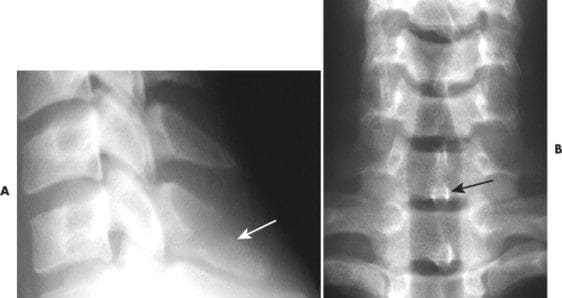
X-ray examination of the spine can help diagnose a clay-shoveler’s fracture. On the lateral side (side view) x-rays, an oblique radiolucent fracture line could be seen through the base of the spinous process. It’s more likely to maintain the trunk or distal tip of the lower cervical and upper thoracic spinous process. Serrated edges or rough margins are generally seen with the fractures, which distinguishes it from nonunion of this secondary growth centre of the process. Additionally, bones from the head and neck would not be displaced or have the serrated margins. The distal portion of the fractured spinous process is often displaced downward (caudally or poor). This is due to the pull on the avulsion segment of bone.
Chiropractic Care for Clay Shoveler’s Fractures
Chiropractors can help alleviate some of the long-term and immediate concerns associated with bone fractures, such as clay shoveler’s fractures. A chiropractor may not perform treatment procedures to the fracture until the damage or injury has started to heal and inflammation is reduced. A chiropractor can help with compression techniques which are beneficial in maintaining the bone in place for healing. A chiropractor may also advocate wellness techniques, such as appropriate diet, and this will optimize the body’s ability to restore its original health and wellness. Chiropractors may also educate a patient on a variety of exercises and stretches to reduce the likelihood of complications and which, if done properly and at fixed intervals, will promote quicker recovery.
The advantages of seeing a chiropractor for wellness and health are many and well documented, but chiropractors are particularly effective as first line and treatment practitioners for bone fractures of any sort. When many kinds of fractures and acute breaks may require immediate therapy, a chiropractor can help rebuild strength and ensure proper recovery, which makes the chiropractic procedure an excellent cure and ensuring long-term good health.
The scope of our information is limited to chiropractic and spinal injuries and conditions. To discuss options on the subject matter, please feel free to ask Dr. Jimenez or contact us at 915-850-0900 .�
By Dr. Alex Jimenez
Additional Topics: Automobile Accident Injuries
Whiplash, among other automobile accident injuries, are frequently reported by victims of an auto collision, regardless of the severity and grade of the accident. The sheer force of an impact can cause damage or injury to the cervical spine, as well as to the rest of the spine. Whiplash is generally the result of an abrupt, back-and-forth jolt of the head and neck in any direction. Fortunately, a variety of treatments are available to treat automobile accident injuries.
Fractures in the cervical spine may occur with severe or repetitive trauma. Clay shoveler’s fracture is an avulsion fracture of the spinous process. It happens with abrupt flexion of the head, most commonly from a variety of accidents. It also occurs with stress caused by the pulling of the muscles around the thoracic and cervical spinous processes. The process breaks up and pulls on the avulsion segment from the original spinous procedure.
Clay shoveler’s fracture most frequently results in the lower cervical and upper thoracic spinous processes, namely C6, C7, and T1. Fractures and spinal avulsion can also be brought on by damage or injury as in direct blows to the neck’s base. This is a fracture that is stable and doesn’t produce any neurologic deficits. This part of the bone isn’t near nerve roots or the spinal cord, although patient’s are alarmed when they hear the term fracture or fracture in the neck.
Clay shovelers fracture derives its name from a common event among clay miners in Australia during the 1930s. The workers were digging deep ditches and tossing clay 10-15 feet above their heads with long handled shovels. Instead of having the clay come off the shovel, it would stick. The sticking clay produces a contraction of the trapezius and rhomboid muscles in reaction from the weighted shovel. The muscles react forcefully and immediately, contracting to stabilize the spine and shoulders. The Australian clay shoveler’s will hear a pop and feel a sharp contrast between the shoulder blades. They would feel sharp pain, making them unable to continue working because every time the trapezius or rhomboid muscles could contract. The mechanism of injury is believed to be caused by powerful and abrupt muscle contraction transmitting pressure via the ligaments. The enormous force is concentrated round the spinous processes and creates an avulsion fracture over the cervical and upper thoracic spine’s spinous processes.
Plain Film X-rays and Examination
Regarding lateral (side view) x-rays, a triangular radiolucent fracture line can be seen via the base of the spinous procedure. It is more likely to maintain the distal or trunk tip of the lower cervical and upper thoracic spinous procedure. Rough margins or serrated edges are commonly seen with the acute fractures, which differentiates it from this secondary expansion center of the process.The distal part of the fractured spinous process is frequently displaced down (caudally or inferior). This is due to the pull on the segment of bone.
Frontal x-rays (anterior to posterior) may demonstrate the look of two spinous processes at a single vertebrae, which can be called the “double spinous process sign.” Especially when the cervicothoracic junction is visualized on the view this signal is helpful for determining a clay shoveler’s fracture. An MRI (magnetic resonance imaging) or CT (computed tomography) is not typically required. A bone density scan could be indicated in a person who has undergone prior avulsion, thoracic, or lumbar spinal compression fractures. A bone density scan can evaluate and measure lumbar and cervical spine t-scores; which gauges relative risk of spinal compression fractures if bone density is in question.
Symptoms of Clay Shoveler’s Fracture
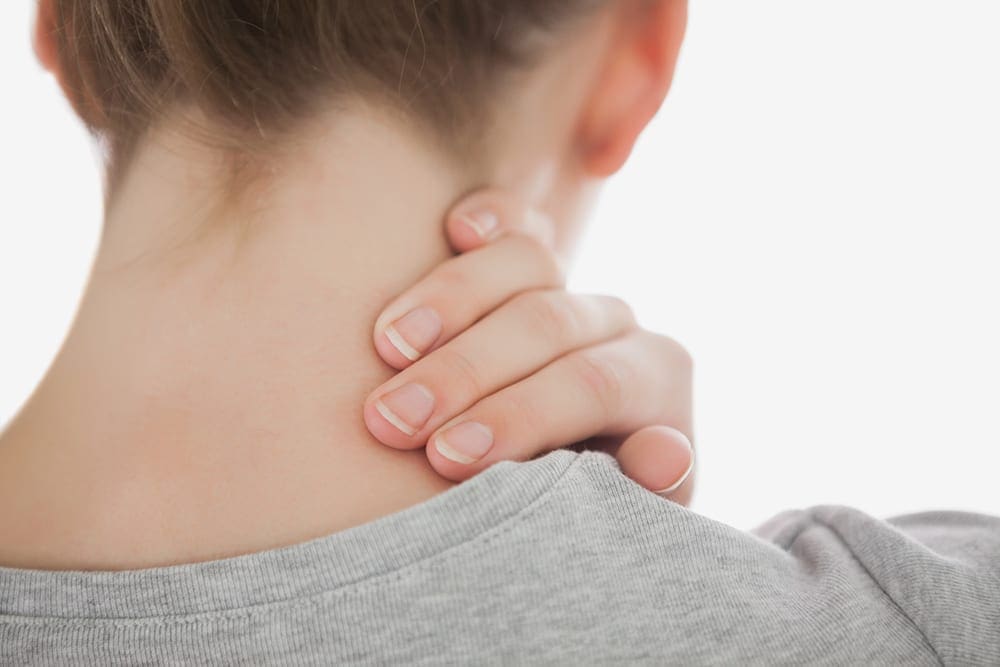
Clay shoveler’s fracture can occur with almost any repetitive and forceful activity utilizing the trapezius and rhomboid muscles. It might occur with automobile accident injuries for traumatic blows to both sides and top of the spinous procedure. Generally, pain is associated immediately after the injury and can be described as a burning or “knife-like” traumatic pain. Other symptoms include muscular stiffness and pain which increases with repeated action, similar to muscle strain at the top back joints or muscle strains. The broken spine is very tender, as are the muscles.
Treatment of Cervical Spine Avulsion Fractures
Most cases resolve in a few weeks. Pain or aggravation to the area could be associated with the tendon and muscle junctions that insert on the spinous process or avulsion segment. Some patients do not require treatment apart from remainder or NSAIDS (non steroidal anti medication). Others may benefit from pain medicine or muscle relaxers.
Medications could be applied at the neck and upper back into the muscles to ease soreness and possible rhomboid muscle strains. Bones and ribs shouldn’t be influenced or produce back pain. Some individuals require physical therapy or massage therapy, including chiropractic care, to help decrease muscle pain and stiffness. Ice, heat ultrasound, mild stretching, and range of motion exercises can help relieve neck and upper back pain. Some individuals respond to course IV cold laser treatments (low level laser treatment) to help reduce pain and inflammation in the muscles and tendons. Others might benefit from muscle treatments like Active Release Technique or Graston Technique to break up scar tissue or adhesions associated with years of repetitive activities. Patients may expect some discomfort for several weeks during the healing process.
Symptoms may worsen at the the front of the body with arms and the head, such as driving or working in the computer. With time and some therapy, symptoms will decline with time. Exercise and strenuous activity might need to be avoided for 1-2 months post injury. For patient’s having a history of stress fractures or avulsion fractures, a bone density scan could be indicated. Some kinds of fractures need immediate attention and could be unstable. Fractures must be assessed to make sure they are stable and tracked by an orthopedic surgeon.
The scope of our information is limited to chiropractic and spinal injuries and conditions. To discuss options on the subject matter, please feel free to ask Dr. Jimenez or contact us at 915-850-0900 .�
By Dr. Alex Jimenez
Additional Topics: Automobile Accident Injuries
Whiplash, among other automobile accident injuries, are frequently reported by victims of an auto collision, regardless of the severity and grade of the accident. The sheer force of an impact can cause damage or injury to the cervical spine, as well as to the rest of the spine. Whiplash is generally the result of an abrupt, back-and-forth jolt of the head and neck in any direction. Fortunately, a variety of treatments are available to treat automobile accident injuries.
Clay-shoveler’s fracture is a breakage of the vertebrae in the spine as a consequence of stress in the neck or upper back. It is often described as a steady fracture during the process of a vertebra happening at C7 or C6, classically at some of the cervical or thoracic vertebrae.
Clay-shoveler’s fracture usually occurs in laborers who engage in tasks involving lifting weights with the arms stretched. Examples of these actions include physical activities like shoveling soil, rubble or snow up and over the head backwards, using a pickax or scythe, and pulling out roots.
Back in Australia in the 1930s, men digging deep ditches tossed clay 10 to 15 feet above their heads using long handled shovels. Rather than separating, the clay would stick to the spade; the employee would hear a pop followed by a sudden pain between the shoulder blades, making them unable to continue working.
Mechanism of Injury: Clay Shoveler’s Fracture
The mechanism of injury is thought to be secondary to reflex and muscle strain through the supraspinous ligaments with force transmission.
The spinous process is pulled on by the enormous force. The fracture is diagnosed by plain film examination. The shear power of the muscles (trapezius and rhomboid muscles) yanking on the spine at the bottom of the neck actually tears from the bone of the spine.
Symptoms of clay-shoveler’s fracture include burning, “knife- like” pain in the level of the fractured spine between the top shoulder blades. The pain may increase with repeated action that strains the muscles of the upper back. The broken spine and muscles that are nearby are exquisitely tender. Often these injuries found incidentally years later when the cervical spine is imaged for other explanations and only are unrecognised in the time.
Acutely, they tend to be associated with:
Motor vehicle accidents
sudden muscle contraction
Blows into the spine
Radiographic Features
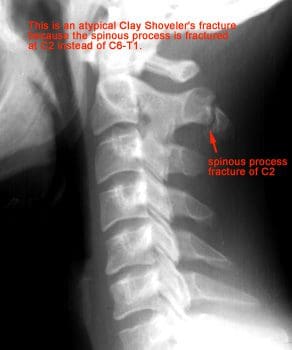
The fracture is seen on lateral radiographs as an oblique through the spinous process, usually of C7. There’s usually substantial displacement. Other radiographic characteristics of the fracture include ghost signals on an AP view (i.e. double spinous process of C6 or C7 caused by displaced fractured spinous process).
Clay Shoveler’s Fracture
Atypical Clay Shoveler’s Fracture
While the extreme pain slowly subsides in days to weeks, the region may intermittently develop burning pain with certain activities that involve prolonged extending of their arms (such as computer function).
No therapy is required for most patients. Physical therapy, pain drugs, and massage can be of help. Surgical removal of the suggestion of the spine is performed for anyone who have pain.
The scope of our information is limited to chiropractic and spinal injuries and conditions. To discuss options on the subject matter, please feel free to ask Dr. Jimenez or contact us at 915-850-0900 .�
By Dr. Alex Jimenez
Additional Topics: Automobile Accident Injuries
Whiplash, among other automobile accident injuries, are frequently reported by victims of an auto collision, regardless of the severity and grade of the accident. The sheer force of an impact can cause damage or injury to the cervical spine, as well as to the rest of the spine. Whiplash is generally the result of an abrupt, back-and-forth jolt of the head and neck in any direction. Fortunately, a variety of treatments are available to treat automobile accident injuries.
The tensor fascia latae (TFL) is a problematic muscle for many individuals. Oftentimes, it contributes to tightness related to the IT band and is dominant within the gluteus medius. Its function are hip flexion and abduction, and it has a tendency to be tight in many runners and athletes. Performing soft tissue mobilization will help resolve tightness in addition to promote regeneration and recruitment of the gluteus medius.
A lot of men and women argue the effectiveness of foam rolling up the IT band itself. While many healthcare professionals are not inclined to ignore this fact altogether, it is believed that polyurethane rolling likely has a much greater impact on the length/tension of the soft tissue beneath and associated with the IT band (e.g. glutes, quads, hamstrings and TFL). The TFL is frequently full of trigger points.
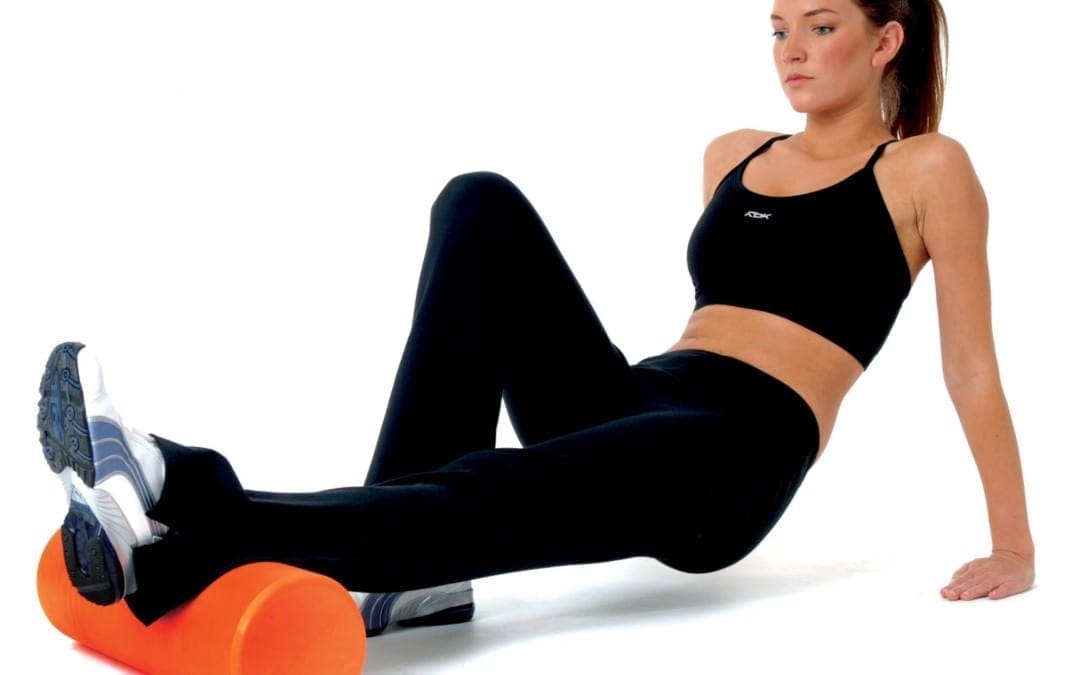
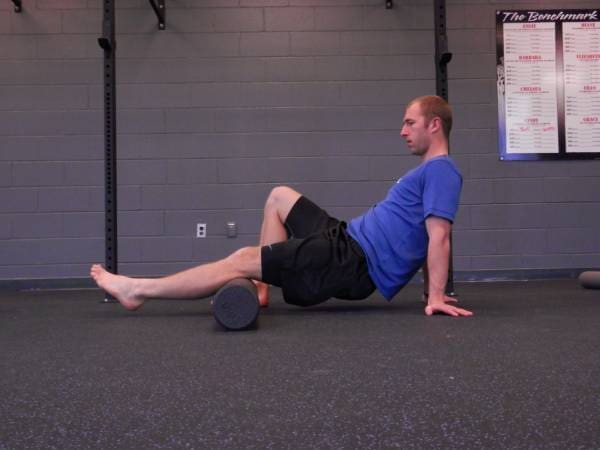
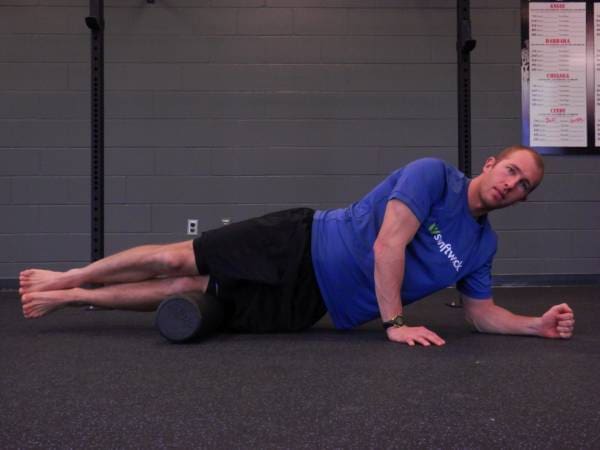
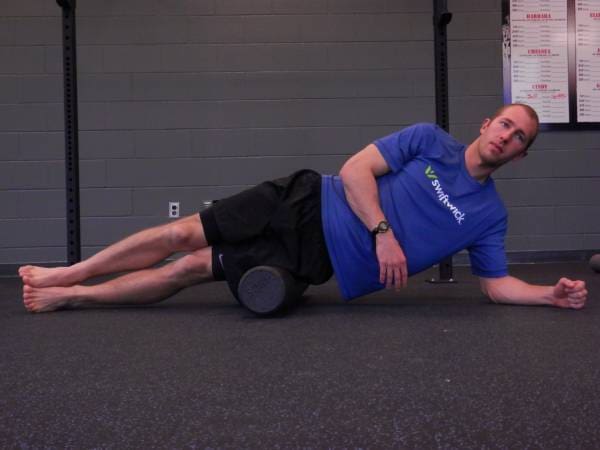
You will find a variety of foam roller exercises that you can do, and choosing the stretch or exercise is dependent on the muscle group that you want to massage, in this case, the tensor fascia latae.
Tensor Fascia Latae (TFL)
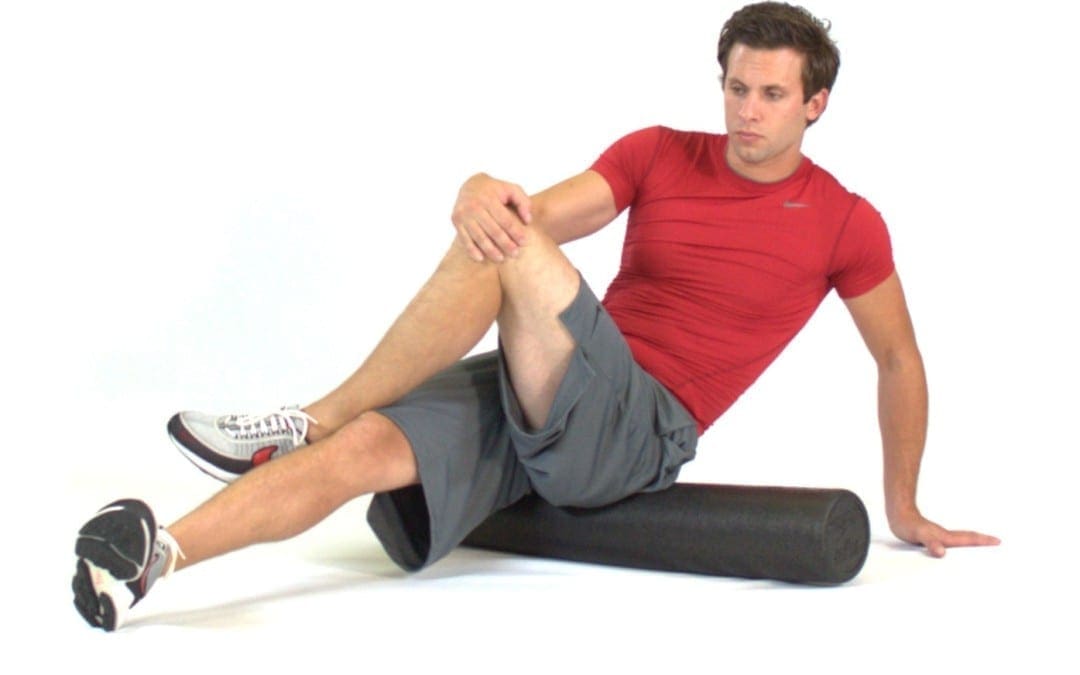
The tensor fasciae latae (TFL) muscles are at the front sides of your buttocks. Foam rolling these muscles provides a deep and effective sports massage, improving functionality and alleviating soreness. It may be one of the stranger looking moves onto a foam roller coaster, but you’ll enjoy the relief that you are given by this stretch! To massage the TFL, start by laying face-down, with your foam roller just underneath the front of one hip. Your other leg should be cocked slightly to the side, similar to a spiderman pushup. Your leg should be cocked slightly to the side, very similar to a spiderman pushup. You need to use your forearms to help maintain your core tight, and bear some of the weight. Next, roll along the front and outside portion of your upper torso, right. That is it! Before repeating on the opposite side Roll slowly, and hold for 20-30 moment.
The Foam Roller TFL Exercise is an excellent self-massage exercise which will offer your tensor fasciae latae (TFL) muscles ( front sides of your hips) a deep and effective sports massage, consequently improving the health and quality of your muscle tissue and helping you to perform much better. It will also alleviate soreness and make your muscles feel better.
The foam roller overloads the muscle tissues through compression, causing your nerves to relax, signalling muscle spasms to close off, pumping blood and also causing your lymphatic system to start flowing, in order to assist muscle regeneration and recovery. You will work out those knots (muscular adhesions) in your muscles caused either by childbirth, by the repetitive strain of the golf swing, or by walking a challenging golf program. This will allow you to extend the muscles back out which makes them functional and more more pliable.
The Foam Roller TFL Exercise can be performed both before and after practicing on any sport of physical activity, or the scope. It’s also excellent after sitting in exactly the same position for a little while, and may be enjoyed anywhere and anytime you feel tight and needing a massage or prior to bedtime.
The scope of our information is limited to chiropractic and spinal injuries and conditions. To discuss options on the subject matter, please feel free to ask Dr. Jimenez or contact us at 915-850-0900 .�
By Dr. Alex Jimenez
Additional Topics: Sports Care
Many athletes engage in frequent warm-up stretches and exercises before participating in their specific sport of physical activity, in order to avoid experiencing sports injuries. Although these can help prevent a variety of sports injuries, athletes may still suffer an injury as a result of an accident. From chiropractic care to surgery, in severe cases, sports care is important for athletes to continue participating in their specific sport of physical activity.
Self-myofascial release, also known as “foam rolling,” has changed from a once mysterious technique used solely by professional athletes, athletes, and therapists to a familiar everyday method for people at all levels of fitness.
Products, technology, and data have introduced an increasing array of training and recovery methods to the individual.
Self-myofascial release is a fancy word for self-massage, utilized to release muscle stiffness or trigger points. This technique can be performed using a foam roller, lacrosse ball, Theracane, or your own hands. By applying pressure to these painful areas, you are able to assist in the recovery of muscles and helping to restore them. Proper function means your muscles are healthy, elastic, and ready to perform at a moment’s notice.
Determining Tight Muscles & Trigger Points
Trigger points are referred to as “knots” which form in muscles. They’re unique and may be identified once they begin to refer pain. Pain referral, for our purposes, may be described as the pain felt when pressure is applied to a single area of their body, but the pain is felt or radiated in a different area.
A common case of a trigger point is felt while foam rolling your iliotibial (IT) band as it causes pain to radiate up to the hip or all the way down the leg to the ankle. When rolling on tight/sore muscles you may experience pain or discomfort. It should be uncomfortable, but not unbearable, and it must relieve the symptoms, when you are done.
For many, deep tissue massage is simple to understand. Somebody is able to exercise the knots in your muscles, and it is commonly known that this process may be uncomfortable and occasionally painful. Because only you can feel what is happening, self-myofascial discharge provides the consumer the capability to control the recovery and healing procedure by applying pressure in precise places.
It is always suggested to consult with your physician or physical therapist to get therapeutic/sharp pain and receive approval prior to beginning self-myofascial release. You will be cleared immediately and your doctor will encourage the practice. Releasing trigger points helps reestablish appropriate movement patterns and pain free movement, and finally, to boost functionality. Utilizing stretching alone isn’t always enough to discharge muscles. Imagine a bungee cord with a knot tied into it and then envision stretching the cord. This creates tension, stretching the part of the muscle and the attachment points. The knot, however, has remained unaltered.
Foam rolling can assist in dividing these muscle knots, resuming normal blood flow and function. The aim to any recovery or corrective technique is to get you back to normal functioning’s point, as if nothing was ever wrong.
Causes of Trigger Points & Tight Muscles
Both have exactly the same contributing factors such as training, flexibility, movement patterns, posture, nutrition, hydration, rest, anxiety, and other lifestyle factors. Our bodies learn to compensate for what we throw at them daily, but we can transcend our ability to recover via intense workouts, bad posture, and other lifestyle factors.
Deep compression can help to break up or relax tight muscles and adhesions formed between muscular layers and their environment. Imagine you are currently tenderizing your muscles. They should be soft and supple as a baby’s muscles. If our muscles are not taken care of properly we can experience loss of motion that is debilitating.
The deep compression of self-myofascial release enables normal blood flow to return and the recovery of healthy tissue. The body wants to be healthy and strong, but an extra boost is required to attain optimum tissue and muscle health.
How Do I Know What to Foam Roll and How to Do It?
Areas to concentrate on can be identified in two different ways. The first is through screenings. When you have followed the two posts – screening and stylish hinge screening – and also have had struggles with either movement, foam rolling should be included by you into retrieval program and your workout. You may target you are currently focusing on.
If after using the foam roller your motion enhances, you’ve got a more specific plan to follow. Second, muscles and trigger points are discovered utilizing techniques’ listing below and researching every one.
To foam roll correctly, apply moderate pressure to a particular muscle or muscle group using the roller and your own leg. You should roll slowly, no longer than one inch. Pause for several moments when you find areas that are painful or tight and relax as far as you can. You should begin to feel that the muscle releasing, and pain or the distress should reduce.
If a place is too painful to use direct pressure, then change the roller and then apply pressure on the surrounding area and gradually work to loosen the entire area. The purpose is to restore muscles – it isn’t a pain tolerance evaluation. You could also use different objects to operate on muscles such as lacrosse ball, a tennis ball, Theracane, or Trigger Point Therapy Kit.
Never roll a joint or bone. Avoid your back. To target these muscles I advise using lacrosse or tennis balls. If you’re experiencing difficulties with your neck, refer these problems to an appropriate medical practitioner and need attention that is advanced.
What Happens After Foam Rolling?
You might be sore the next day. It should feel like your muscles are worked/released, but you shouldn’t push yourself to the purpose of excessive soreness. Drink lots of water, get enough sleep , and eat clean. Fuel your muscles and this can help flush your system. Before focusing on precisely the same place give it 24-48 hours.
The scope of our information is limited to chiropractic and spinal injuries and conditions. To discuss options on the subject matter, please feel free to ask Dr. Jimenez or contact us at 915-850-0900 .�
Additional Topics: Sports Care
Many athletes engage in frequent warm-up stretches and exercises before participating in their specific sport of physical activity, in order to avoid experiencing sports injuries. Although these can help prevent a variety of sports injuries, athletes may still suffer an injury as a result of an accident. From chiropractic care to surgery, in severe cases, sports care is important for athletes to continue participating in their specific sport of physical activity.
IFM's Find A Practitioner tool is the largest referral network in Functional Medicine, created to help patients locate Functional Medicine practitioners anywhere in the world. IFM Certified Practitioners are listed first in the search results, given their extensive education in Functional Medicine