From acute pain, to chronic pain and neuropathic pain, when painful symptoms begin to affect you or a loved one, it becomes a priority to seek medical attention immediately to diagnose the source of the pain and begin treatment. But with so many types of injuries and/or conditions, it may often be difficult to know the exact cause without properly understanding the different types of pain and why they could affect you or a loved one.
What are the different types of pain?
Knowing how pain is defined can be beneficial in learning how to control it even better. For the purposes of study and medical clinic, pain is usually divided into three categories:
Acute Pain is Often Temporary
Pain related to tissue damage, or pain that lasts less than 3 to 6 weeks, is known as acute pain. This is the type of pain caused by a needle prick or by a paper cut. Other cases of acute pain can include:
Touching a hot stove or iron. This pain can cause an instant, intense pain with a virtually simultaneous withdrawal of the entire body part. More of the annoyance, a few moments after the initial withdrawal and pain, another kind of pain, is very likely to be experienced.
Smashing one’s finger with a hammer. This pain is similar to that of touching a hot stove in that there’s immediate pain, withdrawal, and then a “slower” aching pain.
Labor pains. The pain during childbirth is acute and the cause is identifiable.
When pain persists, it becomes even more affected by other influences, which may increase the individual’s risk of developing chronic pain. These impacts include such things as the pain signal continuing to get to the central nervous system after the tissue has healed, lack of exercise (physical deconditioning), a person’s thoughts regarding the pain, as well as psychological conditions, such as depression and anxiety.
Chronic Pain Continues After Tissue Heals
The term “chronic pain” is normally used to describe pain that lasts over three to six months, or beyond the stage of tissue recovery. This kind of pain might also be termed “chronic benign pain” or “chronic non-cancer pain,” based on the circumstance. (Chronic pain due to cancer is more of an acute or acute-recurrent kind of pain since there’s continuing and identifiable tissue damage. There’s also chronic pain because of an identifiable cause, which will be discussed subsequently). For the purposes of the discussion, the term “chronic pain” will be used.
Chronic pain is usually less directly linked to recognizable tissue structural and structural problems. Chronic back pain without a clearly ascertained cause, failed back surgery syndrome (continued pain after the surgery has fully healed), and fibromyalgia are all cases of chronic pain. Pain is a lot less well understood than acute pain.
Chronic pain can take many forms, but is often put in one of two of these main types of its own:
Pain with an identifiable cause, such as an injury. Structural spine conditions, such as spondylolisthesis, spinal stenosis, and degenerative disc disease, may lead to ongoing pain until they are successfully treated. These conditions are the result of a diagnosable problem. Spine surgery may be regarded as a treatment alternative, if the pain caused by these types of ailments has not subsided after a couple weeks or months of nonsurgical remedies. This pain may often be considered as long-term acute pain, rather than chronic pain.
Persistent pain with no identifiable cause. When pain persists after the tissue has healed and there isn’t any obvious cause of the pain which may be identified, it is often termed “chronic benign pain.”
It appears that pain can establish a pathway in the nervous system in some cases, getting the problem in and of itself. To put it differently, the nervous system may be sending a pain signal although there is no tissue damage. The system misfires and generates the pain. The pain is the disease rather than a symptom of an injury.
Neuropathic Pain Differences
In a third type of chronic pain, neuropathic pain, no signs of the initial injury remain along with the pain and may even be unrelated to an observable injury or illness. Certain nerves continue to send pain messages to the brain even though there’s no ongoing tissue damage or condition which could be causing the symptoms.
Neuropathic pain could be placed in the chronic pain group, but it has a different feel than chronic pain. The pain is referred to as severe, sharp, lightning-like, stabbing, burning, or even cold. The individual may also experience numbness, tingling, or weakness. Pain may be felt from the spine, down to the arms/hands or even legs/feet.
It is thought that harm to the motor or sensory nerves in the peripheral nervous system can possibly cause neuropathy. If the cause can be discovered and reversed, treatment may enable the nerves to heal, relieving the pain. But the pain can be harder to manage, and require more aggressive therapy, if medical care for the pain is postponed.
Treatment for neuropathic pain varies significantly in the procedures used for different kinds of back pain. Opioids (such as morphine) and NSAIDs (like ibuprofen or COX-2 inhibitors) are usually not effective in relieving neuropathic pain.
Drugs made for epilepsy or depression (anticonvulsants or antidepressants) often lessen the symptoms, and topical medications are sometimes valuable. If other approaches and medications do not offer sufficient aid, spinal cord stimulation, nerve block injections, and pain pumps might be considered for pain.
The scope of our information is limited to chiropractic and spinal injuries and conditions. To discuss options on the subject matter, please feel free to ask Dr. Jimenez or contact us at 915-850-0900 .�
By Dr. Alex Jimenez
Additional Topics: Wellness
Overall health and wellness are essential towards maintaining the proper mental and physical balance in the body. From eating a balanced nutrition as well as exercising and participating in physical activities, to sleeping a healthy amount of time on a regular basis, following the best health and wellness tips can ultimately help maintain overall well-being. Eating plenty of fruits and vegetables can go a long way towards helping people become healthy.
Question: My parents are elderly, and both hurt their backs. What type of doctor or physician should I look for?
Chiropractic care is safe and effective for elderly adults with back pain, according to new research. To better understand the risk and benefits of chiropractic care in elderly individuals, El Paso, TX. Chiropractor, Dr. Alexander Jimenez, answers questions regarding chiropractic care for elderly individuals with back pain.??
Q: Is Chiropractic Care Safe For Elderly People?
Dr. Jimenez: Chiropractic care is one of the safest interventions for the care of back pain. The dangers of a serious problem after a chiropractic adjustment would be like the danger of having a serious problem after an immunization–exceptionally small. However, minor side effects lasting up to approximately 3 days are very common, most commonly muscle stiffness and soreness. These side effects are similar to those you get when you begin a workout program. People have a smaller chance of severe side effects from manipulation and manual treatment than they do from medication taken for the very same ailments. You should always discuss any side effects from treatment with your chiropractor right away.
Q: What Are The Benefits Of Chiropractic Care For The Treatment Of Low Back Pain In Older Adults?
Dr. Jimenez: Chiropractic care has been used for over 100 years to assist patients with back pain. One of the best benefits of trying chiropractic care first is that you can avoid the risk of side effects from taking medications for pain. Opioid drug addiction is a serious crisis in America. Trying non-drug therapies, such as chiropractic care first may help to reduce the high rates of opioid dependency in the USA.
Actually, the most recent treatment principle for low back pain (from the American College of Physicians), specifically states that people should attempt non-drug options first. The health dangers of pain medications are even greater for older adults compared to younger people, since many older people have other illnesses that affect their wellbeing, and their own bodies process drugs more slowly. Also, many drugs, particularly opioids, increase older people’s risk of falls, which is a very considerable risk in this age group.
Q: What Questions Should I Ask My Chiropractor Before Receiving Treatment?
Dr. Jimenez:�When first talking with a chiropractor, inquire which sort of treatments he or she may use for back pain. Chiropractic care incorporates many different non-drug approaches in addition to spinal manipulation, including other kinds of manual therapy in addition to exercise. �Ask the chiropractor to explain or illustrate the type of spinal manipulation he or she uses (many chiropractors have photographs or can demonstrate what they do), so that you feel comfortable with it. Should you feel uncomfortable with the therapy, feel free to ask whether there are alternate kinds of manipulation he or she may use as there are many different ways to perform spinal manipulation for optimum patient comfort, and also achieve the same targets.
Q: What Should I Tell A Chiropractor About My Medical History, Medicines, & Spinal Condition?
Dr. Jimenez: First of all, since chiropractors are trained to choose a thorough patient history, including questions regarding medication, past injuries or surgeries, and any recent changes in your health, most likely you won’t have to volunteer this information. You’ll be asked about your health history on a patient intake form. Then the doctor will ask you more questions in person. Make sure to talk about all health information about current and previous conditions, drugs, history of accidents and surgeries or alternative therapy, and current changes in your health, even if you think they are not important, they may be.
The chiropractor will also inquire what makes your pain worse or better, and if you have had changes in strength, recent falls, or balance issues, changes in your bowel or bladder function along with other relevant health factors like eating and sleep habits. The chiropractor should then perform a thorough physical examination, including your neurological system, to be certain that spinal manipulation is ideal for you. He or she’ll also see what kinds of adjustments will make your pain better or worse. The chiropractor will use all of this information to develop a treatment plan that’s specific for you to help you fulfill your goals for returning to a normal lifestyle.
Should you be worried about that nagging neck pain that’s been bothering you for the previous couple of days? If you wait until it goes away or do you call a doctor and/or chiropractor?
It Could Be A Muscle Strain
Did you lift something heavy recently? Or maybe you slept wrong on your neck last night? If that’s the case, your neck muscles may have been hyperextended (you stretched them past normal range), which may be causing stiffness. Muscle strains on your neck usually are not severe, but that isn’t always true. Watch your symptoms over the next few days.�If they get worse, call your doctor or chiropractor.
It Could Be Whiplash
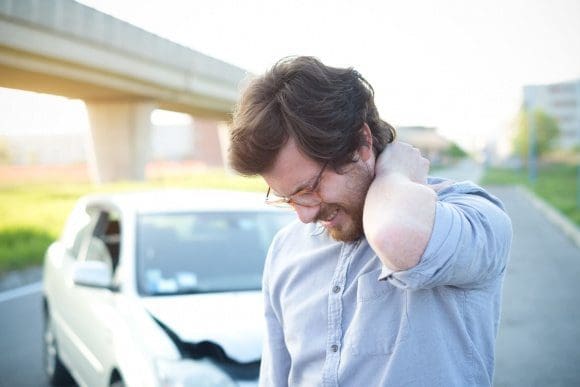
Whiplash can cause acute neck pain, which means your pain and soreness lasts a few days or weeks. It usually goes away by itself. If you notice that your pain is getting worse or develop other symptoms, i.e. weakness, numbness, and tingling, call your doctor right away.If you have been in an auto accident, it’s important to get checked out. Sometimes ligaments can stretch and lead to spine problems.
It Could Be Poor Posture
If you’re sitting hunched over a desk all day, tight neck muscles may be causing your neck pain. Chronically tense muscles never get a break, so work with a chiropractor, physical therapist or personal trainer who will teach you easy neck exercises in addition to how to keep good posture. Also, take frequent stretch breaks throughout the afternoon, and elevate your monitor so you don’t need to hunch over it.
It Could Be A Herniated Or Bulging Disc
For those who have neck pain that does not go away even with rest, it might be a herniated or bulging disc. This usually means an intervertebral disc in your cervical spine (neck) may be pressing on a nerve, which could be causing pain. Or it may lead to pain down your arm and into your hand. Let your physician or chiropractor know if you experience these symptoms.
When To Call Your Doctor
Call your doctor immediately if your neck pain becomes worse and you develop other symptoms, including tingling, weakness, dizziness, or loss of bowel or bladder control. It’s far better to be safe when it comes to your neck health. The bottom line is that you never really know whether that neck pain is severe or not, so don’t be afraid to talk about your health.
Question: My car was rear-ended. Since then, my neck hurts, feels rigid, and I have upper back pain. My wife says it’s whiplash and that I should see a physician. Is there anything that I can do to accelerate my recovery? Should I see my physician and/or chiropractor? How long will my pain last?
El Paso, TX
Answer: Your symptoms are typical of a whiplash injury caused by a vehicle accident. Whiplash is cervical spine strain caused when the head and neck are thrust quickly forward and backward. To fully grasp how whiplash can lead to neck pain, you want to recognize the head, which weighs 8-13 pounds and is supported and moved by the neck. Because of this, it’s easy to understand how soft neck muscles and ligaments are stretched during a whiplash accident!
The seriousness of whiplash is dependent on the force of the impact, the way you were seated in your vehicle, and if you were properly restrained with a shoulder and seat belt. By way of instance, if your head was turned, your neck injury may be more painful.
Whiplash Home Treatment Tips
1. Even though your neck injury occurred last week, you may try ice and heat. Ice will help to reduce swollen overstretched muscles and ligaments. Heat increases circulation and eases tight stiff muscles.
Ice: Apply an ice pack for 15 minutes as often as once each hour.
Heat: Apply warmth (moist is greatest!) For 15 minutes every 2 or 3 hours.
Skin Safety:
Never sleep with a ice or heat pack!
Wrap heat or ice in a towel to protect your skin.
Discard punctured store-bought ice or heat products.
2. If your doctor agrees, try an over-the-counter anti-inflammatory medication.
3. Move your neck softly to assist in preventing additional stiffness.
4. Should you work in a computer or desk, take regular breaks to relax your neck muscles.
5. Avoid cradling the phone between your shoulder and head.
6. Avoid carrying heavy packages, especially things such as a pocket book or backpack slung over only one shoulder.
Check With Your Doctor & Chiropractor
Neck pain is common either immediately after or several days following a whiplash injury. Other symptoms can develop too. Fortunately, most symptoms go away in two to four weeks. If your symptoms worsen, or you develop headache, dizziness, blurred vision, difficulty swallowing, arm or hand numbness, check-in with your physician or chiropractor. If necessary, you’ll be referred to a spine specialist.
Your physician or chiropractor will carry out a physical and neurological examination, and acquire a neck X-ray. After they produce a diagnosis, treatment is coordinated for your recovery! Treatment may include prescription pain medication, anti inflammatory drugs, muscle relaxants, a cervical collar, massage and physical therapy.
Other�Symptoms Associated With Whiplash Or Neck Strain:
Headache
Dizziness
Ringing in your ears
Blurred vision
Difficulty concentrating
Difficulty chewing or swallowing
Hoarse voice
Upper back, shoulder, and/ or arm pain
Back pain
Abnormal sensations such as numbness, burning or prickling
Fatigue and sleep problems
Keep in Mind
Most individuals with whiplash improve quickly within a matter of weeks. When you have concerns, we recommend you to speak to a doctor or chiropractor.
Healthcare professionals who specialize in treating chronic pain have realized that this condition is not only a feeling or sensation, such as touch or vision, but rather, pain can be influenced by the ways the brain processes pain signals.
Chronic pain may provoke emotional reactions, such as fear or even dread, depending on what we believe concerning the pain signals. In other instances (like in sports or some other engaging, rewarding activity), chronic pain may be viewed as only a nuisance, a sense to be overcome in order to have the ability to continue from the action.
The important role the mind plays in chronic pain is clearly recognized in medical literature, as well as in the International Association for the Study of Pain’s definition of pain, which claims that pain is always subjective and is characterized by the person who experiences it. The corollary is that the brain may also know how to manage the sensation of pain. Using the brain to control pain, or coping strategies, for managing pain, may be used alone or in conjunction with pain management therapies to help ease the symptoms of chronic pain.
Ideally, usage of the chronic pain coping methods outlined in this article can help patients feel less reliant on pain killers and feel more empowered to be able to control their pain throughout their lives.
Managing Chronic Pain
Clearly, the first step in coping with chronic back pain or other types of persistent pain is to receive a comprehensive medical evaluation from a qualified healthcare professional to determine the cause of the pain.
In some situations, such as a herniated disc in the spine, it could be important to look closely at the level and type of pain so that it can serve as a warning sign of impending damage or injury. In other cases, particularly when the back pain is chronic and the health state unchangeable, the primary goal is to attempt to keep the chronic pain out of being the whole attention of someone’s life, in other words, distracting the person from the pain.
Whatever the medical condition, there are a number of effective strategies for coping with chronic back pain. These techniques include:
Relaxation training: Relaxation involves concentration and slow, deep breathing to release tension from muscles and alleviate pain. Learning how to relax takes practice, but relaxation training may focus attention away from pain and release tension. Relaxation tapes are available to help you learn those skills.
Biofeedback: Biofeedback is taught by a professional who uses special machines that will assist you on how to control physiological functions, such as heart rate and muscle tension. As you learn how to release muscle tension, relief is instantly indicated. Biofeedback can be used to fortify relaxation instruction. When the technique is mastered, it may be practiced without the use of these special machines.
Visual imagery and diversion:�Visual imagery and diversion involves focusing on psychological pictures of pleasant events or scenes and mentally repeating positive words or phrases to reduce chronic pain symptoms. Tapes are available to help you learn visual imagery and diversion abilities.
Distraction techniques: Distraction techniques�concentrate your attention away from painful or negative images to positive mental thoughts. This may include activities as simple as speaking to a buddy, reading a book or listening to a book on tape, listening to music, or watching a film or television.
Hypnosis: Hypnosis can be utilized in two ways to lower your perception of pain. A therapist hypnotizes and awards a post-hypnotic proposal that reduces the pain. Others are educated on self-hypnosis and can hypnotize themselves if pain disrupts their ability to function. Self-hypnosis is a form of relaxation training.
All of the above methods for coping with chronic back pain make use of four different kinds of skills:
Deep Muscle Relaxation,
Distraction; transferring attention away from the pain signals,
Imagery; visual, audio or other pictures and thoughts that provide a pleasant and relaxing experience, and
Dissociation; The ability to divide normally connected mental processes, resulting in feelings of detachment and distance in your chronic pain.
Treating the Whole Body: Biocentrism
According to the Institute of Medicine of The National Academies, approximately 100 million Americans suffer from chronic pain. Although a common reason for many doctor visits in the United States alone, chronic pain is generally a symptom for a bigger, underlying health issue.
In order to understand chronic pain, it�s important to know what it is, and how it differs from other forms of pain, such as acute pain. Unlike acute pain, a normal sensation, triggered by the nervous system which lasts temporarily, chronic pain is persistent and the pain signals continue for weeks, months or even years. The definition of chronic pain is very broad, and is generally defined as any pain lasting for more than 12 weeks.
In relation to biocentrism,�the belief that the rights and needs of humans are not more important than those of other living things, a biocentric approach can be applied to those individuals suffering from chronic pain. As mentioned before, just like there are a variety of factors, including injuries and/or conditions, which could cause symptoms of chronic pain, there are also several ways to relieve chronic pain.
The human body is made up of trillions of microscopic cells which come together to form tissues, tendons, ligaments, muscles, organs, blood vessels, and nerves, each performing their own independent function. But, when one part of these complex group of cells is affected, the human body as a whole can be affected. According to biocentric views, it’s essential for healthcare professionals and the patient to care for every organism in the body to promote overall health and wellness. From the food we consume to give energy to the cells and the amount of exercise we engage in to strengthen the tissues, to the quantity of sleep we provide the body to heal itself, all of these factors as a whole should be carefully considered as a part of a chronic pain treatment plan to benefit from whole body well-being.
The scope of our information is limited to chiropractic and spinal injuries and conditions. To discuss options on the subject matter, please feel free to ask Dr. Jimenez or contact us at 915-850-0900 .�
By Dr. Alex Jimenez
Additional Topics: Wellness
Overall health and wellness are essential towards maintaining the proper mental and physical balance in the body. From eating a balanced nutrition as well as exercising and participating in physical activities, to sleeping a healthy amount of time on a regular basis, following the best health and wellness tips can ultimately help maintain overall well-being. Eating plenty of fruits and vegetables can go a long way towards helping people become healthy.
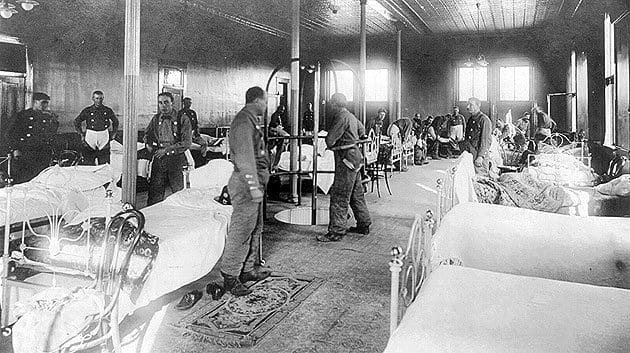
Editors Note: The information provided here was forwarded to Planet Chiropractic by a chiropractor in Texas. Far too many people (including chiropractors) are not aware of historical events that took place during the 1917 � 1918 Spanish Flu years, which involved chiropractors caring for thousands that suffered influenza infection during those times. With such a firestorm of media coverage and fear surrounding the Swine Flu Pandemic, it would be irresponsible not to attempt seeking knowledge regarding influenza events of the past.
The Official History of Chiropractic in Texas By Walter R. Rhodes, DC
Published by the Texas Chiropractic Association � 1978
CHAPTER VI: THE THREE GREAT SURVIVAL FACTORS [Excerpts by Dan Murphy, DC]
�The 1917 � 1918 influenza epidemic swept silently across the world bringing death and fear to homes in every land. Disease and pestilence, especially the epidemics, are little understood even now and many of the factors that spread them are still mysterious shadows, but in 1917-1918 almost nothing was known about prevention, protection, treatment or cure of influenza. The whole world stood at its mercy, or lack of it.�
�But out of that particular epidemic, the young science of chiropractic grew into a new measure of safety. While many struggles would lie ahead this successful passage of the profession into early maturity assured its immediate survival and made the eventual outcome of chiropractic a matter for optimism. If there had been any lack of enthusiasm among the doctors of chiropractic, or a depleting of the sources of students then the epidemic took care of them too. These chiropractic survivors of the flu epidemic were sure, assured, determined, and ready to fight any battle that came up. The effect of the epidemic becomes evident in interviews made with old-timers practicing in those years. The refrain comes repeatedly,�
�I was about to go out of business when the flu epidemic came � but when it was over, I was firmly established in practice.�
�Why? The answer is reasonably simple. Chiropractors got fantastic results from influenza patients while those under medical care died like flies all around.� �Statistics reflect a most amazing, almost miraculous state of affairs. The medical profession was practically helpless with the flu victims but chiropractors seemed able to do no wrong.�
�In Davenport, Iowa, 50 medical doctors treated 4,953 cases, with 274 deaths. In the same city, 150 chiropractors including students and faculty of the Palmer School of Chiropractic, treated 1,635 cases with only one death.�
�In the state of Iowa, medical doctors treated 93,590 patients, with 6,116 deaths � a loss of one patient out of every 15. In the same state, excluding Davenport, 4,735 patients were treated by chiropractors with a loss of only 6 cases � a loss of one patient out of every 789.�
II.
�National figures show that 1,142 chiropractors treated 46,394 patients for influenza during 1918, with a loss of 54 patients � one out of every 886.�
�Reports show that in New York City, during the influenza epidemic of 1918, out of every 10,000 cases medically treated, 950 died; and in every 10,000 pneumonia cases medically treated 6,400 died. These figures are exact, for in that city these are reportable diseases.�
�In the same epidemic, under drugless methods, only 25 patients died of influenza out of every 10,000 cases; and only 100 patients died of pneumonia out of every 10,000 cases. This comparison is made more striking by the following table:�
Influenza Cases Deaths � Under medical methods � Under drugless methods �In the same epidemic reports show that chiropractors in Oklahoma treated 3,490 cases of influenza with only 7 deaths. But the best part of this is, in Oklahoma there is a clear record showing that chiropractors were called in 233 cases where medical doctors had cared for the patients, and finally gave them up as lost. The chiropractors saved all these lost cases but 25.�
�Statistics alone, however, don�t put in that little human element needed to spark the material properly. Dr. S. T. McMurrain [DC] had a makeshift table installed in the influenza ward in Base Hospital No. 84 unit stationed in Perigau, in Southwestern France, about 85 kilometers from Bordeaux [during WWI]. The medical officer in charge sent all influenza patients in for chiropractic adjustments from Dr. McMurrain [DC] for the several months the epidemic raged in that area. Lt. Col. McNaughton, the detachment commander, was so impressed he requested to have Dr. McMurrain [DC] commissioned in the Sanitary Corps.�
III.
�Dr. Paul Myers [DC] of Wichita Falls was pressed into service by the County Health Officer and authorized to write prescriptions for the duration of the epidemic there � but Dr. Myers [DC] said he never wrote any, getting better results without medication.�
Dr. Helen B. Mason [DC], whose �son, when only a year old, became very ill with bronchitis. My husband and I took him to several medical specialists without any worthwhile results. We called a chiropractor, as a last resort, and were amazed at the rapidity of his recovery. We discussed this amazing cure at length and came to the decision that if chiropractic could do as much for the health of other individuals as it had done for our son we wanted to become chiropractors.�
Dr. M. L. Stanphill [DC] recounts his experiences: �I had quite a bit of practice in 1918 when the flu broke out. I stayed (in Van Alstyne) until the flu was over and had the greatest success, taking many cases that had been given up and restoring them back to health. During the flu we didn�t have the automobile. I went horseback and drove a buggy day and night. I stayed overnight when the patients were real bad. When the rain and snow came I just stayed it out. There wasn�t a member of my family that had the flu.�
When he came to Denison he said: �I had a lot of trouble with pneumonia when I first came. Once again took all the cases that had been given up. C. R. Crabetree, who lived about 18 miles west of Denison, had double pneumonia and I went and stayed all night with him and until he came to the next morning. He is still living today. That gave me a boost on the west side of town.�
�And when interviews of the old timers are made it is evident that each still vividly remembers the 1917-1918 influenza epidemic. We now know about 20 million persons [recent estimates are as high as 100 million deaths] around the world died of the flu with about 500,000 Americans among that number. But most chiropractors and their patients were miraculously spared and we repeatedly hear about those decisions to become a chiropractor after a remarkable recovery or when a close family member given up for dead suddenly came back to vibrant health.�
�Some of these men and women were to become the major characters thrust upon the profession�s stage in the 20�s and 30�s and they had the courage, the background and the conviction to withstand all that would shortly be thrown against them� [including being thrown in jail for practicing medicine without a license].
�The publicity and reputation of such effectiveness in handling flu cases also brought new patients and much acclaim from people who knew nothing of chiropractic before 1918.�
IV.
�The first survival factor for chiropractic: they were the legal and legislative salvation. But the fabulous success of chiropractic in combating the 1917-1918 influenza outbreak was the public relations breakthrough that can certainly be called the second great survival factor. Better acceptance by the public followed and more patients meant financial safety for practicing chiropractors. Dedicated chiropractors came into the profession in increasing numbers and they had a sure sense of certainty, heady conviction, and a great willingness to fight for the cause.�
Other Texas Chiropractic History (view more at chirotexas.com)
1916 � Texas State Chiropractic Association Formed
1916 � First TSCA annual convention held at the St. Anthony Hotel in San Antonio
1917 � First chiropractic bill introduced into Texas Legislature
1923 � Second chiropractic bill introduced into Texas Legislature
The Narrative Of JFK Shows The Difficulty In Diagnosing & Treating Spinal Disorders.
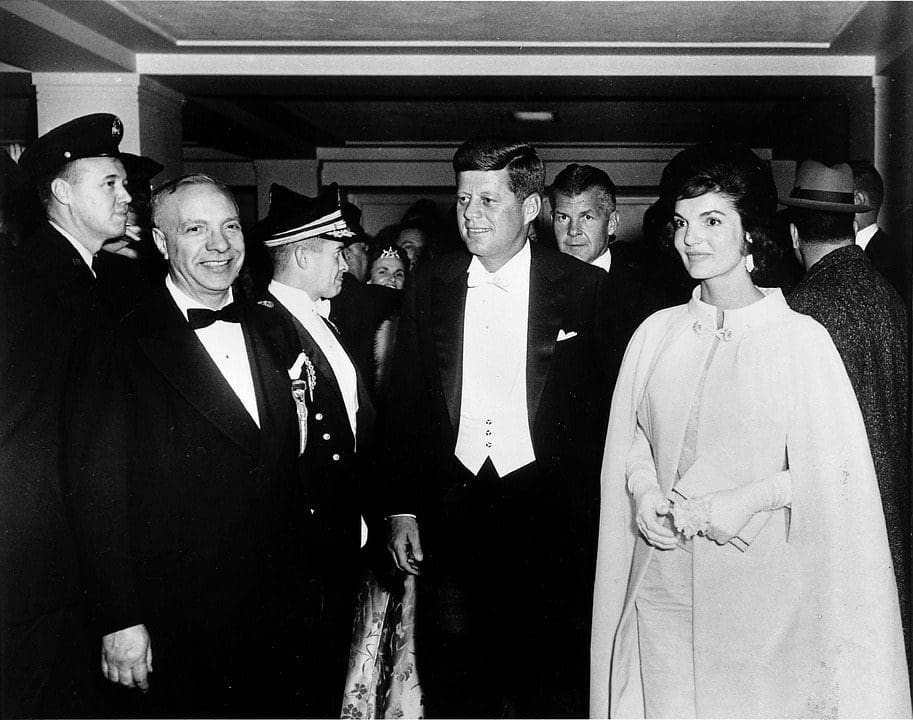
At age 43, John F. Kennedy was the youngest president elected into U.S. workplace, and has been depicted as full of youth and vitality. But he was far from healthy, and spent most of his adult life fighting with many medical issues, including back pain which started during college and continued until his death, according to a recent review article from the Journal of Neurosurgery: Spine.
John F. Kennedy’s back pain is thought to have started following a football injury, while Kennedy was in undergraduate school at Harvard, clarified coauthor Justin T. Dowdy, MD, who is a neurosurgeon at Hot Springs Neurosurgery Clinic, in Hot Springs, Arkansas.
Based on 10 years of study on Kennedy’s medical documents and reported symptoms, senior author T. Glenn Pait, MD, believes Kennedy had discogenic disease stemming from an accident in his childhood that began a cascade of problems in his low back. Dr. Pait is Director of the Jackson T. Stephens Spine and Neurosciences Institute at the University of Arkansas for Medical Sciences.
Kennedy was originally rejected when trying to enlist in the Army due to his medical issues, such as back pain, but was eventually accepted in the U.S. Naval Reserve during his dad’s connections. “This is a testament to his decision to serve his country,” Dr. Pait said. “Kennedy was originally given a desk job, but that was not enough for him, and he was later admitted into a patrol torpedo program.”
Kennedy’s back issues worsened when his naval boat was hit by a Japanese destroyer, and Kennedy drifted for 5 hours to a nearby island while towing an injured crewman to shore by holding the ring of the man’s life jacket between his teeth, Drs. Dowdy and Pait noted in their newspaper.
The review article refers to a series of 4 ineffective surgeries, including a sacroiliac (SI) and lumbosacral fusion. Various doctors who treated Kennedy had different theories about the reason for his back pain, also suggested a variety of different treatments ranging from trigger point injections and an exercise program (swimming and weight lifting), to massage and a back brace, to methamphetamine-containing shots. The exercise program, started later in his life, produced “dramatic” improvement, according to the researchers. The program consisted of weight lifting three times each week and everyday swimming plus massage and heat therapy.
“JFK’s narrative illustrates the difficulty and complexity in diagnosing and treating spinal disorders, especially in the context of chronic pain,” Dr. Dowdy advised SpineUniverse. “Our spines age as we age if it’s degenerative disk disease, pinched nerves, or spinal stenosis–imaging abnormalities are certain to appear later in life. Treating and preventing these disorders is just as much of an art as it’s a science, particularly in determining those individuals who will probably benefit from surgery.”
Dr. Dowdy noted that much progress has been made in how spinal conditions are diagnosed and treated as the time when Kennedy sought attention, such as “that the refinement of both less-invasive spine surgery methods and diagnostic imaging.” Dr. Dowdy also emphasized an important point that applies to any era: “the significance of having a trusted spine surgeon who is prepared and capable of supplying the right surgery in the appropriate conditions.”
John F. Kennedy’s story also suggests that “the most beneficial methods to prevent chronic back pain may be accessible and affordable,” Dr. Dowdy stated. “Often the most appropriate strategy for chronic low back pain is actively pursuing proper spine hygiene: maintaining healthy body weight, refraining from smoking, and pursuing a nutritious diet and exercise–especially workouts comprising yoga-style stretches,” Dr. Dowdy emphasized. “It boils down to pursuing a healthy and active way of life.”
“Individuals who suffer from chronic pain may hopefully be inspired to know that Kennedy remained physically energetic and driven to accomplish his goals despite his annoyance,” Dr. Dowdy concluded.
IFM's Find A Practitioner tool is the largest referral network in Functional Medicine, created to help patients locate Functional Medicine practitioners anywhere in the world. IFM Certified Practitioners are listed first in the search results, given their extensive education in Functional Medicine








 It Could Be Poor Posture