More than half of people with fibromyalgia experience proper sleep issues. You may have a hard time falling asleep or wake up several times during the night if you have this painful condition. You don’t spend enough time at the deeper sleep stages. Or you possibly suffer from all three.
How can poor sleep affect fibromyalgia?
It isn’t simply important that there’s a sleep problem in the first place, but more so, that there is a problem causing you to experience sleeping issues. Without proper rest, chronic pain will aggravate and fatigue can increase. Finding a solution will not cure your fibromyalgia, but it is going to lower your pain and tiredness. And since those are the very painful fibromyalgia symptoms, that may be consolation enough.
The Value of Proper Sleep with Fibromyalgia
The worth of sleep goes beyond simply giving you a rest. It has biochemical and psychological significance. A few reasons your body needs a good night’s sleep include:
Proper Sleep allows your body to fix damaged tissues.
Dreaming promotes good physical and psychological wellness.
Some essential hormones, growth hormone, for instance, are secreted during sleep or soon before waking.
You concentrate better and are less fatigued with a good night’s sleep. Deficiency of quality rest can cause what is known as the fibro fog (the inability to focus and concentrate because of fibromyalgia’s extreme fatigue).
Many researchers consider fibromyalgia sufferers don’t get enough deep sleep. Fundamentally, sleep researchers have identified three kinds of sleep, mild sleep (stages 1 and 2), deep sleep (stages 3 and 4), and rapid eye movement (REM) sleep.) If you don’t spend enough time in deep sleep, your body reduces the production of hormones that are important. Pain may be increased by decreased production of these hormones .
Likewise, if you don’t experience sufficient REM sleep, your body may produce less cortisol (although the hormone, which controls blood pressure and blood surgar, may be released at any given time during proper sleep). People with fibromyalgia may have reduced levels of cortisol, which contributes to their fatigue.
7 Tips to Help Achieve Better Sleep
Anti-depressants. Many people find that low doses of tricyclic anti-depressants help attain a more profound sleep. The drugs make people feel exhausted, and then fall asleep. Talk to your doctor about possible side effects.
Don’t watch TV or surf the Internet on your computer instantly before going to bed. These activities boost activity from the brain, which makes it more difficult to fall asleep.
Get more exercise.Your pain and fatigue may save you from exercising, but mild exercise may help you to get a more therapeutic sleep.
Herbal supplements. Valerian, kava kava, and melatonin are alternative medications which have helped some people fall asleep. Valerian helps with insomnia, kava kava also treats insomnia, along with stress and nervousness, and cortisol helps reset the body’s natural rhythm. Always speak to your doctor before taking herbal or other supplements to avoid a potentially significant interaction with drugs you take, especially if they’re prescription or over-the-counter drugs.
Mattress choice. You may be on the market for a new mattress, if you are not sleeping on a bed that promotes a good night’s sleep. You will find a variety of mattresses that can make a big difference in your quality of sleep.
Prescription sleep treatments. There are an assortment of FDA-approved drugs specifically for sleep disorders, such as zolpidem (Ambien) and eszoplicone (Lunesta).
Simulate the breathing of deep sleep. This may “trick” your body into sleeping by taking slow deep breaths which mimic those of the deeper sleep stages. You will feel relaxed and better able to fall asleep.
If you are experiencing proper sleep problems, talk with your physician. You will learn the best treatment choices to give you the excellent sleep you need to help suppress your fibromyalgia symptoms.
The scope of our information is limited to chiropractic and spinal injuries and conditions. To discuss options on the subject matter, please feel free to ask Dr. Jimenez or contact us at 915-850-0900 .
By Dr. Alex Jimenez
Additional Topics: Wellness
Overall health and wellness are essential towards maintaining the proper mental and physical balance in the body. From eating a balanced nutrition as well as exercising and participating in physical activities, to proper sleep for a healthy amount of time on a regular basis, following the best health and wellness tips can ultimately help maintain overall well-being. Eating plenty of fruits and vegetables can go a long way towards helping people become healthy.
Physical therapy often takes a hands-on approach, which might make you cringe if you’re experiencing pain from several hypersensitive tender points. However, in managing your fibromyalgia symptoms, gentle and effective are used by physical therapy, and will most likely play a part in the recovery process.
Can physical therapy help ease fibromyalgia?
There are a variety of physical therapy techniques. Passive treatments include hydrotherapy, heat therapy, deep tissue massage, electrical muscle stimulation, and ultrasound and relax the body. Your physical therapy program will often start with passive treatments. When you feel ready, you will begin active treatments that protect against fibromyalgia pain and strengthen your body. Your physical therapist may work with you to develop a suitable strategy.
Passive Physical Therapy Treatments for Fibromyalgia
Deep Tissue Massage: Unless you’re in an extreme amount of pain, deep tissue massage is an ideal fibromyalgia treatment because it uses a good deal of pressure to ease deep muscle tension and spasms. Spasms prevent muscle motion in the affected level, which is just one reason people with fibromyalgia experience a diminished range of movement. Physical therapy techniques, including deep tissue massage, can assist you to use your muscles more efficiently. This treatment could be combined with cold or heat remedies to improve the benefits.
Heat Therapy: Heat treatment is one of the most preferred methods of reducing chronic aches and pains associated with fibromyalgia. The body’s natural recovery process is triggered by heat by relaxing your muscles and speeding up blood flow. Extra oxygen is delivered by extra blood and nutrients. Blood removes waste byproducts from muscle spasms.
Heat may not fully eliminate the origin of your pain, but it could effectively lower your pain. This treatment is used in a couple of ways–via dry heat (a heating system or a sterile, warm towel) or moist heat (steam heating or some moist, warm fabric).
When utilizing heat treatment on your own after physical treatment ends, never overheat painful areas. If you are using a heating pad, set it. It is not overly hot, when using a towel that is hot, touch it to make sure. Heat potentially cause burns but also may not only exacerbate your fibromyalgia pain.
Hydrotherapy: As the name suggests, hydrotherapy involves water. As a treatment, hydrotherapy may involve sitting at a bath to ease pain, relax muscles, without adding strain, and condition your body.
Electric Muscle Stimulation: It isn’t debilitating, although electric muscle stimulation seems intense. This technique reduces muscle spasms and is generally believed to trigger the release of endorphins, which can be your body’s natural pain killers.
Ultrasound: This treatment utilizes sound waves to create a gentle heat that increases blood circulation to your deep tissues. Ultrasound helps decrease pain, inflammation, stiffness, and muscle spasms and is successful in relieving variety of motion limitations to people with inflammatory problems.
Active Physical Therapy Treatments for Fibromyalgia
Active treatments help address core stability, flexibility, strength, and joint motion. An exercise program may also be prescribed to attain outcomes. This will not curb recurrent pain but will benefit your general health. Your physical therapist will work with you to develop a schedule based on your particular symptoms and wellness.
Active treatments include:
Core stability: Your core (abdominal) muscles have a greater impact on your general health than you could think. In supporting your spine strong core muscles serve as great allies to your back muscles. It’s called the core since it is the powerhouse of your body. Naturally, your body is provided by a core with a stable centre stage.
Muscle flexibility and strengthening: Your variety of motion will probably be restricted if you’re experiencing fibromyalgia pain. Utilizing customized strengthening and stretching exercises, your physical therapist can help you strengthen and lengthen your muscles, and improve joint movement. Pain is better handled by strong muscles.
Hydrotherapy: Water-based exercises may be recommended to present gentle aerobic conditioning.
Your physician will teach you self-care principles so you recognize how to best treat your fibromyalgia symptoms. The ultimate goal is for you to develop the knowledge to help control your symptoms.
It’s essential that you understand the exercises and continue them after the proper therapy ends. You won’t like results if you fail to continue with a fitness regimen. You can reduce additional fibromyalgia pain, by caring for your body on your own.
The scope of our information is limited to chiropractic and spinal injuries and conditions. To discuss options on the subject matter, please feel free to ask Dr. Jimenez or contact us at 915-850-0900 .�
By Dr. Alex Jimenez
Additional Topics: Wellness
Overall health and wellness are essential towards maintaining the proper mental and physical balance in the body. From eating a balanced nutrition as well as exercising and participating in physical activities, to sleeping a healthy amount of time on a regular basis, following the best health and wellness tips can ultimately help maintain overall well-being. Eating plenty of fruits and vegetables can go a long way towards helping people become healthy.
Fibromyalgia is a mysterious disorder that has been misunderstood for many years, however, there are lots of treatment options available to relieve its symptoms. When it comes to fibromyalgia, exercise can be beneficial to relieve it.
How does exercise help fibromyalgia?
Exercise will be an essential part of fibromyalgia therapy, although your chronic pain and fatigue may make exercising seem excruciating. Physical activity reduces symptoms such as fatigue, depression, and can even help you sleep better. Exercise can be a fundamental part of managing your symptoms.
Exercise for Fibromyalgia
Getting regular physical activity 30 minutes per day, helps reduce perceptions of pain in people with fibromyalgia, according to a 2010 study published in Arthritis Research & Therapy. The signs of fibromyalgia may make exercising a challenge, although exercise is a commonly prescribed treatment for chronic pain.
During a research study, the research team separated 84 minimally active patients (though just 73 finished the trial) into 2 classes. The first group had to perform thirty minutes of Lifestyle Physical Activity (LPA) 5 to 7 days a week. LPA is activity that is moderately intense. In other words, your breathing rate should be increased by it, while you’re doing it but you need to still be comfortable carrying a conversation.
Another group received information about fibromyalgia and attended support groups.
The researchers found that the patients who had routine physical activity increased their average daily steps by over 50 percent. Also, the active patients reported less pain. Although the LPA group underwent physical function and decreased pain perceptions, the researchers observed no difference in tiredness, depression, or body mass index with all the patients in the support group.
Pain can be experienced by individuals with fibromyalgia and that may eliminate any motivation to exercise. But what this study shows is that 30 minutes per day of moderate activity may really make a difference in the way pain is perceived by you. You do not have to operate on a treadmill for 30 minutes or engage in heavy quantities of exercise to attain these results, the researchers state. You could engage in gardening or have a walk, if that’s what you enjoy. Little adjustments, like taking the stairs rather than the elevator, might make a huge difference.
Fibromyalgia and exercise might seem like an odd pair. It’s simple to find out why you might not wish to spend hours in the gym when you have widespread chronic pain. Only the thought of exercise may conjure up some pretty intense imagery (ie, daunting treadmills and chilly, heavy barbells). However, any way you look at it, exercise is a vital part of managing your fibromyalgia symptoms. Some special benefits for fibromyalgia victims are:
It strengthens your muscles. Muscles which are flexible, lean, and robust combat stress. Strong muscles support your body and bones better, which help support and movement.
Energy is increased by it. People with fibromyalgia often experience debilitating fatigue, and physical activity can help enhance energy and endurance levels.
It promotes a relaxed sleep. Research shows that exercise will help you fall asleep and stay asleep longer. Sleep disorders are a common fibromyalgia symptom–just one which exacerbates the widespread pain of the disorder. Better sleep can mean less pain.
It’s good for your mental health. Exercise reduces stress, nervousness, and depression–all frequent symptoms associated with fibromyalgia.
It keeps the weight off. The more weight you carry, the more stress it puts on the body, causing pain. Exercise, along with a balanced diet, will help you maintain or reach a healthful weight.
Where to Start: Exercising with Fibromyalgia
The first step is using a sensible look in the exercise. You don’t need to spend hours in the gym, along with your work outs shouldn’t be boot camp sessions. You can improve your fitness, and thereby strengthen your back to fight your own fibromyalgia pain, together with some stretches, strength exercises, and aerobic that don’t need time.
It is important to understand that development is important to the achievement of any fitness regimen. Don’t leap without first sparking a stretching and aerobic exercise system. If you do not start slow, then you may end up causing more damage than good.
What Exercise Can Do
Promote flexibility and begin by engaging in a stretching program to lengthen tight muscles. Your physician may recommend including in types like walking or swimming.
Supplement your cardiovascular routine or you may want to enlist in an aerobics class, when you feel comfortable. Pilates and yoga could be strength training options that are great, as they utilize your own body weight.
It is important to stress a graded approach to exercise. In training and in research it has been shown that both fatigue and pain improves; however, extreme exercise make them worse. Patients should be cautioned to begin off very slowly. This might be a small as a minute or 2 at a time initially. Many individuals are too competitive in the start and exercise . These patients give up on exercise as a treatment choice and require an approach. The message has to be that a little exercise will make you too much and better can make you worse. The amount of exercise at is the goal.
Talk with your doctor about what exercises will fit you. You’ll need to take physical fitness tests for your pain and you will want to tell your doctor what activities you like to increase to stick with the program. You’ll develop an exercise regimen that can help you provide you a better quality of life and manage your fibromyalgia symptoms.
The scope of our information is limited to chiropractic and spinal injuries and conditions. To discuss options on the subject matter, please feel free to ask Dr. Jimenez or contact us at 915-850-0900 .
By Dr. Alex Jimenez
Additional Topics: Wellness
Overall health and wellness are essential towards maintaining the proper mental and physical balance in the body. From eating a balanced nutrition as well as exercising and participating in physical activities, to sleeping a healthy amount of time on a regular basis, following the best health and wellness tips can ultimately help maintain overall well-being. Eating plenty of fruits and vegetables can go a long way towards helping people become healthy.
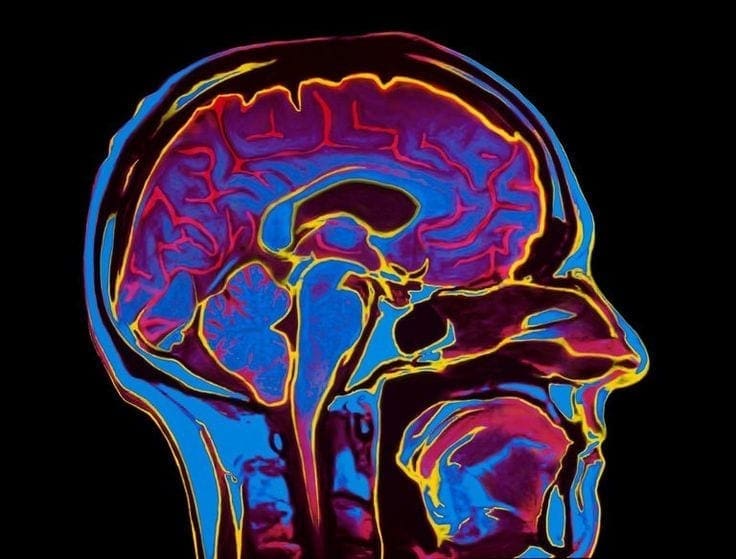
We do not know what causes fibromyalgia, but today, as a result of a fibromyalgia study, we’ve got a clue. Fibromyalgia may be related to an abnormal blood flow in specific regions of the brain.
How is fibromyalgia associated with circulation in the brain?
Dr. Eric Guedj of the Centre Hospitalier-Universitaire de la Timone in Marseille, France, has been the lead researcher in a research examining blood perfusion (abnormal blood circulation) as a possible fibromyalgia cause.
Fibromyalgia Study Results
Past imaging studies of patients with fibromyalgia have shown above normal cerebral blood flow (brain perfusion) in some areas of the brain and below normal at other locations,” explains Dr. Guedj in a press release about the research.
“After performing whole brain scans around the participants, we used a statistical analysis to examine the relationship between practical activity in even the smallest area of the brain and various parameters associated with pain, disability, as well as anxiety and depression.”
Dr. Guedj’s team analyzed 30 women, 20 with fibromyalgia and 10 with no symptoms. The women answered various questionnaires used in the research field to quantify such things as pain levels and how badly fibromyalgia limits patients’ lives. Then the girls underwent single photon emission computed tomography (SPECT), a special type of brain scan. With analyzing their brain scans, the researchers examined the women’s answers in combination.
What Did They Find in the Fibromyalgia Study?
Dr. Guedj’s group verified that women with fibromyalgia have abnormal blood flow in two areas of the brain:
They have too much blood circulation (called hyperperfusion) at the area of the brain that’s supposed to interpret the intensity of pain.
They have too little blood circulation (known as hypoperfusion) in the region of the brain that is involved in the psychological response to pain.
Additionally, Dr. Guedj’s team found that when a participant’s fibromyalgia symptoms were acute (as noticed by the research), then the level of blood perfusion was acute. To put it differently, the severity of the syndrome correlates with the intensity of blood circulation.
The group didn’t find a correlation between blood perfusion and the participants’ levels of depression or anxiety. That’s important to notice because previously, it’s been indicated that fibromyalgia pain is connected to depression: fibromyalgia patients experience widespread pain in part because of depression or nervousness.
What Exactly Does This Mean for Fibromyalgia Sufferers?
Dr. Guedj sums it up nicely in a media release: “This research shows that these patients exhibit modifications of brain perfusion not seen in healthy subjects and reinforces the idea that fibromyalgia is a ‘actual disease/disorder’.”
Quite simply, this study could help move fibromyalgia from syndrome to disease status since it has found a potential reason for fibromyalgia symptoms. Because there isn’t one cause of it fibromyalgia is known as a syndrome rather than a disease. Rather, there are signs and symptoms which point to a fibromyalgia diagnosis: for example, widespread pain, fatigue, difficulty sleeping, and headaches. The analysis could help the medical community better understand fibromyalgia and how to effectively treat it.
Fibromyalgia is a complex condition affecting 3 million to 7 million Americans–many of these girls (hence why only women were utilized in the study). At the moment, there is healthcare professionals which have to diagnose it by eliminating other possible diseases/syndromes and by paying careful attention. This SPECT study could result in a way to confirm a fibromyalgia diagnosis.
The scope of our information is limited to chiropractic and spinal injuries and conditions. To discuss options on the subject matter, please feel free to ask Dr. Jimenez or contact us at 915-850-0900 .
By Dr. Alex Jimenez
Additional Topics: Wellness
Overall health and wellness are essential towards maintaining the proper mental and physical balance in the body. From eating a balanced nutrition as well as exercising and participating in physical activities, to sleeping a healthy amount of time on a regular basis, following the best health and wellness tips can ultimately help maintain overall well-being. Eating plenty of fruits and vegetables can go a long way towards helping people become healthy.
Fibromyalgia is a painful, chronic condition, which unfortunately healthcare professionals know little about. Because doctors have yet to determine the exact cause behind fibromyalgia, it can be a big challenge to treat, however, healthcare specialists experienced in chronic pain have gathered some evidence behind its possible causes.
What causes fibromyalgia?
Research studies have reported that women are also more likely to suffer from fibromyalgia. A fact that, unsurprisingly, has no known explanation to this day. There is evidence on what may cause fibromyalgia, but the results are varied. Findings include:
The chronic pain associated with fibromyalgia may be due to abnormalities in the endocrine system and autonomic nervous system. Some researchers feel that changes in the autonomic nervous system (which is triggered whenever you’re stressed) and endocrine system (which releases hormones in response to stress) induces the widespread chronic pain associated with fibromyalgia. An autonomic nervous system that is over-active induces excessive hormones that sensitize pain receptors, causing pain and tenderness.
Fibromyalgia may be linked to physical or emotional trauma via post-traumatic anxiety disorder.
Genetics may play a role because fibromyalgia seems to run in families.
Viral or bacterial infections may cause the condition. Hepatitis C, the HIV virus and Lyme disease have been correlated with fibromyalgia and some evidence suggests the disease may be also caused by vaccinations.
Muscle tissue abnormalities might be to blame. Muscle abnormalities may be structural, metabolic, or functional. Muscle abnormalities may be brought on by disturbances in the endocrine system from repairing, in that diminished growth hormone levels that may prevent muscle tissue.
Some research suggests that the musculoskeletal pain of fibromyalgia may be caused by central sensitization. When the nervous system becomes sensitized, which increases the amount of pain, central sensitization occurs.
It might be linked to abnormal blood flow. A November 2008 study ascertained that fibromyalgia may be linked to blood circulation in two areas of the brain. A study found that women with fibromyalgia have blood flow in the area. Conversely, they have too little blood circulation in the area of the brain that’s involved in pain response. The researchers also found that the more severe the symptoms, the more acute the blood circulation.
Like most ailments, it’s quite possible that fibromyalgia does not simply have one trigger; rather, many factors may impact your likelihood of developing the problem. The study may yield conclusions that are separate, but it’s currently giving the medical community a better comprehension of fibromyalgia. Subsequently, it is going to help create treatments.
Fibromyalgia Diagnostic Process: What Could Occur
It’s extremely tricky to diagnose fibromyalgia. There isn’t one test that a physician can use as a way to definitively say, “Yes, you still have fibromyalgia.” Because there are several conditions that have similar symptoms, including chronic fatigue syndrome, arthritis, and lupus, diagnosing fibromyalgia is more a process of elimination.
It could take a while between when you notice symptoms and if you are diagnosed with fibromyalgia, and that may be frustrating. Try to remain patient and remember that your doctor is working to obtain the reason for your pain and symptoms. Making the perfect diagnosis makes treatment much more successful.
Medical History: Your physician will have a full medical history, asking you about any other conditions you have and what runs in your family.
Share Your Symptoms: You will also have to detail your symptoms: where it hurts, how it hurts, and just how long it hurts. Diagnosing fibromyalgia is dependent upon your report of these symptoms, so it’s best to be as specific and accurate as you can. You may choose to keep a pain diary (a record of all of your symptoms) so that it’s a lot easier to share info with your physician through the consultation.
Because fibromyalgia has many potential symptoms and co-existing conditions, attempt to be a thorough as possible when speaking about what you have been experiencing. Tell your doctor if you have been having trouble sleeping, should you are feeling tired a lot of the moment, if you have had any headaches, etc..
Physical Evaluation: The doctor can also palpate (so he is going to apply light pressure with the hands) that the 18 tender points.
Other Potential Tests
As mentioned above, the symptoms of fibromyalgia can be extremely similar to other conditions, such as rheumatoid arthritis, hypothyroidism, and ankylosing spondylitis. Your physician will want to rule out any conditions, so he or she may order tests. Remember, these tests are not to diagnose fibromyalgia; they are to eliminate any other possible conditions.
The Physician may order:
Anti-nuclear antibody (ANA) test: Anti-nuclear Compounds are abnormal proteins which could be on your blood if you have lupus, a condition with symptoms similar to fibromyalgia). Whether your blood has these proteins, the physician will want to find out in order to rule out lupus.
Blood count: By taking a look at your blood count, your doctor may have the ability to see an additional cause for your intense exhaustion, such as anemia.
Erythrocyte sedimentation rate (ESR): An ESR test measures how fast red blood cells fall to the bottom of a test tube. In people with rheumatic disease (such as rheumatoid arthritis), the ESR or “sed rate” is sometimes higher. The red blood cells fall into the bottom of the tube, which suggests that there is inflammation within the body.
Rheumatoid factor (RF) test: In many patients with an inflammatory illness (like rheumatoid arthritis, which has symptoms related to fibromyalgia), a higher degree of the rheumatoid factor could be identified from the blood. A higher degree of RF doesn’t guarantee that your pain is brought on by rheumatoid arthritis (RA), but doing an RF evaluation will help your doctor explore the possibility of an RA diagnosis.
Thyroid tests: These tests can help the doctor rule out thyroid problems.
Closing Note on Fibromyalgia Diagnosis
Again, assessing fibromyalgia can take awhile. Your job as a patient is to be more proactive in the diagnostic procedure; be your personal advocate. By way of instance, as soon as your physician orders a test, ask why. Be sure you know the way that test will help figure and what the results will tell you. Continue asking questions until you do, if you do not understand the outcomes or reasoning.
The scope of our information is limited to chiropractic and spinal injuries and conditions. To discuss options on the subject matter, please feel free to ask Dr. Jimenez or contact us at 915-850-0900 .
By Dr. Alex Jimenez
Additional Topics: Wellness
Overall health and wellness are essential towards maintaining the proper mental and physical balance in the body. From eating a balanced nutrition as well as exercising and participating in physical activities, to sleeping a healthy amount of time on a regular basis, following the best health and wellness tips can ultimately help maintain overall well-being. Eating plenty of fruits and vegetables can go a long way towards helping people become healthy.
Chronic muscle pain is defined as persistent, long term pain which can continue for weeks, months, even years after the supposed source of the issue has healed. While many cases of chronic pain can occur due to unknown causes, some cases can be traced back to other underlying injuries or conditions, such as fibromyalgia.
What is fibromyalgia?
Fibromyalgia is a chronic pain disorder that affects millions of Americans annually, mostly women, and may be both physically and emotionally debilitating. Fibromyalgia stems from the Latin term for fibrous tissue (fibro) and the Greek words for muscle (myo) and pain (algia). Indeed, fibromyalgia sufferers experience widespread chronic muscle pain.
An interesting note: fibromyalgia was once considered a psychological disorder, but studies have proven that people with fibromyalgia may have a lower threshold for pain. This could be from emotional distress, harm, or levels of compounds from the brain but the cause is uncertain.
Individuals with fibromyalgia also report irritable bowel syndrome, chronic fatigue syndrome, sleep disorders, and migraines. Physicians have yet to find the connection between these ailments and fibromyalgia.
Questions About Fibromyalgia
What are the signs of fibromyalgia?
Widespread pain is the most frequent symptom of fibromyalgia. However, patients typically experience several symptoms, such as extreme fatigue and pain. People with fibromyalgia additionally have nervousness and/or melancholy as well as problems sleeping.
What conditions co-exist with fibromyalgia?
Irritable bowel syndrome
Irritable bladder
Migraine headaches
Raynaud’s Syndrome
Restless legs syndrome
TMJ or Temporomandibular joint disorder
What causes fibromyalgia?
Doctors have yet to ascertain fibromyalgia’s exact cause, though research findings are shedding light. Causes include abnormalities in nervous systems and the endocrine, genetics, muscle tissue abnormalities, and blood flow. It’s very possible that fibromyalgia does not simply have one cause many factors may impact your likelihood of developing the condition.
What are some treatment options to deal with fibromyalgia?
The type of treatment you’ll need will depend on your symptoms. For instance, your doctor can prescribe an antidepressant to not just lessen your pain but also address melancholy. If you are stressed or have difficulty sleeping, an exercise program will help.
Medicines to treat fibromyalgia include:
Lyrica (pregabalin) is a nerve pain medicine
Cymbalta (duloxetine hydrochloride) an antidepressant that may help alleviate pain
Savella (milnacipran HCI) is an antidepressant and medication for nerve pain
Muscle relaxants
Over-the-counter pain relievers
Some common treatment options include treatments such as massage and biofeedback therapy to help manage stress. Your doctor may recommend that you see a physical chiropractor, and a psychologist may address fibromyalgia’s mental and psychological toll.
Who treats fibromyalgia?
Your primary care physician (PCP) might be able to diagnose and treat your condition. But if your PCP doesn’t understand enough about fibromyalgia, a professional might be your best alternative.
Arguably more than any other physician, rheumatologists , closely follow fibromyalgia improvements and will have the best knowledge base on the status. You might also want to visit a neurologist for drugs to control your pain. Another choice is to consult with with a pain management doctor. These doctors treat all sorts of pain, such as that.
The scope of our information is limited to chiropractic and spinal injuries and conditions. To discuss options on the subject matter, please feel free to ask Dr. Jimenez or contact us at 915-850-0900 .
By Dr. Alex Jimenez
Additional Topics: Wellness
Overall health and wellness are essential towards maintaining the proper mental and physical balance in the body. From eating a balanced nutrition as well as exercising and participating in physical activities, to sleeping a healthy amount of time on a regular basis, following the best health and wellness tips can ultimately help maintain overall well-being. Eating plenty of fruits and vegetables can go a long way towards helping people become healthy.
Chronic pain is pain that doesn’t go away. Unlike acute pain, that comes on suddenly and can usually be traced directly to a cause, chronic pain lingers and it isn’t easy to tell what is causing it. That is the situation that millions of chronic pain sufferers have been in: there’s no reason as to why they have persistent pain.
In actuality, chronic pain in itself can be considered a disease or illness. Most times, pain is a symptom of another illness or problem. If pain becomes persistent, though, it isn’t just a sign of a problem, it is the issue.
What can you do about chronic pain?
One typically accepted definition of chronic pain is pain that still remains, even when the related injury or disease has been healed. It’s pain that persists 6 months or longer after the associated injury or disease has been managed. Chronic pain not only affects the body physically, it can also affect the mind.
Psychologists and Chronic Pain
Being referred to a psychologist as part of the chronic pain treatment plan does not necessarily mean your doctor thinks that your pain is only mental. If your doctor refers you it usually means that they are well-aware of the effects pain can have on the mind. It means that the healthcare professional is currently taking a multi-disciplinary strategy to your pain, one which may comprise of psychology, physical therapy, and medications, for example. Since chronic pain is a condition that is multi-faceted, it needs a multi-faceted therapy plan.
A Psychologist’s Role
Chronic pain does involve an emotional component. Back in 1979, the International Association for the Study of Pain redefined pain. They said that it’s a “sensory and emotional experience. ” A translation: pain has physical and emotional sides, and it exists even if there is no identifiable cause. In other words, the pain simply exists because the individual feels (or thinks he or she feels) it. Persistent pain can have a psychological toll on an individual’s life. The following list of ideas aren’t atypical for a chronic pain patient to have when dealing with the painful symptoms.
I can not work since I am in so much pain, so I am worthless for my loved ones.
I do not even feel like myself anymore since my whole life revolves round this annoyance.
I’m so lonely and isolated because no one understands my pain.
I’m whining too much about my annoyance, I’m such a weakling! I must just put on a happy face.
I can’t even do the simplest tasks anymore. I’m a failure.
With thoughts such as that dominating your mind, it can be difficult to fully deal with your pain. The psychological aspect can still make you feel trapped with the pain, although you might be taking actions to take care of the physical elements of your pain. A psychologist can help you deal with the psychological impact of chronic pain.
Utilizing behavioral treatment techniques, a psychologist can help you identify and change negative thoughts, ideas that can aggravate your pain. The psychologist can help you cope with anxiety, any depression, or other mood disorders related to chronic pain. What happens in sessions with your psychologist is left up to you, but it’s a time to be completely and totally truthful about how chronic pain is affecting your ideas, relationships, career, and self-esteem. The main goal is to help you live your life fully, restoring your overall health and wellness, mentally.
The scope of our information is limited to chiropractic and spinal injuries and conditions. To discuss options on the subject matter, please feel free to ask Dr. Jimenez or contact us at 915-850-0900 .
By Dr. Alex Jimenez
Additional Topics: Wellness
Overall health and wellness are essential towards maintaining the proper mental and physical balance in the body. From eating a balanced nutrition as well as exercising and participating in physical activities, to sleeping a healthy amount of time on a regular basis, following the best health and wellness tips can ultimately help maintain overall well-being. Eating plenty of fruits and vegetables can go a long way towards helping people become healthy.
IFM's Find A Practitioner tool is the largest referral network in Functional Medicine, created to help patients locate Functional Medicine practitioners anywhere in the world. IFM Certified Practitioners are listed first in the search results, given their extensive education in Functional Medicine