Many Americans in the United States will visit a healthcare professional’s office reporting some type of pain. While most cases of pain are considered acute, or temporary, resolving after the injury or condition causing the symptoms has healed, a large percentage of individuals will still report pain long after the source has disappeared. This is known as chronic pain. Fortunately, there are a variety of treatment methods which can also help ease these symptoms.
Are injections used to treat chronic pain?
From physical therapy and chiropractic care, to drugs and medications, numerous types of treatment methods and therapies can be used to treat chronic pain, each more beneficial to certain people than others. Epidural steroid injections and facet joint injections are some of the most common types of injections utilized to ease chronic pain symptoms. For some individuals, injections may be more useful than other forms of treatment. As with any medical procedure, however, it’s important to understand how helpful these can be for each, individual patient.
Epidural Corticosteroid Injections for Chronic Pain
Although epidural steroid injections (also called epidural corticosteroid injections) can be helpful to confirm a diagnosis, they should be used primarily after a specific presumptive diagnosis has been established. Additionally, injections shouldn’t be used in isolation, but rather in combination with a program strengthening, stressing muscle flexibility, and operational recovery, most commonly associated with chronic pain, in this case.
Appropriate follow-up after shots to rate ability and the individual’s treatment response to progress in the rehabilitation program is indispensable. Observation of this response is necessary prior to a second or third shot, although a number of injections can be attempted to decrease pain. Epidural steroid injections are an adjunct treatment, which facilitates participation in an active exercise program and may assist in avoiding the need for surgical intervention.
Treatment Rationale
The rationale for the use of epidural corticosteroid injection has enhanced with the signs of an inflammatory basis for radicular pain from disc herniation. Although prospective trials are lacking, epidural steroids have been proven to be effective in pain reduction in patients with referred pain. If used in the initial weeks after onset the efficacy is increased.
The goal of these injections would be to facilitate an active exercise program and also to progress sufferers through the pain and inflammation phase of healing as quickly as possible. As with all injections, it needs to be a part of a comprehensive treatment plan involving active exercise programs.
How the Injection Is Applied
To ensure proper needle placement of corticosteroids, fluoroscopic guidance is recommended. Meaning a healthcare professional will use special imaging gear during the injection to be sure the needle is going in at the right place. Some patients may require more than one injection. Repeat shots should be based on goals and the response after the injection. It is not necessary for many patients to experience a set number or “series” of injections. If minimal to no advancement is found following two shots, then further similar shots aren’t warranted. The recent usage of the approach allows the medicine to be delivered in a fashion to the ventral part of the spinal canal. All patients must be followed by consecutive injections (10-14 days later) to assess therapeutic reaction.
Utilization of Epidural Steroid Injections
Epidural shots and intradiscal injections have been used in treating non-radicular degenerative disc disorder with limited success. In addition, epidural steroids are used in patients with neurogenic claudication from spinal stenosis with mixed outcomes. A number of shots can be tried to decrease pain thought to be at least in part mediated by inflammation.
Facet Joint Injections for Chronic Pain
The therapeutic advantage of facet injections remains controversial. The controversy starts with the significance of the background and examination with lower back pain. Many patients will complain of back and lower extremity pain with standing, walking, and extension-type pursuits. The examination is normal, and also tests for nerve root inflammation are often negative. Many patients may have increased pain on passive expansion, or extension and rotation.
Additionally, radiographic and bone scanning imaging hasn’t been useful in selecting appropriate patients for facet injections. Consequently, the primary job of facet injections remains diagnostic. There is support for the impact of shots or ablations of the nerves. Facet injections should be used for patients who have failed a guided non-operative treatment program that incorporates various manipulation/mobilization methods. They should be done under fluoroscopic guidance and are not suggested in the initial four to six weeks of treatment.
Goal of Facet Joint Injections
The goal of facet injections is to verify the diagnosis and perhaps assist with pain reduction to be able to alleviate an active physical treatment program. If prior injections were helpful and there’s a recurrence of pain, they can be replicated replicate injections should be limited. This process should be used only in people failing a comprehensive application and in no manner should be considered at the initial management of an incident of acute low back pain.
Be sure to seek the proper guidance from an experienced and qualified healthcare professional before attempting any medical procedure, method or therapy. Injections for chronic pain are only one form of treatment used for the mentioned symptoms. Other treatment options can be used alongside these or in place of the above.
The scope of our information is limited to chiropractic and spinal injuries and conditions. To discuss options on the subject matter, please feel free to ask Dr. Jimenez or contact us at 915-850-0900 .
By Dr. Alex Jimenez
Additional Topics: Wellness
Overall health and wellness are essential towards maintaining the proper mental and physical balance in the body. From eating a balanced nutrition as well as exercising and participating in physical activities, to sleeping a healthy amount of time on a regular basis, following the best health and wellness tips can ultimately help maintain overall well-being. Eating plenty of fruits and vegetables can go a long way towards helping people become healthy.
Chronic pain is known as pain that persists for 12 weeks or even longer, even after pain is no longer acute (short-term, acute pain) or the injury has healed. Of course there are many causes of chronic pain that can influence any level of the spine, cervical (neck), mid back (thoracic), lower spine (lumbar), sacral (sacrum) or some combination of levels.
What treatments do interventional pain management specialists perform?
Oftentimes, early and aggressive therapy of chronic neck or back pain can earn a difference that is life-changing. But remember that knowledge is power: Be certain that you know your choices. There are various treatment procedures and treatments available for chronic pain, each completed by a treatment specialists. Interventional pain management specialist treatments may be a fantastic solution for some people with chronic pain symptoms.
Interventional Pain Management Specialists
Interventional pain management (IPM) is a special field of medicine that uses injections and small processes to help patients control their own chronic pain. Interventional pain management specialists are trained to diagnose and cure ailments, and their goal is to improve patients’ quality of life.
IPM’s Role in Treating Chronic Back Pain
Pain control plays a big role in chronic pain since many forms of pain can’t be cured, so pain victims must find out how to live with and work around the pain. A pain management specialist can help them locate the pain relief that they need to work in the daily. The interventional treatments are part of a multi-disciplinary approach that might include use of medications, psychology, and therapy. Part of IPM is currently finding treatments that works best for your treatment or combination. Some potential interventional pain management therapies are:
Injections
Your interventional pain management expert will have you try injections, which send anti inflammatory medications and strong pain-relieving straight. A few examples of injections used for chronic pain are:
Epidural steroid injection: This is one of the most commonly used injections. An epidural steroid injection (ESI) aims the epidural space, that is the space surrounding the membrane which holds the spinal fluid around the spinal cord and nerve roots. Nerves traveling through the epidural area and then branch out to other parts of your body, like your thighs. When a nerve root is compressed (pinched) from the epidural space, you’ll have pain that travels down your spine and into your legs (commonly called sciatica, even though the technical medical term is radiculopathy). An epidural steroid injection sends steroids right to the nerve root that’s inflamed. You need 2-3 injections; normally, you shouldn’t have that because of the potential side effects of the steroids.
Facet joint injection: Also called facet blocks, facet joint injections are helpful in case your facet joints are causing annoyance. Facet joints in your back allow you to move and provide stability. Though, you will have pain, if they get inflamed. The joint wills numb and can lower your pain.
Sacroiliac joint injection: The joint is where your pelvis and spine come and also an aching sacroiliac joint can be extremely debilitating. The injection may reduce inflammation and pain.
The scope of our information is limited to chiropractic and spinal injuries and conditions. To discuss options on the subject matter, please feel free to ask Dr. Jimenez or contact us at 915-850-0900 .
By Dr. Alex Jimenez
Additional Topics: Wellness
Overall health and wellness are essential towards maintaining the proper mental and physical balance in the body. From eating a balanced nutrition as well as exercising and participating in physical activities, to sleeping a healthy amount of time on a regular basis, following the best health and wellness tips can ultimately help maintain overall well-being. Eating plenty of fruits and vegetables can go a long way towards helping people become healthy.
When affected by chronic pain, an individuals initial concern often involves what type of treatment they should seek for their particular issue. While many doctors are qualified and experienced in treating a variety of injuries and conditions, only some specialists can be classified as pain experts: pain management specialists.
What is a pain management specialist?
Pain medicine or pain management specialists provide varied treatments, including medications, action modification, therapeutic injections, physical therapy, and alternative kinds of care like acupuncture, manipulation, and music or art therapy for chronic pain. Multidisciplinary pain medicine joins two or more treatments to maximize pain management.
Concerning Pain Management Specialists
A pain management specialist is a physician or osteopathic physician who treats pain. Although called interventional pain management specialists or pain medicine specialist, a number of these doctors are physiatrists or anesthesiologists. Pain management and medication treatment is a team effort frequently involving the patient’s primary care doctor or other treating doctor, and specialists in radiology, psychiatry, psychology, oncology, nursing, physical therapy, complimentary alternative medicine, and other fields.
Education and Training
After graduating medical school and finishing a one-year internship, the doctor enters a program in anesthesiology or physical medicine but from different fields such as psychiatry and neurology. Upon completion of a residency program (typically 3 years long), the doctor completes a one-year fellowship for advanced training in pain medicine.
Pain medication specialists are board certified. The associations that board certify physiatrists, anesthesiologists, neurologists, and psychiatrists all collaborate to provide the board examination to the subspecialty of pain medicine. Pain medicine and management specialists keep their education and training throughout their careers. There are many opportunities for pain management specialists to remain current with technical and medical improvements in pain medication, such as society meetings and journals.
Goals of Pain Management
By reducing pain, frequency and intensity, a pain management specialist’s goal is to handle chronic or acute pain. A pain management program can manage your operational goals for activities of daily living besides fixing pain problems. In general, a pain medication program intends to give you a feeling of well-being, increase your level of action (like return to work), and reduce or eliminate your dependence on drugs.
Kinds of Pain Treated
Pain medicine specialists treat all kinds of pain. Intense pain is described as severe or sharp and may signal something isn’t right. The pain experienced during care is an instance of acute pain. Infection lasting more or even 6 months is described as chronic. This kind of pain is persistent and varies from moderate to severe. Spinal arthritis (spondylosis) pain is often chronic. A good outcome is produced by combining different treatments although chronic pain is difficult to manage.
Treatment may include:
Limit activities that increase pain (activity modification)
Prescription medication: Nonsteroidal anti inflammatory medications, muscle relaxants, narcotics (opioids), anti-depressants, and antiseizure drugs. Some antiseizure and antidepressant medications have proven to help manage specific types of chronic pain.
Injection therapy: provide pain relief, as well as Injections may help to pinpoint the reason behind pain. Therapies include facet joint anabolic steroid, and joint injections; and nerve rootbranch, peripheral and sympathetic nerve block .
Physical Therapy: Heat/ice, massage, spinal traction, transcutaneous electric nerve stimulation (TENS), ultrasound, and therapeutic practice.
Pulsed Radiofrequency Neurotomy is a minimally invasive procedure that prevents nerves from sending pain signals to the brain.
Rhizotomy utilizes electrodes that are heated to turn off pain signals from nerves that are particular.
Spinal Cord Stimulation is an implanted device that produces electrical impulses to block pain perception.
Intrathecal Pumps are sometimes referred to as pain pumps. The device is surgically implanted and dispenses doses of medication within the spinal tract.
Acupuncture is the insertion of needles to some of 2,000 acupuncture points or the body’s 20 Meridian factors. Acupuncture is central to Traditional Chinese Medicine (TCM), which includes other holistic treatments.
Manipulation is performed by chiropractors, osteopathic doctors (DO), and some physical therapists, even though the treatment varies among these careers. Manipulation is described as the use of force or pressure to take care of a disorder.
Art and music therapy are approaches to distract your mind. Besides a creative outlet, comfort is promoted by these therapies, provide a way for expression, help to reduce anxiety, raises self-esteem, and are fun.
What to Expect During an Appointment
Your consultation with interventional pain management specialist is much like other physician visits. Even though there are a number of similarities, the focus is quickly managing it, and on your pain, the cause or contributing factors.
Pain medication doctors perform a physical and neurological evaluation, and review your medical history paying special attention to pain history. You may be asked many questions about your pain, such as:
On a scale from zero to 10, with 10 being the worse pain possible, speed your pain.
When did pain begin? When pain began what were you doing?
Does pain disperse into different areas of the human body?
Is its intensity continuous, or can it be worse at different times of the night or day?
What helps to relieve the pain? Why is pain worse?
What treatments have you tried? What worked? What failed?
Do you take herbal supplements, vitamins, or over-the-counter medications?
Can you take prescription medication? If so, what, how much, and how?
Most pain medication specialists utilize a standardized drawing of the front/back of the human body to let you indicate where pain is sensed, as well as indicate pain spread and type (eg, gentle, sharp). You may be requested to complete the form each time you stop by the pain physician. The drawing can help to evaluate your treatment progress.
Accurate Diagnosis Key to Remedy
Pain medication involves diagnosing the cause or source of pain. Making the proper diagnosis may entail obtaining an X-ray, CT scan, or MRI study to confirm the cause of your neck or back pain. When treating spine-related pain (which may include leg or arm signs), additional tests, such as discography, bone scans, nerve studies (electromyography, nerve conduction study), and myelography could be carried out. The identification is essential to a successful treatment program.
Some spinal disorders and pain therapy requires involvement including orthopaedic surgeon, neurosurgeon, your primary care doctor, and practitioners in radiology, psychiatry, psychology, oncology, nursing, physical therapy, and complimentary medicine. The pain medicine specialist may consult with and/or consult with spine surgeon or a neurosurgeon to ascertain whether spine surgery is required by your pain issue.
The scope of our information is limited to chiropractic and spinal injuries and conditions. To discuss options on the subject matter, please feel free to ask Dr. Jimenez or contact us at 915-850-0900 .
By Dr. Alex Jimenez
Additional Topics: Wellness
Overall health and wellness are essential towards maintaining the proper mental and physical balance in the body. From eating a balanced nutrition as well as exercising and participating in physical activities, to sleeping a healthy amount of time on a regular basis, following the best health and wellness tips can ultimately help maintain overall well-being. Eating plenty of fruits and vegetables can go a long way towards helping people become healthy.
Medications and drugs include a progression: you never start out with the largest dose possible of the most powerful medicine. You begin to help control your pain and other symptoms. Alas, a number of chronic pain sufferers have found that over-the-counter drugs and medications aren’t sufficient for their chronic pain.
What medications and drugs are prescribed for chronic pain?
While there are a variety of treatment options available to help manage and relieve symptoms of chronic pain, some patients may additionally ask for prescription medications and drugs. There’s many dosages and types of these which doctors can prescribe. The following and their effects are listed below.
Prescription Medication Used for Chronic Pain
Prescription medication, which is another step on the progression of drugs and medications is usually needed by chronic pain patients. What the doctor prescribes is dependent on your pain level, treatment goals, and general well-being. They will take into account other medications as well as herbal remedies and nutritional supplements, that you are taking. Be sure to tell your doctor about whatever you’re on because of potential drug interactions.
Whatever drug your doctor prescribes, you’ll start on the lowest possible dose. You have found the correct medication and dose if that works to relieve your chronic pain. If it doesn’t, then the doctor may consider upping your dose or trying another medication. Some general categories for medications used for pain are:
Anti-depressants: You don’t need to be miserable to be prescribed anti-depressants. They could block the mind from getting pain messages, so they’re a sensible option for chronic pain sufferers. Additionally, it is believed that anti-depressants might raise the number of endorphins in your body, and endorphins are a pure pain suppressant.
It’s correct that chronic pain often involves a psychological component, especially as the pain appears to take over a patient’s life. Anxiety can make it more difficult to do that, together with fatigue and other consequences of chronic pain, may lead to depression. Anti-depressants may be prescribed as part of a comprehensive treatment program which attempts to help you deal with all elements of pain.
Muscle relaxants:�You may take a muscle relaxant, if your pain is caused by muscle sprain, strain, spasm, or anxiety. This medication may help supply you with the pain relief so that you can work on strengthening your muscles.
Neuropathic agents: For chronic pain caused by nerve problems (neuropathic pain), doctors may prescribe neuropathic agents. They especially target the nerves, and the way changes in which the brain receives and interprets pain messages.
Non-steroidal anti inflammatory medications (NSAIDS): NSAIDs combat inflammation, just as steroids do, but they get it done with no steroids. They work by blocking certain enzymes in the human body, the ones which help alleviate inflammation.
Opioids (Narcotics): In the most extreme cases, and only under careful supervision, your physician may also prescribe an opioid, such as morphine or codeine. Opioids are also known as narcotics. They work by attaching to opioid receptors on the surface of the brain, spinal cord, and cells. They then can block pain messages. Opioids alter the interpretation of pain of the brain by changing how pain signals are transmitted.
Pain relievers: Prescription-strength pain relievers referred to as pain killers or analgesics, do precisely what their name implies: they relieve pain. They do not reduce inflammation. Pain relievers work by preventing the mind from getting pain signals from your own nerves. Then your brain won’t know about the pain, if pain messages can’t be transmitted by the nerve cells as they do, and then you either won’t feel it or won’t sense it as severely. Most pain relievers belong to one of the above mentioned categories (opioids, NSAID, etc.).
Steroid medications: Steroids are medications that are strong. If you have tried prescription-strength non-steroidal anti-inflammatory medications (NSAIDs) and they have not reduced the pain, the doctor may have you try steroid drugs. They block the body from producing the compound that cause inflammation, so they’re used for chronic pain sufferers with an inflammatory condition.
Your body gets used to the medication, and that means that you can’t simply stop taking them. You have to give your body time to readjust by tapering your dosages. That is an important thing to bear in mind if you are considering taking steroid drugs or any form of medication listed above. Be sure to contact your healthcare professional and consult all your options before considering the use of strong medications and treatment alternatives.
The scope of our information is limited to chiropractic and spinal injuries and conditions. To discuss options on the subject matter, please feel free to ask Dr. Jimenez or contact us at 915-850-0900 .�
By Dr. Alex Jimenez
Additional Topics: Wellness
Overall health and wellness are essential towards maintaining the proper mental and physical balance in the body. From eating a balanced nutrition as well as exercising and participating in physical activities, to sleeping a healthy amount of time on a regular basis, following the best health and wellness tips can ultimately help maintain overall well-being. Eating plenty of fruits and vegetables can go a long way towards helping people become healthy.
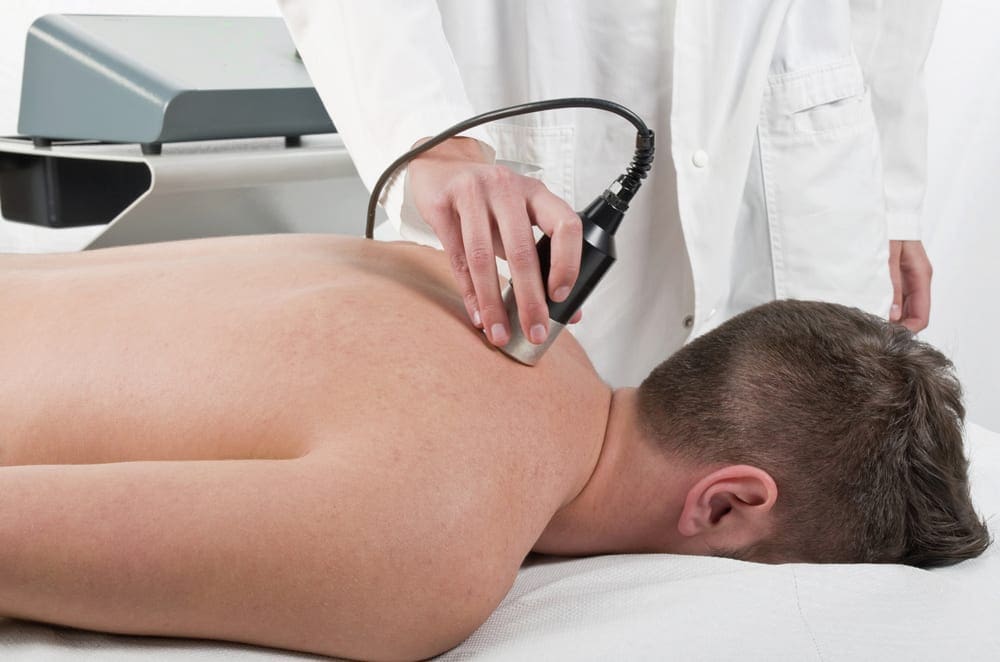
You wake up with it. You go to sleep with this. Chronic pain, by definition, does not go away. Millions of people live with chronic back or neck pain every day. Chronic pain is technically defined as pain that persists for 12 weeks or even longer, even after the injury has healed. Thankfully, while many individuals with chronic pain might feel hopeless to attain relief, there are a variety of treatments which may help manage the pain, such as laser treatment.
How does laser therapy benefit chronic pain?
The idea that light energy can accelerate recovery in tissues, can reduce inflammation and pain, relax muscles, and stimulate nerve wracking with the use of a lase appears to be farfetched. Science, however, tells us these effects may be true. The inquiry is, to what extent does this work and is this based on power and wavelength?
“Wavelength and power determine the capacity of this laser to penetrate in the body. Once you are in the infrared spectrum and above 800 nanometers in wavelength, laser power penetrates like x-rays, but to attain depth you need significant energy or power,” Dr. Bruce Coren states.
Two Classes of Lasers Used for Chronic Pain
There are two classes of lasers being used as a part of physical therapy for chronic pain management and relief; class 3 and 4. “Class 3 lasers are significantly less than 500 milliwatts (mw) in electricity while class 4 lasers are higher than 500 mw,” Dr. Coren stated. Class 3 lasers are occasionally referred to as cold capsules, as well as the treatment might be known as LLLT for low-level laser treatment. In contrast, class 4 laser therapy is sometimes called HPLT for high-power laser treatment.
“The vast majority of neuro-musculoskeletal conditions respond better to some higher power and a higher dosage, which can be a function of energy output and time,” Dr. Coren commented. “The top results will be obtained using a laser which has 30 watts of electricity or more. A 10-minute treatment using a 30-watt laser can produce 18,000 joules, which gives a significant pain relieving, anti inflammatory and healing impact.”
Patients usually begin to feel better after one or two treatments, even though 5 or more might be needed to solve the issue. “The more persistent and extensive the injury the more treatments are often needed,” he added.
Properties of High-Power Laser Therapy
Dr. Coren spoke about the valuable properties of laser therapy and described their unique benefits and effects:
Pain Relief: “Laser therapy decreases nerve sensitivity by decreasing bradykinin; a pain eliciting compound. It normalizes ion channels, known as the gatekeepers. and releases endorphins, the body’s natural pain reliever, and enkephalins, related to endorphins. It also has a pain-blocking effect on certain nerve fibers.”
Anti-inflammatory/Healing: “Laser therapy increases ATP, which can be stored energy (ATP is the acronym for adenosine triphosphate). The cells also regenerate faster. Laser therapy causes a widening of veins and the arteries around the injury which helps to remove mobile debris and increase oxygen and nutrients. White blood cell action is enhanced which leads to the more rapid repair procedure. Some molecules that increase inflammation have been reduced, and antioxidants such as superoxide dismutase are increased with laser therapy.
Accelerated Tissue Repair and Cellular Growth: “Photons of light from lasers penetrate deeply into tissues and accelerate mobile reproduction and development. As a result of exposure to laser light therapy, the tissues of both ligaments, tendons, nerves and muscles are are repaired faster”, as stated above.
Improved Vascular Activity: “Laser light raises the formation of new cells in damaged tissue, which speeds up the recovery process, and closes wounds quickly.”
Trigger and Acupuncture Points: “Laser is particularly helpful in extinguishing painful trigger points. It’s also an effective way of stimulating acupuncture points without the distress related to needling.”
Reduced Fibrous Tissue Formation: “Laser treatment lowers the formation of scar tissue after tissue damage from repetitive motion injuries, cuts, wounds, scrapes or surgery.”
Faster Wound Healing: “Laser light stimulates the building blocks of collagen, which is important for the wound healing of damaged tissues. Collagen is the essential protein needed to replace tissue or to repair injuries. Consequently, the laser is powerful on open wounds and burns.”
Stem Cell Activation: “Laser therapy raises the amount of stem cells, which enhances healing.”
Where is Laser Therapy Administered?
High-power lasers are typically found in physical therapy clinics and chiropractic offices. Neck, back or joint pain usually responds positively to laser therapy.
“Lasers are also very powerful for inflammatory conditions, including peripheral neuropathy, tendonitis, bursitis, and capsulitis. Strains, sprains, and repetitive movement injuries all have an inflammatory component and can be successfully treated with laser,” he remarked. “There is no particular condition that reacts more quickly to laser. But some patients will react faster than others for exactly the same state as individual healing rates can vary.”
Laser therapy can be utilized as a stand-alone treatment, or with rehabilitative exercise treatment. “Rehabilitative exercises and laser treatment complement each other nicely,” explained Dr. Coren.
Laser Therapy Precautions
There are a few precautions with laser therapy. Eye protection is needed for both the therapist and patient, and laser shouldn’t be performed over malignancies, pacemakers, spinal stimulators or over the midsection of pregnant women.
Recommendations
High-power laser therapy is one of the quickest, most productive modalities therapists now have to deal with inflammation and pain. “Regrettably, laser therapy isn’t covered by insurance, and high-power lasers can be hard to find as they are expensive. Most importantly results are achieved by the amount of energy generated, 18,000-30,000 joules per treatment being the sweet spot,” Dr. Coren concluded.
The scope of our information is limited to chiropractic and spinal injuries and conditions. To discuss options on the subject matter, please feel free to ask Dr. Jimenez or contact us at 915-850-0900 .�
By Dr. Alex Jimenez
Additional Topics: Wellness
Overall health and wellness are essential towards maintaining the proper mental and physical balance in the body. From eating a balanced nutrition as well as exercising and participating in physical activities, to sleeping a healthy amount of time on a regular basis, following the best health and wellness tips can ultimately help maintain overall well-being. Eating plenty of fruits and vegetables can go a long way towards helping people become healthy.
You hear that you are supposed to stay busy through your chronic pain and you believe, “But how? Actions make my pain worse. Just getting through the day at work is agony, and today the doctor expects me to perform extra tasks?” This is the point where a physical therapist may help.
How can a physical therapist help with my chronic pain?
Physical therapists can give you a personalized strengthening and workout plan, besides helping you learn how to manage your own “daily life” chronic pain symptoms. The physical therapist will do a thorough physical evaluation to assess your chronic pain and its impact. They will also ask about your therapy goals: do you wish to learn how to better handle your pain? What would be helpful to learn from physical therapy? Using that information, the physical therapist will create a therapy plan especially for you.
Physical Therapy is Active and Passive
Physical therapy includes both active and passive treatments. Passive treatments help to unwind you and your physique. As you don’t need to actively participate, they’re known as passive. Your physical treatment program may begin with treatments that are passive, but the goal is to get into treatments that are more active. These are exercises which strengthen your body and help you handle the pain that is chronic.
Passive physical therapy treatments include:
Deep Tissue Massage: This technique targets spasms and chronic muscle strain that perhaps builds up through life stress. You could have spasms or muscular strain because of strains or sprains. The physical therapist uses direct pressure and friction to attempt to release the tension in your soft tissues (ligaments, tendons, muscles).
Hot and Cold Therapies: Your physical therapist may alternate between cold and warm therapies. The physical therapist attempts to gain more blood to the target area by applying hot treatment because an increased blood circulation brings more oxygen and nutrients to this region. Blood circulation is essential to remove waste byproducts made by muscle spasms, and in addition, it helps relieve symptoms associated with chronic pain. Cold treatment, also called cryotherapy, slows circulation, helping to decrease inflammation, muscle spasms, and pain. You might be given an ice pack or even be given an ice massage. Another alternative that is part of cryotherapy is a spray which cools the tissues. After cold therapy, your physical therapist may have you stretch the affected muscles.
TENS (transcutaneous electric nerve stimulation): A TENS machine stimulates your muscles through factor (but safe) intensities of electrical current. TENS helps reduce muscle spasms, and it might increase the own body’s production of endorphins, your pain killers. The TENS gear your therapist utilizes is big. But a more compact machine for “at home” use is also available. Whether big or small, a TENS unit may be a very helpful therapy.
Ultrasound: By increasing blood flow, an ultrasound helps decrease pain, numbness, swelling, stiffness, and muscle spasms. It does this by creating heat that enhances circulation, sending sound waves deep in your muscle cells.
At the active portion of physical therapy, your physical therapist will teach you different exercises to increase your flexibility, strength, core stability, and range of motion (how readily your joints move). Remember, your physical therapy program is individualized, taking under account medical history and your health. Your exercises may not be suitable for another person with chronic pain, especially since pain is such a subjective, personal experience.
Other Areas of Physical Therapy
You will learn to fix your posture and incorporate ergonomic principles in your daily activities, if necessary. This is all part of this “self-care” or “self-treatment” aspect of physical therapy. During physical therapy, you learn good habits and principles that let you take better care of your body. Staying active is an significant part chronic pain therapy. The therapist can help you figure out the best kind of workout for you.
7 Tips for Exercising When You Have Chronic Pain
Too much of the wrong activity can cause chronic pain to worsen. If jogging or running are out of the question, you may be able to handle and enjoy cycling, which can be easier on painful knees and hips. Other forms of physical therapy, including aerobics done in warm water, help to alleviate inflammation; plus the buoyancy of the water protects the body against the stress of gravity and from movements that may otherwise result in pain. No matter which type of exercise you choose, use caution not to move too fast or too much, or do so much that it becomes worse.
7 Tips for Exercising When You Have Chronic Pain
Talk to you doctor before you begin an exercise program.
Start slowly and gradually increase your efforts as you gain strength, flexibility, and confidence.
Move at your own pace. Never try to keep up with a class or a group if doing so is painful.
Exercise every day, if possible.
Strive for a balanced routine of cardiovascular, strengthening, and stretching exercise.
Accept that you will be able to do more on some days than others.
Be patient with your progress. Overexertion makes pain worse and can strain muscles.
A person’s sleep patterns are improved by exercise. When curative sleep patterns improve, chronic pain symptoms usually do too. Physically active individuals sleep longer and more deeply than people that are sedentary. Exercise also helps to relieve sleep apnea, a common disruptive sleep disorder that that abruptly stops the breath..
The scope of our information is limited to chiropractic and spinal injuries and conditions. To discuss options on the subject matter, please feel free to ask Dr. Jimenez or contact us at 915-850-0900 .�
By Dr. Alex Jimenez
Additional Topics: Wellness
Overall health and wellness are essential towards maintaining the proper mental and physical balance in the body. From eating a balanced nutrition as well as exercising and participating in physical activities, to sleeping a healthy amount of time on a regular basis, following the best health and wellness tips can ultimately help maintain overall well-being. Eating plenty of fruits and vegetables can go a long way towards helping people become healthy.
Many individuals in the United States suffer from chronic pain without understanding the source of their painful symptoms or why these have triggered from the start. A healthcare professional can help a patient understand their chronic pain but it’s important for the person to first comprehend the function of their own body.
Why does chronic pain occur?
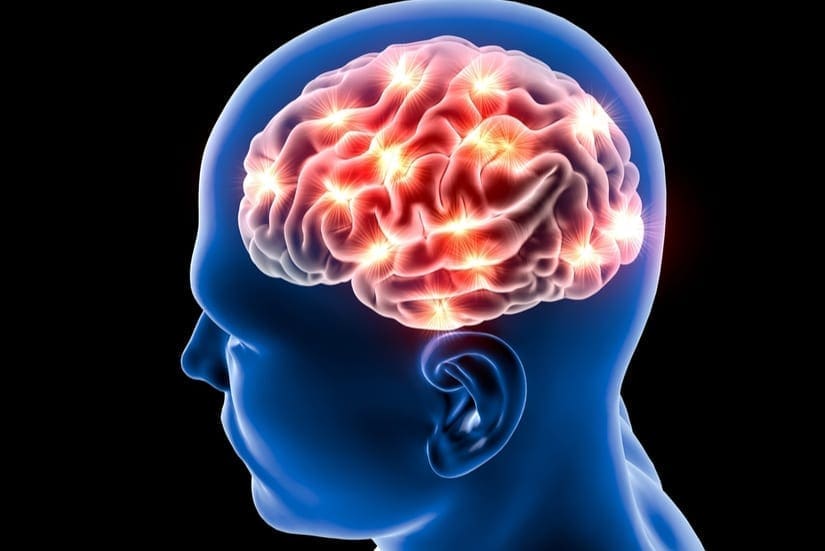
To understand chronic pain, you need to comprehend the anatomy of the nervous system. Throughout the body, the nervous system transmits messages to and from the brain, and it’s a system is very complex and intricate.
The central nervous system primarily consists of the the spinal cord and the brain. Branching off the spinal cord is the peripheral nervous system; both the central or peripheral nervous systems can be impacted by neuropathic pain, a kind of chronic pain which is commonly caused by a malfunction of the nerves.
Anatomy of Chronic Pain
The peripheral nervous system has 31 pairs of nerve roots which stretch from the spinal cord to the various areas of the body. These nerves help you feel (those are the sensory nerves) and move (those are the motor nerves). Following is a graph that shows you just how many pairs of spinal nerves are at each level of the spine.
SPINAL CORD
31 Pairs � Spinal Nerves
Cervical
8 pair
Thoracic
12 pair
Lumbar
5 pair
Sacral
5 pair
Coccyx
1 pair
The peripheral nervous system is further divided into:
The somatic nervous system, which has nerves that go into the musculoskeletal system (bones, ligaments, joints, tendons) along with the epidermis. It is what helps you feel pain.
The autonomic nervous system, which operates on the “involuntary” functions of the body. That means that it makes sure that your heart keeps pumping and your food is digested by you without even thinking of it.
Nociceptors are yet another important part of your nerves, and you want to understand them if you would like to know certain forms of chronic pain. Nociceptors are receptors at nerve endings, that function when something occurs that causes pain and they’re triggered. If you slam your finger in the car door, the nociceptors on your finger will turn on and send a pain message through the nerve to the spinal cord and forth into the brain. Two minutes until you slammed your finger, however, the nociceptor was not active because there was no stimulus (or harm) to make it react.
It is believed that a single cause of chronic pain may be due to malfunctioning nociceptors. They may be constantly sending pain messages even if there is no direct cause. Continuing the above example, state that your finger is treated after you slammed it but you still continue to feel discomfort. The nociceptors in the nerves of your finger might be malfunctioning within this case. This could result in chronic pain symptoms.
Symptoms of Chronic Pain
Chronic pain, long-term, persistent pain, is a very subjective experience, however, we can’t mention something as categorical as, “all chronic pain patients will experience chronic pain this way.” Instead, it’s more likely to say that chronic pain can take on many forms and may manifest into a variety of symptoms. Such may include:
throbbing
aching
shooting
electric
burning
sharp
feeling stiff
feeling tight
feeling sore
Chronic pain may result in other issues, especially social and emotional ones. Pain may:
Result in sleeplessness,
Drain you of energy,
Lead to depression,
Make you not want to do activities you typically like,
Weaken your immune system because a lot of your body’s energy is spent dealing with all the pain.
Lots of these other issues build off each other, which means you might hear the term “vicious cycle” when speaking about chronic pain. For instance: The pain makes it hard to sleep through the night, and that means you’re excessively tired the following day. You don’t want to go to work since you’re so tired, or do anything else. Your self-esteem begins to draw out even more, as you are not too active, in the end even withdrawing from social events.
To acquire the very best remedy for chronic pain, you must take inventory of just how much it is affecting your life–outside the physical pain. You can’t simply take care of the chronic pain on your own. Seek for a solution along with the help of medical professionals and your physician can assist you to live your own life coping with chronic pain.
The scope of our information is limited to chiropractic and spinal injuries and conditions. To discuss options on the subject matter, please feel free to ask Dr. Jimenez or contact us at 915-850-0900 .�
By Dr. Alex Jimenez
Additional Topics: Wellness
Overall health and wellness are essential towards maintaining the proper mental and physical balance in the body. From eating a balanced nutrition as well as exercising and participating in physical activities, to sleeping a healthy amount of time on a regular basis, following the best health and wellness tips can ultimately help maintain overall well-being. Eating plenty of fruits and vegetables can go a long way towards helping people become healthy.
IFM's Find A Practitioner tool is the largest referral network in Functional Medicine, created to help patients locate Functional Medicine practitioners anywhere in the world. IFM Certified Practitioners are listed first in the search results, given their extensive education in Functional Medicine