Editors Note: The information provided here was forwarded to Planet Chiropractic by a chiropractor in Texas. Far too many people (including chiropractors) are not aware of historical events that took place during the 1917 � 1918 Spanish Flu years, which involved chiropractors caring for thousands that suffered influenza infection during those times. With such a firestorm of media coverage and fear surrounding the Swine Flu Pandemic, it would be irresponsible not to attempt seeking knowledge regarding influenza events of the past.
The Official History of Chiropractic in Texas By Walter R. Rhodes, DC
Published by the Texas Chiropractic Association � 1978
CHAPTER VI: THE THREE GREAT SURVIVAL FACTORS [Excerpts by Dan Murphy, DC]
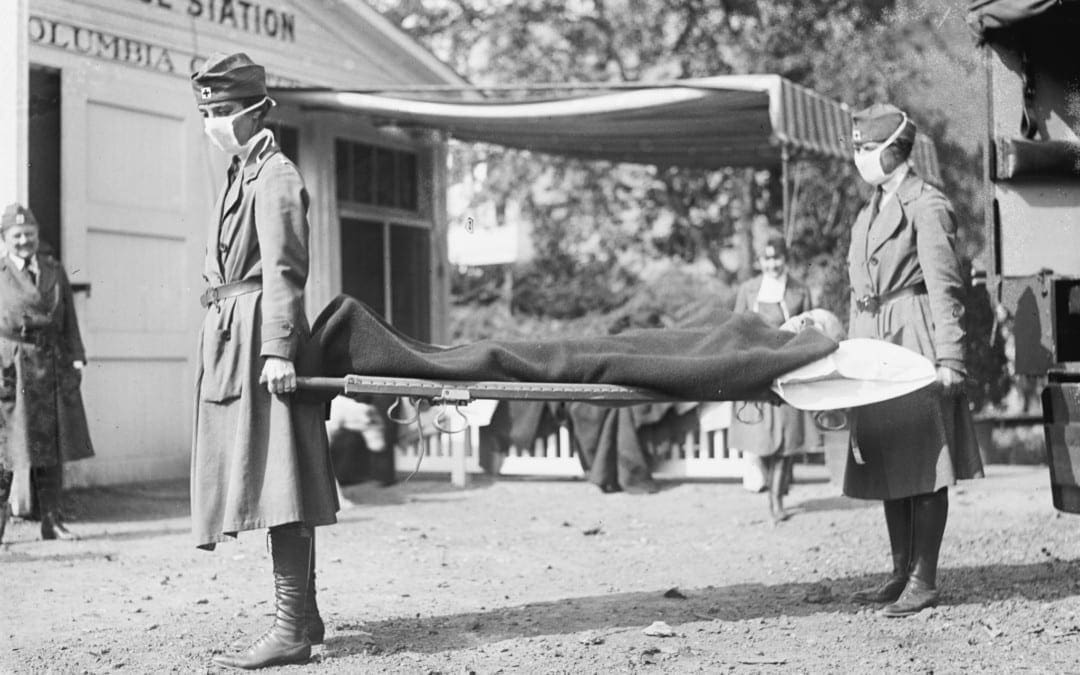
�The 1917 � 1918 influenza epidemic swept silently across the world bringing death and fear to homes in every land. Disease and pestilence, especially the epidemics, are little understood even now and many of the factors that spread them are still mysterious shadows, but in 1917-1918 almost nothing was known about prevention, protection, treatment or cure of influenza. The whole world stood at its mercy, or lack of it.�
�But out of that particular epidemic, the young science of chiropractic grew into a new measure of safety. While many struggles would lie ahead this successful passage of the profession into early maturity assured its immediate survival and made the eventual outcome of chiropractic a matter for optimism. If there had been any lack of enthusiasm among the doctors of chiropractic, or a depleting of the sources of students then the epidemic took care of them too. These chiropractic survivors of the flu epidemic were sure, assured, determined, and ready to fight any battle that came up. The effect of the epidemic becomes evident in interviews made with old-timers practicing in those years. The refrain comes repeatedly,�
�I was about to go out of business when the flu epidemic came � but when it was over, I was firmly established in practice.�
�Why? The answer is reasonably simple. Chiropractors got fantastic results from influenza patients while those under medical care died like flies all around.� �Statistics reflect a most amazing, almost miraculous state of affairs. The medical profession was practically helpless with the flu victims but chiropractors seemed able to do no wrong.�
�In Davenport, Iowa, 50 medical doctors treated 4,953 cases, with 274 deaths. In the same city, 150 chiropractors including students and faculty of the Palmer School of Chiropractic, treated 1,635 cases with only one death.�
�In the state of Iowa, medical doctors treated 93,590 patients, with 6,116 deaths � a loss of one patient out of every 15. In the same state, excluding Davenport, 4,735 patients were treated by chiropractors with a loss of only 6 cases � a loss of one patient out of every 789.�
II.
�National figures show that 1,142 chiropractors treated 46,394 patients for influenza during 1918, with a loss of 54 patients � one out of every 886.�
�Reports show that in New York City, during the influenza epidemic of 1918, out of every 10,000 cases medically treated, 950 died; and in every 10,000 pneumonia cases medically treated 6,400 died. These figures are exact, for in that city these are reportable diseases.�
�In the same epidemic, under drugless methods, only 25 patients died of influenza out of every 10,000 cases; and only 100 patients died of pneumonia out of every 10,000 cases. This comparison is made more striking by the following table:�
Influenza Cases Deaths � Under medical methods � Under drugless methods �In the same epidemic reports show that chiropractors in Oklahoma treated 3,490 cases of influenza with only 7 deaths. But the best part of this is, in Oklahoma there is a clear record showing that chiropractors were called in 233 cases where medical doctors had cared for the patients, and finally gave them up as lost. The chiropractors saved all these lost cases but 25.�
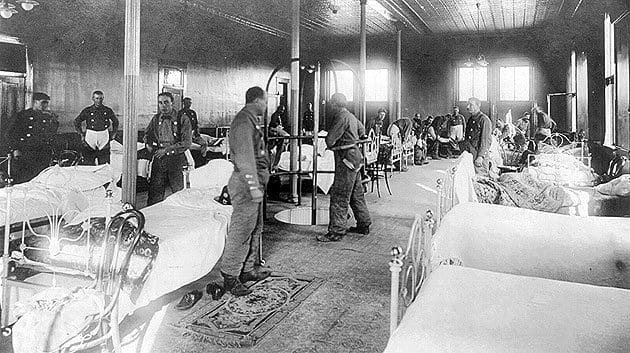
�Statistics alone, however, don�t put in that little human element needed to spark the material properly. Dr. S. T. McMurrain [DC] had a makeshift table installed in the influenza ward in Base Hospital No. 84 unit stationed in Perigau, in Southwestern France, about 85 kilometers from Bordeaux [during WWI]. The medical officer in charge sent all influenza patients in for chiropractic adjustments from Dr. McMurrain [DC] for the several months the epidemic raged in that area. Lt. Col. McNaughton, the detachment commander, was so impressed he requested to have Dr. McMurrain [DC] commissioned in the Sanitary Corps.�
III.
�Dr. Paul Myers [DC] of Wichita Falls was pressed into service by the County Health Officer and authorized to write prescriptions for the duration of the epidemic there � but Dr. Myers [DC] said he never wrote any, getting better results without medication.�
Dr. Helen B. Mason [DC], whose �son, when only a year old, became very ill with bronchitis. My husband and I took him to several medical specialists without any worthwhile results. We called a chiropractor, as a last resort, and were amazed at the rapidity of his recovery. We discussed this amazing cure at length and came to the decision that if chiropractic could do as much for the health of other individuals as it had done for our son we wanted to become chiropractors.�
Dr. M. L. Stanphill [DC] recounts his experiences: �I had quite a bit of practice in 1918 when the flu broke out. I stayed (in Van Alstyne) until the flu was over and had the greatest success, taking many cases that had been given up and restoring them back to health. During the flu we didn�t have the automobile. I went horseback and drove a buggy day and night. I stayed overnight when the patients were real bad. When the rain and snow came I just stayed it out. There wasn�t a member of my family that had the flu.�
When he came to Denison he said: �I had a lot of trouble with pneumonia when I first came. Once again took all the cases that had been given up. C. R. Crabetree, who lived about 18 miles west of Denison, had double pneumonia and I went and stayed all night with him and until he came to the next morning. He is still living today. That gave me a boost on the west side of town.�
�And when interviews of the old timers are made it is evident that each still vividly remembers the 1917-1918 influenza epidemic. We now know about 20 million persons [recent estimates are as high as 100 million deaths] around the world died of the flu with about 500,000 Americans among that number. But most chiropractors and their patients were miraculously spared and we repeatedly hear about those decisions to become a chiropractor after a remarkable recovery or when a close family member given up for dead suddenly came back to vibrant health.�
�Some of these men and women were to become the major characters thrust upon the profession�s stage in the 20�s and 30�s and they had the courage, the background and the conviction to withstand all that would shortly be thrown against them� [including being thrown in jail for practicing medicine without a license].
�The publicity and reputation of such effectiveness in handling flu cases also brought new patients and much acclaim from people who knew nothing of chiropractic before 1918.�
IV.
�The first survival factor for chiropractic: they were the legal and legislative salvation. But the fabulous success of chiropractic in combating the 1917-1918 influenza outbreak was the public relations breakthrough that can certainly be called the second great survival factor. Better acceptance by the public followed and more patients meant financial safety for practicing chiropractors. Dedicated chiropractors came into the profession in increasing numbers and they had a sure sense of certainty, heady conviction, and a great willingness to fight for the cause.�
Other Texas Chiropractic History (view more at chirotexas.com)
1916 � Texas State Chiropractic Association Formed
1916 � First TSCA annual convention held at the St. Anthony Hotel in San Antonio
1917 � First chiropractic bill introduced into Texas Legislature
1923 � Second chiropractic bill introduced into Texas Legislature
The Narrative Of JFK Shows The Difficulty In Diagnosing & Treating Spinal Disorders.
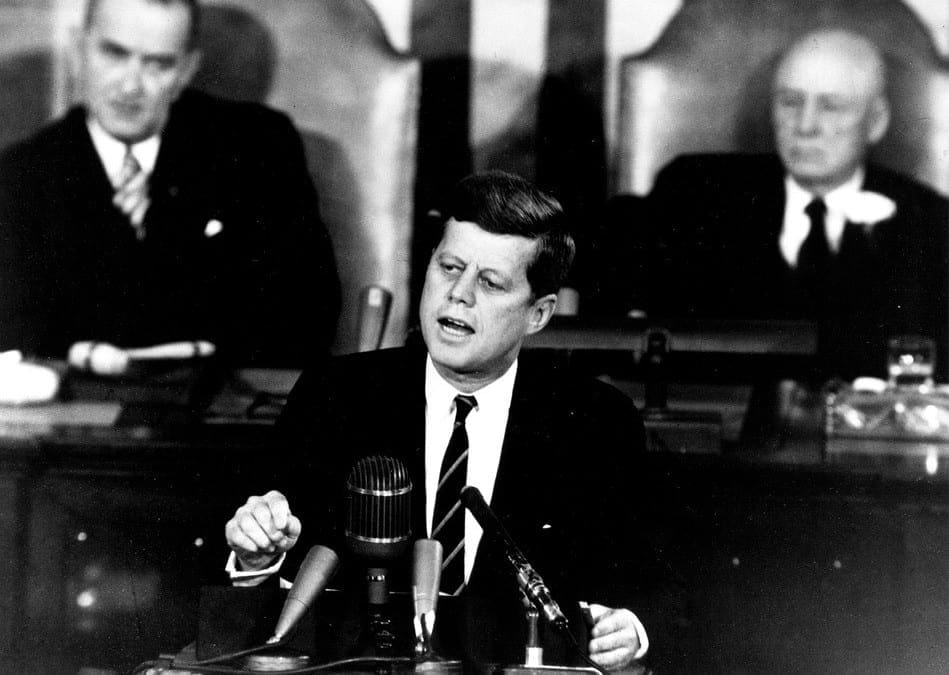
At age 43, John F. Kennedy was the youngest president elected into U.S. workplace, and has been depicted as full of youth and vitality. But he was far from healthy, and spent most of his adult life fighting with many medical issues, including back pain which started during college and continued until his death, according to a recent review article from the Journal of Neurosurgery: Spine.
John F. Kennedy’s back pain is thought to have started following a football injury, while Kennedy was in undergraduate school at Harvard, clarified coauthor Justin T. Dowdy, MD, who is a neurosurgeon at Hot Springs Neurosurgery Clinic, in Hot Springs, Arkansas.
Based on 10 years of study on Kennedy’s medical documents and reported symptoms, senior author T. Glenn Pait, MD, believes Kennedy had discogenic disease stemming from an accident in his childhood that began a cascade of problems in his low back. Dr. Pait is Director of the Jackson T. Stephens Spine and Neurosciences Institute at the University of Arkansas for Medical Sciences.
Kennedy was originally rejected when trying to enlist in the Army due to his medical issues, such as back pain, but was eventually accepted in the U.S. Naval Reserve during his dad’s connections. “This is a testament to his decision to serve his country,” Dr. Pait said. “Kennedy was originally given a desk job, but that was not enough for him, and he was later admitted into a patrol torpedo program.”
Kennedy’s back issues worsened when his naval boat was hit by a Japanese destroyer, and Kennedy drifted for 5 hours to a nearby island while towing an injured crewman to shore by holding the ring of the man’s life jacket between his teeth, Drs. Dowdy and Pait noted in their newspaper.
The review article refers to a series of 4 ineffective surgeries, including a sacroiliac (SI) and lumbosacral fusion. Various doctors who treated Kennedy had different theories about the reason for his back pain, also suggested a variety of different treatments ranging from trigger point injections and an exercise program (swimming and weight lifting), to massage and a back brace, to methamphetamine-containing shots. The exercise program, started later in his life, produced “dramatic” improvement, according to the researchers. The program consisted of weight lifting three times each week and everyday swimming plus massage and heat therapy.
“JFK’s narrative illustrates the difficulty and complexity in diagnosing and treating spinal disorders, especially in the context of chronic pain,” Dr. Dowdy advised SpineUniverse. “Our spines age as we age if it’s degenerative disk disease, pinched nerves, or spinal stenosis–imaging abnormalities are certain to appear later in life. Treating and preventing these disorders is just as much of an art as it’s a science, particularly in determining those individuals who will probably benefit from surgery.”
Dr. Dowdy noted that much progress has been made in how spinal conditions are diagnosed and treated as the time when Kennedy sought attention, such as “that the refinement of both less-invasive spine surgery methods and diagnostic imaging.” Dr. Dowdy also emphasized an important point that applies to any era: “the significance of having a trusted spine surgeon who is prepared and capable of supplying the right surgery in the appropriate conditions.”
John F. Kennedy’s story also suggests that “the most beneficial methods to prevent chronic back pain may be accessible and affordable,” Dr. Dowdy stated. “Often the most appropriate strategy for chronic low back pain is actively pursuing proper spine hygiene: maintaining healthy body weight, refraining from smoking, and pursuing a nutritious diet and exercise–especially workouts comprising yoga-style stretches,” Dr. Dowdy emphasized. “It boils down to pursuing a healthy and active way of life.”
“Individuals who suffer from chronic pain may hopefully be inspired to know that Kennedy remained physically energetic and driven to accomplish his goals despite his annoyance,” Dr. Dowdy concluded.
Backpack pain is an all too common condition of school-age children. While back pain is a known and widely-studied issue in adults, its prevalence in school-aged children has received relatively little scientific attention. Elementary, middle, and high school students must often carry backpacks that weigh enough to trigger chronic back pain, bad posture, and even decreased lung volume. I have written about this issue earlier, but lately, several studies reveal the truths behind childhood back pain and ways to mitigate it.
Are Backpacks Too Heavy For Kids?
Recent research supports that children carrying backpack loads of over ten percent of their body weight have a greater chance of creating back pain and related difficulties. An global study found that an alarmingly large percentage of school-age kids in Australia, France, Italy, and the United States often carried backpacks weighing more than the ten percent threshold.
In a second study involving a sample of 1540 metropolitan school-aged children, more than a third of the children surveyed reported backpack pain. Along with carrying heavy backpacks, female students and those diagnosed with scoliosis had a larger association with back pain pain. Children with access to lockers reported less pain.
The number of straps on the back had little effect on the respondent’s replies. Children also reported restricted physical activity due to back pain, and some took drugs to alleviate the pain.
Girls who transported bags in addition to wearing a backpack reported considerably greater back pain. Adolescents with back pain spent more time watching television than their peers. More than 80 percent of the surveyed thought that carrying a heavy backpack due to their back pain.
Backpack Pain Solutions
The research revealed several things that might help reduce back pain in school-aged children. The best way to prevent back pain is to refrain from carrying heavy loads.
Kids ought to make the most of locker breaks and only carry items necessary for a couple of courses at one time. When lifting a back pack, children should crouch down and bend their knees rather than curve the spine.
Backpack Safety
Appropriate Backpack Carrying Techniques
While not conclusive, research also supports that carrying the weight otherwise, e.g., by hand rather than by back pack, may help stop or reduce back pain. The American Occupational Therapy Association and the American Chiropractic Association provide these additional safe backpack etiquette tips:
Children should avoid carrying over 10 percent of the bodyweight in their backpack. For instance, an 8th-grader weighing 120 pounds should take no more than 12 lbs.
Place the heaviest objects at the back of the pack.
Make sure the items fit as snugly as possible to minimize back pain due to shifting weight.
Adjust the shoulder straps so they fit snugly over your kid’s shoulders and the back pack doesn’t drag your child backward. The bottom of the pack ought to be less than four inches under your child’s waist.
Children should avoid carrying backpacks slung over one shoulder, as it could cause spinal pain and general discomfort.
Encourage your child to carry only necessary items in their own backpack. Extra items can be carried in hand.
Look for backpacks with useful features like multiple compartments for even weight distribution, cushioned straps to protect the neck and shoulders, and waist belt.
If your child’s school permits, think about a roller pack, which rolls on the floor like luggage.
If problems persist, talk to your child’s teacher or principal about implementing paperback textbooks, lighter materials, or electronic versions.
Chiropractic, Massages & Spinal Injections Are Your Papal Prescription For Low Back & Leg Pain.
Should you suffer from the low back and leg symptoms of sciatica, the pope feels your pain. Reports reveal that Pope Francis has spent part of his 2017 summer undergoing spinal shots and massage therapy to help manage his sciatica.
Sciatica is intense low back and leg pain which runs along the course of the sciatic nerve, that is the longest and largest nerve in the human system. The sciatic nerve extends from your low back all the way down to a foot. Several spinal ailments can irritate the sciatic nerve and cause sciatica, including a herniated disc, lumbar spinal stenosis, spondylolisthesis, and trauma (you can read more in common sciatica causes). The root reason for Pope Francis’ sciatica is unclear.
The 80-year-old pope has suffered from sciatica for many years, having first remarked on his struggle with it in a 2013 through a media conference when he said, “Sciatica is very painful, very painful! I don’t wish it on anyone!”
More recently, the pope has received epidural steroid shots and massages twice a week to handle his back pain pain, according to the Italian news magazine Famiglia Cristiana.
Sciatica PSA
How Spinal Injections & Massage Can Help Relieve Sciatica
Pope Francis’ routine of epidural steroid injections and massages underscores the fact that while the pain of sciatica can be extreme–almost indescribable–spine operation isn’t always the answer. The pope’s non-surgical approach to sciatica pain management is one that many individuals suffering from the illness adopt.
With epidural steroid shots, strong anti-inflammatory drugs known as corticosteroids are injected near the spinal nerve roots. The therapy works with varying success, but some people experience decreased pain for months following an injection.
With massage, a therapist can target the muscle tension that may be compressing the sciatic nerve or associated nerve roots. Deep tissue massage treatment may be type of massage used, since it utilizes direct pressure and friction to release the pressure in the soft tissues (ligaments, tendons, muscles) surrounding the sciatic nerve.
The impulse to view human life as fundamental to the existence of the universe has been triggered in the traditions of all cultures. It is so fundamental to the way people observed facts that it might be, to a certain extent, ingrained in the way the human psyche has evolved.
That humanity is out of balance with the character of nature is a subject of controversy. There is little question that people are fouling the world to the purpose of extinction for all other life, including our own. To claim otherwise is foolish. In a variety of ways, people have attempted to grasp the problem, define it, and search for answers.
Of the many new and more faddish results, few have been as popular as deep ecology, also known as Biocentrism, the opinion that individuals are acting out of excessive human centered beliefs, known as anthropocentrism, and consequently ruining the planet and the remaining species which have equally as much inherent right to endure their biological fate as we do. Accordingly, Biocentrism (life/earth/nature centered) calls for a new way of acting. Specifically, it requires earth-centered action and thinking, instead of putting ourselves first, as a means from the world dilemma.
Understanding Biocentrism Beliefs
Should deforestation be stopped? Why should greenhouse gas emissions be reduced? One could point to the health of future generations and the survival of the individual species to reply queries like these. One could appeal to the preservation of biodiversity and the natural world’s intrinsic value. Both of these attitudes are really distinct, and several scholars have thus discerned between anthropocentric (also known as “homocentric” or “altruistic”) and biocentric (also known as “ecocentric” or “biospheric”) issues for the environment. While biocentric worries are oriented toward protecting organisms and nature concerns for the environment, anthropocentric concerns are narrowly aimed at maintaining the welfare of humans. Biocentrism is more reliably and related to environmentalism, both for behaviors and also for values while anthropocentrism can lead to pro-environmental actions and attitudes.
In order to promote environmentalism, it’s essential to understand how moral intuitions can be made to resonate with values associated with maintaining the natural world. Examining the psychological foundations of biocentrism claims to illuminate a path toward a more sustainable future. For this goal to be achieved, the concept of biocentrism has to be deconstructed and operationalized in terms that are significant, psychologically to humans.
Specifically, biocentrism is unlikely to be a singular stance, it plausibly is made up of at least two distinct attitudes. To begin with, biocentrism can stem from a desire to avoid hurting sentient beings (e.g., harboring concerns about killing creatures). Secondly, biocentrism can stem from a desire to uphold innocence in nature (e.g., harboring concerns about violating the sanctity or telos of natural kinds). Avoiding injury and maintaining purity have been identified as 2 distinct kinds of issues that rely on different systems of cognitive and emotional processing. As a result, the concept of biocentrism can potentially obscure an important distinction in environmentalist attitudes among society.
Applying Biocentrism to Improve the Environment
Subdividing biocentrism to two different moral concerns is a meaningful starting point for investigating its psychological underpinnings. Recognizing biocentrism concerning avoiding harm emphasizes the value of extending mental states and rights to non invasive entities. In particular, the inclination toward anthropomorphization can improve environmentalism because non-humans are conceptualized as owning human-like minds, thus having a heightened capacity to become harmed.
Studies have demonstrated that anthropomorphizing different species or characters raises behaviors and biocentric beliefs. Taking the perspective leads to higher concerns for the environment. Concerns about character rest on capacities for person perception and subjective ascriptions of others’ suffering, such that justice’s reach is enlarged to include non-human beings. This way, biocentrism can appear in the same psychological processes that produce anthropocentrism; the only difference is that they’re applied to a wider circle. This may explain why anthropocentrism and biocentrism are sometimes found to be similar. Ultimately, biocentric beliefs can help individuals take care of the ecosystem, ensuring our safety and survival the same as other species in the environment.
Biocentrism is sometimes rooted in concerns about sanctity or purity. Nature could be conceptualized that people have a sacred responsibility and also this sanctification of this world was demonstrated to boost behaviours and beliefs. As an instance, framing messages that are ecological in terms of sustaining the purity of the surroundings raises the pro-environmental attitudes of conservatives. Furthermore, although this form of biocentrism is predominant in spiritual and religious people, it is probably found in secular people. Really, sanctification often happens outside of theistic settings, as well as also the treatment of certain facets of nature as sacred may stem from a more general deontological inclination to harbor “protected values”. Biocentrism is occasionally orthogonal to considerations about harm, arising from different psychological processes and moral beliefs.
In sum, at least two distinct concerns can drive biocentrism. It’s largely geared toward protecting humanized and sentient entities, when biocentrism is focused on avoiding harm, and it is likely moderated by individual differences in the propensity to anthropomorphize character. When biocentrism is focused on upholding the purity of the environment, it functions at a more systemic level rather than focusing on the protection of, entities that are individuated.
Furthermore, a purity-based biocentrism is moderated by individual differences in spirituality and in trends to take care of certain objects. Though they might, the psychological profiles underlying environmentalist attitudes because of injury concerns and due to purity concerns are consequently different. Recognizing this distinction carries substantial implications. An adequate account of environmentalist attitudes requires that the construct of biocentrism is ultimately replaced by more well-known distinctions. Knowing this aspect of human psychology will serve as a step in putting an end to greenhouse gas emissions, deforestation, and other dangers which affect human well-being.
The scope of our information is limited to chiropractic and spinal injuries and conditions. To discuss options on the subject matter, please feel free to ask Dr. Jimenez or contact us at 915-850-0900 .�
By Dr. Alex Jimenez
Additional Topics: Wellness
Overall health and wellness are essential towards maintaining the proper mental and physical balance in the body. From eating a balanced nutrition as well as exercising and participating in physical activities, to sleeping a healthy amount of time on a regular basis, following the best health and wellness tips can ultimately help maintain overall well-being. Eating plenty of fruits and vegetables can go a long way towards helping people become healthy.
A range of factors can play an essential part in the experience of chronic pain. Pain is the body’s normal reaction to an injury or illness, But for many people, pain can be a constant.
When pain lasts for 3 to 6 months or more, it�s called chronic pain. If you hurt day after day, it can take a toll on your emotional and physical health. And, if your emotional and physical health are affected, a variety of fundamental microorganisms can be affected as well. In order to maintain overall health and wellness, following a biocentric approach can often help best understand the impact of maintaining the health of every part which makes the human body. It may be beneficial to view this model to conceptualize the complex nature of this frequent condition.
Tissue Damage
This is damage or injury to the tissue which often generally can be the start of pain. The tissue damage causes input to the nervous system, commonly identified as the pain signal. This is also termed as “nociceptive input.” Each cell in the body comes together to form a variety of complex tissues, which independently come together to form organs and other important structures, each in charge of performing essential functions for the body.
Biocentrism,�the view or belief that the rights and needs of humans alone are not more important than those of other living things, explains how taking care of every single structure in the body, such as the cells which form tissues, even including microorganisms, can ensure the well-being of the body as a whole. Damaged tissues can often be a sign of a deeper issue within the human body. Tissue damage can be additionally caused by a variety of other issues.
Pain Sensation
In the simplest terms of this model, pain sensation is the actual perception that occurs in the brain following the nerve signals, due to nociception, which travel from the periphery into the central nervous system. Whilst nociception occurs at the site of injury, pain sensation is experienced in the brain. The human body is not simply a single organism, it is comprised of a wide variety of microorganisms, many of which help maintain the well-being of the nervous system.
Thoughts
Cognitions or ideas occur and are an assessment of the pain sensation signal coming into the nervous system as well as events surrounding it. These thoughts can be unconscious or conscious and will influence the way pain signals are perceived. For example, general body aches and stiffness are traditionally considered to be “good pain” when those happen after a vigorous exercise session, whereas they’re perceived as bad pain when related to a health illness, such as fibromyalgia,�a chronic disorder characterized by widespread musculoskeletal pain, fatigue, and tenderness.
Emotions
The psychological component of pain is a person’s response to thoughts about the pain. If you believe (thoughts) that the pain is a serious danger (e.g. a tumor), subsequently emotional responses will incorporate fear, depression, and anxiety, amongst others. If you believe the pain isn’t a threat, then the psychological response will probably be negligible. Chronic pain has been a misunderstood condition and it’s effects have been reported to cause an array of emotional as well as mental disorders, due to the difficult ability to assess such conditions.
Suffering
The term “suffering” is often employed as a synonym for “pain” even though they’re theoretically and conceptually distinct. For example, a broken bone might cause pain without discomfort (since the individual knows the pain isn’t deadly and the bone will heal). By comparison, bone pain due to a tumor might cause the identical pain for a break but the distress will be much greater because of the “meaning” behind the pain (that tumor could be life-threatening). Suffering is connected to the psychological component of pain. For certain conditions which cause chronic pain, often seen in patients with fibromyalgia, a condition believed to have no cure, the fact alone that the individual’s symptoms of discomfort will never “go away” can implement a great deal of suffering.
Pain Behaviors
Pain behaviors are defined as things people do if they are in pain or suffer. These are behaviors that others observe as indicating pain, like limping, grimacing, talking about the pain, moving and taking pain medication. Pain behaviors are in reaction to all the other facets in the pain system model (tissue damage, pain feeling, thoughts, emotions, and distress). Life experiences, expectations, and ethnic influences also affect pain behaviors of the way the pain is expressed in terms. Interestingly, pain behaviors are also influenced by the environment, like how others react.
According to biocentrism, taking care of the environment, including taking care of all forms of life, such as its plants and animals, among others, is ultimately important towards the health and wellness of every organism. For example, if the food we eat is being properly taken care of, its full benefits can be properly absorbed. Nutrition is an important contributing factor for people with chronic pain. A balanced nutrition, consisting of healthy products, can help.
Additionally,�the�psychosocial environment includes each of the environments where an individual resides, works, and plays. Studies have consistently proven that these surroundings influence how an individual will reveal pain behaviors.
The scope of our information is limited to chiropractic and spinal injuries and conditions. To discuss options on the subject matter, please feel free to ask Dr. Jimenez or contact us at 915-850-0900 .�
By Dr. Alex Jimenez
Additional Topics: Wellness
Overall health and wellness are essential towards maintaining the proper mental and physical balance in the body. From eating a balanced nutrition as well as exercising and participating in physical activities, to sleeping a healthy amount of time on a regular basis, following the best health and wellness tips can ultimately help maintain overall well-being. Eating plenty of fruits and vegetables can go a long way towards helping people become healthy.
The expression biocentrism encompasses all environmental integrity that extend the status of things from human beings to all living organisms. Biocentric ethics involves a rethinking of the relationship between nature and humans.
Biocentrism beliefs state that nature doesn’t exist simply to be used or consumed by people, but instead, that people are simply one species amongst many, and that since we are a part of an ecosystem, those activities that can negatively affect the living systems of which we’re a portion of can negatively influence us as well.
Much of the history regarding biocentric ethics can be understood concerning an expanding array of values. As environmental issues, such as human population growth, waste disposal, and resource depletion have begun to become a growing issue for society, several ethicists argued that value ought to be extended to include future generations of human beings. It’s been argued under biocentrism that individuals should expand moral standing to animals and plants and then to wilderness areas as well as ecosystems, species, and populations. Roots of biocentric ethics originated in several customs as well as in several historic figures.
The first of the five basic precepts of Buddhist ethics is to avoid harming or killing any living thing. The Christian saint Francis of Assisi preached to animals and proclaimed a theology that included plants and animals. Some Native American traditions hold that all things are sacred. The Romantic movement of the 18th and 19th centuries lacked the inherent value of the natural world against the propensity of the technological age to treat all nature as having value.
Biocentrism in the Medical World
While early biocentric beliefs and ideals have expanded through various aspects of society, biocentrism has also become the basis of ethics regarding its relation to human biomedical and behavioral research in the practice of human medicine, including natural, alternative care options, such as integrative medicine.
Integrative medicine is an approach to care that places the patient at the center and addresses the full array of physical, emotional, mental, social, spiritual and environmental influences that affect a person�s health. Implementing a personalized plan that considers the individual’s unique conditions, needs and circumstances, integrative medicine utilizes the most suitable interventions from an array of scientific disciplines to cure disease and illness as well as help people regain and maintain their overall health and wellness.
Integrative medicine is grounded from the definition of well-being. The World Health Organization (WHO) defines health as “a state of complete physical, psychological and social well-being and not just the absence of disease or infirmity.”
As mentioned above, integrative medicine attempts to restore and maintain health across a person’s lifespan by understanding the patient’s unique set of conditions affecting them and addressing the full selection of physical, emotional, mental, social, spiritual and environmental influences which can ultimately affect their wellness. During personalizing care, integrative medicine goes beyond the treatment of symptoms to address the causes of an illness. The patient’s immediate health needs in addition to the impacts of the complex and long-term interplay between influences are often taken into account before proceeding with the proper treatment.
Integrative medicine combines conventional medical treatments with remedies that are carefully selected and shown to be safe and effective. The goal is to combine the best that traditional medicine has to offer with therapeutic systems and therapies derived from ideas and cultures both new and old.
Integrative medicine is not the same as alternative medicine, which refers to an approach to healing that’s utilized in place of conventional treatments, or complementary medicine, which describes therapeutic modalities that are used to match allopathic approaches. Maintenance may be integrative irrespective of which modalities are used if the defining principles are implemented.
Many individuals erroneously use the term integrative medicine interchangeably with the conditions complementary medicine and other drugs, also known collectively as complementary and alternative medicine, or CAM. While medicine is not synonymous with CAM, CAM therapies do constitute an significant part the integrative medicine model.
The defining principles of integrative medicine are:
The individual and professional are partners in the healing process.
All aspects that influence health are taken into consideration, including body, mind, soul and community.
Providers utilize all healing sciences to facilitate the body’s innate healing response.
Powerful interventions which are organic and less invasive are utilized whenever possible.
Good medicine is based in good science. It is inquiry driven and open to new paradigms.
Together with the idea of treatment, the concepts of health promotion and the prevention of illness are paramount.
The maintenance is personalized to best address the individual’s unique conditions, needs and circumstances.
Practitioners of integrative medicine devote themselves into self-development and self-exploration and exemplify its fundamentals.
In addition to treating and managing the immediate health problems as well as the deeper causes of the disease or illness, integrative medicine strategies also focus on prevention and foster the growth of healthy behaviours and skills for successful treatment that patients can use throughout their lives. Much like the biocentrism ideals, professionals who practice integrative medicine ensure that the patient is surrounded by healthy, external factors, including environmental exposure as well as the proper nutrition, aside from the person’s unique human experience.
The scope of our information is limited to chiropractic and spinal injuries and conditions. To discuss options on the subject matter, please feel free to ask Dr. Jimenez or contact us at 915-850-0900 .�
By Dr. Alex Jimenez
Additional Topics: Wellness
Overall health and wellness are essential towards maintaining the proper mental and physical balance in the body. From eating a balanced nutrition as well as exercising and participating in physical activities, to sleeping a healthy amount of time on a regular basis, following the best health and wellness tips can ultimately help maintain overall well-being. Eating plenty of fruits and vegetables can go a long way towards helping people become healthy.
IFM's Find A Practitioner tool is the largest referral network in Functional Medicine, created to help patients locate Functional Medicine practitioners anywhere in the world. IFM Certified Practitioners are listed first in the search results, given their extensive education in Functional Medicine


 Are Backpacks Too Heavy For Kids?