Post-Injury: We push ourselves throughout our lives, and accidents that result in injuries are just part of the process. The top causes of injury include:
Falls
Automobile accidents
Sports injuries
Work injuries
Many of them lead to prolonged injury to the spine, knees, hands, and feet. The objective after an injury is to make sure the body heals properly. Without proper treatment, disability, chronic pain, and the development of other health issues are increased.
Post-Injury Care
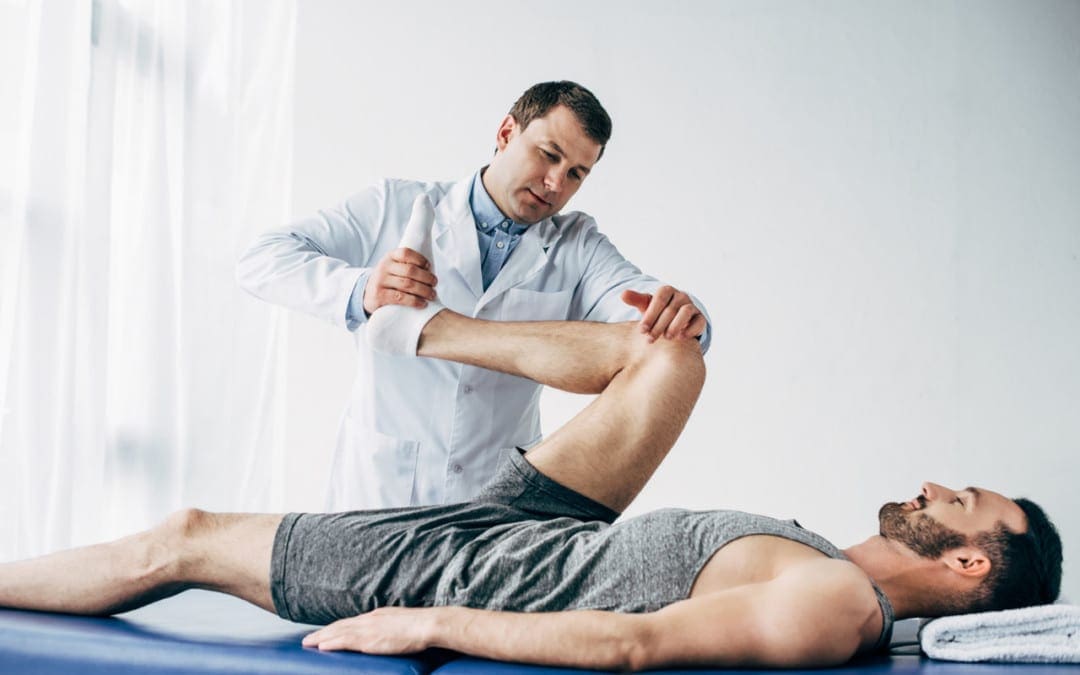
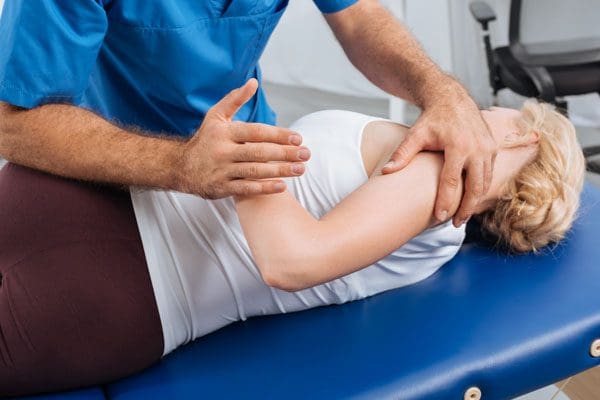
Injuries cause pain that can result in spinal misalignment, range of motion problems, and a poor quality of life. Seeking care from a spinal expert in alignment and movement will help recover quicker and sustainably. Chiropractic is a research-oriented, top-quality approach that provides natural whole-body care. A chiropractic practitioner will promote proper recovery and decrease the risk of disability and chronic suffering.
Proper spinal alignment
Chiropractic providers are experts in spinal alignment. Here are a few of the amazing benefits that chiropractic provides. Even the most subtle misalignments affect blood and nerve circulation/energy leading to decreased overall body function, slow down the healing process, increases pain, and other health issues. Misalignment is associated frequently as a root cause for symptoms. This allows the body to restore its normal function and heal the recovery process.
Tissue restoration and flexibility
Once alignment has been restored, the continued chiropractic adjustments will maximize the effectiveness of the treatment plan. A personalized treatment plan focuses on the most effective, optimal, non-invasive techniques. The objective is to maintain body balance/alignment allowing the body to recover and rehabilitate properly. Treatment can include:
Pain management with modalities
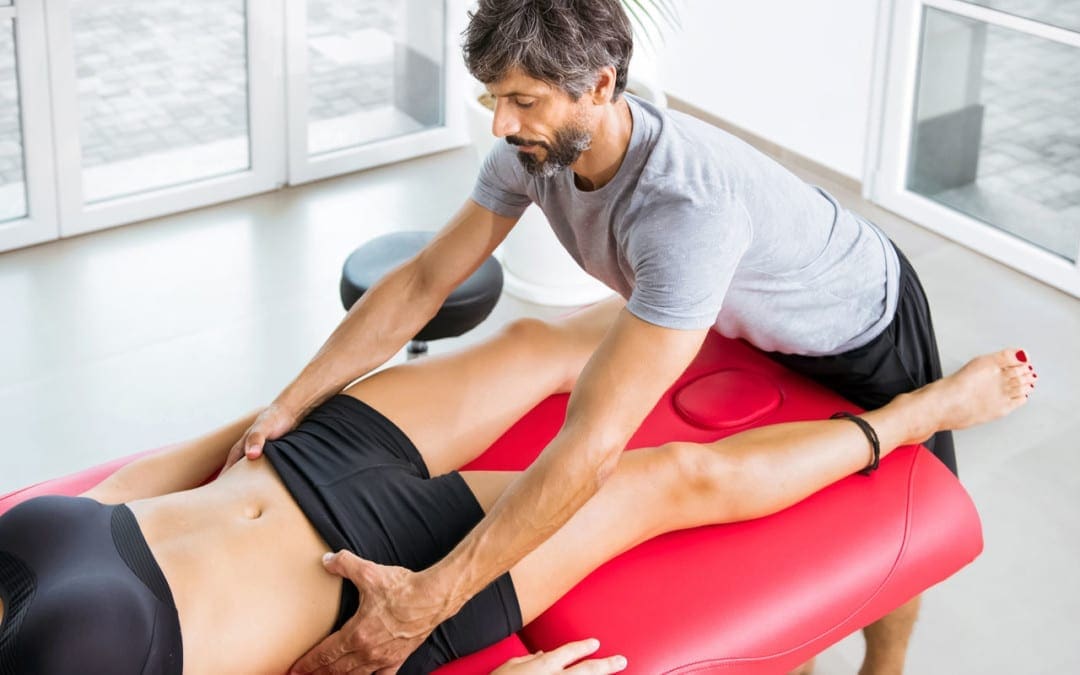
Soft tissue massage
Exercises
Stretching
Health coaching
Maximize the benefits
Initial symptoms can become chronic and worsen with time if left untreated/ignored and are not medically addressed. Properly maintained recovery will minimize this risk of exacerbating or developing new injuries. Long-term issues typically stem from:
Improper mechanics
Misunderstanding of the injury
Scar tissue
Spinal misalignments
Chiropractic experts are trained to recognize subtle changes that can make differences in the long run and will help minimize all issues right from the start.
Chiropractic for injuries
After an injury has been sustained chiropractic post-injury will increase recovery potential and get the body back on track. Chiropractic post-injury will reduce pain, and get the body back at its best. Find a chiropractor to maximize the recovery process today.
Best Sports Chiropractor
��
Dr. Alex Jimenez�s Blog Post Disclaimer
The scope of our information is limited to chiropractic, musculoskeletal, physical medicines, wellness, and sensitive health issues and/or functional medicine articles, topics, and discussions. We use functional health & wellness protocols to treat and support care for injuries or disorders of the musculoskeletal system. Our posts, topics, subjects, and insights cover clinical matters, issues, and topics that relate and support directly or indirectly our clinical scope of practice.*
Our office has made a reasonable attempt to provide supportive citations and has identified the relevant research study or studies supporting our posts. We also make copies of supporting research studies available to the board and or the public upon request. We understand that we cover matters that require an additional explanation as to how it may assist in a particular care plan or treatment protocol; therefore, to further discuss the subject matter above, please feel free to ask Dr. Alex Jimenez or contact us at 915-850-0900. The provider(s) Licensed in Texas& New Mexico*
References
Piper, Steven et al. �The effectiveness of soft-tissue therapy for the management of musculoskeletal disorders and injuries of the upper and lower extremities: A systematic review by the Ontario Protocol for Traffic Injury Management (OPTIMa) collaboration.� Manual therapy�vol. 21 (2016): 18-34. doi:10.1016/j.math.2015.08.011
The first step in chiropractic care is getting the individual’s medical history. Many visit a chiropractor with certain expectations of how things will go. They will lay down on a table while the chiropractor adjusts the spine. There will be pops and cracks, and the tension will go away. And afterward, they�ll feel better.
However, without an individual’smedical history, the treatment will not be as effective because of the lack of information. This means that a chiropractor is only able to perform general adjustments but is not able to get to the root cause and maximize the full potential of the adjustments. Patient education starts the moment someone walks into the clinic.
The nature of holistic medicine
Some questions a chiropractor might ask include:
What type of pain is presenting – shooting, burning, aching, throbbing, etc?
Have you had any recent surgeries?
Is there a history of chronic pain?
What medications are being taken?
Each will be explained in further detail and what they mean for the development of a treatment plan. An individual needs to understand how important their medical histories are for treatment progress. Patient history prevents executing the wrong treatment plan by having an informed understanding of the individual’s body.
For example, a chiropractor can�t perform the same adjustments on a senior with osteoporosis that they do on a middle-aged athlete. And someone recovering from surgery will not have the range of motion when healthy.
An adjustment can result in X, Y, or Z, depending on the factors at work. Medical history is vital as it eliminates any unknowns, so a chiropractor can solve for X, Y, or Z by being able to provide the best outcome for the individual.
The more information, the better the treatment plan
When an individual has neck pain, a doctor is not going to prescribe immediate surgery, unless it is an emergency. Rather, they will perform a full examination, ask questions, try to find the cause, and analyze the intensity of the pain. A chiropractor is no different, and individual medical history is vital. Obtaining as much information as possible can help a chiropractor reach a proper diagnosis and ensures the right course of action is taken.Individuals often do not realize but for example,
An automobile accident that happened last year could be manifesting symptoms now.
Shoulder surgery five years ago could be limiting the range of motion, affecting the musculature around the cervical spine.
Chronic plantar fasciitis and self-medicating for a while can cause instability in the lumbar spine affecting the cervical spine.
Every little bit of information can help put the puzzle together to get a clear picture of what is going on. The biggest contributor of information is patient medical history, formally documented and informally spoken.
Informed care
A visit to Injury Medical Chiropractic Clinic is a collaboration between patient and chiropractor that leads to informed and the best treatment possible. Medical history informs optimal care. For more information or for more tips on chiropractic care, contact us today.
New Patient Chiropractic Care
Dr. Alex Jimenez�s Blog Post Disclaimer
The scope of our information is limited to chiropractic, musculoskeletal, physical medicines, wellness, and sensitive health issues and/or functional medicine articles, topics, and discussions. We use functional health & wellness protocols to treat and support care for injuries or disorders of the musculoskeletal system. Our posts, topics, subjects, and insights cover clinical matters, issues, and topics that relate and support directly or indirectly our clinical scope of practice.*
Our office has made a reasonable attempt to provide supportive citations and has identified the relevant research study or studies supporting our posts. We also make copies of supporting research studies available to the board and or the public upon request. We understand that we cover matters that require an additional explanation as to how it may assist in a particular care plan or treatment protocol; therefore, to further discuss the subject matter above, please feel free to ask Dr. Alex Jimenez or contact us at 915-850-0900. The provider(s) Licensed in Texas& New Mexico*
References
Hunter, J. �Medical history and chronic pain.��The Clinical journal of pain�vol. 17,4 Suppl (2001): S20-5. doi:10.1097/00002508-200112001-00007
Consistency is what makes chiropractic care work. A common misunderstanding about chiropractic medicine is the number of follow-up treatments necessary after the initial adjustment. Every individual requires a unique customized treatment plan. There are a few general guidelines chiropractors use to determine how they schedule follow-ups. Here is some insight into the nature of corrective chiropractic adjustments.
Consistent Chiropractic
The critical nature of follow-up visits is that a single chiropractic adjustment is not an instant cure. It is an ongoing corrective process. Follow-up appointments are to ensure that the adjustments are on the right track and that whole-body wellness is maintained. Consistent chiropractic treatments maximize effectiveness and ensure proper functionality.
Types of Care
The need for consistent care can be placed in types or phases. Types of care are:
Urgent
Reparative
Preventive
Rehabilitative
Urgent
Individuals go to a medical clinic because they are experiencing discomforting symptoms, pain, etc. A chiropractor’s responsibility is to alleviate those symptoms and address the root cause. Until the symptoms stop and no longer present an individual is in the urgent phase. During this phase, because the injury/condition is new to the chiropractor, they need to get it stabilized first, which consists of several adjustments that focus on various areas. In order to bring proper balance, each of those areas is worked on at follow-up treatment sessions.
Reparative/Rehabilitative
Reparative care does not require the need to see the individual as often. Instead, the treatment is now focused on the root cause of the symptoms, and getting back range of motion. Regular appointments are still important, but they are not as frequent as initial treatment.
Preventive
The preventive care phase is when the main issues have been addressed and can now work on strengthening the immune system through regular adjustments along with stretches, exercises, and diet recommendations that will optimize overall health. This phase includes regularly scheduled but more infrequent adjustment appointments.
Chiropractic Supplementation
A properly maintained regimen of treatment is going beyond the physical manipulation of the spine. Chiropractic clinics offer many other benefits that include:
Consistent chiropractic treatment approaches require time, patience, and energy. All of these help to deliver superior care that leads to optimal health.
Power and Rehab Chiropractic Care
Dr. Alex Jimenez�s Blog Post Disclaimer
The scope of our information is limited to chiropractic, musculoskeletal, physical medicines, wellness, and sensitive health issues and/or functional medicine articles, topics, and discussions. We use functional health & wellness protocols to treat and support care for injuries or disorders of the musculoskeletal system. Our posts, topics, subjects, and insights cover clinical matters, issues, and topics that relate and support directly or indirectly our clinical scope of practice.*
Our office has made a reasonable attempt to provide supportive citations and has identified the relevant research study or studies supporting our posts. We also make copies of supporting research studies available to the board and or the public upon request. We understand that we cover matters that require an additional explanation as to how it may assist in a particular care plan or treatment protocol; therefore, to further discuss the subject matter above, please feel free to ask Dr. Alex Jimenez or contact us at 915-850-0900. The provider(s) Licensed in Texas& New Mexico*
References
Liebenson, C. �Rehabilitation and chiropractic practice.��Journal of manipulative and physiological therapeutics�vol. 19,2 (1996): 134-40.
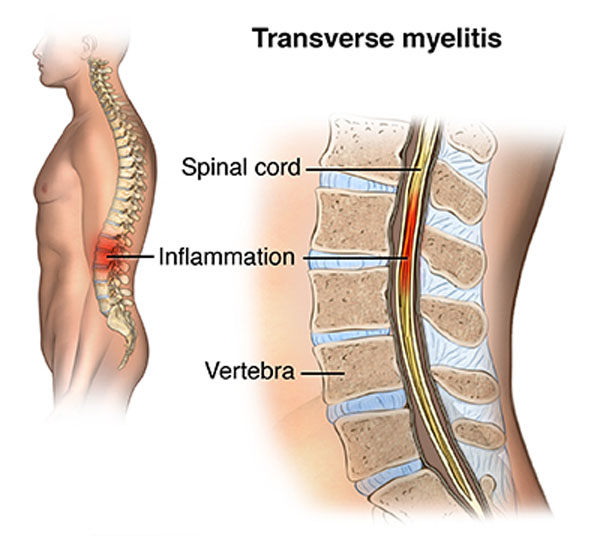
Covid-19 has impacted everyone in so many ways. There is a possible connection between Covid-19 and a rare spinal disorder known as transverse myelitis. There have been three known cases of acute transverse myelitis brought on from covid-19. Although these case reports are not enough to prove that covid is the cause for transverse myelitis, researchers are delving into the possibility of a connection between the virus and this spinal condition.
Transverse Myelitis
Transverse myelitis causes inflammation of the spinal cord. It can be caused by
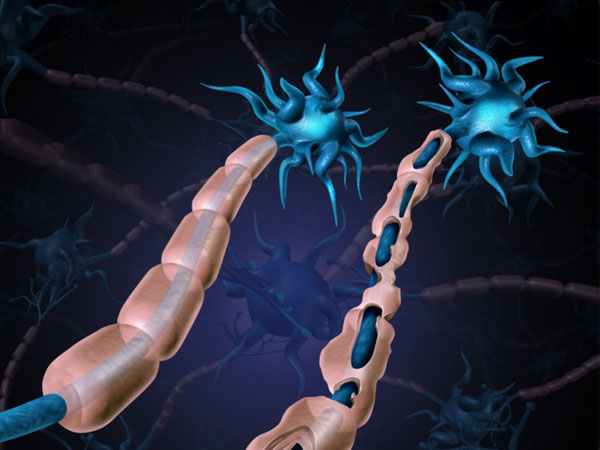
Myelin is the layer that forms around nerve cell axons or the wiring of the nervous system and insulates them. It consists of protein, fatty substances, and acts as a defensive sheath that allows electrical impulses to transmit properly. The insulation properties are essential for:
Proper motor function
Sensory function
Cognition
Without the insulation, the electrical impulses traveling through the spinal cord dissipate or weaken. The messages don’t reach the nerves and can lead to:
Muscle spasms
Twitching
Numbness
The most common disorder that destroys the myelin known as demyelination is multiple sclerosis. Transverse myelitis can affect individuals of:
Any race
Gender
Age
There are treatments, but there is no cure. Treatments consist of corticosteroids and other therapies to suppress the immune system. However, their focus is on preventing and minimizing permanent neurological damage.
Recognizing and Identifying
Symptoms of transverse myelitis can include:
Pain that usually starts in the lower back and causes shooting pain/sensations down the legs, arm, and torso
Leg/s and arm/s weakness
Sensory changes in the legs, torso, and genital area
Bladder and Bowel dysfunction
Muscle spasms
General discomfort
Headaches
Fever
Loss of appetite
Depending on the segment of the spine where the damage is occurring will determine which parts of the body are affected. Diagnosis begins with a thorough medical evaluation. A doctor will utilize various methods. A thorough neurological exam will be performed to rule out any issues that require emergency intervention. If a doctor suspects transverse myelitis they will order diagnostic tests like:
Magnetic resonance imaging or an MRI
Blood tests
Lumbar puncture
Treatment
As previously stated, there is no cure for transverse myelitis, and treatment focuses on managing complications. Treatments can include:
The hard facts are that while most people with transverse myelitis have at least a partial recovery, for some, however, recovery can continue for up to two years and longer. A combination of medications, chiropractic, and physical therapy can help improve physical symptoms.
The National Institute of Neurological Disorders and Stroke is working to understand the process, as to how the immune system destroys or attacks myelin. Hopefully, this will lead to answers, improved treatment, and prevention. It is well-documented that Multiple sclerosis, bacterial infections, and other viruses can cause transverse myelitis, research must continue to see if there is a connection to covid-19.
Chiropractic Lower Back Pain Treatment
Dr. Alex Jimenez�s Blog Post Disclaimer
The scope of our information is limited to chiropractic, musculoskeletal, physical medicines, wellness, and sensitive health issues and/or functional medicine articles, topics, and discussions. We use functional health & wellness protocols to treat and support care for injuries or disorders of the musculoskeletal system. Our posts, topics, subjects, and insights cover clinical matters, issues, and topics that relate and support directly or indirectly our clinical scope of practice.*
Our office has made a reasonable attempt to provide supportive citations and has identified the relevant research study or studies supporting our posts. We also make copies of supporting research studies available to the board and or the public upon request. We understand that we cover matters that require an additional explanation as to how it may assist in a particular care plan or treatment protocol; therefore, to further discuss the subject matter above, please feel free to ask Dr. Alex Jimenez or contact us at 915-850-0900. The provider(s) Licensed in Texas& New Mexico*
References
Chakraborty, Uddalak et al. �COVID-19-associated acute transverse myelitis: a rare entity.��BMJ case reports�vol. 13,8 e238668. 25 Aug. 2020, doi:10.1136/bcr-2020-238668
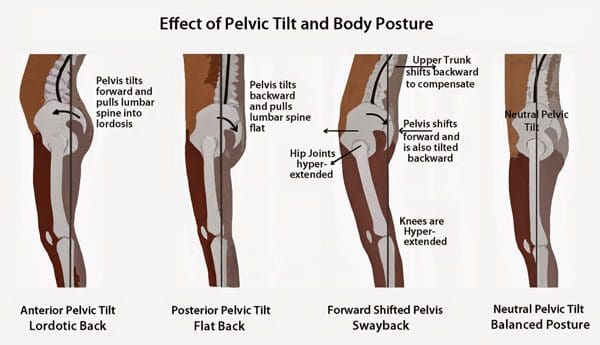
Few individuals realize they have problems with their feet. Flat feet can cause anterior or posterior pelvic tilt. This is a condition where the pelvis tilts too far forward or too far backward. Individuals can go through their entire life without realizing they have some type of foot issue. This can cause poor support in the lumbar spine generating back problems and chronic illness. The problem with foot issues is that it can set-up a chain of physiological deficiencies. This can include:
Many accept these health issues as part of their normal physiology. However, flat-feet and other related musculoskeletal issues can be identified and corrected with proper support. Custom FootOrthotics for the foot issue/s and chiropractic alignment for the whole-body. Based on the assessment of the spinal curvature and posture of the individual, a chiropractor will be able to determine to what degree the pelvic tilt and foot problem/s need to be corrected.
Foot Orthotic Support
How orthotics function to promote proper posture and alleviate back pain works like this.
First, immediate support to the feet that are weakened, unbalanced, and lack physiological strength is provided. This generates proper posture and balance all the way up the spine.
Second, the feet are able to remodel themselves over time as they become accustomed to the new support.
Pelvic Tilt Identification
Chiropractors utilize orthotics when correcting anterior or posterior pelvic tilt. This is because the conditions are the direct result of a poor/weakened foundation. When there is little or no natural arch of the foot there is no support for the:
The lower body needs this support from these various muscle groups with many in the lower back. This causes strain on these muscles and causes pelvic and potential spinal misalignment. Depending on the progress of the tilt/misalignment and posture, will aid a chiropractor to determine the best treatment approach.
Rebuilding
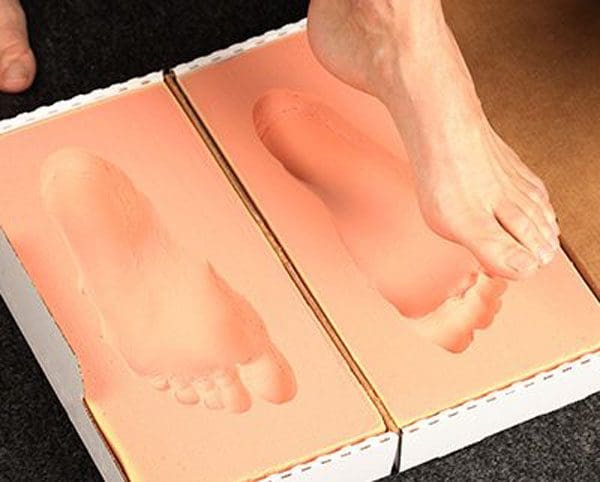
Chiropractic adjustments will be able to restore the lumbar support that was weakened or lost from foot issues. A chiropractor will go to the source or root of the problem. Foot orthotics can be a primary tool for re-training the feet for proper support. These orthotics are custom modeled to an individual�s feet.
This promotes spinal and pelvic wellness combined with the right amount of support required for each foot. Over time, and as the feet remodel themselves the custom orthotics can also be remodeled allowing for continuous improvement. With time it�s possible for many to accomplish the restoration of the body’s musculoskeletal health. These include:
Strengthened foot arches
Stress and muscle tension alleviation
A re-trained proper lower back support
Restoration of proper spinal curvature
Correct and retrain anterior/posterior pelvic tilting habits
Custom Foot Orthotics
Foot orthotics require no effort. An individual just puts them in their footwear and done. The orthotics do the work for the individual when standing, walking, or running. If diagnosed with a pelvic tilt condition or are unsure if there is a tilt, contact a chiropractor about the benefits of foot orthotics.
Benefits of Functional Foot Orthotics
Dr. Alex Jimenez�s Blog Post Disclaimer
The scope of our information is limited to chiropractic, musculoskeletal, physical medicines, wellness, and sensitive health issues and/or functional medicine articles, topics, and discussions. We use functional health & wellness protocols to treat and support care for injuries or disorders of the musculoskeletal system. Our posts, topics, subjects, and insights cover clinical matters, issues, and topics that relate and support directly or indirectly our clinical scope of practice.*
Our office has made a reasonable attempt to provide supportive citations and has identified the relevant research study or studies supporting our posts. We also make copies of supporting research studies available to the board and or the public upon request. We understand that we cover matters that require an additional explanation as to how it may assist in a particular care plan or treatment protocol; therefore, to further discuss the subject matter above, please feel free to ask Dr. Alex Jimenez or contact us at 915-850-0900. The provider(s) Licensed in Texas& New Mexico*
References
Betsch, Marcel, et al. �Influence of foot positions on the spine and pelvis.� Arthritis care & research�vol. 63,12 (2011): 1758-65. doi:10.1002/acr.20601
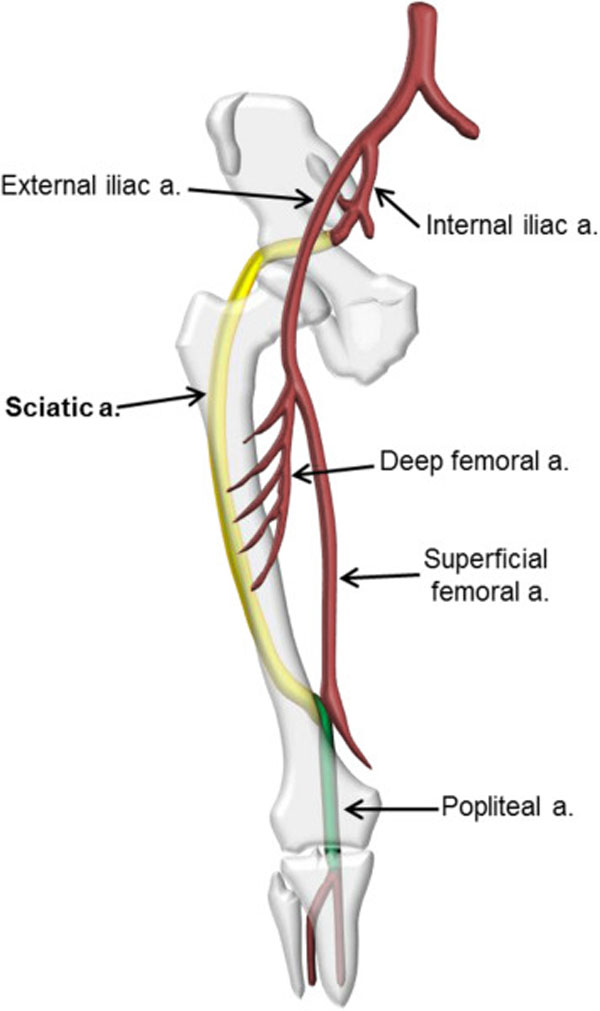
Sciatica or Aneurysm? Knowing how a missed diagnosis could be potentially fatal if not diagnosed accurately could be a deadly mistake! Doctors must not fall for a sciatica diagnosis when a possibly fatal iliac artery aneurysm lies looming and progressing.
Sciatica or Aneurysm
An example is a patient who visited an emergency clinic after a few weeks for a non-painful pulsing mass on the buttock. There was no:
Trauma
Injury
Back pain
Leg pain
Prior presentations of pain or sciatica issues
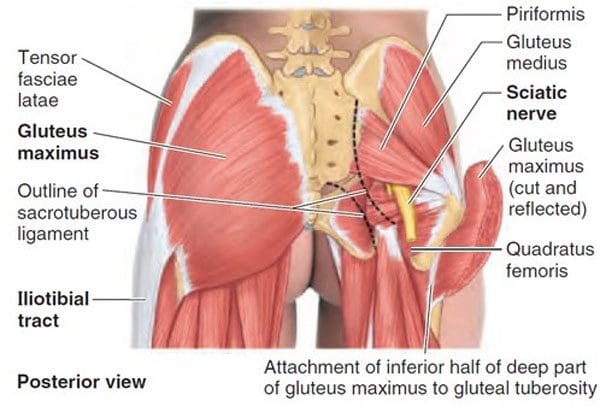
A physical examination found a small pulsing mass on the right buttock. Palpation around the site found no issues with the sensory and motor nerves.
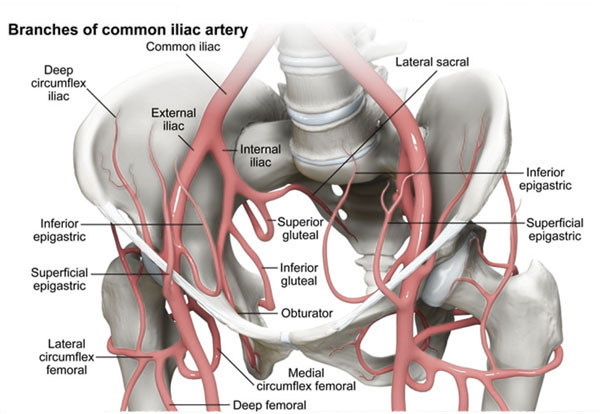
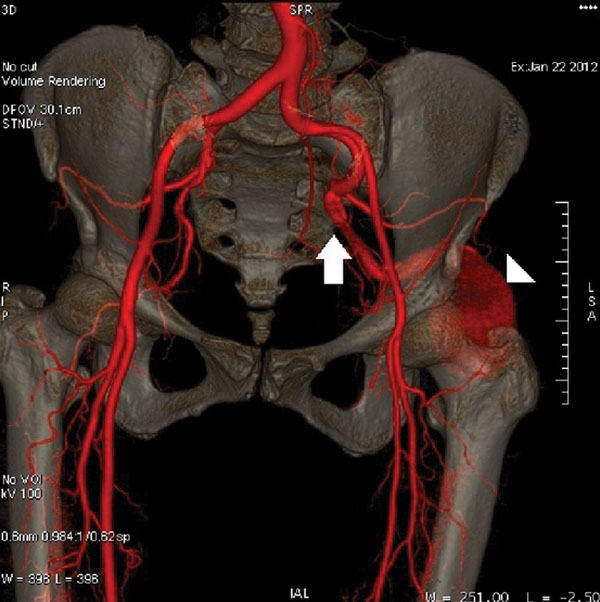
An ultrasound scan of the affected area revealed a developing aneurysm. This was followed by a CT scan of the abdomen along with the pelvis using a contrast dye found the aneurysm developing from the left internal iliac artery. If the mass was not present a doctor could easily diagnose sciatica or persistent sciatic artery. If the iliac artery presents with pulsating lesions is a tip-off that a vascular issue could be impinging on the sciatic nerve. Vascular surgery was discussed with the patient. Surgery was necessary, and the patient underwent sciatic aneurysm repair. The patient was discharged without any complications.
Persistent Sciatic Artery
This is a very rare congenital vascular condition. The sciatic artery runs along the sciatic nerve and functions as the major blood supply to the lower extremities. During human embryo development, the femoral artery begins to form while the sciatic arteries start to return to a less developed state. The process continues until the femoral artery takes over as the major blood supply, with only bits of the sciatic artery left.
Persistent sciatic artery can happen either from the sciatic artery not returning to its original size or during normal development the femoral artery developing properly. Most cases of persistent sciatic artery go unknown and are usually detected from another examination for another ailment. Aneurysms often develop based on the arteries/vessel’s tendency for minor trauma/injury when sitting or some form of pressure is applied on the site. Complications include:
Vascular Conditions In The Leg/s That Can Present As Sciatica
The legs’ blood vessels can get infected, bulged, ruptured, or blocked. This can cause sciatica symptoms, like leg pain, weakness, tingling, and numbness. Severe cases could require medical emergency surgery to save the affected limb.
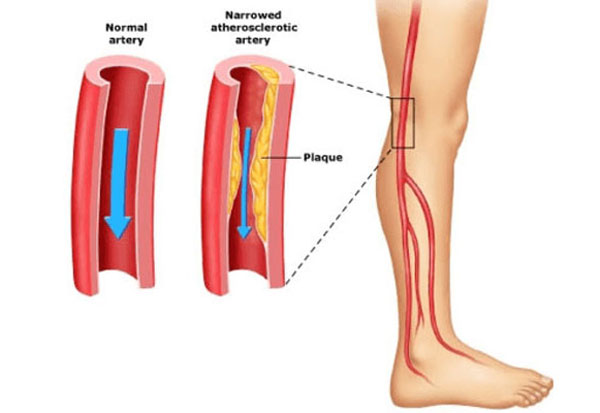
Acute Limb Ischemia
This condition occurs from a decrease or loss of blood supply to the legs. If there is leg pain, it could feel similar to sciatica pain. However, symptoms can progress rapidly and become severe. That’s when it is not sciatica. Acute limb ischemia present one or more of the following symptoms:
Pain and/or numbness in the leg while walking and when resting
Severe pain at night
Sleep problems
Pain relief when sitting on a chair with the feet hanging down
Feet and ankles become swollen
A pale color and lowered skin temperature over the toes and feet when compared to the legs
Acute limb ischemia can develop from an aneurysm, blood clot, or from the thickening of the vessel walls. Treatment should be prompt in order to preserve leg function. Differentiation diagnosis between vascular and other causes like spinal problems that can cause leg pain. A doctor may perform an Ankle/Brachial Index which is a comparison of blood flow in the arms versus the legs. This can be critical in determining if there is vascular insufficiency.
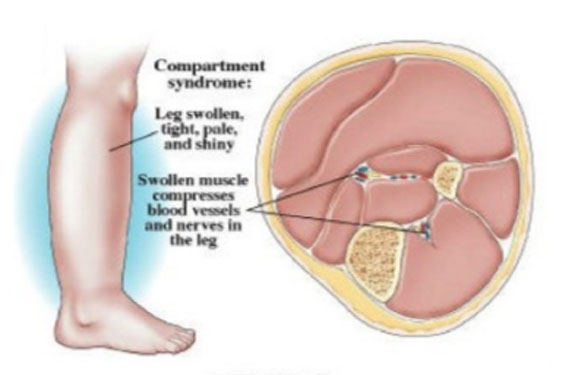
Acute Compartment Syndrome
This places increased pressure in the muscle tissues of the leg. It can lead to loss of blood supply in and around the affected area. The sciatic nerve can also get compressed from the increased pressure in the buttock, thigh, or leg. The condition can cause pain, numbness, and weakness in the buttock, thigh, and leg. Individuals have also reported an unusual/altered sensation in the web of the great toe. This is similar to sciatica, as well as one or both legs can be affected. Differentiating symptoms include:
Leg becomes swollen
Pain and tenderness present when touching the leg
A pale color and lowered skin temperature over the leg
Acute compartment syndrome is a serious condition that is considered a medical emergency. It is possible for the condition to cause complete dysfunction of the limb if not addressed in time. There are risk factors that increase the chances of developing limb ischemia or compartment syndrome. These are:
Diabetes
Heart conditions
High cholesterol
Smoking
History of having the condition can also cause a recurrence. This can be from an injury or poor health.
Kidney stones, renal failure, or cysts in the kidney can also cause back and leg pain. Other symptoms can include blood in the urine or difficulty urinating. Any sign of distressing symptoms that present with sciatica can indicate the need for medical attention. This is to check for the possibility of a serious underlying condition or medical emergency. Medical emergencies that are treated in time can help preserve the tissue/s, restore function, and save an individual�s life.
It is essential for a chiropractor or physical therapist to be familiar with diagnosing in a way that will help identify sciatica or aneurysm in individuals presenting with musculoskeletal issues/problems. Knowledge of these risk factors, understanding how to screen for non-musculoskeletal symptoms, basic competence in palpation, and how to interpret findings will help discover sciatica or aneurysm if it is there and begin timely treatment. And if it is not there then a sciatica treatment plan can be developed before it worsens.
Sciatic Nerve Pain
Dr. Alex Jimenez�s Blog Post Disclaimer
The scope of our information is limited to chiropractic, musculoskeletal, physical medicines, wellness, and sensitive health issues and/or functional medicine articles, topics, and discussions. We use functional health & wellness protocols to treat and support care for injuries or disorders of the musculoskeletal system. Our posts, topics, subjects, and insights cover clinical matters, issues, and topics that relate and support directly or indirectly our clinical scope of practice.*
Our office has made a reasonable attempt to provide supportive citations and has identified the relevant research study or studies supporting our posts. We also make copies of supporting research studies available to the board and or the public upon request. We understand that we cover matters that require an additional explanation as to how it may assist in a particular care plan or treatment protocol; therefore, to further discuss the subject matter above, please feel free to ask Dr. Alex Jimenez or contact us at 915-850-0900. The provider(s) Licensed in Texas& New Mexico*
References
Javdanfar A, Celentano C. Sciatic artery aneurysm. West J Emerg Med. 2010;11(5):516-517.
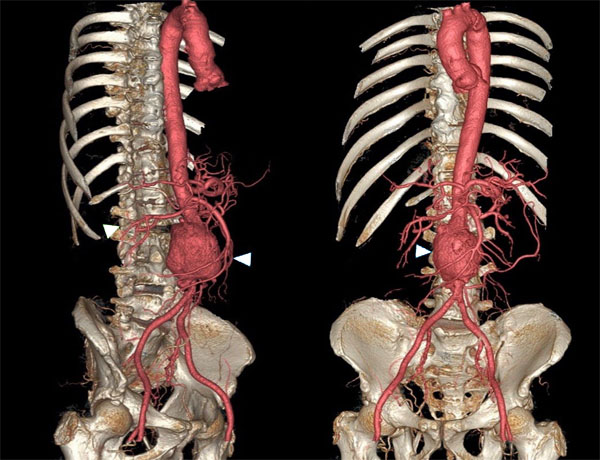
Underlying causes for an abdominal aortic aneurysm can be challenging to diagnose and identify. Combined with sciatica symptoms, doctors could misdiagnose the ailment and prescribe the wrong treatment protocol. Then an individual has to deal with two conditions that were not properly diagnosed, continue to develop, and worsen. This is why finding the right sciatica specialist that can also identify an abdominal aneurysm is so crucial to developing the right treatment plan. There can be a variety of factors that can lead to the development of an abdominal aneurysm. They include:
Health conditions associated with an increased risk for an abdominal aneurysm include:
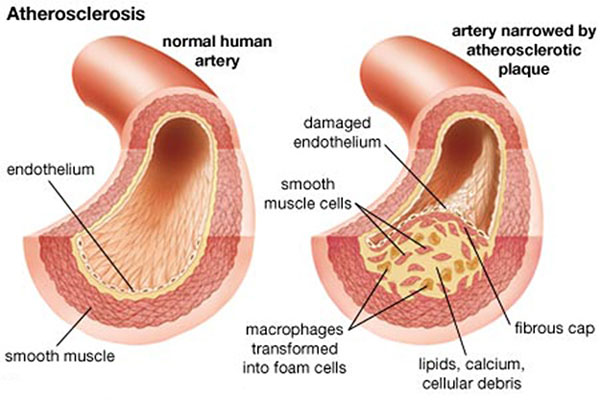
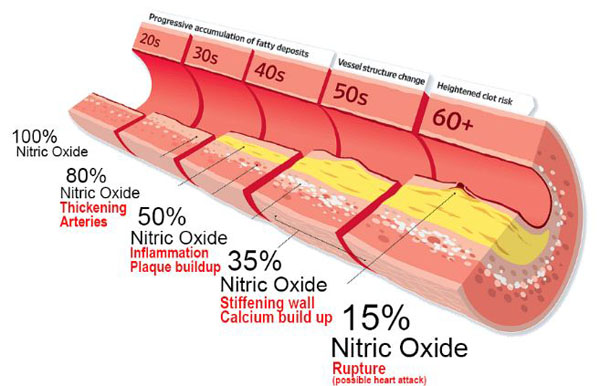
Atherosclerosis
This condition occurs when there is a buildup of fats, cholesterol, and other substances that create plaque buildup in the bloodstream. This causes vessels to harden and narrow. Atherosclerosis can develop during the young adult stage and becomes an issue later in life.
High Cholesterol
Cholesterol is a waxy, fat-type substance that is found in all the cells in the body. The body needs some cholesterol for the production of hormones, vitamin D, and substances to help digest foods. The body makes all the cholesterol it needs. Too much can build up in the blood vessels, which narrows the bloodstream and hardens the arterial walls.
High Blood Pressure
High blood pressure or hypertension refers to a sustained increased force of blood moving through the aorta that can weaken artery walls. It is a common condition that is widespread among individuals that are older, those that smoke, and those that are overweight. There is an estimated 60-70% of individuals over 60 that are diagnosed with high blood pressure.
Inflamed Arteries
When the arteries become inflamed, it can cause blood flow constriction and cause the arterial walls to weaken. This increases the risk of an aneurysm. Arteries can get inflamed through:
There are hereditary conditions that can weaken the body�s connective tissues. This can lead to degeneration of the aortic walls and raise an individual�s risk for an aneurysm. Two of the most common connective tissue disorders are Ehlers-Danlos syndrome, which affects collagen production, and Marfan Syndrome. This condition increases the production of fibrillin, which is a protein that helps to build the elastic fibers in connective tissue.
Other Risk Factors
Additional health factors can strain the cardiovascular system. This increases the risk of weakening or damaging blood vessels. This significantly raises the chances of developing an abdominal aortic aneurysm. Risk factors include:
Smoking and Tobacco
All types of tobacco use can contribute to diminished cardiovascular health. Individuals that smoke or use some tobacco product pose a significantly higher risk of developing an abdominal aneurysm.
Age
Aneurysms occur most often in older adults. This is because they are more likely to have cardiovascular issues and are more likely to have higher levels of plaque buildup.
Genetics and Family History
Immediate relatives of an individual with an abdominal aneurysm often have a 12-19% chance of developing the condition.
Lack of Physical Activity
Not getting adequate physical activity puts an individual at a higher risk for heart and cardiovascular disease. Aerobic activity done on a regular basis increases the heart rate and blood flow through the body. This keeps the tissues and blood vessels strong and flowing properly.
Gender
Both men and women can develop an abdominal aortic aneurysm. However, the majority of those that do develop the condition are men. This is because men are more likely to go through the heart and cardiovascular issues.
Diagnosis
Underlying conditions that can cause sciatic pain can vary or be a combination of several conditions. The most important action to take is to consult a doctor or chiropractic sciatica specialist for a clinical diagnosis. While rare, sciatica-type pain could be caused by medical conditions like:
Spinal tumor
Spinal infection
Cauda equina syndrome
These factors can contribute to an increased chance of developing an abdominal aortic aneurysm. However, individuals can have unknown risk factors and still develop the condition. Treatments may range from regular monitoring, lifestyle changes, and physical therapy/chiropractic to urgent or emergency surgery. If you feel symptoms of pain in the buttocks, leg, numbness, tingling, or other neurological symptoms in the back and/or leg, it is very important to see a doctor or chiropractor for clinical diagnosis that identifies the cause of the symptoms.
Sciatic Nerve Treatment
Dr. Alex Jimenez�s Blog Post Disclaimer
The scope of our information is limited to chiropractic, musculoskeletal, physical medicines, wellness, and sensitive health issues and/or functional medicine articles, topics, and discussions. We use functional health & wellness protocols to treat and support care for injuries or disorders of the musculoskeletal system. Our posts, topics, subjects, and insights cover clinical matters, issues, and topics that relate and support directly or indirectly our clinical scope of practice.*
Our office has made a reasonable attempt to provide supportive citations and has identified the relevant research study or studies supporting our posts. We also make copies of supporting research studies available to the board and or the public upon request. We understand that we cover matters that require an additional explanation as to how it may assist in a particular care plan or treatment protocol; therefore, to further discuss the subject matter above, please feel free to ask Dr. Alex Jimenez or contact us at 915-850-0900. The provider(s) Licensed in Texas& New Mexico*
IFM's Find A Practitioner tool is the largest referral network in Functional Medicine, created to help patients locate Functional Medicine practitioners anywhere in the world. IFM Certified Practitioners are listed first in the search results, given their extensive education in Functional Medicine