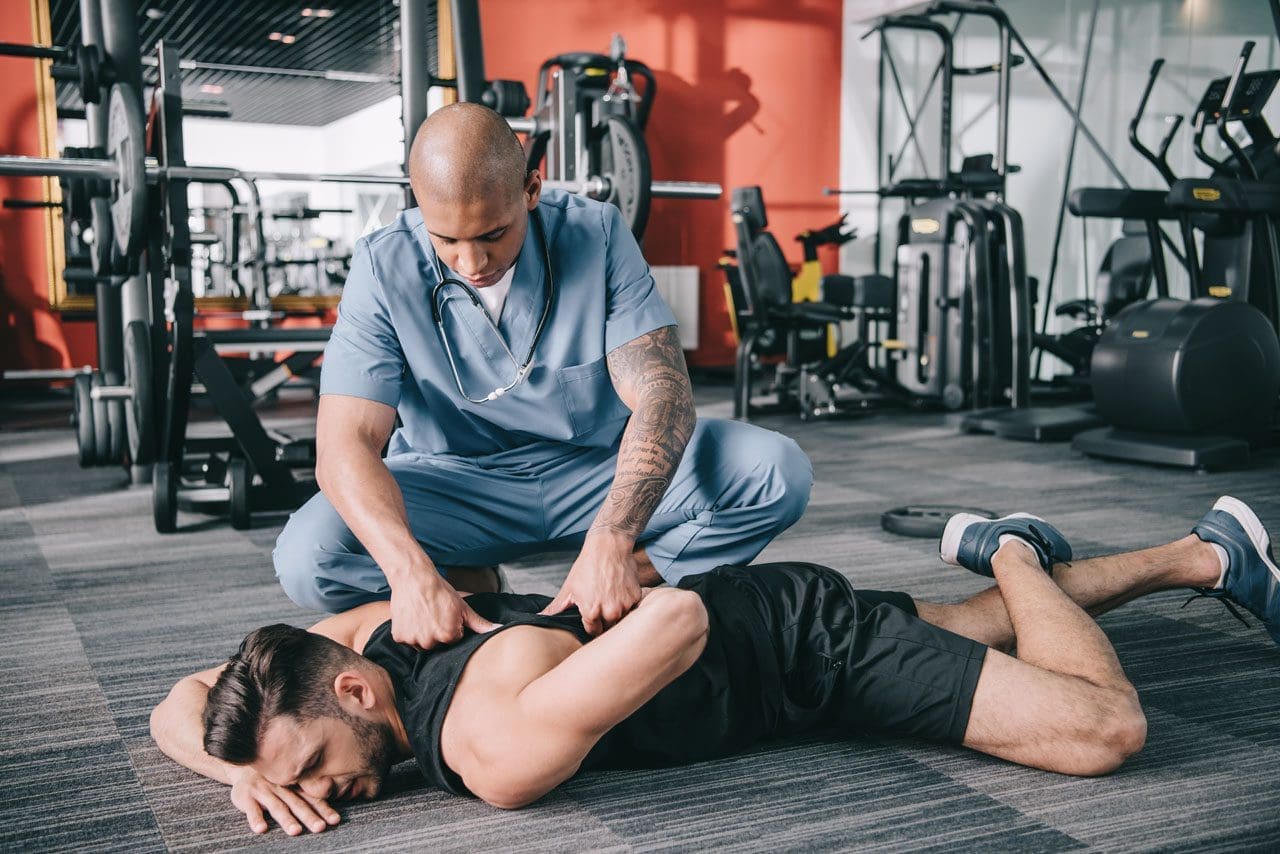
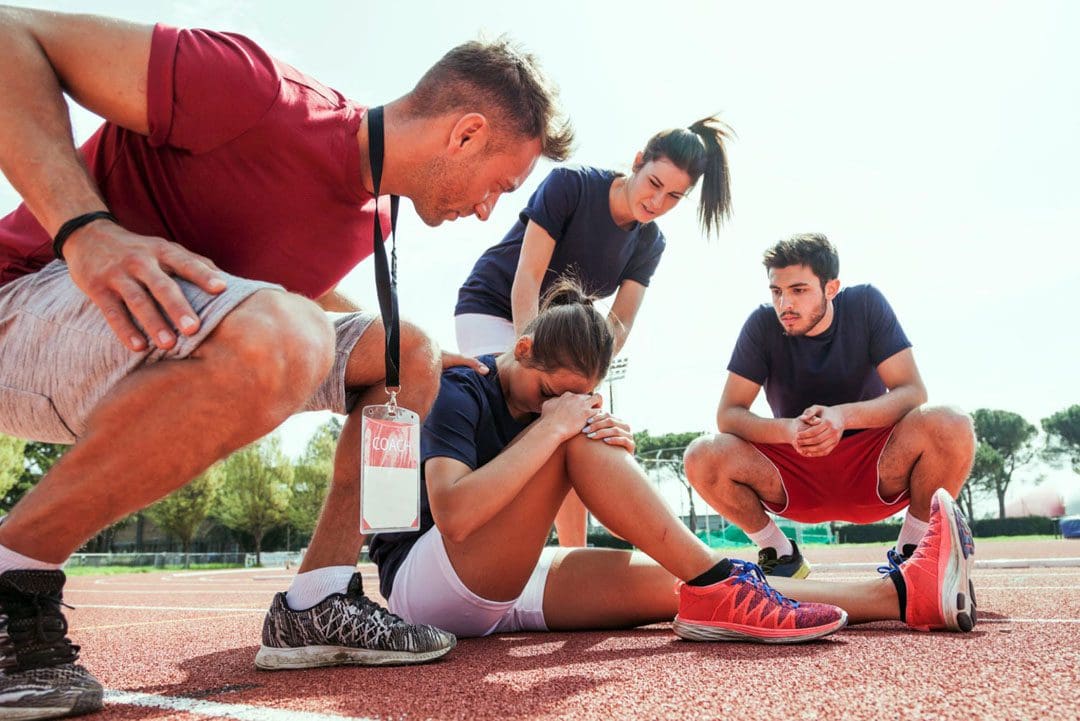
Sports activities will result in aches, pains, and injuries that need to be examined by a doctor or specialist for proper diagnosis and treatment. Finding the right sports injury specialist can be one of the most difficult parts of dealing with an injury. The following may help when deciding if a sports chiropractic specialist can help.
Sports Injury Specialist
Sports medicine is the study and practice of medical principles related to the science of sports:
Injury prevention
Injury diagnosis and treatment
Nutrition
Psychology
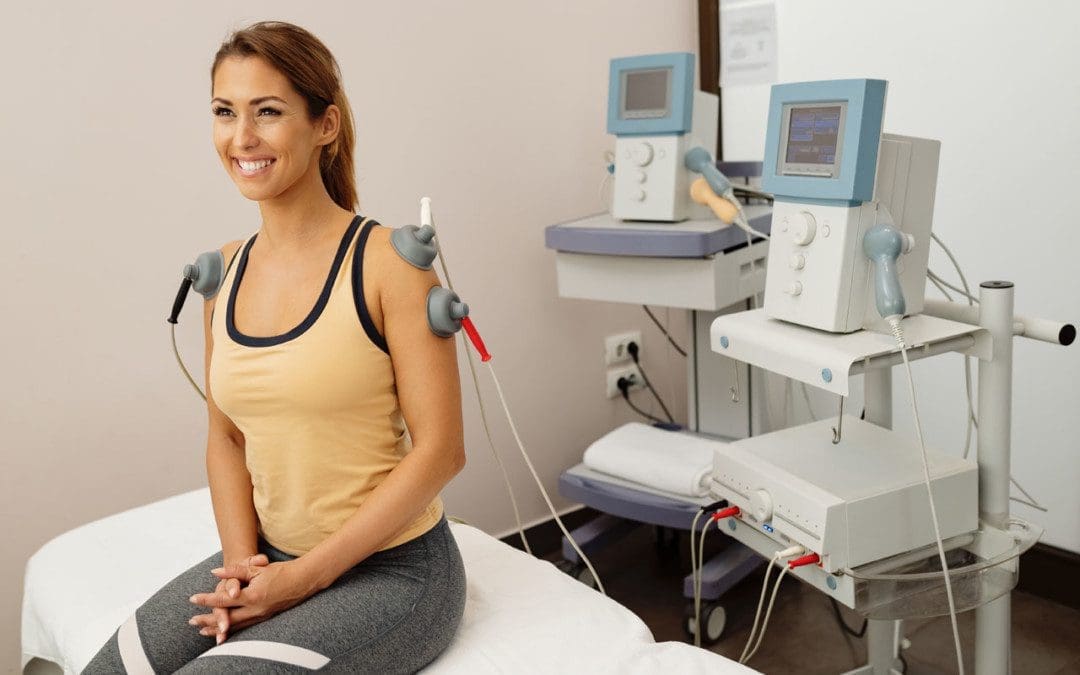
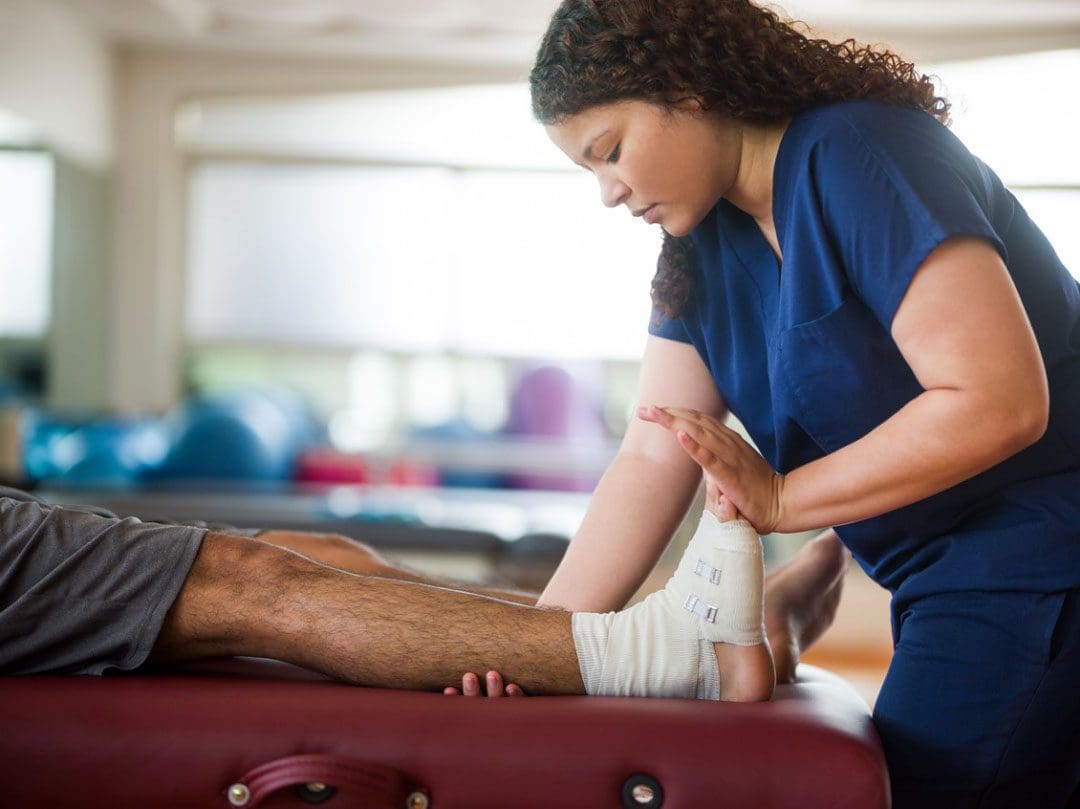
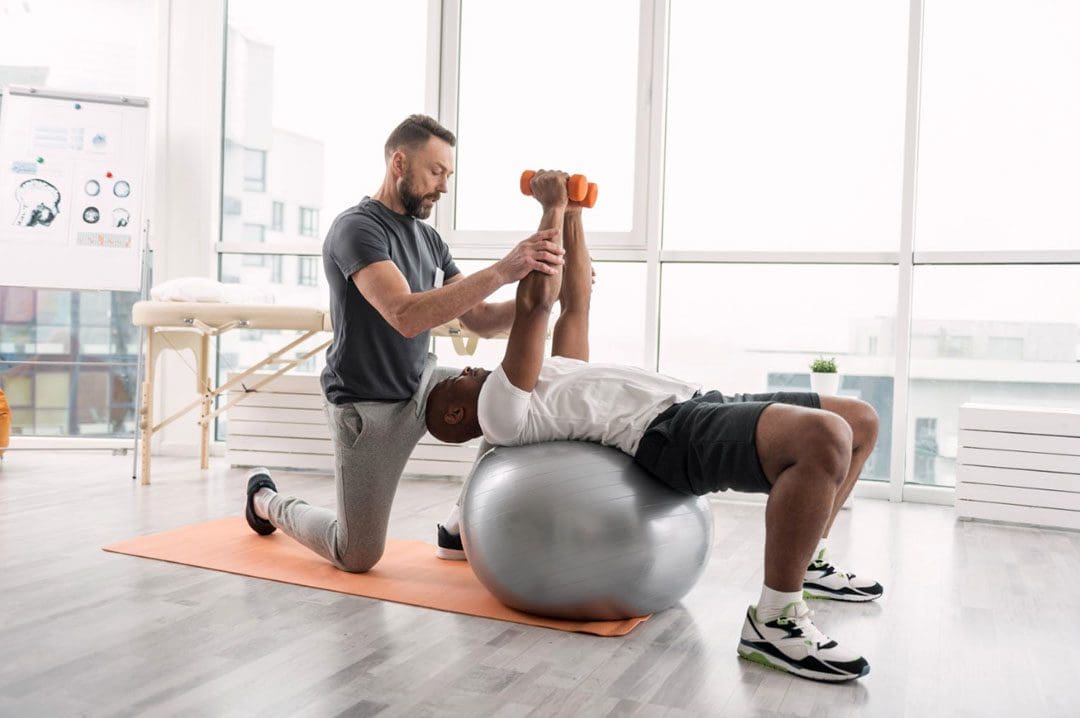
Sports medicine focuses on the medical and therapeutic aspects of sports physical activity. These individuals can be physicians, surgeons, chiropractors, physical therapists, or providers who regularly work with athletes. Athletes often prefer providers with athletic treatment experience.
Doctor To See First for a Sports Injury
Individuals that belong to an HMO or PPO may find that their primary care physician is the first doctor to see for injury.
A family doctor may not be a sports medicine specialist but may have the expertise to deal with the injury.
Minor musculoskeletal injuries like acute sprains and strains respond well to immediate standard treatments like rest, ice, compression, and elevation.
Individuals with complicated overuse or training injuries, chronic conditions such as tendonitis, or who require surgery will be referred to a specialist.
Family Doctor Treatment
Nearly all family practice physicians can diagnose and treat various sports-related injuries.
Other non-traditional methods to treat conditions and illnesses.
Some may have specific experience in treating sports-related injuries.
Finding the Right Specialist
It is important to find a doctor who can design a treatment plan to heal and rehabilitate the injury properly and get the athlete back to their sport quickly and safely. Medicine is science and art, and injury treatment should be personalized to specific goals of healing and performance. When selecting a healthcare provider to treat injuries or provide advice, personal recommendations from trusted sources are recommended to screen providers. As well as asking other athletes, local teams, gyms, athletic clubs, and healthcare organizations can direct individuals in the right direction. If you can’t find a confident recommendation, look for a certified sports medicine physician online or call the clinic. When calling the office, questions to think about include:
What is your treatment specialty?
What experience do you have treating athletes?
What special training do you have in sports injury care?
What degrees and certifications do you have?
How I Tore My ACL
References
Bowyer, B L et al. “Sports medicine. 2. Upper extremity injuries.” Archives of physical medicine and Rehabilitation vol. 74,5-S (1993): S433-7.
Chang, Thomas J. “Sports Medicine.” Clinics in podiatric medicine and surgery vol. 40,1 (2023): xiii-xiv. doi:10.1016/j.cpm.2022.10.001
Ellen, M I, and J Smith. “Musculoskeletal rehabilitation and sports medicine. 2. Shoulder and upper extremity injuries.” Archives of physical medicine and Rehabilitation vol. 80,5 Suppl 1 (1999): S50-8. doi:10.1016/s0003-9993(99)90103-x
Haskell, William L et al. “Physical activity and public health: updated recommendation for adults from the American College of Sports Medicine and the American Heart Association.” Medicine and science in sports and exercise vol. 39,8 (2007): 1423-34. doi:10.1249/mss.0b013e3180616b27
Sherman, A L, and J L Young. “Musculoskeletal rehabilitation and sports medicine. 1. Head and spine injuries.” Archives of physical medicine and Rehabilitation vol. 80,5 Suppl 1 (1999): S40-9. doi:10.1016/s0003-9993(99)90102-8
Zwolski, Christin, et al. “Resistance Training in Youth: Laying the Foundation for Injury Prevention and Physical Literacy.” Sports Health vol. 9,5 (2017): 436-443. doi:10.1177/1941738117704153
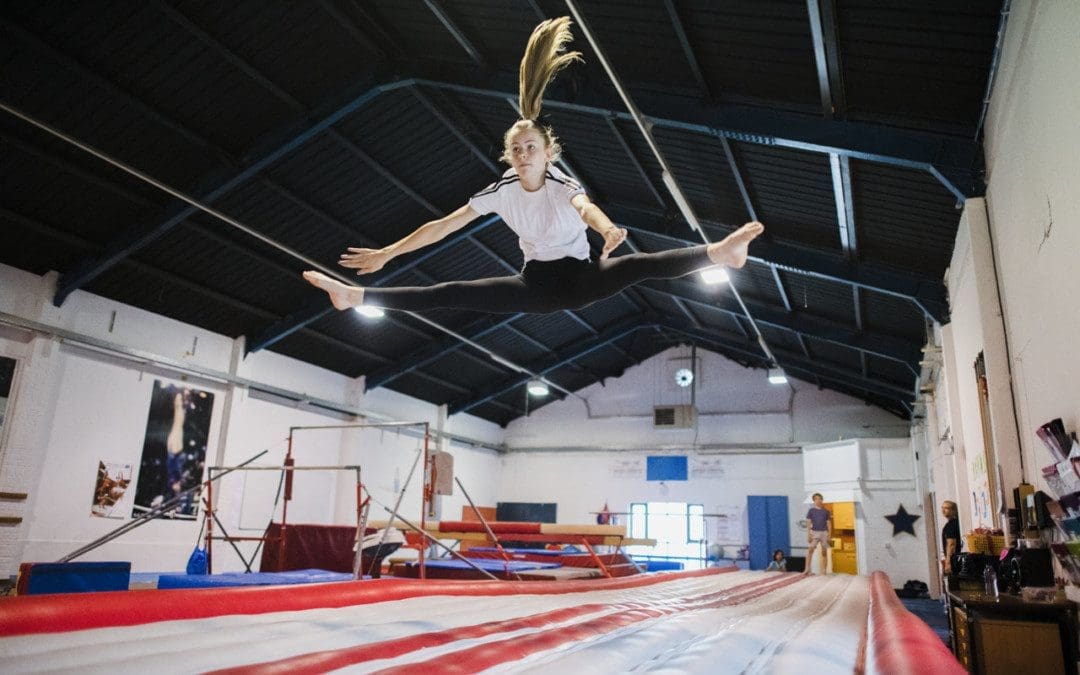
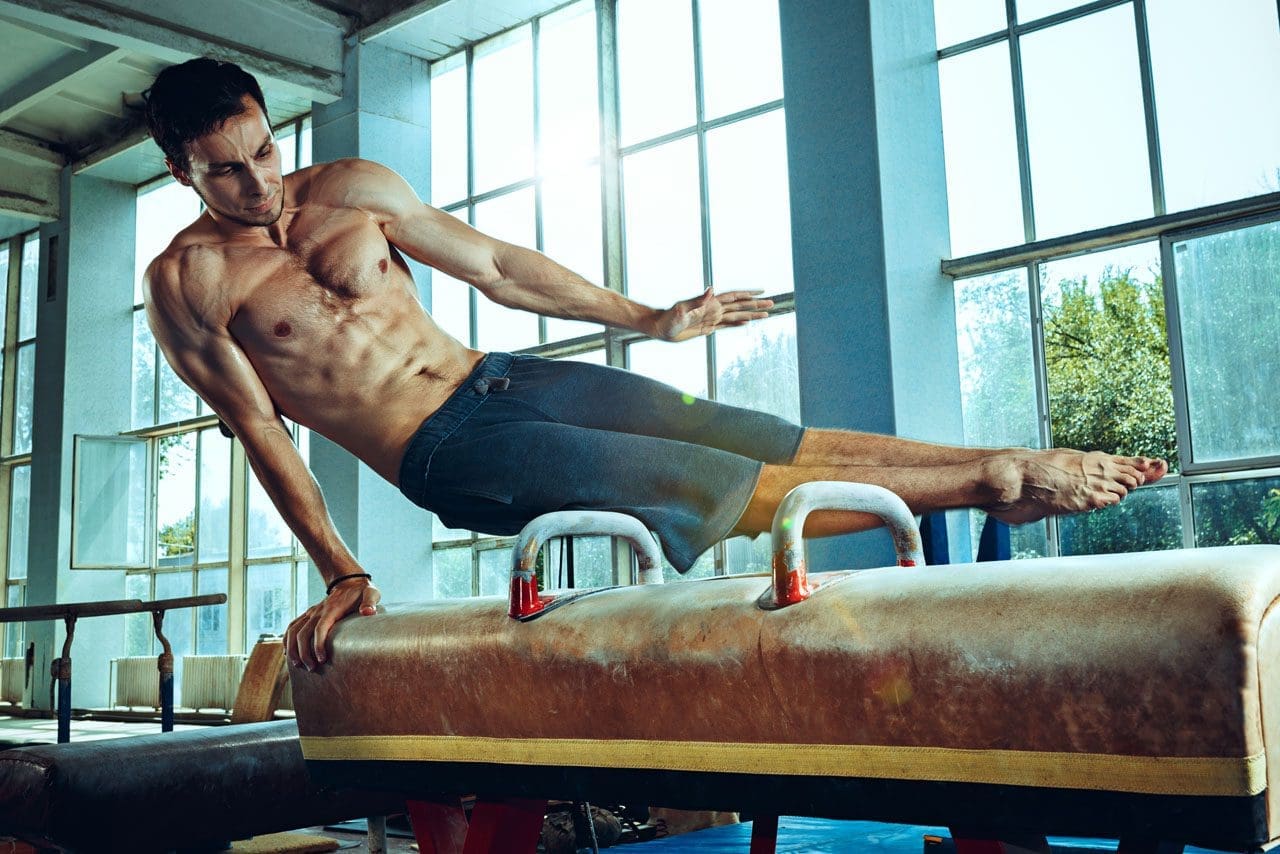
Gymnastics is a demanding and challenging sport. Gymnasts train to be powerful and graceful. Today’s moves have become increasingly technical acrobatic moves with a much higher degree of risk and difficulty. All the stretching, bending, twisting, jumping, flipping, etc., increases the risk of neuromusculoskeletal injuries. Gymnastics injuries are inevitable. Bruises, cuts, and scrapes are common, as are overuse strains and sprains, but severe and traumatic injuries can occur. Injury Medical Chiropractic and Functional Medicine Team can treat and rehabilitate injuries and help to strengthen and prevent injuries. The therapy team will thoroughly evaluate the individual to determine the injury/s severity, identify any weaknesses or limitations, and develop a personalized plan for optimal recovery, stability, and strength.
Gymnastic Injuries
One of the main reasons injuries are more prevalent is because today’s athletes start earlier, spend more time practicing, perform more complex skill sets, and have higher levels of competition. Gymnasts learn to perfect a skill and then train to make their bodies look elegant while executing the routine. These moves require precision, timing, and hours of practice.
Injury Types
Sports injuries are classified as:
Chronic Overuse injuries: These cumulative aches and pains occur over time.
They can be treated with chiropractic and physical therapy and prevented with targeted training and recovery.
Acute Traumatic injuries: These are typically accidents that happen suddenly without warning.
These require immediate first aid.
Most Common Injuries
Gymnasts are taught how to fall and land to lessen the impact on the spine, head, neck, knees, ankles, and wrists.
Back
Common back injuries include muscle strains and spondylolysis.
Bruises and Contusions
Tumbling, twisting, and flipping can result in various bruises and contusions.
Muscle Soreness
This is the sort of muscle soreness experienced 12 to 48 hours after a workout or competition.
Proper rest is necessary for the body to recover fully.
Overtraining Syndrome
Overtraining syndrome happens when individuals train beyond the body’s ability to recover.
Strength and/or flexibility imbalances – one side is stronger.
Chiropractic Care
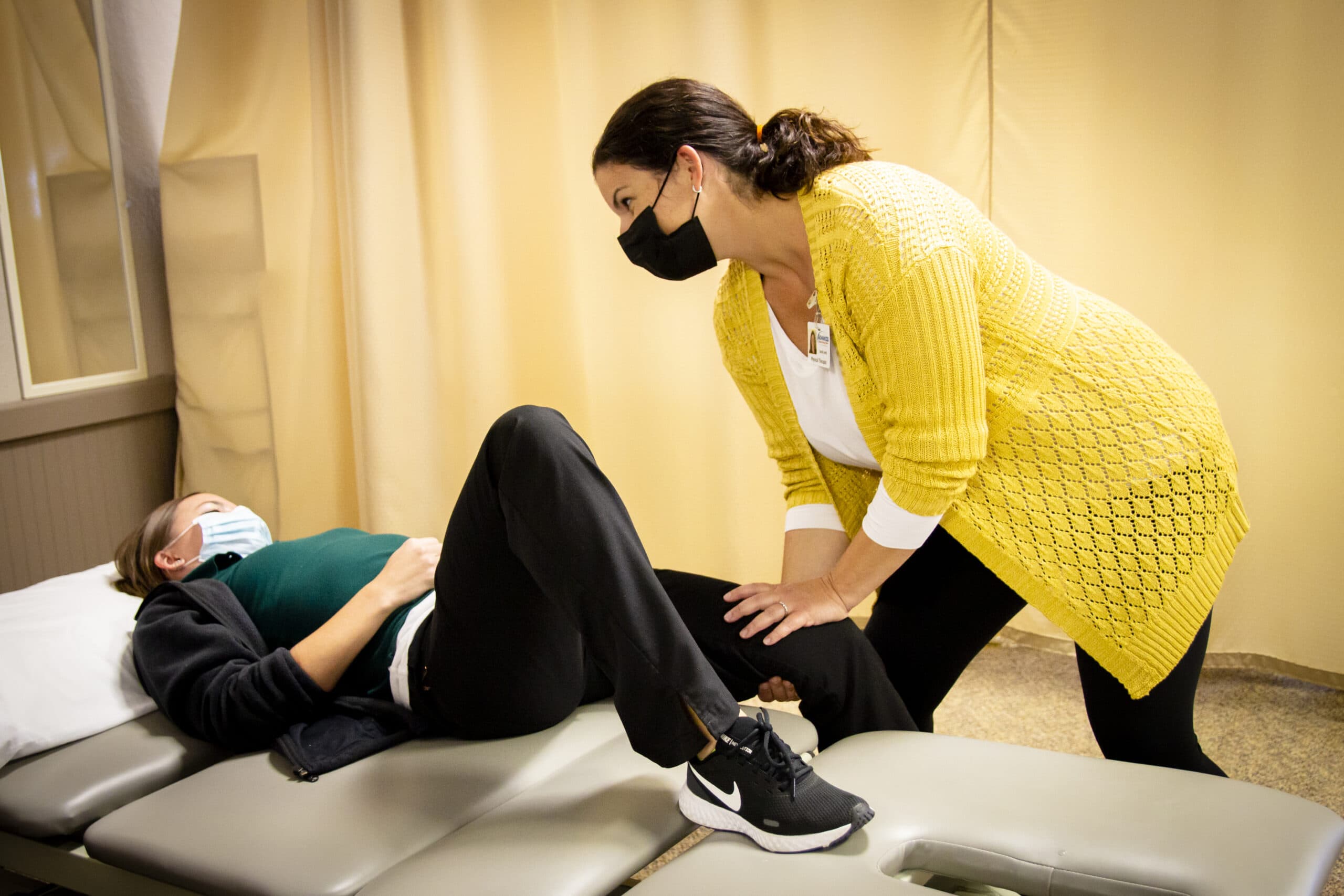
Our therapists will start with an evaluation and a biomechanical assessment to identify all the factors contributing to the injury. This will consist of a thorough medical history to understand overall health status, training schedule, and the physical demands on the body. The chiropractor will develop a comprehensive program that includes manual and tool-assisted pain relief techniques, mobilization work, MET, core strengthening, targeted exercises, and injury prevention strategies.
Facet Syndrome Chiropractic Treatment
References
Armstrong, Ross, and Nicola Relph. “Screening Tools as a Predictor of Injury in Gymnastics: Systematic Literature Review.” Sports medicine – open vol. 7,1 73. 11 Oct. 2021, doi:10.1186/s40798-021-00361-3
Farì, Giacomo, et al. “Musculoskeletal Pain in Gymnasts: A Retrospective Analysis on a Cohort of Professional Athletes.” International journal of environmental research and public health vol. 18,10 5460. 20 May. 2021, doi:10.3390/ijerph18105460
Kreher, Jeffrey B, and Jennifer B Schwartz. “Overtraining syndrome: a practical guide.” Sports Health vol. 4,2 (2012): 128-38. doi:10.1177/1941738111434406
Meeusen, R, and J Borms. “Gymnastic injuries.” Sports medicine (Auckland, N.Z.) vol. 13,5 (1992): 337-56. doi:10.2165/00007256-199213050-00004
Sweeney, Emily A et al. “Returning to Sport After Gymnastics Injuries.” Current sports medicine reports vol. 17,11 (2018): 376-390. doi:10.1249/JSR.0000000000000533
Westermann, Robert W et al. “Evaluation of Men’s and Women’s Gymnastics Injuries: A 10-Year Observational Study.” Sports Health vol. 7,2 (2015): 161-5. doi:10.1177/1941738114559705
An exercise routine is highly important for anyone trying to get a kick start on their health and wellness journey. It could be simple as walking around the park for 30 minutes, going to the community pool to swim, or taking a group fitness class with friends. Incorporating an exercise regime can even help reduce the effects of musculoskeletal disorders and their associated symptoms from causing pain in the muscles and joints in the body. Even though many individuals have busy lives, it is important to ensure that their bodies are getting enough exercise to feel less joint and muscle pain while improving other systems that benefit from training. Today’s article looks at how to keep a constant exercise routine, how exercise can help musculoskeletal disorders, and how the MET technique is combined with physical activity. We provide and mention valuable information about our patients to certified medical providers who offer available therapy treatments like the MET technique combined with physical activities for individuals dealing with musculoskeletal pain disorders. We encourage each patient by referring them to our associated medical providers based on the patient’s diagnosis findings appropriately. We acknowledge that education is a spectacular way when asking our providers the most helpful questions at the patient’s acknowledgment. Dr. Alex Jimenez, D.C., utilizes this information as an educational service. Disclaimer
Keeping A Constant Exercise Routine
Have you been feeling sluggish throughout the day? Do you believe you don’t have enough time to exercise and feel stressed? Or have you been experiencing unwanted pain and stiffness in your muscles and joints? Many individuals experiencing these issues in their bodies could not be getting enough exercise to reduce these musculoskeletal disorders. When it comes to many individuals trying to keep a constant exercise routine to better their health may be difficult but not impossible. There are many ways to incorporate a daily consistent exercise routine by making small changes in your daily life routine. Walking with friends or pets, attending a group fitness class, or doing squats at home can benefit muscle growth and promote motivation to continue these small changes. However, some of the reasons that many people need to exercise more are to need more time. Studies reveal that most people often refrain from any form of exercise due to needing more time out of their busy schedules. People who do not exercise regularly are potentially at risk of developing health-related problems and disorders linked to the musculoskeletal system.
Exercise For Musculoskeletal Disorders
When the musculoskeletal system is linked to health-related problems due to physical inactivity, when the body is not getting enough exercise, it can cause muscle and joint pain and other associated symptoms that can affect mobility. Research studies have revealed that pain in specific areas of the body, which includes the back, neck, and shoulders, is often due to extended periods of sitting down and inactivity that cause many people to develop musculoskeletal disorders. When pain and discomfort affect the body, it can cause visceral-somatic pain in different body areas. Not only that, but the various muscles in the upper and lower extremities of the body will become shortened and weak over time, leading to disability and poor posture. Now all is not lost, as there are ways to reduce the effects of musculoskeletal disorders and incorporate exercise as part of a person’s daily routine.
Lumbar Spine Injuries in Sports: Chiropractic Healing-Video
Have you been dealing with back, neck, or shoulder issues? Have you been feeling sluggish after a long, hard day at work? Or do you want to incorporate more exercise into your daily routine? Many individuals have been dealing with musculoskeletal issues in their bodies due to being physically inactive or not having enough time in their day. When this happens, it causes numerous disorders associated with the musculoskeletal system that correlate with the pain. However, making small changes in a routine is achievable by setting time aside for a few minutes and moving around to prevent issues from affecting the body. Studies reveal that performing exercise interventions for a few minutes may help reduce the effects of musculoskeletal complaints and boost work abilities. Additionally, exercises combined with chiropractic care can further reduce the impact of musculoskeletal disorders that are taking effect in the various joint and muscles by restoring the body and causing it to heal naturally. The video above explains how chiropractic care is incorporated into musculoskeletal disorders and helps relieve the pain-like symptoms associated with spinal subluxation.
The MET Technique & Exercise
Now, an exercise regime can help reduce pain-like effects on the musculoskeletal system and help with muscle growth. According to “Clinical Applications of Neuromuscular Techniques,” by Leon Chaitow, N.D., D.O., and Judith Walker DeLany, L.M.T., each variation of exercise training, like strength and endurance training involves different muscle fibers in the body and helps with muscle growth. Now it is best to start slowly and build up to improving the body’s endurance to prevent injuries from affecting the muscle groups. Hence why available treatments utilize the MET technique combined with exercise to help stretch and strengthen the muscles and revitalize the joints. According to research studies, combining the MET technique and stretching before exercising has improved muscle and joint mobility and increased the body’s range of motion without pain. Incorporating stretching and exercise can help the body from developing future musculoskeletal issues and can be part of any daily routine for the busy worker.
Conclusion
With people having a busy schedule, incorporating a few minutes of exercising can benefit the individual and their musculoskeletal system. When the body is dealing with musculoskeletal issues associated with physical inactivity, it can lead to future disorders that can cause the body to deal with pain and immobility. Hence, small changes in a routine, like walking or exercising for a few minutes, can benefit the body in the long haul. Additionally, incorporating treatment techniques like the MET combined with exercise helps stretch and strengthen the musculoskeletal system, allowing the body to restore itself naturally to prevent further injuries.
References
Chaitow, Leon, and Judith Walker DeLany. Clinical Application of Neuromuscular Techniques. Churchill Livingstone, 2002.
Iversen, Vegard M, et al. “No Time to Lift? Designing Time-Efficient Training Programs for Strength and Hypertrophy: A Narrative Review.” Sports Medicine (Auckland, N.Z.), U.S. National Library of Medicine, Oct. 2021, https://www.ncbi.nlm.nih.gov/pmc/articles/PMC8449772/.
Phadke, Apoorva, et al. “Effect of Muscle Energy Technique and Static Stretching on Pain and Functional Disability in Patients with Mechanical Neck Pain: A Randomized Controlled Trial.” Hong Kong Physiotherapy Journal : Official Publication of the Hong Kong Physiotherapy Association Limited = Wu Li Chih Liao, U.S. National Library of Medicine, 14 Apr. 2016, https://www.ncbi.nlm.nih.gov/pmc/articles/PMC6385145/.
Shariat, Ardalan, et al. “Office Exercise Training to Reduce and Prevent the Occurrence of Musculoskeletal Disorders among Office Workers: A Hypothesis.” The Malaysian Journal of Medical Sciences : MJMS, U.S. National Library of Medicine, July 2016, https://www.ncbi.nlm.nih.gov/pmc/articles/PMC5025063/.
Tersa-Miralles, Carlos, et al. “Effectiveness of Workplace Exercise Interventions in the Treatment of Musculoskeletal Disorders in Office Workers: A Systematic Review.” BMJ Open, U.S. National Library of Medicine, 31 Jan. 2022, https://www.ncbi.nlm.nih.gov/pmc/articles/PMC8804637/.
Athletes, pros, semi-pros, weekend warriors, fitness enthusiasts, and physically active and healthy individuals can feel cheated when they suffer an injury. Sports injury recovery involves rest, physical therapy, chiropractic realignment, and rehabilitation. However, it can be all for naught if the individual doesn’t recover mentally and emotionally. Coping with the stress of an injury, being sidelined and moving beyond the negative, and focusing more on positive strategies is important and requires physical and psychological toughness.
Coping With Sports Injuries
Incorporating sports psychology techniques is importantas individuals can experience injury-related emotions like anxiety, sadness, frustration, anger, denial, isolation, and depression. Dealing with an injury and using the off time to reflect and gain new perspectives allows the athlete to improve their objectives by being more focused, flexible, and resilient.
Strategies That Can Help
Understand The Injury
Knowing the cause, treatment, and prevention of the specific injury results in deeper understanding and less fear or anxiety. Talking with a doctor, sports chiropractor, trainer, coach, and psychological therapist can help individuals learn what they need to do to recover quickly and optimally. A few things to consider the following include:
Getting a second opinion is recommended, especially if surgery is being advised.
Focus On Recovering
Instead of focusing on being unable to play, losing strength, relearning movements, and the length of time it may take, accepting that the body is injured and needs to be repaired to return to play is more beneficial. Taking responsibility for the recovery process generates positive outcomes and builds confidence.
Stay Committed
Getting discouraged and missing therapy sessions is expected, especially at the beginning when unable to perform, and pain symptoms are presenting. To get the most out of rehabilitation, stay focused on what needs to be done, not what’s being missed.
To expedite healing, stay committed, and maintain a positive attitude to overcoming the injury.
Apply the same mindset and motivation as you would when practicing the game to the treatment and therapy sessions.
Listen to what the doctor, chiropractor, therapist, and athletic trainer recommend, just as you would a coach.
Set small goals to build momentum and maintain balance, with the end goal of fully recovering and returning to the game.
Self-talk is important to reflect on progress, setbacks, new perspective on the game, and what you want to achieve.
Strengthen the Mind
Research shows that the healing process can happen faster by using mental techniques like imagery and self-hypnosis. These techniques use all senses to generate mental images, emotions, and sensations of the desired outcome. They are used for improving sports skills and techniques, game anxieties, and injury recovery.
Support
A common response after an injury is self-isolating from the team, coaches, family, and friends. However, maintaining contact with others during recovery is highly recommended as all these individuals are there when you need advice, to vent feelings, or to raise your spirits when feeling discouraged. Knowing you don’t have to face the injury alone can push you to keep going.
Alternate Fitness
Individuals going through injury treatment will undoubtedly go through physical strengthening, stretching, etc. But depending on the type of injury, individuals can modify their sports training or add safe and gentle alternate forms of exercise to maintain conditioning and strength for their sport. This can encourage recovery, as the individual is still participating and working to return to play. Talk with the doctor, chiropractor, trainer, or therapist to help create an alternative workout program around the specific sport.
With a proper diagnosis and treatment plan, taking rehabilitation and recovery slow, setting realistic goals, and maintaining a positive mindset, coping with injuries can be a successful learning journey.
Unlocking Pain Relief
References
Clement, Damien, et al. “Psychosocial responses during different phases of sport-injury rehabilitation: a qualitative study.” Journal of athletic training vol. 50,1 (2015): 95-104. doi:10.4085/1062-6050-49.3.52
Johnson, Karissa L, et al. “Exploring the Relationship Between Mental Toughness and Self-Compassion in the Context of Sports Injury.” Journal of sport rehabilitation vol. 32,3 256-264. 1 Dec. 2022, doi:10.1123/jsr.2022-0100
Leguizamo, Federico et al. “Personality, Coping Strategies, and Mental Health in High-Performance Athletes During Confinement Derived From the COVID-19 Pandemic.” Frontiers in public health vol. 8 561198. 8 Jan. 2021, doi:10.3389/fpubh.2020.561198
Rice, Simon M et al. “The Mental Health of Elite Athletes: A Narrative Systematic Review.” Sports medicine (Auckland, N.Z.) vol. 46,9 (2016): 1333-53. doi:10.1007/s40279-016-0492-2
Smith, A M et al. “The psychological effects of sports injuries. Coping.” Sports medicine (Auckland, N.Z.) vol. 9,6 (1990): 352-69. doi:10.2165/00007256-199009060-00004
Sports exercise medicine – SEM addresses and treats physical activity/sports-related injuries using chiropractic care, physical therapy, therapeutic massage, functional nutrition, and targeted rehabilitation exercises. Sports medicine aims to prevent injury and keep individuals safe when pursuing their training goals. It combines general medical education with sports science principles, exercise physiology, biomechanics, orthopedics, nutrition, and sports psychology.
Sports Exercise Medicine
Sports medicine specialists focus on medical, therapeutic, and functional aspects to rehabilitate and strengthen the body to improve physical performance. Conditions include:
A sports exercise medicine team can include medical and non-medical specialists. This includes:
Coaches
Athletic trainers
Personal trainers
Chiropractors
Physical therapists
Nutritionists
Physicians
Surgeons
Sports psychologists
Sports exercise medicine is not a medical specialty but means the health care providers have undergone training focused on the medical aspects of physical activities/sports, fitness, and exercise.
Doctors and Physicians
Sports medicine physicians are medical doctors who specialize in diagnosing and treating sports and exercise-related injuries and conditions. These physicians are certified in family medicine, emergency medicine, pediatrics, internal medicine, or orthopedics. They are qualified to treat:
Muscle, bone, joint, and nerve injuries.
Head injuries.
Chronic conditions.
Return-to-play decisions.
Injury prevention.
Nutrition and supplements.
Orthopedic surgeons focus on the surgical treatment, repair, and restoration of sports and physical activity injuries.
Psychologists
Sports psychology focuses on athletes’/sports enthusiasts’ mental and emotional states. Athletes go through various stresses that a sports psychologist can train to regulate anxiety and improve focus specifically on their sport. They use tools and techniques like psychotherapy, stress management, and goal-setting to help athletes maintain mental and emotional balance during competition or injury recovery. Professional sports teams employ psychologists to help prepare the team for competition or develop strategies to overcome mental or emotional challenges affecting performance.
Sports Science
Sports science is the focused study of physiology, anatomy, and psychology related to human movement and physical activity. Exercise science is primarily focused on clinical research, including:
Physiological responses to exercise.
Effectiveness of exercise techniques.
Impact of performance supplements.
Chiropractic Sports Physician
Chiropractic care is a non-invasive, medication-free treatment alternative that can help individual athletes find relief from various musculoskeletal issues. A chiropractic sports physician has the tools and skills necessary to optimize the performance of an individual’s musculoskeletal and nervous systems. This specialized training allows sports chiropractors to provide therapies to heal injuries effectively, maintain strength and prevent injury. The benefits of applying chiropractic medicine include the following:
It is a non-invasive treatment.
Improves overall range of motion.
Reduces and alleviates discomfort symptoms.
Stretches and strengthens the body.
Assists in post-surgical repair.
Decreases recovery time.
Sport Rehabilitation
References
Brown, G J. “Sports medicine at work.” British journal of sports medicine vol. 33,1 (1999): 5.
Hsu, Joseph R et al. “Clinical Practice Guidelines for Pain Management in Acute Musculoskeletal Injury.” Journal of orthopedic trauma vol. 33,5 (2019): e158-e182. doi:10.1097/BOT.0000000000001430
Kaufman, Matthew W et al. “The Impact of Supplements on Sports Performance for the Trained Athlete: A Critical Analysis.” Current sports medicine reports vol. 21,7 232-238. 1 Jul. 2022, doi:10.1249/JSR.0000000000000972
King, J B. “Sports medicine.” Journal of the Royal Society of Medicine vol. 79,8 (1986): 441-2. doi:10.1177/014107688607900803
Kreher, Jeffrey B, and Jennifer B Schwartz. “Overtraining syndrome: a practical guide.” Sports health vol. 4,2 (2012): 128-38. doi:10.1177/1941738111434406
McCrory, P. “What are sports and exercise medicine?.” British journal of sports medicine vol. 40,12 (2006): 955-7.
The hips in the lower portions of the body allow the legs to move the host from one location to another and provide stability to support the upper body’s weight. The hips will enable the torso to twist and turn without feeling pain. This is due to the various muscles and ligaments surrounding the pelvic bone and hip joint socket that allow the motion to be possible. However, when various injuries or factors start to affect the multiple muscles surrounding the pelvis or there is a chronic condition like osteoarthritis that causes wear and tear on the hip joints can cause underlying symptoms associated with the hips and cause many individuals to have difficulty when moving around. Luckily there are ways to improve hip mobility and the surrounding muscles in the hip and pelvic region of the body. Today’s article looks at the causes of the development of tight hips in the body and how different stretches can release tight hip flexor muscles. We refer our patients to certified providers that incorporate techniques and multiple therapies for many individuals suffering from hip pain and its correlating symptoms that can affect the musculoskeletal system in the hips, legs, and lumbar region of the spine. We encourage and appreciate each patient by referring them to associated medical providers based on their diagnosis when it is appropriate. We understand that education is a fantastic way when asking our providers intricated questions at the patient’s request and understanding. Dr. Jimenez, D.C., only utilizes this information as an educational service. Disclaimer
What Causes The Body To Develop Tight Hips?
Have you been dealing with hip mobility issues? When you sit, do you feel uncomfortable, and your hip muscles become tight? Or do you have a decreased range of motion when moving your hips? It could correlate with your hips if you have been experiencing muscle pain issues in the lower extremities. The hips help stabilize the upper and lower portions of the body while providing the full leg’s range of motion. When a person begins to sit for long periods or twist their body in a weird position, it can cause the muscles that surround the hips to become shortened. Other issues, like chronic conditions, can play a role in developing tight hip flexors. Studies reveal that various pathologies affecting the hips, lumbar spine, and lower extremities could strongly correlate with restricted hip mobility that can cause harmful effects that can affect the hips. To that point, some of the symptoms associated with tight hip flexors include:
Instability
Hypermobility
Limited range of motion
Reduce muscle strength in the groin
Muscle cramps
Sharp, sudden pain in the hips, pelvis, or groin
Low back pain
Piriformis syndrome
Other research studies mentioned that hypermobility disorders could affect the hip joints. Hypermobility disorders like EDS (Ehlers-Danlos syndrome) could cause micro or macro-trauma on the hip joint and affect the ligaments surrounding the hip joint. To that point, it can cause the hip flexor muscles to become tense and potentially affect how a person moves, which then causes soft tissue injuries and chronic pain.
Hip Flexor Stretches-Video
Do you feel tight along your hips? Do you see yourself hobbling around when walking? Or do you feel aches or strains when stretching? Many of these issues correlate with tight hip flexors that could result from hip pain in the lower extremities. When a person has tight hip flexors, it could be due to them constantly sitting down, causing the hip muscles to be shortened, or chronic conditions that can affect the hip joint and muscles. However, there are various ways to prevent tight hip flexors and regain mobility back to the hips. Studies reveal that stretching combined with core stabilization can help improve the hip’s range of motion while ensuring core endurance exercises can help strengthen the surrounding muscles in the hip area. The video above shows stretches targeting the hip flexor muscles and helps improve hip mobility.
Different Stretches To Release Tight Hip Flexors
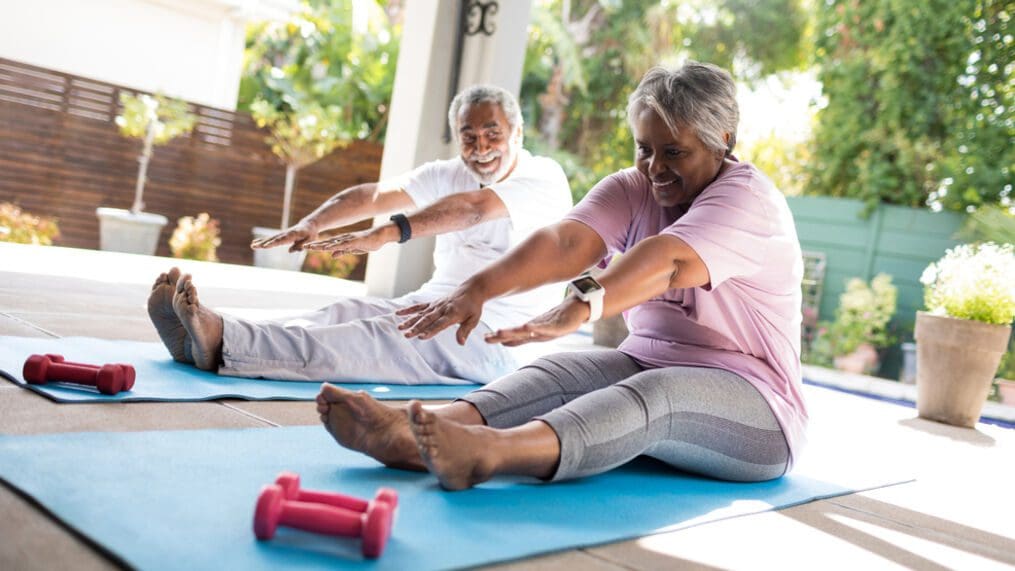
Studies have shown that the hip flexor muscles are the main contributors to lumbar spine stability when releasing tight hip flexor muscles. So when there are tight hip flexors, it can cause overlapping risk profiles to the lumbar spine, which leads to pain and impairment in performance. The best way to reduce the pain-like symptoms associated with tight hip flexors is by stretching the lower half of the body to reduce muscle strain and tightness in the hip flexors. Additional studies have found that stretching combined with exercises targeting the low back can reduce the pain caused in the low back and help improve stability and strengthen the surrounding muscles located in the hips. Now it is important to remember that stretching for at least 5-10 minutes before and after working out allows the muscles to warm up and improve flexibility. Below are some different stretches that can release tight hip flexors.
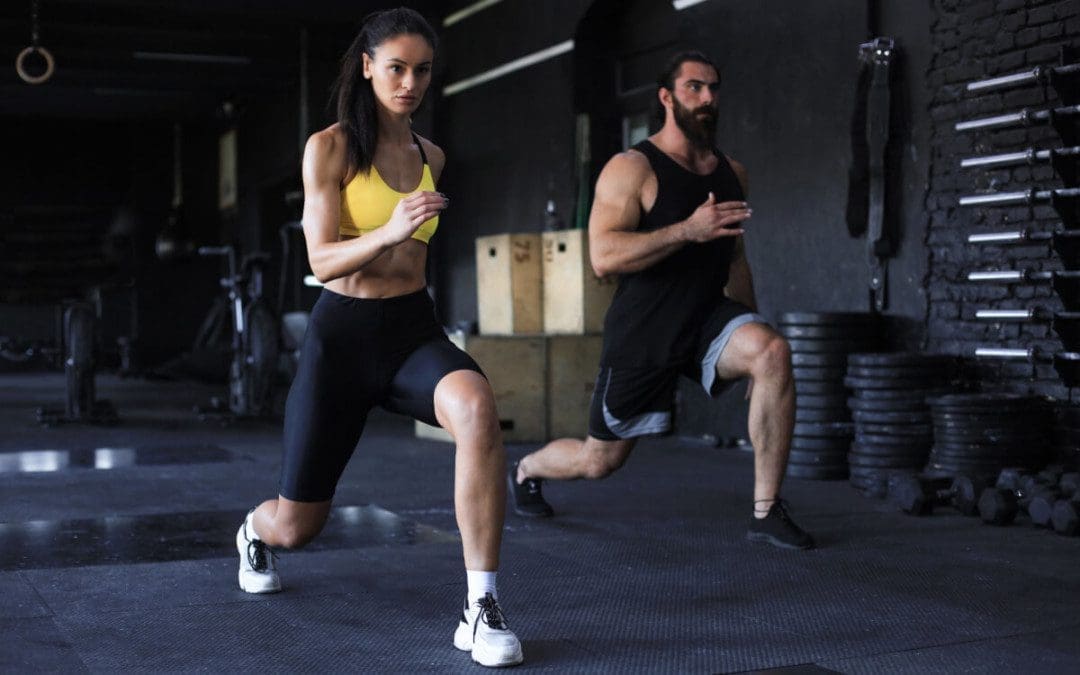
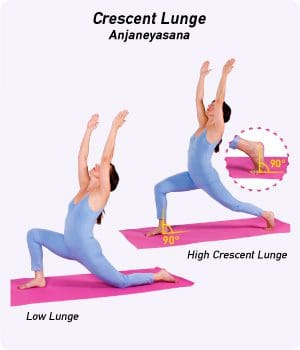
High Crescent Lunge
While standing on the mat, take a step forward to allow your right foot to be in a staggard stance *Think in a lunge position.
Bend the front knee gently while keeping the back leg straight, as this allows the heel in the back leg to be lifted off the mat; the bent front knee enables the thigh to be parallel to the floor, and the right foot is pressed flat on the mat.
Square up the hips, so they face toward the mat’s front.
Extend the arm up towards the ceiling to stretch upwards while pressing into the mat to feel the hips stretch
Hold for five breaths before slowly rising out of the lunge position and repeating on the other side.
This stretch helps release tension in the hip flexors and quads while warming up the muscles and increasing blood flow to the legs.
Knee-To Chest Stretch
Lie on the mat with both legs extended out and feet flexed.
Pull on the left knee to the chest while keeping the right leg straight, and the lumbar portion of the back is pressed into the mat.
Hold the position while taking deep breaths for 30 seconds to 2 minutes.
Release slowly and repeat on the right leg *You can lift both knees to your chest and rock slowly from side to side to relieve low back tension as an alternative.
This stretch is extremely helpful for tight hamstrings and allows the tense muscles on the hips and lower back to relax while increasing blood flow back to the muscles.
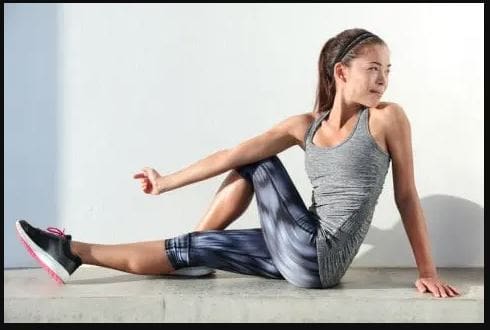
Piriformis Stretch
On the mat, sit with both legs extended out.
Cross the right leg over the left and place the other flat on the floor while the left foot is flexed
Place the right hand behind the body while the left elbow is on the right knee.
On inhale, press the right leg to the left while allowing the torso to twist on the right.
Take five breaths for a deeper stretch and switch sides to repeat the action with the left hand *If you have low back pain issues, the modified version allows you to use your left hand to pull the right quad in and out to the left and vice versa.
This stretch helps loosen tight muscles in the lower back, hips, and glutes. If you have sciatic nerve pain associated with piriformis syndrome, this stretch helps release muscle tension from the piriformis muscle aggravating the sciatic nerve.
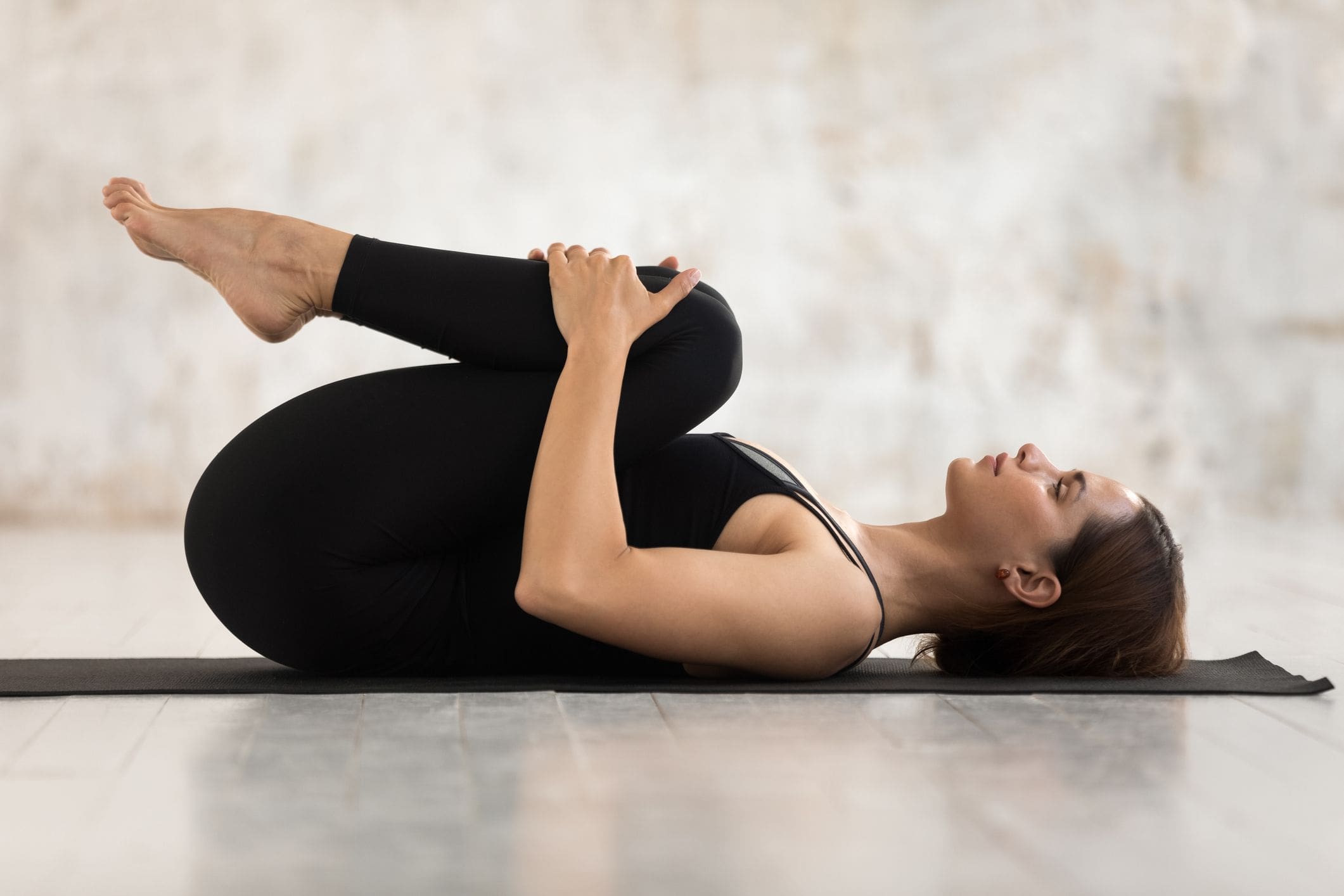
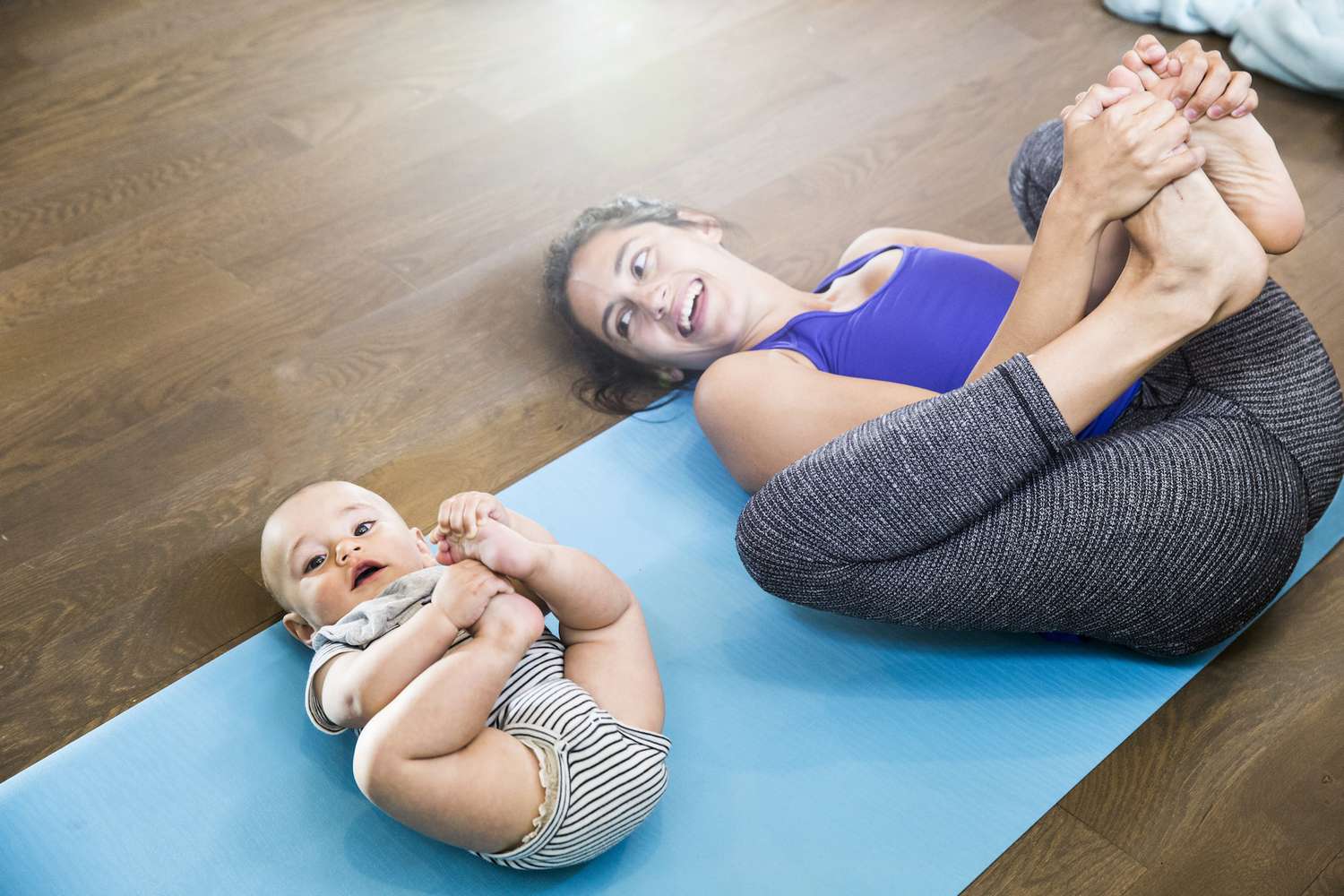
Happy Baby Pose
Lie on the mat with both knees bent and feet on the ground.
On inhale, lift the feet off the ground and grab the outer sections of the feet with your hands.
Then gently pull the feet towards the chest and allow the knees to lower to the ground, on either side of the body, while keeping the back flat on exhale.
Hold the position for at least five breaths.
This stretch helps with the inner thigh muscles or hip adductors and helps them become loose and mobile without feeling any strain or tension.
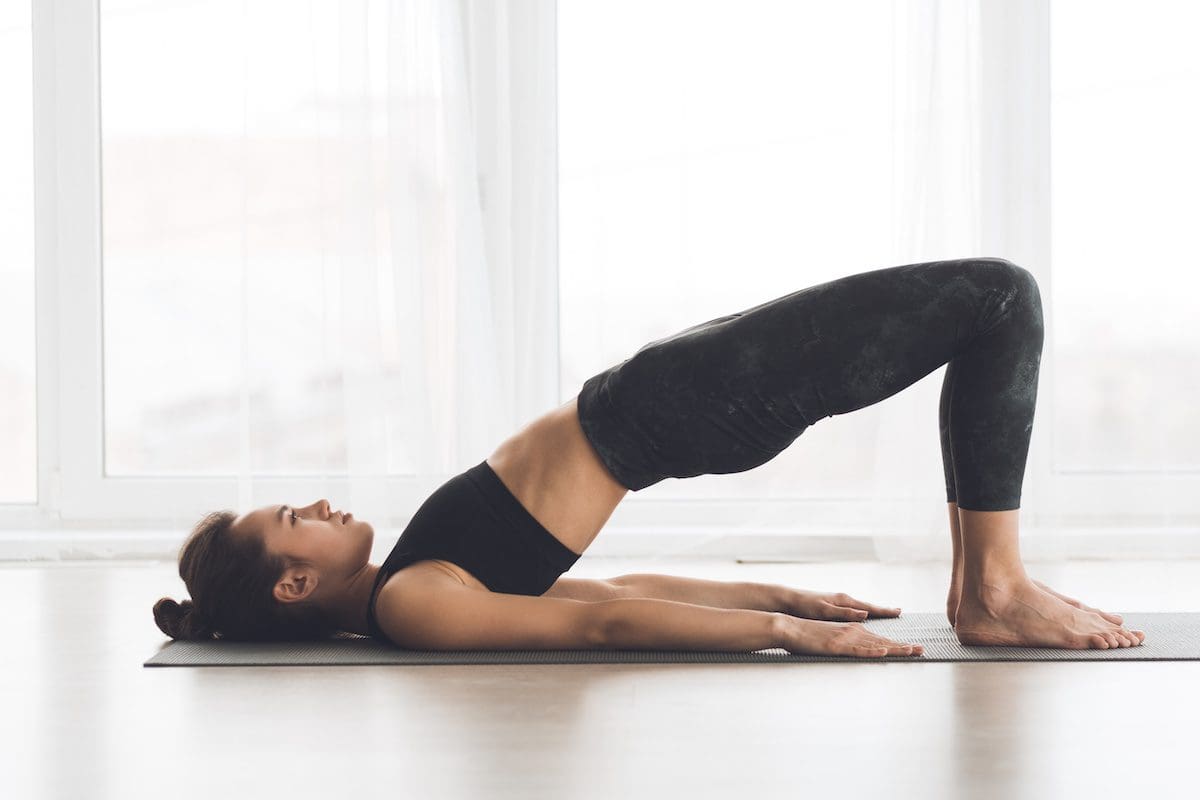
Bridge Pose
On the mat, lie on your back and sides, and extend your arms while your feet are flat on the floor with your knees bent.
Press with your heels to lift the hips and allow the feet to walk a few steps toward the body. *Keep the feet and knees hip-width apart.
Clasp hands together underneath the body and press them into the mat
Hold the position for five breaths.
This stretch helps take the pressure off the hip muscles while strengthening the glutes and abdominal muscles.
Conclusion
When it comes to releasing tight hip flexors after sitting for a long time or having hip issues affecting your low back or pelvis, Doing different stretches that target the hips can reduce the pain and release tight muscles associated with other conditions that can affect the body. The hips are important to take care of since they provide mobility and stability to the upper and lower portions of the body. They support the upper body’s weight while providing a huge range of motion to the legs. Incorporating these different stretches can reduce the pain that they have been under and help warm up the other muscles that surround the lower extremities.
References
Lee, Sang Wk, and Suhn Yeop Kim. “Effects of Hip Exercises for Chronic Low-Back Pain Patients with Lumbar Instability.” Journal of Physical Therapy Science, U.S. National Library of Medicine, Feb. 2015, https://www.ncbi.nlm.nih.gov/pmc/articles/PMC4339134/.
Moreside, Janice M, and Stuart M McGill. “Hip Joint Range of Motion Improvements Using Three Different Interventions.” Journal of Strength and Conditioning Research, U.S. National Library of Medicine, May 2012, https://pubmed.ncbi.nlm.nih.gov/22344062/.
Reiman, Michael P, and J W Matheson. “Restricted Hip Mobility: Clinical Suggestions for Self-Mobilization and Muscle Re-Education.” International Journal of Sports Physical Therapy, U.S. National Library of Medicine, Oct. 2013, https://www.ncbi.nlm.nih.gov/pmc/articles/PMC3811738/.
Reiman, Michael P, and J W Matheson. “Restricted Hip Mobility: Clinical Suggestions for Self-Mobilization and Muscle Re-Education.” International Journal of Sports Physical Therapy, U.S. National Library of Medicine, Oct. 2013, https://www.ncbi.nlm.nih.gov/pmc/articlhttps://www.ncbi.nlm.nih.gov/pmc/articles/PMC8027473/es/PMC3811738/.
The low back is a common source of discomfort and soreness among volleyball players because of repetitive jumping, bending, and rotating of the trunk. Adolescents have an increased risk of this injury because their vertebral bones are still developing, which increases the risk for stress fractures. Chiropractic care, massage therapy, decompression, rest, and athletic training can help expedite pain relief and heal the injury.
Volley Back Pain
Muscle or ligament strains are the most common injury from repetitive jumping, bending, rotating movements, and hyperextension during serving, hitting and setting. This can lead to excessive compression forces on the discs and joints, causing reduced blood circulation, increasing the risk of overload injuries. One study reported that low back pain is experienced in 63% of players. However, if low-back pain is accompanied by pain that runs down the leg along with numbness or weakness in the foot or ankle, the issue could be a herniated disc.
Causes
One common reason is endurance imbalances in the muscles that stabilize the low back. The core muscles provide stability to the low back and spine for all movements. If imbalances are present, a player may spike or serve the ball with intense turning and arching. The added actions cause increased pressure in the joints and hip, gluteal, and leg muscles, affecting the spine’s stability.
The gluteals run from the back of the pelvis/hip bones down to the outside of the thigh.
The gluteal muscles prevent the trunk and hips from overbending forward when landing.
If the gluteal muscles do not have the strength and endurance to perform this motion, the upper body will bend too far forward, causing poor landing posture and decreased spine stability.
Anterior Pelvic Tilt
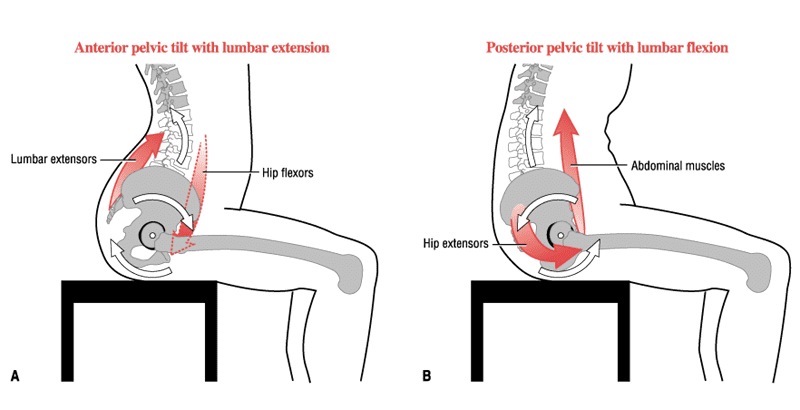
Studies have shown that players with low back pain tend to stand and land with an anterior pelvic tilt. This is an unhealthy posture when the front of the pelvis tilts forward, and the back of the pelvis raises. Landing hard with an anterior pelvic tilt causes increased arching and increases the pressure in the joints.
Chronic back pain
Warning signs of a more serious back problem include:
Pain that has lasted for more than 1 week and is not improving or getting worse.
Pain that prevents sleep or causes the individual to constantly wake up.
Difficulty sitting.
Back soreness when performing basic tasks and chores.
Significant pain on the court when jumping, landing, or rotating.
Chronic pain ranges from aches to shooting or throbbing pain that can run down the buttocks and legs.
Chiropractic Care
A chiropractor can alleviate volleyball back pain, rule out a more severe injury, such as a stress fracture or herniated disc, and provide a healthier and faster recovery. According to a study, athletes who received chiropractic care showed better speed and mobility. Quick reflexes and hand-eye coordination depend on an optimal functioning nervous system. 90% of the central nervous system travels through the spine. When one or more spinal segments are misaligned, the effect on the nervous system can seriously impact and disrupt nerve circulation, affecting speed, mobility, reflexes, and hand-eye coordination. Chiropractic adjustments will:
Relax and reset the back muscles.
Realign and decompress the spine.
Remove the pressure around the nerve roots.
Strengthen the core.
Improve and increase range of motion, strength, and overall endurance.
Anterior Pelvic Tilt
References
Haddas R, Sawyer SF, Sizer PS, Brooks T, Chyu MC, James CR. “Effects of Volitional Spine Stabilization and Lower-Extremity Fatigue on the Knee and Ankle During Landing Performance in a Population With Recurrent Low Back Pain.” J Sport Rehabil. 2017 Sep;26(5):329-338. doi: 10.1123/jsr.2015-0171.
Hangai M. et al., Relationship Between Low Back Pain and Competitive Sports Activities During Youth, Am J Sports Med 2010; 38: 791-796; published online before print January 5, 2010, doi:10.1177/0363546509350297.
Jadhav, K.G., Deshmukh, P.N., Tuppekar, R.P., Sinku, S.K.. A Survey of Injuries Prevalence in Varsity Volleyball Players. Journal of Exercise Science and Physiotherapy, Vol. 6, No. 2: 102-105, 2010 102
Mizoguchi, Yasuaki, et al. “Factors associated with low back pain in elite high school volleyball players.” Journal of physical therapy science vol. 31,8 (2019): 675-681. doi:10.1589/jpts.31.675
Movahed,Marziehet al. (2019). “Single leg landing kinematics in volleyball athletes: A comparison between athletes with and without active extension low back pain.”
Sheikhhoseiniet al. (2018). “Altered Lower Limb Kinematics during Jumping among Athletes with Persistent Low Back Pain”
IFM's Find A Practitioner tool is the largest referral network in Functional Medicine, created to help patients locate Functional Medicine practitioners anywhere in the world. IFM Certified Practitioners are listed first in the search results, given their extensive education in Functional Medicine