For the more than 68 percent of Americans who own smart phones, it’s difficult to imagine doing without them, especially when it comes to your health. Millions use them to keep track of the number of steps they take, the calories they consume, and even the medications or supplements taken each day.
To aid in this process, more than 165,000 healthcare applications have been developed for iPhones and androids — focusing on diet and fitness, as well as the management of heart disease, diabetes, cancer, and mental health.
“The technology in healthcare apps has exploded,” IT expert Sanket Shah tells Newsmax Health.
But with so many health apps on the market it can be challenging to chose the right app, says Shah, who specializes in helping people the right technology for healthcare services.
“There are thousands of apps out there and some of it can be overwhelming. Just like trying new hobby or picking out a new pair of pants, you need to see what works for you and what makes you the most comfortable,” says Shah, an instructor in the University of Illinois at Chicago Department of Biomedical and Health Sciences.
Shah recommends deciding beforehand what you plan to do with an app and chose only one (or more) that will be the most useful. Don’t just download apps that will sit on your phone without ever being accessed. Her recommendations:
Avoid the apps that bombard you with ads.
Consider how user-friendly the app is.
Read the reviews. Some of the best information can be found in them.
Realize that nothing is really free. In exchange for that so-called “free” app, you are usually asked to grant permission for your age, email, zip code, and other personal information to used internally, shared, or sold.
Be careful about add-ons. Many apps charge for additional content or enhanced experiences that require extra purchases and costs. Most apps require a credit card, which means yours is probably on file, so be careful not inadvertently purchase these features.
These are Shah’s top five health apps:
HealthTap (Health Tap)
Launched in 2010, this online service provides real-time answers to health questions from more than 107,000 doctors. In an era where Internet services provide thousands of vague results, HealthTap was designed to give patients direct access to health professionals, saving you time and money. You can also pay for a virtual consult to video or text chat with a primary care doctor 24/7 or a doctor of your choice during their “virtual office hours.”
Drink Water Reminder (Leap Fitness Group)
Dehydration can lead to serious health problems. This app lets you calculate your needs based on your gender, weight, and the climate where you live. Taking its lead from apps that remind you to take 10,000 steps a day, this app provides customized tracking and reminders to ensure that you are drinking enough water throughout the day.
Fooducate (Fooducate LTD)
Do you really know what’s in the food you eat? Nutritional labels may be misleading, so Fooducate takes all of the guesswork out by providing a grade instantly on the items you buy. Simply scan the UPC code from your mobile camera (over 250,000 items) and the app will grade the product and most importantly, explain why it is healthy or unhealthy, as well as provide alternative choices. A diet and weight loss goal tracker is also included.
Breath2Relax (National Center for Telehealth & Technology)
Oftentimes we focus on the physical aspects of health but our mental health is equally important. Focusing on the mind and taking some time to relax can provide tremendous benefits in your daily life This app provides a guide to simple breathing exercises to help relieve stress and relax.
Down Dog (Yoga Buddhi Co.)
Yoga is gaining in popularity, and there is a reason why this ancient practice has been around for centuries. Improving your mental state and also strengthening your core muscles is the goal of this app, designed for all levels. It provides easy-to-follow tutorials and all you really need to get started is a basic yoga mat.
An Australian study involving more than 60,000 volunteers aged 45 years and older found that eating fruits and vegetables lowered anxiety and depression.
The study, which was published in the British Medical Journal Open, measured psychological distress at two time points, 2006-08 and 2010 using the Kessler Psychological Distress Scale. It also assessed their intake of fruits and vegetables.
Eating a diet high in both fruits and vegetables was the most effective at keeping the blues at bay, especially in women. Women who ate five to seven servings of fruits and vegetables daily lowered their risk of stress by 23 percent.
Fruit gave the biggest bang for the least amount consumed — at least when vegetables were also included in the diet. Women who ate two servings of fruit daily lowered their risk by 16 percent when compared to women who ate no fruit or a single serving.
Men and women who ate three to four servings of vegetables a day lowered their risk of stress by 12 percent when compared to those who ate no vegetables or only one serving a day. Women who ate three to four servings of vegetables daily lowered their risk by 18 percent.
“This study shows that moderate daily fruit and vegetable consumption is associated with lower rates of psychological stress,” said Dr. Melody Ding of the University of Sydney’s School of Public Health.
“It also reveals that moderate daily vegetable intake alone is linked to a lower incidence of psychological stress,” Ding said.
“We found that fruit and vegetables were more protective for women than men, suggesting that women may benefit more from fruit and vegetables,” said first author and University of Sydney Ph.D. student, Binh Nguyen.
Fruits and vegetables are packed with stress-fighting antioxidants, including vitamin C. One German study found that berries were especially effective in fighting stress.
Over recent years, the detox has become a form of diet in its own right for losing weight with low-calorie regimens. As springtime arrives and some may have weight-loss programs in mind, here’s a look at five common myths about detox diets and whether they’re true or false.
Detoxing is a natural process
TRUE. In reality, detoxing is a natural process of purification that’s constantly underway in the body. When everything is functioning properly, the infamous toxins are destroyed and excreted by different organs in the body, known as emunctories: the skin, the lungs, the kidneys, the intestines and the liver. Toxins that accumulate in the body (food, air, tobacco, cosmetics, drugs, heavy metals, stress) are eliminated at varying speeds depending on your metabolism. You can help your body detoxify all year long, notably with foods rich in antioxidants like fresh fruit and vegetables that are organic and don’t contain pesticides.
A detox is a diet
FALSE. A drastic diet or a fast isn’t the same things as detoxing. The word diet has been wrongly associated with the concept of the detox, since the two approaches don’t have the same goal. In fact, the aim of a detox isn’t necessarily to lose weight. However, you should take care to avoid sugar, junk food and barbecued food which hinder the work of the emunctories.
Plant-based supplements can be helpful
TRUE. A course of certain plant-based dietary supplements or herbal teas can be used to support and optimize detox performances in periods of burn-out, stress or fatigue, for example. Artichoke, milk thistle, rosemary, turmeric, fennel, birch, dandelion, black radish, queen-of-the-meadow and fumaria are the most effective. Some plants, like chlorella, spirulina and laminaria japonica help combat heavy metals (mercury, aluminum, lead).
Juices and broths are a good way to detox
FALSE. Although they contain fruit and vegetables, juices, soups and broths have two drawbacks. First, they contain high quantities of sugar and salt, and have less fiber than eating the equivalent fresh fruit or vegetables whole. Second, a liquid-only diet isn’t advisable, as you could end up starving yourself, since the body needs a minimum amount of protein to function. Small quantities of white meat or pulses are recommended to boost the detox process. And don’t rely on a soup + herbal tea + yogurt combination for your evening meal, as this can favor water retention. However, drinking lots of water (1.5l per day) is recommended.
Massage can help flush out toxins
TRUE. Massages in the abdominal region — home to three groups of emunctory organs: the liver, the kidneys and the intestines — can help flush out toxins. But lymphatic drainage is even more effective, promoting blood circulation and helping the lymphatic system to drain out waste substances which aren’t filtered out by blood.
If you live in the city, you might want to make sure you take your vitamins. A study from Columbia University found that B vitamins reduce changes to the epigenome — the chemicals that regulate and direct genes — caused by air pollution.
The study reveals even small amounts of the vitamins could counteract the damage caused by tiny, toxic pollutant particles called PM2.5, which include toxins such as sulfate and black carbon. These pollutants are often deposited in the respiratory tract resulting in inflammation in the lungs and throughout the body.
According to the World Health Organization, about 92 percent of the world’s population lives in areas where pollution is higher than safety levels set by the WHO. The U.S. also has pollution problems. The American Lung Association says that 47 percent of Americans live in areas that often have dangerously high levels of pollution.
“The molecular foundations of air pollution’s health effects are not fully understood,” said Dr. Andrea Baccarelli. “Our study launches a line of research for developing preventive interventions to minimize the adverse effects of air pollution.”
For the study, researchers gave adult volunteers a B-vitamin supplement (2.5 mg of folic acid, 50 mg of vitamin B6, and 1 mg of vitamin B12) or a placebo daily for four weeks. Participants were healthy non-smokers, 18 to 60 years old, who were not taking any medicines or vitamin supplements. They were then exposed to pollution particles.
Blood tests showed that levels of B vitamins increased significantly in those taking the supplements. Tests also found that while the PM2.5 pollutants can turn off cells in the immune system, supplementing with B vitamins limited their effect by up to 76 percent.
“As individuals, we have limited options to protect ourselves against air pollution,” said Baccarelli. “Future studies, especially in heavily polluted areas, are urgently needed to validate our findings and ultimately develop preventive interventions using B vitamins to contain the health effects of air pollution.”
The study’s results are published in the journal Proceedings of the National Academy of Sciences (PNAS).
Parents, take courage. If you survive the sleep deprivation, toddler tantrums and teenage angst, you may be rewarded with a longer life than your childless peers, researchers said Tuesday.
Fathers gained more in life expectancy than mothers, a team wrote in the Journal of Epidemiology & Community Health — and particularly in older age.
“By the age of 60, the difference in life expectancy… may be as much as two years” between people with, and those without, children, they concluded.
Researchers tracked the lifespan of men and women born between 1911 and 1925 and living in Sweden — more than 1.4 million people in total.
They also gathered data on whether the participants were married and had children.
Men and women with at least one child had “lower death risks” than childless ones, the team concluded.
“At 60 years of age, the difference in life expectancy was two years for men and 1.5 years for women” compared to peers with no kids, the researchers wrote.
By age 80, men who fathered children had a remaining life expectancy of seven years and eight months, compared to seven years for childless men, said the team.
For mothers, life expectancy at 80 was nine years and six months, while for childless women it was eight years and 11 months.
The study merely pointed out a correlation, and cannot conclude that having children is the cause of the life expectancy gains, the researchers admitted.
But they theorised that parents may benefit from social and financial support from their children in older age, which childless people lose out on.
It could also be that childless people live unhealthier lifestyles than parents do.
The association between having children and longer life was found in married and unmarried people, but appeared to be strongest in single, older men, said the study.
This could be because unmarried men relied more heavily on their offspring in the absence of a partner.
The study did not echo previous research which found that having daughters is more beneficial for longevity than sons.
Fewer and fewer people are having children in Sweden at the same time as older people are spurning old age institutions to receive care at home — often by their children.
“Therefore, to further investigate health and survival consequences for childless older individuals is of importance,” wrote the team.
Type 2 diabetes in the United States has tripled since the 1980’s, where researchers have estimated that one in three Americans will have diabetes by 2050. More than one-third of American adults are obese and one in three Medicare dollars are spent on issues relating to diabetes. Unfortunately, these numbers continue to increase.
The sequence of health complications associated with insulin resistance, obesity and diabetes are characterized as the underlying cause of the majority of heart disease, cancer and premature death in the world. According to research, however, these conditions are preventable and reversible. Type 2 Diabetes is associated with the following chronic illnesses and diseases:
Both obesity and diabetes are preventable and reversible with proper lifestyle changes and a balanced diet and nutrition. On average, people consume approximately 152 pounds of sugar and 146 pounds of flour every year. The consumption of food high on refined sugar and flour can have a drastic effect on a person’s overall health and wellness.
When you remove foods that are causing disease from your diet and exchange them for nutritious foods, disorders such as diabetes, can be reversed, even in patients with obesity. The following seven strategies can be implemented every day with patients to prevent, treat and reverse insulin resistance, obesity and type 2 diabetes without the use of drugs and surgery:
5 to 5 grams of PGX, a unique type of fiber that controls appetite and blood sugar, before each meal with eight ounces of water
200 � 600 mcg of chromium polynicotinate or picolinate
600 mg of alpha lipoic acid twice daily
2,000 IUs or more of vitamin D3 (Thorne Research)
One to two grams of omega 3 fatty acids (Tuna Omega by Standard Process)
A high-quality multivitamin/mineral (Basic Nutrients by Thorne Research)
Get the proper nutrients.�Taking supplements can make your cells be more sensitive to insulin while increasing their effectiveness to metabolize sugar and fat in the body. Together with varies lifestyle changes and a proper diet, these can help the individual balance their blood sugar as well as prevent or reverse diabetes.
Stock up on whole, unprocessed foods. Whole, unprocessed foods can help balance blood sugar levels, reduce inflammation and oxidative stress as well as improve your liver detoxification, to prevent or reverse insulin resistance and diabetes. Choosing a variety of colorful fruits and vegetables known to have a low to moderate glycemic index, and foods rich in omega-3 fats, coconut butter and olive oil, legumes, nuts and seeds, can help promote a healthy metabolism, reverse insulin resistance and diabetes, even slow down aging and age-related diseases, such as heart disease.
Cut the Sugar.�Consuming foods and beverages with refined sugars and carbohydrates can create high levels of insulin, which can eventually lead to insulin resistance and type 2 diabetes. Among the many complications associated with chronic, elevated levels of insulin, inflammation, high blood pressure, poor sex drive, increased risk for cancer and depression can also occur. The most important thing you can do to reduce your risk of obesity and type 2 diabetes is to reduce or eliminate sugar from your diet.
Get the right exercise.�Participating in physical activity or exercise can have tremendous benefits for your overall well-being. Effective exercise can help balance blood sugar and lower insulin levels. The goal is to walk or perform any other cardio activity for 60 minutes, up to six times a week, although even 30 minutes of physical activity can help. Studies show high-intensity interval training can also benefit type 2 diabetes and obesity. Best of all, you can do these in only a few minutes a day.
Get sufficient sleep. Lack of sleep or poor sleep can affect your metabolism, may spike sugar and carb cravings, can increase your appetite, and may even increase of developing several diseases, including Type 2 diabetes. One study found that even a partial night�s poor sleep could induce insulin resistance. Therefore, sleeping properly should be a priority. Create a sleep ritual that includes turning off the T.V. in the bedroom, herbal therapies consisting of aromatherapy with essential oils, soaking in warm bath with 2 cups of Epsom salts and essential oils and creating total darkness and quiet.
Control stress levels.�With chronic stress, our levels of insulin, cortisol, and inflammatory compounds called cytokines all increase. This can trigger a metabolic dysfunction that leads to weight gain, insulin resistance, and eventually, type 2 diabetes. The connection between stress, weight gain, mental disorders, and blood sugar imbalances show that managing stress is a critical component when managing obesity and diabetes. You can�t eliminate stress, but you can learn to control it. Meditation, deep breathing exercises, yoga, massage, laughing, and dancing are among the best ways to manage stress and reverse type 2 diabetes.
Journal Your Results. Research shows that people who track their results lose twice as much weight and do twice as well. Begin by getting a journal to track your progress. That could be as simple as a pad of paper, a notebook, a spreadsheet in your computer, or anything that is convenient and works for you. You should track: what you eat; the baseline of all measurements, weight, waist size, body mass index, or BMI; daily blood pressure (optional); and daily glucose readings (if diabetic). Many patients become inspired to stay on task when they begin to see their results on paper.
Every year in the United States, 1 million people are diagnosed with diabetes. Diabetes is known to be the 7th leading cause of death. The good news is that this statistic can be changed according to new research. Diabetes is no longer inevitable. You can prevent and reverse type 2 diabetes.
Research studies have demonstrated that developing type 2 diabetes occurs as a result of environmental factors, such as how you eat, chemical exposure and stress management, among others. When you eliminate these negative factors, the pancreas has the ability to heal and cells will regain insulin sensitivity. This is ultimately fundamental considering that diabetes is responsible for a host of debilitating illnesses such as: Peripheral neuropathy; heart disease and stroke; kidney disease and kidney failure; and alzheimer’s disease.�
Type 2 diabetes affects many individuals in the United States and it’s often considered to be the underlying cause of heart disease and other diseases. According to new research studies and evidence, diabetes can be prevented and reversed by following several important life changes and a proper nutrition.
For more information, feel free to ask Dr. Jimenez or contact us at 915-850-0900.
Neck pain is characterized as the most prevalent symptom after being involved in an automobile accident. During an auto collision, the body is exposed to a sheer amount of force due to the high speed impact, causing the head and neck to jolt abruptly back-and-forth as the rest of the body remains in place. This often results in the damage or injury of the cervical spine and its surrounding tissues, leading to neck pain and other common symptoms associated with whiplash-related disorders.
As a team physician for the St Louis Cardinals during their 2011 World Series Championship season, I learned a lot about the importance of players taking care of themselves firsthand. I would see players preparing themselves both mentally and physically for the game ahead. Kids look up to these players and emulate them. Major League Baseball (MLB) recognizes this and wants their youth players to be healthy and play as safely as possible. This is why MLB took time, energy, and resources, to determine what would be best for today�s young pitchers. Below is a snapshot of what the MLB and the American Sports Medicine Institute (ASMI) found as risk factors for the young pitcher. It�s recommended that these guidelines be followed by coaches, parents, and players.
The MLB Pitch Smart guidelines provide practical, age-appropriate parameters to help parents, players, and coaches avoid overuse injuries and encourage longevity in the careers of young pitchers.
It was found that specific risk factors were seen as creating a higher incidence of injuries. According to the ASMI, youth pitchers that had elbow or shoulder surgery were 36 times more likely to regularly have pitched with arm fatigue. Coaches and parents are encouraged to watch for signs of pitching while fatigued during their game, in the overall season, and during the course of the entire year.
The ASMI also found that players that pitched more than 100 innings over the course of a year were 3.5 times more likely to be injured than those who did not exceed the 100 innings pitched mark. It�s important to note that every inning counts. Games and showcase events should count toward that total number of 100.
Rest is key. Overuse on a daily, weekly, and annual basis is the greatest risk to a young pitcher�s health. Numerous studies have shown that pitchers that throw a greater number of pitches per game, as well as those who don�t get enough rest between outings, are at a greater risk of injury. In fact, in little league baseball, pitch count programs have shown a reduction in shoulder injuries by as much as 50% (Little League, 2011). Setting limits for pitchers throughout the season is vitally important to their health and longevity in the game.
Pitching with injuries to other areas of the body will also affect a player�s biomechanics and change the way he delivers his pitch. An ankle, knee, hip, or spinal injury can cause changes in the biomechanics of how a player throws and will put more stress on his arm. Be cautious with these injuries, because at times the changes in the mechanics of the player can be very subtle; however, they can cause a significant amount of strain on a player�s pitching arm.
For best results for your youth baseball player�s longevity in the sport and keeping a healthy arm for seasons to come follow the MLB�s pitch count and required rest guide.
Call Today!
3 Common Shoulder Sports Injuries
The shoulder is the most mobile joint in the body, which also makes it prone to injury. If you�re an athlete, taxing your shoulder over time with repetitive, overhead movements or participating in contact sports may put your shoulder at risk for injury.
There are several nonsurgical and surgical options available to treat labrum tears in the shoulder.
These are three common shoulder injuries caused by sports participation:
1. SLAP Tear
This is a tear to the ring of cartilage (labrum) that surrounds your shoulder’s socket. A SLAP tear tends to develop over time from repetitive, overhead motions, such as throwing a baseball, playing tennis or volleyball, or swimming.
Athletic performance decreases. You have less power in your shoulder, and your shoulder feels like it could �pop out.�
Certain movements cause pain. You notice that pain occurs with certain movements, like throwing a baseball or lifting an object overhead.
Range of motion decreases. You may not throw or lift an object overhead like you used to, as your range of motion decreases. You may also find reaching movements difficult.
Shoulder pain you can�t pinpoint. You have deep, achy pain in your shoulder, but you can’t pinpoint the exact location.
It�s common to experience shoulder instability if you�re an athlete. This injury can occur if you�re participating in contact sports, including football or hockey, or ones that require repetitive movements, like baseball.
Shoulder instability happens when your ligaments, muscles, and tendons no longer secure your shoulder joint. As a result, the round, top part of your upper arm bone (humeral head) dislocates (the bone pops out of the shoulder socket completely), or subluxates (the bone partially comes out of the socket).
Dislocation is characterized by severe, sudden onset of pain; subluxation (partial dislocation) may be accompanied by short bursts of pain. Other symptoms include arm weakness and lack of movement. Swelling and bruising on your arm are visible changes you may also notice.
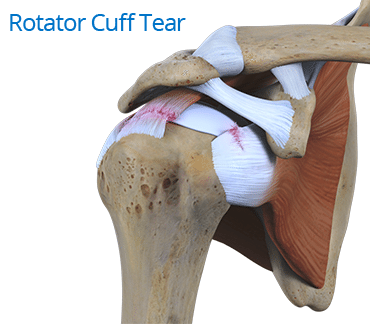
This is another injury commonly seen in athletes participating in repetitive, overhead sports, including swimming and tennis. Rotator cuff injuries are typically characterized by weakness in the shoulder, reduced range of motion, and stiffness.
Being aware of these injuries and knowing their symptoms may encourage you to seek medical treatment sooner; early treatment intervention could result in a better outcome and earlier return to sports.
There�s nothing more frustrating for an athlete than sitting injured on the sidelines watching others compete. Although there�s not one foolproof way to stop shoulder pain from occurring, there are several tips that may help prevent it from starting or getting worse.
If you notice shoulder pain during certain activities, say while throwing a baseball or swimming, stop that activity for a period of time and find an alternative exercise, such as riding a stationary bike. Doing so can give your shoulder some time to rest and heal, while maintaining your cardiovascular fitness.
At the same time, don�t eliminate all shoulder movement. This is because you don�t want to develop a stiff shoulder from infrequent use. Consider doing some mild stretches to keep your arm moving.
2. Change Your Sleeping Position
If you notice pain in your right shoulder, don�t sleep on your right side. Try sleeping on your left side or back instead. If sleeping on your back irritates your shoulder, try propping your arm up with a pillow.
3. Warm Up
Exercising cold muscles is never a good idea. Before practicing your volleyball serve or baseball pitch, warm up your body with mild exercise. For example, start walking for a few minutes and gradually build up to a jog. Doing so raises your heart rate and body temperature and activates the synovial fluid (lubricant) in your joints.1 In other words, a mild warm up gets your body ready for the intense workout that follows.
4. Build Up Your Endurance
It�s a good idea to increase your endurance over time. If it�s been a few weeks or months since you�ve hit the tennis court, consider playing for a short period of time�maybe just 20 minutes to start�and build up to a longer period of playing time. Don�t fall into the trap of doing too much too soon, especially when your body is not used to it.
Strengthening your shoulder muscles can help provide support and stabilization to your shoulder joint. This, in turn, may prevent painful injuries like a shoulder dislocation, which is when the ball of your shoulder comes out of its socket.
Speak to your doctor before starting a strengthening program. They can suggest exercises to perform or may recommend working with a physical therapist.
6. Cross-Train
Some sports are particularly taxing on the shoulder due to repetitive, overhead movements. So you may want think about cross-training. If you�re a swimmer, for example, alternate some of your swimming workouts with a running or biking workout to reduce the stress on your shoulder, while still staying physically fit.
Alternatively, if you�re a painter or construction worker�two occupations commonly associated with repetitive, overhead movements�talk to your boss and ask if there are other non-repetitive tasks you can take on.
Above all, listen to your body and be proactive. You may need to make some adjustments to workout or daily routine to help prevent further damage down the road. It may also be worth getting your doctor�s input, even if you think you�ve got a minor injury. Catching injuries or discomfort early may help keep you in the game and prevent painful injuries down the road.
Being aware of sports�injuries and knowing their symptoms may encourage you to seek medical treatment sooner as early treatment intervention could result in a better outcome and earlier return to sports.�For Answers to any questions you may have please call Dr. Jimenez at
You know exercise is good for you, but if you’re over 65, which is best? A study from Mayo Clinic found that high-intensity aerobic exercise can actually reverse aging on a cellular level.
High-intensity aerobic exercise — or cardio — includes running.
Mayo researchers compared high-intensity interval training (HIIT), resistance training and combined training in a 12-week study. They monitored molecular and metabolic changes in adults divided into age groups of between 18 and 30 and between 65 and 80.
All types of training improved lean body mass and insulin sensitivity, but only high-intensity and combined training improved aerobic capacity and mitochondrial function in skeletal muscle.
Mitochondria are tiny energy-producing structures inside cells. They change with age and activity, and tend to decrease, both in content and function, as we grow older. One result is we have less energy.
In the study, high-intensity interval training also improved muscle protein content that not only allowed cells to create more energy, but to also cause muscles to get bigger, especially in older adults.
The ability of the mitrochondria to generate energy was increased by 69 percent among the seniors and by 49 percent in the younger group.
“We encourage everyone to exercise regularly, but the take-home message for aging adults that supervised high-intensity training is probably best, because, both metabolically and at the molecular level, it confers the most benefits,” says Dr. K. Sreekumaran Nair, a Mayo Clinic endocrinologist and senior researcher on the study.
Created by the Academy of Nutrition and Dietetics, National Nutrition Month® is celebrated annually every March to help everyone make more informed food choices and develop healthier eating habits for improved well-being.
With many recent studies focusing on the benefits of a diet that includes probiotics, also known as “good” bacteria, and prebiotics, which act as food for probiotics and promotes their growth, here we round up some of ways that boosting levels of good bacteria could improve various conditions and overall health.
Reduce social anxiety
A 2015 study of 700 students participants found that eating fermented foods, a good source of probiotics, is associated with reduced symptoms of social anxiety.
The study, published in Psychiatry Research, also found that the link between fermented foods and reduced social anxiety was strongest among those who already rated high in neuroticism.
The findings came after an earlier study published in The Lancet Psychiatry stated that an increasing amount of evidence suggests an important relationship between the quality of diet and mental health.
Improve sleep, protect against stress
A study published just last month found that prebiotics, can help improve sleep and protect against the negative effects of stress.
The team of researchers fed 3-week-old male rats a diet of either standard chow or chow that included prebiotics, and found that those on the prebiotic diet spent more time in non-rapid-eye-movement (NREM) sleep, which is restful and restorative, than those on the non-prebiotic diet.
Rats who were on the prebiotic diet also spent more time in rapid-eye-movement (REM) sleep after being exposed to a stressor, with REM sleep is believed to be critical for promoting recovery from stress.
Previous research has also shown that stress can reduce healthy diversity of gut bacteria, but the rats on the prebiotic diet maintained a healthy and diverse gut microbiota even after exposure to stress.
Reduce obesity
A 2015 study confirmed a link between balanced intestinal flora and weight loss.
The study, published in the journal Obesity, showed that while following a four-week high-fat diet the men who drank a probiotic milkshake containing VSL3, a probiotic with multiple strains of bacteria including Lactobacillus acidophilus and Bifidobacterium longum, put on less weight than others following the diet who drank a placebo milkshake.
The researchers think that probiotics could have changed gut bacteria in a way that resulted in less body fat accumulation, and that the probiotics could have reduced fat absorption.
Reduce risk of allergies
Prebiotics have been shown in various studies to help reduce the risk of allergies.
A French study using mice found that those who received prebiotics had a lower risk of developing a wheat allergy thanks to the prebiotics improving the immune system’s tolerance to allergens, while a US study by the University of Chicago also found that in infants who had trouble tolerating cow’s milk, a new probiotic not only got rid of the allergy, but also changed the composition of their gut bacteria significantly.
A separate study also from the University of Chicago, found that supplementing rodents with probiotics containing the bacterium Clostridia later in life could reverse a peanut allergy.
Does Neck Curvature Protect You In a Car Accident?
Does the curvature of your cervical spine play a determinant in the severity of injury sustained in a motor vehicle accident?
We asked Chiropractic Biophysics, Dr. Deed Harrison to comment on this subject matter.
Unfortunately, many people can relate to having been involved in a car crash or motor vehicle collision (MVC) at some point in their lives. Whether it was a major accident or a minor one, MVC�s are no fun and can cause a variety of minor to serious injuries to those persons in the vehicles. These injuries are commonly and collectively referred to as �Whiplash Injuries�. The financial implications of a MVC, as well as interruption of your daily routine due to whiplash are also other major detriments of car crashes that may take years to recover from.
With more distracted drivers texting and speaking on their phones, MVC�s are on the rise, making for much more dangerous roadways. While we cannot control other people�s behaviors, we can certainly drive more cautiously and defensively to hopefully avoid being in a car accident. Unfortunately, MVC�s do happen despite our best efforts, so being prepared and having a plan in mind is key to recovering quickly and getting back on our feet again.
More serious car accidents mean more serious injuries, ranging from cuts and bruise to broken bones, brain damage, and even death. At first, less serious MVC�s however, may not seem like a big deal, with victims often walking away without a scratch, believing they have escaped the crash unscathed. Others may only complain of a slight headache, neck pain, stiff or kinked neck while resorting to taking over the counter pain killers, or wearing a neck brace to assist with their recovery � something that is far from addressing the true cause of the injury.
What most lay people (and even many physicians) don�t realize is the extent to which the CERVICAL LORDOIS (curvature in your neck from the side) plays a role in both: 1) the extent of the initial injury to the occupant(s) and 2) the long term pain and suffering from whiplash injury to the occupants. Furthermore, the MVC itself will damage the cervical lordosis.
1. Concerning the extent of initial injury, researchers have found that having a well preserved cervical lordosis actually prevents neck tissue damage to the sensitive cervical spine ligaments.1 In the figure at the top, the right hand image demonstrates what a normal cervical curve looks like when viewed from the side and the person facing to the right. In contrast, the same researchers identified that straightened cervical curves and worse yet, reversed (kyphotic) cervical curves predisposed to more severe cervical spine tissue injuries due to more extreme forces acting on the neck during the exact same MVC circumstances. The x-rays above at the far left and the middle show abnormal neck curves where more severe injury to the person is likely to result should they be involved in an MVC.
Thus, if you already have an abnormal cervical curvature prior to any MVC, it is in your best interest to rehabilitate the shape and amount of your cervical lordosis. If you do not, you�re at a higher risk of having more serious injuries should you be involved in a MVC.
2. In terms of long term pain and suffering, several research studies have identified that the patients who experience long term whiplash injuries and suffering are in fact the ones that have abnormal cervical lordosis. Straightened, S-curves, and Reversed cervical curvatures have been found to pre-dispose to the following conditions after MVC.
� Neck pain and stiffness,
� Headaches,
� Arm pain,
� Thoracic outlet symptoms,
� Dizziness,
� Lack of concentration,
� Degenerative arthritis in the cervical spine,
� Disc herinations.
What many whiplash injured subjects don�t realize is that a slight headache or neck pain is a true sign of a much more serious injury to your cervical lordosis and underlying neck tissues. Spinal misalignments as a result of the sudden jolt of the MVC may manifest immediately, or not become evident at all for a long period of time. But this doesn�t mean the spine is healthy or that no injury was sustained.
The fact is that MVC�s statistically damage the shape of your cervical lordosis. Researchers from Chiropractic BioPhysics have identified that the average patient exposed to a MVC will lose 10 degrees of their cervical lordosis, develop a mid cervical kyphosis, and have increased forward head posture as a result of the MVC.
A misaligned cervical curvature as a result of a MVC is a serious health condition. Altered cervical curves will cause nerve interference � hindrance of critical nerve energy that is responsible for every function of our organs, and every movement of our limbs. Ignoring the cervical spinal misalignment can manifest into pain and discomfort, fatigue, sleep disorders, organ dysfunction, depression, and eventually disease.
If you have been in a minor or major car accident, please see a corrective care chiropractor immediately for a full assessment of the health of your spine, even if you don�t feel any discomfort whatsoever. A small misalignment can only get worse with time, so addressing this injury quickly can mean a faster recovery time and less health problems in the future.
Corrective methods using Chiropractic BioPhysics��or CBP� Technique extension traction procedures and devices are the only true evidence based methods that have been shown to statistically and clinically improve the amount of cervical lordosis without the use of surgery. This has been documented in several clinical trials and case reports.8-11 Other conservative methods may restore the cervical lordosis in selected cases, but these have never been proven in clinical trials and are thus, at best, hit and miss. If you are suffering from an altered cervical lordosis as a result of a MVC, use the procedures that are truly scientifically supported.
Chiropractic Treatments for Whiplash
Whiplash Video
Because each individual case of whiplash is different, it is not possible to generalize about the chiropractic whiplash treatment.
The appropriate chiropractic treatment is unique to each whiplash injury and is directed at the primary dysfunctions detected during the chiropractic exam.
However, chiropractors commonly employ different chiropractic treatments for whiplash, often including:
Manipulation
Muscle relaxation and/or stimulation
Various exercises
Ergonomic and lifestyle changes.
This article explains when, why and how chiropractors may employ these whiplash treatments for neck pain, shoulder pain, back pain and other related symptoms.
Chiropractic Manipulation for Whiplash
The primary whiplash treatment for joint dysfunction, spinal manipulation involves the chiropractor gently moving the involved joint into the direction in which it is restricted.
Also known as a chiropractic adjustment, spinal manipulation may involve the application of a short thrust in that direction. In many cases, instead of a thrust, a slow mobilizing movement is used by the chiropractor.
The chiropractor’s primary whiplash treatment for related muscle dysfunction, muscle relaxation and/or stimulation consist of gentle stretches to the muscle that has excessive tension or repeated contractions of the muscle that is inhibited.
If the muscle is very tight, a more vigorous stretch may be applied by the chiropractor. Gentle finger pressure techniques may be applied to trigger points to relieve the pain associated with the tight muscles.
McKenzie Exercises and Stabilization/Sensorimotor Activities
View Chiropractic Videos
Chiropractors may employ different types of exercises, including McKenzie exercisesand/or stabilization and sensorimotor exercises, to help treat patients with whiplash injuries.
McKenzie exercises are specifically designed to reduce disc derangement related to a whiplash injury. They consist of simple movements that are initially done in the office but make for an easy transition to self-care at home. McKenzie exercises also help the patient take an active role in his or her own recovery
Stabilization and sensorimotor exercise approaches are designed to correct faulty movement patterns in routine activities and everyday life. Such whiplash treatment trains the nervous system to better coordinate and control movement patterns, and improves the ability of the neck muscles to maintain stability of the neck.
These exercises are designed to help in a major trauma, such as a fall or whiplash during a motor vehicle accident, or in “micro trauma” from simple things such as being jostled in a crowd, playing sports or performing occupational or home jobs that require physical effort.
Chiropractic Advice on Ergonomic and Lifestyle Changes
These whiplash treatment suggestions stress improvements for performing everyday activities with minimal strain to the body. The chiropractic advice addresses factors in an individual�s work, home or recreational activities that perpetuate the dysfunctions that result from the whiplash accident.
Additionally, spine care professionals at the chiropractic clinic may teach the patient better “use of self” and, if necessary, stress reduction methods to help chiropractic problems.
Whiplash Treatment in Chiropractic Care
Chiropractic On Cervical Spine Video
The whiplash treatment plan developed by the chiropractor for each specific problem may include one or more of these approaches and may involve others as well.
See Chiropractic Manipulation for the Cervical Spine
In addition to his or her whiplash treatment plan, the doctor of chiropractic might give a referral to another health professional, such as a medical specialist, if it is deemed appropriate.
�WHIPLASH, A SOFT TISSUE INJURY TO THE NECK, is also called neck sprain or neck strain. It is characterized by a collection of symptoms that occur following damage to the neck, usually because of sudden extension and flexion,� according to the National Institutes of Health.1
Approximately two-thirds of people involved in motor vehicle accidents develop symptoms of whiplash. The symptoms usually do not develop until two to 48 hours after the injury. Whiplash can also occur from falls, sports injuries, work injuries and other incidents.
Patients with whiplash injury may complain of pain and stiffness in the neck, extending into the shoulders and arms, upper back and even the upper chest. Two-thirds of patients suffer with headaches, especially at the base of the skull. Patients may also experience dizziness, difficulty swallowing, nausea and even blurred vision after injury, but these symptoms tend to resolve quickly.
According to Marshall, 45 percent to 85 percent of people who suffer a whiplash injury have the symptoms five years after the accident, and 82 percent had a straightening or reversal of their cervical curvature.2 “Many authors regard a straightening or reversal of the normally lordotic curvature to be one of the most significant changes of a whiplash injury.� 3
�The initial injury is due to damage of cervical muscles, ligaments, disks, blood vessels and nerves. The actual injury to soft tissues happens so rapidly that normal protective muscle reflexes cannot respond in time to decrease or prevent the injury,� according to a 2006 case report in the Journal of the American Chiropractic Association.3
The Diagnosis
To diagnose whiplash, a DC must first take a thorough history of the injury and the patient�s previous medical history. Pre-existing conditions, such as arthritis, may increase the severity of the whiplash. The DC should give the patient an in-depth physical examination with concentration on the neuromusculoskeletal system.
Similar to asking about whiplash injuries from motor vehicle accidents, DCs should ask the patient questions that reveal the details of a sports-related incident. DCs must ask patients with vehicular accident injuries, �Where was the impact from? Were you moving at the time? Did you have a seatbelt on? What type of seatbelt? Were you braced for impact? Did you hit anything in the vehicle?� says Dr. Alan Sokoloff, team chiropractor for the Baltimore Ravens. �You have to do the same for sport-related neck injuries, too,� he says.
Dr. Sokoloff explains that he �encounters doctors that say, �I do not treat sports injuries,� but if you are treating injuries from auto accidents and really dig into the mechanism of the injury with all of its details, it�s pretty much the same.�
Advanced Imaging
In some cases, advanced imaging may be necessary to make a proper diagnosis. A cervical CT scan is ordered if a DC suspects cervical spine trauma, such as a vertebral fracture, if the patient complains of paresthesia of the hands, if the patient is unconscious or has severe pain together with neurological deficits, explains Jerrold Simon, DC, president of the ACA Rehab Council.
�A cervical MRI is ordered when the whiplash patient complains of neck pain with radicular symptoms, such as a tingling sensation radiating down the arms or if there is suspected cervical spine trauma and the clinical findings suggest ligamentous damage. A cervical MRI may be ordered as a follow-up to normal cervical CT scan if the above symptoms are present,� says Dr. Simon.
Treatment
In treating whiplash injury, patients should be reminded to stay active, unless immobilization is necessary due to serious injury. �A cervical foam collar may be needed during the first few days following the incident if the cervical trauma is severe. However, in general, cervical collars are not recommended,� says Dr. Simon.
Immediately after the whiplash injury, Dr. Simon applies an ice compress to the posterior para-cervical spine musculature for about 10 minutes on a periodic basis. Ice compresses are generally only used for the first 48 hours after an injury.4
�A nutritional intervention for pain should include d-Phenylalanine 250 mg/day, dl-Phenylalanine 750 mg/day, L-tryptophan 3 g/day, and instruct the patient to to avoid coffee and other caffeinated beverages,� he says.
In addition, chiropractic care is beneficial. A retroactive study by Woodward et al. published in Injurydemonstrated that chiropractic treatment benefited 26 of 28 patients suffering from chronic whiplash syndrome.5 Chiropractic care in this study included spinal manipulation, proprioceptive neuromuscular facilitation stretching and cryotherapy [ice-pack therapy].
A neck adjustment works to improve the mobility of the spine to increase range of motion, while also enhancing movement of the adjoining muscles. This will eventually eliminate pain, soreness and stiffness and allow a patient to painlessly turn and tilt the head. In addition to adjustments, a treatment plan of mobilization, massage or rehabilitative exercises may speed up the recovery process.
�Cervical rehabilitation procedures should be considered after the initial pain and inflammation have substantially subsided,� says Dr. Simon. �Then a functional capacity evaluation with focal attention to the cervical spine should be performed to assess the magnitude and degree of upper spinal functional deficiency.�
Following this test, a DC can decide if the patient should receive a treatment of isometric cervical flexion, extension and lateral flexion against resistance exercises, a proprioceptive rocker board, wobble board and/or gym ball exercises and vibration therapy.
�Every person is different, and everyone�s ability to heal is different, so how we treat patients is very individualized,� says Dr. Sokoloff. �We will use modalities initially, if indicated. We will use soft-tissue techniques, if indicated. We will usually use a chiropractic adjustment, if indicated. But the one procedure we always use is progressive rehabilitative exercises, in office and home recommendations.�
Home recommendations include proper computer and phone ergonomics, range-of-motion exercises and icing, to name a few.
�Treatment plans that do not hold the patient responsible for helping themselves cheat everyone,� says Dr. Sokoloff. �The more a patient is informed about home icing instructions, home exercise and activity of daily living modifications, the better the outcomes are for everyone.�
What many whiplash injured subjects don�t realize is that a slight headache or neck pain is a true sign of a much more serious injury to your cervical lordosis and underlying neck tissues.�Because each individual case of whiplash is different, it is not possible to generalize about the chiropractic whiplash treatment.�For Answers to any questions you may have please call Dr. Jimenez at�915-850-0900
IFM's Find A Practitioner tool is the largest referral network in Functional Medicine, created to help patients locate Functional Medicine practitioners anywhere in the world. IFM Certified Practitioners are listed first in the search results, given their extensive education in Functional Medicine