
by Dr Alex Jimenez DC, APRN, FNP-BC, CFMP, IFMCP | Diets, Fitness
Parkinson’s disease can cause tremors, stiffness and trouble with walking. But a new study suggests that regular exercise can slow the progression of the disease.
Even those with advanced Parkinson’s can benefit from activity, the study authors said.
The research included more than 3,400 patients in North America, the Netherlands and Israel who were followed for more than two years. During that time, Parkinson’s-related changes in mobility were assessed by timing how long it took patients to rise from a chair, walk about 10 feet, turn and return to a sitting position.
The results were published online recently in the Journal of Parkinson’s Disease.
“We found that people with Parkinson’s disease who maintained exercise 150 minutes per week had a smaller decline in quality of life and mobility over two years compared to people who did not exercise or exercised less,” said lead investigator Miriam Rafferty, of Northwestern University and Rehabilitation Institute of Chicago.
“The smaller decline was significant for people who started the study as regular exercisers, as well as for people who started to exercise 150 minutes per week after their first study-related visit,” she said in a journal news release.
The study didn’t look at what specific types of exercise might be best for people with Parkinson’s disease. But the findings suggest that at least 150 minutes a week of any type of exercise offers benefits.
“People with Parkinson’s disease should feel empowered to find the type of exercise they enjoy, even those with more advanced symptoms,” Rafferty added.
The study also found that people with more advanced Parkinson’s disease saw the greatest benefit from 30-minute-per-week increases in exercise. This finding could prove important in making exercise more accessible to these people. Currently, their increased disability may limit their independent participation in community and group exercise programs, according to the researchers.
“The most important part of the study is that it suggests that people who are not currently achieving recommended levels of exercise could start to exercise today to lessen the declines in quality of life and mobility that can occur with this progressive disease,” Rafferty said.

by Dr Alex Jimenez DC, APRN, FNP-BC, CFMP, IFMCP | Diets, Fitness
With your Easter feast or Passover repast just around the corner, we’ve asked top nutritionists and dietitians for suggestions on how to make these holiday meals healthier.
“Passover and Easter mark the start of the spring season,” Leah Kaufman, a New York City-based nutritionist tells Newsmax Health. “They traditionally symbolize ‘Rebirth’ and ‘Rejuvenation.’ What better time to think about your diet and health goals than right now, at the beginning of a new season?”
Kaufman notes that both Passover and Easter bring families and friends together for holiday meals that often feature traditional foods that may not be healthy choices.
“Creating healthy meals and snacks even when serving traditional foods can be a creative challenge,” she notes. “Many times these foods may not align with your nutritional goals, but by making simple adjustments, you can continue to eat your favorite holiday foods and not compromise your health.”
For example, Easter is one of the biggest times of the year for ham, market statistics show. But, buyer beware: Many store-bought hams are chock full of sodium and other unhealthy ingredients.
In fact, a single four-ounce portion of the most popular brands contains a whopping 1,700 grams of sodium. That’s 85 percent of the recommended daily intake.
Prepared hams also contain sodium nitrite, a potential carcinogen — as well as sodium phosphate to keep the meat moist, corn syrup, and dextrose, a simple sugar used as a sweetener.
“The takeaway message is that if you don’t want a lot of sodium and preservative as well as extra sugar in your ham, you may want to make your own from scratch or try a healthier main dish such as salmon,” Tara Gidus, an Orlando-based dietician tells Newsmax Health. “That way you’ll be reaping the nutritional benefits of high quality, complete protein with omega-3 fatty acids and important essential vitamins.”
Kaufman suggests another popular Easter favorite may be a better choice: Roast a leg of lamb.
“You’ll still get a lean protein, but without the extra salt and preservatives,” she suggests.
Amy Shapiro, founder of Real Nutrition NYC, tells Newsmax Health that the same caveat applies to a Passover favorite meat: Brisket.
“Lean meats like ham and brisket are great sources of iron, protein and your B vitamins, but be cautious on how they are prepared,” she says. “Brisket can tend to be cooked in heavy sauces which may contain a large amount of salt and sugar.”
On the other hand, eggs are a traditional part of both Passover and Easter — and are a nutritional powerhouse, notes Shapiro.
“Everyone loves a good Easter egg hunt,” she says. “And eggs are great from a nutritional standpoint because they provide a low fat source of protein and contain many vitamins in their whites. For Passover, have an egg to start during the Seder and it will help satisfy your hunger so that you won’t over indulge in heavier fare later in the meal.”
Easter eggs made with dark chocolate provide a sweet treat after the meal that also provides heart-healthy antioxidants.
Matzo bread is a Passover staple for the eight days Jews need to eat “Kosher Passover” food. Although it appears to be a simple cracker, matzo actually contains as many calories and carbs as a normal piece of bread, says Shapiro.
“Try to find a whole wheat brand to increase the nutritional value,” she suggests.
Potatoes are also an important part of traditional Easter meals, says Gidus.
“No Easter brunch is complete without a nice side dish of breakfast potatoes or a hash brown casserole,” she notes. “Potatoes are naturally fat free and surprisingly low in calories if you don’t smother them with high fat sauces.
“White potatoes have more potassium than a banana and contain vitamin C and fiber. Russet potatoes are high on the antioxidant vegetable list and have resistant starch, giving you lasting energy.”
Haroset is a delicious sweet side dish in the Passover meal, typically made with raisins, honey, apples, nuts, cinnamon, and wine.
“This is a great way to eat something sweet without going for candy, cake and ice cream,” notes Shapiro. “But it can have a lot of sugar, so don’t go overboard!”
Gidus recommends adding lots of roasted vegetable side dishes to offer low-calorie options to holiday meals. Asparagus and carrots are excellent, colorful choices.
“Asparagus is an excellent spring vegetable to use in salads or as a side dish,” she says. “Carrots can be also used to make a wonderful carrot cake or carrot muffins to serve as a healthy dessert. You’ll get the benefits of beta carotene, fiber, potassium and iron.”
Kaufman offers this final piece of advice:
“Overall, the holidays are a time to spend with family and friends. Focus on the company you are with rather than the next meal you’ll eat. By engaging in conversation, you’ll decrease the likelihood of over eating.”

by Dr Alex Jimenez DC, APRN, FNP-BC, CFMP, IFMCP | Diets, Fitness
Just a bit of vigorous exercise each day could help some children and teens reduce their risk of developing heart problems and diabetes, researchers say.
The new study looked at nearly 11,600 kids, aged 4 to 18, in the United States, Brazil and Europe.
The investigators found that replacing light exercise with as little as 10 minutes a day of intense activity may provide significant cardiometabolic benefits for young people who have relatively large waists and elevated levels of insulin in their blood. These are factors that put them at risk for developing heart problems and metabolic diseases, such as type 2 diabetes.
“The results suggest that substituting modest amounts of vigorous physical activity for longer-duration light exercise may have cardiometabolic benefits above and beyond those conveyed by moderate activity and the avoidance of sedentary behavior,” lead author Justin Moore said.
Moore is an associate professor of family and community medicine at Wake Forest Baptist Medical Center in Winston-Salem, N.C. He noted that more research is needed because additional factors that contribute to disease risk — such as diet and genetics — need to be taken into account.
“If such studies provide robust results, a relatively brief but intense dose of physical activity — perhaps as little as 10 minutes day, which is certainly feasible for most youth — could turn out to be part of a ‘prescription’ for children to achieve or maintain cardiac and metabolic health,” Moore said in a medical center news release.
The study was published recently in the journal Medicine & Science in Sports & Exercise.

by Dr Alex Jimenez DC, APRN, FNP-BC, CFMP, IFMCP | Gut and Intestinal Health, Natural Health, Wellness
Using antibiotics very early in life may lead to developing inflammatory diseases later in life, says a new report published in the Journal of Leukocyte Biology. Using antibiotics in infancy disrupts the normal development and growth of gut bacteria, and in addition to contributing to gut problems such as inflammatory bowel disease (IBD), the altered environment may contribute to other inflammatory diseases such as asthma and multiple sclerosis.
The study also indicates that altering gut bacteria may be a way to treat or prevent some inflammatory diseases.
“Our study demonstrates that gut bacteria in early life do affect disease development in adulthood, but this response can be changed,” said Colby Zaph �of the School of Biomedical Sciences at Monash University, Australia.
The study has important ramifications for using pre- and probiotics, in the administration of antibiotics to newborns, and to the understanding of how gut bacteria play a critical role in the development of �inflammatory diseases such as IBD.
For the study, scientists used two groups of mice. The first group included pregnant females treated with broad spectrum antibiotics during pregnancy and pups treated with broad spectrum antibiotics for the first three weeks of life.
The second group was a control group that consisted of untreated pregnant mothers and pups. The pups in the treated group were weaned at three weeks of age and antibiotic treatment was stopped at the same time. These pups had reduced levels of gut bacteria and were allowed to age normally.
At eight weeks of age, immune cells (CD4 T cells) from both the treated and untreated pups were examined for their ability to induce irritable bowel disease in other mice. The immune cells from antibiotic-treated mice induced a more rapid and more severe disease than those from the untreated mice.
Another recent study connected Gulf War Illness (GWI) to changes in gut bacteria. Researchers found that the chemicals, etc. that veterans were exposed to altered the microbiome � the bacteria that inhabit the gut. The affected microbiota then produce endotoxins, which pass through a thinned lining of the gut (called a leaky gut) and into the blood where they circulate throughout the body.
These compounds trigger an inflammatory response that, in turn, initiates several neurological abnormalities commonly observed in GWI, such as cognitive difficulties, widespread pain, and debilitating fatigue.

by Dr Alex Jimenez DC, APRN, FNP-BC, CFMP, IFMCP | Natural Health, Wellness
A common virus in infancy could trigger a life-long allergy to gluten and lead to celiac disease, an autoimmune disorder which affects one in 133 people in the United States, researchers said Thursday.
Celiac disease is caused when the body has an improper immune response — much like an allergy — to the protein gluten, found in wheat, rye, and barley.
The disease damages the lining of the small intestine, and has no cure. It can only be treated by adopting a gluten-free diet.
But if Thursday’s study in the journal Science — based on experiments using mice — is confirmed in larger studies in people, researchers said a vaccine might be able to prevent celiac disease in the future.
“This study clearly shows that a virus that is not clinically symptomatic can still do bad things to the immune system and set the stage for an autoimmune disorder, and for celiac disease in particular,” said senior author Bana Jabri, director of research at the University of Chicago Celiac Disease Center.
The study found that intestinal bugs called reoviruses can make the immune system overreact to gluten, a protein that is already difficult to digest.
Given to mice, “one common human reovirus triggered an inflammatory immune response and the loss of oral tolerance to gluten, while another closely related but genetically different strain did not,” said the study.
The virus led to a surge in antibodies that may leave a “permanent mark on the immune system that sets the stage for a later autoimmune response to gluten.”
Most infants eat their first gluten-containing cereals around six months of age, a time when their immune systems are more vulnerable to viruses.
“During the first year of life, the immune system is still maturing, so for a child with a particular genetic background, getting a particular virus at that time can leave a kind of scar that then has long-term consequences,” Jabri said.
“That’s why we believe that once we have more studies, we may want to think about whether children at high risk of developing celiac disease should be vaccinated.”
Co-authors of the study were from the University of Pittsburgh School of Medicine; the University of Naples, Italy; Erasmus University Medical Center in Rotterdam, Netherlands; Massachusetts General Hospital; Harvard Medical School; the Broad Institute at MIT; the University of Montreal; and Stanford University.
by Dr Alex Jimenez DC, APRN, FNP-BC, CFMP, IFMCP | Health News El Paso
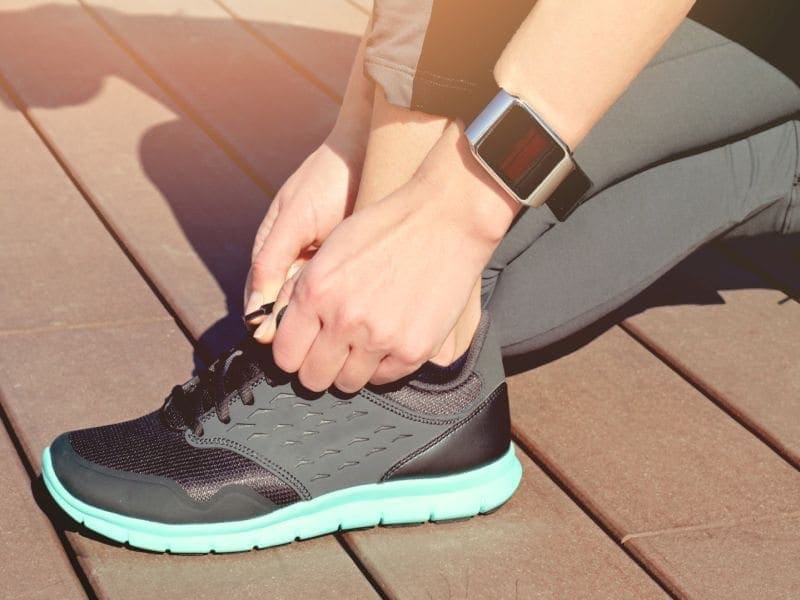
(HealthDay News) — Wrist-worn activity trackers such as Fitbit don’t reliably assess heart rate, a new study finds.
While the devices may have some legitimate benefits, they shouldn’t be used for medical purposes, researchers suggest.
Evaluating four wearable activity trackers from Fitbit, Basis and Mio, the investigators compared results to those from an electrocardiograph (EKG). The researchers found results varied among the different models, and were much less accurate during exercise than at rest.
“These devices are probably good enough to inform consumers of general trends in their heart rate — high or low — [but] it’s important to have more accurate information when physicians are relying on this data to make decisions on medications or other tests and treatments,” said Dr. Mitesh Patel.
Patel is an assistant professor of medicine and health care management at the University of Pennsylvania. He wasn’t involved in the study.
However, the study’s lead author cautions against making too much of the discrepancies.
“At any moment, the tracker could be off by a fair bit. But at most moments, it won’t be,” said Lisa Cadmus-Bertram, an assistant professor of kinesiology at the University of Wisconsin at Madison.
“The heart-rate feature performed better at rest,” she said. “They’re not as precise during exercise.”
A 2014 survey by PricewaterhouseCoopers found that 20 percent of American adults owned a wearable activity tracker.
For the new study, 40 healthy adults, aged 30 to 65, were recruited to test the Fitbit Surge, Fitbit Charge, Basis Peak and Mio Fuse.
Generally, when compared with the EKG results, the activity trackers were near the correct mark, Cadmus-Bertram said. But occasionally, their estimates of heart rate could swing too high or too low.
At rest, the Fitbit Surge was most accurate; Basis Peak was least accurate, the study authors said.
During exercise on a treadmill at 65 percent of maximum heart rate — defined as 220 beats per minute minus age — accuracy suffered more.
The monitors could overestimate heart rate by as much as 39 beats per minute (Fitbit Surge), or underestimate it by as much as 41 beats per minute (Fitbit Charge), the study found.
The findings support those of a study released last month at the American College of Cardiology annual meeting. Depending on the type of activity, the wrist devices were up to 34 beats per minute off, those researchers found.
Again, the devices were least accurate during exercise.
Some wrist-worn activity trackers use a light-emitting diode, or LED, that measures heart rate by detecting changes in the amount of blood in the skin.
Patel said accuracy may be a problem because the devices move around on the arm, especially during exercise.
Meanwhile, Fitbit’s maker said its fitness trackers aren’t intended to be medical devices. The company issued a statement in response to the new study.
“We conducted extensive internal studies which show that Fitbit’s PurePulse technology performs to industry standard expectations for optical heart rate on the wrist,” the statement said. Moreover, “Fitbit devices were tested against properly calibrated industry standard devices like an EKG chest strap across the most popular activities performed worldwide — including walking, running, biking, elliptical and more.”
Cadmus-Bertram cautioned that the data for the new study were collected about a year ago.
“Not only have newer models since been released, but the algorithms behind the data are presumably being updated and improved on a regular basis,” she said. “So the results we found might be different if we did the study again now.”
In general, she’s remains a fan.
“On the whole, fitness trackers still provide a tremendous amount of useful information to the average user who just wants some feedback to help them to increase their exercise level,” Cadmus-Bertram said.
The study findings were published online April 11 in the Annals of Internal Medicine.
SOURCES: Lisa Cadmus-Bertram, Ph.D., assistant professor, kinesiology, University of Wisconsin-Madison; Mitesh Patel, M.D., M.B.A., M.S., assistant professor, medicine and health care management, Perelman School of Medicine and the Wharton School, University of Pennsylvania, Philadelphia; Fitbit, statement, April 10, 2017; April 11, 2017, Annals of Internal Medicine, online

by Dr Alex Jimenez DC, APRN, FNP-BC, CFMP, IFMCP | Fitness, Natural Health, Wellness
If you’re thinking about adding a dog to the family, you have two good reasons to say “yes,” say researchers from the University of Alberta. Their study found that babies from families with pets � 70 percent were dogs � had higher levels of two microbes that protect against allergies and obesity.
There Is A Catch
“There’s definitely a critical window of time when gut immunity and microbes co-develop, and when disruptions to the process result in changes to gut immunity,” said pediatric epidemiologist Anita Kozyrskyj.
Her team’s research found that exposure to pets in the womb or up to three months after birth increases the amount of two bacteria, Ruminococcus, which has been linked to a reduced risk of childhood allergies, and Oscillospira, which has been linked to a lower risk of obesity.
“The abundance of these two bacteria were increased twofold when there was a pet in the house,” said Kozyrskyj, adding that the pet exposure was shown to affect the gut microbiome indirectly � from dog to mother to unborn baby � during pregnancy as well as during the first three months of the baby’s life. In other words, even if the dog had been given away for adoption just before the woman gave birth, the healthy microbiome exchange could still take place.
The study also found that the immunity-boosting exchange occurred even in three birth scenarios known for reducing immunity: C-section versus vaginal delivery, antibiotics during birth, and lack of breastfeeding.

In addition, the study suggested that pets in the house reduced the likelihood of the transmission of vaginal GBS (group B Strep) during birth, which causes pneumonia in newborns and is prevented by giving mothers antibiotics during delivery.
Kozyrskyj theorizes that one day there may be a “dog in a pill” to help prevent allergies and obesity.
“It’s not far-fetched that the pharmaceutical industry will try to create a supplement of these microbiomes, much like was done with probiotics,” she said.
Previous research has also found that children raised in homes with pets have fewer allergies. A study published in Clinical & Experimental Allergy found that children who were exposed to pets before the age of six months had fewer allergy-related conditions such as asthma, hay fever, eczema, and upper respiratory infections as they grew older. Another study found that babies who lived in homes with pets had fewer colds and ear infections during their first year of life than babies living in homes without pets.
Pets are also good for mom and dad. Dogs have been found to lower the risk of heart disease, stress, depression, and chronic pain.

by Dr Alex Jimenez DC, APRN, FNP-BC, CFMP, IFMCP | Health News El Paso
(HealthDay News) — When a bedside alarm goes off in a child’s hospital room, anxious parents expect nurses to respond pronto.
That rarely happens, however, and a new study helps explain why.
Reasons Why Response Time In Question
Researchers found that nurses are usually quick to react when alarms are urgent. But, they’re slower to respond at the end of the workday or when they suffer from “chronic alarm fatigue.”
Also, having parents present doubled the response time on average, the study found.
But, delayed response time didn’t threaten any of the 100 patients evaluated in the study, the researchers said. And just half of 1 percent of more than 11,000 alarms analyzed were deemed “actionable,” or crucial.
“The nurses were overall doing a great job predicting which alarms were going to be important,” said study lead author Dr. Christopher Bonafide, an assistant professor of pediatrics with the Children’s Hospital of Philadelphia. “Their intuition was correct.”
The high number of false alarms in U.S. hospitals has led to “alarm fatigue” among nurses. As a result, the Joint Commission — the organization that accredits American hospitals — issued new guidelines for managing alarm monitors.
The beeps and buzzes alert staff to medical problems facing patients such as high heart rates, dips in oxygen levels in the blood and dangerous heartbeat patterns, Bonafide said.
Too Many False Alarms
But, many false alarms are caused simply by babies moving around and disrupting sensors, he said.
“When an alarm goes off and the nurse is already in the patient’s room, they can immediately look up, check on the patient, and make sure everything is OK,” Bonafide said. “When a nurse isn’t in the room, some hospitals like ours have the ability to send them a text message to the phone that they are carrying.”
For this study, researchers analyzed video of 38 nurses caring for 100 patients at Children’s Hospital of Philadelphia from 2014-2015.
Almost all of the 11,745 beeps and buzzes that sounded were valid. And 50 were deemed critical, “the important ones we would not want anyone to miss,” Bonafide said. Nurses responded in about a minute, on average, to these alarms.
However, overall, half of the total alarms took 10.4 minutes or more to address, the study found.
Years on the job and caseload accounted for some differences in response time.
“Nurses with under one year of experience responded faster than nurses with one or more years’ experience,” Bonafide said. “Nurses taking care of just one patient responded faster than those caring for more than one patient. And for each hour that passed in a nurse’s shift, their response time got a little bit slower.”
Other factors appeared to contribute, too.
“If family members were absent from the bedside, response time was faster than if parents were there,” he said. The median response time was six minutes when family members weren’t there, and 12 minutes when they were.
Also, “more complex” patients got faster responses, Bonafide said. “And patients who had prior alarms that required interventions to be taken got faster responses than those who had not had those experiences.”
Marjorie Funk, a professor at Yale University School of Nursing, praised the study. She said the findings shouldn’t worry parents about leaving their child’s side at hospitals.
“Alarms for serious events sound different, and nurses respond immediately,” Funk noted. “Other alarms may require their attention, but they can finish what they are doing for another patient before responding or can ask a colleague to respond.”
Bonafide said there are no guidelines that tell nurses how quickly they should response to various alarms. But, he thinks the system needs improvement.
“There’s quite a lot we can do to improve the safety and performance of these systems and make them work for us and provide truly useful information that helps nurses identify patients who are getting into trouble,” he said.
When a child is hospitalized, Bonafide and Funk agreed that it’s appropriate for parents to ask questions. These might include asking physicians and nurses, “Why is my child being continuously monitored? What problems are you looking for?” and “What should I do if an alarm goes off?”
The study appears in the April 10 issue of JAMA Pediatrics.
SOURCES: Christopher Bonafide, M.D., assistant professor, pediatrics, Children’s Hospital of Philadelphia; Marjorie Funk, Ph.D., RN, professor, nursing, Yale University School of Nursing, New Haven, Conn.; April 10, 2017, JAMA Pediatrics
News stories are written and provided by HealthDay and do not reflect federal policy, the views of MedlinePlus, the National Library of Medicine, the National Institutes of Health, or the U.S. Department of Health and Human Services.

by Dr Alex Jimenez DC, APRN, FNP-BC, CFMP, IFMCP | Health, Nutrition, Wellness
It�s spring and many people will be heading back to the gym in the hope of busting cellulite, a seemingly unshakeable curse for many women. However, cellulite, which has both genetic and hormonal causes, can be improved with a comprehensive long-term strategy. Here are a few facts and fictions about the dreaded �orange-peel effect� before you get started.
Exercise Gets Rid Of Cellulite
FALSE. Unfortunately, exercise alone isn�t enough to shift those lumpy fatty deposits anchored deeply under the skin. This type of fat corresponds to metabolized fat from food and genetic fat stores often found around the buttocks and thighs. However, exercise (walking, running, water biking, skipping) forms part of an overall cellulite-busting strategy, giving a real boost to venous and lymphatic circulation.
Slim women have cellulite too! Losing weight by forcing yourself to follow a drastic and highly restrictive diet won�t solve the problem. (Shutterstock)
Hormonal Balance Affects Cellulite
TRUE. Harmonizing your hormonal balance could help reduce and halt the further development of adipocyte fat cells. A lack of progesterone can often create a cellulite effect. Borage oil and chaste tree are herbal remedies that are recommended for boosting the hormone progesterone. Changing to a contraceptive pill with a different dose of hormones can also be an option. Ask your health care provider for more information.
Cutting Calories Is The Only Way To Get Rid Of Cellulite
FALSE. Slim women have cellulite too! Losing weight by forcing yourself to follow a drastic and highly restrictive diet won�t solve the problem. In fact, it can prove counterproductive, since you also risk losing muscle mass and accentuating any cellulite buildup.
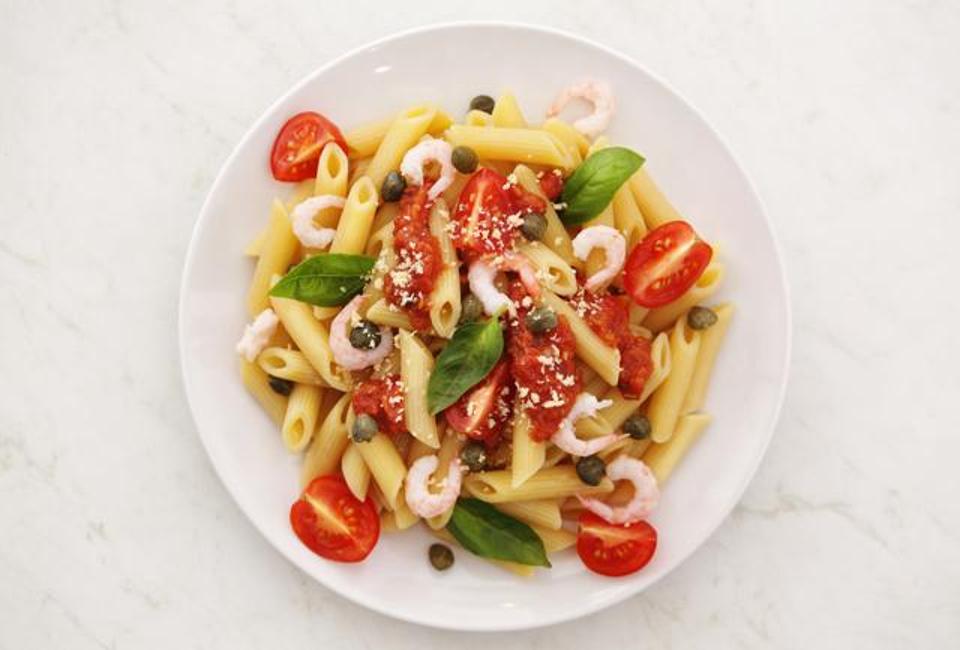
A Mediterranean diet based on foods rich in antioxidants (fruit and vegetables, seeds, nuts, wholegrain cereals) is the best weapon of mass destruction in the fight against lumpy deposits. (Shutterstock)
The Mediterranean Diet Is The Most Effective
TRUE. Cellulite, by definition, is an inflammatory condition. A Mediterranean diet based on foods rich in antioxidants (fruit and vegetables, seeds, nuts, wholegrain cereals) is the best weapon of mass destruction in the fight against lumpy deposits. Foods containing fast-acting sugars, with high glycemic indexes, should generally be avoided because they promote the storage of fat and cause insulin levels to spike. Watch out for hidden salt too, which is often responsible for water retention. Avoid soup in the evening and fill up on protein.
Herbal Remedies Can Help Tackle Cellulite
TRUE. The key active ingredients in certain plants can help the body to eliminate toxins, flushing out tissue that�s full of water and fat. These include dandelion, birch, fennel, artichoke, black radish, fumaria, red vine leaf, witch hazel and ginkgo biloba, which can help boost blood flow back to the heart and aid the lymphatic system. Drinking lots of water will also stimulate digestive transit to help get rid of inflammatory toxins.

Call Today!
Follow @htlifeandstyle for more.
by Dr Alex Jimenez DC, APRN, FNP-BC, CFMP, IFMCP | Arthritis, Fitness, Wellness
“Oh, my aching back!” I can’t tell you how many of my students have back issues. And it’s no wonder, considering most of us spend our days tied to our desk chairs and parked in the same position in front of our screens hour after hour. The problem: Sitting for prolonged periods can cause or exacerbate back issues. When we’re stuck in this position, our hip flexors shorten in front and pull on our lower back. Not to mention, constant slouching can lead, over time, to compressed disks. That’s why it’s crucial to stretch your back every day. Here, four moves you can do right in your office.
RELATED: How Chair Yoga Can Help Your Arthritis
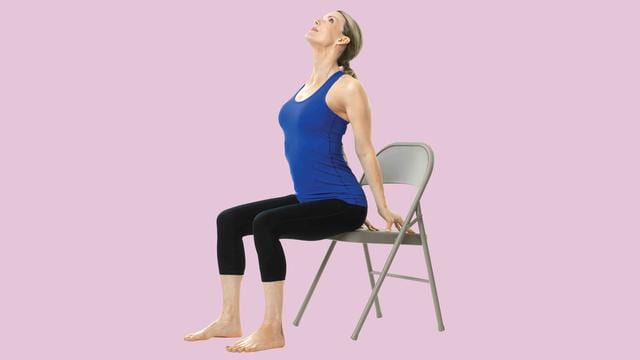
1. Backbend Arch
Start seated at edge of chair, placing hands behind you with fingers facing away from hips. Prop yourself up on fingertips, drawing sacrum in and up to lift lower back. Follow backbend all the way up chest to shoulder blades and open up entire front body. Hold and breathe for 8 to 10 breaths, then release.

2. Cat/Cow
Sit at edge of chair with feet flat on the floor. Place hands on knees and inhale, lifting chest and sticking hips out behind you. Lift gaze, open chest, and gently squeeze shoulder blades together (A). On an exhale, round chest, scoop in belly, and curl tailbone under as you drop head toward sternum (B). Repeat for a series of 10 cycles.
RELATED: 10 Yoga Poses to Do at Your Desk

3. Lower-Back Circles
Sit with feet hip-width apart and hands resting on knees (A). Inhale, then begin circling torso clockwise, making sure to initiate movement from base of spine (B). Complete 8 to 10 rotations. Stop and then repeat the motion, this time circling in a counterclockwise direction. Continue alternating for 2 to 3 minutes.

4. Roll-Downs
Sit with feet hip-width apart and hands hanging at sides (A). From head, start rounding down through spine (B). Exhale, letting forehead release forward and the weight of your head bring you over until top of head is by thighs (C). Inhale; slowly start stacking vertebrae as you round up to sit. Draw belly button to spine to protect back, and feel the articulation as you round up. Continue rolling down and up for 5 to 8 cycles.
Pin this entire workout for later:

Adapted from Chair Yoga: Sit, Stretch, and Strengthen Your Way to a Happier, Healthier You by Kristin McGee ($19; amazon.com). Copyright 2017 by Kristin McGee. Reprinted by permission of William Morrow, an imprint of HarperCollins Publishers.








