
by Dr Alex Jimenez DC, APRN, FNP-BC, CFMP, IFMCP | UTEP (Local) RSS
UTEP sophomore hurdler Tobi Amusan clocked the fastest 100m hurdle time (12.63) in the world for 2017 on Saturday afternoon at Kidd Field in the UTEP Springtime.
Amusan exploded out of the blocks and dashed to a first-place finish, setting a school record in the process. The previous standard was held by Kim Turner (12.95, 1983) and had stood for 34 years.
Getting the day started was Fayon Gonzales in the hammer throw. The senior notched a fourth-place finish with a throw of 50.16m (164-7), followed by Adebola Akomolafe (157-1.25) in fifth place. Gonzales also captured silver in the javelin with a toss of 39.37m (129-2.25).
The Miners swept the 1,500m run with Linda Cheruiyot (4:31.81), Winny Koech (4:34.41) and Gladys Jerotich (4:51.60). Melanie Crittenden notched fourth place in the high jump with a mark of 1.53m (5-0.25).
Senior Ada Benjamin clocked the clocked the fourth-fastest time (53.16) in the nation in the 400m. She also took silver in the 200m (24.02). Lucia Mokrasova tied for second (14.00) in the 100m hurdles and secured a fourth-place finish in the 200m with a time of 24.52.
Lilian Koech notched the seventh-fastest time nationally (2:08.98) in the 800m. Samantha Hall took home gold in the discus by throwing for 52.61m (172-7.50). Israel Ramsay (5.88m, 19-3.50) and Tyler Ragin (5.79m, 19-0) took second and fourth overall in the long jump.
On the men’s side, freshman Karol Koncos won gold in the hammer throw by tossing for 61.84m (202-11), followed by Kevin Rincon with a toss of 49.70m (163-1) to finish third overall. Rincon returned in the javelin to take silver, launching for 59.31m (194-7.25).
Austin Ondijo took second in the high jump leaping over 1.97m (6-5.50). The 1,500m run featured the most Miners in one event. Cosmas Boit (3:49.46) took home silver, Antony Kosgei (3:56.28) finished fifth, Daniel Cheruiyot (3:57.44) finished sixth and Evans Kiprono (3:59.90) finished seventh overall.
In the 200m Asa Guevara took the number one spot running 21.06, followed by James Bias (21.50) to finish fourth overall.
UTEP has a short rest before returning to the track, this time in Austin, Texas, for the Texas Relays March 28-April 1. Be sure to follow @UTEPTrack on Twitter for live updates.
by Dr Alex Jimenez DC, APRN, FNP-BC, CFMP, IFMCP | Fitness, Health News El Paso, Sleep Hygiene, UTEP (Local) RSS
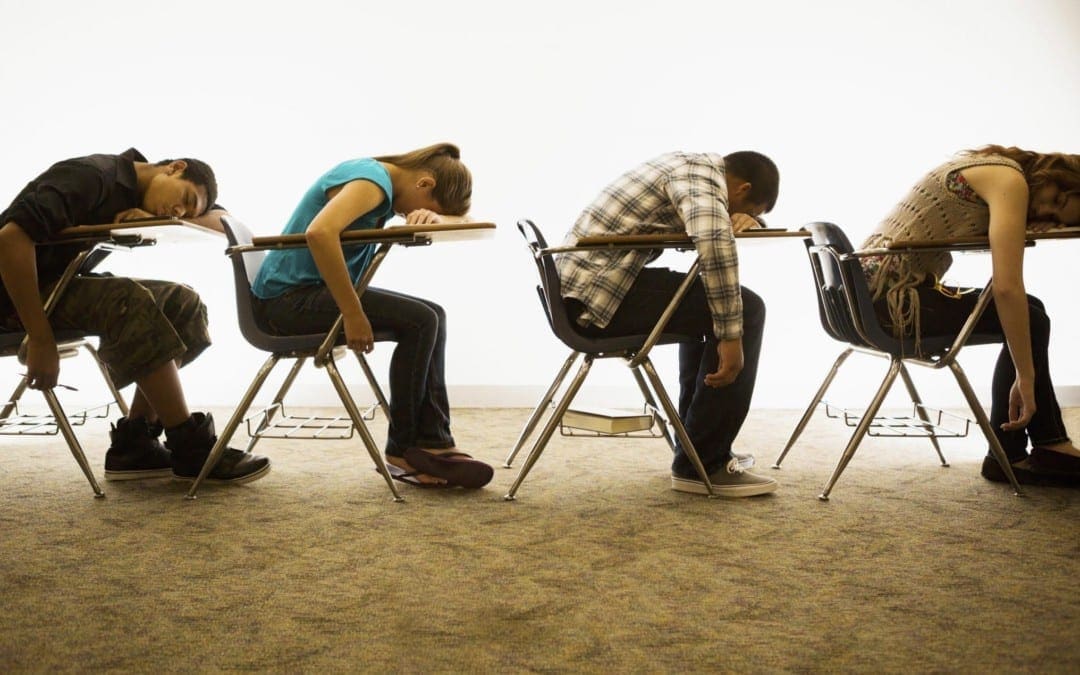
Getting more sleep will likely help middle and high school students in Nevada and across the country do better in school, be healthier and make healthier choices, according to a study from the Centers for Disease Control and Prevention.
Epidemiologist Anne Wheaton with the CDC says only one in eight students in Nevada gets the recommended amount of sleep, between eight-and-a-half and nine-and-a-half hours per night. She says sleep deprivation is linked to drinking alcohol, smoking tobacco and using drugs as well as poor academic performance.
�If you haven�t had enough sleep and you�re sitting in the first period of school, you have a harder time paying attention and your memory doesn�t work quite as well,� she says. �If you don�t get enough sleep.�
Wheaton says a major cause of the sleep problem is 87 percent of middle and high schools in Nevada start school before 8:30 a.m., which does not give students enough time to get the recommended amount of sleep. She says puberty delays sleep, which means teenagers need more time to get going in the morning because their bodies are keeping them up later at night.
Wheaton points out the American Academy of Pediatrics issued a policy statement last year urging middle and high schools to modify start times to no earlier than 8:30 a.m. to aid students in getting sufficient sleep to improve their overall health.
�Not getting enough sleep tends to affect your appetite so you eat more, you�re more fatigued, so you�re less likely to exercise,� says Wheaton. �It can impact your blood sugar, so further down the road after years of not getting enough sleep, you�re more likely to develop diabetes for instance.�
There are other factors involved, but Wheaton says some school districts are resistant to later start times because they say it would increase costs for busing students. She says parents can also help their children practice good sleep habits by maintaining a consistent bedtime and rise time, including on weekends.
Author: Troy Wilde, Public News Service (NV)

by Dr Alex Jimenez DC, APRN, FNP-BC, CFMP, IFMCP | Fitness, Health News El Paso, UTEP (Local) RSS
El Paso, TX – Sierra Providence Health Network is offering free seminars on various topics including: Maternity Tours, Chair Aerobics, Infant Care, and Weight Loss. Please call 577-SPHN (7746) to register for classes. All classes are FREE.
* Maternity Tours: Please join us for tours of patient rooms, the neonatal intensive care unit, family waiting area, and our security system.
Place: Sierra Medical Center at 1625 Medical Center and Providence Memorial Hospital at 2001 N. Oregon
* Chair Aerobics: This aerobic exercise class held on Mondays, Wednesdays and Fridays, is targeted at those with mobility problems by giving a
complete workout while limiting the stress and strain on joint. Please call the YWCA at (915) 533-7475 to register.
* Infant Care Class: This class teaches parents how to bathe, diaper, and care for a newborn. You will also learn about safety and recommended immunizations, as well as how to take a temperature and choose a day care.
Class Date: Monday, August 24, 2015
Time: 6:30 pm
Place: Sierra Providence East Classroom 1, 3280 Joe Battle Blvd., 1st Floor
* Sibling Class: This class prepares young children 3-8 years of age for a new brother or sister in the family. Your child will receive a coloring book, certification of completion and a tour of the newborn nursery.
Class Date: Wednesday, August 26, 2015
Time: 6:30 pm
Place: Hilton Towers Auditorium B & C, 2001 N. Oregon
* Weight Loss Seminar: Please join us as we discuss our lap banding, gastric bypass, and gastric sleeve procedures. Please bring your insurance information so we may be able to answer any specific questions about your coverage.
Seminar Date: Wednesday, August 26, 2015
Time: 6:00 pm
Place: Sierra Providence East Medical, 3280 Joe Battle Blvd.
* Cardiac Catherization Lab Open House: Join us for a clearer picture of some of the latest advancements in cardiac care and the chance to meet our cath lab staff.
Open House Date: Friday, August 28, 2015
Time: 7:00 am
Place: Sierra Providence East, 3280 Joe Battle Blvd.

by Dr Alex Jimenez DC, APRN, FNP-BC, CFMP, IFMCP | Fitness, Health News El Paso, UTEP (Local) RSS
Sixty nurses from the Socorro Independent School District participated in a daylong training on diabetes at the District Service Center.
The Diabetes Academy, sponsored by Novo Nordisk, showed the medical staff the recent changes in treating the disease.
“We deal with a lot of kids with diabetes,” said Rebecca Madrid, the district’s nurse manager of health services. “We want the nurses to be familiar with the new treatments out there.”
The staff learned everything from the basics of Type I-II diabetes to meal planning.
“The 70 nursing staff members found value in the information. It increased their knowledge about diabetes,” said Cecilia Sheeren, Novo Nordisk representative.
 One of the class highlights was watching Chef Doreen Colondres, a well-known chef on Univision and Fox, create healthy meals without sacrificing taste and how to make quick meals in 20 minutes.
The chef, who says cooking is relaxing, healthy and fun, demonstrated a quick meal. It included Peruvian chicken with pearl quinoa and a strawberry spinach salad. The dish also was recreated by Super Chef, a local catering company, and served during lunch.
“Healthy doesn’t mean boring,” Colondres said. “It’s about using fresh ingredients as part of a meal. Anyone can do this.”
Priscilla Hernandez, nurse at James P. Butler Elementary School, said the training was helpful. It gave her perspective on the disease.
“The more educated I can get, the better resource I can be for the teachers, students and staff,” Hernandez said. “I see students with diabetes on a daily basis. This was great training.”

Author: Socorro ISD

by Dr Alex Jimenez DC, APRN, FNP-BC, CFMP, IFMCP | Fitness, Health News El Paso, UTEP (Local) RSS
People across the nation who wear contact lenses are encouraged to practice the best possible hygiene habits in order to avoid bacteria that can blind a person. That’s the message from the federal Centers for Disease Control and Prevention during this “Contact Lens Health Week.”
Dr. Jennifer Cope, a medical epidemiologist at the CDC, authored a report in which 99 percent of wearers reported at least one contact lens hygiene risk behavior, such as exposing the lens to water.
“That allows bacteria, all kinds of microorganisms, to come into contact with your contact lens,” she said, “and then that lens goes on your eye, and that’s how the microorganisms can find their way into your eye and cause an infection.”
Cope said a common risk behavior is storing or rinsing lenses in tap water and showering or swimming while wearing lenses. She said water exposes the lenses to dangerous bacteria. Other risk behaviors include sleeping with lenses and wearing them past the expiration date.
An estimated 40 million adults in the United States wear contact lenses, but Cope said educating young people is a central focus this week.
“We do think that these are behaviors that younger people might be doing more often,” she said, “so yeah, we have targeted some of our health-promotion materials to younger age groups.”
Cope added that each year in the United States, there are nearly 1 million health-care visits for contact lens complications and keratitis, which is the inflammation of the cornea – at a cost of $175 million.
Details of the study are online at nbcnews.com.

by Dr Alex Jimenez DC, APRN, FNP-BC, CFMP, IFMCP | Fitness, Health News El Paso, Lawyers, Med-Legal Corner
Remote doctor appointments could be coming soon to the school nurse’s office.
Starting Sept. 1, a new law will allow physicians to get paid for seeing children over a sophisticated form of video chat, as long as the student is at school and enrolled in the state’s Medicaid program for the poor and disabled. The law’s supporters say it could lead more schools around the state to set up nurse’s offices equipped to handle remote doctor visits — and save parents time and money.
They say adults shouldn’t have to take time off work and kids shouldn’t have to miss school to get routine health care, like when a child has an ear infection or skin rash, because modern technology allows a remote doctor to get high-quality, instantaneous information about patients. An electronic stethoscope allows the doctor to hear a child’s heartbeat, for example, and a digital otoscope offers a look into the child’s ear — all under the physical supervision of a school nurse.
Then, if the doctor makes a diagnosis, parents can pick up their child’s prescription from the pharmacy on their way home from work, said state Rep. Jodie Laubenberg, a Republican of Parker and the bill’s author.
“You want to talk about access? You want to talk about affordability? This is their access,” Laubenberg said. “We can treat the child, have him ready to go, and we can leave him here.”
“You don’t have to take off work,” she said. “He doesn’t have to leave school. It’s less disruptive.”
Texas is not the first state to pay doctors for school-based telemedicine for Medicaid patients. Georgia and New Mexico have similar laws on the books, according to the American Telemedicine Association.
Laubenberg said she wrote the bill to support programs like one put on with Children’s Health hospital system in North Texas. There, children from 27 grade schools in the Dallas-Fort Worth region have electronic access to three health care providers — one doctor and two nurse practitioners — while school nurses sit in on the visits. A spokesman for Children’s said the program will soon expand to 30 more schools.
In that program, school nurses — health care workers who don’t necessarily hold a nursing degree — can examine children, and, if they have an apparent health problem, send their information to Children’s to schedule an appointment. The program is currently funded by a five-year pot of mostly federal money.
Children’s says the new law will allow its program to remain financially viable when that funding source goes away, and allow similar programs to take hold across the state.
“Children’s Health in our programming is not going to be the [primary care provider] for every kid that walks through the door, so in order to sustain the program, we needed to be able to bill for that service,” said Julie Hall Barrow, senior director of healthcare innovation and telemedicine for the hospital system.
Other programs may follow suit. Texas Tech University’s medical school has partnered with the school district in Hart to run a school-based telemedicine clinic for more than a decade. That, supporters say, has expanded access to health care in the rural community north of Lubbock.
“Ninety percent of what you would see in a general pediatric clinic, we can handle it by telemedicine,” said Richard Lampe, chairman of the Department of Pediatrics at the Texas Tech University Health Science Center. He said that included sports injuries, strep throat — and among middle and high school students especially, mental illnesses like anxiety and depression.
But there are still questions under the new law about how schools will decide which students are eligible to have virtual doctor visits. The state will only pay doctors for seeing kids if they’re enrolled in the Medicaid program.
“I think the question goes to, what happens if the kid gets sick and they don’t have Medicaid?” said Quianta Moore, a researcher at Rice University’s Baker Institute for Public Policy, who has written about school-based telemedicine.
That could raise questions about equity and access, Moore said, because doing “health intervention in school is actually very effective.”
Critics said expanding remote doctor visits into schools could lead to more doctors practicing medicine inappropriately on children.
“You’ll end up sometimes with a doctor that’s not adequately informed as to the patient’s history or allergies,” said Lee Spiller, the policy director for the Texas branch of the Citizens Commission on Human Rights, a nonprofit mental health watchdog. “How can you expect a kid to really be aware of risks, their allergies, medical history?”
Spiller also said he worried parents who signed blanket consent forms at the beginning of the school year would not fully understand what they were signing their children up for.
In Dallas, at Uplift Peak Preparatory, health office aide Ruby Jones said some parents chose not to sign consent forms, but if their children got sick and came to visit her, she would try to talk to them about the “amazing tool” of telemedicine.
Said Jones: “There’s nothing more rewarding when … you see a scholar walking down the hall and they say, ‘Thanks, Ms. Jones. I feel better.’”
Throughout August, The Texas Tribune will feature 31 ways Texans’ lives will change because of new laws that take effect Sept. 1. Check out our story calendar for more.
Authors: Alana Rocha, Justin Dehn and Edgar Walters– The Texas Tribune
The Texas Tribune is a nonpartisan, nonprofit media organization that informs Texans — and engages with them – about public policy, pol itics, government and statewide issues.

by Dr Alex Jimenez DC, APRN, FNP-BC, CFMP, IFMCP | Fitness, Health News El Paso, UTEP (Local) RSS
The program “Vaccinations for Health” that teams up the El Paso Fire Department with the El Paso Health Department to provide free influenza and pneumonia vaccines, blood pressure and glucose screenings and colorectal screening kits for seniors will start again in October at the following dates and locations.
The new influenza vaccine for the new flu season will be available.
Thursday Oct. 8: EPFD Community Center, 5415 Trowbridge Dr., 1-4 p.m.
Saturday Oct. 10: Station 29, 11977 Pellicano Dr., 8-11 a.m.
Wednesday Oct. 14: Station 11, 314 Leon St., 1-4 p.m.
Thursday Oct. 22: EPFD Community Center, 5415 Trowbridge Dr., 1-4 p.m.
Saturday Oct. 24: Station 15, 115 Shorty Ln., 8-11 a.m.
Tuesday Oct. 27: Station 28, 10820 McCombs St., 1-4 p.m.
Remember that the service is FREE to residents 50 and over who do not have medical insurance or are on Medicaid. We are encouraging seniors who meet these guidelines to take advantage of the program. The goal of the program is to increase the wellness of our senior citizens in our community who do not have access to these services.
“From September 2014 to September 2015, we were able to see 1,133 seniors,” Deputy Chief Robert Arvizu said. “We want to continue the great success of last year into the coming calendar year.”
For more information, citizens are encouraged to call 311 or visit www.ephealth.com.
Author: El Paso Fire Department











