When most people think of injury or inflammation, they think of a sprained ankle or injured low back due to acute trauma.
However, inflammation is a far more serious health issue.
In fact, it can be said that inflammation is the root of all disease.
One may not even notice the immediate affects of chronic inflammation, but it can be there, particularly if you don�t eat properly or exercise constantly.
That�s because inflammation is actually the body�s natural response to stress�be it physical, dietary,� environmental and/or even emotional. Once your body starts to become inflamed, it places you at risk for everything from weight gain, allergies, migraines, and susceptibilities to more serious illnesses such as heart disease, stroke, gout, diabetes, Alzheimer�s disease and even cancer.
Even the healthiest among us will have some type of inflammation�if you live in today�s fast and toxin-filled world, you have inflammation. The real question is what do you plan to do about it?
Where Does Inflammation Start?
The process of inflammation actually begins in your gut!
People tend to overlook their digestive system as a source of disease, but it makes sense when you consider that our guts are home to about 70 percent of our immune system and where 80 percent or more of our IgA cells (immune cells) live.
Where inflammation comes in is when the permeability of this organ starts to vary depending on different chemicals and conditions.
This, in turn, allows things like toxins, viruses, and bacteria, even undigested food, to enter your bloodstream through the larger holes in this lining. This condition, known as a leaky gut syndrome (LGS), is key to inflammation and where things can start going downhill�fast.
Constant damage to your intestinal lining from the leaky gut syndrome eventually will destroy the essential microvilli � tiny projections that exist in, on, and around the cells in your intestine and help with absorption and secretion.
When damaged the microvilli are unable to process and utilize the necessary nutrients and enzymes for digestion, which means your digestion eventually becomes disabled. When this happens, your body essentially sends out an alarm and starts an attack on the foreign bodies, such as the undigested food particles or viruses, yeast, etc.
And as part of this response, it becomes inflamed, causing allergic reactions and eventually other symptoms (diseases).
Common Inflammation Triggers
More and more, research is linking food to disease. We know that certain foods are clearly not healthy, while others have shown to promote healing.
But there are also some foods�mainly the majority of those that make up the standard American diet�that can be considered �inflammatory foods.�
Today, there are food additives in basically anything that isn�t organic. And now, we are starting to realize that even some foods that would otherwise seem �natural� can also be triggers.
These inflammatory triggers include such things as refined sugar, chemical additives, GMOs, artificial dyes and anything processed. All of these essentially trigger inflammation in your gut and can lead to devastating health issues.
The Biggest Cause Of Inflammation
Food and chemicals are not the only triggers.
Stress is also one of the biggest causes of inflammation.
Probably one of the reasons we don�t always link stress to disease is that it takes time for it to wreak havoc on our bodies. But anyone who has been under long-term stress will tell you that is can be deadly.
Eventually, your body starts to give out and break down. But now that you know this, you can limit the damage by recognizing the 14 most common signs of inflammation before they get out of hand.
14 Warning Signs Of Inflammation
1. Chronic fatigue
2. Acne
3. Food cravings
4. Binge eating
5. Unexplainable weight gain (not associated with eating more)
6. Bloating
7. Water retention
8. Diarrhea or constipation
9. High blood pressure
10. Irritable bowel syndrome (IBS)
11. Joint pain
12. Stiffness
How To Treat Inflammation Naturally
Diet is the most important stuff to look at when addressing inflammation. Before the invasion of drugs to treat everything imaginable, the food was considered medicine.
Hippocrates said, �Let food be thy medicine and medicine be thy food.� These are words to live by, literally.
The only caution is that the food must be fresh, unprocessed and as natural as possible. The type of food you eat also determines the types of microbes that will grow and live in your gut.
Good microbes are necessary for proper digestion and absorption of the vitamins, minerals, and nutrients in your food. Processed foods are the main cause of inflammation, so you will need to start by eliminating all of these from your diet.
Refined sugar and wheat are also big contributors. And if you have food sensitivities, which is highly likely if you have inflammation, foods such as gluten, and cow�s milk can trigger further inflammation.
A diet based on fresh, mostly raw vegetables, salads, good sources of protein, such as eggs, seafood, organic or grass-fed meat and poultry, as well as healthy fats that include omega-3 fats, fresh fruit and plenty of nuts and seeds (again raw is better) and plenty of probiotics, is what is going to heal inflammation for good. As a good rule of thumb, try to avoid any food that comes pre-packaged.
There are also many foods that have been shown to be especially good for fighting inflammation. Choosing as many of these as possible will help to speed the healing process.
Spices (turmeric, ginger, curry, garlic, chili peppers, cinnamon, etc.)
Probiotics and fermented foods (kefir, kombucha, sauerkraut, yogurt)
Inflammatory Foods To Avoid Completely:
Processed foods
Certain dairy
Processed meats
Refined sugars
Trans fats
Gluten
Soda
Lard
Caffeine
Alcohol
Other Tips
Drink plenty of filtered water as water helps flush toxins out of your body and keeps you hydrated. Try to reduce, if not eliminate all stressors in your life as much as possible. Make sure to get regular exercise and try things like meditation, aromatherapy, massage, and soothing music to relax your mind and body. And above all else, get enough sleep!
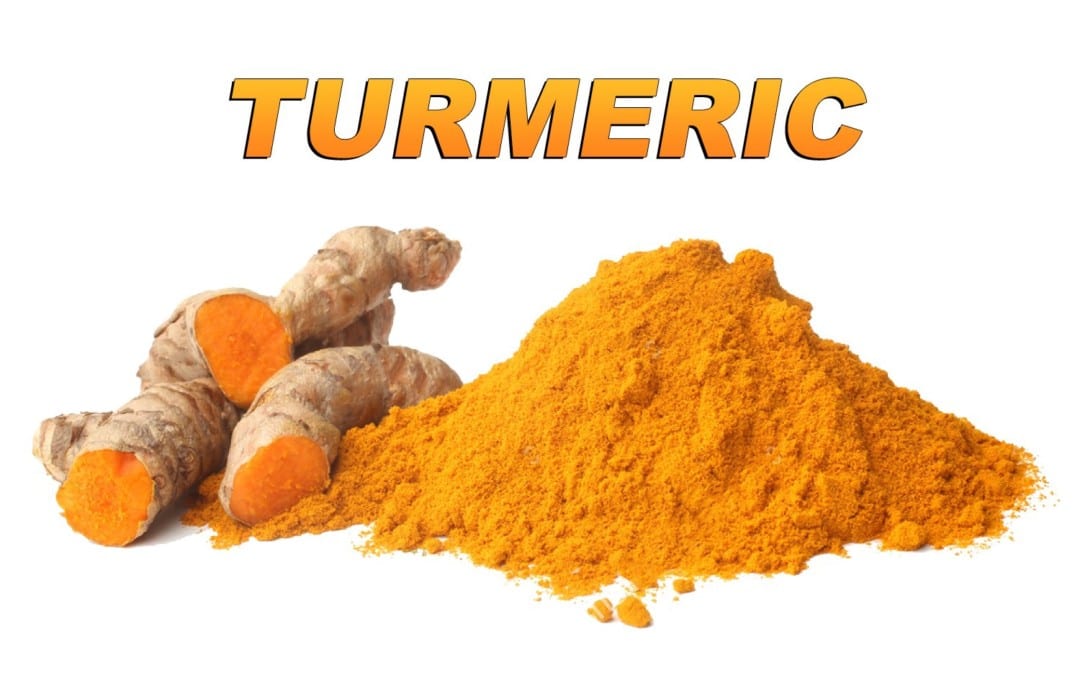
The ability of turmeric to fight cancer has been extensively researched. In fact, over 1,500 published studies show that curcumin, turmeric�s active ingredient, is an effective treatment for over 100 different types of cancer.
The fact that mainstream medicine hasn�t embraced turmeric as a non-toxic cancer therapy is nothing short of outrageous. But a new study, in which curcumin outperformed conventional chemotherapy drugs, may finally bring turmeric the recognition it deserves.
Turmeric Gains Popularity From Growing Awareness Of Chemotherapy & Side Effects
Chemotherapy targets cancer cells as foreign invaders to be eliminated � an approach that ignores the root causes of the disease, and doesn�t help to create an �anticancer� environment in the body. Toxic chemotherapy drugs � which kill healthy cells and cause debilitating side effects � are not very effective against cancer stem cells, the �mother cells� that regulate the growth of tumors.
In fact, the result of these toxic drugs is to make the body even more susceptible to the cancer stem cells � spurring them to create even more treatment-resistant cells.
However, chemotherapy does succeed in killing significant amounts of cancer cells, and this is not to say it should never be used. But, the opinion of many integrative healthcare professionals is that it should be used as a last resort, not a first line of defense � especially when safer, non-toxic options are available.
Curcumin Makes Chemotherapy Safer & More Effective
In a 2015 study published in Cancer Letters, curcumin was tested in conjunction with the chemotherapy drugs 5-fluoroucil and oxaliplatin against colorectal cancer. Adding curcumin to the regimen improved the efficacy of the drugs � the curcumin inhibited cancer cell growth and even increased apoptosis, or cancer cell suicide.
Even more impressive, the curcumin appeared to help the chemo drugs specifically target cancer stem cells, reinforcing the drugs� cancer-fighting abilities while lessening the side effects � including the neuropathies that can be caused by oxaliplatin. Side effects from curcumin � on the other hand � were minimal, involving mild gastrointestinal upset and dry mouth. Researchers concluded that curcumin is a �safe and tolerable adjunct� treatment.
But this wasn�t even the most significant result of the study.
In a small subset of patients, curcumin alone was found to be more effective in reducing overall cancer cells and cancer stem cells than the pair of chemo drugs alone. In other words, curcumin went head-to-head with chemo drugs and outperformed them � a truly astonishing result.
Researchers credited curcumin�s multiple methods of action with its success. Curcumin not only directly killed cancer cells, but also induced apoptosis, inhibited the growth of new cancer cells on a genetic level, and prevented blood supply from reaching new tumors.
All this, while promoting health with beneficial anti-inflammatory, antioxidant and hormone-balancing properties.
Extensive Studies Attest To Curcumin�s Ability To Fight Many Types Of Cancer
As the researchers noted, clinical trials of curcumin in an oncology setting have targeted many types of cancer, including colorectal, pancreatic, breast and blood cancers.
In one study, colorectal cancer patients who were given 1,080 mgs of curcumin daily showed an increase in the amount of dying cancer cells, a reduction of inflammation, improved body weight, and higher gene expression indicating suppression of cancer.
In another study published in Nutrition Research, curcumin-supplemented lab animals showed a 40 percent decrease in the development of colon tumors. These results are supported by an animal model of colon cancer in which curcumin improved survival rate and colon health by completely eliminating cancerous tumors.
In yet another study, patients with pancreatic cancer who were given 8,000 mgs of curcumin a day showed increased survival time along with significant reductions in tumor size � in one case, up to 73 percent.
And, finally, in a study involving prostate cancer, curcumin was shown to cut in half the growth rate of prostate-specific androgen, a marker of tumor progression.
Turmeric Is Still Unapproved & Unacknowledged By Conventional Medicine
In spite of its proven results, turmeric is not approved by the FDA for cancer treatment � and does not enjoy mainstream acceptance in the conventional medical community. The reason, many say, is financial � with hundreds of millions of dollars invested in clinical trials, and massive profits to be made, big pharma doesn�t have much incentive to develop a treatment from a common kitchen spice.
In fact, the industry lobbies to make treatment of cancer by alternative means a criminal offense.
Having said that, we naturally suggest you talk to a trusted medical professional before using turmeric � for any reason � and, don�t stop taking prescribed medication unless advised by your physician.
It should be noted that in the past, turmeric�s therapeutic potential has been limited by its poor bioavailability � the fact that the body doesn�t absorb or use it effectively. But, the development of liposomalized turmeric extract has changed all that, increasing the bioavailability 10 to 20-fold and allowing the curcumin to begin its health-promoting and cancer-fighting work.
Hopefully, the research � presented in this article � will shine a light on the amazing healing potential of turmeric. We encourage every caring physician to do their own research � for the sake of their patients.
Editor�s note: I, personally, use a wonderful liposomal form of turmeric � which you can purchase here and, yes, your purchase does support our operations � at no extra cost to you.
More Americans are looking beyond Western medicine to help relieve their back, neck, and spinal joint pain, including osteoarthritis of the backbone. In this specific article, we discuss Complementary and Alternative Medicine (CAM), which is also called Complementary and Integrative Medicine.
Interchangeable Terms
When an option (not mainstream) practice is combined with standard (mainstream) medicine, it�s called �complemental� or �integrative� health care. It�s called �alternative.� when it�s used in place of traditional medicine Nevertheless, these terms are frequently used interchangeably.
Complementary Alternative/Integrative Treatments
Although treatments might be combined you will find five general types of CAM therapies.
1. Alternative Medical Systems
Naturopathic or naturopathy medical care may include water therapy, massage, and herbal drugs.
2. Head-Body Techniques
Head-body techniques may help a patient with back or neck pain to utilize their head to change or restrain their symptoms in a way that is positive, therefore reducing pain.
3. Biologically-Based Therapies
Biologically-based treatments feature nature-based substances such as botanicals and dietary supplements to ease pain. Natural substances contain ginseng, ginkgo, fish oil, or Echinacea and could be obtainable in different kinds, including a tea, aromatherapy oils, syrup, powder, pill, or capsule.
4. Body-Based Practices
Body-established practices include different types of massage, body alignment techniques, osteopathic manipulation and chiropractic.
5. Energy Therapies
Energy therapies unblock energy fields or may help shift. Qi gong (eg, breathing techniques), Reiki (eg, stress reduction/relaxation), and magnets are treatments based on transferring energy.
Is Alternative, Complementary Or Integrative Therapy Right For You?
To assist you decide, look at the next points.
If insurance coverage is essential to you, be sure to consult your health insurance provider before you select a CAM treatment to make certain the professional is insured.
Learn as much as you can about the alternate treatment you’re enthusiastic about.
Take into account that although a complementary alternative treatment may be popular, that doesn�t make it correct for you personally.
Unlike mainstream medical care and procedures, some (if not most) alternative therapies are not scientifically validated by clinical trials and/or research studies. The amount of human players is frequently little, while there may be studies supporting a particular practice.
Simply because a material is natural doesn�t mean it can�t damage you, cause illness or allergic reaction, or a serious interaction with a drug. For instance, blood pressure can be raised by ginseng.
Always tell your treating physician about all of the herbs, vitamins and nutritional supplements (in any kind) that you take, particularly if you’re scheduled to get a neck or back process (eg, spinal injection, operation).
Select your alternative therapy professional with all precisely the same attention and concern you would for pain management specialist or a back surgery.
Call Today!
Sources:
Rosenzweig S. Overview of Complementary and Alternative Medicine. Merck Manual. Consumer Version.� www.merckmanuals.com/home/special-subjects/complementary-and-alternative-medicine-cam/overview-of-complementary-and-alternative-medicine.
National Center for Complementary and Integrative Health (NCCIH). Complementary, Alternative, or Integrative Health: What�s In a Name? March 2015. https://nccih.nih.gov/health/integrative-health.
Complementary and alternative medicine, abbreviated as CAM, is described as a variety of healing medicines and practices which are available outside of conventional treatments. CAM practices are believed to provide a much more natural and holistic treatment approach for the wide array of injuries and conditions that exist today. In fact, back pain is one of the most common complaint people turn to complementary and alternative medicine.
Many individuals have found relief from their spinal complications through the use of complementary and alternative medicine practices.
Complementary and alternative medicine therapies and practices can be utilized on their own to treat back pain as well as other symptoms or these can be combined with conventional medicine. As with any new form of treatment however, it’s essential for the individual to thoroughly discuss the variety of CAM therapies that are available to them with a healthcare professional and determine which of the following would be best for their specific issue.
Common CAM, or complementary and alternative medicine, approaches for back pain include:
Acupuncture: Acupuncture is a part of traditional Chinese medicine and it is commonly utilized to treat a variety of painful conditions and their symptoms. This practice involves the insertion of very thin needles into specific pressure points on the body, ultimately helping to relieve pain and other symptoms. A current research study funded by the National Center for Complementary and Alternative Medicine, or NCCAM, demonstrated that acupuncture can be an effective method for treating chronic pain. The utilization of acupuncture as a form of complementary and alternative treatment has long been controversial where some individuals believe it to be nothing more than a placebo and that patients experience pain relief only because they wish to experience relief. However, the NCCAM study provides evidence that acupuncture is an effective form of treatment.
Stretching and yoga: Yoga combines stretching exercises with breathing techniques and mindful awareness to help focus on the area causing the painful symptoms. Physical activity can help improve strength, flexibility and mobility while improving back pain.
Chiropractic care: Although it is considered a form of complementary and alternative medicine, chiropractic care requires a license for practice in all states. Moreover, chiropractors, or doctors of chiropractic, cannot prescribe medications but they can diagnose and treat back pain using chiropractic techniques and methods, such as spinal adjustments and manual manipulations. Chiropractors may also recommend a series of stretches and exercises according to the patient’s type of injury and/or condition and depending on the severity of their symptoms, to further help treat the individual’s back pain as well as speed up the recovery process.
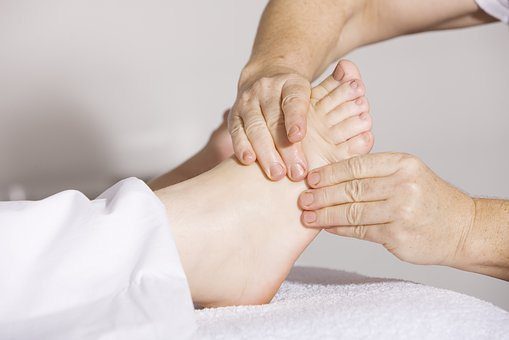
Massage therapy: A 2011 study funded by the National Center for Complementary and Alternative Medicine, or NCCAM, found that massage therapy can provide short-term benefits for individuals with back pain. When visiting a massage therapist, make sure to inform them about your specific symptoms in order for them to provide you with special treatment.
Herbal medicines: Herbal medications are available as capsules, tablets, teas and essential oils. Remember that herbs can interact with each other and with conventional medications, so be sure to tell your healthcare provider about any herbal remedies you plan to take.
Many people can often find it difficult to know which type of complementary and alternative medicine practice they should begin with, especially for a common complication such as back pain. Make sure to research all CAM specialists carefully, searching specifically for licensed practitioners, and be sure to ask your healthcare specialist for trustworthy recommendations of each. Your health depends on it.
The scope of our information is limited to chiropractic and spinal injuries and conditions. To discuss options on the subject matter, please feel free to ask Dr. Jimenez or contact us at 915-850-0900 .
By Dr. Alex Jimenez
Additional Topics: What is Chiropractic?
Chiropractic care is an well-known, alternative treatment option utilized to prevent, diagnose and treat a variety of injuries and conditions associated with the spine, primarily subluxations or spinal misalignments. Chiropractic focuses on restoring and maintaining the overall health and wellness of the musculoskeletal and nervous systems. Through the use of spinal adjustments and manual manipulations, a chiropractor, or doctor of chiropractic, can carefully re-align the spine, improving a patient�s strength, mobility and flexibility.
You get up with it. You go to sleep with it. An incredible number of men and women live with chronic back or neck pain every day. What’s chronic pain? It is technically defined as pain that lasts for 12 weeks or more�even after pain isn’t any longer acute (short-term, serious pain) or the injury has healed.
Accurate Analysis
Getting an exact identification of the reason for neck pain or your back is vital to the outcome of your treatment plan. Depending on the severity and cause of your pain that is chronic, you might need to find out different specialists in addition to your own primary care physician�pain medicine specialist, orthopaedic spine surgeon, neurosurgeon, physiatrist, rheumatologist, physical therapist among others. Over time your chronic pain need to be reevaluated, and may transform, which might affect the way it is handled.
Your chronic back or neck pain treatment generally features a variety of treatments to maximize results that are great. A number of the treatments your doctor prescribes and recommends may include:
Physical Therapy:
Extending and strengthening muscles is vital in the treatment of neck pain or chronic back.
Chiropractic Care:
Depending on your own diagnosis, chiropractic care may be recommended by your doctor. Studies have demonstrated that two weeks of day-to-day exploitation by a chiropractor can result in considerable progress in a few patients with persistent low back pain and referred leg pain.
Medicines:
There are lots of different prescription medications to take care of neuropathic pain, inflammation, muscle spasms, and pain. Additionally, you will find drugs to treat conditions that often accompany chronic pain, including drugs that will help you sleep, alleviate depression, and reduce nervousness.
Processes:
Your doctor may recommend a spinal cord stimulator, spinal injections, drug heart, or spine surgery. You can get a second opinion, in the event you might be uncertain about the treatment plan recommended.
Coping skills:
Never underestimate the power of your head. Your mood and mental perspective can greatly make an impact on your level of pain. Talk with a trained specialist to understand relaxation and coping skills.
Complementary Treatments:
Many physicians recommend acupuncture and other types of traditional Chinese medicine. Speak to your doctor about these choices.
A couple of words about …. age, fitness, body weight
You probably involve some control over body weight and your level of fitness, although you can�t stop aging or its effects. While you can�t stop the clock on the cellular changes that are recognized to accompany aging�such as loss of muscle mass and bone density �you can take little steps today to build a more stronger�you tomorrow.
It�s understood that patients with chronic back or neck pain may not feel like being active, going to the gym and even adhering to a home exercise program. Yet, being active can help chronic pain because during exercise your body releases endorphins�your body�s natural painkiller.
Moreover, by teaming up together with and/or your physician physical therapist you can start to build abdominal muscles that are strong �essential to your own body�s center strength which helps support your back.
Did you know that by simply losing even 5 to 10 pounds you can reduce back pain? It�s true. Carrying around extra weight translates to added stress to the low back that may exacerbate pain.
Conclusion
In many instances, aggressive and early treatment of chronic back or neck pain can make a life-changing difference. But remember that knowledge is power: Be certain you comprehend your alternatives before deciding which route to take.
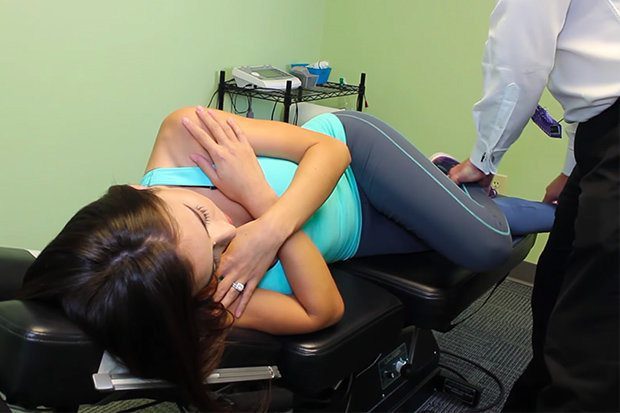
Viewers can�t get enough of the informative clip that sees a chiropractor helping a patient suffering from lower back pain.�Dr Jeffrey Gerdes of the ChiroCare and Rehab centre based in North Carolina, US, talks his way through the demonstrationHis patent tells him: �I�m getting excruciating pains in my back and they�re very instant and they�re immobilising.�It�s so excruciating that I have to stop for a second and re-coup so I�m not sure what�s happening.� The doctor asks her to lie on her side and gently cracks her back.
CRACKING:
But the sound that emerges leaves him stunned. �Wow, gosh that was loud,� Dr Jeffrey says.Viewers can�t get enough of the footage, with more than 876,000 people watching the clip on the chiropractor�s YouTube channel.But many seem to have been distracted more by the stunner getting treatment than the actual techniques involved.�Well, did anyone else manage to take any of that in?� one viewer said.
Walk into any�HIIT�class or CrossFit box and chances are you�ll be asked to do a variation of a plyometric jump. Box jumps, frog leaps and tuck jumps help you improve your�VO2 max�(speed), flexibility and�range of motion. But that�s not all. Their explosive power works your entire body, while getting your heart rate up.
Kat Ellis, head trainer and instructor at�Uplift Studios�in New York City, says, �Plyometrics are a mix of stability and strength, and create a strong foundation for doing explosive�weightlifting�moves like the�clean and jerk�and�snatch.�
But if you�re not nailing down the form of these moves properly, you can risk injuring yourself and cause strain on your joints. That�s where tempo training comes in. Modulating movement based around a tempo allows the body to activate fast twitch muscle fibers and to learn to distinguish the difference between speed and power, Ellis explains. �The body finds a moment of explosive activation. For example if you�re doing a�push-up, concentrate on lowering the chest down for three seconds and pushing back up to a plank in one. The tempo, is 3-2-1, push.�
Plyometrics help develop�core strength�and joint stability, too. �Tempo training forces you to slow things down. You�re regressing the exercise to make sure your whole body is truly engaged,� Ellis explains.
According to the�National Academy of Sports Medicine, plyometrics are broken down into three phases: the eccentric phase, the amortization phase and the concentric phase. Take the box jump, for instance. The eccentric phase is when you�re in a half-squat position with your knees bent. When you drive from your heels to jump, that�s the amortization phase. The concentric phase is when you finally land on the box and release the energy and tension in your muscles. With that said, take Ellis�s lead, as she breaks down these three popular jumps.
Progression 1 How to:�Stand with your feet a little wider than hip-distance apart with your toes slightly turned out to the sides. Raise your arms at your sides with your hands overhead and palms facing forward (a). Sit into a deep sumo squat with your butt back and down so your weight is evenly distributed from your arches to your heels (b). Press up from the squat and lift your right leg up to hip height, bending your right knee (c). At the same time, engage your right oblique muscles so you bring your right thigh towards your right elbow (d). Return to the starting position and repeat on the left side. Alternate for five reps on each side.
Progression 2 How to:�Sit back into a deep sump squat position with your hands overhead together and palms facing forward (a). Driving from your heels, jump up, bending your knees so your thighs touch or brush up against your thighs (b). Land softly into a sumo squat before jumping again (c). Do five to eight reps.
Progression 1 How to:�Stand with your feet hip-distance apart with your toes facing forward (a). Sit into a squat with your arms at your sides raised to shoulder height, palms facing each other (b). As you stand up from the squat, lift your right leg to hip height with your right knee bent (c). At the same time, place one palm on top of the other to meet your right knee. Repeat on the left side (d). Alternate for five reps on each side.
Progression 2 How to:�Start in a squat position with your arms at shoulder height and palms facing each other (a). Jump up as high as you can, driving your knees towards your chest, almost touching the palms of your hands (b). Re-extend your legs to land softly on the ground (c). Do five to eight reps.
Progression 1 How to:�Stand behind a box or step with your feet shoulder-width apart and a slight bend in your knees (a). Step one foot at a time onto the box, keeping the slight bend in your knees, and then step back down one foot at a time (b). Do five reps.
Progression 2 How to:�Stand behind a box with your feet shoulder-width apart and a slight bend in your knees (a). Jump onto the box with both feet, landing with your knees slightly bent (b). Jump back down and repeat for five to eight reps. Note: If you�re doing this move in a CrossFit WOD, standard technique is to straighten your legs at the top of the box, standing tall, before hopping or stepping back down.
GIFs: Tiffany Ayuda / Life by Daily Burn
This article originally appeared on DailyBurn.com.
IFM's Find A Practitioner tool is the largest referral network in Functional Medicine, created to help patients locate Functional Medicine practitioners anywhere in the world. IFM Certified Practitioners are listed first in the search results, given their extensive education in Functional Medicine