For many of us, Mom was a role model for healthy habits. Whether she was encouraging you to eat your greens or driving you from soccer practice to ballet class, she probably wanted you to eat well and move often to stay happy and healthy, always.
Now that you’re all grown up (and Mother’s Day is fast approaching!), we figured there was no better way to say thank you to Mom than sweating it out with her. Because who’s a better workout buddy than mama?
We asked our favorite mother-daughter duo, Denise and Katie Austin, to lead us in a partner-friendly workout that can be done anywhere.
Longtime fitness instructor Denise has been motivating women for more than 30 years, and her daughter Katie has followed in her footsteps, racking up more than 94,000 Instagram followers with her motivational feed. No biggie.
In the video above, Denise and Katie will take you through a hardcore 10-minute workout that’s perfect for mothers and daughters to do together. From tricep-toning arm extensions to side lunges that target the booty and outer thighs, the routine will help to firm your frame from top to bottom.
Follow along as Denise and Katie do bicycle crunches and reverse planks; then show you how to do partner exercises that require you and your mother to use each other for support as you complete each move. Too cute.
If you ask us, this quickie routine that tones your arms, abs, butt, and legs is also the perfect opportunity to spend some QT with Mom. And then you can treat yourself to a healthy Mother’s Day brunch. Oh, and once you finish the workout, please promptly proclaim: “I got it from my mama.” Just because.
The UTEP football team has recorded the second-best Academic Progress Rate (APR) among all FBS programs in the state of Texas, according to the latest figures released by the NCAA on Wednesday.
“We take great pride in the fact that every single player in our program is on point to get their degree and be successful in life,” UTEP coach Sean Kugler said.
The Miners’ APR for the four-year period ending in 2015-16 is 980.
Rice tops the field with an APR of 984, followed by UTEP, North Texas (979), Texas (978), Baylor (973), UTSA (965), Texas A&M (962), TCU (955), SMU (951), Texas Tech (947), Houston (942) and Texas State (940).
The APR measures eligibility and progress toward graduation for student-athletes. The average football four-year APR released on Wednesday is 962.
Despite previous reports, Vitamin D supplements are unlikely to reduce the risk of asthma, atopic dermatitis, or allergies according to a new Canadian study.
Carried out by researchers from McGill University, Canada, and the Lady Davis Institute at the Jewish General Hospital, Canada, team looked at genetic and health data on more than 100,000 participants from previous large-scale studies to determine whether genetic changes associated with vitamin D levels lead to a greater chance of developing asthma, atopic dermatitis (an itchy inflammation of the skin) or high IgE levels (an immune molecule linked to allergies).
Previous research has linked low vitamin D levels to all three of the conditions.
Contrary to these previous results, the new research found no statistically significant differences between people with or without any of the four genetic changes associated with lower levels of vitamin D and rates of asthma (including childhood-onset asthma), atopic dermatitis, or IgE levels.
The team pointed out that the study did have its limitations, including looking only at white populations of European ancestry, and they now recommend further research in non-European populations and those with a vitamin D deficiency.
However, the team’s findings from a recent study using the same participants did suggest that low vitamin D levels increase risk for other inflammatory diseases, with evidence for a causal link between low vitamin D levels and multiple sclerosis, a common neurological disorder more common in white people of European descent and women.
These findings suggest those at risk for multiple sclerosis should ensure that they have adequate vitamin D levels, while researchers concluded increasing levels of vitamin D is unlikely to result in a reduced risk of asthma or dermatitis in adults and children, with lead author of the study Dr. Despoina Manousaki, adding that, “Our findings suggest that previous associations between low vitamin D and atopic disease could be due to spurious associations with other factors.”
The findings can be found published in PLOS Medicine.
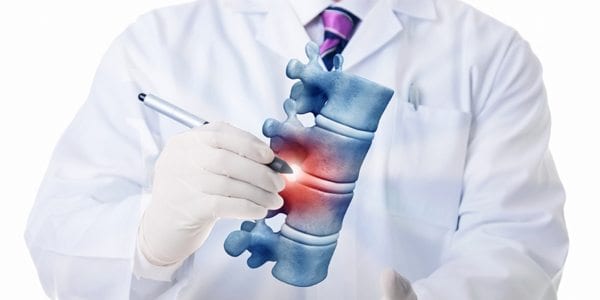
When diagnosed with degenerative disc disorder, among the primary things that lots of patients ask is, “Am I going to need surgery to repair this?” For many people, the answer is no. You in fact need to meet some rather stringent demands in order for your doctor to recommend operation:
You have attempted several months�ordinarily about six months�of non-operative treatments, plus they haven’t helped reduce your pain. What this means is that you simply have attempted physical therapy, medications, rest, among others, and your pain is still interfering with your life.
Your disc degeneration is at two levels not just one. When you have multi-level disc degeneration, you might not be the best candidate for surgery as you may lose an excessive amount of mobility in your back if you have a fusion (that sort of surgery is clarified below).
You’re comparatively young. Recovery from operation could be a tough procedure, so that your body requires in order to manage it. Younger individuals are somewhat more effective at recovering than older folks that are more prone to complications from operation. There’s not a certain “you should not have surgery if you are older than this” age. Your physician will probably be able to create that recommendation.
Operation could be required immediately for those who have among these red flags:
Loss in bladder or bowel control
Cauda equina syndrome is an incredibly serious ailment. Your cauda equina�or “horse’s tail”�is several nerves that resembles, competently enough, a horse’s tail. It is situated at the conclusion of the spinal cord, and it is a surgical emergency when the cauda equina is compressed. You might have extreme low back pain, weakness in your legs, radiculopathy (pain that goes out of your back and into your legs), and incontinence.
Types of Surgery for Degenerative Disc Disease
Up until lately, surgery for degenerative disc disease has called for two main parts: removal of what’s causing pain and then fusing the back to control movement. When the surgeon removes tissue that’s pressing on a nerve, it is called a decompression surgery. Fusion is a stabilization surgery, and frequently, a decompression and fusion are done at the exact same time.
Traditional surgical options that are decompression include:
Facetectomy: There are joints in your spine called facet joints; they help stabilize your back. Yet, facet joints can put pressure on a nerve. “Ectomy” means “removal of.” So a facetectomy involves removing the facet joint to reduce that pressure.
Foraminotomy: If part of the disc or a bone spur (osteophyte) is pressing on a nerve as it makes the vertebra (through an exit called the foramen), a foraminotomy might be done. “Otomy” means “to make an opening.” So a foraminotomy is making the opening of the foramen larger, therefore the nerve can depart without being compressed.
Laminectomy: At the rear of every vertebra, there is a bony plate that protects your spinal canal and spinal cord; it’s known as the lamina. It may be pressing in your spinal cord, hence by removing section or all of the lamina, the surgeon may make more room.
Laminotomy: Similar to the foraminotomy, a laminotomy makes a more substantial opening, this time in your bony plate shielding your spinal canal and spinal cord (the lamina). The lamina may be pressing therefore the surgeon may make more room for the nerves using a laminotomy.
All of the above decompression techniques are done from the back of the spine (posterior). Sometimes, though, a surgeon has to do a decompression from the front of the spine (anterior). As an example, a bulging disc or a herniated disc shoving into your spinal canal sometimes cannot be removed from behind because the spinal cord is in the way. In that case, the decompression procedure is normally performed from the front (anterior). The main anterior decompression techniques are:
Discectomy: It might be pressing on your own nerves in case you are in possession of a bulging disc or a herniated disc. In a discectomy, the surgeon will remove all or area of the disc. The surgeon can do a discectomy using a minimally invasive approach. Minimally invasive means that there are smaller incisions as well as the surgeon works with a microscope and very little surgical tools. You’ll possess a recovery period that is shorter when you possess a minimally invasive discectomy.
Corpectomy (or Vertebrectomy): Occasionally, surgeons will need to take the complete vertebral body out because disc substance becomes lodged between the spinal cord and also the vertebral body and can’t be removed by a discectomy. In other cases, osteophytes form between spinal cord and the vertebral body. In these situations, the whole vertebral body may need certainly to be removed to gain access to the disc material that is pressing on your nerve�that’s a corpectomy.
After portion of a disc or vertebra continues to be taken out, your back could be shaky, meaning that it proceeds in strange ways. That makes you more at risk for serious neurological harm, and you don’t want that. The surgeon will need to stabilize your spine. Traditionally, this has been done using a fusion, and it can be done from the back (posterior) or in the front (anterior).
In spine stabilization by fusion, the surgeon creates an environment where the bones in your back will fuse together over time (usually over several months or longer). The surgeon uses a bone graft (normally using bone from your own personal body, but it is possible to utilize donor bone as well) or a biological substance (which will stimulate bone growth). Your surgeon may use spinal instrumentation�wires, cables, screws, rods, and plates�to raise stability as the bones fuse. The fusion will cease movement between the vertebrae, providing long term stability.
New Surgical Options for Degenerative Disc Disease
A fruitful fusion restricts motion in the fused area. Now there’s a brand new surgical option that helps you keep freedom: an artificial disc. The surgeon will remove your disc (a discectomy), and insert an artificial disc in its area. The notion is that the artificial disc help you move more readily and with less pain and will keep your spine flexible.
Artificial discs have become new, but they’re a fascinating development in back surgery. But because they’re so new, there haven’t been many long-term studies in the US about the effectiveness of artificial discs. Short-term studies and studies from Europe are promising, though.
Risks of Spinal Surgery
As with absolutely any procedure, there are risks involved with spine surgery for degenerative disc disease. Before requesting one to sign a surgical consent form, your doctor will discuss possible risks along with you. Possible complications include, but are not limited to:
harm to nerves or your spinal cord
non-healing of the bony fusion (pseudoarthrosis)
failure to enhance
instrumentation breakage/failure
infection and/or bone graft site pain
pain and swelling in your leg veins (phlebitis)
urinary difficulties
Complications could result in more surgery, so again �make certain that you completely understand the risks along with your surgery before proceeding. The decision for surgery is yours and yours alone.
Recovering from Degenerative Disc Disease Surgery
After surgery for DDD, you will not immediately feel better. Should you have had a fusion, it will require some time (several months or longer) for the fusion to heal properly, and in the interim,, you could have pain in the region where you had surgery. Your incisions should heal in 7 to 14 days.
Your surgeon will provide you with special directions about what you’ll be able to and can’t do following surgery. Be sure to stick together with the healing plan and never overdo it or overstress your back. Report any issues�such as increased pain, temperature, or infection�to your physician immediately.
The scope of our information is limited to chiropractic and spinal injuries and conditions. To discuss options on the subject matter, please feel free to ask Dr. Jimenez or contact us at 915-850-0900 .
By Dr. Alex Jimenez
Additional Topics: Preventing Spinal Degeneration
As we age, it’s natural for the spine, as well as the other complex structures of the spine, to begin degenerating. Without the proper care, however, the overall health and wellness of the spine can develop complications, such as degenerative disc disease, among others, which could potentially lead to back pain and other painful symptoms. Chiropractic care is a common alternative treatment option utilized to maintain and improve spine health.
An Irish study that examined the relationship between dairy intake and bone density found that senior citizens who ate the most yogurt had denser hip bones than those who ate the least.
Researchers examined 1,057 women and 763 men who underwent a bone-mineral-density (BMD) assessment and 2,624 women and 1,290 men who had their physical function measured. All were older than 60 years of age.
Yogurt consumption information was gleaned from a questionnaire and categorized as never, two to three times per week, and more than one serving per day. Other factors that influence bone health were taken into consideration including daily intakes of other dairy products, meat, fish, smoking, alcohol, and other traditional risk factors that affect bone health.
After adjusting for all risk factors, each unit increase in yogurt consumption in women was associated with a 31 percent lower risk of osteopenia (a condition where old bone is reabsorbed into the body faster than it can make new bone) and a 39 percent lower risk of osteoporosis (weak, brittle bones).
In men, the risk of osteoporosis was 52 percent lower in those who ate the most yogurt.
“Yogurt is a rich source of different bone promoting nutrients,” said researcher Dr. Eamon Laird. “The data suggest that improving yogurt intakes could be a strategy for maintaining bone health.”
Other recent studies have found yogurt has some surprising health benefits. Scientists at the University of California, Los Angeles, found that good bacteria like the Lactobacillus strain found in yogurt battle inflammation and can slow, or even stop, the development of cancer. In addition, good bacteria reduced gene damage.
An analysis of 23 randomized studies at Vanderbilt University Medical Center found that using probiotics improved the symptoms of people with seasonal allergies. Researchers theorize probiotics change the composition of bacteria in the intestines in ways that modulate the body’s immune response and stop it from reacting to pollen and other allergens.
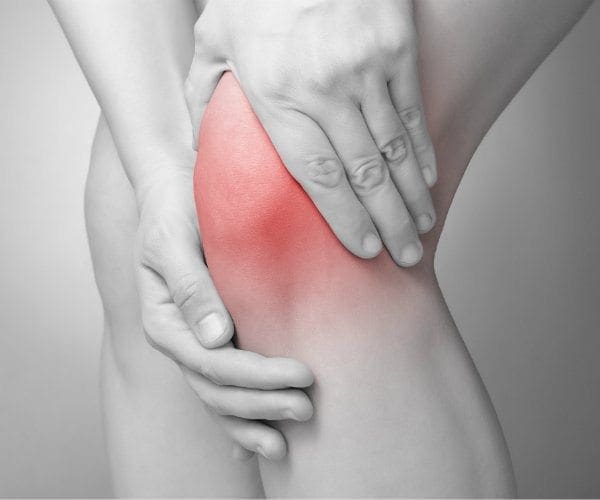
“Keyhole” arthroscopic surgery should rarely be used to repair arthritic knee joints, a panel of international experts says in new clinical guidelines.
Clinical trials have shown that keyhole surgery doesn’t help people suffering from arthritis of the knees any more than mild painkillers, physical therapy or weight loss, said lead author Dr. Reed Siemieniuk. He is a health researcher with McMaster University in Toronto, Canada.
“You can make a pretty strong statement saying that from a long-term perspective, it really doesn’t help at all,” Siemieniuk said. “If they knew all the evidence, almost nobody would choose to have this surgery.”
Keyhole surgery is one of the most common surgical procedures in the world, with more than 2 million performed each year, Siemieniuk said. The United States alone spends about $3 billion a year on the procedure.
The new guidelines — published online May 10 in the BMJ — were issued as part of the journal’s initiative to provide up-to-date recommendations based on the latest evidence. The guidelines make a strong recommendation against arthroscopy for nearly all cases of degenerative knee disease.
This includes osteoarthritis as well as tears of the meniscus, the padding between the two leg bones in the knee, Siemieniuk said.
“With age and with use, the grinding of the two bones together can break down that padding,” he said. “It’s very common to see little rips and tears in that padding in patients with arthritis.”
Siemieniuk and his colleagues noted that a trial published in 2016 showed that surgery was no better than exercise therapy in patients with a meniscus tear.
Despite this and other medical evidence, most guidelines still recommend keyhole surgery for people with meniscus tears, sudden onset of symptoms like pain or swelling, or mild to moderate difficulties with knee movement.
Arthroscopic surgery relies on small incisions through which a tiny camera and miniature instruments are inserted. Doctors can remove or repair damaged tissue without having to cut the knee open.
The American Academy of Orthopaedic Surgeons currently advises against performing arthroscopic surgery in patients with full-fledged knee osteoarthritis, said Dr. Kevin Shea, an academy spokesman.
“Most orthopedic surgeons have dramatically reduced arthroscopic surgery in patients with degenerative arthritis,” Shea said. “Most I know have abandoned it over the last 10 to 15 years.”
However, arthroscopic surgery still can help people with joint movement problems caused by meniscus tears who have not developed moderate or severe knee osteoarthritis, said Shea.
Those patients should be treated first with mild painkillers and exercise therapy, but keyhole surgery should remain an option for them, he added. Shea is a professor of orthopedic surgery at the University of Connecticut.
“Not that long ago, I operated on a 67-year-old retired schoolteacher who’s an avid skier,” Shea said. “She had no arthritis in her knee but a huge meniscus tear that kept locking, catching and popping. Not offering treatment to her would not have been fair.”
Under the BMJ guidelines, patients with meniscus tears should be treated with painkillers and physical therapy, as well as weight loss if they are overweight, Siemieniuk said. Knee replacement surgery is the last treatment option, done once degeneration has progressed to the point where all other therapies don’t work.
There is a financial incentive for doctors and hospitals to perform unnecessary keyhole surgeries, but Siemieniuk said these surgeries also might be prompted by the desire to treat a painful medical condition.
“It’s hard to take away one of the options from people when chronic knee pain and arthritis can be very debilitating,” he said. “And there’s an expectation from patients that by the time they see a surgeon, the surgeon is going to have something to be able to offer them.”
Inertia might also play a role. “It’s a lot easier to introduce a new treatment into clinical care than to de-implement one that we later find out doesn’t work,” Siemieniuk said. “That’s what we’re seeing here.”
Keyhole surgery has its downsides. Recovery can last anywhere from 3 days to 6 weeks, Siemieniuk said, and there is a risk of blood clots or infection in the knee.
Patients should go through a shared decision-making process with their surgeon, questioning whether this surgery would truly help them, he said.
The surgery still can be useful to fix torn ligaments or repair damage caused by severe trauma, Siemieniuk said. But in most cases, he said, given the evidence, insurers “may choose not to fund it, which I think would be appropriate.”
Warding off the joint pain of gout may be as easy as eating right, a new study suggests.
Gout, a joint disease that causes extreme pain and swelling, is caused by excess uric acid in the blood. It’s the most common form of inflammatory arthritis, and its incidence has risen among Americans over recent decades, Harvard researchers noted.
But the DASH (Dietary Approaches to Stop Hypertension) diet — which is high in fruits and vegetables, and low in salt, sugar and red meat — can lower levels of uric acid in the blood.
The American Heart Association has long supported the DASH regimen as a way to help avoid heart disease.
“Conversely, the [unhealthy] Western diet is associated with a higher risk of gout,” said Dr. Hyon Choi, of Harvard Medical School in Boston, and colleagues. The “Western” diet describes the fatty, salty, sugar-laden fare of many Americans.
One nutritionist wasn’t surprised by the new findings, pointing out that the DASH diet is low in compounds called purines, which break down to form uric acid.
“I can see how the DASH diet may benefit someone with gout,” said Jen Brennan, clinical nutrition manager at Lenox Hill Hospital in New York City. “The DASH diet avoids excessive consumption of red and organ meats known to have high purine levels.”
Brennan added that the DASH diet “also encourages high intake of fruits and vegetables. We want to encourage fluids and vitamin C for these patients to help rid the body of uric acid, and fruits/vegetables can support this.”
In their study, the Harvard researchers analyzed data from more than 44,000 men, aged 40 to 75, who had no prior history of gout. The men provided information about their eating habits every four years between 1986 and 2012.
Over the study period, more than 1,700 of the men developed gout.
During 26 years of follow-up, those who followed the DASH diet — high in fruits, vegetables, legumes, nuts, low-fat dairy products and whole grains, and low in salt, sugary drinks and red and processed meats — were less likely to develop gout than those who ate a typical Western diet, the findings showed.
The Western diet is high in items such as red and processed meats, French fries, refined grains, sweets and desserts.
The study wasn’t designed to prove a cause-and-effect relationship. However, the findings suggest that the DASH diet may provide “an attractive preventive dietary approach for the risk of gout,” the researchers concluded.
Choi’s team noted that many people who have high uric acid levels also have elevated blood pressure, or “hypertension” — another reason to switch to the healthier DASH diet.
According to the study’s lead author, Sharan Rai, of Massachusetts General Hospital, “The diet may also be a good option for patients with gout who have not reached a stage requiring [uric acid]-lowering drugs, or those who prefer to avoid taking drugs.” Rai is with Mass General’s division of rheumatology, allergy and immunology.
“And since the vast majority of patients with gout also have hypertension, following the DASH diet has the potential of ‘killing two birds with one stone,’ addressing both conditions together,” Rai said in a hospital news release.
However, more studies are needed to track the diet’s effectiveness in curbing gout flare-ups, the researchers said.
Dana Angelo White is a registered dietitian at Quinnipiac University in Hamden, Conn. She called the new study “another win for the DASH diet, a sensible plan that emphasizes whole foods and a healthy balance of all major food groups. I’m pleased to see a study that highlights the benefits beyond cardiovascular health. If more people ate this way, we would continue to see decreases in all kinds of chronic illness.”
IFM's Find A Practitioner tool is the largest referral network in Functional Medicine, created to help patients locate Functional Medicine practitioners anywhere in the world. IFM Certified Practitioners are listed first in the search results, given their extensive education in Functional Medicine