Sciatica is one of the most common injuries, with as many as 40% of individuals experiencing the condition, and it becomes more frequent as the body ages. The pain originates with the sciatic nerves and can go on for several weeks, months, or years. Staying active is a major recommendation to relieve the pain and prevent future flare-ups. Injury Medical Chiropractic and Functional Medicine Clinic can decompress and release the nerve and educate individuals on an anti-inflammatory diet and staying active to expedite healing.
Staying Active
Sciatica is most commonly caused by a slipped disc, which puts pressure or irritates the sciatic nerve, and causes discomfort and painful sensations. The most common factors for developing sciatica include the following:
As the body ages, the spinal discs wear out and break down, leading to the spine shifting out of alignment.
Job occupations that place added strain on the back, like sitting or standing for extended periods, repetitive heavy lifting, or bending, reaching, and twisting movements.
Doctors and chiropractors have found that only resting with sciatica can worsen the injury.
This is because if it is a slipped/bulging/herniated disc, the disc remains in this state, the nerve stays compressed or irritated, and the muscles that control the low back become weak and unable to provide support.
Recommendations
Don’t Sit For Too Long
Prolonged periods of sitting place added pressure on the discs and ligaments in the low back.
Even when sitting doesn’t make it worse, the muscles can develop unhealthy muscle memory that causes partial contracting when there shouldn’t be any that tightens the gluteal muscles causing added strain.
Individuals with a job requiring a lot of sitting or standing are recommended to take frequent breaks to stretch out their muscles or use a standing desk to change positions.
Posture Adjustments
Slouching, hunching, and continuing to practice unhealthy postures will exacerbate sciatica.
Pay attention to the body’s position when standing or sitting.
To prevent slouching, pull the shoulders down and back.
Imagine the shoulder blades touching.
Individuals working at a desk or workstation should take frequent breaks.
Position the screen to see it without tilting the head down.
Increase Physical Activity and Exercise
Exercise is highly recommended to keep the muscles and nerves moving and circulation flowing.
Aerobics
Walking, light jogging, swimming, cycling, and dancing, increase heart rate without causing added strain or pain.
Strength Training
Exercises using free weights, weight machines, or isometric exercises strengthen the muscles and can help restore their position.
Stretching and Flexibility Training
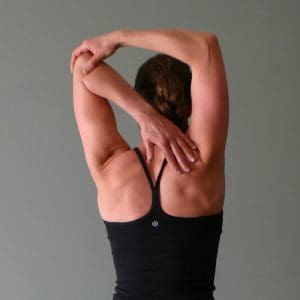
Yoga, tai chi, and Pilates increase flexibility and strength.
The stretching will keep the nerves and muscles from spasms that can worsen the injury.
Strengthen The Core
A stronger core will improve spinal health. Actively engaging the abdominal muscles protects sciatic nerve roots by minimizing spinal pressure.
The back muscles can become increasingly stressed and tired when they have to do all the work without core muscle support.
A weak core can cause additional back pain and worsen sciatica symptoms.
Stand Up Straight
Keep the head and shoulders straight.
Focus On Breathing
Rhythmic breathing helps keep the mind focused and alert while engaged in an activity.
Core Muscles
The back, side, pelvis, and buttock muscles are also part of the core.
Strengthening all of these muscles helps to support the spine.
Exercises for core strengthening include yoga and Pilates, planks, and bridges.
Nerve Recovery
As the nerve recovers, the area the nerve supplies could experience tingling discomfort.
This could be accompanied by an electric sensation at the level of the healing nerve fibers.
The location of this sensation should move as the nerve heals.
With time the sensations should subside, and the area should begin to feel more normal.
Spinal Decompression Demonstration
References
Jensen, Rikke K et al. “Diagnosis and treatment of sciatica.” BMJ (Clinical research ed.) vol. 367 l6273. 19 Nov. 2019, doi:10.1136/bmj.l6273
Kuai, Shengzheng, et al. “Influences of lumbar disc herniation on the kinematics in multi-segmental spine, pelvis, and lower extremities during five activities of daily living.” BMC musculoskeletal disorders vol. 18,1 216. 25 May. 2017, doi:10.1186/s12891-017-1572-7
Ma, Xiao, et al. “The Effect of Diaphragmatic Breathing on Attention, Negative Affect and Stress in Healthy Adults.” Frontiers in psychology vol. 8 874. 6 Jun. 2017, doi:10.3389/fps.2017.00874
Ramaswami, Ramya, et al. “Management of Sciatica.” The New England journal of medicine vol. 376,12 (2017): 1175-1177. doi:10.1056/NEJMclde1701008
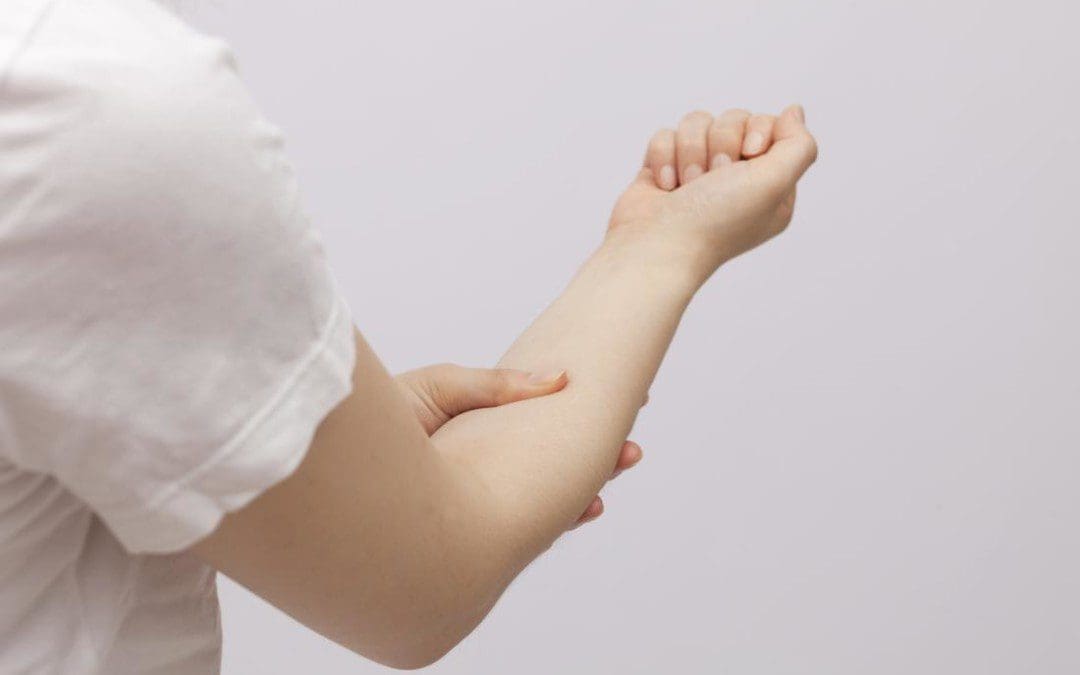
The forearms have a casual relationship with the hands and the wrist as they are below the elbow and have very important motor functions. The hands and wrists help many individuals hold onto items, while the forearms provide support by carrying items without pain. The various muscles surrounding the forearms, hands, and wrist joints help provide mobility and flexibility to the arms. Injuries like muscle sprain, strains, or stiffness in the forearms, hands, or wrist can be due to trigger points along the brachioradialis muscles affecting the hands and wrist. Today’s article looks at the brachioradialis muscle functions on the hands and wrist, how trigger points affect the hands and wrist, and how to manage trigger points associated with the hands and wrist. We refer patients to certified providers who specialize in arm pain treatments to aid individuals suffering from trigger points associated with the brachioradialis muscles along the wrist and hands of the body. We also guide and inform our patients by referring them to our associated medical providers based on their examination when appropriate. We established that education is a great solution to asking our providers profound questions the patient requests. Dr. Jimenez DC takes note of this information as an educational service only. Disclaimer
The Brachioradialis Function On The Hands & Wrist
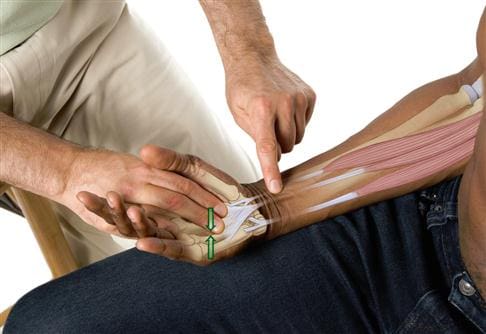
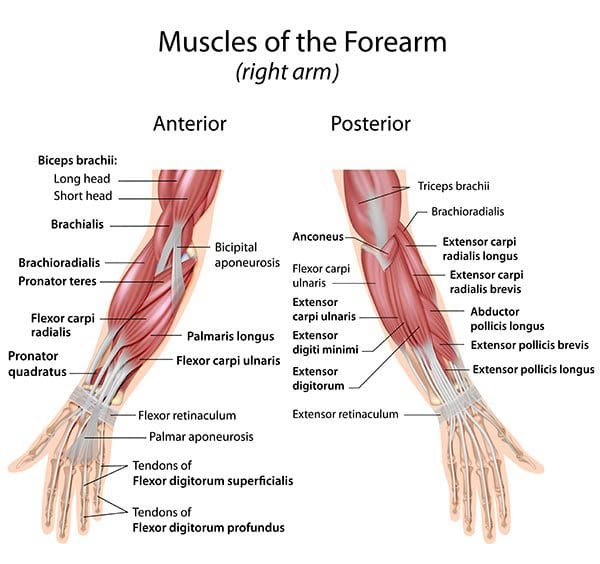
Have you been experiencing stiffness in your wrist or forearms? Do you have trouble gripping items in your hands? Or do you experience radiating pain from your forearms to your wrist? Many people experiencing these pain-like symptoms are associated with trigger points along the brachioradialis muscle that affect the forearms, hands, and wrist. The brachioradialis is a superficial muscle that is located in the lateral forearm. The brachioradialis muscle works with different muscles attached to the upper arms to provide flexion to the elbow joints while working with various muscle tendons along the wrist and hands. Research studies reveal that the brachioradialis muscle works with the central nervous system by sending signals to the forearm and provides reflexes to the wrist and fingers by lightly tapping the muscle tendon of the brachioradialis. This light tapping motion sends the signal back to the brain and shows which muscle is activated. However, injuries along the brachioradialis muscle can invoke referred pain to the wrist and hands.
Trigger Points Affecting The Hands & Wrist
As stated in many research studies, trigger points or myofascial pain syndrome is a chronic musculoskeletal disorder that causes hard, discrete, tiny nodules along the taut muscle fiber bands of the affected muscle, causing pain. When the brachioradialis muscle has succumbed to pain-like symptoms from common factors or injuries, it can lead to the development of referred pain associated with trigger points affecting the hands and wrist of the body. So how would trigger points affect the hands and wrist? Well, trigger points can mimic other chronic conditions and cause pain to the affected muscles. So when trigger points affect the brachioradialis muscle, it also affects the hands and wrists.
Studies reveal that when trigger points affect the hands and the wrist, it can lead to symptoms of pain, stiffness, burning, or tingling sensations in the hands and wrist. To that point, a person can experience these pain symptoms even if they are not injured. Trigger points can form when the individual has made repetitive motions to the muscle that causes it to be overused and cause strain on the muscle, thus leading to trigger points associated with joint and muscle pain. Other studies reveal that non-specific shoulder pain associated with trigger points can increase pain intensity to the brachioradialis and affect hand grip strength. This can make many individuals unable to hold onto the items they carry.
Wrist & Hand Trigger Points- Video
Are you having trouble making a fist in your hands? Do you experience a burning sensation on your forearm down to your wrist? What about feeling pain radiating down from your elbows to your hands? Many people experiencing these pain symptoms might risk developing trigger points along the brachioradialis muscle affecting the hands and wrist. The video above explains what happens when trigger points affect the wrist and hand extensors muscles that work together with the brachioradialis muscles. Trigger points along the brachioradialis can cause referred pain to the forearms and lead to chronic symptoms that affect the functionality of the wrist and hands. This can lead to a decrease in grip strength and cause hand mobility issues for many people. At last, all is not lost, as various treatments are available to manage trigger points associated with the hands and wrist.
Managing Trigger Points Associated With The Hands and Wrist
Various treatments can help many individuals dealing with trigger points associated with the hands and wrist. Many people would go to pain specialists like chiropractors, massage therapists, or physiotherapists to manage trigger points affecting the brachioradialis muscles along the hands and wrist. These pain specialists will incorporate various techniques to reduce the pain and address the trigger points along the affected muscle. Studies reveal that acupuncture on the hands and wrist can reduce pain intensity caused by trigger points and bring back mobility function to the hands and wrist. This can regain the grip strength of the individual and improve hand and wrist functionality without pain. Other studies also reveal that trigger point therapy can also be utilized to reduce pain-like symptoms affecting the hands and wrist. Combined with gentle massages can prevent trigger points from forming in the future and reduce pain symptoms affecting grip mobility on the hands.
Conclusion
The forearms have a casual relationship with the hands and wrist as the brachioradialis muscles help provide mobility functions. The hands and wrist help grip items a person carries, while the forearms offer support. When injuries or ordinary factors are causing pain-like symptoms on the forearm, it can lead to the development of trigger points affecting the mobility function of the hands and wrist. To that point, it can lead to a burning sensation or decreased grip strength on the hands. This can affect a person as they won’t be able to hold onto items and are dealing with a numbing sensation along the wrist and hands. Luckily there are pain specialists available that can utilize various techniques to help manage trigger points along the affected muscle and help bring back grip function and mobility to the hands and wrist. People who incorporate these treatments as part of their daily life schedule can begin to get their sense of belonging back without pain in their wrists and hands.
References
Calvo Lobo, Cesar, et al. “Comparison of Hand Grip Strength and Upper Limb Pressure Pain Threshold between Older Adults with or without Non-Specific Shoulder Pain.” PeerJ, PeerJ Inc., 9 Feb. 2017, https://www.ncbi.nlm.nih.gov/pmc/articles/PMC5345821/.
Cao, Talia, and Prasanna Tadi. “Brachioradialis Reflex.” In: StatPearls [Internet]. Treasure Island (FL), StatPearls Publishing, 26 Mar. 2022, https://www.ncbi.nlm.nih.gov/books/NBK554537/.
Hong, C Z. “Specific Sequential Myofascial Trigger Point Therapy in the Treatment of a Patient with Myofascial Pain Syndrome Associated with Reflex Sympathetic Dystrophy.” Australasian Chiropractic & Osteopathy : Journal of the Chiropractic & Osteopathic College of Australasia, BioMed Central, Mar. 2000, https://www.ncbi.nlm.nih.gov/pmc/articles/PMC2050812/.
Lung, Brandon E, et al. “Anatomy, Shoulder and Upper Limb, Forearm Brachioradialis Muscle.” In: StatPearls [Internet]. Treasure Island (FL), StatPearls Publishing, 31 July 2021, https://www.ncbi.nlm.nih.gov/books/NBK526110/.
Oh, Sein, et al. “Causes of Hand Tingling in Visual Display Terminal Workers.” Annals of Rehabilitation Medicine, Korean Academy of Rehabilitation Medicine, Apr. 2013, https://www.ncbi.nlm.nih.gov/pmc/articles/PMC3660483/.
Trinh, Kien, et al. “The Effect of Acupuncture on Hand and Wrist Pain Intensity, Functional Status, and Quality of Life in Adults: A Systematic Review.” Medical Acupuncture, U.S. National Library of Medicine, 1 Feb. 2022, https://pubmed.ncbi.nlm.nih.gov/35251436/.
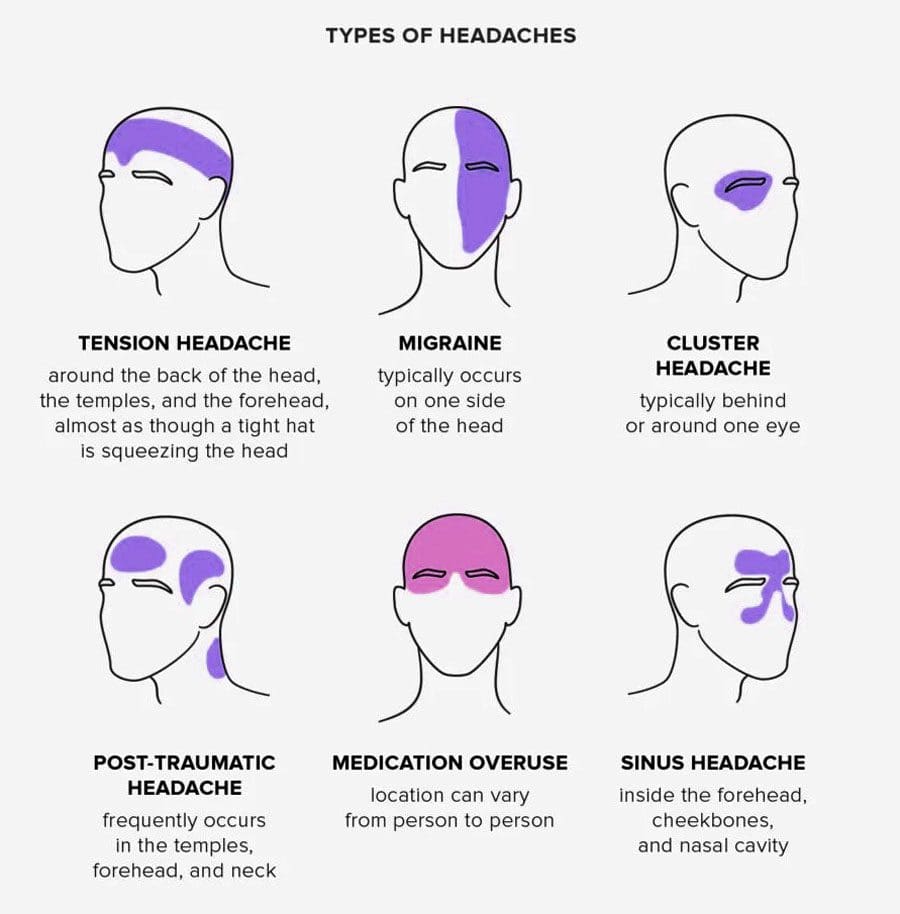
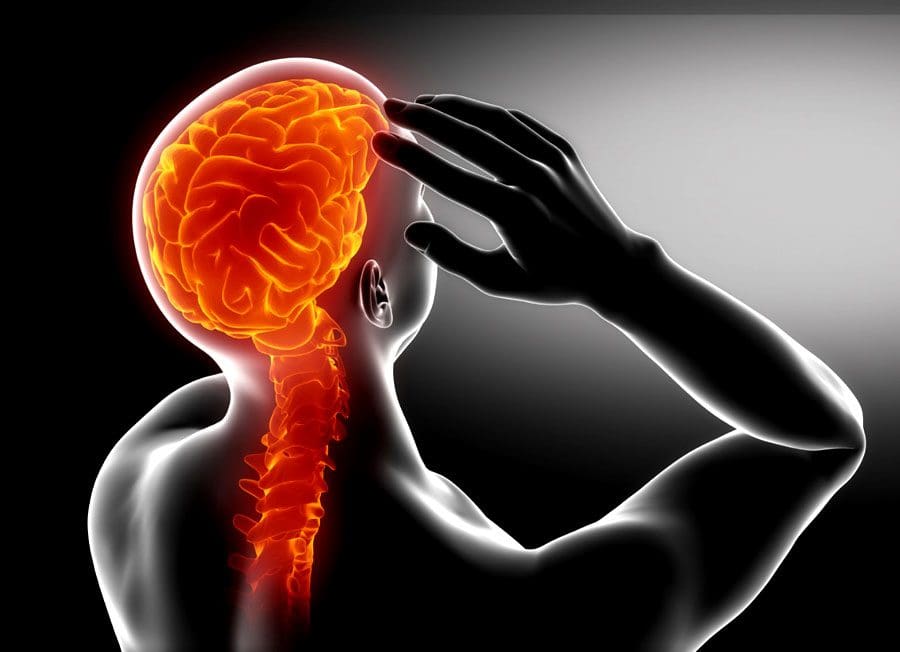
Headaches are a common condition that most experience and can differ greatly regarding type, severity, location, and frequency. Headaches range from mild discomfort to constant dull or sharp pressure and severe throbbing pain. A headache chiropractor, through therapeutic massage, decompression, and adjustments, alleviates the headaches, whether tension, migraine, or cluster, releasing the tension and restoring normal function.
Headache Chiropractor
Ninety-five percent of headaches are primary headaches caused by overactivity, muscle tension, or problems with pain-sensitive structures in the head. These are not a symptom of an underlying disease and include tension, migraine, or cluster headaches. The other 5 percent of headaches are secondaryand are caused by an underlying condition, infection, or physical issue. Headaches have various causes or triggers. These include:
Long hours driving
Stress
Insomnia
Blood sugar changes
Foods
Smells
Noises
Lights
Excessive exercise or physical activity
Individuals spend more hours in one fixed position or posture, like sitting in front of a computer or standing at a workstation. This can increase joint irritation and muscle tension in the upper back, neck, and scalp, causing achiness and discomfort that builds up to throbbing soreness. The headache’s location and the discomfort experienced can indicate the type of headache.
Chiropractic Care
Chiropractors are experts in the neuromusculoskeletal system. Research shows that a headache chiropractor can adjust the spine’s alignment to improve spinal function, release and relax the tense muscles, and alleviate nervous system stress helping decrease the intensity and frequency. Treatment includes:
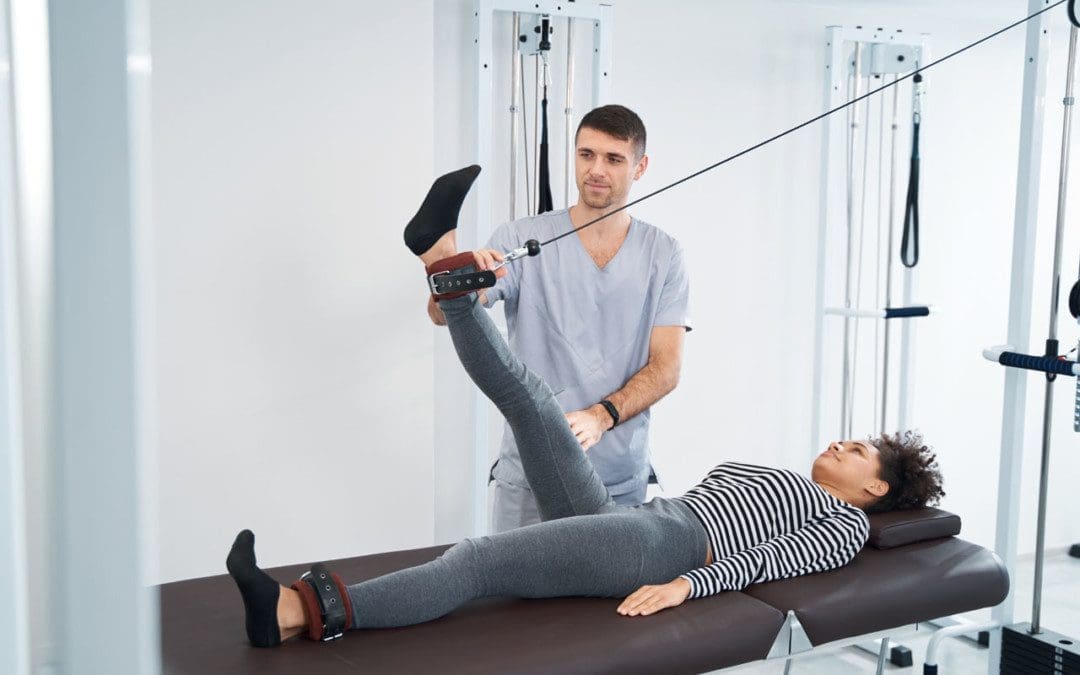
The Injury Medical Chiropractic and Functional Medicine Teamwill develop a personalized treatment plan for the individual’s specific condition and needs.
Migraine Treatment
References
Biondi, David M. “Physical treatments for headache: a structured review.” Headache vol. 45,6 (2005): 738-46. doi:10.1111/j.1526-4610.2005.05141.x
Bronfort, G et al. “Efficacy of spinal manipulation for chronic headache: a systematic review.” Journal of manipulative and physiological therapeutics vol. 24,7 (2001): 457-66.
Bryans, Roland, et al. “Evidence-based guidelines for the chiropractic treatment of adults with headache.” Journal of manipulative and physiological therapeutics vol. 34,5 (2011): 274-89. doi:10.1016/j.jmpt.2011.04.008
Côté, Pierre, et al. “Non-pharmacological management of persistent headaches associated with neck pain: A clinical practice guideline from the Ontario Protocol for traffic injury management (OPTIMa) collaboration.” European journal of pain (London, England) vol. 23,6 (2019): 1051-1070. doi:10.1002/ejp.1374
One of the many muscles that help stabilize the shoulders and provide movement when the arms are in motion. The tricep muscles are one of the most underrated muscles that many people don’t seem to take care of when working out. The other muscles in the upper arms and shoulders are more likely to be worked on when it comes to being physically active. The deltoids, biceps, and brachialis muscles are some of the muscles that get much more attention when working on shoulder mobility. Still, the triceps provide the functionality to the shoulders as well. When the shoulders or the upper arms are injured and develop pain-like symptoms in the muscle groups, it can develop trigger points along the affected muscle. Today’s article looks at the tricep muscles, how trigger points affect them, and ways to manage trigger points along the tricep muscles. We refer patients to certified providers who specialize in arm pain treatments to aid individuals suffering from trigger points associated with the tricep muscles along the upper arms and elbows. We also guide and inform our patients by referring them to our associated medical providers based on their examination when appropriate. We established that education is a great solution to asking our providers profound questions the patient requests. Dr. Jimenez DC takes note of this information as an educational service only. Disclaimer
What Do The Tricep Muscles Do?
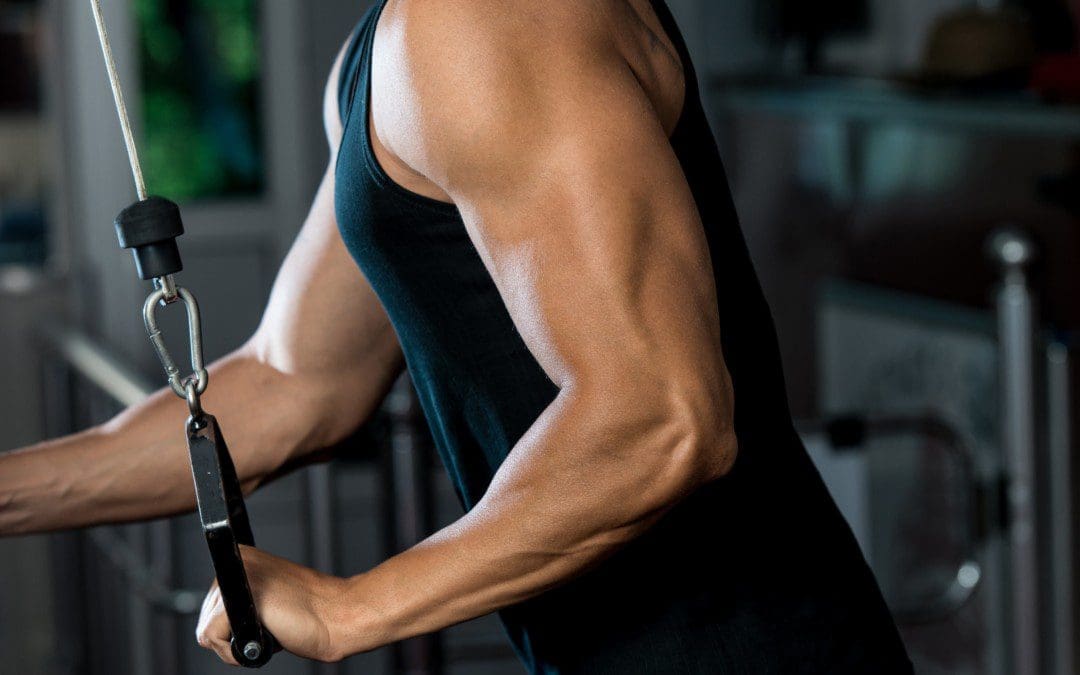
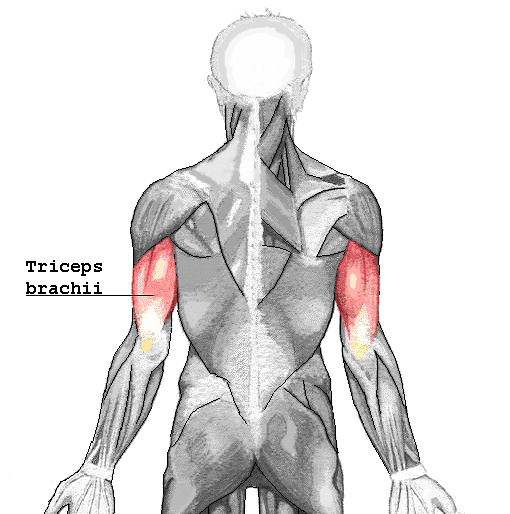
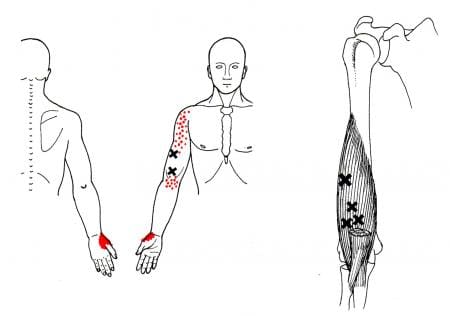
Do you experience pain underneath your forearm? How about feeling a dull ache on your elbows? Or do you feel a numbing sensation on your ring and pinky fingers? Individuals experiencing these symptoms in their arms could potentially develop trigger points along their tricep muscles. The tricep muscles are located under the upper arm and are a large, thick horseshoe-shaped muscle at the end of the arm. As stated earlier, the tricep muscles are one of the most underrated muscles in the arm that no one tends to work on during a workout, so they can be easily overlooked. However, the tricep muscles help in providing stability to the shoulders and help strengthen the arms. One of the main functions the triceps offer is that they allow the extension of the elbow joints. Studies reveal that the three head tendons that make up the triceps can influence elbow extension torque. The three heads of the triceps have different patterns of force when it comes to various activities during different shoulder evaluations. To that point, multiple combinations of the shoulder and elbows at different angles can affect the tricep’s shoulder extensions. Since many individuals don’t work on their triceps often, it can potentially develop issues that can make this underrated muscle weak.
How Trigger Points Affect The Tricep Muscles?
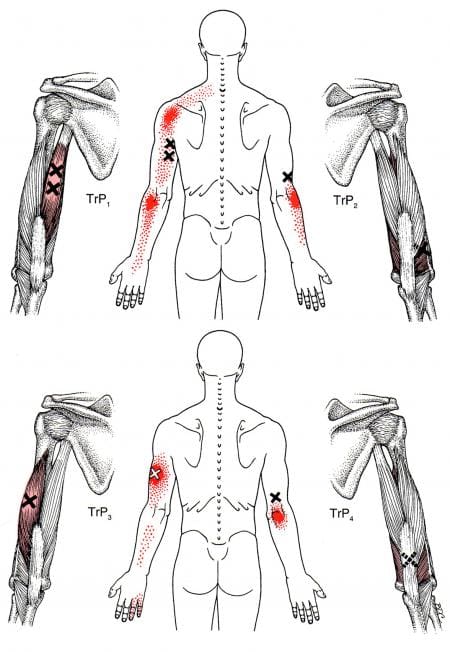
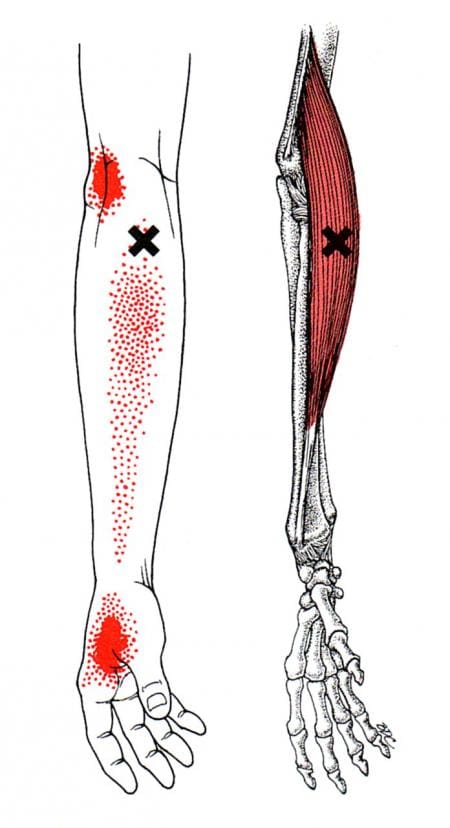
When the triceps don’t get worked on during a workout, it can lead to muscle weakness when doing pushups or when someone suffers from an injury with direct trauma in the elbows. When the tricep muscles become affected, it can lead to chronic conditions that are associated with myofascial pain or trigger points. Trigger points in the triceps can be formed when there are restrictions in extending the elbow joints. Studies reveal that when the triceps become overloaded from overusing the forearms from normal activities, it could potentially lead to tricep tendon rupture. To that point, which leads to the development of trigger points to invoke pain in the triceps and elbow joint. According to Dr. Janet Travell, M.D., trigger points associated with the tricep muscles could potentially involve referred pain in the vicinity of the elbow joints. What this refers to is that trigger points can mimic other chronic conditions so in this case, referred pain caused by trigger points associated with the tricep muscles can be mistakenly attributed to arthritis on the elbow joints. All is not lost, as there are ways to manage trigger points affecting the tricep muscles.
Treating Trigger Points On The Triceps- Video
Have you been experiencing pain in your shoulders, elbows, and hands? Do you have limited mobility when extending your elbows? Or do you notice that your triceps are weaker than normal? If you have been dealing with any of these symptoms, it could be due to trigger points associated with the tricep muscles that are causing referred pain to the upper arms and elbows. The triceps in the upper arms is one of the most underrated muscles people tend to overlook. When individuals begin to succumb to injuries that affect their triceps, it can lead to the development of trigger points along the muscle fibers in the tricep muscles. Trigger points can occur in the tricep muscles due to overusing the forearm muscles, causing stress in the elbow joint and the muscle itself. When the trigger points become active, it can lead to limited mobility to the elbow joint, causing the individual thinks they are developing arthritis when it is the trigger points causing the referred pain. There are ways that many people can manage trigger points associated with the elbows along the triceps to relieve the pain from the muscle. The video above shows where the active trigger points are located and how to release them through palpations and massage. Treating the trigger points along the tricep muscles allows many individuals to regain mobility in their elbows and upper arms.
Managing Trigger Points Along The Triceps
As stated earlier, the triceps are the underrated muscle that people tend to forget. When the tricep muscles succumb to trigger points, it can lead to referred pain along the elbow joints, causing pain-like symptoms affecting the elbow’s mobility function. When this happens to the upper arms, there are various ways to strengthen the tricep muscles and manage trigger points from developing in the future. Incorporating exercises targeting the tricep muscles can help improve mobility to the elbows and shoulders. If a person is playing sports like tennis, they can opt for a lighter racket and have a more lightweight grip on the handle. Suppose a person is in pain from their triceps. In that case, however, studies reveal that upper limb rehabilitation can help reduce the pain along the triceps and improve the mobility range caused by pain associated with trigger points. People can continue their daily activities without pain when they utilize these various ways to enhance their triceps’ functionality.
Conclusion
As the most underrated muscle that people tend to forget to work out, the tricep muscle can be overlooked. This large, thick horseshoe-shaped muscle has a job that provides stability to the shoulders and allows an extension to the elbow joints. When individuals don’t work on their tricep muscles, it can lead to muscle weakness and pain-like symptoms that lead to the development of trigger points. Trigger points associated with the tricep muscles can cause referred pain to the elbow joint, making many individuals believe they have arthritis. However, many individuals can regain mobility to their elbows by incorporating exercises targeting the triceps and utilizing treatments to manage trigger points along the muscle fibers. They can do daily activities that require the triceps without pain.
References
Landin, Dennis, et al. “Functions of the Triceps Brachii in Humans: A Review.” Journal of Clinical Medicine Research, Elmer Press, Apr. 2018, https://www.ncbi.nlm.nih.gov/pmc/articles/PMC5827912/.
Lennon, Olive, et al. “Effect of the Triceps Brachii Facilitation Technique on Scapulohumeral Muscle Activation during Reach and Point in a Healthy Population.” Physiotherapy Canada. Physiotherapie Canada, University of Toronto Press, 2019, https://www.ncbi.nlm.nih.gov/pmc/articles/PMC6855346/.
Mangano, Tony, et al. “Chronic Tendonopathy as a Unique Cause of Non Traumatic Triceps Tendon Rupture in a (Risk Factors Free) Bodybuilder: A Case Report.” Journal of Orthopaedic Case Reports, Indian Orthopaedic Research Group, 2015, https://www.ncbi.nlm.nih.gov/pmc/articles/PMC4719357/.
Tiwana, Manpreet S, et al. “Anatomy, Shoulder and Upper Limb, Triceps Muscle.” In: StatPearls [Internet]. Treasure Island (FL), StatPearls Publishing, 6 Aug. 2021, https://www.ncbi.nlm.nih.gov/books/NBK536996/.
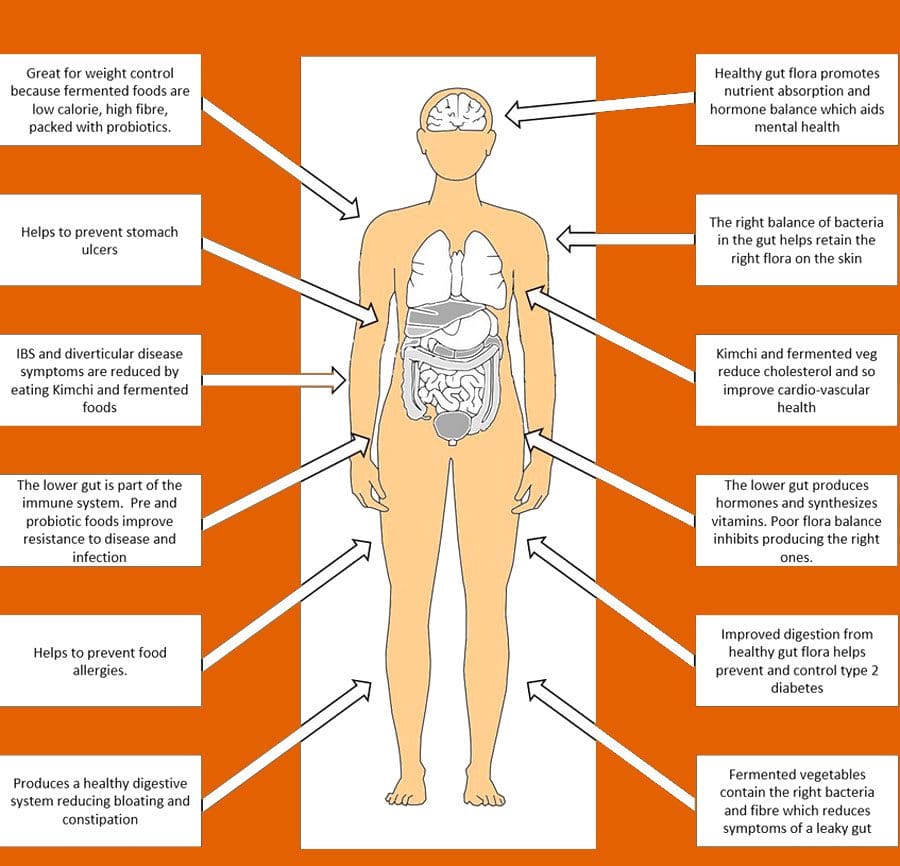
Fermentation is a process where bacteria and yeast are used to break down foods. The fermentation process has been around for centuries and was initially produced to preserve foods, improve flavor and eliminate toxins. Research has found that eating fermented foods can also increase the beneficial bacteria/probiotics in the gut. Functional medicine practitioners recommend these foods for their health benefits, including improved digestion, increased immunity, and weight loss and maintenance.
Fermented Foods
Fermented foods and beverages undergo controlled microbial growth and fermentation in which microorganisms like yeast and bacteria break down food elements like sugars/glucose into other products like organic acids, gases, or alcohol. The process gives fermented foods unique taste, aroma, texture, and appearance. There are many different types of fermented foods, including:
Whole foods like vegetables, fruits, cereals, dairy, meat, fish, eggs, legumes, nuts, and seeds can go through fermentation. These foods are nutritious in their original form, but through fermentation, they can provide probiotic and prebiotic health benefits.
Probiotics
Probiotics are live microorganisms that benefit the gut by creating a more favorable digestive environment. This helps:
Digest food easier.
Support a healthy immune system.
Support organ health – lungs, reproductive organs, skin.
Improves mood.
However, not all fermented foods contain probiotics, especially commercially produced foods that are pasteurized, killing bacteria and their associated health benefits.
Prebiotics
Prebiotics are food ingredients that the microorganisms like gut bacteria consume to grow and live, leading to improving the digestive environment. These include:
Milk
Honey
Tomato
Garlic
Onions
Asparagus
Wheat
Barley
Rye
However, most fruits, vegetables, and legumes contain prebiotics.
The Benefits of Fermented Foods
Fermented foods’ health benefits include reduced risk of:
Diabetes
Inflammation
High blood pressure
Cardiovascular disease
Obesity
They have also been linked to:
Better weight management
Improved brain activity
Increased bone health
Faster recovery after exercise and physical activity
There are currently no official guidelines regarding how often individuals should eat fermented foods. It is recommended to consult a nutritionist or dietician to figure out the best nutrition plan for the individual and their needs.
The Science
References
Aslam, Hajara, et al. “Fermented foods, the gut, and mental health: a mechanistic overview with implications for depression and anxiety.” Nutritional neuroscience vol. 23,9 (2020): 659-671. doi:10.1080/1028415X.2018.1544332
Dimidi, Eirini, et al. “Fermented Foods: Definitions and Characteristics, Impact on the Gut Microbiota and Effects on Gastrointestinal Health and Disease.” Nutrients vol. 11,8 1806. 5 Aug. 2019, doi:10.3390/nu11081806
King, Sarah, et al. “Effectiveness of probiotics on the duration of illness in healthy children and adults who develop common acute respiratory infectious conditions: a systematic review and meta-analysis.” The British journal of nutrition vol. 112,1 (2014): 41-54. doi:10.1017/S0007114514000075
Kok, Car Reen, and Robert Hutkins. “Yogurt and other fermented foods as sources of health-promoting bacteria.” Nutrition reviews vol. 76, Suppl 1 (2018): 4-15. doi:10.1093/nutrit/nuy056
Parker, Elizabeth A et al. “Probiotics and gastrointestinal conditions: An overview of evidence from the Cochrane Collaboration.” Nutrition (Burbank, Los Angeles County, Calif.) vol. 45 (2018): 125-134.e11. doi:10.1016/j.nut.2017.06.024
Şanlier, Nevin, et al. “Health benefits of fermented foods.” Critical reviews in food science and nutrition vol. 59,3 (2019): 506-527. doi:10.1080/10408398.2017.1383355
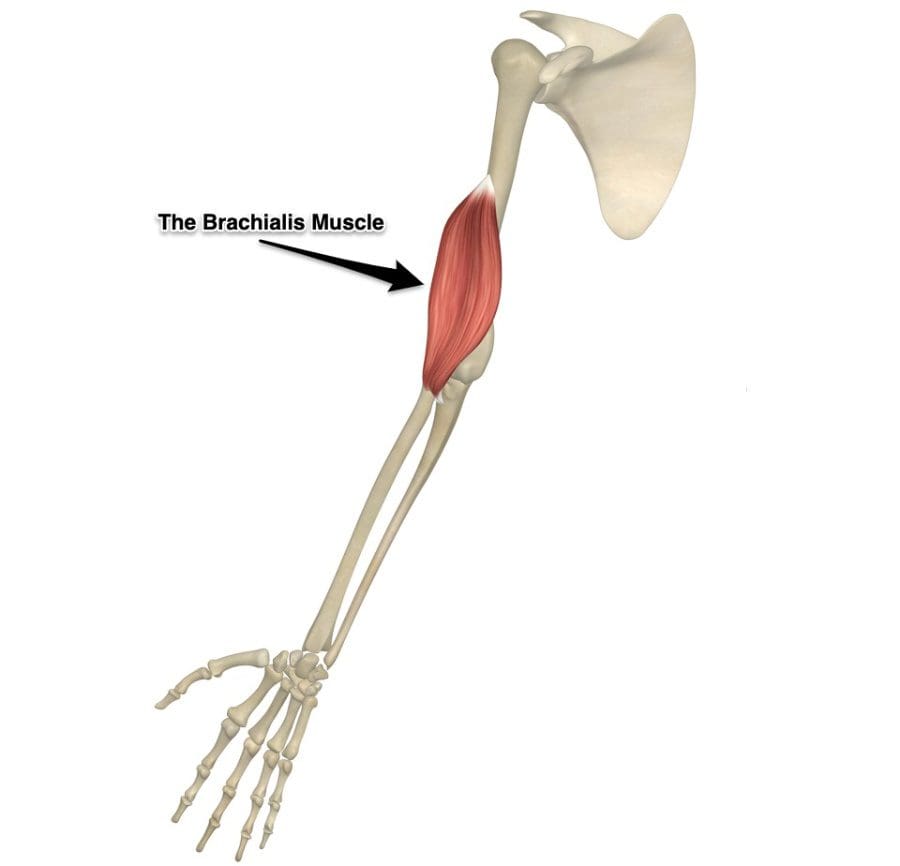
When it comes to the human body in motion, the arms can carry, lift, and move items from one place to another without pain. The arms have different muscles that work together to protect the arm and shoulder joints while providing mobility and movement. One of the muscles that help the arms carry items is the brachialis muscles, which work together with the bicep and tricep muscles. As part of the forearm, it can succumb to various injuries affecting the muscle, tendons, and ligaments. When this happens, referred pain can affect the arm and develop trigger points to overlap chronic conditions that can potentially cause more pain. Today’s article looks at the brachialis muscle’s function, how trigger points affect the muscle, and various ways to manage brachialis trigger points. We refer patients to certified providers who specialize in arm pain treatments to aid individuals suffering from trigger points associated with the brachialis muscles along the upper arms. We also guide and inform our patients by referring them to our associated medical providers based on their examination when appropriate. We established that education is a great solution to asking our providers profound questions the patient requests. Dr. Jimenez DC takes note of this information as an educational service only. Disclaimer
What Is The Brachialis Muscle Function?
Have you been experiencing muscle strain in your forearms? What about stiffness in your wrist? Or do your arm muscles begin to spasm out of nowhere? Many people who have experienced these pain symptoms might be caused by trigger points associated with the brachialis muscle. The brachialis is an important muscle that flexes the forearm at the elbow. This muscle works with the biceps as it can carry heavy items, like the deltoid, and is the opposite of the tricep muscles. However, it can become overused and succumb to injuries that can invoke pain in the arm muscles, thus leading to the development of trigger points along the brachialis muscle.
How Does Trigger Points Affect The Brachialis Muscle?
When the brachialis muscle becomes injured, many people will experience pain when flexing their elbows inward or outward. According to Dr. Travell, M.D., these pain symptoms may be due to referred pain and tenderness from brachialis trigger points or radial nerve entrapment. During heaving lifting, the forearm flexion stress overload activates trigger points along the brachialis. Studies reveal that excessive sudden physical stress or repetitive activities may result from a muscle sprain or tear in the brachialis muscle. To that point, these symptoms associated with trigger points can cause overlapping risk profiles that can mask the condition. Some of the conditions that can overlap and activate trigger points include:
Carrying heavy groceries
Holding power tools
Tennis elbow
Playing a string instrument
Studies also reveal that active trigger points along the affected muscle can increase weight coefficients and alter motor control without co-contraction patterns. This is due to trigger points becoming tricky to diagnose and mimic other conditions affecting the arms’ muscle group. Many people with pain-like symptoms associated with trigger points often complain about numbness or deep pain in their arms and hands. To that point, trigger points can also be involved with nerve entrapment in the brachialis muscles.
The Brachialis Trigger Points Release-Video
Have you been experiencing stiffness in your hands and arms? What about muscle spasms near your elbow? Or does constant pain affect your forearm muscles when you bend your arm? Many of these symptoms are associated with trigger points affecting the brachialis muscle that is causing pain in the forearms. Trigger points or myofascial pain syndrome can affect a person’s well-being by impairing their mobility in the affected areas, causing pain, and even reducing their overall sense of life. Trigger points affecting the brachialis muscles can mimic chronic conditions like nerve entrapment that can affect the motor function of the forearm. Luckily, trigger points are treatable, and there are ways to reduce the pain-like symptoms from the affected brachialis muscles. The video above shows how to treat trigger points along the forearm. Incorporating non-invasive treatments to reduce future trigger points to form can reduce the pain symptoms and release the trapped nerves that are causing motor function problems in the arms.
Ways To Manage Brachialis Trigger Points
As stated earlier, trigger points are tricky to diagnose since they can mimic other chronic conditions along the affected muscles. When the affected muscle succumbs to injuries and is not treated, it can develop tiny knots along the taut muscle band fibers known as trigger points over time. To that point, it can cause referred pain-like symptoms along the muscle group. Luckily, treatments can help reduce pain-like symptoms and prevent trigger points from forming along the muscle fibers. Studies reveal that trigger point injections are one of the various treatments that can help reduce pain in the brachialis muscle. With gentle stretching and physical therapy, allow mobility back to the arm. One way to manage brachialis trigger points that many people can use is to place a pillow at the angle of the elbow to prevent the arms from tightening or use a hot pack to relax the forearm muscles to relieve muscle strain and aches. Another way is not to overuse their forearms when playing an instrument or carrying items on their forearms. This can prevent trigger points from forming in the future and reduce pain-like symptoms from affecting the forearms.
Conclusion
The brachialis is the main muscle that is important to the forearms. This large muscle works with the bicep and tricep muscles to help the host carry heavy objects while bending at the elbows. However, like all the muscles in the body, the brachialis muscles can succumb to injuries and develop trigger points along the brachialis muscle fiber bands. Trigger points along the brachialis muscle are associated with pain-like symptoms that can mimic conditions like tennis elbow or nerve entrapment in the forearms. Fortunately, various treatments are utilized by doctors to help many patients dealing with trigger points along the brachialis muscle and can help reduce pain in the forearms. This allows mobility back to the arms and prevents future trigger points from forming.
References
Geri, Tommaso, et al. “Myofascial Trigger Points Alter the Modular Control during the Execution of a Reaching Task: A Pilot Study.” Scientific Reports, Nature Publishing Group UK, 5 Nov. 2019, https://www.ncbi.nlm.nih.gov/pmc/articles/PMC6831581/.
Plantz, Mark A, and Bruno Bordoni. “Anatomy, Shoulder and Upper Limb, Brachialis Muscle.” In: StatPearls [Internet]. Treasure Island (FL), StatPearls Publishing, 22 Feb. 2022, https://www.ncbi.nlm.nih.gov/books/NBK551630/.
Sharma, Pankaj, et al. “Isolated Traumatic Brachialis Muscle Tear: A Case Report and Review of Literature.” Bulletin of Emergency and Trauma, Shiraz University of Medical Sciences, Oct. 2017, https://www.ncbi.nlm.nih.gov/pmc/articles/PMC5694606/.
Suh, Mi Ri, et al. “Ultrasound-Guided Myofascial Trigger Point Injection into Brachialis Muscle for Rotator Cuff Disease Patients with Upper Arm Pain: A Pilot Study.” Annals of Rehabilitation Medicine, Korean Academy of Rehabilitation Medicine, Oct. 2014, https://www.ncbi.nlm.nih.gov/pmc/articles/PMC4221396/.
Spondyloarthritis is a group of inflammatory, immune-mediated diseases that cause chronic low back pain, inflammation, irritating aches, and pains. The conditions mostly affect the spine but can affect joints in the arms, legs, hips, skin, eyes, and intestines. Spondylitis types can significantly affect daily function, physical activity and compromise bone health.
Spondylitis Types
The main types include:
Ankylosing spondylitis
Psoriatic arthritis
Enteropathic arthritis
Reactive arthritis
Juvenile spondylitis
Undifferentiated spondylitis
Axial Spondylitis vs. Peripheral Spondylitis Types
Axial means relating to the body’s central region, as in the trunk and head.
Axial spondyloarthritis is arthritis and inflammation in the hips and spine.
The condition starts before age 45.
The pain typically starts in the low back but can begin in the neck or other regions.
Characterized by back pain, usually in the lower back and/or buttocks.
Morning back stiffness lasting 30 minutes or longer.
Sacroiliac joint inflammation can also present.
The back pain gradually progresses.
Lasts longer than three months.
Improves with physical movement, not with rest.
Peripheral spondyloarthritis is arthritis and inflammatory pain in the peripheral joints and tendons and does not include the spine.
Individuals can have peripheral and axial spondylitis symptoms simultaneously.
Diagnosis depends on whether symptoms are primarily peripheral or axial.
Spondylitis and Spondylosis
Spondylosis and spondylitis are similar in they cause pain and inflammation in the back and hips. The difference is in each condition’s triggers.
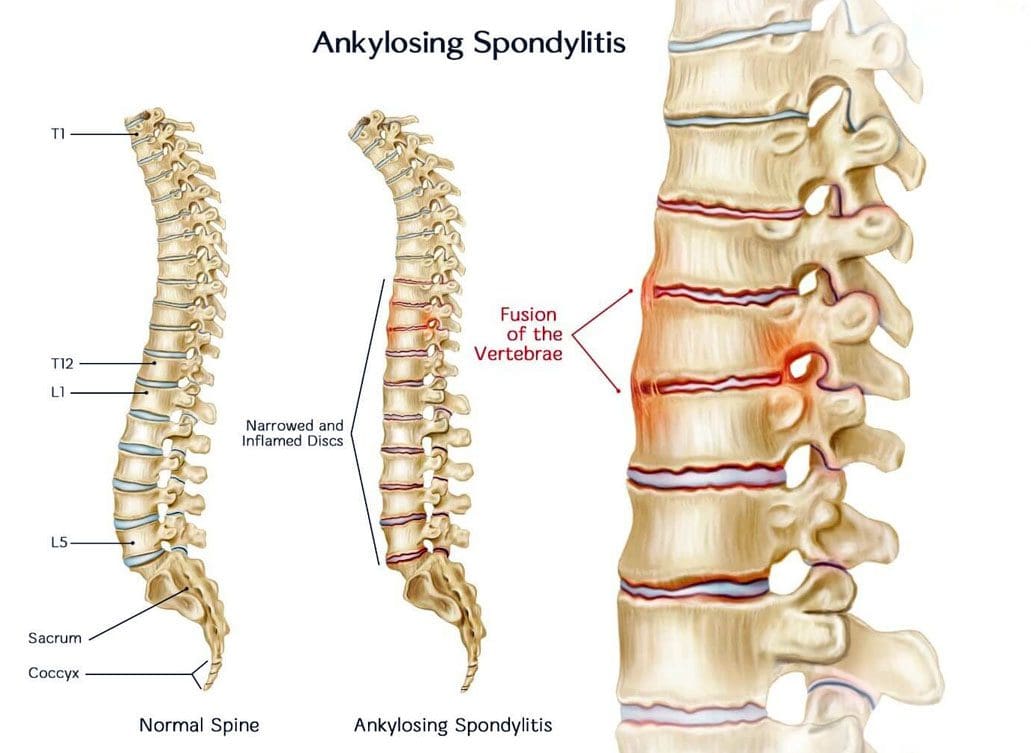
Spondylitis is a disease in which the body’s immune system degrades joints, causes inflammation, overproduces bone formation, and causes bone fusion.
Spondylosis is a category of arthritis that presents as the spine ages from normal wear and tear.
It happens during the degeneration of the spine’s discs and joints.
It also presents when bone spurs develop on the spine’s vertebrae.
Ankylosing Spondylitis
Ankylosing spondylitis is the most common form of arthritis affecting the spine, other joints, and body regions. The condition causes spinal joint inflammation causing extreme discomfort and chronic pain. In some cases, the inflammation progresses to ankylosis, where spine sections fuse and become immobile. Other body areas that can trigger inflammation include:
The ribs
Heels
Shoulders
Hips
Small joints of the feet and hands.
Ankylosing spondylitis symptoms vary from person to person. Common early symptoms include:
There is general discomfort, appetite loss, and mild fever early in the condition.
Persistent stiffness and pain in the buttocks and low back, gradually progressing over a couple of weeks or months.
The pain and stiffness can travel into the neck and spine within months or years.
The pain is usually spread out and dull.
The stiffness and pain are worse in the morning and night and improve with light exercise or a warm shower.
The pain typically becomes chronic, lasts for a minimum of 3 months, and can be felt on both sides.
Tenderness and pain in the hips, thighs, shoulder blades, heels, and ribs may also occur.
Treatment approaches include applications of ice and heat to reduce swelling, increase circulation, and decrease joint pain, posture exercises, stretches, physical therapy, and medication.
Psoriatic Arthritis
Psoriatic arthritis causes swelling, pain, and inflammation in the small joints of the hands and feet; however, the joints of the knees, ankles, and wrists can also be affected. Psoriasis is a rash that causes scaly skin patches.
Individuals can develop dactylitis when a finger or toe swells between the surrounding joints.
Spinal stiffness and pain can present.
Typically the ends of the finger joints are most affected and experience pain and inflammation.
Medications frequently utilized to treat ankylosing spondylitis can be used.
Exercise helps preserve the range of motion and maintain strength.
Isometric exercises work muscles without joint motion reducing the risk of further injury to inflamed joints.
Occupational and physical therapy can significantly assist in optimizing arthritic joint function.
Enteropathic Spondylitis
Enteropathic Arthritis is chronic inflammatory arthritis linked to inflammatory bowel disease. The most recognized are Crohn’s and ulcerative colitis.
The peripheral limb joints and sometimes the whole spine are the most prevalent body areas afflicted with enteropathic spondylitis.
The main symptom is intestine inflammation, including bowel and joint pain and/or inflammatory back pain.
Other symptoms can include weight loss, blood in the stool, abdominal pain, and/or chronic diarrhea.
Managing enteropathic arthritis typically means managing the underlying bowel disease.
Juvenile Spondyloarthritis
Juvenile spondyloarthritis is a group of childhood rheumatic diseases that cause arthritis before age 16 and can continue through adulthood. Juvenile spondyloarthritis encompasses:
Enteropathic arthritis
Enthesitis-related arthritis
Undifferentiated spondyloarthritis
Psoriatic arthritis
Reactive arthritis
Juvenile ankylosing spondylitis
Juvenile spondyloarthritis causes inflammation and pain in joints in the lower body, like the ankles, hips, knees, and pelvis. Other body areas that could be affected include:
The bowels
Eyes
Skin
Spine
Lethargy and fatigue can also present. The symptoms can be unpredictable and episodic, appearing and disappearing without a specific cause. The condition cycles between flare-ups and remission. Common treatment approaches include:
Medication
Exercise
Posture training
Physical therapy, medication
Ice and heat to decrease joint pain and relax muscles.
In severe cases, surgery could be recommended.
Reactive Arthritis or Reiter’s Syndrome
Reactive arthritis is arthritis that causes pain and inflammation in the mucous membranes, bladder, skin, joints, eyes, and genitals.
Reactive arthritis is believed to be a reaction to an infection, usually in the gastrointestinal or urinary tract.
Reactive arthritis does not affect the sacroiliac joints and spine in most cases.
Reactive arthritis is typically treated with nonsteroidal anti-inflammatory medications, steroids, and rheumatoid arthritis medications.
A physician could prescribe antibiotics if a bacterial infection brought on reactive arthritis.
Undifferentiated Spondyloarthritis
Undifferentiated spondyloarthritis is where the signs and symptoms of spondylitis don’t meet the criteria for a specific rheumatoid disorder. Individuals diagnosed with undifferentiated spondyloarthritis will have one or more of the symptoms that include:
Fatigue
Back inflammation
Back pain
Buttock pain that alternates or presents on both sides.
Swollen toes or fingers
Heel pain
Arthritis in the small joints.
Arthritis in the large limb joints.
Enthesitis or inflammation where the ligament or tendon connects to the bone.
Eye inflammation
Individuals can also present symptoms of other spondylitis types, like psoriatic or ankylosing.
Treatment approaches include:
Exercise
Physical therapy
Posture training
Ice and heat to decrease joint pain and loosen up muscles.
Spondylitis Types Diagnosis of Spondyloarthritis
References
Carron, Philippe, et al. “Peripheral spondyloarthritis: a neglected entity-state of the art.” RMD open vol. 6,1 (2020): e001136. doi:10.1136/rmdopen-2019-001136
Gill, Tejpal, et al. “The intestinal microbiome in spondyloarthritis.” Current opinion in rheumatology vol. 27,4 (2015): 319-25. doi:10.1097/BOR.0000000000000187
Rosenbaum, James T. “The eye in spondyloarthritis✰.” Seminars in arthritis and rheumatism vol. 49,3S (2019): S29-S31. doi:10.1016/j.semarthrit.2019.09.014
Seo, Mi Ryoung et al. “Delayed diagnosis is linked to worse outcomes and unfavorable treatment responses in patients with axial spondyloarthritis.” Clinical rheumatology vol. 34,8 (2015): 1397-405. doi:10.1007/s10067-014-2768-y
Sharip, Aigul, and Jeannette Kunz. “Understanding the Pathogenesis of Spondyloarthritis.” Biomolecules vol. 10,10 1461. 20 Oct. 2020, doi:10.3390/biom10101461
IFM's Find A Practitioner tool is the largest referral network in Functional Medicine, created to help patients locate Functional Medicine practitioners anywhere in the world. IFM Certified Practitioners are listed first in the search results, given their extensive education in Functional Medicine


 Headache Chiropractor