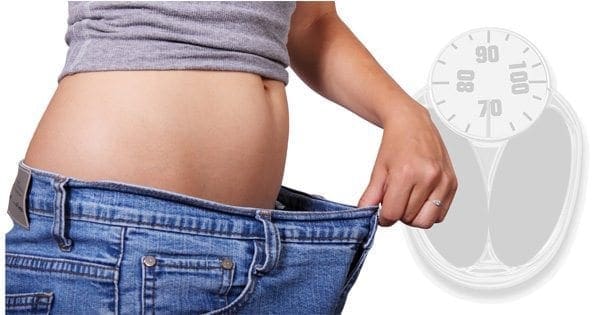
Most of us already know that eating less and moving more are the keys to dropping extra pounds. But if you’re already doing everything right and can’t seem to lose weight or are even gaining it you may have a hidden health condition that’s sabotaging your efforts. And the symptoms may be so subtle that even your doctor can miss them. Here, some possible weight-loss blockers and how to get the help you need.
A Sluggish Thyroid
Your thyroid gland makes hormones that regulate the way your body uses energy. An underactive thyroid (hypothyroidism) disrupts your metabolism, as well as many other aspects of your health. Some estimate that as many as 10 percent of adults have hypothyroidism, which is more common in women and is most often diagnosed in the 40s and 50s.
Could this be you? Besides weight gain or an inability to lose weight, you may notice fatigue, hair loss, dry skin, joint pain and muscle weakness, heavy periods, increased sensitivity to cold, even depression. Many people with low-grade hypothyroidism just feel off, with no obvious signs of being truly sick.
How to get tested: Ask your internist to run a TSH (thyroid-stimulating hormone) screening. In general, the higher your TSH level, the slower your thyroid is. While traditional normal’ values are between .45 and 4.5, if your level is above 2, you might still struggle to lose weight, explains Jamie Kane, MD, medical director of Park Avenue Medical Weight and Wellness in New York City. Your doctor may also want to check your levels of T-3 and T-4, the two main thyroid hormones. But hypothyroidism isn’t always a straight numbers game; more and more doctors are now treating the symptoms, not just the blood-test results. If a patient isn’t feeling well, it’s often because her thyroid isn’t functioning as well as it should for her body, says Erika Schwartz, MD, an internist in New York City.
How it’s treated: Your doc will usually start by prescribing a low-dose T-4 thyroid hormone like Synthroid. If your symptoms don’t improve, discuss upping your dosage or switching to a combination of T-3 and T-4.
Out-Of-Whack Hormones
As many as 1 in 10 women of childbearing age have polycystic ovary syndrome (PCOS), a condition in which a woman’s ovaries produce an excess of male hormones. In addition to causing ovulation problems and infertility, PCOS may go hand-in-hand with insulin resistance, a glitch in the way your body processes blood sugar, which is often associated with excess fat storage, especially around the waist. Left untreated, insulin resistance can lead to type 2 diabetes. Could this be you? You may have irregular periods, excess facial and body hair, acne, some male pattern balding, and trouble getting pregnant, along with unexplained weight gain (though not everyone with PCOS has weight issues).
How to get tested: Your gynecologist or internist can test your levels of sex hormones for an imbalance of testosterone, progesterone, and estrogen, says David Katz, MD, director of the Yale Prevention Research Center. She may then test your blood sugar and insulin levels or perform an ultrasound to check for cysts on your ovaries.
How it’s treated: Lifestyle changes are usually the first step. If you’re already eating a healthy diet and exercising regularly, you may have to kick it up another notch to see results. If you have insulin resistance, Dr. Katz says, you’ll also want to cut out refined carbs and added sugars. If you’ve made these changes and still don’t notice a difference, your doc may prescribe a drug called metformin, which is used to treat insulin resistance as well as assist with ovulation (if you’re trying to get pregnant).
Trouble-Making Foods
Most people know if they’re allergic to certain foods like nuts or shellfish, but many aren’t aware of food intolerances. While a true food allergy results when your immune system mistakenly identifies a food as harmful and mounts an immediate response, food intolerances can have a variety of causes, including lack of a certain digestive enzyme (as with lactose intolerance) or sensitivity to food additives, and tend to manifest over time, says Elizabeth W. Boham, MD, RD, a family practitioner at The UltraWellness Center in Lenox, Massachusetts. Eating a trouble foodthe most common being dairy, gluten, eggs, soy, corn, and nutscan lead to bloating and water-weight gain, among other symptoms. Experts estimate that food intolerances affect as many as 1 in 10 people.
Could this be you? You may regularly have bloating, gas, diarrhea, and constipationas well as seemingly unrelated symptoms like mild asthma, eczema, headaches, muscle and joint pain, and fatigue.
How to get tested: An internist or gastroenterologist can help you diagnose the problem, but you can begin to figure it out for yourself through an elimination diet. Dr. Boham suggests that you start by removing gluten and dairy (these are the biggest culprits) from your diet for two to three weeks. If you don’t notice a difference, also eliminate eggs, corn, soy, and nuts, and consider nixing additives such as food coloring and preservatives. After a few weeks, slowly reintroduce the possible culprits, one at a time, noting any reactions.
How it’s treated: If the reaction is severe, you’ll need to cut the offending food from your diet. For mild reactions, try a daily probiotic supplement, which restores the good bacteria in your gut necessary for digestion and can help prevent bloating and water weight gain. Dr. Boham recommends one with at least 10 billion live bacteria per pill.
Pills That Pack On Pounds
Weight gain can be an unwelcome side effect of some drugs, including anti-depressants, steroids, and, more rarely, birth-control pills (due to a temporary increase in water retention).
Could this be you? You may notice weight gain within a few weeks of starting a new medication, though it could take several months before you see any effects, Dr. Kane says.
How to get tested: No special test is needed; you know if you’re gaining weight.
How to get tested: No special test is needed; you know if you’re gaining weight.How it’s treated: Talk to your doctor, who may be able to prescribe an alternative. In the case of anti-depressants, bupropion has been shown to cause less weight gain and possibly even lead to weight loss. With birth control pills, switching to a version with a lower dose of hormones might minimize weight gain. But remember, treating the condition you’re taking the drug for is your biggest priority, so you should never go off any meds on your own.
Restaurants are the number-one place to sabotage your diet, according to new research that will surprise no one who�s ever tried to lose weight while eating out.
The year-long study, which was presented at a recent meeting of the American Heart Association, offers insight into tempting foods and the behaviors they trigger. By using a smartphone app, researchers followed 150 overweight people who were trying to stick to a weight-loss plan throughout their daily lives. The people in the study, most of whom were women, checked in up to five times a day and reported where they were, who they were with and whether they had strayed from their eating plan (or were tempted to do so.)
The dieters were also asked to log in anytime they ate (or considered eating) foods or portion sizes they knew were inconsistent with their plan.
Some clear patterns emerged from this deluge of data. People reported the most temptations when they were in a restaurant or bar, or when they were in the presence of other people eating. They noted fewer desires to overeat at home or work, and even fewer when they were in their car or in other people�s homes.
People had about a 60% chance of succumbing to those temptations at restaurants and when they were around others who were eating. Their odds of lapsing at work or in the car were lower, about 40% and 30%, respectively.
�You might think that everybody knows they�re at higher risk when they go into a restaurant, but people go out into these toxic environments and they forget,� says lead author Lora Burke, professor of nursing at the University of Pittsburgh.
People may also see eating out as an excuse to take a break from their diet, she adds. �We remind people that it�s not a diet they can go on and off; it�s a lifestyle,� she says. �It�s okay if they want to go out Friday night and eat wings, but then they need to cut back on Thursday and Saturday.�
Eating at home was a safer bet, though not a foolproof one. People reported fewer food temptations in their homes and those of their friends than they did in restaurants. But when those temptations appeared, people gave in nearly 65% of the time. Even when they were completely alone, people were still likely to lapse about half the time.
Burke says there aren�t yet any commercially available smartphone apps that collect and analyze this type of data for the general public. But such a tool could be valuable for helping people learn and adapt to their diet-related weaknesses, she adds.
�We can go to an individual and say, �These are the high-risk situations you�re vulnerable to, so you need to keep your guard up and practice strategies for sticking with your plan,�� she says. �We could even intervene by sending a message right back to them when they need it, reminding them of why they may need to work really hard.�
Measuring diet in the moment may also provide researchers with data that�s more detailed and accurate. �When we ask people to recall what they ate and how they felt, there are a lot of biases and problems remembering,� says Burke. �This way, we can be there as people are going through weight-loss challenges and find out exactly what they�re feeling, and when.�
Even if you changed nothing else about your diet, eating half a grapefruit before each meal may help you lose up to a pound a week!
A compound in the tangy fruit can lower insulin, a fat-storage hormone, and that can lead to weight loss. It’s also a good source of protein, and because it’s at least 90% water, it can fill you up so you eat less.
Soldiers routinely carry between 50 and 100 pounds of gear i.e. body armor, weapons, flack vests, rucksacks, and ammo.�This weight is directly affecting their spine and increasing spine related problems for military men and women. Carrying gear weighing over 10% of a persons body weight is known to cause damage to the spine and vertebral discs. It is no surprise that the main complaint from soldiers returning home would be neck & back pain, followed by hip and knee problems. The VA has seen over 396,000 veterans already for these musculoskeletal problems, which is roughly 31% of the returning soldiers. It is assumed many more have not sought medical care or have gone to private medical center.
The Spine Maximum Load Restriction
The spine is made to hold a human being up right, and allow freedom of movement. Like any structure there are �maximum load restrictions�. When we increase the weight placed on the spine by more than 10% of our normal body weight it begins to stress and degenerate the vertebral discs that act like the shock absorbers between the spinal vertebrae. If these discs become worn and degenerated the spine can no longer function correctly. Compensation and adaptation sets into the spine and other structures such as the hips, knees, and muscles of the back.
Posture Misalingment Will Degenerate The Spine & Cause Back Pain.
An excess amount of weight on the spine puts the body into a compromised postural position to balance the weight. This causes the postural distortions patterns, which are known to degenerate the spine and cause back pain. Soldiers are trained to handle extreme situations. They are �mentally tough� and physically fit, however the spine can�t be trained to withstand these extreme loads. Forcing ones body to maintain extreme stress and weight bearing begins to slowly deteriorate the spine.
Anybody Overloaded With Weight Will Damage The Spine
A soldier may be tough and made to deal with the pain and stress, however, as they age, these traumas to the spine weaken the spine reducing them to canes, wheel chairs, and in some cases in ability to even get out of bed. The pain is traumatic and the damage is done. Soldiers often experience the most extreme situation in excess weight bearing, however, many of our population is suffering from the same thing. According to the Center for Disease Control 70% of adults are overweight with 35% being considered obese. This excess weight in the form of fat is placing the same stress on societies spines as well.
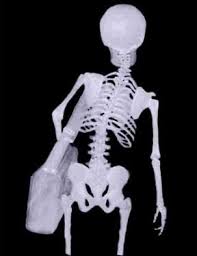
Carrying 15 Pounds or More Can Lead To Spinal Disease.
A backpack, military gear, or body fat for a long period of time will damage the spine. To know for sure if you are developing these postural distortion patterns get a Posture Diagnosis Online from the American Posture Institute.
Military Health & Chiropractic
6 Bits of Advice
Habits
1. Reduce The Weight.
The most obvious way to change the problem is to reduce the amount of�weight you carry. Make purses, bags, and etc. lighter. Soldiers, look for options to reduce your load, or exchange items with lighter options.
2. Distribute The Weight Evenly
Extra weight should be evenly distributed on the body. Use two straps, one on both shoulders. Try to keep the weight as high up on the back as possible to reduce the stress on the low back. When possible use hip straps/support to help distribute the weight.
3. Maintain Proper Posture With Excess Weight.
Proper posture is crucial. Do not allow yourself to go into incorrect postural position. This will increase the stress on the muscles that protect your spine. Too much stress and these muscles give out and your spine takes the damage.
Rehabilitation
4. Strengthen The Postural Muscles
Core exercises will strengthen muscles that support the spine. Planking is an excellent exercise. Lay with your chest on the floor. Support your body weight on your toes and your elbows/forearms. Lift your body off the ground and maintain this position as long as possible.
5. Lose Weight.
Reduce extra body weight, which will remove stress from the spine and pressure from the vertebral discs.
Spinal Alignment
6. Spine Distraction TherapyThis therapy can be done at home to relieve stress on the vertebral discs. Lay with your upper body on a bed or soft surface. Let your legs hang off. The surface needs to be high enough that your knees don�t touch the ground. Allow gravity to pull your lower body down, which will expand the space between the vertebrae and allow the discs to return to a normal position.
Soldiers routinely carry between 50 and 100 pounds of gear i.e. body armor, weapons, flack vests, rucksacks, and ammo.
This weight is directly affecting the spine and increasing spine related problems for military men and women. Carrying gear weighing over 10% of a persons body weight is known to cause damage to the spine and vertebral disc.
For Answers to any questions you may have please call Dr. Jimenez at 915-850-0900
IFM's Find A Practitioner tool is the largest referral network in Functional Medicine, created to help patients locate Functional Medicine practitioners anywhere in the world. IFM Certified Practitioners are listed first in the search results, given their extensive education in Functional Medicine








 Soldiers routinely carry between 50 and 100 pounds of gear i.e. body armor, weapons, flack vests, rucksacks, and ammo.�This weight is directly affecting their spine and increasing spine related problems for military men and women. Carrying gear weighing over 10% of a persons body weight is known to cause damage to the spine and vertebral discs. It is no surprise that the main complaint from soldiers returning home would be neck & back pain, followed by hip and knee problems. The VA has seen over 396,000 veterans already for these musculoskeletal problems, which is roughly 31% of the returning soldiers. It is assumed many more have not sought medical care or have gone to private medical center.
 absorbers between the spinal vertebrae. If these discs become worn and degenerated the spine can no longer function correctly. Compensation and adaptation sets into the spine and other structures such as the hips, knees, and muscles of the back.