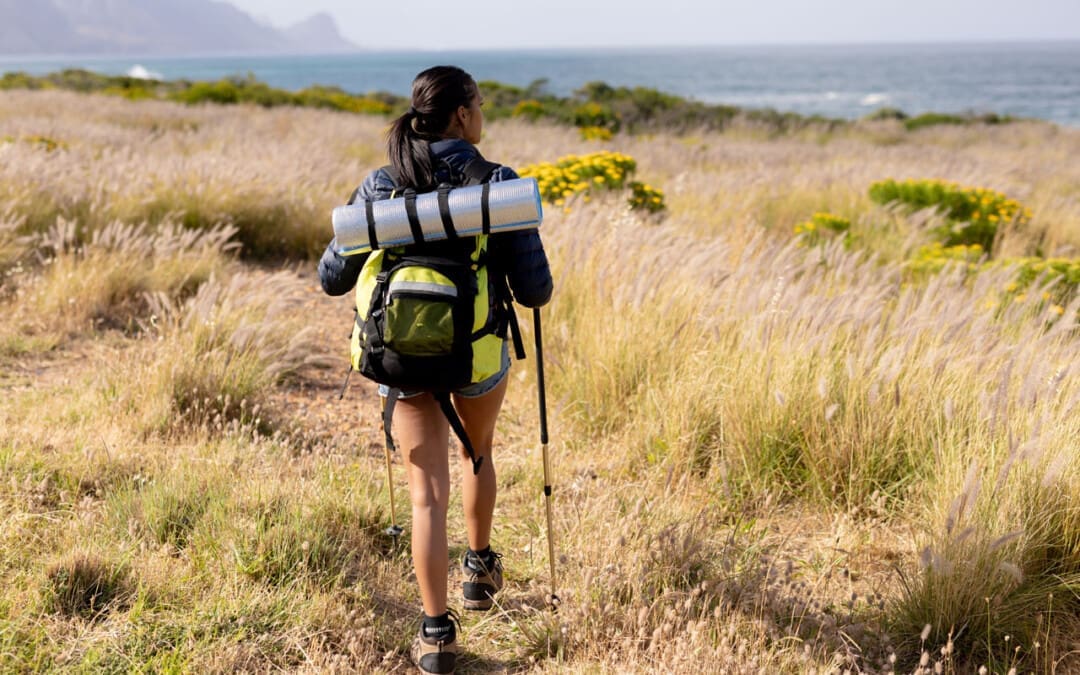
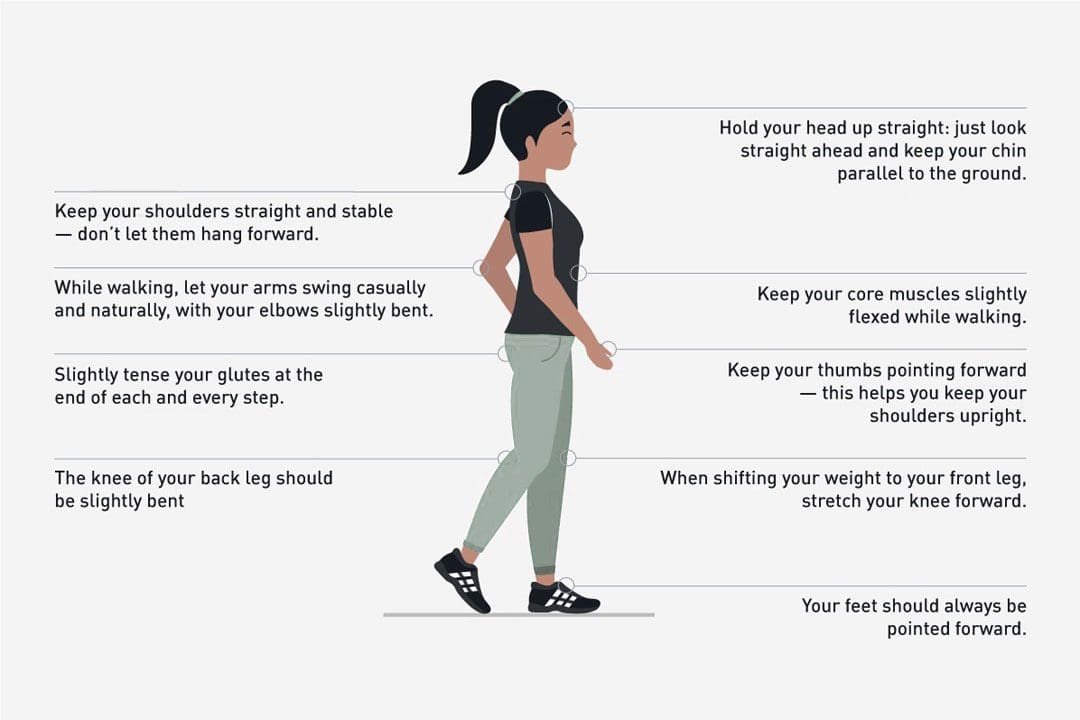
For individuals who enjoy walking for exercise and health, can knowing when to replace walking shoes help protect their feet and prevent musculoskeletal injuries?
Replacing Walking Shoes
The best walking shoes must be replaced to ensure musculoskeletal health and prevent injuries. Wearing worn-out shoes during prolonged standing, distance walking or running, and high-impact workouts can exacerbate lower back stiffness, soreness, and pain. Comfortable walking shoes offer substantial support and superior cushioning, working to alleviate discomfort and prevent injury. However, they break down cushioning and support with each step. When an individual walks or runs 500 miles, most athletic shoes are ready for replacement and should be recycled or saved for non-exercise purposes.
500-Miles
Most athletic shoes are built to last 350 to 500 miles. (Cook, S. D., Kester, M. A., and Brunet, M. E. 1985) Walkers’ feet don’t impact their feet as hard as runners’, but individuals are unlikely to feel support and cushioning past 500 miles. Weight is also a factor; the more an individual weighs, the faster their shoes wear down.
It is recommended that individuals who walk 30 minutes daily or an average of three to four hours a week replace their shoes every six months.
Individuals who walk 60 minutes daily or seven hours weekly replace their shoes every three months.
Replace walking shoes every three to six months or every 500 miles.
Shoe Wear
When athletic shoes are glued together, they start to wear from the factory to the stores as the adhesive dries out. The air pockets in the cushioning slowly begin to dissipate. Walking shoes are often on sale when old models are discontinued and may already be over a year old. To get the longest life, buy the current model and ask staff how long they have been on the shelf.
Shoe Care
Shoes can last longer by following a few guidelines:
Use walking Shoes only for Walking Exercise
It is recommended not to wear them for daily use.
Use them only for walking.
Wearing them all day exposes them to foot moisture and bacteria, breaking them down faster.
Air Out Shoes Between Uses
Store walking shoes where they are exposed to air so they can dry out completely between uses.
Keeping them in a gym bag won’t allow them to breathe.
Wash Shoes and Air Dry
When washing walking shoes, use gentle soap and cold water to prevent the glue from breaking down.
Always air dry rather than placing them in a dryer.
Avoid heat, as this will contribute to faster glue breakdown.
Replace the Insoles
Individuals who prefer custom insoles should replace them each time shoes are replaced.
However, changing the insole is not a substitute for replacing the shoe.
Cushioning insoles do not provide the same support.
A new insole will not fix a broken-down walking shoe.
Rotate Walking Shoes
Alternate walking shoes every one to two months. The feet sense the difference when the older pair begins to break down. For individuals who walk one or more times daily, alternating shoes allow each pair to dry out fully between uses. Having two pairs of walking shoes to alternate will keep you from replacing them more frequently.
Signs It’s Time
Many wait until their shoes look worn out, with holes and torn laces, before considering replacing them. Here are a few guidelines for when to replace walking shoes:
Worn Tread
Many of today’s walking shoes change color through the sole to alert the individual.
If green turns to pink or some other combination, it’s time to replace the shoes.
Overpronation or Supination
This can lead to the heel of the shoe being worn down on one side more than the other.
This can affect your gait, making it important to replace your walking shoe.
Wrinkles On The Side or Bottom Of The Sole
The breakdown of support and cushioning can cause this.
Weak Ankle Support
This is usually from the uppers being broken down around the ankle.
Wear Patterns
Where and how the soles and heels of walking shoes are worn can tell a foot and shoe professional which shoes the individual should wear. It is recommended that used shoes be taken to the shoe store. They can indicate overpronation, a neutral gait, or supination.
Risks
The risks of wearing worn-out walking shoes include:
Lack of cushioning and support can lead to foot, knee, or leg pain.
Individuals who notice new soreness and aches may indicate that the shoes need replacing.
Recycling
Keeping one or two pairs of used walking shoes is great for household chores. They can also be recycled or donated. Recycled walking shoes are used to make playground and track surfaces. Look for a shoe bin at a community recycling center or athletic shoe store. Shoes in decent condition can be donated to charity clothing centers.
Injury Medical Chiropractic and Functional Medicine Clinic
At Injury Medical Chiropractic and Functional Medicine Clinic, our areas of practice include Wellness & Nutrition, Chronic Pain, Personal Injury, Auto Accident Care, Work Injuries, Back Injury, Low Back Pain, Neck Pain, Migraine Headaches, Sports Injuries, Severe Sciatica, Scoliosis, Complex Herniated Discs, Fibromyalgia, Chronic Pain, Complex Injuries, Stress Management, Functional Medicine Treatments, and in-scope care protocols. We focus on what works for you to achieve improvement goals and create an improved body through research methods and total wellness programs. If other treatment is needed, individuals will be referred to a clinic or physician best suited to their injury, condition, and/or ailment.
Custom Foot Orthotics Benefits
References
Cook, S. D., Kester, M. A., & Brunet, M. E. (1985). Shock absorption characteristics of running shoes. The American journal of sports medicine, 13(4), 248–253. https://doi.org/10.1177/036354658501300406
Rethnam, U., & Makwana, N. (2011). Are old running shoes detrimental to your feet? A pedobarographic study. BMC research notes, 4, 307. https://doi.org/10.1186/1756-0500-4-307
Individuals walking with a limp that results in pain could have an antalgic gait, an abnormal walking pattern commonly seen in emergency clinics and primary care offices. Can recognizing the symptoms help healthcare providers develop an effective treatment for the underlying cause?
Antalgic Gait
Limping and having an antalgic gait usually indicate a larger issue within the leg or lower back. It is the most common type of abnormal gait. There are various causes of antalgic gait, including acute injuries and gradually progressing medical conditions. The most common causes include osteoarthritis in one of the leg’s joints, lumbar radiculopathy, or an injury to a ligament or tendon. Paying attention to when the limping occurs, and any accompanying symptoms can help determine its origins.
Walking
When limping, the stance phase during walking is shorter than the swing phase. Individuals may widen their legs apart to provide a support base to compensate for the imbalance. In severe cases, an individual may swing their leg irregularly or take several side steps.
Causes and Symptoms
Antalgic gait can be caused by pain in any part of the lower extremity. Limping when walking may be a primary concern but is rarely the only complaint. Other associated symptoms may also be present, depending on the cause. These include:
Limited range of motion
Joint stiffness
Muscular weakness
Numbness and tingling
Pain
Swelling
Leg instability or buckling
Clicking or popping
Common Causes include:
Hip, knee, and/or Foot problems
When the hip, knee, ankle, or foot joints are injured or have some issue, walking can be painful and lead to a limp.
Sprains, Strains, or Soft-tissue Injuries
Sprains, strains, and soft-tissue injuries can result from acute injury or chronic, repetitive activities over time. (Pirker W. and Katzenschlager R. 2017) Sprains affect the body’s ligaments, while strains impact muscle tendons. However, sprains and strains occur when the impacted structure is overstretched or partially torn. The damage can lead to pain and antalgic gait. An injury to several other soft-tissue structures, including a bursa or fluid-filled sacs that reduce friction, meniscus, or fat pad, can also lead to limping. Symptoms typically include swelling, pain, and limited range of motion. More severe injuries can also make the leg feel unstable and cause it to give way when walking. Sometimes, bruising can also occur in the area of the injury. (American Academy of Orthopaedic Surgeons, 2020)
Osteoarthritis
Osteoarthritis occurs when the smooth, articular cartilage that lines the ends of bones begins to thin and deteriorate. This can alter the normal movement of a joint and lead to pain. Osteoarthritis symptoms gradually progress, affect individuals over 50, and worsen after periods of sedentary activity (Arthritis Foundation, Osteoarthritis, N.D.) Typically, it results in pain, stiffness, clicking, and occasionally swelling in the affected joint. These symptoms are usually worse in the morning and at the end of a long activity day. Moving around and warming the joint improves osteoarthritis symptoms. (Arthritis Foundation, Osteoarthritis, N.D.)
Lower Back Radiculopathy
Lumbar radiculopathy is when the nerve roots branching off the spine’s lower region become compressed or inflamed. This can occur because of disc issues like bulging, degeneration, herniation, bone spurring, or, rarely, a growth or tumor. (Johns Hopkins Medicine, 2024) Because these nerves control movement, sensation, and strength in the legs and feet, irritation in one can lead to limping. (Yokogawa N. et al., 2015) The antalgic gait from this condition frequently comes on suddenly and is commonly accompanied by back pain symptoms. This can include shooting pain and paresthesia in the leg. Depending on which nerve is involved, individuals may also experience muscular weakness in certain areas of the lower extremity. Sometimes, the affected leg feels like it will buckle while standing or walking. (Johns Hopkins Medicine, 2024)
Other causes include:
Broken bones
Tumors
Infections
Blood clots
Vascular issues
Treatment
Treatment for antalgic gait depends on the underlying cause but can include:
Rest, ice, and elevation are important for injuries. Individuals can control their initial symptoms by icing, elevating the leg, and resting from irritating activities.
Activity modifications
Antibiotics for infections
Pain relievers
Anti-inflammatories
Physical therapy is also frequently initiated to strengthen the core and alleviate walking symptoms.
A spinal injection or surgery can reduce the pressure on the nerve root if conservative interventions fail to improve antalgic gait patterns. (Johns Hopkins Medicine, 2024)
Crutches, canes, walkers, or assistive devices can reduce pressure traveling through an affected joint and improve overall walking quality. A study found that using a cane for two months helped reduce pain and improve function in individuals with knee osteoarthritis. (Fang M. A. et al., 2015)
Injury Medical Chiropractic and Functional Medicine Clinic
Though it can be tempting to ignore the limp and push through it, discussing the condition with a healthcare provider is important. A thorough medical exam and diagnostic tests, such as X-ray, MRI, or EMG, can help determine the underlying causes of a limp, help discover the cause of the problem, and help improve the quality of walking. Injury Medical Chiropractic and Functional Medicine Clinic works with primary healthcare providers and specialists to develop personalized treatment programs. Using an integrated approach to treating injuries and chronic pain syndromes to improve flexibility, mobility, and agility and help individuals return to normal activities. Dr. Jimenez has teamed up with top surgeons, clinical specialists, medical researchers, and rehabilitation providers if other treatments are needed.
Chiropractic and Integrative Healthcare
References
Pirker, W., & Katzenschlager, R. (2017). Gait disorders in adults and the elderly : A clinical guide. Wiener klinische Wochenschrift, 129(3-4), 81–95. https://doi.org/10.1007/s00508-016-1096-4
American Academy of Orthopaedic Surgeons. (2020). Sprains, strains, and other soft-tissue injuries. https://orthoinfo.aaos.org/en/diseases–conditions/sprains-strains-and-other-soft-tissue-injuries/
Yokogawa, N., Toribatake, Y., Murakami, H., Hayashi, H., Yoneyama, T., Watanabe, T., & Tsuchiya, H. (2015). Differences in Gait Characteristics of Patients with Lumbar Spinal Canal Stenosis (L4 Radiculopathy) and Those with Osteoarthritis of the Hip. PloS one, 10(4), e0124745. https://doi.org/10.1371/journal.pone.0124745
Fang, M. A., Heiney, C., Yentes, J. M., Harada, N. D., Masih, S., & Perell-Gerson, K. L. (2015). Effects of contralateral versus ipsilateral cane use on gait in people with knee osteoarthritis. PM & R : the journal of injury, function, and rehabilitation, 7(4), 400–406. https://doi.org/10.1016/j.pmrj.2014.09.018
Can incorporating walking help accomplish health goals for individuals trying to burn fat?
Walking To Burn Calories and Fat
Walking has many wonderful benefits that include:
Improving fitness
Strengthening bones
Easing joint pain
Improving mental health
What to know
Taking it easy at first and steadily working on the basics can help individuals reach their health goals. Two keys to burning more fat when walking are:
Walk with enough speed and intensity to burn fat for energy.
The longer you walk, the more stored fat is burned instead of the sugars for quick bursts of exercise.
While any exercise can burn calories, brisk walking and other aerobic exercises are especially recommended for burning internal abdominal visceral fat. This fat contributes to the waistline and increases the risk of diabetes and heart disease. (Bairapareddy, K. C. et al., 2018)
Fat-Burning Zone
The American Heart Association categorizes brisk walking at a pace of 2.5 miles per hour as a moderate-intensity aerobic activity. (American Heart Association, 2024) The target heart rate for exercising at this level of intensity should be 50% to 70% of an individual’s maximum heart rate. For more vigorous activities, the heart rate should be about 70% to 85% of an individual’s maximum heart rate. (American Heart Association, 2021) Working out at a low to moderate intensity can help burn fat because the body uses stored fat as fuel compared with workouts of higher intensity that depend on carbohydrates. (Carey D. G. 2009)
The heart rate range for this zone varies by age. An age heart rate zone chart can help individuals find the right numbers. While exercising, take your pulse to check your heart rate. Heart rate apps and pulse monitors have been built into activity monitors and smartwatches. While exercising in this zone, breathing is heavier, and there is a feeling of increased exertion and sweating, but individuals should be able to carry on a conversation. (Centers for Disease Control and Prevention, 2022)
Beginners should gradually build up walking time and speed.
A beginner’s walking plan starts with 15 minutes daily, five days a week, and continued improvement in walking technique.
Increase walking time by 5 minutes per session each week.
Increasing Walking Intensity
If the heart rate is still below 60% of the maximum heart rate, individuals need to intensify the workout to burn fat. Ways to do this include:
Adding Distance and Time
Make the walk longer to keep the body working harder and maintain a brisk pace. Adding additional minutes will burn additional stored fat. However, since not everyone has the time there are other options.
Picking Up The Pace
Even for a short walk, make a goal to perform faster than normal, walking faster using correct posture, arm motion, and a powerful stride. It can help to time the walking route and challenge yourself to complete it faster each time. One study looked at individuals walking 3.6 miles per hour, 4.1 mph, and 4.6 mph. Accelerating to 4.6 mph burned more than 50% more calories than going from 3.6 mph to 4.1 mph. (Schwarz, M. et al., 2006)
Adding Intervals
Intervals add intensity and also help increase the overall pace. The aforementioned strategies to walk faster incorporate intervals, where individuals increase their speed for a set distance or time, alternating with a slower pace. Research on individuals with diabetes found that those who did interval walking for four months lost six times as much weight as those who walked steadily. (Karstoft K. et al., 2013)
Adding Hills and/or Stairs
Incorporating hills or stair-climbing into some walking sessions helps you stay challenged and makes workouts more intense. If there is no access to outdoor hills or stairs, use a treadmill – start with a slight incline and work up to a steeper one, or get on a stair-stepping machine at the gym. There is no need to walk briskly on hills, as one study showed that walking slowly on an incline was an effective workout that didn’t cause knee joint stress, especially for obese individuals. (Haight, D. J. et al., 2014)
Switch Up Workouts
Mix up different walking workouts like intervals, short and fast walks, and long and moderate walks. Meditative, mindful walks also have stress-reducing benefits that help lower cortisol, which can contribute to weight gain. Individuals who can’t spend 45 continuous minutes walking make the most of the available time. Try and fit in two to four 15-minute walks at a brisk pace. It’s also recommended to include other types of moderate-intensity exercise and activities that include:
Bicycle riding on level terrain
Water aerobics
Using an elliptical trainer
Ballroom dancing
Gardening
Doubles tennis or pickleball
Challenge the body in new ways to burn fat, build muscle, and raise basal metabolic rate. With a boosted metabolism, the body burns more calories all day.
Sample Walking Workout
You can use a treadmill or walk outside. Make sure you have athletic shoes that are flat and flexible and have the proper support and cushioning for a long walk. Wear breathable clothing, which allows freedom of movement and wicks away sweat.
Warmup
Start with 5 to 10 minutes of easy walking, increasing speed gradually.
The warmup is important to burn stored blood sugar and deplete the ready energy stored in the muscles.
This signals the body that a longer exercise session is underway.
As a result, the body prepares to burn stored fat.
Pick Up The Speed
To burn fat, the body needs to be in the fitness zone, with a heart rate of 60% to 70% of the maximum heart rate.
Check heart rate every 10 minutes to stay in the zone.
Stay In The Fitness Zone
For 30 to 50 minutes or more.
If your heart rate dips, pick up the speed.
Cool Down
End with 5 to 10 minutes at an easier pace to cool down.
Injury Medical Chiropractic and Functional Medicine Clinic
Using an integrated approach to treat and prevent injuries and chronic pain syndromes, improve flexibility, mobility, and agility, and help individuals return to normal activities, Injury Medical Chiropractic and Functional Medicine Clinic works with primary healthcare providers, trainers, and specialists to develop a personalized fitness program. Each case is different and requires reviewing individual medical history and physical examination to determine the proper training plan. Dr. Jimenez has partnered with top trainers, clinical specialists, medical researchers, and rehabilitation providers to provide the most effective treatments and fitness training plans.
Weight Loss Techniques
References
Bairapareddy, K. C., Maiya, A. G., Kumar, P., Nayak, K., Guddattu, V., & Nayak, V. (2018). Effect of aerobic exercise on echocardiographic epicardial adipose tissue thickness in overweight individuals. Diabetes, metabolic syndrome and obesity : targets and therapy, 11, 303–312. https://doi.org/10.2147/DMSO.S145862
American Heart Association. (2024). American Heart Association Recommendations for Physical Activity in Adults and Kids. https://www.heart.org/en/healthy-living/fitness/fitness-basics/aha-recs-for-physical-activity-in-adults
American Heart Association. (2021). Target Heart Rates Chart. https://www.heart.org/en/healthy-living/fitness/fitness-basics/target-heart-rates
Carey D. G. (2009). Quantifying differences in the “fat burning” zone and the aerobic zone: implications for training. Journal of strength and conditioning research, 23(7), 2090–2095. https://doi.org/10.1519/JSC.0b013e3181bac5c5
Centers for Disease Control and Prevention. (2022). Measuring Physical Activity Intensity. Retrieved from https://www.cdc.gov/physicalactivity/basics/measuring/index.html
Schwarz, M., Urhausen, A., Schwarz, L., Meyer, T., & Kindermann, W. (2006). Cardiocirculatory and metabolic responses at different walking intensities. British journal of sports medicine, 40(1), 64–67. https://doi.org/10.1136/bjsm.2005.020198
Karstoft, K., Winding, K., Knudsen, S. H., Nielsen, J. S., Thomsen, C., Pedersen, B. K., & Solomon, T. P. (2013). The effects of free-living interval-walking training on glycemic control, body composition, and physical fitness in type 2 diabetic patients: a randomized, controlled trial. Diabetes care, 36(2), 228–236. https://doi.org/10.2337/dc12-0658
Haight, D. J., Lerner, Z. F., Board, W. J., & Browning, R. C. (2014). A comparison of slow, uphill and fast, level walking on lower extremity biomechanics and tibiofemoral joint loading in obese and nonobese adults. Journal of orthopaedic research : official publication of the Orthopaedic Research Society, 32(2), 324–330. https://doi.org/10.1002/jor.22497
For individuals who are dealing with constant constipation due to medications, stress, or lack of fiber, can walking exercise help encourage regular bowel movements?
Walking For Constipation Assistance
Constipation is a common condition. Too much sitting, medications, stress, or not getting enough fiber can result in infrequent bowel movements. Lifestyle adjustments can regulate most cases. One of the most effective ways is to incorporate regular moderate-vigorous exercise, encouraging the bowel muscles to contract naturally (Huang, R., et al., 2014). This includes jogging, yoga, water aerobics, and power or brisk walking for constipation alleviation.
The Research
A study analyzed middle-aged obese women who had chronic constipation over a 12-week period. (Tantawy, S. A., et al., 2017)
The first group walked on a treadmill 3 times a week for 60 minutes.
The second group did not engage in any physical activity.
The first group had greater improvement in their constipation symptoms and quality of life assessments.
A gut bacteria imbalance is also linked to constipation issues. Another study focused on the effect of brisk walking versus exercises that strengthened core muscles like planks on intestinal microbiota composition. (Morita, E., et al., 2019) The results showed that aerobic exercises like power/brisk walking can help increase intestinal Bacteroides, an essential part of healthy gut bacteria. Studies have shown a positive effect when individuals engage in at least 20 minutes of brisk walking daily. (Morita, E., et al., 2019)
Exercise Can Help Decrease Colon Cancer Risks
Physical activity can be a significant protective factor in decreasing colon cancer. (National Cancer Institute. 2023) Some estimate the risk reduction to be 50%, and exercise can even help prevent recurrence after a colon cancer diagnosis, also 50% in some studies for patients with stage II or stage III colon cancer. (Schoenberg M. H. 2016)
The best effects were obtained through moderate-intensity exercise, such as power/brisk walking, about six hours per week.
Mortality was reduced by 23% in individuals who were physically active for at least 20 minutes several times a week.
Inactive colon cancer patients who began exercising after their diagnosis had significantly improved outcomes than individuals who remained sedentary, showing that it is never too late to start exercising.(Schoenberg M. H. 2016)
The most active patients had the best outcomes.
Exercise-Related Diarrhea Prevention
Some runners and walkers experience an overly active colon, resulting in exercise-related diarrhea or loose stools, known as runner’s trots. Up to 50% of endurance athletes experience gastrointestinal problems during intense physical activity. (de Oliveira, E. P. et al., 2014) Prevention steps that can be taken include.
Not eating within two hours of exercising.
Avoid caffeine and warm fluids before exercising.
If sensitive to lactose, avoid milk products or use Lactase.
Ensure the body is well-hydrated before exercise.
Hydrating during exercise.
If exercising in the morning:
Drink about 2.5 cups of fluids or a sports drink before bed.
Drink about 2.5 cups of fluids after waking up.
Drink another 1.5 – 2.5 cups of fluids 20-30 minutes before exercising.
Drink 12-16 fluid ounces every 5-15 minutes during exercise.
If exercising for over 90 minutes:
Drink a 12 – 16 fluid-ounce solution containing 30-60 grams of carbohydrates, sodium, potassium, and magnesium every 5-15 minutes.
Professional Help
Periodic constipation may resolve with lifestyle adjustments like increased fiber intake, physical activity, and fluids. Individuals who are experiencing bloody stools or hematochezia, have recently lost 10 pounds or more, have iron deficiency anemia, have positive fecal occult/hidden blood tests, or have a family history of colon cancer need to see a healthcare provider or specialist to perform specific diagnostic tests to ensure there aren’t any underlying issues or serious conditions. (Jamshed, N. et al., 2011) Before engaging in walking for constipation assistance, individuals should consult their healthcare provider to see if it is safe for them.
At Injury Medical Chiropractic and Functional Medicine Clinic, our areas of practice include Wellness & Nutrition, Chronic Pain, Personal Injury, Auto Accident Care, Work Injuries, Back Injury, Low Back Pain, Neck Pain, Migraine Headaches, Sports Injuries, Severe Sciatica, Scoliosis, Complex Herniated Discs, Fibromyalgia, Chronic Pain, Complex Injuries, Stress Management, Functional Medicine Treatments, and in-scope care protocols. We focus on what works for you to achieve improvement goals and create an improved body through research methods and total wellness programs. If other treatment is needed, individuals will be referred to a clinic or physician best suited to their injury, condition, and/or ailment.
Poop Testing: What? Why? and How?
References
Huang, R., Ho, S. Y., Lo, W. S., & Lam, T. H. (2014). Physical activity and constipation in Hong Kong adolescents. PloS one, 9(2), e90193. https://doi.org/10.1371/journal.pone.0090193
Tantawy, S. A., Kamel, D. M., Abdelbasset, W. K., & Elgohary, H. M. (2017). Effects of a proposed physical activity and diet control to manage constipation in middle-aged obese women. Diabetes, metabolic syndrome and obesity : targets and therapy, 10, 513–519. https://doi.org/10.2147/DMSO.S140250
Morita, E., Yokoyama, H., Imai, D., Takeda, R., Ota, A., Kawai, E., Hisada, T., Emoto, M., Suzuki, Y., & Okazaki, K. (2019). Aerobic Exercise Training with Brisk Walking Increases Intestinal Bacteroides in Healthy Elderly Women. Nutrients, 11(4), 868. https://doi.org/10.3390/nu11040868
National Cancer Institute. (2023). Colorectal Cancer Prevention (PDQ(R)): Patient Version. In PDQ Cancer Information Summaries. https://www.cancer.gov/types/colorectal/patient/colorectal-prevention-pdq
https://www.ncbi.nlm.nih.gov/pubmed/26389376
Schoenberg M. H. (2016). Physical Activity and Nutrition in Primary and Tertiary Prevention of Colorectal Cancer. Visceral medicine, 32(3), 199–204. https://doi.org/10.1159/000446492
de Oliveira, E. P., Burini, R. C., & Jeukendrup, A. (2014). Gastrointestinal complaints during exercise: prevalence, etiology, and nutritional recommendations. Sports medicine (Auckland, N.Z.), 44 Suppl 1(Suppl 1), S79–S85. https://doi.org/10.1007/s40279-014-0153-2
Jamshed, N., Lee, Z. E., & Olden, K. W. (2011). Diagnostic approach to chronic constipation in adults. American family physician, 84(3), 299–306.
Footwear can cause lower back pain and problems for some individuals. Can understanding the connection between footwear and back problems help individuals find the right shoes to maintain back health and relieve pain?
Footwear Back Pain
The back provides the strength for physical activities. Back pain affects daily life and can have various causes. Unhealthy posture, walking, twisting, turning, bending, and reaching can contribute to back problems that result in pain. According to the CDC, 39% of adults report living with back pain (Centers for Disease Control and Prevention, 2019). Improper footwear can also contribute to back pain. Selecting footwear carefully can help bring pain relief and help maintain spinal health. Individuals can enjoy less pain and manage symptoms by choosing shoes that maintain spinal alignment and protect the feet from blunt impact.
Understanding the Back Pain-Footwear Connection
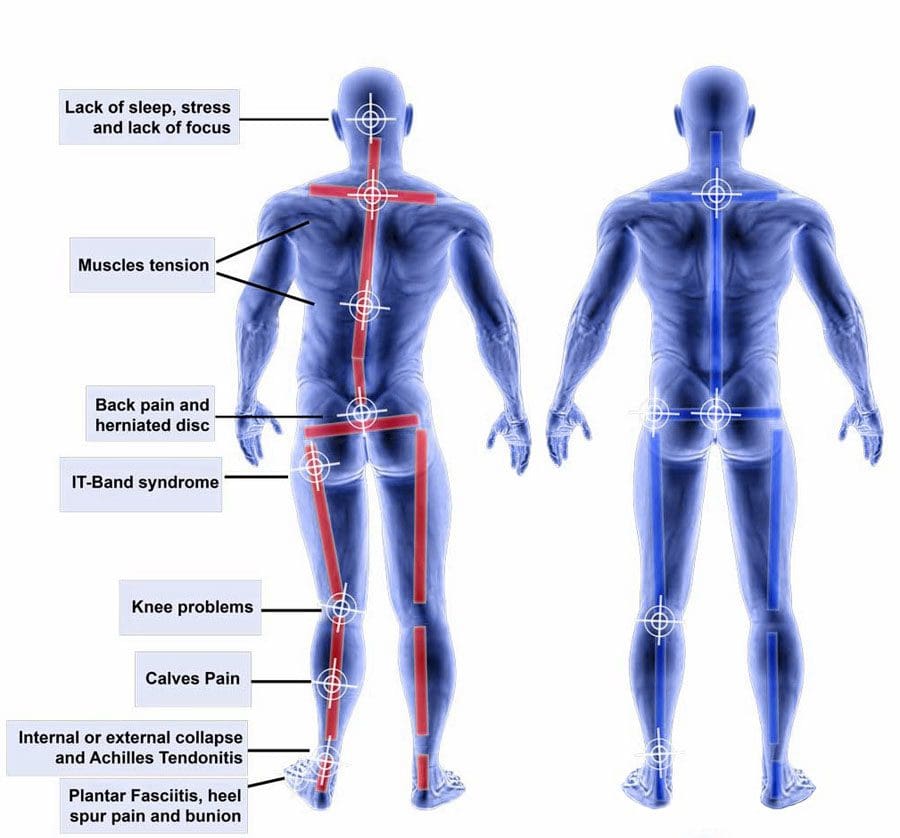
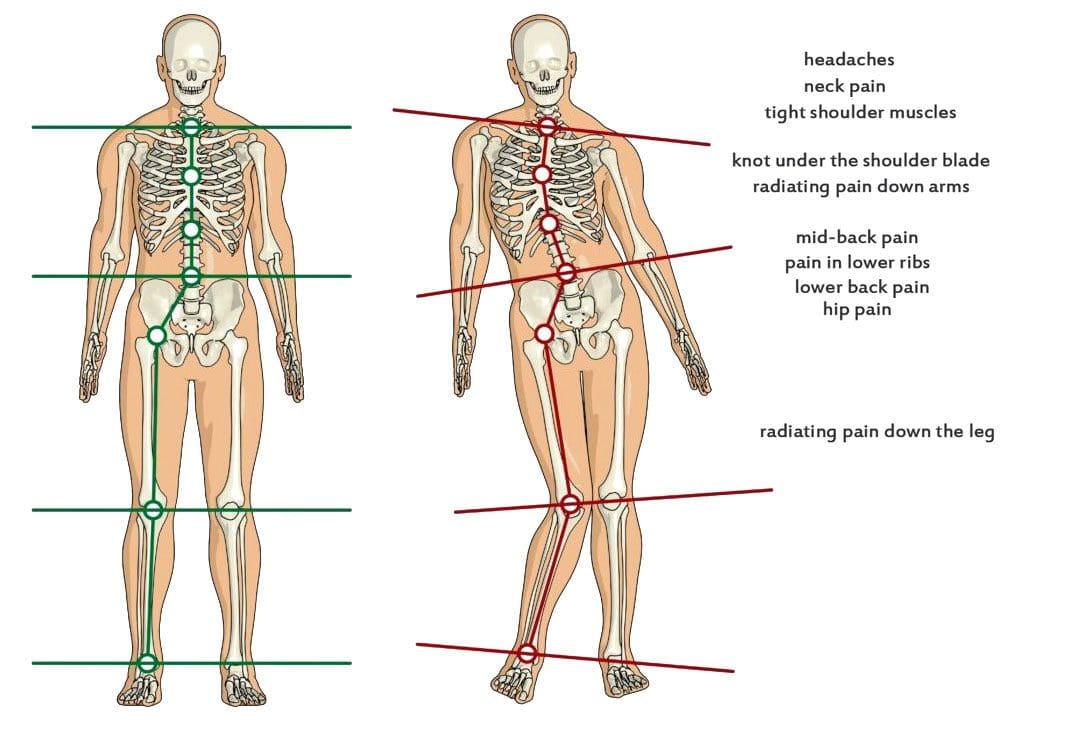
Improper footwear could be the cause of lower back pain. What impacts the bones at the bottom of the neuromusculoskeletal system radiates upward and affects the spine and back muscles. What footwear is used travels upward, impacting gait, posture, spinal alignment, and more. When back problems originate from the feet, these are biomechanical issues. Biomechanics means how the bones, joints, and muscles work together and how changes in external forces impact the body.
Movement
When the feet impact the ground, they are the first extremities to absorb shock for the rest of the body. Individuals will start to walk differently if they have a problem or change in their feet. Wearing shoes with improper support can increase the wear and tear on the muscles and joints, leading to awkward and unnatural movement. For example, consider the difference between standing on tiptoes in high heels and the natural flat-footed state. Well-cushioned shoes help absorb impact and lessen pain sensations. The pressures on each of the joints shift balance, which causes instability problems with less pressure on some and more on others. This creates an imbalance that leads to pain and joint conditions.
Posture
Maintaining a healthy posture is another factor in preventing or alleviating back pain. With the right footwear, the body can maintain a healthier stance and the right curvature throughout the spine, and it helps distribute the weight evenly. This results in decreased stress on ligaments, muscles, and joints. (Harvard Health Publishing. 2014) It’s recommended to see an orthopedist to get to the root of an individual’s condition. For some, a herniated disc, sciatica, automobile collision, fall, unhealthy ergonomics, or a combination, as well as other underlying issues, may be contributing to their back pain.
Shoe Types and Their Impact on The Back
How various shoes impact posture, potentially causing or relieving back pain.
High Heels
High heels can definitely contribute to back pain. They change body posture, causing a domino effect on the spine. The body’s weight is shifted to increase pressure on the balls of the feet, and the spine’s alignment becomes altered. High heels also affect how the ankles, knees, and hips move when walking, balance, and how the back muscles operate, all of which can worsen back pain.
Flat Shoes
Flat shoes may not be the best choice for spinal health. If they lack arch support, they can cause the foot to roll inward, known as pronation. This can contribute to misalignment, which can strain the knees, hips, and lower back. However, they can be a decent choice if they provide arch support. When wearing flat shoes with healthy support, the weight is distributed evenly on the feet and the spine. This helps maintain correct posture, which can help prevent and/or alleviate back pain.
Sneakers, Tennis, and Athletic Shoes
Sneakers, tennis, and athletic shoes can relieve back pain with thorough cushioning and support. Choosing the right ones involves determining the activity that will be done in them. There are tennis, running, basketball, pickleball, skating shoes, and more. Research what features will be needed for the sport or activity. This could include:
Heel cups
Insole cushioning
Wide base
Other features to meet individual foot needs.
It is recommended that athletic shoes be changed every 300 to 500 miles of walking or running or with any signs of unevenness when placed on a flat surface, as worn-out soles and degraded materials can increase the risk of injury and back pain. (American Academy of Podiatric Sports Medicine, 2024). If a certain pair puts the legs, hips, or ankles into an unnatural position or impedes regular movement, it may be time to replace them.
Choosing the Right Shoes
The ideal solution for choosing shoe wear is to get a gait analysis and a review of how you walk and run. Various healthcare professionals may offer this service to tailor each individual’s search for the right shoes for back pain. In gait analysis, individuals are asked to run and walk, sometimes on camera, while a professional notes physical tendencies, like when the foot hits the ground and whether it rolls inward or outward. This provides data on affected posture, movement, pain levels, how much arch support is needed, and what type to wear to help prevent back pain. Once the analysis is complete, it will guide you on what to look for, such as what level of arch support, heel height, or material is best for you.
Injury Medical Chiropractic and Functional Medicine Clinic specializes in progressive, cutting-edge therapies and functional rehabilitation procedures focused on clinical physiology, total health, practical strength training, and complete conditioning. We focus on restoring normal body functions after trauma and soft tissue injuries. We use Specialized Chiropractic Protocols, Wellness Programs, Functional and integrative Nutrition, Agility and mobility Fitness Training, and Rehabilitation Systems for all ages. Our programs are natural and use the body’s ability to achieve specific measured goals rather than introducing harmful chemicals, controversial hormone replacement, unwanted surgeries, or addictive drugs. We have teamed up with the city’s premier doctors, therapists, and trainers to provide high-quality treatments that empower our patients to maintain the healthiest way of living and live a functional life with more energy, a positive attitude, better sleep, and less pain.
Benefits of Using Custom Foot Orthotics
References
Centers for Disease Control and Prevention. (2019). Back, lower limb, and upper limb pain among U.S. adults, 2019. Retrieved from https://www.cdc.gov/nchs/products/databriefs/db415.htm
Harvard Health Publishing. (2014). Posture and back health. Harvard Health Education. https://www.health.harvard.edu/pain/posture-and-back-health
American Academy of Podiatric Sports Medicine. Ayne Furman, D. F., AAPSM. (2024). How do I know when it is time to replace my athletic shoes?
Can improving breathing patterns help further fitness and optimize overall health for individuals who walk for exercise?
Improve Breathing and Walking
Exercising is a moment in which breathing can quicken and become labored if not done correctly. There is a proper way to breathe when exercising, especially when walking or speed walking. Breathing incorrectly causes rapid fatigue and exhaustion. Controlling the flow of one’s breath improves endurance and cardiovascular health, and it can also amplify metabolism, mood, and energy levels. (Hsiu-Chin Teng et al., 2018) Known as diaphragmatic breathing, it is used for those with reduced lung capacity, like individuals with chronic obstructive pulmonary disease/COPD. The practice improves lung capacity and is a recommended way to help relieve stress.
Physiology
During exercise, the oxygen inhaled converts the calories consumed into energy that fuels the body. This process is referred to as metabolism.
When the oxygen supply exceeds the body’s oxygen needs, the body is in an aerobic state. This means there is plenty of oxygen to fuel physical activity/exercise as there are calories to burn.
If the oxygen supply falls short of the body’s oxygen needs, the body falls into an anaerobic state.
Deprived of oxygen, the body turns to stored fuel in the muscles, known as glycogen.
This delivers a powerful burst of energy, but the fuel is quickly spent and fatigue and exhaustion soon follow.
Increasing airflow in and out of the lungs can prevent early exhaustion and help the body burn calories more effectively. (Your lungs and exercise. Breathe 2016)
Improved Breathing Benefits
Optimal breathing starts in infancy. When a baby breathes, their belly rises and falls. This facilitates respiration by pushing and pulling the diaphragm – the muscle that separates the lungs and abdominal cavity. When the baby inhales, the belly extends, pulling the diaphragm downward and allowing the lungs to fill with air. When the baby exhales, the belly draws in, pressing the diaphragm upward and forcing air out. As the body ages and the capacity of the lungs increases, individuals shift from belly-breathing to chest-breathing. Chest breathing involves the chest wall muscles with little use of the diaphragm. Chest breathing usually provides enough air for everyday activity but does not fill the lungs.
This is why individuals resort to mouth-breathing or gasping when the oxygen supply is limited. Even those in decent physical shape may be inadvertently undermining efforts by sucking in their stomach to look thinner, depriving themselves of complete inhalations and exhalations. To overcome this, individuals need to re-train their bodies to activate the abdominal muscles when walking. Belly or diaphragmatic breathing can extend the duration of exercise while strengthening the core muscles. (Nelson, Nicole 2012) By increasing core stability, individuals can better support the spine and maintain a healthy posture when walking. This stabilizes the hips, knees, upper back, and shoulders, making the body less prone to strain, instability, and fatigue from unhealthy posture. (Tomas K. Tong et al., 2014)
Breathing Correctly
The inhalation draws the belly out, pulls the diaphragm down, and inflates the lungs. Simultaneously, it extends the ribcage and lengthens the lower spine. This forces the shoulders and collarbone backward, further opening the chest. Exhaling does the reverse.
Walking
Start by inhaling and exhaling through the nose, ensuring that the inhalation duration matches the exhalation duration. When picking up the pace, individuals can resort to mouth-breathing, maintaining the same inhalation/exhalation rhythm. At no time should breathing be held in. Learning diaphragmatic breathing takes time, but the following steps can be a starting point:
Inhale by inflating the belly fully on a count of five.
Allow the lungs to fill, drawing the shoulders back as this happens.
Exhale by pulling the belly button toward the spine on a count of five.
Use the diaphragm to press the air out of the lungs, keeping the spine erect.
Repeat.
If unable to maintain a count of five, individuals can shorten the count or slow the pace of the walk. Individuals in good shape may be able to extend the count. Initially, diaphragmatic breathing may not come naturally, but it will become automatic with practice. Stop and place the hands over the head if short of breath when walking. Breathe in and out deeply and evenly until breathing returns to normal.
Unlocking Wellness
References
Teng, H. C., Yeh, M. L., & Wang, M. H. (2018). Walking with controlled breathing improves exercise tolerance, anxiety, and quality of life in heart failure patients: A randomized controlled trial. European journal of cardiovascular nursing, 17(8), 717–727. https://doi.org/10.1177/1474515118778453
Your lungs and exercise. (2016). Breathe (Sheffield, England), 12(1), 97–100. https://doi.org/10.1183/20734735.ELF121
Tong, T. K., Wu, S., Nie, J., Baker, J. S., & Lin, H. (2014). The occurrence of core muscle fatigue during high-intensity running exercise and its limitation to performance: the role of respiratory work. Journal of sports science & medicine, 13(2), 244–251.
Nelson, Nicole MS, LMT. (2012). Diaphragmatic Breathing: The Foundation of Core Stability. Strength and Conditioning Journal 34(5):p 34-40, October 2012. | DOI: 10.1519/SSC.0b013e31826ddc07
For individuals training for long distance walking marathons and/or events, can focusing on building a walking foundation, then increasing mileage progressively help condition the body for overall readiness?
Long Distance Walking Training
Training helps individuals be comfortable and safe for long-distance walking and events.
Training should focus on building a walking pace and increasing mileage gradually.
Individuals need endurance, not speed, and want to build mental stamina for walking for hours at a steady pace.
To reduce the risk of training injuries, increasing the total mileage per week/the distance of the longest walk per week to no more than 10% is recommended.
Individuals should also train to wear the gear worn during long-distance walks.
Training could last a few months.
Being methodical allows the body time to repair and build new muscle, blood supplies, and endurance.
Example Training Plans
Following a marathon training plan for mileage building and determining the proper hydration, nutrition, and gear for multi-day walks and treks is recommended. However, individuals must build back-to-back long days into their training sessions to assess any issues or problems resulting from walking long distances on back-to-back days.
Example Walking Training Plans
Multi-Day Walks/Treks Training Schedule
13 miles per day/21 kilometers
Use this plan for marathons or other multi-day walks with hills and natural surfaces requiring a backpack.
Training to Walk a Marathon
26.2 miles/42 kilometers
This will condition the body to go longer distances.
When training for distances of 31 to 100 miles/50 to 161 kilometers, the longest distance to train should not need to exceed 20 to 25 miles,
These should be performed at least twice two months before the marathon or event.
Taper down the month before the event to a 12.4-mile/20-kilometer distance.
Gear
All clothing, shoes, sunscreen, backpacks, etc., must be tested on the longer training days before the event.
Given the climate and terrain, plan for what will be needed and removed.
Try things out, as individuals don’t want to be surprised with something unfamiliar at the event. From head to toe, test the gear, including:
Shoes/boots, socks, underwear, bra, shirt, pants, hat, jacket, and rain gear.
Choose shoes or walking boots and wear them on long training days to break them in and ensure they perform.
Backpacks should be tested on longer training days to ensure they can be carried comfortably over long distances and have the necessary capacity.
Choose wicking fabrics that allow the skin to breathe and cool, especially under layers. (Justin De Sousa et al., 2014)
Individuals will want to wear gear similar to marathon walkers if the walk will mostly be on pavement or asphalt.
Individuals can modify their gear if the route is off-road or during different seasons. Find out what other long-distance walkers have worn on the same route or event.
Individuals can connect with fellow walkers via social media or find answers to frequently asked questions on the event’s or destination’s website.
Individuals can also contact the event director via the website or social media.
Nutrition
Proper sports nutrition will prepare the body for endurance activity.
For example, individuals are recommended to follow a diet comprising 70% carbohydrates, 20% protein, and 10% fat.
Avoid high-protein diets, as they can cause hydration problems and strain your kidneys under endurance walking conditions. (Marta Cuenca-Sánchez et al., 2015)
Train with the water, sports drinks, food, and snacks taken to the event, and do not deviate from them during the event.
Water is needed for 20 kilometers and under events, but an electrolyte replacement sports drink may be better for longer walks.
Diluting or leaving out some sugar can be easier on the stomach.
Have snacks pre-packaged and labeled for the times to be eaten.
Individuals need to eat fat and protein for ultramarathon distances – this can come from trail mix, peanut butter sandwiches, and chocolate bars with nuts.
Carbohydrates can be provided by sports gels or energy bars.
It is recommended to avoid products made for short distances and power sports as they can cause digestive problems when walking longer distances.
Planning a Walk
Planning begins by setting goals. Considerations include:
Time of year
Distance
Transportation to the event
Event pace requirements
Altitude and hill profile
Climate
Individuals are recommended to:
Prepare by researching routes and trails.
Study the course maps to know what services are provided along the way and what individuals must bring.
Walk a long distance without a supporting event.
Contact individuals who have walked the course.
Know the terrain and areas of total sun, hills, pavement, natural trails, and shade.
If possible, drive the course to become familiar with it.
Individuals may be able to find apps designed for their route.
Taking Breaks and Resting
Regular breaks should be short – using the bathroom, eating a snack, rehydrating, tying shoes, or bandaging blisters.
The body can stiffen up quickly during breaks and take several minutes to regain walking pace after a long break.
Recommendations could be taking a walking break instead, which means continuing to walk but at a very slow pace.
Foot Care
Individuals will have found what works for them concerning shoes, boots, socks, etc., on the long training days to prevent blisters and injuries. It is recommended to try different strategies, which include:
Sports tape
Blister block pads
Sprays
Lubricants
Wicking and/or double-layered socks
Moleskin
Stop at the first sign of irritation along the walk and doctor the foot with tape, blister bandages, or whatever method works best.
The body was built for walking. Planning and training properly before taking a long-distance or multi-day walk will ensure a safe and enjoyable marathon.
Move Better, Live Better
References
De Sousa, J., Cheatham, C., & Wittbrodt, M. (2014). The effects of a moisture-wicking fabric shirt on the physiological and perceptual responses during acute exercise in the heat. Applied ergonomics, 45(6), 1447–1453. https://doi.org/10.1016/j.apergo.2014.04.006
Cuenca-Sánchez, M., Navas-Carrillo, D., & Orenes-Piñero, E. (2015). Controversies surrounding high-protein diet intake: satiating effect and kidney and bone health. Advances in nutrition (Bethesda, Md.), 6(3), 260–266. https://doi.org/10.3945/an.114.007716
IFM's Find A Practitioner tool is the largest referral network in Functional Medicine, created to help patients locate Functional Medicine practitioners anywhere in the world. IFM Certified Practitioners are listed first in the search results, given their extensive education in Functional Medicine

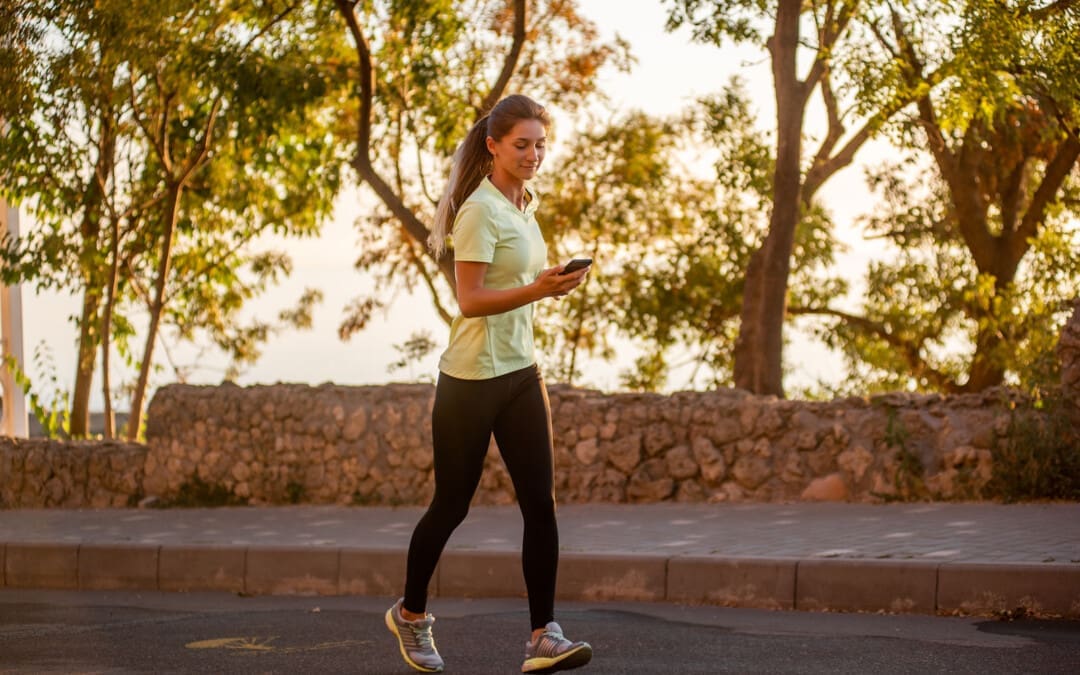

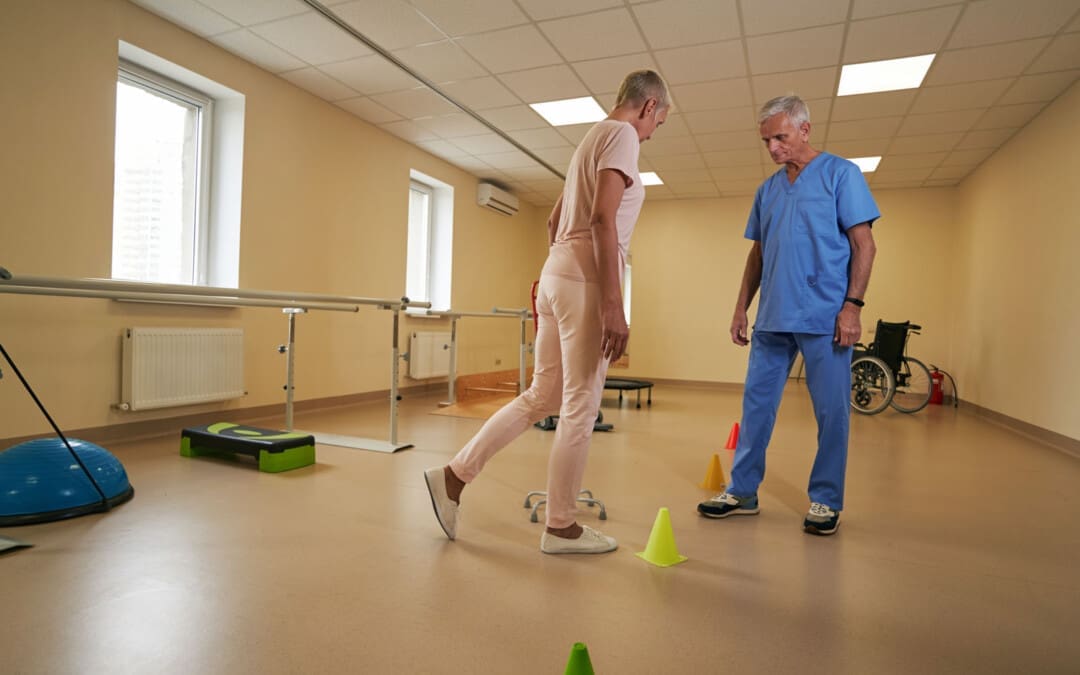

 Shoe Types and Their Impact on The Back