Can incorporating natural probiotic foods help improve many people’s gut health and restore functionality to their bodies?
Introduction
Many people trying a healthier lifestyle will start incorporating more nutritious options to ensure the body and the gut get the necessary nutrients. When it comes to gut health, many people will begin to notice how they have more energy and will also start to see how different foods can affect their health. The gastrointestinal system plays a huge role in many people’s health and wellness and is associated with many environmental factors that can impact the body. When that happens, many people can incorporate probiotics to help with gut health. In today’s article, we will dive into how gut health impacts the body, how probiotics improve gut health, and how people can incorporate probiotic-rich foods into their diet. We discuss with certified medical providers who inform our patients how incorporating probiotics can help improve gut health. While asking informed questions to our associated medical providers, we advise patients to include foods rich in probiotics to reduce overlapping risk profiles affecting the gut. Dr. Alex Jimenez, D.C., encompasses this information as an academic service. Disclaimer.
How Gut Health Impacts The Body
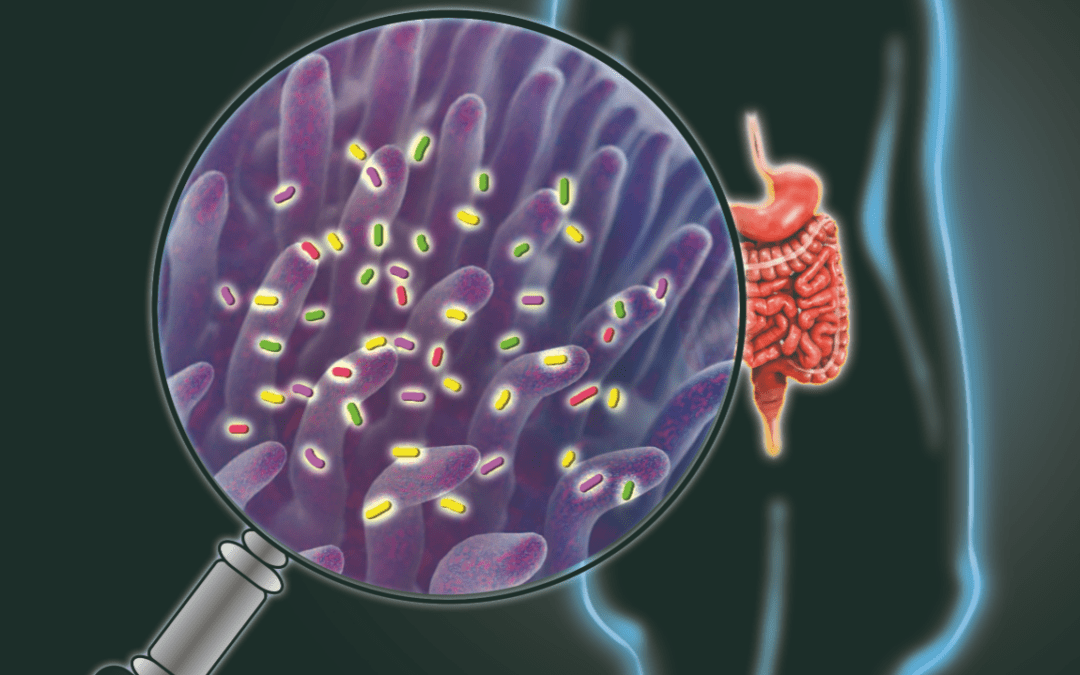
Do you feel sluggish and full constantly after a heavy meal? Do you notice red imperfections in your skin after eating a certain food item? Or have you experienced constant cold and flu symptoms impacting your daily routine? Many do not realize that the overlapping risk profile scenarios affecting their bodies correlate with the gut system. The gut system is the second brain in the human body and can also be impacted by pathogens and environmental factors. The gastrointestinal (GI) tract is home to abundant microorganisms that form an intricate and mutual relationship that benefits the body. (Thursby & Juge, 2017) Inside the GI tract, numerous bacteria help with food digestion and transport the nutrients to different body areas. When the gut system deals with alterations in its microbial communities, it can negatively impact the functional structures of the gut’s composition and function. (Yoon & Yoon, 2018)
This means that when bad bacteria are abundant in the gut system, it can cause the body to be dysfunctional and, over time, can develop chronic issues like inflammation and gut dysbiosis. Environmental factors like stress, poor dieting, and physical inactivity can impact the gut. They can be potentially harmful through these abnormal chances, causing the bad bacteria to overflow the good bacteria, allowing the immune system to attack the gut system. (Zhang et al., 2015) When this happens, many people start to feel symptoms of pain and discomfort in their bodies and start looking for ways to reduce these pain-like symptoms while improving their gut health.
Balance Body & Metabolism- Video
How Probiotics Improve Gut Health
When it comes to reducing pain-like symptoms in the body, it is also important to improve gut health. One way to improve gut health is by incorporating probiotics into a healthy diet. Probiotics have beneficial organisms that can provide helpful properties by stimulating the growth and activities of good bacteria in the gut. (Li et al., 2021) Probiotics can help line the gut while boosting the immune system, allowing the GI tract to absorb the nutrients a person eats. At the same time, different strains of probiotics can impact the gut barrier, the immune system, and cognitive function in the body. (Wieers et al., 2019) Additionally, many people can incorporate probiotic-rich foods into their diet.
Probiotic-Rich Foods To Try
There are some benefits when it comes to incorporating probiotic-rich foods into a diet, as probiotics play a role in hosting innate and adaptive immune responses, which occur mainly on the surface of the intestinal barrier. (Mazziotta et al., 2023) Some of the benefits of consuming probiotic-rich foods include:
Restoring the natural balance of gut bacteria
Strengthening immune system
Reduces cholesterol levels
Heals Leaky gut
Some the foods like kefir, yogurt, sauerkraut, miso, and kimchi are great examples of probiotic-rich foods as they can be incorporated into any healthy diet and can help produce a higher abundance of health-promoting bacteria to increase gut microbiome diversity and enhance a person’s activity levels. (Jager et al., 2019) When people start incorporating probiotics into their health and wellness journey, they will notice that their energy levels are maintained during their daily activities and that their gut health is optimal. As stated earlier, the gut is known as the second brain in the body, so when pathogens and environmental factors start to cause issues to the gut, the body feels it. But if probiotics are introduced to the gut, the gut and body are happy.
References
Jager, R., Mohr, A. E., Carpenter, K. C., Kerksick, C. M., Purpura, M., Moussa, A., Townsend, J. R., Lamprecht, M., West, N. P., Black, K., Gleeson, M., Pyne, D. B., Wells, S. D., Arent, S. M., Smith-Ryan, A. E., Kreider, R. B., Campbell, B. I., Bannock, L., Scheiman, J.,…Antonio, J. (2019). International Society of Sports Nutrition Position Stand: Probiotics. J Int Soc Sports Nutr, 16(1), 62. https://doi.org/10.1186/s12970-019-0329-0
Li, H. Y., Zhou, D. D., Gan, R. Y., Huang, S. Y., Zhao, C. N., Shang, A., Xu, X. Y., & Li, H. B. (2021). Effects and Mechanisms of Probiotics, Prebiotics, Synbiotics, and Postbiotics on Metabolic Diseases Targeting Gut Microbiota: A Narrative Review. Nutrients, 13(9). https://doi.org/10.3390/nu13093211
Mazziotta, C., Tognon, M., Martini, F., Torreggiani, E., & Rotondo, J. C. (2023). Probiotics Mechanism of Action on Immune Cells and Beneficial Effects on Human Health. Cells, 12(1). https://doi.org/10.3390/cells12010184
Thursby, E., & Juge, N. (2017). Introduction to the human gut microbiota. Biochem J, 474(11), 1823-1836. https://doi.org/10.1042/BCJ20160510
Wieers, G., Belkhir, L., Enaud, R., Leclercq, S., Philippart de Foy, J. M., Dequenne, I., de Timary, P., & Cani, P. D. (2019). How Probiotics Affect the Microbiota. Front Cell Infect Microbiol, 9, 454. https://doi.org/10.3389/fcimb.2019.00454
Zhang, Y. J., Li, S., Gan, R. Y., Zhou, T., Xu, D. P., & Li, H. B. (2015). Impacts of gut bacteria on human health and diseases. Int J Mol Sci, 16(4), 7493-7519. https://doi.org/10.3390/ijms16047493
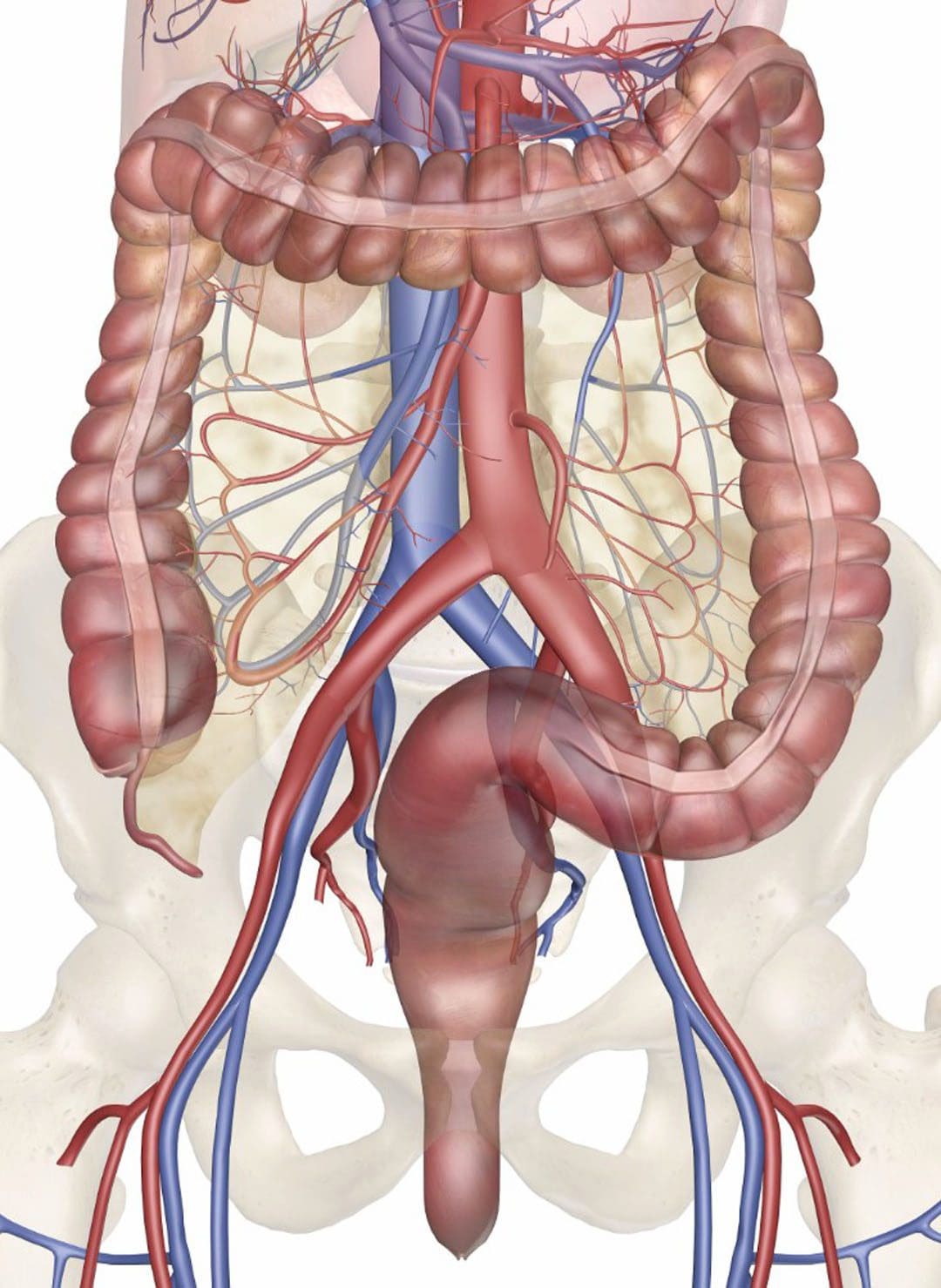
Constipation is a leading cause of low back pain in America and can cause a chain reaction in the rest of the body. When the digestional tract swells, it generates added stress on the back and surrounding nerves. Prolonged constipation and pressure can cause sciatica symptoms. Constipation sciatica can be relieved through chiropractic treatment, therapeutic massage, non-surgical spinal decompression, and functional medicine to alleviate symptoms and restore optimal body function.
Constipation Sciatica
Sciatica is irritation, compression, and inflammation of the sciatic nerve, which supplies the thighs, lower legs, and feet. It is usually caused by a pinched/compressed of one or more spinal nerve roots between the vertebrae of the lower back. The buildup of stool in the intestines can cause a dull aching sensation in the low back that can radiate to surrounding areas. Common causes of constipation include:
Bowel movements vary for everyone, and not having a movement daily does not mean constipation is occurring. Some individuals have only three movements a week, while others have multiple movements daily. A recommended indicator of constipation is if there has been a sudden decrease in typical bowel movements. The digestive tract occupies a significant region of the lower torso. Back pain symptoms can present after the rectum becomes obstructed or stools have solidified in the colon. Once constipation has developed, the blockage presses against the nerves and muscles of the back. This causes a range of discomfort signaling by the brain, which worsens as the backup grows. Symptoms of general constipation include:
Feeling full despite not eating anything.
Bloating.
Swelling.
Abdominal cramping.
Infrequent bowel movements.
Discomfort or aching when trying to pass a stool.
Hard and/or lumpy stool.
Constipation is considered chronic when two or more of the following symptoms occur for at least three months:
Further decreased bowel movements.
Straining to defecate.
Stools do not loosen without the use of laxatives.
Passage of hard pebble/pellet stools.
Consistent abdominal pain that is relieved by even slight movement.
Feeling as if the bowels are not fully emptied or a blockage in the rectum.
Feeling the need to assist the release by pressing on the abdomen.
Chiropractic Treatment
Chiropractic treatment can realign the spine, release compressed nerves, increase the frequency of bowel movements, and through the massage and relaxation of the muscles, help to soften stools. Intestinal muscles push the stool to the anus, where it leaves/evacuates the body. Special nerve cells in the intestine, known as ganglion cells,innervate the muscles to push. These nerves connect to the celiac ganglion, which connects to the spinal cord through nerve roots that exit the spine in the lower thoracic and upper lumbar region. The celiac ganglion innervates the liver, stomach, gallbladder, spleen, kidneys, small intestine, and the ascending and transverse colon. Treatment for constipation and back pain depends on the cause of the symptoms. For example, if the constipation is caused by dehydration, a chiropractor will instruct the patient on water intake as part of the personalized treatment plan.
Diagnosis to Recovery
References
Fernandes, Walkyria Vilas Boas, et al. “The effect of a six-week osteopathic visceral manipulation in patients with non-specific chronic low back pain and functional constipation: study protocol for a randomized controlled trial.” Trials vol. 19,1 151. 2 Mar. 2018, doi:10.1186/s13063-018-2532-8
Panarese, Alba, et al. “Chronic functional constipation is strongly linked to vitamin D deficiency.” World journal of gastroenterology vol. 25,14 (2019): 1729-1740. doi:10.3748/wjg.v25.i14.1729
Rédly, Monika. “The effects of chiropractic care on a patient with chronic constipation.” The Journal of the Canadian Chiropractic Association vol. 45,3 (2001): 185–191.
Trager, Robert James, et al. “Association between radicular low back pain and constipation: a retrospective cohort study using a real-world national database.” Pain reports vol. 6,3 e954. 26 Aug. 2021, doi:10.1097/PR9.0000000000000954
Inflammatory bowel disease, or IBD, causes inflammation of the digestive tract lining, which often involves the deeper layers. Gastrointestinal or GI problems of the stomach and intestines often include diarrhea, weight loss, rectal bleeding, fatigue, and back pain. The inflammation can reach the spine’s joints, causing stiffness, discomfort, and pain symptoms. Injury Medical Chiropractic and Functional Medicine Clinic can help manage symptoms and guide individuals on treatment options.
IBD Back Pain
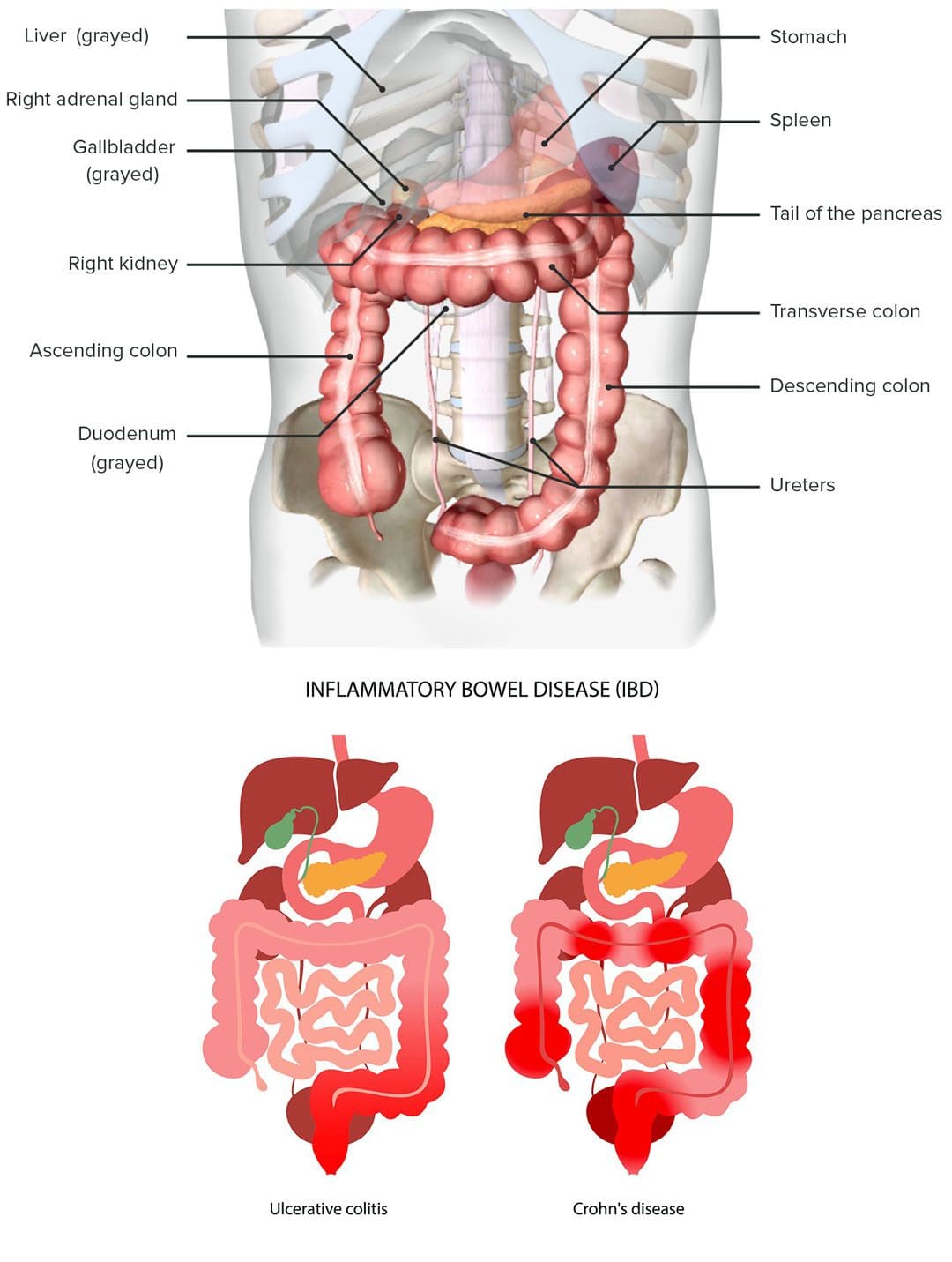
IBD is a set of conditions associated with chronic or intermittent inflammation of the gastrointestinal tract. It includes Crohn’s disease – CD and ulcerative colitis – UC. Although there are genetic components that predispose individuals to IBD, environmental factors appear to contribute the most. Research shows that IBD is likely related to disturbances in the gut’s flora, which include:
Other environmental factors associated with IBD include the long-term use of birth control pills and nonsteroidal anti-inflammatory drugs/NSAIDs. Research theorizes that as the gut becomes inflamed, its normal integrity and structure become compromised and begin to leak out, causing an immune system overreaction response. This can cause non-gastrointestinal symptoms that include:
IBD can cause low back pain as the IBD can inflame the spine’s joints, especially the sacrum, as well as cause abdominal cramps and rectal sensations that radiate to the low back area. However, irritation, inflammation, or infection of any central, abdominal, or pelvic organs can cause low back pain.
Diagnosis
Diagnosis requires a physical examination of the colon – a sigmoidoscopy or a colonoscopy is used.
Both procedures take a biopsy of the intestinal tissues, which is studied to determine the extent and degree of inflammation.
Depending on the circumstances, an X-ray could be used to show the depth or extent of the condition.
Chiropractic Management
A chiropractor can help individuals decrease or completely alleviate musculoskeletal symptoms by realigning the spine and pelvis and massaging, releasing, and relaxing the muscles, which increases circulation and soothes inflammation. The reason why chiropractic care can effectively treat IBD is its ability to stabilize the internal systems. When the central nervous system and immune system communicate and function properly, this prevents the immune system from attacking the body’s tissue cells, preventing inflammation. The chiropractic whole-body approach can also help with recommendations regarding lifestyle changes and nutritional anti-inflammatory modifications.
Ulcerative Colitis
References
Centers for Disease Control and Prevention. “What Is Inflammatory Bowel Disease (IBD)?” 2022, https://www.cdc.gov/ibd/what-is-IBD.htm
Danese S, Fiocchi C. Etiopathogenesis of inflammatory bowel diseases. World J Gastroenterol. 2006;12(30):4807-4812. doi:10.3748/wjg.v12.i30.4807
Limsrivilai, Julajak et al. “Systemic Inflammatory Responses in Ulcerative Colitis Patients and Clostridium difficile Infection.” Digestive diseases and sciences vol. 63,7 (2018): 1801-1810. doi:10.1007/s10620-018-5044-1
van Erp, S J et al. “classifying Back Pain and Peripheral Joint Complaints in Inflammatory Bowel Disease Patients: A Prospective Longitudinal Follow-up Study.” Journal of Crohn’s & colitis vol. 10,2 (2016): 166-75. doi:10.1093/ecco-jcc/jjv195
Zeitz, Jonas, et al. “Pain in IBD Patients: Very Frequent and Frequently Insufficiently Taken into Account.” PloS one vol. 11,6 e0156666. 22 Jun. 2016, doi:10.1371/journal.pone.0156666
Back pain after eating is often the result of conditions and/or disorders in other areas of the body that radiate to the back. These problems range from unhealthy posture, digestive issues, bowel problems, ulcers, allergies, etc. This is because the nerves of the back and the abdominal area run through areas of the spine. In addition to the classic symptoms like bloating and gas, individuals can develop symptoms beyond the gut, including sleep problems, fatigue, headaches, urinating problems, muscle aches, pelvic discomfort, and back pain. Chiropractic care and functional medicine can realign the body, alleviate symptoms, and restore function.
Back Discomfort
Back pain after eating can be linked to the body’s digestive process.
Individuals in this group can experience inflammation after consuming specific foods.
Inflammation could worsen existing back problems.
Individuals with food intolerance will have uncomfortable but usually not dangerous symptoms.
Individuals with food allergies can experience life-threatening allergic reactions.
Heartburn
Heartburn results from acid reflux, when stomach contents and acid flow back into the esophagus. Heartburn’s key symptom is a burning sensation in the chest. However, heartburn and indigestion do not directly cause back pain. But for individuals with back problems, heartburn can worsen back discomfort.
GERD
Gastroesophageal reflux disease, or GERD, could cause back pain in individuals with more than two weekly heartburn episodes.
The digestive system condition results from the chronic backflow of stomach acid.
Over time, the powerful acid can inflame the esophageal lining.
A stomach or esophageal ulcer can develop if GERD is not managed.
Pain could be felt in the lower to middle back around the stomach and lower intestines.
Ulcers
Ulcers can also result from a bacterial infection of Helicobacter pylori (or H. pylori).
Long-term use of nonsteroidal anti-inflammatory drugs (or NSAIDs) can also enable ulcer formation.
A peptic ulcer (or open sore) can develop on your stomach’s interior lining.
The small intestine’s upper portion can also be affected.
Peptic ulcers cause burning pain in the stomach. These flare-ups can worsen existing back problems and pain. Spicy foods and stress don’t cause peptic ulcers but can worsen their effects. In severe cases, a peptic ulcer can cause referred back pain felt in another location than where the pain originates. This means pain could be felt in the lower to middle back adjacent to the stomach and lower intestines.
Kidney Infection
Back pain could result from a bacterial kidney infection.
Kidney dysfunction infections, kidney stones, and chronic kidney diseases can be mistaken for general back and side pain.
Other symptoms can include chills, fever, nausea, and vomiting.
Pancreatitis
Pancreatitiscan develop if the pancreas becomes inflamed, brought on by excess alcohol consumption or gallstones. This definitely can cause back discomfort and pain.
Pancreatitis is the inflammation of the pancreas.
After eating, individuals can experience worsening abdominal pain that can refer to the back.
The body’s network of interconnecting sensory nerves causes the pain to be felt in other areas.
Most individuals will experience pain in the upper left or middle abdomen.
When individuals with celiac disease consume foods with gluten, the small intestine gets damaged, and their bodies cannot properly absorb the necessary nutrients.
Besides the back discomfort, there could be a burning sensation during urination or other urinary tract symptoms. Stools could be dark or black, a possible ulcer symptom. To reduce the chances of back discomfort after eating, avoid sugary, spicy, fatty foods or anything that triggers heartburn and reduce alcohol consumption. If you are experiencing frequent episodes of back pain after eating or the pain worsens, contact your physician, healthcare provider, or a chiropractor.
Hormonal Dysfunction In Men
References
Celiac Disease Foundation. (n.d.) “What is celiac disease?” https://celiac.org/about-celiac-disease/what-is-celiac-disease/
Mayo Clinic. (n.d.) “Celiac disease.” https://www.mayoclinic.org/diseases-conditions/celiac-disease/symptoms-causes/syc-20352220#:~:text=Celiac%20disease%2C%20sometimes%20called%20celiac,response%20in%20your%20small%20intestine
Pfizer. (April 25, 2022) “Heartburn, acid reflux, or GERD: what’s the difference?” https://www.pfizer.com/news/articles/heartburn_acid_reflux_or_gerd_what_s_the_difference#:~:text=The%20terms%20acid%20reflux%2C%20heartburn,meals%20or%20when%20lying%20down
Prairie Spine & Pain Institute. (n.d.) “What may cause back pain after eating: symptoms & prevention.” https://prairiespine.com/spine-care/5-things-that-may-cause-back-pain-after-eating-symptoms-and prevention/#:~:text=Exercises%20practiced%20in%20yoga%2C%20Pilates,chi%20may%20be%20particularly%20beneficial.&text=If%20a%20doctor%20cannot%20identify,ice%2C%20and%20taking%20pain%20relievers.
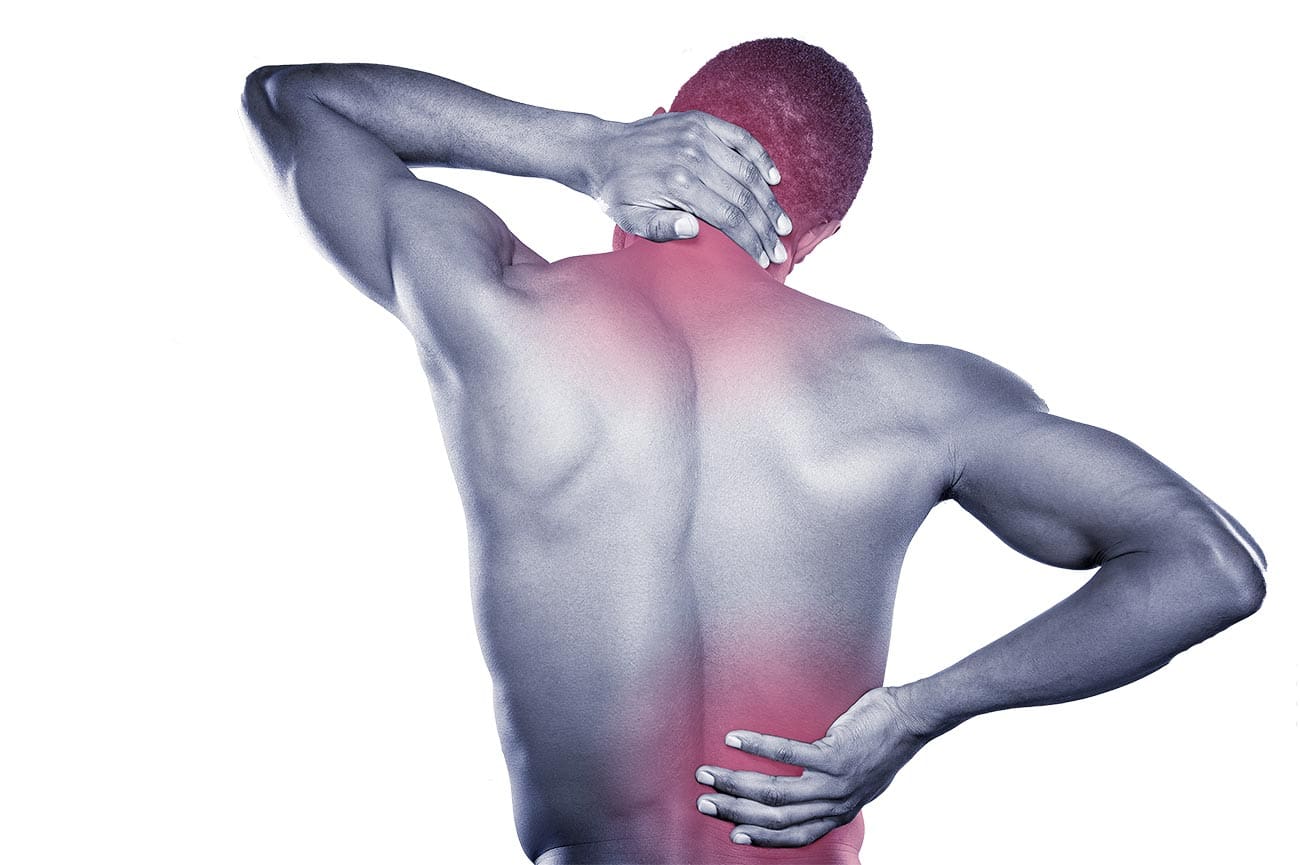
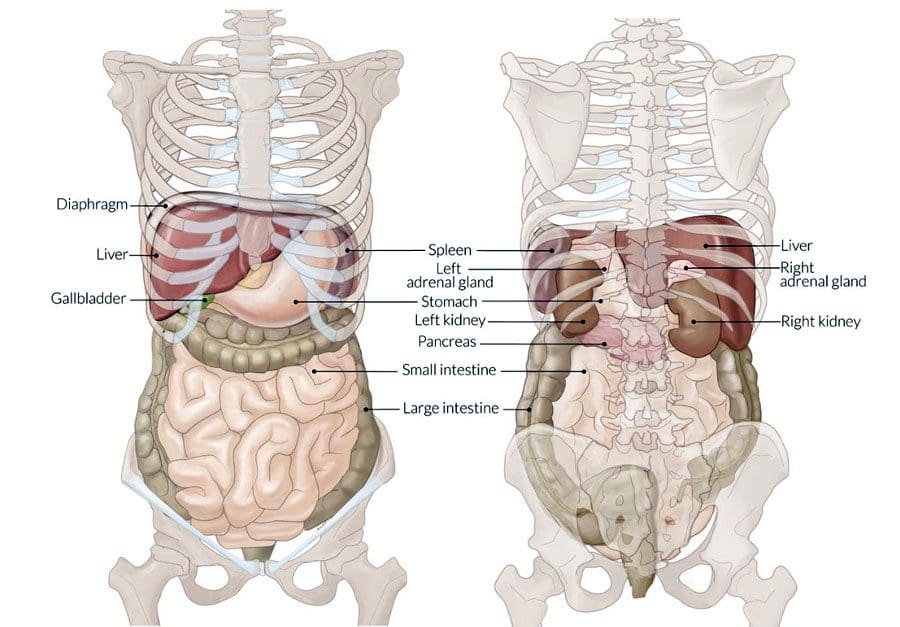
Back pain is one of the most common reasons individuals go to a doctor, massage therapist, physiotherapist, osteopath, and chiropractor. Various health conditions, some spine-related, others not, list back pain as a symptom. Many of these conditions begin in the stomach or abdominal cavity, which leads to stomach and back pain. Stomach and back pain happening simultaneously, independently, or in combination could be caused by gut problems, back issues, or something completely different. Understanding what causes these two types of pain simultaneously can help figure out a treatment plan.
Stomach Back Pain Causes
Problems in the abdominal cavity and stomach issues can cause back pain and vice versa. Symptoms can also include referred pain when the pain is felt in one part of the body but is caused by pain or injury in another area. Stomach back pain causes depend on the type of condition/s that can include:
Appendicitis
Inflammation in the appendix can cause sudden sharp pain in the abdomen.
It presents mostly in the lower right area of the abdomen but can appear in or spread to other sites, especially the back.
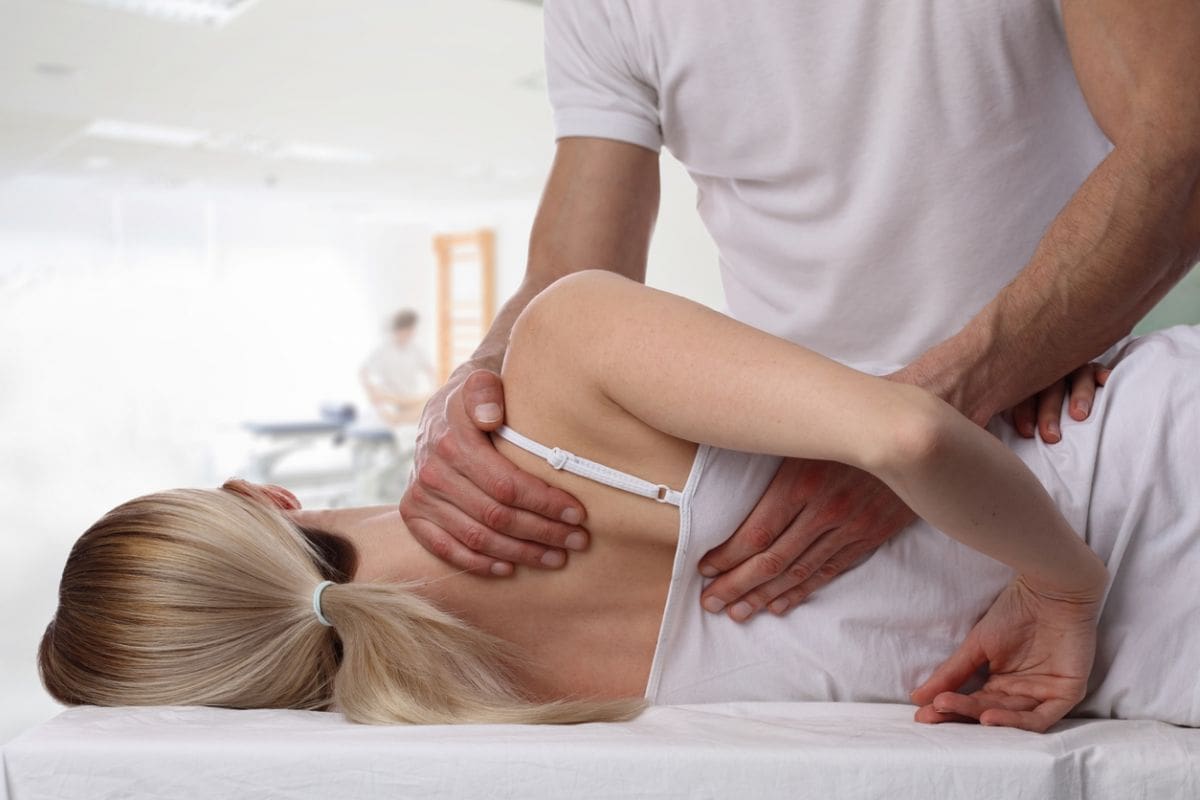
A chiropractic functional medicine team can work with an individual’s primary physician or specialist to develop a personalized treatment plan to alleviate back pain symptoms, re-balance the body, strengthen the musculoskeletal system and restore function.
Ford AC, Talley NJ. Chapter 122, Irritable Bowel Syndrome. Feldman M (ed.). Sleisenger and Fordtran’s Gastrointestinal and Liver Disease. 11th ed. Elsevier: 2021. 2008-2020. https://www.clinicalkey.com/#!/content/book/3-s2.0-B9780323609623001223?scrollTo=%23hl0001104
Inadomi JM, Bhattacharya R, Hwang JH, Ko C. Chapter 7, The Patient with Gas and Bloating. Yamada’s Handbook of Gastroenterology. 4th ed. John Wiley & Sons; 2019. https://doi.org/10.1002/9781119515777.ch7
Kliegman RM, St Geme JW, Blum NJ, et al. Chapter 378, Pancreatitis. Nelson Textbook of Pediatrics. 21st ed. Elsevier; 2020. 2074-2080. https://www.clinicalkey.com/#!/content/book/3-s2.0-B9780323529501003783
Krames E, Mousad DG. Spinal Cord Stimulation Reverses Pain and Diarrheal Episodes of Irritable Bowel Syndrome: A Case Report. Neuromodulation. 2004 Mar 22;7(2):82-88. https://doi.org/10.1111/j.1094-7159.2004.04011.x
Sifri CD, Madoff LC. Chapter 78, Appendicitis. Mandell, Douglas, and Bennett’s Principles and Practice of Infectious Diseases. 9th ed. Bennett JA (ed.). Elsevier; 2020. 1059-1063. https://www.clinicalkey.com/#!/content/book/3-s2.0-B9780323482554000783
Stephen Norman Sullivan, “Functional Abdominal Bloating with Distention,” International Scholarly Research Notices, vol. 2012, Article ID 721820, 5 pages, 2012. https://doi.org/10.5402/2012/721820
Wang DQH, Afdhal NH. Chapter 65, Gallstone Disease. Feldman M (ed.). Sleisenger and Fordtran’s Gastrointestinal and Liver Disease. 11th ed. Elsevier: 2021. 1016-1046. https://www.clinicalkey.com/#!/content/book/3-s2.0-B9780323609623000655?scrollTo=%23hl0001772
Weisman, Michael H et al. “Axial Pain and Arthritis in Diagnosed Inflammatory Bowel Disease: US National Health and Nutrition Examination Survey Data.” Mayo Clinic proceedings. Innovations, quality & outcomes vol. 6,5 443-449. 16 Sep. 2022, doi:10.1016/j.mayocpiqo.2022.04.007
Whorwell PJ. Chapter 13, Abdominal Bloating. Irritable Bowel Syndrome: Diagnosis and Clinical Management. Emmanuel A, Quigley EMM (eds.). John Wiley & Sons; 2013. https://doi.org/10.1002/9781118444689.ch13
Yarze JC, Friedman LS. Chapter 12, Chronic Abdominal Pain. Feldman M (ed.). Sleisenger and Fordtran’s Gastrointestinal and Liver Disease. 11th ed. Elsevier; 2021. 158-167. https://www.clinicalkey.com/#!/content/book/3-s2.0-B9780323609623000126?scrollTo=%23hl0000408
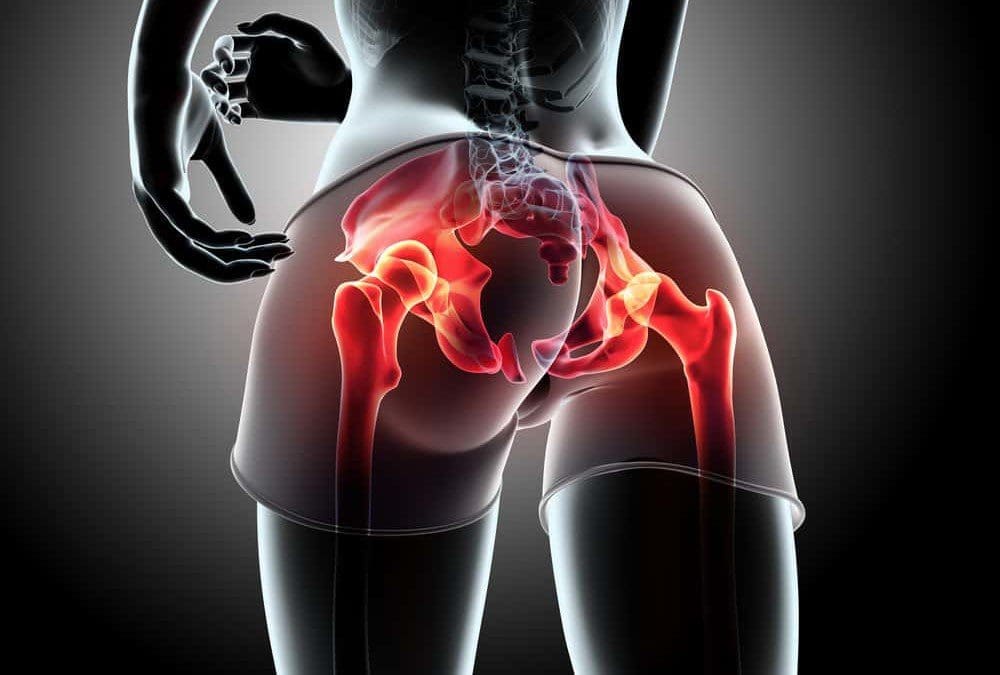
The muscles in our body help us be active when we want to be, rest and repair after activities, and continue to provide everyday movements that help keep the body functioning correctly. For athletes and the general population, physical training and eating healthy foods help deliver fuel to not only the internal organs but also help support the muscles, ligaments, and skeletal joints from injuries. As many individuals start to think about their health and wellness, many factors tend to pop up that can cause them to halt their health and wellness journey. Issues like stress, accidents, traumatic events, and lifestyle habits can affect the body and, over time, can become the risk of developing into chronic problems. An example would be where a person is experiencing hip pain associated with piriformis syndrome. Today’s article looks at piriformis syndrome, how it can cause more than hip pain, and how there are available treatments for piriformis syndrome. We refer patients to certified providers specializing in musculoskeletal therapies to help those with piriformis syndrome. We also guide our patients by referring to our associated medical providers based on their examination when it’s appropriate. We find that education is the solution to asking our providers insightful questions. Dr. Alex Jimenez DC provides this information as an educational service only. Disclaimer
What Is Piriformis Syndrome?
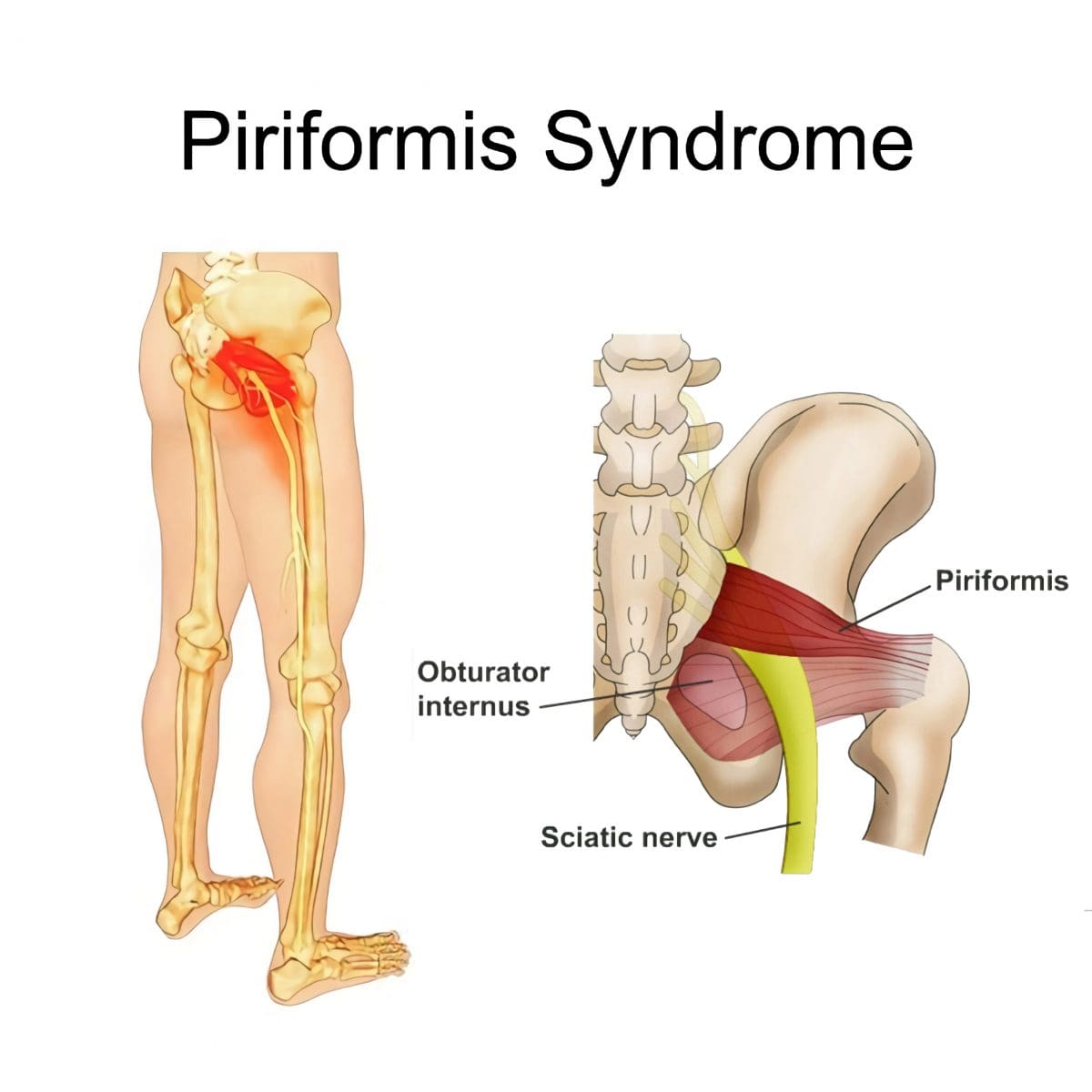
Have you been experiencing pain radiating from the buttock down to your legs? Does it hurt when you are sitting down? Or are you feeling tingling sensations and numbness on your butt and thighs? Some of these symptoms might be signs that you might be experiencing piriformis syndrome. Research studies have defined piriformis syndrome as a clinical condition where everyday stress affecting the body causes the piriformis muscle (the small muscle deep in the buttock region) to become tight and irritates the sciatic nerve. When that sciatic nerve becomes aggravated, it can become the risk of developing into sciatica. Many individuals don’t realize that the sciatic nerve also gets affected when their piriformis muscles in the buttock region become overused and tight through strenuous activities. This is due to the belief that any unusual traumatic abnormality in the piriformis muscle will be associated with sciatica symptoms. However, when a person is experiencing buttock pain that travels down the leg caused by the affected piriformis muscle, many will rule out some of the more common causes of sciatica like nerve root impingement triggered by disc herniation.
Surprisingly, three primary causing factors can be associated with piriformis syndrome. The first causing factor is myofascial trigger points may be the results of referred pain (pain or discomfort from another body location). The second causing factor is nerve entrapment against the greater sciatic foramen passing through the various piriformis muscles. And finally, the third causing factor is sacroiliac joint dysfunction due to piriformis muscle spasm. Studies reveal that the piriformis muscle helps stabilize the sacroiliac joint; when the small muscle starts to become irritated, it causes pain in the buttock region. But how does sacroiliac dysfunction relates to piriformis syndrome? Well, since low back pain is associated with sacroiliac dysfunction, the pain will often radiate down to the knee and the groin muscles while becoming a risk of developing piriformis syndrome.
Piriformis Syndrome Causes More Than Hip Pain?
Due to its broad size in the greater sciatic foramen, the piriformis muscle can become overused and tight, thus becoming piriformis syndrome. Piriformis syndrome can also become a risk to the numerous vessels and nerves that exit out in the pelvis region and may become compressed, causing more than just hip pain. Studies reveal that piriformis syndrome may be masquerading as ischiofemoral impingement triggering extra-articular hip pain by entrapping the quadratus femoris muscle causing groin pain. Another cause that piriformis syndrome is associated with is chronic pelvic pain. How does chronic pelvic pain correlate with piriformis syndrome? Chronic pelvic pain is a non-cyclic pain localized in the pelvis, potentially involving the surrounding muscles like the piriformis muscle supporting the irritated hip joint and pelvis region. Piriformis syndrome could also be an overlapping condition risk of developing other health issues like fibromyalgia in many people. Some conditions have common symptoms associated with piriformis syndrome, including:
Tingling sensations
Numbness
Muscle tenderness
Pain while sitting
Discomfort while exercising
The Difference Between Sciatica & Piriformis Syndrome-Video
Have you found it challenging to be comfortable while sitting down doing leisure activities? How about radiating pain that travels down your leg? Or do your hips feel tight and stiff? Experiencing these symptoms means that you might suffer from piriformis syndrome. The video above explains the difference between piriformis syndrome and sciatica. Studies reveal that piriformis syndrome is classically defined as sciatic pain; however, it is not sciatica. Sciatica is caused by compressed sciatic nerve due to herniated disc in the lumbar spine. In contrast, piriformis syndrome is caused when a traumatic injury or an underlying condition causes the piriformis muscle to spasm and aggravate the sciatic nerve. Various factors like prolonged sitting, repetitive movements that involve the legs, and even extensive stair climbing can cause the piriformis muscle to be easily damaged or injured, causing piriformis syndrome. Fortunately, there are ways to alleviate sciatic nerve pain and improve piriformis syndrome.
Treatments Available For Piriformis Syndrome
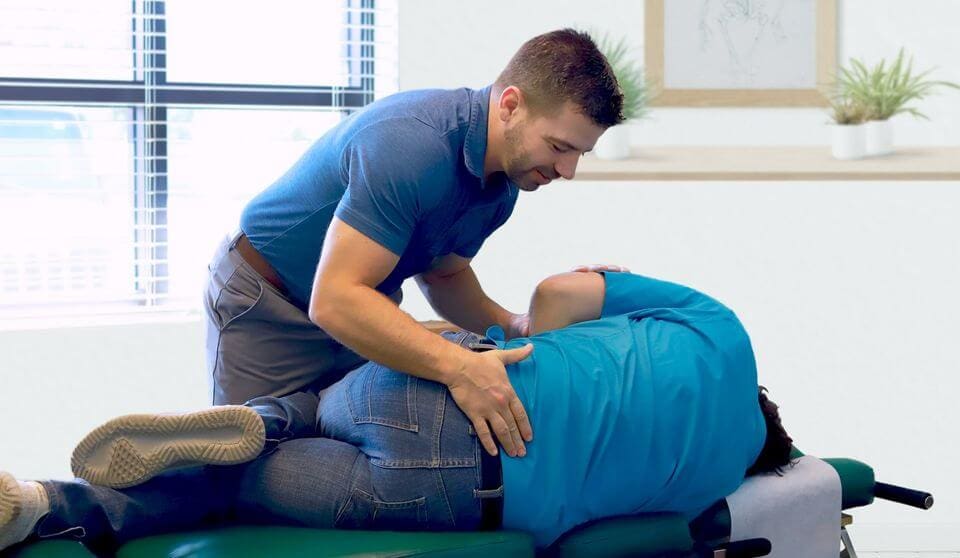
Many treatments are accessible to manage the pain and discomfort caused by piriformis syndrome for suffering individuals. Some people take over-the-counter medicine to decrease the pain, while others utilize a hot/cold pack on the affected area to relieve discomfort. The symptoms associated with piriformis syndrome usually go away without any additional treatment; however, if the pain or discomfort is still there, many people might benefit from alternative options for treatment, like chiropractic care, physical therapy, or even spinal decompression. Whether it is through gentle stretching, spinal manipulation, or decompression, these treatments are for anyone dealing with piriformis syndrome and its associated symptoms. Physical therapy can help decrease the painful symptoms associated with piriformis syndrome through gentle stretches that help return a person’s range of motion. Chiropractic care incorporates spinal adjustments and manual manipulations to treat various injuries or conditions. Spinal decompression uses traction to gently pull on the spine to release the aggravated nerve from causing pain. The relief can gradually restore a person’s natural health while managing its associated symptoms with various treatments available for individuals with piriformis syndrome.
Conclusion
Piriformis syndrome is a condition where everyday stress affects the piriformis muscle in the buttock region to become irritated and tight while aggravating the sciatic nerve. Many think traumatic abnormalities affecting their piriformis muscle will be associated with sciatica symptoms. However, sciatica is due to nerve root compression triggered by disc herniation. Piriformis syndrome is where that small muscle is overused from various factors that cause more than hip and butt pain. Some overlapping conditions associated with piriformis syndrome can become mediators for groin and pelvic pain. Fortunately, chiropractic care, physical therapy, and decompression can help restore the body gradually by managing piriformis syndrome and its associated symptoms.
References
Hicks, Brandon L., et al. “Piriformis Syndrome.” In: StatPearls [Internet]. Treasure Island (FL), StatPearls Publishing, 21 Apr. 2022, https://www.ncbi.nlm.nih.gov/books/NBK448172/.
Newman, David P, and Liang Zhou. “Piriformis Syndrome Masquerading as an Ischiofemoral Impingement.” Cureus, Cureus, 16 Sept. 2021, https://www.ncbi.nlm.nih.gov/pmc/articles/PMC8520408/.
Professionals, Northwest Medical. “Piriformis Syndrome/Sacroiliac Dysfunction.” Northwest Medical Center, 2021, https://nw-mc.com/piriformis-syndromesacroiliac-dysfunction/.
Ro, Tae Hoon, and Lance Edmonds. “Diagnosis and Management of Piriformis Syndrome: A Rare Anatomic Variant Analyzed by Magnetic Resonance Imaging.” Journal of Clinical Imaging Science, Medknow Publications & Media Pvt Ltd, 21 Feb. 2018, https://www.ncbi.nlm.nih.gov/pmc/articles/PMC5843966/.
Everyone has dealt with acute or chronic pain at some point in their lives. The body’s response tells many of us where the pain is located and can leave the body sore as the immune system begins to heal the affected area. When disorders like autoimmune diseases start to attack the body for no reason, then that is when chronic issues and disorders begin to overlap in risk profiles on other various problems that affect both the muscles and organs. Autoimmune diseases like fibromyalgia can affect a person’s body; however, they could be associated with different issues affecting the body. Today’s article looks at fibromyalgia, how it affects the musculoskeletal system, and how chiropractic care helps manage fibromyalgia in the body. We refer patients to certified providers specializing in musculoskeletal treatments to help those with fibromyalgia. We also guide our patients by referring to our associated medical providers based on their examination when it’s appropriate. We find that education is the solution to asking our providers insightful questions. Dr. Alex Jimenez DC provides this information as an educational service only. Disclaimer
What Is Fibromyalgia?
Have you experienced excruciating pain that is spread all over your body? Do you have trouble sleeping and feel exhausted every day? Do you experience brain fog or other cognitive disturbances? Many of these issues are signs and conditions of fibromyalgia. Fibromyalgia is defined as a chronic condition that is characterized by widespread musculoskeletal pain. Symptoms like fatigue, cognitive disturbances, and multiple somatic symptoms often overlap and accompany this disorder. Around two to eight percent of the world population suffers from fibromyalgia, and it affects women more than men. Sadly though, fibromyalgia is a challenge to diagnose, and the pain can last several months to years. Some of the main symptoms that fibromyalgia does to the body include:
Muscle and joint stiffness
General sensitivity
Insomnia
Cognitive dysfunction
Mood disorders
Fibromyalgia could also potentially be associated with specific diseases like diabetes, lupus, rheumatic diseases, and musculoskeletal disorders.
How Does It Affect The Musculoskeletal System?
The musculoskeletal system in the body has three muscle groups: skeletal, cardiac, and smooth muscles that provide different functions correlating how the body moves. Individuals with fibromyalgia will experience amplified painful sensations affecting their brain and spinal cord to process pain and nonpainful signals potentially associated with musculoskeletal disorders. The neural structures from the brain become hyper-reactive to any soft tissues close to the spine, known as segmental facilitation. These changes that occur to the soft tissues are called trigger points, and if situated in the muscles, they are referred to as “myofascial” trigger points. Studies reveal that the pathophysiology of musculoskeletal dysfunction can be considered secondary to central abnormalities of pain modulation associated with fibromyalgia.
An Overview Of Fibromyalgia-Video
Have you been experiencing excruciating pain in different areas of your body? Have you been constantly tired throughout the entire day? Or has your mood been dampened all of a sudden? These are the signs that you have fibromyalgia, and the video above gives an overview of what fibromyalgia is. Fibromyalgia is defined as a chronic disorder that is difficult to diagnose. Studies reveal that fibromyalgia is possible to be described as a cognitive disorder that triggers painful amplifications and sensory nociceptors that become hypersensitive. So what does this mean, and how is the nervous system affected by fibromyalgia? The nervous system has the central and peripheral systems. The peripheral system has a component known as the autonomic nervous system that regulates involuntary bodily functions. The autonomic system consists of two subsystems: the sympathetic and parasympathetic systems. For individuals with fibromyalgia, the sympathetic nervous system, which provides the “fight or flight” response, is constantly active, causing the parasympathetic nervous system, which provides the “rest and digest” response, to be inactive in the body. The good news is that individuals with fibromyalgia and its associated symptoms can find relief through treatment.
Chiropractic Care & Fibromyalgia
Even though there hasn’t been a cure for fibromyalgia yet, treatments are available to manage and improve the symptoms associated with fibromyalgia with chiropractic care. Chiropractic care can help relieve fibromyalgia pain by carefully correcting spinal misalignments or subluxations through spinal adjustments and manual manipulations of the body. Studies reveal that the effectiveness of chiropractic care for fibromyalgia patients helps improve their range of motion to the cervical and lumbar areas of the spine. Chiropractic care can help improve their flexibility, decrease their pain levels, and have better sleep quality. People diagnosed with fibromyalgia need to understand that many options for pain management don’t rely on medicines. Chiropractic care is gentle and non-invasive. It can be helpful for individuals that want to take control of their circumstances and have chiropractic therapy as a vital part of managing their well-being.
Conclusion
Fibromyalgia is a chronic disorder that affects the musculoskeletal system by causing stiffness in the muscles and joints, general sensitivity, and other chronic issues associated with this disorder. Individuals with fibromyalgia will describe their pain as unbearable due to the nerves in the sympathetic system being hyperactive and tender to the touch. Fortunately, treatments like chiropractic care can help relieve fibromyalgia pain through spinal adjustments and manual manipulations. Chiropractic care for individuals with fibromyalgia can help improve their range of motion and flexibility and decrease their pain levels without using medicines. Incorporating chiropractic care as a treatment for fibromyalgia can be vital in managing a person’s well-being.
References
Bhargava, Juhi, and John A Hurley. “Fibromyalgia – Statpearls – NCBI Bookshelf.” In: StatPearls [Internet]. Treasure Island (FL), StatPearls Publishing, 1 May 2022, https://www.ncbi.nlm.nih.gov/books/NBK540974/.
Blunt, K L, et al. “The Effectiveness of Chiropractic Management of Fibromyalgia Patients: A Pilot Study.” Journal of Manipulative and Physiological Therapeutics, U.S. National Library of Medicine, 1997, https://pubmed.ncbi.nlm.nih.gov/9272472/.
Geel, S E. “The Fibromyalgia Syndrome: Musculoskeletal Pathophysiology.” Seminars in Arthritis and Rheumatism, U.S. National Library of Medicine, Apr. 1994, https://pubmed.ncbi.nlm.nih.gov/8036524/.
Maugars, Yves, et al. “Fibromyalgia and Associated Disorders: From Pain to Chronic Suffering, from Subjective Hypersensitivity to Hypersensitivity Syndrome.” Frontiers, Frontiers, 1 July 2021, https://www.frontiersin.org/articles/10.3389/fmed.2021.666914/full.
Siracusa, Rosalba, et al. “Fibromyalgia: Pathogenesis, Mechanisms, Diagnosis and Treatment Options Update.” International Journal of Molecular Sciences, MDPI, 9 Apr. 2021, https://www.ncbi.nlm.nih.gov/pmc/articles/PMC8068842/.
IFM's Find A Practitioner tool is the largest referral network in Functional Medicine, created to help patients locate Functional Medicine practitioners anywhere in the world. IFM Certified Practitioners are listed first in the search results, given their extensive education in Functional Medicine


 IBD Back Pain

 Stomach Back Pain Causes