Dr. Alex Jimenez, D.C., presents how adrenal insufficiencies can affect the hormone levels in the body. Hormones play a vital part in regulating body temperature and help function the vital organs and muscles. This 2-part series will examine how adrenal insufficiencies affect the body and its symptoms. In part 2, we will look at the treatment for adrenal insufficiencies and how many people can incorporate these treatments into their health and wellness. We refer patients to certified providers that include hormone treatments that relieve various issues affecting the body while ensuring optimal health and wellness for the patient. We appreciate each patient by referring them to associated medical providers based on their diagnosis when it’s appropriate to understand better what they are feeling. We understand that education is an excellent and inquisitive way to ask our providers various intricated questions at the patient’s request and knowledge. Dr. Alex Jimenez, D.C., utilizes this information as an educational service. Disclaimer
What Are Adrenal Insufficiencies?
Dr. Alex Jimenez, D.C., presents: Many factors can affect the body, whether eating habits, mental health, or lifestyle habits all play a role in maintaining hormone function in the body. Today, we will apply these common dysfunctional cortisol patterns that patients present when they go in for a daily examination. Most patients often come in and explain to their doctors that they are suffering from adrenal dysfunction because different symptoms are associated with various stages of adrenal dysfunction or HPA dysfunction. Now adrenal dysfunction or hypothalamic pituitary adrenal (HPA) dysfunction is when the adrenal glands are not producing enough hormone to regulate the body. This causes the body to go through different stages of adrenal dysfunction if it is not treated right this way, causing the body to deal with muscle and joint pain that a person hasn’t dealt with throughout their life.
Many doctors and healthcare providers use a systematic approach that can help many people address whether or not they have adrenal dysfunction in their bodies. Today, we will discuss the relationship between female hormones and mood disorders associated with adrenal dysfunction. When it comes to adrenal dysfunction associated with hormones, many people will often get medicated for mental illnesses like bipolar disease or depression when their hormones are imbalanced. When hormonal imbalances begin to affect women in their early fifties due to premenopause, the mental disorder would often worsens and cause many other overlapping issues that can affect their hormones and their bodies.
Adrenal Dysfunction Affect The Body
Dr. Alex Jimenez, D.C., presents: Many women would have healthy diets, take yoga, be involved in spiritual practices, and hang out with their friends; however, when their hormone levels are imbalanced, they are dealing with other issues associated with HPA imbalances or adrenal dysfunction. By looking at the 24-hour corticotropic activity and determining how the circadian rhythm controls it, many doctors can look at the data presented to the patient. The way the data is being presented to the patient on how their hormone levels fluctuate in the body in the morning and how they rise or decrease throughout the entire day until they go to sleep.
With this information, many doctors can diagnose why this individual is having trouble going to sleep, constantly waking up early in the night, or not getting enough rest, making them exhausted throughout the day. So how is adrenal dysfunction associated with 24-hour corticotropic activity? Many factors can cause adrenal dysfunction in the body and affect hormone levels. When the body begins to over or underproduces hormones from the adrenal glands or the thyroids, it can cause cortisol and insulin levels to lose control in the body and cause various issues that result in muscle and joint pain. Sometimes hormonal dysfunction can cause somato-visceral or visceral-somatic pain by affecting the vital organs like the gut and the brain and start to cause issues to the surrounding muscles and joints. When the surrounding muscles and joints are causing pain in the body, they could be causing overlapping issues that can affect a person’s mobility and make them miserable.
How To Diagnose Adrenal Insufficiencies?
Dr. Alex Jimenez, D.C., presents: When doctors diagnose a patient suffering from adrenal dysfunction will begin to look at the patient’s medical history. Many patients will start filling out a long, extensive questionnaire, and doctors will begin to look at the anthropometrics, biomarkers, and clinical indicators found in physical exams. Doctors must obtain the patient’s history to look for the signs and symptoms of HPA dysfunction and adrenal dysfunction to determine the issue affecting the individual. After the examination, doctors would use functional medicine to look at where the dysfunction lies in the body and how the symptoms are connected. The numerous factors causing adrenal dysfunction in the body could be how a person’s eating habits are causing these issues, how much exercise they are incorporating in their daily lives, or how stress impacts them.
Functional medicine provides a holistic approach that considers lifestyle components causing issues in the person’s body. By connecting the dots on what the patient is saying and how these factors are causing adrenal insufficiencies, it is important to get the whole story from the patient to devise a treatment plan catered to the individual. They would appreciate that someone finally understands what they are going through and will begin to restore their health and wellness. By looking for the root causes, triggers, and mediators causing adrenal dysfunction, we can look at the expanded history that the patient is telling us, whether it be their family history, their hobbies, or what they like to do for fun. All these things are important to consider to try and connect the dots of the underlying cause of adrenal insufficiencies in the body affecting a person’s hormone levels.
Adrenal Insufficiencies Affect Cortisol
Dr. Alex Jimenez, D.C., presents: Now, do adrenal insufficiencies correlate with increased DHEA and cortisol hormone levels? Well, DHEA is a hormone that is produced by the adrenal glands naturally. DHEA’s main function is to make other hormones like estrogen and testosterone to regulate the male and female body. Cortisol is a stress hormone that increases the glucose levels in the bloodstream. Cortisol’s main function is to allow the brain to use glucose in the body while repairing the affected muscle tissues. When the body begins to over or underproduces hormones from the adrenal glands, it can raise the cortisol levels to cause resilience to the body, and the HPA axis begins to decrease. When this happens, the body starts to feel sluggish, which can cause you to feel exhausted throughout the entire day, even though you may have gotten a good night’s sleep.
Adrenal Insufficiency Symptoms
Dr. Alex Jimenez, D.C., presents: This is known as adrenal fatigue and can be associated with various symptoms that affect the hormone balance in the body. This can include non-specific symptoms like sleep disturbances, digestive issues, fatigue, and body aches can affect the hormone levels inside the body. This causes many individuals to feel miserable due to feeling low energy. Adrenal fatigue can also be associated with the different stages of HPA axis dysfunction. These can include:
Trauma
Food allergies and sensitivities
Dysbiosis
Changes in the gut microbiota
Toxins
Stress
Insulin resistance
Metabolic syndrome
All these issues can affect a person’s hormone levels and cause elevated cortisol to overlap many factors that cause somato-visceral problems. An example would be someone having gut issues associated with chronic stress who can start to feel pain in their joints from the knees, back, and hips which cause their hormone levels can fluctuate.
Dr. Alex Jimenez, D.C., presents an insightful overview of how hormonal dysfunction can affect the body, increase cortisol levels, and be associated with PTSD in this 3-part series. This presentation provides important information to many individuals dealing with hormonal dysfunction associated with PTSD. The presentation also offers different treatment options to reduce the effects of hormonal dysfunction and PTSD through functional medicine. Part 1 looks at the overview of hormonal dysfunction. Part 2 will look at how various hormones in the body contribute to body functionality and how overproduction or underproduction can cause drastic effects on a person’s health. We refer patients to certified providers that incorporate various hormone treatments to ensure optimal health and wellness for the patient. We appreciate each patient by referring them to associated medical providers based on their diagnosis when it is appropriate to have a better understanding. We understand that education is an excellent and inquisitive way to ask our providers various intricated questions at the patient’s request and knowledge. Dr. Alex Jimenez, D.C., utilizes this information as an educational service. Disclaimer
A Look Into Hormonal Dysfunction
Dr. Alex Jimenez, D.C., presents: Now, looking into the exciting didactic here, we will discuss something rare but important to understand when looking at these steroid pathways. And this is something called congenital adrenal hyperplasia. Now, congenital adrenal hyperplasia can occur in the body through an inherited enzyme defect or 21 hydroxylases that can cause a severe decrease in the adrenal production of glucocorticoids. When the body is suffering from congenital adrenal hyperplasia, it can cause an increase in ACTH to make more cortisol.
So when the ACTH increases to make more cortisol in the body, it could lead to muscle and joint pain if it is not treated immediately. We also often think cortisol is bad, but you must have some congenital adrenal hyperplasia when you have the 21 hydroxide deficiency. To that point, your body is not making enough glucocorticoids, causing you to have a high level of ACTH. When there is hormone dysfunction from various environmental triggers, it can cause the hormones in the body to overproduce unnecessary hormones. For example, if you have too much progesterone, it can’t go down to the pathway to make cortisol due to those missing enzymes. It can be converted into androstenedione, causing people to become virilized.
What Happens When The Body Doesn’t Create Enough Hormones?
Dr. Alex Jimenez, D.C., presents: So when patients become virilized, they’re not making any cortisol; it is important to do hormonal therapy to decrease the ACTH stimulation to get the hormone levels back to normal When this happens, it diminishes the stress inside the body system to make more androgens. In the female body, however, progesterone has no peripheral conversion of steroids to be produced except during pregnancy. Progesterone comes from the ovaries and doesn’t get to be produced in the adrenal glands. Progesterone is excreted mostly in urine as many different breakdown products tend to be higher than normal due to that 21 hydroxide deficiency.
So now, let’s talk about androgens in premenopausal women. So the major androgens come from the ovary, the DHEA, androstenedione, and testosterone. At the same time, the adrenal cortex produces glucocorticoids, mineralocorticoids, and sex steroids to make some testosterone and about half of the DHEA hormone. The body also has peripheral conversion responsible for DHEA and testosterone production to normalizing hormone levels. This is due to all the different tissues that have these enzymes to make these various hormones in different concentrations. Premenopausal women are most likely to lose more estrogen after removing their ovaries. This causes them to lose DHEA, androstenedione, and testosterone production in their bodies.
PTSD & Hormonal Dysfunction
Dr. Alex Jimenez, D.C., presents: Now testosterone is carried by SHBG just like estrogen, and many factors that change SHBG are important to testosterone and estrogen. Interestingly, testosterone can decrease SHBG in small amounts to allow the body to have free testosterone, which causes a physiological effect. When it comes to testing for testosterone levels, many people don’t release that when their testosterone levels are elevated, it could be due to low SHBG. By measuring total testosterone in the body, many doctors can determine if their patients are producing too much androgen, which is causing excessive hair growth in their bodies, or they may have low SHBG levels due to hypothyroidism associated with obesity or elevated insulin.
Now when it comes to PTSD, how does it correlate to hormonal dysfunction and affect the body? PTSD is a common disorder many individuals suffer from when they have been through a traumatic experience. When traumatic forces begin to affect the individual, it can cause the cortisol levels to rise and cause the body to be in a state of tension. PTSD symptoms can vary for many individuals; thankfully, various therapies can help lower the symptoms while bringing the hormone levels back to normal. Many healthcare professionals will develop a treatment plan that can help reduce the symptoms of PTSD and help hormone levels function in the body properly.
Treatments To Regulate Hormone
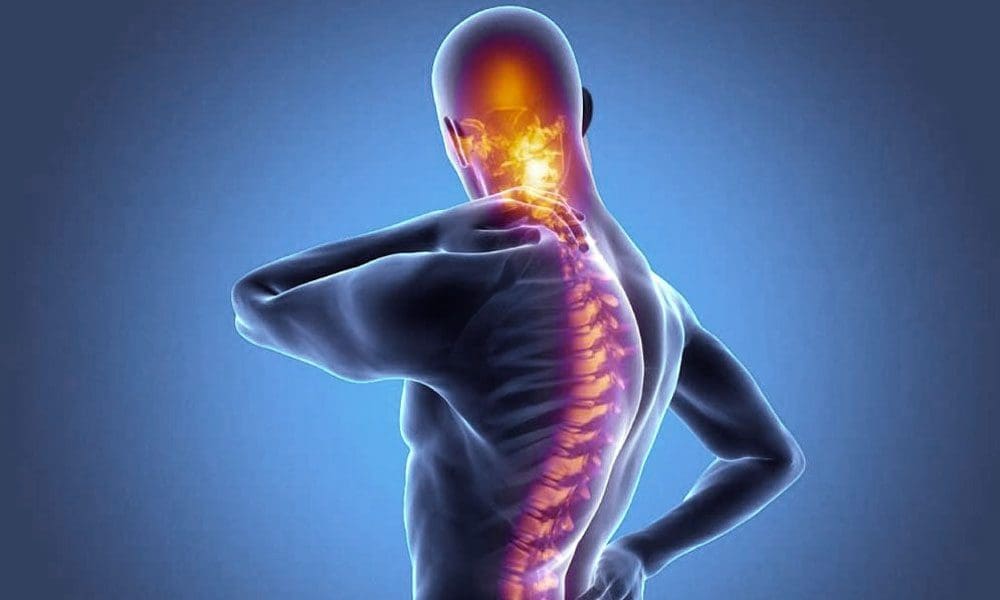
Dr. Alex Jimenez, D.C., presents: Stress in the body can affect the musculoskeletal system by causing the muscle to lock up, leading to issues in the hips, legs, shoulders, neck, and back. Various treatments like meditation and yoga can help lower the cortisol levels from fluctuating higher, causing the body to deal with muscle tension that could overlap with joint pain. Another way to reduce stress in the body is by working out with an exercise regime. Exercising or participating in an exercise class can help loosen up the stiff muscles in the body, and keeping a workout routine can exert any pent-up energy to relieve stress. However, treatments to balance out hormones associated with PTSD can only go so far for many individuals. Eating nutritional, whole foods with vitamins and minerals can help regulate hormone production and provide energy to the body. Dark leafy greens, fruits, whole grains, and proteins can not only help with regulating hormone production. Eating these nutritional foods can also lower inflammatory cytokines that are causing more harm to vital organs like the gut.
Conclusion
Incorporating a healthy diet, an exercise routine, and getting treatment can help many individuals dealing with hormonal dysfunction associated with PTSD. Each person is different, and the symptoms overlap with hormonal dysfunction associated with PTSD and vary from person to person. When doctors work with associated medical providers, it allows them to develop a treatment plan catered to the individual and enables them to regulate their hormone production. Once the hormone production in their bodies is regulated, the symptoms causing the person pain will get better slowly but surely. This will allow the individual to continue on their wellness journey.
Dr. Alex Jimenez, D.C., presents an overview of hormonal dysfunction can affect the various hormones in the body that can increase cortisol levels in this 3-part series. This presentation provides valuable information to many individuals dealing with hormonal dysfunction and how to know the signs and utilize holistic approaches toward their health wellness. Part 1 will look at the overview of hormonal dysfunction. Part 3 will look at various holistic treatments that are available for hormonal dysfunction. We refer patients to certified providers incorporating various hormone therapies to ensure optimal health. We encourage and appreciate each patient by referring them to associated medical providers based on their diagnosis when it is appropriate. We understand that education is an excellent way when asking our providers intricated questions at the patient’s request and understanding. Dr. Alex Jimenez, D.C., only utilizes this information as an educational service. Disclaimer
An Overview Of Hormonal Expression
Dr. Alex Jimenez, D.C., presents: So the classic teaching about hormones is that they’re produced in an endocrine gland and then transported to the cells where the body will utilize them. But things are a little bit more complex. So every cell contains the genes necessary for hormone expression and functionality in the body.
And we know this because when de-differentiated from the late stage, unfortunately, cancer cells uncover gene expression. Those cells make hormones in inappropriate locations and at inconvenient times. So that means that any cell can make any hormones in the body. Still, the hormonal expression of certain genes indicates the presence of certain enzymes, which determines what hormones will reproduce. So, for example, you need to have the right precursors and enzymes. So in a reproductive female, the granulosa cells, the luteinize, and the corpus luteum are produced in the body. The granulosa cells are follicles, while the corpus odium is after ovulation. And these cells start the formation of the steroid hormones in response to FSH and LH. So FSH and LH come from the pituitary glands and stimulate the granulosa cells to start making estrogen. Steroid production will begin if the messaging from FSH and LH gets to the part of the cell that makes estrogen. This allows the body to regulate hormonal production and keep it functional. When issues disrupt hormonal regulation, the body can over or underproduce hormonal production, leading to metabolic issues associated with muscle and joint pain.
So this is a complex process, and there are many areas where this can go wrong. So you can have the right amounts of the hormone, but you’re not getting hormone production. So the messages must get into the cell first, and FSH and LH are too large to get into the cellular structure. So, they have to activate a membrane-based enzyme called adenylate cyclase to produce cyclic AMP to enter the cellular network and start hormonal formation in the body. This is the P, or the production of hormones. So by thinking about cellular membrane health, if a doctor does an essential fatty acid analysis, the patients may be very low in omega-3s; therefore, their cell membranes are more rigid and affect the body’s hormonal process. When patients are not taking their omega-3s, it could cause the inflammatory cytokines to cause more joint pain issues when various factors affect the body internally. Since inflammation can be good or bad in the body, it can cause hormonal dysfunction when they attack healthy cellular structures. That will affect this hormonal production process.
Hormonal Production Process In The Body
Dr. Alex Jimenez, D.C., presents: Once made, estradiol goes directly into the blood and is not stored, but it’s bound to SHBG and albumin. And SHBG is changed by obesity and insulin associated with hypothyroidism. So when women are obese or hyperinsulinemic will have less SHBG or hypothyroidism to transport the estrogen to the cells. This tells the body that the hormones are no longer FSH or LH and cyclic AMP, but this is estrogen. And so, estradiol is sensitive since estradiol has to go in and have a cytoplasmic receptor. So the estrogen receptor is in the cytoplasm. After it binds to the receptor, it goes into the nucleus, and it’s transcribed and then goes back out and translated to allow the body to make proteins that cause cell proliferation. Estrogen is a proliferative hormone. And once it’s acted on the cell after proliferation, it’s degraded in the cell with heat shock proteins or released back into the circulation in the body’s system.
Let’s talk about some of the basics of biochemistry because the steroidogenic pathway n the body has different ways to reduce carbons in the body. The body’s system could convert it into estrone or estriol, with less estrogen in circulation. And then estradiol, estrone, estriol, everything is eliminated through the detoxification pathways. So in the Living Matrix, healthy detoxification and estrogen metabolism pathways help the body stay functional. When the body goes through detoxification, it helps reduce the issues by figuring out what is causing the problems affecting the body’s system and slowing introducing or taking away the pain that can allow normal hormonal regulation. When the body reduces excessive carbon, it can lower cholesterol from reaching dangerous levels.
Cholesterol & Hormones
Dr. Alex Jimenez, D.C., presents: So it all starts with cholesterol, and the body can’t make enough cholesterol, so we consume food to allow it to enter the body and begin to biotransform into LDL (low-density lipoprotein) to initiate steroid hormone synthesis. So we need LDL in the body to decrease the carbons since it is a union directional. When it comes to hormone deficiency cases, sometimes women can come in with extremely low LDLs because they’re on statins, underweight, or over-athletic; these are connections and pattern recognition. In a female’s body, the ovaries on the left and right side of the female reproduction system produce all three sex steroids: estrogens, progesterones, and androgens, for optimal body function. They are different than the male’s reproduction system, which includes the testicles, due to the other enzymes. They differ from the testes in many ways due to additional hormonal output in the body, which is different than adrenal hormones. For example, if the body can’t make aldosterone or cortisol in the endocrine glands, they will be shunted to make sex hormones. And since each body is diverse, male or female, some hormones can’t make glucocorticoids or mineral corticoids.
So we must think about mitochondrial health for hormone production, which is critical for producing hormones. For expecting mothers, it allows the formation of pregnancy alone in the mitochondria. So mitochondrial health energy is related to hormone health, which causes cholesterol uptake by the mitochondria in the adrenal glands and ovaries that can stimulate ACTH. So the mitochondria can make hormones as we go while enabling the enzymes in the female’s body to induce pregnenolone formation. However, getting the cholesterol to the inner membrane and LDL to the inner membrane to the mitochondria is the rate-limiting step in all steroid hormone synthesis. Now it can develop and go into two different pathways in the body. It can create DHEA, or it can include progesterone when cholesterol is forming pregnenolone and can look diagrammatically in test results.
DHEA & Hormones
Dr. Alex Jimenez, D.C., presents: So if the mitochondria can enable the body’s pregnenolone to form DHEA or progesterone, let’s start with going over things with developing progesterone since it’s hydroxylated. It creates an enzyme called 17 hydroxy progesterone, the immediate precursor of the androgens and estrogens. So the 17 hydroxy progesterone will eventually form androgens or estrogens, and androstenedione can develop testosterone, and both can become estrogens by aromatization. So what does this mean? It means you must be concerned about too many androgens being around because they can become estrogen. The best way to remember this is that androstenedione can become estrone, and testosterone can become estradiol. This can cause progesterone to be the precursor to cortisol in the body and can go in two different directions.
So progesterone is also the precursor to aldosterone, which asks what will happen when the body needs cortisol or aldosterone. The body will then produce less progesterone causing it to be shunned in hormonal production and causing cortisol to overproduce. This is known as cortisol steal, and if it is not treated at the moment, it can cause muscle and joint inflammation in the body, leading to various issues that the person is dealing with.
A decreased formation of androgens and estrogens can inhibit the DHEA pathway. So when the body makes more cortisol, it can cause the hormones to develop an estrogen-dominate shape causing the cortisol hormone to stimulate aromatase. To that point, it can lead to breast cancer, fibroids, and endometriosis in the long term. Women can get stress, hot flashes, and decreased libido due to that hormonal decrease in their bodies.
Conclusion
Other issues like stress can cause increased cortisol formation, anxiety, inflammation, simple carbohydrates, et cetera to the body associated with joint and muscle pain. They can also inhibit sex and sex hormone production directly and indirectly. So this is where people have to be concerned if they’re giving DHEA because DHEA can convert itself into sex hormones. So that can be a good thing if you’re dealing with hormonal deficiency. But if you give too much DHEA, you can overproduce hormonal function.
Dr. Alex Jimenez, D.C., presents how the SBAR method is used in a clinical approach in a chiropractic office. Since pain in the body is one of the most common complaints worldwide, many individuals can be referred to the right healthcare professional to have a better understanding of what is happening to their bodies and have their health and wellness restored. We refer patients to certified providers specializing in treatments to aid individuals suffering from various chronic issues associated with muscle and joint pain affecting their bodies. We also guide our patients by referring them to our associated medical providers based on their examination when it’s appropriate. We find that education is the solution to asking our providers insightful questions. Dr. Alex Jimenez, D.C., provides this information as an educational service only. Disclaimer
What Is The SBAR Method?
Dr. Alex Jimenez, D.C., presents: The term SBAR stands for situation, background, assessment, and recommendation. It is a communication method that many chiropractors or healthcare professionals use to help simplify communicating patient information to other healthcare team members. And the whole goal of the SBAR method is to help us strategically and systematically share a patient situation along with the background of that patient, the assessment findings that we have found, and recommendations that we recommend to that specific individual so they can easily understand what we need, want, and what is going on with that patient in a very clear and focused way. So the SBAR method can help the chiropractor or massage therapist stay organized whenever they’re having to communicate and cut out unnecessary information that may be in the conversation that wastes time or may confuse the listener and help prevent those moments where the specialist may get questions from the person they are talking to, and they may not know.
The SBAR method allows chiropractors to communicate efficiently with patients about where the pain is located in their bodies. So the SBAR will help many health professionals stay organized. Some examples of the SBAR method used for communication include: a nurse needs to speak with a healthcare provider like a physician, a nurse practitioner, or a PA to let them know that the patient’s condition is deteriorating, and they need to call and report that. If they need something for that patient, the healthcare provider can follow the SBAR method, which will help them clearly and concisely communicate that issue to the listener. Chiropractors can also use the SBAR to share with other associated medical providers or massage therapists when they have a patient’s report to be handed or transferred to a different unit.
The SBAR method can be used with other healthcare team members, like speech therapy, occupational therapy, chiropractic therapy, and physical therapy. This method helps and guides chiropractors with what information they need to provide to the patient, so they can fully understand what is going on with them. An example would be a patient coming into a chiropractic clinic with back pain; however, they are experiencing gut issues and having areas of complaints in their hips, causing mobility issues. So by using the SBAR method, chiropractors and other healthcare providers can communicate better with their patients and develop a solution with the APPIER process and a treatment plan that caters to the individual. When creating your SBAR to communicate better with someone, it’s better to ensure that you are fully prepared before initiating that conversation. Having a little system to comply with the SBAR method can help you quickly and allow you to note what is happening with the patient in your head or take note of their condition. Getting the layout of the SBAR method is the first step, and many healthcare units will have them created so the doctor can fill them in and put all the information they need when they call or talk to their patients.
Chiropractors using the SBAR method would go into the room, look at that patient, assess that patient, collect their vital signs and look in the chart, look at the latest progress now, and know who’s on board taking care of that patient. The SBAR method also allows the doctor to review that patient’s chart thoroughly and understand what’s going on with that patient. So by the time they step into the room, they will have an idea of what is going on with the patient when those questions come up. Plus, when they have looked at the latest lab results from their associated medical providers. They can have an insight into what medication the patient is taking because those questions will probably come up and be included in the SBAR method. This will allow the chiropractor to gather all that information from the patient and be comfortable and ready to initiate the conversation.
Situation
Dr. Alex Jimenez, D.C., presents: Now let’s look at each of the sections of the SBAR method. Since the SBAR method is very focused and concise with communication, it is straightforward. So the situation is the first thing you’re going to start with whenever you’re communicating using the SBAR method. So by having your computer on that specific patient, doctors can easily look at something in case the person asks them a question and have the information in front of them quickly. So with the situation, just as it says, the goal is to communicate why the patient is calling. That’s its purpose, as it helps start things off and allows the doctor and the patient to introduce themselves and briefly explain what is going on with their bodies. An example would be a person with back pain introducing themselves to the chiropractor and vice versa and briefly describing where they are in pain.
Background
Dr. Alex Jimenez, D.C., presents: The background portion of the SBAR method helps paint a picture of what the patient is going through and will provide a brief description of the situation. Then after that, we’ll go straight into the patient’s background, and this part of the communication will be very focused again. And how you would transition from situation to background in the SBAR method by going into the patient’s diagnosis. So the patient was admitted with whatever diagnosis on the date of admission. Then the chiropractor will tailor and include important patient information based on what the patient is experiencing pain-wise. The pain can vary from each person and can affect the body differently.
Many doctors can include the patient’s code status and discuss any other significant health problems that accompany the patient’s current situation. An example would be if a person is dealing with cardiac issues, their primary doctor can ask them if they had any health history with cardiovascular disorders, medications for heart diseases, chest pain, etcetera. Getting their background history can provide many doctors with a treatment plan that won’t cause any issues for the patient. When chiropractors work with other healthcare professionals, they can provide a background history of the patient, including bloodwork, previous procedures, and any additional information to develop a treatment plan. Along with consults, what other doctor groups are on board with this patient and any pending procedures the patient may have? That lets them know, okay, I don’t need to order this test or product because they will be having this procedure.
Assessment
Dr. Alex Jimenez, D.C., presents: The next section of the SBAR method is the assessment part, where the doctor will tell the patient what they have assessed or found in the patient. Many healthcare professionals, like chiropractors, provide those assessment findings and current vital signs to back up what they think is going on. An example would be a functional medicine doctor explaining to the patient what they found in their body, like possible respiratory, cardiac, or GI issues, and what they think is going on based on what they discovered.
But let’s say, for example, that the nurse or doctor doesn’t know; however, they know that something’s wrong with the patient and they need something. In this situation, the doctor or the nurse can take note of what is going on with the patient and explain to their associated medical providers that they are worried or that the patient is deteriorating; they’re unstable and have changed from when they previously saw them. By using the SBAR method, chiropractors can asses the situation the patient is dealing with and provide insightful solutions to develop a treatment plan for the patient.
Recommendation
Dr. Alex Jimenez, D.C., presents: And finally, the final part of the SBAR method is recommendations. So recommendations are where the doctor communicates with the patient on what they want or need. By laying out the framework from using the SBAR method, the recommendation part allows the doctor to specifically communicate with the patient on what needs to be done to improve their health and wellness. An example is if a patient is dealing with gut issues associated with metabolic syndrome and their doctor gives them a treatment plan to incorporate more nutritional foods in their diets, exercising more and getting an adjustment from a chiropractor can help alleviate pain affecting their backs or hips.
Conclusion
Since body pain is one of the most common complaints worldwide, chiropractic care can assist in managing the symptoms associated with joint and muscle pain while being cost-efficient and non-invasive. Utilizing the SBAR method in a chiropractic clinic can give the chiropractor the right tools to develop a treatment plan for the individual to relieve any pain affecting their body. Chiropractic care can also use the APPIER method combined with the SBAR method to fully alleviate any disorder in the body structure to restore a person’s health and wellness.
Dr. Alex Jimenez, D.C., presents how hormonal dysfunction can be assessed and treated through various therapies specializing in hormones and how to regulate them in this 3 part series. This presentation will provide valuable information to many people dealing with hormonal dysfunction and how to utilize different holistic methods to optimize their health and wellness. Part 2 will look at the assessment for hormonal dysfunction. Part 3 will look at various treatments available for hormonal dysfunction. We refer patients to certified providers incorporating various hormone therapies to ensure optimal health and wellness. We encourage and appreciate each patient by referring them to associated medical providers based on their diagnosis when it is appropriate. We understand that education is an excellent way when asking our providers intricated questions at the patient’s request and understanding. Dr. Alex Jimenez, D.C., only utilizes this information as an educational service. Disclaimer
What Are Hormones?
Dr. Alex Jimenez, D.C., presents: Today, we will look at utilizing foundational PTSD treatment strategy steps. As a treatment strategy, it is about the production, transportation, sensitivity, and detoxification of the hormone in PTSD. So let’s start with how interventions and major factors that influence these pathways within the access impact other body areas. How does an intervention on one hormone affect other hormones? So did you know that thyroid replacement can change the HPATG access in the body? So when people are dealing with hypothyroidism or subclinical hyperthyroidism and are being treated with suppressive thyroid hormone replacement, it induces changes in their bodies. This means they will become hypersensitive from ACTH to CRH or corticotropin-releasing hormone.
What this means is that they will produce and release more ACTH. When the patient becomes hypersensitive from an influx of hormones, it could lead to various issues with the other body systems that affect organ and muscle functionality. This is another reason patients feel great on even low doses of thyroid replacement; it stimulates the adrenals. Many patients tend to overrun their adrenals, and when they get treatment, they get a little hit to their adrenals when their doctors are helping their thyroid. So looking at the thyroid, we see the thyroid gland is producing t4, forming reverse T3 and t3. So when doctors look at the thyroid pharmacological doses of glucocorticoids, which is what they give for anti-inflammatory therapy to their patients, or if people have elevated glucocorticoids as in Cushing syndrome, what that does is it inhibit thyroid secretion because it reduces the TSH response to TRH, which makes less TSH. When there is less secretion in the thyroid can lead to overlapping issues associated with unnecessary weight gain, joint pain, and even metabolic syndrome.
To that point, stress inhibits the thyroid. In contrast, estrogens have the opposite effect, where they increase TSH secretion and the thyroid gland’s activity. So that’s a reason why women feel so much better on even low doses of estrogen replacement. So just like thyroid replacement in low amounts that bump the adrenals, if we’re giving low estrogen doses, it can bump up thyroid function. However, many doctors have to go slow when providing hormone treatments to patients because the additional hormones will affect the other hormones in the body. When it comes to hormone replacement therapy, it is important to learn how interventions within the communication node impact other nodes in the matrix. So, for example, let’s look at how the communication node affects the defense and repair node in the body. Research studies reveal HRT’s effects on inflammation markers and look at 271 women who used conjugated equine estrogen alone, who had a 121% increase in CRP after a year.
And if they used that in addition to synthetic progestin, they had a 150% increase in CRP after a year. So synthetic estrogen is not bioidentical; this is synthetic pregnant mare’s urine, and synthetic progestins are pro-inflammatory. What about the communication node and the assimilation node? This is an interesting study because many doctors are trying to help their patients and the future generation in society. So it’s important to know when the mother is stressed during pregnancy since that can change the baby’s microbiome. That means doctors have an opportunity to support early intervention in microbiome support. Knowing this is vital for prenatal stress based on questionnaires or elevated cortisol was strongly and persistently associated with infants’ microbiome and colonization patterns.
So we’re also here to learn how interventions on the matrix affect the hormone node or the communication node. So as an example, we’ll look at what happens in the assimilation node involving the communication node, as this affects antibiotics on the intestinal metabolome. Everyone knows about antibiotics’ impact on the microbiome, but a metabolome is a change in the metabolic function of a particular organ, the intestine. To that point, when there are so many metabolic pathways that antibiotics affect, the metabolism of steroid hormones was the most profoundly impacted. So eight metabolites that are part of this hormone pathway, which gives us PTSD, were increased in feces after antibiotic treatment. Then we have another way that the gut affects hormones, and this is looking at metabolic endotoxemia. Many doctors learn about metabolic endotoxemia in AFMCP, which mentions leaky gut or increased intestinal permeability. When many individuals are dealing with gut issues affecting their well-being, like problems in their joints or muscles causing them pain, we provide various solutions and develop a treatment plan with our associated providers based on the diagnosis.
Endotoxins Affecting Hormones
Dr. Alex Jimenez, D.C., presents: Endotoxins or lipopolysaccharides are from the cell membranes of bacteria. So bacterial endotoxins are translocated from the gut lumen because of increased intestinal permeability. So with that increased permeability, those endotoxins are translocated, which starts an inflammatory cascade. When endotoxins cause GI issues, the inflammatory markers can affect the upper and lower portions of the body and the gut-brain axis. When the gut-brain axis is affected by inflammation, it could lead to joint and muscle pain associated with somato-visceral and visceral-somatic problems. To that point, the inflammatory cascade from the leaky gut affects the ovary, reduces progesterone production, and contributes to luteal phase deficiency. That’s incredibly important for doctors to take care of patients that are there to optimize fertility. It is especially important for patients to let their doctors know when they have excess estrogen and that they are producing as much progesterone as possible. So we must worry about gut permeability in ovulation, luteal phase deficiency, and estrogen-progesterone imbalance. What about the biotransformation node? How does that affect the communication node? In preschool children, phthalates and thyroid function have an inverse association between the metabolites or the amount of folate and thyroid function in the system measured in children at age three. When inflammatory issues affect thyroid function in children, it can affect cognitive outcomes, thus reducing phthalates production in the thyroid, leading to mental problems.
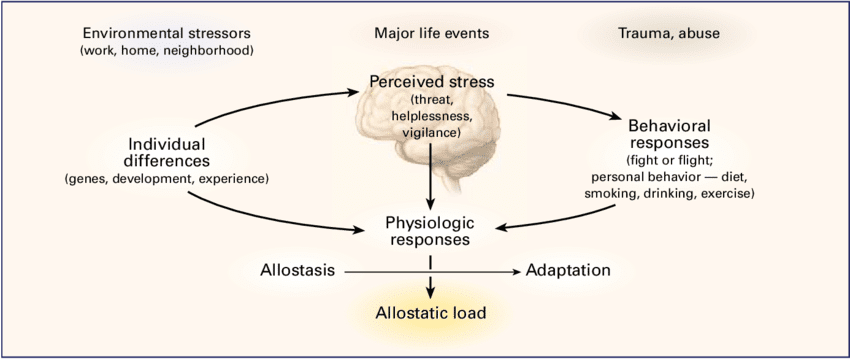
How do mental, emotional, and spiritual considerations contribute to the communication node? We want to start with the bottom of the matrix like we always do, which involves functional medicine. Functional medicine provides holistic approaches to identifying the root problem affecting the body and developing a personalized treatment plan for the patient. By looking at the lifestyle factors at the bottom of the Living Matrix, we can see how hormone dysfunction affects the communication nodes in the body. A recent paper found that there was a positive relationship between menopausal symptoms and social support and that menopausal symptom decrease as social support increases. Now let’s talk about how stress impacts HPA access. By looking at how stimulation from the sex hormone-producing parts of the body or the goads, the thyroid access, the adrenals, and the sympathetic nervous system (fight or flight) can add up all the stressors affecting us, called allostatic load.
And allostasis refers to our ability to respond to those stressors through stress-coping mechanisms. Many patients are asking us for guidance. They’re asking how they can frame their personal experiences and stressors. Still, they’re also asking how they prepare the societal events in a larger context, And many of us as functional medicine practitioners are seeking the same thing. And so, we’re going to show you in detail what stress does to the body and how to find ways of decreasing anxiety or stress in the body to prevent future issues in the organs, muscles, and joints.
How Stress Inhibits Estrogen
Dr. Alex Jimenez, D.C., presents: Does stress creates adrenal stress, and does it affect our fight or flight primary response hormone (adrenaline)? Stress can cause the sympathetic nervous system to increase blood pressure, respiration, heart rate, and general alertness while redirecting our blood to increase our adrenaline. So when you are in a situation, your adrenaline can cause you to fight or run, which causes your muscles to get blood, which decreases blood to your core or your non-essential organs. So the functional medicine model would identify various triggers or mediators, whether acute or chronic, that can act as an instigator of hormone dysfunction that can create overlapping issues that can disrupt adrenal function in the thyroid.
So, looking at these responses can help us see the physical problems that are happening if adrenaline is chronically increased over the long term, leading to anxiety, digestion problems, et cetera. Now cortisol is our vigilance hormone that helps maintain the emergency response to back up or support the adrenaline. An example would be a fire truck or police that come in after the immediate first responder. So cortisol facilitates the quick adrenaline response to keep the body going as needed. And it has many other roles as well. It helps with increased blood sugar and causes fat storage. So when people come in with weight around the middle and dealing with overlapping issues in their body, think of cortisol since it’s anti-inflammatory and regulates the nervous system. Cortisol can be both good and bad for the body, especially when an individual is dealing with stressful events affecting their health and causing issues affecting their mobility.
So now, let’s talk about how stress impacts the entire body and the immune system. Stress can increase susceptibility to infections, increasing their severity in the body. So here we see stress affecting the defense and repair node, leading to immune dysfunction and stress-induced immune dysfunction. An example would be if a person is dealing with a disorder that affects their gut, like SIBO or leaky gut; it can increase the production of pro-inflammatory cytokines and causes joint and muscle pain to the lower back, the hips, the knees, and overall wellness. When the pro-inflammatory cytokines affect the gut system, they can also cause thyroid dysfunction, disrupting hormone production.
So if someone’s taking that hormone replacement therapy (HRT), it can increase their inflammation, especially if they are stressed. So, as functional medicine practitioners, we’re always thinking and looking for pattern recognition as we start thinking about things differently from conventional methods regarding health and wellness.
What is it when you see a person dealing with chronic stress, and what is their response? They will usually answer, “I sweat a lot; I get nervous and anxious just remembering what has happened to me. I’m afraid of experiencing that ever again. Sometimes these pathways give me nightmares. Whenever I hear a loud noise, I think of carbon rings and get nauseous.” These are some tell-tale signs of someone dealing with chronic stress associated with PTSD, which can affect the hormone levels in the body. Many functional medicine providers can utilize available treatment regarding hormonal dysfunction in PTSD. So the general strategy for treating hormone dysfunction is the production, transport sensitivity, and detoxification of hormones in the body. Remember that when you have someone dealing with hormonal issues, it is best to devise a strategy to deal with this issue.
So what can we do to affect how hormones are produced or have been over-produced in the body? We want to look at how hormones are made, how they may be secreted within the body, and how they’re transported. Because what if they’re transported in a way that the transport molecule is low in concentration, allowing them to be free hormones? So that’s the interaction with other hormone sensitivity, and how do we change or look at cellular sensitivity to the hormonal signal? For example, progesterone affects estrogen receptors which cause detoxification or excretion of the hormone.
So before we think about giving or replacing a hormone, we ask what we can do to affect that hormone in the body. Specifically, how can we influence the hormone’s production, transport, sensitivity, detoxification, or elimination? So when it comes to hormone production, what are the building blocks for thyroid hormones and cortisol? So if we’re low on thyroid hormones, we want to ensure that we have the building blocks of serotonin. So what affects synthesis? If a gland is inflamed with autoimmune thyroiditis, it may not be able to make enough thyroid hormone. And that’s why people with autoimmune thyroiditis have low thyroid function. What about hormone transportation? Do the levels of one hormone in the body impact the levels of another? Estrogen and progesterone are often in a dance in the body. So does a hormone transport from the origin glands to the target tissue, which can impact its effectiveness?
If there is an overproduction of hormones attached to the transport protein, there won’t be enough free hormone, and there can be hormone deficiency symptoms. Or it can be the opposite if there needs to be more transport protein, then there will be too many free hormone molecules and hormone excess symptoms. Therefore, we want to know if we can impact the free hormone level and see if it is transformed. So we know that T4 becomes the active form of T3 or a thyroid inhibitor, reverse t3, and can we modulate those pathways? What about sensitivity? Are nutritional or dietary factors influencing the cellular response to cortisol, thyroid hormones, testosterone, estrogen, et cetera? With many cell membrane binding proteins, the cell membrane is involved in hormone metabolism. And if the cell membranes are rigid, insulin, for example, has a hard time getting in it now as we look into hormone detoxification. How do we alter the metabolism of estrogens or testosterone?
And what can we do to affect estrogen’s binding and excretion? So, can estrogen have to be eliminated healthily? And that depends on whether there’s hydroxylation on a particular carbon, but it also has to be excreted in terms of total amounts. So constipation, for example, will decrease the quantity of estrogen excreted. So we use the vault as a metaphor and the theme, as we said, is to treat the matrix first before directly addressing hormone dysfunction.
Cortisol Affecting The Communication Nodes
Dr. Alex Jimenez, D.C., presents: In the Living Matrix, we have to unlock or treat all the nodes to open the vault to get inside and address hormones. This is because the endocrine system is so complex it often self-corrects when other imbalances are addressed. And remember, hormonal imbalance is often an appropriate response by the body to imbalances elsewhere. That’s why treating other imbalances often addresses the hormonal issue. And also, remember hormones like picograms are in very low concentrations. So it’s very hard to be precise when we give patients hormones and allow the body to auto-correct. That’s why we say to treat the matrix first. And when we get inside the communication node in the body, we look at the center of the matrix and discover the body’s emotional, mental, and spiritual functions to help normalize hormones. And while these are addressed, how can we fix the hormonal communication nodes?
When inside the communication node, the treatment must follow an order: adrenal, thyroid, and sex steroids. So these are important concepts to remember, treat adrenals, thyroid, and finally, sex steroids. And the way we depict the pathways will be consistent. So here you see the standard representation we will use for the steroidogenic path. And you see all of the different hormones here. The enzymes in the steroidogenic pathway are color-coded, so many doctors can know which enzyme affects which step. Next, we will look at the modulation of the steroid pathways through lifestyle, like exercise, and how stress affects aromatase, making estrogen.
Now, as we get into the real, heavy part here about the steroid pathways, we inform many of our patients to take a deep breath as it shows that taking a deep breath can increase a person’s cognition and provide the ability to understand everything. So the big picture here is everything starts with cholesterol and how it affects the hormones in the body. So cholesterol forms the mineral corticoid aldosterone, which then develops cortisol, ultimately creating androgens and estrogens. When patients are given consultation on what is going on with their bodies, many don’t realize that high cholesterol could potentially lead to chronic stress, which is associated with cardiovascular issues that can ultimately invoke visceral-somatic disorders.
Dr. Alex Jimenez, D.C., presents: When a female patient is dealing with fibroids or endometriosis, many doctors devise a treatment plan with other medical providers to reduce the formation of the estrogen hormones by inhibiting and modulating the aromatase enzymes. This allows the patient to make small changes to their lifestyle habits by ensuring their zinc levels are normal, not drinking alcoholic beverages constantly, finding ways to reduce their stress levels, and normalizing their insulin intake. Each treatment plan caters to the individual as they find ways to reduce their cortisol levels and regulate healthy hormone production. This will allow the body to increase estrogen production while decreasing the aromatase. So when we are discussing stress, it can negatively impact the hormone pathways directly by increasing cortisol, thus causing the pituitary glands to increase the CTH when stress is responding to the body. Many individuals are dealing with chronic stress in their bodies, which can cause overlapping risk profiles to the musculoskeletal system, causing muscle and joint pain.
So the pituitary system produces cortisol when the body calls for it directly when the individual is dealing with acute stress. However, chronic stress can indirectly increase cortisol levels; it causes the enzyme 1720 lyase to be inhibited in the body, causing a decrease in anabolism, thus slowing down the body’s energy levels. So stress inhibits this enzyme. So when stress inhibits the 1720 lyase enzyme in the body, it can cause the pituitary system to produce more cortisol and cause more issues like joint to affect the individual. So those are the two ways that stress leads to more cortisol directly through ACTH and indirectly by inhibiting 1720 lyase.
Inflammation is important in the body as it also has a two-way path, as it can impact these pathways the same way stress does. Inflammation can inhibit the 1720 lyase enzyme, causing the body to be pro-inflammatory and can stimulate aromatase. Like stress, when the body is dealing with inflammation, the pro-inflammatory cytokines stimulate aromatase enzymes to cause an increase in estrogen formation. When this happens, it allows the doctors to notice why their patients are overly stressed and have inflammatory markers in their gut, muscles, and joints. To that point, inflammation can also increase an enzyme called 5alpha reductase. Now, 5alpha reductase causes the formation of a hormone called dihydrotestosterone (the active form of testosterone in the body cells other than the muscles, causing hair loss. So insulin, stress, and inflammation contribute to hair loss because insulin has the same effect. Insulin or blood sugar gives the body energy to move throughout the day. When individuals have too much or too little insulin in the body, it can lead to insulin resistance, correlating to metabolic syndrome associated with hair loss.
Holistic Methods For Hormones
Dr. Alex Jimenez, D.C., presents: How do insulin, cortisol, and inflammation play their part in the thyroid? Well, all of these hormones help make the body functional. When the thyroid has an underlying condition like hypo or hyperthyroidism, it can cause the body to over or underproduce hormones to regulate healthy normal body functions. So this forward feed cycle can cause the individual to have various issues affecting their body due to hormonal dysfunction. This combination of insulin resistance, high insulin, weight gain, and stress affects many patients, causing metabolic syndrome. To normalize hormonal function, we must look at all these factors driving hormonal dysfunction in patients.
When going for hormonal treatment, it is important to know about the different nutraceuticals and botanicals because before, it was called a lifestyle change back in the day. In a health clinic, specific neutraceuticals and botanicals can affect estrogen formation through the enzyme aromatase. However, various factors like diseases, medications, toxins, and elevated insulin can also increase aromatase enzymes, leading to more estrogen in the body. And then diseases, medications, and toxins do the same thing. A research study reveals that when men and women interact, the men’s cognitive performance declines, followed up with a mix-sex encounter. This can change how hormone function in the body when there are changes in formal function that can affect the central nervous system’s cognitive function in the body.
When middle age patients get examined by their doctors, the results can show if they have elevated insulin, an increase in stress and if there is inflammation in their bodies. This allows the doctors to work with associated specialists to develop a treatment plan that caters to the patient to begin small changes in their health and wellness journey.
In today’s podcast, Dr. Alex Jimenez, health coach Kenna Vaughn, Astrid Ornelas, Truide Torres, and biochemist Alexander Isaiah Jimenez discuss what is metabolic syndrome and the steps to fix it.
Dr. Alex Jimenez DC*: All right, guys, we’ve come to another podcast, and welcome to Dr. Jimenez and Crew podcast. Welcome, and you have a family here. We’re going to go over metabolic syndrome today. Metabolic syndrome is a disorder that ultimately affects a whole lot of people. And what happens is, is it affects one of the largest populations in affecting El Paso, pretty much in this region. And what we have is it’s not a disease, OK? First of all, it’s a combination of presentations that medical doctors and the World Health Organization have determined high-risk factors to have a stroke, kidney disorders, and even problems with dementia. But overall, it’s pretty much if you have metabolic syndrome, you feel crummy. So today, what are we going to do is we’re going to discuss the issues, and we’d like to at least present it to you so that it becomes useful for you and the information provided by us is going to be helpful for you or a family member. So if you have the opportunity and something that you enjoy, please go ahead and at the bottom area. There’s a little bell to subscribe to. And a little belt in markets so that you could be the very first person to get information in the future when we ever posted. And also allows you to present or ask us for things that are important to you in the health-related realm. Now, what are we going to do today? My name is Dr. Alex Jimenez. I have my entire staff here. We’re going to go, and we’re going to present each one of them in different moments. And we’re going to do some fascinating dynamics. We will also have our resident biochemist at the National University of Health Science, who’s going to chime in and give us a little bit of foundational biochemistry. This information is going to be helpful. We’re going to try to make it as simple but as useful as possible. Now, bear in mind everything that we’re going to be talking about in and today revolves around the metabolic syndrome. Metabolic syndrome is what the health care organizations have determined, and the cardiac departments have five major symptoms. Now you have to have three of them, at least to be classified as metabolic syndrome. OK, now the first thing is to ask… What do you feel? Pretty much you feel like crap, OK? And it’s not a good feeling to feel this way, but you’ll see that if you have of these presentations, you’re going to notice that your doctor may give you a diagnosis of metabolic syndrome. Now, the first thing that happens is you usually have a bit about belly fat. Now, the belly fat that people have, people measure it. For men, it’s a belly kind of like the lonja, the belly that hangs over, and it’s about a good, I’d say, about 40 inches or greater in the male. In women is 35 inches or more. Now that’s one of the first presentations. Now the other presentation is high blood pressure. Now that high blood pressure that they use is 135 milligrams over deciliter. Sorry, yeah. Miller Mercury’s millimeters of mercury over these leaders to determine exactly on the diastolic and the systolic. So the diastolic is going to the systolic is going to be 135, the diastolic is going to be over 85. Now that doesn’t happen again; you’re going to notice something. These aren’t extreme ranges from OK. Metabolic syndrome has high triglycerides. Now the high triglycerides are going to be noted in the blood. OK, now one of the things that can be determined early on is high blood pressure, which is also so associated with metabolic syndrome. So the other final one is the elevation of or decrease actually of HDL. HDL or the good fragments of cholesterol. Alexander will be a resident biochemist and talk to us more about that in the latter part of the show. Now, bear in mind, I’ve given five things a. the fat, b. the high blood pressure, c. the blood glucose levels, and also the triglycerides, along with the lowering of the HDLs. The question is, how are we going to be able to control this now? I’m going to give you some real good basic ways that you can control metabolic syndrome. And by the time we’re done today, we’re going to be able to assess the situation. And even if you have it, you basically will be able to control it. There are rare diseases that you can be disordered. And again, this is not a disease; it’s a combination of syndromes or symptoms to be called a syndrome collectively. So metabolic syndrome can be construed. Now you’ll notice that the blood glucose level will be elevated, usually over 100; these are relatively average numbers people have. But if they’re higher than that, they do create issues now. Also, when you have the belly fat 40, and it’s not that much, many people have it. People also have blood glucose levels that are higher than 5.6 on their blood glucose A1C. These numbers and the 150 mg per deciliter of triglycerides are all normal but in combination. Together, they do ultimately create a scenario that is not favorable to cardiac issues. Cardiovascular issues do present as a result. So what we’re going to try to do is try to bring down and control these issues. Now, what are the things that cause metabolic syndrome? One of the things is stress, smoking, a sedentary lifestyle, and even sleep problems and disturbances. We can be elaborating on each of these we can we’re going to be elaborating on in the future podcasts. Still, we’re going to be able to tell exactly what’s going on in a better way. We also have issues with inflammation and processed foods. At the core metabolic syndrome, the main issue is insulin sensitivity issues and high blood pressure issues, and inflammation. So what are we going to do to control that? I want you to know that every single one of these five issues, whether it’s blood glucose, high triglycerides, low HDL counts, or blood glucose, they’re all relatable to one disorder. It’s insulin sensitivity. Insulin sensitivity controls every one of these factors from raising high blood pressure. The kidneys are controlled by insulin, causing an increase in blood pressure, and we’ll discuss that issue and its correlation. So if we can control the blood glucose, we ultimately have the fastest and the surest way to provide the fastest route to heal and fix an individual with metabolic syndrome. So let’s go ahead about the issues that are going to result from that. Now, as I’ve got this, we’re going to notice that if over some time you continue to have a lifestyle that has high levels of these particular five factors, you’re going to notice that you’re going to tend to have high cardiac risks. Now we have a team here, and I want to introduce each one. We have Kenna Vaughn, who is our health coach. Our health coach is the one that’s going to be the one that explains to our patients what is going on. I’ll bring her in. We also have the clinical liaison, which is Trudy. Trudy is the individual who will be able to bring out the questions and determine what kind of issues are appropriate for you. So we’ll be discussing those. And we have our resident chief editor, Astrid Ornelas, who will be the one that explains the studies on it. From Illinois, we also have Alexander, which we have right in the back where you can’t see him, but he’s presenting and say, Hello, Alex, can you get them there? Hello. All right. So he’s out there, and he’s going to discuss the issues and the biochemistry side of things, and we’re looking forward to explaining those issues. Now, one of the things we have to do is go back to the issue of insulin sensitivity. Insulin sensitivity is at the root of all these issues. So what we’re going to do is discuss exactly how insulin can be controlled. But what we’ve learned through these studies, and I’m going to bring in Mrs. Ornelas, is here to discuss the studies on how to control blood glucose and blood sensitivity. Astrid, what did you find out recently that shows the proof and presents the easiest way to control blood insulin and elevate HDL?
Astrid Ornelas: OK, well, first of all, just as you know, as you mentioned, metabolic syndrome, it’s a collection of health issues that can increase the risk of developing heart disease, stroke, and diabetes. It’s basically like, you know, it can affect our overall health and wellness. And I’ve done quite some research, and I’ve found them through the National Center of Biotechnology Information, the NCBI. A variety of research states that metabolic syndrome or people with metabolic syndrome, one of the easiest, you know, quote-unquote easiest or one of the best ways out there that can be used to help… Restore? Yeah, to help restore or reverse all metabolic syndrome would be through the ketogenic diet. So the ketogenic diet or the keto diet is a low carbohydrate, high-fat diet, which, according to research studies, offers many benefits towards people with metabolic syndrome. It can help improve or promote weight loss, and it can help reduce diabetes.
Dr. Alex Jimenez DC*: You know, I want to mention right there, I have found nothing faster to lower the blood glucose and reverse triglycerides issues and HDL issues than the ketogenic diet. So, in essence, if you want to do it fast, it’s incredible the speed at which it restores the body to what it is. What else is there?
Astrid Ornelas: Yeah. So, like the human body, usually, we use glucose or sugar. It is supposed to be our primary source of fuel, our main source of energy. But of course, for people who have metabolic syndrome, people who have obesity, insulin resistance, diabetes, or the increased risk of diabetes. The ketogenic diet can be very beneficial because it is a low carbohydrate diet, carbohydrates essentially turn into sugar or glucose, and we don’t want that. Like if people have metabolic syndrome, they have, you know, diabetes and insulin resistance. You don’t want sugar in your body because they produce too much of it. They have too much blood sugar. And but by increasing your height, by increasing the number of fats that you eat, and decreasing the number of carbohydrates, you keep a low amount. You keep insulin low, and you, by eating more fats, basically what you would do is make the body go into a state of ketosis.
Dr. Alex Jimenez DC*: You know what? Let me ask you something. I’m going to feed this over right now to Kenna, and I’m going to ask Kenna in your experiences with the blood sugar issues. How is it that we contain and we learn to be able to manage someone’s blood sugar? The quick is the fastest. What is it that you do in terms of coaching individuals, helping them back?
Kenna Vaughn: For coaching individuals. I always evaluate their diet, and the main thing I like to focus on is education because so many people are not educated about, as Astrid was saying, carbs and how they fuel your body. A Big Mac might have 54 carbs, and a sweet potato might have 30 carbs, and people don’t realize that they’re that different, and they only see 20 points or something like that. But the way that the carbohydrate breaks down in the body is enormous. And that’s why the ketogenic diet works so well because you’re using those good whole carbs that are going actually to contain protein as well. And so it’s going to help to break it down slower versus a Big Mac, which is just going to spike your insulin way up.
Dr. Alex Jimenez DC*: And what part of the Big Mac is the thing that spikes the sugar? I mean, in terms of that?
Kenna Vaughn: Right. So the bread, the carbs in the bread, actually breaks down differently in your body than a sweet potato would. And so that’s what’s going to give you that high glucose level. And then after that, you’re going to have the fall of the glucose level, which is your blood sugar going up and down does not feel great. So it’s something you want to avoid.
Dr. Alex Jimenez DC*: I have a question for you. For the sugars. When you asked the types of sugars you have, you just mentioned that the variety of carbohydrates matters. Yes. Tell me a bit of that.
Kenna Vaughn: The quality, like I was saying, sweet potatoes, avocados, things like that. They’re going to have the carbohydrates that are better for you, meaning you break them down differently than you would. Faster sugars like sucrose and things like that.
Dr. Alex Jimenez DC*: So simple sugars are out, basically, which is why, first of all, metabolic syndrome did not even exist before the advent of refined foods. So refined sugars have caused this problem. So what we want to do is sugar leads to inflammation. Sugar leads to triglyceride issues. Sugar or insulin sensitivity issues are the things that are the basis of this process. All roads lead to insulin sensitivity in this process. And the organ that provides us with insulin, the most significant amount is is the pancreas. The pancreas is nonstop. And depending on how the pancreas responds to this blood sugar drama, it determines the fate of the individual. It will alter the triglycerides. It will transform the blood pressure by directly holding sodium in the kidneys, the kidneys the body prepares. It retains the sodium, and by the nature of sodium, the blood pressure soars. So the fastest way to lower your blood pressure is a ketogenic diet. And this is amazing because it is simple. It’s not that complex. We can go extreme. And I know that Astrid had an excellent research document on that. Tell me a bit of what you noticed.
Astrid Ornelas: Yeah, basically, like, what Kenna was saying. Before, many people didn’t know the difference between what type of carbohydrates they want to eat, like, for example, as you said, you know, a lot of people will eat a Big Mac, and they’ll eat that sweet potato, and they don’t know the difference between a good carbohydrate; basically, we want to eat what you call complex carbohydrates, which is it’s more like we want to eat like whole wheat or we want to eat like like good starches because those there break in the body breaks them down into glucose, into sugar. But they’re used much more slowly to where it won’t. The body won’t directly use them. And then you’ll get that crash, that sugar crash.
Dr. Alex Jimenez DC*: Because of the insulin spike, right? It controls the insulin spike. You know what? I want to bring in our resident biochemist here. OK, so our brilliant biochemist is Alexander. He’s got a presentation here, actually, if I can see it there and see if I pop up here. And there he is. Alex, can you tell us a bit about what you’re trying to explain here on the biochemistry side of things?
Alexander Isaiah: As you guys mentioned, just in general, glucose is the primary energy source in the way that we use it for the breakdown. Its breakdown on energy consumption is called glycolysis. So without getting too much into it, our end goal here is pyruvate, which then goes into the citric acid cycle to be turned into acetylcholine. In normal conditions, this is good to have a carbohydrate meal, but when in excess, do you produce too much acetylcholine? When is too much acetylcholine used? You end up inducing fatty acid synthesis, which is induced by significant levels of insulin. So by doing so, you have acetylcholine, which ends up turning into palmitate. And one thing that Kenna mentioned is that not all foods are of equal quality. So here, we can see all the different types of fatty acids. So without going too much into biochemistry, but just giving you an idea of what’s going on here? These numbers on the left side represent the number of carbons in a row, and then the numbers to the right of the semicolon are the number of double bonds. And usually, double bonds don’t play a significant role until you get into digestion and the way the body uses these. So by having more double bonds, it’s more fluid. So you notice the difference between a piece of lard and olive oil. What’s the difference? The only difference is the number of carbons and the number of double bonds. So here we have oleic acid, olive oil, and then we have some saturated fat. We can see that the difference is prominent in the number of carbons and double bonds. Double bonds allow for a lower melting point. That’s why olive oil is a liquid at room temperature versus fatty acids, and this plays a significant role in how the body uses these types of things.
Dr. Alex Jimenez DC*: Alex, are you saying that? We all know that the excellent work of olive oil, avocado oil, and coconut oil is the best thing is, this is why this happens.
Alexander Isaiah: Exactly. So the more double bonds they have, the more fluid it will be within the body and allow the body to use those fats on time versus clogging up artery arteries and creating plaques within those arteries.
Dr. Alex Jimenez DC*: Excellent. You know what? One of the things that insulin does, it pack away carbohydrates in energy in the cell. If you do that, what happens with this blood sugar? Eventually, insulin spikes it and puts it in the cells. Finally, the cell grows, hence the belly fat. Ultimately, The belly starts green and gains the fat cells, and they start getting bigger, bigger, bigger because they get injected in there. That stuff starts seeping out, and once it can’t go in anymore, it ends up in the places like the pancreas. It ends up in the places like the liver. It ends up in the intramuscular into the muscular tissue. And that’s why we have the accumulation. And when you have a big belly, that’s what tips off the doctor, not only with the triglycerides in the blood glucose levels but also the belly fat. And that’s one of the things we have to kind of assess. So are these now these fatty acids? What are fatty acids used for, typically, Alexander?
Alexander Isaiah: Fatty acids are used almost for everything within the body, especially for energy consumption. It’s like saying, would you rather be able to go five miles or 10 miles? You always want to go 10 miles, right? So gram for gram fat as an energy source is much more fuel-efficient than glucose or carbs. So carbs provide our four grams of four calories per gram and fats are around nine. So it’s almost it’s more than double the amount of energy that you’re producing from these fatty acids. The tricky part is just knowing which ones are good. So going into the good fatty acids, which will be the ones with the double bonds. So I mean, any plant oils, animal fats, depending on which ones, we tend to want to stay away from large amounts of wretched ionic acid, as they tend to cause inflammation responses through the inflammation pathway. But the rest of these are good, especially EPA and DHEA. So DHEA is used within the nervous system. It’s turned into neurotic acid and EPA as well. So getting these marine oils is going to be suitable for your system just in general.
Dr. Alex Jimenez DC*: You know what, as I understand these processes and start realizing the biochemistry behind it, bringing it home to this process down to the cellular component it honors. It shows appreciation in terms of what creates the fatty acid excess. Now again, what happens due to too much of these fatty acids or carbohydrates in the bloodstream? The body tries to store it. It tries to store in the form of fat, and it’s shoved into the pancreas. So you get this fat inside the pancreas. If it can’t do it there, it eventually puts it in the liver. And like we mentioned, it gets it in the stomach, or that’s when we see it as a final thing. So then I like to take the explanation and break apart one other point, the high blood pressure component. Insulin has a direct effect on the kidneys. Insulin tells the kidneys, Look, we need to pack this stuff into the fat. And without getting beyond too much of the chemistry dynamics, you can see that what’s going to occur is that the kidneys will be commanded to hold more sodium. In chemistry, biochemistry, and clinical science, we learned that the more sodium you retain, the blood pressure rises. In essence, that’s how quick the blood pressure goes. So you do that for some time, and then you force the collection of atherosclerotic plaques because that fat is in there, and it can’t go anywhere. You’re going to have a problem in the long term, in the long term future. So speaking about the oils, as Alexander just did, one of the things we ask is, Well, what oils cannot we should know? We use canola oil, corn oil, sesame seed oil. I love sesame seeds. But the problem is that sesame seed oil causes inflammation, as Alex said, with arachidonic acids. So what we have to do is figure out precisely what types of oils we can do and avocados, as Kenna had mentioned, are a great source of fats that we can use and make things more processed. Our bodies and the old pyramid of diet are really bad because it’s heavy on carbohydrates. So one of the things that we look at is maintaining all those components. So we talked about triglycerides, the belly fat, how it’s put together. And each one of these, I want to point this out again. The high blood pressure, which is 135 high blood pressure, is not considered at 135. Usually, it’s at 140. OK. So if so, why are we using triglycerides at 150 are not regarded as excessive. You know, HDL is lower than 50 is not considered horrible, but in combination together, if you have one at all, these three of these components are the five. That’s what leads to a pre-position of of of being sick and feeling crummy, let alone any prolonged period of this will end up leading to metabolic disorders, heart problems, stroke problems, dementias that occur as a result of protracted metabolic syndrome states that are within the individual. I want to ask Alexander. He’s got some fascinating dynamics, as I want to present right now, and we’re going to show his screen right here because he’s got some exciting components on what also affects metabolic syndrome. Alexander.
Alexander Isaiah: So kind of going into what it is, I guess ketosis, because everyone wonders what goes on. So I kind of got this diagram here that I drew out for you guys. We’re ignoring the ephedrine pathway over here, but just in general. So what’s going to happen first is you’re going to deplete any glucose that you have. So the body typically stores around 100 grams of glucose in the liver and around 400 grams within the muscle components of the entire body. So if you times 500 times for, that’s about 2000 calories, which is your daily limit, so you’ve got almost a day’s worth of glucose always stored within your body. But once you deplete that, your body’s going to start looking for other things. In the meantime, it takes a few days for your body to switch over from burning sugar, which is glucose, to burning ketone bodies from fat. So what’s going to happen? Your, first of all, your adrenals are going to start releasing epinephrine, its precursors, norepinephrine. And this is because of a couple of different things. You’re going to get a bit jittery first, and you’re going to feel bad for the first couple of days, but then your body and starts switching over as your brain starts to begin using these ketone bodies as an energy source. So as you’re producing norepinephrine, these are just like, this is the cell surface here. These are just different precursor markers. So we have B1, B2, B3, and A2. Doing these will mark and signal to the gas protein, which will allow aminoglycosides to activate ATP into cyclic AMP. Now, cyclic AMP is an essential component of the degradation of fatty acids. The cool part is it’s inhibited by phosphodiesterase. So when people come in and say, why is caffeine a good fat burner? The main reason why is because caffeine inhibits phosphodiesterase to a certain extent. You don’t want to go too crazy with the caffeine and start doing lots of cups of coffee.
Dr. Alex Jimenez DC*: Should I have eight glasses of coffee, or how many cups?
Alexander Isaiah: I think one glass of coffee is more than enough. So by having cyclic amp be more active, you activate the thing called protein kinase A, which activates ATP, and then it starts a hormone-sensitive life base. Once hormone-sensitive lipase is activated, it begins to degrade. It begins to break down fatty acids. Once these fatty acids enter and are broken down, they then enter into the mitochondria, and the mitochondria will then produce heat from this. So that’s why people who are ketosis are always really warm. So what do I recommend when people are starting to do a ketosis diet? Water? Keto diet, definitely water and as well as, I would say, L-carnitine. So as we’re looking at L-carnitine here, we could see that during fatty acid degradation, you use L-carnitine as the primary transporter between the outer mitochondrial membrane and the inner mitochondrial membrane. So by using fatty acids, here’s fatty asceloca; after we’ve broken down these fatty acids, it’s going to enter CPT one, which is carnitine, a seal translocated want or poly transferase one. It’s going to enter and interact with carnitine, and then it’s going to turn into seal carnitine. Once seal carnitine turns into it, it can enter the inner mitochondrial membrane through these two enzymes translocation and CPT two to be broken down back into a seal code, which does the same byproduct as glucose eventually. Also, then, your mitochondria can use these in beta-oxidation. One thing to know is you have to drink a lot of water because people going through ketosis will be upregulating the urea cycle. So you need to make sure that you pull a lot of water or drink a lot of water throughout the day. Anyone doing a keto diet today has a minimum of a gallon of water throughout the day, not all at once, but throughout the day.
Dr. Alex Jimenez DC*: It’s incredible, Alex, that you put that together because that makes perfect sense to me and also explains why people do say when we put them on the ketogenic diet, that they do increase body temperature and the water helps you kind of keep the whole system pumping because that’s what we’re pretty much made of. And also, the pathways that you indicated the hydrogen in the water are necessary for the process to occur.
Alexander Isaiah: Yes. Certain aspects within each of these fuel each other; it’s all an interconnected pathway. But you will upregulate the urea cycle during ketosis much more than when you’re not. For example, everyone’s notorious or cats are notoriously known for having a rotten urine smell. And we have to take a look at that from the reason why right? So general in humans there, urea content in the urine is three percent. In cats, on the other hand, it’s anywhere between six to nine percent. So you have to think about it. What is the only mammal on the planet that is a carnivorous animal that only eats meat? Since they only eat meat, the feline family upregulates their urea cycled, thus having more urea in their urine. So if you’re only a meat-eater, you’re going to have more urea. Therefore you need to drink more water to flush it out through your kidneys.
Dr. Alex Jimenez DC*: That’s amazing because it explains why we make sure that everybody drinks a lot of water, and then they feel better. And I guess if we don’t monitor it correctly, if we don’t do it right, we get that thing called the ketogenic flu, right? And then the body feels kind of crummy until it restores and it stabilizes the blood glucose through ketones. Now, the body can use ketones for sugar, as it’s known. So one of the things that we do is teach the people exactly how to go through the process. And I know we got some research articles here, and Astrid wants to discuss a bit of that.
Astrid Ornelas: So basically, like, as Alex mentioned, when people start going, they start following the ketogenic diet, we do want to, you know, as he said, we want to make sure that they stay hydrated, but more so than that. I guess another thing that we want to educate people on is that not many people know, you know, we need to store up the body with good fats so that as the body adjusts, it starts burning fat as a fuel than sugar or glucose. So we want to teach people, what are the good fats that we want them to like to eat, you know, because like, we need to store up in these fats of that the body can go into ketosis and we can go through the whole process that Alex just explains.
Dr. Alex Jimenez DC*: You know what? I would like to bring Trudy here because she’s the one that connects with the patients at the moment. We do assess someone to have metabolic syndrome. In terms of the resources, how do you go through the process of presenting? Hello, Trudy. Trudy, what are we going to do there? I’m going to ask you, how do you bring that? Because she’s our clinical liaison, our wellness liaison, and she’s the one that basically will give us the information that helps the patient in the right direction.
Trudy Torres: Well, hello. And I, you know, this is all excellent information, which is fantastic that we can provide this to the public. And I know this can be very overwhelming for people that are not don’t have this information. So that’s where I come in when people come, you know, either call us or come in inquiring about their different symptoms. They don’t necessarily know that they’re experiencing the metabolic syndrome. But you know, one of their main concerns is they’re waking. Based on their concerns, I connect them to our primary is with Kenna, and they go ahead and say, OK, well, what are the steps that we have to take and Kenna certainly educate them as far as, OK, this is the lab work that you’re going to have to take. We connect them with Dr. Jimenez after we know exactly their primary concern, and we’re going to start peeling things apart like an onion to get to the bottom of things and get them feeling better. They’re not only going to walk away with the specific results, but they’re also going to walk away with, like Astrid said, what are the good fats to have? What should I be eating? So they’re going to be walking away with a lot of information, but also structure. Another thing that we’re offering is that Kenna is always going to be there, you know, to answer any questions and also Dr. Jimenez, so they don’t have to feel overwhelmed with the process as they’re going through a better, healthy lifestyle.
Dr. Alex Jimenez DC*: You know, that one of the things is there’s a lot of confusion out there, and I’ve got to be honest with you. There’s a lot of misinformation out there. This misinformation can be categorized as intentional or old, or it’s just not up to date, with these five elements and an individual having three of them. It’s essential to repeat precisely how to fix this issue with the individual and change their lives because there’s nothing quicker to change the body than the ketogenic diet. We also have to monitor the individuals and monitor them through the process. Now we have Kenna Vaughn that she’s got some methods that we employ in the office and are helpful to her. Doctors do this around the country, but it’s beneficial in helping guide and allow for interaction and communication between us, the providers, and the patient. What kind of things do we offer, Kenna?
Kenna Vaughn: We have one-on-one coaching, which is great for when you’re just starting something out. Like they were talking about the ketogenic diet. You might be confused, and there is misinformation. So with this one-on-one coaching, it’s great because we can connect through an app that we have, and you pull out your phone. You can send a quick text message; hey, I saw one website said that I could eat this, but another said, this, can I have this? Things like that. We can clear up that confusion fast, which can keep you on track rather than doing that guessing game. We also have scales that connect to this app, which allows us to monitor the water weight they have and the fat that they have. And we can also monitor their activity through a wristband to constantly track the steps they’re taking. Ensure that they’re doing exercise because exercise is also great to help lower that blood glucose level.
Dr. Alex Jimenez DC*: You know, you mentioned that about the monitoring. We do that in the office along where we send the patients home with actual scales that are the mini BIAs and their hands and wrist. We can do pretty much for patients who want to connect with our office. We can directly get the information downloaded, and we can see their BIAs changing. We also use the in-body system, in which we do a deep analysis of the baseline basal metabolic rate, along with other factors that we’ve discussed prior podcast. This allows us to put together a quantifiable method to assess how the body is changing and rapidly restoring the body to or away from a metabolic syndrome episode. It’s a very uncomfortable feeling it really can. There’s nothing that destroys the body in these combinations of issues at one time. However, it’s easy to see that the body does everything quickly. It fixes a ketogenic diet, removes body weight, decreases the fat in the liver, decreases the intramuscular fat, restores blood sugar. It gets the mind working better. It helps the HDLs through some studies, and I know that Astrid knows there’s a study out there that pulls the information upon how the HDL are elevated with and with a ketogenic diet. We have a study here. You can put it on the screen right there that I think you found that shows the HDLs. Am I correct? And the apolipoprotein, the lipid part of the HDL, also is raised and activates the genetic component. Tell me about that.
Astrid Ornelas: So basically something that a lot of researchers, many health care professionals out there, doctors, they often say, is that when people have high cholesterol, you know, and we’re usually talking about the bad cholesterol. According to several research articles, it’s generally associated with a genetic predisposition when they have bad high cholesterol or the LDL fragment. If your parents, if your grandparents had high cholesterol, there is also an increased risk of you having a genetic predisposition to already having high cholesterol plus like add that like your diet. And if you follow a sedentary lifestyle and you know you don’t do enough exercise or physical activity, you have an increased risk of having higher bad cholesterol.
Dr. Alex Jimenez DC*: You know, I’m going to pull the information from I’ve noticed that Alexander’s pulling something information up here on the screen. He’s presenting the monitor where you can see his blood glucose and the screens that he’s going ahead and putting that up there for him. There you go. Alex, tell me what you’re talking about right there because I see that you’re talking about the apolipoprotein, the lipoproteins, and the HDL fragments there.
Alexander Isaiah: So kind of going into a little bit of everything here. So what happens when you eat something that is going to cause an increase in cholesterol? So first of all, you have these genes called Callum microns within the intestinal lumen or your GI tract, and they have apolipoprotein B 48. They have a B 48 because it’s 48 percent of apolipoprotein B 100, so it’s just a little different variation. These microns will bring these through the body and transfer them into the capillaries using apolipoprotein C and apolipoprotein E. Once they enter the capillaries, they’re going to degrade and allow for different aspects of the body to use them. So I have three tissues. We have adipose tissue, cardiac tissue, and skeletal muscle. So cardiac tissue has the lowest KM, and adipose tissue has the highest KM. So what is KM? KM is just a measurement of the way that the enzymes are used. So a low KM means a high specificity for binding to these fatty acids, and a high Km means low specificity for them. So what are the three parts of the body? They use the most energy. It’s the brain, the heart, and the kidneys. Those are the most caloric consumption parts of the body to stay alive. So, first of all, the heart relies large amounts on these fatty acids here, and transferring them to the heart uses mostly fatty acids. I think it’s about 80 percent; 70 to 80 percent of its fuel comes from fatty acids. And to deliver these, your body uses these Callum microns. So once the Callum microns exit the capillaries, it’s already an LDL. It has two choices: the LDL, It can be taken back to the liver or can switch its contents with HDL, and the seals can deliver them correctly to the proper places. So that’s why HDL is so important because they deliver them to the appropriate places if these Callum microns or these LDLs aren’t transferred correctly back to the liver. So why is LDL so detrimental to the system of our body? So here’s a couple of reasons why. So as LDL scavenges throughout the body, they are seen as a foreign object by our macrophages, and our macrophages are our cells used for immune response. So the macrophages end up engulfing these LDLs, and they turn into these things called foam cells. Foam cells become atherosclerotic plaque eventually. But what they do is they embed themselves within or under the surface of the epithelial lining, causing a buildup of these foam cells here and eventually blocking the pathways, causing a plaque. So by eating better fats, having a higher amount of HDL, you can avoid these plaques and avoid atherosclerotic plaques, which clog up your arteries.
Dr. Alex Jimenez DC*: You know what, actually, the link between atherosclerotic plaques and metabolic syndrome you’ve made very, very clear at this point, and that is the reason why prolonged states of the metabolic syndrome do create these disorders. I want to take a moment to thank the entire crew here because what we’re doing is we’re bringing in a lot of information and a lot of teams. And if someone has an issue, I want them to meet the face they’re going to see when they walk into the office. So, Trudy, tell them how we greet them and what we do with them when they walk in if they feel they may be a victim of metabolic syndrome.
Trudy Torres: Well, we’re very blessed to have a very exciting and energized office. You’re always going to feel at home. If we don’t have the correct answer at that moment, we’re certainly going to research. We’re not going to toss your side. We’re always going to get back to you. Everybody gets treated as an individual. You know, each vessel that we have, it’s unique in its way. So we certainly don’t create a cookie-cutter approach. We’re always going to make sure that, as I said, you walk away with the most and valuable, informed option for yourself. We’re just a phone call away. We’re just a click away. And, you know, don’t ever feel that there’s not a reasonable question. We always want to make sure that all the questions and concerns you have always get the best answer possible.
Dr. Alex Jimenez DC*: Guys, I want to tell you, thank you. And I want to also share with you that we happen to be in the fantastic facilities when we do; there’s exercise involved with returning the body to a normal state. We function out of the PUSH Fitness Center. We’re doing the podcast from the fitness center. And you can see the information herewith Danny Alvarado. And he’s the one that or Daniel Alvarado, the director of Push Fitness who we work with a bunch of therapies and physical therapists to help you restore your body to where it should be. We look forward to coming back, and as I said, if you appreciate, are you like what we have here, reach down on the little bottom, hit the little button, and hit subscribe. And then make sure you hit the bell so you can be the first to hear what we got to go on. OK, thank you, guys, and we welcome you again. And God bless. Have a good one.
Video gaming has grown to over 150 million individuals in the United States playing. Around 60% of Americans play video games every day, with the average gamer being 34 years old. Playing video games for an extended amount of time takes a toll on the body. Individuals are experiencing the same kind of pains and aches from sitting and standing all day at work or school. Sitting positions, holding the controllers, and the different accessories can impact the nerves, muscles, and Posture. E-sports professionals understand the physical toll their bodies take with constant practice, tournaments, clinics, etc. They do cardiovascular conditioning, strength train, and stretch to improve their gaming abilities and also take into account:
Taking steps can prevent strain, injuries and minimize the risk of long-term damage. If strain and injuries are present, professional chiropractic treatment can help alleviate the pain, rehabilitate/strengthen the muscles, ligaments, tendons, and recommend exercises and stretches.
Video Gaming Posture
Proper Posture is vital to maintaining spinal as well as overall health. Poor Posture is the most common cause of back and neck pain.
Video Gaming Positions
Common gaming positions include the couch slouch where the gamer is slumped back into the couch with their feet up. This can lead to low back pain and sciatica. The full-on position is where the individual leans forward, elbows on their knees, head tilted forward, and staring up at the screen. Hours in these positions cause the neck, back, and other body areas to stiffen, generating soreness from the restricted movement. Many gamers use ergonomic gaming chairs. They have found that using the gaming chair improves Posture, eliminating the forward head and rounded shoulders. Gaming chairs can provide the health benefit of sitting correctly, reducing and eliminating neck and back tension or strain.
Injuries and Health Issues
Common musculoskeletal issues caused by excessive gaming and lack of movement include:
Eyestrain
Headaches
Neck pain
Elbow, arm, wrist pain
Thumb pain
General hand pain
Carpal tunnel syndrome
Postural stress
Back pain
Chiropractic Treatment
Shoulder Massage
The intensity of gaming can cause the shoulders to tense up and stiffen. When using the controller, the shoulders can slightly lift, building up lactic acid, interrupting blood circulation, causing an accumulation of unwanted toxins inflaming trigger points. A chiropractic massage will release tightened muscles, provide relaxation, and increase the blood flow.
Hand and Wrist Treatment
The most used body parts for video games include the hands and wrist. Individuals grip the controllers or constantly use the keyboard and mouse. No matter what form of input is used, prolonged use can cause hand and wrist injuries. Injuries include:
Inflammation
Hand muscle aches
Chiropractic focuses on specific areas to help treat the body through a hand and wrist massage. Advanced techniques include electrical muscle stimulation to help stimulate and loosen the muscles. A chiropractor will recommend stretches and exercises, and hand/wrist supports, guards, or special gloves to alleviate muscle pains while still playing.
Neck and Back Adjustments
Poor posture can result in a misaligned spine or back muscle spasms. During extended game sessions, pain and fatigue can begin to present. A chiropractic adjustment can realign the muscles and set them back in place. The tissue surrounding the neck may thicken and focus on a specific area. Leaning too far forward or using a heavy gaming headset can result in a forward head posture placing a constant strain on the neck. Chiropractic adjustments will loosen the tissue and release any tension. Stretches and exercises will be recommended as well.
Body composition refers to how various substances in the body are proportioned. A few examples of the components that make up the body include:
Water
Protein
Fat
Minerals
All of these components generate balance in the body. When individuals exercise, they begin to notice changes in their body composition. For individuals that exercise regularly, it is vital to track weight gain, weight loss, and changes in body composition. This is to ensure that they aren’t losing muscle mass. As individuals exercise, muscle fibers are torn. During the recovery process, muscles are rebuilt. Overtraining can lead to muscle mass reduction because the body cannot catch up and rebuild the number of muscle fibers, eventually leading to lost muscle.
References
Emara, Ahmed K et al. “Gamer’s Health Guide: Optimizing Performance, Recognizing Hazards, and Promoting Wellness in Esports.” Current sports medicine reports vol. 19,12 (2020): 537-545. doi:10.1249/JSR.0000000000000787
Geoghegan, Luke, and Justin C R Wormald. “Sport-related hand injury: a new perspective of e-sports.” The Journal of hand surgery, European volume vol. 44,2 (2019): 219-220. doi:10.1177/1753193418799607
McGee, Caitlin, et al. “More Than a Game: Musculoskeletal Injuries and a Key Role for the Physical Therapist in Esports.” The Journal of orthopedic and sports physical therapy vol. 51,9 (2021): 415-417. doi:10.2519/jospt.2021.0109
McGee, Caitlin, and Kevin Ho. “Tendinopathies in Video Gaming and Esports.” Frontiers in sports and active living vol. 3 689371. 28 May. 2021, doi:10.3389/fspor.2021.689371
Zwibel, Hallie et al. “An Osteopathic Physician’s Approach to the Esports Athlete.” The Journal of the American Osteopathic Association vol. 119,11 (2019): 756-762. doi:10.7556/jaoa.2019.125
IFM's Find A Practitioner tool is the largest referral network in Functional Medicine, created to help patients locate Functional Medicine practitioners anywhere in the world. IFM Certified Practitioners are listed first in the search results, given their extensive education in Functional Medicine