Getting dizzy can happen, usually after standing up too fast or staring at an optical illusion then looking away. The unsteadiness can be troubling but is minimal when compared to vertigo symptoms. Vertigo is a symptom rather than a condition that causes dizziness combined with a spinning sensation, even when an individual stands completely still. Vertigo can make everyday life a debilitating nightmare:
It causes individuals to feel nauseous.
It makes it difficult to walk.
It interrupts vision and hearing.
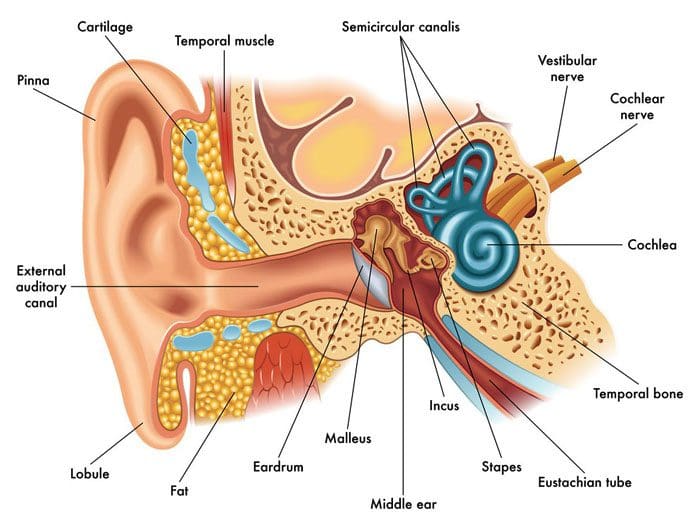
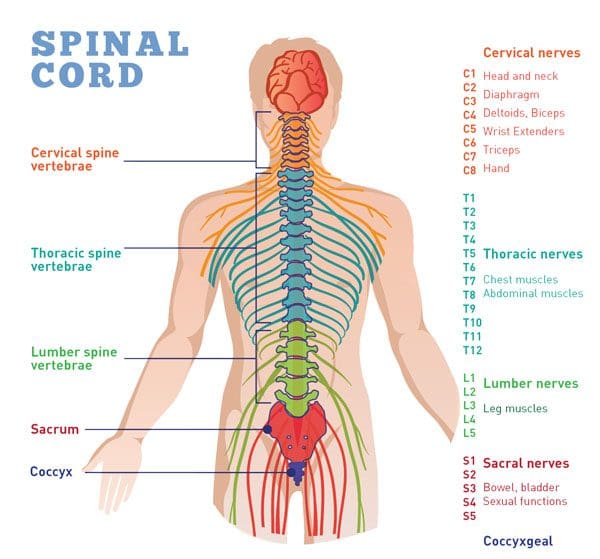
Vertigo symptoms usually begin with a communication issue with the inner ear and brain. This neurological connection involves the spinal cord, which chiropractic can treat and cure. A chiropractor will implement the necessary techniques to help alleviate vertigo symptoms.
Causes
The most common signs and symptoms are dizziness accompanied by a spinning sensation. Vertigo symptoms can also include:
Vertigo is a common symptom in individuals that have gone through trauma to the neck and/or head. A disturbance/interruption occurs in the nerve pathways in the spinal column. Disruption, injury, or damage to the vestibular system/inner ear also causes vertigo symptoms. Other causes include:
Ear infections
Pressure changes
Movement of particles within the inner ear
Chiropractic Treatment
Chiropractic treatment can cure vertigo symptoms through various exercises and spinal adjustments. When nerve signals don’t transmit correctly, it can cause a feeling of dizziness along with the other symptoms. Adjustments or manipulations help alleviate the symptoms by allowing nerve energy to circulate properly. Spinal adjustments realign the joints and vertebrae in the cervical spine. This opens the nerves pathways and allows for clear communication.
A common type of vertigo is known as benign paroxysmal positional vertigo or BPPV. This is the movement of particles around the inner ear. These particles come from otolith organs. The particles break loose and fall into other parts of the vestibular labyrinth. This alters the center of balance and can cause dizziness. A chiropractor may use the Epley maneuver, which maneuvers the head into different positions. A chiropractor will recommend specific exercises at home to benefit the vestibular system and its communication with the brain.
Body Composition
A Common Cold
The common cold, aka upper respiratory tract inflammation. It is the most common infectious respiratory disease. It is called this because of the effects on the nose and throat. According to the Center for Disease Control and Prevention, an adult will catch 2–3 colds a year. A cold-causing virus enters the respiratory tract directly when an individual inhales droplets or direct skin contact from an infected person. Cold symptoms include:
Runny nose
Stuffy nose
Sneezing
Coughing
Headaches
Body aches
The duration of a cold differs, but most individuals with a healthy immune system recover in 7–10 days. However, individuals with compromised immune systems, asthma, or COPD have an increased risk of developing serious illnesses like bronchitis or pneumonia. Quickly recovering from a cold requires boosting the immune system with proper rest, a nutritious diet, and drinking plenty of water.
References
Collins, Matthew E, and Tom M Misukanis. “Chiropractic management of a patient with post-traumatic vertigo of complex origin.” Journal of chiropractic medicine vol. 4,1 (2005): 32-8. doi:10.1016/S0899-3467(07)60110-4
Dalby, B J. “Chiropractic diagnosis and treatment of closed head trauma.” Journal of manipulative and physiological therapeutics vol. 16,6 (1993): 392-400.
Sajko, Sandy S et al. “Chiropractic management of benign paroxysmal positional vertigo using the Epley maneuver: a case series.” Journal of manipulative and physiological therapeutics vol. 36,2 (2013): 119-26. doi:10.1016/j.jmpt.2012.12.011
Dr. Alex Jimenez has a great therapy for cervical sprains. He is great with his hands; he has been able to relieve a lot of headaches and a lot of cervical sprains with the special techniques that he has.
Sandra Rubio
Vertigo is the sensation of spinning or a rocking whenever you’re still. It tends to last for hours even days. Medically, it is distinct from dizziness since it involves the feeling of motion. Vertigo is a health issue affecting the internal ear, particularly in the semicircular canals. These structures line with cells within the inner ear that are responsible for providing feedback on our position, and they act like a gyroscope for your own body.
Causes for Vertigo
Various causes can cause vertigo. The reason may be central or peripheral. While peripheral problems�are due to a health issue in the inner ear, central problems can�occur in the brain or spinal cord. Small crystals within the ear, known as otoconia, can also become loose and lead to irritation in a health issue called benign paroxysmal positional vertigo or BPPV. A�buildup in the inner ear can also lead to vertigo. Headaches, head injuries, strokes, tumors, and multiple sclerosis may also cause vertigo.
Head injuries can increase the risk factor for developing vertigo. Additionally, drugs and/or medications like aspirin, blood pressure prescriptions, and even antidepressants have been found to cause vertigo. For some people, vertigo�is caused by alcohol consumption.
Diagnosis and Treatment for Vertigo
To diagnose vertigo, a health professional will need a full record of your signs and symptoms, including recent illnesses, previous medical problems, and�use of drugs and/or medications. Afterward, a physical exam is performed. For vertigo, these often feature a neurological examination to examine brain function and determine if it is peripheral or central.
The health issue may pinpoint signs or symptoms of abnormal eye movement. The Dix-Hallpike test or the roll test may be done to determine this diagnosis. The evaluation repositions the head and tracks symptoms. The head is quickly transferred from side to side. An MRI or a CT scan can also help exclude structural issues. Electronystagmography may additionally be carried out to diagnose the health issue. A vertigo diagnosis is essential before following up with the best treatment.
The most effective treatments in the event of peripheral vertigo include partial repositioning movements. It’s called the canalith repositioning procedure or the Epley maneuver. Particular head movements are performed to move the crystals back into place. Cawthorne head exercises may also be performed to achieve this in a series of eye and head movements. These improve vertigo and contribute to the decreased sensitivity of the nerves. However, this needs to be done on a regular basis for optimum results. A qualified and experienced healthcare professional, such as a chiropractor, can perform these types of treatments.
Furthermore,�chiropractic care can help correct any spinal misalignments, or subluxations, which may be contributing to vertigo. Chiropractic care is a safe and effective alternative treatment option which focuses on the treatment of a variety of injuries and conditions associated with the musculoskeletal and nervous system. A chiropractor may also offer lifestyle modifications to help speed up the recovery process. Although some drugs and/or medications, such as�Meclizine, can be used to manage vertigo, keep in mind that these may only provide temporary relief.
Vertigo may occur due to health issues in the inner ear as well as due to disturbances in the pathways of the nervous system. Regardless of the cause, the persistent sensation of dizziness, followed by other symptoms, can ultimately impact an individual’s quality of life. Many healthcare professionals like chiropractors can help treat symptoms of vertigo.
Dr. Alex Jimenez D.C., C.C.S.T.
Prognosis for Vertigo
Most patients with peripheral vertigo can find substantial relief with treatment. It’s been suggested that the Epley maneuver in cases of BPPV cures as many as 90 percent of affected patients. It is unlikely that vertigo will persist past a few days, although there is a 15 percent recurrence of BPPV in the first year after an episode. Tests for any structural�problems of the brain, spinal cord, or ear may be necessary if vertigo continues.
If you are feeling dizzy with an awareness of motion, you might have vertigo. Ensure that your world stops spinning with the help of a certified and experienced chiropractor. Many trained in the Epley maneuver and the Cawthorne head exercises for vertigo. A chiropractor can even offer you instruction on how to do these exercises. Contact a healthcare professional to complete an analysis of your symptoms and follow up with treatment.� The scope of our information is limited to chiropractic as well as to spinal injuries and conditions. To discuss the subject matter, please feel free to ask Dr. Jimenez or contact us at�915-850-0900�.
Curated by Dr. Alex Jimenez
Additional Topics: Acute Back Pain
Back pain�is one of the most prevalent causes of disability and missed days at work worldwide. Back pain attributes to the second most common reason for doctor office visits, outnumbered only by upper-respiratory infections. Approximately 80 percent of the population will experience back pain at least once throughout their life. The spine is a complex structure made up of bones, joints, ligaments, and muscles, among other soft tissues. Because of this, injuries and/or aggravated conditions, such as�herniated discs, can eventually lead to symptoms of back pain. Sports injuries or automobile accident injuries are often the most frequent cause of back pain, however, sometimes the simplest of movements can have painful results. Fortunately, alternative treatment options, such as chiropractic care, can help ease back pain through the use of spinal adjustments and manual manipulations, ultimately improving pain relief.
Almost everyone can say that they’ve experienced a feeling of unsteadiness or a spinning/whirling sensation in their heads at one point in their lifetimes. Usually it’s narrowed down to dizziness, however, dizziness is a broad term that can mean different things to different individuals. It is a prevalent complaint which can also be serious. Dizziness has no specific medical definition, but there are four common conditions which can be considered types of dizziness:
Vertigo. The feeling of motion where there is no movement, as if you were spinning or your environment is whirling. Spinning/whirling yourself around and around, then abruptly stopping, can produce temporary vertigo. However, when it occurs throughout an individual’s regular course of living, it could mean that there’s an underlying health issue in the vestibular system of the inner ear, the body’s equilibrium system which tells you which way is up or down and senses the position of your head. About half of all dizziness complaints are diagnosed as vertigo.
Lightheadedness. Also referred to as near syncope or pre-syncope, lightheadedness is the feeling that you’re about to faint. It is commonly believed to occur from standing up too fast or by breathing deeply enough times to generate the sensation.
Disequilibrium. A problem with walking. People with disequilibrium feel unsteady on their feet or feel as if they will fall.
Anxiety. Individuals who are scared, worried, depressed, or fearful of open spaces can use the term “dizzy” to imply feeling frightened, depressed, or anxious.
Individuals who frequently suffer from dizziness may also ultimately complain of more than one type of dizziness. For instance, people with vertigo may also feel anxious. Dizziness may be a one-time event, or it can be a chronic, long-lasting issue. Nearly everyone who experiences some form of dizziness will recover over time. This is because an individual’s sense of balance is an intricate interaction between the brain, each ear’s different vestibular system, sensors in the muscles, and sense of vision. When one component experiences dysfunction, others can generally learn how to compensate. Below, we will be narrowing down the four common types of dizziness.
Vertigo, the sensation of spinning or whirling, can be divided into two different categories: peripheral vertigo and central vertigo. Peripheral vertigo is more common than central vertigo and it typically develops due to damage to the inner ear or CN VIII. This type of vertigo produces abnormal eye movements, referred to as nystagmus, which may be horizontal or rotary.
Nystagmus is usually jerky in nature with a fast and slow phase, however it is often named for the direction of the fast phase. Peripheral vertigo may worsen when the patient looks to the side of the fast phase of nystagmus. Furthermore, the severity of nystagmus can correlate with the severity of the patient’s vertigo. Peripheral vertigo is also characterized as having no other signs and/or symptoms of CNS dysfunction. Patient may describe having symptoms of nausea or may present difficulty when walking, but only due to vestibular dysfunction. The patient may also have hearing loss or tinnitus if the CN VIII or auditory mechanism function is damaged.
The causes of peripheral vertigo are typically benign, including: benign paroxysmal positional vertigo, or BPPV, cervicogenic vertigo, acute labyrinthitis/vestibular neuronitis, Meniere’s disease, perilymph fistula, and acoustic neuroma. Identifying a patient’s cause of vertigo can be determined by narrowing down the symptoms through proper diagnosis from a healthcare professional. If movements, especially of the neck and head, aggravate vertigo, it may be attributed to BPPV, vertebrobasilar artery insufficiency or cervicogenic vertigo. If noise manifests episodes of vertigo, it may be attributed to Meniere’s disease or perilymph fistula.
Common Causes of Dizziness
Vertigo can be Brought on by many things:
Infections, such as the ones which cause the frequent cold or diarrhea, can lead to temporary vertigo through an ear infection. This inner ear disease is generally viral, benign, and usually goes away in one to six weeks, however, drugs and/or medications are readily available if these become too severe.
Benign paroxysmal positional vertigo, or BPPV, is caused by the motion of a misplaced otolith, a tiny calcium particle the size of a grain of sand, from the component of the inner ear which senses gravity into the part that senses head position. The individual feels as if their head is turning when it isn’t. After diagnosis of BPPV using a special methods known as the Dix-Hallpike test, treatment done right in the doctor’s office can help move the otolith back where it belongs and fix the health issue. This therapy, known as the Epley maneuver, has been accounted to cure vertigo 80 percent of the time.
Meniere’s disease is a disorder characterized by long-lasting episodes of severe vertigo. Other symptoms of Meniere’s disease are tinnitus, or ringing in the ears, hearing loss, and fullness or pressure in the ear.
Dandy’s syndrome is a feeling of everything bouncing up and down. It may occur to individuals who take an antibiotic that is toxic to the ear. However, it usually improves over time.
Less frequent, deadly diseases may also result in vertigo, like tumors or stroke.
Below, we will be narrowing down some of the common causes of vertigo, described above, in further detail.
Benign Paroxysmal Positional Vertigo (BPPV)
Benign paroxysmal positional vertigo, or BPPV, may develop spontaneously, particularly in the elderly. It may also commonly develop as a result of head trauma or head injury, such as that resulting from an automobile accident. Vertiginous episodes associated with BPPV may manifest through specific movements, including, looking at a high shelf, referred to as top-shelf vertigo, bending over, and rolling over in bed at night. The onset of vertigo with BPPV can begin a few seconds after movement and often resolves within a minute. As mentioned above, the diagnostic test commonly utilized to diagnose BPPV is the Dix-Hallpike maneuver. Treatment procedures to treat BPPV include the Epley maneuver and Brandt-Daroff Exercises. Furthermore, benign paroxysmal positional vertigo may also resolve on its own as the loose crystals in the inner ear dissolve, however, it may take months and new otoliths can also become displaced.
Cervicogenic vertigo occurs after a neck or head injury, however, it is not very common. It’s generally accompanied by pain and/or joint restriction where vertigo and nystagmus are less severe than that in BPPV. Cervicogenic vertigo manifests with changes in head position but does not subside as quickly as it does with benign paroxysmal positional vertigo.
Vertebrobasilar Artery Insufficiency
Vertebrobasilar artery insufficiency occurs if the vertebral artery is compressed during head rotation or extension. In this instance, the onset of vertigo is delayed more than in BPPV or cervicogenic vertigo due to the fact that ischemia often takes up to 15 seconds to occur. Orthopedic tests for vertebrobasilar artery insufficiency may help in its diagnosis. Diagnostic tests include the�Barre?-Lie?ou sign, DeKlyn Test or Dix-Hallpike Maneuver, Hautant test, Underberg test and the vertebrobasilar after functional maneuver.
Acute Labyrinthitis and Vestibular Neuronitis
Acute labyrinthitis and vestibular neuronitis are not well understood, however, they’re believed to develop as a result of inflammation. These conditions generally follow after a viral infection or may occur seemingly without a cause.�Acute labyrinthitis and vestibular neuronitis are characterized by a single, monophasic attack of vertigo which typically resolves in days to a few weeks and generally does not reoccur.
Meniere’s Disease
Meniere’s disease is characterized by increased pressure in the endolymph which causes membrane ruptures and a sudden mixture of endolymph and perilymph. With Meniere’s disease, episodes of vertigo can last from 30 minutes to several hours, or until equilibrium between the fluids in the inner ears to be reached. Over time, these episodes can damage vestibular and cochlear hair cells, resulting in low-pitch buzzing tinnitus and the loss of hearing of low tones. In comparison to Meniere’s disease, Meniere’s syndrome is when the symptoms of Meniere’s disease are found to be secondary to another condition, such as: hypothyroidism, acoustic neuroma, superior semicircular canal dehiscence or SCDS, or perilymph fistula. True Meniere’s disease is idiopathic.
Perilymph Fistula
Perilymph fistula is an abnormal connection, or tear, which causes a small leak within the inner ear due to trauma or injury, especially barotrauma. Perilymph fistula can look very similar symptomatically to Meniere’s disease/syndrome and it’s often aggravated by changes in pressure causes by airplane rides or driving uphill. Another symptom of perilymph fistula includes Hennebert’s sign, where a vertigo or nystagmus episode is brought on by sealing pressure of the ear, such as by inserting an otoscope.
Central vertigo, another category of vertigo, is less common than peripheral vertigo, as described above. It is caused by damage to the processing center of vestibular information in the brain stem and the cerebral cortex. However, episodes of dizziness are considered to be less severe than with peripheral vertigo while episodes of nystagmus are more severe than the patient’s complaint or description. This specific nystagmus associated with central vertigo may go in multiple directions, including vertical. Central vertigo may or may not have other CNS findings upon diagnosis or examination and no changes in hearing can be expected with this form of vertigo. The most common causes of central vertigo include: cerebrovascular disease, such as transient ischemic attacks, multiple sclerosis, Arnold-Chiari malformation, damage to caudal brainstem or vestibulocerebellum and/or migraine condition.
Lightheadedness, or pre-syncope dizziness, is generally caused by some surrounding circumstance impairing blood flow into the brain when an individual is standing up. Blame this problem on our ancestors who learned to walk upright, placing our brain above our heart. It is a challenge for your heart to keep the brain supplied with blood and it is easy for this system to break down. When blood vessels in the brain become dilated, or enlarged, as a result of elevated fever, excitement or hyperventilation, alcohol ingestion, or prescription drugs and/or medications, such as antidepressants, it’s no wonder someone may commonly get lightheaded. There can also be serious causes, however, such as a stroke and cardiovascular disease.
Pre-syncope dizziness is specifically from cardiac origin, such as output disorders, arrhythmias, Holter monitor testing. It may also be caused by postural/orthostatic hypotension, which may be secondary to other health issues like diabetic neuropathy, adrenal hypofunction, Parkinsons, certain drugs and/or medications, etc. Light-headedness can involve vasovagal episodes accompanied by slow heart rate with low blood pressure often caused by stress, anxiety or hyperventilation. Finally, pre-syncope dizziness can be caused by migraine headaches due to cerebrovascular instability and blood sugar dysregulation.
Disequlibrium, can be caused by:
A type of arthritis in the neck called cervical spondylosis, which puts stress on the spinal cord.
Parkinson’s disease or related disorders that cause an individual to stoop forward.
Disorders involving part of the brain known as the cerebellum. The cerebellum is the part of the brain responsible for coordination and balance.
Diseases like diabetes that can lead to lack of sensation in the legs.
Disequilibrium is most common in the elderly and it generally occurs due to sensory deficits. In addition, disequilibrium has a gradual onset which worsens with reduced vision, darkness, eyes closed and visual acuity losses. However, it is improved by touching a stationary object which is often subjective as dizziness improves with a gait assistive device like a cane, walker, etc.
Dr. Alex Jimenez’s Insights
If you’ve ever experienced a sudden spinning or whirling sensation or even felt faint, woozy or unsteady, you’re not alone. Dizziness is a term used to describe a range of sensations and it is one of the most common reasons why many adults visit their healthcare professionals. While these false sensations can rarely signal a life-threatening condition, frequent episodes can significantly affect an individual’s quality of life. Diagnosis and treatment of dizziness can depend largely on the cause of the symptoms. Fortunately, many treatment methods used to treat dizziness are considered safe and effective.
Other causes of dizziness can be attributed to psychological stress. In this instance, the patient will describe their dizziness as a “floating” sensation.�Dizziness in the kind of anxiety is frequently, but not always, caused by depression. In addition, it can be attributed to an anxiety disorder or anxiety. Various medications can also cause dizziness as a side effect. It’s essential for a healthcare professional to rule out this type of dizziness caused by hyperventilation as well as other types of dizziness. The scope of our information is limited to chiropractic as well as to spinal injuries and conditions. To discuss the subject matter, please feel free to ask Dr. Jimenez or contact us at 915-850-0900 .
Curated by Dr. Alex Jimenez
Additional Topics: Sciatica
Sciatica is medically referred to as a collection of symptoms, rather than a single injury and/or condition. Symptoms of sciatic nerve pain, or sciatica, can vary in frequency and intensity, however, it is most commonly described as a sudden, sharp (knife-like) or electrical pain that radiates from the low back down the buttocks, hips, thighs and legs into the foot. Other symptoms of sciatica may include, tingling or burning sensations, numbness and weakness along the length of the sciatic nerve. Sciatica most frequently affects individuals between the ages of 30 and 50 years. It may often develop as a result of the degeneration of the spine due to age, however, the compression and irritation of the sciatic nerve caused by a bulging or herniated disc, among other spinal health issues, may also cause sciatic nerve pain.
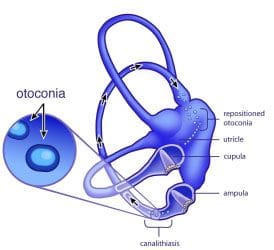
Benign paroxysmal positional vertigo, or BPPV, is a mechanical issue in the inner ear. It occurs when some of the calcium carbonate crystals (otoconia) that are normally embedded in gel at the utricle become dislodged and migrate to at least one of those 3 fluid-filled semicircular canals, where they are not supposed to be. When enough of these particles accumulate in one of the canals they interfere with the normal fluid motion that these canals utilize to sense head motion, causing the inner ear to send false signals to the mind.
Fluid in the semi-circular canals doesn’t normally react to gravity. However, the crystals do proceed with gravity, thereby shifting the fluid when it normally would be still. When the fluid moves, nerve endings in the canal are eager and send a message to the brain the mind is moving, even though it is not. This false information doesn’t match what another ear is sensing, together with what the eyes are seeing, or with what the joints and muscles are doing, and also this mismatched information is perceived by the brain as a turning sensation, or vertigo, which generally lasts less than one minute. Between vertigo spells some people today feel symptom-free, while some feel a mild sense of imbalance or disequilibrium.
A healthcare professional will execute a collection of tests and evaluations in order to properly diagnose the individual’s BPPV. Regular medical imaging (e.g. an MRI) is not helpful in diagnosing BPPV, because it doesn’t show the crystals which have moved to the semi-circular canals. But when someone with BPPV has their own head moved into a position that produces the dislodged crystals move within a tube, the error signals cause the eyes to move in a very specific pattern, called”nystagmus”.
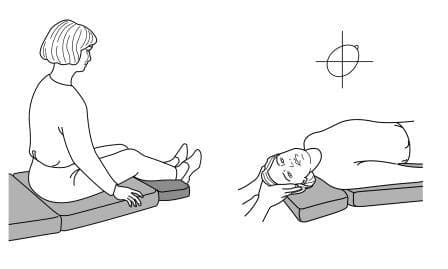
The nystagmus will possess distinct characteristics that let a trained practitioner to identify which ear the crystals that are displaced are in, and then canal(s) they have moved into. Tests such as the Dix-Hallpike or Roll Tests involve moving the head into specific orientations, allowing gravity to move the dislodged crystals and activate the vertigo while the professional watches for the tell-tale eye movements, or nystagmus.�To execute the Dix-Hallpike test, a healthcare professional will ask the patient to sit on the test table with their legs stretched out. They will then turn the head 45 degrees to one side, which contrasts the right posterior semicircular canal with the sagittal plane of the body, then they are going to allow the patient to lie back quickly, while the eyes are open, so that their head hangs slightly over the edge of the desk.
When the health care provider has finished the diagnosis, then they can perform the appropriate treatment maneuver. The maneuvers make use of gravity to guide the crystals back to the room where they are supposed to be via a very specific series of head movements, commonly referred to as Repositioning Maneuvers. Repositioning maneuvers are highly effective in treating BPPV, inexpensive, and easy to apply.
Dr. Alex Jimenez’s Insights
While the use of surgical interventions as well as that of drugs and/or medications are occasionally recommended to relieve the symptoms associated with benign paroxysmal positional vertigo, or BPPV, they do not treat the underlying health issue. Repositioning maneuvers, like the ones demonstrated below, are considered to be safe yet effective treatment options for BPPV. There is good evidence to support the treatment of BPPV with the Epley maneuver. Although less amounts of research studies have been conducted on other repositioning maneuvers, outcome measures of a variety of patients with BPPV have benefitted from the other treatment options for benign paroxysmal positional vertigo.
Considering that the therapeutic efficacy among maneuvers for every canal is comparable, the option of treatment is generally predicated on clinician preference, complexity of their maneuvers themselves, therapy response to certain maneuvers, as well as musculoskeletal considerations, such as arthritic changes and range of motion of the cervical spine. Below, many repositioning maneuvers are demonstrated, for instance, deep mind hanging maneuver, the Lempert (BBQ) maneuver and the Epley maneuver.
The deep head hanging maneuver is a repositioning maneuver which is used for one of the least common places where BPPV occurs, the superior semi-circular canal, amounting to only about 2 percent of most benign paroxysmal positional vertigo instances. However, the advantage of deep head hanging maneuvers is that they may be effectively performed without knowledge of the side involved. It consists of three steps with four position changes at intervals of approximately 30 seconds.
The deep head hanging maneuver is performed with the patient at the long-sitting position, while the head is brought to a minimum of 30� below the horizontal with the head straight up. When the nystagmus induced by this measure is finished, the head is brought up rapidly to touch the chest while the patient remains supine, and after 30 seconds, the individual has been brought back to a seated position with head flexion maintained. Finally, the patient will be brought back to a neutral head position.
The Lempert maneuver, also referred to as the Barbeque maneuver or the Roll maneuver, is a repositioning maneuver commonly utilized to help treat canilithiasis of the horizontal and lateral canal. It might occur as a complication of posterior canal BPPV treatment repositioning maneuvers. The side with the most notable horizontal nystagmus is assumed to be the affected side.
To perform the Lempert maneuver, the patient should lie supine on the exam table, using the affected ear facing down. Afterward, the healthcare professional will quickly turn the head 90� towards the unaffected side, facing up, waiting 15-20 minutes between each head turn. The medical professional will subsequently turn the head 90� so the affected ear is currently facing up. The next step includes having the individual tuck their arms to their torso, in order to allow the doctor to roll the patient to a more moderate position with their head down. The individual must be turned on their side since the physician rolls their head 90� (returning them to their original position, with the affected ear facing down ). At length, the medical professional should place the patient so that they are face up and bring them into a sitting posture.
Treatment with the Lempert maneuver is efficient approximately 75% of the moment, however, the effectiveness can vary from individual to individual. It is important to keep in mind that longer periods of time between head turns may provoke nausea. This sort of repositioning maneuver shouldn’t be done on patients in which it isn’t safe to move their mind, including in the case of cervical spine injuries.
Epley Maneuver for BPPV
The most common repositioning maneuver for the treatment of benign paroxysmal positional vertigo, or BPPV, is known as the Epley maneuver. The Epley maneuver, occasionally referred to as the canalith repositioning maneuver, is a process which involves a series of head movements, normally performed by a healthcare professional who’s experienced and qualified in the treatment of vestibular disorders, so as to relieve the symptoms associated with BPPV, including dizziness.
The Epley maneuver is performed by placing the patient’s mind at an angle in where gravity can help alleviate the symptoms. Tilting the mind can move the crystals out of the semicircular canals of the inner ear. This means that they will quit displacing the fluid, relieving the dizziness and nausea they may have been causing. In this manner, the Epley maneuver alleviates the symptoms of BPPV. But, it may have to be repeated more than once, as occasionally, some head movements can once again displace the small crystals of the internal ear, once they had been repositions after the first treatment.
Research studies have shown that the Epley maneuver is a safe and effective treatment for the specific vertigo disorder, offering both long-term and immediate relief. The Epley maneuver, named after Dr. John Epley, has been named the canalith repositioning maneuver because it helps to reposition the small crystals at a person’s inner ear, which might be causing the sensation of dizziness.
Repositioning these tiny crystals called otoconia helps to ease BPPV symptoms.�There are two types of BPPV: one where the loose crystals can move freely in the fluid of the canal (canalithiasis), and, more rarely, one where the crystals are thought to be �hung up� on the bundle of nerves that sense the fluid movement (cupulolithiasis).�It is important to make this distinction, as each repositioning maneuver may affect each variant differently. The scope of our information is limited to chiropractic as well as to spinal injuries and conditions. To discuss the subject matter, please feel free to ask Dr. Jimenez or contact us at 915-850-0900 .
Curated by Dr. Alex Jimenez
Additional Topics: Sciatica
Sciatica is medically referred to as a collection of symptoms, rather than a single injury and/or condition. Symptoms of sciatic nerve pain, or sciatica, can vary in frequency and intensity, however, it is most commonly described as a sudden, sharp (knife-like) or electrical pain that radiates from the low back down the buttocks, hips, thighs and legs into the foot. Other symptoms of sciatica may include, tingling or burning sensations, numbness and weakness along the length of the sciatic nerve. Sciatica most frequently affects individuals between the ages of 30 and 50 years. It may often develop as a result of the degeneration of the spine due to age, however, the compression and irritation of the sciatic nerve caused by a bulging or herniated disc, among other spinal health issues, may also cause sciatic nerve pain.
Benign Paroxysmal Positional Vertigo, or BPPV, is the most common vestibular disorder and it is by far the most common cause of vertigo, a false sensation of rotational movement or spinning. BPPV isn’t life-threatening, it can come in unexpectedly in brief spells and it can trigger with certain head positions or motions. This might frequently occur when you tip your head down or up, when you lie down, or when you flip over or sit up in bed.
BPPV is a mechanical problem in the inner ear. It occurs when some of the calcium carbonate crystals, known as otoconia, that are typically embedded in gel at the utricle, become dislodged and migrate into at least one of the 3 fluid-filled semicircular canals, in which they are not supposed to be. When enough of these particles collect among the canals, they interfere with the fluid movement that these canals use to sense head motion, causing the internal ear to send false signals to the brain.
Fluid from the canals does not normally respond to gravity. On the other hand, the crystals do interact with gravity, thereby shifting the fluid when it normally would remain still. After the fluid moves, nerve endings in the canal are triggered and send a message to the brain that the head is moving, even though it is not. This false information does not match what the other ear may be sensing, together with what the eyes are seeing, or using what the muscles and joints do, and this mismatched information is sensed by the brain as a spinning sensation, or vertigo, which normally lasts less than one minute. Between vertigo spells some people may feel symptom-free, while others feel a mild sense of imbalance or disequilibrium.
Symptoms of BPPV
The signs and symptoms of benign paroxysmal positional vertigo, or BPPV, may include:
Dizziness
A feeling that you or your surroundings are spinning or moving (vertigo)
A loss of equilibrium or balance
Nausea
Vomiting
The signs and symptoms of BPPV can come and go, with these generally lasting less than one minute. Episodes of benign paroxysmal positional vertigo can disappear for a while and then return. Activities that cause the signs and symptoms of BPPV may vary from person to person, but are nearly always brought on by a change in the placement of the head. Some people also feel out of balance when standing or walking. Abnormal rhythmic eye movements, known as nystagmus, usually follow the outward signs of benign paroxysmal positional vertigo, or BPPV.
It’s essential, however, to understand that BPPV will not give you continuous dizziness that is unaffected by motion or even a change in position. Also, it will not affect your hearing or produce fainting, headache or neurological signs, such as numbness, a sensation of “pins and needles,” difficulty speaking or difficulty coordinating your movements. If you have one or more of these additional symptoms, tell a healthcare professional immediately. Other disorders could be originally misdiagnosed as BPPV. By alerting a healthcare professional about any signs and symptoms you may be experiencing along with vertigo, they could reevaluate your illness and think about whether you might have another kind of disorder, instead of or in addition to BPPV.
BPPV is rather common, with an estimated prevalence of 107 per 100,000 annually plus a lifetime prevalence of 2.4 percent. It is thought to be quite rare in children but can affect adults of any age, particularly seniors. The wide majority of cases happen for no apparent reason, with many individuals describing how they simply went to get out of bed and the room began to spin. Nevertheless, associations have been made with injury, migraine headaches, inner ear infection or disease, diabetes, osteoporosis, intubation, presumably due to protracted time lying in bed, and reduced blood flow. There might also be a correlation with a person’s favorite sleeping side.
Diagnosis for BPPV
General practitioners normally refer patients to a healthcare professional specifically trained to take care of vestibular disorders, most commonly a vestibular rehabilitation therapist, such as a chiropractor, a specially trained physical therapist, or sometimes an occupational therapist or audiologist. An ENT (ear, nose & throat specialist) who specializes on vestibular disorders can also diagnose BPPV.
Normal medical imaging (e.g. an MRI) isn’t effective in diagnosing BPPV, because it doesn’t show the crystals that have moved to the semi-circular canals. However, when someone with BPPV has their own head moved into a position that makes the dislodged crystals go within a canal, the error signals have been known to cause the eyes to move in a very specific pattern, known as “nystagmus”.
The association between the internal ears and the eye muscles are what generally permit us to remain focused on our environment while the head is moving. Since the dislodged crystals make the brain think a person is moving when they are not, it causes the eyes to move, making it seem like the room is spinning. The eye movement is the indication that something is happening automatically in order to move the fluid in the inner ear canals when it shouldn’t be.
The nystagmus will have different characteristics that allow a healthcare professional to recognize which ear the displaced crystals are inside, as well as which canal(s) they have moved into. Evaluations like the Dix-Hallpike test involves moving the head into specific orientations, allowing gravity to move the dislodged crystals and activate the vertigo while the healthcare professional watches for the recognizable eye movements, or nystagmus.
Dix-Hallpike Test for BPPV
Healthcare professionals, such as chiropractors specializing in vestibular diseases, typically utilize the Dix-Hallpike test, sometimes called the Dix-Hallpike maneuver, to test for benign paroxysmal positional vertigo, or BPPV. To execute the Dix-Hallpike test, your doctor will ask you to sit on the test table with your legs stretched out. He’ll turn your head 45 degrees to one side, which contrasts the right posterior semicircular canal with the sagittal plane of the body, then they are going to allow you to lie back quickly, while the eyes are open, so that your head hangs slightly over the edge of the desk.
This motion may cause the loose crystals to move inside your semicircular canals. The healthcare professional will ask if you are feeling symptoms of vertigo and observe your eyes to find out how they move. As soon as you’ve got a few minutes to recover, your doctor may do the test on the opposite side of your head.
The latency, length and direction of nystagmus, if present, along with the latency and duration of vertigo, if present, should be noted. If the test is negative, it will demonstrate that�benign paroxysmal positional vertigo is a less probable diagnosis and central nervous system involvement ought to be considered. There are two sorts of BPPV: One at which loose crystals can move freely in the fluid of the canal (canalithiasis), and, more infrequently, one where the crystals are believed to be ‘wrapped up’ on the bundle of nerves that feel the fluid motion, or cupulolithiasis.
With canalithiasis, it requires less than a moment for those crystals to stop moving after a particular change in head position has triggered a twist. Once the crystals quit shifting, the fluid motion settles and the nystagmus and vertigo cease. With cupulolithiasis, the crystals trapped on the package of sensory nerves will make the nystagmus and vertigo last longer, until the head is moved out of the offending position. It is necessary to make the proper diagnosis, since the treatment is different for every variant. BPPV can be treated using various treatment methods, one of the most common being the Epley Maneuver.
Dr. Alex Jimenez’s Insight
Chiropractic care is an alternative treatment option commonly utilized to help treat a variety of injuries and conditions associated with the proper alignment of the spine. Occasionally, a spinal misalignment, or subluxation, can develop into numerous health issues, causing a wide array of symptoms if left untreated for an extended period of time. However, many chiropractors can treat many other ailments not closely associated with the spine. In a clinical setting, chiropractic care has been used for the management of benign paroxysmal positional vertigo, or BPPV. Chiropractors will utilize the Dix-Hallpike test to diagnose a patient followed by the Epley maneuver to help treat patients with BPPV. Many patients have reported a reduction in symptoms.
The scope of our information is limited to chiropractic as well as to spinal injuries and conditions. To discuss the subject matter, please feel free to ask Dr. Jimenez or contact us at 915-850-0900 .
Curated by Dr. Alex Jimenez
Additional Topics: Sciatica
Sciatica is medically referred to as a collection of symptoms, rather than a single injury and/or condition. Symptoms of sciatic nerve pain, or sciatica, can vary in frequency and intensity, however, it is most commonly described as a sudden, sharp (knife-like) or electrical pain that radiates from the low back down the buttocks, hips, thighs and legs into the foot. Other symptoms of sciatica may include, tingling or burning sensations, numbness and weakness along the length of the sciatic nerve. Sciatica most frequently affects individuals between the ages of 30 and 50 years. It may often develop as a result of the degeneration of the spine due to age, however, the compression and irritation of the sciatic nerve caused by a bulging or herniated disc, among other spinal health issues, may also cause sciatic nerve pain.
IFM's Find A Practitioner tool is the largest referral network in Functional Medicine, created to help patients locate Functional Medicine practitioners anywhere in the world. IFM Certified Practitioners are listed first in the search results, given their extensive education in Functional Medicine