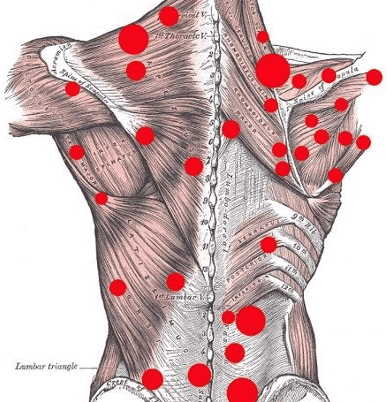
Understand the symptoms of shoulder pain in the upper trapezius and discover helpful methods for alleviating the pain.
Chiropractic Care for Upper Trapezius Shoulder Pain: A Comprehensive Guide to Relief
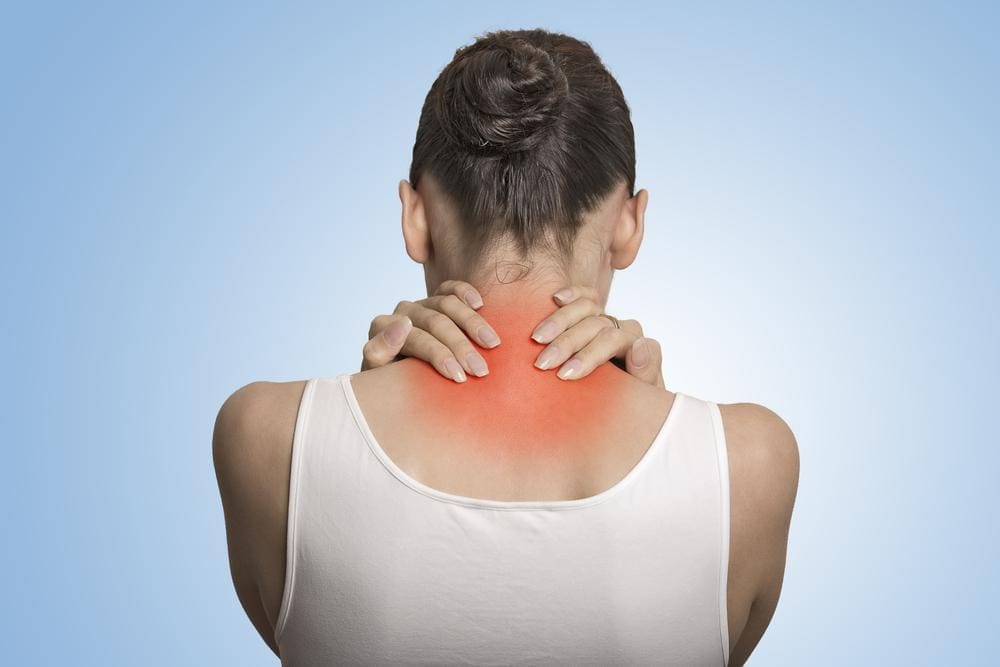
Shoulder pain, particularly from the upper trapezius muscle, is a widespread issue that affects people across various walks of life—office workers, athletes, and those managing daily stresses. This pain can limit mobility, disrupt sleep, and reduce overall quality of life. Chiropractic care offers a non-invasive, holistic approach to managing upper trapezius pain by addressing its root causes and promoting long-term recovery. This in-depth guide explores the anatomy and function of the upper trapezius, the causes of associated shoulder pain, the role of myofascial trigger points, and evidence-based nonsurgical treatments, including chiropractic care. Drawing on clinical insights from Dr. Alexander Jimenez, DC, APRN, FNP-BC, a dual-licensed chiropractor and family nurse practitioner, we’ll highlight how integrative care can transform lives for those dealing with shoulder pain.
Understanding the Upper Trapezius Muscle: Anatomy and Function
Anatomy of the Upper Trapezius
The trapezius muscle is a large, triangular muscle spanning the upper back and neck, divided into upper, middle, and lower regions. The upper trapezius originates from the occipital bone at the skull’s base, the ligamentum nuchae (a fibrous neck structure), and the cervical vertebrae’s spinous processes (C1-C7). It inserts into the lateral clavicle, acromion, and scapular spine (Ziaeifar et al., 2019).
Located close to the skin’s surface, the upper trapezius is easily palpable and susceptible to tension or tenderness. It is innervated by the spinal accessory nerve (cranial nerve XI) and receives blood from the occipital artery’s branches, making it a critical structure for shoulder and neck stability.
Biomechanics and Function
The upper trapezius plays a vital role in upper body movement and stability:
Scapular Elevation: It lifts the shoulder blade, as seen when shrugging shoulders.
Scapular Upward Rotation: It aids in rotating the scapula upward, essential for overhead arm movements like reaching or throwing.
Neck Extension and Lateral Flexion: It supports backward head extension and side tilting.
Stabilization: It stabilizes the shoulder girdle during arm movements, ensuring proper alignment.
These functions make the upper trapezius essential for tasks like carrying heavy bags, typing, or engaging in sports like swimming or CrossFit. However, repetitive or static activities can strain this muscle, leading to pain and dysfunction (Brandt et al., 2014).
References:
Ziaeifar, M., Arab, A. M., Karimi, N., & Nourbakhsh, M. R. (2019). Dry needling versus trigger point compression of the upper trapezius: A randomized clinical trial with two-week and three-month follow-up. Journal of Manual & Manipulative Therapy, 27(3), 152–161. https://doi.org/10.1080/10669817.2018.1530421
Brandt, M., Sundstrup, E., Jakobsen, M. D., Jay, K., Colado, J. C., Wang, Y., & Andersen, L. L. (2014). Association between neck/shoulder pain and trapezius muscle tenderness in office workers. Pain Research and Treatment, 2014, 352735. https://doi.org/10.1155/2014/352735
Causes of Shoulder Pain in the Upper Trapezius
Upper trapezius-related shoulder pain can arise from multiple factors, often related to lifestyle, injury, or biomechanics. Identifying these causes is key to effective treatment.
1. Repetitive Strain and Overuse
Prolonged activities like typing or overhead sports can overwork the upper trapezius, leading to muscle fatigue and tightness. Office workers, for instance, often maintain static postures, increasing strain, while athletes may experience overuse from repetitive motions (Aydın et al., 2021; Silva et al., 2022).
2. Poor Posture
Forward head posture, common among those using computers or smartphones for extended periods, places excessive stress on the upper trapezius. This posture forces the muscle to overcompensate to stabilize the neck and shoulders, leading to pain (Brandt et al., 2014).
3. Stress and Muscle Tension
Psychological stress triggers involuntary tightening of the upper trapezius, as the body responds by tensing neck and shoulder muscles. Chronic stress can perpetuate this tension, causing persistent discomfort (Cleveland Clinic, 2025).
4. Trauma or Injury
Acute injuries, such as whiplash from car accidents or falls, can strain or tear the upper trapezius, resulting in pain and limited mobility. Whiplash-associated disorders (WAD) are particularly linked to trapezius dysfunction (Voerman et al., 2007).
5. Myofascial Trigger Points
Myofascial trigger points are hyperirritable spots within the muscle that cause localized or referred pain. These points often develop in the upper trapezius due to overuse, poor posture, or injury, contributing to shoulder and neck pain (Ziaeifar et al., 2019).
6. Occupational and Ergonomic Factors
Sedentary jobs and poor workstation ergonomics increase the risk of trapezius pain. Inadequate chair support, improper monitor height, or repetitive tasks can exacerbate muscle strain, particularly in office workers (Brandt et al., 2014).
References:
Aydın, N. S., Çelenay, Ş. T., & Özer Kaya, D. (2021). Muscle activation of the upper trapezius and functional typing performance during computer typing task: A comparison of two different wrist immobilization methods. Journal of Bodywork and Movement Therapies, 27, 472–476. https://doi.org/10.1016/j.jbmt.2021.05.001
Silva, E. R., Maffulli, N., & Santos, G. M. (2022). Function, strength, and muscle activation of the shoulder complex in CrossFit practitioners with and without pain: A cross-sectional observational study. Journal of Orthopaedic Surgery and Research, 17(1), 24. https://doi.org/10.1186/s13018-022-02915-x
Brandt, M., Sundstrup, E., Jakobsen, M. D., Jay, K., Colado, J. C., Wang, Y., & Andersen, L. L. (2014). Association between neck/shoulder pain and trapezius muscle tenderness in office workers. Pain Research and Treatment, 2014, 352735. https://doi.org/10.1155/2014/352735
Voerman, G. E., Vollenbroek-Hutten, M. M. R., & Hermens, H. J. (2007). Upper trapezius muscle activation patterns in neck-shoulder pain patients and healthy controls. European Journal of Applied Physiology, 102(1), 1–9. https://doi.org/10.1007/s00421-006-0215-8
Ziaeifar, M., Arab, A. M., Karimi, N., & Nourbakhsh, M. R. (2019). Dry needling versus trigger point compression of the upper trapezius: A randomized clinical trial with two-week and three-month follow-up. Journal of Manual & Manipulative Therapy, 27(3), 152–161. https://doi.org/10.1080/10669817.2018.1530421
What is Upper Cross Syndrome- Video
Myofascial Trigger Points and Their Impact on Shoulder Pain
What Are Myofascial Trigger Points?
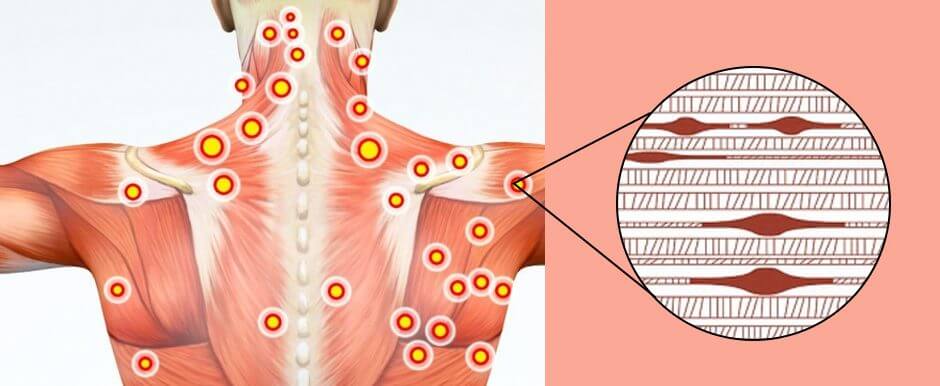
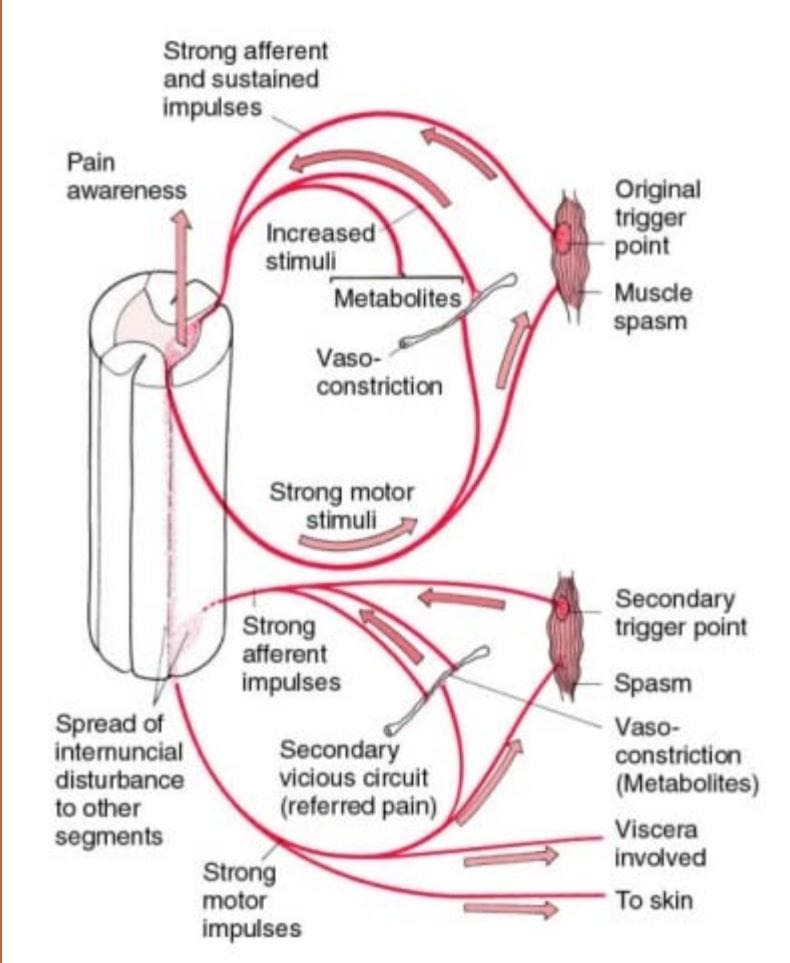
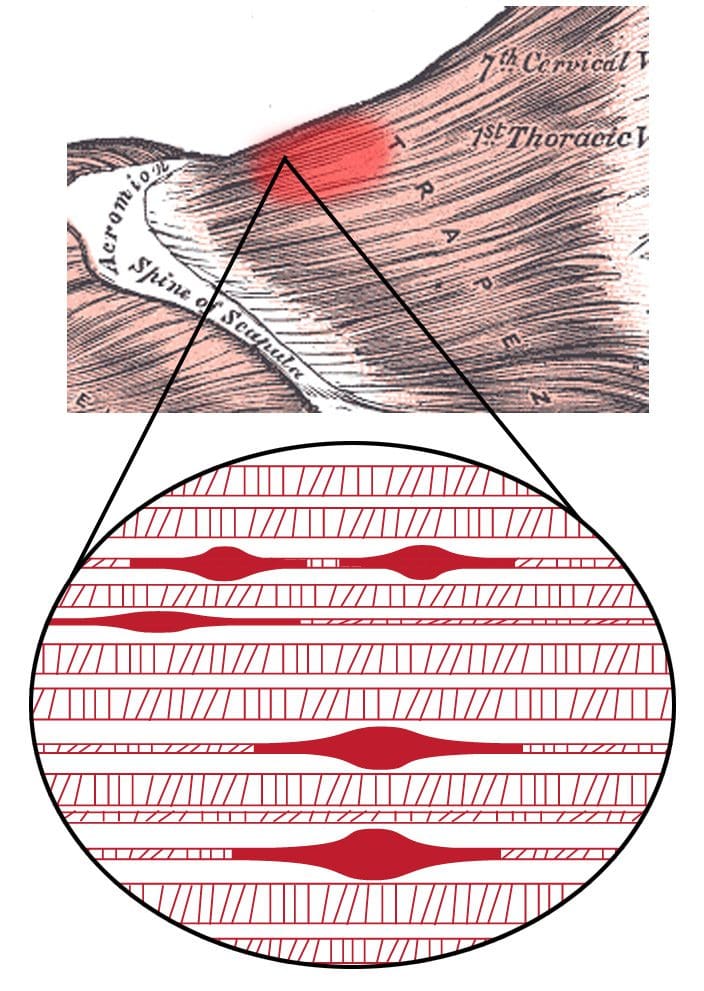
Myofascial trigger points are tight, sensitive areas in skeletal muscle that form palpable nodules within taut muscle bands. These points can cause localized pain or refer pain to other areas, such as the neck, head, or shoulders. In the upper trapezius, trigger points are common due to the muscle’s constant engagement in stabilizing and moving the shoulder girdle (Ziaeifar et al., 2019).
How Trigger Points Cause Shoulder Pain
Trigger points in the upper trapezius contribute to shoulder pain in several ways:
Localized Pain: Trigger points feel like tender knots, causing sharp or aching pain when pressed.
Referred Pain: Pain can radiate to the neck, head (causing tension headaches), or arm.
Restricted Mobility: Muscle tightness limits neck and shoulder movement, making tasks like turning the head or lifting painful.
Muscle Weakness: Chronic trigger points may weaken the upper trapezius, leading to compensatory overuse of other muscles and worsening pain (Stieven et al., 2021).
These points often arise from repetitive strain, poor posture, or stress, creating a cycle of pain and dysfunction if untreated (Cleveland Clinic, 2025).
Clinical Impact
Research shows a strong link between neck/shoulder pain intensity and trapezius muscle tenderness, with higher pain levels corresponding to greater tenderness severity (Brandt et al., 2014). This underscores the importance of targeting trigger points to alleviate chronic shoulder pain.
References:
Ziaeifar, M., Arab, A. M., Karimi, N., & Nourbakhsh, M. R. (2019). Dry needling versus trigger point compression of the upper trapezius: A randomized clinical trial with two-week and three-month follow-up. Journal of Manual & Manipulative Therapy, 27(3), 152–161. https://doi.org/10.1080/10669817.2018.1530421
Stieven, F. F., Ferreira, G. E., de Araújo, F. X., de Medeiros, F. S., da Rosa, L. H. T., de Oliveira, M. X., & da Silva, M. F. (2021). Immediate effects of dry needling and myofascial release on local and widespread pressure pain threshold in individuals with active upper trapezius trigger points: A randomized clinical trial. Journal of Manipulative and Physiological Therapeutics, 44(2), 95–102. https://doi.org/10.1016/j.jmpt.2020.07.003
Brandt, M., Sundstrup, E., Jakobsen, M. D., Jay, K., Colado, J. C., Wang, Y., & Andersen, L. L. (2014). Association between neck/shoulder pain and trapezius muscle tenderness in office workers. Pain Research and Treatment, 2014, 352735. https://doi.org/10.1155/2014/352735
Chiropractic Care for Upper Trapezius Pain: Clinical Rationale
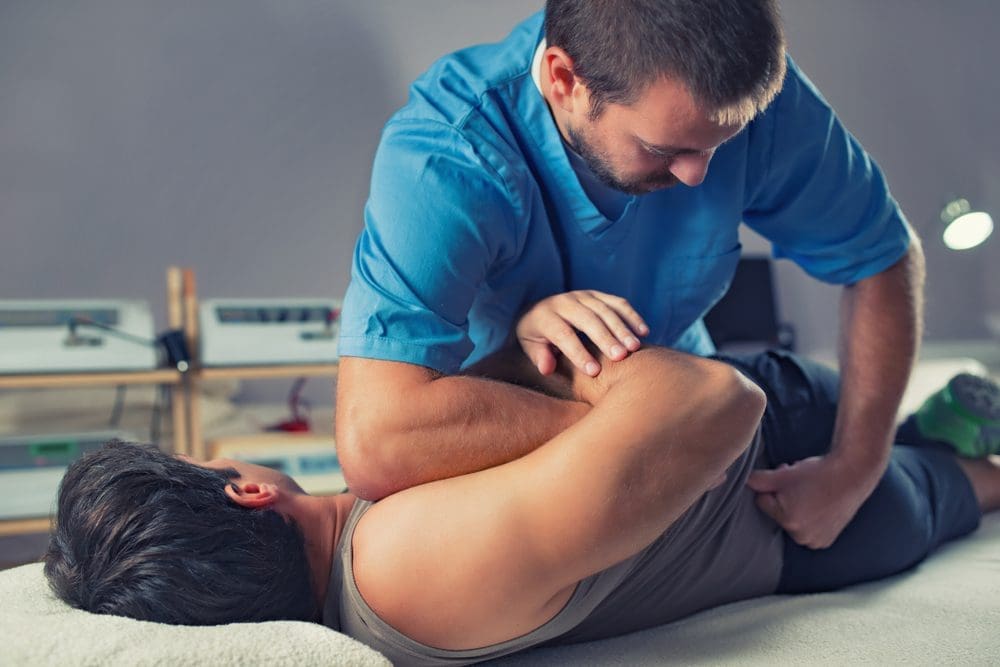
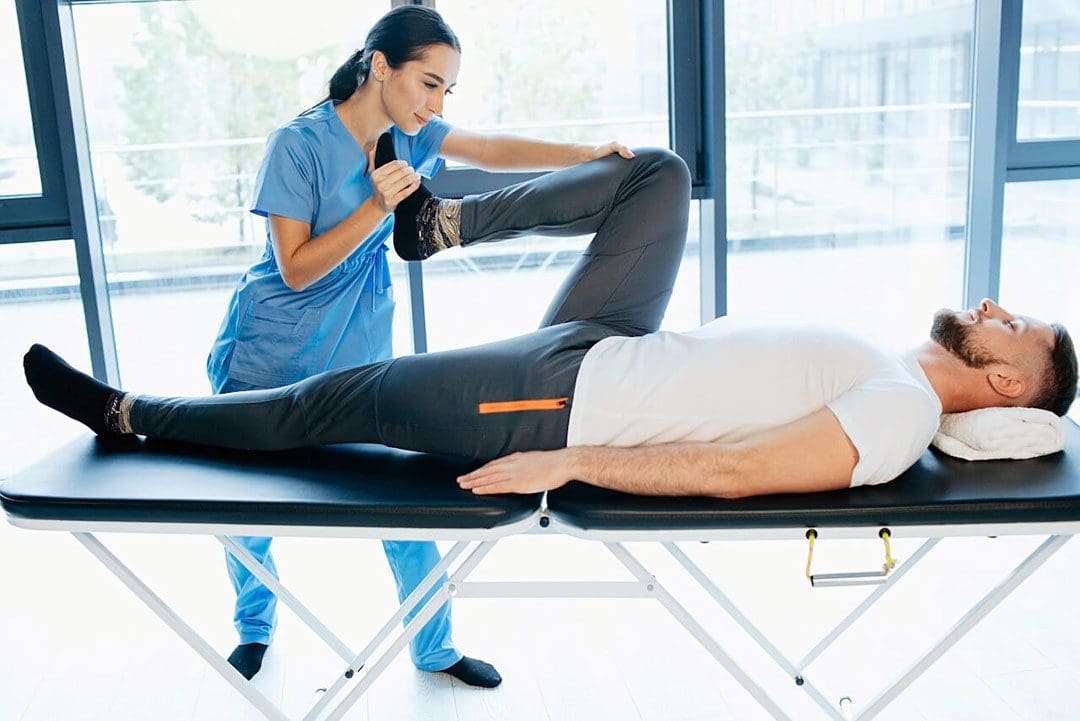
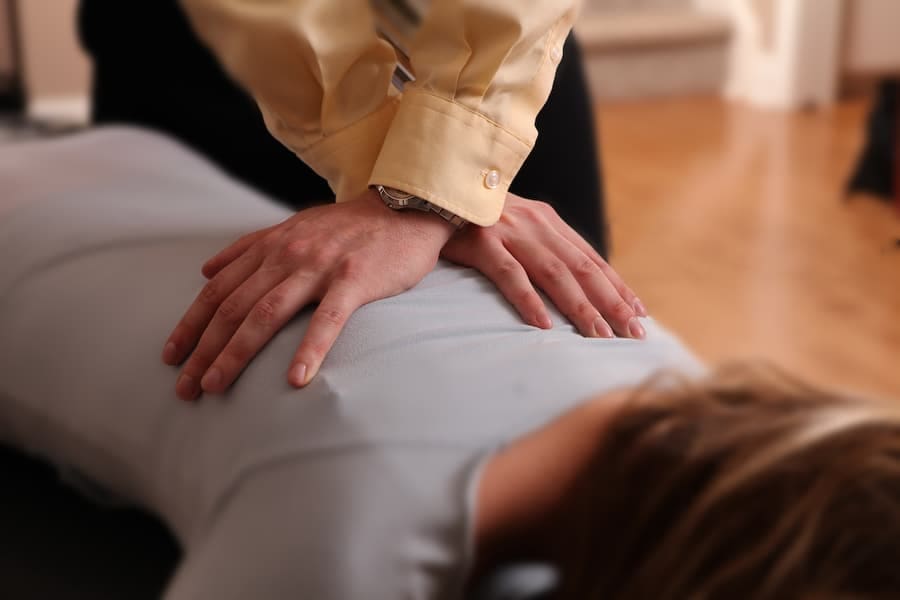
Chiropractic care is a non-invasive, patient-centered approach to managing upper trapezius pain by addressing musculoskeletal dysfunction and promoting healing. Experts like Dr. Alexander Jimenez, DC, APRN, FNP-BC, leverage advanced diagnostics and integrative therapies to provide effective relief.
Why Chiropractic Care Helps
Spinal and Joint Alignment:
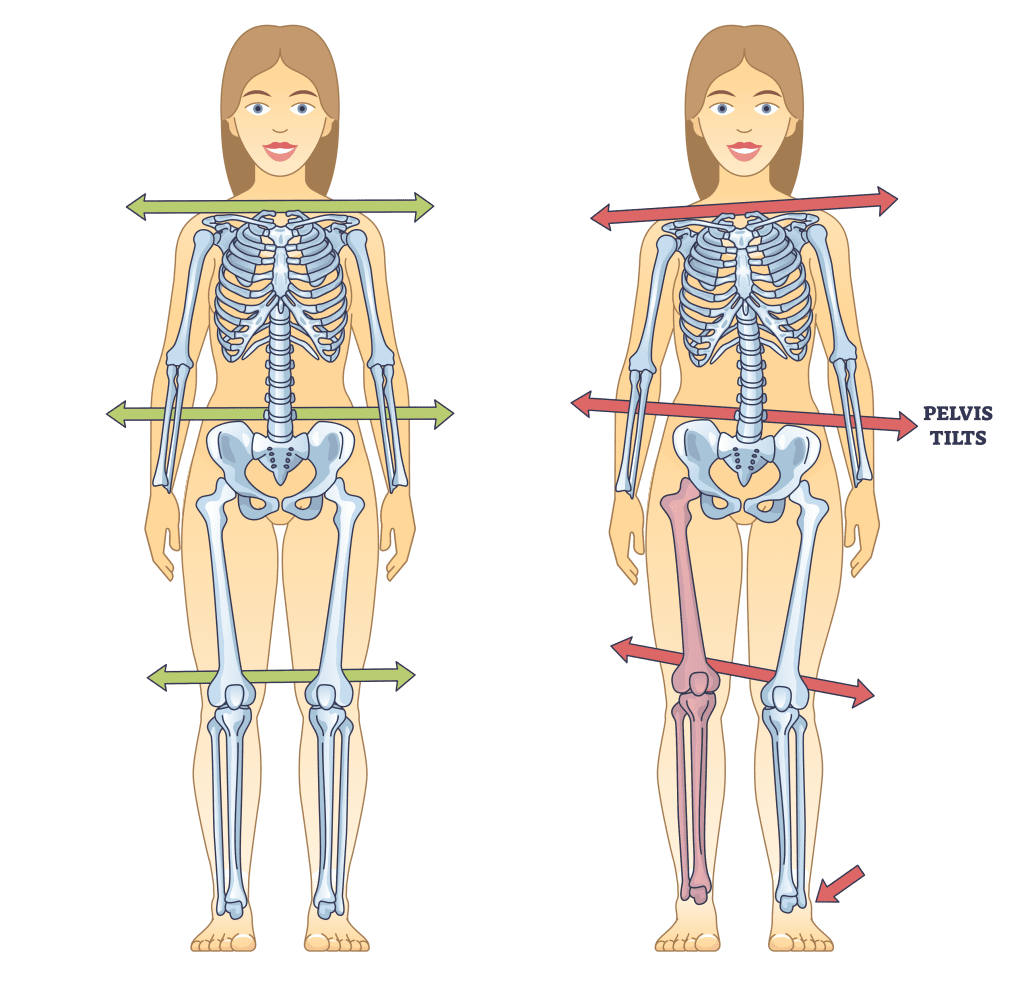
Misalignments in the cervical spine or shoulder girdle can exacerbate upper trapezius tension. Chiropractic adjustments restore proper alignment, reducing muscle stress and improving biomechanics (Jimenez, 2025).
Adjustments enhance nerve function, minimizing irritation that contributes to trigger points.
Myofascial Release and Soft Tissue Therapy:
Chiropractors use myofascial release to target trigger points, relieving tension and improving muscle elasticity (Stieven et al., 2021).
These techniques enhance blood flow and reduce stiffness, supporting recovery.
Postural Correction:
Poor posture significantly contributes to upper trapezius pain. Chiropractors assess and correct posture through exercises and ergonomic guidance, reducing muscle strain (Brandt et al., 2014).
Pain Reduction and Mobility:
Chiropractic interventions reduce pain intensity and restore range of motion by addressing muscle and joint dysfunction, enabling patients to resume daily activities (Crookes et al., 2023).
Holistic Approach:
Chiropractors consider lifestyle factors like stress or repetitive activities, offering strategies like stretching or strengthening to prevent pain recurrence (Jimenez, 2025).
Dr. Alexander Jimenez’s Clinical Approach
Dr. Alexander Jimenez, a dual-licensed chiropractor and family nurse practitioner, is renowned for his integrative approach to musculoskeletal health. His practice emphasizes:
Advanced Imaging and Diagnostics: Using X-rays, MRIs, and ultrasound to identify structural issues in the spine and shoulder, such as misalignments or soft tissue damage (Jimenez, 2025).
Dual-Scope Procedures: Combining chiropractic adjustments with diagnostic tools like electromyography (EMG) to assess muscle activation and pinpoint trapezius dysfunction.
Personalized Treatment Plans: Tailoring interventions based on diagnostic findings, incorporating adjustments, myofascial release, and rehabilitative exercises.
Patient Education: Empowering patients with ergonomic advice, posture correction, and lifestyle modifications to prevent pain recurrence.
Dr. Jimenez’s approach aligns with research supporting chiropractic care and soft tissue therapies for reducing shoulder pain and improving function (Jimenez, 2025; Crookes et al., 2023).
References:
Stieven, F. F., Ferreira, G. E., de Araújo, F. X., de Medeiros, F. S., da Rosa, L. H. T., de Oliveira, M. X., & da Silva, M. F. (2021). Immediate effects of dry needling and myofascial release on local and widespread pressure pain threshold in individuals with active upper trapezius trigger points: A randomized clinical trial. Journal of Manipulative and Physiological Therapeutics, 44(2), 95–102. https://doi.org/10.1016/j.jmpt.2020.07.003
Brandt, M., Sundstrup, E., Jakobsen, M. D., Jay, K., Colado, J. C., Wang, Y., & Andersen, L. L. (2014). Association between neck/shoulder pain and trapezius muscle tenderness in office workers. Pain Research and Treatment, 2014, 352735. https://doi.org/10.1155/2014/352735
Crookes, T., Ewald, A., & Jennings, M. (2023). Chronic shoulder pain. Australian Journal of General Practice, 52(11), 753–758. https://doi.org/10.31128/AJGP-04-23-6790
Nonsurgical Treatments for Myofascial Trigger Points in the Upper Trapezius
Several nonsurgical treatments effectively reduce myofascial trigger point pain in the upper trapezius, supported by research evidence. These can complement chiropractic care for optimal outcomes.
1. Dry Needling
Dry needling involves inserting a thin needle into a trigger point to elicit a twitch response, which releases muscle tension and reduces pain. It significantly decreases pain intensity and improves neck and arm function, with effects lasting up to three months (Ziaeifar et al., 2019). It also produces local and distant pain relief (Stieven et al., 2021).
2. Trigger Point Compression
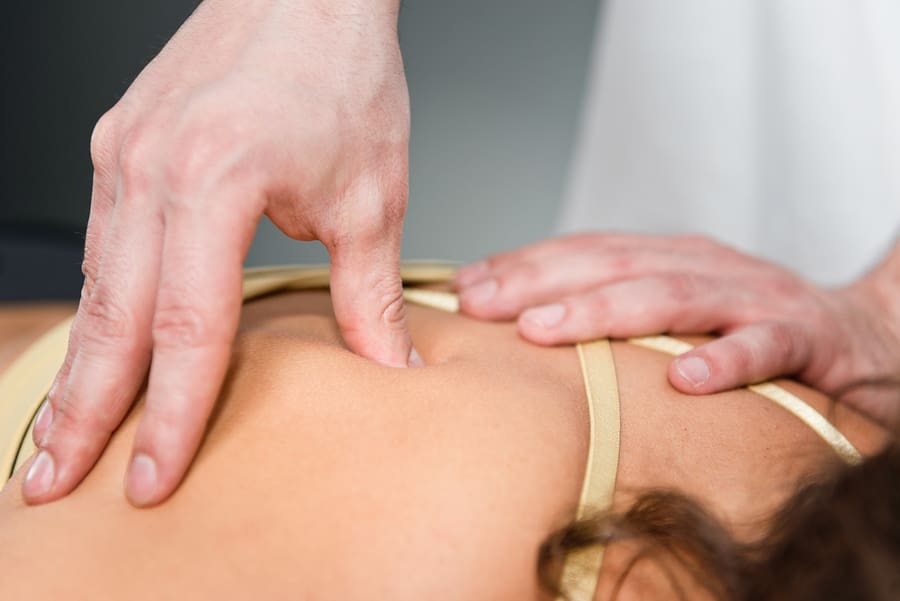
Trigger point compression applies sustained pressure to a trigger point until the muscle relaxes. This technique reduces pain and disability in the upper trapezius, with benefits persisting for months (Ziaeifar et al., 2019). It’s a non-invasive option often used by chiropractors.
3. Myofascial Release
Myofascial release uses gentle, sustained pressure to release fascial restrictions. A single session can increase pressure pain thresholds, reducing pain sensitivity in the upper trapezius (Stieven et al., 2021). It’s commonly integrated into chiropractic treatments.
4. Thermal Ultrasound
Thermal ultrasound uses sound waves to heat and soften trigger points, reducing tissue stiffness. It significantly increases tissue depth (indicating less stiffness) compared to sham treatments, offering a comfortable intervention (Draper et al., 2010).
5. Stretching Relaxation
Daily stretching exercises targeting the upper trapezius reduce tension and stiffness while improving elasticity. A two-week regimen showed significant improvements in muscle properties (Li et al., 2024).
6. Mechanical Vibration Massage
Mechanical vibration massage uses oscillatory devices to decrease tension and stiffness. Applied daily for two weeks, it enhances trapezius muscle elasticity and reduces pain (Li et al., 2024).
7. Pulse Massage
Pulse massage, involving rhythmic pressure, similarly reduces tension and stiffness in the upper trapezius, offering benefits when used consistently (Li et al., 2024).
8. Trigger Point Massage
Trigger point massage applies direct pressure to relieve tension and pain, improving circulation, mobility, and sleep quality. It can be performed at home or by a licensed therapist (Cleveland Clinic, 2025).
9. Rigid Taping
Rigid taping limits wrist movement to reduce upper trapezius strain during tasks like typing. It improves typing performance compared to splinting, making it a practical option for office workers (Aydın et al., 2021).
References:
Ziaeifar, M., Arab, A. M., Karimi, N., & Nourbakhsh, M. R. (2019). Dry needling versus trigger point compression of the upper trapezius: A randomized clinical trial with two-week and three-month follow-up. Journal of Manual & Manipulative Therapy, 27(3), 152–161. https://doi.org/10.1080/10669817.2018.1530421
Stieven, F. F., Ferreira, G. E., de Araújo, F. X., de Medeiros, F. S., da Rosa, L. H. T., de Oliveira, M. X., & da Silva, M. F. (2021). Immediate effects of dry needling and myofascial release on local and widespread pressure pain threshold in individuals with active upper trapezius trigger points: A randomized clinical trial. Journal of Manipulative and Physiological Therapeutics, 44(2), 95–102. https://doi.org/10.1016/j.jmpt.2020.07.003
Draper, D. O., Mahaffey, C., Kaiser, D., Eggett, D., & Jarmin, J. (2010). Thermal ultrasound decreases tissue stiffness of trigger points in upper trapezius muscles. Physiotherapy Theory and Practice, 26(3), 167–172. https://doi.org/10.3109/09593980903423079
Li, G., Liu, D., Yang, D., & He, L. (2024). The impact of different muscle relaxation techniques on the upper trapezius and its relationship with the middle trapezius. Journal of Physiological Investigation, 67(4), 225–232. https://doi.org/10.4103/ejpi.EJPI-D-24-00041
Aydın, N. S., Çelenay, Ş. T., & Özer Kaya, D. (2021). Muscle activation of the upper trapezius and functional typing performance during computer typing task: A comparison of two different wrist immobilization methods. Journal of Bodywork and Movement Therapies, 27, 472–476. https://doi.org/10.1016/j.jbmt.2021.05.001
Ergonomic Adjustments: Use a supportive chair and position monitors at eye level to maintain neutral posture (Brandt et al., 2014).
Regular Stretching: Perform daily upper trapezius stretches to enhance flexibility (Li et al., 2024).
Stress Management: Practice relaxation techniques like deep breathing or yoga to reduce muscle tension (Cleveland Clinic, 2025).
Strengthening Exercises: Strengthen scapular stabilizers, such as the lower trapezius, to reduce upper trapezius strain (Silva et al., 2022).
Routine Chiropractic Care: Regular adjustments prevent misalignments and maintain muscle function (Jimenez, 2025).
References:
Brandt, M., Sundstrup, E., Jakobsen, M. D., Jay, K., Colado, J. C., Wang, Y., & Andersen, L. L. (2014). Association between neck/shoulder pain and trapezius muscle tenderness in office workers. Pain Research and Treatment, 2014, 352735. https://doi.org/10.1155/2014/352735
Li, G., Liu, D., Yang, D., & He, L. (2024). The impact of different muscle relaxation techniques on the upper trapezius and its relationship with the middle trapezius. Journal of Physiological Investigation, 67(4), 225–232. https://doi.org/10.4103/ejpi.EJPI-D-24-00041
Silva, E. R., Maffulli, N., & Santos, G. M. (2022). Function, strength, and muscle activation of the shoulder complex in CrossFit practitioners with and without pain: A cross-sectional observational study. Journal of Orthopaedic Surgery and Research, 17(1), 24. https://doi.org/10.1186/s13018-022-02915-x
Upper trapezius shoulder pain, often driven by repetitive strain, poor posture, stress, or myofascial trigger points, can significantly impact daily life. Chiropractic care, combined with nonsurgical treatments like dry needling, myofascial release, and thermal ultrasound, offers a powerful solution to alleviate pain and restore function. Experts like Dr. Alexander Jimenez emphasize integrative, evidence-based approaches to address both symptoms and underlying causes, empowering patients for long-term wellness.
Disclaimer: This article is for informational purposes only and does not constitute medical advice. Shoulder pain may have various causes, and persistent or severe symptoms require evaluation by a qualified healthcare provider. Consult a chiropractor, physician, or physical therapist for a proper diagnosis and personalized treatment plan. Seek immediate professional care for chronic or worsening symptoms.
References:
Ziaeifar, M., Arab, A. M., Karimi, N., & Nourbakhsh, M. R. (2019). Dry needling versus trigger point compression of the upper trapezius: A randomized clinical trial with two-week and three-month follow-up. Journal of Manual & Manipulative Therapy, 27(3), 152–161. https://doi.org/10.1080/10669817.2018.1530421
Stieven, F. F., Ferreira, G. E., de Araújo, F. X., de Medeiros, F. S., da Rosa, L. H. T., de Oliveira, M. X., & da Silva, M. F. (2021). Immediate effects of dry needling and myofascial release on local and widespread pressure pain threshold in individuals with active upper trapezius trigger points: A randomized clinical trial. Journal of Manipulative and Physiological Therapeutics, 44(2), 95–102. https://doi.org/10.1016/j.jmpt.2020.07.003
Aydın, N. S., Çelenay, Ş. T., & Özer Kaya, D. (2021). Muscle activation of the upper trapezius and functional typing performance during computer typing task: A comparison of two different wrist immobilization methods. Journal of Bodywork and Movement Therapies, 27, 472–476. https://doi.org/10.1016/j.jbmt.2021.05.001
Silva, E. R., Maffulli, N., & Santos, G. M. (2022). Function, strength, and muscle activation of the shoulder complex in CrossFit practitioners with and without pain: A cross-sectional observational study. Journal of Orthopaedic Surgery and Research, 17(1), 24. https://doi.org/10.1186/s13018-022-02915-x
Brandt, M., Sundstrup, E., Jakobsen, M. D., Jay, K., Colado, J. C., Wang, Y., & Andersen, L. L. (2014). Association between neck/shoulder pain and trapezius muscle tenderness in office workers. Pain Research and Treatment, 2014, 352735. https://doi.org/10.1155/2014/352735
Voerman, G. E., Vollenbroek-Hutten, M. M. R., & Hermens, H. J. (2007). Upper trapezius muscle activation patterns in neck-shoulder pain patients and healthy controls. European Journal of Applied Physiology, 102(1), 1–9. https://doi.org/10.1007/s00421-006-0215-8
Crookes, T., Ewald, A., & Jennings, M. (2023). Chronic shoulder pain. Australian Journal of General Practice, 52(11), 753–758. https://doi.org/10.31128/AJGP-04-23-6790
Draper, D. O., Mahaffey, C., Kaiser, D., Eggett, D., & Jarmin, J. (2010). Thermal ultrasound decreases tissue stiffness of trigger points in upper trapezius muscles. Physiotherapy Theory and Practice, 26(3), 167–172. https://doi.org/10.3109/09593980903423079
Li, G., Liu, D., Yang, D., & He, L. (2024). The impact of different muscle relaxation techniques on the upper trapezius and its relationship with the middle trapezius. Journal of Physiological Investigation, 67(4), 225–232. https://doi.org/10.4103/ejpi.EJPI-D-24-00041
El Paso, TX. Chiropractor Dr. Alexander Jimenez takes a look at seizures, epilepsy, and treatment options. Seizures are defined as abnormal movements or behavior from unusual electrical activity in the brain. Seizures are a symptom of epilepsy, but not all who have epileptic fits have epilepsy. There is a group of related disorders characterized by recurrent seizures. Epilepsy is a group of disorders that are related and characterized by recurrent seizures. There are different types of epilepsy and seizures. There are medications for epilepsy that are prescribed to control seizures, and surgery is rarely needed if medication is ineffective.
Seizures & Epilepsy
Seizures occur when there is spontaneous depolarization and synchronized firing of groups of neurons, often in response to a trigger such as metabolic compromise
Any brain can have a seizure if the conditions are right
Epilepsy or seizure disorder, is the pathologically increased likelihood of seizure activity occurring in a person’s brain
Seizure Categories
General/Global onset seizures
Generalized motor seizure (Grand mal)
Absence seizure (Petite mal)
Focal onset seizures
Simple partial seizure
Motor cortex (Jacksonian)
Sensory cortex
Somatosensory
Auditory-vestibular
Visual
Olfactory-gustatory (uncinate)
Complex partial seizure (limbic)
Continuous/Ongoing seizures
Generalized (status epilepticus)
Focal (epilepticus partialis continua)
Generalized Motor Seizure
Electrical depolarization of neurons in the entire cerebral cortex simultaneously
Triggers are assumed to be outside of the cerebral cortex, such as in thalamus or brainstem
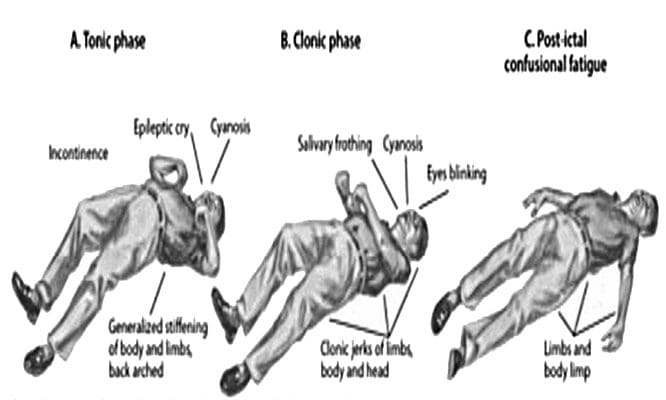
Episodes begin with loss of consciousness followed by tonic contraction (extension)
Respiration is halted, and air is expelled past the closed glottis (“cry”)
Elevated blood pressure, dilated pupils
Intermittent contraction and relaxation (clonic activity)
Usually lasts a few minutes, but for some patients can last hours or even days (status epilepticus)
Sedative withdrawal in addicts (alcohol, barbiturates, benzodiazepines)
Hypoglycemia
Hypoxia
Hyperthermia (especially patients under 4 years old)
Toxin exposure
Genetic abnormal sensitivity of neurons (rarely)
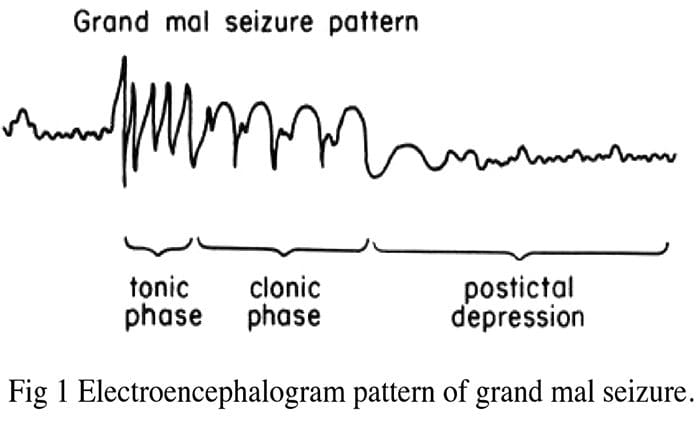
EEG Of Grand Mal Seizure
Tonic phase
Clonic phase
Postictal phase
Swenson, R. Epilepsy. 2010
Absence (Petit Mal) Seizures
Most often occur in children
Originate in the upper brainstem
Often look like losing train of thought or staring off into space
These children may go on to develop focal seizures later in life
Spontaneous remission possible as neurons mature
Absence Seizure Caught On Camera
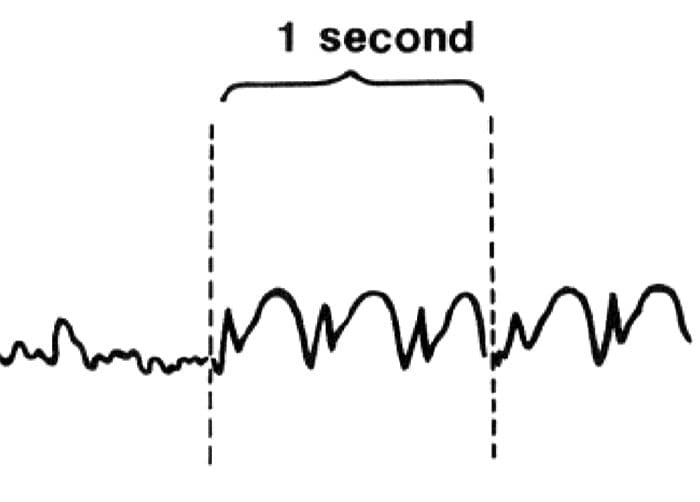
EEG Of Petit Mal Seizure
3 spike-waves/second
Can be elicited by hyperventilation
Spike = excitation
Wave = inhibition
Swenson, R. Epilepsy. 2010
Simple Focal/Partial Seizures
May be with or without secondary generalization
Patient generally retains consciousness
Begin in a localized primary functional area of the cortex
Different symptoms and classifications depending on where in the brain the epileptiform activity originates
Sensory areas usually produce positive phenomenon (seeing lights, smelling something, etc., as opposed to lack of sensation)
Motor areas may produce positive or negative symptomology
Function of area of involvement may be reduced during the postictal phase
We refer to it as “Todd paralysis” if the primary motor cortex is involved.
Partial (Focal Seizure), 12-Year-Old Boy
Partial Seizure In The Motor Cortex
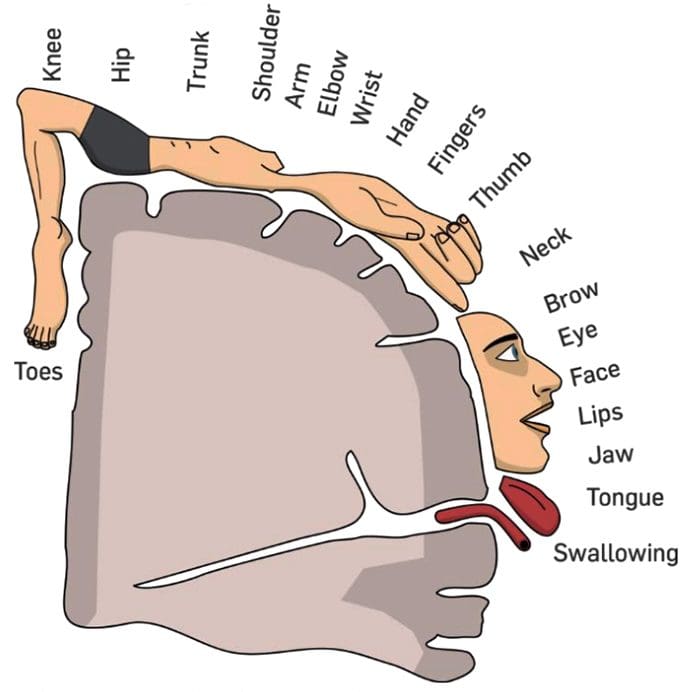
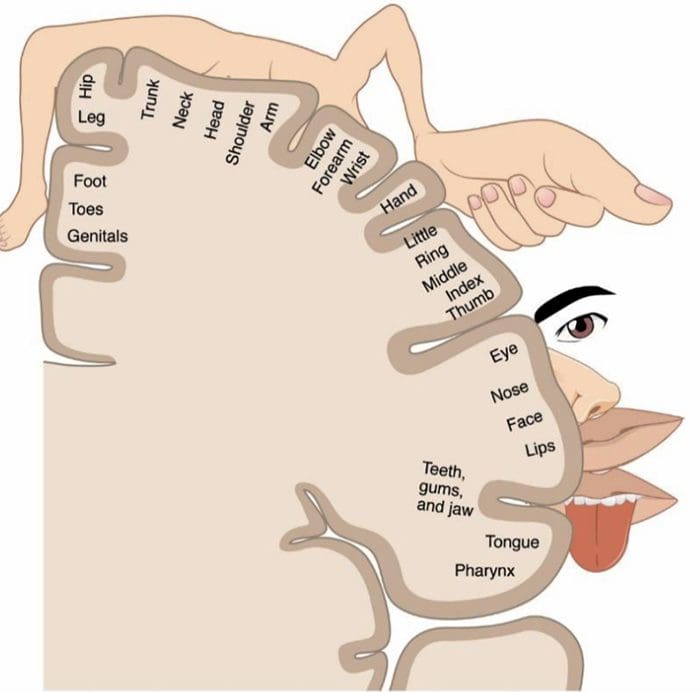
May begin as a jerking of one body area, on the side contralateral to the epileptiform activity, but may spread through the body in a homuncular pattern (Jacksonian seizure/march)
Produces paresthesia on the contralateral side to the epileptiform activity and can also spread in a homuncular pattern (march) similar to the motor type
May produce hallucinations in the contralateral visual field
Visual cortex (calcarine cortex) produced flashes, spots, and/or zig-zags of light
Visual association cortex produces more complete hallucinations, such as floating balloons, stars, and polygons
Partial Seizure in the Olfactory-Gustatory Cortex
May produce olfactory hallucinations
Likely area to spread to more generalized seizure
Complex Partial Seizures
Involves the association cortices of the frontal, temporal or parietal lobes
Similar to simple partial seizures but there may be more confusion/reduced consciousness
Limbic Cortex (hippocampus, parahippocampal temporal cortex, retro-splenial-cingulate-subcallosal cortex, orbito- frontal cortex, and insula) is the most susceptible to metabolic injury
Therefore this is the most common type of epilepsy
May produce visceral and affective symptoms (most likely), peculiar and unpleasant smells and tastes, bizarre abdominal sensations, fear, anxiety, rarely rage, and excessive sexual appetite; visceral and behavioral phenomena such as sniffing, chewing, lip smacking, salivation, excessive bowel sounds, belching, penile erection, feeding, or running
Clips Of Different Seizures In Same Child
Continuous/Ongoing Seizures
2 Types
Generalized (status epilepticus)
Focal (epilepticus partialis continua)
Continuous or recurrent seizures over 30 minutes without return to normal over the period
Prolonged seizure activity or multiple seizures occurring close together without full recovery in between
Most often seen as the result of acute cessation of anticonvulsive medications due to rebound hyperexcitability
Emotional excess, fever, or other hypermetabolic states; hypoglycemia; hypocalcemia; hypomagnesemia; hypoxemia; toxic states (e.g., tetanus, uremia, exogenous, excitatory agents such as amphetamine, aminophylline, lidocaine, penicillin), and sedative withdrawal may also predispose to ongoing seizure
Status Epilepticus
Ongoing grand mal seizure is a medical emergency because it may result in brain damage or death if the seizure is not stopped
Elevated temperature due to sustained muscle activity, hypoxia due to inadequate ventilation, and severe lactic acidosis can damage neurons
Death can result from shock and overtaxation of the cardiopulmonary system
Epilepsia Partialis Continua
Less life-threatening than status epilepticus, but seizure activity must be terminated as it may progress to generalized seizure form if allowed to go on for prolonged periods
May be a result of neoplasm, ischemia-infarction, stimulant toxicity or hyperglycemia
Treatment Of Seizures
If the seizures are the result of an underlying condition, such as infection, disorders of fluid and electrolyte balance, exogenous and endogenous toxicities, or renal failure, treatment of the underlying condition should ameliorate seizure activity
Most antiepileptic medications treat multiple seizure types—not perfect though
Some are slightly more effective (phenytoin, carbamazepine, valproic acid and phenobarbital)
Some have fewer side effects (gabapentin, lamotrigine and topiramate)
Certain medications only treat one seizure type (such as ethosuximide for absence seizures)
Sources
Alexander G. Reeves, A. & Swenson, R. Disorders of the Nervous System. Dartmouth, 2004.
Swenson, R. Epilepsy. 2010.
Can individuals dealing with musculoskeletal trigger points seek non-surgical treatments to reduce pain in their extremities?
Introduction
The musculoskeletal system has various muscles, tendons, ligaments, and soft tissues that allow the lower and upper extremities to function in multiple tasks that the person is doing. From physical activities to relaxing or just doing errands, the musculoskeletal system has a wonderful relationship with all the various body systems. It helps protect the vital organs from environmental factors and injuries. However, when environmental factors or injuries affect the body, many overlapping risk profiles affect the upper and lower quadrants, thus affecting the muscles and the soft tissues. When the musculoskeletal system starts to feel symptoms of pain and discomfort, it can cause visceral-somatic referred pain in different body locations and cause the development of trigger points in the muscle tissues. This causes the individual to be in excruciating pain and discomfort and is seeking treatment to reduce the pain-like symptoms. Today’s article gives us an understanding of musculoskeletal trigger points and how various non-surgical treatments can alleviate musculoskeletal trigger points in the body. We discuss with certified associated medical providers who consolidate our patients’ information to assess pain-like issues affecting their musculoskeletal system that are correlating to trigger point pain. We also inform and guide patients on various non-surgical treatments and ask their associated medical providers intricate questions to integrate a customized treatment plan to reduce musculoskeletal trigger point pain. Dr. Jimenez, D.C., includes this information as an academic service. Disclaimer.
Understanding Musculoskeletal Trigger Points
Do you often experience pain in your legs, arms, hands, and feet throughout the day? How often do you experience symptoms of stiffness and discomfort in your neck, shoulder, or back? Or do you feel tingling and numbing sensations in your hands and feet? More often than not, many people who are experiencing these overlapping pain issues in their musculoskeletal system might have trigger points in their muscle fibers. Trigger points are part of a painful musculoskeletal condition known as myofascial pain syndrome. This painful musculoskeletal condition constitutes a hyperirritable spot within the taut band of the musculoskeletal system, causing pain when being compressed. (Lavelle et al., 2007) When a person is dealing with musculoskeletal trigger points, they will often experience referred pain and discomfort, motor dysfunction, and autonomic issues. This is because when many individuals experience pain in the upper or lower muscle quadrants, they deal with referred pain from the affected muscles. When the affected muscles have abnormal tender muscle regions, it can lead to impaired movements associated with the affected muscles in any joint area. (Macdonald, 1980)
Additionally, musculoskeletal trigger points can be identified as latent or active based on the development of where the pain originates from within the musculoskeletal system. To that point, when environmental factors or injuries develop trigger points, pain-like symptoms like muscle stiffness, dysfunction, and restricted range of motion show up when a pain specialist is assessing a person. (Shah et al., 2015) Fortunately, musculoskeletal trigger points are not difficult to treat once the pain source is located in the musculoskeletal system. This is because non-surgical treatments help manage the pain-like symptoms by inactivating the trigger points and restoring the affected resistant muscles to their full range of motion. (Rubin, 1981)
The Non-Surgical Approach To Wellness-Video
Non-Surgical Treatments For Musculoskeletal Trigger Points
When it comes to treating musculoskeletal trigger points, many individuals seek out various treatments to reduce pain-like symptoms. Since musculoskeletal trigger points can range from mild discomfort to severe pain, it can affect a person’s daily activities and cause them to be miserable. Luckily, musculoskeletal trigger points can be reduced through non-surgical treatments. Non-surgical treatments can vary depending on the pain severity of the trigger points in the musculoskeletal system. At the same time, many individuals can have numerous non-surgical therapies as they are customizable, cost-effective, and personalized for the person’s treatment. Below are some non-surgical treatments that can help alleviate musculoskeletal trigger points.
Chiropractic Care
Chiropractic care utilizes mechanical and manual manipulation of the musculoskeletal system and can help reduce the overlapping effects of musculoskeletal trigger points. Chiropractors incorporate various techniques and ischemic pressure to relieve the pain and provide relief. (Vernon & Schneider, 2009) Additionally, chiropractors can locate the trigger points by pressing on the muscle tissue or manipulating the muscle fibers. Chiropractors can also combine massage therapy to relieve trigger points and associated pain symptoms to restore the body to optimal function. This combination can incorporate various techniques to increase blood circulation to the affected muscle, help break down the inflexible scar tissue, and help restore muscle function to the extremities.
Acupuncture
Another form of non-surgical treatment to reduce musculoskeletal trigger points is acupuncture. Acupuncture incorporates solid, thin needles placed on various acupoints in the body by a professional. What acupuncture does is that when the needles are placed in the acupoints of the affected muscle, it can help stimulate the nervous system and help facilitate the body’s natural pain-relieving chemicals to kick-start the healing process. Additionally, when people incorporate acupuncture to reduce musculoskeletal trigger points, the sensory input that is causing them pain is reduced and can provide prolonged relief. (Melzack, 1981)
Lifestyle Adjustments
When it comes to reducing trigger points and combining non-surgical treatments, many individuals dealing with overlapping pain profiles from musculoskeletal trigger points can make lifestyle adjustments to prevent its development. Making small adjustments to a person’s work and living environments can reduce stress from being a co-factor to developing trigger points in the muscle fibers. Other small adjustments like improving posture and employing relaxation techniques like yoga, meditation, or deep breathing exercises can help reduce muscle stress and strain from everyday life. Incorporating non-surgical treatments to reduce and manage musculoskeletal triggers can provide a positive, beneficial result to improve muscle function and allow individuals to live healthier lives.
Melzack, R. (1981). Myofascial trigger points: relation to acupuncture and mechanisms of pain. Archives of Physical Medicine and Rehabilitation, 62(3), 114-117. https://www.ncbi.nlm.nih.gov/pubmed/6972204
Rubin, D. (1981). Myofascial trigger point syndromes: an approach to management. Archives of Physical Medicine and Rehabilitation, 62(3), 107-110. https://www.ncbi.nlm.nih.gov/pubmed/6453568
Shah, J. P., Thaker, N., Heimur, J., Aredo, J. V., Sikdar, S., & Gerber, L. (2015). Myofascial Trigger Points Then and Now: A Historical and Scientific Perspective. PM R, 7(7), 746-761. https://doi.org/10.1016/j.pmrj.2015.01.024
Vernon, H., & Schneider, M. (2009). Chiropractic management of myofascial trigger points and myofascial pain syndrome: a systematic review of the literature. J Manipulative Physiol Ther, 32(1), 14-24. https://doi.org/10.1016/j.jmpt.2008.06.012
How a person walks or their gait performance can determine how their body’s balance and stability are functioning. Since the body has many muscles, ligaments, and tissues in the musculoskeletal system protecting the spine and the vital organs that work together to maintain proper functionality when a person is in motion; however, the body can succumb to numerous issues that can affect a person’s gait performance and cause the upper and lower extremities to develop myofascial trigger points in the muscle fibers. When these issues begin to cause dysfunction in the body, it can lead to many disorders associated with gait disturbances. Today we will focus on how to approach gait disturbances, how trigger points affect gait performances, and how treatment techniques like MET can help. We provide information about our patients to certified medical providers that offer available therapy techniques like MET (muscle energy techniques) for individuals dealing with gait disturbances associated with trigger points that correlate to how a person walks. We encourage each patient appropriately by referring them to our associated medical providers based on their diagnosis results. We accept that education is a spectacular way when asking our providers the most crucial questions at the patient’s acknowledgment. Dr. Alex Jimenez, D.C., assesses this information as an educational service. Disclaimer
How To Approach Gait Disturbances?
Have you been dealing with mobility issues when walking? How about feeling stiffness in your hips or lower body extremities? Or have you experienced headaches or neck pain? Many of these issues are associated with gait disturbances that can affect your ability to walk. When it comes to gait disturbances, studies reveal that underlying systemic disorders or other environmental factors could trigger the prevalence of gait disturbances. Regarding gait disturbances, it is important to know that as the body ages, it can cause issues to the musculoskeletal system naturally, and environmental factors can further affect the central nervous system to cause gait disturbances. Additional studies have mentioned that gait disorders in the elderly could potentially lead to various issues that affect a person’s quality of life. When approaching gait disturbances, many doctors will examine to see the causes of these gait disturbances that correlate with the musculoskeletal system. It could be:
Orthopedic problems
Neurological conditions
Musculoskeletal disturbances
Metabolic disturbances
Many of these issues can cause the lower half of the body to shift the skeletal joints, leading to tight, stiff muscles and developing tiny hard nodules in the muscle fibers that can further affect gait performance.
How Do Trigger Points Affect Gait Performances
So how can these tiny hard nodules affect gait performance in the body? These small hard nodules are trigger points and often correlate with overlapping risk profiles associated with musculoskeletal disorders. “Clinical Application of Neuromuscular Techniques,” written by Leon Chaitow, N.D., D.O, and Judith Walker DeLany, L.M.T., mentioned that various additional causes and maintaining factors may be associated with dysfunctional patterns that correlate with trigger point involvement. The book also says that different influences affecting the muscles can increase trigger point activity while inducing influences from acute or chronic soft tissue dysfunction. Research studies reveal that myofascial pain syndrome is a collection of sensory, motor, and autonomic symptoms that correlate with musculoskeletal symptoms like local/referred pain, decreased range of motion, and muscle weakness. When trigger points are causing problems in the muscle fibers, it can affect a person’s gait performance and cause them to lose function when walking.
Balance Issues Associated With Myofascial Trigger Points-Video
Have you been dealing with balancing issues when walking? Do your muscles feel tight in certain areas? Or do constant headaches or neck pain affect your day? The video above explains what can cause balancing issues that affect gait performance and cause numerous symptoms like headaches and neck pain. Many balance issues are associated with myofascial trigger points affecting your gait performance. Myofascial trigger points can overlap risk profiles that can affect the muscle fibers in the body. Many correlating factors can affect a person’s gait performance, leading to musculoskeletal disorders related to trigger points. When musculoskeletal disorders are correlated with myofascial trigger points, it can decrease a person’s health and wellness if not treated early on. Fortunately, some treatments incorporate techniques to reduce muscle and joint pain while alleviating symptoms associated with myofascial trigger points.
How The MET Technques Helps With Gait Performance & Trigger Points
When a person is dealing with imbalances affecting their gait performance and having overlapping risk profiles associated with trigger points, treatment techniques can help improve their gait while reducing pain-like symptoms. Many pain specialists will use the MET technique (muscle energy technique) to help stretch affected muscles that are stiff and help regain mobility back to the body. Therapies like chiropractic care utilize this technique combined with spinal manipulation to help realign the body while loosening up stiff muscles affecting gait performance. When a person continues treatment care to regain mobility, it allows them to be aware of how they walk and carry themselves without pain.
Conclusion
How a person walks is how their balance and stability function in different environments. A person’s gait performance has to maintain the functionality that allows the various muscles, ligaments, and tissues in the musculoskeletal system to move. When environmental factors or musculoskeletal disorders affect the different muscles, it can cause overlapping issues that affect gait performance. To that point, it leads to stiffness and pain associated with trigger points. Luckily techniques like the MET combined with chiropractic care can help realign the body and loosen up stiff muscles and joints to regain mobility back to the body and help improve overall gait performance.
References
Chaitow, Leon, and Judith Walker DeLany. Clinical Application of Neuromuscular Techniques. Churchill Livingstone, 2002.
Jafri, M Saleet. “Mechanisms of Myofascial Pain.” International Scholarly Research Notices, U.S. National Library of Medicine, 2014, https://www.ncbi.nlm.nih.gov/pmc/articles/PMC4285362/.
Marshall, Frederick J. “Approach to the Elderly Patient with Gait Disturbance.” Neurology. Clinical Practice, U.S. National Library of Medicine, June 2012, https://www.ncbi.nlm.nih.gov/pmc/articles/PMC3613197/.
Pirker, Walter, and Regina Katzenschlager. “Gait Disorders in Adults and the Elderly : A Clinical Guide.” Wiener Klinische Wochenschrift, U.S. National Library of Medicine, Feb. 2017, https://www.ncbi.nlm.nih.gov/pmc/articles/PMC5318488/.
Environmental factors can affect the body and lead to chronic conditions involving the musculoskeletal system. When issues like stress, physical inactivity, and traumatic events affect the muscle groups in the upper and lower extremities, it causes the various muscles to tense up and be succumbed to multiple injuries that could potentially develop trigger points. Now trigger points can cause overlapping risk profiles and pain-like issues that can affect a person’s mobility and stability. However, many ways can alleviate the pain-like symptoms associated with trigger points affecting the musculoskeletal system. Many pain specialists use techniques to stretch the tense muscle and release the trigger point nodule in the muscle fibers. Today we will look at how myofascial trigger point formation affects the body, how MET (muscle energy techniques) are used to relieve trigger point formation, and how chiropractic care uses the MET technique on trigger points. We mention our patients to certified medical providers that provide available therapy treatments like MET (muscle energy techniques) for individuals suffering from chronic conditions associated with trigger point formation on the musculoskeletal system. We encourage each patient when it is appropriate by referring them to associated medical providers based on their diagnosis or needs. We understand and accept that education is a marvelous way when asking our providers crucial questions at the patient’s request and acknowledgment. Dr. Alex Jimenez, D.C., uses this information as an educational service. Disclaimer
Myofascial Trigger Points Affecting The Body
Have you been dealing with pain in different locations in your body? Do you feel that your muscles feel tight or tensed constantly? Or do you feel muscle strain when lifting or carrying heavy objects? Many of these pain-like issues correlate with myofascial trigger points affecting the body. According to research studies, myofascial pain syndrome or trigger points are hard palpable nodules discrete along the taut skeletal muscle band that can be painful when active or compressed. Now trigger points can cause the affected muscles to be hypersensitive, which to that point, can spread pain when being touched, known as referred pain. A great example would be if tense shoulder muscles have a cluster of trigger points and, when touched, send pain to the neck.
Trigger points in the musculoskeletal system can be present in soft tissues that can cause dysfunction and promote pain in the affected muscle area. Trigger points are developed in any scenario, from trauma like an auto accident to repetitive motions for extended periods. Two features can cause trigger point formation that can create these nodules: active and latent trigger points. Active trigger points, according to “Clinical Applications of Neuromuscular Techniques,” written by Leon Chaitow, N.D, D.O, and Judith Walker DeLany, L.M.T, mentioned that when pressure is applied to active trigger points it can cause referred pain associated with symptoms of painful sensations to the affected muscle. While latent trigger points, when pressure is applied to them, can cause referred pain that a person experienced in the past and occurs recently. Latent trigger points can also develop into active trigger points correlating to overlapping risk profiles. The book also stated that when the fascia and connective muscle tissues have been overused or strained, it can lead to trigger point formation development.
MET Trigger Point Therapy-Video
Have you been dealing with referred pain in different areas of your body? Do you feel that your muscles are tense and aching? Or do you feel muscle strain when lifting or carrying heavy objects? If you have been dealing with these issues, they are correlated to trigger point formation in your musculoskeletal system. Why not try MET or muscle energy technique therapy? Studies reveal that muscle energy techniques were developed originally to treat soft tissue, stretch tight muscles and fascia, and mobilize joints while improving blood circulation and draining the lymphatic system. So how do trigger point formation can be treated with MET techniques? Well, since trigger points can cause tight, hypersensitive spots that can be located in various taut muscle bands, MET techniques from pain specialists can help stretch and break up the tight nodules in the muscles to achieve muscle restoration at full resting length. The video above demonstrates how MET is used as trigger point therapy.
MET Techniques On Trigger Point Formation
So how do MET techniques work on trigger point formation in the musculoskeletal system? According to research studies, MET techniques utilize soft tissue manipulation to improve the myofascial system’s and joints’ functional parameters. Many pain specialists, like chiropractors, use this technique and other tools to help restore the body’s natural range of motion in the joints while providing a pain-reducing effect to the numerous musculoskeletal disorders. Additional research studies also mentioned that MET/NET (neuro-emotional) techniques could help relieve pain sensitivity from the affected muscle area.
How Chiropractic Care Uses MET Techniques On Trigger Points
So how would chiropractic care utilize MET techniques on an individual with trigger points? Due to its effectiveness and drug-free approach, chiropractic care can help smooth out the muscle and fascia by applying pressure with their hands or special tools to relieve trigger point pain. With MET techniques, chiropractors can help release muscle stiffness, tightness, and shortness to restore the body and re-align the spine. With continued chiropractic treatment, the body can reduce the future formation of trigger points in the muscle fibers while preventing further issues from developing.
Conclusion
Trigger point formation can occur in different muscle areas in the body, leading to overlapping risk profiles associated with pain. When the body is dealing with referred pain caused by trigger points, it can cause numerous issues affecting a person’s daily activity. Luckily, pain specialists like chiropractic care can incorporate techniques like MET and spinal manipulation to re-align the body, stretch out the stiff muscles, and promote a restored range of motion back to the musculoskeletal system. By going through daily treatments, the body can begin to heal naturally and prevent future injuries.
References
Bablis, Peter, et al. “Neuro Emotional Technique for the Treatment of Trigger Point Sensitivity in Chronic Neck Pain Sufferers: A Controlled Clinical Trial.” Chiropractic & Osteopathy, U.S. National Library of Medicine, 21 May 2008, https://www.ncbi.nlm.nih.gov/pmc/articles/PMC2427032/.
Chaitow, Leon, and Judith Walker DeLany. Clinical Applications of Neuromuscular Techniques. Churchill Livingstone, 2003.
Shah, Jay P, et al. “Myofascial Trigger Points Then and Now: A Historical and Scientific Perspective.” PM & R : the Journal of Injury, Function, and Rehabilitation, U.S. National Library of Medicine, July 2015, https://www.ncbi.nlm.nih.gov/pmc/articles/PMC4508225/.
Thomas, Ewan, et al. “The Efficacy of Muscle Energy Techniques in Symptomatic and Asymptomatic Subjects: A Systematic Review.” Chiropractic & Manual Therapies, U.S. National Library of Medicine, 27 Aug. 2019, https://www.ncbi.nlm.nih.gov/pmc/articles/PMC6710873/.
Wendt, Michał, and Małgorzata Waszak. “Evaluation of the Combination of Muscle Energy Technique and Trigger Point Therapy in Asymptomatic Individuals with a Latent Trigger Point.” International Journal of Environmental Research and Public Health, U.S. National Library of Medicine, 14 Nov. 2020, https://www.ncbi.nlm.nih.gov/pmc/articles/PMC7696776/.
When issues like autoimmune disorders start to affect the body for no reason, it can lead to chronic problems and conditions that can affect the various muscles and vital organs that cause overlapping risk profiles to the host. The body is a complex machine that allows the immune system to release inflammatory cytokines to the affected area when a person has acute or chronic pain. So when a person has an autoimmune disorder like fibromyalgia, it can affect their quality of life while amplifying painful sensations in their musculoskeletal system. Today’s article focuses on fibromyalgia and its systems, how this autoimmune disorder correlates with myofascial pain syndrome, and how chiropractic care can help reduce fibromyalgia symptoms. We refer our patients to certified providers that incorporate techniques and various therapies for many individuals with fibromyalgia and its correlating symptoms, like myofascial pain syndrome. We encourage and appreciate each patient by referring them to associated medical providers based on their diagnosis when it is appropriate. We understand that education is a fantastic way when asking our providers intricated questions at the patient’s request and understanding. Dr. Jimenez, D.C., only utilizes this information as an educational service. Disclaimer
What Is Fibromyalgia?
Have you been dealing with unquestionable pain that is affecting your daily life? Do you feel fatigued when you are barely getting out of bed? Or have you been dealing with brain fog and aches all over your body? Many of these symptoms overlap with an autoimmune disorder known as fibromyalgia. Studies reveal that fibromyalgia is an autoimmune condition characterized by widespread chronic musculoskeletal pain that can correlate with neurosensory disorders that affect the nervous system. Fibromyalgia can affect about 4 million adults in America and roughly 2% of the general adult population. When people with fibromyalgia go through a physical examination, the test results would appear to be normal. That is because fibromyalgia can include multiple tender points in specific body areas and manifest as a primary or secondary condition while extending far beyond the defining criteria. Additional studies reveal that the pathogenesis of fibromyalgia could potently be linked with other chronic factors that affect the following systems:
Inflammatory
Immune
Endocrine
Neurological
Intestinal
The Symptoms
Many individuals, especially women, have fibromyalgia, which causes symptoms of multiple somato-visceral issues. To that point, it can often overlap and accompany fibromyalgia. Unfortunately, fibromyalgia is challenging to diagnose since the pain can last for several months to years. Studies have shown that even though fibromyalgia is challenging to diagnose when many other factors like genetics, immunological, and hormonal factors potentially play a part in this autoimmune disorder. Also, additional symptoms and specific diseases like diabetes, lupus, rheumatic diseases, and musculoskeletal disorder can be associated with fibromyalgia. Some of the following symptoms that many fibromyalgia individuals deal with include:
Have you been having trouble getting a good night’s sleep? Do you feel pain in different areas of your body? Or have you been dealing with cognitive issues like brain fog? Many of these symptoms correlate with an autoimmune disorder known as fibromyalgia. Fibromyalgia is an autoimmune disorder that is challenging to diagnose and can cause immense pain to the body. The video above explains how to notice the signs and symptoms of fibromyalgia and what associated conditions correlate with this autoimmune disorder. Since fibromyalgia causes widespread musculoskeletal pain, it can even affect the peripheral and central nervous systems. This causes the brain to send out neuron signals to cause an increase in sensitivity to the brain and spinal cord, which then overlaps with the musculoskeletal system. Since fibromyalgia causes pain to the body, it can present unrecognized symptoms that can be difficult to recognize and can be arthritis-related.
How Fibromyalgia Is Correlated With Myofascial Pain Syndrome
Since fibromyalgia can correlate with different chronic conditions, one of the most chronic disorders can mask the effects of fibromyalgia in the body: myofascial pain syndrome. Myofascial pain syndrome, according to Dr. Travell, M.D.’s book, “Myofascial Pain Syndrome and Dysfunction,” mentions that when a person has fibromyalgia causes musculoskeletal pain, overtime if not treated, can develop trigger points in the affected muscles. This causes muscle stiffness and tenderness in the taut muscle band. Additional studies mentioned that since myofascial pain syndrome and fibromyalgia have common muscular pain symptoms, they can cause tenderness and refer pain to different body locations. Fortunately, available treatments can help reduce the muscular pain symptoms caused by fibromyalgia associated with myofascial pain syndrome.
Chiropractic Care & Fibromyalgia Associated With Myofascial Pain
One of the available treatments that can help relieve the muscular pain from fibromyalgia associated with myofascial pain syndrome is chiropractic therapy. Chiropractic therapy is a safe, non-invasive treatment option that can help alleviate symptoms of body pain and swelling from a spinal subluxation. Chiropractic care uses manual and mechanical manipulation to re-align the spine and improve nerve circulation while increasing blood flow back to the joints and muscles. Once the body has been re-balanced from chiropractic therapy, the body can manage symptoms better and reduce the effects of fibromyalgia. Chiropractic therapy also provides a customized treatment plan and works with associated medical professionals to achieve maximum results and ensure the highest quality of life for the individual.
Conclusion
Fibromyalgia is one of the most common autoimmune disorders that affect most of the population and can be challenging to diagnose. Fibromyalgia is characterized by widespread chronic musculoskeletal pain that can correlate with neurosensory disorders and cause pain symptoms in the body. People with fibromyalgia also deal with myofascial pain syndrome, as both disorders cause muscle and joint pain. Luckily, treatments like chiropractic therapy allow spinal manipulation of the body to be re-aligned and restore functionality to the host. This reduces the symptoms caused by fibromyalgia and causes the individual to be pain-free and function normally.
References
Bellato, Enrico, et al. “Fibromyalgia Syndrome: Etiology, Pathogenesis, Diagnosis, and Treatment.” Pain Research and Treatment, U.S. National Library of Medicine, 2012, https://www.ncbi.nlm.nih.gov/pmc/articles/PMC3503476/.
Bhargava, Juhi, and John A Hurley. “Fibromyalgia – Statpearls – NCBI Bookshelf.” In: StatPearls [Internet]. Treasure Island (FL), StatPearls Publishing, 10 Oct. 2022, https://www.ncbi.nlm.nih.gov/books/NBK540974/.
Gerwin, R D. “Myofascial Pain and Fibromyalgia: Diagnosis and Treatment.” Journal of Back and Musculoskeletal Rehabilitation, U.S. National Library of Medicine, 1 Jan. 1998, https://pubmed.ncbi.nlm.nih.gov/24572598/.
Simons, D. G., and L. S. Simons. Myofascial Pain and Dysfunction: The Trigger Point Manual: Vol. 2:the Lower Extremities. Williams & Wilkins, 1999.
Siracusa, Rosalba, et al. “Fibromyalgia: Pathogenesis, Mechanisms, Diagnosis and Treatment Options Update.” International Journal of Molecular Sciences, U.S. National Library of Medicine, 9 Apr. 2021, https://www.ncbi.nlm.nih.gov/pmc/articles/PMC8068842/.
When exercising, it is very important to warm each muscle group to prevent injuries from occurring when working out. Stretching the arms, legs, and back can loosen up stiff muscles and increase blood flow to allow each muscle fiber to warm up and allow maximum power when each set is performed. One of the best ways to reduce muscle fatigue or stiffness before working out is to foam roll each muscle group for at least 1-2 minutes max to provide optimal functionality. Foam rolling allows the muscles to warm up before an extensive workout session. Still, it can also offer many benefits when combined with other therapies to reduce pain-like symptoms like trigger point pain from causing further injuries from reoccurring in the body. Today’s article focuses on the benefits of foam rolling, how it reduces trigger point pain, and how it is combined with chiropractic care to achieve optimal health and wellness. We refer patients to certified providers incorporating techniques and therapies for individuals dealing with trigger point pain affecting different body areas. By locating where the trigger points are coming from, many pain specialists utilize a treatment plan to reduce the effects that trigger points are causing on the body while suggesting different tools, like using a foam roller to reduce pain in the other muscle groups. We encourage and appreciate each patient by referring them to associated medical providers based on their diagnosis when it is appropriate. We understand that education is a terrific way when asking our providers intricated questions at the patient’s request and understanding. Dr. Jimenez, D.C., only utilizes this information as an educational service. Disclaimer
The Benefits Of Foam Rolling
Have you been dealing with pain-like symptoms in different parts of your body? Do you feel stiffness in your muscles? Or have you been feeling exhausted throughout the entire day? Many people often feel stressed, overworked, and exhausted after a long day and need to find different ways to relieve stress. Whether going to the gym to work out or yoga class, many people should warm up for about 5-10 minutes to work out each muscle group to reduce muscle fatigue and stiffness. One of the tools that people should utilize is using a foam roller. Studies reveal that foam rolling before working out can improve muscle performance and flexibility and, at the same time, alleviate muscle fatigue and soreness.
Incorporating foam rolling as part of your warm-up can prevent issues like trigger point pain from causing more problems in the affected muscle group and causing more harm. Foam rolling has been known as a self-myofascial release (SMR) tool for many athletic people to relieve delay-onset muscle soreness (DOMS) and can help the recovery process for muscular performance. Studies show that when athletes have DOMS, their muscles are tender and stiff that which causes restricted movement. By foam rolling, each sore muscle group can get rolled out on a dense foam roll from the person’s body weight to apply pressure on the soft tissue. When performed correctly, the body’s range of motion will increase, and soft tissue restriction is prevented.
Foam Rolling To Reduce Trigger Point Pain
When the body has been overworked, the muscle fibers will start to overstretch and cause various issues in different body parts. When this happens, tiny, hard nodules form over time and cause referred pain to other body locations in each muscle group. This is known as myofascial pain syndrome or trigger points. Studies reveal that trigger point pain is when the affected muscles are either acute or chronic and cause pain in the surrounding connective tissues. Dr. Travell, M.D.’s book, “Myofascial Pain and Dysfunction,” mentioned that myofascial pain could cause somato-visceral dysfunction in the body as the affected muscles and nerves are correlated with the corresponding vital organs. This means that if someone is dealing with back pain, it could be an issue with their gut system. Now how does foam rolling help prevent trigger point pain? As mentioned earlier, foam rolling each muscle group can alleviate muscle soreness and improve blood circulation. Studies reveal that foam rolling on the muscle group affected by trigger point pain can increase blood flow to the affected muscle and reduce fascial inflammation in the body.
What Foam Rolling Does To The Body- Video
Have you been dealing with muscle soreness? Do you feel like you are constantly bending over or shuffling your feet? Or have you been experiencing constant aches and pains when stretching? If you have been dealing with these musculoskeletal issues, why not incorporate foam rolling as part of your routine? Many individuals have some pain that is affecting their muscles that is causing them pain. Regarding reducing pain, incorporating foam rolling on the affected muscles can increase blood flow to the muscle and reduce any symptoms associated with chronic conditions. Studies reveal that the combination of foam rolling and stretching before working out can provide these amazing benefits, which include the following:
Ease muscle pain
Increase range of motion
Reduce cellulite
Relieve back pain
Relive trigger points in muscles
The video above gives an excellent explanation of what foam rolling does to the body and why it provides relief to those different muscle groups. When people merge foam rolling with other treatments, it can benefit their health and wellness.
Foam Rolling & Chiropractic Care
As stated earlier, other various treatments can combine foam rolling to promote a healthy body. One of the treatments is chiropractic care. Chiropractic care incorporates mechanical and manual manipulation of the spine, especially in subluxation or spinal misalignment. When the spine is misaligned, it can cause muscle strain and mobility issues that can affect the body over time. So how does foam rolling play a part in chiropractic care? Well, a chiropractor or doctor of chiropractic can develop a plan to help manage the pain while treating the condition affecting the body. Since foam rolling is utilized in a warm-up session in association with physical therapy, many individuals who work with a personal trainer can incorporate foam rolling as part of their warm-up to loosen up stiff muscles and go to regular chiropractic treatments to improve muscle strength, mobility, and flexibility.
Conclusion
There are many beneficial properties that foam rolling can provide to the body. Foam rolling can allow blood circulation to the muscles while reducing muscle fatigue and soreness. Incorporating foam rolling as part of a daily warm-up can also prevent trigger points from forming in the muscle groups and can work out the tight knots that the muscle has occurred. At the same time, treatments like chiropractic care and physical therapy can combine foam rolling to promote health and wellness in the body and prevent muscle pain.
References
Konrad A, Nakamura M, Bernsteiner D, Tilp M. The Accumulated Effects of Foam Rolling Combined with Stretching on Range of Motion and Physical Performance: A Systematic Review and Meta-Analysis. J Sports Sci Med. 2021 Jul 1;20(3):535-545. doi: 10.52082/jssm.2021.535. PMID: 34267594; PMCID: PMC8256518.
Pagaduan, Jeffrey Cayaban, et al. “Chronic Effects of Foam Rolling on Flexibility and Performance: A Systematic Review of Randomized Controlled Trials.” International Journal of Environmental Research and Public Health, U.S. National Library of Medicine, 4 Apr. 2022, https://www.ncbi.nlm.nih.gov/pmc/articles/PMC8998857/.
Pearcey, Gregory E P, et al. “Foam Rolling for Delayed-Onset Muscle Soreness and Recovery of Dynamic Performance Measures.” Journal of Athletic Training, U.S. National Library of Medicine, Jan. 2015, https://www.ncbi.nlm.nih.gov/pmc/articles/PMC4299735/.
Shah, Jay P, et al. “Myofascial Trigger Points Then and Now: A Historical and Scientific Perspective.” PM & R : the Journal of Injury, Function, and Rehabilitation, U.S. National Library of Medicine, July 2015, https://www.ncbi.nlm.nih.gov/pmc/articles/PMC4508225/.
Travell, J. G., et al. Myofascial Pain and Dysfunction: The Trigger Point Manual: Vol. 2:the Lower Extremities. Williams & Wilkins, 1999.
Wiewelhove, Thimo, et al. “A Meta-Analysis of the Effects of Foam Rolling on Performance and Recovery.” Frontiers in Physiology, U.S. National Library of Medicine, 9 Apr. 2019, https://www.ncbi.nlm.nih.gov/pmc/articles/PMC6465761/.
IFM's Find A Practitioner tool is the largest referral network in Functional Medicine, created to help patients locate Functional Medicine practitioners anywhere in the world. IFM Certified Practitioners are listed first in the search results, given their extensive education in Functional Medicine