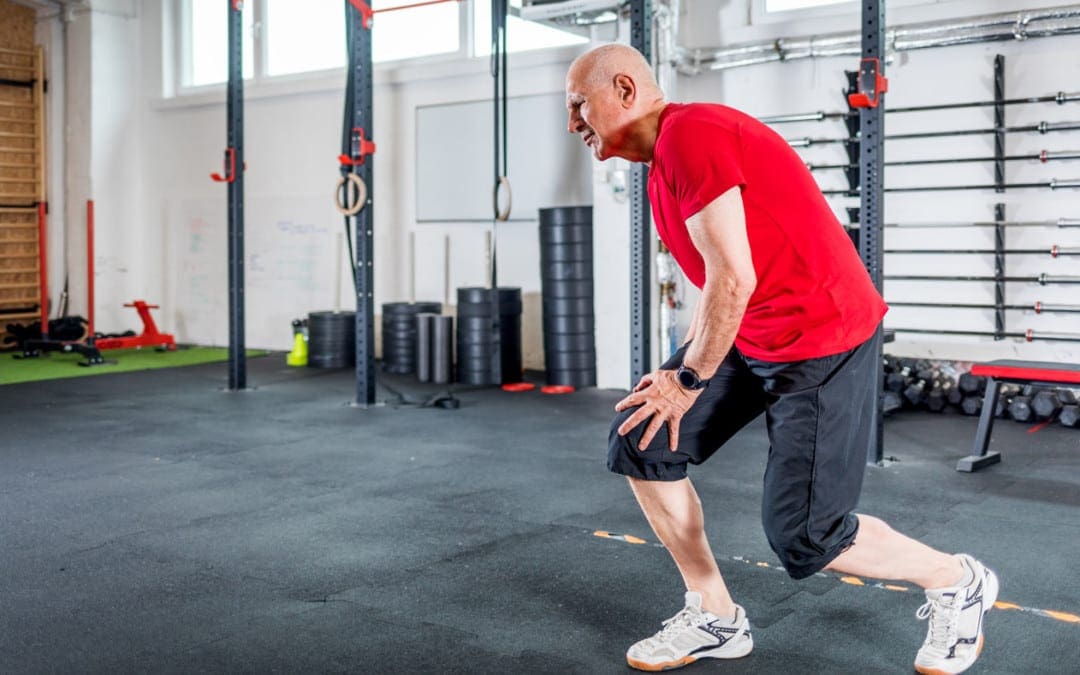
Although it is not officially summer, the past few weeks sure feels like it. Especially for those with joint discomfort and pain. As the body ages, individuals may notice their joints have some mobility/flexibility issues in the summer heat. Again, the heat and humidity are the culprits. The hotter it is, the more the body is susceptible to inflammation and swelling. The more prone an individual’s body is to swelling, the more pain can present. Barometric pressure can also have some form of impact on joint health. The pressure changes can cause the joints to become more sensitive. When the pressure changes, individuals often speak of their joints feeling tighter combined with stiffness, leading to a cycle of swelling and pain.
Joint Anatomy
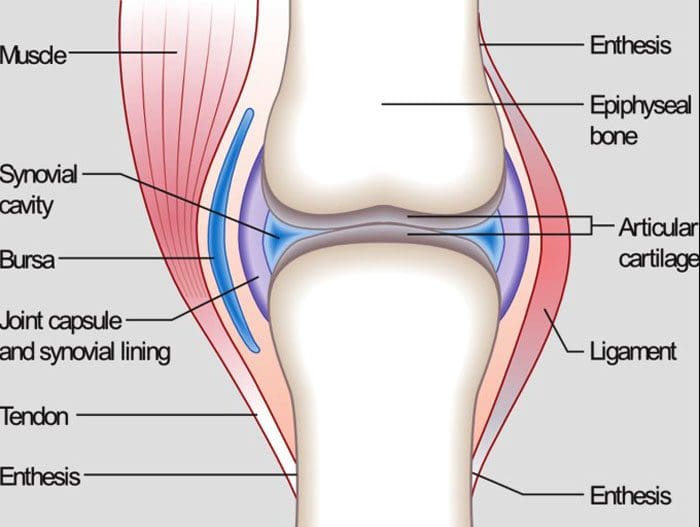
Whether it’s the hip, knee, elbow, or hand, all of the body’s joints have fluid in them. It is a gel-like substance known as synovial fluid. This is what lubricates the joints and keeps them functioning smoothly. However, the temperature and humidity levels can change the thickness of the fluid in the joints. This means that the synovial fluid can become inflamed with the weather changes. This is a symptom when the joints begin to feel like they cannot move and/or are becoming stiff. Joint inflammation can become more common and chronic as the body gets older.
Weather and the joints
The summer heat and humidity can affect the joint because:
The tendons, ligaments, and muscles expand in this type of weather
The heat can restrict individuals from moving around. Non-use stiffens the joints
Joints that have worn down cartilage could have exposed nerves that are reacting to the temperature changes
Humidity causes the body to lose water by sweating. This can reduce the fluid around the joints leading to stiffness, immobility, and pain.
However, not everyone has joint problems in the summer heat. Many have joint issues when it’s cold, damp, or raining. Other’s are at their best in cool, dry weather. It depends on an individual’s body and how their joints react when the temperature changes.
Maintaining joint health for the summer heat
When joint discomfort or pain presents in the summer, there are a few easy ways to gain relief.
Properly Hydrate the Body
Water and sports drinks maintain the fluid levels in the body, specifically, it keeps the joints moving. One way to hydrate the body can be achieved by eating healthy fruits and vegetables. Water-rich fruits and vegetables include:
Watermelon
Oranges
Strawberries
Tomatoes
Cucumbers
Spinach
Celery
Over-The-Counter pain ointments and creams
Arthritis and anti-inflammatory creams/ointments can ease joint pain by allowing more blood circulation in the affected areas.
Dressing for the heat
Wear loose, natural fiber, breathable clothing that allows the body to move freely while maintaining a cool temperature.
Relax in the air conditioning
Get into the air conditioning. The cool air can help reduce joint inflammation.
Get in the Water
Swimming or just wading through doing some light exercise in the water cools the body’s core. In addition, the buoyancy of the water relieves pressure on the joints.
Body Composition Testing
Body Water
The body is made up of as much as 2/3’s water. Even though much of the body is made up of water, the percentage of body composition changes based on functional needs. Essential functions of water include:
Water is the building block to almost every cell in the body
It regulates the body’s temperature through sweating and respiration
Carbohydrates and proteins for energy are transported via the water in the blood
Water assists in the removal of metabolic waste through urination
It is part of the shock-absorbing system that protects the brain and spinal cord
Water is part of the saliva and fluid that lubricates the joints
The amount of water in the body depends on various factors. This includes:
Age
Gender
Physical activity
It is referred to as Total Body Water or TBW.
TBW is constantly changing with gains and losses of fluid in healthy adults. The body can detect irregularities and compensate for losses and/or gains to make sure that the systems are balanced.
The information herein is not intended to replace a one-on-one relationship with a qualified healthcare professional or licensed physician and is not medical advice. We encourage you to make your own health care decisions based on your research and partnership with a qualified health care professional. Our information scope is limited to chiropractic, musculoskeletal, physical medicines, wellness, sensitive health issues, functional medicine articles, topics, and discussions. We provide and present clinical collaboration with specialists from a wide array of disciplines. Each specialist is governed by their professional scope of practice and their jurisdiction of licensure. We use functional health & wellness protocols to treat and support care for the injuries or disorders of the musculoskeletal system. Our videos, posts, topics, subjects, and insights cover clinical matters, issues, and topics that relate to and support, directly or indirectly, our clinical scope of practice.* Our office has made a reasonable attempt to provide supportive citations and has identified the relevant research study or studies supporting our posts. In addition, we provide copies of supporting research studies available to regulatory boards and the public upon request.
We understand that we cover matters that require an additional explanation of how it may assist in a particular care plan or treatment protocol; therefore, to further discuss the subject matter above, please feel free to ask Dr. Alex Jimenez or contact us at 915-850-0900.
Morton, Darren, and Robin Callister. “Exercise-related transient abdominal pain (ETAP).” Sports medicine (Auckland, N.Z.) vol. 45,1 (2015): 23-35. doi:10.1007/s40279-014-0245-z
Peeler, Jason et al. “Managing Knee Osteoarthritis: The Effects of Body Weight Supported Physical Activity on Joint Pain, Function, and Thigh Muscle Strength.” Clinical journal of sports medicine: official journal of the Canadian Academy of Sports Medicine vol. 25,6 (2015): 518-23. doi:10.1097/JSM.0000000000000173
Quick, D C. “Joint pain and weather. A critical review of the literature.” Minnesota medicine vol. 80,3 (1997): 25-9.
Timmermans, Erik J et al. “The Influence of Weather Conditions on Joint Pain in Older People with Osteoarthritis: Results from the European Project on OSteoArthritis.” The Journal of rheumatology vol. 42,10 (2015): 1885-92. doi:10.3899/jrheum.141594
A proper diagnosis goes a long way. Treatment and recovery can happen relatively quickly or broken up into parts, phases, and sessions, as part of a treatment and rehabilitation plan. This depends on the individual, their age, underlying conditions, and the severity of their injury/s. It is not uncommon to have a treatment schedule that could be weeks/months long. This can be tough on individuals with limited abilities and/or a slow progressive rehab to get back to normal. It is arduous, but to achieve optimal healing and health, it is expected.
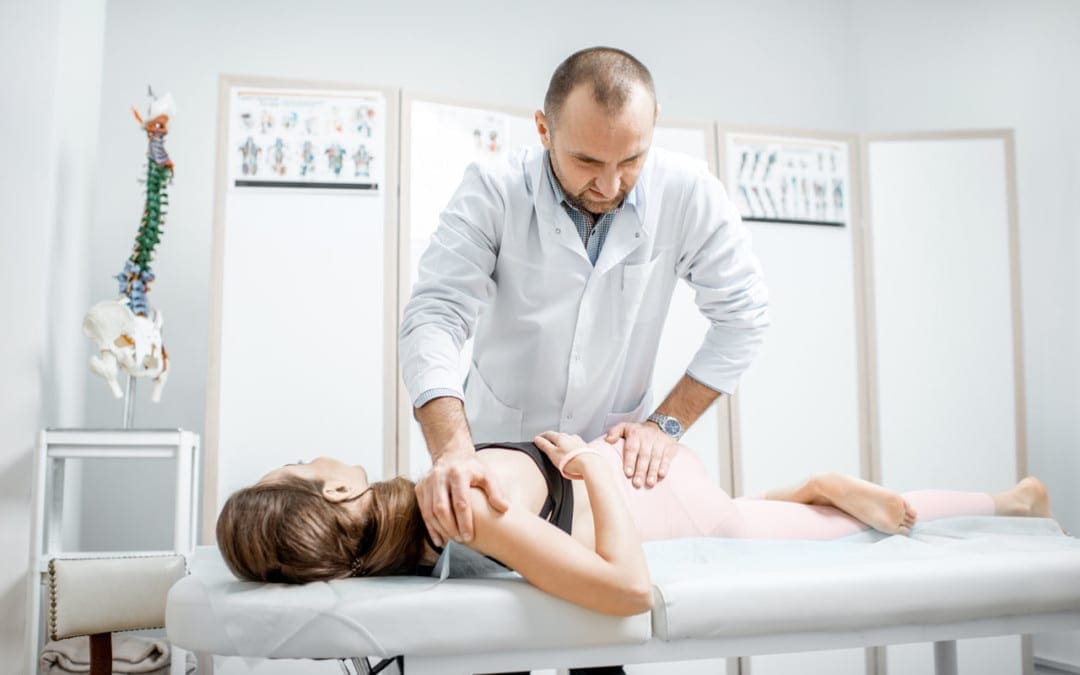
Chiropractic medicine is no different. It’s non-invasive compared to surgery but not as immediate as medication/s. This places it in between. Recovery timelines can vary significantly based on the nature of the condition, the patient, their injury/s, and everything attached. Most chiropractic treatment and adjustment plans are scheduled according to the individual’s injury and/or condition. Every case is different, meaning that treatment could be a couple of sessions for an individual with mild sciatica to a few weeks or months for more severe injuries/conditions. Most want to know why chiropractors execute these plans over weeks and months.
The Body Needs To Get Used To The Adjustments
One reason for an extended adjustment schedule is to prevent adjustment shock. Adjustment shock often presents through soreness and tenderness, and there could be a feeling of soreness when sitting or standing or difficulty when trying to move with a normal range of motion. This happens when trying to heal the body too much and too fast. Trying to perform massive chiropractic adjustments without preparing the body could worsen and/or create further injury/s.
For example, correcting severe lordosis requires repositioning the spine’s curvature through properly planned out adjustment sessions. If a chiropractor tries to adjust/align the spine into place over a few days, this would be extremely uncomfortable and more than likely painful for the individual. Plus, there is a lack of musculoskeletal support from the rest of the body that is needed to make sure that the adjustments/changes take hold and are maintained. A chiropractor wants to avoid these issues to focus on getting the individual back to proper health.
Preparing The Body With A Solid Foundation
Chiropractic manipulations and adjustments need time to settle in, ensuring that they take hold and not shift back to the incorrect position. Spinal problems are not solved overnight. This means that the causes of misalignment will remain for a period as the treatment/adjustment process begins. A spaced-out schedule ensures that the adjustments are made accordingly to strengthen the spine through the process. This enables adjustments and the body to develop the necessary support system and prevent any negative re-shifting. As time goes on, the adjustments achieve total realignment, restoring the positive curvature that can be maintained.
Schedule Benefits
Finally, the step-by-step nature of a chiropractic adjustment schedule enables the treatment team to check the status of an adjustment plan. If radiological imaging shows changes, setbacks, or new issues arise, the treatment plan and schedule can be changed and adapted accordingly.
Body Composition Testing
Too Much Alcohol Can Slow Recovery From Tissue Injuries
Alcohol is often associated with celebrations, anniversaries, etc. But drinking too much can damage the immune system. Too much alcohol contributes to organ damage, specifically the liver. However, it is known to slow down recovery from tissue injuries, as well. Moderate drinking is defined as drinking up to 1 drink a day for women and up to 2 a day. Exceeding the recommended intake disrupts the immune pathways and impairs the body’s ability to fight off infections. Alcohol-related immune system damage has been associated with the development of certain types of cancer, including head and neck cancers among alcohol users. Before thinking that this is a problem that only affects chronic alcohol users, acute binge drinking can also severely impair the body’s immune system.
The information herein is not intended to replace a one-on-one relationship with a qualified healthcare professional or licensed physician and is not medical advice. We encourage you to make your own health care decisions based on your research and partnership with a qualified health care professional. Our information scope is limited to chiropractic, musculoskeletal, physical medicines, wellness, sensitive health issues, functional medicine articles, topics, and discussions. We provide and present clinical collaboration with specialists from a wide array of disciplines. Each specialist is governed by their professional scope of practice and their jurisdiction of licensure. We use functional health & wellness protocols to treat and support care for the injuries or disorders of the musculoskeletal system. Our videos, posts, topics, subjects, and insights cover clinical matters, issues, and topics that relate to and support, directly or indirectly, our clinical scope of practice.* Our office has made a reasonable attempt to provide supportive citations and has identified the relevant research study or studies supporting our posts. We provide copies of supporting research studies available to regulatory boards and the public upon request.
We understand that we cover matters that require an additional explanation of how it may assist in a particular care plan or treatment protocol; therefore, to further discuss the subject matter above, please feel free to ask Dr. Alex Jimenez or contact us at 915-850-0900.
Holt, Kelly, et al. “The effects of a single session of chiropractic care on strength, cortical drive, and spinal excitability in stroke patients.” Scientific Reports vol. 9,1 2673. 25 Feb. 2019, doi:10.1038/s41598-019-39577-5
Iben, Axén, et al. “Chiropractic maintenance care – what’s new? A systematic review of the literature.” Chiropractic & manual therapies vol. 27 63. 21 Nov. 2019, doi:10.1186/s12998-019-0283-6
Mior, Silvano et al. “Chiropractic services in the active-duty military setting: a scoping review.” Chiropractic & manual therapies vol. 27 45. 15 Jul. 2019, doi:10.1186/s12998-019-0259-6
Pasala, Sumana et al. “Impact of Alcohol Abuse on the Adaptive Immune System.” Alcohol research: current reviews vol. 37,2 (2015): 185-97.
Knee Injuries, Surgeries, and Vitamin D Status. The knee joint is one of the largest and complex joints. It connects the thigh bone to the shinbone, which has a very important role in:
Supporting the body’s weight
Facilitating movement
Allowing the ability to bend the knee
Because of the complexity of the knee joint, it is highly susceptible to injuries. The most common injuries include tears in the:
Ligaments
Tendons
Cartilage
The kneecap itself can be fractured and/or dislocated.
Tears
Meniscal Tears
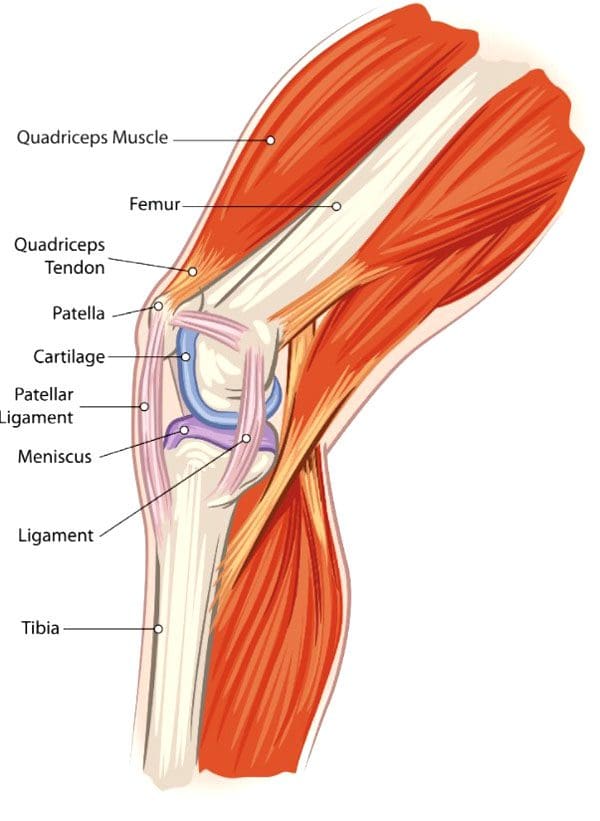
The meniscus is the cartilage between the knee joint that absorbs the impact/shock when running, playing sports, yard work, hiking, bicycling, etc. It cushions the joint and maintains stability.
Meniscus tears are common in sports that have a lot of jumping, starting/stopping quickly, changing direction suddenly, like volleyball, basketball, tennis, soccer, football. This is when the meniscus tears. Surgery can be required, depending on the severity/extent of the injury and tear.
Tendon Tears
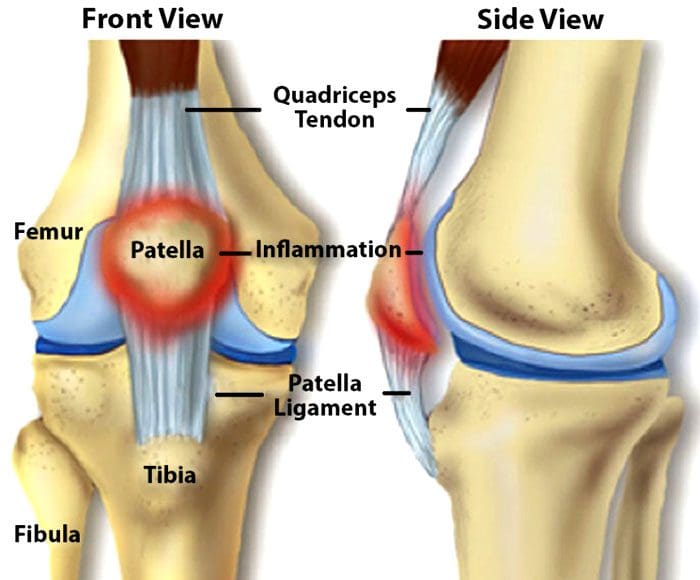
The patellar tendon works with the knee muscles in the front of the thigh to straighten the leg. Tears in the patellar tendon are common among middle-aged individuals and those that participate in running or jumping sports.
A complete tear is considered a disabling injury that requires surgery for full functional recovery.
Fortunately, most tears are partial and require rest and chiropractic/physical therapy to heal.
Dislocation
Knee dislocations happen when the knee bones shift out of position. This can happen after a fall, car crash, or high-speed impact. It can also be caused by twisting the knee while the foot stays planted. Dislocations require relocation. However, sometimes a dislocated kneecap corrects itself and returns to the proper position. Other cases can require a mild sedative to allow a doctor to relocate the knee. Dislocations generally take around six weeks to fully heal.
Anterior Cruciate Ligament – ACL Injury
The anterior cruciate ligament or ACL is knee tissue that joins the upper and lower leg bones and maintains the knees’ stability. The ACL can be torn if the lower leg over-extends forward or if the leg gets twisted. ACL injuries are common knee injuries and account for around 40% of sports-related injuries. These injuries can range from a small tear in the ligament to a severe injury where the ligament tears completely or gets separated from the bone. Treatment depends on the severity of the injury. Depending on various factors including the severity of the tear, surgery could be required.
Knee Surgery
For most cases, surgery is done using arthroscopytechnology. This procedure uses small incisions to insert a camera and surgical instruments into the joint. Usually, two or three incisions are needed with recovery time being quicker than large incision surgery where the whole knee is opened. Minimally invasive arthroscopic surgery is preferred by sports medicine experts. With this procedure:
There is no need to cut the tendons or muscles
Bleeding is reduced
Small incisions decrease scarring
Recovery time is shorter
However, sometimes a large incision is required for complex surgical techniques. Common knee surgery procedures include:
Arthroscopy Surgery
This method allows the ability to see inside the knee joint. The procedure is often recommended for:
Diagnosis
Minor repairs to ligaments and/or tendons
Cartilage or bone that needs to be removed
Total Knee Replacement
A full knee replacement is known as arthroplasty. When the joint is damaged beyond repair from injury or disease, an implant is placed in the knee joint restoring function. A small amount of cartilage and bone from the shinbone and thigh bone gets removed for perfect placement of the new knee joint.
Revision Knee Replacement
Most knee replacements last around 15 – 20 years. For individuals that have knee replacement early, then a new operation for new implants could be required. Here, the surgeon removes the original prosthesis and replaces it with a new one.
Partial Knee Replacement
Some knee injuries do not require complete replacement. Here, only the worn-out portion of the joint is replaced. As an example, the cartilage that has been lost in an area of the knee can be repaired with a partial replacement.
Vitamin D Status
A study on athletes that underwent ACL surgery looked at their vitamin d status and how it affected their recovery.
The research concluded that vitamin D status had no effect on surgery outcomes.
However, those with the lowest vitamin D status had three times the failure rate than those with higher vitamin D
The average age of the individuals was around twenty-four and were healthy athletes.
Each of the patients in this study had their vitamin levels measured before the operation and were grouped based on their vitamin D status:
Group 1 vitamin D below 20 ng/mL – considered deficient
Group 2 vitamin D between 20-30 ng/mL – considered low but in a technical range
Group 3 vitamin D above 30 ng/mL – considered sufficient, but not optimal
All were followed for two years with their surgery recovery being measured with two systems.
The Lysholm score, which is a 100 point scoring system that looks at an individual’s knee functions that include:
Mechanical locking
Instability
Pain
Swelling
Stair climbing
Squatting
The WOMAC score is a scoring system that measures:
After 2 years, the Lysholm score and the WOMAC scores were similar.
However, there was a difference in the graft failure rate which was about 6% in group 1 with the lowest vitamin D and around 2% in groups 2 and 3. This shows that the lowest vitamin D status has three times the failure rate compared with those that had increased vitamin D levels. Vitamin D is a known anti-inflammatory with metabolic functions that are documented. Therefore, vitamin D does improve surgical success and recovery in healthy athletes.
Body Composition
Disclaimer
The information herein is not intended to replace a one-on-one relationship with a qualified health care professional, licensed physician, and is not medical advice. We encourage you to make your own health care decisions based on your research and partnership with a qualified health care professional. Our information scope is limited to chiropractic, musculoskeletal, physical medicines, wellness, sensitive health issues, functional medicine articles, topics, and discussions. We provide and present clinical collaboration with specialists from a wide array of disciplines. Each specialist is governed by their professional scope of practice and their jurisdiction of licensure. We use functional health & wellness protocols to treat and support care for the musculoskeletal system’s injuries or disorders. Our videos, posts, topics, subjects, and insights cover clinical matters, issues, and topics that relate to and support, directly or indirectly, our clinical scope of practice.* Our office has made a reasonable attempt to provide supportive citations and has identified the relevant research study or studies supporting our posts. We provide copies of supporting research studies available to regulatory boards and the public upon request. We understand that we cover matters that require an additional explanation of how it may assist in a particular care plan or treatment protocol; therefore, to further discuss the subject matter above, please feel free to ask Dr. Alex Jimenez or contact us at 915-850-0900.
Dr. Alex Jimenez DC, MSACP, CCST, IFMCP*, CIFM*, CTG*
email: [email protected]
phone: 915-850-0900
Licensed in Texas & New Mexico
References
Brambilla, Lorenzo, et al. “Outcome of total hip and total knee arthroplasty and vitamin D homeostasis.” British medical bulletin vol. 135,1 (2020): 50-61. doi:10.1093/bmb/ldaa018
European Journal of Orthopedic Surgery and Traumatology, January 2021
Zhang, Hao et al. “Vitamin D Status and Patient Outcomes after Knee or Hip Surgery: A Meta-Analysis.” Annals of nutrition & metabolism vol. 73,2 (2018): 121-130. doi:10.1159/000490670
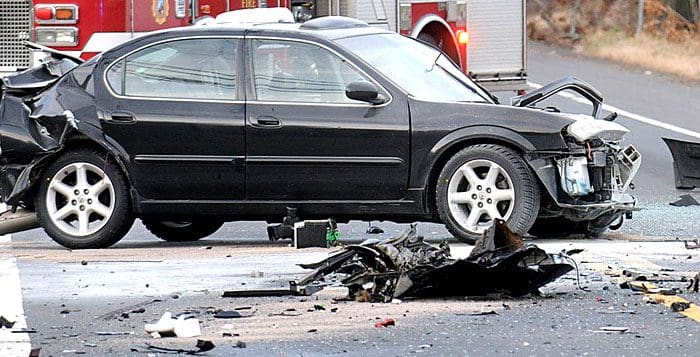
With the number of individuals/vehicles on the road today, automobile accidents are frequent and even minor ones can cause damage. The most obvious is the destruction of the vehicle during and after the collision. But these crashes and accidents also cause serious damage to the body that is not immediately visible or felt. Almost every accident and crash results in injuries to one or more of the individuals involved. Vehicle collisions both great and small involve force being applied as two or more vehicles collide. The direction and amount of force can cause damage to the body from twisting, bending, slamming, and jolting in ways the body was not meant to do. There is a 1 in 5 chance of being involved in an automobile accident that causes bodily injury.
The most frequent injuries include:
Frequent Soft Tissue Injuries
Bruising/Contusions
Even a minor automobile accident can cause bruising. A collision can jerk/jolt the body from the seat belt, while it is doing its job of keeping the individual from flying out the window, it can leave bruises for days afterward. Bruises are rarely serious injuries that require medical attention and usually heal within a week or two.
Whiplash
The physical force from an accident can cause the head to move at speeds that it should not move at. Pain or discomfort in the neck and back after a collision can indicate a sustained whiplash strain to the muscles and ligaments. These strains can be painful and take weeks for a full recovery and if left untreated could result in chronic pain.
Neck and Spinal injuries
The intense force that the body endures from a collision can cause serious damage to the body that is not immediately apparent or present with inflammation/pain letting the individual know that something is not right. Herniations or ruptures of the discs in the spine can occur. This can lead to serious injuries that cause intense pain and limit mobility and flexibility. If pain continues after several days, or there is a history of neck/back injury/s and/or condition/s, consult with an accident chiropractic specialist or spine specialist to see if there is an injury to the spine or surrounding muscles, tendons, and ligaments. Chiropractic treatment and physical therapy are important to return the body to optimal health. Surgery could be an option if there is sustained serious neck or spinal injury.
Frequent Head Injuries
Concussions
During a collision, hitting the head on the steering wheel, window, or roof is frequent and can cause a concussion. Individuals can experience problems with memory, like not remembering what happened before the collision, or feeling like brain function is not as quick. Treatment for any kind of head injury is crucial. Treatment will help alleviate headaches and help restore the brain to a healthy state.
Traumatic Brain Injuries
These injuries can cause life-altering effects. A traumatic brain injury can change:
The way the brain functions
Handles information
Processes emotions
Recovery from a brain injury is possible but can take time, depending on the type and severity of the damage.
Frequent Mental and Emotional Injuries
Post-traumatic Stress Disorder
When the body goes through extreme stress like an automobile accident there is the potential to develop emotional and mental conditions like post-traumatic stress disorder or PTSD. Symptoms can include:
Avoiding or responding fearfully to certain sounds or images that are associated with auto accidents
Sleeping problems brought on by anxiety and/or nightmares
Treatment is vital and psychologists and therapists can help individuals express their feelings, and educate individuals on techniques to deal with stresses, anxieties, and fears to get them to a healthy life.
Internal Injuries
Broken Bones
The impact of a collision can cause the body to hit various areas of the vehicle, stressing the musculoskeletal system that it can’t take. This can occur in a variety of ways, with the torso, arms, or legs getting pinned by a part of the vehicle causing fracture/s. Also, depending on the speed of the collision, the seatbelt could stop the body suddenly causing a fracture of the ribs. Broken bones are frequent in auto accidents/crashes, however, some fractures could require surgery and hardware to reset the bones to allow proper healing. Depending on the type of break, individuals could require a month or more of rest. Chiropractic care and physical therapy could help expedite recovery.
Internal Bleeding
The body’s organs are delicate and fragile. The impact forces from an auto accident can cause all kinds of damage, causing them to bleed. These are serious injuries and are quite common in high-speed collisions.
Auto Accident Doctors & Chiropractic Treatment
Body Positivity
Body positivity is about every individual having a psychological representation of their body or body image. This includes:
How an individual thinks about their body shape
Size
Emotions attached to their perception
Fitness and fashion industries used to promote what the perfect body should look like and those with a body image that did not fit these criteria could develop a sense of inferiority. In response to this, body positivity has become a rapidly growing movement on social media. The movement’s objective is to challenge society to focus on an individual’s overall health, and not their body. It encourages acceptance of all body types, no matter the size or shape. The movement has a companion known as the Healthy at Every Size or HAES movement that focuses on health indicators other than weight. It encourages the focus on developing healthy habits that lead to improved health. HAES involves three components:
Intuitive eating
Encourages body acceptance
Promotes physical activity through movement and health instead of a structured exercise regimen
These movements offer realistic and encouraging ways to recognize and achieve optimal health. They accept body and health at every stage of an individual’s fitness and health journey.
Disclaimer
The information herein is not intended to replace a one-on-one relationship with a qualified health care professional, licensed physician, and is not medical advice. We encourage you to make your own health care decisions based on your research and partnership with a qualified health care professional. Our information scope is limited to chiropractic, musculoskeletal, physical medicines, wellness, sensitive health issues, functional medicine articles, topics, and discussions. We provide and present clinical collaboration with specialists from a wide array of disciplines. Each specialist is governed by their professional scope of practice and their jurisdiction of licensure. We use functional health & wellness protocols to treat and support care for the musculoskeletal system’s injuries or disorders. Our videos, posts, topics, subjects, and insights cover clinical matters, issues, and topics that relate to and support, directly or indirectly, our clinical scope of practice.* Our office has made a reasonable attempt to provide supportive citations and has identified the relevant research study or studies supporting our posts. We provide copies of supporting research studies available to regulatory boards and the public upon request. We understand that we cover matters that require an additional explanation of how it may assist in a particular care plan or treatment protocol; therefore, to further discuss the subject matter above, please feel free to ask Dr. Alex Jimenez or contact us at 915-850-0900.
Dr. Alex Jimenez DC, MSACP, CCST, IFMCP*, CIFM*, CTG*
email: [email protected]
phone: 915-850-0900
Licensed in Texas & New Mexico
References
Duncan, G J, and R Meals. “One hundred years of automobile-induced orthopedic injuries.” Orthopedics vol. 18,2 (1995): 165-70.
Hamilton JB. Seat-belt injuries. Br Med J. 1968 Nov 23;4(5629):485-6. doi: 10.1136/bmj.4.5629.485. PMID: 5697665; PMCID: PMC1912721.
Sims, J K et al. “Automobile accident occupant injuries.” JACEP vol. 5,10 (1976): 796-808. doi:10.1016/s0361-1124(76)80313-9
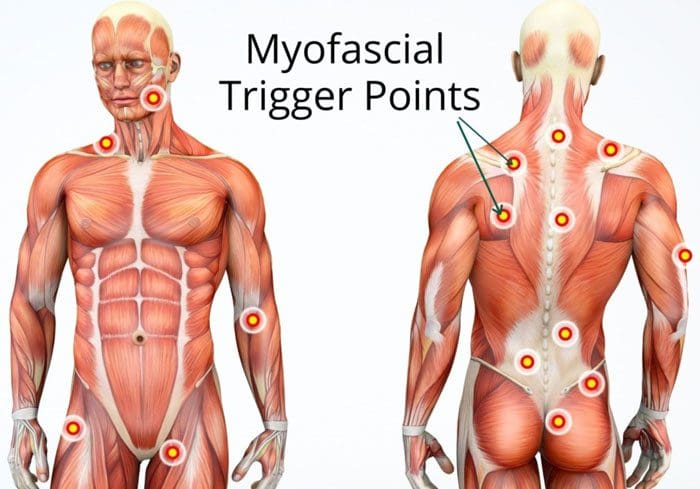
Muscle knots are common and can occur anywhere on the body. They can cause aching and pain in the muscles and joints. When examining a muscle knot also known as myofascial trigger points, it can feel swollen, tense, or like a bump. A particular area where these knots present is in the low back. This happens from excessive wear-and-tear on the lower spine from work, school, daily tasks, and chores. This causes the muscle fibers to tear, and with restricted or no time to rest the area and let it heal properly leads to the fibers bunching/clumping together forming a painful knot.
Muscle Knots In The Lower Back
A muscle knot in the lower back causes aching, soreness, and full-on pain. They tighten and contract even when the muscle is resting. The affected area often becomes inflamed or swollen causing pain and aches to radiate/spread to the gluteal muscles, as well.
Development
These knots develop when the tissue fibers pull apart and bunch up together. They start to stick together and with time the area becomes thicker. This results in the muscle knot. They can be caused by:
Stress
Tension
Poor posture
Muscle overuse
Muscle strain
Sedentary habits
Body dehydration and an unhealthy diet can also contribute to muscle knots. They look like a small bump under the skin. The bump can be red and is usually tender/sore when touched. However, not all muscle knots are visible, but when touched there is soreness and/or pain.
Do They Go Away?
They can go away on their own, but this comes from proper rest and recovery time. However, muscle knots should not be ignored, as even the smallest knot can compress surrounding nerves and muscle tissues. This can cause irritation and weakness. Larger muscle knots could cause movement/mobility issues.
Therapies
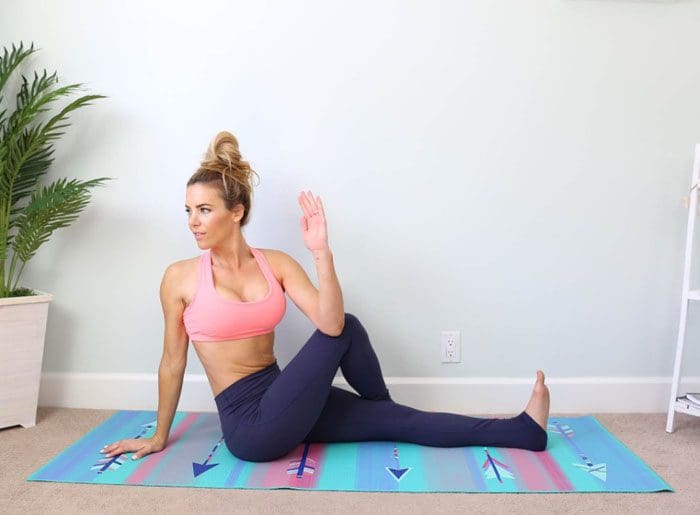
Stretching
Stretching will help stretch out and release tight muscle knots. Stretching loosens the muscle fibers and prevents them from becoming attached. Stretches to release a muscle knot include:
Start with these simple stretches/exercises and slowly work up to more vigorous ones.
Chiropractic Care
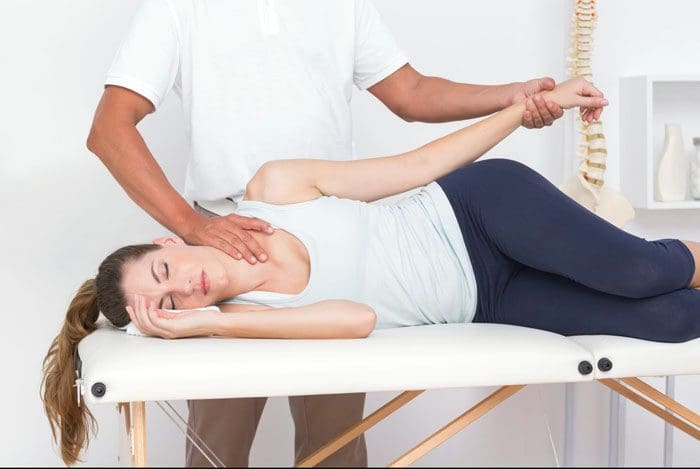
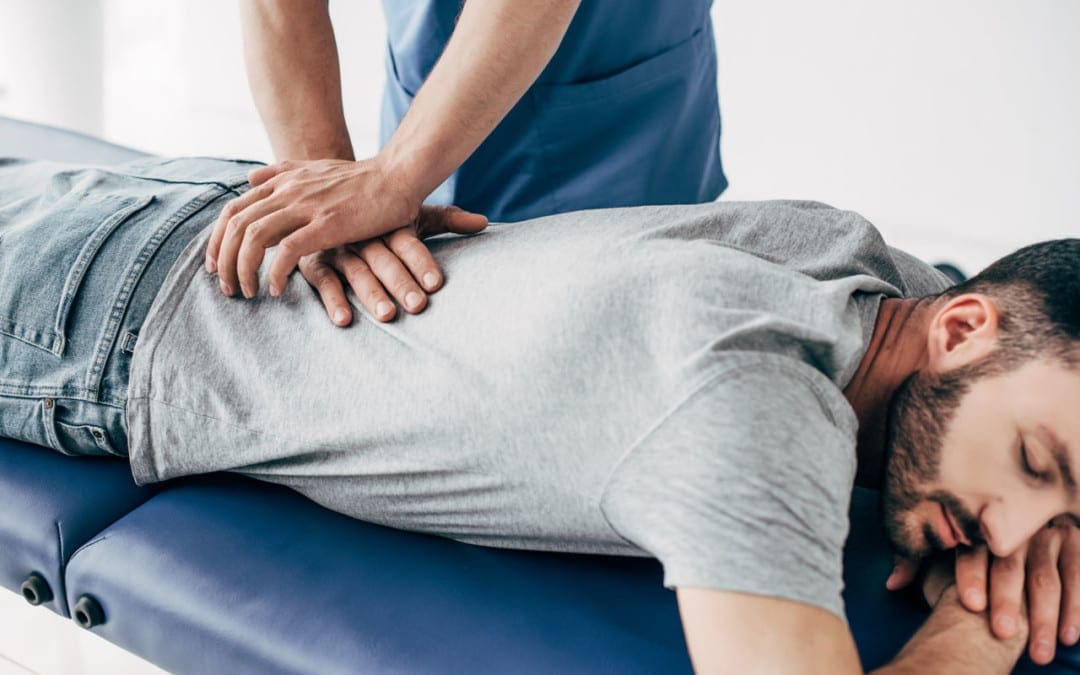
Chiropractic care can break down muscle knots through various adjustments. They are experts on the musculoskeletal system and understand where the problem is occurring along with the connected muscles.
A chiropractor will palpate the spot where the most pain presents and the surrounding area.
They will begin with a soft massage. This warms up the area getting the blood circulating. The blood circulation helps prevent pain making the adjustment/s far more effective.
Then pressing on nearby joints that the muscle knot is connected to breaks up the tight fibers.
Then the section/area is stretched out. This extends the fibers and prevents them from winding back into a knot.
They will recommend stretches and exercises
Therapeutic Massage
A massage helps to release tension and encourages muscle knots to loosen up and break down. A massage therapist will perform a deep tissue massage or a Swedish massage. Massage helps to release endorphins, which are the body’s natural painkiller. These calm the body and reduce pain. They will also recommend simple massages at home. These can include:
Rolling a massage ball/roller on the muscle knot
Self-massage using the fingers in circular motions on the affected area
Heat and Ice
Hot and cold therapy can calm and prevent inflammation. Heating pads are best if the area has stiffness or is painful. The heat relaxes tight muscles and increases blood flow. Cold therapy stops the swelling. If the muscle knot gets bigger or begins turning red, icing the area is recommended. Alternating between the two can eliminate symptoms and assist with quicker healing.
Body Composition
Building Functional Strength
There are exercises to improve functional strength. Functional training targets specific areas:
Then lift the outside leg up as high as possible and hold for 10 seconds
Repeat on the other side
Do 6-10 repetitions on each side
This exercise builds shoulder, arm, and hip strength. It engages the core and abdominal muscles and improves flexibility in the shoulders, back, and hips.
Disclaimer
The information herein is not intended to replace a one-on-one relationship with a qualified health care professional, licensed physician, and is not medical advice. We encourage you to make your own health care decisions based on your research and partnership with a qualified health care professional. Our information scope is limited to chiropractic, musculoskeletal, physical medicines, wellness, sensitive health issues, functional medicine articles, topics, and discussions. We provide and present clinical collaboration with specialists from a wide array of disciplines. Each specialist is governed by their professional scope of practice and their jurisdiction of licensure. We use functional health & wellness protocols to treat and support care for the musculoskeletal system’s injuries or disorders. Our videos, posts, topics, subjects, and insights cover clinical matters, issues, and topics that relate to and support, directly or indirectly, our clinical scope of practice.* Our office has made a reasonable attempt to provide supportive citations and has identified the relevant research study or studies supporting our posts. We provide copies of supporting research studies available to regulatory boards and the public upon request. We understand that we cover matters that require an additional explanation of how it may assist in a particular care plan or treatment protocol; therefore, to further discuss the subject matter above, please feel free to ask Dr. Alex Jimenez or contact us at 915-850-0900.
Dr. Alex Jimenez DC, MSACP, CCST, IFMCP*, CIFM*, CTG*
email: [email protected]
phone: 915-850-0900
Licensed in Texas & New Mexico
References
Cramer, Holger et al. “Postural awareness and its relation to pain: validation of an innovative instrument measuring awareness of body posture in patients with chronic pain.” BMC musculoskeletal disorders vol. 19,1 109. 6 Apr. 2018, doi:10.1186/s12891-018-2031-9
Malanga, Gerard A et al. “Mechanisms and efficacy of heat and cold therapies for musculoskeletal injury.” Postgraduate medicine vol. 127,1 (2015): 57-65. doi:10.1080/00325481.2015.992719
Women are familiar with abdominal cramps, Pre Menstrual Syndrome, and headaches that accompany their menstrual cycle. However not as many are aware of backache to throbbing back pain sometimes before and/or after a monthly cycle. Many women go to over-the-counter pain medication like ibuprofen. In a study, the regular use of NSAIDs found that it can lead to:
Stomach problems
Bleeding ulcers
Fluid retention
High blood pressure
Kidney
Heart problems
Why Back Pain Presents During Menstrual Cycle
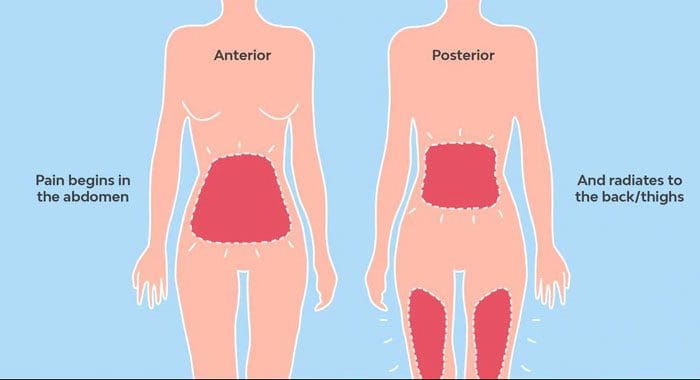
When the uterus is in a contracting state, the nerves around the pelvis feel the sensations. The uterus only contracts for a few seconds, but repeatedly for hours. Sometimes, the uterus compresses blood vessels in the region. This can limit or completely block the blood vessels supplying the muscles around the pelvis. This is a major contributor to back pain during a period. This is known as referred pain, which means the body feels the pain in one area, in this case, the lower back. But the pain is caused by another area of the body, the uterus. This can cause cramping and low back pain before, during, and after a period. If cramps and back pain become debilitating or worsen over time, it could indicate:
If fever is present along with back pain seek professional help as soon as possible.
Here are a few ways that can help bring relief from back pain during the monthly cycle.
Heat Therapy
Heat generates increased blood circulation, specifically where it is applied. Therefore any blood vessels that are blocked by the uterus will have improved circulation to the muscles surrounding the uterus, allowing them to relax. This could be the use of:
Heating pads
Hot water bottle
Warm bath or shower
If at work, many pharmacy stores and regular stores sell heat patches that are applied with adhesive tape. These can be used on the lower abdomen or lower back, providing soothing heat.
Light Exercises
Most doctors refer to exercise throughout the month, just not during the period. As staying in shape will maintain the body’s proper circulation and keep the muscles strong. However, some women can perform light exercises like yoga or swimming. This helps decrease back pain even on the first or second day of a menstrual cycle which for many women is the heaviest and most painful.
Meditate
Meditation can help gain control and insight from feelings about life situations. It takes practice, but once an individual gets the hang of it they are amazed at how much pain can be reduced with a 15-minute meditation session.
Supplemental Support
Taking omega 3’s and magnesium supplements can help with the pain. Omega 3s reduce blood clotting and improve circulation. They are natural anti-inflammatories that decrease prostaglandin, which is associated with backaches and cramps. Magnesium supplements, especially those that contain vitamin B6, can help relieve back pain before and after a period. Magnesium can also be found in:
Beans
Beets
Salmon
Shrimp
Chiropractic Care
The uterus, like every organ in the body, sends and receives nerve signals, from the brain to the uterus. The menstrual cycle has a close relationship with the spine because of its location. Regular chiropractic adjustments can maintain proper communication between the brain and uterus. Chiropractic realigns the entire spine back to its proper position. This relieves the pressure on the nerves of the reproductive organs. Seeing a chiropractor is the right step towards stopping the pain and healing the body naturally.
Positive body composition changes can be seen with higher load volume and less explosive tempo that is combined with shorter rest periods when weight or strength training.
When lifting weights or resistance training, it could be difficult to gain muscle mass if on birth control, near the perimenopausal stage, or officially on menopause.
One of the benefits of weight and strength training is that it can help an individual feel better about themselves. Weight training is associated with significant improvements in:
Body image
Quality of life
Physical activity behaviors
Overall satisfaction
Well being
Disclaimer
The information herein is not intended to replace a one-on-one relationship with a qualified health care professional, licensed physician, and is not medical advice. We encourage you to make your own health care decisions based on your research and partnership with a qualified health care professional. Our information scope is limited to chiropractic, musculoskeletal, physical medicines, wellness, sensitive health issues, functional medicine articles, topics, and discussions. We provide and present clinical collaboration with specialists from a wide array of disciplines. Each specialist is governed by their professional scope of practice and their jurisdiction of licensure. We use functional health & wellness protocols to treat and support care for the musculoskeletal system’s injuries or disorders. Our videos, posts, topics, subjects, and insights cover clinical matters, issues, and topics that relate to and support, directly or indirectly, our clinical scope of practice.* Our office has made a reasonable attempt to provide supportive citations and has identified the relevant research study or studies supporting our posts. We provide copies of supporting research studies available to regulatory boards and the public upon request. We understand that we cover matters that require an additional explanation of how it may assist in a particular care plan or treatment protocol; therefore, to further discuss the subject matter above, please feel free to ask Dr. Alex Jimenez or contact us at 915-850-0900.
Dr. Alex Jimenez DC, MSACP, CCST, IFMCP*, CIFM*, CTG*
email: [email protected]
phone: 915-850-0900
Licensed in Texas & New Mexico
References
Brynhildsen, J O et al. “Does the menstrual cycle and use of oral contraceptives influence the risk of low back pain? A prospective study among female soccer players.” Scandinavian journal of medicine & science in sports vol. 7,6 (1997): 348-53. doi:10.1111/j.1600-0838.1997.tb00165.x
Forozeshfard, Mohammad et al. “Short term effects of Kinesio taping on pain and functional disability in young females with menstrual low back pain: A randomized control trial study.” Journal of back and musculoskeletal rehabilitation vol. 29,4 (2016): 709-715. doi:10.3233/BMR-160673
Seguin, Rebecca A et al. “Strength Training Improves Body Image and Physical Activity Behaviors Among Midlife and Older Rural Women.” Journal of extension vol. 51,4 (2013): 4FEA2.
Learning how to manage and combat insomnia. Being wide awake early in the morning, trying hard to fall back to sleep before the alarm goes off. Individuals that have trouble falling asleep find that it usually happens right before a vacation. Everyone experiences an occasional sleepless night, but if insomnia continues on a regular basis it can lead to various health issues.
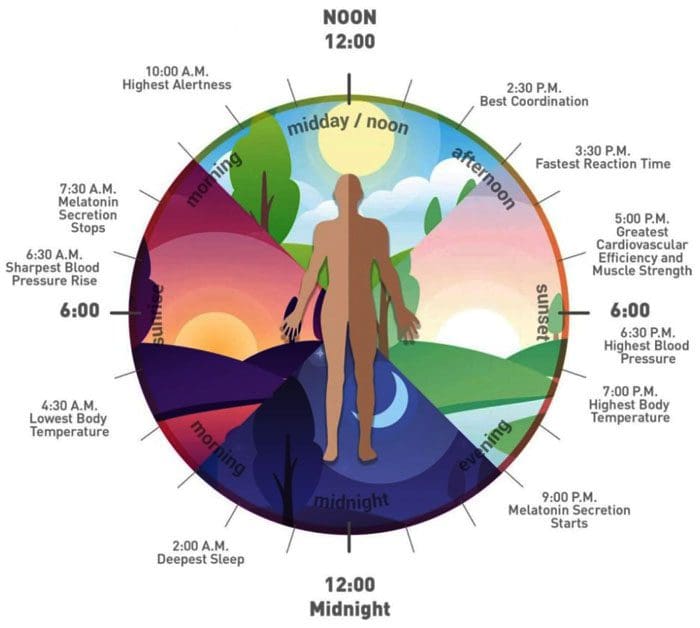
The average adult requires over eight hours of sleep for the body to function properly. But managing hectic lives means individuals end up going to bed later than sooner and not following the body’s natural biological rhythm. Remote and in-person learning, jobs, children, and other obligations require getting up with the birds with only 4-6 hours of sleep. A disruption to the body’s circadian rhythm that regulates:
Hormone production
Body temperature
Sleep
Can lead to insomnia.
Mind and Body Performance
The body needs adequate, restful sleep to perform its best. Insomnia that is prolonged can cause brain fog and interfere with performing daily activities. It also increases the risk for:
Depression
Headaches
Learning abilities
Accidents – auto, sports, work, personal
Can lead to sleep medication dependency.
Stress, anxiety, profound caffeine, and alcohol consumption can contribute to insomnia. Learning how to effectively manage stress is recommended to getting a proper night’s sleep. Making lifestyle adjustments can make a significant difference in the number of sleep hours. Here are a few strategies to try that could be effective:
Regular exercise/physical activity
Getting some physical activity before dinner can help put the body in a restful state before going to bed. However, do not exercise close to bedtime as this could make the body restless.
Getting out in the late evening sun as often as possible will help stimulate melatonin release. This will help reset the body’s circadian rhythm.
Stress-reduction
Stress-reduction techniques like yoga, meditation, and Tai Chi are recommended to help teach the mind and body to relax.
Caffeine, tobacco, and alcohol
These keep the body stimulated. Try to reduce/avoid from mid-afternoon until bedtime, and keep consumption of alcohol to a minimum.
Snacks
Have a small snack of protein with a complex carbohydrate just before bedtime. This could be peanut butter on a whole-grain cracker that can keep blood sugar from dropping, causing the individual to wake up.
Sleep cycle
Maintain the same sleep and wake schedule every day.
Do not alter by more than an hour on the weekends or on vacation.
Electronic devices
No television, computer, and phone use at least an hour before going to bed. This stimulates the brain, making it difficult to get to sleep.
Darkness
Keep the bedroom dark, quiet and cool.
If lying awake for more than 20 minutes, get up and sit in another dimly lit room until sleepiness starts to set in, then go back to bed.
Give these strategies a try and research others. They could help. For more information contact Injury Medical Chiropractic and Functional Medicine Clinic, to see how we can help.
Body Composition
Learning How To Incorporate Prebiotics
Incorporating more prebiotics into one’s diet is best done through nutrition. Prebiotic foods supply these nutrients directly to the colon, where they are broken down, fermented, and utilized. Prebiotic foods consist mainly of fruits, vegetables, grains, and beans.
However, cooking could alter the food’s fiber content, so look at recipes. Prebiotics also come in the form of supplements to make them easier to consume.
Disclaimer
The information herein is not intended to replace a one-on-one relationship with a qualified health care professional, licensed physician, and is not medical advice. We encourage you to make your own health care decisions based on your research and partnership with a qualified health care professional. Our information scope is limited to chiropractic, musculoskeletal, physical medicines, wellness, sensitive health issues, functional medicine articles, topics, and discussions. We provide and present clinical collaboration with specialists from a wide array of disciplines. Each specialist is governed by their professional scope of practice and their jurisdiction of licensure. We use functional health & wellness protocols to treat and support care for the musculoskeletal system’s injuries or disorders. Our videos, posts, topics, subjects, and insights cover clinical matters, issues, and topics that relate to and support, directly or indirectly, our clinical scope of practice.* Our office has made a reasonable attempt to provide supportive citations and has identified the relevant research study or studies supporting our posts. We provide copies of supporting research studies available to regulatory boards and the public upon request. We understand that we cover matters that require an additional explanation of how it may assist in a particular care plan or treatment protocol; therefore, to further discuss the subject matter above, please feel free to ask Dr. Alex Jimenez or contact us at 915-850-0900.
Dr. Alex Jimenez DC, MSACP, CCST, IFMCP*, CIFM*, CTG*
email: [email protected]
phone: 915-850-0900
Licensed in Texas & New Mexico
References
Goto, Viviane et al. “Chiropractic intervention in the treatment of postmenopausal climacteric symptoms and insomnia: A review.” Maturitas vol. 78,1 (2014): 3-7. doi:10.1016/j.maturitas.2014.02.004
Jamison, Jennifer R. “Insomnia: does chiropractic help?.” Journal of manipulative and physiological therapeutics vol. 28,3 (2005): 179-86. doi:10.1016/j.jmpt.2005.02.013
Kingston, Jana et al. “A review of the literature on chiropractic and insomnia.” Journal of chiropractic medicine vol. 9,3 (2010): 121-6. doi:10.1016/j.jcm.2010.03.003
IFM's Find A Practitioner tool is the largest referral network in Functional Medicine, created to help patients locate Functional Medicine practitioners anywhere in the world. IFM Certified Practitioners are listed first in the search results, given their extensive education in Functional Medicine