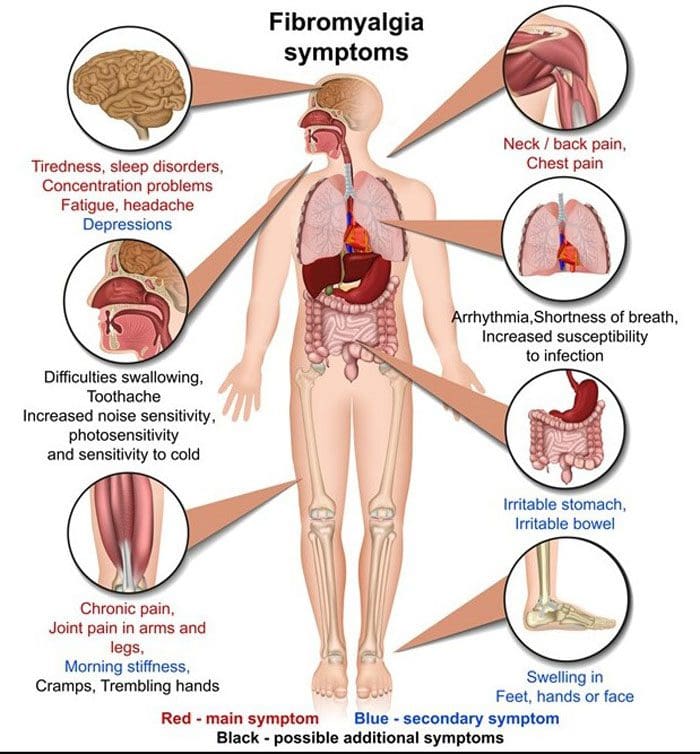
Fibromyalgia is a condition that causes pain throughout the whole body. It causes sleep problems, fatigue, and mental/emotional distress. It affects around four million adults in the United States. Individuals with Fibromyalgia tend to be more sensitive to pain. This is referred to as abnormal/altered pain perception processing. Research currently leans towards a hyperactive nervous system as one of the most plausible causes.
Symptoms and Related Conditions
Individuals with fibromyalgia/fibromyalgia syndrome/FMS may have:
Fatigue
Sleep issues
Headaches
Concentration, Memory issues, or Fibro Fog
Stiffness
Tender points
Pain
Numbness and tingling in hands, arms, legs, and feet
Central sensitization means that the central nervous system, made up of the brain and spinal cord, processes pain differently and more sensitively. For example, individuals with Fibromyalgia could interpret physiological stimuli, like heat, coldness, pressure, as pain sensations. Mechanisms that cause altered pain processing include:
Pain signal dysfunction
Modified opioid receptors
Substance P increase
Increased activity in the brain where pain signals are interpreted.
Pain Signal Dysfunction
When a painful stimulus is felt, the brain signals the release of endorphins, the body’s natural painkillers that block the transmission of pain signals. Individuals with Fibromyalgia could have a pain-blocking system that is altered and/or not functioning correctly. There is also the inability to block repetitive stimuli. This means that the individual keeps feeling and experiencing the stimuli even as they try to block them out, suggesting a failure in the brain to filter out irrelevant sensory information.
Modified Opioid Receptors
Research has found that individuals with fibromyalgia have a reduced number of opioid receptors in the brain. Opioid receptors are where endorphins bind so the body can use them when necessary. With fewer available receptors, the brain is less sensitive to endorphins, as well as opioid pain medication like:
Hydrocodone
Acetaminophen
Oxycodone
Acetaminophen
Substance P Increase
Individuals with fibromyalgia have been found to have elevated levels of substance P in their cerebrospinal fluid. This chemical is released when a painful stimulus is detected by the nerve cells. Substance P is involved with the body’s pain threshold, or the point when a sensation turns into pain. High levels of substance P could explain why the pain threshold is low in individuals with fibromyalgia.
Increased Activity in the Brain
Brain imaging tests, like magnetic resonance imaging or MRI, have shown that fibromyalgia is associated with greater than regular activity in areas of the brain that interpret pain signals. This can suggest that pain signals are overwhelming those areas or that the pain signals are being processed dysfunctionally.
Triggers
Certain factors can trigger a flare-up. These include:
Diet
Hormones
Physical stress
Too much exercise
Not enough exercise
Psychological stress
Stressful events
Sleep Patterns changed
Treatment changes
Temperature changes
Weather changes
Surgery
Chiropractic
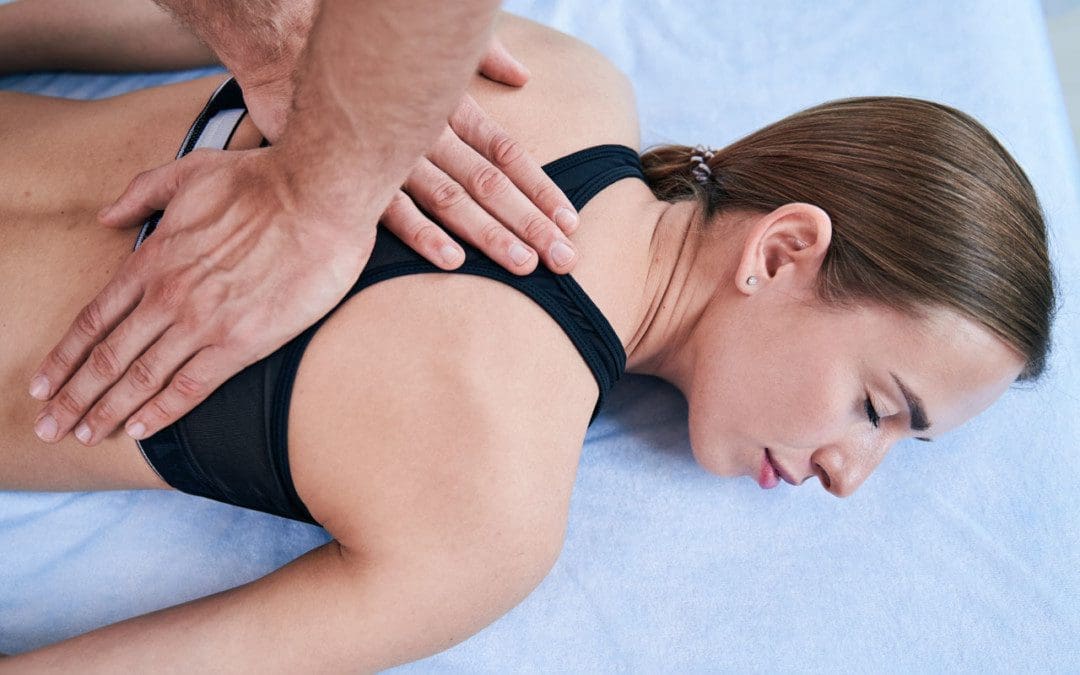
Chiropractic focuses on whole-body wellness. 90% of the central nervous system goes through the spinal cord. A misaligned vertebral bone can create interference and irritation on the nerves. Fibromyalgia is a condition related to the hyperactivity of the nerves; therefore, any vertebral subluxations will complicate and aggravate fibromyalgia symptoms. By realigning the misaligned vertebrae releases the stress off of the spinal cord and spinal nerve root. That is why individuals with fibromyalgia are recommended to add a chiropractor to their healthcare team.
Clauw, Daniel J et al. “The science of fibromyalgia.” Mayo Clinic proceedings vol. 86,9 (2011): 907-11. doi:10.4065/mcp.2011.0206
Cohen H. Controversies and challenges in fibromyalgia: a review and a proposal. Ther Adv Musculoskelet Dis. 2017 May;9(5):115-27.
Garland, Eric L. “Pain processing in the human nervous system: a selective review of nociceptive and biobehavioral pathways.” Primary care vol. 39,3 (2012): 561-71. doi:10.1016/j.pop.2012.06.013
Goldenberg DL. (2017). Pathogenesis of fibromyalgia. Schur PH, (Ed). UpToDate. Waltham, MA: UpToDate Inc.
Kamping S, Bomba IC, Kanske P, Diesch E, Flor H. Deficient modulation of pain by a positive emotional context in fibromyalgia patients. Pain. 2013 Sep;154(9):1846-55.
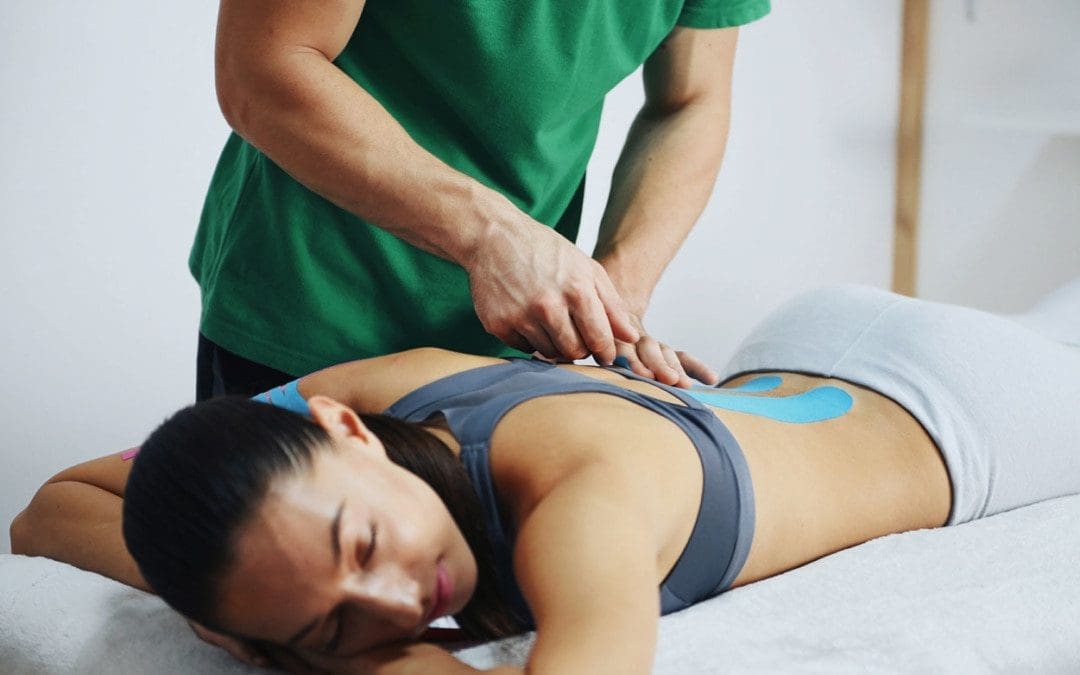
We see it on all types of athletes nowadays. They are wearing tape that looks like it’s for an injury. It is for injuries, but it can also be used as a preventative measure to avoid injuries. It is known as Kinesiology, Kinesio, KT, and elastic tape. It reduces swelling, increases mobility, and expedites recovery. It can be beneficial with back soreness/pain.
Tape
When it comes to Kinesio tape for back pain, medical professionals reported the tape is most effective when incorporated with other pain treatments. A study found that taping various areas of the body safely relieved knee pain and reduced the need for pharmacological treatment for knee osteoarthritis. It is applied to the body to support a joint, improve circulation, or provide proprioception feedback to the brain. The tape can help increase awareness of a specific painful area, reminding the individual to maintain proper posture and not move in a way that causes pain. Online videos can teach how to tape a particular area of the body. Examples include:
Each joint and muscle requires various tapings or different patterns and directions. Applying the tape to body areas that an individual can reach and access, like the knee and ankle, can be simple. But it can be a challenge to apply it to the shoulder or back. This is when a physical therapist, chiropractor, medical clinician, partner, family member, or friend can help with the application. Kinesiology tape is designed to adhere for an average of three to four days, even when bathing.
Benefits
Kinesio taping for low back pain with help should be done in a shortened muscle position, meaning the person helping should apply the tape while the person experiencing back pain stands up straight. The taping can be two stripes going up and down, or it can be done with strips fanning out towards the buttocks. This gives support to the spine/back muscles and decreases pain.
Recovery and Prevention
Recovery from a spine condition or injury prevention, kinesiology tape can be used without any risk. It can help reduce pain, improve circulation, and provide muscle support. For a minor sprain or strain, the tape could help on its own. But for an individual experiencing severe back pain, it is recommended to seek professional medical care along with a stretching and strengthening regimen. The tape is recommended to be used as part of a complete treatment plan.
Body Composition
Five-Day Training Plan
The idea of training five times a week can be pretty intimidating. This is not about pushing yourself to your breaking point Monday through Friday. The objective of working out this frequently is about exercising normally, not like a professional athlete. That’s why many individuals divide up the areas they work out each day. Particular attention is given to one muscle group or system, letting the others rest and recover. This workout strategy is called a split and is favored by the bodybuilding community. Five-day splits are utilized to target different major muscle group/s every day. A standard training plan includes:
This is just one of the many programs that trainers, athletes, and fitness individuals have developed. Some individuals replace shoulders day with cardio; some do abs every day; it depends on what fitness goal the individual is going for.
References
Journal of Bodywork and Movement Therapies. (April 2016) “Kinesio taping for chronic low back pain: A systematic review” https://pubmed.ncbi.nlm.nih.gov/27634093/
Therapeutic Advances in Musculoskeletal Disease. (August 2019) “The effectiveness of Kinesio Taping® for pain management in knee osteoarthritis: a randomized, double-blind, controlled clinical trial” https://journals.sagepub.com/doi/full/10.1177/1759720X19869135
What are the potential benefits for back pain?: Asian Journal of Sports Medicine. (June 2015) “Low Back Pain in Athletes” https://www.ncbi.nlm.nih.gov/pmc/articles/PMC4592766/
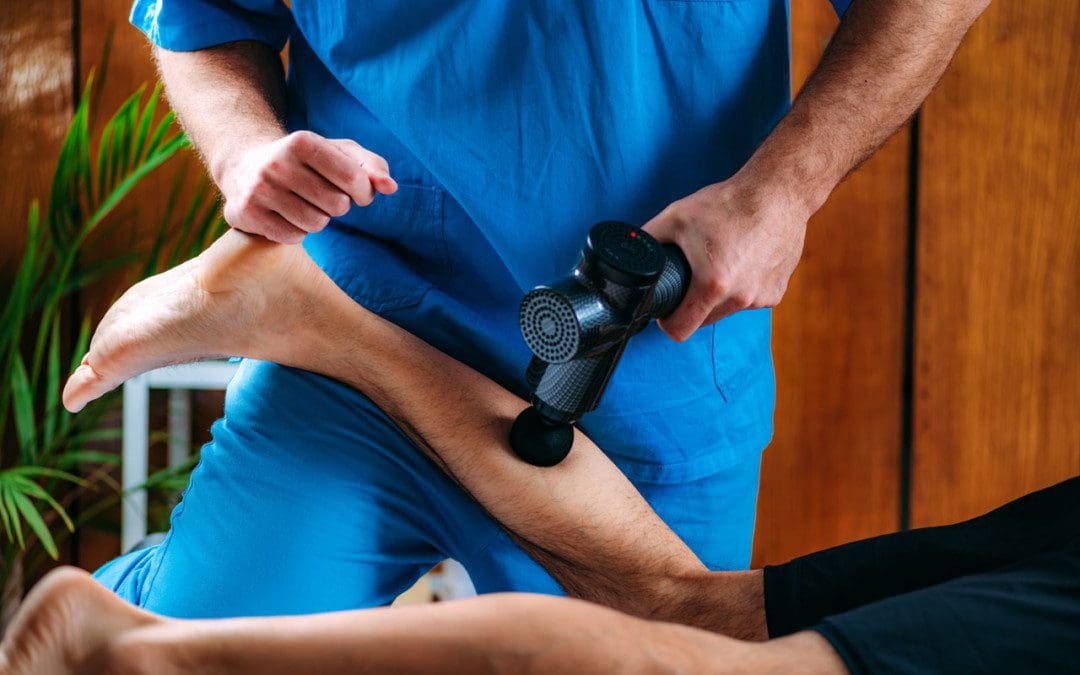
Calf pain is common in individuals that are on their feet for long periods. This could be standing, walking, as part of a job or jogging, and running. In most cases, calf soreness and/or pain result from repetitive/overuse strain/injury/tear of the calf muscles. Pain along with stiffness presents with physical activity, exercise, movement. Chiropractic treatment and Active Release can help alleviate and eliminate calf pain.
Calf Muscles
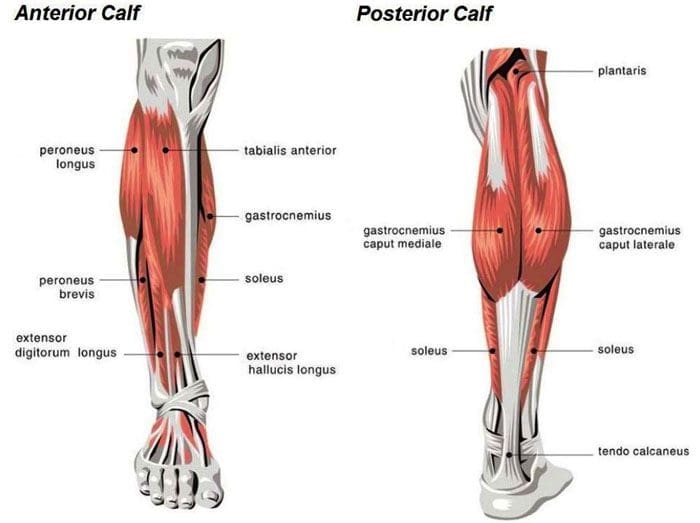
The calf muscle is in the back of the lower leg, behind the shin bone, and consists of three muscles. The calf muscle supports the body when standing and enables movement of the foot and lower leg. The calf muscles support the body when:
Walking
Running
Jumping
Standing on the toes.
Flexing the foot – lifting the toes toward the knee.
It helps push the body forward and allows jumping, ankle rotation, and flexing of the foot.
Causes, Conditions, and Disorders
The overuse of the calf muscles usually causes calf soreness, discomfort, and pain. Over time, tiny tears develop in the muscles of the lower legs and calves. Repeated use can lead to more severe injury or condition without proper treatment. Conditions include:
Strain
The most common injury is a strain. Strains happen when the muscle fibers are overused and get stretched too far and/or tear. However, the fibers may not tear in that instance, and so the tear could occur at a later time while doing a basic movement like slightly bending or kneeling to tie a shoe. This is when individuals wonder how a tear happened with a simple action. But the tear was already present, just not fully torn.
Cramps
Muscle cramps and muscle spasms in the calves can be excruciating limiting mobility. Calf cramps can happen during the day or at night. They can result from several factors that include:
Healthcare providers call this strain tennis leg because it happens when the leg extends and the foot flexes. Tennis players are in this position when they serve and push themselves off into motion; however, it can happen in any sport, job, chore that involves the same movement. This type of muscle strain injury affects the gastrocnemius muscle.
Compartment syndrome
Compartment syndrome happens when pressure builds up inside a muscle. The pressure significantly reduces the flow of blood and oxygen. It can result from trauma like a fracture or strenuous exercise/activity.
Symptoms
Calf muscle issues can cause calf muscle:
Pain
Tightness
Stiffness
Pain may be sharp or dull
Pain can start as mild pain and progressively worsen.
Limited mobility
Limited range of motion
Muscle weakness
A bump, bulge, or lump in the back of the lower leg.
Tenderness
Bruising
General leg cramps are common and are more likely to happen as the body ages.
Healthcare professionals estimate around 75% of individuals over 50 have had leg cramps and pain.
Calf Health
To prevent and avoid problems with the calf muscles, individuals are recommended to:
Maintain a healthy diet and weight
Individuals that are overweight are more likely to pull or strain a muscle.
Excess pounds add pressure on the legs placing individuals at a higher risk of an injury.
If obese or overweight, talk to a healthcare professional about healthy weight.
Stay hydrated
Drink the proper amount of water and other fluids
This decreases the chance of causing a cramp.
Stretch and warm-up
Warmed-up calf muscles are less likely to stretch too far or tear.
Before engaging in physical activity at work or school, do a few warm-up stretches to increase flexibility.
When exercising, gradually increase the intensity.
Talk to a doctor about taking another medication that does not cause these side effects.
Body Composition
Nutrients of Protein
Protein is necessary for all of the body’s physiological functions. Protein and amino acids are the building blocks of the muscle tissue in the body. The body’s muscles are a house, protein is the bricks, and the amino acids that form protein are the building blocks of muscle. The body manufactures various amino acids, but nine are essential amino acids – EAA because they are not made in the body. Individuals have to consume EAAs from food sources like:
Meat
Beans
Nuts
Soy
A diet that consists of mixed amino acids can help maximize muscle protein synthesis. Protein is essential in building muscle because amino acids help repair and maintain muscle tissue. After a strenuous activity or a workout, protein helps the body repair muscles that are slightly torn. To build a healthy body, the body needs to have the right amount of protein. Protein is an essential component of:
Muscle development
Bone density
Muscle mass
Lean tissue
References
Binstead JT, Munjal A, Varacallo M. Anatomy, Bony Pelvis, and Lower Limb, Calf. [Updated 2020 Aug 22]. In: StatPearls [Internet]. Treasure Island (FL): StatPearls Publishing; 2021 Jan-. . Accessed 6/4/2021.https://www.ncbi.nlm.nih.gov/books/NBK459362/ (https://www.ncbi.nlm.nih.gov/books/NBK459362/)
Bright JM, Fields KB, Draper R. Ultrasound Diagnosis of Calf Injuries. Sports Health. 2017 Jul-Aug;9(4):352-355. . Accessed
6/4/2021.https://www.ncbi.nlm.nih.gov/pmc/articles/PMC5496702/ (https://www.ncbi.nlm.nih.gov/pmc/articles/PMC5496702/)
Young G. Leg cramps. BMJ Clinical Evidence. 2015 May 13;2015:1113. . Accessed 6/4/2021.https://www.ncbi.nlm.nih.gov/pmc/articles/PMC4429847/ (https://www.ncbi.nlm.nih.gov/pmc/articles/PMC4429847/)
Chiropractic medicine is used as a standard musculoskeletal injury/strain treatment and for rehabilitation. Chiropractic helps with:
Different types of back pain
Headaches
Neck pain
Shoulder pain
Arm pain
Hand pain
Leg pain
Foot pain
Spine and nervous system health are essential for a properly functioning body and overall health. There are significant benefits of chiropractic care that can improve an individual’s overall quality of life and health. Chiropractic treatment can help:
Relieve Stress
Stress is natural in life, and it’s too much or poor management techniques that can cause pain and or injury. Chiropractic can improve how the body responds to stress. The nervous system is responsible for adapting the body to its environment, especially a stressful environment. Around 90% of the central nervous system travels down and through the spinal column. Spinal vertebral subluxations/misalignments can interfere with proper nerve flow disrupting body functions. Vertebral subluxation decreases the body’s ability to adapt to the environment. When this happens, stress can have a high adverse impact on the body’s health. An aligned spine along with an optimally operating nervous system helps the body to manage stress easier.
Improve Posture
Posture shifts affect spinal alignment and nerve function. The most common is Forward Head Posture/FHP. This is where the head shifts forward and down on the shoulders. This affects the natural curve in the neck, causing tension to form in the spinal cord. Improper ergonomics and overuse of electronic devices play a role in FHP. Chiropractic treatment helps and restores proper spinal alignment, significantly improving the body’s posture.
Elevate Mental Mood
Individuals in pain are often in a bad, sad, low mood reflecting their pain level. Balancing the body’s nervous system restores the balance of chemical flow in the body. Conditions like depression and ADHD have shown improvement with regular chiropractic care.
Strengthen Immune System Function
Spinal misalignment adversely affects the nervous system. The nervous system sends all the necessary information to different areas of the body. If the spine has been compromised, specific sites will not receive the vital signals required to function at full potential. This can affect any or all the systems in the body, especially the immune system. Chiropractic improves nerve flow to the organs of the immune system.
Enhance Thorough Sleep
Lack of sleep leads to all kinds of health issues. Lack of proper sleep can be from a nervous system that does not shut down, add pain, stress, and nightly symptoms do not allow the body to rest. Optimal spinal alignment relaxes the nervous system decreasing pain. Sleep improves over time, with individuals reporting reduced pain and an increase in health and wellness.
Body Composition
Gluten Effects
Gluten causes digestive issues/problems for individuals that have celiac disease or autoimmune thyroid disease. Individuals with these conditions that eat gluten foods can present with uncomfortable and painful effects. Symptoms can vary and have different classifications.
Classical Celiac Disease – CD
Classical celiac disease presents with symptoms that include:
Diarrhea
Discolored stools
Constipation
Abdominal bloating
Pain
Weight loss
However, these symptoms are more common in children with CD than adults. In adults, symptoms are more similar to those in non-classical celiac disease.
Non-Classical Celiac Disease
Non-classical celiac disease symptoms may not present with severe digestive symptoms as in classical CD but suffer from other symptoms. These include:
Silent CD is less visible. There might not be any symptoms, but damage to the intestines is still occurring.
References
Khodakarami, Nima. “Treatment of Patients with Low Back Pain: A Comparison of Physical Therapy and Chiropractic Manipulation.” Healthcare (Basel, Switzerland) vol. 8,1 44. 24 Feb. 2020, doi:10.3390/healthcare8010044
Rubinstein, Sidney M et al. “Benefits and harms of spinal manipulative therapy for the treatment of chronic low back pain: systematic review and meta-analysis of randomized controlled trials.” BMJ (Clinical research ed.) vol. 364 l689. 13 Mar. 2019, doi:10.1136/bmj.l689
Urits, Ivan et al. “A Comprehensive Review of Alternative Therapies for the Management of Chronic Pain Patients: Acupuncture, Tai Chi, Osteopathic Manipulative Medicine, and Chiropractic Care.” Advances in therapy vol. 38,1 (2021): 76-89. doi:10.1007/s12325-020-01554-0
Chiropractic treatment/care is a recommended pain relief option for musculoskeletal automobile, sports, personal – injuries, strains, sprains, pain, and rehabilitation. An initial chiropractic examination is similar to a standard examination administered by health care providers. What an individual can expect at their first consultation includes:
Some chiropractors offer individuals an initial interview over a video conference and/or phone call. It is focused on discussion with topics like the chiropractors:
The initial in-office clinical exam generally includes:
Patient History and Symptoms
The patient will be asked to fill out forms that can also be filled out online before the visit, saving a patient time if they so choose. This provides background information about symptoms and conditions in preparation for the in-person chiropractic consultation. Questions include:
Did the pain start as a result of an auto, sports, personal, work injury?
How did the pain start – activities, sports, work, etc.?
When did the pain start – a few days, weeks, months, years?
Where is the pain located?
Does the pain spread out to other areas?
Is the pain dull, sharp, burning, or throbbing?
Does the pain come and go, or is it constant?
What activities or body positions make it better and/or worse?
Patients are also asked to provide information on pre-existing medical conditions, family medical history if necessary, prior injuries, and previous and current treatments provided by other medical professionals.
Physical Examination
A chiropractic examination includes:
Reflexes
Respiration
Blood pressure
Pulse
Certain orthopedic and neurological tests can also be used. These include:
Range of motion
Neurological integrity
Muscle strength
Muscle tone
Walking gait
Posture analysis
Diagnostic Studies
Based on the medical history and physical exam results, diagnostic studies could help reveal pathologies and identify structural abnormalities to diagnose more accurately. X-rays are the most commonly used during an initial chiropractic exam and are used to:
Diagnose recent trauma
Diagnose bone fractures
Study spinal deformities
An MRI scan is recommended for soft tissue damage like a herniated disc, torn muscle/s, or nerve compression.
Patient Diagnosis after the Chiropractic Exam
All the findings from the medical history, physical exam, and diagnostic tests help the chiropractor form a diagnosis. Once the diagnosis is established, the chiropractor will discuss personalized treatment options.
Body Composition
Heart Disease
Many factors can contribute to heart disease, and research has pointed to inflammation caused by obesity as one of the most significant factors to its development. The main contributor is cytokines produced by excess body fat. Cytokinescause inflammation in the walls of the arteries causing damage and increasing pressure. Blood pressure is the force of blood pushing against the walls of the vessels. High blood pressure means that the heart is not pumping blood effectively, and the heart begins to enlarge. An enlarged heart is a significant risk factor that can lead to heart failure if interventions are not taken to repair the damage.
References
Jenkins HJ, Downie AS, French SD. Current evidence for spinal x-ray use in the chiropractic profession. Chiropr Man Therap. 2018; 26:48.
Wang, Zhaoxia, and Tomohiro Nakayama. “Inflammation, a link between obesity and cardiovascular disease.” Mediators of inflammation vol. 2010 (2010): 535918. doi:10.1155/2010/535918
Weeks, William B et al. “Public Perceptions of Doctors of Chiropractic: Results of a National Survey and Examination of Variation According to Respondents’ Likelihood to Use Chiropractic, Experience With Chiropractic, and Chiropractic Supply in Local Health Care Markets.” Journal of manipulative and physiological therapeutics vol. 38,8 (2015): 533-44. doi:10.1016/j.jmpt.2015.08.001
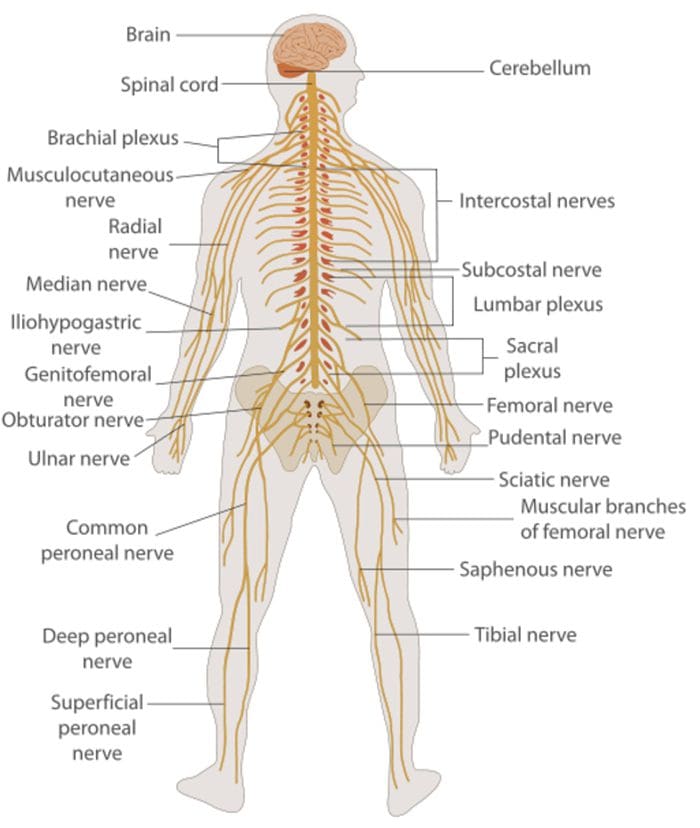
Optimal nervous system health is the key to maximum body function and overall health. Individuals don’t really think about their nervous system until symptoms from injury, disease, or nerve problems present. The nervous system consists of billions of neurons that connect/network the brain with the rest of the body.
Nervous System Health
All of the body’s systems, organs, and tissues have nerves attached to them. The brain engages with this network to control and coordinate bodily functions. Functions include:
Heart
Lungs
Immune system
Digestive system
Reproductive system
Every function the body performs requires brain-body communication through the nervous system. The brain communicates with the nervous system to regulate the body to the environment it is in. For example:
If it’s hot, the body sweats.
If it’s cold, the body shivers.
If there is danger, the fight or flight response activates.
All are directed by the brain transmitting signals and messages through the nervous system.
Body Function
Optimal body function means that all bodily functions are normal, active, and healthy. Everything is working as it should. When the body functions at less than 100%, it can develop into more serious problems little by little. Like a vehicle that starts making a little sound that seems like nothing, then after a few days, weeks, months, it becomes a massive popping, grinding, starting, stopping, emergency, when vital information that regulates function gets lost in transmission from the brain to the body, health declines.
Flowing Spinal Highway
The vital information/communication between the brain and the body flow through the spinal column. The super information highway/spinal cord travels down the spinal column. Branching off the spinal cord are spinal nerve roots that go to every system, organ, and tissue in the body. The spinal bones are lined up like an electrical conduit channel for the spinal cord. The vertebrae should be lined up and move properly, allowing optimal blood and nerve circulation without any obstruction or interference.
When the spine shifts out of place, creating misalignment, moving properly becomes hindered, causing discomfort and pain, along with the vital communication needed to regulate maximum function not able to get through. This leads to malfunction within the body and decreases health and well-being. Spinal misalignment that interferes with nerve message transmission is called a vertebral subluxation.Chiropractic healthcare professionals are trained to detect and correct spinal subluxations. They realign the spine’s bones to restore nervous system health and internal communication for proper body function.
Body Composition
Prebiotics Can Help With
Inflammation
Inflammation is a normal function of the immune system; however, chronic inflammation can cause damage to the body. Chronic inflammation is associated with:
Obesity
Heart disease
Cancer
Other diseases and conditions.
Having a balance of healthy gut microbiota helps decrease chronic inflammation and the risk of disease.
Gastrointestinal Diseases and Conditions
Prebiotics also ferment in the colon producing short-chain fatty acids. These provide energy for the colon’s epithelial cells that line and protect the colon. Prebiotics increase the protection provided by the epithelial cells, reducing the risk for gastrointestinal conditions like:
Irritable Bowel Syndrome – IBS
Crohn’s disease
Cancer.
Prebiotics can also reduce symptoms of gastrointestinal conditions.
Neurological System
The central nervous system is also known as the brain and spinal cord. However, many do not know about the enteric nervous system, which includes the gastrointestinal tract. The link between the enteric and central nervous systems involves cognitive and emotional functions. Prebiotics increase and promote healthy gut microbiota to help manage:
Mood
Learning
Memory
Certain psychological disorders
References
Cerdó, Tomás et al. “Probiotic, Prebiotic, and Brain Development.” Nutrients vol. 9,11 1247. 14 Nov. 2017, doi:10.3390/nu9111247
Chu, Eric Chun Pu, and Michelle Ng. “Long-term relief from tension-type headache and major depression following chiropractic treatment.” Journal of family medicine and primary care vol. 7,3 (2018): 629-631. doi:10.4103/jfmpc.jfmpc_68_18
Kiani, Aysha Karim et al. “Neurobiological basis of chiropractic manipulative treatment of the spine in the care of major depression.” Acta bio-medica : Atenei Parmensis vol. 91,13-S e2020006. 9 Nov. 2020, doi:10.23750/abm.v91i13-S.10536
Maltese, Paolo Enrico et al. “Molecular foundations of chiropractic therapy.” Acta bio-medica : Atenei Parmensis vol. 90,10-S 93-102. 30 Sep. 2019, doi:10.23750/abm.v90i10-S.8768
Wirth, Brigitte et al. “Neurophysiological Effects of High Velocity and Low Amplitude Spinal Manipulation in Symptomatic and Asymptomatic Humans: A Systematic Literature Review.” Spine vol. 44,15 (2019): E914-E926. doi:10.1097/BRS.0000000000003013
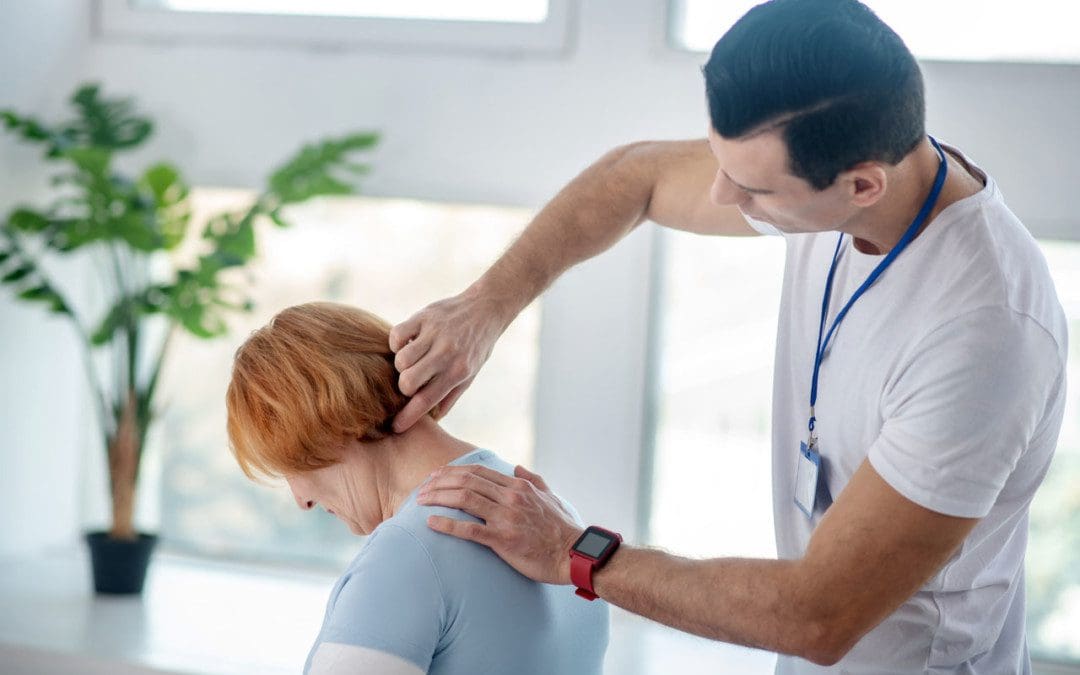
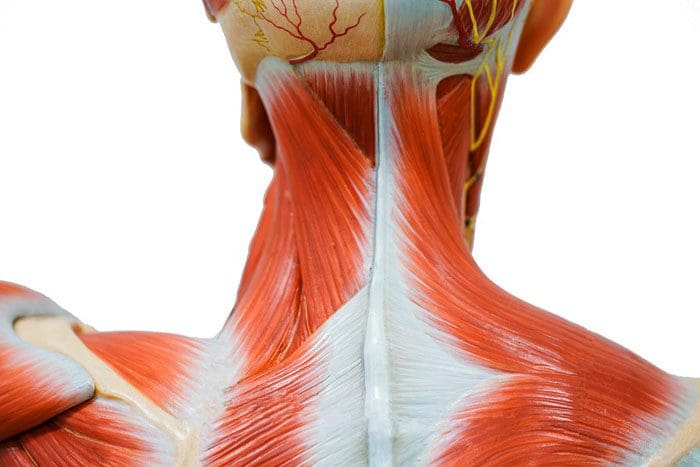
Muscle tension in the neck is a common musculoskeletal disorder. The neck is made up of flexible muscles that support the weight of the head. The muscles can experience injury and irritation from overuse and poor posture habits. Worn joints or compressed nerves can cause neck pain, but muscle spasms or soft tissue injuries commonly cause neck tension. Neck tension can present suddenly or progress slowly. Sleeping in an awkward position or straining the neck while engaged/involved in some activity can cause muscles to tense up. Chronic neck tension that comes and goes over the course of weeks or months could have a cause that goes unnoticed, like teeth grinding or being in a hunched position for extended periods.
Symptoms of neck tension
Symptoms can come on suddenly or progressively. These include:
Stiffness
Tightness
Spasms
Turning the head is difficult
Discomfort and/or pain worsens with certain positions
Causes
Because the neck can move in many directions, there are various causes of tension in the neck. These include:
Repetitive motion or overuse injuries
Individuals whose work requires repetitive movements like scanning objects, looking up and behind constantly can strain the muscles.
Improper posture
An adult’s head weighs 10 to 11 pounds. If the weight is not properly distributed and supported with a healthy posture, the neck muscles have to work harder, causing strain.
Computer workstation habits
Individuals that sit at a desk or workstation for most of the day or night can develop hunching habits that they may overlook. This can definitely cause neck muscles to strain.
Phone habits
Constantly looking down at the phone is a common cause of tension in the neck and text neck.
Grinding teeth
When individuals grind or clench their teeth, pressure is placed on the muscles in the neck and jaw. This pressure strains the muscles, causing pain. There are exercises to promote more relaxed jaw muscles.
Physical activities and sports
Working out in a way that engages the neck muscles or whipping the head around during a game or some physical activity can cause minor neck injury and strain.
Sleep position habits
When sleeping, the head and neck should be aligned with the rest of the body. Using large pillows that elevate the neck too much can cause tension to build up while sleeping.
Heavy purses, backpacks, shoulder bags
Lifting and carrying any heavy object can throw the body out of alignment. This can cause strain on one side of the neck, building tension.
These are mild to moderate headaches that typically affect the forehead. However, these types of headaches can cause neck tension and tenderness.
Prevention
Making simple adjustments can help relieve, manage, and prevent tension in the neck and shoulders. These include:
Ergonomics
Consider a standing desk. Adjust the workstation so that proper posture along with comfort is maintained. Try different adjustments like the height of the chair, desk, and computer.
Be aware of body posture.
Stay aware of the body’s posture when sitting and standing. Keep the ears, shoulders, and hips in a straight line. Consider phone posture reminders and devicesto check in with how you’re holding yourself throughout the day.
Take breaks throughout the day.
Take breaks that will move the body and stretch the neck and upper body. This benefits the muscles, eyes, and mental health.
Sleep position
Improve sleeping positions with a smaller, flatter, firmer pillow.
Reduce weight from the shoulders
Utilize a rolling bag instead of carrying heavy bags and backpacks, and only carry what is necessary.
Movement
Try to get 30 minutes of moderate exercise/physical activity a day to keep the body in healthy condition.
Meditation and stretching
Practicing yoga or meditation along with stretching out helps reduce psychological and physical stress. Yoga can count as daily exercise.
Doctor or Dentist
If chronic neck tension is presenting, see a doctor or chiropractor. Consult a dentist about teeth grinding or temporomandibular joint TMJ disorder treatments.
Neck stretches
To relieve tension in the neck, try some neck stretches.
Gently pull your head to the right, so the ear almost touches the shoulder.
Hold for 30 seconds
Repeat on the opposite side.
Body Composition
The Immune System
The Immune System is essential in maintaining health. Its objective is to:
Neutralize pathogenic microorganisms like bacteria that enter the body and threaten homeostasis.
Eliminate harmful substances from the environment.
Fight against cells that cause illnesses like cancer.
Innate and adaptive immune processes.
The innate system includes exterior defenses, like the skin, proteins, and white blood cells.
Any organisms that escape the first line of defense have to then face the adaptive system. This is made up of T and B cells.
The adaptive immune system is constantly adapting and evolving to identify changes in pathogens change over time.
These systems work together to provide resistance and the elimination of long-term survival of infectious agents in the body.
References
Chaplin, David D. “Overview of the immune response.” The Journal of allergy and clinical immunology vol. 125,2 Suppl 2 (2010): S3-23. doi:10.1016/j.jaci.2009.12.980
Hawk, Cheryl et al. “Best Practices for Chiropractic Management of Patients with Chronic Musculoskeletal Pain: A Clinical Practice Guideline.” Journal of alternative and complementary medicine (New York, N.Y.) vol. 26,10 (2020): 884-901. doi:10.1089/acm.2020.0181
Hughes, Stephen Fôn et al. “The role of phagocytic leukocytes following flexible ureterorenoscopy, for the treatment of kidney stones: an observational, clinical pilots-study.” European journal of medical research vol. 25,1 68. 11 Dec. 2020, doi:10.1186/s40001-020-00466-7
IFM's Find A Practitioner tool is the largest referral network in Functional Medicine, created to help patients locate Functional Medicine practitioners anywhere in the world. IFM Certified Practitioners are listed first in the search results, given their extensive education in Functional Medicine