Injury Medical Chiropractic Decompression Clinic focuses on the whole body, realigns the bones and joints, and helps strengthen the muscles. This helps prevent pain and injury and maintains spinal stability. Strong back muscles can help promote correct posture and keep the spine free from restriction. A stable spine is achieved when the back muscles can support and balance the everyday forces and stress of rigorous physical activity. Strengthening the back muscles can be done through yoga, weightlifting, and other recommended chiropractic exercises.
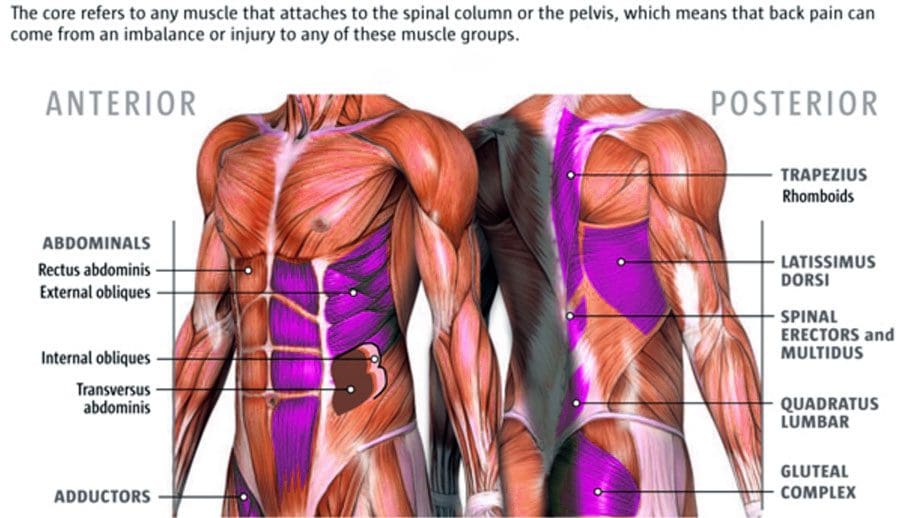
The core is a crucial area of the body. The body utilizes the core for all movements and as a stabilization unit. Lack of strength places unwanted tension and pressure on the spine. Chiropractic ensures all the joints function correctly and enhances the core to brace more effectively and efficiently.
Chiropractic Balance
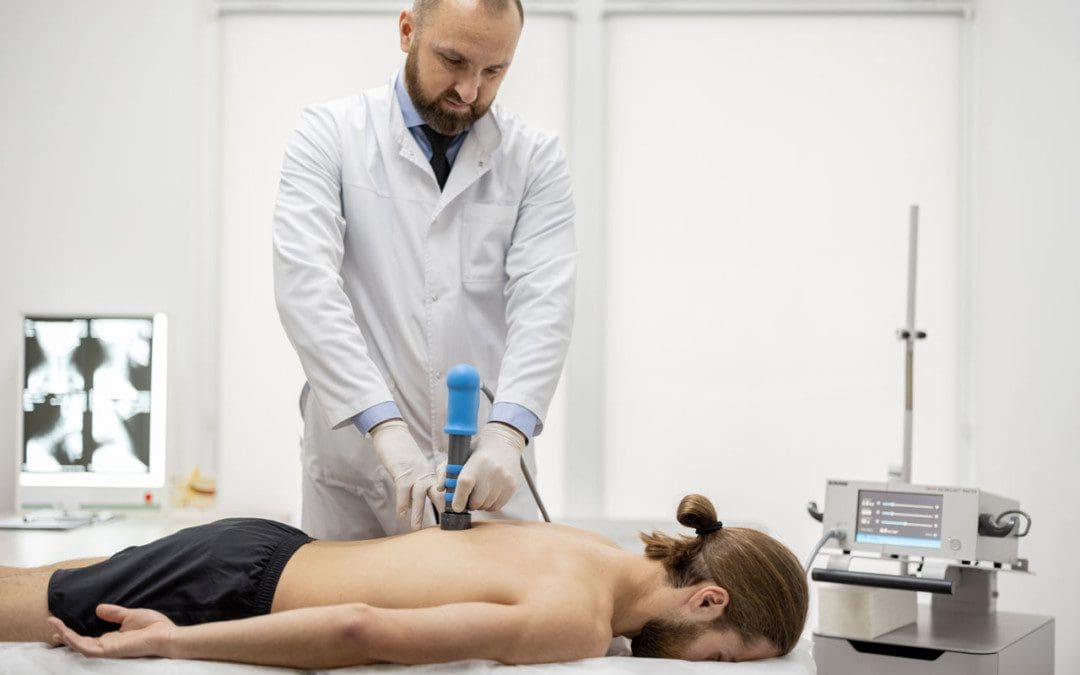
Adjustments and decompression realign the muscles into the proper position and help lubricate the muscles to help ease the stabilizer muscles that could be tight or tense. Treatments used can include:
Spinal manual and motorized decompression
Extremity adjustments
Myofascial release
Active Release Technique
Trigger point therapy
Benefits
Natural pain relief
Injury prevention
Enhanced muscle performance
Expedited recovery
Increased endurance
Mobility enhancement
Increased strength
Core strength and stability play a huge factor in everyday life and functions. Maintaining health results requires attention to detail. Injury Medical Decompression Clinic will create a personalized optimal health treatment plan that focuses on whole-body realignment, simple lifestyle adjustments, health coaching/nutrition, and strength training to improve balance, strength, and core stability.
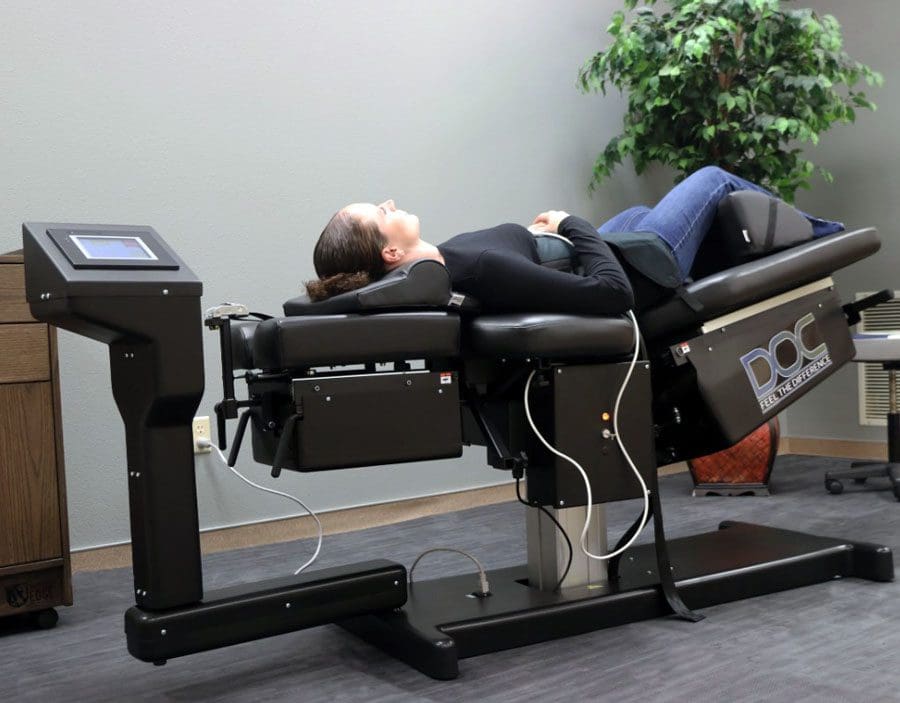
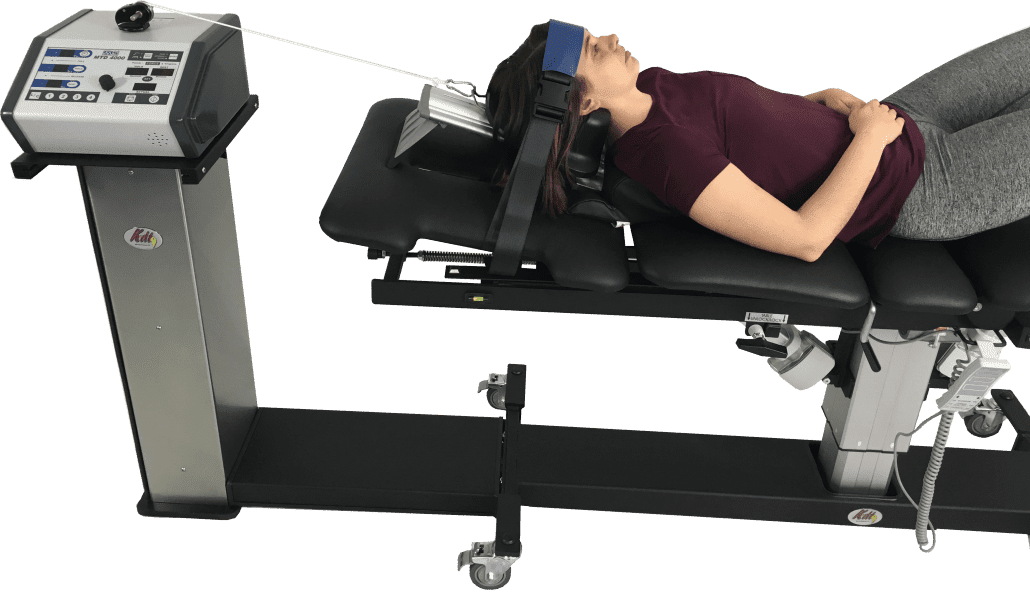
Spinal Decompression DRX9000
References
Globe G, Morris C, Whalen W, et al., “Chiropractic Management of Low Back Disorders: Report from a Consensus Process,” Journal of Manipulative and Physiological Therapeutics November/December 2008: 651-658.
Keller, MD, et al., “Trunk Muscle Strength, Cross-sectional Area, and Density in Patients With CLBP Randomized to Lumbar Fusion or Cognitive Intervention and Exercises,” Spine, 2004 29(1): 3-8 (3)
Mayer J, DC, Ph.D. Mooney V, MD, Dagenais S, DC Ph.D., “Evidence-informed management of CLBP with lumbar extensor strengthening exercises,” T Spine J, 2008;8:96-113. (3)
McKenzie, RA, “The Lumbar Spine: Mechanical Diagnosis and Therapy,” Spinal Publications/Printed by Wright & Carman, LTD, Upper Hutt, New Zealand, 1989 reprinted.
Sculco AD, Paup DC, Fernhall B, Sculco MJ, “Effects of aerobic exercise on low back pain patients in treatment,” Spine J, 1(2):95-101 (2001).
Injury Medical Spinal Decompression: Spinal decompression therapy/treatment can be surgical or non-surgical, with differences in the procedure, recovery time, and results. Individuals who experience compression-related problems can have severe and prolonged spinal conditions that can lead to various health issues. Individuals experiencing persistent or chronic neck, back, or leg pain should know the differences between surgical and non-surgical spinal decompression. Spinal decompression aims to relieve pressure on the discs and reduce stress on the nervesto eliminate the pain associated with compression on the spine,restoring optimal circulation and improving spinal function.
Surgical Procedure
It is invasive, must be performed by a surgeon, and can have a recovery time of up to 6 weeks.
Surgery is usually suggested as a last resort after alternative therapies have not succeeded or when the compression is so severe that surgery is the only option.
Surgical spinal decompression is directed towards removal to reduce pressure instead of adjusting or stretching the discs.
In cases of severe nerve compression, surgery can be an effective option.
Risks include infection, damage to the spinal cord, and blood clots.
Types of Spinal Decompression Surgery
Types of surgeries; spinal fusion could be necessary to stabilize the spine. Common types of back surgery:
Discectomy
This procedure removes a portion of the disc to relieve pressure on nerves.
Laminotomy
The procedureremoves a small portion of the bone or a section of the bony arch to increase the size of the spinal canal and relieve pressure.
Laminectomy
The procedureremoves theentire bony arch or lamina to increase the size of the spinal canal and relieve pressure.
Foraminotomy
This procedure removes bone and other tissue to widen the openings for the nerve roots to pass through.
The procedure removes a vertebral body along with discs.
Injury Medical Spinal Decompression
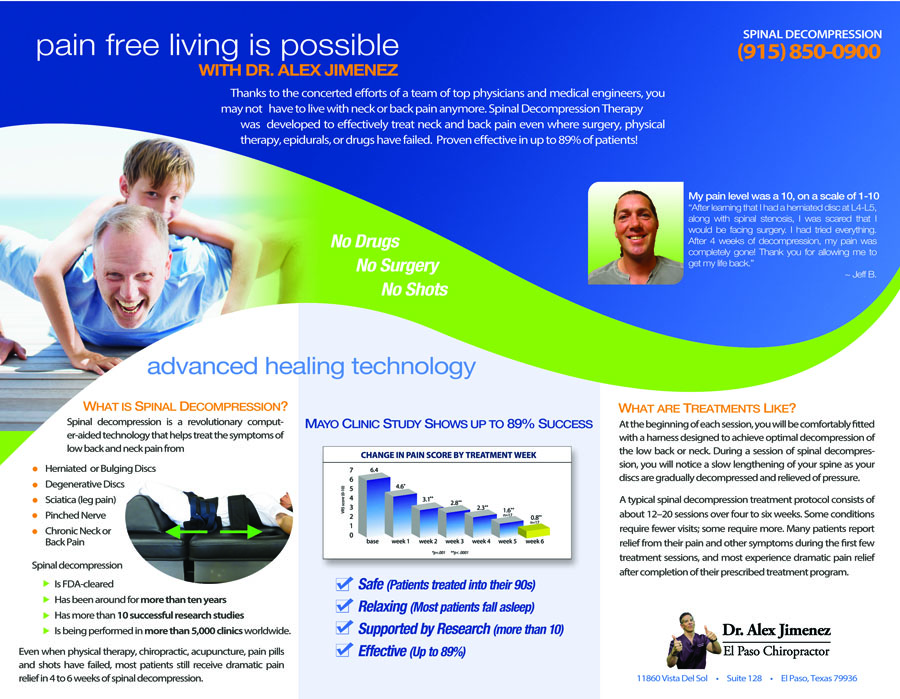
Surgery for a damaged/injured spine is not always necessary. Treatment regimes vary depending on each individual’s medical condition. Non-surgical motorized spinal decompression is a non-invasive back treatment that uses a mechanized decompression table to slowly and gently stretch the spine. The therapy gradually relieves the pressure on the compressed nerve root/s resulting in reduced or complete alleviation of pain.
Oxygen, water, and nutrients circulate abundantly, promoting healing as the discs re-hydrate, and are re-nourished, improving and enhancing spine function. Individuals can enjoy increased levels of mobility, strength in the spine and muscles, and more flexibility.
Descompresión Espinal Con La DRX9000
References
American Spinal Decompression Association: “Spinal Decompression Therapy.”
Daniel, D.M. Chiropractic and Osteopathy, 2007.
Macario, Alex, and Joseph V Pergolizzi. “Systematic literature review of spinal decompression via motorized traction for chronic discogenic low back pain.” Pain practice: the official journal of World Institute of Pain vol. 6,3 (2006): 171-8. doi:10.1111/j.1533-2500.2006.00082.x
O’Hara K, editor. Decompression: a treatment for back pain. Vol. 11. National Association of Healthcare Professionals; 2004. pp. 1-2.http://www.naohp.com/menu/publications/mccu/bibliography.htm#10 [Google Scholar]
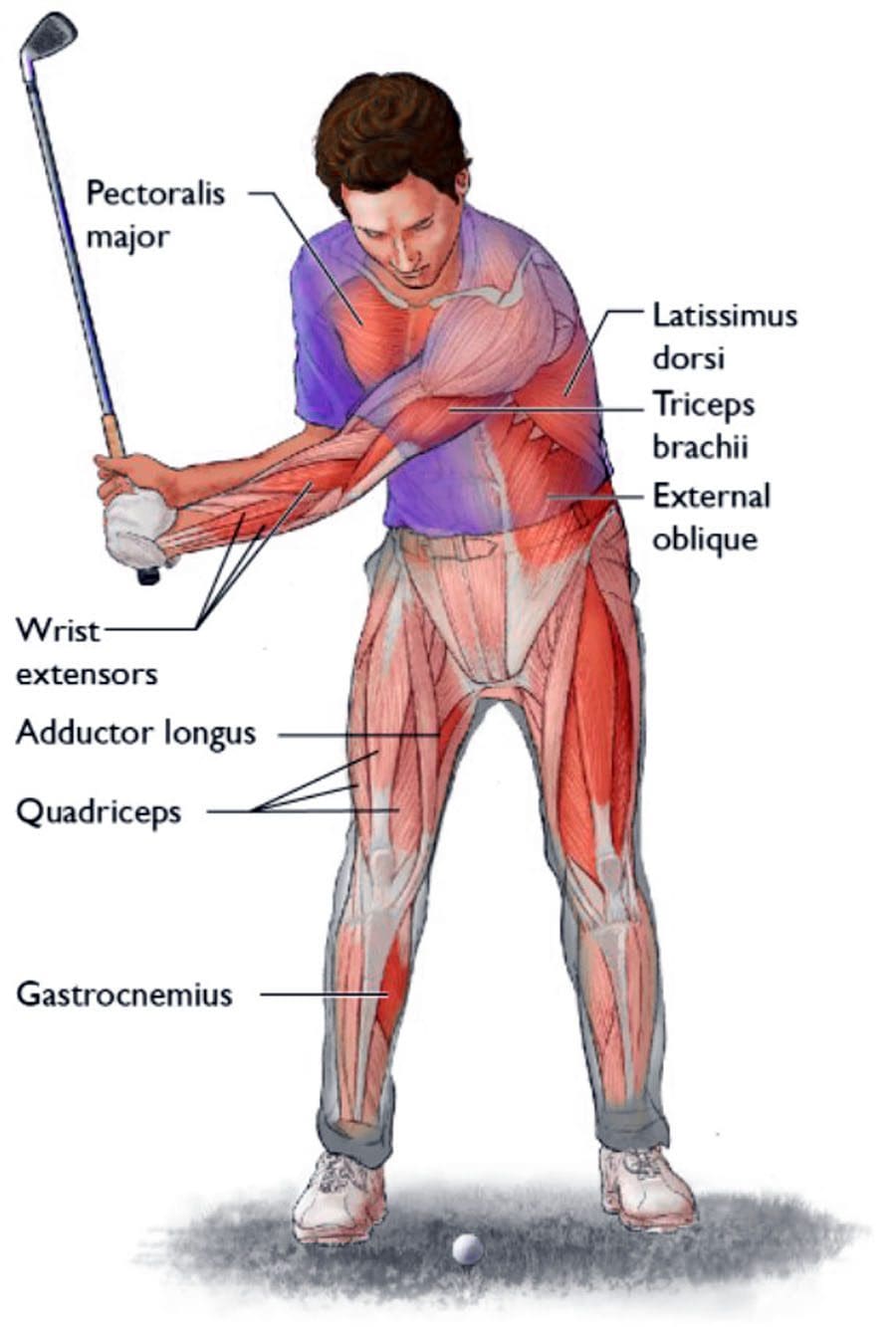
Golfing Back Injuries: Golf is an enjoyable game that can be played at all ages. It involves the foundation of the body’s range of motion, the spine. Because of the repetitive nature of a golfer’s unique swing, the repetitive rotating/twisting of the spine slowly degrades the integrity of the spinal discs causing them to bulge, herniate, or rupture. The slightest shift causing misalignment can leave the spine vulnerable to further injury. Non-surgical motorized decompression combined with chiropractic musculoskeletal adjustments can restore and maintain optimal health.
Golfing Back Injuries
Golfing involves muscle memory. Going through the walk, bending to tee the ball, recoiling for the swing, swinging and following through, walking to the hole, and bending down to retrieve the ball are all repetitive motions that can lead to:
Soreness
Inflammation
Back, hip, leg, and foot pain.
Strains
Other injuries to the muscles and discs.
The bending and twisting are the least tolerated motions by the spine. More than half of injuries sustained involve the back and/or neck. Having the spine correctly aligned is vital to retaining accuracy, power, and injury prevention. Common injuries include:
Sacroiliac Joint/SI Joint Dysfunction
The sacroiliac joint is located between the spine and the hip. Symptoms of sacroiliac joint pain include:
Low back pain.
Hip pain
Pain in the buttocks.
Pain radiating down the legs.
Groin pain
Pelvis pain
Burning sensation in the pelvis.
Numbness and weakness in the pelvis and legs.
SI Joint Pain Causes
The sacroiliac joint requires supported stability when transferring a load from the torso to the legs, specifically during the swing.
If there is compression, misalignment, or weakness, the motion will begin to wear away this stability and leave the sacroiliac joint open to further injury.
Sacroiliac joint injuries often occur from minor multi-incidents and not one major trauma.
With time the SI joint becomes misaligned, exposing the cartilage between joints, causing inflammation known as Sacroiliitis.
Facet Joint Syndrome
The facet joints are located between two vertebrae, allowing the ability to bend and twist.
Healthy facet joints have cartilage all around them, allowing the vertebrae to move smoothly in all directions.
Facet joint syndrome causes pain between the vertebrae.
Facet Joint Syndrome Causes
The leading cause of facet joint syndrome is excessive and repetitive swing movement.
Misalignment can expose and irritate the joints, causing pain, swelling, and inflammation.
Multi-micro-traumas and not one major trauma are often the cause of injury/s.
Muscle spasms are common.
Symptoms
Highly reduced range of motion
Muscle pain
Numbness
Weakness
Cervical Facet Syndrome affects the neck, shoulders, arms, and hands.
Lumbar Facet Syndrome affects the buttocks, legs, and feet.
The treatment is computer-controlled to provide gentle and painless decompression.
The therapist enters the program cycle.
The decompression table goes through brief moments of pulling and relaxing.
The spine’s bones are stretched slowly and methodically.
As the vertebrae are separated, a vacuum is formed, pulling the gel-cushion center of the disc back inside, removing the pressure on the spinal nerves and alleviating pain and disability.
The vacuum also draws oxygen and nutrients into the injured and degenerated discs to optimize healing.
DRX 9000
Long Term Success
References
Cole, Michael H, and Paul N Grimshaw. “The Biomechanics of the Modern Golf Swing: Implications for Lower Back Injuries.” Sports medicine (Auckland, N.Z.) vol. 46,3 (2016): 339-51. doi:10.1007/s40279-015-0429-1
Dydyk, Alexander M., et al. “Sacroiliac Joint Injury.” StatPearls, StatPearls Publishing, 4 August 2021.
Hosea, T M, and C J Gatt Jr. “Back pain in golf.” Clinics in sports medicine vol. 15,1 (1996): 37-53.
Lindsay, David M, and Anthony A Vandervoort. “Golf-related low back pain: a review of causative factors and prevention strategies.” Asian journal of sports medicine vol. 5,4 (2014): e24289. doi:10.5812/asjsm.24289
Smith, Jo Armour, et al. “Risk Factors Associated With Low Back Pain in Golfers: A Systematic Review and Meta-analysis.” Sports health vol. 10,6 (2018): 538-546. doi:10.1177/1941738118795425
Spinal stress can affect nerve health. Neuropathy happens when disease or damage is sustained in the nerves that transmit messages from the brain through the spinal cord to the whole body. The source of the damage can be inside the spine, where a herniated disc could be squeezing the nerves, impeding or completely blocking blood circulation until deterioration begins to disease or damage nerve receptors. Removing the pressure from the spine and reversing the stress on the nerves can be done through manual or motorized spinal decompression.
Spinal Stress and the Nerves
The peripheral nervous system is comprised of three types of nerves that are directly influenced by the central nervous system, each with a distinct function which is why there is a wide range of symptoms associated with neuropathy. The types of nerves include:
Sensory nerves receive sensations from the skin like heat, cold, pleasure, and pain.
Spinal nerves contain sensory and motor fibers giving them sensory and motor functions. The spinal nerves receive sensory messages from the skin, internal organs, and bones. Any disruption from a bent, crushed, or entangled nerve group will not allow proper blood circulation and message transmission, causing delayed responses, tingling, numbness, and pain. If left untreated, it could cause permanent damage that can lead to chronic pain. Decompression therapy accelerates healing as it floods the spine with blood, oxygen, and nutrients.
Peripheral nerves originate from the spinal cord and extend a network of lines throughout the body called dermatomes. Injury to one dermatome can radiate/spread out to other dermatomes and the peripheral areas like the hands and feet. Once communication with the brain is compromised, results can lead to sensations like numbness and severe pain. Several factors can result in peripheral neuropathy, including:
Gordon, Tessa. “Peripheral Nerve Regeneration and Muscle Reinnervation.” International journal of molecular sciences vol. 21,22 8652. 17 Nov. 2020, doi:10.3390/ijms21228652
Menorca, Ron M G et al. “Nerve physiology: mechanisms of injury and recovery.” Hand clinics vol. 29,3 (2013): 317-30. doi:10.1016/j.hcl.2013.04.002
Wang, Mark L et al. “Peripheral nerve injury, scarring, and recovery.” Connective tissue research vol. 60,1 (2019): 3-9. doi:10.1080/03008207.2018.1489381
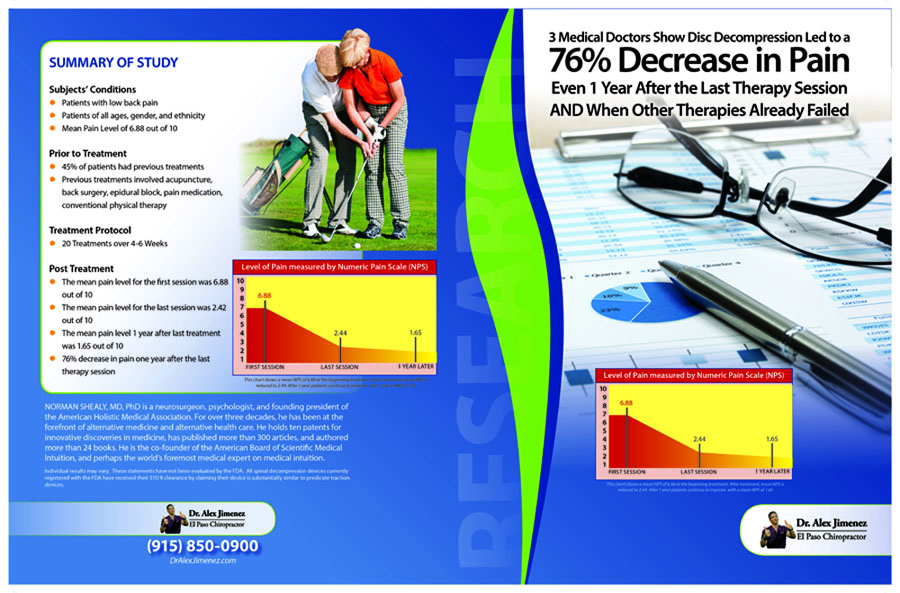
Motorized non-surgical decompression helps relieve pain, removes pressure on the nerves, promotes healing, and increases blood flow to the spine. Spinal discs cannot attain nutrients from the blood without circulation. Decompression opens the spine, flooding the discs with nutrients that result in quicker and optimal healing. This, combined with manual chiropractic adjustments and therapeutic massage, can help get an individual to a pain-free lifestyle.
Spinal Discs
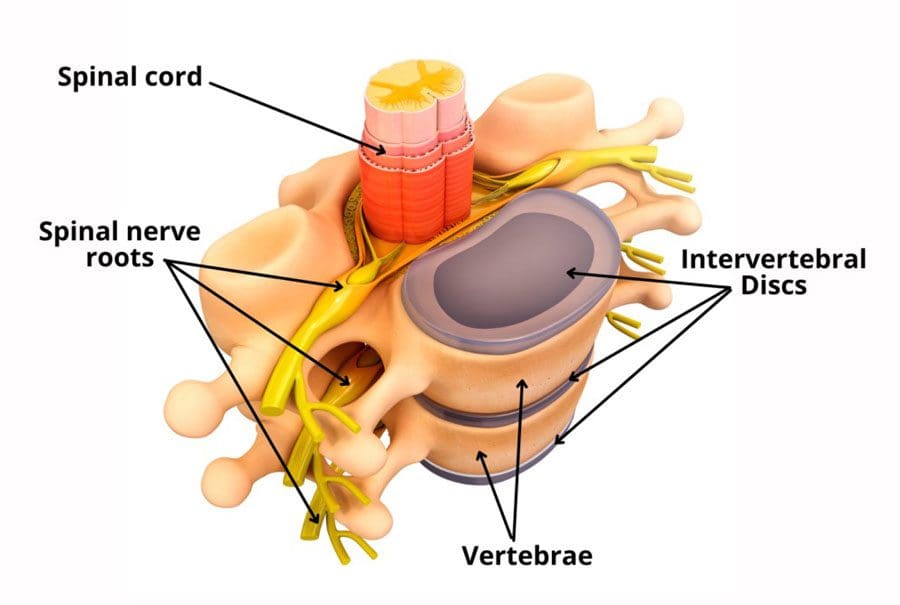
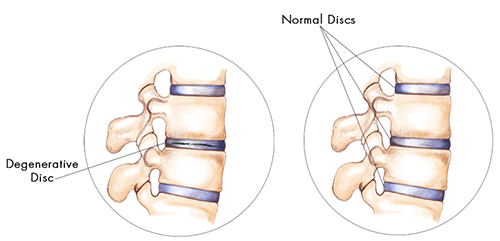
The soft disc material that separates each spinal bone can lose hydration, causing the material to dry out and compress. The discs can also compress from pressure from added weight, trauma from an automobile accident, work, school, and sports injury. Often the soft gel center of the discs spills out, causing a disc herniation. This is usually accompanied by:
Numbness
Tingling
Soreness
Stiffness
Sharp pain
Dull pain
Achiness
Muscle Weakness
Stinging/Burning sensation
Leg pain
Poor balance
These are often indicators of a nerve or nerve bundle, including the sciatic nerve becoming compressed by a herniated disc, bulging disc or slipped disc, stenosis, facet syndrome, or degenerative disc disease. When this happens, the symptoms may be felt in the back or neck area, and/or they may spread out into the arms, hands, legs, or feet.
We focus on providing expert chiropractic treatment that incorporates the most current research and technology into personalized treatment plans. Our goal is to help the individual heal as quickly as possible while educating and training them to use tools to maintain health and wellness.
What Is Spinal Decompression?
References
Andersson, G B, and R A Deyo. “History and physical examination in patients with herniated lumbar discs.” Spine vol. 21,24 Suppl (1996): 10S-18S. doi:10.1097/00007632-199612151-00003
Apfel, Christian C et al. “Restoration of disk height through non-surgical spinal decompression is associated with decreased discogenic low back pain: a retrospective cohort study.” BMC musculoskeletal disorders vol. 11 155. 8 Jul. 2010, doi:10.1186/1471-2474-11-155
Cherkin, DC, and F A MacCornack. “Patient evaluations of low back pain care from family physicians and chiropractors.” The Western journal of medicine vol. 150,3 (1989): 351-5.
Koçak, Fatmanur Aybala et al. “Comparison of the short-term effects of the conventional motorized traction with non-surgical spinal decompression performed with a DRX9000 device on pain, functionality, depression, and quality of life in patients with low back pain associated with lumbar disc herniation: A single-blind randomized controlled trial.” Turkish Journal of physical medicine and rehabilitation vol. 64,1 17-27. 16 Feb. 2017, doi:10.5606/tftrd.2017.154
Urban, Jill PG, and Sally Roberts. “Degeneration of the intervertebral disc.” Arthritis research & therapy vol. 5,3 (2003): 120-30. doi:10.1186/ar629
The body can move, twist, turn and bend due to the spine making sure that the body is upright and functioning without pain. When a person is injured or pulls a muscle that causes pain to the back, it can hinder them from doing their daily activities. The pain can range from a dull, mild ache to a sudden sharp pain affecting a person. Luckily there are ways to treat back pain that can help improve the quality of life of a person while also reducing the pain symptoms. In this article, we will be looking at intradiscal pressure and how disc degeneration can affect it and seeing the effects of vertebral decompression relieving disc degeneration on the spine. By referring patients to qualified and skilled providers specializing in spinal decompression therapy. To that end, and when appropriate, we advise our patients to refer to our associated medical providers based on their examination. We find that education is the key to asking valuable questions to our providers. Dr. Alex Jimenez DC provides this information as an educational service only. Disclaimer
Can my insurance cover it? Yes, it may. If you are uncertain, here is the link to all the insurance providers we cover. If you have any questions, please call Dr. Jimenez at 915-850-0900.
What Is Intradiscal Pressure?
In the body, the spine is protected by ligaments, the spinal cord, soft tissues, and spinal discs from injuries. When a person stretches and hears the spinal joints pop, the spinal fluid starts to allow the beneficial nutrients to nourish the spine and keep it healthy. This is known as intradiscal pressure, and research studies show that intradiscal pressure is influenced by the fluid flow of the spine, causing intradiscal pressure to be necessary for disc height and axial compliance for the spine for it to be healthy. Other research studies have shown the effects of respiration on intradiscal pressure in a healthy prone individual. However, if the spine has been influenced by disc degeneration, the intradiscal pressure is reduced and can cause spinal issues to develop over time. The spinal load must be healthy for intradiscal pressure because it requires respiratory movement when the body is in motion and in a sitting or standing position.
How Does Disc Degeneration Affect Intradiscal Pressure?
Back pain remains the second most common symptom for many individuals to visit their primary physicians. The spine is protected by soft tissues and spinal discs that allow the body to stay upright and do stuff in its range of motion. When the back gets injured, it can cause a person to be in pain and hinder them, depending on how severe the injury is. Some of the pain sources can include DDD or degenerative disc disease.
Research studies have shown that DDD (degenerative disc disease) can occur when the spine has been injured due to heavy lifting, vibrations, immobilization, and trauma. When these factors start to cause stress to the spinal discs, it can cause the intradiscal pressure to increase and cause low back pain to affect the body, as research shows.
Axial Decompression Therapy-Video
The video above shows how axial decompression therapy is used for individuals suffering from low back pain, herniated disc, or DDD (degenerative disc disease). Research studies have shown that when the body begins to age normally, the spinal disc will wear down and cause the bones to rub together. Utilizing decompression therapy as part of their wellness treatment can help alleviate the painful symptoms that the person was feeling. Decompression therapy uses traction to gently stretch the spine, allowing the beneficial nutrients and oxygen to go back into the spinal disc. This will enable individuals to feel instant relief and get them back on their wellness journey pain-free. If you want to learn more about spinal decompression therapy, this link will explain the benefits of spinal decompression and how it can alleviate low back pain symptoms.
The Effects Of Vertebral Decompression For Disc Degeneration
Many treatments can help the effects of disc degeneration, from elevating to chronic issues on the spine. One of those treatments is vertebral decompression. Research studies have found that when individuals utilize a 6-week treatment on the decompression machine will begin to notice a reduction in pain while an increase in the disc height on the spine. The gentle traction will stretch the spine slowly, alleviate the chronic back symptoms, and repair the spinal discs by allowing nutrients to go in. Other research studies have shown that decompression therapy creates negative pressure on the spine, allowing the intervertebral disc to increase hydration. This negative pressure alleviates the stress of the nerve root that the disc is applying to and causes the person to be in pain. When combined with physical therapy, the individual will begin to feel much better.
Conclusion
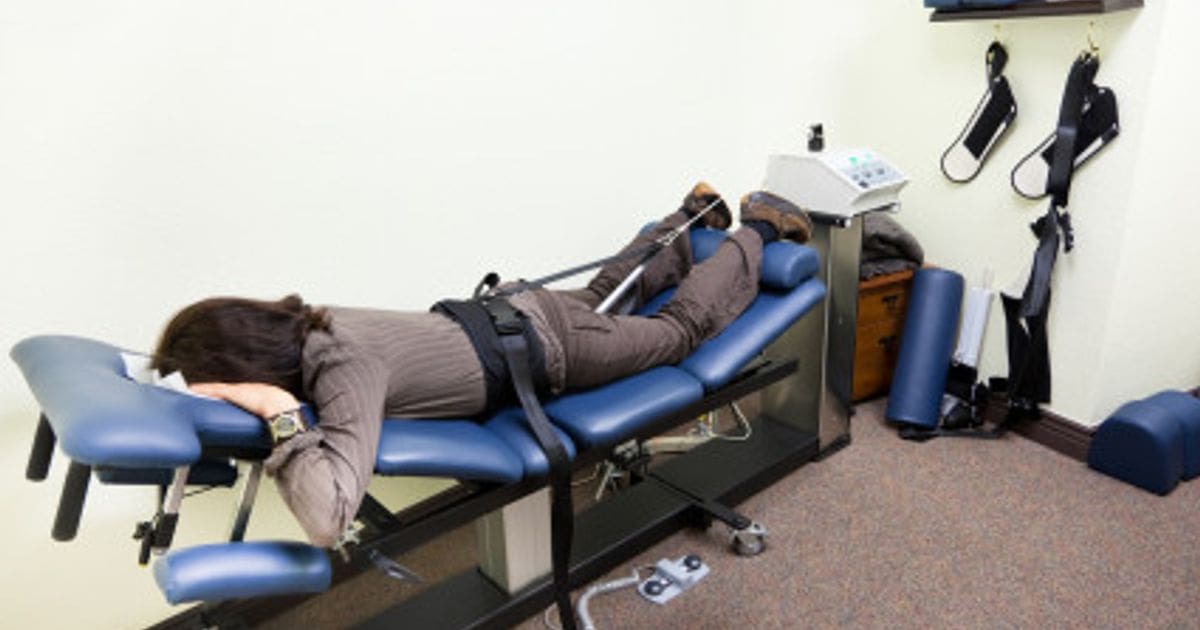
The spine is protected by ligaments, soft tissue, the spinal cord, and spinal discs while keeping the body to stay upright while it is in motion. When there is an injury or a pulled muscle that causes the person to be in pain, it can affect the spine and the back. This will cause chronic issues to develop, causing the individual to be in constant pain and making them miserable. Luckily, there are treatments to treat back pain and alleviate the spine, and decompression therapy can help lower the symptoms. Decompression therapy allows the individual to be strapped to a traction table and gets their spine gently pulled to cause instant relief. This will allow the spine to decompress and the nutrients to rehydrate the spinal discs, providing the individual to become pain-free.
References
Apfel, Christian C, et al. “Restoration of Disk Height through Non-Surgical Spinal Decompression Is Associated with Decreased Discogenic Low Back Pain: A Retrospective Cohort Study.” BMC Musculoskeletal Disorders, BioMed Central, 8 July 2010, https://www.ncbi.nlm.nih.gov/pmc/articles/PMC2912793/.
Choi, Jioun, et al. “Influences of Spinal Decompression Therapy and General Traction Therapy on the Pain, Disability, and Straight Leg Raising of Patients with Intervertebral Disc Herniation.” Journal of Physical Therapy Science, The Society of Physical Therapy Science, Feb. 2015, https://www.ncbi.nlm.nih.gov/pmc/articles/PMC4339166/.
Li, Jai-Qi, et al. “Comparison of in Vivo Intradiscal Pressure between Sitting and Standing in Human Lumbar Spine: A Systematic Review and Meta-Analysis.” Life (Basel, Switzerland), U.S. National Library of Medicine, 20 Mar. 2022, https://pubmed.ncbi.nlm.nih.gov/35330208/.
Medical Professionals, Cleveland Clinic. “Degenerative Disk Disease: Causes, Symptoms & Treatment.” Cleveland Clinic, 27 May 2021, https://my.clevelandclinic.org/health/diseases/16912-degenerative-disk-disease.
Palepu, V, et al. “Biomechanics of Disc Degeneration.” Advances in Orthopedics, Hindawi Publishing Corporation, 17 June 2012, https://www.ncbi.nlm.nih.gov/pmc/articles/PMC3382964/.
Sato, K, et al. “In Vivo Intradiscal Pressure Measurement in Healthy Individuals and in Patients with Ongoing Back Problems.” Spine, U.S. National Library of Medicine, 1 Dec. 1999, https://pubmed.ncbi.nlm.nih.gov/10626309/.
Vergroesen, Pieter-Paul A, et al. “Intradiscal Pressure Depends on Recent Loading and Correlates with Disc Height and Compressive Stiffness.” European Spine Journal : Official Publication of the European Spine Society, the European Spinal Deformity Society, and the European Section of the Cervical Spine Research Society, U.S. National Library of Medicine, Nov. 2014, https://pubmed.ncbi.nlm.nih.gov/25031105/.
The spine holds the body together by ensuring that it is kept upright and not in pain when it is in motion. The musculoskeletal system is connected to the spine as the spine makes sure that the body’s center is supported when a person moves, walks, twists, and turns when doing daily activities. When the back gets injured, or the spinal cord gets compressed, it can cause back and spinal pain issues that can hinder a person causing them to be in immense pain and affect their daily lives. Even neck pain can be a nuisance as the cervical discs get compressed and the muscles get stiff. Luckily, many treatments can alleviate back pain and help with neck pain through non-surgical methods. In this article, we will be looking at axial pain and how it affects the neck, and how cervical axial decompression can alleviate neck pain. By referring patients to qualified and skilled providers specializing in spinal decompression therapy. To that end, and when appropriate, we advise our patients to refer to our associated medical providers based on their examination. We find that education is the key to asking valuable questions to our providers. Dr. Alex Jimenez DC provides this information as an educational service only. Disclaimer
Can my insurance cover it? Yes, it may. If you are uncertain, here is the link to all the insurance providers we cover. If you have any questions, please call Dr. Jimenez at 915-850-0900.
What Is Axial Pain?
The spine is an S-shaped curve protected by ligaments, soft tissues, the spinal cord, and spinal discs from injuries. When the spine gets injured, many back issues start to affect the spine as the spinal discs get compressed, herniated, or even touch the nerve root like the sciatic nerve, causing sharp shooting pain down the leg. However, it is known as axial pain when a person starts to have mixed pain symptoms that begin to affect a person’s quality of life. Research studies have shown that axial pain is considered a syndrome with both nociceptive and neuropathic pain while also being a high socioeconomic impact on people. When individuals have neuropathic pain, it can be due to the result of injured nerves that will contribute to back pain and neck pain.
Neck Pain
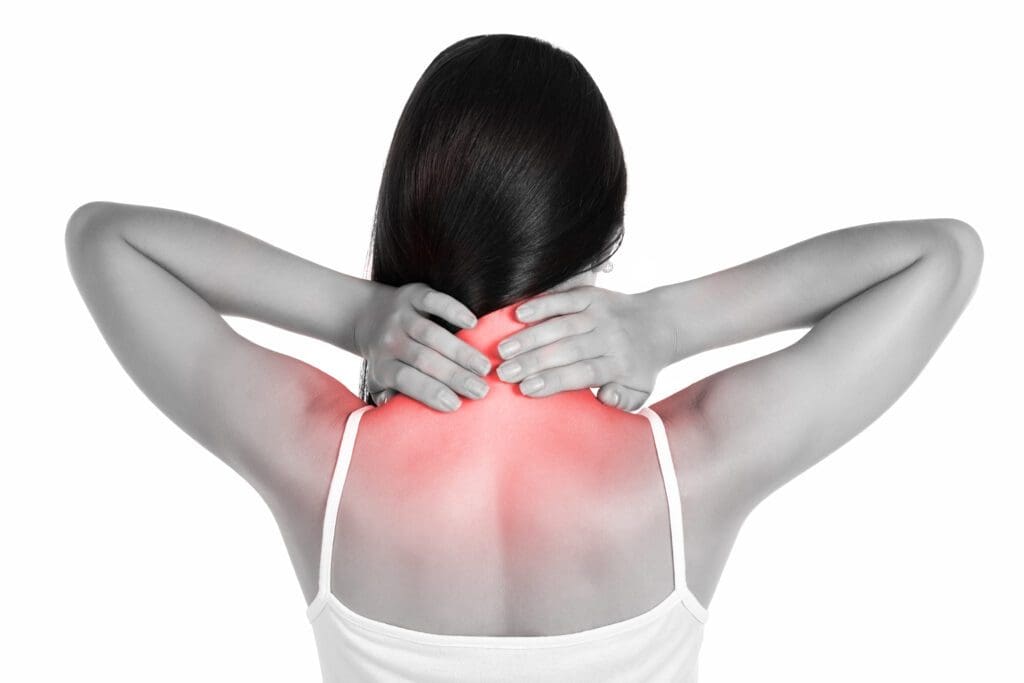
As one of the most common musculoskeletal disorders that affect many individuals, research studies have shown that neck pain is a multifactorial disease that causes individuals to be in pain. Some of the risk factors that can cause neck pain can be from:
Other research studies have shown that since the neck is flexible and supports the head’s weight, it is vulnerable to many injuries and conditions that will cause pain and restricted movements like muscle strains, worn-out joints, nerve compression, and whiplash injuries. There are also two types of neck pains that can affect the cervical spine: axial pain, where the pain is felt in the neck mostly, and radical pain, where the pain affects the shoulders.
How To Operate The DRX9000-Video
The video above explains how to operate the DXR9000 decompression machine. The DRX9000 is part of spinal decompression therapy. It utilizes traction to gently stretch the spine to all the nutrients that go back into the spine and cause instant relief to many individuals. Many decompression machines allow many decompression treatments to the lumbar spine and provide relief to the cervical spine. With physical therapy, decompression therapy can alleviate the painful symptoms that affect a person’s quality of life and continue on their wellness journey. If you want to learn more about spinal decompression therapy, this link will explain the benefits of spinal decompression and how it can alleviate low back pain symptoms.
How Cervical Axial Decompression Reduces Neck Pain
Since many individuals suffer from neck pain, many treatments can alleviate neck pain. Research studies have shown that treatment for neck pain usually depends on the cause and the best way to reduce neck pain includes:
Gentle stretches
Use heat or ice packs
Traction therapy
Physical therapy
With traction therapy, many individuals are placed in a supine position on a decompression traction table and are strapped in so they won’t slide off. For cervical treatment, individuals are lying on the table as their head is positioned in a cervical cradle unit and strapped in as the traction machine gently stretches the cervical spinal joints to reduce the pressure on the neck. Research studies have shown that cervical decompression can directly reduce the volume of the hernia by creating negative pressure on the intervertebral discs to cause instant relief. Cervical decompression can also increase the intervertebral disc height and decompress the cervical nerve root to diminish the painful symptoms that cause neck pain.
Conclusion
All in all, neck pain is common for many individuals worldwide, caused by stress, injuries, or neuromusculoskeletal disorders. With neck pain, many individuals will feel muscle stiffness and compressed discs that can hinder a person and cause many unwanted issues that they don’t need. Utilizing decompression therapy can help alleviate neck pain and help repair the cervical disc by allowing the nutrients to rehydrate the cervical spine. With physical therapy, many individuals can feel instant relief from decompression and even add small changes to their lifestyle habits that can lower their stress levels and continue on their wellness journey without being in pain.
References
Förster, Matti, et al. “Axial Low Back Pain: One Painful Area–Many Perceptions and Mechanisms.” PloS One, Public Library of Science, 2 July 2013, https://www.ncbi.nlm.nih.gov/pmc/articles/PMC3699535/.
Kazeminasab, Somaye, et al. “Neck Pain: Global Epidemiology, Trends and Risk Factors.” BMC Musculoskeletal Disorders, BioMed Central, 3 Jan. 2022, https://www.ncbi.nlm.nih.gov/pmc/articles/PMC8725362/.
Staff, Mayo Clinic. “Neck Pain.” Mayo Clinic, Mayo Foundation for Medical Education and Research, 31 July 2020, https://www.mayoclinic.org/diseases-conditions/neck-pain/symptoms-causes/syc-20375581.
Xu, Qing, et al. “Nonsurgical Spinal Decompression System Traction Combined with Electroacupuncture in the Treatment of Multi-Segmental Cervical Disc Herniation: A Case Report.” Medicine, Lippincott Williams & Wilkins, 21 Jan. 2022, https://www.ncbi.nlm.nih.gov/pmc/articles/PMC8772752/.
IFM's Find A Practitioner tool is the largest referral network in Functional Medicine, created to help patients locate Functional Medicine practitioners anywhere in the world. IFM Certified Practitioners are listed first in the search results, given their extensive education in Functional Medicine