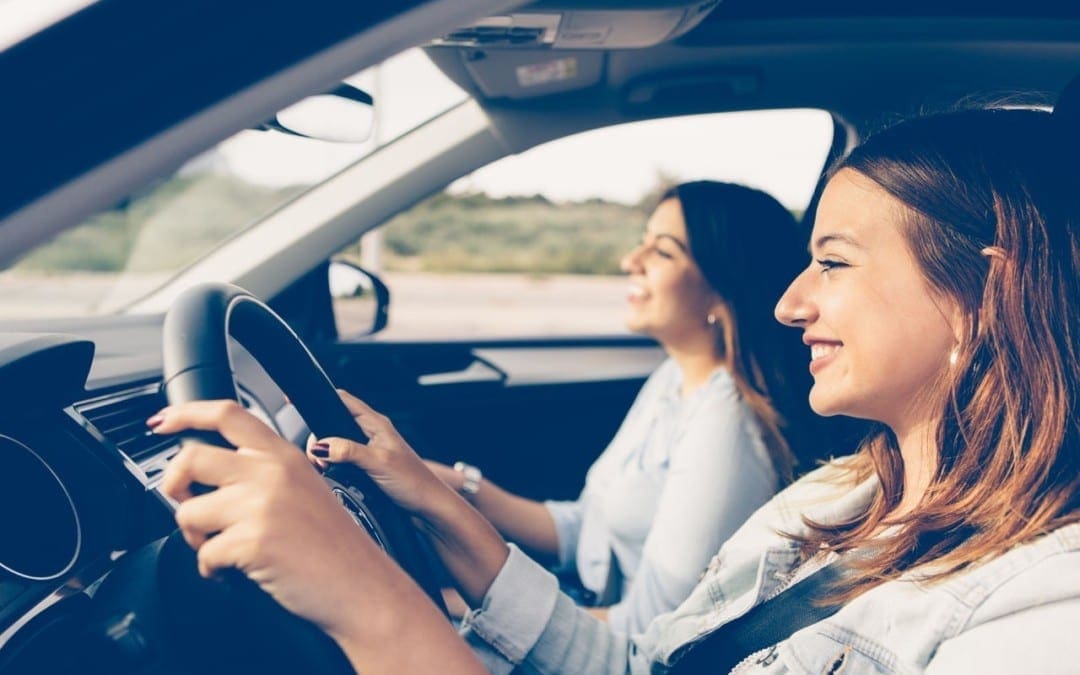
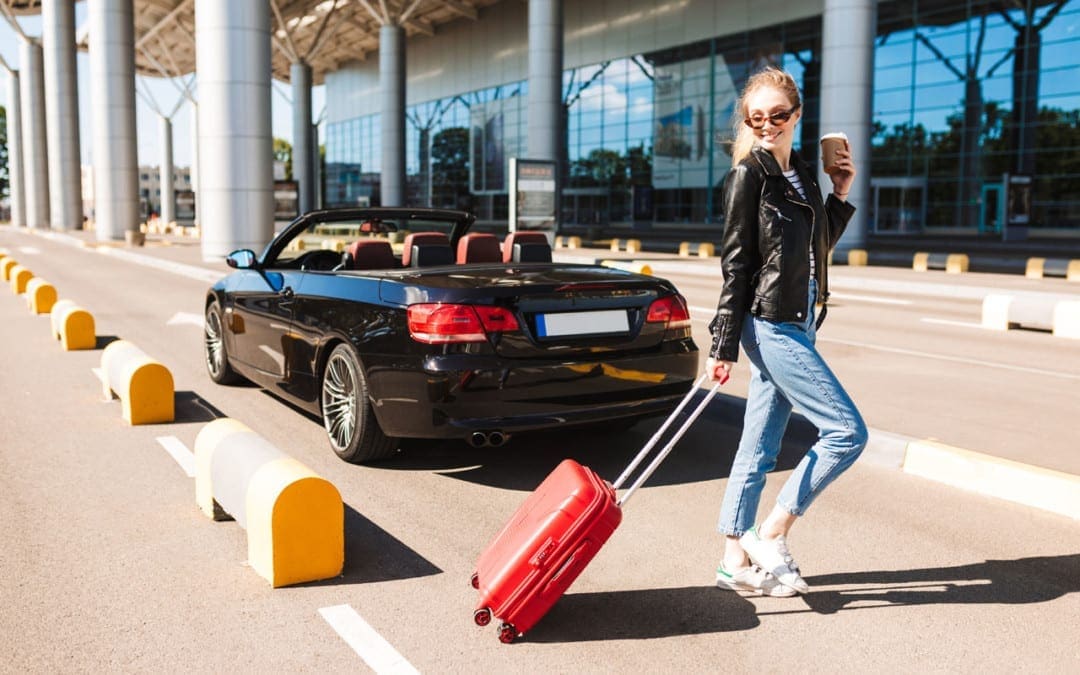
Driving with back pain can make trips a nightmare. Here are some driving tips to save your back when on the move. There is nothing like the freedom of hitting the open road. Family, friends, or solo, the destination along with new sights breezing by, refreshes the mind. With the COVID pandemic, many have turned to trucks, cars, SUVs, and RVs for a comfortable, safe mode of transportation.
Back pain from driving can become a serious issue. Studies have shown how low back pain, and spending a significant amount of time driving are interconnected. And other studies have also shown living a sedentary lifestyle like sitting for a long time will lead to some form of back pain that can become exacerbated by elongated driving. Road trips and regular commuting can both impact an individual’s spine. It depends on the length of time drivers are behind the wheel as well as any present spinal conditions.
Long commutes and road trips can take a toll on the body that can continue to increase in its severity. Individuals live most of their lives in a flexed/flexing posture. Meaning that there is the ability to shift positions and move around. This could be like Sleeping curled up, then on the back, sitting at a desk/workstation, then standing, stretching out, twisting, and bending.
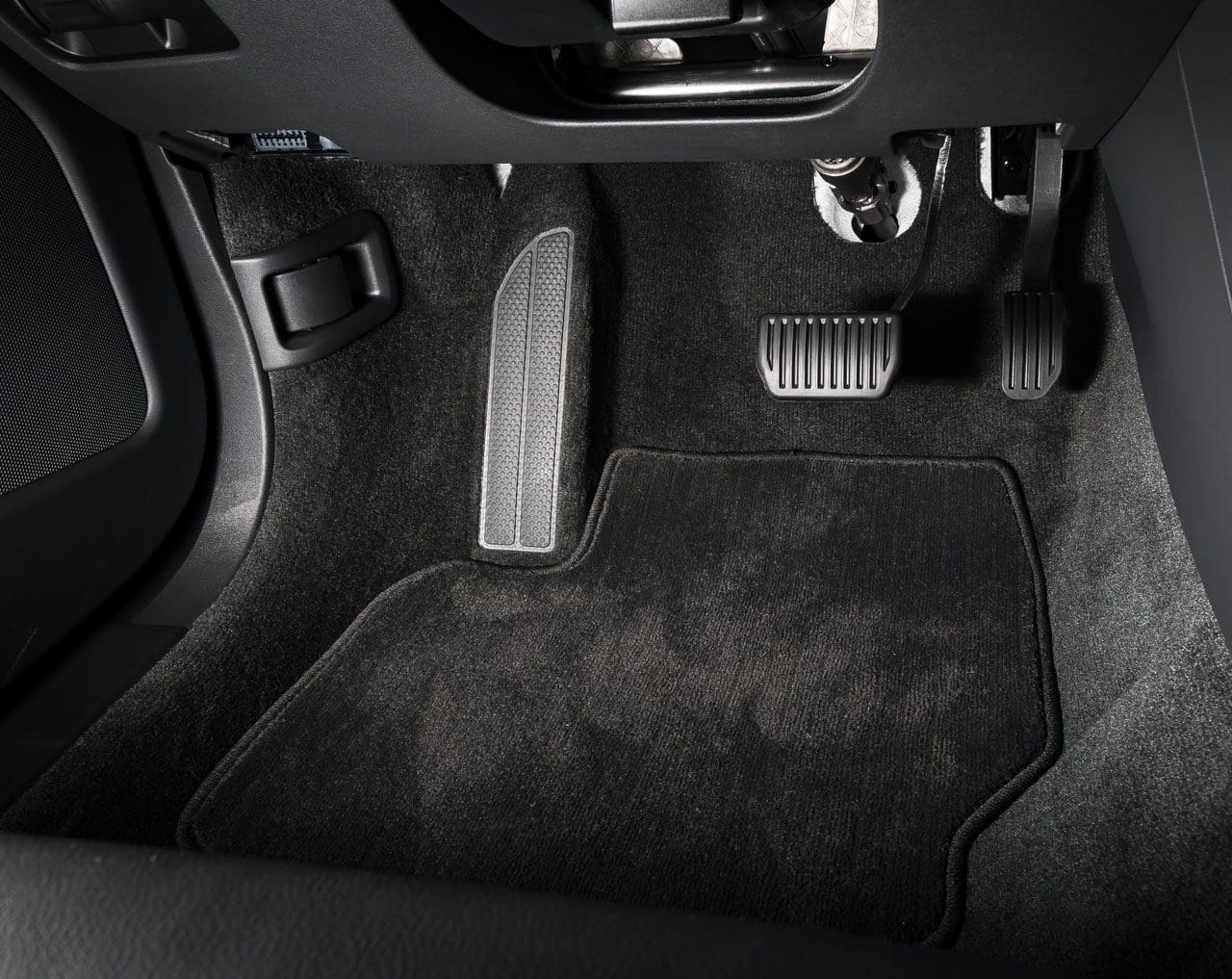
Driving creates a whole different type of spinal stress because of the physical mechanics involved. Automobiles generate different types of forces on the back. Factors such as accelerating, decelerating, swaying side to side, and vibrations all can contribute to back pain. To elaborate the feet and legs control the vehicle, and so are not able to help stabilize the spine, and vibration from uneven/loose gravel roads can cause issues with the spinal discs.
Discomfort and pain can occur for the driver and passenger/s. Individuals with diagnosed back condition/s can experience a worsening of symptoms and an increase in pain. This could be a postural imbalance, sciatica, or arthritis. Here are some driving tips to show how to prevent back pain before, during, and after the trip.
Before Driving
Prevention is the best way to decrease back pain when driving. The following precautions are recommended:
Think about getting helpful sitting aids/lumbar support cushions, like memory foam and air-filled seat cushions.
If specifically dealing with tailbone pain, a support with a tailbone cutout is recommended.
Optimize the seat by placing the back a little beyond fully upright. From 100 to 105-110 degrees, so the individual maintains proper posture. Inclining more can lead to a forward-head posture that can cause neck pain.
The seat should be close enough to the steering wheel to provide a relaxed upper body posture. However, make sure that the legs are not too close to the steering wheel and there is room to maneuver. The seat should be level around 5 degrees upward to provide support to the legs.
If unable to provide lumbar support rolling up a towel/thick sweater etc can be placed in the small of the back providing a quick fix.
The Drive
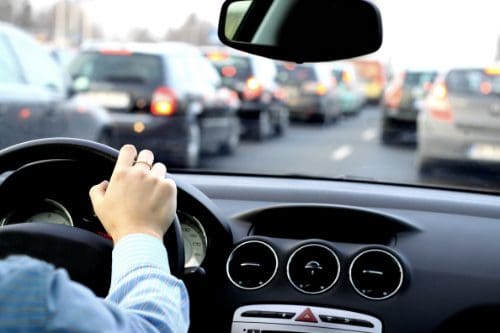
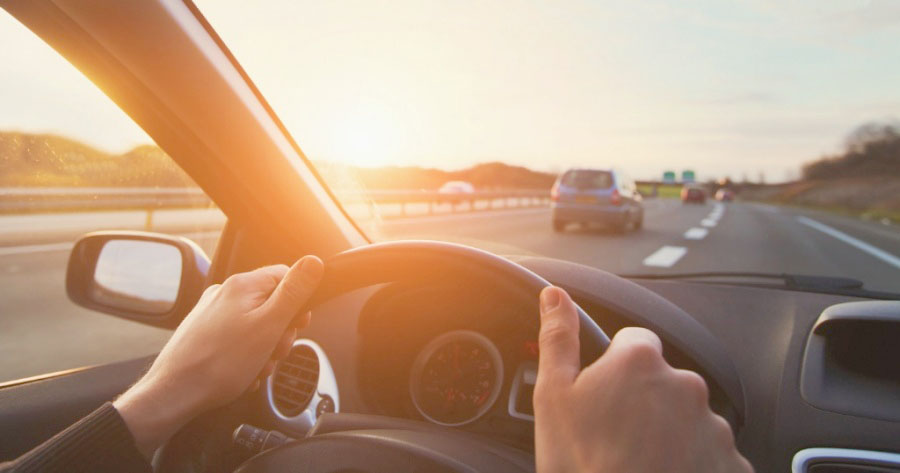
Eyes on the road and hands at 10 and 2 but don�t take the focus off the spine.
If driving for more than 20 minutes, it is recommended to make adjustments/changes in the seated position. Just a slight tweak can reduce the driving forces on the spine.
Driving for longer than an hour then short breaks are necessary. Pit stops are spine savers. Just like work breaks that involve standing, walking around, and stretching out, bending forward and leaning backward will keep the spine flexible, uncompressed with optimal blood flow.
Heated seats can help soothetight back muscles. It acts as a heating pad.
Remove items from pockets, especially wallets or similar objects in the back pocket. This can lead to an asymmetrical position that leads to shifting weight/stress loads to one side creating an added strain on the spine and awkward postures.
Stopping
After driving for an extended period, resting is vital to spine health. Utilize time out of the vehicle to continue prevention.
Sitting right after driving is not recommended.
Right after driving the body needs to move after being in the static driving/passenger position for some time.
Standing, walking, and doing some gentle stretches are recommended. Back extensions and side bending are examples.
Core exercises can help and should also be incorporated into a regular physical exercise regimen.
However, exercises after long or strenuous drives when the body is fatigued are not recommended, as intense exercise can lead to injury or worsening of back pain.
Pain Continues After
If there was a small/low amount of pain or if it was a pain-free experience then perhaps the driving tips helped. If the pain continues and there was no help with these driving tips, it might be time to see a doctor or chiropractor. Minor aches and pains can be expected, but if there is pain lasting longer than a few days or limits function, then seeking out medical advice is recommended.
Car Accident Chiropractic Treatment
Dr. Alex Jimenez�s Blog Post Disclaimer
The scope of our information is limited to chiropractic, musculoskeletal, physical medicines, wellness, and sensitive health issues and/or functional medicine articles, topics, and discussions. We use functional health & wellness protocols to treat and support care for injuries or disorders of the musculoskeletal system. Our posts, topics, subjects, and insights cover clinical matters, issues, and topics that relate and support directly or indirectly our clinical scope of practice.*
Our office has made a reasonable attempt to provide supportive citations and has identified the relevant research study or studies supporting our posts. We also make copies of supporting research studies available to the board and or the public upon request. We understand that we cover matters that require an additional explanation as to how it may assist in a particular care plan or treatment protocol; therefore, to further discuss the subject matter above, please feel free to ask Dr. Alex Jimenez or contact us at 915-850-0900. The provider(s) Licensed in Texas& New Mexico*
Sciatica doesn�t have to prevent you from being able to travel.
Sometimes a journey can create a series of challenges for people with sciatic nerve pain in the low back and leg.
A common issue among individuals is to prevent sciatica from flaring up when on the road or in the air.
A solution for this is to find ways to keep moving. However, easier said than done, but it can be done!
Flying and driving often mean long periods of sitting and sitting in a position typically not friendly with sciatic pain.
“When we drive or fly for an extended trip, it means long sitting times, and sitting in a position that can cause sciatica to flare up at any time,” says Dr. Alexander Jimenez, D.C. in El Paso, Texas, and member of the American Chiropractic Association (ACA).
Dr. Jimenez shares some basic tips for keeping mobility up, all the while pain-free, when flying and driving with sciatica.
He also offers additional advice to keep radiating pain from starting, upon arrival.
Flying with Sciatica
Sciatica pain radiates through the lower body meaning:
The low back
Hips
Buttocks
Legs
So when a flight anchors you to a seat, this can aggravate the area and cause pain.
The first thing to consider is the seat choice.
An aisle seat allows you the easiest access out of the seat, allowing you to move more during the flight.
Also when flying with sciatica, tell the flight crew about your condition.
When the seatbelt off light comes on, get up, stretch your legs and move around anywhere you can find room.
With a good portion of the population suffering from sciatica, most crews have seen people with this condition, and will usually let you do some stretching if they’re not busy.
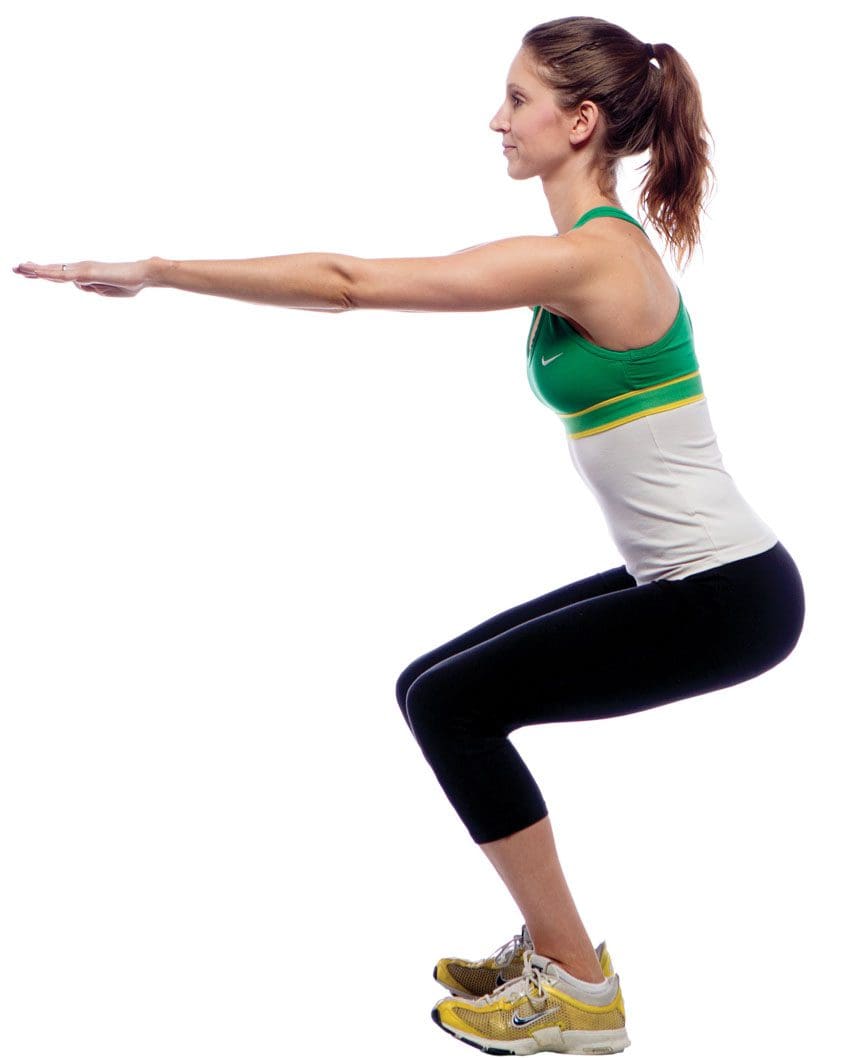
A good sciatica stretch is to put your hands on something stable and do some deep knee bends.
This will use the upper body weight to stretch the lumbar spine comfortably.
Do a few and make sure you feel and return to your seat stretched and refreshed.
When taking a long flight, do this every hour to feel better when landing.
Sciatica Road Trip
Road trips, on the other hand, are easier to stop and move around. However, it can also create over-concentration on the drive and forgetting how much you are hurting until the pain is unbearable.
Dr. Jimenez advises frequentstops, if possible every hour is best to prevent pain.
On the stops walk two or three laps around the car/Suv/truck.
Rear bumper stretching prop
Place one foot on the bumper, and the other a few feet behind, lean into the bumper and square the hips with the lead foot.
This is like a hurdle stretch.
Stretch both legs on each break.
Regular stretching helps relieve the pressure on the low back so you can drive comfortably.
Arrival
Packing light is a healthy tip because hauling heavy luggage will aggravate sciatic nerve pain.
There are a few things that Dr. Jimenez recommends packing or getting upon arrival.
Gel ice pack you can keep in the refrigerator or freezer in a hotel.
Apply the cold pack to the low back for 20-minute increments will go a long way toward relieving pain.
Topical agent/cream/gel that has menthol or camphor, that you can apply to any area of tenderness or pain before the ice gel pack.
This increases the ice pack’s power by helping relax muscles and decreasing pain.
Supportive shoes or custom foot orthotics
People with sciatica should choose footwear or orthotics that support all three arches of the foot.
Leg length is usually not equal on each side, and proper arch supports can be custom made for you by your chiropractor to compensate for the difference.
Even a 5mm difference can cause chronic back pain.
And if possible, ask your chiropractor or primary physician if they can recommend a chiropractor, physical/massage therapist,� or acupuncturist that you can see in case you need emergency treatment.
This can give you some peace of mind.
Keep Your Exercise/Stretching Routine When Traveling
When we travel especially on vacations it can be easy to let healthy lifestyle habits you practice at home slide.
All are sciatica�s natural enemies make sure to bring these healthy practices with you to your destination.
Use the same good sense when you travel just like at home getting:
Get plenty of rest
Drink plenty of water
Don’t overeat
You will need more rest when you travel and don’t forget when you travel to:
Walk
Stretch
Stay mobile
Difference Foot Orthotics Make to *REDUCE FOOT PAIN* & Correct Posture | El Paso, TX (2019)
Custom made foot orthotics can help control foot motion and posture. Healthcare professionals prescribe custom foot orthotics to help patients focus on their foot posture and mobility control. Research studies have ascertained that using custom foot orthotics for posture and mobility control can help fix excessive foot pronation and supination to prevent a variety of foot health problems. The subsequent video describes how custom foot orthotics will help control foot posture and mobility to improve health and wellness.
NCBI Resources
Sciatica is generally caused by the compression of lumbar or sacral nerves or by compression of the sciatic nerve. When sciatica is caused by compression of a dorsal nerve root, it’s known as lumbar radiculopathy. This can occur because of a spinal disk bulge or spinal disk herniation (a herniated intervertebral disc), or by roughening, enlarging, or misalignment (spondylolisthesis) of the fascia, or as a consequence of degenerated discs which can reduce the diameter of the lateral foramen by which nerve roots exit the spine.
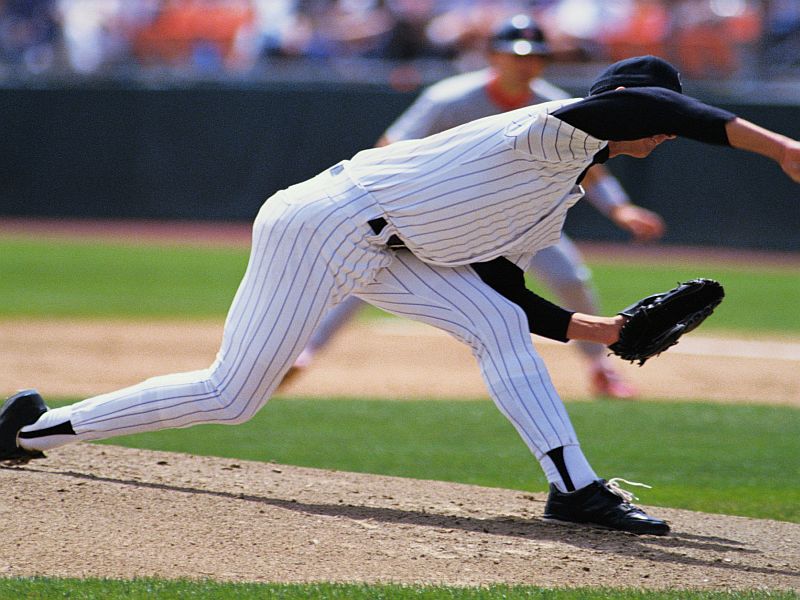
Skipping Across Time Zones More Than Just Tiring For Pro Baseball Players:
The resulting jet lag may actually harm their performance on the field, a new study suggests.
Researchers analyzed data from more than 40,000 Major League Baseball games played over 20 years. The conclusion: jet lag may have a significant impact on players.
The Northwestern University researchers said they found that jet lag slowed the base running of home teams but not away teams. And both home and away pitchers gave up more home runs when jet-lagged.
“Jet lag does impair the performance of Major League Baseball players. The negative effects of jet lag we found are subtle, but they are detectable and significant. And they happen on both offense and defense and for both home and away teams, often in surprising ways,” study leader Ravi Allada, a circadian rhythms expert, said in a university news release.
The researchers also found that the negative effects of jet lag were generally stronger when teams traveled eastward rather than westward.
“This is a strong argument that the effect is due to the circadian clock, not the travel itself,” Allada said.
What that means is that players’ internal 24-hour body clock falls out of sync with the cycle of sunlight, the study authors explained.
The findings suggest — but don’t prove — that team managers should pay close attention to their players’ body clocks. And even consider sending pitchers ahead of the rest of the team for upcoming games, the researchers added.
“If I were a baseball manager and my team was traveling across time zones — either to home or away — I would send my first starting pitcher a day or two ahead, so he could adjust his clock to the local environment,” Allada said.
The study was published Jan. 23 in the Proceedings of the National Academy of Sciences.
News stories are written and provided by HealthDay and do not reflect federal policy, the views of MedlinePlus, the National Library of Medicine, the National Institutes of Health, or the U.S. Department of Health and Human Services.
IFM's Find A Practitioner tool is the largest referral network in Functional Medicine, created to help patients locate Functional Medicine practitioners anywhere in the world. IFM Certified Practitioners are listed first in the search results, given their extensive education in Functional Medicine