Preparing for the holidays is exciting but can generate intense stress and anxiety. This can cause individuals to feel tired constantly, which can lead to other issues like sleep problems, brain fog, digestive issues, and musculoskeletal disorders. Chiropractic care can return the body to optimal function, increasing circulation, restoring spinal alignment, re-energizing the mind and body, and preventing future fatigue and exhaustion.
Exhaustion and Fatigue
Primary causes of fatigue and exhaustion are stress, overworking, school work, lack of sound sleep, excessive caffeine or other energy boosters, and the holidays.
Stress Reduction
Stress is a leading contributor to fatigue and exhaustion.
Stress causes the muscles to contract, restricting blood circulation.
Chronic stress causes the musculoskeletal system to be in a state of continued constriction.
Constant muscle tension can cause injury and chronic conditions that can lead to secondary disorders like tension headaches and migraines.
Quality Sleep
High-quality rest means falling asleep naturally, staying asleep through the night comfortably, and waking rested and refreshed.
Lack of enough sleep strains the nervous system.
Not enough sleep or disruptions to the sleep-wake cycle (that can happen with shift work or traveling work) can cause physiological fatigue.
This causes reduced motor skills, similar to having a blood alcohol content of 0.1.
Nutrition
Proper nutrition is key to overall health and stress management. An unhealthy diet can be the main cause of fatigue. Just like putting the wrong gas into your car can cause major issues stalling or stopping entirely. The same is true with the body. The body is a complicated engine that requires healthy fuel to work properly.
Macronutrients(fat, carbohydrates, and protein) and Micronutrients (vitamins and minerals) are essential.
Chiropractic Care and Functional Medicine
Chiropractic care can be a long-term solution for fatigue and exhaustion.
Spine Realignment
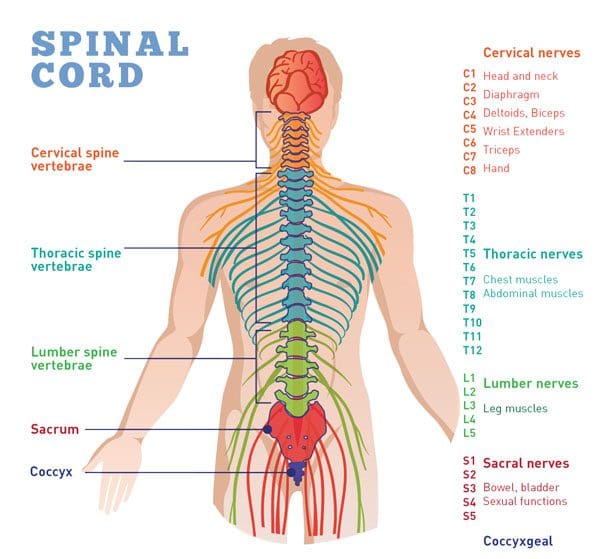
Spinal realignment resets the body through better posture and brain function through the improved circulation flowing through the spinal cord.
Optimal spinal realignment:
Relieves headaches
Alleviates discomfort symptoms
Increases energy
Restores range of motion
Relieve Pressure On The Nerves
Chiropractic releases pressure on the nerves.
The central nervous system’s response to pain, energy levels, comfort, and mobility is impacted by the health of the nerves.
Just a minimal amount of pressure can reduce the strength of a nerve by 90%.
Nerves that are not working correctly have difficulty transmitting messages, often causing pain.
Loosen Tense Muscles
Chiropractic care and massage therapy can help relieve the tension in overworked muscles.
Fatigue and exhaustion can cause the muscles to work harder/overcompensate to try to maintain balance.
Over time, the muscles can’t keep it up and become frozen and tense.
Nervous System Regulation
Chiropractic care can restore nervous system function.
When the spine is not correctly aligned, the electrical impulses are not transmitted properly.
Common side effects include headaches, neck and back problems, and digestive issues.
Chiropractic care can restore the body to a refreshed and rejuvenated state. It can improve circulation, rebalance the body, increase oxygen levels and strengthen the immune system.
Adrenal Insufficiency: Symptoms, Diagnosis, and Treatment
References
Azzolino, Domenico, et al. “Nutritional Status as a Mediator of Fatigue and Its Underlying Mechanisms in Older People.” Nutrients vol. 12,2 444. 10 Feb. 2020, doi:10.3390/nu12020444
Chaudhuri, Abhijit, and Peter O Behan. “Fatigue in neurological disorders.” Lancet (London, England) vol. 363,9413 (2004): 978-88. doi:10.1016/S0140-6736(04)15794-2
Evans, William J, and Charles P Lambert. “Physiological basis of fatigue.” American journal of physical medicine & rehabilitation vol. 86,1 Suppl (2007): S29-46. doi:10.1097/phm.0b013e31802ba53c
Finsterer, Josef, and Sinda Zarrouk Mahjoub. “Fatigue in healthy and diseased individuals.” The American journal of hospice & palliative care vol. 31,5 (2014): 562-75. doi:10.1177/1049909113494748
Rosenthal, Thomas C et al. “Fatigue: an overview.” American family physician vol. 78,10 (2008): 1173-9.
Chiropractic Reset: Traveling is not an easy adjustment as it disrupts the body’s internal clock. When flying even just 3 hours, the body can start to experience symptoms like:
Fatigue
Confusion
Insomnia
Joint and muscle pain
Stiffness
Stomach problems
Nausea
Hunger
Bad mood
Not only is the flight a physical challenge, but so are the long lines, backed-up traffic, lost luggage, etc. All take a toll on the mind and body; a chiropractic reset can help restore the body’s balance and energy levels.
Jet Lag
Jet lag happens when the brain region known as the hypothalamus or center that controls sleep cycles, appetite, and temperature conflicts with travel changes. A survey from international flight attendants found that despite being used to long air travel:
90% had fatigue over the first five days.
94% had a lack of energy/motivation.
93% had broken sleep.
70% had ear, nose, or throat issues.
Scientists have estimated that it takes a full day to recover for every hour of time difference. The direction traveled can affect how intense the symptoms are since it’s easier for the body to delay its internal clock than speed it up. Traveling east is more difficult on the body compared to traveling west.
Ways To Limit The Effects
Workout
Get a thorough physical workout the day before you fly.
It doesn’t matter; it can be an hour on an elliptical machine, a mile jog, or a vigorous swim.
The objective is to get the lymph system moving to help prevent edema in the legs, hands and flush toxins from the body.
Take a Walk Every Hour
Try and get up at least once an hour for long trips and every half hour for shorter ones.
If possible, try to get a flight that gets to your destination in the evening.
Then, stay up until 10 pm local time.
If you have to take a nap, set the alarm not to surpass two hours.
Avoid caffeine and alcohol
You don’t have to go without alcohol or caffeine, but they should be cut out a few hours before sleeping.
Both can affect the ability to fall asleep, stay asleep, and the quality of sleep.
Change sleep patterns beforehand
In the week leading up to the trip, start adjusting sleep time and wake time to get closer to the new time zone.
This way, upon arrival, the body is basically adjusted.
Skip the big meal
To help the digestive system, try not to eat a massive meal upon arrival.
Allow body functions like sleep and digestion to adjust to the changes.
Bask in the sun
Daylight has a significant effect on the body’s clock.
Get outside to wake up the brain to help the body and mind adjust to the daytime hours.
Melatonin
This is a hormone in the body that helps control the circadian rhythm.
Melatonin is dependent on the amount of light the body is exposed to.
When there’s light, melatonin release is stopped.
When dark, melatonin release is stimulated.
It is recommended not to take melatonin before leaving, or it will make the jet lag worse.
Wait until landing in the new time zone to supplement one hour before regular sleep time at the new location.
Continue for three nights or until the body has adjusted.
Pycnogenol
Pycnogenol has been studied for its effect of reducing jet lag symptoms.
It reduces cerebral and joint swelling, which leads to fewer short-term memory problems, fatigue, and cardiac issues.
It has been shown to decrease deep vein thrombosis and superficial vein thrombosis, typical side effects of long flights.
Recommendations are to take three times a day for up to five days maximum of seven days after landing.
Chiropractic Reset
Chiropractic reset adjustments the day before and especially after the flight can restore balance to the nervous system and the body. This will help reset sleeping and waking patterns after the stress of flying.
Body Composition
Metabolic Syndrome
Metabolic syndrome is a name for a set of symptoms and conditions that revolve around cardiovascular health.
Obesity and a high amount of visceral fat are significant risk factors for being diagnosed with metabolic syndrome.
Body composition analysis can be thought of as a tool for understanding the approach to preventing the onset of metabolic syndrome. Knowing how to identify the risks can support individuals in making informed decisions on their healthcare journey.
References
Belcaro, G et al. “Jet-lag: prevention with Pycnogenol. Preliminary report: evaluation in healthy individuals and hypertensive patients.” Minerva cardioangiologica vol. 56,5 Suppl (2008): 3-9.
Janse van Rensburg, Dina C Christa et al. “How to manage travel fatigue and jet lag in athletes? A systematic review of interventions.” British journal of sports medicine vol. 54,16 (2020): 960-968. doi:10.1136/bjsports-2019-101635
Straub, WF et al. “The effect of chiropractic care on jet lag of Finnish junior elite athletes.” Journal of manipulative and physiological therapeutics vol. 24,3 (2001): 191-8.
Zerón-Rugerio, María Fernanda et al. “Eating Jet Lag: A Marker of the Variability in Meal Timing and Its Association with Body Mass Index.” Nutrients vol. 11,12 2980. 6 Dec. 2019, doi:10.3390/nu11122980
Individuals are tired of feeling sick. Many doctors prescribe medications to just control the symptoms of the various ailments.
Headaches
Migraines
Nausea
Fatigue
Acid reflux
Asthma
Allergies
Chiropractic care combined with Health coaching will:
Bring the body back into balance
Restore optimal circulation
Detox the body
Increase immune system response
Tired Nervous System
Many of these problems are rooted deep within the nervous system. This system controls pain, movement, organ function, and action/reaction in the body and needs consistent maintenance to continue to operate at an optimal level. Chiropractors are trained to detect nerve interference brought on from spinal misalignment. Chiropractic along with body scanning/imaging can detect nerve interference, and help identify any issues.
Nerve Interference
Nerve interference along the spine can lead to being tired, weakness, pain, discomfort, organ dysfunction, and disease if it is not addressed by a professional chiropractor. The interference can be a result of poor postural habits that have caused the spine to misalign. This places added and dangerous pressure on the delicate nerves flowing throughout the spine.
Chiropractors can determine the root cause back to the region of the spine that is causing any type of impediments. Spinal rehabilitation and realignment will restore the spine back to health eliminating nerve interference. As the body is realigned health coaching recommendations that include diet, supplements, and learning healthy habits will enhance chiropractic maintenance. The end result is a healthy energetic body free of disease, dysfunction, and pain.
Body Composition
Body composition is a way of breaking down the body into components, which are: fat, protein, minerals, and body water. It describes an individual’s accurate weight and provides a new perspective on overall health than traditional methods. Proper body composition analysis will show changes in fat mass, muscle mass, and body fat percentage.
The scope of our information is limited to chiropractic, musculoskeletal, physical medicines, wellness, and sensitive health issues and/or functional medicine articles, topics, and discussions. We use functional health & wellness protocols to treat and support care for injuries or disorders of the musculoskeletal system. Our posts, topics, subjects, and insights cover clinical matters, issues, and topics that relate and support directly or indirectly our clinical scope of practice.*
Our office has made a reasonable attempt to provide supportive citations and has identified the relevant research study or studies supporting our posts. We also make copies of supporting research studies available to the board and or the public upon request. We understand that we cover matters that require an additional explanation as to how it may assist in a particular care plan or treatment protocol; therefore, to further discuss the subject matter above, please feel free to ask Dr. Alex Jimenez or contact us at 915-850-0900. The provider(s) Licensed in Texas& New Mexico*
References
Stochkendahl, Mette Jensen, et al. �Can chiropractors contribute to work disability prevention through sickness absence management for musculoskeletal disorders? – a comparative qualitative case study in the Scandinavian context.� Chiropractic & manual therapies�vol. 26 15. 26 Apr. 2018, doi:10.1186/s12998-018-0184-0
Westerterp, Klaas R. �Exercise, energy balance, and body composition.��European journal of clinical nutrition�vol. 72,9 (2018): 1246-1250. doi:10.1038/s41430-018-0180-4
Arlington, Va.–People suffering from back pain should consider first trying chiropractic services and other non-drug therapies in light of a new research review that found common over-the-counter and prescription pain medications have limited effectiveness for back pain and raise the risk of side-effects, according to the American Chiropractic Association (ACA).
The review, published this month in Annals of the Rheumatic Diseases, examined 35 randomized, placebo-controlled trials, encompassing 6,000 patients, to determine the effectiveness and safety of non-steroidal anti-inflammatory drugs (NSAIDs) for spinal pain. The authors of the report found that NSAIDs provided �clinically unimportant effects� when compared with patients who received only a placebo. Meanwhile, those who used NSAIDs had a 2.5 times greater risk of experiencing gastrointestinal disorders.
�At present, there are no simple analgesics that provide clinically important effects for spinal pain over placebo,� the authors noted.
The news about NSAIDs follows reports last year that prescription opioids also have limited effectiveness for back pain�one of the most common causes of disability worldwide.
�The American Chiropractic Association urges people to try non-drug approaches to back pain relief first, before resorting to over the counter or prescription medications,� said ACA President David Herd, DC. �In addition to spinal manipulation, chiropractors can offer a range of non-drug therapies for back pain and recommend exercises and important lifestyle changes to help prevent future back pain and injury.�
According to a 2016 Gallup survey, more than 35 million people visit a chiropractor annually.
About the American Chiropractic Association
The American Chiropractic Association (ACA) is the largest professional association in the United States representing doctors of chiropractic. ACA promotes the highest standards of ethics and patient care, contributing to the health and well-being of millions of chiropractic patients. Visit us at www.acatoday.org to find an ACA chiropractor near you.
NSAIDs: Non-Steroidal Anti-Inflammatory Drugs
Every day, an estimated 30 million people worldwide take a non-steroidal anti-inflammatory medication, or NSAID.
These versatile medications, available in over-the-counter and prescription strength, treat both pain and inflammation. Inflammation is a contributing factor in most back pain conditions, so reducing inflammation is important to alleviate the pain.
Mild or moderate back pain, tenderness, inflammation, and stiffness
Activity-related pain or discomfort (e.g. pain that follows sports or activities such as housework, shoveling snow, or other exertion)
Pain related to muscle strain in the low back and elsewhere
Neck stiffness related to muscle, ligament, or tendon strains or damage
Osteoarthritis joint pain
Rheumatoid arthritis
Ankylosing spondylitis
A number of other forms of arthritis pain
This article provides information on how non-steroidal anti-inflammatory medications can be helpful against back, neck, and other pain, as well as several potential risks and complications to be considered.
Most Common Types of NSAIDs:
NSAIDs comprise a large class of drugs that act by hampering body substances called prostaglandins, which trigger feelings of pain, giving NSAIDs fever-reducing, pain-relieving, and anti-inflammatory properties. There are many types of non-prescription (over-the-counter) and prescription NSAIDs. The four NSAIDs most often used to treat many types of back and neck pain are:
Aspirin (brand names include Bayer, Bufferin, and Ecotrin, St. Joseph)
Ibuprofen (Advil, Motrin)
Naproxen (Aleve, Anaprox DS, Naprosyn)
Celecoxib (Celebrex)
Other Forms of NSAIDs:
In addition to the above, NSAIDs come in forms other than those taken by mouth. For example:
Ketorolac can be given as an intravenous, intramuscular, or intranasal drug, making it useful after surgery or if the patient cannot eat.
Diclofenac is available topically as a gel (Voltaren), patch (Flector), or solution (Pennsaid). The medication is applied directly to the area of pain. Topical forms reduce gastrointestinal and other potential side effects of NSAIDs.
Taking NSAIDs continuously, rather than just at the onset of pain, helps build up the body�s anti-inflammatory blood level, resulting in a better healing environment in the affected area. The efficacy is markedly lower if NSAIDs are taken only when experiencing pain.
Checking with the doctor. Because NSAIDs have risks and complications, it is important to keep the doctor informed. People taking NSAIDs for long periods are advised to see the doctor regularly so any side effects can be monitored. In some cases, a change in medication may be required.
Using as little as possible. The U.S. Food and Drug Administration advises that the lowest effective dose of NSAIDs be used, and then for only as long as necessary.
Combining with acetaminophen. NSAIDs and the pain relief medication acetaminophen (e.g. brand name Tylenol) work differently, so sometimes doctors recommend taking both medications. This often offers better pain relief than taking one type of pain medication. Some people find it also helps lessen the pain as one dose wears off, alternating between the two�for example, taking a dose of ibuprofen, then 3 hours later taking a dose of acetaminophen.
Any adverse reactions from taking an NSAID, or any other medication, should be reported to the doctor without delay.
When NSAIDs Are Not Advised
People having a lumbar fusion surgery are typically advised not to take NSAIDs for at least 3 months after surgery due to concerns about the impact NSAIDs may have on bone healing.
Many doctors also tell patients to stop using NSAIDs prior to other types of surgery because the medication poses an increased risk of bleeding.
Low Vitamin D Linked to Increased Headache Risk
News Bite: Vitamin D may be a component factor in headache a new study demonstrates.
More research is adding to the literature of a link between vitamin D deficiency and headaches, at least for men living in colder climates.
Data from 2600 middle-aged men from Finland who participated in the Kuopio Ischemic Heart Disease (KIHD) Risk Factor Study showed that those with the lowest levels of serum 25-hydroxyvitamin D (25[OH]D) were more than twice as likely to report having chronic headaches as those who had the highest vitamin D levels. In addition, reports of chronic headache were significantly more frequent in months other than the summer months (June through September).
The investigators note that although past studies have examined the link between vitamin D and headaches, the results have been �inconclusive� because many included small sample populations. When the KIHD study originally started, men in this part of Finland had the highest prevalence of heart disease in the world, and it was looking at risk factors for cardiovascular disease.
During the baseline examinations, questionnaires asked the participants to report headache status during the previous 12 months. �Frequent headache� was defined as a daily or weekly occurrence � and was reported by 9.6% of the full group.
Also at baseline, fasting venous blood samples were collected during morning hours and 25(OH)D concentrations were measured.
Interestingly, the mean concentration of serum 25(OH)D for the study group was 43.4 nmol/L, which is below the 50-nmol/L threshold generally considered to be a marker of vitamin D deficiency. In fact, 67.9% of the group had levels that were less than 50 nmol/L.
Every day, an estimated 30 million people worldwide take a non-steroidal anti-inflammatory medication, or NSAID.
These versatile medications, available in over-the-counter and prescription strength, treat both pain and inflammation.��The American Chiropractic Association urges people to try non-drug approaches to back pain relief first, before resorting to over the counter or prescription medications.� For Answers to any questions you may have please call Dr. Jimenez at�915-850-0900
IFM's Find A Practitioner tool is the largest referral network in Functional Medicine, created to help patients locate Functional Medicine practitioners anywhere in the world. IFM Certified Practitioners are listed first in the search results, given their extensive education in Functional Medicine