
Thoracic Outlet Syndrome: Treatment Guide After A Car Accident
Find out what you need to know about thoracic outlet syndrome associated with a car accident and the potential long-term consequences.
Introduction
Your life may be completely upended by a car accident more quickly than you can say “fender bender.” They may leave you with injuries that linger like an unwanted visitor, in addition to crumpled bumpers and insurance-related hassles. The cervical spine, the unsung hero that keeps your head up as you binge-watch your favorite program, is one such damage. A disease known as Thoracic Outlet Syndrome (TOS), which may cause your arms to feel like they’re trying out for a zombie movie with all that numbness and tingling, can result from ligament damage caused by an accident that jolts your neck. We’ll explore the clinical viewpoint of these injuries in this essay, emphasizing how El Paso physician Dr. Alexander Jimenez aids in victims’ recovery and the need to record these injuries for your health and any future legal claims.
What Happens to the Cervical Spine After a Car Accident?
Picture your neck as a tower of Jenga blocks carefully stacked to keep everything in place. Now, imagine a car rear-ending you, sending those blocks wobbling like a bad game night. Whiplash is a rapid back-and-forth motion of the neck that occurs in approximately 1 million car accidents annually in the U.S., costing society up to $29 billion and affecting individuals’ socio-economic lifestyles. Whiplash doesn’t just give you a sore neck; it can seriously mess with the ligaments that hold your cervical spine together.
The Anatomy of Your Neck
The seven vertebrae in the cervical spine are cushioned by discs and held together by ligaments, which are the anterior longitudinal ligament, posterior longitudinal ligament, capsular ligaments, interspinous ligaments, supraspinous ligaments, and ligamentum flavum. These ligaments are like the seatbelts of your spine, keeping everything secure. However, in a crash, the sudden force, ranging from 3.5 to 8 g’s in a rear-end collision, can stretch or tear these ligaments, thereby reducing their strength. A study found that whiplash decreases the force required for ligament failure by approximately 20% (149.4 N vs. 186.0 N) and energy absorption by roughly 22% (308.6 J vs. 397.0 J). (Tominaga et al., 2006). This damage can lead to cervical instability, where your neck becomes as wobbly as a bobblehead on a dashboard.
The Whiplash Effect
Whiplash is like your neck trying to do an impromptu dance move it wasn’t prepared for. The rapid motion overstretches ligaments beyond their normal range, sometimes causing micro tears or complete ruptures. This instability can lead to chronic pain, stiffness, and even more complex issues down the road, like Thoracic Outlet Syndrome. It’s as if your neck says, “I’m done holding it together!” and passes the problem to other parts of your body. It’s like a disaster with the neck and ligaments, which is no laughing matter, as it can significantly impact your daily life, from simply turning your head to lifting your arms.
Can Ligament Damage Cause Thoracic Outlet Syndrome?
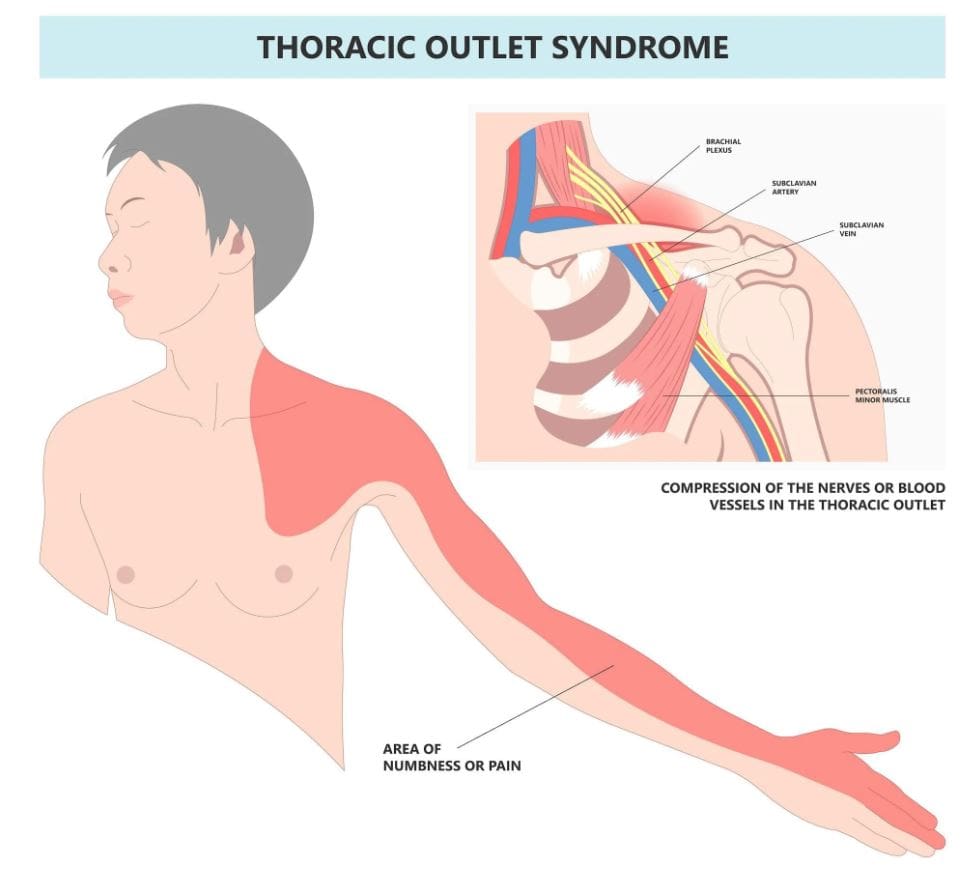
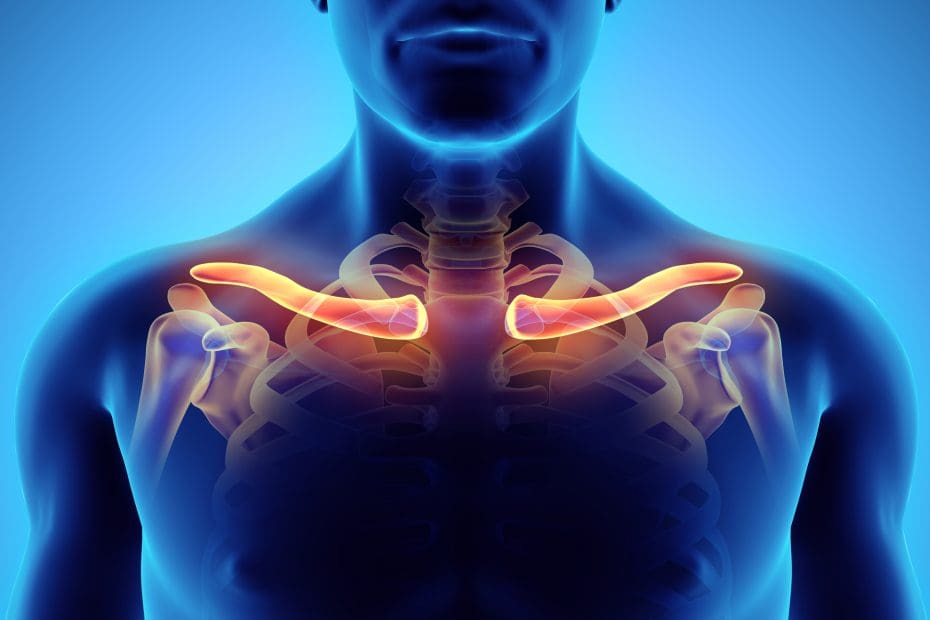
Now, let’s discuss Thoracic Outlet Syndrome, or TOS, which may sound like something you’d find in a haunted mansion, but it is, in fact, a medical condition. TOS happens when the nerves or blood vessels in the thoracic outlet—the narrow space between your collarbone and first rib get compressed, causing pain, numbness, or tingling in your arms and hands, making you feel like your limbs are staging a protest. But how does a neck injury from a car crash lead to this?
The Connection Between Whiplash and TOS
When your cervical spine ligaments are damaged, they can’t hold the vertebrae as tightly, leading to instability or misalignment. This can affect nearby structures, like the scalene muscles in your neck, which are part of the thoracic outlet. Inflammation or scar tissue from the injury can further narrow this space, squeezing the brachial plexus nerves or subclavian vessels. A study found that 30 out of 35 whiplash patients had thoracic outlet syndrome (TOS), confirmed by slowed ulnar nerve conduction velocity, suggesting a direct link. (Sanders et al., 2007) It’s like your neck’s injury sends a ripple effect, turning the thoracic outlet into a crowded subway station where nerves and vessels get squished.
Types of TOS
TOS comes in three flavors:
- Neurogenic TOS: The most common (95% of cases), where nerves like the brachial plexus are compressed, causing arm pain and numbness.
- Venous Thoracic Outlet Syndrome (TOS): Affects veins, leading to swelling or thrombosis in approximately 5% of cases.
- Arterial TOS: The rarest (1%) form involves compression of the artery, which can cause issues with blood flow.
Whiplash typically leads to neurogenic thoracic outlet syndrome (TOS) due to nerve compression from damaged muscles or ligaments. It’s like imagining the nerves are trapped in a dark, cramped corridor, crying out for freedom!
Why It Happens
In a car accident, trauma can damage or injure the scalene muscles, causing inflammation and narrowing of the thoracic outlet. Cervical instability may also alter your posture, causing your shoulders to shift forward and compress the outlet further. It’s like your body’s architecture gets a bad renovation, and the nerves pay the price.
What Is Thoracic Outlet Syndrome?- Video
Understanding TOS Symptoms After Whiplash Injuries
So, what does TOS feel like? If you’ve been in a car crash and now your arms feel like they’re buzzing with static or aching like you’ve been arm-wrestling Uncle Fester from the Addams Family, TOS might be to blame. Let’s break down the symptoms and why they happen.
Symptoms of TOS
- Pain in the neck, shoulder, or arm.
- Numbing/Tingling sensation in the arms or hands, especially the ring and pinky fingers.
- Muscle Weakness in the upper extremities
- Swelling or Discoloration: In venous TOS, your arm might swell or turn blue.
These symptoms arise because the brachial plexus nerves, which carry signals from your spine to your arms, are compressed. (Cavanna et al., 2022) This is akin to a traffic jam on the nerve highway, where signals become stuck, causing pain or sensory changes.
Acute vs. Chronic Symptoms
In the acute phase (within 3.5 months post-accident), neck pain might dominate, with TOS symptoms being mild. But in chronic cases (over 2 years), TOS symptoms like arm pain and numbness can become the main issue. This is why early treatment is crucial, and when individuals ignore the pain associated with TOS, it is like neglecting a creaky floorboard in the Addams Family mansion; it only worsens over time.
Pathophysiology of Nerve Pain
When the brachial plexus is compressed, it disrupts nerve signals, leading to pain, tingling, or weakness. The capsular ligaments, which contain sensory nerves, can also be injured, contributing to chronic pain. Studies show that nerve blocks or radiofrequency ablation can relieve this pain, confirming the link between nerve compression. (Li et al., 2021) It’s as if your nerves are sending SOS signals, but the message gets garbled.
How Dr. Alexander Jimenez Helps MVA Victims in El Paso
In El Paso, Dr. Alexander Jimenez is like the Lurch of injury recovery—big on expertise and always there to help. As a chiropractor and family nurse practitioner, he brings a unique blend of holistic and evidence-based care to MVA victims. His clinic specializes in treating whiplash, back pain, and conditions such as thoracic outlet syndrome (TOS), utilizing functional medicine and advanced therapies to restore mobility and alleviate pain.
Integrative Care Approach

Dr. Jimenez’s dual licensure allows him to combine chiropractic adjustments with medical interventions, addressing both the structural and physiological aspects of injuries. His team, including chiropractors, nurse practitioners, and nutritionists, creates personalized treatment plans. For example, they might use chiropractic adjustments to correct spinal misalignment, physical therapy to strengthen muscles, and nutritional guidance to reduce inflammation. This integrative approach is like a well-orchestrated dance, as everyone works together for a flawless performance.
Supporting Legal and Medical Needs
Dr. Jimenez excels at correlating soft tissue and spinal injuries for personal injury attorneys and healthcare teams. By thoroughly documenting injuries through clinical evaluations and imaging, he ensures that the link between the MVA and symptoms, such as TOS, is clear. This is vital for legal claims, as it proves the accident caused the injury. His clinic’s focus on spine health and pain management makes him a trusted provider in El Paso.
Treatment Options
Some treatments offered include:
- Chiropractic Adjustments: To realign the spine through mechanical and manual manipulation and reduce nerve compression.
- Physical Therapy: Various exercises can help strengthen neck and shoulder muscles, improving stability. (Service, 2025)
- Functional Medicine: Addressing inflammation and overall health to support recovery.
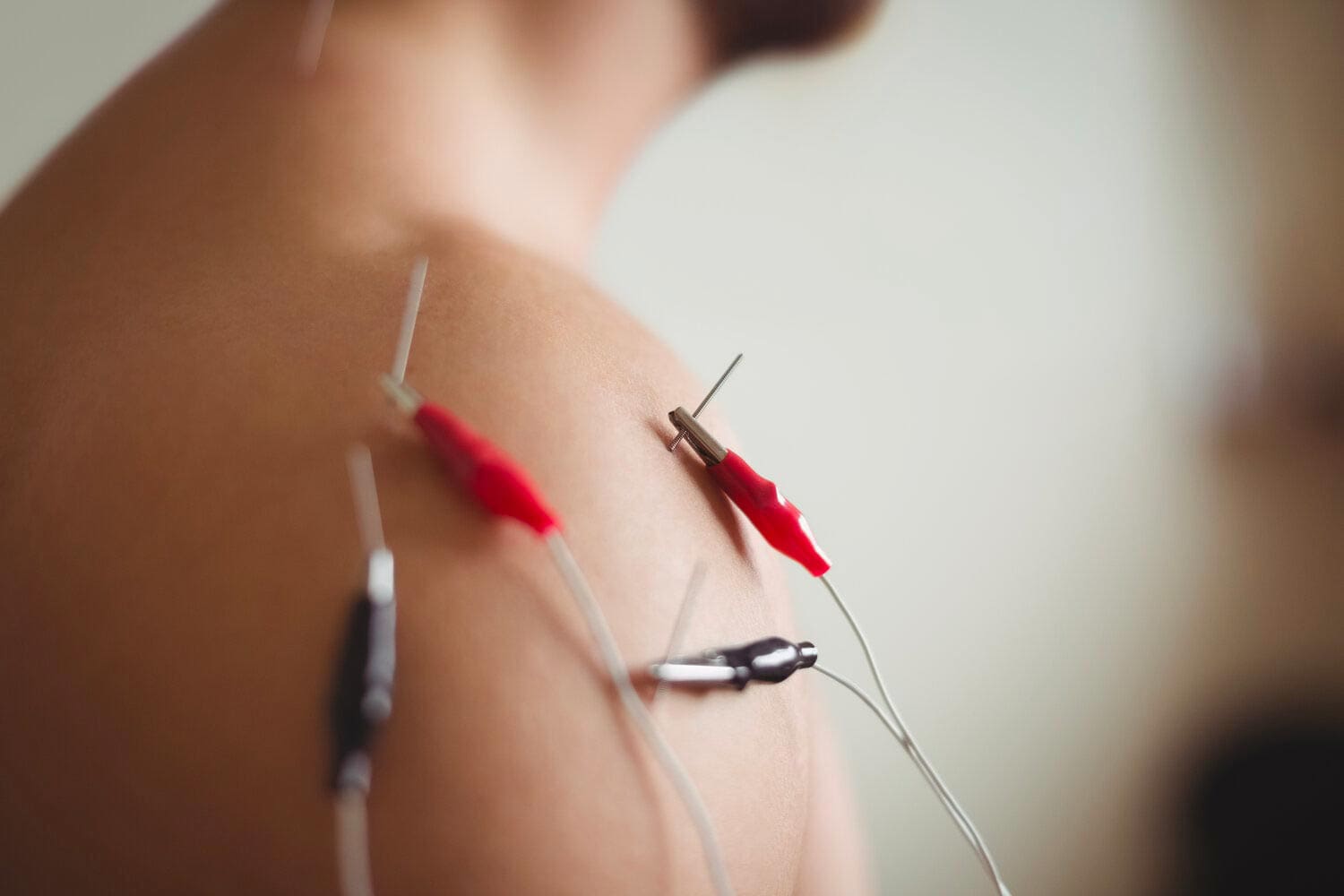
- Pain Management: Techniques like nerve blocks or manual therapy to alleviate symptoms.
Dr. Jimenez’s approach helps to tinker with the body with a creative, precise, and effective method to promote health and wellness to the individual.
Documenting Ligamentous Injuries for Personal Injury Claims
Documenting injuries after an MVA is like keeping a detailed diary in the household. You need to record every creak and groan to understand the full story, as accurate documentation is essential for treatment and legal purposes.
Why Documentation Matters
- Medical Treatment: Identifying ligament tears or instability through MRI or dynamic X-rays guides treatment, ensuring you receive the appropriate care, such as physical therapy or surgery, as needed.
- Legal Claims: Proving that the accident caused your injuries is crucial for insurance claims or lawsuits. Detailed records link symptoms like TOS to the MVA.
- Preventing Misdiagnosis: TOS is often misdiagnosed due to its vague symptoms. Proper documentation helps differentiate it from conditions like cervical radiculopathy.
How to Document
- Clinical Evaluation: A thorough examination conducted by a healthcare provider, such as Dr. Jimenez, can identify signs of ligament damage or thoracic outlet syndrome (TOS).
- Imaging: MRI shows soft tissue damage, while dynamic X-rays reveal instability.
- Nerve Studies: Tests such as ulnar nerve conduction velocity can confirm thoracic outlet syndrome (TOS). (Hanif et al., 2007)
- Medical Records: Detailed notes on symptoms, timeline, and treatments strengthen your case.
Without this, it’s like trying to convince people there’s no ghost in the attic. (Archie & Rigberg, 2017)
Challenges in Documentation
TOS is tricky to diagnose because its symptoms overlap with other conditions, like cervical disc disease. Studies note that TOS lacks standardized tests, making clinical expertise crucial. (Wang et al., 2019) Providers like Dr. Jimenez bridge this gap by combining clinical insight with diagnostic tools.
A Serious Note on Recovery
Auto accidents can have a negative impact on your quality of life, in addition to causing damage to your vehicle. After an MVA, don’t dismiss any neck discomfort, arm numbness, or weakness as a bad day; get care right away. Serious disorders, such as cervical instability or TOS, which may develop if left untreated, may be indicated by these symptoms. Seek treatment from a reputable physician, such as Dr. Alexander Jimenez, who can compassionately and expertly assist you in your recuperation. Thoroughly documenting your injuries can aid in your treatment and ensure that you have the necessary evidence to support any future legal claims. You should be able to return to your life without suffering and with confidence.
Injury Medical Chiropractic & Personal Injury Clinic
We associate certified medical providers who understand the importance of assessing individuals experiencing TOS (thoracic outlet syndrome) associated with an auto accident. When asking important questions to our associated medical providers, we advise patients to incorporate customized treatment plans for reducing the overlapping risk profiles of TOS correlated with being involved in an auto accident to promote speedy recovery. Dr. Alex Jimenez, D.C., utilizes this information as a professional academic service. Disclaimer
References
Archie, M., & Rigberg, D. (2017). Vascular TOS—Creating a Protocol and Sticking to It. Diagnostics, 7(2), 34. https://doi.org/10.3390/diagnostics7020034
Cavanna, A. C., Giovanis, A., Daley, A., Feminella, R., Chipman, R., & Onyeukwu, V. (2022). Thoracic outlet syndrome: a review for the primary care provider. Journal of Osteopathic Medicine, 122(11), 587-599. https://doi.org/10.1515/jom-2021-0276
Hanif, S., Tassadaq, N., Rathore, M. F., Rashid, P., Ahmed, N., & Niazi, F. (2007). Role of therapeutic exercises in neurogenic thoracic outlet syndrome. J Ayub Med Coll Abbottabad, 19(4), 85-88. https://www.ncbi.nlm.nih.gov/pubmed/18693607
Li, N., Dierks, G., Vervaeke, H. E., Jumonville, A., Kaye, A. D., Myrcik, D., Paladini, A., Varrassi, G., Viswanath, O., & Urits, I. (2021). Thoracic Outlet Syndrome: A Narrative Review. Journal of Clinical Medicine, 10(5), 962. https://doi.org/10.3390/jcm10050962
Sanders, R. J., Hammond, S. L., & Rao, N. M. (2007). Diagnosis of thoracic outlet syndrome. Journal of Vascular Surgery, 46(3), 601-604. https://doi.org/10.1016/j.jvs.2007.04.050
Service, N. H. (2025). Exercises for neck problems. https://www.nhsinform.scot/illnesses-and-conditions/muscle-bone-and-joints/neck-and-back-problems-and-conditions/exercises-for-neck-problems
Tominaga, Y., Ndu, A. B., Coe, M. P., Valenson, A. J., Ivancic, P. C., Ito, S., Rubin, W., & Panjabi, M. M. (2006). Neck ligament strength is decreased following whiplash trauma. BMC Musculoskelet Disord, 7, 103. https://doi.org/10.1186/1471-2474-7-103
Wang, X. T., Yao, M., Zhong, M., Wang, Y. J., Shi, Q., & Cui, X. J. (2019). Thoracic outlet syndrome in a postoperative cervical spondylotic myelopathy patient: A case report. Medicine (Baltimore), 98(11), e14806. https://doi.org/10.1097/MD.0000000000014806